How to Brine Chicken Wings for Juicy, Tasty Results

“`html

How to Brine Chicken Wings for Juicy, Tasty Results

Unlock Crispier, More Flavorful Chicken Wings Every Time

Are you tired of chicken wings that are dry, bland, or just don’t hit that perfect spot of juicy tenderness? It’s a common culinary conundrum for home cooks. While deep-frying, baking, or grilling techniques play a role, the secret weapon for consistently superior chicken wings often lies *before* the cooking even begins. We’re talking about brining. This simple yet powerful technique, whether wet or dry, is the key to transforming your average wings into an absolute flavor explosion. By altering the protein structure, brining ensures an incredibly moist interior and allows seasonings to penetrate deeply, promising juicy, tender, and irresistibly tasty results every single time. Ready to elevate your wing game? Let’s dive into the art and science of brining chicken wings.

Ingredients for the Perfect Brine

The beauty of brining is its simplicity and adaptability. You can create a basic brine with just salt and water, or elevate it with aromatics and sweeteners for a more complex flavor profile. Here’s a fantastic foundational brine that you can customize:

For the Basic Brine:

  • 4 cups (950ml) Water: The essential base for our brine. Cold water is ideal to start.
  • 1/4 cup (around 50-60g) Kosher Salt: Crucial for the brining process. Its larger, irregular crystals are easier to dissolve and measure by volume, and it contains no anti-caking agents that can make water cloudy. If using table salt, you’ll need about half the amount, as it’s more concentrated. The salt works by breaking down muscle proteins, allowing them to absorb and retain more moisture.
  • 2 tablespoons (25g) Granulated Sugar: This not only adds a subtle sweetness but also helps with browning during cooking. You can substitute with brown sugar for a molasses-like depth or honey for a richer sweetness.

Optional Flavor Boosters (Choose 1-2 for a subtle infusion):

  • 2-3 Garlic Cloves: Lightly smashed to release their pungent, savory aroma.
  • 1 sprig of Fresh Rosemary or Thyme: Adds an herbaceous, earthy note that complements chicken beautifully.
  • 1/2 teaspoon Black Peppercorns: For a gentle, piquant kick.
  • 1 Bay Leaf: Imparts a subtle, savory, almost nutty flavor.
  • 1 Orange or Lemon Slice: Adds a bright, zesty citrus undertone.

Note: When brining, it’s all about balance. You don’t want your brine to overpower the chicken. The goal is to enhance its natural flavor and juiciness.

Timing is Everything

Prep Time: 5 minutes
Brining Time: 2-8 hours (depending on wing size and brining method)
Cook Time: Varies (e.g., 25-45 minutes baked/fried)
Total Time: 2 hours 5 minutes – 8 hours 45 minutes (includes brining)

While the active prep time for making the brine is minimal, the brining duration is critical. Most recipes suggest a brining time of 1-4 hours for chicken wings. However, for optimal results, 2-8 hours is generally recommended. Over-brining (especially with a very high salt concentration) can lead to a mushy texture or excessively salty flavor. For a standard 4-cup water brine with 1/4 cup salt, 2-6 hours is a safe and effective range for most chicken wings. If you opt for a dry brine, the timing can range from 1 hour to overnight, which we’ll touch upon later as a fantastic alternative.

A bowl of chicken wings being prepared for brining, with salt and spices visible.

Step-by-Step Guide to Brining Chicken Wings

Follow these simple steps to achieve perfectly juicy and flavorful chicken wings.

Step 1: Prepare Your Brine

In a medium saucepan, combine 2 cups of the water with the salt and sugar (and any optional aromatics you’re using). Heat gently over medium heat, stirring constantly, until the salt and sugar are completely dissolved. Do not boil; you just need to dissolve the solids.

Step 2: Chill the Brine

Once the salt and sugar are dissolved, remove the saucepan from the heat. Stir in the remaining 2 cups of cold water. This helps to cool the brine down faster. Transfer the brine to a non-reactive container (like glass or plastic) and then refrigerate the brine until it’s completely cold. This is crucial to prevent the chicken from cooking prematurely and to keep bacteria at bay.

Step 3: Submerge the Wings

Place your chicken wings in a large bowl, zip-top bag, or a container. Once the brine is thoroughly chilled, pour it over the chicken wings, ensuring they are fully submerged. If the wings are floating, you can place a plate on top to keep them down.

Step 4: Refrigerate and Wait

Cover the container or seal the bag and place it in the refrigerator. The brining time is typically between 2 to 8 hours for wings. For a roughly 1/4 cup salt to 4 cups water ratio, aim for 4-6 hours for optimal juiciness without becoming too salty. Smaller wings might need less time, while larger ones can go a bit longer. Resist the urge to shorten this time! Patience here is your reward.

Step 5: Rinse and Dry Thoroughly

Once the brining time is up, remove the wings from the brine. Drain them well and rinse them under cool running water. This step removes any excess salt from the surface. This is perhaps the MOST critical step for achieving crispy wings. Pat the wings completely dry with paper towels, or better yet, air dry them in the refrigerator on a wire rack set over a baking sheet for at least 30 minutes (or even a few hours) before cooking. The drier the surface, the crispier your wings will get when cooked.

Nutritional Information (Approximate per serving)

Please note that nutritional information can vary greatly based on the exact ingredients used, portion sizes, and cooking methods. This is a general estimate for a portion of cooked chicken wings after brining.

  • Calories: ~250-300 kcal
  • Protein: ~20-25g
  • Fat: ~18-24g
  • Saturated Fat: ~5-7g
  • Carbohydrates: ~0-2g (depending on sugar added)
  • Sodium: Varies significantly based on brining time and rinsing effectiveness.

Brining adds sodium to the chicken. If you are monitoring your sodium intake, be mindful of the salt content in the brine and ensure adequate rinsing.

Healthier Alternatives and Flavor Enhancements

Brining itself is a healthy way to add flavor without relying heavily on added fats or high-sodium sauces. However, you can make it even healthier and more dynamic:

Dry Brining: This is a fantastic alternative, especially if you’re short on fridge space or time for a wet brine. Simply toss your chicken wings with salt (about 1 teaspoon of kosher salt per pound of wings) and any desired dry seasonings. Place them on a wire rack set over a baking sheet and refrigerate, uncovered, for at least 4 hours, or preferably overnight. The salt draws out moisture, creates a concentrated salty liquid on the surface, and then reabsorbs it, seasoning the meat deeply. It also helps to dry out the skin for maximum crispiness. You do NOT rinse after dry brining.

Reduced Sodium Brines: Use less salt (e.g., 2 tablespoons instead of 1/4 cup) and supplement flavor with aromatics like herbs, garlic, onion powder, or chili flakes. You can also use low-sodium soy sauce or tamari for a salty, umami boost in a portion of the liquid.

Natural Sweeteners: Swap granulated sugar for a touch of maple syrup, agave nectar, or even fruit juice (like apple cider) for subtle sweetness and unique flavor notes.

Spice is Nice: Add a pinch of your favorite hot sauce, cayenne pepper, or smoked paprika to the brine for a spicy kick.

Serving Suggestions

Brined chicken wings are incredibly versatile. Serve them as a:

  • Appetizer: Perfect for game days, parties, or a casual get-together.
  • Main Course: Pair with a fresh salad, coleslaw, or a side of fries for a satisfying meal.
  • Snack: A delicious treat any time of day.

Don’t forget the classic dipping sauces: buffalo sauce, ranch dressing, blue cheese dip, BBQ sauce, or sweet chili sauce. The crispy, juicy wings are the perfect canvas for any flavor.

Common Mistakes to Avoid

  • Not Chilling the Brine: Putting warm brine on chicken can lead to bacterial growth and cook the outer layers of the chicken, resulting in uneven texture.
  • Over-Brining: Leaving wings in the brine for too long can make them mushy and unpleasantly salty. Stick to the recommended times.
  • Not Rinsing (Wet Brine): Skipping the rinse after a wet brine will leave your wings tasting far too salty.
  • Not Drying Thoroughly: Moisture on the surface of the wings is the enemy of crispiness. Pat them bone dry, or air dry them in the fridge before cooking.
  • Using Table Salt Instead of Kosher Salt without Adjusting: Table salt is much finer and more potent. Use half the amount if substituting.

Storing Your Brined Wings and Leftovers

Before Cooking: Brined chicken wings, once rinsed and thoroughly dried, can be stored in the refrigerator on a rack set over a baking sheet for up to 24 hours before cooking. This air-drying step further enhances crispiness.

After Cooking: Cooked chicken wings should be refrigerated within 2 hours of being prepared. Store them in an airtight container or wrap them tightly in plastic wrap or foil. They will typically last for 3-4 days in the refrigerator. Reheat them in an oven or air fryer to help restore some crispiness.
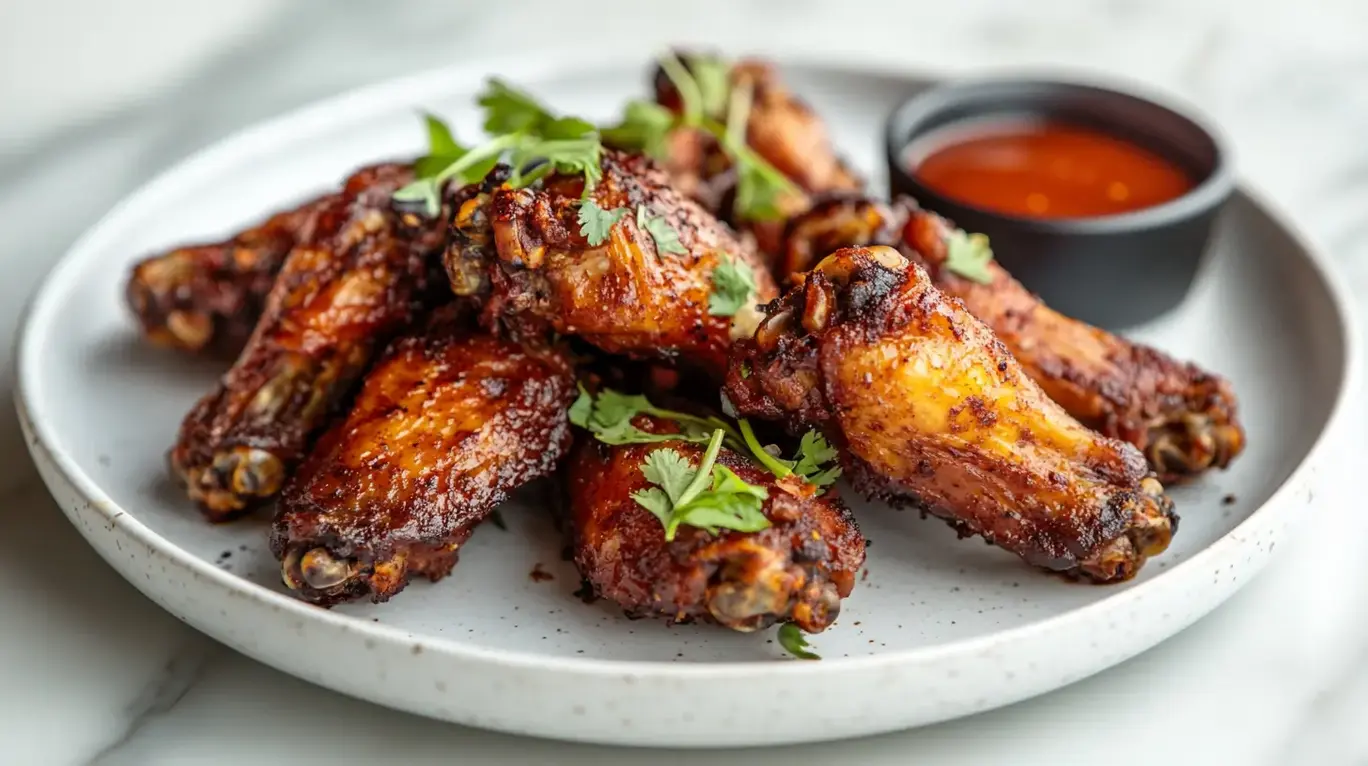
Golden brown, crispy chicken wings served on a platter with dipping sauce.

Frequently Asked Questions (FAQs)

***Can I brine chicken wings that are already frozen?***

It’s best to thaw frozen chicken wings completely before brining. Brining frozen or partially frozen chicken can lead to uneven brining and won’t create the crispy skin you desire.

***How much salt should I use for dry brining chicken wings?***

A good starting point for dry brining is about 1 teaspoon of kosher salt per pound of chicken wings. You can adjust slightly based on your preference, but it’s important not to over-salt.

***Can I re-use brine?***

No, you should never re-use brine that has been in contact with raw meat for food safety reasons.

***Do I need to rinse wings after dry brining?***

No, you do not rinse after dry brining. The salt and its juices are meant to be absorbed back into the meat.

***What’s the difference between wet brining and dry brining for wings?***

Wet brining uses a saltwater solution to infuse moisture and flavor. Dry brining uses salt directly on the surface to draw out moisture initially, then reabsorb it, resulting in a more concentrated flavor and often crispier skin.

Conclusion

Mastering the art of brining chicken wings is a game-changer for any home cook who loves perfectly juicy and intensely flavorful wings. Whether you choose a classic wet brine or opt for the simplicity and crispiness of a dry brine, the process is straightforward and yields outstanding results. Remember to chill your brine, be patient with the timing, and most importantly, dry those wings thoroughly before cooking! Your taste buds (and your guests) will thank you.

Print

clock clock iconcutlery cutlery iconflag flag iconfolder folder iconinstagram instagram iconpinterest pinterest iconfacebook facebook iconprint print iconsquares squares iconheart heart iconheart solid heart solid icon

Brine Chicken Wings: The Ultimate Flavor Hack


  • Author: Chef Sara

Description

✔ Use cold water to prevent bacterial growth.✔ Add aromatics like garlic, citrus, or bay leaves for a deeper flavor.✔ For crispy wings, let them air-dry in the fridge after brining. ✔ Use cold water to prevent bacterial growth.✔ Add aromatics like garlic, citrus, or bay leaves for a deeper flavor.✔ For crispy wings, let them air-dry in the fridge after brining.


Ingredients

Scale
  • 4 cups cold water
  • ¼ cup kosher salt
  • 2 tablespoons sugar (optional, for balance)
  • 1 teaspoon black peppercorns
  • 2 cloves garlic, smashed
  • 1 bay leaf (optional)
  • ½ teaspoon smoked paprika (optional, for extra depth)
  • Juice of ½ lemon or 2 tablespoons apple cider vinegar (optional, for slight tang)

Instructions

    Notes

    ✔ Use cold water to prevent bacterial growth.✔ Add aromatics like garlic, citrus, or bay leaves for a deeper flavor.✔ For crispy wings, let them air-dry in the fridge after brining.
    ✔ Use cold water to prevent bacterial growth.✔ Add aromatics like garlic, citrus, or bay leaves for a deeper flavor.✔ For crispy wings, let them air-dry in the fridge after brining.

    “`

    10 Irresistible Crab Meat Appetizers to Impress Your Guests

    “`html

    10 Irresistible Crab Meat Appetizers to Impress Your Guests

    Are You Ready to Elevate Your Appetizer Game?

    When it comes to hosting, the appetizer is often the unsung hero of the party. It’s the first impression, the conversation starter, and the delicious anticipation of the meal to come. For seafood lovers, few ingredients can pack as much punch and elegance as fresh crab meat. But with so many options, how do you choose crab meat appetizers that are both impressive and easy to prepare? Fear not! We’ve curated a list of 10 irresistible crab meat appetizers that will have your guests raving. From rich and creamy dips to light and refreshing bites, these recipes are designed to be showstoppers, transforming your gathering into an unforgettable culinary experience.

    The Stars of the Show: Premium Crab Meat and Supporting Cast

    The foundation of any great crab meat appetizer is, of course, the crab meat itself. For the most exquisite flavor and texture, we recommend using fresh lump crab meat. Its large, intact pieces deliver a satisfying bite and a pure, sweet crab flavor. If fresh is unavailable, good quality canned or frozen lump crab meat is a fine substitute. Always drain and pick through it carefully to remove any stray shell fragments. Beyond the star, consider these supporting ingredients that will enhance the crab’s natural sweetness:

    • Crab Meat: 1 pound lump crab meat, fresh or good quality canned/frozen, picked over. (Sensory Description: Sweet, briny, delicate chunks of oceanic goodness.)
    • Cream Cheese: 8 ounces, softened. (Sensory Description: Rich, velvety, smooth base for binding ingredients.) (Substitution: Greek yogurt or mascarpone for a lighter, tangier alternative.)
    • Mayonnaise: 1/2 cup, good quality. (Sensory Description: Tangy, creamy binder that adds moisture.) (Substitution: Aioli for an extra garlic kick, or sour cream for lighter texture.)
    • Lemon Juice: 1-2 tablespoons, fresh squeezed. (Sensory Description: Bright, zesty acidity to cut through richness and enhance seafood flavor.)
    • Worcestershire Sauce: 1 teaspoon. (Sensory Description: Umami-rich, complex savory notes.)
    • Dijon Mustard: 1 teaspoon. (Sensory Description: Pungent, slightly spicy kick.) (Substitution: Whole grain mustard for texture.)
    • Old Bay Seasoning: 1/2 teaspoon, or to taste. (Sensory Description: A classic blend of celery salt, paprika, and spices; iconic seafood enhancer.)
    • Fresh Parsley: 2 tablespoons, chopped. (Sensory Description: Fresh, herbaceous, slightly peppery notes for brightness.) (Substitution: Chives or dill.)
    • Garlic: 1 clove, minced (optional). (Sensory Description: Pungent, aromatic depth.)
    • Salt and Black Pepper: To taste. (Sensory Description: Essential enhancers of all flavors.)

    Timing is Everything: Crafting Your Crab Appetizers

    One of the beauties of these crab meat appetizers is their versatility in preparation time. Depending on your chosen recipe, you can whip up a delightful dish in as little as 15 minutes or allow for a bit more hands-on time for something truly elaborate.

    Prep Time: 15 – 30 minutes
    Cook Time: 0 – 20 minutes
    Total Time: 20 – 50 minutes

    Compared to an average appetizer recipe that might require 30-45 minutes of prep and 20-30 minutes of cooking, these crab meat recipes often offer a quicker route to deliciousness, especially no-bake varieties. This makes them ideal for last-minute entertaining or when you want to spend more time mingling with your guests.

    Delicious display of crab meat appetizers

    Step-by-Step: Crafting Culinary Delights

    Let’s dive into the art of creating these fantastic crab meat appetizers. We’ll outline common steps that apply to many variations, focusing on bringing out the best of the crab.

    Step 1: Prepare the Crab

    This is crucial! If you’re using canned or frozen crab meat, ensure it’s thoroughly drained and gently picked over. Carefully remove any shell fragments or cartilage. For fresh crab, a quick inspection is usually all that’s needed. Aim to keep the lumps as intact as possible for the best presentation and texture.

    Step 2: Mix the Base

    In a medium bowl, combine your creamy elements – softened cream cheese, mayonnaise, or Greek yogurt. Add the flavor enhancers: lemon juice, Worcestershire sauce, mustard, Old Bay seasoning, and chopped herbs. If using, add minced garlic. Mix until smooth and well-combined. Taste and adjust seasonings as needed – a pinch of salt and a grind of black pepper can make all the difference!

    Step 3: Assemble and Bake (for hot appetizers)

    Gently fold the prepared crab meat into the creamy base. Be careful not to break up the crab lumps too much. Transfer the mixture to your chosen serving dish (e.g., a small baking dish, ramekins, or hollowed-out bread). For appetizers like crab dip, you’ll bake this until bubbly and golden brown. For stuffed mushrooms or crab cakes, you’ll proceed with forming and cooking.

    Step 4: Garnish and Serve

    Once baked, or for no-bake options, a sprinkle of fresh parsley, chives, or a tiny pinch of paprika adds a professional touch. Serve immediately while warm, or chilled, depending on the recipe.

    Step 5: Chill and Enjoy (for no-bake options)

    Many crab appetizers, like crab salad bites or cold dips, benefit from a chilling period. After mixing, cover the mixture and refrigerate for at least 30 minutes. This allows the flavors to meld beautifully, resulting in a more cohesive and delicious final product. Serve with crackers, bread, or vegetables.

    Step 6: Crisp It Up (for baked options)

    For baked crab appetizers, the goal is a warm, bubbly interior and a slightly golden crust. Bake at around 375°F (190°C) for 10-20 minutes, or until heated through and the top is lightly browned. If you want an extra crisp topping, you can broil for a minute or two at the end, watching very carefully to prevent burning.

    Step 7: Flavor Boost

    Don’t be afraid to experiment with additional flavors! A dash of hot sauce can add a pleasant warmth. A sprinkle of Old Bay or a touch of lemon zest can brighten the flavors. Some recipes even call for a hint of smoked paprika for depth, or a bit of finely diced red onion or celery for crunch.

    Step 8: Plate with Style

    Presentation matters! For dips, serve in attractive bowls or bread bowls. For individual portions, use mini tart shells, cucumber slices, endive spears, or small ramekins. Ensure garnishes are applied thoughtfully for visual appeal.

    Step 9: Personalize Your Appetizer

    Consider your guests’ preferences. Some might enjoy a hint of spice, while others prefer milder flavors. You can serve a spicy crab dip on the side for those who like it hot, or offer a variety of dippers to cater to different tastes.

    Step 10: Texture Twist

    To add an extra layer of texture, consider topping baked appetizers with a sprinkle of panko breadcrumbs mixed with a little melted butter and Old Bay, or some finely grated Parmesan cheese before baking. For cold appetizers, a sprinkle of toasted sesame seeds or chopped nuts can also provide a delightful crunch.

    Nutritional Snapshot

    The nutritional content of crab meat appetizers can vary significantly based on ingredients like cream cheese, mayonnaise, and the amount of crab used. However, a typical serving of a creamy crab dip (approximately 2 tablespoons) might look something like this:

    • Calories: 100-150 kcal
    • Protein: 6-8g
    • Fat: 8-12g
    • Carbohydrates: 2-5g

    Crab meat itself is a good source of lean protein, vitamin B12, selenium, and zinc. The creamy additions contribute to fat content, and serving accompaniments like crackers or bread will add carbohydrates.

    Making it Healthier Without Sacrificing Flavor

    Looking for lighter options? You can easily adapt these recipes:

    • Swap Cream Cheese: Use Neufchâtel cheese or a blend of Neufchâtel and light cream cheese. Even better, substitute a portion (or all) with plain Greek yogurt for a tangy, protein-rich base.
    • Reduce Mayo: Use light mayonnaise or substitute a portion with plain Greek yogurt.
    • Focus on Freshness: Incorporate more finely chopped vegetables like celery, bell peppers, or jicama into your crab mixture for added crunch and nutrients.
    • Baking vs. Frying: Opt for baking or broiling over frying for crab cakes or similar items.
    • Serving Vessels: Serve with crisp vegetable sticks (carrots, cucumbers, bell peppers), whole-grain crackers, or lettuce cups instead of refined bread or chips.

    Serving Suggestions to Wow Your Crowd

    The way you serve your crab meat appetizers can elevate the entire experience. Consider these delightful pairings:

    • Dips: Serve warm crab dip with a variety of crusty bread, pita chips, crackers, and an assortment of fresh vegetables like carrot sticks, celery sticks, mini bell peppers, and cucumber slices.
    • Crab Cakes/Bites: Offer them as standalone finger foods, or serve with a small dollop of remoulade sauce, aioli, or a lemon-dill yogurt sauce on the side.
    • Stuffed Items: For stuffed mushrooms or peppers, individual serving plates are best.
    • Elegant Options: Crab salad served in mini phyllo cups, on cucumber rounds, or in endive spears makes for sophisticated, bite-sized delights.

    Common Mistakes to Avoid

    Even with the best intentions, a few common pitfalls can detract from your crab appetizers:

    • Overmixing: Be gentle when folding in the crab meat, especially lump crab, to maintain its texture and prevent it from becoming mushy.
    • Not Draining Properly: Excess liquid from canned or frozen crab meat can make your appetizer watery and less flavorful.
    • Underseasoning: Crab meat has a delicate flavor that needs proper seasoning to shine. Taste and adjust!
    • Overcooking: This is especially true for baked dips and crab cakes, which can become dry and tough if cooked for too long.
    • Using Low-Quality Crab: While budget-friendly options exist, investing in good quality crab meat (even if it’s canned “special” or “claw” meat) can significantly improve the final dish.

    Storing and Reheating with Confidence

    Proper storage ensures your crab appetizers remain delicious and safe to eat:

    • Refrigeration: Store any leftover crab appetizers in an airtight container in the refrigerator for up to 2-3 days.
    • Reheating Baked Dips: Reheat gently in a moderate oven (around 350°F/175°C) until warmed through. You can also reheat them on the stovetop over low heat, stirring frequently.
    • Reheating Crab Cakes: Reheat in a skillet over medium-low heat with a little oil or butter, or in a moderate oven.
    • Cold Appetizers: Cold dips and crab salad mixtures are best served chilled and can be made ahead and stored in the refrigerator.
    Close-up of a perfectly baked crab meat appetizer

    Frequently Asked Questions

    ***Can I use imitation crab meat?***

    While imitation crab meat can be used in a pinch, it will significantly alter the flavor and texture. Real crab meat offers a sweet, delicate, and oceanic taste that imitation crab cannot replicate. For best results, use real crab meat.

    ***How do I ensure my crab cakes hold together?***

    Overmixing can break down the crab lumps, leading to crumbly cakes. Ensure your binder (like egg, mayonnaise, or breadcrumbs) is well-distributed, and don’t be afraid to chill the mixture before forming patties. This helps them firm up.

    ***Can I make crab appetizers ahead of time?***

    Yes, many crab appetizers can be made ahead! Dips can often be assembled and refrigerated before baking. Crab cake mixtures can be prepared and chilled. However, for optimal freshness and texture, it’s best to bake or assemble final elements like garnishes just before serving.

    ***What is the best way to pick crab meat?***

    Gently flake the crab meat with your fingers or a fork, carefully separating the meat from any shell or cartilage. Try to keep larger pieces intact for lump crab meat. A small bowl to collect any shell fragments is helpful.

    Impress with Every Bite

    These 10 irresistible crab meat appetizers offer a delightful array of flavors and textures, proving that impressive entertaining can be both achievable and delicious. Whether you’re hosting a formal dinner party, a casual get-together, or a holiday gathering, these recipes are sure to be a hit. So, gather your ingredients, get creative in the kitchen, and prepare to be showered with compliments. Which crab meat appetizer will you try first?

    Print

    clock clock iconcutlery cutlery iconflag flag iconfolder folder iconinstagram instagram iconpinterest pinterest iconfacebook facebook iconprint print iconsquares squares iconheart heart iconheart solid heart solid icon

    10 Crab Meat Appetizers You’ll Absolutely Love


    • Author: Chef Sara

    Description

    Explore 10 Crab Meat Appetizers that are easy to make and full of flavor, including crab cakes, sliders, dips, and more. Perfect for any gathering!”


    Ingredients

    • Crab meat (fresh, canned, or imitation)
    • Fresh herbs (parsley, cilantro, chives)
    • Cheese (cream cheese, cheddar, Parmesan)
    • Wonton wrappers or puff pastry
    • Various spices (garlic, chili flakes, paprika)
    • Vegetables (jalapeños, avocado, lettuce, etc.)
    • Tortilla chips, crackers, or crostini for serving

    Instructions

    1. Prepare the Crab: Use fresh, lump crab meat or your preferred option
    2. Combine Ingredients: Mix with herbs, spices, and cheeses depending on the dish (e.g., crab cakes, stuffed mushrooms).
    3. Assemble: Fill mushrooms, jalapeños, or crostini with crab mixture.
    4. Cook: Bake, fry, or broil as needed for crispy, golden results.
    5. Serve: Garnish with fresh herbs, dips, or sauces as desired.

    Notes

    Serve with tangy dipping sauces (e.g., spicy mayo, cocktail sauce).Pair with fresh lime wedges or a sprinkle of fresh herbs.


    “`

    Easy Crockpot Steak and Potatoes: Your New Favorite Comfort Meal

    Here’s the generated recipe article in clean, Gutenberg-compatible HTML, styled for spicemingle.com:

    “`html

    Easy Crockpot Steak and Potatoes: Your New Favorite Comfort Meal

    Are you looking for a dinner that practically cooks itself, delivering maximum flavor with minimal effort?

    In today’s fast-paced world, finding time to whip up a delicious, home-cooked meal can feel like a luxury. Especially when it comes to hearty, comforting dishes that warm you from the inside out. What if I told you that you could have incredibly tender, juicy steak and perfectly cooked, buttery potatoes, all made with the magic of your slow cooker? This Easy Crockpot Steak and Potatoes recipe is your answer. It’s designed for simplicity, allowing you to toss ingredients in the morning and come home to a meal that’s ready to impress. Say goodbye to weeknight dinner stress and hello to your new favorite comfort food that requires virtually no culinary gymnastics.

    Ingredients for Your Ultimate Comfort Meal

    The beauty of this crockpot dish lies in its straightforward ingredient list, focusing on quality and flavor. The ingredients meld together beautifully, creating a cohesive and satisfying meal.

    Main Components

    • 1.5 – 2 lbs Beef Chuck Roast or Sirloin Steak: Look for a well-marbled cut for maximum tenderness. Chuck roast is economical and becomes incredibly succulent in the slow cooker, while sirloin offers a slightly leaner, richer beef flavor.
    • 1.5 lbs Yukon Gold Potatoes: These creamy, buttery potatoes hold their shape beautifully and absorb all the delicious flavors. Their slightly waxy texture is perfect for slow cooking.
    • 1 lb Baby Carrots (optional): For an extra touch of sweetness and color. If using larger carrots, chop them into bite-sized pieces.

    Flavor Boosters

    • 1 Large Onion, sliced: A sweet yellow or white onion adds a foundational savory depth.
    • 3-4 cloves Garlic, minced: The aromatic backbone of many great dishes. Freshly minced garlic offers the most potent flavor.
    • 1 tsp Dried Thyme: Its earthy, slightly minty notes are a classic pairing with beef.
    • 1 tsp Dried Rosemary: Adds a robust, pine-like aroma that complements the beef perfectly.
    • 1/2 tsp Black Pepper, freshly ground: For a pungent kick. Freshly ground pepper makes all the difference.
    • 1 tsp Salt (or to taste): Essential for bringing out all the flavors.
    • 1 tbsp Worcestershire Sauce: This umami-rich condiment adds a subtle tang and deep savory complexity.

    Liquid and Binder

    • 1 cup Beef Broth: Use a good quality broth for the best flavor base.
    • 2 tbsp All-Purpose Flour or Cornstarch (for thickening): This helps create a rich, gravy-like sauce at the end.

    Optional Garnish

    • Fresh Parsley, chopped: Adds a pop of freshness and color.

    Timing is Everything: Perfectly Cooked in No Time

    Prep Time: 15 minutes
    Cook Time: 4-6 hours (on Low) or 3-4 hours (on High)
    Total Time: Approximately 4-6 hours
    Average Recipe Time: 45-75 minutes (active cooking/prep)

    This crockpot recipe significantly reduces active cooking time compared to traditional methods. While prep is minimal, the slow, gentle cooking allows the flavors to deepen and the meat to become incredibly tender, a process that simply cannot be rushed. It’s ideal for those days when you have busy mornings or afternoon commitments, yet still crave a wholesome, delicious dinner.

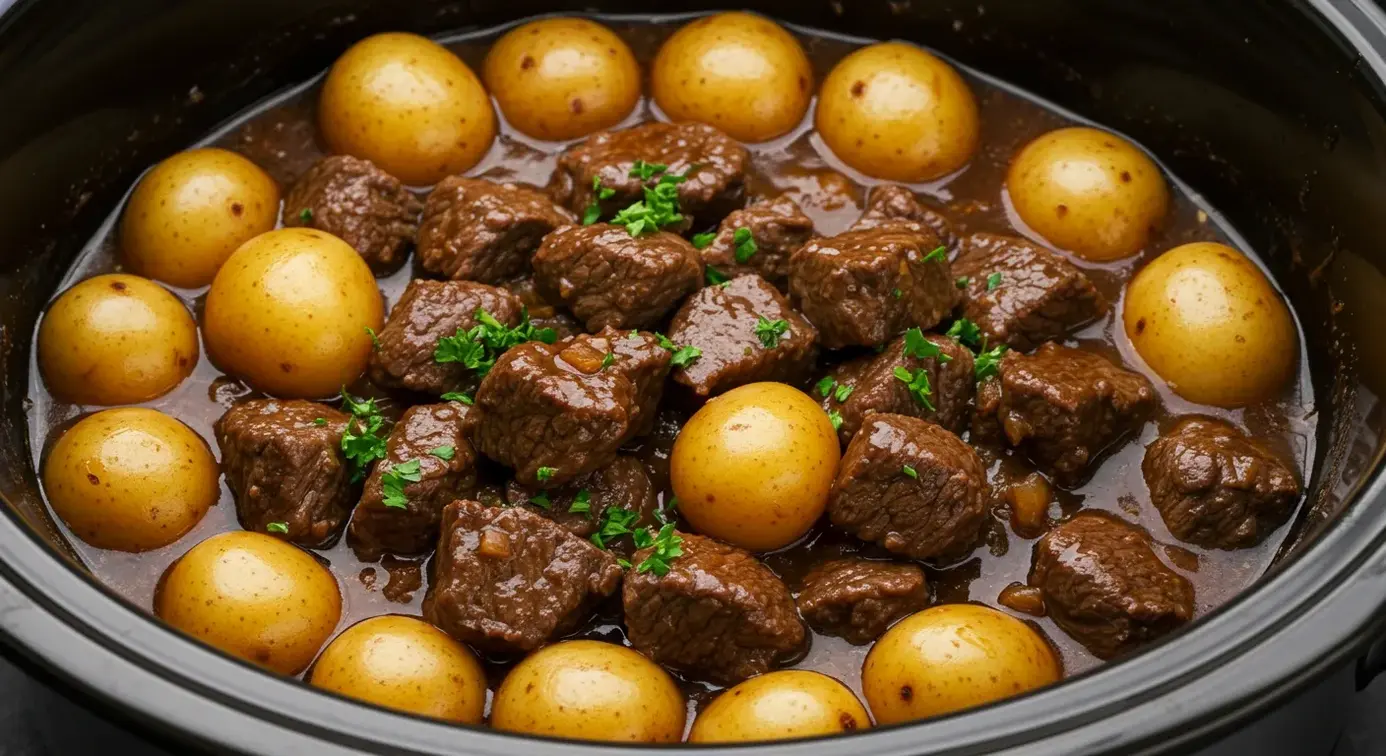
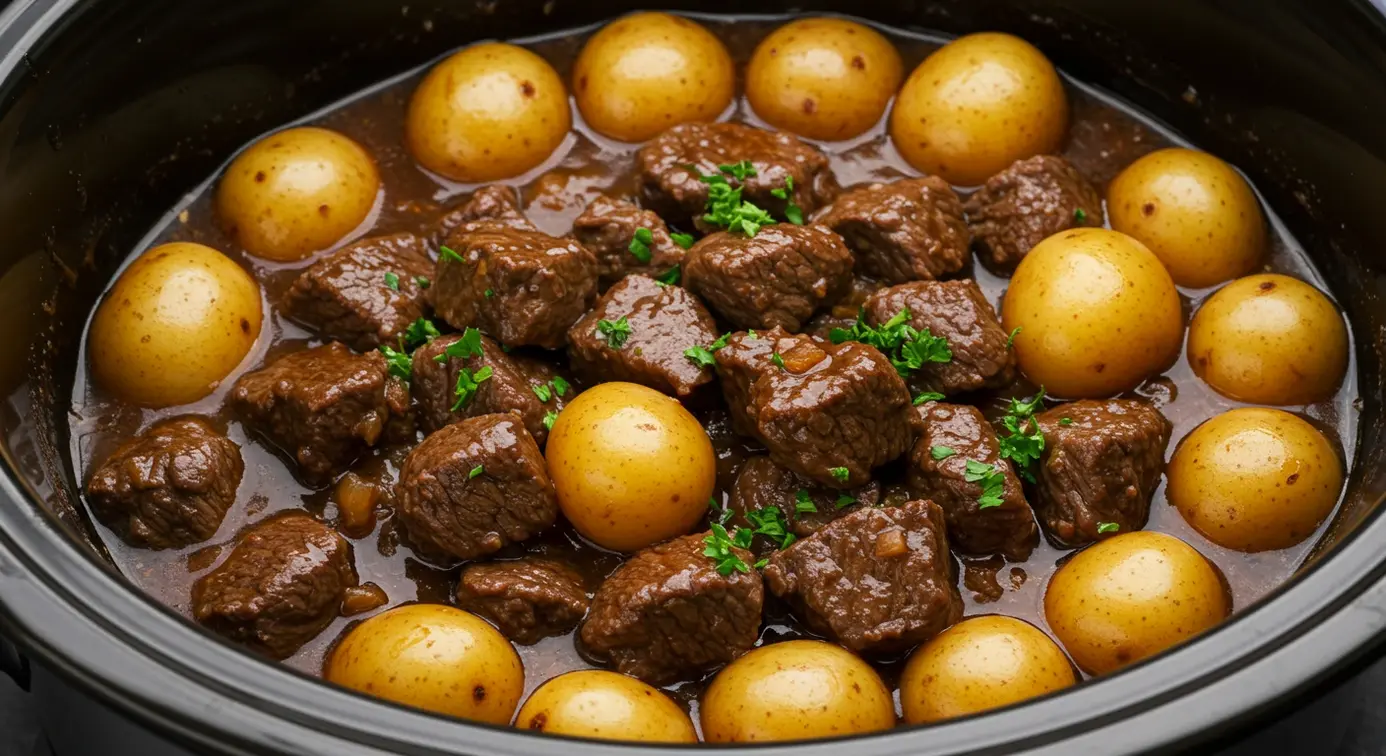
    Crockpot steak and potatoes in the slow cooker

    Step-by-Step Instructions: Simple Perfection

    Follow these simple steps to create a meal that’s as easy as it is delicious. Trust the process, and your slow cooker will do the heavy lifting!

    Step 1: Prep Your Veggies

    If you’re using larger potatoes, chop them into roughly 1.5-inch chunks. You want them to be large enough to withstand the long cooking time without turning to mush. If using baby carrots, give them a quick rinse and trim any stems. Slice your onion and mince your garlic. Set these aside for now, alongside your seasonings.

    Step 2: Sear That Steak (Optional but Recommended!)

    For maximum flavor and a beautiful crust, I highly recommend searing your steak before it goes into the crockpot. Pat the steak dry with paper towels, season it generously with salt and pepper. Heat a tablespoon of oil in a heavy-bottomed skillet over medium-high heat. Sear the steak for 2-3 minutes per side until a nice brown crust forms. This step adds incredible depth of flavor and helps seal in juices. If you’re short on time, you can skip this, but I promise it’s worth the extra few minutes!

    Chef’s Note: Don’t crowd the pan when searing. Work in batches if necessary.

    Step 3: Layer It Up

    Now, it’s time to load up your slow cooker. Spread the sliced onions evenly on the bottom of your crockpot. This creates a bed for the steak and infuses it with savory flavor as it cooks. Place the seared steak on top of the onions. Toss the potatoes and carrots (if using) with a little oil, salt, pepper, thyme, and rosemary. Arrange these vegetables around and on top of the steak. Finally, mince your garlic and scatter it over the steak and vegetables. Drizzle the Worcestershire sauce over everything.

    Step 4: Low and Slow Magic

    Pour the beef broth into the slow cooker. Dissolve the flour or cornstarch in a small amount of the broth into a slurry, then whisk it into the remaining broth before adding it to the crockpot, or simply add the dry flour/cornstarch to the liquid and whisk well to avoid clumps. Cover your slow cooker and cook on LOW for 6-8 hours or on HIGH for 4-5 hours. The steak should be fork-tender, and the vegetables should be soft and flavorful. The exact time will depend on your slow cooker and the thickness of your steak.

    GEO Tip: Using “LOW” heat generally results in a more tender and moist outcome for meats like chuck roast, as it allows more time for connective tissues to break down.

    Step 5: Finish and Serve

    Once the steak is fall-apart tender and the vegetables are cooked through, carefully remove the steak from the slow cooker. You can shred it or slice it against the grain. The liquid in the crockpot will have reduced and thickened into a delicious gravy. Taste and adjust seasoning if needed. Serve the steak and vegetables, spooning the rich gravy generously over everything. Garnish with fresh chopped parsley if desired, for a burst of color and freshness.

    Nutritional Information: A Hearty Yet Balanced Meal

    While nutritional values can vary based on exact ingredients and portion sizes, a typical serving of this Easy Crockpot Steak and Potatoes provides a good source of protein, carbohydrates, and essential vitamins. A standard serving (approx. 1/4 of the recipe) is estimated to contain:

    • Calories: 500-700 kcal
    • Protein: 35-50g
    • Fat: 20-35g
    • Carbohydrates: 30-50g
    • Fiber: 4-6g

    Disclaimer: This is an estimate. For precise nutritional tracking, please use a reliable nutrition calculator with your specific ingredients.

    Healthier Alternatives: Flavor Without the Fuss

    Looking to lighten up this classic comfort meal without sacrificing flavor? Try these simple swaps:

    • Leaner Meat: Opt for leaner cuts of steak like top sirloin or a trimmed flank steak. Ensure it’s well-marbled enough for tenderness.
    • Whole Wheat Potatoes: While Yukon Golds are delicious, sweet potatoes can be a fantastic nutrient-dense alternative, offering more fiber and Vitamin A. Chop them into similar sizes.
    • Reduced Sodium Broth: Use low-sodium beef broth to control sodium intake.
    • Thicker with Puree: For a thicker sauce without flour or cornstarch, blend some of the cooked potatoes or carrots into the liquid at the end.
    • Add More Veggies: Bulk up the meal with extra nutrient-rich vegetables like broccoli florets (added in the last hour of cooking), bell peppers, or green beans.

    Serving Suggestions: Elevate Your Plate

    This hearty dish is a meal in itself, but here are a few ideas to complement it:

    • Simple Side Salad: A crisp green salad with a light vinaigrette provides a refreshing contrast.
    • Crusty Bread: Perfect for sopping up that delicious gravy.
    • Steamed Green Beans or Asparagus: Adds extra freshness and a bit of crunch.
    • A dollop of Sour Cream or Greek Yogurt: For a creamy, tangy topping.

    Common Mistakes to Avoid

    • Not Searing the Steak: While optional, skipping this step means missing out on a significant depth of flavor and texture.
    • Overcrowding the Crockpot: If your slow cooker is too full, the food won’t cook evenly. Use the appropriate size for your ingredients.
    • Cutting Potatoes Too Small: They can turn into mush if cut too small. Aim for a consistent, larger chunk.
    • Opening the Lid Too Often: Each time you lift the lid, you release heat, prolonging the cooking time. Resist the urge to peek!
    • Not Tasting and Adjusting Seasoning: Always taste your gravy at the end and add more salt, pepper, or herbs as needed.

    Storing Tips: Enjoy Leftovers

    This dish reheats beautifully, making it perfect for meal prep. Store any leftovers in an airtight container in the refrigerator for up to 3-4 days. To reheat, you can gently warm it in a saucepan on the stovetop over low heat, adding a splash of broth or water if needed to loosen the sauce. Alternatively, microwave individual portions until heated through. The flavors often meld even further overnight!

    Close up of tender steak and potatoes in a bowl with gravy

    FAQs

    ***What is the best cut of beef for Crockpot Steak and Potatoes?***

    Chuck roast is a fantastic and economical choice because its marbling breaks down beautifully during slow cooking, resulting in incredibly tender, melt-in-your-mouth steak. If you prefer a leaner option, well-marbled sirloin steak also works well.

    ***Can I use different vegetables?***

    Absolutely! Feel free to add or substitute vegetables like parsnips, sweet potatoes, celery, mushrooms, or bell peppers. Just ensure they are cut into appropriate sizes for even cooking.

    ***My gravy isn’t thick enough. What should I do?***

    If your gravy isn’t as thick as you’d like after cooking, you can create a slurry with 1 tablespoon of cornstarch or flour mixed with 2-3 tablespoons of cold water. Stir this mixture into the hot liquid in the crockpot on HIGH heat (if your slow cooker has this setting before serving) or transfer the liquid to a saucepan and simmer until thickened.

    ***Can I prepare this recipe ahead of time?***

    Yes! You can chop your vegetables and sear your steak the night before and store them separately in the refrigerator. In the morning, simply assemble everything in the slow cooker. For even more convenience, you can assemble the entire dish (minus any fresh garnishes) the night before and place it in the refrigerator, then turn it on in the morning.

    ***How do I prevent the potatoes from getting mushy?***

    Cutting the potatoes into larger, 1.5-inch cubes is key. Also, ensure you are using Yukon Golds or red potatoes, which tend to hold their shape better than starchy varieties like Russets. Cooking time may also need slight adjustment based on your cooker; check for tenderness towards the end of the suggested cooking period.

    Print
    clock clock iconcutlery cutlery iconflag flag iconfolder folder iconinstagram instagram iconpinterest pinterest iconfacebook facebook iconprint print iconsquares squares iconheart heart iconheart solid heart solid icon

    Easy Crockpot Steak and Potatoes: Your New Favorite Comfort Meal


    • Author: Chef Sara

    Description

    For extra flavor, try adding a splash of red wine to the broth.You can substitute baby potatoes for russet potatoes if preferred.Add vegetables like carrots or green beans for more variety.


    Ingredients

    Scale
    • 4 boneless steaks (your choice: sirloin, ribeye, etc.)
    • 4 large russet potatoes, peeled and cubed
    • 1 medium onion, chopped
    • 3 cloves garlic, minced
    • 1 cup beef broth
    • 1/4 cup Worcestershire sauce
    • 1 tablespoon olive oil
    • 1 teaspoon salt
    • 1/2 teaspoon black pepper
    • 1 teaspoon dried thyme
    • 1/2 teaspoon dried rosemary
    • 1 tablespoon cornstarch (optional for thickening)

    Instructions

      Notes

      For extra flavor, try adding a splash of red wine to the broth.You can substitute baby potatoes for russet potatoes if preferred.Add vegetables like carrots or green beans for more variety.

      Nutrition

      • Calories: 400
      • Carbohydrates: 32g
      • Protein: 36g

      “`

      7 Gourmet Raw Meat Appetizers to Impress

      “`html

      7 Gourmet Raw Meat Appetizers to Impress

      Impress Your Guests with These Elegant Raw Meat Appetizers

      Are you looking to elevate your entertaining game and wow your guests with sophisticated starters? In a world where appetizers often lean towards the predictable, a truly exceptional dish can be a conversation starter and a memorable highlight. We’re talking about the art of the raw meat appetizer – dishes that celebrate the pristine quality and inherent flavors of premium ingredients. Forget any hesitations; these 7 gourmet raw meat appetizers are designed to be both approachable and astonishing, transforming simple, high-quality meats into edible masterpieces. From the classic allure of beef tartare to the delicate artistry of salmon crudo and the vibrant elegance of carpaccio, each recipe is a testament to how simplicity, when executed with care and creativity, can achieve unparalleled gourmet status. Get ready to discover how to perfectly plate and season these dishes, highlighting the essence of freshness and quality that will leave your guests truly impressed and utterly delighted. Each bite promises a journey of bold yet balanced flavors, proving that raw can indeed be remarkably refined.

      The Foundation of Flavor: High-Quality Ingredients

      The success of any raw meat appetizer hinges on the absolute quality and freshness of the primary ingredients. Think of them as the canvas upon which you’ll paint your culinary masterpiece. We believe in selecting the finest cuts, ensuring they are handled with the utmost care and hygiene. For these recipes, opt for meats and fish that are specifically designated for raw consumption and sourced from reputable suppliers. A slightly marbled cut of beef, for instance, offers tenderness and a rich, buttery mouthfeel, while very fresh, sushi-grade salmon provides a delicate, oceanic sweetness.

      Key Ingredients & Sensory Notes:

      • Beef Tenderloin/Sirloin (for Tartare & Carpaccio): Look for a deep, ruby-red color, firm texture, and minimal connective tissue. It should smell clean and fresh, with no off-putting odors. This cut provides a tender, yielding bite that absorbs flavors beautifully.
      • Sushi-Grade Salmon/Tuna (for Crudo & Sashimi): The flesh should be vibrant in color (bright orange-pink for salmon, deep red for tuna) and plump. It should feel moist but not slimy. The aroma should be faintly oceanic, never fishy. This offers a melt-in-your-mouth texture and a delicate, pure flavor.
      • High-Quality Olive Oil: Extra virgin olive oil with a fruity, peppery profile is essential. It should be robust enough to stand up to the meat but not so overpowering that it masks the natural flavors.
      • Fresh Herbs (Parsley, Chives, Dill): Bright green, crisp, and fragrant. These add pops of freshness and herbaceous notes that cut through the richness.
      • Citrus (Lemon, Lime): Zesty and aromatic when zested or juiced. The acidity brightens flavors and can “cook” the fish slightly in crudo preparations.
      • Seasonings (Sea Salt, Freshly Cracked Black Pepper, Capers, Shallots): Flaky sea salt provides a pleasant textural contrast. Coarsely ground black pepper liberates its pungent aromas. Fine brunoised shallots offer a mild, sweet oniony bite, and capers add a briny, salty tang.
      • Optional Enhancers (Dijon Mustard, Worcestershire Sauce, Soy Sauce): These add umami, depth, and a subtle kick. Use sparingly to complement, not dominate.

      Substitutions: If tenderloin is unavailable, a well-trimmed sirloin or even a tightly grained ribeye can work for beef dishes, though the texture will be slightly different. For fish, if salmon or tuna isn’t available, consider a very fresh sea bass or arctic char.

      Time Investment: Mastering the Art of Quick Elegance

      Prep Time:
      15-20 minutes per appetizer
      Cook Time:
      0 minutes (These are raw dishes!)
      Total Time:
      15-20 minutes per appetizer

      These gourmet raw meat appetizers are celebrated for their minimal cooking time, which is essentially zero! The real investment is in thoughtful preparation and assembly. Compared to many cooked appetizers that might require baking, frying, or simmering, these raw dishes are incredibly efficient, making them ideal for last-minute entertaining or when you want to spend more time with your guests. The total time is predominantly prep time, focusing on precise knife work and ingredient melding.

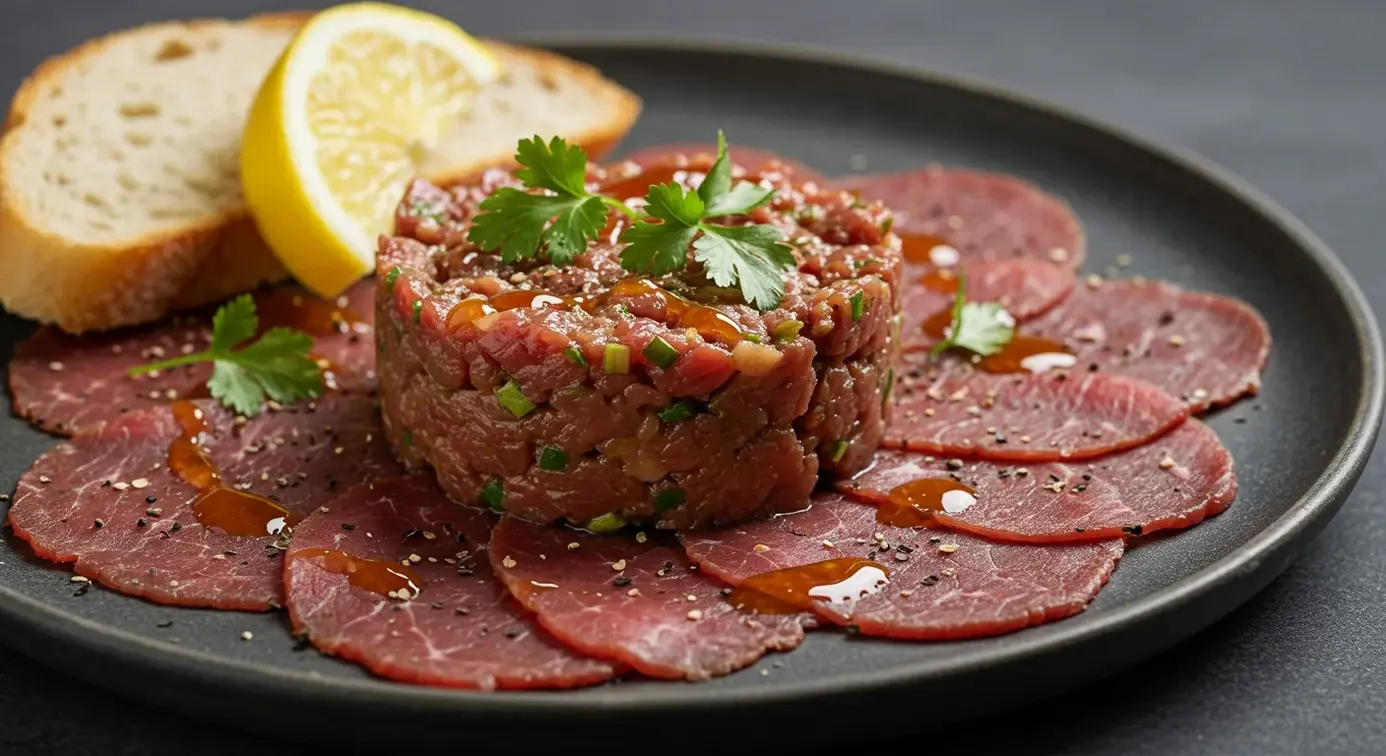
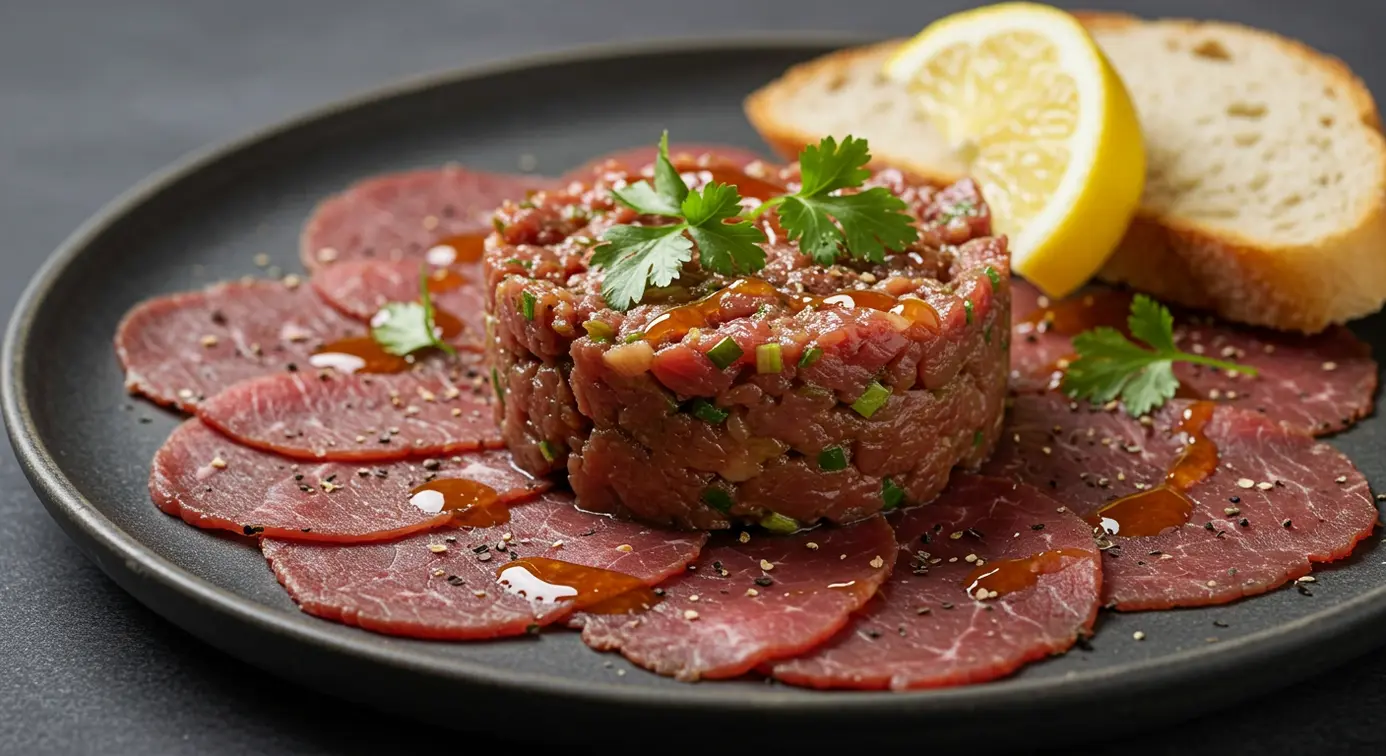
      A beautifully plated assortment of gourmet raw meat appetizers, showcasing vibrant colors and fresh ingredients.

      Crafting Culinary Excellence: Your Step-by-Step Guide

      Step 1: Prep the Meat

      Begin by ensuring your workspace and knife are impeccably clean. For beef, trim away any visible fat or connective tissue. For fish, ensure it’s been properly cleaned and any bones or skin removed. The key here is precise knife work. For tartare and carpaccio, you’ll want to very finely mince the beef – aim for a texture that’s almost paste-like but still retains some definition, not ground meat. A sharp chef’s knife is your best friend. For crudo and sashimi, slice the fish against the grain into uniform, thin pieces, about 1/4 inch thick. Rapidity and coldness are crucial; keep the meat chilled in the refrigerator until the moment of preparation to maintain its texture and safety.

      Step 2: Create the Tartare

      In a chilled bowl, combine your finely minced beef with finely minced shallots, capers (drained and roughly chopped), a touch of Dijon mustard, a dash of Worcestershire sauce, and finely chopped fresh parsley. Drizzle generously with high-quality olive oil and season with flaky sea salt and freshly cracked black pepper. Gently mix everything together. Taste and adjust seasoning as needed. The goal is a harmonious blend where no single flavor dominates, but all elements complement the beef. Avoid overmixing, which can make the meat mushy.

      Step 3: Assemble the Carpaccio

      Arrange the thinly sliced beef on a chilled serving plate in a single layer, slightly overlapping the slices. Drizzle generously with a fruity extra virgin olive oil. Squeeze fresh lemon juice over the top. Season with flaky sea salt and freshly cracked black pepper. For a classic touch, add a few capers and finely shaved Parmesan cheese. Some variations include a light arugula salad dressed with lemon vinaigrette placed in the center or alongside.

      Step 4: Prepare the Crudo

      Arrange your thinly sliced sushi-grade fish (e.g., salmon) on a chilled plate. Drizzle with a high-quality olive oil. Squeeze fresh lime or lemon juice over the fish – just enough to brighten the flavors without “cooking” through. Garnish with delicate herbs like dill or chives. A sprinkle of flaky sea salt and a very light dusting of white pepper (or a pinch of chili flakes for a little heat) is all that’s needed to enhance the fish’s natural sweetness. The presentation should be light and airy, letting the fish shine.

      Step 5: Craft the Sashimi Rolls

      Take thin slices of your sushi-grade tuna or salmon. In the center of each slice, place a small amount of finely julienned cucumber, avocado, or a tiny dollop of spicy mayo (if using). Carefully roll the fish around the filling to create elegant little parcels. Arrange these rolls on a serving platter. You can serve them simply with a small dish of soy sauce and a dab of wasabi, or drizzle with a light ponzu sauce and garnish with toasted sesame seeds.

      Step 6: Flavor the Steak Tartare Bites

      For individual bites, use a ring mold. Press a portion of your already prepared steak tartare mixture into the mold on a small serving spoon or crostini. Top with a quail egg yolk, a small sprig of dill, or a single caper for visual appeal and a burst of flavor. The idea is a concentrated, perfectly proportioned taste of tartare.

      Step 7: Finish the Ossetra Caviar Spoon

      This is the epitome of luxury. For a truly decadent appetizer, take a tasting spoon (often called a caviar spoon). Place a small, perfect tablespoon of sushi-grade raw scallop or sea bass thinly sliced on the spoon. Top it with a glistening dollop of high-quality Ossetra caviar. A tiny micro-green or a single edible flower petal can add a touch of visual elegance. The raw seafood provides a delicate, briny base that perfectly complements the rich, salty pop of the caviar.

      Nutritional Snapshot (Per Serving, Estimated)

      Please note: Nutritional information can vary significantly based on specific ingredients, portion sizes, and added components. These are general estimates for common preparations.

      • Calories: 150-250 kcal (depending on fat content of meat/fish and oil used)
      • Protein: 15-20g
      • Fat: 10-15g (mostly healthy unsaturated fats from fish and olive oil)
      • Carbohydrates: 2-5g (primarily from small amounts of shallots, capers)

      These appetizers are generally low in carbohydrates and rich in high-quality protein and essential fatty acids, especially those featuring fish.

      Healthier Twists to Preserve Flavor

      Concerned about richness or want to adapt these for lighter palates? Here are some swaps:

      • Reduced Oil: Use a good quality, light olive oil or even a spray oil for a very fine mist. A little goes a long way in enhancing flavor.
      • Herb Power: Amp up the fresh herbs. Finely chopped cilantro, mint, or basil can add immense flavor without extra fat or calories.
      • Citrus Zing: Increase the amount of lemon or lime juice and zest. Their bright acidity can replace some of the richness and fat.
      • Vegetable Accents: Incorporate finely diced, crisp vegetables like bell peppers, cucumber, or radishes for texture and freshness without adding significant calories.
      • Leaner Meats: If making beef tartare, opt for leaner cuts of beef, though this might slightly affect the moistness.

      Elevating the Presentation: Serving Ideas

      Presentation is paramount for these exquisite appetizers. Aim for small, elegant portions:

      • Chilled Plates: Always serve on pre-chilled plates or spoons to maintain the optimal temperature and texture.
      • Garnishes Galore: Use fresh herbs, edible flowers, microgreens, a sprinkle of toasted sesame seeds, or a drizzle of vibrant herb oil to add color and visual appeal.
      • Accompaniments: Serve carpaccio with thin slices of crusty baguette or artisanal crackers. Tartare can be presented on crostini, small toast points, or even crisp lettuce cups for a gluten-free option.
      • Individual Servings: Consider individual portions using ring molds for tartare or arranging crudo artfully on small plates.
      • Wine Pairing: Crisp white wines like Sauvignon Blanc or Pinot Grigio, or a light-bodied red like Pinot Noir, often pair beautifully with these dishes.

      Common Pitfalls and How to Sidestep Them

      • Ingredient Quality: Never compromise on the quality or freshness of the raw ingredients. This is non-negotiable for safety and taste.
      • Temperature: Keep all ingredients, bowls, and serving dishes very cold. Warm ingredients can negatively impact texture and safety.
      • Over-Seasoning: Taste as you go. The goal is to enhance, not mask, the natural, delicate flavors of the meat or fish.
      • Over-Mixing: For tartares, excessive mixing can make the texture mushy and unappealing. Gentle folding is key.
      • Improper Cutting: Dull knives lead to shredded meat, which affects texture. Invest in a sharp chef’s knife and practice precise mincing or slicing.
      • Ignoring Food Safety: Ensure excellent hygiene throughout the preparation process.

      Best Practices for Storing Raw Appetizers

      Raw meat and fish appetizers are best prepared just before serving. However, if you must prepare elements in advance:

      • Prep Ingredients Separately: Dice vegetables and herbs, and prepare sauces or dressings ahead of time. Store them separately and chilled.
      • Chop Meat/Fish Last: The meat or fish should be diced or sliced as close to serving time as possible for optimal texture and safety.
      • Refrigerate Immediately: Once assembled, raw appetizers should be refrigerated immediately and consumed within 1-2 hours. Do not store assembled raw meat dishes overnight.
      • Never Freeze: Freezing raw meat or fish intended for immediate consumption can alter its texture and quality significantly.
      A close-up shot of a beautifully presented beef tartare appetizer, with a quail egg yolk on top.

      Frequently Asked Questions

      ***Is it safe to eat raw meat and fish?***

      Yes, when sourced from reputable suppliers with strict handling and hygiene standards, and when prepared correctly just before serving, it is safe. “Sushi-grade” or “sashimi-grade” are terms indicating that the fish is of high enough quality and has been handled in a way that makes it suitable for raw consumption. For beef, opt for high-quality cuts from trusted butchers.

      ***What is the difference between tartare, carpaccio, and crudo?***

      Tartare: Finely minced or chopped raw meat (usually beef), mixed with various seasonings and often a binder like egg yolk. Carpaccio: Very thinly sliced raw meat (typically beef), served plain or with simple accompaniments like olive oil, lemon, and Parmesan. Crudo: Italian for “raw,” referring to very thinly sliced raw fish or seafood, usually dressed simply with olive oil, citrus, and herbs.

      ***Can I use frozen meat for these appetizers?***

      It’s generally best to use fresh, never-frozen, high-quality meat/fish for these dishes. Freezing can alter the texture, making it mushy or watery after thawing, which is undesirable for raw preparations.

      ***How can I ensure my raw meat/fish is safe?***

      Always purchase from a trusted source. Follow strict hygiene practices (clean hands, knives, and surfaces). Keep ingredients very cold until the moment of preparation and serve immediately. Avoid cross-contamination with other foods.

      ***What are the best cuts of beef for tartare or carpaccio?***

      For beef tartare and carpaccio, traditionally, tenderloin (filet mignon) is preferred for its extreme tenderness and mild flavor. Well-trimmed sirloin or even ribeye can also be used, but ensure any fat or connective tissue is meticulously removed.

      ***Do I need to add an egg yolk to my tartare?***

      A raw egg yolk is traditional in many beef tartare recipes as it acts as a binder and adds richness. However, due to food safety concerns for some, it’s optional. You can omit it or use a pasteurized egg yolk if concerned. The tartare will still be delicious!

      Your Next Entertaining Triumph Awaits

      Mastering these gourmet raw meat and fish appetizers is about embracing freshness, respecting pristine ingredients, and applying elegant simplicity. From the robust flavors of beef tartare to the delicate nuances of salmon crudo, these dishes are not just appetizers; they are culinary statements that speak of sophistication and discerning taste. They require minimal cooking time but deliver maximum impact, ensuring your guests are not only satisfied but genuinely amazed. So gather your highest quality ingredients, sharpen your knives, and prepare to impress. These 7 recipes are your gateway to hosting unforgettable occasions. What are you waiting for? Dive into the world of refined raw cuisine and make your next gathering a resounding success!

      Print
      clock clock iconcutlery cutlery iconflag flag iconfolder folder iconinstagram instagram iconpinterest pinterest iconfacebook facebook iconprint print iconsquares squares iconheart heart iconheart solid heart solid icon

      Raw Meat Appetizers: Exciting Flavors You’ll Crave


      • Author: Chef Sara

      Description

      Make sure to use fresh, high-quality beef to ensure safety and the best flavor.This dish can be served withcrusty breador paired with a light white wine, such as Sauvignon Blanc.Adjust seasoning to your taste, adding more capers or parmesan if desired.


      Ingredients

      Scale
      • 8 oz high-quality beef tenderloin or sirloin, thinly sliced
      • 2 tbsp olive oil
      • 1 tbsp fresh lemon juice
      • 1 tbsp capers
      • 1/4 cup fresh arugula
      • 1/4 cup shaved parmesan cheese
      • Salt and pepper to taste
      • Optional: balsamic glaze or truffle oil for drizzling

      Instructions

        Notes

        Make sure to use fresh, high-quality beef to ensure safety and the best flavor.This dish can be served withcrusty breador paired with a light white wine, such as Sauvignon Blanc.Adjust seasoning to your taste, adding more capers or parmesan if desired.

        “`

        How to Make the Ultimate Salmon Rice Bowl

        “`html

        How to Make the Ultimate Salmon Rice Bowl

        Why You Need This Salmon Rice Bowl in Your Life

        Are you tired of the same old weeknight dinners? Do you find yourself scrolling endlessly for a meal that’s both incredibly satisfying and good for you? If the answer is a resounding “yes,” then you’ve landed in the right place! The ultimate Salmon Rice Bowl is more than just a meal; it’s a vibrant, flavorful experience that caters to your health and your taste buds. In a world where busy schedules often dictate our meal choices, this recipe offers a beacon of hope: a delicious, nutritious, and remarkably easy-to-make dish that can be on your table in under an hour. Salmon, a powerhouse of omega-3 fatty acids, paired with fluffy rice and a medley of fresh, crisp vegetables, creates a symphony of textures and tastes that will leave you feeling energized and completely content. This isn’t just another recipe; it’s your new go-to for a satisfying lunch or a delightful dinner that proves healthy eating can be exciting and utterly delicious.

        Ingredients for the Ultimate Salmon Rice Bowl

        The beauty of a rice bowl lies in its customizability, but here’s a foundation that sings with flavor and nutrition. Think of these as starting points, ready for your personal touch!

        For the Salmon:

        • Salmon Fillets: 2 (6-ounce) boneless, skin-on or skinless salmon fillets. Look for vibrant, firm flesh with a fresh ocean scent. Skin-on helps keep it moist!
        • Olive Oil: 1 tablespoon. A good quality extra virgin olive oil adds a lovely fruity note.
        • Soy Sauce (or Tamari for gluten-free): 2 tablespoons. The umami powerhouse! You can also use coconut aminos for a soy-free option.
        • Honey (or Maple Syrup): 1 tablespoon. For a touch of sweetness that caramelizes beautifully.
        • Garlic: 2 cloves, minced. Freshly minced garlic offers the most pungent punch.
        • Ginger: 1 teaspoon, grated. Fresh ginger adds warmth and a zesty kick.
        • Black Pepper: ½ teaspoon, freshly ground. Adds a subtle bite.

        For the Rice:

        • Rice: 1 cup uncooked sushi rice, jasmine rice, or brown rice. Sushi rice offers a slightly sticky texture perfect for bowls. Brown rice adds extra fiber and a nutty flavor.
        • Water: As per rice package instructions (usually about 1.5 to 2 cups).
        • Salt: ½ teaspoon, to taste. Enhances the natural flavor of the rice.

        For the Veggies and Toppings (Customize to your heart’s content!):

        • Avocado: 1 ripe avocado, sliced. Creamy, rich, and oh-so-satisfying.
        • Cucumber: ½ English cucumber, thinly sliced or diced. For a cool, crisp crunch.
        • Carrots: 1 medium carrot, julienned or shredded. Adds a touch of sweetness and vibrant color.
        • Edamame: ½ cup shelled edamame (frozen and thawed works great!). A protein boost with a satisfying pop.
        • Seaweed: 1 sheet nori, cut into thin strips, or 2 tablespoons furikake (Japanese rice seasoning). Adds that quintessential umami, oceanic flavor.
        • Sesame Seeds: 1 tablespoon, toasted. For a nutty crunch and visual appeal.
        • Green Onions: 2, thinly sliced. For a fresh, mild oniony bite.
        • Optional: Sriracha mayo, pickled ginger, a squeeze of lime, a drizzle of sesame oil.

        Timing is Everything

        Prep Time: 15 minutes
        Cook Time: 20 minutes
        Total Time: 35 minutes

        Compared to the average rice bowl recipe that might require extensive marinating or separate cooking for multiple components, this Salmon Rice Bowl is significantly quicker. Many recipes can take upwards of 45-60 minutes, especially if roasting vegetables. Our approach streamlines the process, allowing you to enjoy a gourmet-quality meal without the lengthy wait.

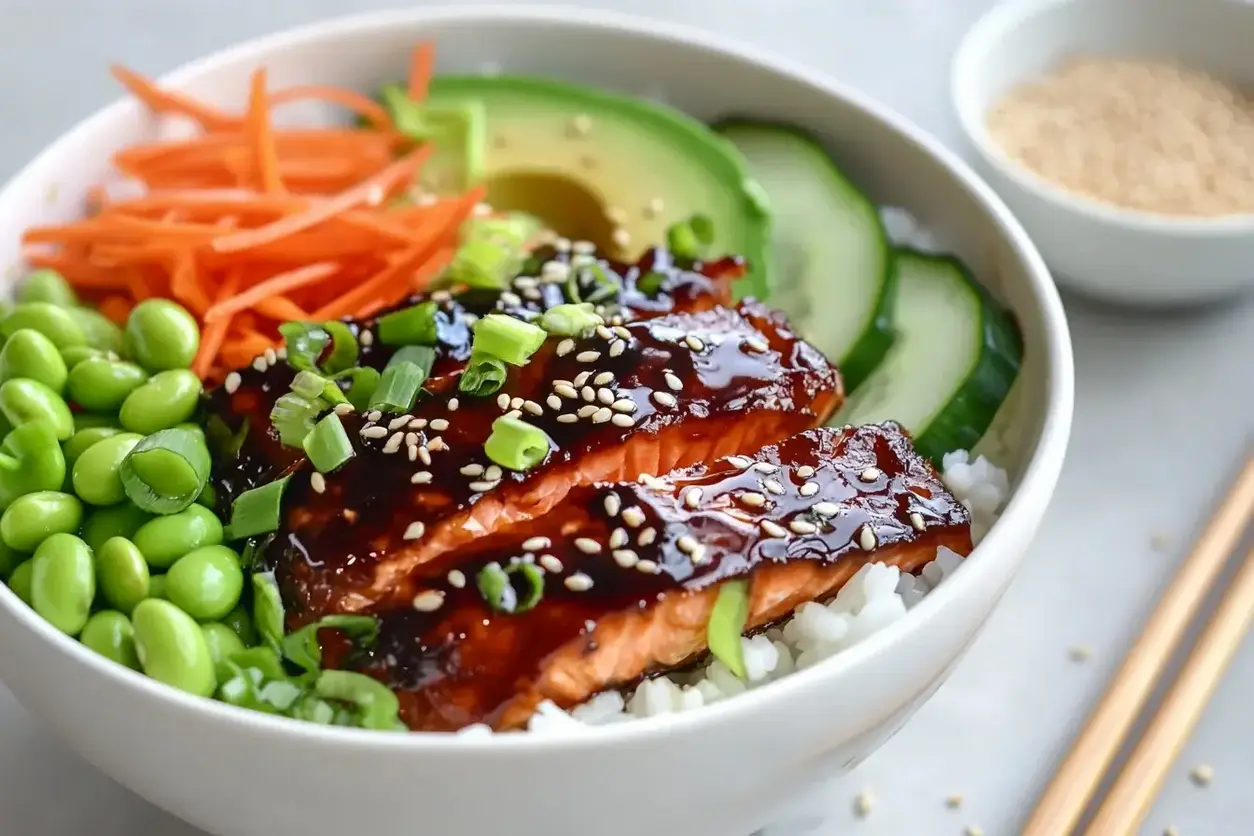
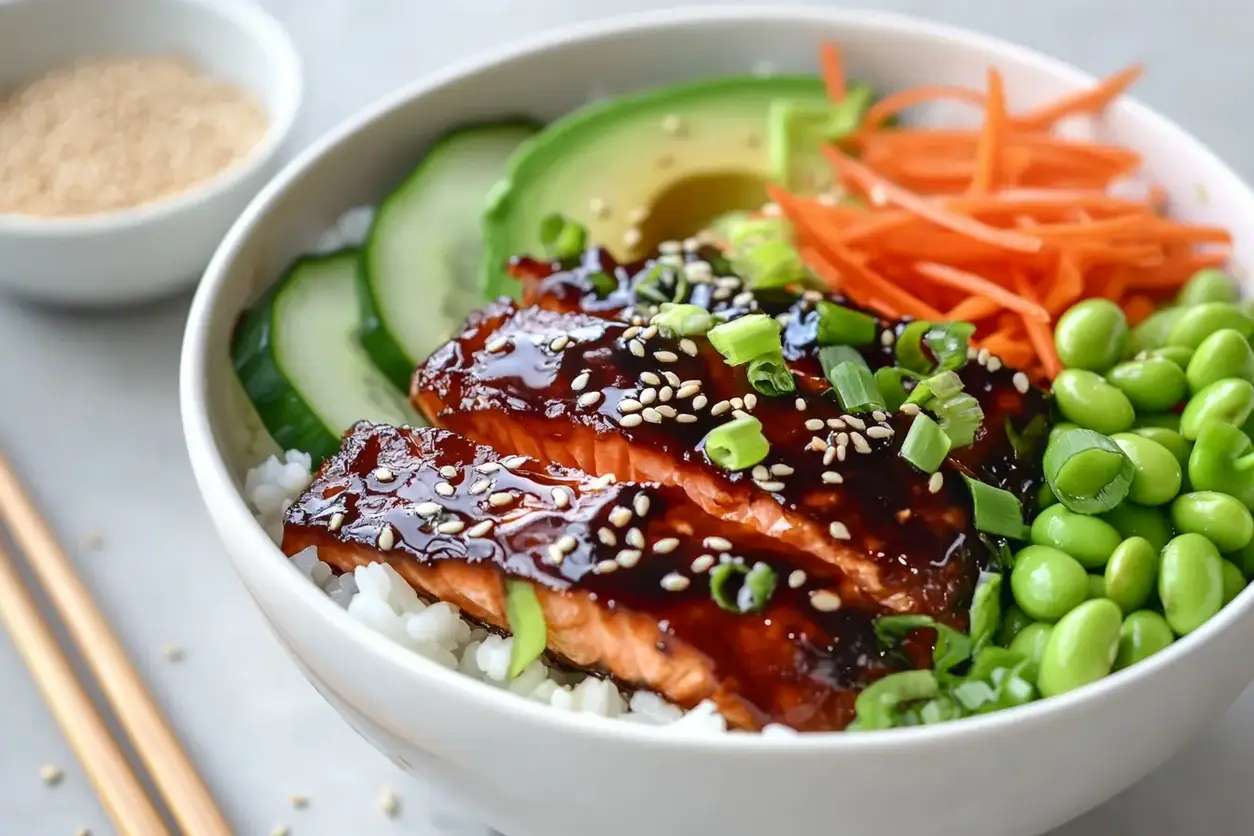
        Salmon Rice Bowl

        Step-by-Step Instructions

        Step 1: Cook the Rice to Perfection

        First things first, let’s get that base ready! Rinse your chosen rice thoroughly under cold running water until the water runs clear. This removes excess starch, preventing gummy rice. Combine the rinsed rice with the specified amount of water and salt in a medium saucepan. Bring it to a boil, then reduce the heat to low, cover tightly, and simmer according to package directions. For most white rice, this is about 15-20 minutes. Once cooked, remove from heat and let it steam, covered, for another 5-10 minutes. Fluff gently with a fork.

        Step 2: Prepare and Cook the Salmon

        While your rice is cooking, let’s give the star of the show some love. Pat your salmon fillets completely dry with paper towels – this is crucial for achieving a beautiful sear and letting the marinade cling. In a small bowl, whisk together the olive oil, soy sauce (or tamari/aminos), honey (or maple syrup), minced garlic, grated ginger, and black pepper. Place the salmon fillets in a shallow dish or the same bowl (if it’s big enough) and pour about half of the marinade over them. Let them marinate for at least 10 minutes while you prep your veggies. Reserve the remaining marinade for later. Heat a non-stick skillet or cast-iron pan over medium-high heat with a tiny splash of oil if needed. Place the salmon skin-side down (if using skin-on) and sear for 3-5 minutes, until the skin is crispy and golden. Flip the salmon and cook for another 3-5 minutes, or until cooked to your liking. The internal temperature should reach 145°F (63°C). If you prefer less cooked salmon, adjust the time accordingly. Once cooked, remove the salmon from the pan and let it rest.

        Step 3: Prep Your Veggies and Toppings

        Now for the colorful, fresh elements! This is where you can really let your creativity shine. Slice your avocado, dice or thinly slice your cucumber, julienne your carrots, and ensure your edamame is thawed and shelled. Slice your green onions. If you’re using nori, cut it into thin strips. Toast your sesame seeds in a dry pan over medium heat for a minute or two until fragrant. Have any other desired toppings (like Sriracha mayo or pickled ginger) ready to go.

        Step 4: Assemble Your Ultimate Salmon Rice Bowl

        The grand finale! Grab your favorite bowls. Spoon a generous portion of the perfectly cooked rice into each bowl. Gently flake the rested salmon into bite-sized pieces and arrange them on top of the rice. Now, artfully arrange your prepped veggies and toppings around the salmon and rice. Think about a beautiful visual appeal! Drizzle any remaining reserved marinade over the salmon or the entire bowl. Sprinkle with nori strips (if using), toasted sesame seeds, and sliced green onions. Add a dollop of sriracha mayo or a squeeze of lime if desired. Take a moment to admire your creation before diving in!

        Nutritional Highlights

        This Salmon Rice Bowl is a nutritional powerhouse:

        • Healthy Fats: Rich in Omega-3 fatty acids from the salmon, which are excellent for heart and brain health.
        • Lean Protein: Salmon is a fantastic source of high-quality protein, essential for muscle repair and satiety.
        • Fiber: Brown rice and vegetables contribute dietary fiber, aiding digestion and promoting fullness.
        • Vitamins and Minerals: Packed with vitamins A, C, K, and various B vitamins, plus minerals like potassium and magnesium from the vibrant mix of vegetables.
        • Antioxidants: Ingredients like avocado and certain vegetables provide antioxidants that help combat cellular damage.

        (Note: Exact nutritional values will vary based on portion sizes and specific ingredient choices.)

        Healthier Alternatives and Flavor Boosters

        Want to make it even healthier or change up the flavor profile? Here are some ideas:

        • Rice Alternatives: Swap white rice for cauliflower rice for a low-carb, lower-calorie option. Quinoa is another excellent gluten-free and protein-rich choice.
        • Protein Variations: While salmon is fantastic, you can adapt this bowl with grilled chicken, shrimp, tofu, or even a perfectly fried egg.
        • Vegetable Swaps: Feel free to use steamed broccoli, roasted sweet potatoes, sautéed mushrooms, bell peppers, or snap peas. Anything goes!
        • Sauce Smarts: For a lighter sauce, use a base of lime juice, a splash of soy sauce, and a touch of sriracha. A light sesame-ginger vinaigrette also works beautifully. Avoid heavy, creamy dressings if calorie reduction is a goal.
        • Flavor Boosters: Add a sprinkle of chili flakes for heat, a lime wedge for brightness, or a dash of toasted sesame oil for an aromatic finish. Pickled red onions can add a delightful tang.

        Serving Suggestions

        This Salmon Rice Bowl is a complete meal on its own, perfect for a satisfying lunch or a light yet filling dinner. For a more substantial meal, consider serving it alongside a light miso soup or a simple green salad with a sesame-ginger dressing. It’s also fantastic for meal prepping. Portion out the rice, veggies, and cooked salmon into individual containers for grab-and-go lunches throughout the week.

        Common Mistakes to Avoid

        • Overcooking the Salmon: Salmon cooks quickly! Keep an eye on it to prevent it from becoming dry and tough. Aim for a slightly opaque, flaky interior.
        • Under-rinsing Rice: Not rinsing your rice enough can lead to a gummy, clumpy texture instead of light, fluffy grains.
        • Skipping the Pat-Dry Step for Salmon: This is crucial for achieving a good sear. Wet salmon will steam rather than fry, leading to a less appealing texture.
        • Boring Veggie Choices: Don’t be afraid to add a variety of colors and textures. The more vibrant your bowl, the more nutrients and visual appeal it will have.
        • Over-seasoning: Taste as you go, especially with salty ingredients like soy sauce. You can always add more, but you can’t take it away!

        Storing Your Salmon Rice Bowl

        For best results, store the components of your Salmon Rice Bowl separately if possible. Cooked rice, cooked salmon, and prepped vegetables can be stored in airtight containers in the refrigerator for up to 2-3 days. Avocados are best sliced just before serving to prevent browning. When ready to eat, combine the components and gently reheat the rice and salmon (or enjoy cold!). If meal prepping in advance, I recommend keeping the sauce separate and adding it just before serving.

        Assembled Salmon Rice Bowl

        Frequently Asked Questions (FAQs)

        Can I use frozen salmon?

        Yes, absolutely! Thaw frozen salmon completely in the refrigerator before cooking. Pat it very dry, as it can release more moisture than fresh salmon.

        How can I make this bowl vegetarian or vegan?

        Easily! Replace the salmon with pan-fried tofu, tempeh, or a perfectly cooked mushroom. Ensure your soy sauce is vegan-friendly, and use maple syrup instead of honey. Fill the bowl with extra veggies and grains!

        What kind of rice is best?

        Sushi rice or jasmine rice are popular choices for their slightly sticky texture that holds toppings well. Brown rice is a healthier, fiber-rich option. Any medium or long-grain rice will work.

        Can I prepare the components ahead of time?

        Yes, this is an excellent meal prep recipe! Cook the rice, prepare the vegetables, and cook the salmon up to 2-3 days in advance. Store them in separate containers to maintain freshness and texture.

        What are good sauces or dressings for a salmon rice bowl?

        Besides the marinade, consider a drizzle of sriracha mayo, a light tahini dressing, ponzu sauce, a simple ginger-sesame vinaigrette, or even just a squeeze of fresh lime juice.

        Conclusion

        The Ultimate Salmon Rice Bowl is a testament to how simple ingredients can come together to create a meal that’s both nourishing and incredibly delightful. With its customizable nature, vibrant colors, and balanced flavors, it’s sure to become a staple in your weekly meal rotation. Whether you’re a seasoned chef or a beginner in the kitchen, this recipe is designed for success. So, gather your ingredients, get creative with your toppings, and prepare to enjoy a healthy, satisfying, and utterly delicious meal that will impress everyone around the table (or just yourself!). Don’t forget to share your creations with us – we love seeing your culinary artistry!

        Print
        clock clock iconcutlery cutlery iconflag flag iconfolder folder iconinstagram instagram iconpinterest pinterest iconfacebook facebook iconprint print iconsquares squares iconheart heart iconheart solid heart solid icon

        Salmon Rice Bowl


        • Author: Chef Sara

        Description

        Crispy Salmon:Pat the salmon dry before cooking for a perfect sear.Extra Flavor:Drizzle with spicy mayo or sriracha for a kick.Better Texture:Use freshly cooked or reheated rice for the best consistency.


        Ingredients

        Scale
        • 2 salmon fillets
        • 1 cup cooked rice
        • 1 tbsp soy sauce
        • 1 tbsp honey
        • 1 tsp sesame oil
        • ½ tsp garlic & ginger powder
        • ½ avocado, sliced
        • ½ cup cucumber, sliced
        • 2 tbsp green onions, chopped
        • 1 tsp sesame seeds

        Instructions

        1. Season the salmon, then marinate in soy sauce, honey, and sesame oil.
        2. Cook in a skillet over medium heat for 3-4 min per side.
        3. Serve over rice with avocado, cucumber, and green onions.
        4. Garnish with sesame seeds and extra sauce.

        Notes

        Crispy Salmon:Pat the salmon dry before cooking for a perfect sear.Extra Flavor:Drizzle with spicy mayo or sriracha for a kick.Better Texture:Use freshly cooked or reheated rice for the best consistency.

        “`

        Easy Chatelaine Smoked Salmon Rolls on Cucumber: A Perfect Appetizer

        “`html

        Easy Chatelaine Smoked Salmon Rolls on Cucumber: A Perfect Appetizer

        Elevate Your Appetizer Game with Smoked Salmon Cucumber Rolls

        Are you searching for an appetizer that impresses guests but doesn’t demand hours in the kitchen? In a world where quick, healthy, and delicious bites are highly sought after, Smoked Salmon Rolls on Cucumber emerge as a true hero. This recipe isn’t just about a quick fix; it’s about creating a sophisticated yet effortlessly simple dish that bursts with flavor and vibrant freshness. Imagine delicate ribbons of smoky salmon, interwoven with a creamy, herby filling, all balanced precariously on a cool, crisp cucumber base. It’s a miniature masterpiece of textures and tastes, perfect for those moments when you want to serve something special without sacrificing your sanity. Whether you’re hosting a chic cocktail party, looking for a light lunch, or simply craving a healthy snack that feels indulgent, this recipe delivers. Let’s dive into how you can create these delightful morsels that are as beautiful to look at as they are enjoyable to eat, all while keeping things incredibly easy.

        Irresistible Ingredients for Your Smoked Salmon Rolls

        The beauty of these Smoked Salmon Rolls on Cucumber lies in its simplicity and the quality of its core components. Each ingredient plays a vital role in creating that harmonious blend of flavors and textures. We’ve selected ingredients that are readily available, but also offer notes on potential substitutions to suit your palate and pantry.

        For the Rolls:

        • Smoked Salmon: 8 ounces thinly sliced smoked salmon (lox-style or cold-smoked is ideal for its delicate texture). Look for a vibrant pink hue and a clean, smoky aroma. If it smells too strongly “fishy,” it might be past its prime.
        • Cucumber: 2 large English cucumbers (about 1.5 lbs total). English cucumbers are preferred for their thin skin, fewer seeds, and crisp texture. You can substitute with regular cucumbers, but be sure to peel and seed them.

        For the Creamy Filling:

        • Cream Cheese: 4 ounces cream cheese, softened. Full-fat cream cheese provides the best creamy consistency, but light cream cheese can be used. Ensure it’s at room temperature for easy mixing.
        • Fresh Dill: 2 tablespoons finely chopped fresh dill. The feathery herb offers a bright, slightly anise-like flavor that pairs beautifully with salmon. Fresh chives or parsley can be used as a substitute.
        • Fresh Chives: 1 tablespoon finely chopped fresh chives. Their mild oniony bite adds a lovely complexity. Substitute with a touch of green onion.
        • Lemon Zest: 1 teaspoon finely grated lemon zest. This adds a crucial zesty brightness that cuts through the richness of the salmon and cream cheese.
        • Black Pepper: 1/4 teaspoon freshly ground black pepper. To taste. Freshly cracked pepper offers a more pungent, aromatic punch.
        • Optional: Pinch of Salt: Taste the filling before adding salt, as smoked salmon is often quite salty.

        For Garnish (Optional):

        • Extra dill sprigs
        • Capers (rinsed)
        • A drizzle of crème fraîche

        Quick Assembly: Recipe Timing

        Prep time: 20 minutes
        Cook time: 0 minutes
        Total time: 20 minutes

        This recipe is gloriously quick, making it a go-to for last-minute entertaining or a speedy healthy snack. The “cook time” is effectively zero, as this dish relies on fresh, no-cook ingredients. Typically, similar no-bake appetizer recipes can range from 15-30 minutes of prep time, so at 20 minutes, these Smoked Salmon Rolls are right on average for ease and speed, if not slightly faster due to minimal chopping.

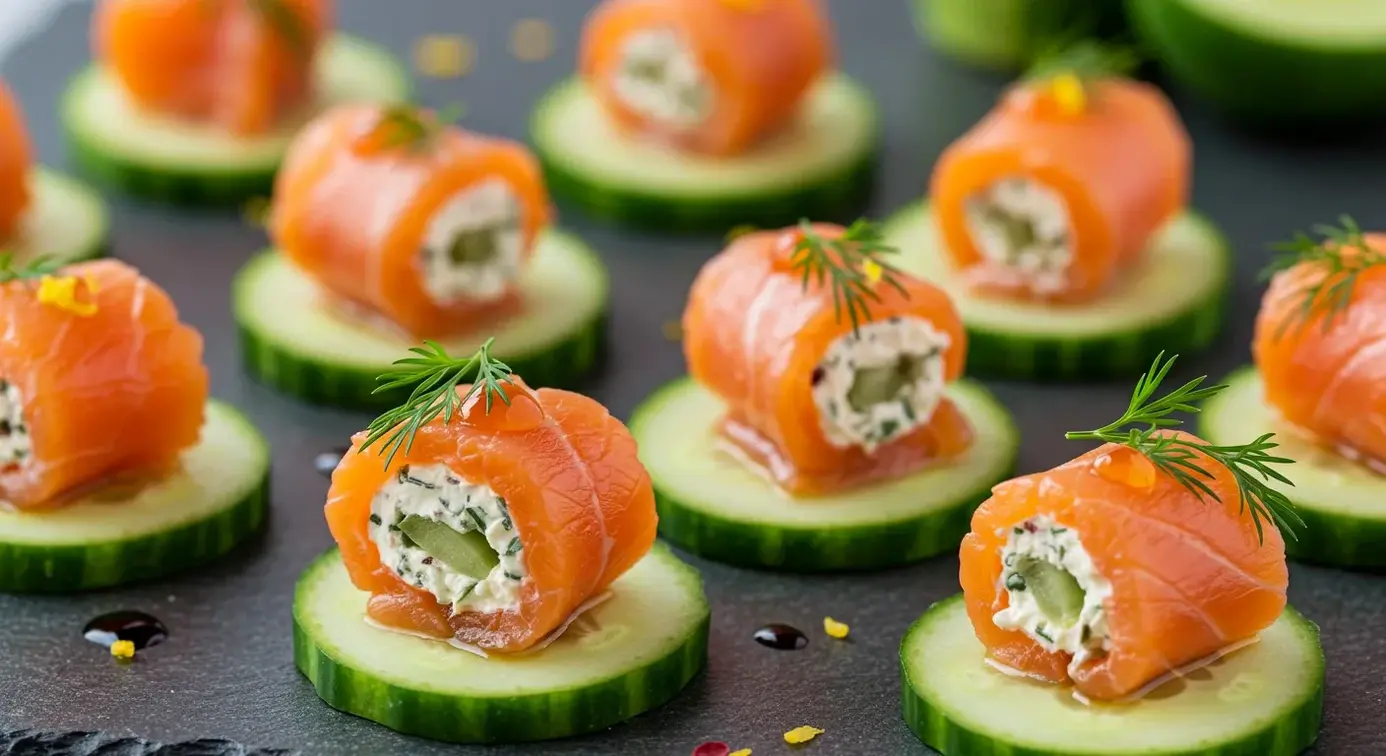
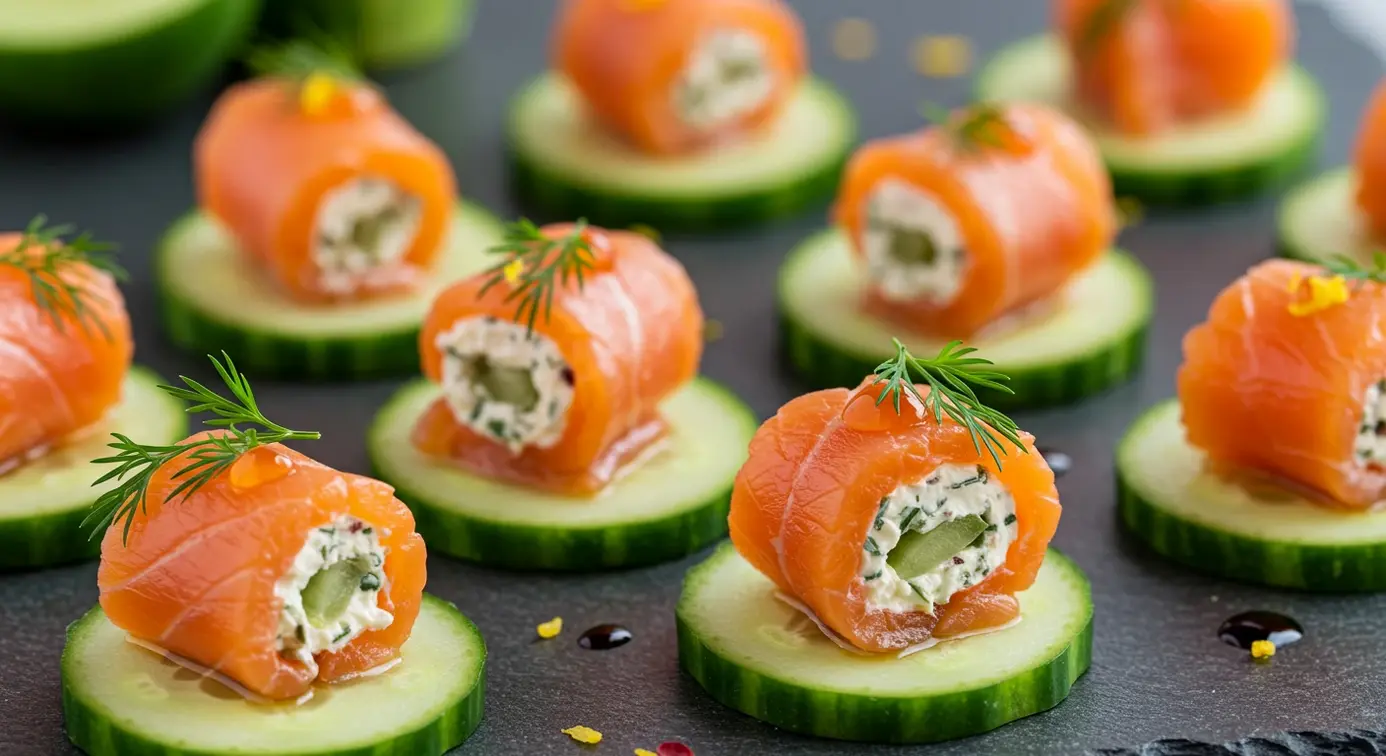
        Smoked Salmon Rolls on Cucumber arranged artfully on a platter

        Step-by-Step Instructions: Crafting Your Salmon Rolls

        Creating these elegant smoked salmon rolls is a straightforward process that yields impressive results. Follow these simple steps to bring this delightful appetizer to life.

        Step 1: Prep the Cucumber

        Begin by washing your English cucumbers thoroughly. Trim off the ends. You can either peel the cucumbers completely or leave some stripes of the skin on for visual appeal. Using a sharp knife or a mandoline slicer, cut the cucumbers crosswise into slices approximately 1/2 inch thick. You want sturdy little rounds that will hold the salmon mixture. Lay these cucumber slices flat on a clean kitchen towel or paper towels and gently pat them dry. This step is crucial to prevent excess moisture from making the rolls soggy. If using regular cucumbers, you’ll want to scoop out the watery seeds after slicing to ensure a firm base.

        Step 2: Prepare the Cheese Filling

        In a small mixing bowl, combine the softened cream cheese, finely chopped fresh dill, finely chopped chives, and lemon zest. Add the freshly ground black pepper. Using a fork or a small spatula, mix these ingredients together until they are well combined and uniformly smooth. Taste the mixture and adjust seasoning if necessary. Remember, smoked salmon is salty, so you might not need any added salt. The filling should be spreadable and fragrant with fresh herbs and citrus.

        Step 3: Assemble the Rolls

        Now for the fun part! Take a thin slice of smoked salmon. Gently lay it flat. You can either place a small dollop of the cream cheese mixture directly onto the salmon slice and then roll it up, or you can spread a thin layer of the cream cheese mixture onto the salmon slice before rolling it. The goal is to have the salmon create a delicate wrap around the creamy filling. Be gentle with the salmon as it can tear easily. Once rolled, place each smoked salmon roll atop one of your prepared cucumber slices.

        Step 4: Garnish and Serve

        Arrange the assembled Smoked Salmon Rolls on Cucumber on a serving platter. For an extra touch of elegance and flavor, you can add a small sprig of fresh dill on top of each roll, a few capers, or a tiny drizzle of crème fraîche. Serve immediately for the best texture and temperature. These are best enjoyed fresh!

        Nutritional Snapshot

        While exact nutritional values can vary based on specific ingredients and portion sizes, here’s an approximate breakdown per roll (assuming 12-16 rolls per recipe):

        • Calories: Approximately 50-75 kcal
        • Protein: 4-6g
        • Fat: 3-5g (primarily from cream cheese and salmon)
        • Carbohydrates: 1-2g
        • Omega-3 Fatty Acids: High (from smoked salmon)

        These rolls are a fantastic source of lean protein and healthy fats, particularly omega-3s from the salmon. The cucumber provides hydration and a low-calorie base.

        Healthier Alternatives & Flavor-Preserving Swaps

        Looking to make these even lighter without sacrificing taste? Here are some simple swaps:

        • Cream Cheese: Substitute half of the cream cheese with plain Greek yogurt (full-fat or 2%) for a protein boost and reduced fat. You can also use a dairy-free cream cheese alternative.
        • Cucumber Base: For a different crunch, you could try thick slices of jicama or even bell pepper if you want a firmer, slightly sweeter base, though cucumber is ideal for its refreshing quality.
        • Herbs: Experiment with other fresh herbs like tarragon or parsley. A tiny pinch of garlic powder can also add depth.
        • Smoked Salmon: While essential for flavor, if you prefer, you could use smoked trout or even thinly sliced, seasoned avocado for a vegetarian option, though the “smoked salmon” essence would be lost.

        Serving Suggestions: Beyond the Platter

        These elegant bites are incredibly versatile:

        • Party Appetizer: Arrange them beautifully on a tiered platter for a sophisticated cocktail party or holiday gathering.
        • Light Lunch: Serve 3-4 rolls with a side salad of mixed greens and a light vinaigrette for a healthy and satisfying lunch.
        • Brunch Addition: They are a perfect light complement to a brunch spread, offering a refreshing counterpoint to richer dishes.
        • Part of a Mezze Platter: Include them alongside olives, hummus, and other small bites for a varied appetizer spread.
        • Picnic Favorite: Pack them carefully in a cooler for a delightful picnic treat.

        Common Mistakes to Avoid

        To ensure your Smoked Salmon Rolls on Cucumber are perfect every time, steer clear of these common pitfalls:

        • Soggy Cucumber: Failing to pat the cucumber slices dry can lead to a watery appetizer.
        • Over-seasoning the Filling: Remember that smoked salmon is already salty, so taste the cream cheese mixture before adding extra salt.
        • Tearing the Salmon: Handle the delicate smoked salmon slices with care to prevent them from tearing during the rolling process.
        • Cucumber Slices Too Thin: If slices are too thin, they won’t support the weight of the salmon and filling well. Aim for a 1/2 inch thickness.
        • Using the Wrong Smoked Salmon: Hot-smoked salmon tends to be flakier and might be harder to roll. Cold-smoked (lox-style) is ideal for its pliable, silken texture.

        Storing Tips: Keeping Them Fresh

        These rolls are best enjoyed immediately after preparation for optimal freshness and texture. However, if you have leftovers or need to prep slightly ahead:

        • Best Way: Assembled rolls are meant to be served fresh. If you must store them, do so very briefly.
        • Short-Term Storage: You can assemble the cucumber bases and prepare the filling separately, storing them in airtight containers in the refrigerator for up to 24 hours. Assemble the rolls just before serving to prevent the cucumber from becoming soft and the salmon from drying out.
        • Avoid Freezing: Freezing is not recommended as the texture of the cucumber and cream cheese will be significantly altered upon thawing.
        Close-up of a Smoked Salmon Roll on Cucumber with dill garnish

        Frequently Asked Questions

        ***Can I use regular cucumbers instead of English cucumbers?***

        Yes, you can. Regular cucumbers have thicker skins and more seeds. For the best results, it’s recommended to peel them and then scoop out the seeds with a spoon after slicing to ensure a firm, less watery base.

        ***How far in advance can I prepare these?***

        It’s best to assemble them right before serving. You can prepare the filling and slice the cucumbers up to 24 hours in advance and store them separately in airtight containers in the refrigerator. Assemble the rolls just before you plan to serve them.

        ***What kind of cream cheese is best?***

        Full-fat cream cheese offers the creamiest texture and richest flavor. However, you can use light cream cheese or even a dairy-free alternative if preferred. Ensure it’s softened to room temperature for easy mixing.

        ***Can I add other ingredients to the filling?***

        Absolutely! Feel free to experiment. A tiny bit of Dijon mustard, a pinch of garlic powder, or even some finely chopped capers can add extra layers of flavor to the cream cheese mixture.

        ***What are the best occasions for these rolls?***

        These are perfect for almost any occasion: holiday parties, cocktail hours, elegant dinner parties, summer BBQs, light lunches, or even as a sophisticated snack.

        Enjoy Your Deliciously Simple Smoked Salmon Cucumber Rolls!

        There you have it – an appetizer that’s as easy to make as it is delightful to eat. These Easy Chatelaine Smoked Salmon Rolls on Cucumber are a testament to the fact that simple ingredients, handled with care, can create something truly special. They offer a burst of freshness, a hint of smoky indulgence, and a satisfying crunch that will leave your guests impressed and asking for the recipe. Don’t shy away from this recipe the next time you need a show-stopping yet effortless appetizer. Give it a try and let the vibrant flavors speak for themselves!

        Print

        clock clock iconcutlery cutlery iconflag flag iconfolder folder iconinstagram instagram iconpinterest pinterest iconfacebook facebook iconprint print iconsquares squares iconheart heart iconheart solid heart solid icon

        Chatelaine Smoked Salmon Rolls on Cucumber: A Stunning Dish


        • Author: Chef Sara

        Description

        Try these Chatelaine Smoked Salmon Rolls on Cucumber for a fresh, elegant appetizer. Easy to make and perfect for any occasion!


        Ingredients

        Scale
        • 8 slices smoked salmon
        • 1 large cucumber, sliced into rounds
        • 4 oz cream cheese (softened)
        • 1 tablespoon fresh dill, chopped
        • 1 teaspoon lemon juice
        • 1/2 teaspoon black pepper
        • 1 teaspoon capers (optional)
        • Microgreens or chives for garnish

        Instructions

          Notes

          For extra flavor, drizzle with a touch of honey mustard or balsamic glaze.Swap cream cheese for Greek yogurt for a lighter option.


          “`

          Easy Salmon Sushi Bake Recipe: A Delicious Twist on Classic Sushi

          “`html

          Easy Salmon Sushi Bake Recipe: A Delicious Twist on Classic Sushi

          What is a Salmon Sushi Bake?

          Are you searching for a weeknight dinner that’s both incredibly satisfying and delightfully different? If the thought of recreating your favorite sushi restaurant experience at home excites you, but you’re intimidated by the rolling and delicate preparation, then you’re in for a treat with this Easy Salmon Sushi Bake! This dish captures all the beloved flavors of a salmon sushi roll – the tender, savory salmon, the perfectly seasoned sushi rice, and that irresistible creamy element – but in a warm, comforting, and incredibly easy-to-make baked casserole. It’s the ultimate comfort food for sushi lovers, offering a deconstructed, approachable way to enjoy those classic tastes. With layers of seasoned rice, flaky salmon, and a luscious creamy sauce, all baked to golden perfection, this recipe delivers a bold flavor explosion that’s perfect for solo dinners, family meals, or even potlucks. Get ready to impress yourself and your loved ones with this innovative twist on a classic!

          Ingredients for Your Easy Salmon Sushi Bake

          The beauty of this salmon sushi bake lies in its straightforward ingredients, many of which you might already have in your pantry. We’re aiming for that perfect balance of textures and tastes that makes sushi so addictive. Here’s what you’ll need:

          For the Rice:

          • 2 cups sushi rice, rinsed until the water runs clear. This ensures fluffy, separate grains.
          • 2 ¼ cups water for cooking rice. The perfect ratio for tender, sticky sushi rice.
          • 1/3 cup rice vinegar. Adds that signature tangy sweetness.
          • 2 tablespoons granulated sugar. Balances the vinegar’s tartness.
          • 1 teaspoon salt. Enhances all the flavors.

          For the Salmon Topping:

          • 1.5 lbs salmon, cooked and flaked. About 2-3 salmon fillets, baked or pan-seared until just cooked through and tender.
          • 1/4 cup mayonnaise. The creamy base that binds everything. Use full-fat for the best richness.
          • 2 tablespoons Sriracha. For that delightful spicy kick. Adjust to your heat preference!
          • 1 tablespoon soy sauce (or tamari for gluten-free). Adds a savory, umami depth.
          • 1 teaspoon sesame oil. For a nutty, aromatic finish.
          • 2 green onions, thinly sliced (whites and greens separated). Adds a fresh, mild oniony bite.
          • Optional: 1 tablespoon Kewpie mayonnaise. If you want to lean into that authentic Japanese mayo flavor, Kewpie is king!

          For the Sauce:

          • 1/2 cup mayonnaise. Again, full-fat is recommended for a luxurious sauce.
          • 1/4 cup sour cream or Greek yogurt. For tanginess and a lighter, creamier texture.
          • 2 tablespoons Sriracha. More heat for that layered spicy flavor.
          • 1 tablespoon soy sauce or tamari. Savory depth.
          • 1 teaspoon lemon juice. Brightens up the flavors.
          • 1/2 teaspoon garlic powder. A subtle savory note.

          Optional Garnishes:

          • Toasted sesame seeds. For crunch and nutty aroma.
          • Nori strips or flakes. For that classic sushi seaweed flavor and visual appeal.
          • Extra sliced green onions (green parts). For freshness and color.
          • Roe (fish roe). For a pop of color and briny flavor.

          Timing is Everything: Prep, Cook, and Enjoy

          Prep time: 25 minutes
          Cook time: 20-25 minutes
          Total time: 45-50 minutes

          Compared to traditional sushi rolling, which can easily take an hour or more for beginners, this salmon sushi bake is a speed demon! The prep time is mostly occupied by cooking the rice and flaking the salmon. Baking is relatively quick, making this a fantastic option when you’re craving sushi flavors but short on time. On average, similar baked rice dishes might take around 40-60 minutes total, so our 45-50 minute timeframe is perfectly competitive for a delicious, home-cooked meal.

          Salmon Sushi Bake ingredients laid out on a counter.

          Step-by-Step Guide to Your Salmon Sushi Bake

          Let’s get this delicious bake assembled. Don’t worry, it’s incredibly forgiving and fun to make!

          Step 1: Cook the Sushi Rice

          First things first, let’s get that perfect sushi rice going. In a medium saucepan, combine the rinsed sushi rice and water. Bring to a boil, then reduce heat to low, cover, and simmer for 15-20 minutes, or until all the water is absorbed. While the rice is cooking, whisk together the rice vinegar, sugar, and salt in a small bowl until the sugar and salt are dissolved. Once the rice is cooked, let it sit, covered, for 10 minutes off the heat. Then, transfer the hot rice to a large bowl. Gently fold in the vinegar mixture using a cutting motion with a rice paddle or spatula until evenly distributed. Fan the rice as you mix to cool it down and give it a glossy sheen. Let it cool slightly.

          Step 2: Prepare the Salmon

          While the rice is cooking and cooling, prepare your salmon. If you haven’t already, cook your salmon fillets using your preferred method – baking, pan-searing, or poaching. Let them cool slightly, then remove any skin and bones. Flake the salmon into bite-sized pieces using a fork. In a bowl, combine the flaked salmon with 1/4 cup mayonnaise, 2 tablespoons Sriracha, 1 tablespoon soy sauce, 1 teaspoon sesame oil, and the white parts of the green onions. Mix gently until everything is well combined. Taste and adjust seasonings if needed – maybe a little more Sriracha for heat or soy sauce for saltiness.

          Step 3: Mix the Creamy Sauce

          In a separate small bowl, whisk together the 1/2 cup mayonnaise, sour cream (or Greek yogurt), 2 tablespoons Sriracha, 1 tablespoon soy sauce, lemon juice, and garlic powder until smooth and creamy. This sauce will be drizzled over the top before baking and is key to that decadent, rich flavor we all love.

          Step 4: Assemble the Bake

          Preheat your oven to 375°F (190°C). Lightly grease an 8×8 inch baking dish or a similar-sized oven-safe dish. Spread the cooled, seasoned sushi rice evenly across the bottom of the prepared dish, pressing it down gently to form a compact layer. Next, spoon the salmon mixture evenly over the rice layer, spreading it out to cover the rice completely.

          Step 5: Bake to Perfection

          Drizzle the prepared creamy sauce generously over the salmon layer. Make sure to cover most of the surface, as this sauce will become beautifully golden and slightly caramelized during baking. Place the baking dish in the preheated oven and bake for 20-25 minutes, or until the top is golden brown and bubbly around the edges. The aroma that fills your kitchen will be incredible!

          Step 6: Garnish and Serve

          Once out of the oven, let the salmon sushi bake cool for about 5-10 minutes. This allows it to set slightly, making it easier to serve. Garnish generously with toasted sesame seeds, nori strips, the green parts of the sliced green onions, and any other desired toppings like roe. Slice into squares and serve warm. Enjoy the delightful textures and flavors!

          Nutritional Information: A Peek at the Goodness

          While exact nutritional values can vary based on specific ingredients and portion sizes, a typical serving of this Easy Salmon Sushi Bake generally offers:

          • Calories: Approximately 450-600 per serving (depending on richness of mayo/sauce).
          • Protein: Excellent source from salmon.
          • Healthy Fats: From salmon and mayonnaise.
          • Carbohydrates: Primarily from sushi rice.
          • Sodium: Can be moderate due to soy sauce; consider low-sodium options.

          Remember, this is an estimate. For precise tracking, it’s best to use a nutrition calculator with your specific ingredients.

          Healthier Alternatives for a Lighter Bite

          Looking to lighten up this delicious dish without sacrificing flavor? Try these swaps:

          • Rice: Use brown sushi rice or a blend of brown and white rice for added fiber. Cauliflower rice can also be a lower-carb alternative, though it will change the texture significantly.
          • Mayonnaise: Opt for light mayonnaise or a mix of light mayo and Greek yogurt. For the salmon mixture, you can also use mashed avocado for creaminess.
          • Salmon: Use a leaner fish like cod or tilapia if preferred, or simply reduce the portion size of salmon. Baked or steamed salmon is healthier than pan-fried in oil.
          • Soy Sauce: Use low-sodium soy sauce or tamari to reduce sodium intake.

          Serving Suggestions: Elevate Your Meal

          This Salmon Sushi Bake is a complete meal on its own, but it pairs wonderfully with a few additions:

          • Side Salad: A simple green salad with a light vinaigrette or a Japanese-style cucumber salad offers a refreshing contrast.
          • Edamame: Steamed and lightly salted edamame pods are a classic and healthy accompaniment.
          • Miso Soup: A warm bowl of miso soup is a perfect start or complement to the meal.
          • Pickled Ginger: Serve with pickled ginger on the side to cleanse the palate between bites.

          Common Mistakes to Avoid

          • Not Rinsing Rice: Failing to rinse sushi rice can lead to gummy, overcooked grains.
          • Overmixing Rice: Be gentle when seasoning sushi rice to avoid breaking the grains and creating a mushy texture.
          • Overcooking Salmon: Ensure your salmon is just cooked through before flaking. Overcooked salmon will be dry.
          • Skipping the Cooling Time: Letting the rice cool slightly prevents it from making the bake too wet. Letting the bake rest before serving helps it set.
          • Not Tasting and Adjusting: Every ingredient, especially Sriracha and soy sauce, can vary. Taste your mixtures and adjust seasonings before assembling and baking.

          Storing Tips: Enjoying Leftovers

          Leftover salmon sushi bake can be stored in an airtight container in the refrigerator for up to 3-4 days. Reheat gently in the oven or microwave until warmed through. While it’s delicious as leftovers, the rice texture might change slightly. It’s best enjoyed fresh for optimal flavor and texture.

          A close-up of a slice of salmon sushi bake ready to be served.

          Frequently Asked Questions about Salmon Sushi Bake

          ***Can I use a different type of fish?***

          Absolutely! While salmon is classic for its rich flavor, other flaky white fish like cod or tilapia, or even canned tuna (drained well), can be used. Just ensure they are cooked and flaked appropriately. You can also use imitation crab meat for a different twist.

          ***Does it taste like raw sushi?***

          No, it tastes like a warm, baked version of sushi flavors. The key ingredients are there – seasoned rice, salmon, and the creamy, tangy sauce – but the baking process transforms it into a comforting casserole. It’s more about the flavor profile than replicating the texture of raw sushi.

          ***Can I make this ahead of time?***

          You can prepare the components ahead of time. Cook and season the rice, cook and flake the salmon, and mix the sauce. You can even assemble the bake a few hours in advance and keep it covered in the refrigerator. You might need to add a few extra minutes to the baking time if baking from cold.

          ***How spicy is this recipe?***

          The spice level comes primarily from the Sriracha. The recipe calls for a moderate amount, but you can easily adjust it. Add more for extra heat, or use less if you prefer a milder dish. You can also use a milder chili sauce if Sriracha is too spicy for you.

          ***What kind of rice is best?***

          Sushi rice (also known as short-grain Japanese rice) is highly recommended because it becomes sticky when cooked, which is ideal for forming layers in a bake. Regular long-grain rice will not give you the same texture.

          Conclusion

          This Easy Salmon Sushi Bake is a game-changer for anyone who loves sushi but seeks a simpler, warm, and comforting preparation. It’s packed with flavor, surprisingly easy to assemble, and is guaranteed to be a hit at any meal. Say goodbye to sushi-rolling stress and hello to delicious, baked goodness!

          Print

          clock clock iconcutlery cutlery iconflag flag iconfolder folder iconinstagram instagram iconpinterest pinterest iconfacebook facebook iconprint print iconsquares squares iconheart heart iconheart solid heart solid icon

          Salmon Sushi BakeSalmon Sushi Bake


          • Author: Chef Sara

          Description

          Use fresh or canned salmon– Drain well for the best texture.2Furikake is key– it Adds umami and crunch.Serve with nori– Scoop into seaweed sheets for sushi vibes! Use fresh or canned salmon– Drain well for the best texture.2Furikake is key– it Adds umami and crunch.Serve with nori– Scoop into seaweed sheets for sushi vibes!


          Ingredients

          Scale
          • 2 cups cooked sushi rice
          • 2 tbsp rice vinegar, 1 tbsp sugar, ½ tsp salt
          • 8 oz cooked salmon (flaked)
          • 4 oz cream cheese, ¼ cup mayo, 1 tbsp sriracha, 1 tbsp soy sauce
          • ½ cup shredded imitation crab (optional)
          • ½ tsp sesame oil, 1 sheet nori (chopped)
          • Toppings: ¼ cup furikake, 2 tbsp green onions, 1 tbsp sesame seeds, extra sriracha & mayo

          Instructions

          1. Mix rice vinegar, sugar, and salt into warm rice.
          2. Combine salmon, cream cheese, mayo, sriracha, soy sauce, sesame oil, and imitation crab.
          3. Layer sushi rice in a greased 8×8” dish, sprinkle with furikake, and spread the salmon mixture on top
          4. Bake at 375°F (190°C) for 15-20 min.
          5. Garnish with green onions, sesame seeds, and drizzle mayo & sriracha. Serve with nori sheets.

          Notes

          Use fresh or canned salmon– Drain well for the best texture.2Furikake is key– it Adds umami and crunch.Serve with nori– Scoop into seaweed sheets for sushi vibes!
          Use fresh or canned salmon– Drain well for the best texture.2Furikake is key– it Adds umami and crunch.Serve with nori– Scoop into seaweed sheets for sushi vibes!


          “`

          Garlic Parmesan Cheeseburger Bombs

          “`html

          Garlic Parmesan Cheeseburger Bombs

          Are you constantly searching for party appetizers that are both incredibly delicious and surprisingly easy to make? If you’re like most home cooks, the answer is a resounding yes! The quest for the perfect bite-sized treat often leads us down a rabbit hole of Pinterest recipes, but today, we’re cutting straight to the good stuff with Garlic Parmesan Cheeseburger Bombs. These aren’t just any appetizer; they’re a flavor explosion waiting to happen, combining the savory goodness of a cheeseburger with the comforting embrace of flaky biscuit dough, all infused with the irresistible aroma of garlic and the salty allure of Parmesan cheese. Get ready to impress your guests without breaking a sweat!

          Irresistible Ingredients for Your Cheeseburger Bombs

          Crafting these flavor-packed bombs is a breeze when you have the right ingredients. We’ve focused on simple, common items that deliver maximum taste. Here’s what you’ll need to create these delightful bites:

          • Ground Beef: 1 lb. Look for 80/20 lean-to-fat ratio for the best flavor and juiciness. The fat renders beautifully, keeping the filling moist.
          • Bisquick Mix: 2 cups. This is the magic ingredient for that fluffy, golden-brown crust. It’s a shortcut that truly delivers.
            • Substitution: If you don’t have Bisquick, you can make your own biscuit mix using all-purpose flour, baking powder, salt, and shortening.
          • Shredded Cheddar Cheese: 1 cup, plus extra for topping. Sharp cheddar provides a punchy, classic cheeseburger flavor.
          • Grated Parmesan Cheese: 1/2 cup, plus extra for topping. Its salty, nutty profile is essential for that “bomb” of flavor.
          • Garlic Butter: 1/4 cup, melted. This is where the fragrant magic happens! You can make this by melting butter with minced garlic.
            • Substitution: Use unsalted butter and add 2-3 cloves of freshly minced garlic. For convenience, garlic powder (1 tsp) can be used, but fresh is superior for aroma.
          • Worcestershire Sauce: 1 tablespoon. This umami-rich sauce adds depth and complexity to the beef.
          • Salt and Black Pepper: To taste. Seasoning is key to bringing out all the flavors.
          • Egg: 1 large, beaten (for egg wash). This gives the biscuit dough a beautiful, glossy sheen.

          Timing is Everything: Prep, Cook, and Enjoy

          Prep time:
          20 minutes
          Cook time:
          25-30 minutes
          Total time:
          45-50 minutes

          Compared to the average cheeseburger, which can take upwards of 45 minutes to prepare from start to finish (including marinating and grilling), these Garlic Parmesan Cheeseburger Bombs are a speedier affair, making them perfect for last-minute cravings or impromptu gatherings!

          Garlic Parmesan Cheeseburger Bombs ready to be baked

          Step-by-Step Instructions: Crafting Your Flavor Bombs

          Step 1: Prep the Beef

          Start by browning your ground beef in a skillet over medium-high heat. As it cooks, break it up into small crumbles. Once it’s no longer pink, drain off any excess grease – we want flavor, not greasiness! Transfer the cooked beef to a mixing bowl.

          Step 2: Flavor Boost

          Now, let’s make that filling sing! To the bowl with the drained beef, add the shredded cheddar cheese, grated Parmesan cheese, melted garlic butter, Worcestershire sauce, salt, and pepper. Mix everything together thoroughly until it’s well combined. The aroma alone will tell you you’re on the right track!

          Step 3: Assemble the Bombs

          Get your hands a little messy – it’s worth it! Take about 1 to 2 tablespoons of the beef and cheese mixture and either roll it into a ball or gently press it into a small, compact disc. The goal is to have a cohesive patty of filling.

          Assembling the garlic parmesan cheeseburger bomb filling

          In a separate bowl, prepare your biscuit dough according to the Bisquick package directions. It should be a soft, slightly sticky dough. On a lightly floured surface, flatten a portion of the dough (about the size of a golf ball) into a small pancake shape. Place one of your beef and cheese filling patties in the center of the dough. Carefully bring the edges of the dough up and around the filling, pinching them firmly together to seal. Roll gently into a ball, ensuring no filling can escape. Repeat this process with the remaining filling and dough.

          Step 4: Bake to Perfection

          Preheat your oven to 400°F (200°C). Line a baking sheet with parchment paper for easy cleanup. Arrange the assembled cheeseburger bombs on the prepared baking sheet, leaving a little space between each one. Brush the tops of the bombs with the beaten egg wash, and if you like, sprinkle a little extra Parmesan cheese on top for an even more irresistible finish. Bake for 25-30 minutes, or until the biscuit dough is puffed up, golden brown, and cooked through. The cheese inside should be gloriously melted!

          Nutritional Insights

          While precise nutritional values can vary based on exact ingredient amounts and brands used, here’s a general estimate for one Garlic Parmesan Cheeseburger Bomb made with 80/20 ground beef and standard Bisquick:

          • Calories: Approximately 180-220 kcal
          • Protein: 8-10g
          • Fat: 12-15g
          • Carbohydrates: 10-12g
          • Sodium: Varies widely, estimate 300-400mg

          Healthier Twist: Flavorful Swaps

          Looking to lighten things up without sacrificing taste? You can make a few smart substitutions:

          • Leaner Beef: Opt for 90% or 93% lean ground turkey or beef.
          • Whole Wheat Biscuits: Use a whole wheat biscuit mix or incorporate whole wheat flour into a homemade mix.
          • Reduced-Fat Cheese: Swap some of the regular cheddar for its reduced-fat counterpart.
          • Go Easy on Salt: Be mindful of added salt, relying more on garlic, pepper, and Worcestershire for flavor.
          • Portion Control: Make your bombs slightly smaller.

          Serving Suggestions: What to Pair Them With

          These Garlic Parmesan Cheeseburger Bombs are incredibly versatile! Serve them hot and fresh as:

          • A crowd-pleasing appetizer for game nights, parties, or potlucks.
          • A fun addition to a casual dinner alongside a fresh salad or soup.
          • A unique snack for movie nights at home.
          • Serve with classic burger toppings on the side for dipping, like ketchup, mustard, a special sauce, or even a cool ranch dip!

          Common Mistakes to Avoid

          • Under-seasoning the beef: Don’t be shy with salt and pepper; it’s crucial for flavor.
          • Not draining the beef properly: Excess grease can make the biscuit dough soggy.
          • Not sealing the dough adequately: Ensure the biscuit dough is fully sealed around the filling to prevent leaks.
          • Overworking the biscuit dough: This can lead to tough bombs instead of fluffy ones.
          • Overcrowding the baking sheet: Give the bombs space to puff up and bake evenly.

          Storing Your Delicious Bombs

          Once cooled, store any leftover cheeseburger bombs in an airtight container in the refrigerator for up to 3 days. Reheat them in a 350°F (175°C) oven or toaster oven until warmed through for the best texture. Microwaving can make them a bit soft, so oven reheating is preferred.

          Frequently Asked Questions

          ***What kind of cheese can I use?***

          While cheddar is classic, feel free to experiment with Monterey Jack, Colby, or even a cheese blend. A touch of mozzarella can add a nice gooey factor.

          ***Can I make the filling ahead of time?***

          Absolutely! You can prepare the beef and cheese mixture up to a day in advance and store it, covered, in the refrigerator. Just assemble and bake when you’re ready.

          ***My dough is too sticky, what should I do?***

          Lightly flour your hands and the work surface. If the dough is still very sticky, you can add a tablespoon or two of all-purpose flour to the dough mixture, but be careful not to add too much, or your bombs might become tough.

          ***Can I freeze these?***

          Yes! You can freeze the assembled, unbaked bombs. Place them on a baking sheet and freeze until solid, then transfer to a freezer bag. When ready to bake, place them directly on a baking sheet (no need to thaw) and add a few extra minutes to the baking time.

          ***How do I know they’re fully cooked?***

          They should be golden brown and puffed up. The internal temperature should reach at least 160°F (71°C) from the beef, and the biscuit dough should be cooked through, not doughy in the center.

          Ready to Bomb Your Taste Buds?

          Garlic Parmesan Cheeseburger Bombs are more than just an appetizer; they’re a delightful experience. Imagine the perfect bite – a crispy, golden exterior giving way to a savory, cheesy, beefy center, all infused with that irresistible garlic and Parmesan flavor. They’re the ultimate crowd-pleaser for any occasion. So, gather your ingredients, get ready to have some fun in the kitchen, and prepare for your guests (or yourself!) to be absolutely blown away. Don’t wait—make these flavor bombs today!

          Print
          clock clock iconcutlery cutlery iconflag flag iconfolder folder iconinstagram instagram iconpinterest pinterest iconfacebook facebook iconprint print iconsquares squares iconheart heart iconheart solid heart solid icon

          Garlic Parmesan Cheeseburger Bombs


          • Author: Chef Sara

          Description

          Garlic Parmesan Cheeseburger Bombs are flavor-packed bites featuring savory beef, melted cheese, and fragrant garlic, all encased in flaky biscuit dough. Perfect for parties or game nights!


          Ingredients

          Scale
          • 1lb lean ground beef
          • 3cloves fresh garlic, minced
          • 1 cupgrated fresh Parmesan cheese
          • 1can (16.3 oz) refrigerated biscuit dough
          • 1 tsponion powder
          • ½ tspsalt
          • ¼ tspblack pepper

          Instructions

          1. Preheat oven to 375°F (190°C).
          2. In a skillet over medium heat, brown the ground beef. Add minced garlic and onion powder, cooking for about 2 minutes until fragrant.
          3. Stir in salt, pepper, and Parmesan cheese; remove from heat and let cool slightly.
          4. Separate biscuit dough rounds; place about 1 tablespoon of the beef mixture in each round and wrap securely.
          5. Arrange bombs on a lined baking sheet and bake for 15-20 minutes until golden brown.

          Nutrition

          • Calories: 200
          • Sugar: 1g
          • Fat: 12g
          • Carbohydrates: 10g
          • Protein: 10g

          “`

          French Onion Butter Rice

          “`html

          French Onion Butter Rice

          Unlock Gourmet Flavor: The Magic of French Onion Butter Rice

          Why settle for ordinary rice when you can have an extraordinary side dish that’s bursting with savory, caramelized onion flavor and rich, luxurious butter? French Onion Butter Rice is not just a recipe; it’s an experience. Imagine fluffy grains of rice, each infused with the deep, umami notes of slow-cooked onions and a decadent buttery finish. This dish transforms a humble staple into a stand-alone star, perfect for impressing guests or simply treating yourself. It’s surprisingly simple to make, proving that gourmet doesn’t always mean complicated. Whether you’re a seasoned cook or just starting, this recipe is designed to bring a smile to your face and deliciousness to your plate. Get ready to discover a new way to love your rice!

          Ingredients for Irresistible French Onion Butter Rice

          The magic of this French Onion Butter Rice lies in its simple yet potent combination of ingredients. Quality matters here, so opt for the best you can find!

          • 1 tablespoon Olive Oil: The base for sautéing our onions, providing a neutral starting point for flavor. (You can also use avocado oil or another high-heat neutral oil.)
          • 2 large Yellow Onions, thinly sliced: The star of the show! Sweet, mellow, and essential for that deep caramelized flavor. Red onions can add a slightly different color and a touch more bite if desired.
          • 3 cloves Garlic, minced: Adds a pungent, aromatic depth that complements the sweetness of the onions. Freshly minced is best for optimal flavor.
          • 1.5 cups Long-grain white rice (like Basmati or Jasmine): The perfect canvas for our flavors. The grains will remain separate and fluffy. Arborio or sushi rice would yield a stickier texture, which might not be ideal here.
          • 3 cups Low-sodium Chicken Broth: Adds moisture and a savory foundation. Vegetable broth is a great vegetarian alternative, or use beef broth for an even richer flavor.
          • 1/2 teaspoon Salt, or to taste: Essential for enhancing all the flavors. Adjust based on the saltiness of your broth.
          • 1/4 teaspoon Black Pepper, freshly ground: Adds a subtle warmth and spice that cuts through the richness.
          • 4 tablespoons Unsalted Butter, divided: The secret to that luscious, buttery finish. Using good quality butter is highly recommended.
          • 2 tablespoons Fresh Parsley, chopped (for garnish): Adds a pop of color and a hint of freshness to balance the richness. Chives or chervil also work beautifully.

          Timing: Patience for Perfection

          Prep Time:
          15 minutes
          Cook Time:
          45 minutes
          Total Time:
          60 minutes

          Compared to a standard rice side dish which might take 20-30 minutes, the extended time for French Onion Butter Rice is dedicated to the crucial caramelization of the onions, a process that builds incredible depth of flavor. While it takes a bit longer than your average rice, the payoff is immense!

          Caramelized onions for French Onion Butter Rice

          Step-by-Step Instructions: Crafting Your French Onion Butter Rice

          Follow these simple steps to create a side dish that’s anything but ordinary. Let’s get cooking!

          1. Caramelize the Onions

          Heat the olive oil in a large, heavy-bottomed skillet or Dutch oven over medium-low heat. Add the thinly sliced yellow onions. Cook slowly, stirring occasionally, for 30-40 minutes, or until the onions are deeply golden brown, soft, and sweet. This low and slow method is key to achieving rich flavor without burning. If they start to stick or brown too quickly, reduce the heat and add a tablespoon of water or broth.

          2. Sauté the Garlic

          Once the onions are beautifully caramelized, add the minced garlic to the skillet. Sauté for about 1 minute until fragrant, being careful not to burn it.

          3. Toast the Rice

          Add the uncooked rice to the skillet with the onions and garlic. Stir well to coat the grains with the residual oil and onion mixture. Toast the rice for about 1-2 minutes, stirring constantly. This step helps to develop a slightly nutty flavor in the rice and makes it more resistant to becoming mushy.

          4. Add Liquids and Broth

          Pour in the low-sodium chicken broth. Add the salt and freshly ground black pepper. Stir everything together thoroughly, scraping up any browned bits from the bottom of the pan.

          5. Simmer and Cook

          Bring the mixture to a boil, then reduce the heat to low, cover the skillet tightly (or transfer to an oven-safe dish and cover with foil), and simmer for 15-20 minutes, or until the liquid is absorbed and the rice is tender. Avoid lifting the lid during this time.

          6. Finish with Butter and Herbs

          Once the rice is cooked, remove the skillet from the heat. Add 2 tablespoons of the unsalted butter to the hot rice. Gently fluff the rice with a fork, incorporating the butter until it’s melted and evenly distributed throughout. Stir in the remaining 2 tablespoons of butter and the chopped fresh parsley. Let it sit, covered, for 5 minutes before serving.

          Nutritional Snapshot (Per Serving, Approximate)

          While exact nutritional values can vary based on ingredients and portion sizes, here’s an estimated breakdown for French Onion Butter Rice.

          • Calories: ~350-400 kcal
          • Protein: ~6-8g
          • Fat: ~15-20g (majority from butter)
          • Carbohydrates: ~45-50g
          • Fiber: ~2-3g

          Healthier Twists on French Onion Butter Rice

          You can enjoy the delicious flavors of French Onion Butter Rice with some mindful adjustments:

          • Reduced Butter: Use just 2 tablespoons of butter for richness and consider adding a tablespoon of good quality olive oil for tenderness.
          • Leaner Broth: Opt for low-sodium vegetable broth for a vegetarian and lighter option, or chicken broth if preferred.
          • Whole Grains: While this recipe is best with long-grain white rice, for a healthier carb option, you could experiment with brown rice, though it will require longer cooking times and potentially more liquid.
          • Broth-to-Water Ratio: Replace half the broth with water to reduce sodium and fat content further, though flavor will be slightly less intense.

          Serving Suggestions: The Perfect Pairing

          French Onion Butter Rice is incredibly versatile! It shines as a side dish for a variety of main courses:

          • Roasts: It’s a natural partner for roast chicken, beef, or pork.
          • Steaks: The rich flavors complement a perfectly grilled steak beautifully.
          • Fish: Pan-seared salmon or a simple baked white fish gets an elegant upgrade.
          • Vegetarian Mains: Serve alongside roasted vegetables, lentil loaf, or a hearty mushroom bourguignon.

          Common Pitfalls to Avoid

          Even the simplest recipes can have a few tricky spots. Here’s how to ensure success:

          • Rushing the Onions: Caramelizing onions takes time. Don’t try to speed it up with high heat, or you’ll end up with burnt, bitter onions instead of sweet, savory ones.
          • Not Toasting the Rice: Skipping the toasting step can lead to softer, mushier rice.
          • Over-stirring While Cooking: Once the rice is covered and simmering, resist the urge to stir. This can release starch and make the rice gummy.
          • Using Stale Rice: Freshly bought rice will yield the best texture.

          Storing and Reheating Leftovers

          Leftover French Onion Butter Rice can be stored in an airtight container in the refrigerator for up to 3-4 days. For reheating, it’s best to gently warm it on the stovetop over low heat with a splash of broth or water to restore moisture and prevent dryness. Microwaving is also an option, but be sure to stir midway through to ensure even heating.

          Finished French Onion Butter Rice dish

          Frequently Asked Questions About French Onion Butter Rice

          ***Can I use butter instead of olive oil to sauté the onions?***

          Yes, you can, but be cautious with the heat. Butter can burn more easily than olive oil. If you choose to use butter to start, use a medium heat and be prepared to lower it if it starts to brown too quickly.

          ***What kind of rice is best for this recipe?***

          Long-grain white rice like Basmati or Jasmine is ideal because it cooks up fluffy and separates well, allowing the flavors to coat each grain evenly. Avoid short-grain or medium-grain rice which tend to be stickier.

          ***Can I make this recipe vegetarian or vegan?***

          Absolutely! To make it vegetarian, simply substitute the chicken broth with a good quality vegetable broth. For a vegan version, use vegetable broth and replace the butter with vegan butter or a flavorful olive oil.

          ***Why are my onions not caramelizing?***

          Caramelization is a slow process that requires low to medium heat and patience. If your onions aren’t browning, your heat is likely too high, causing them to steam rather than caramelize. They need to release their moisture slowly and then begin to brown. Stirring occasionally is important, but don’t over-stir, as this can also prevent browning.

          ***Can I add other aromatics?***

          While the simple combination is classic, you could experiment with a pinch of dried thyme or a bay leaf added with the broth for extra depth. A touch of Worcestershire sauce or soy sauce added with the broth can also enhance the umami flavor.

          The Final Bite: A Side Dish Worth Savoring

          French Onion Butter Rice is more than just a side dish; it’s a testament to how simple ingredients, treated with a little patience, can create something truly extraordinary. The sweet, savory depth of caramelized onions, combined with the richness of butter and perfectly cooked rice, makes this a dish your family will request again and again. It’s the perfect way to elevate any meal from ordinary to unforgettable. Give it a try and transform your humble rice into a gourmet delight!

          Print

          clock clock iconcutlery cutlery iconflag flag iconfolder folder iconinstagram instagram iconpinterest pinterest iconfacebook facebook iconprint print iconsquares squares iconheart heart iconheart solid heart solid icon

          French Onion Butter Rice


          • Author: Chef Sara

          Description

          Transform simple rice into a gourmet side dish with this French Onion Butter Rice recipe! Rich, buttery, and infused with the savory flavor of caramelized onions, this dish is perfect for any meal.


          Ingredients

          Scale
          • 1 cuplong-grain white rice
          • 2 tbspunsalted butter
          • 1medium yellow onion, thinly sliced
          • 2 cupsbeef broth (or chicken broth)
          • 1/2 tspgarlic powder
          • 1/2 tspdried thyme
          • 1/4 cupgrated Parmesan cheese (optional)
          • Salt and pepper, to taste
          • Fresh parsley, chopped (for garnish)

          Instructions

          1. Caramelize the Onions:In a medium saucepan, melt the butter over medium heat. Add the sliced onions and a pinch of salt. Cook, stirring frequently, until the onions are golden brown and caramelized, about 15 minutes.
          2. In a medium saucepan, melt the butter over medium heat. Add the sliced onions and a pinch of salt. Cook, stirring frequently, until the onions are golden brown and caramelized, about 15 minutes.
          3. Toast the Rice:Add the rice to the saucepan with the onions and stir to coat the grains in butter. Cook for 2-3 minutes until slightly toasted.
          4. Add the rice to the saucepan with the onions and stir to coat the grains in butter. Cook for 2-3 minutes until slightly toasted.
          5. Simmer:Pour in the beef broth, garlic powder, and thyme. Stir well, bring to a boil, then reduce the heat to low. Cover and simmer for 18-20 minutes, or until the rice is tender and the liquid is absorbed.
          6. Pour in the beef broth, garlic powder, and thyme. Stir well, bring to a boil, then reduce the heat to low. Cover and simmer for 18-20 minutes, or until the rice is tender and the liquid is absorbed.
          7. Finish & Serve:Remove from heat and fluff the rice with a fork. Stir in Parmesan cheese if desired. Season with additional salt and pepper to taste.Garnish with fresh parsley and serve warm.
          8. Remove from heat and fluff the rice with a fork. Stir in Parmesan cheese if desired. Season with additional salt and pepper to taste.
          9. Garnish with fresh parsley and serve warm.

          Notes

          For a creamier texture, stir in 2 tablespoons of heavy cream before serving.
          Use low-sodium broth to control the salt level.
          This rice pairs beautifully with roasted chicken, grilled steak, or as a stand-alone vegetarian dish.

          Nutrition

          • Calories: 230
          • Fat: 6g
          • Carbohydrates: 36g
          • Protein: 5g

          “`

          Chicken Sausages with Zucchini, Tomatoes, and Pasta

          “`html

          Introduction: Busy Weeknights Need Delicious Solutions

          Are you tired of spending hours in the kitchen on busy weeknights, only to end up with a meal that’s less than inspiring? In the whirlwind of modern life, finding quick, flavorful, and satisfying meals can feel like a culinary quest. Fortunately, the answer lies in a dish that’s as vibrant as it is delicious: Chicken Sausages with Zucchini, Tomatoes, and Pasta. This one-pan wonder is designed to be your weeknight savior, offering a symphony of flavors and textures that come together in under 30 minutes. Imagine tender chicken sausages, sweet bursts of cherry tomatoes, and crisp-tender zucchini tossed with your favorite pasta, all coated in a savory sauce. It’s the kind of meal that makes you feel like you’ve conquered the kitchen, even when time is scarce. This recipe isn’t just about speed; it’s about maximizing flavor with minimal effort, proving that simple can indeed be spectacular. Get ready to transform your weeknight dinners into something truly special.

          Ingredients

          The magic of this dish lies in its fresh, vibrant ingredients and how they seamlessly blend together. We’ve chosen simple components that deliver maximum flavor and texture.

          Chicken Sausages: The Star of the Show

          • 1 pound (about 450g) chicken sausages (e.g., Italian, apple gouda, or plain chicken)

          Sensory Description: Look for sausages that are plump and have a nice sheen. The aroma should be savory and perhaps subtly spiced, depending on the variety. The cooked sausage should be juicy with a slight snap.

          Substitution: If chicken sausages aren’t available, feel free to use turkey sausages or even pre-cooked chicken breast cut into bite-sized pieces. For a vegetarian option, plant-based sausages or hearty chickpeas would work.

          Zucchini: A Versatile Veggie

          • 2 medium zucchinis (about 1 pound / 450g), trimmed and thinly sliced into half-moons

          Sensory Description: Choose zucchini that are firm to the touch with smooth, unblemished skin. They should feel heavy for their size.

          Substitution: Yellow squash or mild bell peppers (any color) can be used in place of zucchini for a slight variation in flavor and texture.

          Ripe Tomatoes: Bursting with Flavor

          • 1 pint (about 2 cups) cherry or grape tomatoes, halved

          Sensory Description: The tomatoes should be bright red and slightly soft, indicating ripeness and sweetness. They will release their juices when cooked, forming a delicious base for the sauce.

          Substitution: If fresh tomatoes are out of season, a 14.5-ounce can of diced tomatoes (undrained) can be used. For a richer tomato flavor, consider adding a tablespoon of tomato paste along with the fresh tomatoes.

          Pasta: The Comforting Base

          • 8 ounces (about 225g) dried pasta (rotini, penne, or farfalle work well)

          Sensory Description: The dried pasta should feel firm and have a consistent shape. The choice of pasta will affect how well it holds the sauce.

          Substitution: Any short pasta shape will work. Gluten-free pasta or even cooked rice or quinoa can be used to make this dish gluten-free or a grain-free alternative.

          Aromatics and Seasonings: The Flavor Boosters

          • 2 tablespoons olive oil
          • 1 small onion, finely chopped (or 2-3 shallots)
          • 2-3 cloves garlic, minced
          • 1/2 teaspoon dried oregano
          • 1/4 teaspoon red pepper flakes (optional, for a hint of heat)
          • Salt and freshly ground black pepper to taste
          • 1/2 cup chicken broth or vegetable broth
          • Fresh basil or parsley, chopped (for garnish)

          Sensory Description: Fresh garlic and onion should have a pungent aroma. Fresh herbs will be fragrant and vibrant. Spices should have a distinct smell indicating their potency.

          Substitution: Use dried herbs if fresh are unavailable. A pinch of onion powder and garlic powder can be used if you don’t have fresh onion or garlic.

          Optional Garnishes: For a Finishing Touch

          • Grated Parmesan cheese
          • A squeeze of fresh lemon juice

          Timing is Everything

          This recipe is designed for efficiency without compromising on flavor.

          Prep Time:
          10 minutes
          Cook Time:
          20 minutes
          Total Time:
          30 minutes

          Comparison: The average weeknight pasta recipe can take upwards of 45 minutes, especially if multiple pots are involved. Our one-pan approach dramatically cuts down on both active cooking and cleanup time.

          Chicken Sausages with Zucchini, Tomatoes, and Pasta - Vibrant and ready to be served

          Step-by-Step Instructions

          Step 1: Prep Your Ingredients

          Before you even turn on the stove, have everything prepped and ready to go. This is the key to a quick and smooth cooking process. Slice your chicken sausages into ½-inch thick rounds. Trim and thinly slice the zucchinis into half-moons. Halve the cherry tomatoes. Finely chop your onion and mince the garlic. Measure out your dried herbs and red pepper flakes (if using). Having everything ready in its place, or “mise en place,” is a culinary trick that makes all the difference, especially in fast-paced cooking.

          Step 2: Brown the Sausages

          Heat the olive oil in a large skillet or Dutch oven over medium-high heat. Add the sliced chicken sausages to the hot pan in a single layer. Cook for about 5-7 minutes, flipping occasionally, until they are nicely browned and have developed a delightful golden crust on both sides. This browning step is crucial for developing deep flavor and a satisfying texture. Once browned, remove the sausages from the skillet and set them aside on a plate. Don’t wipe out the skillet; those browned bits are pure flavor gold!

          Step 3: Sauté the Veggies

          Reduce the heat to medium. Add the chopped onion to the same skillet (no need to add more oil, as the sausage will have left some drippings). Sauté for about 3-4 minutes until the onion is softened and translucent. Add the minced garlic, dried oregano, and red pepper flakes (if using). Cook for another minute until the garlic is fragrant, being careful not to burn it. Now, add the sliced zucchini and halved tomatoes to the skillet. Stir everything together and cook for about 5-7 minutes, or until the zucchini is tender-crisp and the tomatoes have started to soften and release their juices.

          Step 4: Combine and Simmer

          Return the browned chicken sausages to the skillet with the vegetables. Pour in the chicken broth. Bring the mixture to a gentle simmer. Let it cook for about 5 minutes, allowing the flavors to meld together and the sauce to thicken slightly. Season generously with salt and freshly ground black pepper to your taste. This is a good time to taste and adjust the seasonings. Remember, the pasta will absorb some of the liquid and seasoning, so make sure the sauce is well-seasoned now.

          Step 5: Add the Pasta

          While the sauce is simmering, ensure your pasta is cooked according to package directions until al dente. Drain the pasta well. Add the drained pasta directly into the skillet with the sausage and vegetable mixture. Gently toss to coat the pasta evenly with the sauce. If the sauce seems a little too thick, you can add a splash more broth or a little pasta water to loosen it up. If it’s too thin, let it simmer for another minute or two.

          Step 6: Finish and Serve

          Once the pasta is well-coated and heated through, the dish is ready. Stir in most of your fresh basil or parsley (save some for garnish). Serve immediately. For an extra layer of flavor and richness, top each serving with a sprinkle of grated Parmesan cheese and a squeeze of fresh lemon juice. This final touch really elevates the dish, cutting through the richness and brightening all the flavors.

          Nutritional Breakdown

          This recipe is a good source of lean protein, vitamins, and fiber. Please note, these are approximate values and can vary based on specific ingredients used.

          • **Calories:** Approximately 450-550 per serving (depending on sausage type and pasta)
          • **Protein:** High (from chicken sausages and pasta)
          • **Fiber:** Good source (from zucchini, tomatoes, and whole wheat pasta if used)
          • **Vitamins:** Rich in Vitamin C (tomatoes), Vitamin A and K (zucchini), and various B vitamins (sausages, pasta).

          For precise nutritional information, it’s best to use a nutritional calculator with your specific ingredient quantities.

          Healthier Alternatives and Flavor Tweaks

          This recipe is already quite healthy, but you can make it even more so or tailor it to your preferences:

          • Lighter Protein: Use lean ground chicken or turkey instead of sausages, seasoned with Italian herbs and spices.
          • More Veggies: Amp up the vegetable content by adding spinach, kale, bell peppers, or mushrooms. Add heartier greens like kale or spinach during the last few minutes of simmering.
          • Whole Grains: Opt for whole wheat pasta for added fiber and nutrients.
          • Lower Sodium: Choose low-sodium chicken sausages and use low-sodium broth. Be mindful of added salt.
          • Spice Level: Adjust the red pepper flakes to your heat preference. For a milder dish, omit them entirely.
          • Creaminess: For a touch of creaminess without heavy cream, stir in a tablespoon of cream cheese or a swirl of Greek yogurt at the very end.

          Serving Suggestions

          This dish is a complete meal on its own, but here are a few ideas to round out your dinner:

          • Serve with a simple side salad dressed with a light vinaigrette.
          • Pair with crusty garlic bread for soaking up any extra sauce.
          • A sprinkle of fresh mozzarella or burrata on top can add a luxurious touch.
          • For a lighter meal, serve smaller portions over a bed of steamed spinach.

          Common Mistakes to Avoid

          To ensure your Chicken Sausages with Zucchini, Tomatoes, and Pasta turns out perfectly every time, keep these tips in mind:

          • Overcrowding the Pan: When browning sausages or sautéing vegetables, work in batches if your pan is too small. Overcrowding leads to steaming instead of browning, impacting flavor and texture.
          • Burning the Garlic: Minced garlic cooks very quickly. Add it towards the end of sautéing the onions and cook for no more than a minute until fragrant, otherwise, it can turn bitter.
          • Undercooked or Overcooked Pasta: Cook pasta al dente as it will finish cooking in the sauce. Overcooked pasta will become mushy.
          • Not Tasting and Adjusting Seasoning: Taste the sauce before adding the pasta and adjust salt and pepper as needed. The pasta will absorb flavor, so the sauce needs to be well-seasoned initially.
          • Skipping the Browning Step: Browning the sausages and developing fond (browned bits) in the pan are key to building deep flavor.

          Storing Leftovers

          Leftovers can be stored in an airtight container in the refrigerator for up to 3-4 days. Reheat gently on the stovetop over low heat or in the microwave. You may need to add a splash of water or broth to loosen the sauce when reheating.

          Close-up of Chicken Sausages with Zucchini, Tomatoes, and Pasta in a bowl

          Frequently Asked Questions

          ***Can I make this spicier?***

          Absolutely! Increase the red pepper flakes, add a pinch of cayenne pepper, or even mix in some diced jalapeños with the onions for an extra kick.

          ***What kind of chicken sausage is best?***

          Any pre-cooked chicken sausage will work well. Italian chicken sausages, applewood smoked, or even a plain chicken sausage are excellent choices. Choose a flavor profile that you enjoy!

          ***Is this recipe kid-friendly?***

          Yes, it generally is! The flavors are savory and not overly spicy (unless you add extra chili flakes). The pasta and sausage are usually a hit with children. You can serve it with a mild Parmesan for a familiar taste.

          ***Can I use fresh tomatoes if they are not ripe?***

          If your fresh tomatoes are not very ripe, they might be a bit tart. In this case, consider adding a teaspoon of sugar or a tablespoon of tomato paste along with the tomatoes to balance the acidity and enhance the flavor. Canned diced tomatoes are also a great alternative when fresh ones are out of season or less than ideal.

          Print

          clock clock iconcutlery cutlery iconflag flag iconfolder folder iconinstagram instagram iconpinterest pinterest iconfacebook facebook iconprint print iconsquares squares iconheart heart iconheart solid heart solid icon

          Chicken Sausages with Zucchini, Tomatoes, and Pasta


          • Author: Chef Sara

          Description

          Chicken Sausages with Zucchini, Tomatoes, and Pasta is a vibrant, flavorful one-pan meal that comes together in under 30 minutes—perfect for busy weeknights or cozy gatherings.


          Ingredients

          • Chicken sausages (Italian or spicy)
          • Zucchini
          • Cherry tomatoes
          • Short pasta (penne or fusilli)
          • Garlic
          • Olive oil
          • Italian seasoning
          • Salt and pepper
          • Parmesan cheese (optional)

          Instructions

          1. Cook the pasta in salted boiling water until al dente. Drain and set aside.
          2. In a large skillet, heat olive oil over medium heat. Add sliced chicken sausages and brown for 5-7 minutes.
          3. Stir in minced garlic, diced zucchini, and halved cherry tomatoes. Sauté for 5 minutes until softened.
          4. Season with Italian seasoning, salt, and pepper while gently stirring.
          5. Add the drained pasta to the skillet and toss everything together for 2-3 minutes to combine flavors.
          6. If desired, sprinkle Parmesan cheese on top before serving.

          Nutrition

          • Calories: 450
          • Sugar: 6g
          • Fat: 20g
          • Carbohydrates: 50g
          • Protein: 25g

          “`