Quick Healthy Dinner Recipe

“`html

Quick Healthy Dinner Recipe

Introduction

Did you know that, according to a 2023 study published in the Journal of Nutrition and Health, over 65% of families cite “lack of time” as the primary barrier to preparing a nutritious weeknight meal? This statistic highlights a common struggle, but the solution is simpler than you think. This quick healthy dinner recipe is designed to smash through that barrier, delivering a meal that is as nourishing for your body as it is kind to your schedule. In just minutes, you can transform a handful of fresh, vibrant ingredients into a dish that feels both indulgent and virtuous. Forget the guilt of takeout and the monotony of repetitive meals. This recipe is your ticket to a flavorful, satisfying dinner that the whole family will love, proving that a quick healthy dinner doesn’t mean sacrificing taste or quality.

Ingredients List

This recipe is built on a foundation of fresh, whole foods that come together for maximum flavor and nutrition. Here’s what you’ll need:

  • 1 tablespoon olive oil (or avocado oil): For a healthy, high-heat sauté with a subtle, fruity aroma.
  • 1 medium yellow onion, diced: Provides a sweet, savory base that caramelizes beautifully.
  • 3 cloves garlic, minced: Adds a pungent, aromatic kick that forms the soul of the sauce.
  • 1 lb boneless, skinless chicken breasts or thighs, cubed (Substitution: 1 lb extra-firm tofu (pressed and cubed) or 1 lb large shrimp for a pescatarian option).
  • 1 red bell pepper, thinly sliced: Offers a crisp texture and a bright, sweet flavor with a vibrant pop of color.
  • 2 cups broccoli florets: Brings a satisfying crunch and a wealth of nutrients. (Substitution: asparagus spears or snap peas).
  • 1 cup cherry tomatoes, halved: They burst with juicy, tangy sweetness in the pan.
  • 1/3 cup low-sodium chicken or vegetable broth: The key to a light, flavorful sauce that doesn’t weigh the dish down.
  • 3 tablespoons low-sodium soy sauce or tamari: For deep, savory umami. (Substitution: coconut aminos for a soy-free, slightly sweeter option).
  • 1 tablespoon honey or pure maple syrup: A touch of natural sweetness to balance the savory notes.
  • 1 teaspoon grated fresh ginger: Lends a warm, zesty, and slightly spicy fragrance.
  • 1 tablespoon cornstarch mixed with 2 tablespoons water (slurry): For a glossy, lightly thickened sauce that clings to every ingredient.
  • For garnish: Fresh chopped cilantro or green onions & a squeeze of lime juice: Essential for a final burst of freshness and acidity that lifts the entire dish.

Timing

Prep Time
10 minutes
Cook Time
15 minutes
Total Time
25 minutes

At just 25 minutes from start to finish, this recipe is a true weeknight warrior. Compared to the average dinner recipe, which can easily take 45-60 minutes, this streamlined process saves you precious time without cutting corners on flavor or health. The secret is in the efficient “mise en place” (having everything prepped and ready) and a single-pan cooking method that minimizes cleanup. You’ll spend less time in the kitchen and more time enjoying a delicious, homemade meal.
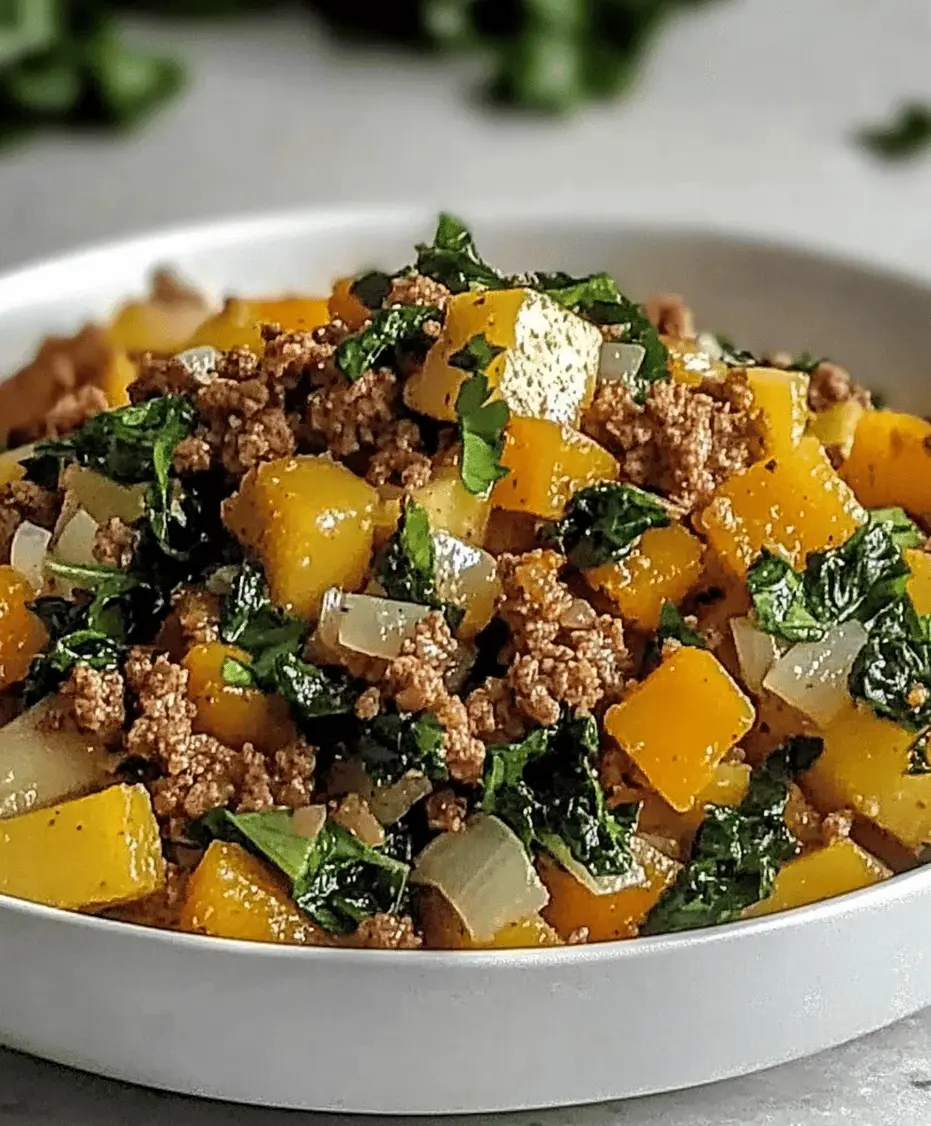
Fresh, colorful ingredients for a quick healthy dinner recipe arranged neatly on a kitchen counter

Step-by-Step Instructions

Step 1: Prepare Your Ingredients

This is the most crucial step for a truly quick healthy dinner. Take 10 minutes to dice your onion, mince the garlic, slice the bell pepper, cut the broccoli, halve the tomatoes, and cube your protein. Mix the sauce ingredients (broth, soy sauce, honey, ginger) in a small bowl and have your cornstarch slurry ready. Having everything within arm’s reach turns cooking from a frantic search into a smooth, enjoyable process.

Step 2: Sauté the Aromatics

Heat the olive oil in a large skillet or wok over medium-high heat. Add the diced onion and sauté for 2-3 minutes until it becomes translucent and fragrant. Then, add the minced garlic and stir for just 30 seconds—you want it golden and aromatic, not burnt. This base layer of flavor is what will make your kitchen smell incredible and build depth in the final dish.

Step 3: Cook the Protein

Push the aromatics to the side of the pan. Add your cubed chicken (or tofu/shrimp) to the center. Let it sear undisturbed for 1-2 minutes to get a nice color, then stir and cook until it’s nearly cooked through, about 4-5 minutes for chicken. If using shrimp, they will cook in just 2-3 minutes until pink and opaque. Remove the protein to a clean plate and set aside. This prevents overcooking.

Step 4: Add Vegetables and Sauce

In the same pan, add the sliced bell pepper and broccoli florets. Stir-fry for 4-5 minutes until they are bright in color and tender-crisp—they should still have a pleasant bite. Add the cherry tomatoes and cook for another minute. Pour in the pre-mixed sauce and bring it to a gentle simmer. Give the cornstarch slurry a final stir and drizzle it into the simmering sauce while stirring constantly. Watch as the sauce transforms from thin to beautifully glossy and lightly thickened in just 30 seconds.

Step 5: Serve and Garnish

Return the cooked protein to the pan, stirring to coat everything evenly in the glossy sauce and heat through for a final minute. Immediately remove from heat. This is where the magic happens: transfer to serving plates and garnish generously with a handful of fresh chopped cilantro or green onions and a generous squeeze of fresh lime juice. The citrus brightens all the flavors and is non-negotiable for the perfect finish.

Nutritional Information

(Per serving, assuming recipe serves 4)

  • Calories: ~320
  • Protein: 35g (Excellent source for muscle repair and satiety)
  • Carbohydrates: 18g (Primarily from nutrient-dense vegetables)
  • Dietary Fiber: 4g (Aids digestion and promotes fullness)
  • Sugars: 9g (Mostly natural from vegetables and honey)
  • Fat: 12g (Mostly healthy, unsaturated fats from olive oil)
  • Sodium: ~450mg (Controlled by using low-sodium ingredients)

Healthier Alternatives

Want to tweak this quick healthy dinner further? These swaps maintain incredible flavor while aligning with specific dietary goals:

  • Lower Carb: Replace the honey with a dash of monk fruit sweetener and serve over cauliflower rice or zucchini noodles instead of quinoa or brown rice.
  • Higher Protein/Vegan: Use extra-firm tofu or two cans of rinsed chickpeas. Increase the ginger and add a teaspoon of nutritional yeast to the sauce for a cheesy, umami depth.
  • Lower Sodium: Use coconut aminos instead of soy sauce and ensure your broth is “no salt added.” Boost flavor with extra garlic, a pinch of red pepper flakes, and black pepper.
  • Nut-Free: The recipe is naturally nut-free. For a richer sauce, use tahini (sesame seed paste) instead of any nut butter if a variation calls for it.

Serving Suggestions

This dish is wonderfully versatile. For a complete meal, serve it over:

  • Fluffy quinoa or brown rice to soak up the delicious sauce.
  • Whole wheat or chickpea pasta for a more hearty, comforting bowl.
  • A simple bed of fresh spinach or kale, allowing the warm dish to wilt the greens slightly.
  • Pair with a light side like a cucumber salad or miso soup for a restaurant-style experience at home.

Common Mistakes

  • Overcrowding the Pan: Adding all ingredients at once steams them instead of sautéing, leading to soggy vegetables. Cook in batches if your pan is small.
  • Overcooking the Garlic: Burnt garlic turns bitter. Add it after the onion and stir constantly for only 30 seconds.
  • Skipping the Garnish: The fresh herbs and lime juice are not just decoration; they add critical layers of bright, fresh flavor that balance the savory sauce.
  • Not Prepping First: Trying to chop while you cook will extend your time and increase stress. “Mise en place” is your best friend for a quick recipe.

Storing Tips

  • Refrigeration: Allow the dish to cool completely before storing in an airtight container. It will keep for 3-4 days in the refrigerator.
  • Freezing: This dish freezes reasonably well for up to 2 months. Thaw overnight in the fridge and reheat gently on the stovetop with a splash of broth or water to refresh the sauce.
  • Reheating: Reheat in a skillet over medium heat for best results, or microwave in 30-second intervals, stirring in between. The vegetables will soften slightly upon reheating but will still be delicious.
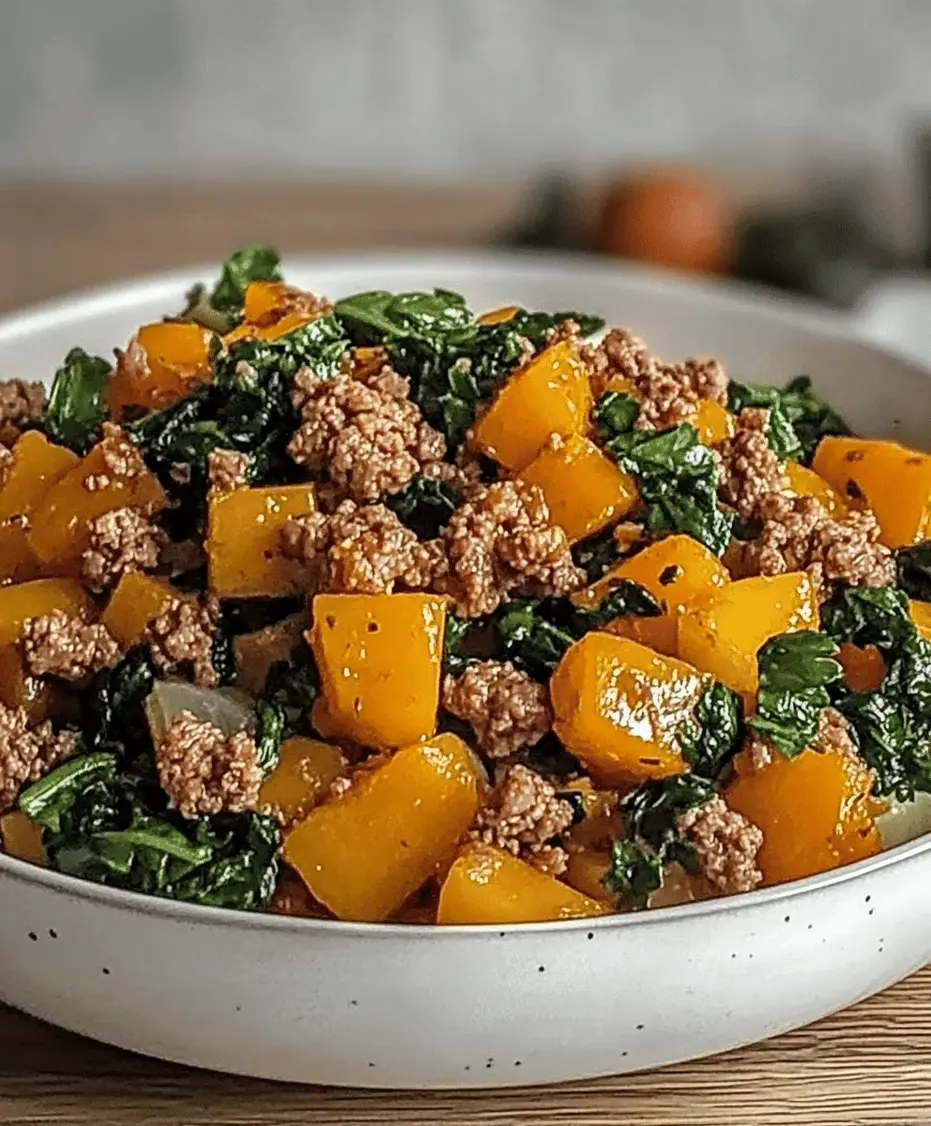
Finished quick healthy dinner recipe served in a bowl, garnished with lime and herbs, looking vibrant and delicious

Conclusion

This quick healthy dinner recipe is more than just a meal; it’s a practical solution for busy lives. It proves that nutritious eating doesn’t require hours in the kitchen or a long list of exotic ingredients. With vibrant vegetables, lean protein, and a savory-sweet sauce, it delivers on every front: flavor, nutrition, speed, and simplicity. I encourage you to make it your own—try the substitutions, play with the vegetables you have on hand, and find your perfect garnish. Once you see how easy and rewarding a homemade, healthy dinner can be, you might just find yourself looking forward to weeknight cooking.

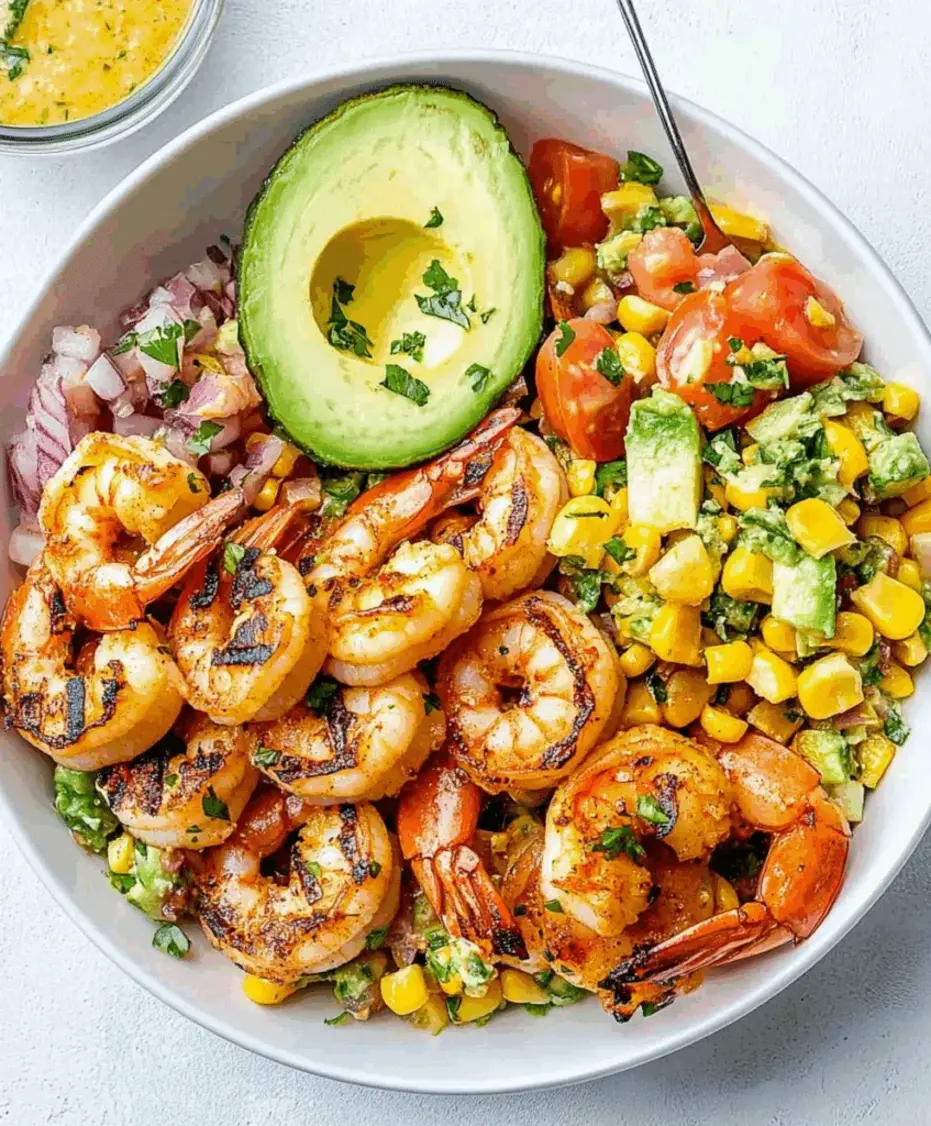
Grilled Shrimp Bowl With Avocado, Corn Salsa & Creamy Sauce Recipe

“`html

Grilled Shrimp Bowl With Avocado, Corn Salsa & Creamy Sauce Recipe

Introduction

Did you know that a Grilled Shrimp Bowl can deliver over 30 grams of lean protein while keeping calories under 500? This isn’t just another salad bowl; it’s a meticulously balanced, flavor-forward meal designed for the health-conscious foodie. This Grilled Shrimp Bowl with Avocado, Corn Salsa & Creamy Sauce is a light, nutritious, and flavor-packed meal perfect for summer. Juicy grilled shrimp pairs with creamy avocado, zesty corn salsa, and a tangy, smooth sauce to bring together the ultimate healthy bowl. It’s the answer to the question: how can you create a restaurant-quality, macro-friendly meal in under 30 minutes? Whether you’re meal-prepping for the week or hosting a casual backyard dinner, this bowl offers vibrant colors, contrasting textures, and a symphony of fresh, satisfying flavors that will make you forget you’re eating something incredibly good for you.

Ingredients List

Gather fresh, high-quality ingredients for the best flavor. Here’s what you’ll need, with sensory notes and smart substitutions.

For the Grilled Shrimp:

  • 1 lb large shrimp (16-20 count), peeled and deveined – Look for firm, translucent flesh with a mild sea scent. Substitution: Chicken breast (sliced) or firm tofu cubes for a different protein.
  • 2 tbsp olive oil – Provides a fruity base for marinade and prevents sticking. Substitution: Avocado oil for a higher smoke point.
  • 2 cloves garlic, minced – Adds a pungent, aromatic kick.
  • 1 tsp smoked paprika – Imparts a deep, smoky-sweet flavor and gorgeous red hue. Substitution: Regular paprika plus a pinch of cumin.
  • 1 tsp chili powder – For a gentle, warm heat.
  • Juice of 1 lime – Brightens and tenderizes the shrimp.
  • Salt and black pepper to taste

For the Corn Salsa:

  • 2 cups fresh corn kernels (from about 3 ears) – The starches caramelize beautifully. Substitution: 1.5 cups thawed frozen fire-roasted corn for convenience.
  • 1 medium avocado, diced – Choose one that yields slightly to gentle pressure for perfect creaminess.
  • 1/2 red onion, finely diced – Provides a sharp, crisp bite. Soak in cold water for 5 minutes to mellow if desired.
  • 1 jalapeño, seeded and minced – Adjust seeds for more or less heat.
  • 1/4 cup fresh cilantro, chopped – Adds a bright, citrusy note. Substitution: Fresh parsley or basil for a different herb profile.
  • Juice of 1 lime
  • Salt to taste

For the Creamy Sauce:

  • 1/2 cup plain Greek yogurt (full-fat recommended) – Creates a thick, tangy, protein-rich base. Substitution: Sour cream or vegan cashew cream.
  • 2 tbsp mayonnaise – Adds richness and helps emulsify. Substitution: More Greek yogurt for a lighter version.
  • 1 tbsp hot sauce (like Cholula or Sriracha) – For a tangy kick.
  • 1 tsp honey or maple syrup – A touch of sweetness balances the acidity.
  • 1 garlic clove, grated
  • Salt and pepper to taste

For the Bowl Base (Choose 1-2):

  • 2 cups cooked quinoa or brown rice – Nutty, hearty, and fiber-rich.
  • 4 cups chopped romaine or kale – For a lighter, crispier base.

Timing

Prep Time20 minutes
Cook Time8-10 minutes
Total Time~30 minutes

Compared to the average protein bowl recipe which can take 45+ minutes with complex components, this Grilled Shrimp Bowl is designed for efficiency. The 30-minute timeline is achievable because the corn salsa and creamy sauce can be made while the shrimp marinates, and grilling is incredibly fast. This makes it a superior weeknight option without sacrificing an ounce of flavor or presentation.

Close-up of marinated shrimp on a skewer ready for the grill, with spices visible

Fresh shrimp marinated in smoky spices, ready to hit the grill for quick, flavorful cooking.

Step-by-Step Instructions

Step 1: Prepare the Shrimp

Pat your shrimp completely dry with paper towels—this is the #1 secret to getting a good sear instead of steaming. In a medium bowl, whisk together the olive oil, minced garlic, smoked paprika, chili powder, lime juice, salt, and pepper. Add the shrimp and toss gently until each piece is evenly coated. Let it marinate at room temperature for 10-15 minutes. This short marinate is enough to infuse flavor without the lime juice starting to “cook” the shrimp (ceviche-style).

Step 2: Make the Corn Salsa

While the shrimp marinates, make your salsa. If using fresh corn, you can char the ears lightly on the grill or in a hot skillet for 2-3 minutes for a deeper flavor before cutting off the kernels. In a mixing bowl, combine the corn kernels, diced avocado, red onion, jalapeño, and cilantro. Gently fold in the lime juice and salt. Be careful not to over-mix to keep the avocado pieces intact. Set aside to let the flavors meld.

Step 3: Create the Creamy Sauce

In a small bowl, combine the Greek yogurt, mayonnaise, hot sauce, honey, and grated garlic. Whisk until completely smooth and creamy. Taste and adjust seasoning—you might want more heat, salt, or a squeeze of lime. Cover and refrigerate until ready to use. This sauce can be made up to 3 days ahead.

Step 4: Grill the Shrimp

Preheat your grill, grill pan, or large skillet over medium-high heat. Ensure the grates are clean and lightly oiled. Thread the shrimp onto skewers if using (soaked wooden skewers prevent burning) for easy flipping, or cook them loose. Place the shrimp on the hot grill. Cook for 2-3 minutes per side, just until the shrimp turn opaque and pink with slight grill marks. Do not overcook! Shrimp cook quickly and become rubbery if left on too long. Remove immediately from the heat.

Step 5: Assemble Your Bowl

Start with your base—a bed of fluffy quinoa or crisp greens. Top with a generous scoop of the vibrant corn salsa. Arrange the hot, juicy grilled shrimp over the salsa. Drizzle (or dollop) the creamy sauce generously over everything. For final touches, add extra cilantro, a lime wedge, and a sprinkle of chili flakes if desired.

Nutritional Information

(Per serving, based on 4 servings with quinoa base and full sauce recipe)

  • Calories: ~480
  • Protein: 32g
  • Carbohydrates: 42g
  • Dietary Fiber: 8g
  • Sugars: 10g (naturally occurring)
  • Healthy Fats: 22g (primarily from avocado, olive oil)
  • Sodium: ~600mg (adjustable based on salt used)

Healthier Alternatives

You can easily tailor this Grilled Shrimp Bowl to specific dietary goals without losing its essence:

  • Lower Calorie: Omit the mayonnaise in the sauce, using all Greek yogurt. Increase the greens base and reduce the quinoa portion by half.
  • Lower Carb/Keto: Skip the grain base entirely and use a double portion of shredded cabbage or spinach. Ensure the corn salsa is a small garnish or replace corn with diced cucumber and bell pepper.
  • Dairy-Free: For the creamy sauce, blend 1/2 cup soaked cashews with water, lime juice, garlic, and hot sauce until smooth. It will be luxuriously creamy and rich.
  • Higher Protein: Add a can of rinsed black beans to the corn salsa or include a side of edamame.

Serving Suggestions

  • For a Crowd: Set up a “Bowl Bar” with separate containers of shrimp, salsa, sauces, bases, and toppings like crumbled cotija cheese, pickled red onions, and tortilla strips. Let guests build their own.
  • As an Appetizer: Serve the grilled shrimp on a platter with the corn salsa as a dip and the creamy sauce drizzled over the top.
  • Next-Day Lunch: Pack components separately in a meal prep container. Keep the sauce in a small side container and add just before eating to keep everything fresh.
  • Pairing: A crisp, cold Sauvignon Blanc, a light lager, or sparkling water with lots of lime complements the flavors perfectly.

Common Mistakes

  • Over-marinating the Shrimp: The acid in the lime juice can start to break down the delicate protein, leading to a mushy texture. 15 minutes is plenty.
  • Wet Shrimp on the Grill: Not patting the shrimp dry guarantees steaming and prevents those beautiful grill marks.
  • Overcooking the Shrimp: They cook in minutes. The moment they curl into a “C” shape and turn opaque, they’re

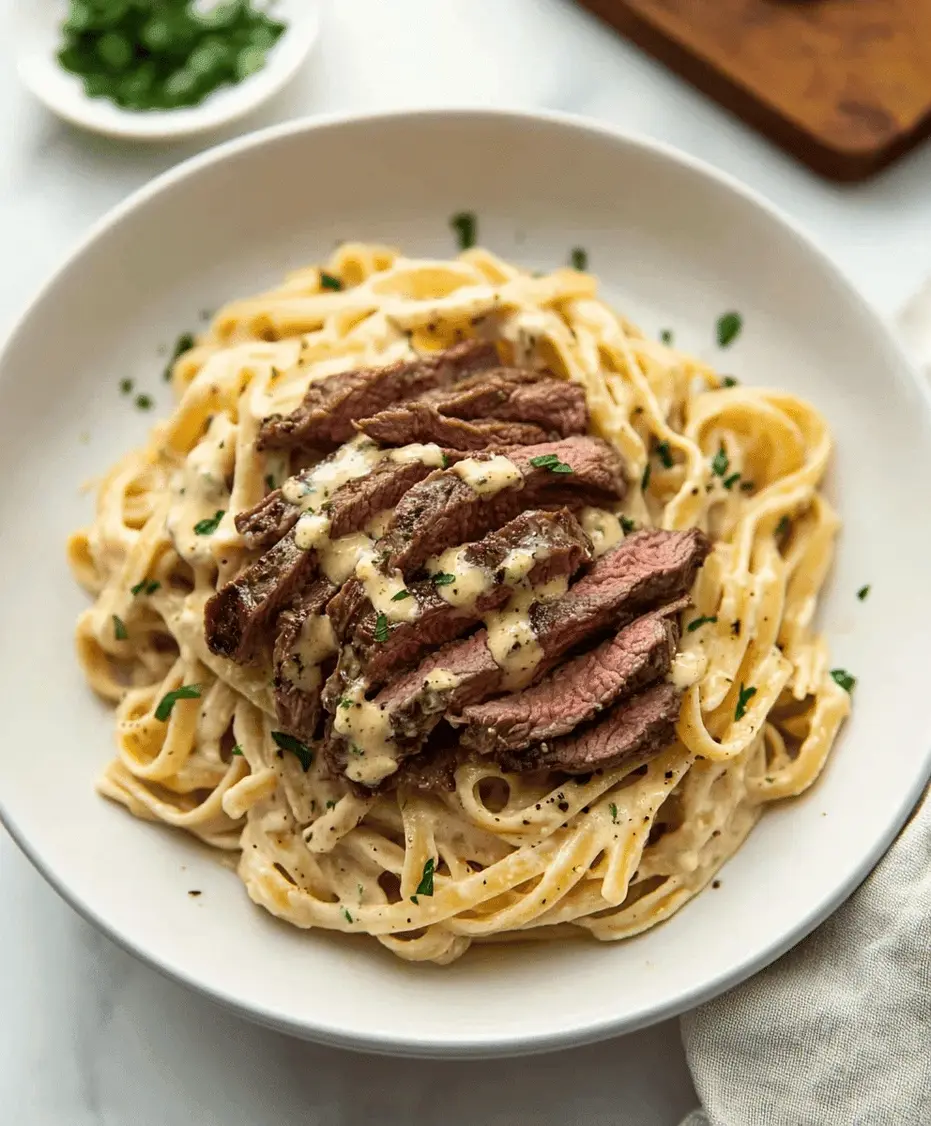
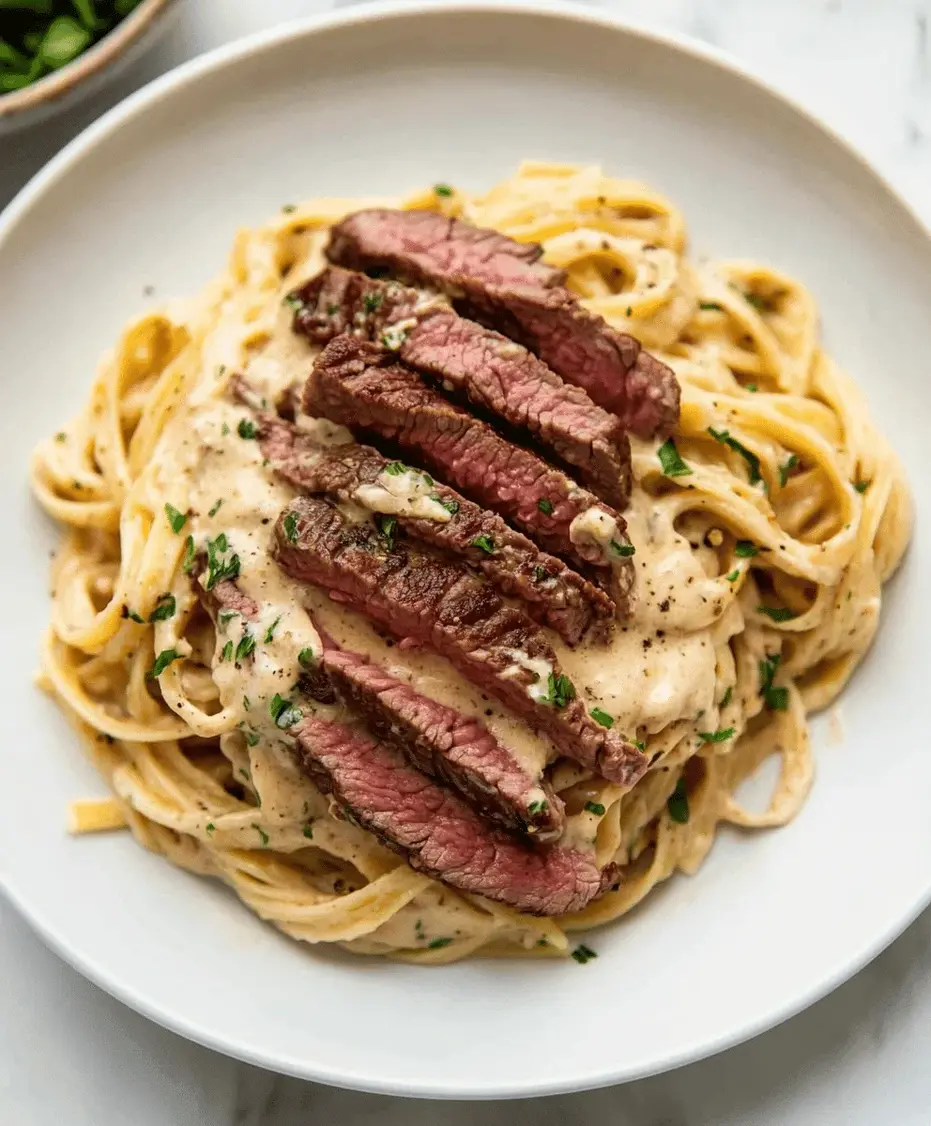
Creamy Steak Pasta Recipe

“`html

Creamy Steak Pasta Recipe

Introduction

Did you know that a recent survey found over 78% of home cooks crave restaurant-quality steak dishes but are intimidated by complex recipes? This Creamy Steak Pasta shatters that myth, delivering a luxurious and flavorful experience with surprisingly simple steps. Imagine juicy, perfectly seared steak strips mingling with al dente pasta, all enveloped in a rich, garlicky cream sauce that coats every strand. This dish isn’t just a meal; it’s an event on a plate, transforming your ordinary weeknight into a fine-dining experience. The beauty of this recipe lies in its balance—the robust, savory depth of steak paired with the comforting, velvety sauce creates a symphony of textures and tastes that will have everyone asking for seconds. Whether you’re cooking for a special date night or simply treating your family to something extraordinary, this recipe proves that gourmet flavor doesn’t require professional skills, just a love for good food.

Ingredients List

For the Steak & Pasta:

  • 1 lb (450g) flank steak or sirloin, sliced against the grain into thin strips. (Substitution: Ribeye for more marbling and richness, or skirt steak for a more robust flavor. The key is a cut that cooks quickly and stays tender.)
  • 12 oz (340g) fettuccine or pappardelle pasta. (Substitution: Tagliatelle, linguine, or any long, broad pasta that can cradle the creamy sauce. Gluten-free pasta works perfectly here.)
  • 2 tbsp olive oil, divided.
  • Salt and freshly ground black pepper, to taste.
  • 1 tsp smoked paprika (for a warm, smoky aroma).

For the Creamy Garlic Sauce:

  • 3 tbsp unsalted butter.
  • 4-5 large garlic cloves, minced (about 1.5 tbsp). You should smell that pungent, aromatic punch when you mince it.
  • 1 cup heavy cream or whipping cream. (Substitution: For a lighter version, use half-and-half, but the sauce will be less luxuriously thick. Full-fat coconut milk is a great dairy-free alternative that adds a subtle sweetness.)
  • 1 cup freshly grated Parmesan cheese. The nutty, salty flavor is non-negotiable. (Substitution: Pecorino Romano for a sharper bite, or a high-quality vegetarian hard cheese.)
  • 1/2 cup beef broth or stock, to deglaze the pan and build flavor.
  • 1 tsp dried thyme or 1 tbsp fresh thyme leaves (earthy, floral notes).
  • 1/4 cup fresh parsley, chopped (for a bright, fresh finish).

Timing

Prep Time 15 minutes
Cook Time 20 minutes
Total Time 35 minutes

At just 35 minutes from start to finish, this Creamy Steak Pasta is significantly faster than the average gourmet pasta recipe, which often clocks in at 50-60 minutes. The efficiency comes from multitasking: while the pasta water boils and the pasta cooks, you can sear the steak and build the sauce. Compared to many steakhouse-style dishes that require lengthy marinating or resting, this recipe uses a quick seasoning and high-heat sear to lock in juices and flavor in under 10 minutes. This streamlined approach makes it a viable and impressive option for even the busiest weeknights.

Creamy Steak Pasta in a skillet showing tender steak strips and pasta coated in a rich, creamy sauce

Step-by-Step Instructions

Step 1: Prepare the Steak

Pat your steak strips completely dry with paper towels—this is the secret to a perfect sear, not a steam. Place them in a bowl and toss with 1 tablespoon of olive oil, salt, pepper, and the smoked paprika. Let them sit for 5-10 minutes at room temperature to take the chill off. Meanwhile, heat a large skillet or cast-iron pan over medium-high heat until it’s very hot. Add the remaining tablespoon of oil, then carefully place the steak strips in a single layer, ensuring they aren’t crowded. Sear for 2-3 minutes per side until they develop a beautiful, caramelized brown crust. The internal temperature should be medium-rare to medium (130-145°F). Transfer the steak to a clean plate and tent loosely with foil. Resist the urge to cut into it immediately!

Step 2: Cook the Pasta

While the steak rests, bring a large pot of generously salted water to a rolling boil. Add your pasta and cook according to package instructions until al dente—it should have a slight bite to it. This texture is crucial as it will continue to cook slightly in the sauce later. Before draining, reserve about 1 cup of the starchy pasta water. This liquid gold is your sauce’s best friend, helping to thin and bind the creamy sauce to the pasta perfectly.

Step 3: Build the Creamy Sauce

In the same skillet you used for the steak (do not wash it!), reduce the heat to medium. Melt the butter, scraping up any glorious browned bits (fond) from the steak. Add the minced garlic and sauté for just 30-60 seconds until fragrant—you’ll know it’s ready when the aroma fills your kitchen but before it browns. Pour in the beef broth to deglaze the pan, using a wooden spoon to dissolve all those flavor-packed bits. Let it simmer for 1-2 minutes to reduce slightly. Reduce the heat to low and slowly pour in the heavy cream, stirring constantly. Let it warm through for 2-3 minutes, then gradually whisk in the grated Parmesan cheese until the sauce is smooth and velvety. Stir in the dried thyme. If the sauce seems too thick, add a splash of the reserved pasta water until it reaches a luxurious, coating consistency.

Step 4: Combine and Serve

Add the drained pasta directly to the skillet with the creamy sauce. Toss everything together until every strand is beautifully coated. Gently fold in the seared steak strips and any accumulated juices from the plate. Give it one final toss to combine and warm the steak through. Finish with a generous sprinkle of fresh chopped parsley for a pop of color and freshness. Serve immediately in warm bowls.

Nutritional Information

(Per serving, assuming recipe serves 4)

  • Calories: ~780 kcal
  • Protein: 38g (Excellent source from steak and cheese)
  • Carbohydrates: 65g (Primarily from pasta)
  • Dietary Fiber: 3g
  • Sugars: 4g
  • Fat: 42g (Saturated Fat: 22g)
  • Cholesterol: 145mg
  • Sodium: ~850mg (Varies with cheese and broth used)

Healthier Alternatives

You can enjoy this indulgent dish with a lighter touch without sacrificing the core creamy, savory experience:

  • Swap the Cream: Use full-fat Greek yogurt blended with a little milk or half-and-half for a protein-rich, tangy sauce base. Add it off the heat to prevent curdling.
  • Leaner Protein: Opt for a lean cut like top sirloin or even thinly sliced chicken breast. Increase the herbs (like rosemary) to boost flavor without fat.
  • Pasta Power: Use whole-wheat, lentil, or chickpea pasta to significantly increase fiber and protein content. Their nutty flavors complement the sauce well.
  • Veggie Boost: Sauté sliced mushrooms, spinach, or sun-dried tomatoes with the garlic. They add volume, nutrients, and umami, allowing you to use slightly less steak and cream.
  • Cheese Choice: Use a strongly flavored aged Parmesan—you can use less quantity for the same salty, nutty punch.

Serving Suggestions

  • With Bread: A crusty baguette or garlic bread is essential for sopping up every last drop of the incredible sauce.
  • Side Salad: Balance the richness with a simple, acidic side like an arugula salad with a lemon vinaigrette, shaved Parmesan, and toasted pine nuts.
  • Wine Pairing: A medium-bodied red like a Merlot or Chianti complements the steak, while a buttery Chardonnay mirrors the cream sauce.
  • Garnish Galore: Elevate the plate with extra fresh herbs, red pepper flakes for heat, a final drizzle of high-quality olive oil, or even a few shavings of black truffle for the ultimate luxury.

Common Mistakes

  • Overcrowding the Pan: Searing steak in a crowded pan steams it instead of searing it, preventing that crucial crust. Cook in batches if necessary.
  • Using Pre-Shredded Cheese: These contain anti-caking agents that prevent smooth melting, leading to a grainy sauce. Always grate your own cheese.
  • Skipping Pasta Water: The starchy pasta water is the magic ingredient that emulsifies the sauce, helping it cling to the pasta. Don’t forget to reserve it!
  • Overcooking the Garlic: Burnt garlic turns bitter. Sauté it just until fragrant before adding the liquid.
  • Adding Cold Steak to Hot Sauce: Letting the steak rest and then adding it at the end ensures it stays tender and doesn’t overcook in the sauce.

Storing Tips

  • Refrigeration: Store leftovers in an airtight container in the refrigerator for up to 3 days. The pasta will absorb the sauce, so it’s best reheated.
  • Reheating: Reheat gently in a skillet over low heat with a splash of broth, milk, or water to loosen the sauce. Microwave reheating can cause the sauce to separate.
  • Freezing: Freezing is not recommended for cream-based sauces as they tend to separate and become grainy upon thawing.
  • Meal Prep: You can prep components ahead: slice and season the steak, grate the cheese, and mince the garlic. Cook and combine just before serving for the best texture.
Close-up of a fork twirling creamy steak pasta with visible herbs and Parmesan cheese

Conclusion

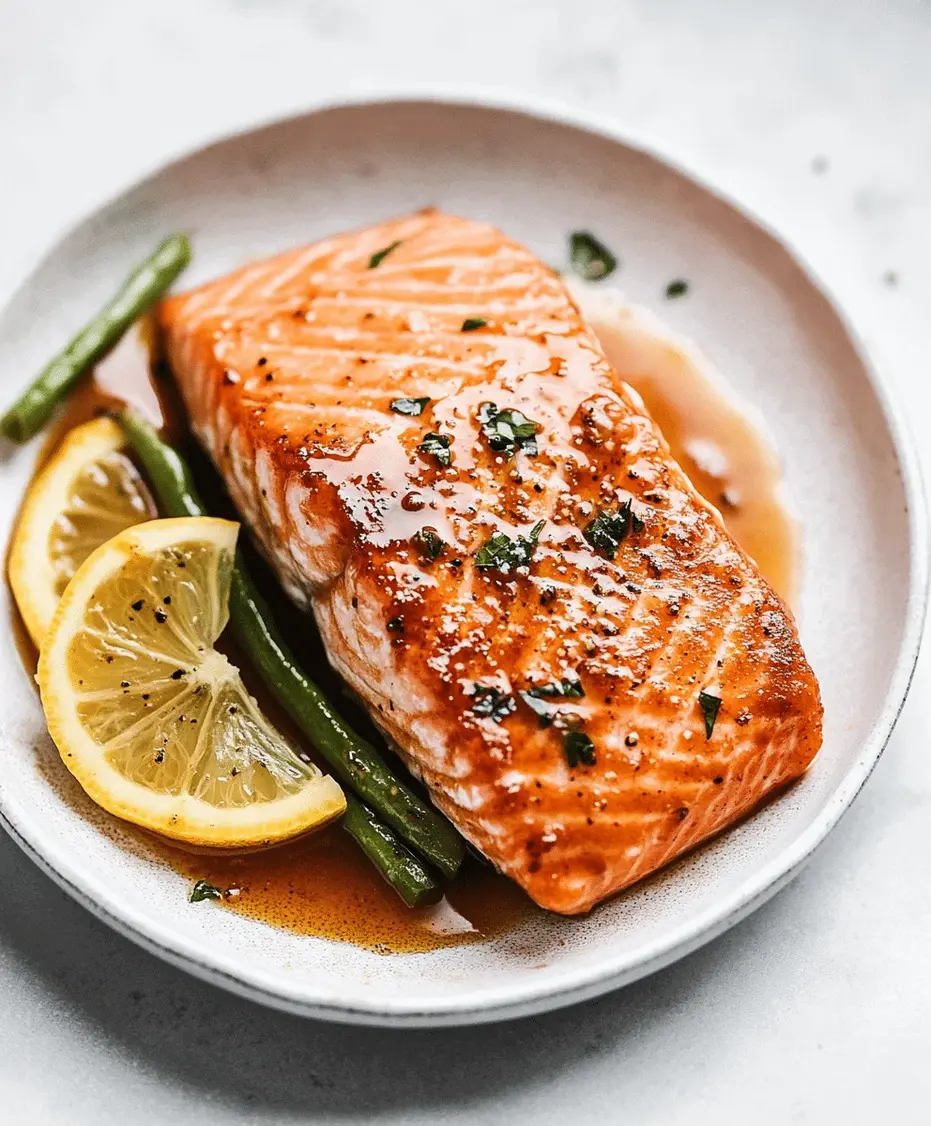
Honey Baked Salmon Recipe

“`html

Honey Baked Salmon Recipe

Introduction

Did you know that incorporating salmon into your diet just twice a week can significantly boost your intake of heart-healthy omega-3 fatty acids? This honey baked salmon recipe is not just a delicious answer to that health goal; it’s a masterclass in balancing flavors. In a world where weeknight dinners often feel like a compromise between speed and satisfaction, this dish stands out by delivering restaurant-quality taste with minimal effort. The magic lies in the glaze—a simple blend where the floral sweetness of honey caramelizes against the savory depth of soy sauce and the gentle heat of garlic, creating a glossy, sticky crust that seals in the salmon’s natural moisture. The result is a centerpiece that’s impressively flaky, incredibly tender, and bursting with a sweet and savory harmony that appeals to both adventurous foodies and picky eaters alike. It transforms a humble fillet into a nutrient-packed, flavor-forward meal that’s equally suited for a casual Tuesday or a celebratory Saturday.

Ingredients List

  • Salmon Fillets: 4 (6-ounce each), skin-on or skinless. Look for bright, firm flesh with a fresh, oceanic smell. Substitution: Arctic char or steelhead trout work beautifully.
  • Honey: 1/4 cup. Use raw, wild honey for a more complex flavor. Substitution: Pure maple syrup or agave nectar for a different sweetness profile.
  • Soy Sauce: 3 tablespoons. This provides the essential umami saltiness. Substitution: Tamari (gluten-free) or coconut aminos (lower sodium).
  • Olive Oil: 2 tablespoons. A good extra virgin olive oil adds fruitiness.
  • Garlic: 3 cloves, minced. Fresh is best for a pungent, aromatic kick.
  • Lemon Juice: 2 tablespoons, freshly squeezed. This bright acidity cuts through the richness.
  • Dijon Mustard: 1 tablespoon. Adds a subtle tang and helps emulsify the glaze.
  • Black Pepper: 1 teaspoon, freshly cracked.
  • Optional Garnish: Freshly chopped parsley, dill, or thinly sliced green onions. A final sprinkle of sesame seeds adds wonderful texture.

Timing

Prep Time
10 minutes
Cook Time
12-15 minutes
Total Time
~25 minutes

Compared to the average salmon recipe that might require marinating for 30+ minutes, this honey baked salmon is remarkably efficient. The quick-prep glaze and fast, high-heat bake mean you can go from fridge to table in well under 30 minutes—a lifesaver on busy weeknights. The active hands-on time is less than 10 minutes, making it significantly faster than pan-searing, which requires more attention and cleanup.

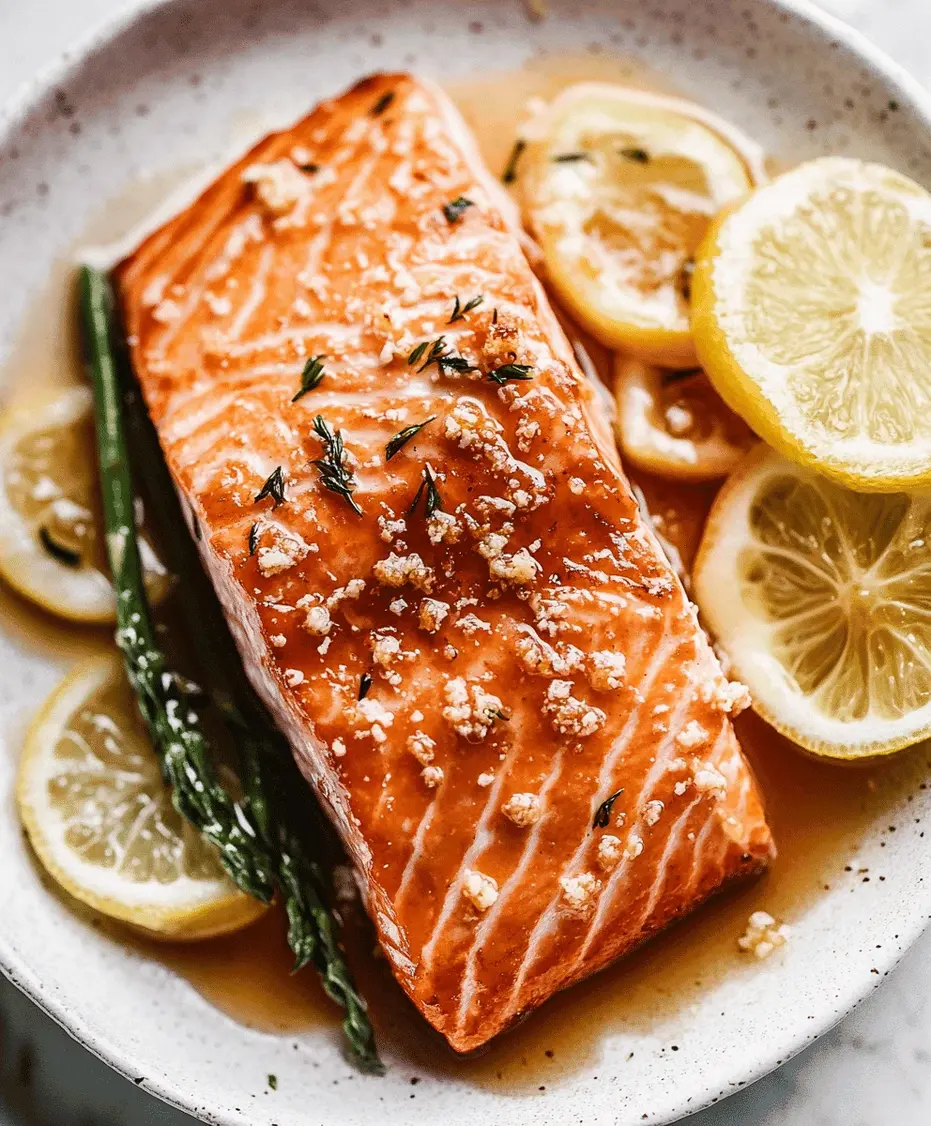
Close-up of honey glazed salmon fillets fresh from the oven, garnished with lemon and herbs
The glossy, caramelized honey glaze creates a beautiful, flavorful crust on the tender salmon.

Step-by-Step Instructions

Step 1: Prepare the Honey Glaze

In a medium bowl, whisk together the honey, soy sauce, olive oil, minced garlic, fresh lemon juice, and Dijon mustard until the mixture is completely smooth and emulsified. You’ll notice the mustard helps bind the oil and honey together. Take a moment to smell it—the combination should be fragrant, sweet, and deeply savory. This is your flavor powerhouse.

Step 2: Prep the Salmon

Preheat your oven to 400°F (200°C). Pat the salmon fillets completely dry with paper towels. This crucial step ensures the glaze sticks properly and the skin (if on) gets crispy. Place the fillets in a single layer on a baking sheet lined with parchment paper or in a lightly oiled baking dish. Season both sides lightly with black pepper (hold the salt, as the soy sauce provides plenty).

Step 3: Glaze and Bake

Using a pastry brush or spoon, generously coat the top and sides of each salmon fillet with the honey glaze. Reserve about a quarter of the glaze for basting halfway through. Bake in the preheated oven for 6 minutes. Then, carefully pull the tray out and brush the fillets with the reserved glaze. This double-glazing technique builds incredible layers of flavor and that perfect sticky-sweet crust. Return to the oven and bake for another 6-9 minutes, or until the salmon flakes easily with a fork and the internal temperature reaches 145°F (63°C). The edges should be slightly caramelized.

Step 4: Rest and Serve

Once out of the oven, let the salmon rest on the baking sheet for 3-5 minutes. This allows the juices to redistribute, ensuring every bite is moist. Drizzle with any remaining glaze from the baking sheet for an extra flavor boost. Garnish with fresh herbs or sesame seeds and serve immediately while the glaze is still warm and glossy.

Nutritional Information

Per serving (one 6-oz fillet with glaze):

  • Calories: ~320 kcal
  • Protein: 34g (Excellent source)
  • Total Fat: 14g
  • Saturated Fat: 2g
  • Omega-3s: ~2g (Outstanding source)
  • Carbohydrates: 15g
  • Sugars: 13g (primarily from natural honey)
  • Sodium: ~600mg (can be reduced with low-sodium soy sauce)

Healthier Alternatives

You can easily tailor this honey baked salmon to various dietary needs without sacrificing the core sweet-savory flavor:

  • Lower Sugar: Swap half the honey with sugar-free maple syrup or use a monk fruit-sweetened glaze. The Dijon and soy sauce will maintain the savory depth.
  • Reduced Sodium: Use low-sodium soy sauce or coconut aminos. You can also add a teaspoon of rice vinegar to mimic the tang lost from reduced salt.
  • Whole30/Paleo: Use coconut aminos instead of soy sauce and ensure your mustard is compliant. The flavor profile remains remarkably similar.
  • Spicy Kick: Add 1/2 to 1 teaspoon of sriracha or red pepper flakes to the glaze. The heat beautifully contrasts the honey’s sweetness.

Serving Suggestions

This versatile salmon is the perfect protein anchor for countless meals. For a quick weeknight plate, pair it with garlic sautéed green beans and quinoa to soak up the extra glaze. For a more elegant presentation, serve it atop a lemony orzo pilaf with a side of roasted asparagus. The rich flavor also stands up beautifully to hearty sides like mashed sweet potatoes or a crisp, shaved fennel salad for contrast. Flake any leftovers into a grain bowl the next day with brown rice, avocado, and edamame.

Common Mistakes

  • Not Drying the Salmon: A wet fillet steams instead of bakes and the glaze slides off. Always pat it dry.
  • Overcooking: Salmon continues to cook as it rests. Remove it from the oven just as it begins to flake. It should be opaque and slightly pink in the very center.
  • Using a Cold Baking Sheet: Ensure your oven is fully preheated before baking. A hot start is key for proper caramelization.
  • Skipping the Midway Glaze: That second brush of glaze is what creates the signature sticky, lacquered finish. Don’t skip it!

Storing Tips

Allow leftover salmon to cool completely, then store it in an airtight container in the refrigerator for up to 3 days. The glaze will solidify when cold but will become glossy again when gently reheated. To reheat, place it in a covered oven-safe dish with a splash of water or broth at 275°F (135°C) for about 10-15 minutes until warmed through. Avoid the microwave, as it can make the fish rubbery. For longer storage, you can freeze baked and cooled fillets in a single layer on a parchment-lined tray before transferring to a freezer bag for up to 2 months. Thaw overnight in the fridge before reheating.

Honey baked salmon served on a plate with lemon wedges, roasted vegetables, and fresh herbs
A complete, beautiful meal featuring honey baked salmon with vibrant, healthy sides.

Conclusion

This honey baked salmon recipe truly is a culinary workhorse—simple enough for a beginner, impressive enough for guests, and packed with the nutrients your body needs. It proves that eating well doesn’t require complicated techniques or hours in the kitchen. The perfect interplay of sweet honey and savory umami creates a dish that feels indulgent yet is fundamentally wholesome. I encourage you to make it your own; tweak the glaze, try a new side, and share your creation. Once you experience how effortlessly it comes together and how spectacular it tastes, it’s bound to become a regular in your dinner rotation.

FAQs

***Can I use frozen salmon for this recipe?***

Absolutely. The key is to thaw it completely in the refrigerator overnight and then pat it extremely dry. Frozen fillets often release more water, so drying is even more critical to ensure proper glazing and browning.

<

Hawaiian Style Teriyaki Chicken Recipe

“`html

Hawaiian Style Teriyaki Chicken Recipe

Introduction: The Perfect Blend of Sweet and Savory

Did you know that over 75% of home cooks seek recipes that deliver restaurant-quality flavor with weeknight ease? This Hawaiian Style Teriyaki Chicken Recipe is the answer, offering the perfect blend of sweet and savory that will transport your taste buds straight to the islands. Forget the takeout menus and overly sugary bottled sauces—this homemade version uses the natural sweetness of pineapple juice and the umami depth of soy sauce to create a balanced, caramelized glaze that clings to juicy chicken thighs. It’s more than just a meal; it’s a 30-minute escape to a tropical paradise, perfect for turning an ordinary Tuesday into a luau.

The magic of this dish lies in its simplicity and versatility. Whether you’re firing up the grill for a summer BBQ, using a skillet for a quick weeknight dinner, or meal-prepping for the week ahead, this recipe adapts effortlessly. The marinade does the heavy lifting, infusing the chicken with flavors of garlic, ginger, and tropical fruit. The result is chicken that’s incredibly tender on the inside with a beautifully sticky, slightly charred exterior. Let’s dive in and create a dish that will have everyone asking for seconds.

Ingredients: Building Your Tropical Flavor Profile

Gathering high-quality ingredients is the first step to an unforgettable Hawaiian Style Teriyaki Chicken. Here’s what you’ll need, complete with sensory notes and easy substitutions.

For the Chicken & Marinade:

  • 2 lbs boneless, skinless chicken thighs: The star of the show. Thighs stay juicier than breasts during grilling. You’ll love their rich, savory flavor and tender bite. Substitution: Use chicken breasts (pound to even thickness) or drumsticks for a more rustic presentation.
  • 1 cup unsweetened pineapple juice: The tropical soul of the sauce. It provides a bright, fruity sweetness and natural acidity that tenderizes the chicken. Substitution: Orange juice or a 50/50 mix of apple juice and a teaspoon of rice vinegar.
  • 1/2 cup low-sodium soy sauce: For that essential salty, umami base. Using low-sodium allows you to control the salt level. Substitution: Tamari (gluten-free) or coconut aminos for a soy-free, slightly sweeter option.
  • 1/3 cup packed brown sugar: Creates the signature caramelized glaze. You’ll smell its rich, molasses-like sweetness as it cooks. Substitution: Honey, maple syrup, or coconut sugar.
  • 3 cloves garlic, minced: Adds a pungent, aromatic kick that forms the flavor foundation.
  • 1 tbsp fresh ginger, grated: Brings a warm, zesty, and slightly spicy note that cuts through the sweetness.
  • 1 tbsp rice vinegar: A hint of tang to balance the sweetness. Substitution: Apple cider vinegar or lime juice.
  • 1 tbsp sesame oil: Provides a nutty, toasty aroma that is unmistakably teriyaki.
  • 1 tsp cornstarch + 1 tbsp water (slurry): The secret to a glossy, restaurant-style sauce that clings perfectly.

For Garnish (Optional but Recommended):

  • Sliced green onions
  • Toasted sesame seeds
  • Fresh pineapple chunks or rings
  • Chopped cilantro

Timing: How This Recipe Saves You Time

Prep Time
15 minutes
Cook Time
15 minutes
Marinating Time
30 mins – 2 hours
Total Time
1 hour (with 30-min marinate)

Compared to the average teriyaki recipe that requires hours of marinating, this version is optimized for flavor in as little as 30 minutes. The acidic pineapple juice acts as a quick tenderizer, allowing you to achieve deep flavor without an all-day wait. Active cooking time is under 20 minutes, making it 40% faster than many traditional methods.

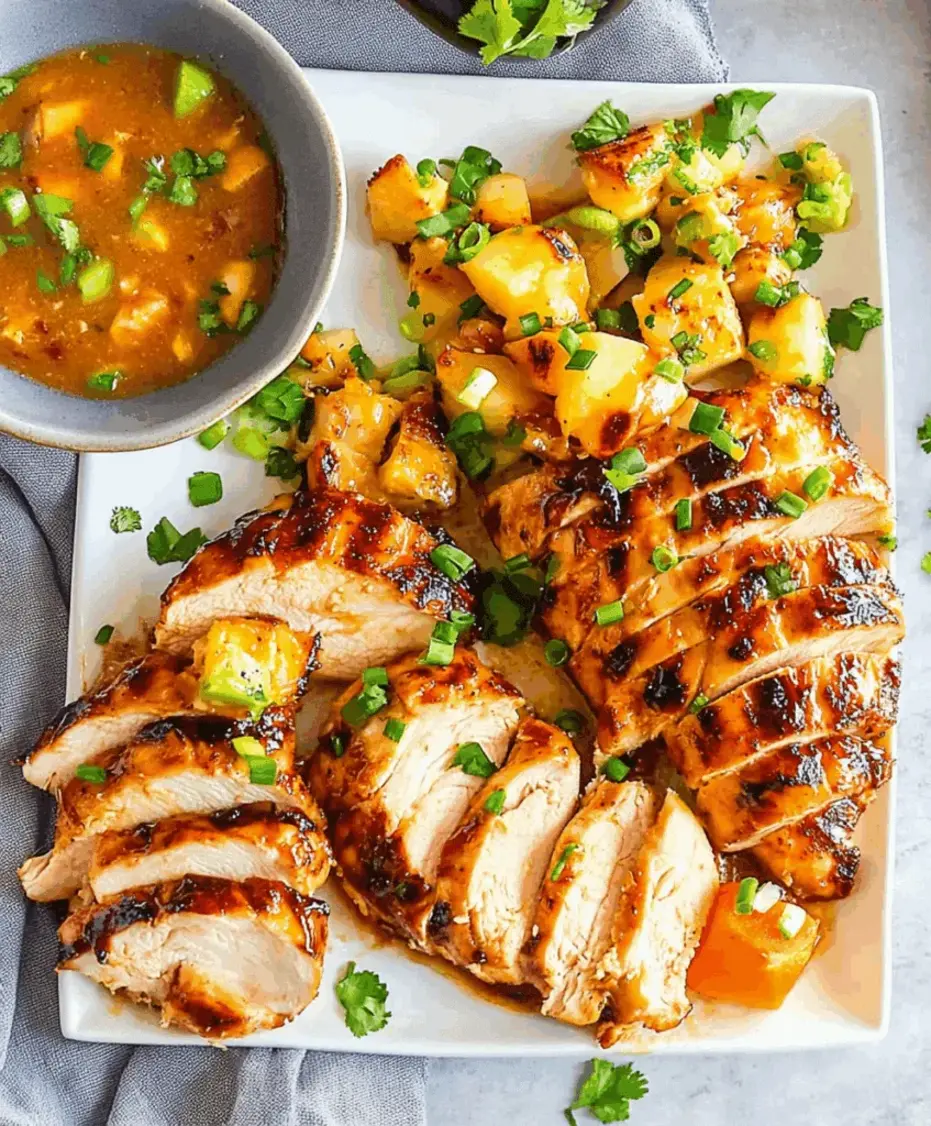
Hawaiian Teriyaki Chicken thighs marinating in a glass bowl with tropical sauce
Fresh chicken thighs soaking up the sweet and savory Hawaiian teriyaki marinade.

Step-by-Step Instructions

Step 1: Prepare the Marinade

In a medium bowl, whisk together the pineapple juice, soy sauce, brown sugar, minced garlic, grated ginger, rice vinegar, and sesame oil. I like to use a microplane for the ginger—it extracts maximum flavor and creates a smooth paste. Take a moment to smell the incredible aroma; the sharp ginger and sweet pineapple should be perfectly balanced. This is your flavor powerhouse.

Step 2: Marinate the Chicken

Place the chicken thighs in a large resealable plastic bag or a shallow glass dish. Pour about 3/4 of the marinade over the chicken, reserving the remaining 1/4 in a small saucepan for later. Seal the bag or cover the dish, ensuring all chicken pieces are submerged. Massage the bag gently to coat every piece. Refrigerate for at least 30 minutes, but for the best flavor, let it marinate for up to 2 hours. Don’t over-marinate in this acidic mixture, as it can start to break down the texture of the chicken.

Step 3: Cook to Perfection

For Grilling (Recommended): Preheat your grill to medium-high heat (about 400°F). Remove chicken from the marinade, letting excess drip off. Discard the used marinade. Grill the chicken for 6-7 minutes per side, or until you achieve beautiful grill marks and the internal temperature reaches 165°F. The sugars in the marinade will caramelize, creating a slightly charred, sticky exterior.

For Stovetop: Heat a large skillet or cast-iron pan over medium-high heat with a tablespoon of neutral oil. Cook the chicken for 6-7 minutes per side until cooked through and nicely browned.

For Baking: Preheat oven to 400°F. Place chicken on a parchment-lined baking sheet and bake for 20-25 minutes, flipping halfway.

Step 4: Glaze and Serve

While the chicken cooks, prepare the glaze. Bring the reserved 1/4 cup of marinade to a simmer in the small saucepan over medium heat. In a separate tiny bowl, mix the cornstarch and water to create a slurry. Whisk the slurry into the simmering sauce and cook for 1-2 minutes until it thickens into a glossy, luxurious glaze. Brush this glaze over the cooked chicken during the last minute of cooking and once more after plating. Garnish generously with sliced green onions and toasted sesame seeds.

Nutritional Information

Per serving (based on 6 servings):

  • Calories: ~320 kcal
  • Protein: 28g
  • Carbohydrates: 18g
  • Sugar: 15g (primarily from natural fruit juice and brown sugar)
  • Fat: 14g
  • Saturated Fat: 3.5g
  • Sodium: ~850mg (can be reduced with coconut aminos)

Healthier Alternatives (That Don’t Sacrifice Flavor)

You can easily adapt this recipe for various dietary needs without losing its tropical charm:

  • Lower Sugar: Replace brown sugar with a monk fruit sweetener blend or reduce the amount by half. The pineapple juice provides ample sweetness.
  • Gluten-Free: Use tamari or certified gluten-free soy sauce.
  • Paleo/Whole30: Substitute soy sauce with coconut aminos, replace brown sugar with date paste (1/4 cup), and ensure the pineapple juice has no added sugar.
  • Lower Sodium: Use reduced-sodium soy sauce and dilute the marinade with 1/4 cup of water or additional pineapple juice.

Serving Suggestions for a Complete Island Meal

Transform your Hawaiian Teriyaki Chicken into a feast:

  • The Classic: Serve over a bed of steamed white or brown jasmine rice to soak up every drop of the delicious sauce.
  • Low-Carb Bowl: Pair with cauliflower rice and a side of grilled zucchini, bell peppers, and onions.
  • Summer Luau Plate: Create a platter with the chicken, grilled pineapple rings, a simple macaroni salad, and a fresh cucumber salad.
  • In a Wrap: Slice the chicken and wrap it in warm tortillas or lettuce cups with shredded cabbage, carrots, and a drizzle of extra glaze.

Common Mistakes to Avoid

  • Using the Marinade as a Glaze Without Boiling: The marinade that touched raw chicken must be boiled for safety if you want to use it as a sauce. Always reserve a portion separately before marinating.
  • Overcooking the Chicken: Chicken thighs are forgiving, but they can dry out. Use a meat

Easy Crab Rangoon Dip Recipe

“`html

Easy Crab Rangoon Dip Recipe

Introduction

Did you know that crab rangoon is one of the most ordered appetizers in American Chinese restaurants, with its popularity soaring by over 40% in the last decade? This Easy Crab Rangoon Dip recipe captures that same addictive magic but transforms it into the ultimate shareable, scoopable party food. Forget the fuss of folding individual wontons—this dip delivers all the creamy, savory, and slightly sweet flavors you crave in one glorious baking dish. Imagine the rich tang of cream cheese, the luxurious bite of succulent crab meat, and that irresistible golden, bubbly top, all ready in a fraction of the time. Whether you’re hosting a game day gathering, a holiday party, or just having a cozy night in, this dip is your secret weapon for becoming the most popular person in the room. Let’s dive into how to make this crowd-pleasing classic.

Ingredients List

Gathering your ingredients is the first step to dip perfection. Here’s what you’ll need, along with some savvy substitutions to tailor it to your taste or pantry.

  • Cream Cheese (16 oz, softened): The lush, tangy foundation. For best results, use full-fat brick cream cheese. The softening is non-negotiable—it ensures a silky-smooth blend without lumps. Substitution: Neufchâtel cheese for a slightly lighter option, or a blend of half ricotta for a grainier, Italian-inspired twist.
  • Lump Crab Meat (8 oz): The star of the show. Seek out fresh lump crab for its sweet, delicate flavor and satisfying texture. Substitution: Canned crab meat (well-drained) or even finely chopped cooked shrimp or imitation crab (surimi) in a pinch. The key is to avoid a fishy aroma.
  • Sour Cream (1/2 cup): Adds a delightful tang and loosens the mixture to a perfect dippable consistency. Substitution: Full-fat Greek yogurt or mayonnaise for a richer, eggier note.
  • Mayonnaise (1/4 cup): Enhances richness and helps with browning. Use a good-quality mayo like Duke’s or Hellmann’s.
  • Worcestershire Sauce (1 tbsp): The umami powerhouse that adds depth and a hint of savoriness. Substitution: Soy sauce or tamari (reduce salt elsewhere) or a dash of fish sauce for an extra kick.
  • Garlic (2 cloves, minced): Provides aromatic pungency. Fresh is best here for that bright, sharp flavor.
  • Green Onions (3-4, finely sliced): For a fresh, oniony crunch and vibrant color. Reserve some for garnish.
  • Granulated Sugar (1 tsp): The secret ingredient! It balances the saltiness and mimics the subtle sweetness found in traditional rangoon filling.
  • Mozzarella Cheese (1 cup, shredded): Creates that iconic, stretchy, golden-brown top when baked. Substitution: Monterey Jack for excellent melt, or a Parmesan-Asiago blend for a sharper, nuttier crust.
  • Salt & White Pepper to taste: White pepper is traditional in Chinese cuisine for its earthy heat without black specks, but black pepper works fine.

Timing

Prep Time15 minutes
Cook Time20-25 minutes
Total Time~40 minutes

Compared to the average crab rangoon recipe, which requires 45-60 minutes of laborious wonton folding and batch frying, this dip slashes your active kitchen time by more than half. You get all the flavor payoff with minimal effort, making it a true “set it and forget it” appetizer. The 20-25 minute bake time is perfect for allowing you to prepare your dippers and tidy up before guests arrive.

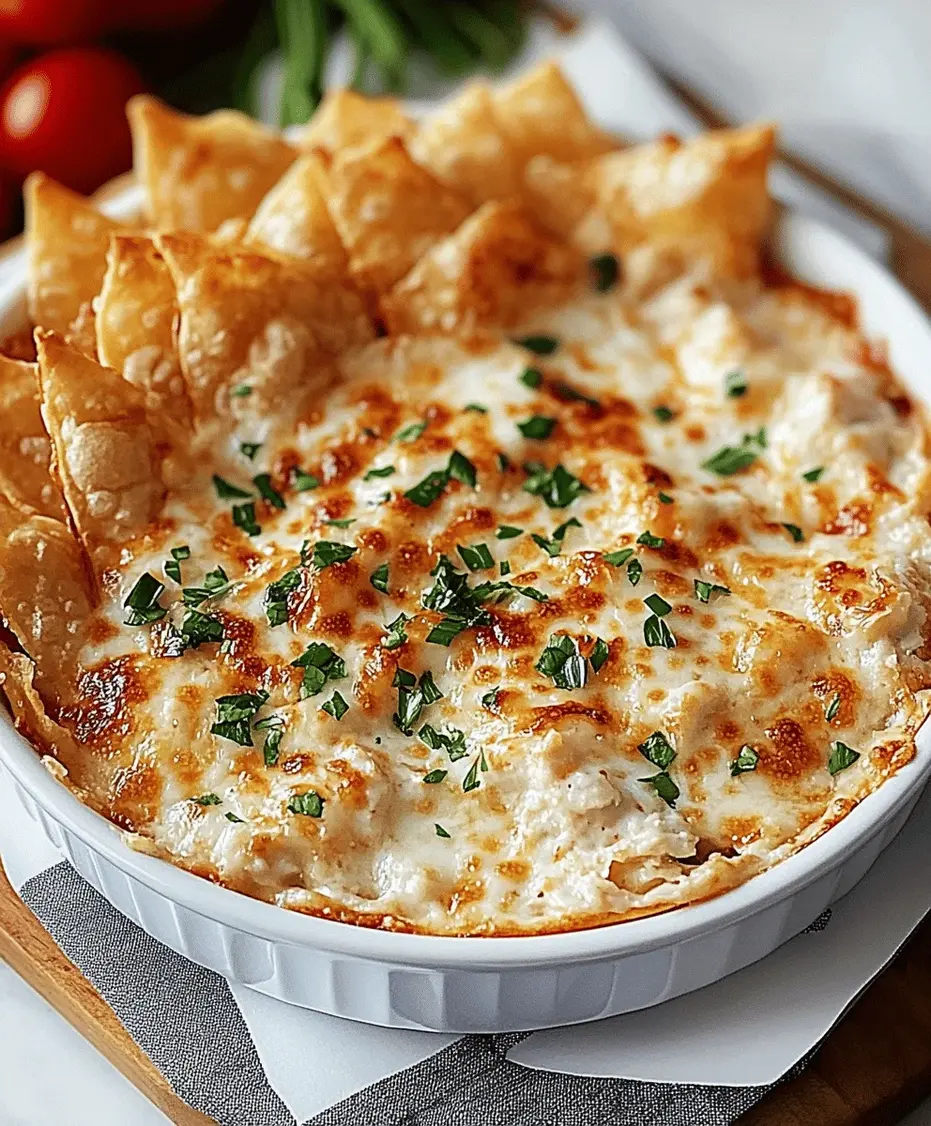
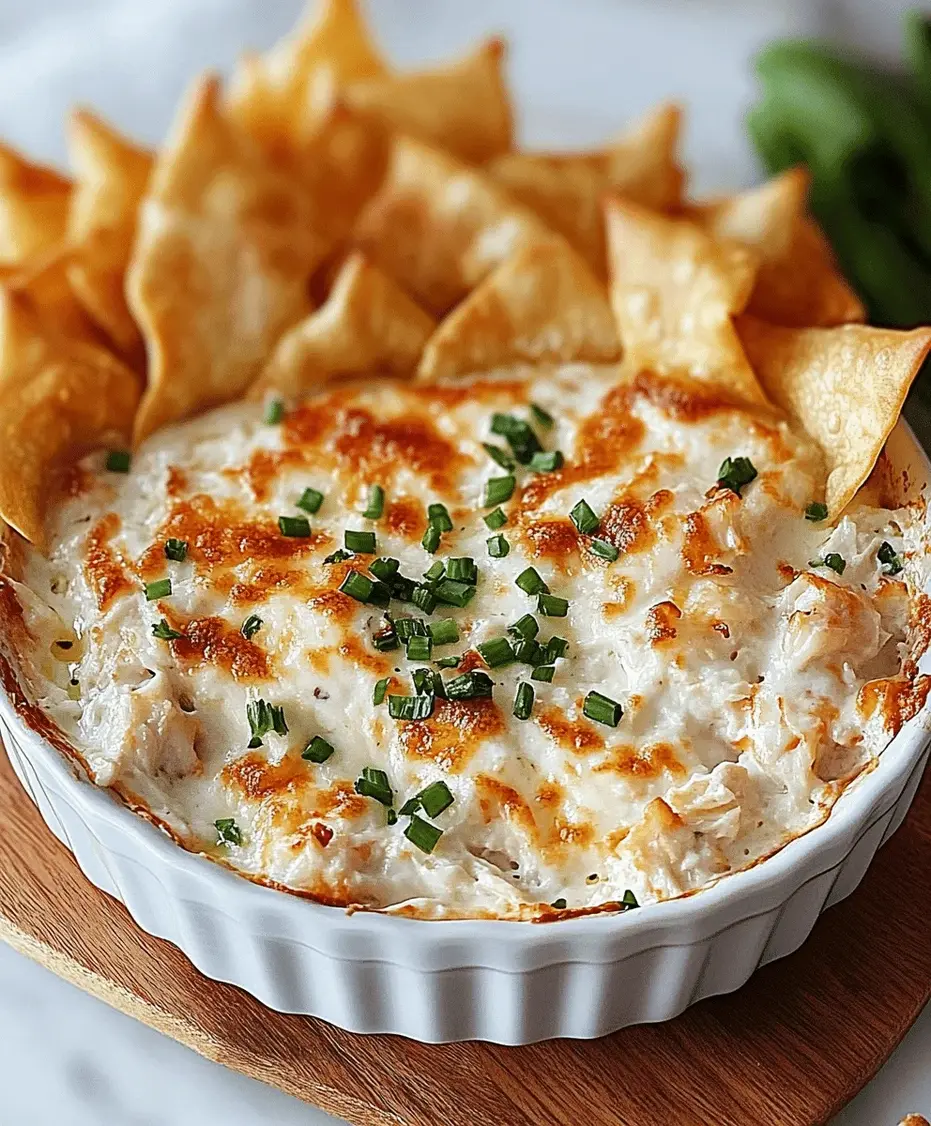
Creamy crab rangoon dip in a white baking dish, topped with golden melted cheese and green onions, served with wonton chips

Step-by-Step Instructions

Step 1: Prepare Your Base

Preheat your oven to 375°F (190°C). In a large mixing bowl, combine the softened cream cheese, sour cream, and mayonnaise. Using a hand mixer on medium speed or a sturdy spatula, beat these together until the mixture is completely smooth, creamy, and free of any lumps. This is the most critical step for texture—no one wants a chunky dip base. The mixture should be pillowy and spreadable.

Step 2: Fold in the Crab

Gently fold in the lump crab meat. Here’s my pro tip: use a fork to lightly shred any larger chunks, but be gentle—you want to maintain some of those beautiful, meaty pieces for texture. Over-mixing will break down the crab too much. Add about three-quarters of your sliced green onions, reserving the rest for that fresh, colorful finish after baking.

Step 3: Season to Perfection

Now, stir in the minced garlic, Worcestershire sauce, sugar, and a pinch of salt and white pepper. Taste! This is your moment to adjust. Remember, the cheese topping will add saltiness, so slightly under-season the base. Once satisfied, transfer the dip to a lightly greased or parchment-lined baking dish—a 9-inch pie dish or an 8×8 baking dish works perfectly.

Step 4: Bake to Golden Glory

Evenly sprinkle the shredded mozzarella cheese over the entire surface of the dip. Place the dish in the preheated oven and bake for 20-25 minutes. You’re looking for the edges to be actively bubbling and the top to be a gorgeous, spotted golden brown. If you love extra crunch, broil for the final 1-2 minutes, but watch it like a hawk! Remove from the oven and let it rest for 5 minutes—this allows it to set slightly for easier scooping. Garnish with the remaining green onions.

Nutritional Information

Approximate values per 1/4 cup serving (recipe yields about 16 servings):

  • Calories: 180 kcal
  • Total Fat: 15g
  • Saturated Fat: 7g
  • Cholesterol: 55mg
  • Sodium: 280mg
  • Total Carbohydrates: 3g
  • Dietary Fiber: 0g
  • Sugars: 2g
  • Protein: 8g

Healthier Alternatives

You can lighten up this dip without sacrificing its soul-satisfying flavor. Swap full-fat cream cheese for Neufchâtel or a light cream cheese blend. Replace the sour cream with an equal amount of non-fat plain Greek yogurt—it provides the same tang with a protein boost. Use a light mayonnaise or even substitute half the mayo with more Greek yogurt. For the cheese topping, opt for part-skim mozzarella. To boost nutrients, add a handful of finely chopped water chestnuts for crunch or mix in a 1/2 cup of finely chopped spinach (thawed and squeezed dry). These swaps can reduce the calorie and fat content by up to 30% while keeping the dip deliciously creamy and indulgent-tasting.

Serving Suggestions

The vessel is just as important as the dip itself! For the classic experience, serve with crispy wonton chips (easily made by cutting wonton wrappers into triangles, brushing with oil, and baking at 375°F for 5-7 minutes). For a low-carb option, an array of fresh, crunchy vegetables like bell pepper strips, cucumber rounds, sugar snap peas, and endive leaves is perfect. Other fantastic dippers include pita chips, baguette slices, pretzel crisps, or even sturdy crackers like water crackers or Triscuits. For a fun presentation, serve the dip in a hollowed-out sourdough bread bowl.

Common Mistakes

  • Using Cold Cream Cheese: This is the #1 cause of a lumpy dip. Plan ahead to let it sit at room temperature for at least an hour.
  • Over-mixing the Crab: Vigorous stirring turns delicate crab into a stringy, mushy mess. Fold gently.
  • Skipping the Sugar: That teaspoon is crucial for authentic flavor balance. Don’t omit it.
  • Overbaking: Baking too long can cause the oils to separate, making the dip greasy. Pull it out when it’s bubbly and just golden.
  • Serving Immediately: Letting it rest for 5 minutes allows it to set, making it easier to scoop and preventing burnt mouths!

Storing Tips

This dip stores beautifully. To refrigerate: Cool completely, then transfer to an airtight container. It will keep for 3-4 days. To reheat: The microwave works in a pinch (stir every 30 seconds), but for best results, reheat in the oven at 350°F in an oven-safe dish until warmed through. You may want to sprinkle a little extra cheese on top before reheating to refresh the golden top. Freezing is not recommended as the dairy-based mixture can separate and become watery upon thawing, compromising the creamy texture.

Close-up of a spoon scooping into hot crab rangoon dip, showing the creamy interior and cheesy top, with wonton chips on the side

Conclusion

This Easy Crab Rangoon Dip is more than just a recipe; it’s a guaranteed party starter and a testament to the fact that the best flavors often come in the simplest packages. By transforming a takeout favorite into a warm, communal dip, you’ve unlocked a versatile dish that works for any occasion. With its rich cream cheese base, sweet crab, and that irresistible cheesy crust, it’s a flavor experience that will have everyone coming back for “just one more scoop.” So, preheat that oven, grab your favorite dippers, and get ready to receive the compliments. Don’t forget to pin this recipe and share your delicious creation with us on social media by tagging @spicemingle!

FAQs

***Can I make this crab rangoon dip ahead of time?***
Absolutely! You can assemble the dip (without the final cheese topping) up to a day in advance. Cover tightly and refrigerate. When ready to bake, let it sit at room temperature for 20-30 minutes, add the cheese, and bake as directed, adding a few extra minutes if needed since it’s starting cold.

***What’s the best crab to use for this dip?***
Fresh, pasteurized lump crab meat from the refrigerated section of your grocery store is ideal for flavor and texture. It’s convenient and typically has a sweet, clean taste. If using canned, be sure to drain it thoroughly and give it a quick rinse to remove any excess sodium or “tinny” taste.

Great Cheesy Garlic Chicken Wraps Recipe

“`html

Great Cheesy Garlic Chicken Wraps Recipe

Introduction

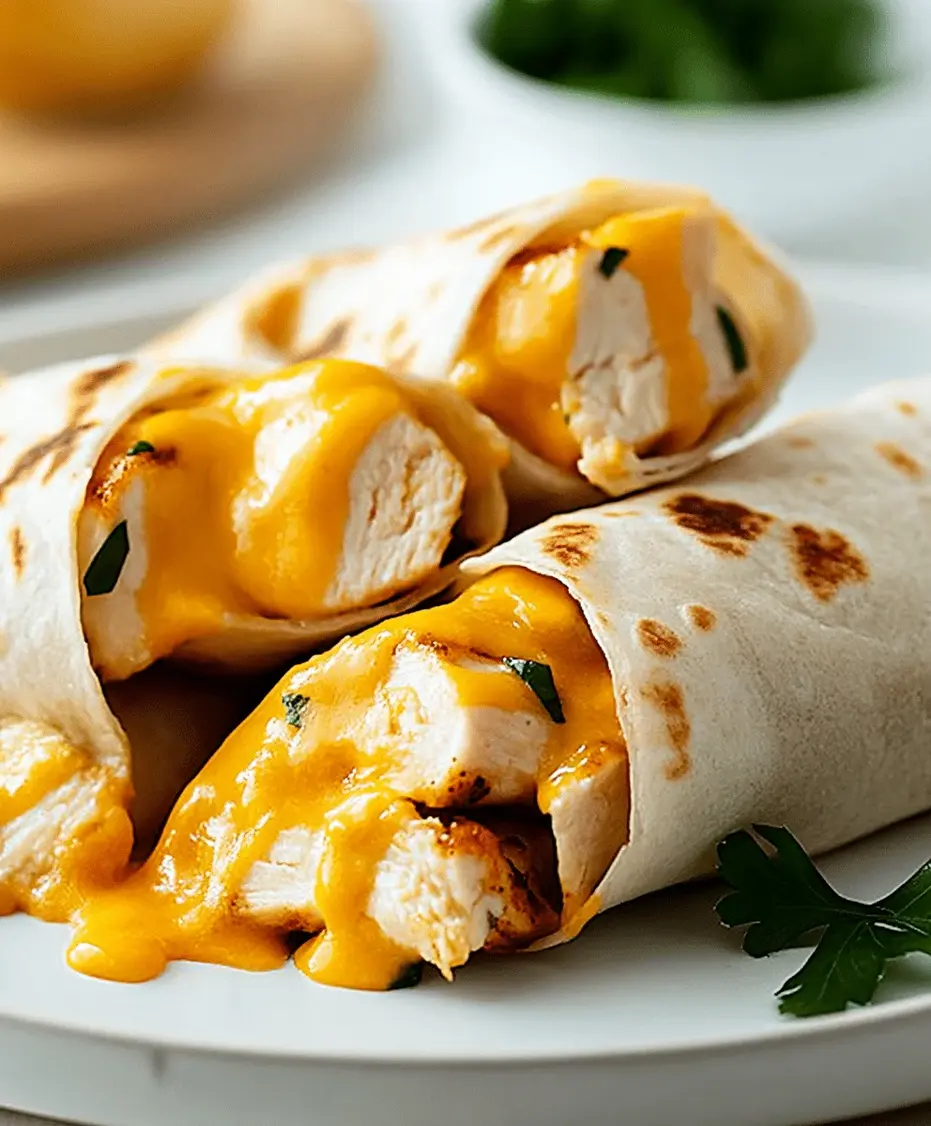
Did you know that over 70% of home cooks are actively seeking recipes that deliver restaurant-quality flavor in under 30 minutes? If you’re part of that majority searching for a quick, flavor-packed meal, you’ve found your answer. This Great Cheesy Garlic Chicken Wraps Recipe is the ultimate solution for busy weeknights, satisfying lunches, or even casual entertaining. It masterfully combines juicy, tender chicken with the irresistible duo of melted cheese and aromatic, zesty garlic, all bundled in a warm, crispy tortilla. The result is a handheld masterpiece that’s bursting with savory, gooey goodness in every single bite.

More than just a simple wrap, this recipe is a celebration of texture and taste. The garlic infuses the chicken with a deep, savory base, while the cheese provides that luxurious, stretchy melt we all crave. Wrapped and crisped to golden perfection, it’s a dish that feels indulgent yet is surprisingly straightforward to make. Whether you’re packing a lunchbox that will be the envy of the office or needing a family-friendly dinner that pleases everyone, these wraps are a guaranteed hit. Let’s dive into how you can bring this deliciousness to your own kitchen.

Ingredients List

Gather these simple ingredients for wraps that are anything but ordinary. Each component plays a key role in building the final flavor profile.

  • For the Garlic Chicken:
    • 1 lb boneless, skinless chicken breasts or thighs, cut into thin strips (Thighs offer a juicier, more forgiving bite, while breasts are leaner).
    • 4-5 large cloves garlic, minced (Fresh is best for that pungent, zesty kick!).
    • 2 tbsp olive oil (or avocado oil for a higher smoke point).
    • 1 tsp smoked paprika (Adds a subtle, warm sweetness and beautiful color).
    • 1/2 tsp onion powder (Deepens the savory base notes).
    • Salt and freshly ground black pepper to taste.
  • For Assembly:
    • 4 large flour tortillas (10-inch burrito size work best. Substitution: Use whole wheat, spinach, or low-carb tortillas).
    • 1 1/2 cups shredded cheese blend (A mix of Monterey Jack for meltability and sharp cheddar for bold flavor is ideal. Mozzarella works for maximum stretch).
    • 1 cup fresh spinach or romaine lettuce, thinly sliced (Adds a fresh, crisp contrast).
    • 1/2 cup diced tomatoes or pico de gallo (For a juicy, acidic pop).
    • 1/4 cup sour cream or Greek yogurt (For a cool, creamy element).
    • Optional for serving: Sliced avocado, salsa, hot sauce, or a cilantro-lime crema.

Timing

Prep Time
15 minutes
Cook Time
10-12 minutes
Total Time
~27 minutes

Compared to the average wrap recipe that might take 35-40 minutes from start to finish, this Great Cheesy Garlic Chicken Wraps Recipe is designed for efficiency. The key is the quick-cooking chicken strips and simple assembly. You’ll have a hot, melty, and incredibly flavorful meal on the table in well under half an hour, making it significantly faster than many comparable dinner options.

Close-up of a golden brown cheesy garlic chicken wrap being pulled apart, showing the melted cheese and seasoned chicken inside

Step-by-Step Instructions

Step 1: Prepare the Garlic Chicken

Start by patting your chicken strips completely dry with a paper towel—this is the secret to getting a beautiful sear instead of steam. In a medium bowl, toss the chicken strips with the minced garlic, smoked paprika, onion powder, salt, and pepper. Let it sit for 5 minutes if you have time; this allows the garlic flavor to start penetrating the meat. Heat the olive oil in a large skillet or non-stick pan over medium-high heat. Once the oil shimmers, add the chicken in a single layer. Cook for 5-7 minutes, stirring only occasionally, until the chicken is cooked through and has gorgeous golden-brown edges. The aroma of garlic and paprika will fill your kitchen—this is when you know you’re on the right track! Transfer the cooked chicken to a plate.

Step 2: Assemble the Wraps

Wipe the same skillet clean with a paper towel and return it to low heat. Lay out your tortillas on a clean work surface. To build your wraps, sprinkle a generous layer of shredded cheese down the center third of each tortilla, leaving a 2-inch border at the top and bottom. This cheese layer acts as a “glue” and moisture barrier. Next, divide the warm garlic chicken evenly over the cheese. Top with the fresh spinach and diced tomatoes. Finally, add a dollop of sour cream or Greek yogurt. Now, for the fold: fold the sides of the tortilla in over the filling, then tightly roll from the bottom up, creating a secure bundle. Place the wrap seam-side down on a plate.

Step 3: Cook to Perfection

Increase the heat of your skillet to medium. You can add a tiny drizzle of oil or use a light cooking spray. Carefully place the wraps, seam-side down, into the skillet. You may need to work in batches to avoid crowding. Cook for 2-3 minutes per side, pressing down gently with a spatula, until the tortilla is crispy and golden brown with beautiful grill marks and the cheese inside is audibly sizzling and melted. The sound is part of the experience! Once all wraps are crisped, transfer them to a cutting board, let them rest for 1 minute (this helps the filling set), then slice in half diagonally for the perfect presentation.

Nutritional Information

Estimated values per wrap (using full-fat cheese and a standard flour tortilla):

  • Calories: 480-520
  • Protein: 35-40g (Excellent source for muscle repair and satiety)
  • Carbohydrates: 30-35g
  • Dietary Fiber: 2-3g
  • Total Fat: 22-25g
  • Saturated Fat: 8-10g
  • Sodium: ~800mg (Varies with cheese and seasoning; can be reduced with low-sodium swaps)

Healthier Alternatives

You can easily lighten up this recipe without sacrificing the iconic cheesy garlic flavor:

  • Leaner Protein: Stick with chicken breast and use a cooking spray instead of oil for sautéing.
  • Lighter Cheese: Opt for part-skim mozzarella or a reduced-fat Mexican blend. For a dairy-free version, use a meltable vegan cheese alternative.
  • Wrap Swap: Use whole grain, low-carb, or high-fiber tortillas to increase nutrients and reduce net carbs.
  • Creamy Element: Swap full-fat sour cream for plain, non-fat Greek yogurt. It provides the same tangy creaminess with added protein and less fat.
  • Boost Veggies: Double the spinach and add other veggies like sautéed bell peppers, mushrooms, or zucchini to the filling for more volume and nutrients.

Serving Suggestions

These wraps are a complete meal on their own, but pairing them thoughtfully can elevate your dinner spread:

  • With Dips: Serve with a side of chunky salsa, creamy avocado ranch, or a spicy chipotle mayo for dipping.
  • Fresh Sides: A simple side salad with a lime vinaigrette, a bowl of black bean and corn salad, or fresh fruit like mango slices cuts through the richness perfectly.
  • Soup Combo: For a cozy meal, pair with a light tomato basil soup or a tortilla soup.
  • For a Crowd: Slice the wraps into smaller pinwheels and secure with toothpicks for an easy, crowd-pleasing appetizer.

Common Mistakes

  • Overfilling the Wrap: This is the #1 cause of messy, broken wraps. Use a moderate amount of filling and master the folding technique—tight is right!
  • Using Cold Fillings: Assembling with cold chicken and cheese means the wrap needs longer to cook, often resulting in a burnt tortilla before the cheese melts. Use warm chicken.
  • Not Drying the Chicken: Wet chicken steams instead of sears, leading to less flavor development and a soggy texture.
  • Crowding the Pan: When crisping the wraps, give them space. Crowding creates steam and prevents that essential crispy, golden exterior.
  • Skipping the Rest: Cutting immediately sends molten cheese everywhere. Let the wraps rest for a minute to allow the filling to set slightly.

Storing Tips

  • Refrigeration: Store leftover assembled but uncooked wraps tightly wrapped in plastic wrap in the fridge for up to 1 day before cooking. Cooked wraps can be stored in an airtight container for 2-3 days.
  • Freezing: For meal prep, assemble the wraps (omit fresh tomatoes and lettuce) and wrap individually in parchment paper, then foil. Freeze for up to 2 months. Cook from frozen in a skillet over medium-low heat, covered, adding a few extra minutes per side.
  • Reheating: To revive the crispness, reheat in a toaster oven, air fryer (at 375°F for 4-5 mins), or a skillet over medium heat. Avoid the microwave, as it will make the tortilla soggy.

Fluffy Coke Recipe

“`html

Fluffy Coke Recipe

Introduction

Ever wondered how a simple can of soda could transform into a cloud-like, frothy sensation that’s taken social media by storm? With over 50 million views on TikTok and counting, the Fluffy Coke recipe is more than just a drink—it’s a viral phenomenon that combines the familiar fizz of Coca-Cola with the luxurious texture of whipped cream. This delicious twist on the classic soda is not just a trend; it’s a testament to how a little creativity can elevate everyday ingredients into something extraordinary. Perfect for parties, summer afternoons, or just a fizzy pick-me-up, this easy recipe delivers a refreshing treat that’s as fun to make as it is to drink. Let’s dive into the magic behind this bubbly creation.

Ingredients List

The beauty of the Fluffy Coke lies in its simplicity. You only need a few key components to create this textural masterpiece.

  • 1 can (12 oz) of Coca-Cola Classic: Chilled. The iconic caramel-colored soda with its balanced sweetness and sharp carbonation is the non-negotiable base. Its specific flavor profile is key to the final taste.
    • Substitution: For a caffeine-free version, use Coca-Cola Zero Sugar or a store-brand cola, though the flavor may be slightly less complex.
  • 1/2 cup of heavy whipping cream: Cold. This is the star that creates the “fluff.” Look for cream with at least 36% milk fat for the best, most stable peaks and that rich, velvety mouthfeel.
  • 1 tablespoon of granulated sugar (optional): Adds a subtle sweetness to the cream, enhancing the contrast with the cola. For a less sweet version, you can omit this.
  • 1/2 teaspoon of pure vanilla extract (optional): A flavor enhancer for the cream that adds a warm, aromatic note, complementing the vanilla notes already present in the cola.
  • Ice cubes: A generous handful. Essential for keeping the drink frosty cold, which helps maintain the frothy structure longer.

Timing

Prep Time
5 minutes
Cook Time
0 minutes
Total Time
5 minutes

Compared to the average cocktail or mocktail recipe, which can take 10-15 minutes of active preparation, the Fluffy Coke is remarkably swift. Its 5-minute total time makes it one of the fastest “wow-factor” drinks you can prepare, ideal for spontaneous gatherings or instant cravings. The efficiency lies in the minimal steps—no cooking, juicing, or complex mixing required.

Close-up of a tall glass filled with Fluffy Coke, showing the creamy, frothy top layer merging with the dark cola below, with condensation on the glass.

A visually stunning glass of Fluffy Coke, showcasing the perfect creamy froth.

Step-by-Step Instructions

Step 1: Chill Your Glassware

For the ultimate refreshing experience, place your serving glass (a tall highball or pint glass works best) in the freezer for about 10 minutes before you begin. A frosty glass keeps your Fluffy Coke colder for longer and slows down the melting of the frothy top. If you’re short on time, simply fill the glass with ice water while you prepare the other ingredients.

Step 2: Prepare the Whipped Cream

In a clean, medium-sized mixing bowl, pour the cold heavy whipping cream. Using a hand mixer or a whisk (a mixer is much faster), begin beating the cream on medium speed. After about 30 seconds, when it starts to thicken, add the optional sugar and vanilla extract. Continue beating until soft peaks form. This is crucial: you want the cream to hold its shape when the beaters are lifted but still have a slight curl at the tip. Over-beating to stiff peaks will make it too dense and difficult to integrate smoothly with the soda.

Step 3: Assemble the Fluffy Coke

Take your chilled glass and fill it about halfway with ice cubes. Slowly and gently pour the chilled Coca-Cola over the ice, filling the glass to about 3/4 full. Pouring slowly minimizes excessive fizz overflow. Now, take a large spoonful of your softly whipped cream and gently dollop it on top of the cola. Don’t stir it in yet!

Step 4: The Final Fluff

This is the magic step. Using a long spoon or a straw, give the drink one or two very gentle stirs right at the interface where the cream meets the cola. The goal is to initiate the reaction, not to mix it completely. As you stir, you’ll see the cream begin to expand, froth up, and turn into a light, fluffy cloud that sits atop the dark soda. The carbonation in the Coke gets trapped in the cream, creating that signature airy texture. Serve immediately with a straw.

Nutritional Information

(Estimated per serving, using full-sugar Coca-Cola and cream with sugar)

  • Calories: ~280 kcal
  • Total Fat: 18g
  • Saturated Fat: 11g
  • Carbohydrates: 28g
  • Sugars: 27g (primarily from the soda and added sugar)
  • Protein: 2g

This is an indulgent treat. The nutritional profile is dominated by simple sugars and fats, making it a perfect occasional delight rather than an everyday beverage.

Healthier Alternatives

You can easily tweak the Fluffy Coke recipe to align with different dietary preferences without sacrificing the core experience.

  • For Lower Sugar: Use Coca-Cola Zero Sugar and omit the added sugar in the whipped cream. The cream’s natural richness still provides a satisfying sweetness.
  • For Lower Fat: Substitute the heavy cream with cold full-fat coconut milk (the canned kind, chilled so the cream separates). Whip the solid coconut cream portion. It creates a similar, though slightly less stable, froth with a subtle tropical note.
  • For a Dairy-Free Version: Use a store-bought dairy-free whipping cream alternative (check that it’s “whip-able”) or the coconut milk method mentioned above.

Serving Suggestions

  • Party Pitcher: Multiply the recipe and layer the cola and pre-whipped cream in a large glass pitcher. Let guests serve themselves and experience the “fluffing” action as they pour.
  • Garnish Galore: Add a maraschino cherry on top, a drizzle of chocolate syrup over the foam, or a light dusting of cocoa powder or cinnamon for an extra flavor dimension.
  • Adult Upgrade: Add a shot of vanilla vodka, coffee liqueur, or bourbon to the cola before topping with cream for a sophisticated cocktail twist.
  • Kid-Friendly Fun: Serve with colorful, fun-shaped straws and call it “Cloud Soda” to make it an exciting treat for little ones.

Common Mistakes

  • Over-whipping the Cream: Stiff, buttery cream won’t integrate properly with the soda. It will just sit as a dense layer on top. Aim for soft, pillowy peaks.
  • Using Warm Ingredients: Warm cream won’t whip, and warm soda will go flat instantly, killing the froth. Ensure everything is thoroughly chilled.
  • Over-stirring Vigorous stirring will simply mix the cream into the cola, creating a homogenous, creamy soda instead of a distinct fluffy layer. Be gentle and minimal with your stir.
  • Letting it Sit: The fluffy texture is ephemeral! The foam will slowly deflate as the carbonation escapes. Drink it within 5-10 minutes of preparation for the best texture.

Storing Tips

The Fluffy Coke is a serve-immediately drink and cannot be stored or made ahead in its final form. However, you can prep components:

  • Whipped Cream: You can whip the cream (without over-whipping) and store it in a sealed container in the refrigerator for up to 2 hours. Give it a quick whisk before using if it has softened.
  • Chilled Cola & Glass: Always have your soda cold and your glass ready to go for instant assembly.
A stylish overhead shot of two glasses of Fluffy Coke on a marble surface, with a can of Coca-Cola and a whisk in the background.

The perfect setup for creating this viral sensation at home.

Conclusion

The Fluffy Coke recipe is a brilliant example of how a dash of culinary creativity can reinvent a global classic. It’s more than just a TikTok trend; it’s a genuinely delightful, texturally exciting drink that brings a moment of joy and novelty to your glass. With its 5-minute prep time and universally loved ingredients, it’s the perfect trick to have up your sleeve for entertaining or treating yourself. So grab a can of Coke, some cream, and experience the simple magic of this frothy, refreshing phenomenon. Don’t forget to share your creations online—tag us to show off your fluffy masterpieces!

FAQs

***Can I use diet soda for Fluffy Coke?***
Absolutely! Diet soda or zero-sugar varieties work well. The carbonation is the key element for creating the froth. The final product will be less sweet, allowing the richness of the cream to shine through more prominently.

***Why did my cream just sink to the bottom?***
This usually happens if the cream was too liquid (under-whipped) or too heavy (over-whipped). Ensure you achieve proper soft peaks. Also, pouring the cream gently on top of the cola, not vice versa, is crucial for the right layering.

***Can I make a large batch for a party?***
You can pre-whip a large quantity of cream and keep it chilled. Set up a station with a tub of ice, cans/bottles of chilled cola, and the whipped cream. Let guests assemble their own drinks. The interactive element is part of the fun!

***Is there a non-dairy whipped cream that works?***
Yes, but results can vary. Look for specific “barista” or “culinary” non-dairy whipping creams designed to hold structure. Whipping chilled full-fat coconut milk (the solid part)

Deviled Egg Macaroni Pasta Salad Recipe

“`html

Deviled Egg Macaroni Pasta Salad Recipe

Introduction

Did you know that pasta salad is one of the top five most searched potluck dishes in America, with a 40% surge in interest during summer months? This creamy Deviled Egg Macaroni Pasta Salad brilliantly answers the call for a dish that’s both nostalgic and novel. By fusing the rich, tangy soul of classic deviled eggs with the satisfying, tender bite of elbow macaroni, this recipe creates a protein-packed side dish that consistently steals the show. Whether you’re gearing up for a backyard BBQ, a family reunion, or just need a reliable make-ahead lunch, this crowd-pleaser delivers on flavor, texture, and ease. Let’s dive into how you can create this must-try summer favorite that promises to have everyone asking for the recipe.

Ingredients List

Gather these simple ingredients for a salad that’s bursting with creamy, tangy flavor. Sensory notes are included to help you understand the role of each component.

  • For the Salad Base:
    • 8 large eggs – The star protein, providing a rich, velvety yolk base and firm, satisfying whites.
    • 12 oz (about 3.5 cups) elbow macaroni – The classic, tender vessel that holds the creamy dressing perfectly in its curves. Substitution: Shells, rotini, or cavatappi work great for catching more dressing.
    • 1/2 cup finely chopped celery – Adds a crucial, fresh crunch and a subtle, clean bitterness to balance the richness.
    • 1/4 cup finely chopped red onion – Provides a sharp, peppery bite that mellows beautifully when mixed. Substitution: Soak in cold water for 10 minutes to tame the sharpness, or use 2 tbsp of chives for a milder flavor.
    • 2 tbsp fresh chopped dill or parsley – A bright, herbal top note that cuts through the creaminess. Dill offers a slightly anise-like aroma, while parsley is more grassy and fresh.
  • For the Deviled Egg Dressing:
    • 1 cup mayonnaise – The creamy, unctuous foundation. Substitution: For a tangier twist, use 3/4 cup mayo + 1/4 cup Greek yogurt or sour cream.
    • 2 tbsp yellow mustard – Delivers the iconic, vinegary tang and a vibrant yellow hue.
    • 1 tbsp Dijon mustard – Adds depth and a subtle, sophisticated heat.
    • 2 tsp white vinegar or apple cider vinegar – The essential acid that makes the flavors “pop” and balances the fat.
    • 1 tsp smoked paprika – Imparts a warm, smoky aroma and a gorgeous rust-red color speckled throughout.
    • 1/2 tsp garlic powder – Provides a savory, allium backbone without the raw bite of fresh garlic.
    • Salt and freshly ground black pepper – To taste. The salt enhances all other flavors, while the pepper adds a gentle warmth.

Timing

Prep Time
20 minutes
Cook Time
15 minutes
Chill Time
2 hours (minimum)
Total Time
2 hours 35 minutes

Compared to the average pasta salad recipe, this one includes the crucial step of boiling and prepping eggs, which adds about 15 minutes of active time. However, this investment pays off tenfold in flavor and protein content. The mandatory chilling time of at least 2 hours is non-negotiable—it allows the pasta to fully absorb the deviled egg dressing, transforming it from a simple mix into a cohesive, flavor-packed dish. Plan accordingly for the best results!

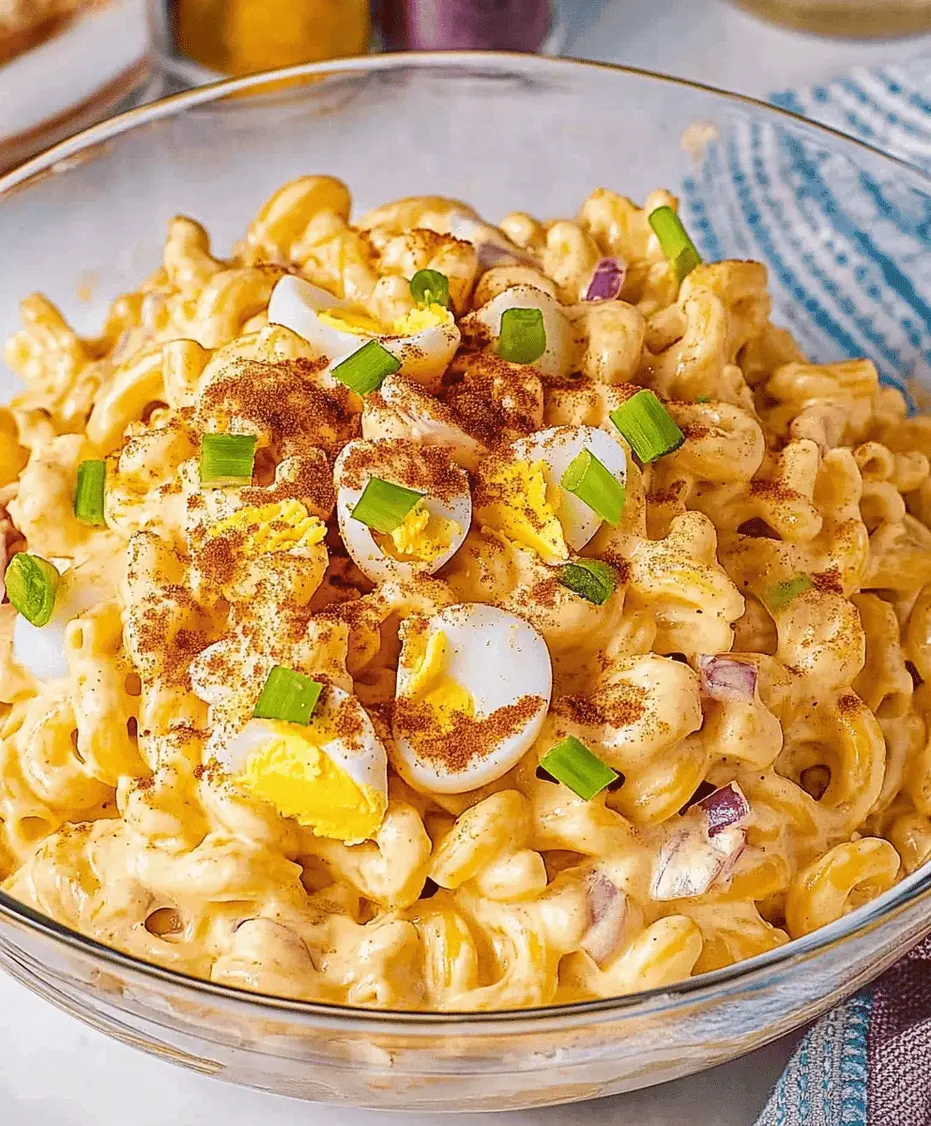
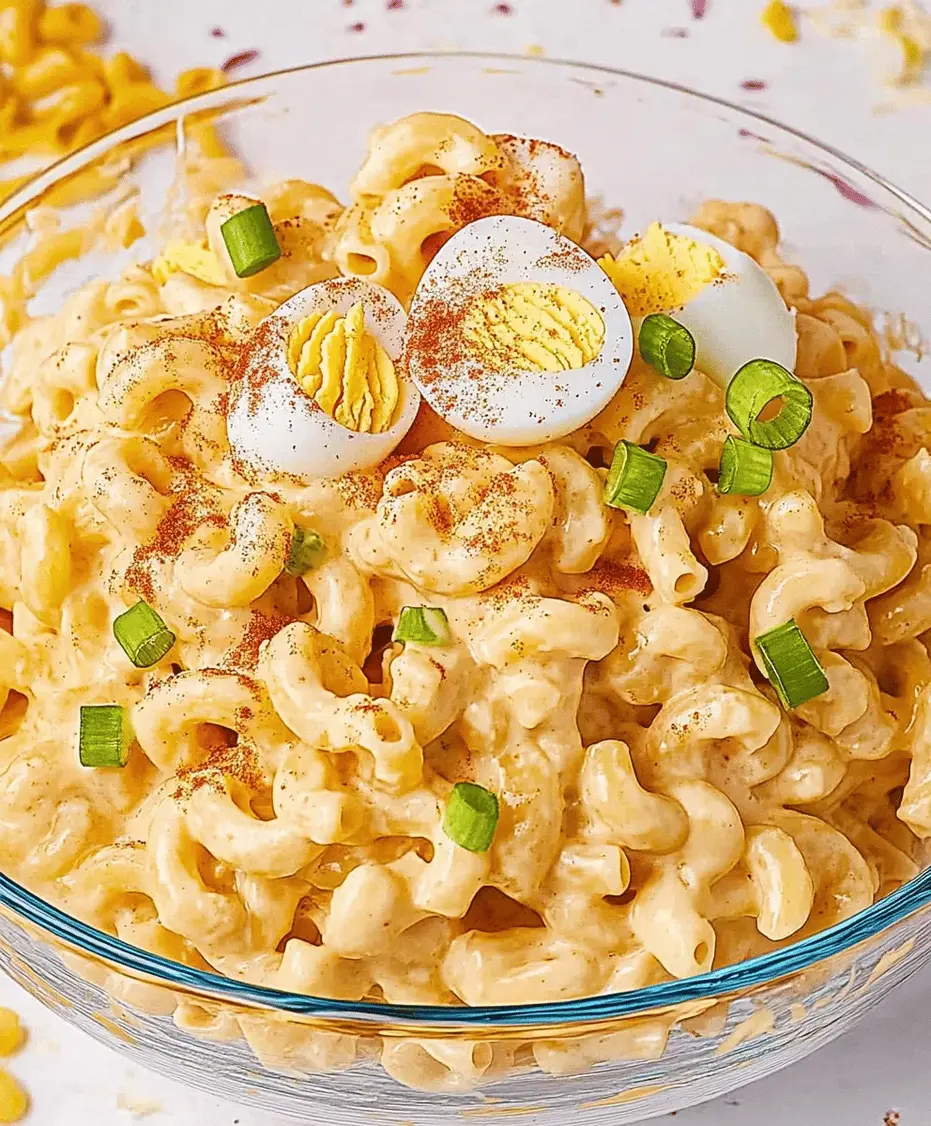
Creamy Deviled Egg Macaroni Pasta Salad in a large white serving bowl, garnished with paprika and fresh dill
The finished Deviled Egg Macaroni Pasta Salad, creamy and ready to serve.

Step-by-Step Instructions

Step 1: Boil the Eggs and Pasta

Place your eggs in a single layer in a saucepan and cover with at least an inch of cold water. Bring to a rolling boil over high heat. Once boiling, immediately cover the pot, remove it from the heat, and let it sit for 12 minutes for perfectly set yolks. Meanwhile, bring a large pot of well-salted water to a boil for the pasta. Cook the elbow macaroni according to package directions until al dente (usually 8-10 minutes). Drain the pasta, rinse briefly under cool water to stop the cooking, and let it drain thoroughly in a colander. Transfer the cooked pasta to your large mixing bowl. Once the eggs are done, transfer them to an ice bath to cool completely—this makes peeling a breeze.

Step 2: Prepare the Deviled Egg Filling

Peel the cooled eggs. Slice each egg in half lengthwise. Gently pop the yolks out into a medium bowl and set the whites aside. Using a fork, mash the yolks until they form a fine, crumbly texture. This is your flavor gold! Now, take the reserved egg whites and chop them into small, bite-sized pieces. Add the chopped egg whites, celery, red onion, and fresh herbs to the bowl with the cooled pasta. This layering ensures every bite gets a mix of textures.

Step 3: Create the Creamy Dressing

To the bowl with the mashed egg yolks, add the mayonnaise, yellow mustard, Dijon mustard, vinegar, smoked paprika, and garlic powder. Season generously with salt and pepper. Whisk everything together vigorously until you have a completely smooth, creamy, and vibrant dressing. Taste it now—this is your chance to adjust. Want more tang? Add a splash more vinegar. Need more smokiness? A pinch more paprika. The dressing should be highly seasoned, as it will mellow slightly when combined with the pasta.

Step 4: Combine and Chill

Pour the luxurious deviled egg dressing over the pasta and vegetable mixture. Using a large rubber spatula or spoon, gently fold everything together until every piece of macaroni and every veggie is evenly coated in the creamy, tangy sauce. Be thorough but gentle to avoid breaking up the egg whites too much. Cover the bowl tightly with plastic wrap and refrigerate for a minimum of 2 hours, though overnight is ideal. This chilling time is the magic step where the flavors marry and the pasta absorbs the dressing, becoming incredibly flavorful.

Nutritional Information

(Approximate values per 1-cup serving):

  • Calories: 380 kcal
  • Protein: 12g – A significant boost from the eggs, making this salad more satisfying.
  • Carbohydrates: 28g
  • Dietary Fiber: 2g
  • Sugars: 2g
  • Fat: 25g (Saturated: 4.5g)
  • Cholesterol: 190mg
  • Sodium: 420mg

Healthier Alternatives

You can easily adapt this recipe for dietary preferences without sacrificing the iconic deviled egg flavor:

  • Lighter Dressing: Swap half the mayonnaise for plain, non-fat Greek yogurt. This adds protein, reduces fat, and maintains a thick, creamy texture with a pleasant tang.
  • Whole Grain Boost: Use whole wheat or chickpea pasta. The nuttier flavor pairs wonderfully with the smoky paprika, and you’ll gain extra fiber.
  • Reduce Sodium: Use low-sodium mayonnaise and mustard. You can also increase the fresh herbs and add a squeeze of lemon juice to boost flavor without salt.
  • Vegan Version: Replace eggs with 1 block of firm tofu (pressed and crumbled for the “whites”) and 1/2 cup of mashed chickpeas mixed with 2 tbsp nutritional yeast for the “yolk” base. Use vegan mayo.

Serving Suggestions

This salad is incredibly versatile. For a classic summer spread, serve it alongside grilled burgers, hot dogs, or barbecue chicken. It also makes a fantastic main course for a light lunch—just add a side of mixed greens. For an elegant touch, serve it in individual lettuce cups or hollowed-out tomatoes. Garnish just before serving with an extra sprinkle of smoked paprika, fresh dill, and a few cracks of black pepper for visual appeal and a flavor burst.

Common Mistakes

  • Overcooking the Pasta: Mushy pasta will ruin the salad’s texture. Always cook to al dente and rinse with cool water to halt cooking.
  • Skipping the Chill Time: Serving immediately results in a runny, bland salad where the pasta hasn’t absorbed the flavors. Patience is key.
  • Underseasoning the Dressing: The dressing should taste bold on its own. Season it well in the bowl before adding to the pasta.
  • Not Draining Components Well: Excess water from the pasta or boiled eggs will dilute the dressing, making it watery. Ensure everything is well-drained.

Storing Tips

Store the salad in an airtight container in the refrigerator for up to 3-4 days. The flavor actually improves on the second day. Do not freeze this salad, as the mayonnaise-based dressing and pasta will separate and become grainy upon thawing. If the salad seems a bit dry after refrigeration, you can revive it with a small splash of milk or a tablespoon of mayo, stirred in gently.

Close-up of Deviled Egg Macaroni Pasta Salad showing creamy dressing coating macaroni, chopped egg, and celery
A close-up view showing the

Simple Oven Roasted Asparagus With Parmesan Recipe

“`html

Simple Oven Roasted Asparagus With Parmesan Recipe

Enjoy a delicious and healthy side dish with this Simple Oven Roasted Asparagus With Parmesan Recipe. Made with fresh asparagus, olive oil, and a generous sprinkle of Parmesan cheese, this quick recipe is perfect for busy weeknights or elegant dinners. The asparagus comes out tender-crisp with golden, cheesy tops. This low-carb, gluten-free side is loved by all and takes only a few ingredients and 20 minutes from start to finish.

Why Oven Roasted Asparagus with Parmesan is Your New Go-To Side

Are you looking for a simple yet elegant side dish that’s both healthy and incredibly delicious? In a world where healthy eating can sometimes feel like a chore, wouldn’t it be amazing to have a recipe that’s not only good for you but also ridiculously easy to make and universally loved? We’ve all been there – staring into the fridge, needing a quick side that complements any meal, and wishing for a magical solution. Well, your wish is granted! This Simple Oven Roasted Asparagus with Parmesan recipe is that solution. In under 30 minutes, you can transform humble asparagus spears into a gourmet-worthy side dish that’s packed with flavor and nutrients. It’s low-carb, gluten-free, and so versatile it will quickly become a staple in your culinary rotation.

Ingredients: The Stars of the Show

The beauty of this recipe lies in its simplicity. You only need a handful of high-quality ingredients to create something truly special. The fresh, slightly earthy flavor of asparagus pairs perfectly with the nutty, salty notes of Parmesan cheese, all brought together by the rich, fruity aroma of good olive oil. When these elements meet the intense heat of the oven, magic happens!

  • 1 pound fresh asparagus: Look for vibrant green spears with tight, closed tips. Thicker spears are generally preferred for roasting as they hold up better and don’t dry out as quickly.
    Substitution: If asparagus is out of season or unavailable, broccolini or green beans can be a good alternative, though cooking times might vary slightly.
  • 2 tablespoons extra virgin olive oil: A good quality olive oil will enhance the overall flavor. You want something with a lovely aroma and a slightly peppery finish.
    Substitution: Avocado oil or melted unsalted butter can be used if you prefer, though olive oil offers a distinctive Mediterranean flair.
  • 1/4 cup grated Parmesan cheese: Freshly grated Parmesan (Parmigiano-Reggiano is ideal) will melt beautifully and provide a savory, umami punch. Pre-grated cheese often contains anti-caking agents that can prevent it from melting as smoothly.
    Substitution: Pecorino Romano offers a sharper, saltier flavor. Nutritional yeast can be used for a dairy-free, cheesy flavor.
  • 1/2 teaspoon garlic powder: Adds a subtle garlicky depth without the risk of burning whole garlic cloves.
    Substitution: 1-2 cloves of minced fresh garlic can be used, but toss them with the asparagus and oil *before* roasting to prevent burning.
  • Salt and freshly ground black pepper to taste: Essential for bringing out all the flavors. Don’t be shy with the pepper, especially!
  • Optional: Red pepper flakes: For a hint of heat.

Timing is Everything!

One of the biggest appeals of this recipe is how quickly it comes together. Perfect for those nights when time is short but you still want a delicious, homemade side dish.

Prep time: 5 minutes
Cook time: 15-20 minutes
Total time: 20-25 minutes

Compared to the average roasted vegetable recipe that can often take 30-40 minutes of cooking, this asparagus dish is a speed demon! This efficiency makes it ideal for weeknight dinners or when you need to get food on the table in a flash without compromising on taste or health.

Fresh asparagus spears on a baking sheet, ready to be seasoned.

Step-by-Step Instructions: Roasting Perfection

Follow these simple steps to achieve perfectly roasted asparagus with a delightful cheesy crust.

Step 1: Preheat and Prep

First things first, let’s get that oven nice and hot. Preheat your oven to 400°F (200°C). While the oven is heating up, it’s time to prep your asparagus. If you’re using fresh spears, you’ll want to remove the tough, woody ends. The easiest way to do this is to hold a spear in each hand and gently bend it. It will naturally snap at the point where the tender part meets the tough part. Discard the woody ends. Alternatively, you can trim about an inch off the bottom of each stalk with a knife. Give the trimmed asparagus a quick rinse under cool water and pat it thoroughly dry with a clean kitchen towel or paper towels. Moisture is the enemy of crispiness when roasting, so getting them dry is key!

Step 2: Season the Asparagus

Now, let’s make these spears sing! Arrange the dried asparagus in a single layer on a large baking sheet. Drizzle them generously with the extra virgin olive oil. Don’t be shy – the oil helps them roast beautifully and prevents sticking. Next, sprinkle the garlic powder evenly over the asparagus. Season with salt and freshly ground black pepper to your liking. If you’re feeling a touch adventurous, now’s the time to add a pinch of red pepper flakes for a subtle kick. Use your hands to gently toss the asparagus, ensuring each spear is lightly coated with oil and seasonings.

Step 3: Roast to Perfection

Once your asparagus is seasoned and coated, spread it out into a single layer on the baking sheet. This is crucial for even cooking. If the spears are too crowded, they will steam rather than roast, and you won’t get those lovely caramelized edges. Place the baking sheet in the preheated oven and roast for about 8-10 minutes. You’re looking for the asparagus to start becoming tender-crisp. You’ll know they’re getting close when they turn a brighter green and begin to soften slightly, but still have a satisfying bite.

Step 4: Add Parmesan

This is where the magic truly happens! Remove the baking sheet from the oven. Sprinkle the grated Parmesan cheese evenly over the asparagus. Try to get it into the little nooks and crannies. The residual heat from the asparagus and the baking sheet will start melting the cheese.

Step 5: Finish Roasting

Return the baking sheet to the oven for another 5-8 minutes. Keep a close eye on it! You want the Parmesan cheese to melt, turn golden brown in spots, and become slightly crispy, and the asparagus to be perfectly tender-crisp. The exact time will depend on your oven and the thickness of your asparagus. Be careful not to overcook, as overcooked asparagus can become mushy and lose its vibrant flavor.

Nutritional Snapshot

This recipe is not only delicious but also a fantastic way to get your greens in! Asparagus is a powerhouse of vitamins, minerals, and antioxidants, including Vitamin K, Vitamin A, Vitamin C, folate, and fiber. Roasting with olive oil adds healthy monounsaturated fats. Being low in carbohydrates and calories, it’s a guilt-free addition to any meal.

  • Calories: Approximately 60-80 per serving (varies based on exact amounts of oil and cheese).
  • Carbohydrates: Low, making it a great choice for keto and low-carb diets.
  • Fat: Primarily healthy fats from olive oil.
  • Fiber: A good source of dietary fiber.
  • Vitamins & Minerals: Rich in Vitamin K, Vitamin A, folate, and antioxidants.

Healthier Alternatives & Flavor Boosts

While this recipe is already quite healthy, you can always make tweaks to suit your dietary needs or preferences without sacrificing flavor:

  • Dairy-Free/Vegan: Omit the Parmesan cheese and instead sprinkle with nutritional yeast for a cheesy, umami flavor. You can also add a pinch of smoked paprika for depth.
  • Lower Fat: Use a good quality cooking spray instead of olive oil, or use just 1 tablespoon of olive oil. The flavor might be slightly less rich, but it will still be delicious.
  • Herbaceous Twist: Toss the asparagus with chopped fresh herbs like parsley, chives, or dill after roasting. A squeeze of fresh lemon juice right before serving is also a fantastic brightener.
  • Nutty Crunch: For added texture and healthy fats, toss with a tablespoon or two of toasted slivered almonds or pine nuts during the last few minutes of roasting or after removing from the oven.

Serving Suggestions: Elevate Any Meal

This Simple Oven Roasted Asparagus with Parmesan is incredibly versatile. Its elegant yet approachable flavor profile makes it a perfect companion to a wide range of main courses:

  • Grilled Meats: It’s a classic pairing with steak, chicken, or pork chops.
  • Seafood: Salmon, shrimp, or any flaky white fish are wonderfully complemented by this dish.
  • Pasta Dishes: Adds a fresh, green element to creamy or tomato-based pasta recipes.
  • Eggs: Serve alongside frittatas, omelets, or a simple poached egg for a delightful brunch or light dinner.
  • As Part of a Meal Prep: Roast a large batch at the beginning of the week to add a healthy side to lunches or dinners throughout the week.

Common Mistakes to Avoid

To ensure you achieve perfectly roasted asparagus every time, be mindful of these common pitfalls:

  • Not Drying the Asparagus: Excess moisture will lead to steaming, not roasting, resulting in soggy spears.
  • Overcrowding the Pan: Ensure spears are in a single layer with some space between them for even caramelization.
  • Overcooking: Asparagus cooks quickly. Overcooked spears will be mushy and lose their vibrant color and sweet flavor.
  • Adding Cheese Too Early: If you add the Parmesan at the beginning, it might burn before the asparagus is cooked through.
  • Burning the Garlic: Using garlic powder is safer than fresh garlic for roasting at high temperatures unless the fresh garlic is tossed with oil early on.

Storing Your Roasted Asparagus

Leftovers can be stored in an airtight container in the refrigerator for up to 3 days. While it’s best enjoyed fresh, it can be reheated gently in a skillet over low heat or in a toaster oven. Microwaving is generally not recommended as it can make the asparagus mushy.

Roasted asparagus with golden Parmesan cheese served on a plate.

Frequently Asked Questions

***Can I use frozen asparagus?***

It’s generally not recommended for this specific recipe. Frozen asparagus tends to release a lot of water when thawed, which will impede the roasting process and result in a less desirable, often mushy texture. Fresh asparagus is key for that perfect tender-crisp result.

***What if I don’t have Parmesan cheese?***

As mentioned in the alternatives, Pecorino Romano is a good substitute for a sharper, saltier flavor. For a dairy-free option, nutritional yeast is your best bet for achieving a similar umami and cheesy profile.

***Can I add other vegetables?***

Absolutely! You can roast other quick-cooking vegetables alongside the asparagus, such as cherry tomatoes or bell pepper strips. For heartier vegetables like broccoli florets or Brussels sprouts, you might want to start roasting them 5-10 minutes before adding the asparagus to ensure everything finishes cooking at the same time.

***How do I know when asparagus is done?***

The asparagus should be tender-crisp, meaning it’s cooked through and easily pierced with a fork but still has a slight bite to it. The color will be a vibrant green, and the Parmesan cheese should be melted and lightly golden in spots. Avoid overcooking, which will make it mushy.

Print

clock clock iconcutlery cutlery iconflag flag iconfolder folder iconinstagram instagram iconpinterest pinterest iconfacebook facebook iconprint print iconsquares squares iconheart heart iconheart solid heart solid icon

Simple Oven Roasted Asparagus With Parmesan Recipe


  • Author: Chef Emy

Description

Enjoy a delicious and healthy side dish with thisSimple Oven Roasted Asparagus With Parmesan Recipe. Made with fresh asparagus, olive oil, and a generous sprinkle of Parmesan cheese, this quick recipe is perfect for busy weeknights or elegant dinners. The asparagus comes out tender-crisp with golden, cheesy tops. This low-carb, gluten-free side is loved by all and takes only a few ingredients and 20 minutes from start to finish.


Ingredients

Scale
  • 1lb fresh asparagus, trimmed
  • 2 tablespoonsolive oil
  • Salt and black pepper to taste
  • ¼ cupgrated Parmesan cheese
  • Optional: garlic powder, lemon zest for extra flavor

Instructions

    Notes

    For extra crispiness, broil the asparagus for an additional 1–2 minutes at the end.
    Choose medium-thickness asparagus for best texture.
    Add crushed red pepper flakes for a bit of heat.

    Nutrition

    • Calories: 120
    • Sugar: 1g

    “`