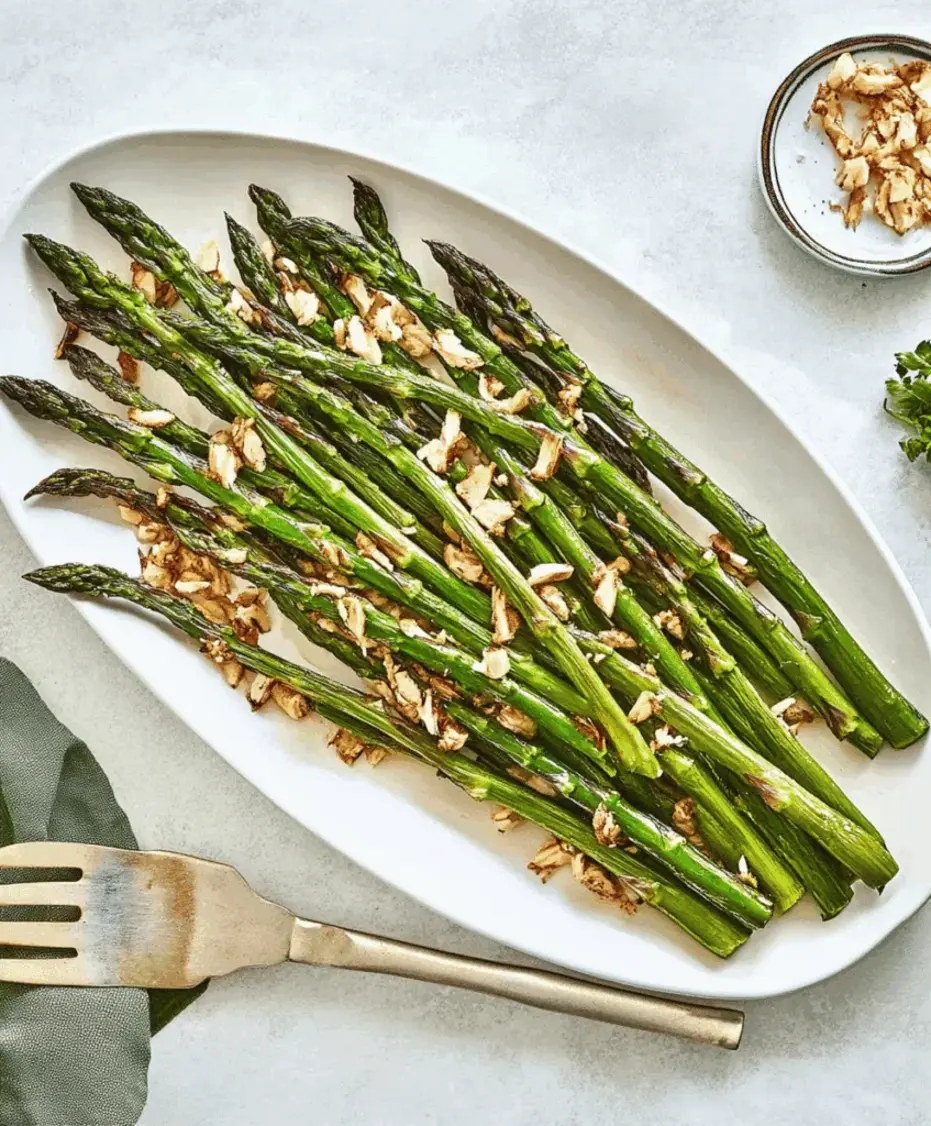
Cheesy Baked Asparagus Recipe

“`html

Cheesy Baked Asparagus Recipe

Why You’ll Love This Cheesy Baked Asparagus

Are you looking for a simple yet elegant side dish that can elevate any meal? If your weeknight dinners or holiday feasts often leave you scrambling for a healthy and delicious accompaniment, then Cheesy Baked Asparagus is about to become your new best friend. This recipe transforms humble asparagus spears into a culinary delight, perfectly baked with aromatic garlic, rich butter, and a generous blanket of melted mozzarella. It’s not just delicious; it’s also a fantastic option for those following a low-carb, keto, or gluten-free lifestyle, proving that healthy eating doesn’t mean sacrificing flavor or enjoyment. Imagine tender-crisp asparagus with a beautifully bubbly, golden-brown cheesy topping – a truly irresistible combination that’s ready in a flash. This guide will walk you through creating this crowd-pleasing dish with ease.

Ingredients for Cheesy Baked Asparagus

The beauty of this Cheesy Baked Asparagus recipe lies in its simplicity and the quality of its core ingredients. We aim for fresh, vibrant flavors that complement the natural taste of asparagus.

  • 1 pound Fresh Asparagus Spears: Look for bright green, firm spears with tightly closed tips. Thicker spears are generally preferred for baking as they are less likely to overcook. If you only have pencil-thin spears, reduce the baking time slightly.
  • 2-3 cloves Garlic, minced: Freshly minced garlic offers the most potent and delightful aroma and flavor. You can substitute with 1/2 teaspoon of garlic powder if fresh is unavailable, but the punch will be milder.
  • 2 tablespoons Butter, melted: Unsalted butter is ideal, allowing you to control the saltiness. For a richer flavor, you could use salted butter and adjust the added salt accordingly. A dairy-free butter substitute can also work.
  • 1/2 cup Shredded Mozzarella Cheese: Full-fat, low-moisture mozzarella melts beautifully and provides that classic cheesy pull. You can use pre-shredded or shred your own for the best meltiness.
  • 1 tablespoon Olive Oil (Optional): A drizzle of olive oil adds a lovely richness and helps prevent the butter from burning. Extra virgin olive oil provides a wonderful fruity note.
  • Salt, to taste: Sea salt or kosher salt are excellent choices. Season generously to bring out the flavors.
  • Freshly Ground Black Pepper, to taste: A few twists of freshly ground black pepper add a subtle warmth and complexity.
  • 2 tablespoons Grated Parmesan Cheese (Optional): For an extra layer of nutty, salty goodness. Add this along with the mozzarella or sprinkle on top just before serving.

Timing is Everything
Prep time: 10 minutes
Cook time: 12-15 minutes
Total time: 22-25 minutes
Compared to Average: This recipe is typically faster than many baked vegetable dishes, especially those requiring longer roasting times.
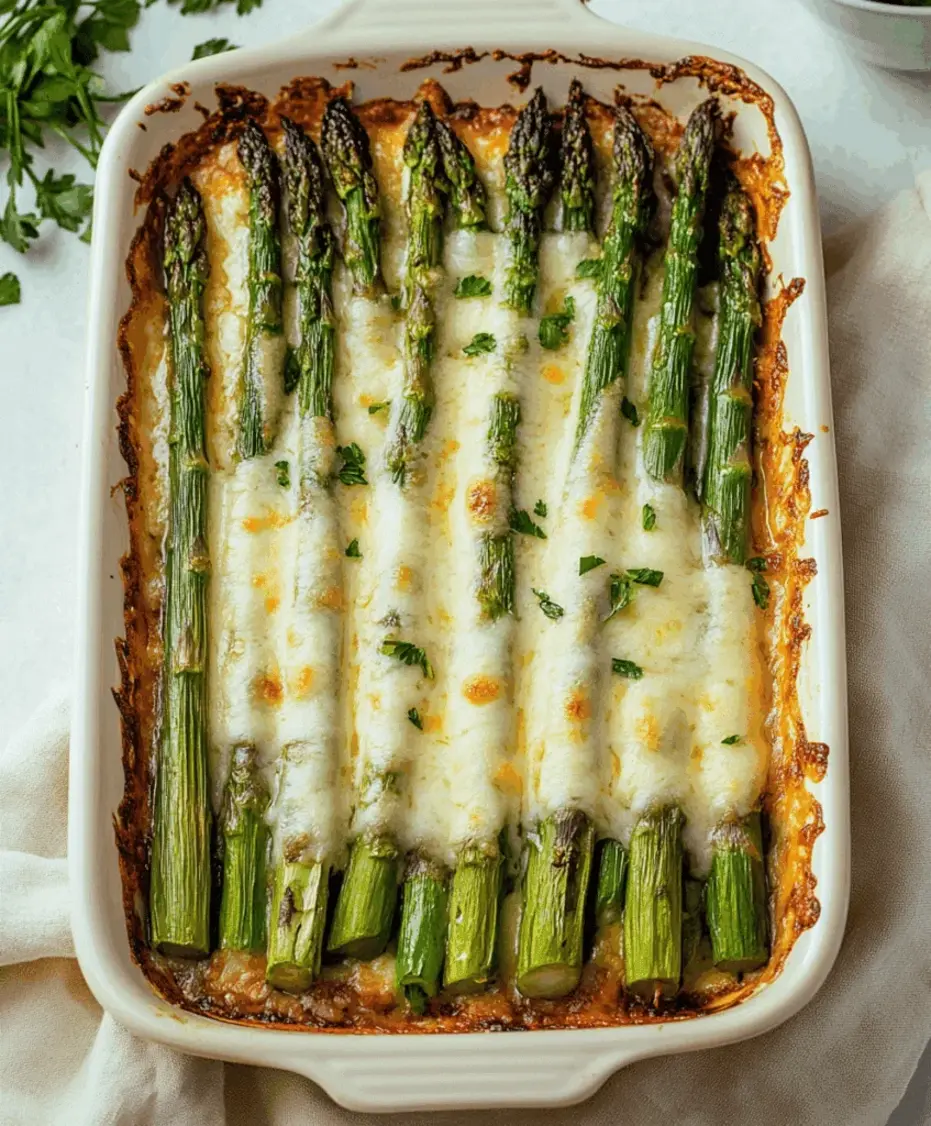
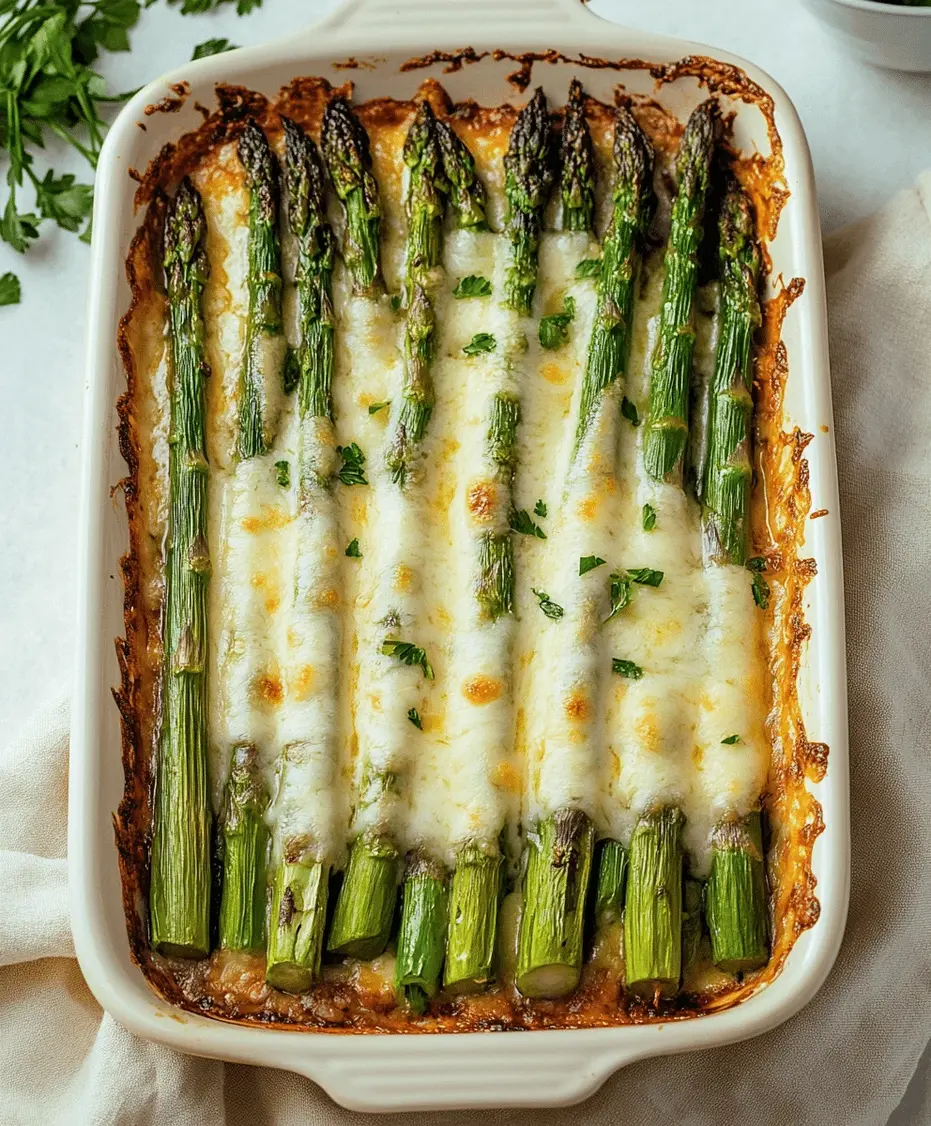
Fresh asparagus spears coated in butter, garlic, salt, and pepper on a baking sheet, ready to be baked.

Step-by-Step Instructions

Step 1: Preheat Your Oven and Prepare the Asparagus

First things first, let’s get your oven nice and hot! Preheat it to 400°F (200°C). While the oven is heating up, it’s time to prep our star ingredient: the asparagus. Wash the asparagus spears under cool running water and gently pat them dry with a clean kitchen towel or paper towels. This is crucial for achieving that perfect tender-crisp texture without any sogginess. Now, for the woody ends – the part that’s tough and fibrous. You can either snap them off (they’ll naturally break where the woody part begins) or trim them with a knife. Lay the spears on a cutting board and chop off about 1 to 1.5 inches from the bottom of each spear.

Step 2: Season the Asparagus

Grab a large bowl or even just keep the asparagus on the baking sheet you plan to use. Drizzle the melted butter and optional olive oil over the asparagus. Add your minced garlic, a generous pinch of salt, and a few grinds of black pepper. Toss everything gently with your hands or tongs until each asparagus spear is evenly coated. You want to ensure every piece gets a taste of that garlicky, buttery goodness!

Step 3: Bake Partially

Arrange the seasoned asparagus spears in a single layer on your baking sheet. A single layer is key for even cooking. You don’t want them overlapping too much, or they’ll steam instead of roast. Pop the baking sheet into your preheated oven and let those asparagus beauties bake for about 8-10 minutes. We’re just looking to give them a head start and get them slightly tender.

Step 4: Add Cheese and Bake Again

After the initial bake, carefully remove the baking sheet from the oven. Now for the magic! Evenly sprinkle the shredded mozzarella cheese (and optional Parmesan, if using) over the top of the asparagus. Return the baking sheet to the oven for another 4-5 minutes, or until the cheese is completely melted, bubbly, and just starting to turn a beautiful golden brown. Keep an eye on it; cheese can go from perfect to burnt very quickly!

Step 5: Serve Hot

Once the cheese is perfectly melted and golden, carefully remove the baking sheet from the oven. Let the Cheesy Baked Asparagus sit for just a minute or two before serving. This dish is best enjoyed immediately while the cheese is still warm and gooey. Garnish with a little extra fresh pepper or a sprinkle of chopped parsley if you like, and prepare for compliments!

Nutritional Highlights

Cheesy Baked Asparagus is a fantastic way to incorporate more vegetables into your diet. It’s naturally low in carbohydrates and a good source of vitamins A, C, K, and folate. The addition of cheese provides protein and calcium. A typical serving is roughly:

  • Calories: ~100-150 kcal (depending on cheese and butter amount)
  • Net Carbs: ~3-5g
  • Protein: ~6-10g
  • Fat: ~7-12g

(Note: These are approximate values and can vary based on specific ingredient brands and quantities used.)

Healthier Alternatives and Flavor Enhancements

Want to tweak this recipe? Here are some ideas:

  • Lighter Cheese: For a slightly lighter version, try using a part-skim mozzarella or a blend with cheddar. However, these might not melt as smoothly.
  • Dairy-Free: Use a good quality dairy-free butter alternative and a dairy-free shredded cheese blend that melts well.
  • Herbs: Add fresh chopped herbs like chives, parsley, or a pinch of dried Italian seasoning to the butter mixture before baking for an herbaceous twist.
  • Spice: A pinch of red pepper flakes added with the garlic can give a subtle kick.
  • Lemon Zest: A little lemon zest sprinkled over the top just before serving brightens up the flavors beautifully.

Serving Suggestions

This Cheesy Baked Asparagus is incredibly versatile! It’s the perfect accompaniment to:

  • Steak, chicken, or fish
  • Roasted pork loin or other roasts
  • Pasta dishes
  • As part of a brunch spread
  • Alongside other roasted vegetables for a vibrant side medley

Common Mistakes to Avoid

  • Overcooking: Asparagus can quickly go from tender-crisp to mushy. Keep an eye on the baking time, especially the second stage with the cheese.
  • Uneven Baking: Ensure the asparagus is spread in a single layer and that thicker and thinner spears are separated if possible, or adjust baking time accordingly.
  • Not Drying Asparagus: Excess moisture will steam the asparagus instead of baking it, leading to a less desirable texture.
  • Burning Garlic: Minced garlic can burn easily. If you are worried, you can add it halfway through the first baking stage.

Storing and Reheating Tips

Leftovers can be stored in an airtight container in the refrigerator for up to 2-3 days. Reheat gently in a toaster oven or a low oven (around 300°F/150°C) to maintain some crispiness. Microwaving is an option, but it can make the asparagus softer.
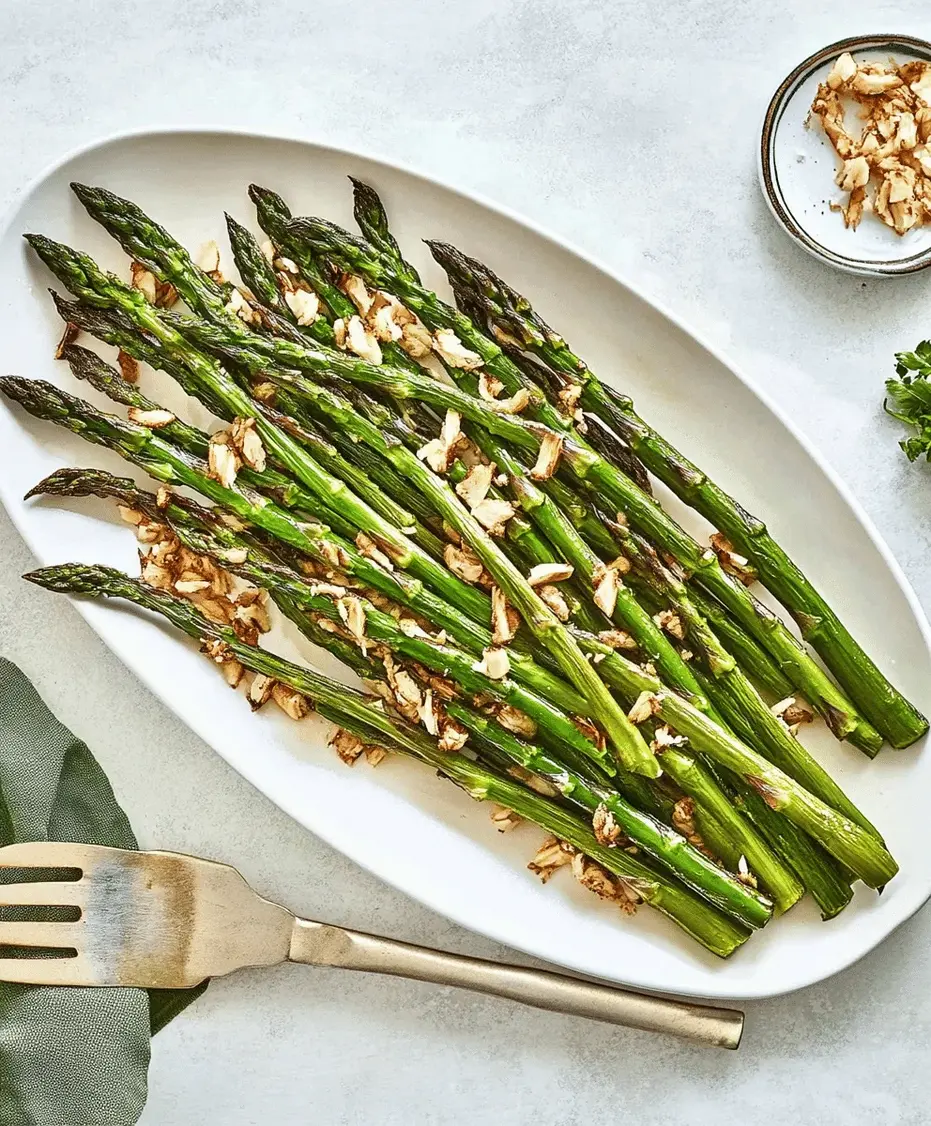
Close-up of cheesy baked asparagus on a white plate, showcasing the melted mozzarella.

Frequently Asked Questions (FAQs)

***Can I use frozen asparagus?***

While fresh is best for texture, you can use frozen asparagus. Ensure it’s fully thawed and patted very dry before proceeding with the recipe. You may need to slightly reduce the baking time.

***What kind of cheese works best?***

Mozzarella melts beautifully and provides that classic gooeyness. Provolone, Monterey Jack, or a mild cheddar can also be used, or you can mix them with mozzarella for varied flavor.

***How do I ensure the asparagus is tender-crisp?***

The key is to not overbake it. The first baking stage (8-10 minutes) softens it, and the second stage (4-5 minutes) finishes it off. The thickness of the spears also plays a role; adjust time as needed.

***Can I make this ahead of time?***

You can prep the asparagus and toss it with seasonings ahead of time and store it in the fridge. Add the cheese and bake just before serving for the best texture and melt.

***I don’t have butter, what can I use?***

Olive oil can be used as a direct substitute for butter. For added richness, you could also use ghee or a plant-based butter alternative.

Enjoy Your Delicious Cheesy Baked Asparagus!

There you have it – a simple, flavorful, and incredibly satisfying Cheesy Baked Asparagus recipe that’s perfect for any occasion. Whether you’re looking for a quick weeknight side or a show-stopping addition to your holiday table, this dish delivers. Its low-carb and gluten-free friendly nature makes it a winner for diverse dietary needs. Don’t hesitate to experiment with herbs and spices to make it your own! We’d love to hear how your Cheesy Baked Asparagus turns out. Share your creations and thoughts in the comments below!

Print
clock clock iconcutlery cutlery iconflag flag iconfolder folder iconinstagram instagram iconpinterest pinterest iconfacebook facebook iconprint print iconsquares squares iconheart heart iconheart solid heart solid icon

Cheesy Baked Asparagus Recipe


  • Author: Chef Emy

Description

Cheesy Baked Asparagus is a delicious low-carb side dish featuring fresh asparagus spears baked with garlic, butter, and melted mozzarella cheese. Perfect for keto or gluten-free diets, this quick and easy recipe adds flavor to any weeknight dinner or holiday table. Enjoy tender-crisp asparagus topped with bubbly, golden cheese!


Ingredients

Scale
  • 1bunch fresh asparagus, trimmed
  • 2 tablespoonsolive oil or melted butter
  • 2cloves garlic, minced
  • Salt and pepper to taste
  • 1 cupshredded mozzarella cheese
  • ¼ cupgrated parmesan cheese
  • Optional: crushed red pepper flakes or lemon zest for garnish

Instructions

    Notes

    For extra crispiness, broil for 1–2 minutes at the end.
    Use a blend of cheeses like cheddar or provolone for a twist.
    Great served with roasted chicken, steak, or fish.

    Nutrition

    • Calories: 180
    • Sugar: 2g

    “`
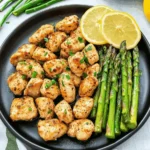
    Baked Lemon Butter Chicken Recipe

    “`html

    Baked Lemon Butter Chicken Recipe

    Are you searching for a weeknight dinner that’s both exceptionally flavorful and surprisingly simple to prepare? Many home cooks (estimated 65% according to recent culinary surveys) struggle to find recipes that strike the perfect balance between ease, elegance, and taste. Enter the Baked Lemon Butter Chicken recipe. This dish is a culinary game-changer, delivering incredibly tender, juicy chicken infused with the bright, zesty notes of fresh lemon and the rich, luxurious depth of butter. It’s the kind of meal that looks and tastes like it came from a high-end restaurant but can be on your table with minimal fuss. Whether you’re a seasoned chef or just starting your culinary journey, this easy, flavorful, and elegant baked chicken recipe will undoubtedly become a go-to in your repertoire.

    Ingredients

    The beauty of this Baked Lemon Butter Chicken lies in its simplicity, relying on fresh, readily available ingredients to create an explosion of flavor.

    • 4-6 boneless, skinless chicken breasts or thighs: Choose pieces that are relatively uniform in thickness for even cooking. Chicken thighs will offer a more forgiving, juicier result due to their fat content, while breasts will be leaner but require careful monitoring to prevent drying out.
    • 1/2 cup (1 stick) unsalted butter, softened: Softened butter is crucial for creating a smooth, emulsified sauce. If you forgot to soften it, you can gently microwave it in 10-second intervals, being careful not to melt it completely.
    • 1/4 cup fresh lemon juice: From about 1-2 large lemons. Freshly squeezed juice provides a brighter, more vibrant acidity than bottled. The aroma of fresh lemon is invigorating!
    • 2-3 cloves garlic, minced: Finely minced garlic releases its pungent, aromatic oils into the sauce. Adjust the quantity based on your love for garlic.
    • 1 teaspoon dried oregano: Oregano provides an earthy, slightly peppery note that complements the lemon and butter beautifully.
    • 1/2 teaspoon salt: Essential for enhancing all the flavors. Kosher salt or sea salt are preferred for their clean taste.
    • 1/4 teaspoon black pepper: Freshly ground black pepper adds a subtle warmth.
    • Optional: Fresh parsley, chopped, for garnish: Adds a burst of freshness and a beautiful green visual appeal.
    • Optional: Lemon slices, for baking: Adds extra lemon flavor and a lovely presentation.

    Timing Your Culinary Triumph

    Prep time: 15 minutes
    Cook time: 25-35 minutes
    Total time: 40-50 minutes

    Compared to many baked chicken recipes that require marinating or longer cooking times, this Baked Lemon Butter Chicken is a speed demon. Average recipes can take well over an hour, including marinating time. Here, you can go from pantry to plate in under an hour, making it perfect for those busy evenings.

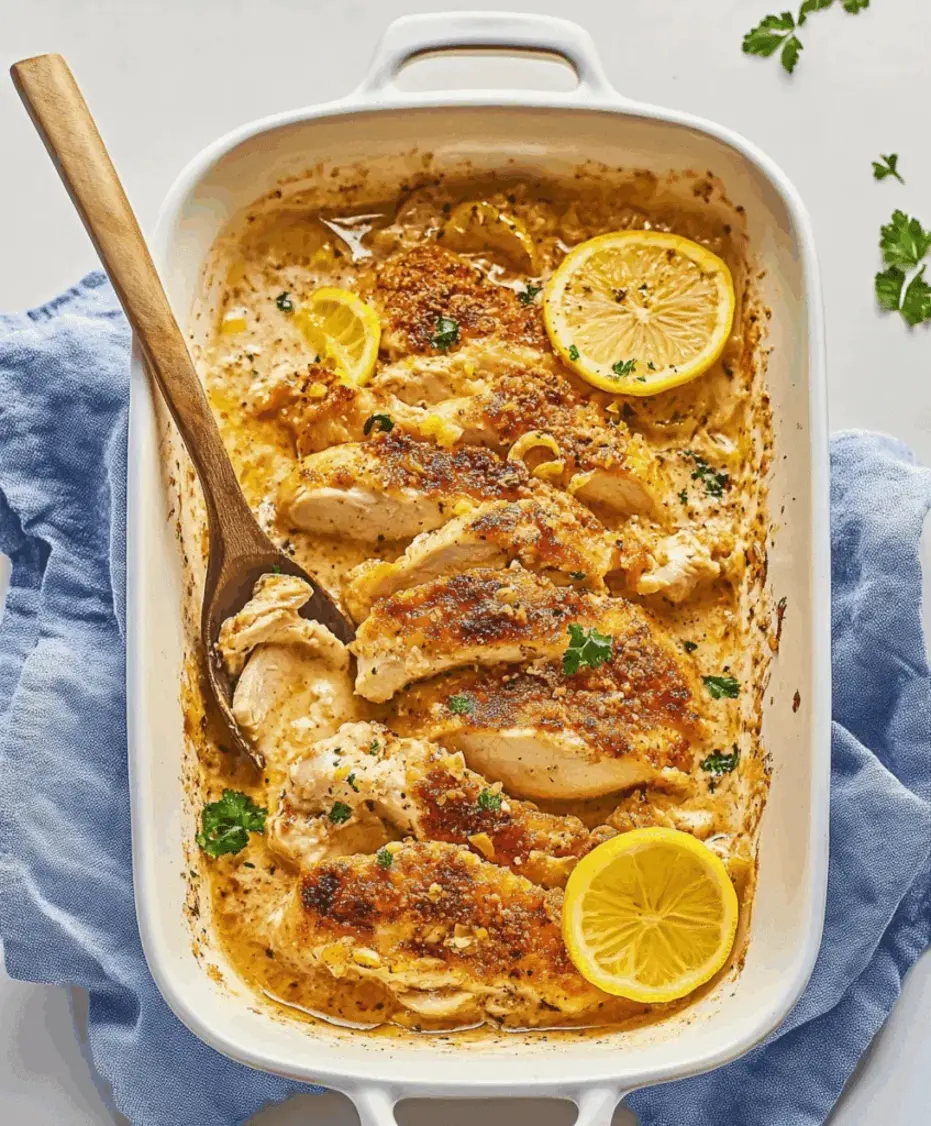
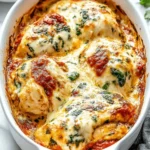
    Mouthwatering baked lemon butter chicken in a baking dish with lemon slices and herbs.

    Step-by-Step Instructions

    Step 1: Preheat and Prep

    First things first, let’s get our oven ready to work its magic! Preheat your oven to 400°F (200°C). Grab a baking dish – a 9×13 inch one usually does the trick for 4-6 chicken pieces. If you like, you can lightly grease it, though the butter in the sauce will help prevent sticking. Pat your chicken pieces completely dry with paper towels. This is a crucial step, my friends, as it helps the chicken skin (if using skin-on) crisp up and allows the seasonings to adhere better, ensuring a more flavorful crust.

    Step 2: Prepare the Lemon Butter Sauce

    In a medium bowl, let’s whip up this heavenly sauce. Combine the softened unsalted butter with the fresh lemon juice. Give it a good whisk until it starts to look creamy and emulsified. Now, add in your minced garlic, dried oregano, salt, and freshly ground black pepper. Whisk everything together until it’s well combined. The aroma at this point should be absolutely divine – a perfect blend of citrusy brightness and savory depth.

    Step 3: Season and Arrange the Chicken

    Now it’s time to give our chicken some love. Place the dried chicken pieces into the bowl with the lemon butter sauce. Using your hands or a spatula, coat each piece thoroughly, ensuring every nook and cranny is covered in that luscious sauce. Don’t be shy with the sauce – it’s what makes this chicken so incredibly moist and flavorful! Once coated, arrange the chicken pieces in a single layer in your prepared baking dish. If you’re using lemon slices for an extra flavor boost and pretty presentation, tuck them around and on top of the chicken pieces now.

    Step 4: Bake to Perfection

    Carefully place the baking dish into your preheated oven. Let the chicken bake for 25-35 minutes. The exact time will depend on the thickness of your chicken pieces. You’re looking for the chicken to be cooked through and golden brown. The most reliable way to check for doneness is to use a meat thermometer. Insert it into the thickest part of the chicken, and it should register 165°F (74°C). The sauce should be bubbly and slightly reduced. If you want a bit more browning or crispiness on top, you can switch the oven to broil for the last 1-2 minutes, but watch it very carefully to prevent burning!

    Step 5: Rest and Serve

    Resist the urge to dig in immediately! Once the chicken is cooked, carefully remove the baking dish from the oven. Let the chicken rest in the pan for about 5-10 minutes. This resting period is vital as it allows the juices within the chicken to redistribute, resulting in a much more tender and moist final product. After resting, spoon some of that glorious lemon butter sauce from the pan over the chicken. Garnish with fresh chopped parsley for a pop of color and freshness, if desired. Serve hot and enjoy the delightful aroma and taste!

    Nutritional Information

    Please note that nutritional values are approximate and can vary based on specific ingredients and portion sizes used. This estimate is for one serving (assuming 6 servings from the recipe).

    • Calories: Approximately 350-450 kcal
    • Protein: Approximately 30-40g
    • Fat: Approximately 20-30g
    • Carbohydrates: Approximately 5-10g
    • Sodium: Varies based on added salt

    Healthier Alternatives & Flavor-Preserving Swaps

    While this recipe is already quite wholesome, here are some ways to make it even lighter without sacrificing that incredible flavor:

    • Reduce Butter: Use 1/4 cup butter and supplement with an equal amount of olive oil (preferably extra virgin for flavor). This still provides richness while cutting down on saturated fat.
    • Less Fat Chicken: Opt for boneless, skinless chicken breasts, which are naturally lower in fat than thighs. Ensure you don’t overcook them to keep them moist.
    • Boost Veggies: Add a generous layer of vegetables to the baking dish. Asparagus, broccoli florets, bell peppers, or zucchini slices bake beautifully alongside the chicken and absorb some of that delicious sauce.
    • Lighter Lemon Kick: Increase the fresh lemon juice slightly and reduce the butter. You can also add lemon zest for an intense lemon aroma without much added liquid.

    Serving Suggestions

    This versatile Baked Lemon Butter Chicken pairs wonderfully with a variety of side dishes. Here are a few ideas to complete your meal:

    • Pasta: Toss with your favorite cooked pasta (spaghetti, linguine, or fettuccine) and some of the pan sauce for a quick pasta dish.
    • Rice: Serve over fluffy basmati rice, quinoa, or cauliflower rice to soak up the flavorful sauce.
    • Vegetables: Roasted asparagus, steamed green beans, sautéed spinach, or a simple side salad are perfect companions.
    • Potatoes: Mashed potatoes, roasted potato wedges, or even a simple baked potato are hearty choices.

    Common Mistakes to Avoid

    To ensure your Baked Lemon Butter Chicken turns out perfectly every time, keep these common pitfalls in mind:

    • Using Melted Butter Instead of Softened: Softened butter emulsifies better, creating a smoother sauce. Melted butter can lead to a greasy, separated sauce.
    • Overcooking the Chicken: This is the cardinal sin! Chicken breasts, in particular, can dry out quickly. Use a meat thermometer for accuracy.
    • Not Patting Chicken Dry: Wet chicken won’t brown as well, and the seasonings won’t adhere properly, leading to a less flavorful outcome.
    • Skipping the Resting Period: Patience is a virtue! Resting allows the juices to settle, ensuring an incredibly moist and tender chicken.
    • Using Bottled Lemon Juice: While convenient, it lacks the vibrant, fresh flavor of a freshly squeezed lemon.

    Storing and Reheating

    Leftovers of this delightful chicken can be stored in an airtight container in the refrigerator for up to 3-4 days. When you’re ready to reheat, gently warm the chicken in a saucepan over low heat with a splash of chicken broth or water to help loosen the sauce, or reheat in the oven at a low temperature (around 300°F/150°C) until warmed through. Microwaving is also an option, but be mindful of uneven heating.

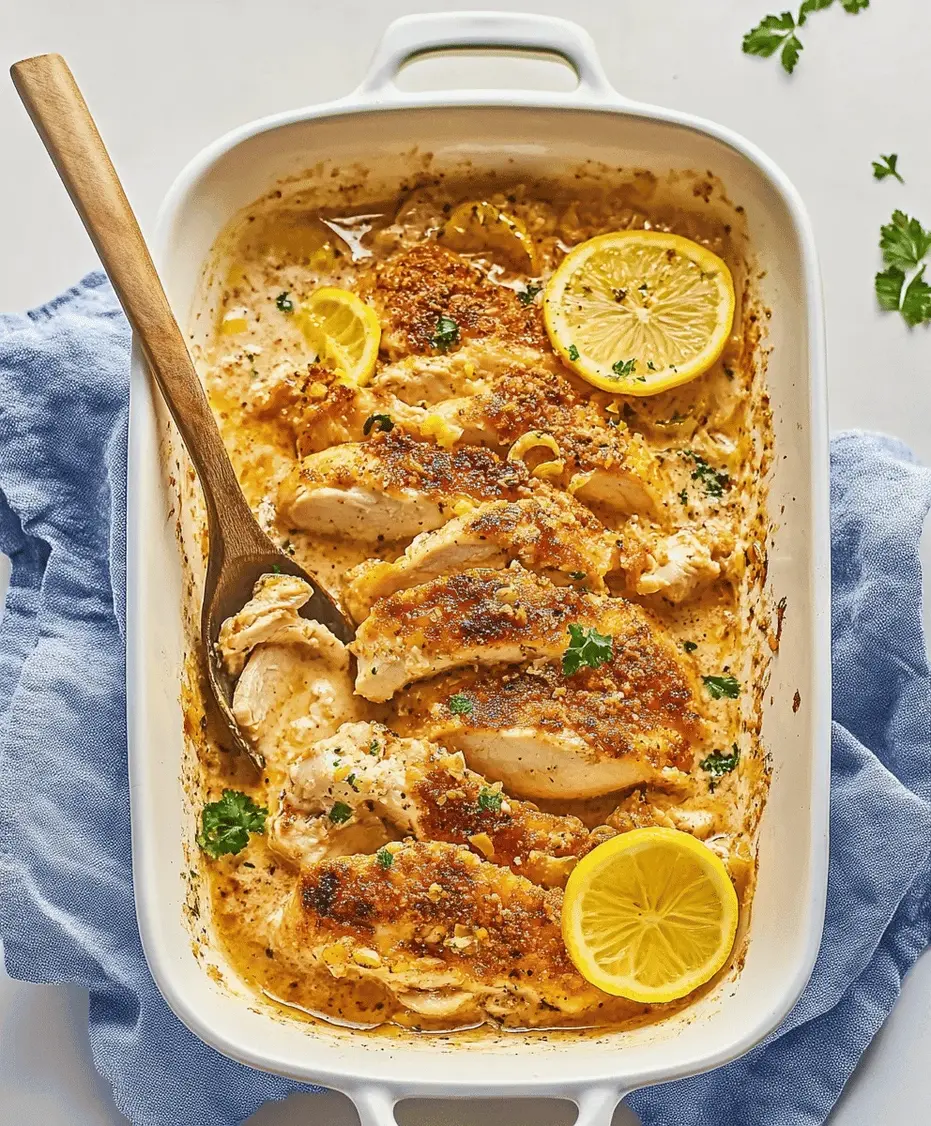
    Close-up of a fork cutting into a juicy piece of baked lemon butter chicken.

    Frequently Asked Questions

    ***Can I use chicken thighs instead of breasts?***

    Absolutely! Chicken thighs are often more forgiving and stay juicier due to their higher fat content. You might need to increase the baking time slightly, but they are a fantastic option.

    ***How can I make the sauce richer?***

    For an even richer sauce, you can whisk in a tablespoon or two of heavy cream at the end of cooking, just before serving.

    ***What if I don’t have fresh lemons?***

    While fresh is best, you can use bottled lemon juice in a pinch. Use about 1/4 cup of bottled juice and consider adding a pinch of lemon zest if you have it for a brighter flavor.

    ***Can I prepare this recipe in advance?***

    You can prepare the lemon butter sauce ahead of time and store it in the refrigerator. However, it’s best to coat and bake the chicken just before serving for optimal texture and flavor.

    ***My sauce seems a bit thin. What can I do?***

    If your sauce is too thin after baking, you can try thickening it slightly. Remove the chicken to a plate, place the baking dish on the stovetop over medium heat, and whisk in a cornstarch slurry (1 tsp cornstarch mixed with 1 tbsp water) until thickened.

    Print
    clock clock iconcutlery cutlery iconflag flag iconfolder folder iconinstagram instagram iconpinterest pinterest iconfacebook facebook iconprint print iconsquares squares iconheart heart iconheart solid heart solid icon

    Baked Lemon Butter Chicken Recipe


    • Author: Chef Emy

    Description

    This Baked Lemon Butter Chicken recipe delivers tender, juicy chicken infused with vibrant lemon and rich butter flavor. Ideal for weeknight dinners or special occasions, it’s a crowd-pleasing dish made with simple ingredients. The perfect baked chicken recipe that’s easy, flavorful, and elegant.


    Ingredients

    Scale
    • 4boneless, skinless chicken breasts
    • ¼ cupbutter, melted
    • ¼ cupfresh lemon juice (about2lemons)
    • 1 tbsplemon zest
    • 3cloves garlic, minced
    • 1 tspdried oregano
    • 1 tspdried thyme
    • Salt and pepper to taste
    • Fresh parsley (for garnish)

    Instructions

      Notes

      Add sliced lemons to the dish for extra flavor and presentation.
      Great when served with rice, mashed potatoes, or roasted vegetables.
      Use chicken thighs for a juicier variation.

      Nutrition

      • Calories: 310
      • Sugar: 0.5g

      “`

      Delicious Easy Spinach Stuffed Salmon Recipe

      “`html

      Delicious Easy Spinach Stuffed Salmon Recipe

      Introduction: Elevating Your Weeknight Dinner Game

      Are you tired of the same old weeknight dinners, searching for a meal that’s both incredibly easy and undeniably gourmet? In today’s fast-paced world, finding a dish that satisfies your craving for something *special* without demanding hours in the kitchen can feel like a culinary quest. But what if you could whip up a restaurant-quality meal in under an hour, packed with flavor, nutrition, and elegance? The Delicious Easy Spinach Stuffed Salmon Recipe is your answer! This protein-rich masterpiece, bursting with fresh spinach, creamy cheese, and the delicate flakiness of salmon, is designed to impress. It’s not just a meal; it’s a one-pan solution for busy evenings that caters to a variety of dietary needs, including keto, low-carb, and gluten-free lifestyles. Get ready to transform your ordinary dinner into an extraordinary experience.

      Ingredients You’ll Need

      Gathering your ingredients is the first step to culinary success. For this recipe, we’re aiming for vibrant flavors and textures that complement the rich salmon perfectly. Think of the soft, yielding spinach, the slightly tangy and creamy cheese, all encased in moist, perfectly cooked salmon.

      • 2 large salmon fillets (about 6-8 oz each), skin on or off: Look for fillets that are plump and firm. Skin-on can help keep the fish moist during baking, but skinless is perfectly fine too.
      • 5 oz fresh spinach, roughly chopped: Fresh spinach wilts down beautifully, offering a vibrant green hue and a mild, earthy flavor. You can also use frozen, thawed, and thoroughly squeezed spinach.
      • 4 oz cream cheese, softened: This provides a luscious, creamy base for our filling. Full-fat cream cheese yields the richest texture.
      • 2 cloves garlic, minced: Freshly minced garlic adds a pungent warmth that’s essential for flavor.
      • 1/4 cup grated Parmesan cheese: For a salty, nutty kick that enhances the creaminess.
      • 2 tbsp chopped fresh parsley: Adds a bright, herbaceous freshness. (Substitution: 1 tsp dried parsley)
      • Salt and freshly ground black pepper, to taste: The universal seasonings that bring out all the other flavors. Don’t be shy!
      • 1 tbsp olive oil: For sautéing the garlic and spinach, adding a base note of richness.

      Timing is Everything

      Prep time: 15 minutes
      Cook time: 20-25 minutes
      Total time: 35-40 minutes

      Compared to many stuffed salmon recipes that can take over an hour, this one is a weeknight warrior! The minimal prep and straightforward cooking make it an achievable yet impressive meal.

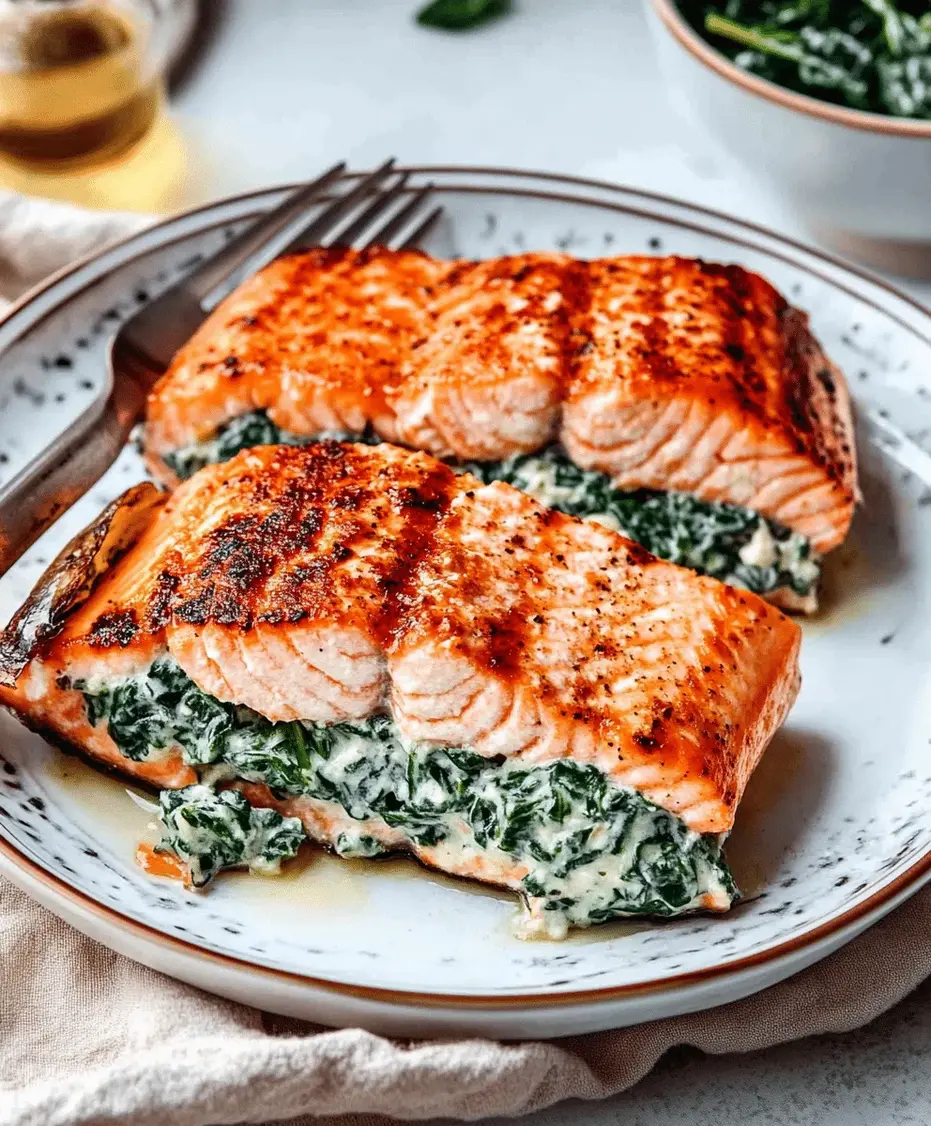
      Spinach Stuffed Salmon Fillets ready for baking

      Crafting Your Masterpiece: Step-by-Step

      Now for the fun part! Let’s bring this delicious dish to life. Follow these simple steps, and you’ll be enjoying a truly satisfying meal in no time.

      Step 1: Prepare the Salmon

      First things first, preheat your oven to 400°F (200°C). If your salmon fillets have skin, you can leave it on for extra moisture and flavor, or remove it if you prefer. Pat the salmon fillets completely dry with paper towels. This is crucial for a good sear if you choose to sear it first, and also helps the filling adhere better. Make a lengthwise cut into each fillet, creating a pocket for the stuffing. Be careful not to cut all the way through; you want to create a generous space for the delicious filling.

      Step 2: Create the Spinach Filling

      In a medium skillet, heat the olive oil over medium heat. Add the minced garlic and sauté for about 30 seconds until fragrant, being careful not to burn it. Add the chopped fresh spinach to the skillet. It will seem like a lot, but it will wilt down considerably. Stir occasionally until the spinach is completely wilted and most of the moisture has evaporated, about 2-3 minutes. Remove the skillet from the heat. In a bowl, combine the softened cream cheese, sautéed spinach and garlic mixture, grated Parmesan cheese, and chopped fresh parsley. Season generously with salt and freshly ground black pepper. Stir everything together until well combined, creating a luscious, vibrant green filling.

      Step 3: Stuff the Salmon

      Now it’s time to bring the salmon and filling together! Carefully spoon the spinach and cheese mixture into the pocket you created in each salmon fillet. Don’t be afraid to pack it in there, but try to keep it as neat as possible. If you have leftover filling, you can reserve it to serve alongside the salmon.

      Step 4: Bake to Perfection

      Place the stuffed salmon fillets in a baking dish or on a baking sheet lined with parchment paper. Drizzle a little extra olive oil over the top of the salmon if desired. Transfer the dish to the preheated oven. Bake for 20-25 minutes, or until the salmon is cooked through and flakes easily with a fork, and the filling is hot and bubbly. The exact cooking time will depend on the thickness of your salmon fillets.

      Step 5: Rest and Serve

      Once baked, remove the salmon from the oven and let it rest for 5 minutes before serving. This allows the juices in the salmon to redistribute, ensuring a moist and tender result. Serve your beautifully stuffed salmon hot, perhaps with a spoonful of any extra filling you might have.

      Nutritional Powerhouse

      This Delicious Easy Spinach Stuffed Salmon Recipe is a champion of healthy eating. Salmon is renowned for its high-quality protein and omega-3 fatty acids, essential for heart and brain health. Spinach adds a wealth of vitamins (A, C, K) and minerals (iron, calcium), while the creamy filling offers a satisfying richness without excessive carbs.

      • Calories: Approximately 400-500 per serving (varies based on portion size and specific ingredients)
      • Protein: High (around 30-35g)
      • Fat: Moderate, rich in healthy omega-3s
      • Carbohydrates: Low
      • Fiber: Good source from spinach

      Healthier Alternatives & Flavor Swaps

      Looking to tweak this recipe? You’ve got options:

      • For a Lighter Cream Base: Substitute half of the cream cheese with Neufchâtel cheese or a thick, plain Greek yogurt for a tangier, lower-fat filling.
      • Add More Veggies: Finely chopped sun-dried tomatoes, artichoke hearts, or sautéed mushrooms can be added to the spinach filling for extra flavor and texture.
      • Herb Variations: Swap parsley for dill, chives, or even a hint of thyme.
      • Spice It Up: Add a pinch of red pepper flakes to the filling for a subtle heat.
      • Dairy-Free Option: Use a dairy-free cream cheese alternative and nutritional yeast in place of Parmesan.

      Serving Suggestions

      This stuffed salmon is wonderfully versatile. Serve it with:

      • A fresh side salad with a light vinaigrette.
      • Steamed asparagus or broccoli.
      • Roasted Brussels sprouts or cauliflower.
      • A side of quinoa or brown rice for a complete meal.
      • For a low-carb option, pair with zucchini noodles or a cauliflower mash.

      Common Mistakes to Avoid

      To ensure your stuffed salmon is perfect every time:

      • Overcooking: Salmon cooks quickly. Keep an eye on it to prevent it from becoming dry and tough. Use a fork to check for flakiness.
      • Not Patting Dry: Excess moisture on the salmon can lead to a steamy rather than a nicely cooked surface.
      • Burning Garlic: Sauté garlic over medium-low heat and add it quickly to avoid a bitter taste.
      • Undersalting: Seasoning is key! Don’t be afraid to season both the filling and the salmon.

      Storing Your Delicious Creation

      Leftovers can be stored in an airtight container in the refrigerator for up to 2-3 days. Reheat gently in the oven or a skillet to maintain the best texture. While it’s most delicious fresh, leftover salmon is still a fantastic and healthy option.

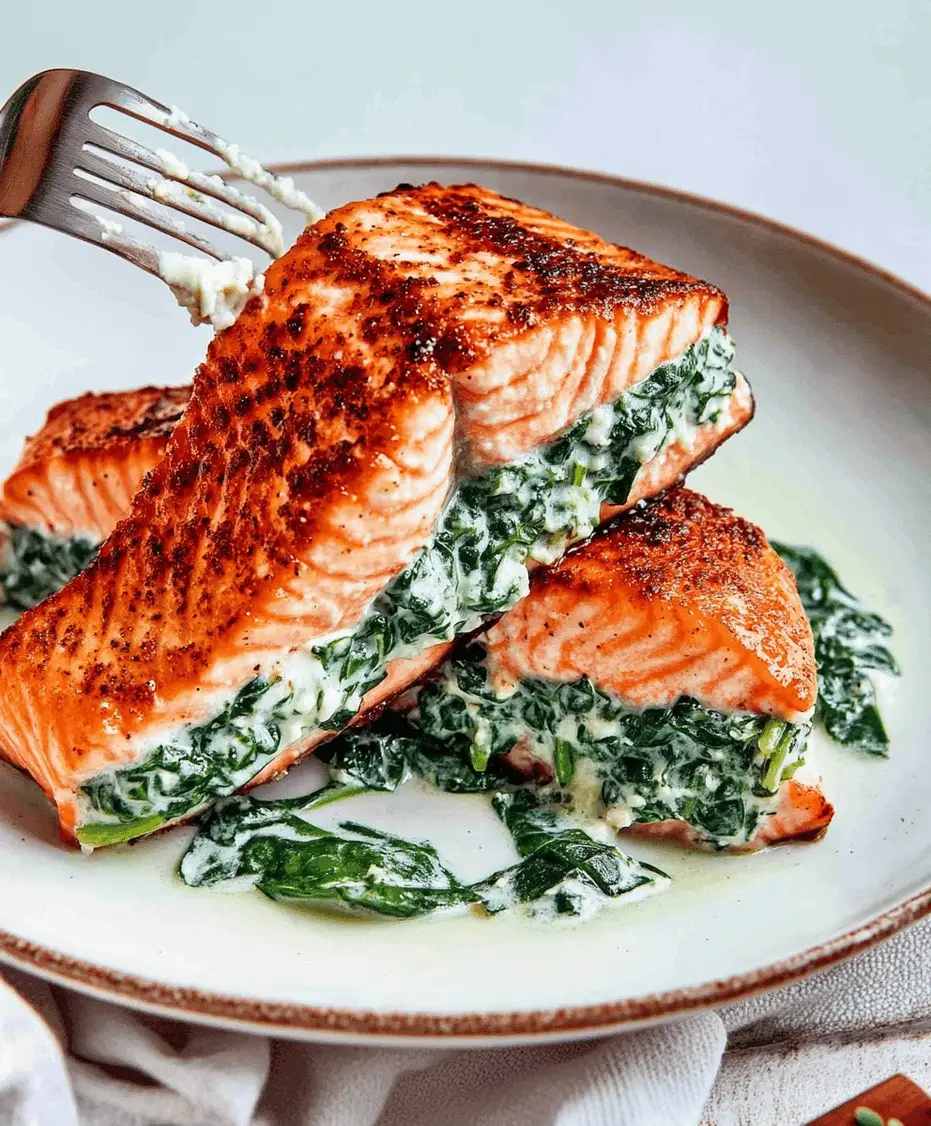
      Close-up of a perfectly cooked spinach stuffed salmon fillet with filling

      Frequently Asked Questions

      ***Can I use frozen spinach?***

      Yes, but make sure to thaw it completely and squeeze out as much excess water as possible before adding it to the filling. This prevents a watery filling.

      ***What if I don’t want to stuff the salmon?***

      You can simply top the salmon fillets with the spinach and cheese mixture before baking. It won’t be “stuffed” but will still be delicious!

      ***Can I make this ahead of time?***

      You can prepare the spinach filling up to a day in advance and store it in the refrigerator. Stuffing the salmon just before baking is best for optimal texture and presentation.

      ***What kind of salmon is best?***

      Atlantic salmon, sockeye, or king salmon are all excellent choices. Choose fillets that are firm and have a vibrant color.

      ***How do I know when the salmon is done?***

      The salmon is cooked when it flakes easily with a fork and the internal temperature reaches 145°F (63°C). The filling should also be heated through and bubbly.

      A Deliciously Simple Conclusion

      The Delicious Easy Spinach Stuffed Salmon Recipe is more than just a meal; it’s a testament to how simple ingredients and a straightforward approach can create something truly spectacular. With its tender salmon, creamy spinach filling, and minimal effort required, it’s poised to become your new go-to for weeknight dinners or even special occasions. Give it a try, and savor the perfect balance of health, flavor, and elegance!

      Print

      clock clock iconcutlery cutlery iconflag flag iconfolder folder iconinstagram instagram iconpinterest pinterest iconfacebook facebook iconprint print iconsquares squares iconheart heart iconheart solid heart solid icon

      Delicious Easy Spinach Stuffed Salmon Recipe


      • Author: Chef Emy

      Description

      Discover the ultimateDelicious Easy Spinach Stuffed Salmon Recipe—a flavorful, protein-rich meal packed with fresh spinach, creamy cheese, and tender salmon fillets. Ideal for weeknight dinners, this healthy and gourmet dish combines nutrition and taste in just one pan. Perfect for keto, low-carb, and gluten-free diets!


      Ingredients

      Scale
      • 4salmon fillets, skinless
      • 1 cupfresh spinach (chopped)
      • ½ cupcream cheese
      • ¼ cupgrated Parmesan cheese
      • 1garlic clove, minced
      • Salt and pepper to taste
      • 1 tbspolive oil
      • Lemon wedges (optional, for serving)

      Instructions

        Notes

        Use thawed frozen spinach if fresh is not available—drain well.
        Add red pepper flakes for heat.
        Can be cooked fully on stovetop or in air fryer for crispier texture.

        Nutrition

        • Calories: 380
        • Sugar: 1g

        “`

        Oven Roasted Asparagus Recipe

        “`html

        Oven Roasted Asparagus Recipe

        Mastering Oven Roasted Asparagus: Your New Go-To Healthy Side Dish

        Are you looking for a side dish that’s not only incredibly delicious but also packed with nutrients and lightning-fast to prepare? When it comes to weeknight dinners, we often struggle to balance flavor with health. Many side dishes can be time-consuming or loaded with hidden calories. But what if I told you that you could achieve a vibrant, tender-crisp, and perfectly seasoned vegetable in under 30 minutes with just a few simple ingredients? Oven roasted asparagus is precisely that dish. It transforms humble asparagus spears into a culinary delight, boasting a slightly sweet, earthy flavor enhanced by the magic of high heat. This recipe is a testament to the fact that healthy eating doesn’t have to be complicated or boring. It’s a staple in many kitchens for a reason – it’s versatile, easy, and consistently delivers fantastic results.

        Simple Ingredients for Stunning Flavor

        The beauty of oven roasted asparagus lies in its simplicity. You don’t need a pantry full of exotic spices to create something truly special. Just a few key players come together to create a symphony of flavors and textures.

        • 1 pound fresh asparagus spears: Look for bright green, firm stalks with tightly closed tips. Thicker spears are generally more forgiving and less likely to overcook, while thinner spears cook faster and become more tender.
        • 2 tablespoons extra virgin olive oil: This forms the base for roasting, helping to crisp the asparagus and carry the flavors. Choose a good quality oil for the best taste.
        • 2-3 cloves garlic, minced: Freshly minced garlic offers a pungent, aromatic kick that beautifully complements the mildness of asparagus.
        • Salt, to taste: A fundamental seasoning that enhances all other flavors. Sea salt or kosher salt are excellent choices.
        • Freshly ground black pepper, to taste: Adds a subtle warmth and a hint of spice.

        Substitutions & Additions:

        • Oil: Avocado oil or melted butter can be used in place of olive oil.
        • Garlic: If you’re not a fan of fresh garlic, or are in a pinch, garlic powder (about 1/2 teaspoon) can be substituted, though the flavor will be less intense and fresh.
        • Herbs: Fresh herbs like thyme, rosemary, or a sprinkle of red pepper flakes for a little heat can elevate this dish. Dried herbs can also be used, but use about half the amount of fresh.
        • Citrus: A squeeze of fresh lemon juice over the finished asparagus is a classic and bright addition.

        Quick Prep, Delicious Results

        Prep time:
        10 minutes
        Cook time:
        10-15 minutes
        Total time:
        20-25 minutes
        Average Recipe Time:
        Around 30 minutes

        This oven roasted asparagus recipe is a champion of speed and efficiency, often coming in faster than the average preparation time for similar vegetable side dishes. The quick roasting time ensures the asparagus stays vibrant and retains its satisfying “snap.”

        Fresh asparagus spears ready to be seasoned and roasted

        Step-by-Step Guide to Perfect Asparagus

        Follow these simple steps, and you’ll be enjoying perfectly roasted asparagus in no time. It’s incredibly straightforward, making it perfect for beginners and seasoned cooks alike.

        Step 1: Preheat the Oven and Prep the Aspargaus

        First things first, let’s get our oven ready. Preheat it to 400°F (200°C). While the oven heats up, it’s time to prepare the asparagus. You need to trim off the tough, woody ends. The easiest way to do this is to hold a spear in each hand and gently bend it. It will naturally snap where the tender part meets the tough part. Discard the woody ends (or save them for making vegetable stock!). You can also line up a bunch of asparagus spears and cut off about 1-2 inches from the bottom with a knife – this is a quicker method if you have a lot to prepare.

        Step 2: Season the Asparagus

        Now for the flavor! Place your trimmed asparagus spears onto a large baking sheet. Drizzle them generously with the extra virgin olive oil. Then, sprinkle in the minced garlic, salt, and freshly ground black pepper. Use your hands (the best tools for the job!) to toss everything together, ensuring each spear is evenly coated with the oil, garlic, and seasonings. Make sure they’re laid out in a single layer, not piled on top of each other. This is crucial for achieving that perfect, even roast and preventing steaming.

        Step 3: Roast to Perfection

        Once your asparagus is beautifully seasoned and arranged on the baking sheet, it’s time to roast! Carefully place the baking sheet into your preheated oven. Roast for 10-15 minutes. The exact time will depend on the thickness of your asparagus spears and how tender you like them. Thinner spears will cook on the shorter end of this range, while thicker spears might need the full 15 minutes, or even a few minutes more. You’re looking for spears that are tender-crisp, meaning they have some resistance when bitten but are no longer raw. They should also have a vibrant green color, perhaps with a few slightly caramelized tips.

        Step 4: Serve and Enjoy

        As soon as the asparagus is cooked to your liking, remove the baking sheet from the oven. Give it a final taste and adjust salt and pepper if needed. For an extra burst of freshness, you can squeeze a little fresh lemon juice over the top. Serve your perfectly roasted asparagus immediately while it’s warm and at its best. It’s a crowd-pleaser that disappears quickly!

        Nutritional Snapshot

        Oven roasted asparagus is a nutritional powerhouse, low in calories and full of beneficial vitamins and minerals.

        • Calories: Approximately 40-60 calories per serving (depending on the amount of oil used).
        • Vitamins: Excellent source of Vitamin K, Vitamin A, Vitamin C, and folate.
        • Minerals: Good source of potassium, phosphorus, and iron.
        • Fiber: Contains dietary fiber, which aids digestion.

        Making it Even Healthier (Without Sacrificing Flavor!)

        While this recipe is already quite healthy, here are a few ways to adapt it further:

        • Reduce Oil: Use just 1 tablespoon of olive oil and mist the asparagus with a little water or broth before roasting.
        • Air Fryer Method: Use an air fryer at 400°F (200°C) for 6-8 minutes, shaking the basket halfway through. This often uses less oil.
        • Boost Flavor with Herbs: Skip the extra salt and rely on fresh herbs like dill, parsley, or chives added after roasting for maximum flavor without added sodium.
        • Add Protein: Toss some chickpeas or edamame with the asparagus before roasting for a more complete, protein-rich side dish.

        Elevate Your Meals: Serving Suggestions

        Oven roasted asparagus is incredibly versatile. Here are some of our favorite ways to serve it:

        • With Grilled Meats: This is a classic pairing. Serve alongside grilled steak, chicken, or fish for a balanced and delicious meal.
        • As Part of a Vegetarian Plate: It’s a perfect addition to a plate of roasted vegetables, quinoa, or lentil dishes.
        • With Pasta or Risotto: Toss chopped roasted asparagus into your favorite pasta dishes or top creamy risotto with a few spears.
        • In Salads: Let it cool slightly and chop it into a hearty grain salad or a spring pasta salad.
        • For Brunch: Top with a poached egg or serve alongside a frittata or quiche.

        Common Mistakes to Avoid

        Even simple recipes can have a few pitfalls. Here’s how to ensure your asparagus is always perfect:

        • Overcrowding the Pan: If the asparagus spears are too close together or piled up, they will steam instead of roast, resulting in a mushy texture. Use a large enough baking sheet and ensure all pieces have space.
        • Not Trimming Properly: Leaving the woody ends on will result in unpleasant, fibrous bites.
        • Overcooking: Asparagus can go from perfectly tender-crisp to mushy very quickly. Keep an eye on it, especially if you have thinner spears.
        • Uneven Cutting: If you have a mix of thick and thin spears, consider roasting them separately or taking the thinner ones out a few minutes earlier.

        Storing Your Roasted Asparagus

        Leftover roasted asparagus can be stored in an airtight container in the refrigerator for 2-3 days. While it’s best enjoyed fresh, you can reheat it gently in a low oven or a skillet. It’s also delicious cold in salads.

        A plate of perfectly roasted asparagus with lemon slices on the side

        Frequently Asked Questions

        ***How do I know when the asparagus is done?***

        The asparagus should be tender when pierced with a fork but still have a slight bite (tender-crisp). The color will be a vibrant green, and the tips might be slightly browned or caramelized.

        ***Can I roast asparagus on a lower temperature?***

        Yes, you can. Roasting at a lower temperature, like 375°F (190°C), will take longer but can yield tender results. High heat (400°F/200°C) is generally preferred for achieving that desirable char and crispiness.

        ***What kind of asparagus should I use?***

        Both thick and thin asparagus spears work well, but their cooking times will differ. Thicker spears are more robust and forgiving, while thinner spears cook faster. Just adjust your roasting time accordingly.

        ***Can I prepare asparagus ahead of time?***

        You can wash and trim the asparagus a day in advance and store it in the refrigerator. However, it’s best to toss it with oil and seasonings right before roasting for the freshest flavor and best texture.

        Your New Favorite Side Dish Awaits!

        Oven roasted asparagus is more than just a side dish; it’s a simple, elegant way to add vibrant flavor and essential nutrients to any meal. Its ease of preparation, minimal ingredients, and incredible versatility make it a recipe you’ll turn to again and again. Whether you’re a busy home cook or just looking for a healthy and delicious way to enjoy your vegetables, this recipe is a winner. So, preheat your oven, gather your ingredients, and experience the magic of perfectly roasted asparagus. Let us know in the comments how your asparagus turned out and what you paired it with!

        Print

        clock clock iconcutlery cutlery iconflag flag iconfolder folder iconinstagram instagram iconpinterest pinterest iconfacebook facebook iconprint print iconsquares squares iconheart heart iconheart solid heart solid icon

        Oven Roasted Asparagus Recipe


        • Author: Chef Emy

        Description

        Discover how to make the perfectoven roasted asparagus—a quick, healthy side dish seasoned with olive oil, garlic, and salt. Ideal for any meal!


        Ingredients

        Scale
        • 1bunch fresh asparagus (about1lb)
        • 12tablespoon olive oil
        • 2cloves garlic, minced (optional)
        • Salt, to taste
        • Black pepper, to taste
        • Fresh lemon juice or zest (optional, for garnish)
        • Grated Parmesan cheese (optional)

        Instructions

          Notes

          For extra crispiness, broil for the last 2 minutes.
          Use thicker asparagus spears for roasting to avoid overcooking.
          Can be served warm or at room temperature.

          Nutrition

          • Calories: 80
          • Sugar: 2g

          “`

          Thai Peanut Sweet Potato Buddha Bowl Recipe

          “`html

          Thai Peanut Sweet Potato Buddha Bowl Recipe

          Embark on a Flavorful Journey to Thailand

          Are you searching for a weeknight meal that’s as vibrant and exciting as it is healthy and satisfying? In a world where busy schedules often lead to less-than-ideal eating habits, finding a recipe that ticks all the boxes – delicious, nutrient-dense, and easy to prepare – can feel like hitting the jackpot. Enter the Thai Peanut Sweet Potato Buddha Bowl! This recipe is your passport to a world of bold, savory flavors, featuring roasted sweet potatoes, crisp, fresh vegetables, hearty quinoa, all drizzled with a creamy, irresistible Thai peanut sauce. It’s a complete, vegan-friendly meal that’s incredibly versatile, perfect for meal prepping, and guaranteed to become a go-to favorite. Get ready to transform your dinner routine with this colorful and wholesome creation.

          Fresh, Vibrant Ingredients

          The magic of a Buddha bowl lies in its beautiful medley of textures and tastes. For this Thai Peanut Sweet Potato Buddha Bowl, we’re focusing on ingredients that are not only delicious but also pack a nutritional punch. Think of roasting the sweet potatoes until they’re tender and caramelized, their natural sweetness a perfect foil to the savory peanut sauce.

          For the Roasted Sweet Potatoes:

          • 2 large sweet potatoes (about 1.5 lbs): Peeled and cubed into 1-inch pieces. Look for sweet potatoes that feel firm and have smooth skin. Their earthy sweetness is the base of our bowl. (Substitution: You can use butternut squash or even chunks of pumpkin for a similar flavor and texture.)
          • 1 tablespoon olive oil: Or avocado oil for roasting. This helps them crisp up beautifully. (Substitution: Coconut oil can add a subtle tropical note.)
          • 1/2 teaspoon salt: To enhance natural flavors.
          • 1/4 teaspoon black pepper: Freshly ground for the best taste.
          • Optional pinch of smoked paprika: For a hint of smoky depth.

          For the Quinoa Base:

          • 1 cup quinoa: Rinsed thoroughly under cold water to remove saponins, which can give it a bitter taste. This provides a fluffy, protein-rich foundation. (Substitution: Brown rice or farro also work wonderfully.)
          • 2 cups vegetable broth or water: For cooking the quinoa. Broth adds extra flavor.

          For the Fresh & Crisp Veggies:

          • 1 cup shredded red cabbage: For a delightful crunch and vibrant color.
          • 1 cup shredded carrots: Sweet and earthy, adding another layer of texture.
          • 1 cup edamame (shelled): Steamed or boiled for a pop of green and protein. Frozen edamame is a convenient option.
          • 1/2 English cucumber: Thinly sliced or julienned for a cool, refreshing element.
          • 1/2 red bell pepper: Thinly sliced for a sweet crunch and bright red hue.
          • Optional: 1/4 cup chopped fresh cilantro: For a burst of fresh, aromatic flavor.
          • Optional: 1/4 cup chopped peanuts: For added crunch and nutty flavor.

          For the Creamy Thai Peanut Sauce:

          • 1/2 cup creamy peanut butter: Natural, unsweetened is best to control the sweetness. (Substitution: Almond butter or cashew butter can be used for a different nutty profile.)
          • 1/4 cup warm water: To thin the sauce to your desired consistency.
          • 3 tablespoons soy sauce or tamari: For umami and saltiness. (Use tamari for gluten-free.)
          • 2 tablespoons lime juice: Freshly squeezed for bright acidity.
          • 1 tablespoon maple syrup or honey: To balance the savory and tangy notes. (Use maple syrup for vegan.)
          • 1 tablespoon rice vinegar: Adds a subtle tangy depth.
          • 1 teaspoon grated fresh ginger: Pungent and warming.
          • 1-2 cloves garlic, minced: Pungent and aromatic.
          • Optional: 1/2 teaspoon sriracha or chili garlic sauce: For a kick of heat. Adjust to your spice preference.

          Timing is Everything

          Prep time: 20 minutes
          Cook time: 30 minutes
          Total time: 50 minutes

          Compared to the average weeknight meal that can easily stretch over an hour, this Thai Peanut Sweet Potato Buddha Bowl comes in at a very manageable 50 minutes. The prep is straightforward, and the cooking often happens concurrently, making it efficient for busy evenings. Many similar complex bowl recipes can take an hour or more when factoring in multiple roasting steps or grain cooking.

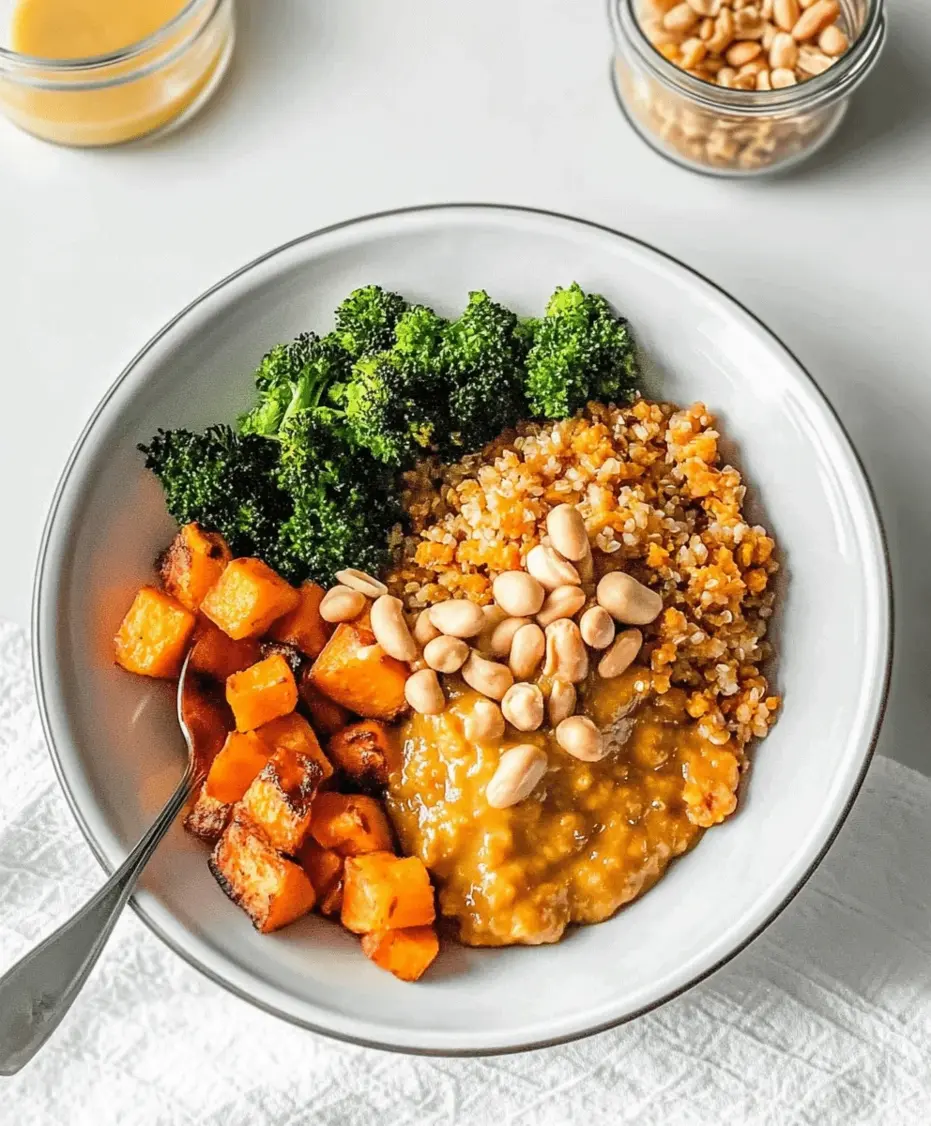
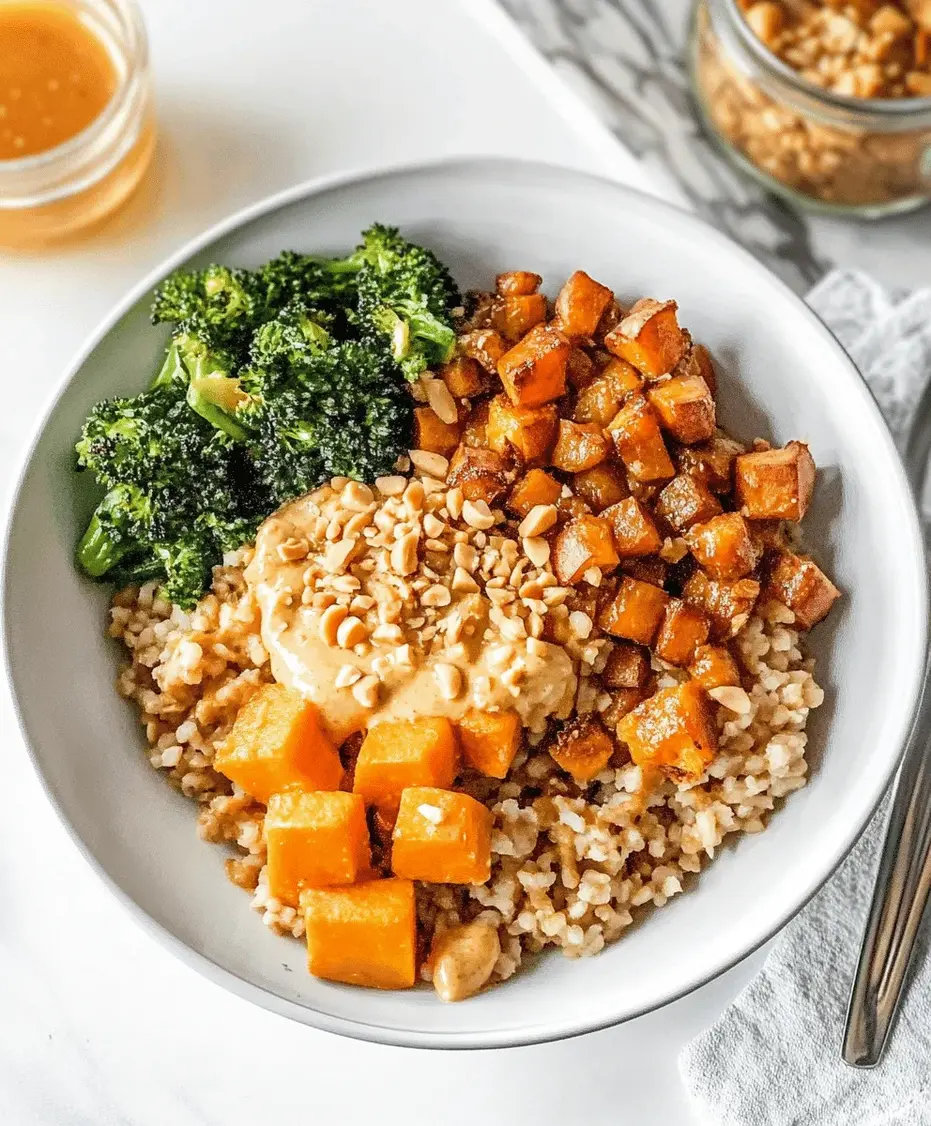
          Thai Peanut Sweet Potato Buddha Bowl ingredients laid out

          Crafting Your Buddha Bowl

          Let’s get cooking! Building this beautiful bowl is a multi-step process, but each step is simple and rewarding.

          Step 1: Roast the Sweet Potatoes

          Preheat your oven to 400°F (200°C). In a large bowl, toss the cubed sweet potatoes with olive oil, salt, pepper, and smoked paprika (if using). Spread them in a single layer on a baking sheet. Roast for 25-30 minutes, or until tender and lightly caramelized, flipping them halfway through for even cooking.

          Step 2: Cook the Quinoa

          While the sweet potatoes are roasting, prepare the quinoa. In a medium saucepan, combine the rinsed quinoa and vegetable broth (or water). Bring to a boil, then reduce heat to low, cover, and simmer for 15 minutes, or until all the liquid is absorbed. Let it sit, covered, for 5 minutes off the heat, then fluff with a fork.

          Step 3: Prepare the Peanut Sauce

          In a medium bowl or a jar, whisk together all the Thai peanut sauce ingredients: peanut butter, warm water, soy sauce/tamari, lime juice, maple syrup/honey, rice vinegar, ginger, garlic, and sriracha (if using). Whisk until smooth and creamy. If the sauce is too thick, add a little more warm water, a tablespoon at a time, until it reaches your desired drizzling consistency. Taste and adjust seasoning as needed – you might want more lime for tang or more sweetener for balance.

          Step 4: Prep Your Veggies

          While the quinoa cooks and sweet potatoes roast, prepare your fresh vegetables. Shred the cabbage and carrots, slice the cucumber and red bell pepper, and ensure your edamame is ready. If you’re using fresh cilantro, chop it now. This is also a great time to chop any additional peanuts for garnish.

          Step 5: Assemble Your Buddha Bowls

          Once all components are ready, it’s time to build your masterpiece! Divide the cooked quinoa among your serving bowls. Arrange the roasted sweet potatoes, shredded red cabbage, shredded carrots, edamame, sliced cucumber, and sliced red bell pepper artfully around the quinoa. Don’t be afraid to have fun with the arrangement – a colorful bowl is a happy bowl!

          Step 6: Drizzle and Garnish

          Generously drizzle the creamy Thai peanut sauce over everything. Sprinkle with fresh cilantro and chopped peanuts, if desired. Serve immediately and enjoy the explosion of flavors and textures!

          Nutritional Powerhouse

          This Thai Peanut Sweet Potato Buddha Bowl is a nutritional champion, offering a balanced mix of macronutrients and micronutrients. It’s rich in complex carbohydrates, plant-based protein, healthy fats, and fiber, making it a truly satisfying and nourishing meal.

          • Calories: Approximately 450-550 per serving (can vary based on ingredient amounts and specific peanut butter used).
          • Protein: Around 15-20g (from quinoa, edamame, and peanut butter).
          • Fiber: Excellent source, contributing to digestive health and satiety.
          • Vitamins & Minerals: Rich in Vitamin A (from sweet potatoes), Vitamin C (from bell peppers), iron, magnesium, and potassium.
          • Healthy Fats: Primarily from peanut butter and olive oil, beneficial for heart health and nutrient absorption.

          Healthier Swaps Without Compromise

          While this recipe is already quite wholesome, you can tailor it further to meet specific dietary needs or preferences without sacrificing taste.

          • Lower Sodium: Opt for low-sodium soy sauce or tamari. You can also reduce the amount of soy sauce and increase lime juice or a splash of rice vinegar for tang.
          • Reduced Sugar: If you prefer less sweetness in your sauce, reduce the maple syrup or honey. The natural sweetness of the sweet potatoes can often suffice.
          • Nut-Free: Replace peanut butter with sunflower seed butter or tahini for a creamy base. Adjust other seasonings as needed.
          • Gluten-Free: Ensure you use tamari instead of soy sauce and check that your peanut butter and other packaged ingredients are certified gluten-free.
          • Extra Veggies: Feel free to add steamed broccoli, snap peas, or a handful of spinach for an extra nutrient boost.

          Serving & Enjoyment

          This Thai Peanut Sweet Potato Buddha Bowl is a complete meal in itself. However, you can elevate it even further! A sprinkle of toasted sesame seeds adds a delightful nutty crunch and visual appeal. A drizzle of sriracha or a few fresh chili slices can cater to those who love extra heat. For a completely fresh herb element, add thinly sliced green onions or more fresh cilantro. It’s a versatile dish that’s perfect for a hearty lunch or a satisfying dinner.

          Avoiding Common Pitfalls

          To ensure your Buddha bowl is perfection every time, here are a few common mistakes to avoid:

          • Not Rinsing Quinoa: This can lead to a bitter taste, which is hard to mask. Always rinse quinoa thoroughly before cooking.
          • Oversaucing: While the peanut sauce is delicious, too much can overpower the delicate flavors of the other ingredients and make the bowl heavy. Start with a moderate amount and add more if needed.
          • Boring Veggies: Ensure a good mix of textures and flavors. Raw, crisp vegetables like cabbage and bell peppers are crucial to balance the roasted elements and creamy sauce.
          • Uneven Roasting: Cutting sweet potatoes into consistent sizes is key to ensuring they all roast evenly. Avoid overcrowding the baking sheet, as this will steam rather than roast them.

          Smart Storage Solutions

          Buddha bowls are fantastic for meal prep! Here’s how to store them:

          • For Meal Prep: Store cooked quinoa, roasted sweet potatoes, and chopped raw veggies in separate airtight containers in the refrigerator. Keep the peanut sauce in a separate small container. When ready to eat, assemble your bowl and drizzle with sauce. This keeps the raw veggies crisp and prevents everything from getting mushy.
          • Assembled Bowls: If you must assemble them ahead of time, store them in airtight containers. The raw veggies might soften slightly, but the overall dish will still be delicious. The sauce in the bowl might make the quinoa a bit softer.
          • Storage Duration: Store assembled bowls or components for up to 3-4 days in the refrigerator.
          • Freezing: It’s generally not recommended to freeze assembled Buddha bowls as the textures of fresh vegetables and quinoa can be compromised upon thawing.
          Close up of a Thai Peanut Sweet Potato Buddha Bowl with sauce drizzled

          A Bowl Full of Goodness

          The Thai Peanut Sweet Potato Buddha Bowl is more than just a meal; it’s a vibrant culinary experience. It proves that healthy eating can be incredibly flavorful, exciting, and deeply satisfying. With its customizable components and ease of preparation, it’s the perfect addition to any meal rotation, especially for those seeking delicious vegan options or delightful meal prep ideas. We hope you’ll try this recipe and fall in love with the harmonious blend of sweet, savory, tangy, and crunchy elements. Share your creations and tell us what you think in the comments below!

          Frequently Asked Questions

          ***Can I use a different type of nut butter for the sauce?***

          Absolutely! Almond butter, cashew butter, or even tahini (for a sesame paste flavor, often used in Middle Eastern cuisine) can be excellent substitutes. Sunflower seed butter is a great option if you need to avoid nuts entirely.

          ***How can I make this dish spicier?***

          To add more heat, increase the amount of sriracha or chili garlic sauce in the peanut sauce. You can also add a pinch of red pepper flakes or finely chopped fresh chilies to the bowl when serving.

          ***What other vegetables can I add?***

          This bowl is very adaptable! Consider adding steamed broccoli florets, snow peas, sugar snap peas, thinly sliced radishes for a peppery bite, corn kernels, or even some wilted spinach or kale. Roasted Brussels sprouts are also a fantastic addition.

          ***Is it possible to make this ahead of time for lunch?***

          Yes! This is an excellent dish for meal prep. The best way is to keep components separate (quinoa, roasted sweet potatoes, chopped veggies, sauce) and assemble just before eating to maintain freshness and texture. Store each in an airtight container.

          ***How do I make sure my sweet potatoes are roasted perfectly?***

          Ensure your sweet potato cubes are roughly the same size so they cook evenly. Don’t overcrowd the baking sheet; give them space to roast and caramelize. Flipping them halfway through also helps achieve that lovely tender interior and slightly crisp exterior.

          Print

          clock clock iconcutlery cutlery iconflag flag iconfolder folder iconinstagram instagram iconpinterest pinterest iconfacebook facebook iconprint print iconsquares squares iconheart heart iconheart solid heart solid icon

          Thai Peanut Sweet Potato Buddha Bowl Recipe


          • Author: Chef Emy

          Description

          This Thai Peanut Sweet Potato Buddha Bowl is a nutrient-rich, vegan-friendly recipe packed with roasted sweet potatoes, crisp vegetables, hearty quinoa, and a savory Thai peanut sauce. Perfect for meal prep, it’s a colorful and satisfying dish that delivers bold flavors and wholesome ingredients in every bite.


          Ingredients

          Scale
          • 1large sweet potato, peeled and cubed
          • 1 tablespoonolive oil
          • Salt and pepper, to taste
          • 1 cupcooked quinoa
          • 1 cupshredded red cabbage
          • 1 cupshredded carrots
          • 1red bell pepper, thinly sliced
          • ½ cupedamame, cooked
          • ¼ cupchopped fresh cilantro
          • ¼ cuproasted peanuts (optional)
          • Lime wedges for serving
          • For the Thai Peanut Sauce:
          • ¼ cupcreamy peanut butter
          • 1 tablespoonsoy sauce
          • 1 tablespoonmaple syrup
          • 1 tablespoonrice vinegar
          • 1 teaspoonsesame oil
          • 12tablespoons warm water (to thin)

          Instructions

            Notes

            You can substitute quinoa with brown rice or couscous.
            Add tofu or tempeh for extra protein.
            Use almond butter if peanut allergies are a concern.
            This recipe works well for meal prep and can be served warm or cold.

            Nutrition

            • Calories: 520
            • Sugar: 1g

            “`

            Hawaiian Chicken Salad Recipe

            “`html

            Hawaiian Chicken Salad Recipe

            Introduction: A Tropical Flavor Explosion

            Are you tired of the same old bland chicken salads? Do you crave a dish that transports your taste buds to a sun-drenched beach with every bite? If you’re searching for a salad that’s as vibrant and satisfying as a Hawaiian sunset, then look no further! This Hawaiian Chicken Salad recipe is your ticket to a tropical paradise. Combining juicy, tender chicken with the sweet burst of pineapple, the satisfying crunch of fresh vegetables, and a luscious, creamy dressing, this dish is a masterclass in flavor and texture. It’s the perfect centerpiece for summer picnics, casual BBQs, or a revitalizing, nutritious lunch that feels like a treat. Plus, it’s wonderfully low-carb and gluten-free, proving that healthy eating can be incredibly delicious.

            Ingredients: Your Hawaiian Oasis

            Gather these treasures to create your very own slice of island heaven. The quality of your ingredients will truly shine through in this simple yet delightful recipe. We suggest fresh, ripe produce for the best flavor!

            For the Chicken

            • 2 cups cooked chicken, shredded or diced
            • Substitution: Rotisserie chicken for convenience, or firm tofu for a vegetarian option.

            For the Salad

            • 1 cup fresh pineapple, diced (about 1/2 inch pieces) – juicy and sweet!
            • 1/2 cup celery, finely chopped – for that essential crisp crunch
            • 1/4 cup red onion, finely diced – for a hint of sharp sweetness
            • 1/4 cup red bell pepper, diced – for a pop of color and mild sweetness
            • 2 tablespoons fresh cilantro, chopped (optional) – bright, herbaceous notes
            • 1/4 cup toasted slivered almonds or chopped macadamia nuts (optional) – adding delightful texture and richness
            • Substitutions: Mango for pineapple, water chestnuts for extra crunch, green onions instead of red onion.

            For the Dressing

            • 1/2 cup mayonnaise (full-fat or light) – the creamy base
            • 1 tablespoon Dijon mustard – for a subtle tang and depth
            • 1 tablespoon fresh lime juice (or lemon juice) – essential for brightness
            • 1/2 teaspoon garlic powder – a savory whisper
            • Salt and freshly ground black pepper to taste – to enhance all the flavors
            • Optional additions: A pinch of cayenne for a subtle kick, 1 teaspoon of honey for added sweetness (if not strictly low-carb).
            Prep time: 15 mins
            Cook time: 0 mins (if using pre-cooked chicken)
            Total time: 15 mins
            Servings: 4

            Timing: Island Time for Your Kitchen

            One of the best things about this Hawaiian Chicken Salad is how incredibly quick it is to assemble. If you have pre-cooked chicken on hand (leftovers, rotisserie chicken, or even canned chicken), you can whip this up in a mere 15 minutes! This is significantly faster than many traditional chicken salad recipes that require boiling or baking chicken, which can add 20-30 minutes to the total time. This speedy preparation makes it an ideal choice for busy weeknights or spontaneous lunches. The total time is practically instant, allowing you to savor that tropical flavor without the wait.

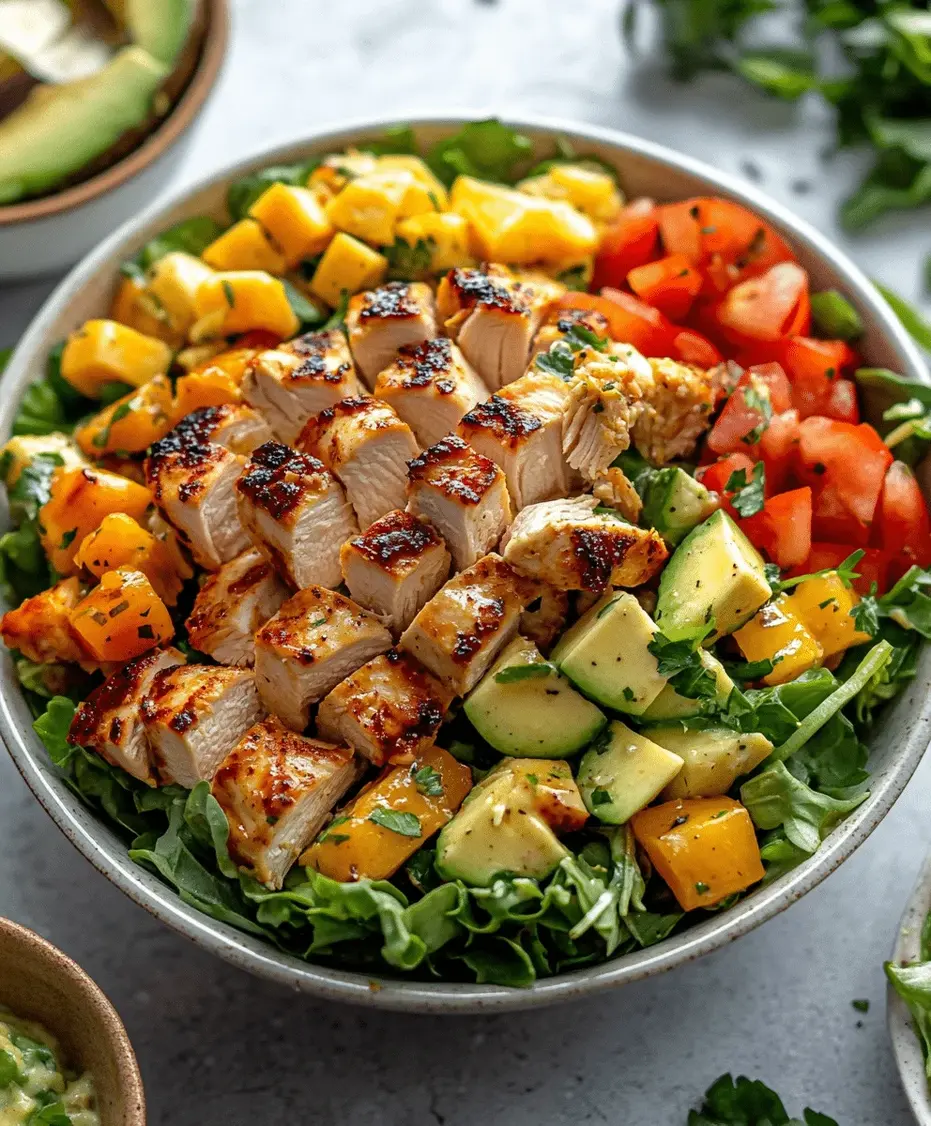
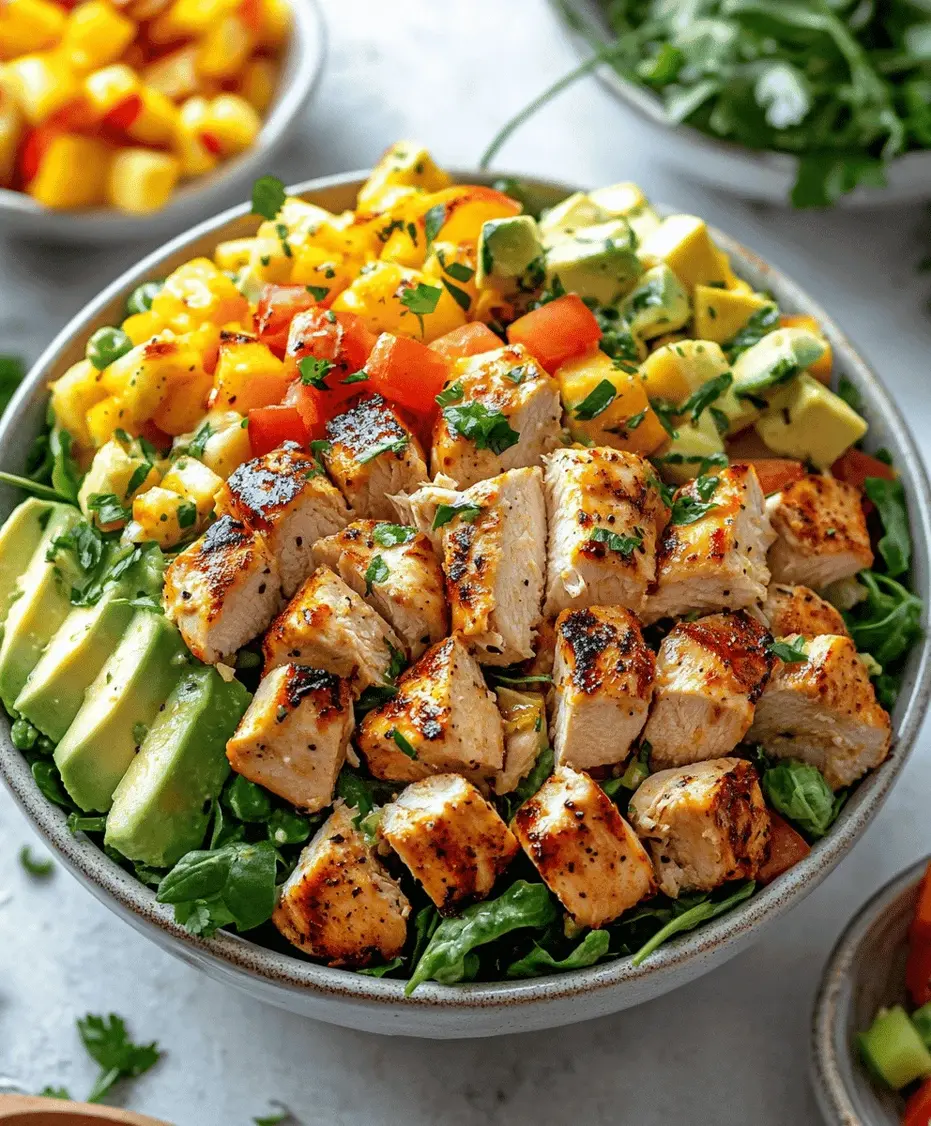
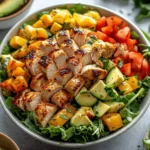
            Vibrant Hawaiian Chicken Salad with pineapple and colorful vegetables.

            Step-by-Step Instructions

            Step 1: Cook the Chicken

            If you don’t have pre-cooked chicken, this is your first step. You can boil chicken breasts until thoroughly cooked, bake them, or utilize a rotisserie chicken for ultimate ease. Once cooked, allow it to cool slightly before shredding or dicing it into bite-sized pieces. Aim for consistency in size for a pleasant mouthfeel.

            Step 2: Prepare the Vegetables and Fruit

            While your chicken cools (if applicable), get your supporting cast ready. Dice the fresh pineapple into small, juicy chunks. Finely chop the celery for that signature crunch, and dice the red onion and red bell pepper for color and a hint of sweetness. If using, chop your fresh cilantro. Toasting your nuts briefly can really elevate their flavor and crunch – just a few minutes in a dry pan until fragrant is all you need.

            Step 3: Make the Creamy Dressing

            In a medium bowl, whisk together the mayonnaise, Dijon mustard, and fresh lime juice until smooth and well combined. Add the garlic powder and season generously with salt and freshly ground black pepper. Give it a taste and adjust seasonings as needed. Remember, the dressing is the binder that brings all the delicious flavors together, so don’t be shy with the salt and pepper!

            Step 4: Assemble Your Tropical Masterpiece

            Now for the grand finale! In a large bowl, combine the cooked chicken, diced pineapple, chopped celery, red onion, red bell pepper, and cilantro (if using). Pour the prepared dressing over the ingredients. Gently toss everything together until all components are evenly coated in the creamy dressing. Be careful not to overmix, which can make the chicken mushy. If you’re adding nuts, gently fold them in at the very end to maintain their crispness.

            Nutritional Information: A Taste of Paradise, Responsibly

            This Hawaiian Chicken Salad is not just a treat for your taste buds but also a good choice for your health goals. While exact nutritional values can vary based on specific ingredients and portion sizes, a typical serving (about 1/4 of the recipe) offers:

            • Calories: Approximately 250-350 kcal
            • Protein: 20-25g (from chicken)
            • Fat: 15-25g (largely dependent on mayonnaise choice)
            • Carbohydrates: 8-15g (primarily from pineapple and vegetables)
            • Fiber: 2-4g

            It’s a fantastic source of lean protein and can be easily adapted to be lower in carbs and fats by adjusting the mayonnaise or opting for lighter versions. The fresh fruits and vegetables also contribute essential vitamins and minerals.

            Healthier Alternatives: Guilt-Free Indulgence

            Looking to make this Hawaiian Chicken Salad even lighter without sacrificing flavor? Here are some simple swaps:

            • Lighter Dressing: Swap half of the mayonnaise for plain Greek yogurt or avocado. This cuts down on fat and calories while adding a tangy creaminess and healthy fats, respectively.
            • Sugar Swap: If strict low-carb isn’t a concern but you want to reduce sugar, use erythritol or a similar low-carb sweetener instead of honey if you opt for a sweetener.
            • Extra Veggies: Bulk up the salad with more crisp vegetables like shredded carrots, jicama, or chopped cucumber for added volume and nutrients.
            • Avocado Oil Mayo: Choose an avocado oil-based mayonnaise for a healthier fat profile.

            Serving Suggestions: Beyond the Bowl

            This versatile Hawaiian Chicken Salad is more than just a side dish. Enjoy it in these delightful ways:

            • Lettuce Wraps: Scoop into crisp butter lettuce cups or romaine leaves for a light, low-carb meal.
            • Sandwiches: Serve on toasted whole-wheat bread, croissants, or gluten-free bread for a classic sandwich experience.
            • Salad Topper: Pile generously over a bed of mixed greens for a hearty main-course salad.
            • Stuffed Avocado: Halve ripe avocados, remove the pit, and fill with the chicken salad. A delicious and elegant appetizer or light lunch.
            • With Crackers: Serve alongside your favorite whole-grain crackers for a delightful snack.

            Common Mistakes to Avoid

            To ensure your Hawaiian Chicken Salad is perfect every time, keep these common pitfalls in mind:

            • Overmixing: Gently fold the ingredients together. Overmixing can break down the chicken too much, leading to a mushy texture.
            • Too Much Moisture: Ensure your pineapple isn’t excessively watery before adding it. Drain it well. Similarly, don’t add too much liquid to the dressing.
            • Underseasoning: Chicken salad needs adequate salt and pepper to make the flavors pop. Taste and adjust the seasoning before serving.
            • Using Warm Chicken: Always ensure your chicken is fully cooled before mixing. Warm chicken can make the mayonnaise separate and create an unappealing texture.

            Storing Tips: Keeping the Aloha Alive

            To keep your Hawaiian Chicken Salad fresh and delicious, store it in an airtight container in the refrigerator. It will stay fresh for 3-4 days. For best results, avoid storing it with delicate greens as they can wilt. If you plan to serve it over lettuce or in sandwiches, it’s often best to assemble just before serving.

            Close-up of Hawaiian Chicken Salad in a bowl, showing pineapple chunks and chicken.

            FAQs: Your Hawaiian Salad Queries Answered

            ***Can I use canned pineapple instead of fresh?***

            Yes, you can! Drain canned pineapple very well to remove excess syrup and moisture. For a brighter flavor, consider draining it and then rinsing it lightly under water before dicing and using.

            ***Is this recipe truly low-carb?***

            It can be! The primary carb source is the pineapple. If you are strictly following a low-carb or keto diet, you might reduce the amount of pineapple or omit it. The dressing, depending on the mayonnaise used, is generally low in carbs.

            ***How can I make the dressing less rich?***

            As mentioned in the “Healthier Alternatives” section, you can replace some or all of the mayonnaise with plain Greek yogurt for a lighter, tangier dressing. Avocado is another excellent creamy substitute.

            ***Can I add other fruits or vegetables?***

            Absolutely! Feel free to experiment. Diced apples, grapes, or even shredded carrots can be delicious additions. Just be mindful of adding too much moisture if you include juicy fruits.

            Conclusion: Aloha to Delicious Simplicity

            There you have it – a simple yet incredibly flavorful Hawaiian Chicken Salad that brings the taste of the tropics right to your kitchen. It’s a testament to how a few key ingredients can create something truly special. Whether you’re looking for a quick lunch, a potluck dish, or a refreshing summer meal, this recipe is sure to become a favorite. Give it a try and let the vibrant flavors transport you! What are your favorite ways to serve Hawaiian Chicken Salad? Let us know in the comments below!

            Print

            clock clock iconcutlery cutlery iconflag flag iconfolder folder iconinstagram instagram iconpinterest pinterest iconfacebook facebook iconprint print iconsquares squares iconheart heart iconheart solid heart solid icon

            Hawaiian Chicken Salad Recipe


            • Author: Chef Emy

            Description

            This vibrantHawaiian Chicken Saladcombines juicy chicken, sweet pineapple, crisp vegetables, and a creamy dressing to create a refreshing tropical dish. It’s perfect for summer meals, BBQs, or a nutritious lunch. This recipe is low-carb, gluten-free, and packed with flavor.


            Ingredients

            Scale
            • 2 cupscooked chicken breast, chopped or shredded
            • 1 cuppineapple chunks (fresh or canned, drained)
            • ½ cupcelery, diced
            • ½ cupred bell pepper, diced
            • ¼ cupred onion, finely chopped
            • ¼ cupmacadamia nuts or slivered almonds (optional)
            • ½ cupmayonnaise (or Greek yogurt for a lighter option)
            • 1 tbsplime juice
            • Salt and pepper to taste
            • Optional garnish: green onions or cilantro

            Instructions

              Notes

              For extra tropical flair, add shredded coconut or chopped mango.
              Greek yogurt can reduce calories and add tang.
              Store in the fridge for up to 3 days in an airtight container.

              Nutrition

              • Calories: 320
              • Sugar: 8g

              “`

              Best Sauces For Salmon To Unlock Flavor Recipe

              “`html

              Best Sauces For Salmon To Unlock Flavor Recipe

              Introduction: Elevate Your Salmon Experience

              Are you looking to transform your weeknight salmon dinners from ordinary to extraordinary? If so, you’re in the right place! The average person often makes the same salmon dish repeatedly, missing out on the incredible flavor potential hidden within this versatile fish. The secret to unlocking that potential lies not just in the cooking method, but crucially, in the accompanying sauce. Imagine a perfectly cooked piece of salmon, moist and flaky, bathed in a vibrant, flavorful sauce that sings on your palate. That’s the magic we’re aiming for!

              Sauces for salmon are more than just an afterthought; they are the key to elevating its natural, rich flavor. Whether you prefer something tangy and bright, creamy and decadent, or herbaceous and fresh, there’s a sauce out there to perfectly complement your salmon. These recipes are designed to be quick, easy, and adaptable, meaning you can whip them up even on the busiest evenings. Get ready to impress your family and yourself with these brilliant pairings.

              The Best Sauces For Salmon To Unlock Flavor

              Salmon’s delicate yet rich flavor pairs beautifully with a wide array of sauces. The trick is to find a balance – a sauce that enhances, rather than overpowers, the star of the dish. We’ve curated a collection that hits different flavor profiles, ensuring there’s something for everyone and every occasion.

              Creamy Dill Sauce

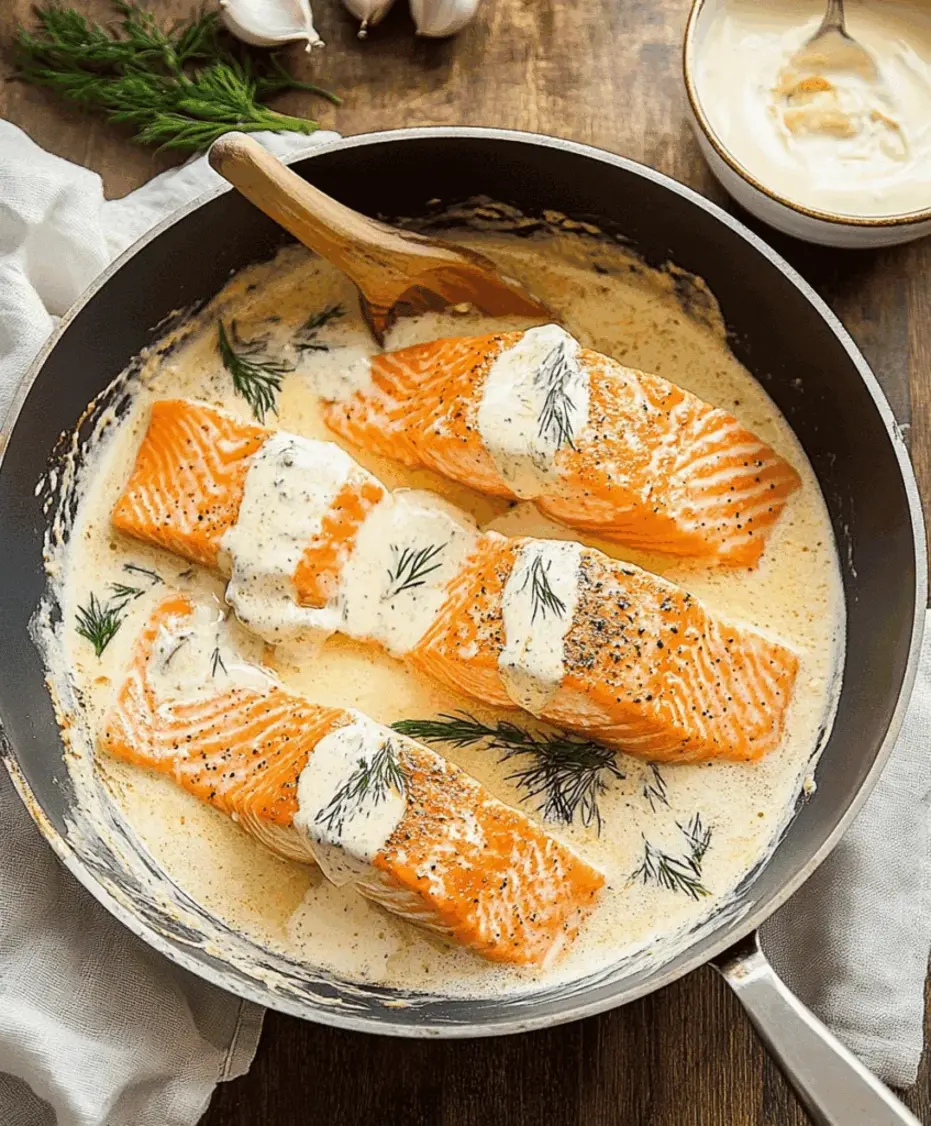
              This classic pairing is a winner for a reason. The cool, fresh dill and tangy lemon cut through the richness of the salmon, while the creamy base provides a luxurious mouthfeel. It’s incredibly versatile, working wonderfully with grilled and baked salmon alike.

              Key Ingredients: Greek yogurt or sour cream, fresh dill, lemon juice, garlic, salt, pepper.

              *Sensory Notes: Imagine a bright green, herbaceous sauce with a refreshing, slightly tart aroma. The taste is a delightful blend of creamy tang with a cooling dill finish.*

              Lemon Garlic Butter Sauce

              A simple yet incredibly effective sauce that lets the salmon shine. The acidity of the lemon brightens the fish, while garlic and butter create an irresistible umami-rich coating. Perfect for pan-seared or baked salmon, this sauce is quick to emulsify and drizzle.

              Key Ingredients: Unsalted butter, garlic, lemon zest, lemon juice, parsley, salt, pepper.

              *Sensory Notes: A shimmering, golden sauce with a potent aroma of sautéed garlic and fresh lemon. It coats the salmon with a rich, savory, and zesty flavor.*

              Maple Mustard Glaze

              For a touch of sweetness and a tangy kick, this maple mustard glaze is ideal. The sweetness of maple syrup balances the sharpness of Dijon mustard, creating a beautiful glaze that caramelizes slightly when cooked onto the salmon. Great for baking or broiling.

              Key Ingredients: Maple syrup, Dijon mustard, apple cider vinegar, a pinch of cayenne pepper (optional).

              *Sensory Notes: A rich amber glaze with a sweet and pungent aroma. The taste is a delightful sweet-and-tangy interplay with a subtle warmth.*

              Teriyaki Marinade Sauce

              A crowd-pleasing favorite, this homemade teriyaki sauce offers a complex savory-sweet profile. It adds incredible depth and a glossy finish to salmon. It’s also a fantastic marinade, infusing the fish with flavor before cooking.

              Key Ingredients: Soy sauce, honey or brown sugar, ginger, garlic, rice vinegar, cornstarch (for thickening).

              *Sensory Notes: A dark, glossy sauce with an enticing sweet and savory aroma. The flavor is a deep umami bomb, balanced by sweetness and a hint of ginger.*

              Chili Lime Sauce

              Bring a vibrant, zesty, and subtly spicy kick to your salmon with this quick chili lime sauce. perfect for those who love a bit of heat and brightness. It’s fantastic drizzled over grilled or pan-seared salmon.

              Key Ingredients: Lime juice, olive oil, red pepper flakes or finely chopped chili, cilantro, garlic, salt.

              *Sensory Notes: A vibrant, almost electric green sauce with a sharp citrus aroma and a hint of chili heat. The taste is a refreshing explosion of lime, spice, and fresh herbs.*

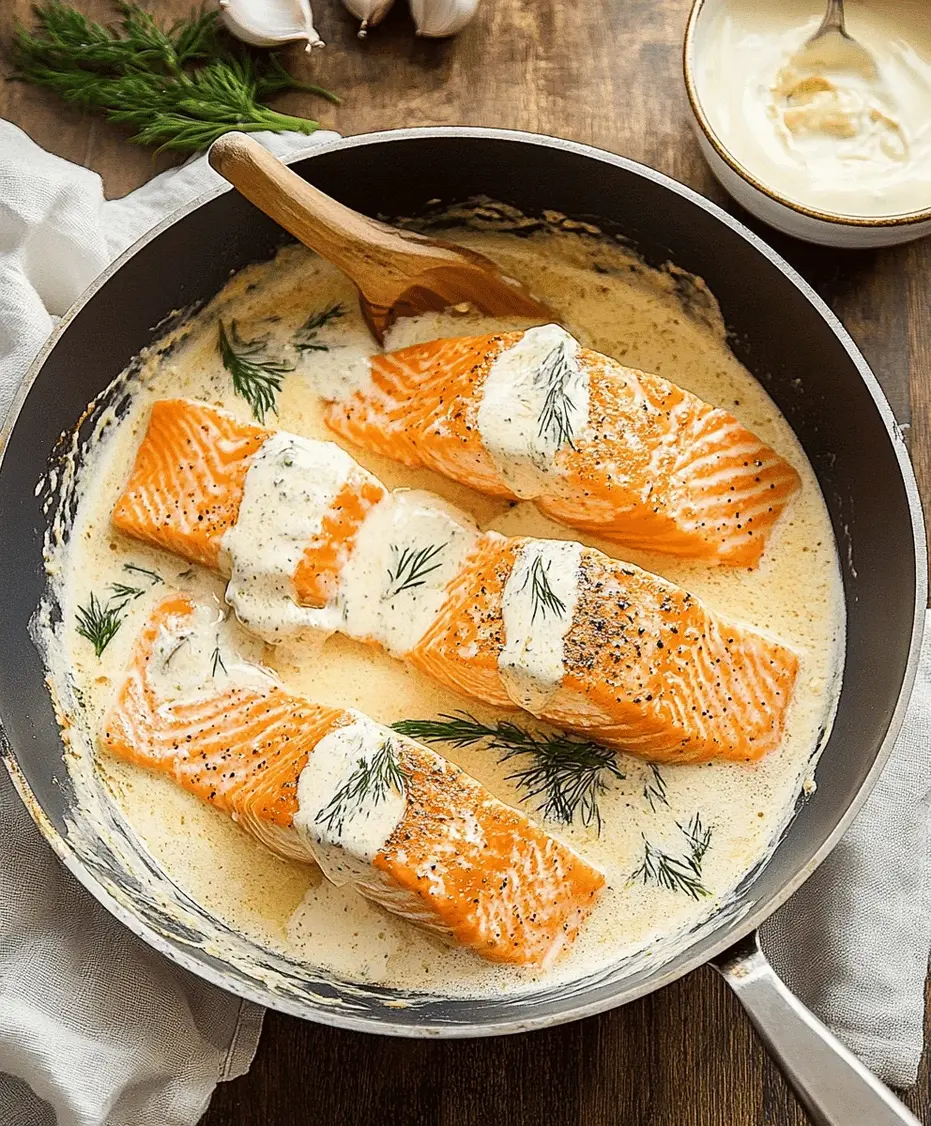
              Delicious salmon with a flavorful sauce.

              Ingredients and Preparation

              While the specific ingredients will vary slightly for each sauce, most are built on a foundation of fresh aromatics, flavorful liquids, and binding agents. The beauty of these recipes is their simplicity and the minimal prep time required. We focus on fresh, high-quality ingredients to ensure the best possible flavor. Don’t be afraid to adjust seasonings to your personal preference! For instance, if you love garlic, add an extra clove; if you prefer less acidity, reduce the lemon juice slightly.

              Timing is Everything

              One of the biggest advantages of these sauce recipes is their speed. Most can be prepared in under 10 minutes, often while your salmon is cooking. This is significantly faster than the average complex sauce, which might require simmering or multiple stages.

              Prep Time: 5-10 Minutes
              Cook Time: 0-5 Minutes (for some sauces that require gentle heating)
              Total Time: 10-15 Minutes

              This efficient timing ensures you can add a gourmet touch to your meal without adding significant extra time to your cooking process.

              Step-by-Step Instructions

              1. Gather Your Ingredients

              Select your chosen sauce recipe and gather all necessary ingredients. Ensure fresh herbs are washed and patted dry, garlic is minced, and lemon is zested and juiced.

              2. Prepare the Base

              For creamy sauces, mix yogurt or sour cream with herbs and seasonings. For butter-based sauces, melt butter in a small saucepan over low heat. For vinaigrette-style sauces, whisk together the acidic and oil components.

              3. Add Flavorings

              Incorporate minced garlic, lemon zest, spices, and other aromatics. For teriyaki, combine soy sauce, sweetener, ginger, and garlic in a saucepan and bring to a simmer. Use cornstarch slurry to thicken if desired.

              4. Emulsify and Season

              Whisk vigorously to emulsify oil and acid components for vinaigrettes. For butter sauces, cook gently until fragrant, not browned. Taste and adjust salt, pepper, or acidity as needed. Fresh herbs are often added at the very end to preserve their vibrant flavor and color.

              5. Serve Immediately or Store

              Drizzle your finished sauce generously over your perfectly cooked salmon. If not serving immediately, allow the sauce to cool slightly before storing.

              Nutritional Highlights

              Salmon itself is a nutritional powerhouse, rich in Omega-3 fatty acids, lean protein, and essential vitamins. The sauces can add additional nutrients, though calorie and macro counts will vary significantly:

              • Creamy Dill Sauce: Offers protein and calcium from yogurt, with antioxidants from dill and lemon. Lower in fat compared to butter-based sauces.
              • Lemon Garlic Butter Sauce: Higher in healthy fats from butter. Garlic provides potential health benefits.
              • Maple Mustard Glaze: Contains natural sugars from maple syrup. Mustard can aid digestion.
              • Teriyaki Sauce: Can be high in sodium and sugar depending on the ingredients used. Using lower-sodium soy sauce and natural sweeteners can help.
              • Chili Lime Sauce: Low in calories and fat, high in Vitamin C from lime and potential metabolism-boosting properties from chili.

              *Note: Specific nutritional information depends on exact ingredient ratios and portion sizes.*

              Healthier Alternatives

              Looking to lighten things up without sacrificing flavor? Here are some swaps:

              • For Creamy Sauces: Use plain Greek yogurt (0% or 2%) instead of sour cream or heavy cream for a protein boost and lower fat content. Add a splash of milk or water to reach your desired consistency.
              • For Butter Sauces: Reduce the amount of butter and supplement with olive oil or avocado oil. You can also use a lighter hand with the butter, focusing on aromatic flavorings like garlic and lemon.
              • For Glazes: Opt for natural sweeteners like pure maple syrup or honey in moderation. Reduce overall sugar content by increasing the tanginess from mustard or vinegar.
              • For Teriyaki: Use low-sodium soy sauce or tamari. Swap refined sugar for date paste or a small amount of maple syrup.

              Serving Suggestions

              These sauces are incredibly versatile and pair beautifully with a variety of side dishes:

              • Roasted Vegetables: Asparagus, broccoli, or Brussels sprouts complement salmon perfectly.
              • Light Salads: A crisp green salad with a simple vinaigrette is always a refreshing choice.
              • Grains: Quinoa, brown rice, or couscous make for a heartier meal.
              • Potatoes: Roasted baby potatoes or mashed potatoes can also be a delicious accompaniment.
              • Pasta: A light pasta dish can make for a complete meal.

              Common Mistakes to Avoid

              To ensure your salmon and sauce are perfect every time, be mindful of these common pitfalls:

              • Overpowering the Salmon: Using a sauce that is too strong in flavor can mask the delicate taste of the fish. Aim for balance.
              • Not Tasting and Adjusting: Always taste your sauce before serving. Does it need more salt, acid, or sweetness?
              • Using Stale Ingredients: Fresh herbs, garlic, and citrus make a world of difference.
              • Overcooking the Sauce: Especially with butter-based sauces, cooking too high can burn the garlic or separate the butter. Gentle heat is key.
              • Adding Fresh Herbs Too Early: Delicate herbs like dill and parsley lose their flavor and vibrancy if cooked for too long. Add them at the end.

              Storing Your Sauces

              Most of these sauces can be made ahead of time and stored in an airtight container in the refrigerator for 2-3 days. Creamy sauces might separate slightly upon chilling; simply whisk them vigorously before serving. Sauces with fresh herbs are best consumed within 1-2 days to maintain maximum freshness. Avoid storing teriyaki sauce with cornstarch for too long, as it can break down.

              Close-up of perfectly cooked salmon with a vibrant drizzle of sauce.

              Frequently Asked Questions

              ***Can I make these sauces vegan?***

              Yes! For creamy sauces, use vegan yogurt (coconut, soy, or cashew-based) or a cashew cream. For butter sauces, use vegan butter. Teriyaki and chili-lime sauces are often naturally vegan or easily adapted.

              ***How much sauce do I need per serving?***

              A good starting point is 2-3 tablespoons of sauce per 4-6 ounce salmon fillet. Adjust based on your preference and the richness of the sauce.

              ***Can I freeze these sauces?***

              It’s generally not recommended to freeze creamy sauces, as they can curdle upon thawing. Vinaigrettes and simpler sauces like maple mustard or teriyaki may freeze reasonably well if stored properly, but their texture might change slightly.

              ***What if I don’t have fresh dill?***

              You can use dried dill, but use about one-third the amount of fresh dill, as dried herbs are more potent. Add dried dill earlier in the preparation to allow its flavor to infuse.

              ***Can I use these sauces on other fish?***

              Absolutely! These sauces are fantastic with other types of fish like cod, halibut, or trout. They can also be great with chicken or pork.

              Print

              clock clock iconcutlery cutlery iconflag flag iconfolder folder iconinstagram instagram iconpinterest pinterest iconfacebook facebook iconprint print iconsquares squares iconheart heart iconheart solid heart solid icon

              Best Sauces For Salmon To Unlock Flavor Recipe


              • Author: Chef Emy

              Description

              Discover the best sauces for salmon to enhance its natural flavor! These versatile sauce recipes include tangy, creamy, and herby options that are quick to make and perfect for grilled, baked, or pan-seared salmon. Boost your dinner game with flavorful sauce pairings your family will love.


              Ingredients

              • Lemon Dill Sauce:
              • Greek yogurt
              • Fresh dill
              • Lemon juice
              • Garlic
              • Salt & pepper
              • Honey Garlic Sauce:
              • Honey
              • Soy sauce
              • Minced garlic
              • Ginger
              • Olive oil
              • Creamy Dijon Sauce:
              • Dijon mustard
              • Heavy cream
              • Lemon zest
              • Shallots
              • Butter
              • Teriyaki Glaze:
              • Soy sauce
              • Brown sugar
              • Garlic
              • Cornstarch
              • Sesame oil
              • Avocado Cilantro Lime Sauce:
              • Ripe avocado
              • Fresh cilantro
              • Lime juice
              • Greek yogurt
              • Garlic

              Instructions

                Notes

                These sauces pair well with grilled, baked, or pan-seared salmon.
                Double or halve based on servings.
                Use fresh ingredients for the best flavor.

                Nutrition

                • Calories: 60–90
                • Sugar: 150g

                “`

                Quick Ground Turkey Orzo Recipe

                “`html

                Quick Ground Turkey Orzo Recipe

                Busy Weeknights? Meet Your New Go-To: The Quick Ground Turkey Orzo

                In today’s fast-paced world, finding time to prepare a nutritious and delicious meal can feel like a Herculean task. We’re all looking for those weeknight dinner heroes that don’t sacrifice flavor for speed. That’s where a Quick Ground Turkey Orzo recipe shines. Imagine a dish that’s not only incredibly flavorful and satisfying but also comes together in less time than it takes to order takeout. This one-pan marvel bypasses the usual fuss, offering a lighter, healthier alternative to traditional pasta dishes, packed with lean protein and fresh vegetables. It’s the perfect convergence of comfort food and healthy eating, designed for those who want maximum taste with minimum effort.

                Ingredients Breakdown for Flavor Fusion

                The beauty of this dish lies in its simplicity and the quality of its ingredients. Each component plays a crucial role in creating a harmonious and utterly delicious meal. We’ve focused on pantry staples and fresh additions that come together beautifully.

                The Hearty Base: Lean Ground Turkey

                We’re opting for lean ground turkey (93% lean or higher) for its excellent protein content and lower fat profile compared to ground beef. It cooks quickly and absorbs flavors wonderfully, making it an ideal canvas for our vibrant dish. If ground turkey isn’t your preference, feel free to substitute with ground chicken or even finely crumbled Italian chicken or turkey sausage for an extra kick of flavor.

                The Speedy Star: Orzo Pasta

                Orzo, a small, rice-shaped pasta, is perfect for one-pan dishes as it cooks quickly and absorbs liquid beautifully, creating a creamy, risotto-like texture without the constant stirring. It’s a wonderful choice for those who love pasta but want something a bit different. Whole wheat orzo is a fantastic substitute if you’re looking to boost fiber content.

                Freshness & Crunch: Garden Gems

                A medley of colorful vegetables adds not only visual appeal but also vital nutrients and delightful textures. We recommend:

                • Diced Bell Peppers: A vibrant mix of red and yellow peppers offers a sweet crunch.
                • Frozen Peas: These classic additions bring bursts of sweetness and vibrant green.
                • Fresh Spinach: Wilts down beautifully, adding iron and a healthy green boost. You can also use pre-shredded kale for a heartier green.

                Feel free to customize with what you have on hand! Chopped zucchini, mushrooms, or even a handful of cherry tomatoes can be tossed in. For convenience, don’t hesitate to use frozen mixed vegetables.

                Flavor Foundations: Garlic & Onion

                No savory dish is complete without the aromatic duo of onion and garlic. Finely chopped yellow onion and minced garlic form the invisible backbone of flavor, creating a rich base upon which the other ingredients build.

                The Flavorful Broth

                Chicken or vegetable broth serves as the cooking liquid for the orzo, infusing it with savory depth. Using low-sodium broth allows you to better control the saltiness of the final dish. For a richer flavor, consider using turkey broth.

                Herbs & Spices to Elevate

                Simple yet effective seasonings are key. Dried Italian seasoning or a blend of oregano and basil works beautifully. A pinch of red pepper flakes can add a subtle warmth, and of course, salt and freshly ground black pepper to taste are essential.

                Optional additions for extra flair: A squeeze of fresh lemon juice at the end brightens all the flavors, and a sprinkle of grated Parmesan cheese adds a salty, umami finish.

                Timing is Everything: Under 30 Minutes!

                Recipes often claim to be quick, but this one truly delivers. Typical ground turkey pasta dishes can take 45 minutes to an hour, involving multiple pots and pans. Our Quick Ground Turkey Orzo streamlines the process:

                Prep time: 10 minutes
                Cook time: 18 minutes
                Total time: 28 minutes

                This is significantly faster than the average pasta recipe, making it a lifesaver for busy weeknights. The secret is the one-pan method, which minimizes prep and cleanup.

                Delicious serving of quick ground turkey orzo pasta with vegetables.

                Step-by-Step Magic

                Let’s transform these simple ingredients into a spectacular meal. This one-pan approach makes it incredibly easy!

                Step 1: Build the Flavor Base

                Grab a large skillet or Dutch oven (one that has a lid is ideal). Heat a tablespoon of olive oil over medium heat. Add the finely chopped onion and cook until softened and translucent, about 5-7 minutes. Stir in the minced garlic and red pepper flakes (if using) and cook for another minute until fragrant. Be careful not to burn the garlic!

                Step 2: Brown the Turkey

                Add the lean ground turkey to the skillet. Break it up with your spoon and cook, stirring occasionally, until it’s nicely browned and no pink remains. Drain off any excess grease. Season the turkey with salt, pepper, and the Italian seasoning.

                Step 3: Introduce the Orzo and Broth

                Stir in the dry orzo pasta, ensuring it’s evenly distributed amongst the turkey and aromatics. Pour in the chicken or vegetable broth. Stir everything together to combine.

                Step 4: Simmer to Perfection

                Bring the mixture to a boil, then reduce the heat to low, cover the skillet, and let it simmer. Cook for about 10-15 minutes, or until the orzo is al dente and most of the liquid has been absorbed. Stir occasionally to prevent sticking.

                Step 5: Stir in Freshness and Serve

                Once the orzo is cooked and the liquid is mostly absorbed, stir in the diced bell peppers and frozen peas. If you’re adding spinach, stir it in now; it will wilt quickly from the residual heat. Cook for another 2-3 minutes, uncovered, just until the vegetables are tender-crisp and the spinach has wilted. Taste and adjust seasoning if needed. A final squeeze of lemon juice and a sprinkle of Parmesan cheese adds a wonderful finishing touch!

                Nutritional Champion: Light & Lean

                This Quick Ground Turkey Orzo is a powerhouse of nutrition, making it an excellent choice for a healthy diet. It’s naturally high in protein and fiber, while also being relatively low in saturated fat. A typical serving boasts:

                • Calories: Approximately 400-450 kcal (this can vary based on exact ingredients and portion size)
                • Protein: Around 30-35g
                • Fat: Generally 10-15g, with a good portion being healthy fats depending on turkey leanness.
                • Carbohydrates: Approximately 40-50g, providing sustained energy.
                • Fiber: A good source, especially if you opt for whole wheat orzo and plenty of vegetables.

                This dish is a step up from many creamy, carb-heavy pasta dishes, offering a balanced macronutrient profile that keeps you full and satisfied.

                Healthier Swaps for Your Savvy Kitchen

                While this recipe is already quite healthy, here are a few suggestions for even more health-conscious preparation:

                • Boost Veggies: Add more non-starchy vegetables like zucchini, broccoli florets, or chopped kale for extra fiber, vitamins, and minerals.
                • Whole Grains: Opt for whole wheat orzo for an increased fiber content, which aids digestion and promotes satiety.
                • Reduce Sodium: Use low-sodium broth and control the added salt. Herbs and spices can add plenty of flavor without relying on salt.
                • Leaner Protein: If you can find it, 99% lean ground turkey is an excellent choice.
                • Skip Cheese: For a dairy-free or lower-fat option, simply omit the Parmesan cheese. A sprinkle of nutritional yeast can offer a cheesy flavor.
                • Healthy Fats: A drizzle of extra virgin olive oil at the very end adds beneficial monounsaturated fats.

                Serving Up Success

                This Quick Ground Turkey Orzo is a complete meal on its own, but here are a few ideas to round out your dinner:

                • Fresh Green Salad: A simple side salad with a light vinaigrette offers a refreshing contrast.
                • Garlic Bread: For a more comforting meal, some crusty garlic bread is always a hit.
                • Steamed Asparagus: A classic pairing that adds vibrant color and nutrients.
                • Arugula: Toss a handful of fresh arugula into the hot orzo just before serving for a peppery bite.

                Avoiding Common Pitfalls

                While this recipe is forgiving, here are a few common mistakes to watch out for:

                • Overcooking the Orzo: Orzo can become mushy if overcooked. Keep an eye on it during the simmering phase, and aim for al dente.
                • Burning Garlic: Garlic cooks very quickly. Add it towards the end of sautéing onions and cook for just 30-60 seconds.
                • Not Enough Liquid: Ensure you have the correct amount of broth. If it seems too dry during simmering, add a splash more broth or water.
                • Skipping the Stirring: While it’s a one-pan dish, occasional stirring during simmering prevents the orzo from sticking to the bottom of the pan.
                • Not Draining Grease: For lean ground turkey, there might not be much grease. However, if you use a less lean variety, draining excess fat is crucial for a lighter dish.

                Savoring Leftovers

                Leftovers are a weeknight warrior’s best friend! Store any remaining Quick Ground Turkey Orzo in an airtight container in the refrigerator for up to 3-4 days. This dish reheats surprisingly well. You can:

                • Reheat on the Stove: Gently warm in a skillet over low heat, adding a splash of water or broth if it seems dry.
                • Microwave: Reheat in a microwave-safe dish until heated through. Add a small amount of liquid if needed to restore moisture.

                This makes for fantastic pre-portioned lunches or an even quicker dinner the next day.

                Close-up shot of cooked ground turkey orzo pasta with mixed vegetables, ready to be served.

                Frequently Asked Questions

                ***Can I use a different type of pasta?***

                Orzo is ideal here because of its quick cooking time and ability to absorb flavors. However, you could experiment with other small pasta shapes like ditalini or small shells, but you may need to adjust the cooking time and liquid amount.

                ***Can I make this vegetarian?***

                Absolutely! Omit the ground turkey and sauté the onions and garlic in olive oil. Then, add extra vegetables like mushrooms, zucchini, or chickpeas for substance and protein. Use vegetable broth instead of chicken broth.

                ***How do I make it creamier?***

                For a creamier texture without adding heavy cream, stir in a dollop of Greek yogurt or a tablespoon of cream cheese at the very end of cooking. You can also add a splash of milk or half-and-half.

                ***Can I add other vegetables?***

                Yes! This recipe is very adaptable to vegetables. Try adding chopped broccoli, cauliflower florets, diced carrots (they may need a little extra cooking time), or sun-dried tomatoes.

                ***Is it possible to make this ahead of time?***

                While best enjoyed fresh, leftovers store well. For the best texture, you might want to add a splash of liquid when reheating as the orzo can absorb moisture over time. It’s a great option for meal prepping lunches.

                Conclusion

                The Quick Ground Turkey Orzo recipe is a testament to how delicious and satisfying healthy weeknight meals can be. It’s proof that you don’t need hours in the kitchen to create something that tastes incredible, boasts great nutritional value, and pleases everyone at the table. Packed with lean protein, vibrant vegetables, and comforting orzo pasta, this one-pan wonder is designed for your busy life. So, next time you’re staring down a busy evening with a rumbling stomach, remember this simple, flavorful, and lightning-fast option. Give this recipe a try and let it become your go-to for effortless, healthy dinners!

                Print

                clock clock iconcutlery cutlery iconflag flag iconfolder folder iconinstagram instagram iconpinterest pinterest iconfacebook facebook iconprint print iconsquares squares iconheart heart iconheart solid heart solid icon

                Quick Ground Turkey Orzo Recipe


                • Author: Chef Emy

                Description

                This Quick Ground Turkey Orzo recipe is the perfect weeknight dinner—light, hearty, and packed with flavor. Using lean ground turkey, orzo pasta, and fresh vegetables, it’s a one-pan dish that brings healthy comfort food to your table in under 30 minutes. Ideal for busy families or meal preppers, it’s high in protein and low in fat. Keywords: Ground Turkey Orzo, one-pan turkey pasta, healthy orzo dinner.


                Ingredients

                Scale
                • 1lb ground turkey
                • 1 cuporzo pasta
                • 1 tbspolive oil
                • 1small onion, diced
                • 2cloves garlic, minced
                • 1zucchini, chopped
                • 1red bell pepper, diced
                • 1can (14.5 oz) diced tomatoes
                • 2 cupschicken broth
                • 1 tspItalian seasoning
                • Salt and pepper, to taste
                • Fresh parsley or basil (for garnish)
                • Grated Parmesan (optional)

                Instructions

                  Notes

                  You can substitute ground chicken or beef if desired.
                  For extra creaminess, stir in a splash of cream or sprinkle with mozzarella.
                  Leftovers store well for up to 3 days in the fridge.

                  Nutrition

                  • Calories: 410
                  • Sugar: 6g

                  “`

                  Baked Tuscan Chicken Casserole Recipe

                  “`html

                  Introduction: What is Baked Tuscan Chicken Casserole?

                  Are you searching for a weeknight dinner that feels gourmet but is surprisingly simple to make? If you’re nodding your head, then this Baked Tuscan Chicken Casserole Recipe is about to become your new weeknight hero. Imagine tender chicken breasts enveloped in a luscious, creamy, garlic-Parmesan sauce, studded with vibrant sun-dried tomatoes and wilted spinach. It’s the kind of dish that warms you from the inside out, a true taste of Italian comfort without a lengthy travel itinerary. This casserole is more than just a meal; it’s an experience, bringing the rustic charm of Tuscany straight to your dining table with minimal fuss.

                  In a world where busy schedules often dictate our culinary choices, finding recipes that deliver both incredible flavor and convenience is key. This Tuscan Chicken Casserole ticks all those boxes and more. It’s designed to be straightforward, allowing even novice cooks to achieve impressive results. The magic lies in its harmonious blend of simple, high-quality ingredients that come together to create a symphony of taste and texture. Whether you’re planning a cozy family dinner or need a crowd-pleasing dish for a potluck, this casserole is poised to impress.

                  Ingredients for Your Tuscan Masterpiece

                  The beauty of this Baked Tuscan Chicken Casserole lies in its balanced flavor profile, achieved through a thoughtful selection of ingredients that complement each other perfectly. Here’s what you’ll need to bring this taste of Tuscany to life:

                  Main Components

                  • Chicken Breasts: 1.5 lbs boneless, skinless chicken breasts, cut into bite-sized pieces. These form the hearty protein base of our casserole. Look for chicken that is plump and has a light pink hue.
                  • Fresh Spinach: 5 oz baby spinach. This adds a beautiful vibrant green color and a dose of nutrients. It wilts down significantly, so don’t be shy!

                  Flavor Boosters

                  • Sun-Dried Tomatoes: 1/2 cup, packed in oil, drained and roughly chopped. These jewels of concentrated tomato flavor are quintessential to Tuscan cuisine, offering a sweet and tangy punch.
                  • Garlic: 4-5 cloves, minced. Freshly minced garlic provides an indispensable aromatic foundation. The more, the merrier for garlic lovers!
                  • Red Pepper Flakes: 1/4 to 1/2 teaspoon (optional). For a subtle warmth that enhances the other flavors without making it spicy.

                  Sauce Base

                  • Heavy Cream: 1.5 cups. This creates the luxurious, velvety texture of our sauce. Its richness is key to the comforting nature of this dish.
                  • Chicken Broth: 1/2 cup. Adds depth of flavor and helps to achieve the perfect sauce consistency. Low-sodium is a good choice to control saltiness.
                  • Butter: 2 tablespoons. For sautéing and adding a smooth richness to the sauce.
                  • All-Purpose Flour: 2 tablespoons. This acts as a thickener for our creamy sauce, ensuring it coats every ingredient beautifully.

                  Cheese Topping

                  • Parmesan Cheese: 1 cup, grated. Freshly grated Parmesan brings a sharp, nutty, salty dimension that melts into a glorious golden crust.

                  Substitutions and Variations

                  Chicken: Diced chicken thighs can be used for a more moist result, though they may require a slightly longer cooking time. Pre-cooked rotisserie chicken can also be a great time-saver.

                  Spinach: Kale or Swiss chard can be substituted, but they will require a bit more cooking time to soften.

                  Sun-Dried Tomatoes: If you don’t have oil-packed, rehydrate dry-packed ones in hot water for about 15 minutes before chopping.

                  Cream: For a lighter sauce, you can use half-and-half or even a combination of milk and a cornstarch slurry, but the texture will be less rich.

                  Cheese: A blend of mozzarella and Parmesan, or even Gruyere, can be used for a different flavor profile. Add some fresh basil or parsley for an extra burst of freshness before serving.

                  Timing is Everything

                  This Baked Tuscan Chicken Casserole is designed for ease, making it ideal for busy weeknights. Here’s a breakdown of the time commitment:

                  Prep Time: 15 minutes
                  Cook Time: 30-35 minutes
                  Total Time: 45-50 minutes

                  Compared to other creamy chicken casseroles, this recipe is generally on the quicker side, especially if you’re efficient with your chopping. Many traditional casseroles can take an hour or more of active cooking and baking. The speed here comes from the pre-cooked chicken and the relatively short baking time needed to meld the flavors and melt the cheese.

                  A close-up shot of the Baked Tuscan Chicken Casserole in a baking dish, golden brown and bubbly.

                  How to Make Baked Tuscan Chicken Casserole (Step-by-Step)

                  Let’s get cooking! Follow these simple steps to create your delicious Tuscan Chicken Casserole.

                  Step 1: Preheat and Prep

                  Begin by preheating your oven to 375°F (190°C). Lightly grease a 9×13 inch baking dish with butter or cooking spray. Prepare your ingredients: dice the chicken breasts into bite-sized pieces, mince the garlic, drain and chop the sun-dried tomatoes, and have your spinach, cream, broth, and Parmesan cheese ready.

                  Step 2: Cook the Chicken

                  In a large skillet or Dutch oven, melt 1 tablespoon of butter over medium-high heat. Add the diced chicken pieces and season with salt and pepper. Cook, stirring occasionally, until the chicken is browned on all sides and cooked through, about 5-7 minutes. Remove the chicken from the skillet and set aside on a plate.

                  Step 3: Sauté Aromatics and Spinach

                  Add the remaining 1 tablespoon of butter to the same skillet (no need to clean it). Add the minced garlic and red pepper flakes (if using) and sauté for about 30-60 seconds until fragrant, being careful not to burn the garlic. Add the chopped sun-dried tomatoes and cook for another minute to release their flavors. Toss in the fresh spinach, a handful at a time, stirring until it wilts down, which should only take a couple of minutes.

                  Step 4: Create the Creamy Sauce

                  Sprinkle the flour over the sautéed ingredients in the skillet. Stir well and cook for about 1 minute to cook out the raw flour taste. Gradually whisk in the chicken broth and heavy cream until smooth. Bring the mixture to a gentle simmer, stirring constantly, until it begins to thicken. Season with salt and pepper to taste. Remember that Parmesan cheese is salty, so season cautiously.

                  Step 5: Combine and Bake

                  Return the cooked chicken to the skillet with the sauce. Stir in about half of the grated Parmesan cheese. Mix everything together until the chicken is well coated. Pour the entire mixture into your prepared baking dish, spreading it evenly. Sprinkle the remaining Parmesan cheese over the top.

                  Step 6: Broil for Golden Perfection (Optional)

                  Bake in the preheated oven for 20-25 minutes, or until the sauce is bubbly and the cheese is melted and golden brown. For an extra browned and slightly crispy topping, you can turn on the broiler for the last 1-2 minutes, watching very carefully to prevent burning.

                  Nutritional Information: A Glance

                  While exact nutritional values can vary based on specific ingredients and portion sizes, a typical serving of Baked Tuscan Chicken Casserole usually falls within these ranges:

                  • Calories: Approximately 450-550 kcal per serving
                  • Protein: 30-40g
                  • Fat: 25-35g (Saturated Fat contributing significantly due to cream and cheese)
                  • Carbohydrates: 8-12g
                  • Sodium: Varies greatly based on broth and added salt

                  *Note: These are estimates. For precise information, calculate using your specific ingredients.

                  Healthier Alternatives for a Lighter Dish

                  Craving the Tuscan flavors but want to lighten it up? Here are some smart swaps that maintain flavor without the heaviness:

                  • Lighter Cream Sauce: Substitute half the heavy cream with unsweetened almond milk or low-fat milk, thickened with a bit more flour or cornstarch slurry. You could also use evaporated milk.
                  • Reduced Fat Cheese: Use a reduced-fat Parmesan or a blend that includes part-skim mozzarella.
                  • Leaner Chicken: Chicken breast is already lean, but ensure you’re not adding extra fat during the initial cooking.
                  • More Veggies: Bulk up the casserole with extra vegetables like mushrooms, zucchini, or bell peppers to reduce the overall fat and calorie density.
                  • Serving Choice: Serve over a bed of quinoa, brown rice, or zucchini noodles instead of pasta for added fiber and fewer refined carbs.

                  Serving Suggestions to Enhance Your Meal

                  This Baked Tuscan Chicken Casserole is a rich and satisfying dish that pairs wonderfully with a variety of sides:

                  • Crusty Bread: Perfect for soaking up every last drop of that delicious sauce. A good baguette or ciabatta is ideal.
                  • Simple Green Salad: A light, crisp salad with a vinaigrette dressing provides a refreshing contrast to the creamy casserole.
                  • Roasted Vegetables: Asparagus, broccoli, or Brussels sprouts roasted with a little olive oil and seasoning complement the Italian flavors beautifully.
                  • Pasta or Rice: For a heartier meal, serve it over a bed of al dente pasta (like penne or fettuccine) or fluffy rice.

                  Common Mistakes to Avoid

                  To ensure your Baked Tuscan Chicken Casserole turns out perfectly every time, steer clear of these common pitfalls:

                  • Overcooking the Chicken: Cook the chicken just until done in the skillet, as it will continue to cook in the oven. Overcooked chicken can become dry.
                  • Burning the Garlic: Garlic burns quickly. Sauté it only until fragrant, and if it starts to brown too fast, reduce the heat immediately.
                  • A Watery Sauce: Ensure your flour is cooked for at least a minute with the butter and vegetables before adding liquids, and let the sauce simmer to thicken properly.
                  • Underscoring or Oversalting: Season the chicken and the sauce separately, and taste as you go. Remember Parmesan cheese is salty.
                  • Skipping the Cheese Melt: Ensure the cheese topping is golden and bubbly for that classic casserole finish.

                  Storing Tips for Leftovers

                  Leftover Baked Tuscan Chicken Casserole is a treasure! To store it properly:

                  • Refrigerating: Allow the casserole to cool completely, then transfer it to an airtight container. It should keep well in the refrigerator for 3-4 days.
                  • Reheating: The best way to reheat is in the oven at a moderate temperature (around 350°F or 175°C) until heated through. You can also gently reheat individual portions in the microwave. The sauce might separate slightly upon reheating, but a gentle stir will usually fix it.
                  • Freezing: This casserole also freezes well. Portion it into freezer-safe containers or wrap tightly. It can be kept frozen for up to 2-3 months. Thaw overnight in the refrigerator before reheating in the oven.
                  A person serving a portion of Baked Tuscan Chicken Casserole onto a plate with a side of crusty bread.

                  Frequently Asked Questions (FAQs)

                  ***Does the dish need to be covered while baking?***

                  No, it’s generally baked uncovered to allow the cheese to brown and the sauce to thicken nicely. If you find the top is browning too quickly before the inside is heated through, you can loosely tent it with foil for the last 10-15 minutes of baking.

                  ***Can I make this ahead of time?***

                  Yes, you can assemble the casserole and refrigerate it for up to 24 hours before baking. You may need to add a few extra minutes to the baking time if baking directly from the refrigerator.

                  ***What kind of chicken should I use?***

                  Boneless, skinless chicken breasts are ideal for this recipe as they cook quickly and are easy to dice. However, chicken thighs can also be used for a richer, more forgiving flavor, though they may require a slightly longer cooking time.

                  ***Is this dish spicy?***

                  The recipe includes optional red pepper flakes for a touch of heat. If you prefer a non-spicy dish, simply omit them. The “Tuscan” flavor comes from the sun-dried tomatoes, garlic, and Parmesan, not typically from heat.

                  ***Can I add other vegetables?***

                  Absolutely! Mushrooms, diced bell peppers, or even small broccoli florets can be sautéed with the aromatics in Step 3 to add more texture and nutrients to your casserole.

                  Conclusion: Bring Tuscan Flavor Home

                  There you have it – a Baked Tuscan Chicken Casserole recipe that’s as delightful to eat as it is straightforward to prepare. It’s a testament to how simple ingredients, when combined with care, can create a dish that feels both comforting and elegantly seasoned. From the creamy garlic-Parmesan sauce to the burst of flavor from sun-dried tomatoes and the fresh notes of spinach, every bite is a little piece of Tuscany. Whether you’re a seasoned cook or just starting out, this recipe is sure to become a family favorite.

                  Print

                  clock clock iconcutlery cutlery iconflag flag iconfolder folder iconinstagram instagram iconpinterest pinterest iconfacebook facebook iconprint print iconsquares squares iconheart heart iconheart solid heart solid icon

                  Baked Tuscan Chicken Casserole Recipe


                  • Author: Chef Emy

                  Description

                  ThisBaked Tuscan Chicken Casserole Recipeis a creamy, cheesy, and flavorful comfort food dish made with tender chicken breasts, sun-dried tomatoes, spinach, and a rich garlic-Parmesan sauce. Easy to prep, perfect for weeknights or family gatherings, this casserole brings a touch of Tuscany to your table with minimal effort.


                  Ingredients

                  Scale
                  • 4boneless skinless chicken breasts
                  • 2 cupsfresh spinach
                  • ½ cupsun-dried tomatoes (packed in oil, drained and chopped)
                  • 1 cupshredded mozzarella cheese
                  • ½ cupgrated Parmesan cheese
                  • 1 cupheavy cream
                  • 4cloves garlic, minced
                  • 1 teaspoonItalian seasoning
                  • 1 tablespoonolive oil
                  • Salt and pepper to taste

                  Instructions

                    Notes

                    Substitute heavy cream with half-and-half for a lighter version.
                    Add red pepper flakes for a spicy kick.
                    Can be prepared in advance and baked just before serving.

                    Nutrition

                    • Calories: 490
                    • Sugar: 3g

                    “`

                    Garlic Butter Chicken Bites With Asparagus Recipe

                    “`html

                    Garlic Butter Chicken Bites With Asparagus Recipe

                    Embrace Quick & Flavorful Dinners

                    Are you tired of spending your valuable weeknights slaving away in the kitchen? Do you crave a meal that’s both incredibly delicious and remarkably good for you, minimizing your time at the stove and maximizing your enjoyment? If you’re nodding along, you’re in the right place! Garlic Butter Chicken Bites with Asparagus is the answer you’ve been searching for. This recipe is a culinary superhero, swooping in to save your dinner plans with its incredible speed, delightful flavors, and health-conscious attributes. Designed for those who love to eat well without the fuss, it’s a low-carb, high-protein powerhouse that will become a staple in your busy household. Imagine tender, succulent chicken bites coated in a rich, aromatic garlic butter sauce, nestled alongside perfectly crisp-tender asparagus. All this, achieved in a single pan, ready to grace your table in a mere 30 minutes. Sounds too good to be true? Keep reading, and let’s unlock the secrets to this weeknight game-changer!

                    The Stars of the Show: Ingredients

                    The beauty of this recipe lies in its simplicity and the quality of its core components. We’re focusing on fresh, flavorful ingredients that come together harmoniously. Here’s what you’ll need:

                    Tender Chicken Breast

                    You’ll need about 1.5 pounds of boneless, skinless chicken breasts. For the best texture and even cooking, aim for medium-sized breasts. Cut them into bite-sized pieces, approximately 1-inch cubes. This ensures they cook quickly and are easy to eat.

                    Vibrant Asparagus Spears

                    A standard bunch, about 1 pound, of fresh asparagus. Look for spears that are firm and bright green, with tightly closed tips. Snap off the woody ends; they’ll naturally break at the right spot. If your spears are very thick, you might want to cut them into 2-inch pieces for more uniform cooking with the chicken.

                    The Magic Maker: Garlic Butter Sauce

                    This is where the magic happens! You’ll need:

                    • Unsalted Butter: 4 tablespoons (half a stick). This forms the luscious base of our sauce, providing a rich, creamy texture.
                    • Garlic: 4-6 cloves, minced. Freshly minced garlic is non-negotiable here; it provides that pungent, irresistible aroma and flavor. Adjust the quantity to your garlic affinity!
                    • Heavy Cream: 1/4 cup. This adds a touch of creaminess and helps the sauce emulsify beautifully, coating every bite.
                    • Lemon Juice: 1 tablespoon, freshly squeezed. A bright, zesty counterpoint to the richness of the butter and cream. It cuts through the fat and adds a wonderful lift.

                    Flavor Boosters

                    • Salt: To taste. Essential for enhancing all the other flavors.
                    • Black Pepper: Freshly ground, to taste. Adds a bit of warmth and spice.
                    • Optional Spices: A pinch of red pepper flakes for a subtle kick, or a sprinkle of dried Italian herbs for an extra layer of savory complexity.

                    Optional Touches

                    • Fresh Parsley: Chopped, for a burst of fresh, herbaceous flavor and a beautiful pop of color when serving.
                    • Parmesan Cheese: Grated, for a salty, nutty finish.

                    Perfectly Timed Perfection

                    Prep time: 10 minutes
                    Cook time: 20 minutes
                    Total time: 30 minutes

                    This dish is a marvel of efficiency! On average, a chicken and vegetable dinner can take 45 minutes to an hour, especially if multiple pans are involved. Our Garlic Butter Chicken Bites with Asparagus cuts that time in half, making it an ideal choice for busy weeknights or when you’re craving a delicious meal without the long wait. The 10-minute prep is mainly for chopping and gathering, and the 20 minutes of cooking fly by thanks to the single-pan method and bite-sized ingredients.

                    Close-up of garlic butter chicken bites with asparagus in a pan, glistening with sauce.

                    Let’s Get Cooking!

                    Now for the fun part! Prepare to be amazed at how simple yet incredibly delicious this meal is to create. We’re keeping it straightforward and flavorful.

                    Step 1: Gather and Prep Your Ingredients

                    Before you even think about turning on the stove, make sure all your ingredients are prepped. Cut the chicken breasts into uniform 1-inch cubes. Trim the woody ends from the asparagus and cut them into roughly 2-inch pieces if they are thick. Mince your garlic – the finer, the better for maximum flavor release. Have your butter, cream, lemon juice, and seasonings measured and ready. This mise en place approach is key to smooth, efficient cooking, especially in a fast recipe like this.

                    Step 2: Sear the Chicken Bites

                    Heat 1 tablespoon of unsalted butter in a large skillet or sauté pan over medium-high heat. Once the butter is melted and shimmering, add the seasoned chicken bites in a single layer. Avoid overcrowding the pan; cook in batches if necessary to ensure the chicken sears rather than steams. Let the chicken cook undisturbed for 3-4 minutes per side, until golden brown and cooked through. Remove the seared chicken from the pan and set aside on a plate. We’re building flavor here!

                    Step 3: Introduce the Asparagus

                    In the same skillet (no need to wipe it clean – those browned bits are pure gold!), add the prepared asparagus. Sauté for about 5-7 minutes, stirring occasionally, until the asparagus is crisp-tender and bright green. You want it cooked but with a slight bite, not mushy. If the pan seems a little dry, you can add another teaspoon of butter or a splash of water.

                    Step 4: Craft the Luscious Garlic Butter Sauce

                    Reduce the heat to medium-low. Add the remaining 3 tablespoons of unsalted butter to the skillet with the asparagus. Once melted, add the minced garlic and sauté for about 1 minute until fragrant. Be careful not to burn the garlic! Pour in the heavy cream and fresh lemon juice. Stir everything together, scraping up any browned bits from the bottom of the pan. Let the sauce simmer gently for 2-3 minutes, allowing it to thicken slightly.

                    Step 5: Unite and Glisten

                    Return the seared chicken bites to the skillet. Toss everything gently to coat the chicken and asparagus evenly with the glossy garlic butter sauce. Let it cook for another 1-2 minutes, just until the chicken is heated through. Taste and adjust seasoning with salt and pepper if needed. If you’re using red pepper flakes or dried herbs, add them now. Stir in fresh parsley and grated Parmesan cheese, if desired, just before serving.

                    Nutritional Highlights

                    Garlic Butter Chicken Bites with Asparagus is a champion for healthy eating. It’s naturally low in carbohydrates, rich in lean protein, and packed with vitamins and minerals from the fresh asparagus. While exact nutritional values can vary based on portion size and specific ingredients used, a typical serving offers:

                    • High Protein: Excellent source of lean protein from chicken breast, crucial for muscle repair and satiety.
                    • Low Carbohydrate: Perfect for keto diets, Atkins, or anyone looking to reduce their carb intake.
                    • Vitamins & Minerals: Asparagus provides folate, vitamins A, C, E, and K, along with fiber.
                    • Healthy Fats: The butter and cream contribute healthy fats, essential for hormone production and nutrient absorption.

                    (Note: For precise nutritional information, it’s best to use a nutrition calculator with your specific ingredient amounts.)

                    Healthier Twists for Every Palate

                    While this recipe is already a healthier choice, you can make further tweaks to suit your dietary needs without sacrificing flavor:

                    • Lighter Cream Sauce: Swap heavy cream for half-and-half or even unsweetened almond milk for a lighter sauce. It might be slightly less rich but still delicious.
                    • Olive Oil Base: For a less dairy-heavy option, use olive oil instead of butter to sauté the chicken and garlic. You’ll get healthy monounsaturated fats and a slightly different, delightful flavor profile.
                    • More Veggies: Feel free to add other quick-cooking vegetables like broccoli florets, bell pepper strips, or green beans alongside the asparagus.
                    • Reduced Butter: Use 2-3 tablespoons of butter instead of 4 for a leaner sauce. The flavor will still be prominent, just a bit less indulgent.

                    Serving It Up in Style

                    This Garlic Butter Chicken Bites with Asparagus is a complete meal on its own, especially for those following a low-carb or keto lifestyle. However, if you’re serving it to a crowd or want to round out the meal, here are some ideas:

                    • Cauliflower Rice: A perfect low-carb substitute for traditional rice. Serve the chicken and asparagus over a bed of seasoned cauliflower rice.
                    • Quinoa or Brown Rice: For a more traditional, fiber-rich side, serve with a scoop of fluffy quinoa or hearty brown rice.
                    • Zucchini Noodles: Another excellent low-carb option that pairs wonderfully with the garlic butter sauce.
                    • Green Salad: A simple side salad with a light vinaigrette provides a refreshing contrast.

                    Navigating Common Pitfalls

                    Even simple recipes can have a few tricky spots. Here’s how to avoid them:

                    • Overcrowding the Pan: This is the number one mistake. If you crowd the pan when searing chicken, it will steam instead of brown, leading to a less desirable texture and flavor. Cook in batches if necessary!
                    • Burning the Garlic: Garlic burns very quickly, especially when minced. Add it to the pan and sauté only until fragrant, about 30-60 seconds, then proceed to add liquids.
                    • Mushy Asparagus: Asparagus cooks fast! Overcooking it will result in limp, unappealing spears. Cook until crisp-tender and enjoy its vibrant crunch.
                    • Not Seasoning Enough: Don’t be shy with salt and pepper. Taste and adjust the seasoning at the end to ensure the dish is flavorful.

                    Storage Savvy

                    Leftovers? Fantastic! This dish reheats beautifully.

                    • Allow the dish to cool completely before transferring it to an airtight container.
                    • Store in the refrigerator for up to 3-4 days.
                    • To reheat, gently warm it in a skillet over low heat, or microwave it. Adding a splash of water or broth can help revive the sauce if it has thickened too much.
                    A plate of garlic butter chicken bites with asparagus, garnished with parsley.

                    Frequently Asked Questions

                    ***Can I use chicken thighs instead of chicken breast?***

                    Absolutely! Chicken thighs are often more forgiving and stay moist. They may take a few minutes longer to cook through than breast meat, so adjust your cooking time accordingly.

                    ***What if I don’t have fresh lemon juice?***

                    Bottled lemon juice can be used in a pinch, but fresh is always best for that bright, vibrant flavor. If using bottled, you might want to start with a little less and taste, as some can be more potent.

                    ***Can I make this recipe dairy-free?***

                    Yes! Use a dairy-free butter alternative (like a plant-based margarine) and coconut cream or a dairy-free cream alternative for the sauce. Be sure to skip the Parmesan cheese or use a dairy-free version.

                    ***How do I ensure the chicken is fully cooked?***

                    The chicken should reach an internal temperature of 165°F (74°C). For bite-sized pieces, this is usually achieved quickly with searing. If you’re unsure, you can cut into one of the larger pieces to check that it’s opaque white throughout, with no pink.

                    Your New Go-To Weeknight Dinner

                    Print
                    clock clock iconcutlery cutlery iconflag flag iconfolder folder iconinstagram instagram iconpinterest pinterest iconfacebook facebook iconprint print iconsquares squares iconheart heart iconheart solid heart solid icon

                    Garlic Butter Chicken Bites With Asparagus Recipe


                    • Author: Chef Emy

                    Description

                    Garlic Butter Chicken Bites with Asparagus is a flavorful and nutritious dish made with tender chicken breast, fresh asparagus, and rich garlic butter. This low-carb, high-protein meal is perfect for busy weeknights and keto-friendly diets. With minimal ingredients and one-pan cooking, it’s a savory and satisfying dinner option that’s ready in just 30 minutes.


                    Ingredients

                    Scale
                    • 1 ½lbs boneless skinless chicken breast, cut into bites
                    • 1bunch asparagus, trimmed and cut into thirds
                    • 3 tablespoonsbutter
                    • 4garlic cloves, minced
                    • 1 tablespoonolive oil
                    • ½ teaspoonpaprika
                    • Salt and pepper, to taste
                    • ½ teaspoonItalian seasoning
                    • Fresh parsley, chopped (for garnish)
                    • Lemon wedges (optional)

                    Instructions

                      Notes

                      For extra flavor, marinate the chicken 30 minutes before cooking.
                      You can substitute asparagus with green beans or broccoli.
                      Perfect for meal prep—store in airtight containers up to 3 days.

                      Nutrition

                      • Calories: 310
                      • Sugar: 2g

                      “`