Table of Contents
Why This Easy Chicken Stir Fry Beats Takeout (It’s the Sauce Ratio)
Discover the foolproof 1:1:1/2 sauce formula that creates restaurant-quality stir fry at home in under 30 minutes.
Why This Recipe is a Game-Changer
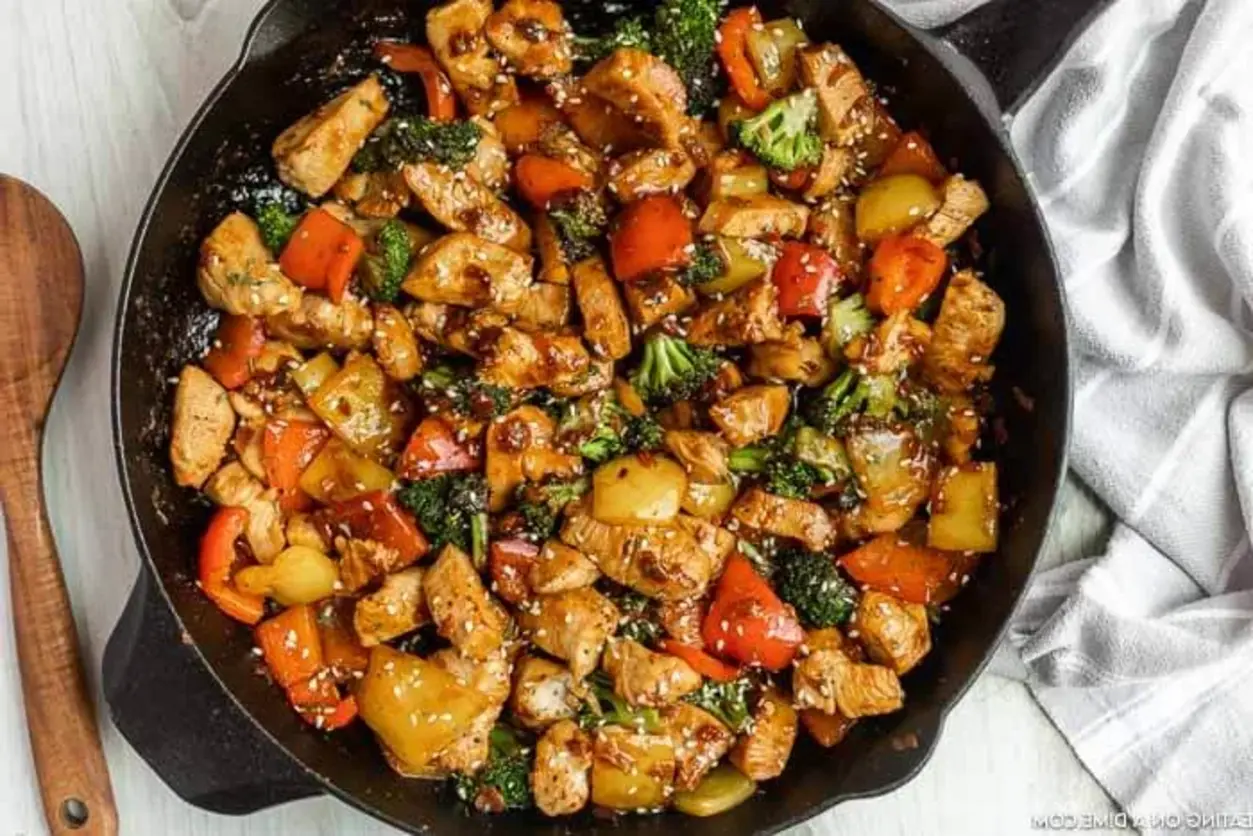
Let’s be honest: we’ve all been there. It’s 6 PM, you’re tired, the family is hungry, and the siren call of the takeout menu is almost irresistible. But what if you could create a stir fry at home that’s not only faster than delivery but tastes better and costs a fraction of the price? That’s exactly what this Easy Chicken Stir Fry recipe delivers. This isn’t just another stir fry recipe—it’s a meticulously tested formula where every component, especially the sauce ratio, works in perfect harmony to create a dish that consistently outperforms your local takeout joint.
For years, The Kitchen Team has experimented with countless stir fry sauce combinations. We’ve battled with sauces that were too salty, too sweet, too thin, or too gloppy. The breakthrough came when we landed on a specific, balanced ratio of three core ingredients. This “golden ratio” creates a sauce that beautifully coats each piece of chicken and vegetable, delivering a glossy, flavorful finish that clings perfectly without pooling at the bottom of your skillet. It’s the difference between a good homemade stir fry and a great one that makes you forget takeout exists.
The Secret Sauce Ratio: Why This Easy Chicken Stir Fry Beats Takeout
The heart and soul of any great stir fry is the sauce. Most takeout sauces rely on excessive oil, MSG, and sugar to create addictive flavors. Our recipe takes a different, more balanced approach. The magic lies in the 1:1:1/2 ratio of savory, liquid, and sweet elements. Let’s break it down:
- The Savory Base (1 part Soy Sauce): Provides the essential umami depth and saltiness. We use standard soy sauce for its consistent flavor profile.
- The Liquid Carrier (1 part Chicken Broth): Thins the sauce just enough to distribute flavors without making it watery. It adds a subtle background richness.
- The Sweet Balancer (1/2 part Honey): Honey (just 2 tablespoons) provides a mild sweetness that caramelizes slightly in the hot pan, creating a beautiful glaze. It balances the saltiness without making the sauce cloying.
This ratio, thickened with just a tablespoon of cornstarch, creates a sauce that is clingy, not runny. It coats the back of a spoon beautifully and will envelop every bite of chicken and broccoli. Compared to takeout, you control the sodium level, the quality of ingredients (no questionable additives), and the freshness of the vegetables. The result is a brighter, cleaner, and more vibrant dish where you can actually taste the individual components.
Gathering Your Ingredients
Using fresh, high-quality ingredients is crucial for a stir fry, as there’s nowhere for subpar items to hide. Here’s your shopping list, designed for maximum flavor and texture contrast.
| Ingredient | Quantity | Notes & Purpose |
|---|---|---|
| Boneless, skinless chicken breasts | 3 (about 1.5 lbs) | Diced into 1-inch pieces for quick, even cooking. Thighs work too for more flavor. |
| Salt & Black Pepper | 1/2 tsp each | For seasoning the chicken directly. |
| Olive Oil (or a high-smoke point oil) | 2 tbsp, divided | Used in two stages to cook chicken and veggies separately. |
| Broccoli Florets | 2 cups (bite-size) | Provides crunch and earthy flavor. Don’t overcook! |
| Yellow & Red Bell Pepper | 1/2 of each (1-inch pieces) | Adds sweetness, color, and a slight crunch. |
| Shredded Carrots | 1/2 cup | Adds a touch of sweetness and bright color. |
| Ground Ginger | 1/2 tsp | Convenient and provides warm, aromatic notes. |
| Minced Garlic | 2 tsp | The flavor foundation. Fresh is best! |
| Sesame Seeds | 2 tbsp | For garnish, adding nutty flavor and visual appeal. |
| For the Signature Sauce: | ||
| Cornstarch | 1 tbsp | The thickening agent for a glossy, restaurant-style sauce. |
| Low-Sodium Chicken Broth | 1/4 cup | The “1” in our liquid ratio. |
| Soy Sauce (or Tamari) | 1/4 cup | The “1” in our savory ratio. Use low-sodium if preferred. |
| Honey | 2 tbsp | The “1/2” in our sweet ratio. Agave nectar can substitute. |
Step-by-Step Cooking Instructions
Follow these steps carefully to achieve perfect stir fry texture—crisp-tender vegetables and juicy, non-rubbery chicken.
Step 1: Prepare the “Golden Ratio” Sauce
In a small bowl or liquid measuring cup, add 1 tablespoon of cornstarch. Slowly whisk in 1/4 cup of chicken broth until the cornstarch is completely dissolved and no lumps remain. This is called a “slurry” and prevents clumping. Then, whisk in the 1/4 cup of soy sauce and 2 tablespoons of honey until the mixture is perfectly smooth. Set this sauce aside near your stove. This is your flavor powerhouse.
Step 2: Cook the Chicken
Pat your diced chicken breasts completely dry with paper towels. This is crucial for getting a good sear instead of steaming. Season the chicken evenly with 1/2 teaspoon each of salt and pepper. Heat 1 tablespoon of olive oil in a large skillet or wok over medium-high heat until it shimmers. Add the chicken in a single layer, working in batches if necessary to avoid crowding. Crowding the pan steams the meat. Let it cook undisturbed for 3-4 minutes to get a good sear, then stir and cook for another 2-3 minutes until cooked through and no longer pink in the center. Transfer the cooked chicken to a clean plate.
Step 3: Sauté the Vegetables
Add the remaining 1 tablespoon of oil to the same skillet. Immediately add the harder vegetables first: the broccoli florets and shredded carrots. Stir-fry for about 3 minutes. Then, add the bell pepper pieces. Continue to cook, stirring occasionally, for another 3-4 minutes. You want the vegetables to be tender-crisp—they should still have a bite and vibrant color. Now, clear a small space in the center of the pan. Add the 1/2 teaspoon of ground ginger and 2 teaspoons of minced garlic to that spot. Let them cook for just 30-60 seconds until incredibly fragrant, then quickly stir them into the vegetables.
Step 4: Combine and Glaze
Return the cooked chicken (and any accumulated juices) to the skillet with the vegetables. Give your prepared sauce a quick re-whisk (the cornstarch may have settled) and pour it evenly over everything in the pan. Immediately begin stirring. The sauce will begin to bubble and thicken within 60-90 seconds, turning glossy and coating every ingredient beautifully. Once the sauce has thickened to a glaze-like consistency that coats the back of a spoon, remove the skillet from the heat.
Step 5: Final Touch
Transfer your stir fry to a serving platter or bowl. Immediately sprinkle with the 2 tablespoons of sesame seeds for a nutty flavor and professional finish. Serve hot.
Serving Suggestions & Pairings
This stir fry is a complete meal on its own, but the right accompaniments can turn it into a feast. The classic pairing is steamed white rice (jasmine or basmati are excellent) or brown rice for extra fiber. For a lower-carb option, cauliflower rice soaks up the sauce wonderfully. To make it a more substantial meal, consider serving it over a bed of rice noodles or lo mein noodles tossed with a little sesame oil.
Want to round out the meal? Start with a simple egg drop soup or a light cucumber salad with rice vinegar. For a beverage, a crisp lager, chilled green tea, or sparkling water with lime all complement the savory-sweet flavors perfectly.
Storage & Reheating Instructions
Storage: Allow any leftovers to cool completely. Store in an airtight container in the refrigerator for up to 3-4 days. The vegetables will soften slightly but the flavor will remain excellent.
Reheating: The best way to reheat stir fry is on the stovetop. Add a splash of chicken broth or water to a skillet over medium heat, add the stir fry, and cover for 3-4 minutes, stirring occasionally, until heated through. This method helps re-hydrate the sauce and prevents the chicken from drying out. You can also use the microwave: place in a microwave-safe dish, cover with a damp paper towel (to create steam), and heat in 60-second intervals, stirring between each, until hot.
Freezing: We don’t recommend freezing this dish, as the vegetables will become very mushy and watery upon thawing.
Creative Variations to Try
The beauty of this recipe is its adaptability. Once you’ve mastered the base recipe and the sacred sauce ratio, the world is your oyster (sauce).
- Protein Swap: Use thinly sliced flank steak, shrimp, pork tenderloin, or extra-firm tofu (pressed and cubed). Adjust cooking times accordingly.
- Vegetable Bounty: Swap in or add snap peas, sliced water chestnuts, baby corn, mushrooms, or bok choy. Add delicate veggies like spinach or bean sprouts at the very end.
- Sauce Twists:
- Spicy: Add 1-2 teaspoons of sriracha or chili-garlic sauce to the sauce mix.
- Teriyaki: Add 1 tablespoon of mirin and use brown sugar instead of honey.
- Orange: Replace the chicken broth with fresh orange juice and add 1 teaspoon of orange zest.
- Gluten-Free: Use tamari or coconut aminos instead of soy sauce, and ensure your chicken broth is certified GF.
Frequently Asked Questions (FAQ)
Can I use chicken thighs instead of breasts?
Absolutely! Boneless, skinless chicken thighs are a fantastic choice. They are more forgiving and stay juicier due to their higher fat content. Dice them the same way and follow the cooking instructions. They may require an extra minute or two of cooking time.
My sauce didn’t thicken. What went wrong?
The most common culprit is not properly dissolving the cornstarch into a cold liquid (the broth) before adding the other ingredients. If you add cornstarch directly to a hot liquid, it clumps. Another reason could be not bringing the sauce to a full simmer after adding it to the pan. Make sure the sauce bubbles actively for at least a minute to activate the cornstarch’s thickening power.
Can I make this stir fry ahead of time?
You can do all the prep ahead: chop vegetables, dice chicken, and mix the sauce (store separately). When ready to eat, the actual cooking takes just 12 minutes. We don’t recommend cooking it fully and reheating for the best texture, though leftovers are still delicious.
What’s the best pan to use?
A large, heavy-bottomed skillet (like cast iron or stainless steel) or a flat-bottomed carbon steel wok is ideal. They retain and distribute heat evenly, which is key for proper stir-frying. Non-stick pans work but won’t give you the same level of sear.
How can I make this dish less salty?
Use low-sodium soy sauce and low-sodium chicken broth. You can also reduce the soy sauce to 3 tablespoons and increase the broth to 5 tablespoons, maintaining the total liquid volume.
Can I use frozen vegetables?
You can, but thaw and drain them thoroughly first. Frozen vegetables release a lot of water and can make your stir fry soggy. For best results, we highly recommend fresh vegetables.
What can I use instead of honey?
Maple syrup, agave nectar, or brown sugar are all good substitutes. If using granulated brown sugar, you may need to whisk a bit more vigorously to ensure it dissolves in the sauce.
Is this recipe kid-friendly?
Yes! The sauce is mildly sweet and savory, not spicy. For picky eaters, you can serve the components separately (plain chicken, plain rice, plain veggies) with a small dish of the sauce for dipping.
Why do you cook the chicken and vegetables separately?
This ensures each ingredient is cooked perfectly. Chicken needs time to cook through and brown, while vegetables need high heat for a short time to stay crisp. Cooking them together leads to overcooked veggies or undercooked chicken.
How do I get my broccoli to be tender but not mushy?
The key is to cut it into small, uniform florets and add it to the hot oil first (before softer veggies like peppers). Stir-fry it for the full 6-7 minutes, but keep the heat high and keep it moving. It should be bright green and pierceable with a fork but still have resistance.
Love This Recipe? Save It For Later!
Pin this image to your Dinner Ideas or Better Than Takeout board on Pinterest to keep this easy chicken stir fry recipe handy for your next busy weeknight!
Follow us on Pinterest: @cookingwithemy for more delicious, foolproof recipes.
[PINTEREST-READY IMAGE: A high-quality, vertical photo of the finished stir fry in a skillet or bowl, garnished with sesame seeds and green onions, with text overlay: “Why This Easy Chicken Stir Fry Beats Takeout (It’s the Sauce Ratio!)”]
We hope this detailed guide empowers you to create a stir fry that truly makes takeout obsolete. Remember, the secret is in the sauce ratio and the high-heat technique. Give it a try, and let us know how it turns out! Happy cooking from The Kitchen Team at CookingWithEmy.com.
Easy Chicken Stir Fry Recipe
Description
Easy Chicken Stir Fry Recipe is bursting with flavor but so simple to make. No need to grab take out when you can make this amazing dish in just minutes.
Ingredients
Scale
- 3 boneless chicken breasts ((diced into 1 inch pieces) )
- 1/2 tsp salt
- 1/2 tsp pepper
- 2 tbsp olive oil ((divided) )
- 2 cups broccoli florets ((diced into bite size pieces) )
- 1/2 Yellow Bell Pepper ((cut into 1 inch pieces) )
- 1/2 red bell pepper ((cut into 1 inch pieces) )
- 1/2 cup carrots ((shredded) )
- 1/2 tsp ground ginger
- 2 tsp minced garlic
- 2 tbsp sesame seeds
- 1 tbsp cornstarch
- 1/4 cup chicken broth
- 1/4 cup soy sauce
- 2 tbsp honey
Instructions
- In a small bowl, whisk together 1 tablespoon cornstarch, ¼ cup chicken broth, ¼ cup soy sauce, and 2 tablespoons honey. Set the stir fry sauce aside.
- Heat 1 tablespoon olive oil in a large skillet over medium-high heat. Add 3 boneless chicken breasts (diced into 1-inch pieces) and season with ½ teaspoon salt and ½ teaspoon pepper. Sauté the chicken for 35 minutes until browned and cooked through. Remove the chicken from the skillet to a separate plate.
- Add the remaining 1 tablespoon olive oil to the skillet. Add 2 cups broccoli florets (cut into bite-size pieces), ½ yellow bell pepper (cut into 1-inch pieces), ½ red bell pepper (cut into 1-inch pieces), and ½ cup shredded carrots. Cook, stirring occasionally, until the vegetables are tender but still crisp.
- Stir in ½ teaspoon ground ginger and 2 teaspoons minced garlic. Cook for 12 minutes until the garlic is fragrant.
- Add the cooked chicken back to the skillet. Pour the prepared stir fry sauce over the chicken and vegetables and stir to coat evenly. Bring the mixture to a boil, stirring occasionally, and let it boil for 1 minute to thicken the sauce.
- Top with 2 tablespoons sesame seeds and serve as is or over rice. Enjoy.