Table of Contents
Empanada Dough Recipe – Foolproof Flaky Pastry Every Time!
Growing up in Morocco, I’d watch my mother make empanada-like pastries by feel, using handfuls of flour and a glug of olive oil. Years later, my French culinary training taught me the precise pâte brisée technique. This empanada dough recipe is the bridge between those two worlds. It’s the homemade empanada dough I rely on in my NYC kitchen, whether I’m craving a taste of home or impressing guests at a dinner party. Learning how to make empanada dough shouldn’t be intimidating — it should feel like a warm, rewarding ritual.
Imagine the scent of cold butter melting into flour as you work it with your fingertips. The dough comes together in a shaggy, clumpy mass, then transforms under your palms into a smooth, supple ball. After a rest in the fridge, it rolls out like a dream. The finished empanada shell is nothing short of spectacular — a golden, flaky crust that shatters gently with each bite, revealing the steaming, savory filling within. This easy empanada dough recipe delivers a texture that’s both sturdy and impossibly tender.
Unlike finicky puff pastry, this empanada pastry recipe is incredibly forgiving. It’s the perfect project for a weekend afternoon, and it freezes beautifully for spontaneous cravings. My secret lies in the technique: a precise fat-to-flour ratio, ice-cold butter, and a crucial resting period that relaxes the gluten and locks in flakiness. I’ll guide you through every step, from cutting in the fat to folding those perfect half-moons. Plus, I’m sharing one common mistake that can make your dough tough — and exactly how to avoid it.
Why This Empanada Dough Recipe Is the Best
The Flavor Secret: Many recipes rely solely on lard or shortening, but I use European-style unsalted butter for its rich, creamy flavor. The butter creates layers of flaky pastry that are deeply satisfying. If you want to channel my Moroccan roots, swapping in half lard adds an unmistakable savory depth that’s incredible with spicy beef or lamb fillings.
Perfected Texture: My French pastry training taught me that the temperature of your fat is everything. This homemade empanada dough uses a technique called “sablage” (cutting the cold butter into the flour until it looks like coarse meal). This ensures tiny pockets of fat melt in the oven, creating steam that lifts the dough into delicate, shattering layers.
Foolproof & Fast: I’ve streamlined this easy empanada dough recipe so it comes together in a stand mixer, food processor, or simply by hand. The dough is forgiving, doesn’t require advanced pastry skills, and the chilling time means you can prep it ahead of a party. This is the recipe I teach in my NYC cooking classes, and it works perfectly every single time.
Homemade Empanada Dough Ingredients
The beauty of this empanada dough recipe lies in its simplicity. You likely have most of these staples in your pantry. I pick up my butter from the farmers’ market in Union Square and my flour from the local Italian market — using good quality ingredients makes a real difference.
Ingredients List
- 4 cups all-purpose flour
- 14 tablespoons cold unsalted butter (cut into cubes, or lard)
- 1/2 teaspoon salt
- 1/2 to 3/4 cup warm water (or milk)
- 1 egg (at room temperature and whisked)
- 1 egg + 2 tablespoons water (for the egg wash)
Ingredient Spotlight
Flour: All-purpose flour provides the perfect balance of structure and tenderness. Its moderate gluten content gives the dough enough strength to hold a generous filling without becoming tough.
Butter: Using cold, high-fat butter (like Plugrà or Kerrygold) is non-negotiable for the flakiest results. The fat inhibits gluten formation and creates those distinct, tender layers.
Water: Warm water helps the dough come together without overworking it. You can substitute milk for a richer, slightly softer crumb.
| Original Ingredient | Best Substitution | Flavor / Texture Impact |
|---|---|---|
| Unsalted Butter | Lard (or half butter/half lard) | More savory, traditional flavor; incredibly tender. |
| All-Purpose Flour | Gluten-Free 1:1 Baking Flour | Slightly more delicate texture; works well for most fillings. |
| Warm Water | Warm Milk (or buttermilk) | Richer flavor, softer crumb, slightly more tender crust. |
| Egg (dough) | 1/4 cup Greek yogurt | Adds tenderness and a slight tangy flavor. |
How to Make Empanada Dough — Step-by-Step
Follow these simple steps to create the perfect empanada dough. You’ll be a pro in no time!
Step 1: Cut In the Fat
Use a pastry cutter, a fork, or your hands to cut the cold butter into the flour until it forms a crumbly consistency with pea-sized pieces of butter remaining. Sprinkle in the salt and stir.
💡 emy’s Pro Tip: If the butter starts to feel warm or sticky, pop the bowl in the fridge for 10 minutes before moving on. Keeping the fat cold is the golden rule of flaky pastry!
Step 2: Bring the Dough Together
Pour in the 1/2 cup warm water and the whisked egg. Stir together with a fork until it forms a clumpy, shaggy dough. If there are dry bits at the bottom, add the remaining warm water one tablespoon at a time.
⚠️ Common Mistake to Avoid: Adding all the water at once! Add it gradually — the humidity of your kitchen affects how much liquid you need.
Step 3: Knead the Dough
Transfer the dough out onto a counter dusted with flour. Press it together until it forms a rough ball. Knead gently for about 5 minutes, just until smooth. Use a stand mixer with a dough hook on low speed to make this step effortless!
💡 emy’s Pro Tip: Over-kneading activates too much gluten, making the dough tough. Stop as soon as it comes together into a cohesive, soft ball. A few streaks of butter are perfectly fine!
Step 4: Chill the Dough
Wrap the dough tightly with plastic wrap and press it into a flat disc. Refrigerate for at least 30 minutes, or up to 2 hours for best results. This step is mandatory for relaxing the gluten and solidifying the butter.
⚠️ Common Mistake to Avoid: Skipping the chill! If you try to roll warm dough, it will be sticky, elastic, and shrink back into shape. A well-chilled dough rolls out beautifully and bakes up tender.
Step 5: Portion and Roll
Cut the dough into 22 to 25 pieces, about 1.5 oz each. Roll each piece into a ball, then roll out into a 5 to 6-inch circle on a lightly floured surface. Use a tortilla press between parchment paper for an Instagram-worthy shortcut!
Step 6: Fill and Fold
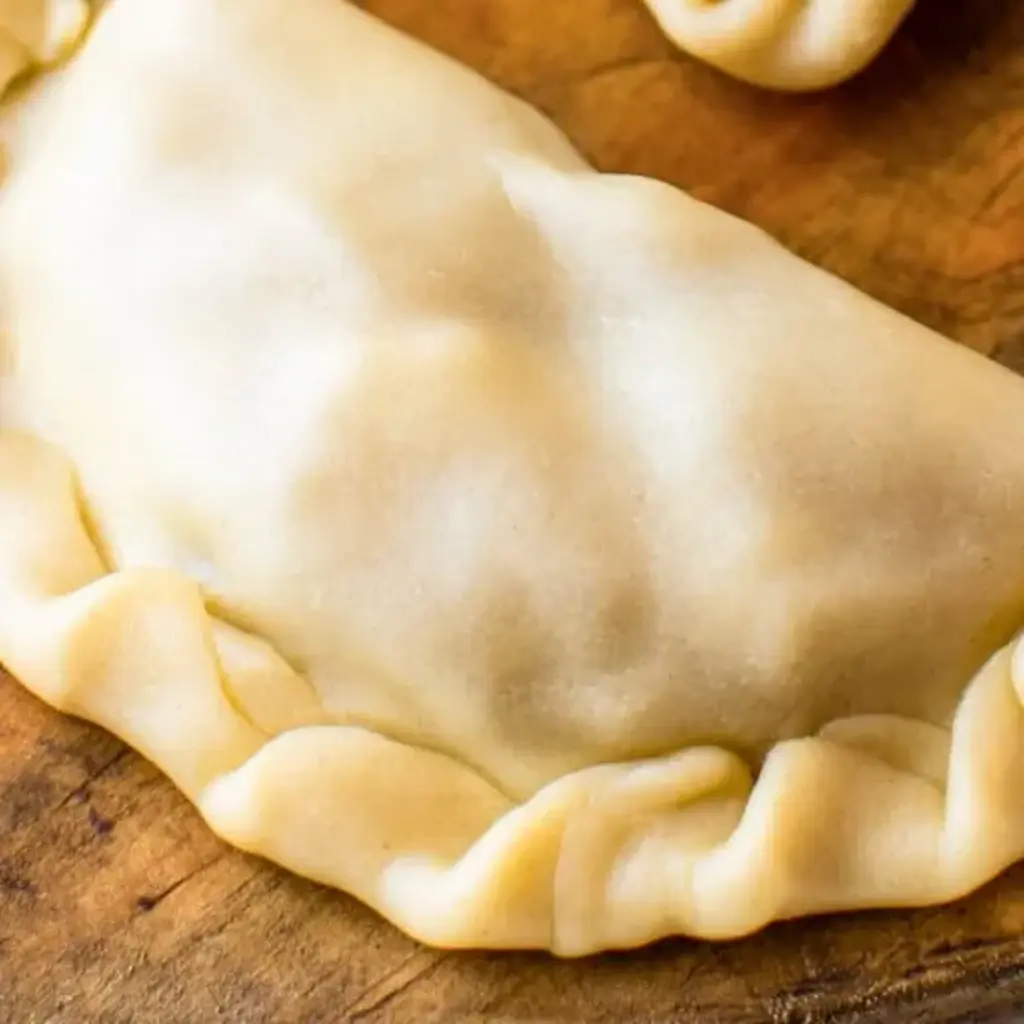
Add 2 to 3 tablespoons of filling to the center of each round. Fold the dough over and pinch the edges closed. Use a fork to press and seal, or twist the edges with your fingers for a classic, rope-like design.
💡 emy’s Pro Tip: Brush a little water around the edge of the circle before folding. This acts as a glue, creating a watertight seal that prevents filling from leaking during baking!
Step 7: Bake the Empanadas
Preheat the oven to 375°F. Whisk the remaining egg with 2 tablespoons of water for the egg wash. Place the empanadas on a parchment-lined baking sheet, brush the tops with egg wash, and bake for 25 to 27 minutes, until deeply golden and irresistible.
Step 8: Fry the Empanadas
Add about 1 inch of neutral oil to a deep skillet over medium-high heat. Fry 2-3 empanadas at a time, turning once, until golden brown on both sides. Since your filling is already cooked, you’re only browning and crisping the dough.
| Step | Action | Duration | Key Visual Cue |
|---|---|---|---|
| 1 | Cut butter into flour | 5 mins | Pea-sized crumbs of butter in flour |
| 2 | Add wet ingredients | 2 mins | Shaggy, clumpy dough forms |
| 3 | Knead dough | 5 mins | Smooth, cohesive ball |
| 4 | Chill dough | 30-120 mins | Firm, cold, and slightly firm to the touch |
| 5 | Roll into circles | 15 mins | Uniform 5-6 inch rounds |
| 6 | Fill and fold | 10 mins | Crescent moons with sealed edges |
| 7 | Bake | 25-27 mins | Golden brown, shiny surface |
| 8 | Fry | 3-4 mins total | Deep golden, bubbly crust |
Serving & Presentation
I love serving these golden half-moons fresh from the oven or fryer. Place them on a large wooden platter, garnished with fresh cilantro leaves and wedges of lime for squeezing. In my NYC apartment, I often line a basket with a checkered napkin for that perfect street-food feel — it transports me right back to the markets of Marrakech.
For dipping, I always set out a trio of sauces: a classic chimichurri, a fiery Moroccan harissa mayo, and a cool, tangy yogurt dip with mint. The crunchy, shattering texture of the crust against the creamy or vibrant sauces is simply unforgettable. It’s the perfect appetizer for a crowd or a satisfying weeknight dinner paired with a simple salad.
| Pairing Type | Suggestions | Why It Works |
|---|---|---|
| Side Dish | Cilantro lime rice, black beans, or a crisp avocado salad | Fresh, zesty sides balance the rich, buttery pastry. |
| Sauce / Dip | Chimichurri, harissa mayo, or garlic cilantro yogurt | Bright, acidic sauces cut through the flaky fat. |
| Beverage | Margarita, cold beer, or mint lemonade | Crisp, cold drinks complement the warm, savory pies. |
| Garnish | Fresh cilantro, lime wedges, pickled red onions | Adds color, freshness, and a pop of acidity. |
Make-Ahead, Storage & Reheating
This is the ultimate meal-prep recipe for my busy NYC lifestyle. I almost always make a double batch of the dough on Sunday so I can whip up empanadas on a whim during the week. Whether you are storing the raw dough or baked empanadas, these tips will keep everything tasting fresh.
| Method | Container | Duration | Reheating Tip |
|---|---|---|---|
| Refrigerator | Plastic wrap (raw dough) / Airtight container (baked) | Up to 72 hours (dough) / 4 days (baked) | Reheat baked empanadas in a 350°F oven for 10 mins to restore crispiness. |
| Freezer | Plastic wrap + freezer bag | Up to 3 months | Bake from frozen, adding 5-7 mins to the cook time. |
| Make-Ahead | Covered dish (uncooked, assembled) | Up to 24 hours in the fridge | Brush with egg wash right before baking. |
The absolute best way to reheat leftover empanadas is in the oven or an air fryer. Skip the microwave — it will make the beautiful, flaky crust soggy. A quick 10-minute reheat at 350°F brings back that just-baked shatter.
Variations & Easy Swaps
| Variation | Key Change | Best For | Difficulty Impact |
|---|---|---|---|
| Gluten-Free | Use 1:1 GF flour blend + 1 tsp xanthan gum | Guests with gluten sensitivities | Easy (dough is softer but manageable) |
| Spicy Harissa | Add 2 tbsp harissa paste to the water/egg mixture | Adding a North African kick | Easy (no extra technique) |
| Sweet Dessert | Add 1/4 cup sugar + 1 tsp cinnamon to dry ingredients | Filling with Nutella, apple, or dulce de leche | Easy (adjust sweetness) |
Spicy Harissa Empanadas
This variation is my love letter to Morocco. I stir a few tablespoons of rose harissa into the water and egg mixture before adding it to the flour. The result is a subtly spicy, vibrantly colored dough that pairs perfectly with lamb or roasted vegetables. It’s a unique twist that always sparks conversation at my dinner table.
Gluten-Free Empanada Dough
Don’t let dietary restrictions stop you from enjoying this homemade empanada dough. A high-quality 1:1 gluten-free baking flour blend works beautifully here. Because GF flour lacks gluten, the dough will be a bit more delicate and tender — handle it gently when rolling, and consider pressing it between two sheets of parchment paper for best results.
Sweet Dessert Empanadas
For a sweet treat, simply add a tablespoon of sugar and a pinch of cinnamon to the dry ingredients. Fill these sweet pastry shells with cinnamon apples, Nutella and banana, or a classic dulce de leche. They’re a massive hit during the holidays in my NYC apartment — basically a portable pie!
Share Your Version!
I hope you love this empanada dough recipe as much as I do! It’s a staple in my kitchen, bringing together all the flavors and techniques I cherish — from my Moroccan childhood to my French training and my life here in New York.
If you try it, please leave a 5-star rating and a comment below telling me how it went. What filling did you choose? Did you bake or fry? I genuinely read every single comment and love hearing about your creations! 📸 Don’t forget to snap a photo and tag me @cookingwithemy on Instagram or Pinterest.
From my NYC kitchen to yours — I hope this recipe brings as much warmth to your table as it does to mine. — emy 🧡
Love This Recipe? Save It to Pinterest!
If you enjoyed this Empanada Dough recipe, don’t let it get lost in your browser tabs! 😄 Pin it now so you can find it again anytime — and explore hundreds more tried-and-tested recipes waiting for you on my Pinterest boards.
👉 Follow emy on Pinterest @cookingwithemy
📌 Pin this recipe · 🔁 Re-pin your favorites · 💬 Tag me when you make it — I love seeing your creations!
What is the best ratio of fat to flour for empanada dough?
For my empanada dough recipe, I use 14 tablespoons of cold butter to 4 cups of all-purpose flour. This translates to roughly a 1:4 ratio of fat to flour by volume, which creates an incredibly flaky and tender crust. This specific ratio ensures the pastry is rich and flavorful without feeling heavy or greasy. If you decide to use lard, maintaining this same ratio will give you the best, most authentic texture.
Can I use all-purpose flour instead of masa harina for empanada dough?
Absolutely, and in fact, I highly recommend using all-purpose flour for this specific easy empanada dough recipe. Masa harina creates a distinctly different, more tortilla-like dough that can be crumbly when baked. This empanada pastry recipe relies on the gluten found in all-purpose flour to create structure, resulting in that sought-after flaky shatter that holds up perfectly to any filling.
How long do you need to rest empanada dough before rolling it out?
You need to rest the dough for at least 30 minutes, but I strongly suggest chilling it for up to 2 hours for the absolute best results. This resting period is crucial for relaxing the gluten, which makes the dough incredibly pliable and prevents it from shrinking during baking. If you’re learning how to make empanada dough more manageable, the answer is always a good, long chill in the refrigerator.
Should I bake or fry empanadas made with this dough?
Both methods work beautifully with this homemade empanada dough. Baking yields a classic, golden, and uniformly flaky crust that is perfect for batch cooking and feeding a crowd. Frying, on the other hand, creates a wonderfully crispy and bubbly exterior with a slightly chewier bite. I have included detailed instructions for both methods in the recipe card, so you can choose based on your personal preference and the filling you are using.
Why is my empanada dough tough after baking?
Tough empanada dough is almost always the result of over-kneading or not using enough fat. When developing how to make empanada dough, it is vital to stop mixing once the ingredients have just clumped together. Overworking the flour activates too much gluten, leading to a dense, tough crust. Also, ensure your butter or fat is very cold and evenly distributed throughout the flour mixture.
Can I freeze this empanada dough?
Yes, this empanada dough recipe freezes exceptionally well. I often make a double batch just for this purpose. Wrap the disc of dough very tightly in a layer of plastic wrap, then place it inside a freezer-safe zip-top bag. It will keep perfectly for up to 3 months. When you are ready to use it, simply thaw it overnight in the refrigerator before rolling it out. It’s the ultimate meal-prep hack!
What is the best filling for empanadas?
The beauty of this easy empanada dough recipe is that it pairs well with practically anything! My personal favorite is a classic Argentine-style filling of ground beef, hard-boiled eggs, and olives. In my NYC kitchen, I also love making a spicy black bean and sweet potato filling or a savory chicken tinga. The dough is sturdy enough to hold moist fillings and the flavor is buttery enough to complement any seasoning profile.
Empanada Dough
Description
Want to learn how to make flaky Empanada Dough? It’s really easy! Fill this homemade turnover with whatever meat (or vegetarian filling) you like. Plus, watch the video below for an easy tutorial on how to fold empanadas!
Ingredients
- 4 cups all-purpose flour
- 14 tablespoons cold unsalted butter (cut into cubes, or lard)
- 1/2 teaspoon salt
- 1/2 to 3/4 cup warm water (or milk)
- 1 egg (at room temperature and whisked)
- 1 egg
- 2 tablespoons water
Instructions
- Use a pastry cutter, a fork, or your hands to cut the butter into the flour until it forms a crumbly consistency. Sprinkle in the salt and stir.
- Pour in the 1/2 cup water and egg and stir together until it forms a clumpy dough.
- Transfer the dough out onto a counter dusted with flour. Press the dough together until it forms a ball. If dough feels too dry, add a little extra water (up to 3/4 cup total) to the dough. Knead the dough for about 5 minutes. To save time and effort, you can also use a stand mixer to knead the dough!
- Wrap the dough tightly with plastic wrap and place it in the fridge to chill for at least 30 minutes, or up to 2 hours for best results. (Dough can be stored this way in the fridge for up to 72 hours.) Chilling the dough helps to relax the gluten in the dough, making it more pliable and easier to work with. It also keeps the fat cold, contributing to a flakier crust.
- Cut the dough into 22 to 25, 1.5 oz pieces. Roll each piece into a ball. Roll each ball out evenly into 5 to 6-inch circles with a rolling pin on a lightly flat surface dusted with flour or for ease, use a tortilla press! You can also place the dough ball between parchment paper and then roll flat.
- Fill and Fold: Add 2 to 3 tablespoons of filling to the center of each empanada round and pinch the edges together. Use a fork (or empanada press) to press the edges together. To form a classic empanada design, press and twist the edges of dough together with your hands. See the video below for a visual of the folding technique.
- Oven: Preheat the oven to 375°F. Whisk to combine the egg and water for the egg wash. Place filled empanadas on a baking sheet lined with parchment paper. Brush the top of each empanada with egg wash. Bake for 25 to 27 minutes, until light and golden on top. Cool for 10 minutes before serving.
- Fry: Add about 1 inch of oil to a deep sided skillet over medium-high heat. Fry 2 to 3 empanadas in the hot oil on each side, until golden brown. Remember the filling is already cooked, you are only cooking the empanada dough.
Nutrition
- Calories: 149 kcal
- Sugar: 0.1 g
- Fat: 8 g
- Carbohydrates: 17 g
- Protein: 3 g
Tried This Recipe? Leave a Comment!
Did you make this recipe? I’d love to hear how it turned out! Please leave a comment and a rating below. Your feedback helps other home cooks and supports cheerychop.com!
For more delicious inspiration, follow me on Pinterest!