Table of Contents
Szechuan Sauce Recipe – Bold, Balanced & Ready in 15 Minutes
Growing up in my mother’s kitchen in Morocco, I learned that the best sauces are built on layers of flavor — not just heat or salt, but a harmony of sweet, savory, and spicy. This Szechuan sauce is a flavorful sweet and savory recipe with just the right amount of spice that I make in 15 minutes using soy sauce, fresh ginger, and chili garlic sauce. The secret to its balance comes from a technique I picked up in Paris: blooming the ginger and chili in hot liquid before adding the rest, which wakes up their essential oils without making the sauce harsh.
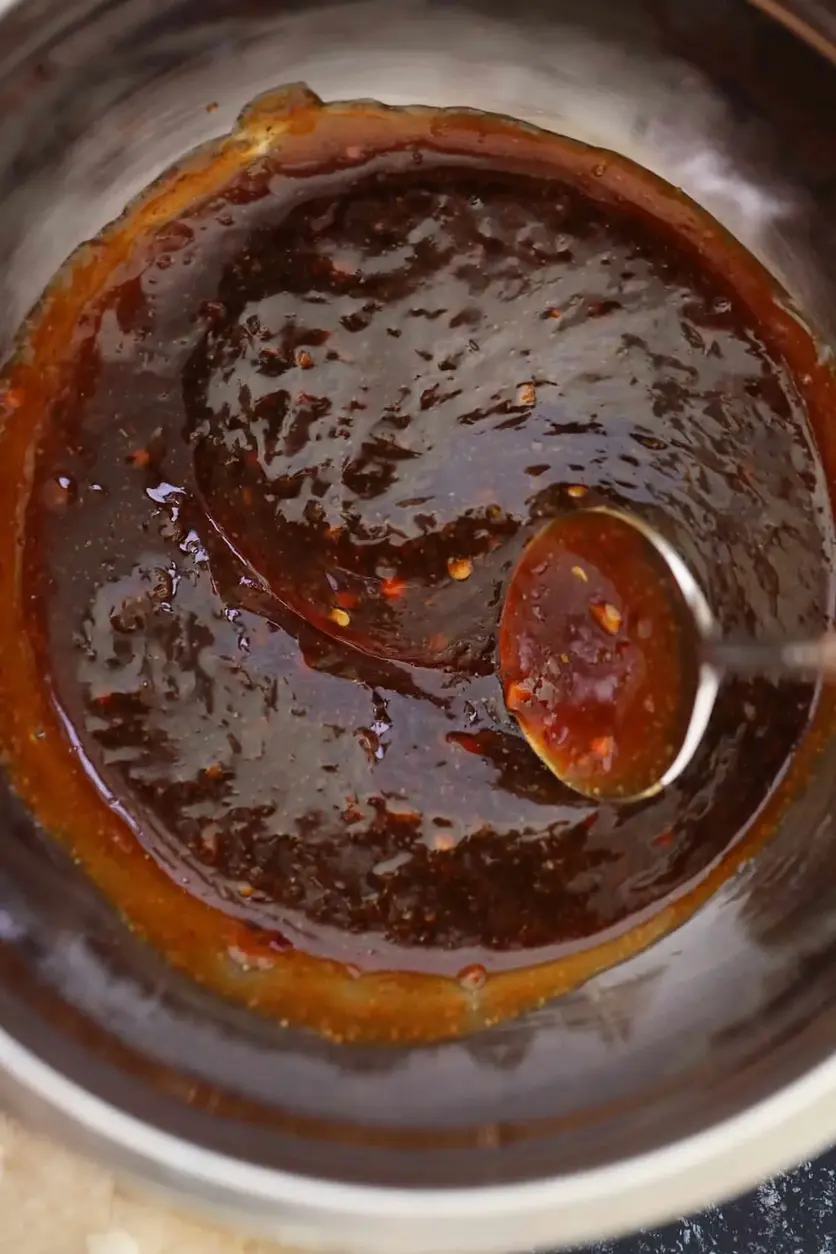
The first time I made this sauce for a stir-fry in my tiny NYC apartment, the smell filled every corner — ginger warming the air, vinegar cutting through with a bright tang, and a gentle heat that lingered on the tongue. It clings to noodles like a velvet glaze, with just enough body from cornstarch to coat a spoon but not weigh it down. The color is a deep amber brown, flecked with red chili flakes and tiny bits of fresh ginger.
This version is my riff on the classic Chinese-American Szechuan sauce you might get from takeout, but I’ve dialed up the ginger and added a touch of red wine vinegar for complexity. One thing I often see home cooks get wrong is adding the cornstarch slurry too early — it clumps and leaves a starchy taste. I’ll show you the exact moment to stir it in for a silky, glossy finish. 💡 emy’s Pro Tip: Always dissolve your cornstarch in cold broth first — room temperature liquid prevents lumps every time.
Why This Szechuan Sauce Recipe Is the Best
The flavor secret here is the combination of two vinegars — red wine vinegar and rice vinegar. The red wine vinegar adds a fruity depth that rice vinegar alone can’t give, while the rice vinegar keeps things light. This two-vinegar trick is something I learned from a saucier in Paris, and it makes the sauce sing without being sharp.
Texture-wise, the cornstarch slurry is the key. But instead of dumping it in all at once, I add it in a slow stream while whisking constantly. This technique ensures the sauce thickens evenly — no lumps, no gluey spots. You end up with a sauce that pours beautifully but clings to every bite.
This recipe is foolproof because it comes together in one saucepan and uses ingredients you probably already have in your pantry. It’s forgiving: if you like it spicier, add more chili garlic sauce; if you want it sweeter, bump up the brown sugar. Within 15 minutes, you’ll have a sauce that works for everything from rice bowls to chicken wings.
Szechuan Sauce Ingredients
I love buying my soy sauce and ginger from the Asian market near Union Square in NYC — the ginger is always fragrant and knobby, and the soy sauce has a cleaner taste than what I find in regular grocery stores. This recipe reminds me of the bustling spice markets in Marrakech where I’d pick up chili pastes as a child.
Ingredients List
- 1/4 cup low-sodium soy sauce
- 2 tablespoons red wine vinegar
- 1 tablespoon fresh ginger (minced)
- 2 tablespoons brown sugar
- 1 tablespoon Asian chili garlic sauce (or chili sauce)
- 1 tablespoon rice vinegar
- 1/2 teaspoon crushed red pepper flakes
- 1/2 teaspoon garlic powder
- 1/2 cup chicken broth (veggie broth for vegetarian) — cold
- 1 tablespoon cornstarch
Ingredient Spotlight
Soy Sauce: This provides the salty, umami backbone. Use low-sodium so you can control the salt level. I prefer Kikkoman or a Japanese-style soy sauce for its cleaner, less yeasty flavor. If you’re gluten-free, swap with tamari — it works beautifully and tastes almost identical.
Fresh Ginger: Do not substitute dried ginger! Fresh ginger gives a bright, peppery warmth that is essential. Look for ginger that feels heavy and has smooth skin. From my Paris training, I always peel it with a spoon — it’s easier than a knife and you waste less.
Chili Garlic Sauce: This is my shortcut to deep fermented heat. I use Huy Fong brand (the one with the rooster on the label). It’s not just spicy — it has garlic and vinegar notes that build complexity. You can substitute with sambal oelek for a purer chili flavor.
| Original Ingredient | Best Substitution | Flavor / Texture Impact |
|---|---|---|
| Soy Sauce | Tamari (gluten-free) | Similar umami, slightly less salt; no difference in texture |
| Fresh Ginger | 1/2 tsp dried ginger + 1 tsp fresh lemon juice | Less pungent, more muted heat; sauce will have less zing |
| Chili Garlic Sauce | Sambal Oelek | Pure chili heat, less garlic; sauce will be spicier with less depth |
| Chicken Broth | Vegetable Broth | Milder savory notes; identical texture and thickening |
| Brown Sugar | Coconut Sugar | Slightly less sweet, hint of caramel; texture unchanged |
How to Make Szechuan Sauce — Step-by-Step
Trust me, this is the easiest sauce you’ll ever make. It all happens in one pan, and you’ll have dinner ready before you know it.
Step 1: Prep the Slurry
In a small bowl, combine 1/2 cup cold chicken broth and 1 tablespoon cornstarch. Stir with a fork until the cornstarch is fully dissolved and no white streaks remain. The broth must be cold — if it’s warm, the cornstarch will clump immediately and you’ll get a lumpy sauce.
💡 emy’s Pro Tip: Use a fork, not a whisk, for the slurry. A fork breaks up cornstarch clumps more efficiently and creates a smooth paste faster.
Step 2: Build the Flavor Base
In a medium saucepan over medium heat, add all remaining ingredients except the broth and cornstarch mix: soy sauce, red wine vinegar, minced ginger, brown sugar, chili garlic sauce, rice vinegar, red pepper flakes, and garlic powder. Stir gently with a wooden spoon. Bring the mixture to a light boil — you’ll see small bubbles forming around the edges. Do not let it boil vigorously or the vinegar can become harsh. This takes about 3 minutes.
⚠️ Common Mistake to Avoid: Boiling the sauce too hard before adding the slurry can reduce the liquid too much and concentrate the salt. Keep it at a gentle simmer — you want steam, not a rolling boil.
Step 3: Thicken & Finish
Give your cornstarch slurry a quick stir (it settles fast), then pour it into the simmering sauce in a slow, steady stream while whisking constantly with a wire whisk. Continue whisking for 3–5 minutes, until the sauce thickens to a glossy, syrupy consistency that coats the back of a spoon. You’ll see it go from watery to opaque and silky. Remove from heat immediately — it will continue to thicken slightly as it cools.
💡 emy’s Pro Tip: For the glossiest finish, whisk in one teaspoon of butter or sesame oil off the heat. It adds a restaurant-quality sheen and rounds out the flavors.
| Step | Action | Duration | Key Visual Cue |
|---|---|---|---|
| 1 | Prep Slurry | 1 minute | No lumps in the paste |
| 2 | Build Flavor Base | 3 minutes | Small bubbles at edges; ginger is fragrant |
| 3 | Thicken & Finish | 3–5 minutes | Glossy, coats spoon |
Serving & Presentation
This Szechuan sauce is incredibly versatile. Use it as a glaze for stir-fried chicken or beef, a dipping sauce for spring rolls or dumplings, or drizzle it over steamed rice and vegetables for a quick weeknight dinner. I like to toss it with noodles and sesame seeds for an amazing 10-minute noodle bowl that reminds me of late-night noodle shops in NYC’s Chinatown.
For presentation, the sauce’s rich amber color looks gorgeous when drizzled over white rice or pale noodles. Garnish with a sprinkle of sliced green onions, a few sesame seeds, and a pinch of extra red pepper flakes for color. I sometimes add a twist of lime for brightness — a trick from my Moroccan kitchen that cuts through the richness perfectly.
| Pairing Type | Suggestions | Why It Works |
|---|---|---|
| Side Dish | Steamed jasmine rice, lo mein noodles, roasted broccoli | The sauce clings to rice and noodles; roasted veg adds crunch |
| Sauce / Dip | Dumplings, spring rolls, chicken wings, tofu cubes | Balanced sweetness and heat enhance without overpowering |
| Beverage | Crisp lager, iced green tea, semi-dry Riesling | Cuts the spice; green tea refreshes the palate |
| Garnish | Green onions, sesame seeds, lime wedge, cilantro | Adds freshness, color, and visual contrast |
Make-Ahead, Storage & Reheating
As a busy NYC mom and food blogger, I love making a double batch of this Szechuan sauce on Sundays. It saves me during the week when I need a quick dinner fix. Just pour it into a jar and you’ll have sauce ready for noodles, stir-fries, or a quick dip after 15 minutes.
| Method | Container | Duration | Reheating Tip |
|---|---|---|---|
| Refrigerator | Airtight glass jar | Up to 2 weeks | Warm in saucepan over low heat, stirring; add splash of water to loosen |
| Freezer | Silicone ice cube tray, then zip-top bag | Up to 3 months | Defrost in fridge overnight; reheat in pan, whisking to re-emulsify |
| Make-Ahead | Airtight jar | Up to 5 days in advance | No need to reheat for cold dips; for hot uses, warm gently |
When reheating from the fridge, I’ve found that the cornstarch can create a slight skin on top if left too long. Just whisk it back in over low heat — it will become silky again. If it’s too thick, add a tablespoon of water or broth. From my years in restaurant kitchens, I always warm sauces gently to avoid breaking the emulsion.
Variations & Easy Swaps
| Variation | Key Change | Best For | Difficulty Impact |
|---|---|---|---|
| Spicy Szechuan | Add 1 tsp Szechuan peppercorns, toasted & ground | Numbing, authentic heat for stir-fries | Easy (+2 minutes Szechuan SauceDescriptionThis Szechuan sauce is a flavorful sweet and savory recipe with just the right amount of spice. I make it in 15 minutes using soy sauce, fresh ginger, and chili garlic sauce. It works perfectly as a dip, marinade, or sauce for rice, noodles, and stir-fried meals. Ingredients
Scale
Instructions
|