Table of Contents
Harissa Chicken (Spicy North African Chicken) – Family-Friendly Heat Control
I grew up in a Moroccan home where the air was perfumed with spices and family stories. Even as a culinary student in Paris, the sticky warmth of a za's queue, a vibrant medina market in Morocco, and the diverse food scene of New York City feed the soul. Today I’m bringing you a recipe that blends all that: a Harissa chicken that delivers complex flavors and an adjustable heat level that keeps everyone—ultra‑spicy lovers, toddlers, and the chest‑tight seniors—in one harmonious dinner.
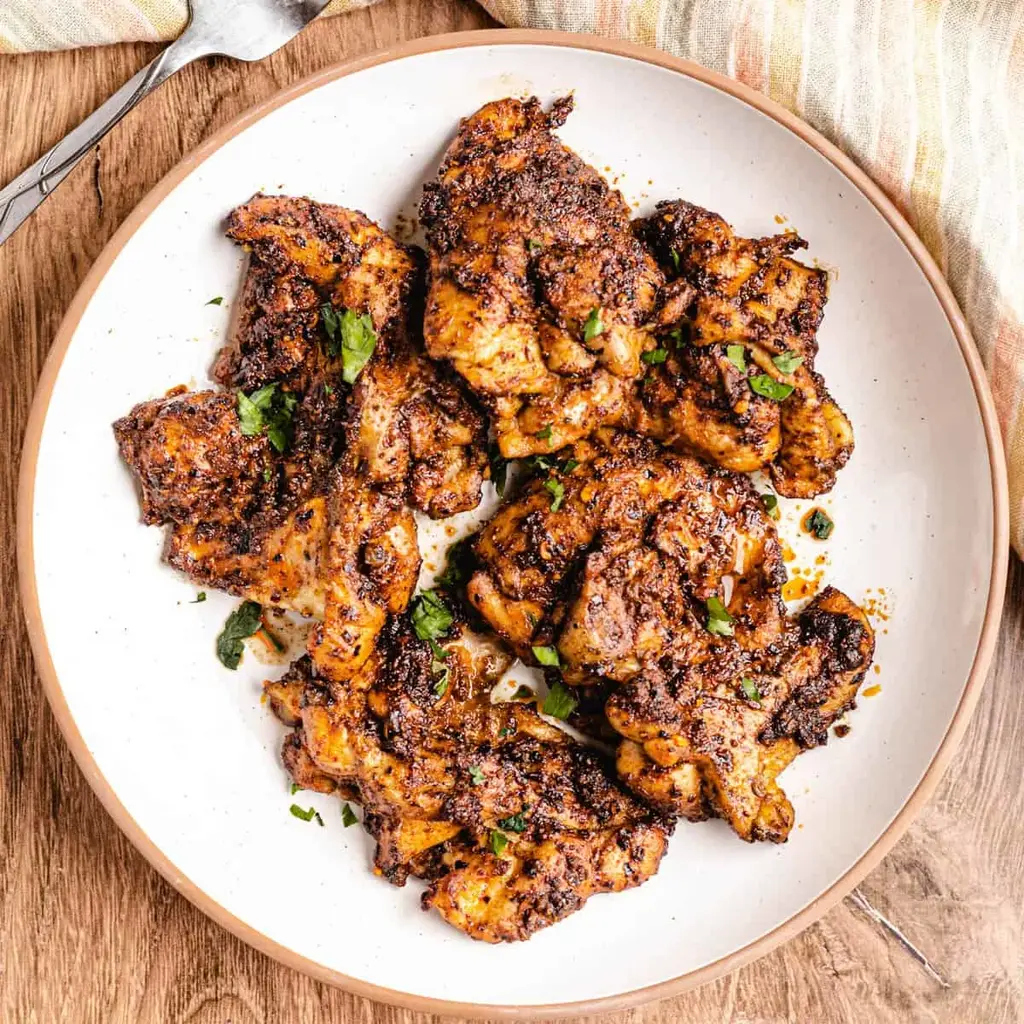
Imagine golden‑brown skin that snaps with a drizzle of olive oil, a burst of harissa’s smoky, sun‑kissed chili, a whisper of cumin, a tease of smoked paprika, and a bright lemon squeeze that cuts through the spice. The texture is a story in itself: juicy thighs that keep their moisture while the brush of citrus and paprika forms a crisp crust that sets the palate golden and the senses sing. That contrast between heat, citrus, and savory depth is the crux of North African comfort food.
I’ve fine‑tuned this version over years of cooking at home, at a bustling NYC farmers market, and in a Paris masterclass. The trick? I let the chicken soak in a paste that can be tepped up or cut down with simple pepper adjustments – you could even just mute the cayenne to silence the heat without losing the harissa soul. Don’t forget to let the shoulders rest a minute after removing from the oven; the trick paves the path to even juiciness.
Why This Harissa Chicken Recipe Is the Best
The secret lies in the fusion of precise spice ratios and real‑world adaptability. My Moroccan childhood taught me how a pinch of cumin can convey depth, while my Parisian training taught me the technique of balancing acid and oil, ensuring a crisp crust. Together they meet in this recipe, uniting heat control with culinary confidence.
The texture triumphs because the harissa paste is simply thickened by the olive oil and beaten by a whisk, giving it a silk‑like coating that adheres to each thigh byte‑by‑byte. The result is a song of sizzling smell that hints at cumin, smoked paprika, the sweet of sun‑ripened harissa, and citrus, all wrapped around a fully cooked, tender thigh.
The simplicity of the process is a gift for beginners and seasoned cooks alike. Between the single- and double-layered steps—mix, rub, marinate, bake, rest—fewer steps mean fewer chances to falter, and the trusty oven time cuts off cooking pressure for a straight‑ahead, foolproof experience.
Harissa Chicken Ingredients
When fresh, I head to the downtown NYC farmers market for the best hand‑picked legumes, or I pull the fragrant harissa powder from a specialty shop, just like I used to buy spices in the souks of Marrakesh.
Ingredients List
- 4 boneless chicken thighs
- 2 tsp olive oil
- 3 tbsp harissa powder
- 1 tsp smoked paprika
- ½ tsp cumin
- ¼ tsp cayenne pepper (adjust to taste)
- 1 tbsp lemon juice
Ingredient Spotlight
Harissa powder—a bright, smoky blend—houses ruby peppers, cumin, coriander, and harissa. It’s the choir that sings the heart of North African heat. When picking a brand, look for balanced hues: the redder the better, suggesting fresh chili, and minimal clumpy texture.
Lemon juice embodies that citrus kiss that rockets flavor and tenderizes meat. In my kitchen, I prefer freshly squeezed; if none is available, an acid like lime or a splash of white wine can keep the bright note.
Olive oil is the silent binder. It brings cohesion, allows spices to cling, and adds that Frenchy depth that keeps the crust crisp and luscious. A light extra‑virgin oil works wonderfully; if using a darker, fruitier one, the finish leans into the Mediterranean vibe.
| Original Ingredient | Best Substitution | Flavor / Texture Impact |
|---|---|---|
| Harissa powder | Red paprika+cumin | Less heat, milder flavor |
| Olive oil | Canola or avocado oil | Less fruity notes, higher smoke point |
| Lemon juice | White wine vinegar | Tighter acidity, slightly tangy finish |
How to Make Harissa Chicken — Step-by-Step
Even the most seasoned home cook will find this method easy to follow: just mix, coat, marinate—then bake to golden perfection.
Step 1: Make the Paste
In a small bowl, whisk together olive oil, harissa powder, smoked paprika, cumin, cayenne, and lemon juice until you achieve a thick, glossy paste. This thickness helps the coating cling to the meat.
💡 emy’s Pro Tip: Add a teaspoon of honey to temper the heat and introduce a subtle caramel note.
Step 2: Rub the Paste
Ladle the paste onto each thigh, using your hands to spread it evenly. The goal is a thick, even layer that ensures maximum flavor.
⚠️ Common Mistake to Avoid: Skipping the olive oil.; it keeps the coating from sticking.
Step 3: Marinate
Place the coated thighs in a sealable bag or shallow dish and refrigerate for at least 30 minutes—ideally 1 hour—to let the spices permeate. The longer the marinate, the deeper the flavor.
💡 emy’s Pro Tip: For an overnight kick, wrap a tortilla sheet over the thighs to keep moisture inside.
Step 4: Preheat the Oven
Set your oven to 425 °F (220 °C). A hot oven ensures a crisp crust and evenly cooked meat.
⚠️ Common Mistake to Avoid: Using a lower temperature; the thighs will be less juicy.
Step 5: Bake the Chicken
Line a baking tray with foil or parchment and arrange the thighs in a single layer. Bake 18–20 minutes, or until the internal temperature reaches 165 °F (74 °C). The skin should be browned and slightly crisp.
💡 emy’s Pro Tip: Turn the thighs halfway through for even browning.
Step 6: Check Temperature
Check the internal temperature using a meat thermometer. Accurate reading ensures safe and tender chicken.
⚠️ Common Mistake to Avoid: Relying solely on timing; temperatures vary.
Step 7: Let It Rest
Remove the thighs from the oven and let them rest for 5 minutes. Rest keeps juices from running out when you cut in.
💡 emy’s Pro Tip: Tent foil to keep warmth while resting.
| Step | Action | Duration | Key Visual Cue |
|---|---|---|---|
| 1 | Mix paste | 5 min | Chocolate‑like thickness |
| 2 | Rub thighs | 3 min | Even coat |
| 3 | Marinate | 30–60 min | Spices seep in |
| 4 | Preheat oven | Preheat 10 min | No draft |
| 5 | Bake | 18–20 min | Golden crust |
| 6 | Check temp | 5 min | Internal 165°F |
| 7 | Rest | 5 min | Juices settle |
Serving & Presentation
Plate the thighsqué on a shallow dish, scattering spoonfuls of the leftover paste as a glossy drizzle. Toasted almonds and chopped fresh cilantro bring a lively crunch and herbaceous sparkle. The dish pairs beautifully with cumin‑spiced couscous, which mimics an endless North African spice bath that captures every bite.
In my Brooklyn kitchen, I serve these thighs with a simple roasted carrot medley—sweet, caramelized, a natural counterpart to the fiery finish. A glass of crisp white wine or a chilled sparkling water with lemon riff= enhances the experience for family dinners.
| Pairing Type | Suggestions | Why It Works |
|---|---|---|
| Side Dish | Couscous, roasted carrot, or green salad | Balances spice, adds texture |
| Sauce / Dip | Tzatziki, lemon yogurt, or smoky tomato | Cools heat, adds creaminess |
| Beverage | Chilled white wine, rosé, or sparkling water with lemon | Freshness counters spice |
| Garnish | Crushed almonds, cilantro, or thin lemon slices | Adds crunch, aroma, and brightness |
Make-Ahead, Storage & Reheating
My NYC schedule pushes me to meal‑prep. I marinate the chicken a full day ahead, place it in airtight containers, and store. Here’s my go‑to guide.
| Method | Container | Duration | Reheating Tip |
|---|---|---|---|
| Refrigerator | Air‑tight glass jar | 4 days | Reheat 5 min in microwave before serving. |
| Freezer | Vacuum seal bag | 2 months | Thaw 24 hrs, then oven‑roast 10 min. |
| Make‑Ahead | Prepared plate in a sealed dish | 2 days | Reheat in oven 5 min, finish under broiler for crisp. |
When reheating, avoid over‑drying by sprinkling a light drizzle of olive oil or a splash of chicken stock before putting back in the oven. I usually finish with a quick minute under the broiler for that crispy skin everyone loves.
Variations & Easy Swaps
| Variation | Key Change | Best For | Difficulty Impact |
|---|---|---|---|
| Harissa & Chickpeas | Add chickpeas in the last 3 min. | Vegetarian crowd. | Easy. |
| Gluten‑Free Rice Twist | Serve over cauliflower rice. | Low‑carb athletes. | Moderate. |
| Summer Hijama | Add a splash of grape‑fruit vinegar. | Light‑summer meal. | Easy. |
Harissa & Chickpeas
Infuse the dish with protein‑rich chickpeas for a burst of earthiness. Fold them into the cooked thighs in the last 3 minutes, letting the seasoning seep into the legumes and curling the beans with the warm harissa finish.
Gluten‑Free Rice Twist
Swap regular rice with cauliflower rice to keep the dish low carb. The gentle nutty crunch complements the spicy coat and allows the flavors to shine without the grain presence.
Summer Hijama
A splash of grape‑fruit vinegar gives a fruity brightness that mirrors a traditional Moroccan white wine. This bright twist suits warmer months and gives a fresh, refreshing contrast to the heat.
How long should I marinate the chicken for best flavor?
For the richest flavor, let the chicken sit in the harissa paste for at least 30 minutes, but ideally an hour or more. Shorter marinating gives a decent kick, while a longer soak allows the spices to penetrate, making each bite more complex and deeply seasoned. If you’re short on time, a 15‑minute touch still imparts a noticeable heat level with the same balanced profile.
Is bone‑in chicken preferable for this recipe?
Bone‑in thighs give a richer, more succulent texture and a subtle flavor boost from the marrow. However, they take slightly longer to cook; you’ll need to increase the baking time by 5 minutes and monitor the internal temperature carefully. Boneless thighs are quicker and more convenient for households and still offer all the delicious spiciness this recipe is famous for.
What can I use if I don’t have harissa paste?
You can blend a homemade harissa paste using fresh red chilies, cumin, coriander, smoked paprika, and a dash of olive oil. Alternatively, a smoky paprika with cayenne and a touch of honey can mimic the heat profile. Mixing these spices into a simple paste gives a comparable flavor depth and still delivers that vibrant North African kick even without the branded paste.
How can I reduce the heat level for sensitive diners?
Simply cut the cayenne pepper dose in half or omit it entirely. Backup the heat with extra smoked paprika for aroma, or add a small dollop of yogurt after reaching the internal temperature. Adjusting the lemon juice to taste also softens the sting without masking the harissa’s spicy character, making the dish pleasant for anyone sensitive to spice.
Can I grill this instead of baking?
Absolutely! Grill the thighs over medium‑high heat, turning them every 5 minutes. Look for a nice sear and internal temperature of 165°F. The stovetop grill will provide a smoky char that can even surpass the oven’s crispness if you’re after that signature Marrakech grill feel. Just be sure to keep a close eye to avoid the thin thighs drying out.
Is this recipe safe to freeze?
Yes, cooked chicken keeps well in freezer-safe containers for up to two months. Freeze in portions for easy meal planning. Thaw overnight in the fridge or use the microwave’s defrost setting. When reheating, a short oven session or a quick pan‑sear will revive the caramelized crust while preserving the juicy interior.
What side dish pairs best with this harissa chicken?
An aromatic couscous, fragrant rice pilaf, or simple kaboul flatbread makes an excellent companion. Alternatively, grill or roast a medley of root vegetables (carrots, onions, zucchini) for a vibrant, savory contrast. In any case, choose something light enough to let the Harissa Chicken’s complex, spicy profile take center stage.
How do I keep the chicken juicy when reheating?
Reheat on low heat and cover loosely with foil so the moisture stays trapped, or add a splash of chicken broth before nap. A few minutes in the oven at 300°F or a gentle microwave thaw keeps internal water from evaporating. Finish with a quick brief broil to restore the crisp skin and you’re set for a delicious second serving.
Share Your Version!
I’d love to hear how you adapt this dish—maybe you swap in a different spice or trim the heat for a family dinner. Drop a star rating in the comments, share a photo on Instagram or Pinterest with @cookingwithemi, and let me know what twist you loved the most. Your feedback signals me toward the next bold flavor I’m cooking up in the city.
From my NYC kitchen to yours — I hope this recipe brings as much warmth to your table as it does to mine. — emy 🧡
Love This Recipe? Save It to Pinterest!
If you enjoyed this Harissa Chicken recipe, don’t let it get lost in your browser tabs! 😄 Pin it now so you can find it again anytime — and explore hundreds more tried‑and‑tested recipes waiting for you on my Pinterest boards.
👉 Follow emy on Pinterest @exorecipe
📌 Pin this recipe · 🔁 Re-pin your favorites · 💬 Tag me when you make it — I love seeing your creations!
Do you already have a go‑to spice blend that you like to pair with Harissa? Let me know in the comments below, or tag me on Instagram @cookingwithemi if you want to share a creative spin on this dish— I’d love to feature your version on my blog!
Harissa Chicken (Spicy North African Chicken)
Description
Harissa chicken thighs is a spicy, flavorful chicken dish with a complex flavor, made using harissa chile paste. It is versatile, and you can easily control the heat level so all your family members can enjoy it!
Ingredients
- 4 boneless chicken thighs
- 2 tsp olive oil
- 3 tbsp harissa powder
- 1 tsp smoked paprika
- 1/2 tsp cumin
- 1/4 tsp cayenne pepper
- 1 tbsp lemon juice
Instructions
- Mix the oil, harissa powder, lemon juice, and other spices in a small bowl to form a thick paste.
- Rub the paste all over the chicken thighs or put the paste and chicken into a large bowl or sealable bag.
- Shake or roll it around so the chicken is covered with it.
- Marinate for an hour or more (if you have the time).
- Preheat the oven to 425F.
- Line a baking tray or rimmed baking sheet with aluminum foil or parchment paper and arrange the chicken on it in a single layer.
- Bake the chicken in the preheated oven for 18-20 minutes and then check for doneness with a meat thermometer. The internal temperature should read at least 165F.
- Let the chicken rest for a few minutes before serving.