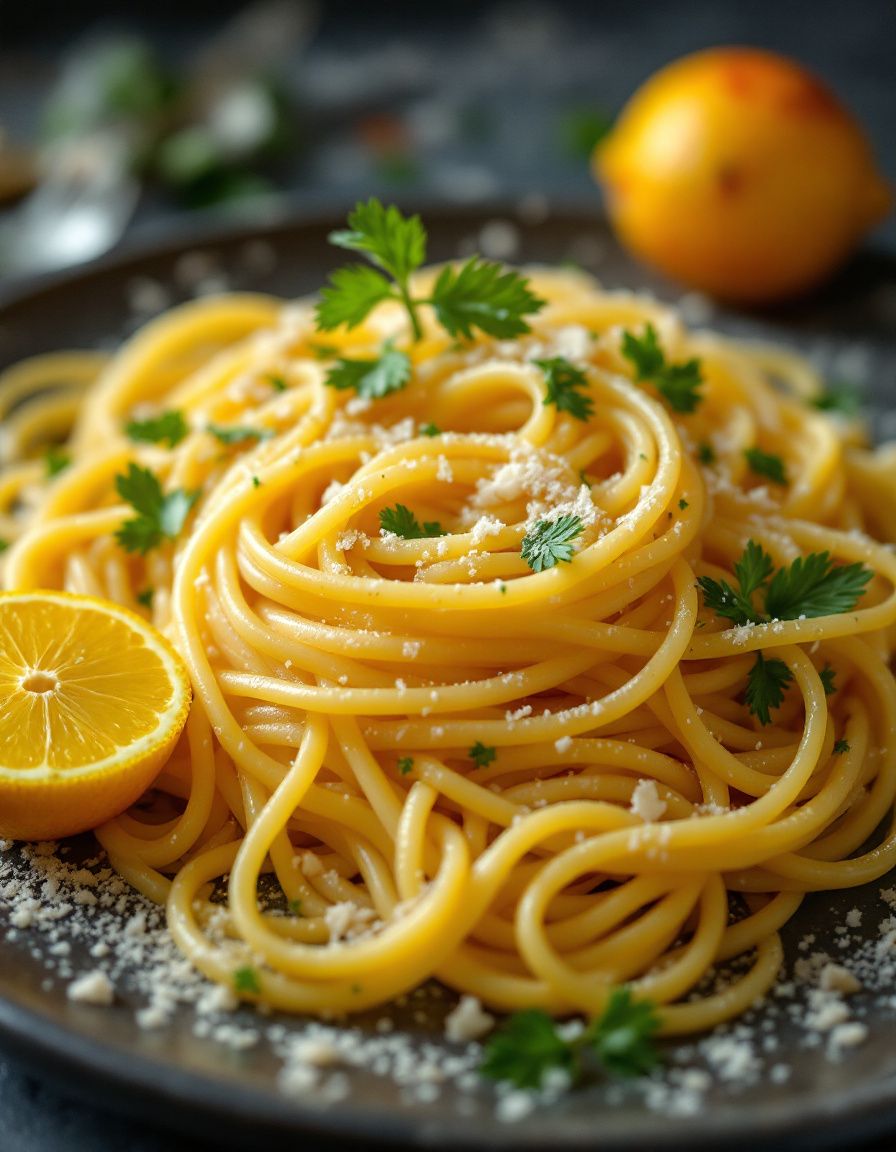
Pasta with Olive Oil and Garlic: A Simple and Delicious Italian Classic
Looking for an easy yet incredibly flavorful dish? Pasta with Olive Oil and Garlic is a staple in Italian cuisine that delivers on taste without requiring complicated cooking techniques. This dish celebrates the beautiful simplicity of its ingredients, allowing the rich olive oil and aromatic garlic to shine through. Perfect for a weeknight dinner or a cozy gathering, it brings comfort and warmth to your table.
The beauty of this Pasta with Olive Oil and Garlic lies in its vibrant flavors and alluring aromas. Each bite brings you the rich essence of high-quality olive oil combined with the irresistible scent of sautéed garlic. Often garnished with a sprinkle of fresh parsley and a grating of Parmesan cheese, it not only pleases the palate but also the eyes. This recipe captures the heart of Italian cooking—simple, fresh, and delicious.
Quick Recipe Highlights
- Flavor Profile: The dish is characterized by a rich, savory flavor from the olive oil and a mild sweetness from the garlic, balanced perfectly with a touch of salt and pepper.
- Texture: The pasta offers a satisfying chewiness, while the garlic provides a tender, almost creamy texture once cooked.
- Aroma: The aroma of sizzling garlic in olive oil fills your kitchen, creating an inviting and warm atmosphere while cooking.
- Visual Appeal: With its golden strands of pasta glistening in olive oil and a sprinkle of green parsley, this dish is as pleasing to the eye as it is to the palate.
- Skill Level Needed: This recipe is perfect for beginners and experienced cooks alike, as it requires minimal skill but results in impressive flavors.
- Special Equipment: A large pot for boiling pasta and a sauté pan for cooking garlic are all that’s needed to create this delicious dish.
Recipe Overview
- Difficulty Level: This Pasta with Olive Oil and Garlic is considered easy due to its straightforward steps, making it ideal for anyone looking to get a delicious meal on the table quickly.
- Category: It serves well as a main course or can be enjoyed as a side dish, making it versatile for any meal setting.
- Cuisine: Drawing from the rich culinary traditions of Italy, this dish is a reflection of the country’s love for quality ingredients and simple cooking methods.
- Cost: Cost-effective and easy to prepare, this dish typically requires common pantry ingredients that are not overly expensive.
- Season: Ideal for year-round dining, it’s particularly enjoyed in the summer when fresh herbs like parsley are abundant.
- Occasion: Perfect for casual family dinners, potlucks, or even as a cozy date-night dish.
Why You’ll Love This Recipe
Taste and texture appeal: The marriage of olive oil and garlic creates a unique depth of flavor that transforms simple pasta into something truly satisfying. Each twirl of pasta is coated in the golden oil, providing a silky mouthfeel that complements the tender texture of perfectly cooked noodles. A hint of parmesan or fresh herbs adds to the experience, making each bite an adventure for the taste buds.
Convenience and preparation benefits: This recipe is a lifesaver for busy days when time is short. With a total time of just 25 minutes from prep to table, it requires minimal effort. The ingredients are easily accessible and typically found in most kitchens, making spontaneous cooking possible.
Nutritional advantages: The garlic in this dish is not just delicious; it’s also packed with health benefits. Known for its antioxidant properties, garlic supports heart health. Combined with olive oil, known for its healthy fats, this dish offers a nutritious option without sacrificing flavor.
Social and entertaining value: Pasta with Olive Oil and Garlic is a dish that brings people together. Its comforting nature makes it an excellent choice for gatherings, allowing for easy servings and casual dining. The aroma wafting from the kitchen invites guests to linger and enjoy one another’s company.
Cost-effectiveness and accessibility: Each ingredient is budget-friendly, making this dish an ongoing favorite for families and individuals alike. Its simplicity and low-cost components don’t compromise on taste, ensuring that everyone can enjoy a gourmet-like experience without overspending.
Historical Background and Cultural Significance
The origin story of Pasta with Olive Oil and Garlic dates back to the humble kitchens of Italy, where simple ingredients were combined to create delicious dishes. It is believed to be a recipe that families have passed down through generations, showcasing the Italian art of making the most out of what’s readily available.
Culturally, this dish holds significant value not only as a everyday meal but also during celebrations. Various regions in Italy have their specialities that revolve around pasta. The core idea of combining garlic and olive oil is rooted in the Italian philosophy of emphasizing fresh, quality ingredients that are not over-processed.
The evolution of the recipe has seen numerous adaptations. Over time, this simple pasta dish has morphed into countless variations, influenced by local ingredients and preferences. From adding chili flakes for spice to incorporating seasonal vegetables, each rendition tells a story of creativity and home cooking.
Regional variations are abundant, with different areas of Italy putting their unique spin on this classic dish. For instance, in the southern regions, it’s common to find a version that includes fresh tomatoes or anchovies, showcasing the diversity of Italian cuisine and the adaptability of this beloved recipe.
Ingredient Deep Dive
Olive Oil: Olive oil is the cornerstone of this recipe, prized for its rich flavor and health benefits. Its history dates back thousands of years, with roots in Mediterranean cultures where it was used not only for cooking but also for medicinal purposes. Nutritionally, olive oil is high in monounsaturated fats, which are beneficial for heart health. When selecting olive oil, opt for extra virgin for the best flavor. Store it in a cool, dark place to maintain its freshness, and consider substitutions with avocado oil for a different taste.
Garlic: Garlic is a strong and flavorful addition that elevates this dish. With a rich history as a staple in cuisines worldwide, garlic is celebrated for its medicinal properties, said to help in boosting immune systems and lowering blood pressure. When buying garlic, look for firm, unblemished bulbs. Store it in a cool, dry place, and be mindful that jarred garlic is a convenient substitute but may lack freshness.
Pasta: The primary ingredient, pasta, comes in numerous shapes and sizes, each bringing a unique texture to the dish. Historically, pasta can be traced back to ancient civilizations, with roots in China and the Mediterranean. Its nutritional benefits include being a good source of carbohydrates for energy. When selecting pasta, choose high-quality varieties, preferably made from durum wheat for better texture and taste. Store pasta in a sealed container in a cool environment and it can be substituted with gluten-free options if needed.
Common Mistakes to Avoid
- Overcooking the pasta: Always cook your pasta al dente to ensure it retains its shape and texture during mixing with the sauce.
- Burning the garlic: Garlic cooks quickly and can turn bitter if overcooked. Sauté over a gentle heat, stirring continuously.
- Skimping on the olive oil: This dish relies on olive oil for flavor, so don’t be afraid to use a generous amount.
- Not seasoning enough: The salt in the pasta water enhances flavor, so season generously while boiling the pasta.
- Skipping the pasta water: Reserve some pasta cooking water to help bind the sauce and pasta together for a better consistency.
- Using low-quality ingredients: Using cheap oil or old garlic can affect the overall flavor of the dish. Choose the best ingredients you can find.
- Failing to toss well: Ensure the pasta is tossed thoroughly in the oil and garlic for an even distribution of flavors.
- Not incorporating herbs: Fresh herbs like parsley add a brightness to the dish; be sure to mix them in just before serving for the best flavor.
- Ignoring personal taste: Customize the amount of garlic, seasoning, and cheese to suit your palate, making the dish uniquely yours.
- Neglecting presentation: A beautiful garnish of parsley or a drizzle of olive oil can elevate the dish visually, making it even more appetizing.
Essential Techniques
Mastering the technique of cooking pasta is crucial. Observe the cooking time on the pasta package, but always taste a minute or two before the suggested time. This ensures you achieve the perfect al dente texture. Remember, pasta will continue to cook a little after draining, so it’s vital to catch it just in time.
Sautéing garlic properly is another key technique. Begin with a cold pan and low heat to gently release the garlic’s flavors without burning it. Stir frequently and use visual cues—cooked garlic should turn golden brown but not dark. It’s important to have your ingredients prepared in advance for this step, as it cooks rapidly.
Pro Tips for Perfect Pasta with Olive Oil and Garlic
Use the best quality olive oil you can afford for maximum flavor. This dish relies heavily on this ingredient, so don’t settle for ordinary.
Consider adding a pinch of red pepper flakes to give your pasta a gentle kick. This not only enhances its flavor profile but also marries beautifully with garlic’s natural warmth.
Experiment with different types of pasta to find your favorite pairing. Spaghetti is traditional, but penne, fettuccine, or even whole grain varieties can work wonderfully.
Incorporate seasonal vegetables such as zucchini or cherry tomatoes for added color and nutrition. Simply sauté them with the garlic to integrate.
Don’t forget the finishing touches! A sprinkle of fresh herbs or a squeeze of lemon can brighten the dish immensely.
Be sure to adjust the amount of garlic to your taste. If you love garlic, feel free to add more—it will only enhance the richness of the dish.
Add grated cheese just before serving, but also consider offering it on the side to let guests customize their dishes as they prefer.
Serve the pasta immediately after tossing to capitalize on its freshness—pasta can dry out if left sitting.
Variations and Adaptations
Consider adding protein such as grilled chicken, shrimp, or chickpeas for a heartier meal. These ingredients can easily enhance the dish, bringing added flavor and nutrition.
For a vegetarian twist, include sautéed mushrooms or spinach for added texture and taste. These ingredients blend well with the olive oil and garlic base.
To make this dish gluten-free, substitute traditional pasta with gluten-free options made of rice or chickpeas. This ensures you maintain the flavor while accommodating dietary restrictions.
Add seasonal herbs or greens, such as basil in the summer or kale in the winter, for a fresh, vibrant spin on your dish.
For a creamy version, drizzle in some heavy cream or a vegan alternative before serving, creating a luxurious texture.
If you like more acidity, consider adding a splash of lemon juice or a few capers for a zesty finish.
Presentation can also be switched up—with a lovely plate or bowl instead of a standard dish. A dusting of fresh herbs on top plus a drizzle of olive oil adds charm to your meal.
Serving and Presentation Guide
To make your Pasta with Olive Oil and Garlic visually appealing, consider using a large, shallow bowl or plate. Twirl the pasta into nests and top with freshly chopped parsley and a sprinkle of parmesan cheese.
Garnishing with extra virgin olive oil creates a glossy finish and adds an aromatic touch. You can add a slice of lemon on the side for guests who enjoy a citrusy kick.
Traditional accompaniments like crusty Italian bread pair beautifully and can be served alongside the dish for a complete experience.
Modern serving suggestions can include adding edible flowers or microgreens that elevate the dish and make it pop for special occasions.
Ensure that your pasta is served hot, maintaining temperature to optimize flavor. You might consider placing a warm dish beneath the serving bowl to keep it warm longer.
For portion control, providing serving spoons or separate platters ensures guests can help themselves without mess, making it a calmer dining experience.
Wine and Beverage Pairing
A crisp white wine like Pinot Grigio complements the light flavors of Pasta with Olive Oil and Garlic beautifully, enhancing the dish while refreshing the palate between bites.
For a non-alcoholic option, serve lemon-infused sparkling water to keep the meal light and bubbly, matching the freshness of the garlic.
If you’re a coffee lover, consider serving a light roast brewed cold with hints of lemon for a contrasting yet refreshing pairing after the meal.
Temperature considerations are vital—consume your white wine chilled and consider serving the sparkling drinks over ice with garnishes such as fresh mint for an added touch.
Serving a small glass of lemoncello or grappa can be a wonderful touch after the meal, celebrating the culinary roots of Italian culture.
Storage and Shelf Life
For storage, store any remaining Pasta with Olive Oil and Garlic in an airtight container in the refrigerator for up to three days. Always allow the pasta to cool before covering it to avoid condensation.
To ensure optimal flavor, reheat pasta over low heat on the stovetop or in the microwave with a sprinkle of olive oil to prevent it from drying out.
Keep an eye out for signs of spoilage, such as off smells or unusual changes in color, particularly in any added vegetables or proteins.
If you plan to freeze your pasta, consider only freezing portions without added garlic, as it may turn bitter when reheated. To freeze, store in airtight containers; it can last about a month.
When reheating, ensure that it’s thoroughly warmed throughout, checking the center with a fork. For a fresh taste, consider adding fresh herbs upon serving.
Make Ahead Strategies
To streamline your cooking process, prepare garlic-infused oil ahead of time. This allows the flavors to meld beautifully and adds convenience on busy nights.
Cook your pasta al dente ahead and store, tossing with a bit of olive oil to prevent sticking. This lets you easily warm it up when ready to serve.
Assess the quality impact of preparing ahead: while the dish holds well, fresh herbs like parsley should be added just before serving to maintain vibrancy.
If you’re hosting, arranging a pasta station with pre-portioned ingredients creates an interactive meal-serving experience for guests, allowing them to customize.
When considering fresh additions like cheese, wait until just before serving to grate or slice for the best presentation and taste.
Assembling leftovers can quickly make a gourmet-like lunch the following day. Just mix with some veggies or protein for enjoyment over again.
Scaling Instructions
For halving the recipe, simply divide all ingredient quantities by two, adjusting the seasoning as necessary for balance.
To double or triple, calculate the appropriate amounts while ensuring you have sufficiently larger cooking equipment, such as pots and pans, to accommodate the increase.
Timing modifications might be necessary when cooking larger batches, as boiling times can vary; be sure to taste frequently to monitor doneness.
Remember to store appropriately, as larger portions may require larger containers—keep in mind to account for expanding space in your fridge or freezer.
Consider that certain ingredients, like garlic, can become more prominent when scaled up; adjust seasoning to balance flavor even when increasing the dish.
Nutritional Deep Dive
In terms of macro breakdown, Pasta with Olive Oil and Garlic contains a balance of carbohydrates from the pasta, healthy fats from the olive oil, and proteins if cheese is added. This makes it a wholesome yet light option for meals.
Micronutrient analysis reveals that garlic is high in Vitamin C, B6, and manganese, while olive oil contains antioxidants that support overall health.
Health benefits are impressive; high-quality olive oil can improve cardiovascular health, while garlic may enhance your immune system, providing a nutrient-rich dining experience.
For portion analysis, a standard serving of pasta provides around 300 calories, but be mindful of additional toppings such as cheese and proteins which can add more calories and fat.
Weight management tips can be drawn from the recipe; with proper portion control and pairing with fresh vegetables, this dish can fit well into a balanced diet without compromising flavors.
Considering individualized dietary goals can enhance the healthfulness of the dish, allowing adjustments to suit personal needs.
Dietary Adaptations
For a gluten-free option, simply swap traditional pasta with gluten-free varieties made from rice or corn. Many brands mimic the texture of standard pasta exceptionally well.
Dairy-free adaptations include omitting cheese altogether or using plant-based cheese options, ensuring it retains a rich flavor profile without dairy.
To make it vegan, just exclude any cheese and consider adding nutritional yeast for a cheesy flavor profile that aligns with plant-based diets.
Low-carb and keto variations can be achieved by using spiralized zucchini or other vegetables in place of pasta, creating a low-carb substitute that still captures the essence of the dish.
Incorporating paleo ingredients typically involves using vegetable noodles and healthy fats while avoiding grains and processed food.
For low-FODMAP diets, ensure that the serving of garlic is minimized and use garlic-infused oil instead of raw garlic to maintain flavor without discomfort.
Considering other specific diets, always aim to keep the base ingredients wholesome while adapting to dietary preferences, enabling everyone to enjoy this simple dish.
Troubleshooting Guide
If you encounter texture issues with soggy pasta, ensure you’re not overcooking. Keep a watchful eye on the timer and always test for al dente doneness.
Flavor balance issues can arise if not enough salt is added during cooking. Remember, the pasta water should be salted adequately to enhance the taste of the overall dish.
In case of temperature problems, ensure your pan is sufficiently hot before you add the olive oil and garlic, as this helps to release the garlic’s flavor more effectively.
Equipment challenges can arise with inferior non-stick pans that don’t heat evenly. Invest in good quality cookware for satisfying results, preventing sticking or burning.
Ingredient substitutions can shift flavor dramatically, so be cautious if adjusting any primary ingredients, such as using low-quality garlic or oil as substitutes.
Timing concerns can occur during gatherings—if things don’t align, consider rewarming pasta gently over low heat, being careful not to overcook it again.
Recipe Success Stories
Feedback from our community highlights how easily this recipe adapts. Many have shared their variations, from adding seasonal vegetables to making it gluten-free and still enjoying the classic flavor.
Variations have led to interesting adaptations, particularly with the inclusion of fresh herbs or even proteins, turning this simple dish into crowd-pleasers for various gatherings.
Reader suggestions often revolve around using the pasta water method to enhance the sauce, a fantastic tip that many have found beneficial for smoother dishes.
Photography tips often accompany shared success stories, showcasing vibrant images that capture the essence of this delicious dish as both visually appealing and mouthwatering.
Additionally, several readers have reported enjoying late-night cooking adventures where this dish became their star meal, encapsulating its charm and simplicity in the kitchen.
Frequently Asked Questions
How can I make this recipe vegan?
To make Pasta with Olive Oil and Garlic vegan, simply skip adding cheese or use a plant-based alternative that aligns with your dietary needs while ensuring richness of flavor is not lost.
Can I use garlic powder instead of fresh garlic?
While garlic powder can substitute fresh garlic, it lacks the same depth of flavor. You might want to use less garlic powder, as it’s more concentrated.
What types of pasta work best for this recipe?
Spaghetti is traditional for this recipe, but feel free to use other pastas like linguine, penne, or even whole grain options that suit your preferences.
Can I add vegetables to the dish?
Absolutely! Adding vegetables like spinach, kale, or cherry tomatoes can complement the dish and boost its nutritional value. Make sure to sauté them lightly with the garlic.
How do you store leftovers?
Store leftover pasta in an airtight container; it can last for up to three days in the refrigerator. Just remember to add a drizzle of olive oil before reheating.
Can I prepare this dish ahead of time?
Yes, you can prepare the garlic-infused olive oil beforehand. Cook the pasta as directed and serve immediately for the best flavors and textures.
What’s a good wine pairing for this dish?
A crisp white wine like Pinot Grigio pairs excellently, enhancing the light flavors of the olive oil and garlic.
Is there a gluten-free option for this recipe?
You can easily make this dish gluten-free by substituting traditional pasta with gluten-free varieties made from rice or lentils.
How can I add protein to the recipe?
Consider grilling chicken, shrimp, or legumes like chickpeas which can be tossed into your pasta for added protein and flavor richness.
Can this dish be made spicy?
Yes! You can add red pepper flakes to the dish while sautéing the garlic for some heat, adjusting to your personal spice preference.
Additional Resources
Explore related recipes such as Spaghetti Aglio e Olio, a similar dish with its own twist, showcasing the beauty of simple Italian cooking.
For technique guides, check out instructions on how to perfectly sauté garlic or the art of choosing the best pasta.
Ingredient information can deepen your knowledge; understanding olive oil types and benefits enhances your cooking experience.
Equipment recommendations can also help—consider investing in a good-quality sauté pan and a pasta pot for optimal cooking results.
Lastly, seasonal variations offer you an experience tailor-made to available freshest ingredients, bringing in flavors from your local market for an elevated meal.
Join the Conversation
Engage with us on social media by sharing your creations and tagging us in your posts. We love to see how you bring this Pasta with Olive Oil and Garlic to life in your kitchens!
Share your own photography tips and present your unique takes on this classic dish, as every flavor story deserves a platform.
Your feedback and reviews help us evolve and continue providing delicious recipes, so let us know how you enjoyed this one.
Join our community food discussions and share variations you’ve tried; collaborative cooking always brings forth innovative ideas and delicious outcomes.
If you have suggestions or queries about the recipe, feel free to leave a comment—we value your thoughts and experiences!
The Recipe
Pasta with Olive Oil and Garlic
Serves: 4
Prep Time: 10 mins
Cook Time: 15 mins
Total Time: 25 mins
Kitchen Equipment Needed
- Large pot for boiling pasta
- Sauté pan
- Colander
- Measuring spoons
Ingredients
- 400g spaghetti
- 1/2 cup extra virgin olive oil
- 6 cloves garlic, thinly sliced
- Salt, to taste
- Freshly ground black pepper, to taste
- 1/4 cup fresh parsley, chopped
- Parmesan cheese, for serving (optional)
Directions
- Bring a large pot of salted water to a boil. Add the spaghetti and cook according to package instructions until al dente.
- In a sauté pan, heat olive oil over medium heat. Add the sliced garlic and sauté until golden, being careful not to burn it.
- Once the spaghetti is cooked, reserve a cup of pasta water and then drain the pasta.
- Add the drained spaghetti to the sauté pan, tossing to coat the noodles with garlic and oil.
- If the pasta looks dry, add a bit of reserved pasta water to achieve the desired consistency.
- Season with salt and pepper to taste, and stir in the fresh parsley.
- Serve immediately, topped with grated Parmesan cheese if desired.
Recipe Notes
- Feel free to customize this recipe by adding your favorite vegetables or proteins.
- For a gluten-free version, substitute with gluten-free pasta.
- If preferred, replace garlic with garlic powder for a milder flavor.