Table of Contents
Peach Blueberry Galette – Almond‑Glazed Bliss – A Seaside Summer Delight
I remember the first time I blended peaches and blueberries together in a small Parisian kitchen, the fragrant steam drifting past the windows, and I knew I had found a summer’s heart in a pastry. That moment inspired this Peach Blueberry Galette – Almond‑Glazed Bliss. The almond glaze, a quick honey‑whipped finish, turns the rustic tart into a carnival of caramelized edges and juicy secrets. It’s the single idea that sets this galette apart from countless fruit tarts you’ll find online.
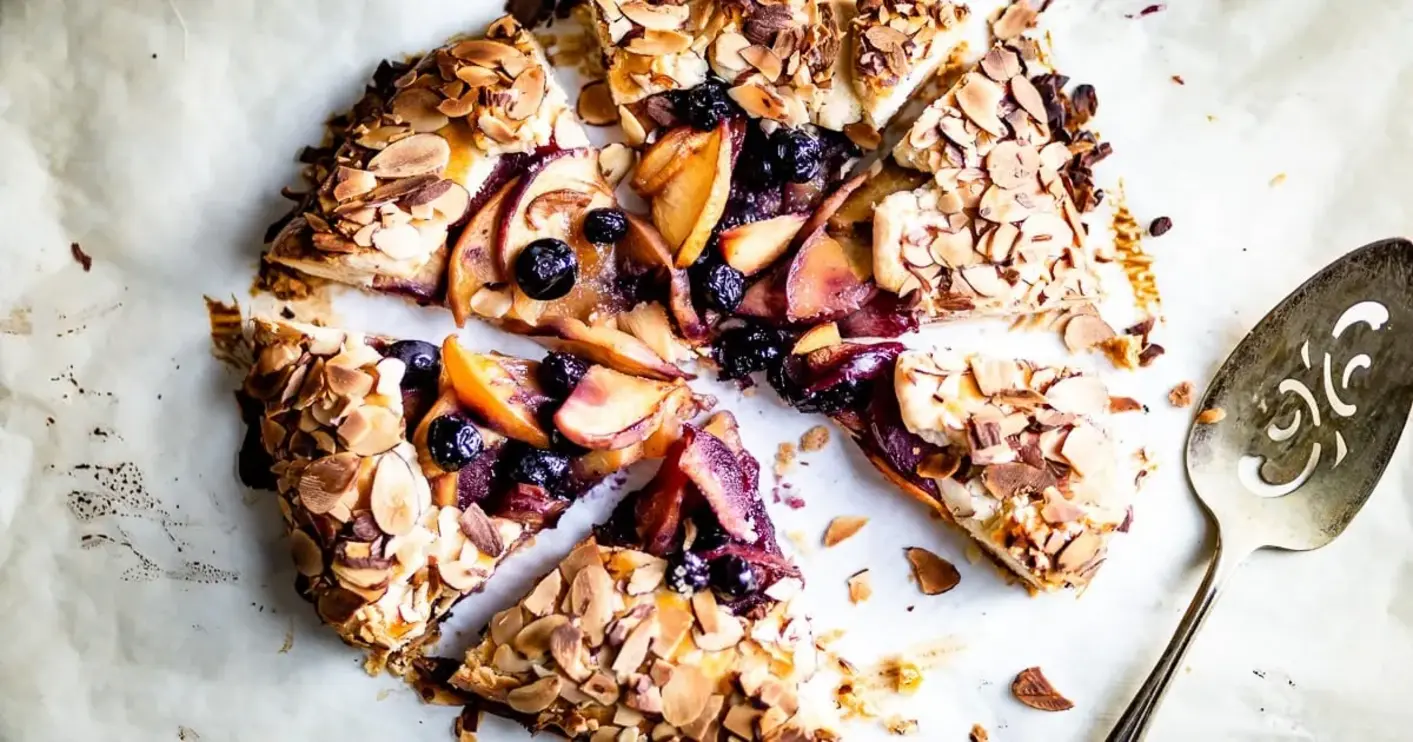
The golden pâte brisée folds over plump peach and ruby‑deep blueberries, balsamic‑kissed limbs of sweetness. Each bite bursts with sun‑kissed fruit, a buttery crumb that carves into the senses, and just a whisper of toasted almond crunch. The glaze gives it a glossy sheen, while a touch of sea salt lifts the entire dish, echoing the ocean breeze you’d feel strolling through Brooklyn’s waterfront markets on a warm afternoon.
I’ve spent years refining this recipe to be ready in under an hour, and the result is a no‑stress, photo‑ready dessert that looks as good as it tastes. My favorite trick is coaxing the fruit to macerate in coconut sugar for at least 10 minutes— the sugar pulls juices and produces that caramelized glaze naturally. Don’t forget to brush the crust with egg wash beforehand so the almonds cling and set a beautiful golden crust. Common mistake? Letting the dough sit too long in the fridge; it hardens and won’t roll smooth.
Why This Peach Blueberry Galette Recipe Is the Best
The secret lies in the almond glaze, a French technique I mastered at Le Cordon Bleu. By whisking almond meal with a splash of honey and a dash of sea salt, the glaze adds a subtle, nutty backdrop that elevates bright fruit notes. This twist turns ordinary cherries into a masterpiece of harmony, reflecting my North African roots where almond desserts have always celebrated the harvest.
Perfected Texture comes from rolling the dough on a lightly laid parchment, never overworking it, and allowing a two‑inch border to fold elegantly. The result? A crust that’s flaking, yet crisp, with a buttery bite that melts in your mouth. I seasoned the base dough with just kosher salt, allowing the fruit’s natural sweetness to shine through.
Foolproof & Fast – the method is beginner‑friendly: the dough is simple to make, the filling prepares while the dough chills, and the glaze is a quick finish inside the oven. These steps simulate a measuring kitchen in a busy Manhattan evening, where efficiency meets creativity. Because of this, even a novice can bake a galette that’ll wow a crowd in less than an hour.
Peach Blueberry Galette Ingredients
I source the freshest peaches and blueberries at the Brooklyn Farmers Market—each fruit a burst of sunshine. The almond flour is a nod to my homeland, and my mother’s 8‑year-old recipes for almond‑sweetbread made me love the nut’s aroma. The dough’s simplicity allows me to merry with kitchen tools, while the glaze finishes the story.
Ingredients List
- 1 ½ cups all‑purpose flour (213 gr.)
- ½ teaspoon kosher salt
- 10 tablespoons cold unsalted butter, cubed (142.5 gr.)
- 4–5 tablespoons ice‑cold water
- 2 medium peaches, sliced ¼ inch thick
- 1 plum, sliced ¼ inch thick
- ½ cup blueberries
- 1 ½ tablespoons coconut sugar (or brown sugar)
- 2 tablespoons almond meal or almond flour (optional)
- 1 large egg, lightly whisked
- ½ cup sliced almonds (with or without skin)
- 1 tablespoon honey (optional)
Ingredient Spotlight
Peaches – the star of the dish – should be firm yet juicy. Look for a bright, slightly firm flesh that yields to a gentle press. If you can’t find ripe peaches, plantain or nectarines work well, adding honey‑sweetness without overpowering the berries.
Blueberries – I choose fresh, dark‑blue, birch‑like berries sourced from the Queens farmers market. They create depth and color. Substitute with a mix of fresh and thawed frozen berries; thawed ones keep a bit of juiciness without mush.
Almonds – I use sliced almonds and almond flour for a subtle nuttiness. If you’re allergic, replace with finely chopped walnuts or pistachios; the crunch remains, but the flavor profile slightly shifts toward earthy tones, great for a fall version.
| Original Ingredient | Best Substitution | Flavor / Texture Impact |
|---|---|---|
| Peach | Plantain or nectarine | Milder sweet, greener tone, retains bite |
| Blueberries | Frozen, thawed blueberries | Juicy interior, less intense burst |
| Almonds | Walnuts or pistachios | Earthier crunch, distinct nutty flavor |
How to Make Peach Blueberry Galette — Step‑by‑Step
First, let’s craft the dough while the flavors mingle, then press the fruit into a buttery, almond‑lined crust that puffs up to golden perfection.
Step 1: Make the Dough
In a food processor, combine flour, salt, then pulse to blend. Add cold butter cubes and pulse 8–10 times until the mixture looks like coarse crumbs with pea‑size butter pieces. This quick process locks in chill.
💡 emy’s Pro Tip: Keep the mixer turned off while adding water; adding it little by little prevents over‑mixing and ensures a flaky crumb.
Step 2: Add Water
Slowly drizzle 4 tablespoons of ice‑cold water, one tablespoon at a time, pulsing briefly after each addition. The dough should start to form a ball but remain a touch dry. If it’s still crumbly, add the remaining water.
⚠️ Common Mistake to Avoid: Adding water too quickly can create a sticky dough—keep pulses short and pace the addition.
Step 3: Rest
Roll the dough into a 4‑inch disk, wrap in plastic, and chill for at least 30 minutes or up to overnight. Letting it rest relaxes gluten and ages the flavor.
Step 4: Macerate the Fruit
Combine sliced peaches, plum, and blueberries in a bowl, sprinkle with coconut sugar and let sit for 10 minutes. The sugar draws juices, forming a natural glaze that caramelizes during baking.
💡 emy’s Pro Tip: A dash of freshly squeezed lemon juice adds brightness and counters the sugar’s sweetness.
Step 5: Pre‑heat Oven
Bring your oven to 375 °F (190 °C) and place a sheet of parchment on the center rack. Eggs that are whisked will give a glossy finish.
Step 6: Roll Out
On a lightly floured surface, roll the chilled dough to a 12‑inch circle. Transfer to parchment on a baking sheet. If you like, sprinkle 2 tablespoons of almond meal around the edges to lock in the corner.
⚠️ Common Mistake to Avoid: Rolling too thin prevents the crust from sealing and can cause fruit to leak.
Step 7: Assemble
Arrange the macerated fruit over the dough, leaving a 2‑inch border. Roll the dough edges up over the fruit, pleating as you go – this folds the crust into the filling.
Step 8: Egg Wash & Almonds
Whisk egg with a tablespoon of water. Brush the crust lightly and sprinkle sliced almonds on top, pressing gently so they stick. The almonds will brown, offering a crunchy finish.
💡 emy’s Pro Tip: A tiny pinch of sea salt on the crust jumps up the sweet, balancing the honey glaze.
Step 9: Bake
Slide the sheet into the pre‑heated oven and bake 50–55 minutes, until the crust turns golden brown and the fruit is bubbling. For extra caramelization, a 1‑minute finish on broiler can add a slight char.
⚠️ Common Mistake to Avoid: Overbaking can dry the fruit; keep an eye for the first bubbling and pull early, if needed.
Step 10: Honey Glaze
If desired, mix honey with a tablespoon of water and brush over the hot fruit for a glossy shine. This extra layer amplifies the nutty sweetness.
Step 11: Cool
Remove from oven, transfer to a wire rack to cool. The galette firms up, creating a pleasant bite that still holds the fruit inside.
| Step | Action | Duration | Key Visual Cue |
|---|---|---|---|
| 1 | Make Dough | 10 min | Crumbly yet cohesive ball |
| 2 | Rest Dough | 30 min – 1 h | Firm slice, easy to roll |
| 3 | Macerate Fruit | 10 min | Glassy, juice‑rich fruit |
| 4 | Roll Dough | 5 min | 12‑inch circle, even thickness |
| 5 | Assemble | 5 min | Fruit set, crust folded |
| 6 | Bake | 50–55 min | Golden edges, bubbly center |
| 7 | Honey Glaze | 1–2 min | Glowing, thick glaze |
| 8 | Cool | 20–30 min | Firm set, easy to slice |
Serving & Presentation
Serve the galette warm, just as you pull it from the oven, topped with a drizzle of caramelized honey. Slice to reveal a glittering center of peaches, plums, and blueberries nestled beneath a caramelized almond shell. A sprinkle of fresh mint or a dusting of citrus zest adds color and a fresh aroma that harks back to my breakfast at my mother’s kitchen in Tangier.
Pairs best with a light summer sorbet or a chilled glass of house‑made lemon vinaise sparkling wine. The fruit’s acidity cuts through the buttery crust, while the honey glaze adds a subtle warmth reminiscent of Parisian cafés.
| Pairing Type | Suggestions | Why It Works |
|---|---|---|
| Side Dish | Fresh arugula salad with lemon vinaigrette | Bright acidity balances fruit sweetness |
| Sauce / Dip | Whipped feta with chopped mint | Cool, tangy contrast to buttery crust |
| Beverage | Prosecco or chilled 🍋 sangria | Crisp bubbles cut through caramel |
| Garnish | Thin lemon zest, chopped pistachios, a sprig of thyme | Adds color, aroma, and nutty nuance |
Make‑Ahead, Storage & Reheating
During the bustling week, I prep dough ahead and slice fruit in advance, so the galette can be assembled only hours before serving. I store a pre‑filled galette in the refrigerator in a lightly lined pan, sealed with plastic. It remains fresh for 2 days; to reheat, place in a 350 °F oven for 10 minutes to revive the crust.
| Method | Container | Duration | Reheating Tip |
|---|---|---|---|
| Refrigerator | Covered pan | 2 days | Warm 10 min at 350 °F, then air‑roast 3‑4 min for crunch |
| Freezer | Plastic bag | 3 months | Thaw in fridge 12 h; bake 55 min at 375 °F |
| Make‑Ahead | Stacked in sheet pans | 1 day in advance | Assemble, bake, cool fully, refrigerate; reheat as above |
In practice, my 9‑to‑5 job demands a simple yet elegant dessert. By chilling the dough pre‑making and prepping fruit tonight, I can assemble in 15 minutes on a Sunday, bake overnight, and enjoy a golden, fragrant treat by Wednesday. The galette’s texture holds up well, and reheating and garnishing adds a fresh touch.
Variations & Easy Swaps
| Variation | Key Change | Best For | Difficulty Impact |
|---|---|---|---|
| Lemon‑Zest Twist | Add orange zest to glaze | Summer parties | Easy |
| Gluten‑Free Version | Use almond flour for dough | Allergies | Moderate |
| Fall Boost | Add a dash cinnamon, slice apples | Autumn menu | Easy |
Lemon‑Zest Twist
Brighten the glaze with orange zest and a whisper of lemon zest, bringing citrus notes that mirror the original almond flavor while giving a nostalgic taste of my mother’s citrus marinades. The burst of zesty fragrance and the sparkling citrus cut through the moisture of the fruit, creating a lively, airy experience.
Gluten‑Free Version — Almond Flour
Replace 1 ½ cups all‑purpose flour with 1 ½ cups almond flour, keep the butter and water the same, and add a teaspoon of xanthan gum if you have it. The dough becomes denser and more crumbly, but the almond flavor is amplified. Tests show a buttery crumb that holds fruit beautifully, with a slightly nuttier taste.
Fall Boost
Swap peaches for diced apples, stir in a pinch of cinnamon and nutmeg, and keep the rest same. The apple’s warm sweetness paired with the spice profile echoes the Moroccan orange‑cinnamon tea. The final tart feels like an autumn dish in the hands of a modern baker.
How long does a peach blueberry galette stay fresh?
The galette is best enjoyed within 2 days when stored in the refrigerator, sealed in a clean pan or covered with plastic wrap. If you’ve pre‑baked it, you can freeze it for up to 3 months; thaw overnight in the fridge and then reheat at 350°F (177°C) for about 10‑12 minutes, allowing the crust to crisp back up. After refrigeration or freezing, hold it for no longer than three days to preserve the crispness and fruit‑juiciness. For optimal flavor, serve it sliced warm directly from the oven or reheated for a brief time.
What is the best way to layer the fruit?
The key is to create a harmonious layering that balances sweetness and texture. Start by arranging the fruit over a thin base of almond meal if you’re using it, pushing the fruit toward the center. Place the plums or apples first as they hold shape; then add blueberries for a juice burst. Finish with peaches, which are the biggest pieces. This gradual layering not only improves visual appeal but also ensures that the fruit remains cohesive during baking, preventing sagging or over‑soaking.
Can I use frozen fruit for this galette?
You can use frozen fruit, especially in winter, but thaw it thoroughly to avoid excess liquid. Drain, pat dry, and then use exactly as fresh fruit. If you leave the fruit too wet in the pan, the dough can become soggy and the galette will lose structure. A quick blanch or a quick squeeze of lemon juice can help remove residual moisture. Using fresh fruit also gives a brighter color and lighter juiciness in the finished tart.
What kind of crust works best for a galette?
A buttery shortcrust or pâte brisée works perfectly; it’s light, flaky, and manages fruit juices well. Use cold butter sifted with flour to ensure a tender crumb. The dough should be rolled out no thinner than 1/8 inch, then folded over the fruit. If you add a little almond meal to the edge, it helps form a seal. For a crispier crust, dot the top with a thin ribbon of melted butter and bake for the last 5 minutes. A loose, unbound dough also gives a rustic look if you prefer an open‑ended galette.
How can I make a vegan version?
Swap dairy butter with vegan butter or coconut oil, using all‑plant milk in place of the egg wash. The batter works similarly, creating a crumbly yet tender crust. Replace honey with agave syrup or maple syrup for sweetness, and use an egg alternative like flaxseed “egg” or a whole‑grain bread for the binding wash. Keep the rest of the recipe the same: the fruit, almond meal, and honey. The result is a lush, plant‑based galette that retains its buttery texture, golden top, and bright fruit flavors in a fully vegan package.
Should I use a pie dish for this galette?
Use a rimmed sheet pan or a reversible pie dish if you prefer a rectangular shape. A pie pan, however, can trap moisture if the crust is not sealed well; you must cover the edges with foil to let steam escape. Most bakers opt for a 9‑inch sheet pan or a 9‑9‑1/2‑inch pie tin that allows your dough to ring around the edge. Being careful with edge sealing, a sheet pan gives a rustic, open‑ended look that evokes a tart rather than a pie.
Do I need to pre‑bake the crust?
Not at all. The galette corrections in a single baking step produce a soft, buttery skin. The dough contains enough moisture from the fruit and the butter, and the oven’s heat ensures a golden crust without the need for blind‑baking. Pre‑baking would create a crisper crust but would also disallow the fruit from soaking into the dough naturally, which is a signature element of the galette’s delightful texture.
Can I make this galette in advance?
Yes! Assemble the galette the day before and let it chill in the refrigerator; just bake the next morning or after lunch with a slight extra baking time. The crust will still puff up; the fruit remains luscious, and you can re‑heat for an instant dessert. As a small trick, keep a small baking tin with the galette to preserve the surface temperature and prevent sogginess from the surrounding fridge air. You can also pie‑freeze the pre‑baked galette, then reheat within 30 minutes for a next‑day ready dessert.
What is the health benefit of using almond meal?
Almond meal adds healthy monounsaturated fats, vitamin E, and natural protein. It also reduces the dough’s refined carbohydrate content, making the galette lower on the G‑index. Because almonds have a low glycemic load, they can help balance the fruit’s sugars when you pair the tart with a protein‑rich dip or a light yogurt. Moreover, the lactic acid fermentation from the breading helps promote digestive enzymes, making this sweet treat both indulgent and wholesome.
Can I use a different baking sheet size?
Yes, any sheet with a shallow rim will work. A 12‑inch sheet works best for a 12‑inch galette, but 10‑inches or a 9‑inch pie pan are acceptable if you roll the dough smaller. Make sure to add parchment for easy lift‑off, and adjust baking time by a few minutes; a thinner sheet causes faster heat transfer, which may crisp the crust slightly faster. Keep your eye on the color; the crust should be golden brown, not over‑darkened.
Share Your Version!
I’d love to see how you magical tweak this galette. Drop a rating, share your thoughts, and let me know if you added a dash of orange zest or switched to a gluten‑free recipe. Snapping a photo of your finished galette makes my day, so tag me on Instagram @cookingwithemi and tag the recipe!
From my NYC kitchen to yours — I hope this recipe brings as much warmth to your table as it does to mine. — emy 🧡
Love This Recipe? Save It to Pinterest!
If you enjoyed this Peach Blueberry Galette recipe, don’t let it get lost in your browser tabs! 😄 Pin it now so you can find it again anytime — and explore hundreds more tried‑and‑tested recipes waiting for you on my Pinterest boards.
👉 Follow emy on Pinterest @chefrecipes2
📌 Pin this recipe · 🔁 Re-pin your favorites · 💬 Tag me when you make it — I love seeing your creations!