“`html
Table of Contents
50+ Seafood Main Dish Recipes – Easy & Delicious Dinner Ideas for Every Night
I still remember the first time I stood beside my mother in our tiny kitchen in Marrakech, watching her transform a simple fillet of fish into something truly magical with just a pinch of cumin, a squeeze of lemon, and a whisper of saffron. That moment sparked a love affair with seafood that has followed me from Morocco to the finest kitchens of Paris and now to my own bustling kitchen here in New York City. These 50+ seafood main dish recipes are the culmination of that journey — a collection that celebrates the ocean’s bounty with techniques I learned at culinary school in Paris and the bold, confident flavors I grew up with. Whether you’re looking for easy seafood dinners that come together in under 30 minutes or the best seafood recipes for dinner that will impress your guests, this guide has you covered.
Picture this: a perfectly seared piece of salmon with a crispy, golden crust and a tender, flaky center that yields at the gentle press of a fork. Imagine the aroma of garlic and white wine simmering with fresh mussels, their shells opening like tiny treasures releasing a fragrant, briny steam. Think of jumbo shrimp skewers charred on the grill, kissed with smoke and finished with a bright, herby chimichurri. Every recipe in this collection is built on a foundation of vibrant spices, fresh herbs, and the kind of thoughtful technique that makes seafood taste like it was prepared by a professional — even on a busy Tuesday night when you’re short on time and patience.
What sets these healthy seafood main courses apart is the philosophy I bring from my Paris training: respect the ingredient, master the technique, and let the flavors speak for themselves. I’ve tested each of these quick seafood meals multiple times to ensure they work in a real home kitchen with real-world schedules. In this post, I’ll share my most trusted pro tips — including how to tell when fish is perfectly cooked without a thermometer, the one mistake almost everyone makes when cooking shrimp, and how to use frozen seafood like a pro. From my NYC kitchen to yours, let’s make seafood the star of your dinner table.
Why This Seafood Recipe Collection Is the Best
The Flavor Secret — Every recipe in this collection draws on my Moroccan heritage and French training to create layers of flavor that are both bold and refined. I use a technique I learned in Paris called “beurre monté” — mounting cold butter into a warm sauce at the very end — to give seafood dishes a silky, luxurious finish without heavy cream. Combined with North African spices like cumin, paprika, and preserved lemon, these healthy seafood main courses deliver restaurant-quality flavor with minimal effort.
Perfected Texture — The number one complaint I hear about seafood at home is that it turns out rubbery or dry. That’s because most home cooks don’t know the single most important technique: the carryover cooking rule. I’ll show you exactly how to remove seafood from heat just before it’s fully done, letting residual heat finish the job. This French-trained approach guarantees tender, flaky results every single time, whether you’re pan-searing, baking, or grilling.
Foolproof & Fast — These easy seafood dinners are designed for real life. I’ve organized them by cooking method and total time so you can find the perfect recipe whether you have 15 minutes or an hour. Many use just one pan or sheet pan, meaning less cleanup and more time enjoying dinner. I’ve also included tested substitutions so you can swap in whatever seafood looks freshest at your market — no special trips needed.
Seafood Main Dish Recipes – Essential Ingredients
Growing up in Morocco, I learned that the best seafood starts with the freshest catch — and that lesson has never left me. On Saturday mornings in NYC, you’ll find me at the Union Square Greenmarket or the Fulton Fish Market, talking to the fishmongers about what came in that morning. The ingredients below are the building blocks of nearly every great seafood dish, and knowing how to choose and prep them makes all the difference between a good meal and an unforgettable one.
Ingredients List
- 1½ lbs fresh salmon fillet, skin-on or skinless
- 1 lb large shrimp (21-25 count), peeled and deveined
- 1 lb fresh mussels or clams, scrubbed
- 2 tbsp unsalted butter, cold and cut into small cubes
- 3 tbsp extra-virgin olive oil
- 4 cloves garlic, thinly sliced
- ½ cup dry white wine (like Sauvignon Blanc or Pinot Grigio)
- 1 lemon, zested and juiced
- 1 tsp smoked paprika
- ½ tsp ground cumin
- ¼ tsp cayenne pepper (optional, for heat)
- 2 tbsp fresh parsley, chopped
- 2 tbsp fresh dill, chopped
- 1 cup cherry tomatoes, halved (for sheet-pan versions)
- Coarse sea salt and freshly ground black pepper, to taste
Ingredient Spotlight
Salmon — The workhorse of healthy seafood main courses. Look for fillets with bright, even color and no fishy smell. The flesh should spring back when gently pressed. Wild-caught salmon has a richer flavor and firmer texture than farmed, but both work beautifully in these easy seafood dinners. If using frozen, thaw overnight in the refrigerator and pat very dry before cooking.
Shrimp — Arguably the most versatile ingredient for quick seafood meals. Buy shrimp with the shells on for maximum flavor — you can peel them after cooking or use the shells to make a quick stock. The “21-25 count” means 21 to 25 shrimp per pound, which is a perfect medium-large size for grilling, sautéing, or skewering. Frozen shrimp are actually fresher than “fresh” shrimp at many markets, since they’re flash-frozen at sea.
Mussels & Clams — These bivalves are my go-to for impressive yet easy seafood dinners. They cook in minutes and create their own sauce as they steam open. Look for shells that are tightly closed or close when tapped — any that stay open should be discarded. I learned to clean them in three changes of cold salt water in Paris; it mimics their natural environment and helps them expel any sand.
| Original Ingredient | Best Substitution | Flavor / Texture Impact |
|---|---|---|
| Salmon | Arctic char or trout | Milder flavor, slightly more delicate texture; cook time similar |
| Shrimp | Scallops (sea or bay) | Sweeter, more buttery flavor; cook time 2-3 minutes per side |
| Mussels | Clams (littleneck or manila) | Chewier texture, saltier brine; cook time 5-8 minutes |
| White wine | Dry vermouth or seafood stock | Vermouth adds herbal notes; stock adds deeper briny flavor |
| Smoked paprika | Sweet paprika + pinch of cumin | Less smoky depth but warm, earthy flavor remains |
How to Cook Seafood Perfectly — Step-by-Step
The key to the best seafood recipes for dinner is understanding that seafood cooks faster than most people realize. Once you learn to trust your senses — sight, smell, and touch — you’ll never overcook it again. Let me walk you through the process that I teach in my NYC cooking workshops.
Step 1: Choose & Prepare Your Seafood
Start with the freshest seafood you can find. For fish, look for clear eyes (if whole), bright red gills, and flesh that springs back when pressed. For shrimp, the shells should be firm and shiny with no black spots. Rinse under cold water and pat absolutely dry with paper towels — moisture is the enemy of a good sear. If using frozen seafood, thaw it overnight in the refrigerator, never at room temperature.
💡 emy’s Pro Tip: Place thawed seafood on a plate lined with paper towels, then cover with more paper towels and press gently. Let it sit for 5 minutes before cooking. This extra drying step guarantees a beautiful golden crust every time.
Step 2: Season with Intention
Season seafood generously with kosher salt at least 10 minutes before cooking — this allows the salt to penetrate and season from within, not just sit on the surface. For these easy seafood dinners, I use a blend of smoked paprika, cumin, and a touch of cayenne for warmth. Add freshly ground black pepper right before cooking, as it can burn and turn bitter if applied too early.
⚠️ Common Mistake to Avoid: Over-seasoning or under-seasoning. Seafood is delicate — use about ¾ teaspoon of salt per pound of fish or shrimp. That may sound like a lot, but remember that much of it will remain in the pan or be absorbed during cooking.
Step 3: Master the Cooking Technique
Heat your pan over medium-high heat until it’s hot enough that a drop of water sizzles and evaporates immediately. Add oil and swirl to coat. For fish, place it skin-side down (if skin-on) and press gently with a spatula for 10 seconds to ensure even contact. Cook without moving for 4-6 minutes depending on thickness. For shrimp, cook in a single layer — overcrowding will steam them instead of searing. Work in batches if needed.
💡 emy’s Pro Tip: For perfectly cooked fish, use the “basting” technique I learned in Paris: after the skin is crispy, add a knob of butter, a garlic clove, and a sprig of thyme to the pan. Tilt the pan and spoon the foaming butter over the fish for 1-2 minutes. This adds incredible flavor and helps cook the top gently.
Step 4: Check for Doneness
Seafood continues to cook after it’s removed from heat — this is called carryover cooking. For fish, it’s done when it flakes easily with a fork and the center is just slightly translucent. For shrimp, look for a C-shape (not a tight O-shape, which means overcooked). For mussels and clams, discard any that haven’t opened after cooking. A reliable instant-read thermometer should read 130°F-135°F for medium fish, 145°F for shrimp and shellfish.
⚠️ Common Mistake to Avoid: Waiting until the fish is fully opaque in the center before removing it from the pan. By then, it will be overcooked and dry. Remove it when the center is still slightly translucent — about 85% done — and let it rest on a warm plate for 2 minutes. The residual heat will finish the cooking perfectly.
| Step | Action | Duration | Key Visual Cue |
|---|---|---|---|
| 1 | Pat seafood completely dry | 5 mins | Paper towels come away dry, no moisture on surface |
| 2 | Season with salt and spices | 10 mins rest | Seasoning looks evenly distributed, surface appears slightly glossy |
| 3 | Sear in hot pan with oil | 4-6 mins | Golden brown crust forms on bottom; edges turn opaque about ¼ inch up |
| 4 | Flip and finish (or baste) | 2-4 mins | Second side is lightly golden; flesh flakes when gently pressed |
| 5 | Rest before serving | 2-3 mins | Juices redistribute; fish firms slightly and becomes uniformly opaque |
Serving & Presentation
In my Paris training, the plating professor always said: “We eat first with our eyes.” That has stayed with me through every dish I’ve ever made. For these seafood main dish recipes, I love to serve each portion on a warm, wide-rimmed plate — warming the plates in a low oven for 5 minutes keeps the food hot longer. Place the seafood slightly off-center, then spoon any pan sauce or butter around it in a sweeping motion, letting it pool naturally rather than drowning the protein.
A generous sprinkle of fresh herbs — parsley, dill, or cilantro — adds a pop of color and freshness that wakes up the whole plate. A wedge of lemon on the side is non-negotiable; that final squeeze of citrus brightens every bite and balances the richness of the seafood. For a touch of NYC inspiration, I sometimes add a small handful of micro greens or shaved fennel for crunch and elegance. The goal is a plate that looks as vibrant and inviting as the flavors taste.
| Pairing Type | Suggestions | Why It Works |
|---|---|---|
| Side Dish | Herbed couscous, garlic roasted potatoes, or lemony arugula salad | Light grains and greens complement seafood without overwhelming it; citrus cuts richness |
| Sauce / Dip | Beurre blanc, chermoula, or lemon-dill yogurt sauce | Butter sauces add luxury; chermoula brings Moroccan warmth; yogurt adds tangy freshness |
| Beverage | Crisp Sauvignon Blanc, dry rosé, or sparkling water with lemon | High acidity and bubbles cut through richness and cleanse the palate between bites |
| Garnish | Fresh dill sprigs, lemon zest curls, toasted almond slivers | Herbs and zest add color and fresh aroma; nuts provide a pleasant textural contrast |
Make-Ahead, Storage & Reheating
Between my recipe testing schedule and the chaos of NYC life, I’ve learned that a little advance prep goes a long way. Many of these seafood main dish recipes can be partially prepared ahead — think marinating shrimp, making compound butter, or pre-chopping vegetables — so that when dinner time rolls around, all you have to do is cook. Seafood is best enjoyed fresh, but with the right storage techniques, leftovers can still be wonderful for lunch the next day.
| Method | Container | Duration | Reheating Tip |
|---|---|---|---|
| Refrigerator | Airtight container, layered with parchment between pieces | Up to 2 days | Reheat gently in a covered skillet over low heat with a splash of water or wine, or enjoy cold in a salad |
| Freezer | Heavy-duty freezer bag, pressed flat to remove air | Up to 1 month | Thaw overnight in the fridge; reheat in a low oven (300°F) covered with foil for 8-10 minutes |
| Make-Ahead | Marinate seafood in a glass bowl covered with plastic wrap | Up to 8 hours in advance | Remove from fridge 15 minutes before cooking to take the chill off; pat dry again before searing |
One thing I always tell my readers: never reheat seafood in the microwave. It will turn rubbery and release all its moisture, leaving you with a sad, dry version of what was once a beautiful dish. Instead, use a gentle method — a warm oven, a covered skillet with a splash of liquid, or simply flake cold leftover fish into a fresh green salad with a bright vinaigrette. That last option is actually my favorite for busy NYC afternoons when I need a quick, protein-packed lunch.
Variations & Easy Swaps
One of the things I love most about these seafood main dish recipes is how adaptable they are. Whether you’re feeding a family with different tastes or working with what’s available at your market, a simple swap can completely transform the dish while keeping it just as delicious. Below are three of my favorite variations, each with a nod to the places and techniques that have shaped my cooking.
| Variation | Key Change | Best For | Difficulty Impact |
|---|---|---|---|
| Mediterranean Baked Fish | Bake instead of pan-sear; add tomatoes, olives, capers | Hands-off cooking, deeper flavor melding | Same — Easy |
| Gluten-Free Seafood Boil | Use corn and potatoes instead of pasta or bread | Gluten-free diets, casual gatherings | Same — Easy |
| Moroccan-Spiced Shrimp Skewers | Add harissa and preserved lemon; grill instead of pan-sear | Summer grilling, bold spice lovers | Same — Easy |
Mediterranean Baked Fish
This variation takes me straight back to the Parisian bistro where I first tasted fish baked en papillote — in parchment paper. The technique is surprisingly simple: place fish fillets on a bed of cherry tomatoes, olives, capers, and sliced garlic, drizzle with olive oil and lemon juice, seal the parchment packet, and bake at 400°F for 12-15 minutes. The fish steams in its own juices, absorbing all the briny, tangy flavors from the Mediterranean pantry. It’s one of the easiest and most impressive healthy seafood main courses you can make on a busy weeknight, and there’s virtually no cleanup.
Gluten-Free Seafood Boil
For a fun, casual dinner that feeds a crowd, try a gluten-free seafood boil inspired by the low-country boils I discovered during my time cooking in the US. Use andouille sausage (check for gluten-free), corn on the cob cut into thirds, baby potatoes, and your choice of shrimp, crab legs, or mussels. Boil the potatoes and corn first, add the sausage and seafood in the last 5 minutes, then drain and toss with melted butter, garlic, and Old Bay seasoning. Serve it right on the table on a sheet of parchment for a communal, hands-on meal that’s naturally gluten-free and deeply satisfying.
Moroccan-Spiced Shrimp Skewers
This is the recipe that most directly honors my Moroccan roots. Marinate large shrimp in a mixture of olive oil, lemon juice, minced garlic, ground cumin, sweet paprika, a pinch of cayenne, and a tablespoon of harissa paste for at least 30 minutes. Thread onto skewers and grill over medium-high heat for 2-3 minutes per side. The harissa adds a smoky, layered heat that builds slowly, while the lemon keeps everything bright and fresh. I love serving these on a bed of fluffy couscous with a dollop of yogurt sauce mixed with fresh mint and a pinch of salt. It’s a quick seafood meal that transports you straight to a Marrakech evening.
What is the best seafood for a quick and easy weeknight dinner?
For quick and easy weeknight dinners, I always recommend shrimp, scallops, and salmon fillets. Shrimp cook in just 2-3 minutes per side and require almost no prep if you buy them peeled and deveined. Scallops — especially sea scallops — sear beautifully in under 4 minutes and feel fancy with minimal effort. Salmon fillets about 6 ounces each cook evenly in a hot pan in about 8 minutes total. All three are widely available in US grocery stores, freeze well, and pair with almost any sauce or side you have on hand. I keep a bag of frozen shrimp in my NYC kitchen at all times for last-minute dinners.
Can I substitute frozen seafood for fresh in these main dish recipes?
Absolutely — and honestly, frozen seafood is often fresher than what’s labeled “fresh” at many supermarkets. Most frozen seafood is flash-frozen at sea within hours of being caught, which locks in nutrients and flavor. For the best results, thaw frozen seafood slowly in the refrigerator overnight, then pat it very dry with paper towels before cooking. The only adjustments you may need to make are adding 1-2 minutes of cooking time for frozen-thawed fish and reducing any added salt since some frozen seafood is pre-brined. I use frozen shrimp, scallops, and fish fillets regularly in my own kitchen, especially during busy NYC weeks.
What are the most common mistakes to avoid when cooking seafood?
The three most common mistakes I see home cooks make are overcooking, overcrowding the pan, and skipping the drying step. Overcooking is the biggest culprit — seafood continues to cook from residual heat even after you remove it from the pan, so take it off the heat when it’s just slightly underdone. Overcrowding the pan causes the temperature to drop and the seafood to steam instead of sear, which prevents that beautiful golden crust. And failing to pat seafood dry with paper towels means excess moisture creates steam in the pan, again preventing proper browning. Avoiding these three pitfalls will instantly elevate your seafood cooking.
How do I know when seafood is fully cooked without overcooking it?
Learning to read seafood’s doneness by sight and touch is a skill that will serve you for life. For fish fillets, look for the flesh to become opaque about three-quarters of the way up from the bottom, with the center still slightly translucent. When you gently press the fish with your finger, it should flake easily but still hold together. For shrimp, watch for them to curl into a loose C-shape — a tight O-shape means they’re overcooked. For scallops, they should feel firm to the touch but still have a slight give in the center. An instant-read thermometer is the most reliable tool: 130°F-135°F for medium fish, 145°F for shrimp and shellfish. Remove seafood from heat just before it reaches your target temperature, as carryover cooking will finish the job.
What are the healthiest types of seafood to eat regularly?
For regular consumption, I recommend fatty fish like salmon, mackerel, sardines, and trout — they’re rich in omega-3 fatty acids, which support heart and brain health. Salmon is especially versatile for healthy seafood main courses and is widely available in the US. Shrimp and scallops are lean protein sources that are low in calories and cook quickly. For sustainability, look for wild-caught Alaskan salmon, US-farmed shrimp, and pole-caught tuna. The FDA and EPA recommend eating 2-3 servings of seafood per week, so I always encourage my readers to rotate different types of seafood to get a variety of nutrients and to minimize exposure to any potential contaminants.
How do I remove the fishy smell from seafood before cooking?
Fresh seafood should have a mild, briny scent reminiscent of the ocean — not a strong fishy odor. If you notice an off smell, the seafood may not be fresh. For seafood that is fresh but still has a slight fishiness, a quick soak in milk or buttermilk for 10-15 minutes can neutralize any strong odors. The casein in milk binds to the compounds responsible for fishiness and washes them away. Alternatively, a rinse under cold water followed by a rub with lemon juice or vinegar works well. Always pat the seafood dry thoroughly after any soaking or rinsing to ensure proper browning during cooking. Storing seafood on ice in the refrigerator also helps maintain freshness.
Can I cook frozen seafood directly without thawing?
Yes, you can cook many types of seafood directly from frozen, which is a lifesaver for busy weeknights. Fish fillets, shrimp, and scallops can all be cooked without thawing — just add 2-3 minutes to the cooking time. For fish, brush the frozen fillets with oil, season, and bake at 400°F for 12-15 minutes or pan-sear over medium heat. For shrimp, add them directly to a hot pan and cook until pink and curled. One important note: pat the frozen seafood dry as best you can before cooking to avoid excess moisture. The texture may be slightly less firm than thawed seafood, but it’s perfectly delicious and convenient.
What wine pairs best with seafood main dishes?
As a rule of thumb, white wines with high acidity and minerality are the classic pairing for most seafood. A crisp Sauvignon Blanc from the Loire Valley or New Zealand cuts through the richness of oily fish like salmon and complements the brininess of shellfish. Unoaked Chardonnay from Chablis has a clean, steely finish that works beautifully with delicate white fish. For richer preparations like creamy seafood pasta or butter-basted lobster, a fuller-bodied white like a lightly oaked Viognier is lovely. And don’t overlook dry rosé — it’s incredibly versatile with everything from grilled shrimp to seared scallops, especially in warmer months.
How do I keep seafood from sticking to the pan?
Seafood sticking to the pan is one of the most frustrating kitchen problems, but it’s easy to prevent with the right technique. First, make sure your pan is hot enough — a drop of water should sizzle and evaporate instantly. Add oil with a high smoke point like avocado or grapeseed oil and swirl to coat the entire surface. Pat your seafood completely dry before adding it to the pan — moisture is the enemy of a good sear. Place the seafood gently in the pan, laying it away from you to avoid oil splatter. Then, leave it alone for at least 3-4 minutes. The seafood will naturally release from the pan when a golden crust has formed. If it’s sticking, it’s not ready to flip yet. A well-seasoned cast-iron or stainless steel skillet also makes a big difference.
What are the best side dishes to serve with seafood main courses?
I love pairing seafood with sides that are light, fresh, and complementary rather than heavy or overpowering. A simple arugula salad with lemon vinaigrette adds peppery freshness that cuts through rich fish. Garlic sautéed spinach or Swiss chard is a quick, nutrient-packed side that cooks in minutes. For starch, herbed couscous, quinoa, or roasted baby potatoes are excellent choices — they soak up any pan sauce beautifully. Steamed asparagus or haricots verts with a squeeze of lemon add color and crunch. And for a Moroccan touch, I often serve a side of roasted carrots with cumin and honey, which brings a lovely sweetness that balances the savory seafood flavors.
Share Your Version!
I absolutely love hearing from you when you try one of these seafood main dish recipes in your own kitchen. Did you try the Moroccan-spiced shrimp skewers? Did you invent a new variation with whatever was in your fridge? Drop a star rating and a comment below — it helps other readers know what works, and it truly makes my day to see how you make these recipes your own. If you share your creation on Instagram or Pinterest, tag me @cookingwithemy so I can see your beautiful plates and maybe even feature you in my stories!
One question I’d love for you to answer: which seafood dish are you most excited to try first, and what’s one ingredient you always keep in your freezer for quick meals? Your answers inspire future recipes and tips that I create for this community. From my NYC kitchen to yours — I hope this collection brings as much warmth and flavor to your table as it does to mine. — emy 🧡
Love This Recipe Collection? Save It to Pinterest!
If you enjoyed these 50+ Seafood Main Dish Recipes, don’t let them get lost in your browser tabs! 😄 Pin this guide now so you can find it again anytime — and explore hundreds more tried-and-tested recipes waiting for you on my Pinterest boards.
👉 Follow emy on Pinterest @cookingwithemy
📌 Pin this guide · 🔁 Re-pin your favorites · 💬 Tag me when you make a recipe — I love seeing your creations!
🐟 Which seafood dinner will you try first?
Drop a comment below and let me know! I read every single one and love hearing about your cooking adventures.
“`
Print

50+ Seafood Main Dish Recipes
Description
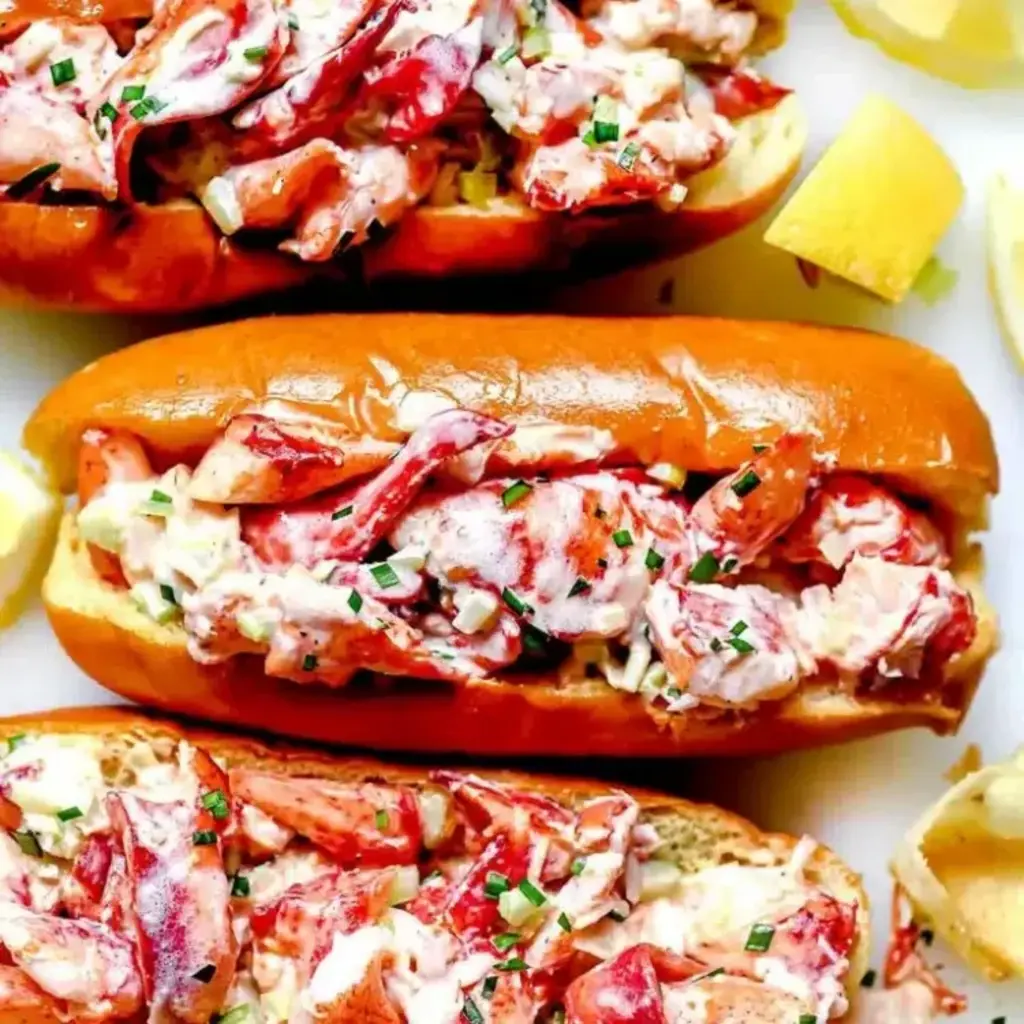
In this recipe, the lobster is warmed in butter then added to the simple mayonnaise dressing before getting loaded into a soft, buttery toasted, split top bun.
Instructions
Tried This Recipe? Leave a Comment!
Did you make this recipe? I’d love to hear how it turned out! Please leave a comment and a rating below. Your feedback helps other home cooks and supports cheerychop.com!
For more delicious inspiration, follow me on Pinterest!