Table of Contents
The Best Ever Greek Chicken Marinade six-ingredient magic – Juicy Greek Chicken in Minutes
I first discovered the magic of a Greek chicken marinade in a bright market stall in Marrakesh, where a vendor mixed olive oil, lemon, garlic, thyme, mustard and salt in a simple bowl. That swirl of ingredients felt like a dance, and every bite was juicy and fragrant. In this New York kitchen, I’ve refined that mix into a six‑ingredient powerhouse that lets you grill or bake your next meal in minutes, delivering restaurant‑level flavor without the fuss.
The aroma of fresh lemon and thyme rises like a Mediterranean sunrise, while the garlic gives a bite of spice that cuts through the oil. As the mustard threads together the flavors, the salt brings out the chicken’s natural sweetness, and as I whisk them together the mixture glistens like a sun‑kissed sea. A single drizzle of this sauce transforms a plain piece of poultry into a vibrant centerpiece that pairs beautifully with grilled veggies, warm pita, or a simple Greek salad.
The beauty of this recipe lies in its simplicity—only six ingredients—and the confidence I feel when I let the flavors mingle for just a couple of hours. A common mistake is over‑marinating; I learned that 24 hours can let the oil overpower the citrus, so I suggest aiming for that sweet spot between 1–2 hours. Pro tip: keep the whisk in a long‑arm bowl so you can toss the chicken without mess—this small tweak saves time during a busy NYC evening.
Why This Greek Chicken Marinade Recipe Is the Best
The flavor secret comes from marrying the bright citrus of lemon with the herbaceous warmth of thyme, all brought together by the subtle kick of Dijon mustard. My Paris culinary training taught me how mustard acts as a tenderizer, while a Moroccan soul reminds me that olive oil can bind notes into a silky coating, making every bite succulent.
Perfected texture is achieved by whisking the oil into a smooth emulsion, allowing it to cling to the chicken like a second skin. That skin stays crisp on the grill, cradling a juicy interior that releases a burst of lemony aroma with each bite—a technique I first honed in a small bistro kitchen in Paris where every chicken was a lesson in balance.
Foolproof & fast, the recipe requires no hidden ingredients or specialized equipment—just a bowl, a whisk, and your favorite protein. Because every element is essential, newcomers feel confident tackling the steps while seasoned cooks appreciate the refined harmony of flavors; it’s a recipe that fits seamlessly into any meal plan.
Greek Chicken Marinade Ingredients
I head to my favorite farmers market near Union Square for the freshest produce. The olive oil comes from a boutique co‑op in the city, lemon slices from a stall that still hand‑cuts each fruit, and the thyme from a vendor who preserves the herbs with olive oil—every bite carries that neighborhood buzz.
Ingredients List
- 1/4 Cup Olive Oil
- 1 Lemon (juiced)
- 2 Garlic Cloves, crushed
- 2 Teaspoons Thyme, chopped
- 1 Teaspoon Dijon Mustard
- 1 Teaspoon Salt
Ingredient Spotlight
Olive Oil: Choose a cold‑pressed extra‑virgin olive oil for brightness. If you need a substitute, extra‑virgin olive oil stays the same; a lighter olive oil will reduce the depth of flavor. Good oils are smooth, fruity, and have a low bitterness.
Lemon: Freshly squeezed lemon delivers a clean, bright acidity. If lemons aren’t in season, a splash of high‑quality orange‑juice or 2 tsp of lemon yogurt can substitute; the taste will be sweeter and slightly less tart.
Garlic: The crushed cloves become aromatic, but you can grind raw minced garlic for a milder kick. For a smoky twist, use roasted garlic—just add a pinch of smoked salt to keep the flavor profile balanced.
Thyme: Fresh leaves give a subtle earthiness. If you can’t find fresh thyme, dried thyme works, but add half the amount as the dried version is more potent; a pinch of oregano can replace thyme for a different herb tone.
Dijon Mustard: The mustard brings tang and serves as a natural emulsifier. Substitute with whole‑grain mustard for extra texture, or with a light brown mustard for a sweeter note.
| Original Ingredient | Best Substitution | Flavor / Texture Impact |
|---|---|---|
| Olive Oil | Extra‑Virgin Olive Oil | Increases fruity depth; slight bitterness |
| Lemon | Orange Juice | Sweeter, less sharp acidity |
| Garlic | Roasted Garlic | Smoky, mellow |
How to Make The Best Ever Greek Chicken Marinade — Step-by-Step
Begin with a clean bowl and a whisk, and let the flavor dance as we build the coating that will keep the chicken tender all the way to the finish.
Step 1: Whisk Marinade
Combining the olive oil, lemon juice, garlic, thyme, Dijon mustard, and salt, whisk until the mixture is a silky, homogeneous emulsion that coats the mixture lightly.
💡 emy’s Pro Tip: Use a whisk with long arms to reach the back of a deep bowl—this prevents splattering and makes the process cleaner.
Step 2: Pour Marinade
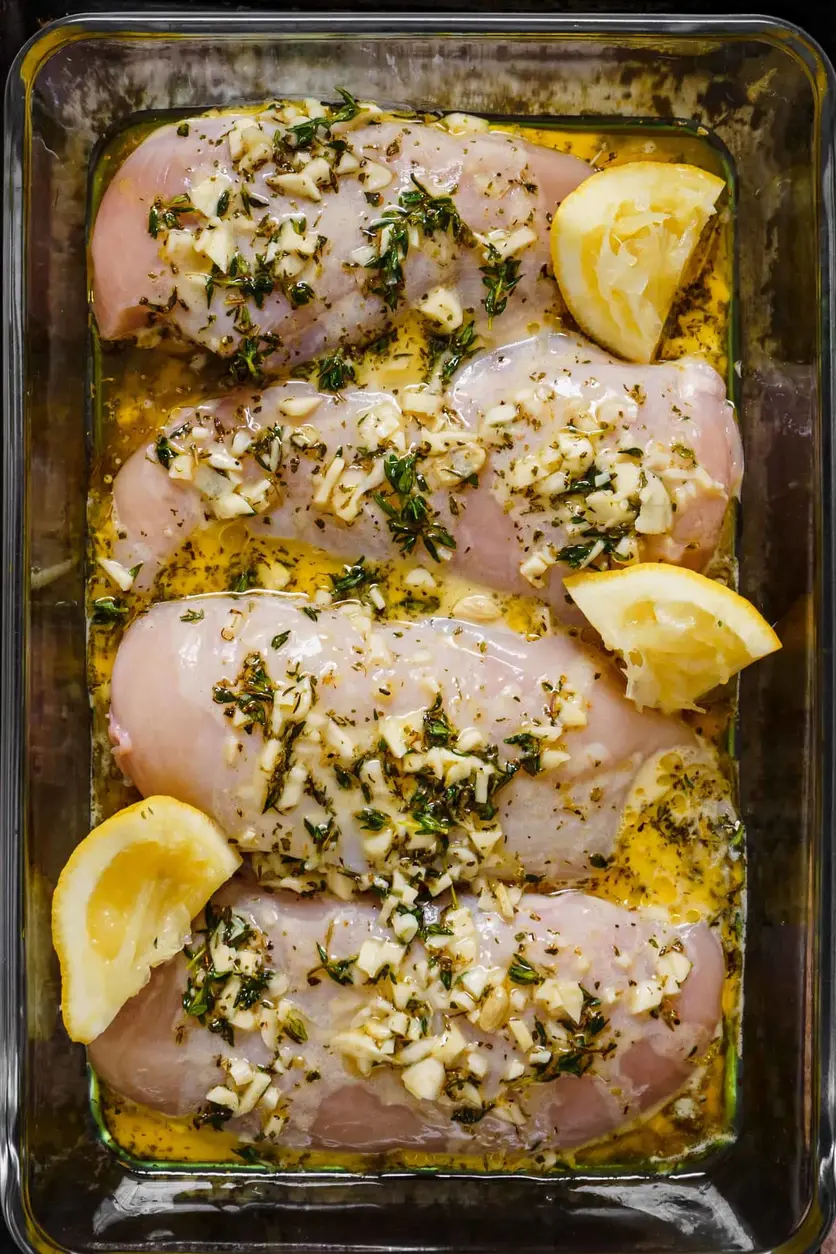
Gently pour the prepared mixture over the chicken pieces in a shallow dish, ensuring each piece is fully coated. Gently fold the chicken to mix the marinades evenly.
⚠️ Common Mistake to Avoid: Skipping the fold—if the pieces stay in clusters, they’ll absorb unevenly and taste uneven.
Step 3: Marinate Chicken
Cover the dish loosely with cling film and let the chicken sit in the fridge for a minimum of 1 hour and up to 24 hours. The longer you marinate, the more aromatic flavors penetrate.
💡 emy’s Pro Tip: For 1‑hour marination, roll the chicken in parchment and refrigerate. For full 24‑hour flavor infusion, consider using a paper bag to keep moisture in.
Step 4: Cook Chicken
Pre‑heat your grill or oven to 400 °F (205 °C). Place the chicken on the grill grates or a baking sheet, cooking for about 15 minutes or until the internal temperature reaches 165 °F (74 °C). The skin will turn golden‑brown and a fragrant steam will rise.
⚠️ Common Mistake to Avoid: Cooking on low heat—this will cause the oil to separate and leave chicken dry. Keep the heat high enough for a crisp exterior.
Step 5: Store Leftovers
Let any cooked chicken cool to room temperature, then transfer to an airtight container and refrigerate for up to one week. This dish reheats beautifully in a skillet or microwave.
💡 emy’s Pro Tip: Re‑warm the chicken in a thin splash of olive oil in a skillet to keep it from drying out.
| Step | Action | Duration | Key Visual Cue |
|---|---|---|---|
| 1 | Whisk Marinade | 5 min | Opaque, glossy swirl when whisked |
| 2 | Pour Marinade | 2 min | Thin uniform coat over chicken |
| 3 | Marinate Chicken | 1–24 hrs | Marinade thickens slightly over time |
| 4 | Cook Chicken | 15 min | Golden‑brown crust, steam clouds |
| 5 | Store Leftovers | Up to 7 days | Moist meat, bright juices |
Serving & Presentation
Plate the chicken amidst a bed of warm pita and a scoop of creamy tzatziki, garnish with chopped oregano and a dusting of lemon zest. The vivid green thyme and bright orange lemon slices create a Mediterranean tableau that’s as pleasing to the eye as it is to the palate.
For a New York twist, drizzle the cooked chicken with a balsamic reduction and scatter roasted cherry tomatoes around it; the sweet acidity cuts through the richness of the olive oil. A side of saffron rice or a crisp Greek salad completes the plate and brings a comforting yet vibrant depth.
| Pairing Type | Suggestions | Why It Works |
|---|---|---|
| Side Dish | Roasted bell peppers, quinoa, Greek salad | Adds texture and fresh acidity |
| Sauce / Dip | Tzatziki, hummus, roasted garlic aioli | Provides cool, creamy contrast |
| Beverage | White wine (Sauvignon Blanc), sparkling water, lemon‑infused soda | Balances the oil with crisp acidity |
| Garnish | Lemon wedges, fresh thyme, toasted pine nuts | Enhances aroma and visual appeal |
Make-Ahead, Storage & Reheating
I’m a whirlwind in Manhattan, so I often batch‑cook for the week. This marinades well, so I pack up six portions tonight and keep them in the fridge for easy weekday dinners.
| Method | Container | Duration | Reheating Tip |
|---|---|---|---|
| Refrigerator | Airtight glass jar | Up to 7 days | Warm in skillet with a splash of olive oil |
| Freezer | Plastic freezer bag | Up to 3 months | Thaw overnight, then re‑cook briefly |
| Make-Ahead | Shallow plastic container | Up to 2 days in advance | Finish cooking immediately after thawing |
When I reheat, I slide the chicken back into a hot pan with a splash of water and cover for a minute to keep juices locked in. That small step makes a big difference, preserving the tender glaze that defines this dish.
Variations & Easy Swaps
| Variation | Key Change | Best For | Difficulty Impact |
|---|---|---|---|
| Greek Chicken Marinade with Honey | Add 1 tbsp honey to sweeten | Perfect for BBQ lovers | Easy, stays within easy |
| Gluten‑Free Variant | Use tamari instead of mustard | Great for gluten sensitivity | Easy |
| Spring Herb Twist | Swap thyme for basil and mint | Fresh summer feast | Easy |
Greek Chicken Marinade with Honey
Swapping a spoonful of honey for a portion of mustard adds a bright, caramelized lift that pairs delightfully with a smoky grill finish, reminiscent of a Moroccan tagine sweet glaze.
Gluten‑Free Variant — Tamari Mustard Blend
By replacing Dijon mustard with tamari, you keep the emulsifying power without the wheat base, ensuring a clean, savory bite that satisfies those avoiding gluten while retaining that same tender, glossy look.
Spring Herb Twist — Basil & Mint
A fresh spring palate turns up the aromatic profile by swapping thyme for a handful of basil and mint leaves, giving the chicken a bright, floral finish that brightens any brunch spread.
What is the best length of time to marinate chicken for Greek flavor?
For the freshest and most intense Greek flavor, keep the chicken in the fridge for at least one hour so the acidity from the lemon can tenderize. If you need more depth, let it sit for up to 24 hours—just make sure you store it in an airtight container to keep the oil from separating. This range preserves the bright citrus notes and prevents the chicken from becoming soggy.
Can I use bottled lemon juice instead of fresh lemon?
Yes, but fresh is best. Bottled lemon juice lacks the bright, natural acidity and aroma that fresh zest and juice bring to the dish. If you don’t have fresh lemons, choose the highest quality bottled version and consider adding a pinch of sea salt or a dash of vinegar to mimic the brightness. However, keep in mind that the overall depth will be a bit softer.
What can I substitute for Dijon mustard?
You can swap Dijon for whole‑grain mustard, which still provides that hearty texture and zing, or use a milder honey mustard if you prefer a sweeter profile. The key is to keep the mustard’s emulsifying power so the oil blends smoothly and helps coat the chicken. Avoid plain yellow mustard, as it lacks the acidity and depth needed.
How do I store leftover marinated chicken?
Transfer the marinated chicken to a tight‑sealing container or zip‑top bag and refrigerate. Use within 24 hours for maximum flavor and food safety. For longer storage, freeze the chicken in a freezer‑safe bag; thaw in the refrigerator overnight before cooking. Always reheat to 165 °F (74 °C) to ensure safe consumption.
Is this recipe safe for people with red‑food sensitivities?
The core ingredients are simple: olive oil, lemon, garlic, thyme, mustard, and salt. While mustard is an allergen for some, you can omit it or substitute with a mustard‑free sauce. The rest of the dish is free of common allergens like dairy, gluten, or soy, making it a relatively safe choice for many dietary restrictions.
Can I use a pressure cooker instead of a grill?
Yes, a pressure cooker will cook the chicken quickly and keep it moist, but it won’t give the crisp, golden exterior found on a grill. The mustard in the marinades help maintain a decent texture, but if you prefer a softer bite, a pressure cooker is a viable alternative. Finish with a quick sear if you like a little crisp.
What side dishes go best with Greek chicken?
A bright Greek salad or cucumber feta salad provides a refreshing counterpoint. For something heartier, try roasted vegetables or a grain like quinoa or couscous. These dishes balance the richness of the olive oil while echoing the Mediterranean flavors that the chicken brings to the table.
Does the mustard become too tangy over long marination?
Over a 20‑hour marination, the mustard’s sharpness can become more pronounced, which some people prefer for a stronger zing. If you’re cautious, limit the marination to 12 hours to keep the mustard’s acidity balanced with the citrus and oil. Taste the sauce before use to verify the flavor profile remains harmonious.
What type of chicken works best for this recipe?
Bone‑in thighs or drumsticks retain moisture and develop a beautiful skin when marinated and cooked. Boneless skinless breasts are also great; they cook quickly and offer a leaner bite. For a mix, combine thighs for juiciness and breasts for a lighter finish. Any chicken cut will benefit from the six‑ingredient emulsion.
How can I avoid the chicken sticking to the grill?
Brush the grill grates with a high‑smoke‑point oil before heating to create a non‑stick surface. Toss the marinated chicken on a paper towel before placing it on the grill; this reduces excess moisture that can cause sticking. Also, let the chicken soak up excess oil at room temperature for 15 minutes before grilling, which lessens sticking and keeps the crust intact.
Share Your Version!
I’d love to see how you put your own spin on this Greek chicken. Drop a rating and leave a comment below—what did you think of the flavor? Did you try the honey variation or maybe a sweet twist? Your feedback helps me grow my culinary adventures.
If you snap a photo, share it on Instagram or Pinterest and tag @cookingwithemi. I’m always thrilled to see your kitchen moments. Got a question about the mustard balance? Send me a DM and let’s chat!
From my NYC kitchen to yours — I hope this recipe brings as much warmth to your table as it does to mine. — emy 🧡
Love This Recipe? Save It to Pinterest!
If you enjoyed this The Best Ever Greek Chicken Marinade recipe, don’t let it get lost in your browser tabs! 😄 Pin it now so you can find it again anytime — and explore hundreds more tried-and-tested recipes waiting for you on my Pinterest boards.
👉 Follow emy on Pinterest @chefrecipes2
📌 Pin this recipe · 🔁 Re-pin your favorites · 💬 Tag me when you make it — I love seeing your creations!
The Best Ever Greek Chicken Marinade
Description
The juiciest, most delicious chicken of your LIFE is just a marinade away. This recipe is truly The Best Ever Greek Chicken Marinade, and is a surefire way to ensure that your chicken turns out perfectly moist and juicy, every single time. Plus, this marinade comes together with only six ingredients, so it’s perfect to whip up any time that you’re craving restaurant-quality chicken.
Ingredients
- 1/4 Cup Olive Oil
- 1 Lemon (juiced)
- 2 Garlic Cloves
- 2 Teaspoons Thyme
- 1 Teaspoon Dijon Mustard
- 1 Teaspoon Salt
Instructions
- In a bowl, whisk together all of the ingredients for the marinade until they're fully combined.
- Then, pour your marinade over the chicken.
- Store your chicken in the fridge for a minimum of 1-2 hours, and a maximum of 24 hours.
- Cook chicken according to your preferred method, and enjoy!
- Store any leftovers in the fridge, for up to one week.