Table of Contents
Best Greek Salad Recipe With Protein Twist – Fresh & Filling Flavor
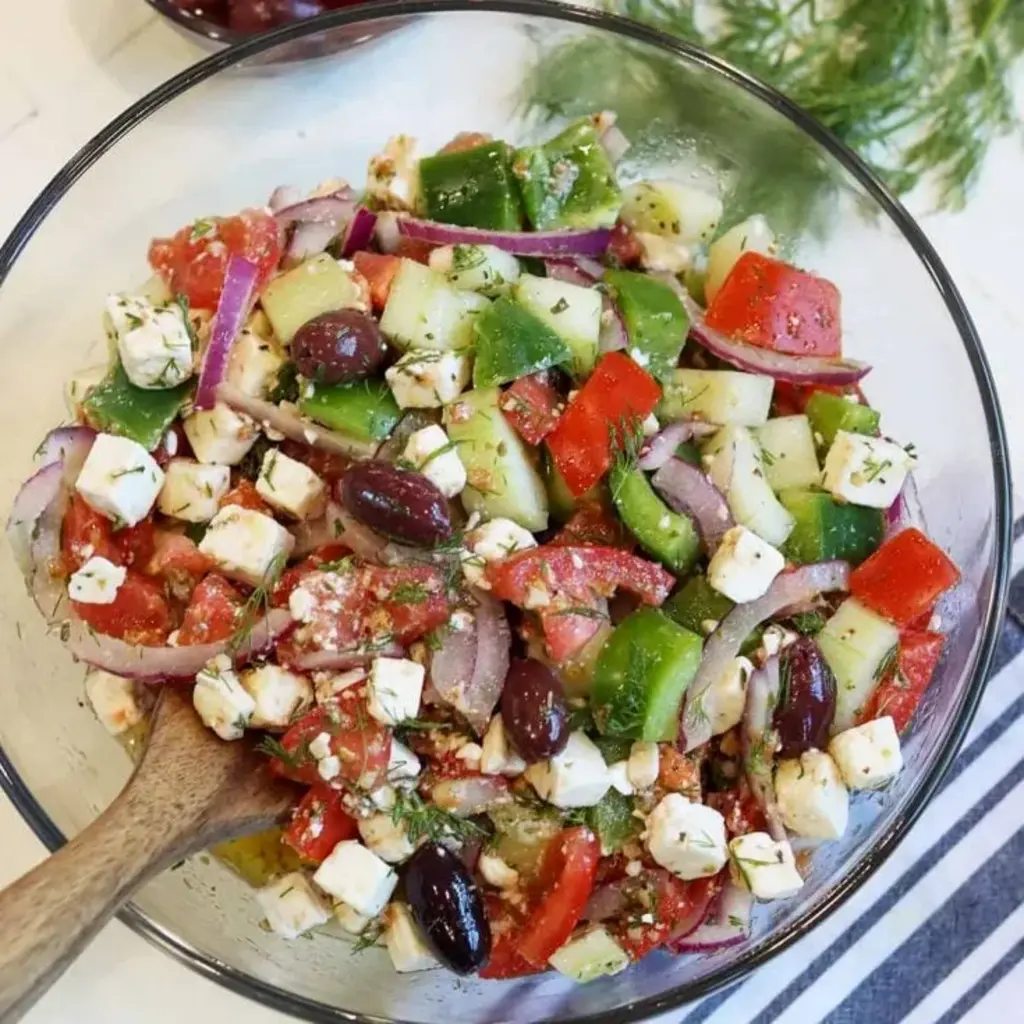
The aroma of fresh oregano drifting from my Mom’s kitchen in Marrakesh always made me think of the Mediterranean and the simple places that make hearts sing. When I moved to New York and began sourcing the best ingredients from the local farmers’ market, I realized that a humble Greek salad can become a masterpiece and a meal in one. This version features the ultimate “protein twist” where you can easily add chicken, lamb, pork, or beef, turning a crisp veggie bowl into a hearty, satisfying lunch or dinner.
Imagine a canvas of soft green bell pepper, juicy roma tomatoes, and cool cucumbers, all harmoniously tossed with velvety feta and briny kalamata olives. The dressing is a bright burst of citrusy red‑wine vinegar, slick olive oil, and fragrant oregano that’s been let steep awhile—that extra step, removing the hairs of oregano, ensures a smoother finish. The result is a vibrant tapestry of colors and textures, each bite eliciting a delightful snap from pepper and a gentle, salty kiss from feta that whisks you back to the azure shores of the Greek Isles.
With my trained eye from Paris’s culinary academies, I’ve refined this classic into a quick, superb dish that still honors its Greek roots. A big pro tip: always blanch your olives for a minute to soften the brine; this subtle step gives the olives a shorter, cleaner bite. A common mistake is using pre‑shredded feta, which tends to become overly salty; instead, cut it into half-inch cubes for the perfect mouthfeel. Keep this in mind and you’ll serve a salad that sings.
Why This Best Greek Salad Recipe Is the Best
The flavor secret lies in a dressing that has rested overnight—melding oregano, dill, and vinegar into a silky liquid that coats each crisp vegetable without overpowering it. My experience in a Parisian cuisine school taught me that the right ratio of oil to vinegar can transform a simple mix into a gourmet sensation.
Perfected texture is achieved by cutting vegetables into one‑inch pieces and letting the ingredients mingle for at least an hour. This slow blending delivers a balanced bite where feta melts just enough so that it’s both creamy and firm, a technique I learned dispensing desserts that need precise timing.
It’s foolproof because every step is quick, requires no cooking, and the result can be plated instantly. Whether you’re a novice in a cramped NYC apartment or a seasoned chef chasing perfection, this recipe stays true to its easy‑going nature while still delivering Michelin‑level flavor.
Best Greek Salad Recipe Ingredients
I find the freshest bell peppers at the Lincoln 8th‑Avenue market never fail to impress, while the organic cucumbers and tomatoes hail from the Brooklyn Garden Collective. My mother’s recipes and the aromatic herbs from Parisian markets seamlessly blend together in my kitchen.
Ingredients List
- 1 green bell pepper (cut into 1” pieces)
- ¾ English cucumber (hot house cucumber peeled, seeded, and quartered into 1” slices)
- 5 roma tomatoes (cut into 1” pieces)
- ¼ cup red onion (thinly sliced)
- ½ cup kalamata olives (whole and pitted)
- 8 ounces feta cheese (cut into ½” chunks)
- 1 cup olive oil
- 3½ tablespoons red wine vinegar
- 2 cloves garlic (minced)
- 1½ teaspoons dried oregano (or 1½ tablespoons fresh)
- 1 teaspoon dried dill (or 1 tablespoon fresh)
- 1 teaspoon salt
- ½ teaspoon pepper
Ingredient Spotlight
Bell pepper: The green color signals freshness. Choose ones that are firm, no soft spots, and lightly fragrant. Substitution: use red pepper for a sweeter taste—just halve the amount to keep the crunch intact.
Cucumber: Opt for those with a glossy peel. If unavailable, baby English cucumber works fine, though they’re shorter. Substitution: a few slices of zucchini can add a mild, milder twist, preserving crunch.
Feta: Traditional Greek feta is pale; look for the crumbly texture. If you can’t find it, try goat cheese for a tangier profile. The texture changes numerically to a slightly moist bite.
| Original Ingredient | Best Substitution | Flavor / Texture Impact |
|---|---|---|
| 1 green bell pepper | Red bell pepper | Softer, sweeter bite |
| 8 ounces feta cheese | Goat cheese | Tangier, creamier |
| ½ cup kalamata olives | Green olives | Milder brine, green hue |
How to Make Best Greek Salad Recipe — Step-by-Step
Let’s quickly assemble this fresh, protein‑friendly salad that’s ready within minutes and keeps deliciously for hours.
Step 1: Toss Dressing
In a small bowl, whisk together olive oil, red wine vinegar, minced garlic, oregano, dill, salt, and pepper until emulsified. A working memory of 30 seconds ensures the oil fully coats the vinegar, creating a silky glaze.
💡 emy’s Pro Tip: For an extra lemony tang, add a teaspoon of freshly squeezed lemon juice.
Step 2: Mix the Salad
Place the pepper, cucumber, tomatoes, red onion, olives, and feta into a large bowl. Carefully pour the dressing over the top and toss gently until every component is evenly coated. Taste and adjust salt or pepper as needed.
⚠️ Common Mistake to Avoid: Over‑tossing the salad, which can bruise the leafy greens and make the feta become overly flaky.
Step 3: Refrigerate
Cover the salad and refrigerate for 1‑2 hours to allow flavors to meld. If you add cooked protein, fold it in just before serving so it stays tender.
💡 emy’s Pro Tip: If you’re prepping a large batch, keep the dressing separate in a small jar and combine right before dining.
| Step | Action | Duration | Key Visual Cue |
|---|---|---|---|
| 1 | Whisk dressing | 30 sec | Oil slicks on surface |
| 2 | Toss salad | 2 min | Even coat, no clumps |
| 3 | Refrigerate | 1‑2 hrs | Colors soften, flavor deepens |
Serving & Presentation
Plate the salad on a chilled stone or slate table, dumping a handful of garlic‑oiled croutons along the edge for crunch. A sprinkle of oregano, a dusting of grated lemon zest, and a drizzle of extra‑virgin olive oil finish the plate, evoking my nights at the Le Marais café overlooking the Seine.
Pair the salad with Greek yogurt tzatziki or a creamy avocado dip for a contrast of coolness. Add a glass of crisp, citrus‑rich white wine like a clean Sauvignon Blanc to amplify the bright dressing. For a more robust evening, serve with pan‑seared lamb chops or a grilled halloumi slice.
| Pairing Type | Suggestions | Why It Works |
|---|---|---|
| Side Dish | Greek lemon potatoes, grilled tzatziki‑marinated chicken | Complementation of herbal notes |
| Sauce / Dip | Tzatziki, avocado‑mint dip, feta crumble | Cooling, creamy contrast |
| Beverage | Dry Riesling, chilled Greek red (Agiorgitiko), sparkling water | Match acidity and freshness |
| Garnish | Fresh dill sprigs, lemon zest, pine nuts | Brighten and add texture |
Make-Ahead, Storage & Reheating
In my tight Brooklyn loft, I often slice veggies a day ahead. You can prep the dressing separately, refrigerate it in an airtight jar, and simply whisk in the last minute. When adding protein, store it separately until serving to keep it tender.
| Method | Container | Duration | Reheating Tip |
|---|---|---|---|
| Refrigerator | Glass jar with lid | 2–3 days | Re‑whisk dressing, stir salad |
| Freezer | Airtight plastic bag | Up to 3 months | Thaw overnight, stir in dressing |
| Make‑Ahead | Reversible bowl | 1‑2 days | Fold in protein last, keep salad crisp |
When reheating, use the microwave on a low setting just to warm the dressing, if needed. The salad is designed to be served cold, so avoid any cooking that would lose the fresh crunch. For outdoor picnics, pack the dressing in a small squeeze bottle and assemble at the last minute to maintain texture.
Variations & Easy Swaps
| Variation | Key Change | Best For | Difficulty Impact |
|---|---|---|---|
| Gaïàdros Chicken | Add grilled diced chicken | Protein‑rich lunches | Minimal |
| Dairy‑Free Version | Replace feta with banana‑fruit cheese | Lactose‑intolerant diners | Easy |
| Summer Pepper Twist | Swap bell pepper for zucchini ribbons | Low‑carb seasons | Clever swap |
Gaïàdros Chicken
Stir in bite‑sized, grill‑seared chicken breast seasoned with smoked paprika or a splash of Greek oregano. The charred flavor mirrors the Mediterranean streets of Athens where my grandmother would mingle herbs with meat, adding depth while staying true to the salad’s fresh heart.
Dairy‑Free Version
If feta spells trouble, use a plant‑based cheddar or a smidgen of sliced mango for sweetness. The tofu style offers a milder bite, letting the dressing shine while keeping the salad intact for those choosing dairy‑free meals.
Summer Pepper Twist
Replace the green bell pepper with finely sliced zucchini ribbons or roasted red peppers for a low‑carb, sun‑kissed variation that brightens the plate and keeps the crunching vibe that the Greek salad is known for.
How long can I store a Greek salad in the refrigerator?
A well‑constructed Greek salad—only the fresh vegetables and dressing mix—stays at its best for up to 3 days in the refrigerator. After that, the feta can start to release excess moisture and the olives may become overly briny. To keep the salad crisp, store it in an airtight container with a paper towel to absorb any excess liquid, and keep the dressing separate until you’re ready to serve. If you throttle the mix a little before eating, it will still taste fantastic and remain safe to consume.
Can you make the Greek salad dressing ahead of time?
Absolutely! The heart of the Greek salad dressing is its simple oil‑and‑vinegar blend. Whisk the ingredients a day or two in advance and store them in an airtight glass bottle or jar. The flavors set and mellow over time, giving you a versatile dressing you can drizzle over salads, grilled meats, or roasted vegetables. When ready to use, simply give the bottle a gentle shake to remix the oil and vinegar, then pour over the salad with a colorful flourish.
What can I use instead of feta cheese?
If feta isn’t available, look for a Greek‑style feta that isn’t overly brine‑heavy, or consider a fresh goat cheese, which offers a more tangy bite. Olive‑oil‑based cheeses such as burrata or a concentrated bouillon of mozzarella can also be crumbled if you want a creamy twist. A nut butter like cashew cream provides a dairy‑free alternative that’s silky and balances the peppery greens in the salad. Each swap changes texture and taste, but the bright dressing and crisp veggies keep the essence alive.
Is it okay to add protein to a Greek salad?
Yes, adding protein can elevate the Greek salad into a complete meal. Diced grilled chicken, seared steak, lamb chops, or even a poached egg are excellent choices. They provide a hearty backdrop while the crisp vegetables and creamy feta create a balanced, wholesome dish. Just be mindful of cooking the protein separately to preserve the salad’s texture; mixing warmth and coolness is a magical touch that keeps everyone delighted.
Can I use a different vinegar?
Red‑wine vinegar gives a mellow, fruity punch, but white wine or a splash of lemon juice can also work beautifully. A splash of sherry vinegar even adds a richer, nutty flavor that complements the olives and feta. The key is to season a bit at first, taste, and adjust; the dressing should be bright enough to cut through the briny fruit while still retaining a subtle sweetness that ties the salad together.
How to keep Greek salad crunchy?
Crunchiness comes from the fresh vegetables and minimal mixing. Keep the vegetables chilled until you’re ready to hand them out, and serve the dressing in a separate small cup so the salad stays crisp. Avoid over‑tossing; an occasional gentle swipe with a spoon is sufficient. If you plan to prep the salad ahead of time, cover it tightly to reduce air exposure, and add any delicate herbs or lettuce just before you serve to keep them vibrant and crisp.
What are good side dishes to pair with Greek salad?
Greek salad pairs wonderfully with lemon‑infused potatoes, wild rice pilaf, or a light tomato basil pasta. For a quick option, serve it with a warm pita or focaccia for dipping into the dressing, or accompany it with a chilled cucumber parfait. These sides provide subtle, complementary flavors that don’t overpower the salad’s bright, herbaceous notes, balancing the meal into a satisfying, well-rounded bite.
How can I lighten up the feta’s saltiness?
To reduce feta’s salt content, rinse the cheese under cold water before crumbling or cubes; this removes a layer of brine and makes the feta feel less intense. Alternatively, choose a Kalamata‑style feta that’s milder in flavor, or pair the salad with a sweet, mild noodle dish that counters the saltiness. You can also incorporate a dash of honey or a splash of Greek yogurt in the dressing to bring balance and lower the overall salification.
How do I store dressing if I want to make it in bulk?
Whisk the dressing ingredients one batch at a time and pour it into a clean jar or bottle with a tight seal. Store it in the refrigerator for up to seven days. Because oil tends to separate, just give the container a run‑through before each use. If you plan to keep the salad for more than a day, keep the dressing aside, gently whisk the sets, and drizzle it over the freshly tossed veggies just before eating.
Can I make a zero‑waste Greek salad?
Absolutely! Store any leftover croutons or diced veggies in a zip‑lock bag with a paper towel on the bottom to absorb moisture. Use the lettuce hulls for a fresh menu of Greek salads, or compost the spent cucumbers and tomatoes. Swap the olive oil for an extra teaspoon of tahini to introduce another flavor dimension and keep the waste at zero. Crafting a zero‑waste kitchen also means repurposing the feta cheese crust as a savory pizza base or a flavor boost in a homemade cheese sauce for pastas.
Share Your Version!
Leave a star rating, share your photos, or tell me how you tweak the salad to suit your taste. I love seeing chefs, families, and food lovers celebrating this Mediterranean treasure. If you add protein, share a photo of the final plate and tell me which protein you chose and why.
From my NYC kitchen to yours — I hope this recipe brings as much warmth to your table as it does to mine. — emy 🧡
Love This Recipe? Save It to Pinterest!
If you enjoyed this Best Greek Salad recipe, don’t let it get lost in your browser tabs! 😄 Pin it now so you can find it again anytime — and explore hundreds more tried-and-tested recipes waiting for you on my Pinterest boards.
👉 Follow emy on Pinterest @exorecipe
📌 Pin this recipe · 🔁 Re-pin your favorites · 💬 Tag me when you make it — I love seeing your creations!
Got any questions? Drop a comment below and let’s chat about your favorite tweaks and kitchen hacks! 🌿
Best Greek Salad Recipe
Description
This traditional Greek salad recipe is tasty and easy to make – it’s fresh and healthy and full of fresh veggies, cheese, and the BEST greek salad dressing. Make it a meal-in-one by adding diced chicken, lamb, pork, or beef.
Ingredients
- 1 green bell pepper ((cut into 1" pieces))
- ¾ English cucumber ((hot house cucumber peeled, seeded, and quartered into 1" slices))
- 5 roma tomatoes ((cut into 1" pieces))
- ¼ cup red onion ((thinly sliced))
- ½ cup kalamata olives ((whole and pitted))
- 8 ounces feta cheese ((cut into ½" chunks) )
- cup olive oil
- 3½ tablespoons red wine vinegar
- 2 cloves garlic ((minced))
- 1½ teaspoons dried oregano ((or 1½ tablespoons fresh))
- 1 teaspoon dried dill ((or 1 tablespoon fresh))
- 1 teaspoon salt
- ½ teaspoon pepper
Instructions
- Toss olive oil, red wine vinegar, garlic, oregano, dill, salt, and pepper into a small bowl and mix together.
- Add bell pepper, cucumber, tomatoes, onion, olives, and cheese to a large bowl. Pour salad dressing over the top and mix ingredients. Season with additional salt and pepper to taste.
- Refrigerate 1 to 2 hours for the flavors to blend.