Lunchroom Ladies Brownies-50 Year Old Recipe

“`html

Lunchroom Ladies Brownies-50 Year Old Recipe

A Taste of Nostalgia: Are You Craving the Fudgy, Chewy Brownies of Your School Days?

In a world of trendy desserts and complicated recipes, there’s a unique comfort in returning to the classics. Do you find yourself reminiscing about those moments when a simple, perfectly baked brownie was the highlight of your day? For many, the memory of “Lunchroom Ladies Brownies” evokes a powerful sense of nostalgia, a taste of simpler times. These aren’t just any brownies; they are a treasure, passed down through generations, perfected over five decades. This 50-year-old recipe promises that rich, fudgy goodness and the ideal chewy texture that has captured hearts for half a century. Get ready to recreate that beloved flavor and texture right in your own kitchen. It’s time to bake memories!

Ingredients: The Heart of Your Fudgy Brownies

The magic of these Lunchroom Ladies Brownies lies in its straightforward, yet effective ingredient list. Each component plays a crucial role in achieving that signature fudgy texture and deep chocolate flavor. We’ve added sensory descriptions to help you visualize and anticipate the delicious outcome!

  • 1 cup (2 sticks) unsalted butter: This forms the rich, moist base. Look for a creamy, golden hue.
  • 2 cups granulated sugar: For that classic sweetness and delicate crisp on top. It should feel fine and glisten.
  • 4 large eggs: They bind everything together, adding richness and structure. They should be fresh, with smooth, firm yolks.
  • 1 teaspoon vanilla extract: The unsung hero, enhancing all that glorious chocolate flavor. It should have a potent, sweet aroma.
  • 1 cup all-purpose flour: The backbone, providing just enough structure without making the brownies cakey. It should be light and fluffy.
  • 1/2 cup unsweetened cocoa powder: This is where the deep, dark chocolate flavor comes from. Opt for a good quality Dutch-processed cocoa for an even richer taste. It should be dark and fragrant.
  • 1/2 teaspoon baking powder: Just a touch to give them a slight lift, ensuring they aren’t too dense.
  • 1/4 teaspoon salt: Balances the sweetness and intensifies the chocolate.
  • 1 cup (about 6 ounces) semi-sweet chocolate chips (optional): For an extra burst of molten chocolate goodness. Look for chips that look shiny and firm.

Substitutions:

  • Butter: You can use salted butter, but omit the 1/4 teaspoon salt from the recipe. Margarine can be used, but the flavor and texture might be slightly altered.
  • Granulated Sugar: Light brown sugar can be used as a partial or full substitute for granulated sugar to add a subtle caramel note and extra chewiness.
  • All-purpose Flour: Gluten-free all-purpose flour blends can be substituted 1:1, though results may vary slightly in texture.
  • Semi-sweet Chocolate Chips: Dark chocolate chips, milk chocolate chips, or even chopped chocolate bars can be used depending on your preference. For a richer flavor, consider using high-quality bittersweet chocolate.

Timing: A Quick Path to Brownie Bliss

Prep Time: 15 minutes
Cook Time: 25-30 minutes
Total Time: 40-45 minutes

Compared to many elaborate dessert recipes, these Lunchroom Ladies Brownies are remarkably quick to prepare, making them perfect for a weeknight treat or a last-minute gathering. The average brownie recipe often takes around 50-60 minutes total, so this recipe shaves off valuable time without compromising on that nostalgic flavor!
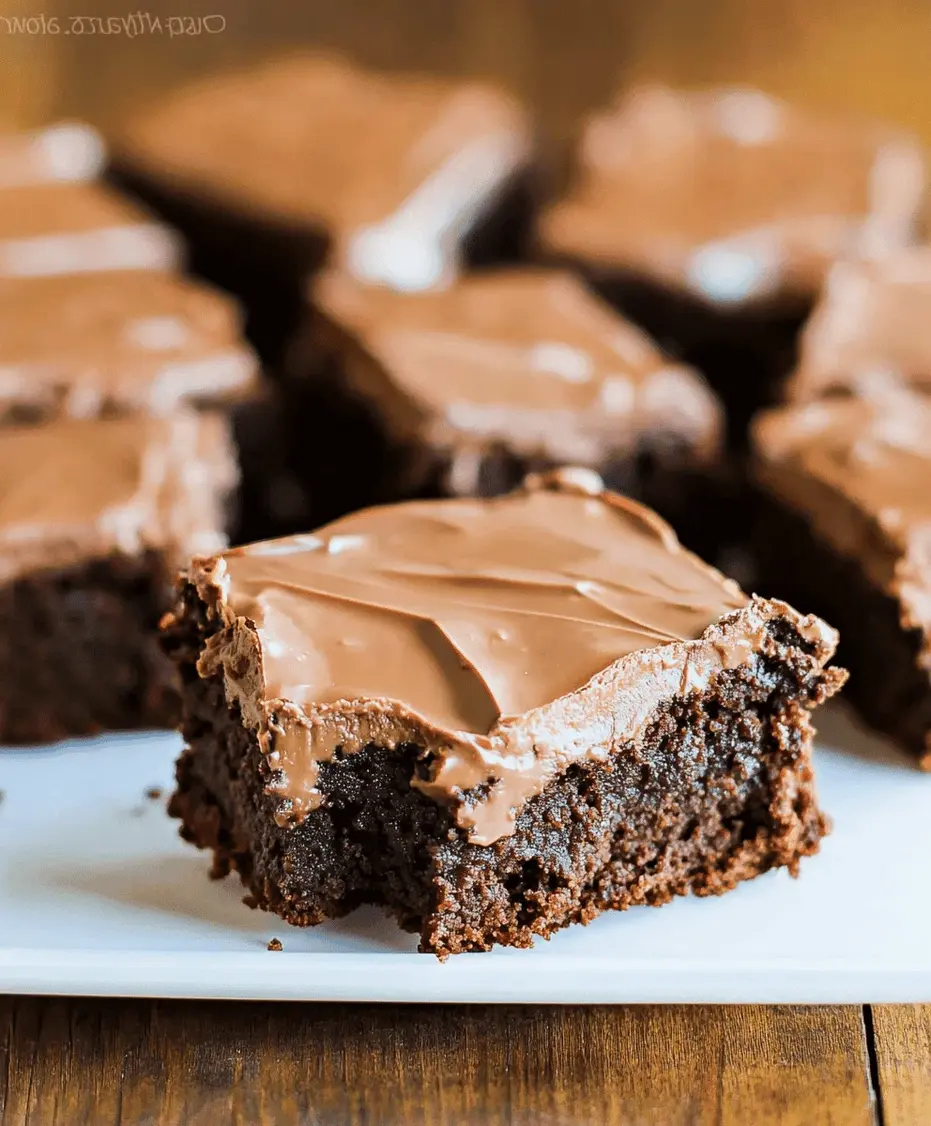
A pan of freshly baked, fudgy brownies with a crackly top.

Instructions: Crafting Your Perfect Brownie

Follow these simple steps to bring the magic of Lunchroom Ladies Brownies into your home. We’ve kept it straightforward, just like Grandma would have wanted!

Step 1: Heat and Melt

Preheat your oven to 350°F (175°C). Grease and flour a 9×13 inch baking pan. In a large saucepan over low heat, melt the butter. You want it fully liquid but not browned or sizzling. The aroma should be rich and buttery.

Step 2: Whisk in Sugar

Once the butter is melted, remove the saucepan from the heat. Stir in the granulated sugar until the mixture is smooth and well combined. It should look glossy and slightly thickened.

Step 3: Add Eggs and Vanilla

Let the butter-sugar mixture cool slightly for a minute or two (you don’t want to scramble the eggs!). Then, one at a time, beat in the eggs until each is fully incorporated. Stir in the vanilla extract. The mixture will become thicker and have a lovely sheen.

Step 4: Combine Dry Ingredients

In a separate medium bowl, whisk together the all-purpose flour, cocoa powder, baking powder, and salt. This ensures that all the dry ingredients are evenly distributed, preventing pockets of leavening or salt in your finished brownies.

Step 5: Mix and Pour

Gradually add the dry ingredients to the wet ingredients, mixing until just combined. Be careful not to overmix! Overmixing can develop the gluten in the flour, leading to tougher brownies. If you’re adding chocolate chips, gently fold them in now. The batter should be thick and fudgy.

Step 6: Bake to Perfection

Pour the batter into your prepared baking pan and spread it evenly. Bake in the preheated oven for 25-30 minutes. A toothpick inserted into the center should come out with moist crumbs attached, not wet batter. This is key to achieving that perfect chewy texture. Overbaking will result in dry, cakey brownies.

Step 7: Cool and Cut

This is perhaps the hardest step: letting them cool! Let the brownies cool completely in the pan on a wire rack. This allows them to set properly, making them easier to cut and intensifying their fudgy texture. Once cooled, cut them into squares. The aroma will be irresistible!

Nutritional Information

While specific nutritional values can vary based on exact ingredients and portion sizes, a typical serving of these classic fudgy brownies (cut into 12 squares) generally contains:

  • Calories: Approximately 250-300 kcal
  • Fat: 12-15g
  • Carbohydrates: 35-40g
  • Sugar: 25-30g
  • Protein: 3-4g
  • Fiber: 1-2g

Note: These are estimates. Incorporating chocolate chips will increase sugar and calorie content.

Healthier Alternatives & Flavor-Preserving Swaps

While the classic recipe is hard to beat, you can make some thoughtful adjustments to lighten them up without sacrificing too much flavor:

  • Reduce Sugar: Substitute half of the granulated sugar with a sugar substitute like erythritol or a monk fruit blend. You might notice a slight change in texture.
  • Whole Wheat Flour: Replace half of the all-purpose flour with whole wheat pastry flour for added fiber.
  • Less Butter: You can attempt to reduce the butter by 25% and replace it with unsweetened applesauce or mashed banana, but this will significantly alter the texture, making them cakeier.
  • Darker Chocolate: Use high-quality dark chocolate chips (70% cacao or higher) for a more intense chocolate flavor that might allow you to feel satisfied with less sweetness.
  • Avocado: Some recipes use pureed avocado as a fat substitute. It can add moisture and healthy fats but will impact the color and flavor subtly.

Serving Suggestions

These brownies are a dream on their own, but here are some ways to elevate your experience:

  • Classic Pairing: Serve warm with a scoop of vanilla ice cream. The contrast of warm brownie and cold ice cream is divine.
  • Dusting: A light dusting of powdered sugar or a swirl of chocolate ganache can add a touch of elegance.
  • Fruity Companions: A side of fresh berries, like raspberries or strawberries, cuts through the richness beautifully.
  • With Coffee or Milk: Perfect for an afternoon pick-me-up with your favorite hot beverage or a cold glass of milk.

Common Mistakes to Avoid

Even with a simple recipe, a few common pitfalls can prevent you from achieving brownie perfection:

  • Overmixing the Batter: This is the number one culprit for tough, cakey brownies. Mix until the dry ingredients are just incorporated.
  • Overbaking: Brownies continue to cook slightly as they cool. Pull them out when a toothpick has moist crumbs attached, not clean. This ensures fudgy, not dry, results.
  • Not Letting Them Cool: Resist the urge to cut them while hot! They need to set for easier slicing and to develop their signature chewy texture.
  • Using Old Cocoa Powder: Stale cocoa powder will result in a dull chocolate flavor. Give your cocoa a sniff – it should smell rich and chocolatey.

Storing Tips

To keep your Lunchroom Ladies Brownies tasting their best:

  • Room Temperature: Store cooled brownies in an airtight container at room temperature for up to 3-4 days. They often taste even better the next day!
  • Refrigeration: For longer storage (up to a week), keep them in an airtight container in the refrigerator. The texture might become firmer, so let them come to room temperature before serving.
  • Freezing: Wrap individual brownies tightly in plastic wrap, then place them in a freezer-safe bag or container. They can be frozen for up to 2-3 months. Thaw overnight at room temperature.
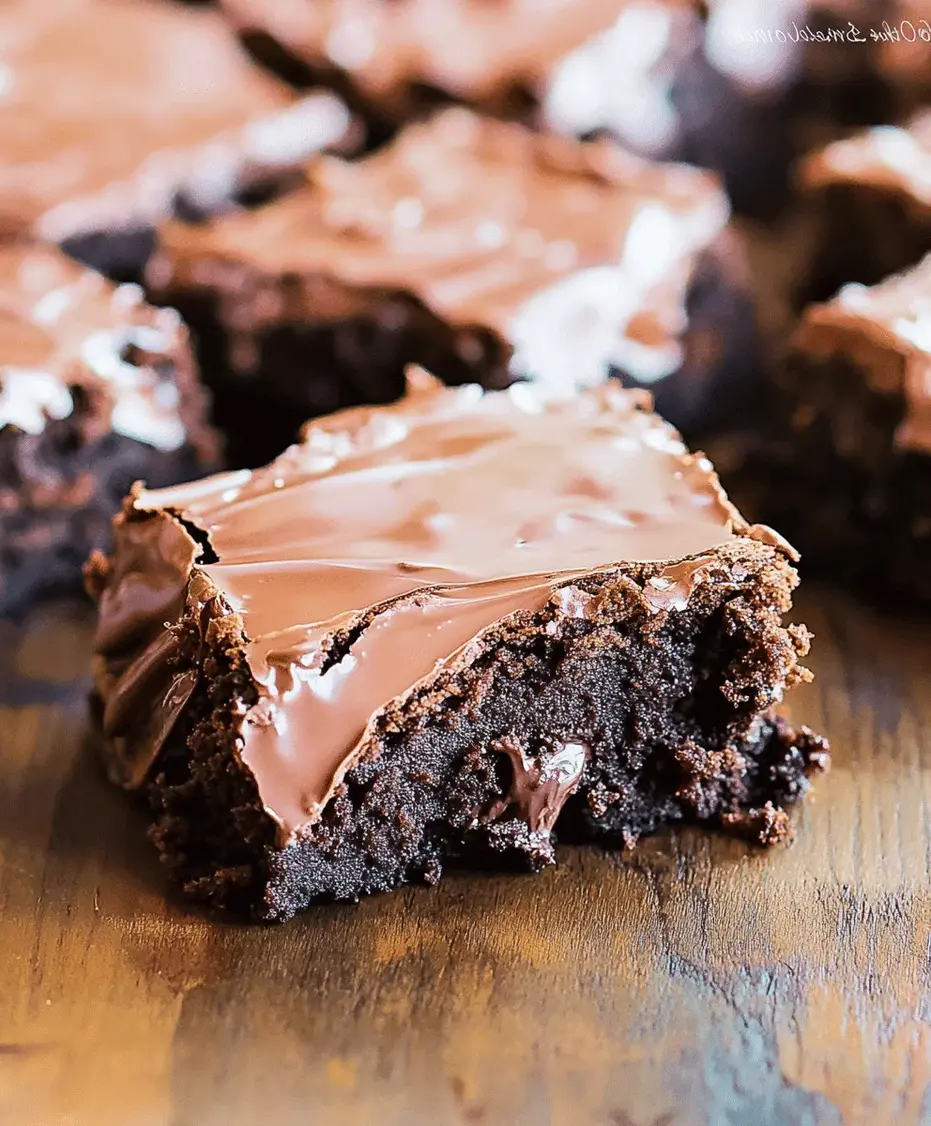
A close-up shot of a cut brownie showing its fudgy interior.

Conclusion: Bake a Piece of History

The Lunchroom Ladies Brownies recipe, nearly 50 years old, isn’t just about making a dessert; it’s about preserving a memory, a taste of childhood, and a simpler era. This recipe delivers that irresistible combination of rich, fudgy interior and a perfectly chewy texture that has stood the test of time. Whether you’re baking these for the first time or revisiting a cherished favorite, you’re sure to create delicious moments and lasting memories. So, gather your ingredients, preheat that oven, and get ready to enjoy a true classic. Happy baking!

Frequently Asked Questions (FAQs)

***What makes these brownies ‘fudgy’?***

The high ratio of butter and eggs to flour, along with careful baking (not overbaking), contributes to a dense, moist, and fudgy center rather than a cake-like texture.

***Can I use a different type of chocolate?***

Absolutely! While semi-sweet is classic, you can use milk chocolate for a sweeter result, dark chocolate for a more intense flavor, or even chunks of your favorite chocolate bar. Adding chips is optional but highly recommended for extra gooeyness.

***Why is my brownie top crackly?***

A crackly top is often a sign of a good brownie! It’s typically achieved by the sugar dissolving completely in the wet ingredients and then forming a meringue-like structure as it bakes. Ensuring you whisk well after adding sugar and eggs helps with this.

***How do I know when my brownies are done?***

The best test is the toothpick method. Insert a toothpick into the center of the brownies. If it comes out with moist crumbs attached, they’re ready. If it comes out with wet batter, bake for a few more minutes. If it comes out completely clean, they might be slightly overbaked.

***Can I make these vegan?***

Adapting this specific recipe to be fully vegan would require significant ingredient changes (e.g., egg replacers, plant-based butter, dairy-free chocolate chips), and the texture would likely differ. It might be easier to find a recipe specifically designed to be vegan.

***Why are my brownies too cakey?***

This is usually due to overmixing the batter once the flour is added, or overbaking the brownies. Be gentle when mixing the dry ingredients, and pull them out of the oven when a toothpick has moist crumbs.
Print
clock clock iconcutlery cutlery iconflag flag iconfolder folder iconinstagram instagram iconpinterest pinterest iconfacebook facebook iconprint print iconsquares squares iconheart heart iconheart solid heart solid icon

Lunchroom Ladies Brownies-50 Year Old Recipe


  • Author: Chef Emy

Description

Enjoy the rich, fudgy goodness of Lunchroom Ladies Brownies, a 50-year-old recipe that delivers the perfect chewy texture and chocolate flavor.


Ingredients

  • For the Frosting:

Instructions

    Notes

    For extra fudgy brownies, slightly underbake them.
    Add chopped nuts for texture.
    Store in an airtight container for up to 4 days.

    Nutrition

    • Calories: 320
    • Sugar: 35g

    “`
    Caramel Frosting Recipe

    “`html

    Caramel Frosting Recipe

    Introduction: Perfect Caramel Frosting – Your Sweet Dreams Come True

    Have you ever wondered how to achieve that swoon-worthy, velvety smooth caramel frosting on your cakes and cupcakes? Many home bakers dream of replicating the decadent, rich flavor and luscious texture found in professional bakeries. The good news is, achieving this sweet perfection is entirely within your reach! This homemade caramel frosting recipe is designed to be your guiding light, leading you to a creamy, dreamy topping that boasts a deep, authentic caramel flavor without any fuss.

    Imagine a frosting so smooth it glides onto your spatula, so rich it melts in your mouth, and so deliciously caramel-infused that every bite is a celebration. This isn’t just frosting; it’s an experience. Whether you’re a seasoned baker or just starting your culinary adventure, this recipe uses simple, readily available pantry staples to create a topping that’s both incredibly satisfying and surprisingly easy to make. Get ready to elevate your cakes, cupcakes, cookies, and any dessert daring enough to wear this golden crown of deliciousness.

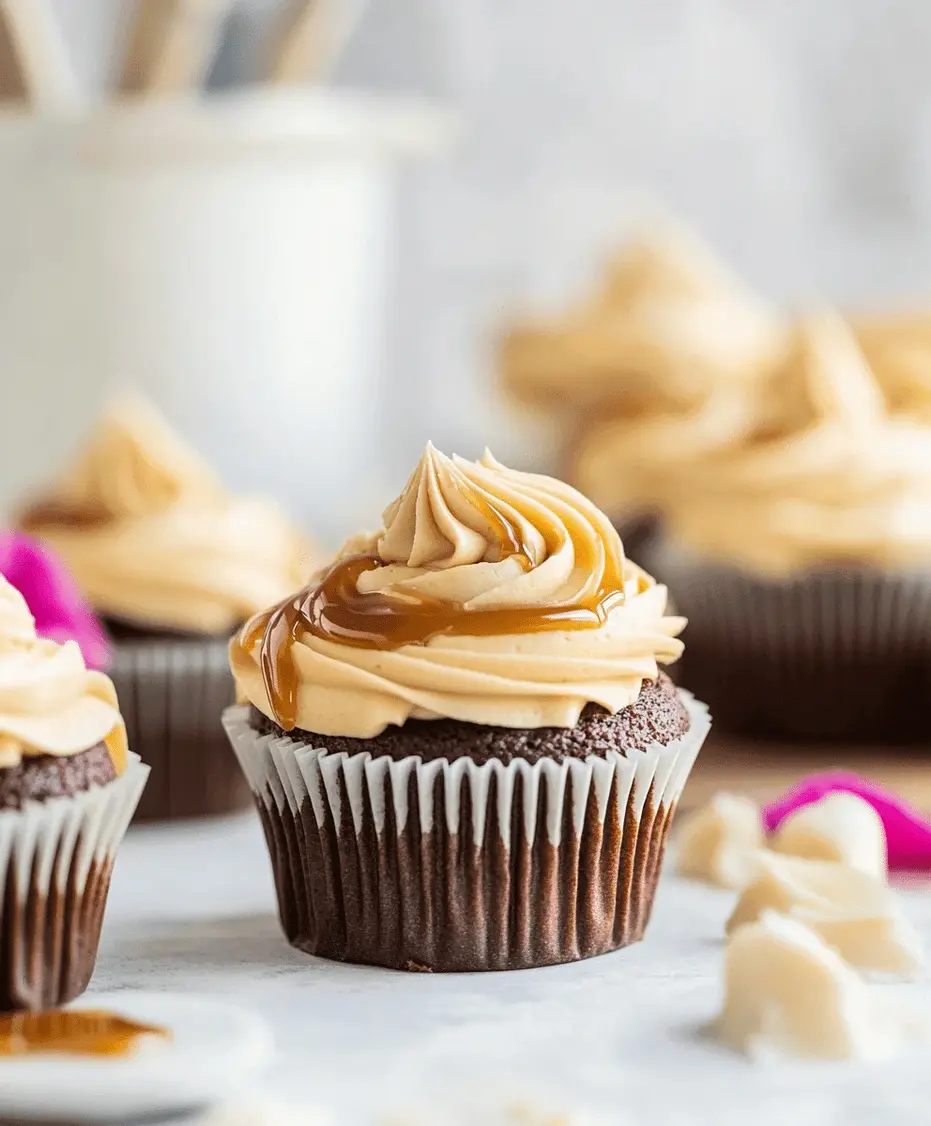
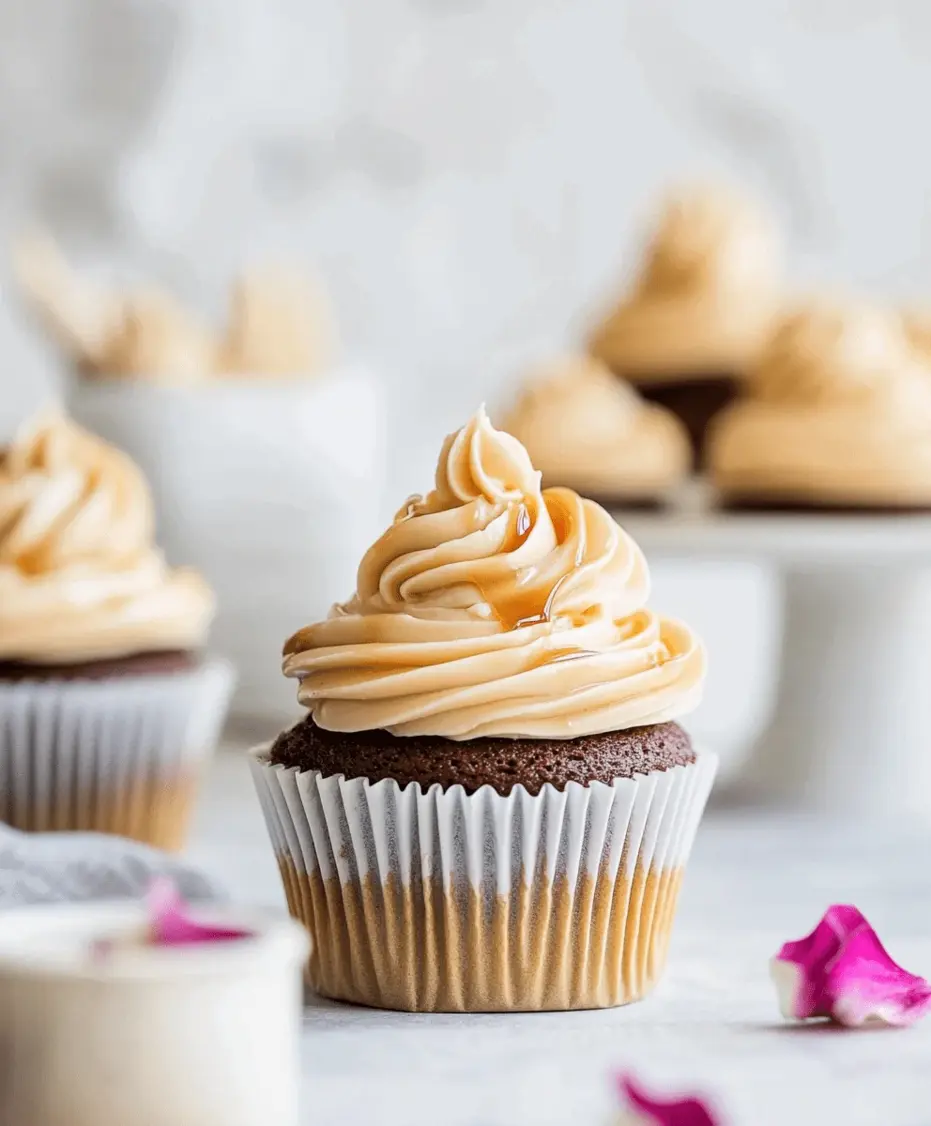
    A swirl of golden caramel frosting on a spatula

    Ingredients for the Most Divine Caramel Frosting

    The magic of this caramel frosting lies in its simple yet effective ingredients. We’re aiming for depth of flavor and a luxuriously smooth texture. Here’s what you’ll need:

    Sweet Caramel Base

    • 1 cup (200g) Granulated Sugar: The foundation of our caramel. Choose fine granulated sugar for a smoother melt.
    • 1/4 cup (60ml) Water: Helps the sugar dissolve evenly, preventing crystallization and ensuring a smooth caramel.
    • 1/2 cup (120ml) Heavy Cream (or Whipping Cream), warmed: Adds richness and creaminess. Warming it prevents seizing when added to hot sugar. Substitution: For a slightly lighter version, you can use half-and-half, but the frosting will be less rich.
    • 6 tablespoons (85g) Unsalted Butter, softened: Essential for that decadent, smooth texture and a touch of salty-sweet balance. Substitution: Salted butter can be used, but you might want to reduce or omit any added salt in the frosting.

    Creamy Dreamy Frosting Magic

    • 1/2 cup (113g) Unsalted Butter, softened: This is separate from the butter in the caramel sauce; it forms the creamy base of the frosting. Ensure it’s at room temperature for optimal creaming.
    • 3-4 cups (360-480g) Powdered Sugar (Confectioners’ Sugar), sifted: For sweetness and structure. Sifting is crucial to avoid lumps. Start with 3 cups and add more for a thicker consistency. Substitution: You can use pure cane powdered sugar for a less refined option.
    • 1-2 tablespoons Milk or Cream (as needed): To achieve the perfect, spreadable consistency.
    • 1 teaspoon Vanilla Extract: Enhances all the sweet and caramel notes.
    • 1/4 teaspoon Salt: Balances the sweetness and deepens the caramel flavor. Adjust to taste.

    Timing: Crafted with Precision

    Prep time: 15 minutes
    Cook time: 10 minutes
    Chill time (for caramel): 30-60 minutes
    Total time: Approximately 1 hour 15 minutes to 1 hour 45 minutes

    While many caramel frosting recipes might take longer or involve more complex steps, this method streamlines the process. The initial caramel making is quick, but allowing it to cool properly is key to a luscious, stable frosting. This timing is moderately longer than a simple buttercream but significantly shorter than recipes requiring cooling baked goods, making it an efficient way to achieve a gourmet frosting.

    How to Make Perfect Caramel Frosting

    Step 1: Crafting the Caramel Sauce

    In a medium, heavy-bottomed saucepan, combine the granulated sugar and water. Stir gently just to combine. Place the pan over medium heat. Do NOT stir the sugar mixture once it begins to simmer; instead, swirl the pan occasionally to ensure even cooking. Watch carefully as the sugar dissolves, then bubbles and starts to turn a beautiful amber color. This process typically takes 5-8 minutes. Aim for a deep amber, the color of a shiny penny.

    Step 2: Cooling and Thickening

    Once your caramel reaches the desired deep amber color, immediately remove the saucepan from the heat. Now, CAREFULLY and SLOWLY pour in the warmed heavy cream while whisking constantly. The mixture will bubble up aggressively – this is normal, but be cautious! Continue whisking until smooth. Then, whisk in the 6 tablespoons of softened butter, one tablespoon at a time, until fully incorporated and the caramel is glossy. Pour this caramel sauce into a heatproof bowl and let it cool completely at room temperature for at least 30-60 minutes, or until it’s no longer hot to the touch and has thickened slightly.

    Step 3: Whipping Up the Frosting

    While the caramel sauce cools, take your 1/2 cup of softened butter and beat it in a large bowl with an electric mixer (handheld or stand mixer) on medium speed until it’s light and fluffy, about 2-3 minutes. This aeration is crucial for a light frosting texture.

    Step 4: Combining for Perfection

    Once the caramel sauce has cooled and thickened to a consistency similar to pudding, add about 1 cup of the sifted powdered sugar to the butter and beat on low speed until incorporated. Then, gradually add the cooled caramel sauce to the butter and sugar mixture. Beat on low speed until just combined.

    Step 5: Achieving Ideal Consistency

    Now, it’s time to bring it all together. Add the remaining powdered sugar (start with 2 cups, adding more gradually) and the vanilla extract and salt. Beat on low speed until the sugar is mostly incorporated, then increase to medium-high speed and beat for 2-3 minutes until the frosting is smooth, fluffy, and spreadable. If the frosting is too thick, add milk or cream, one teaspoon at a time, until you reach your desired consistency. If it’s too thin, add a little more sifted powdered sugar.

    A piping bag filling a cupcake with caramel frosting

    Nutritional Information: A Sweet Indulgence

    The nutritional content of frosting will vary based on portion size and the exact ingredients used. However, a general estimate per tablespoon might be:

    • Calories: Approximately 100-150 kcal
    • Fat: 7-10g
    • Carbohydrates: 10-15g
    • Sugar: 9-14g
    • Protein: Less than 1g

    This frosting is a decadent treat meant to be enjoyed in moderation as part of a balanced diet.

    Healthier Alternatives for a Lighter Treat

    While this recipe is indulgent, you can make lighter versions without sacrificing all the caramel charm:

    • Reduced Fat/Sugar: Use a sugar substitute for some or all of the powdered sugar. Replace part of the heavy cream with milk or a plant-based milk, and use light butter or coconut oil sparingly.
    • Caramel Extract: Instead of making a full caramel sauce, use caramel extract in a traditional cream cheese or buttercream frosting base for a caramel flavor hit with fewer calories and fat.
    • Date-Sweetened Caramel: Blend soaked dates with a little plant-based milk, a pinch of salt, and vanilla for a naturally sweet caramel-like spread. This won’t have the exact texture but offers a delicious caramel-esque flavor.

    Serving Suggestions: Elevate Your Desserts

    This caramel frosting is incredibly versatile. Here are some ideas:

    • Classic Cakes: Perfect for vanilla, chocolate, or spice cakes. A caramel-frosted chocolate cake is an absolute showstopper!
    • Cupcakes: Pipe generously onto your favorite vanilla or chocolate cupcakes.
    • Cookies: Sandwich two sugar cookies or graham crackers with this frosting.
    • Brownies & Blondies: A layer of this frosting over warm brownies or blondie bars is pure bliss.
    • As a Dip: Thin it slightly with a touch more cream for a delicious dip for fruit or pretzels.
    • Drizzle: For an extra touch, warm a little extra caramel sauce (or use store-bought) and drizzle it over the frosted desserts.

    Common Mistakes to Avoid

    • Stirring the Sugar: Resist the urge to stir the sugar and water mixture while it’s cooking. Stirring can cause sugar crystals to form, leading to a grainy caramel. Swirl the pan instead.
    • Adding Cold Cream: Adding cold cream to hot caramel can cause it to seize and harden. Always warm your cream first.
    • Overcooking the Caramel: Overcooking will result in a bitter, burnt flavor. Watch the color closely and remove it from heat as soon as it reaches a deep amber.
    • Adding Warm Caramel to Butter: Ensure the caramel has cooled sufficiently before adding it to the butter and powdered sugar. Hot caramel can melt the butter and make the frosting runny.
    • Not Sifting Powdered Sugar: Lumps are the enemy of smooth frosting! Always sift your powdered sugar.

    Storing Your Caramel Frosting

    Store leftover caramel frosting in an airtight container in the refrigerator for up to 5 days. The frosting will firm up considerably when chilled. Before using, allow it to come to room temperature for about 30-60 minutes, then re-whip it with a mixer for a few minutes to restore its creamy, fluffy texture. If it’s too stiff, you can add a tiny splash of milk or cream to achieve the desired consistency.

    FAQs: Your Caramel Questions Answered

    ***Why is my caramel grainy?***

    This usually happens if you stir the sugar while it’s cooking, which encourages crystallization. Using a clean pan and avoiding stirring (swirling instead) are key. You can also try an acid like a teaspoon of lemon juice or corn syrup, which inhibits crystallization, but that’s not traditional for this frosting base.

    ***Can I make this frosting dairy-free?***

    Yes, you can! For the caramel base, use a dairy-free heavy cream alternative (like coconut cream or a soy-based creamer) and dairy-free butter. For the frosting, use softened vegan butter and a plant-based milk (like almond or oat milk) to adjust consistency. The flavor will be slightly different but still delicious!

    ***How do I make a darker caramel flavor?***

    To achieve a deeper caramel flavor, cook the sugar mixture a bit longer until it reaches a darker amber hue. Be extremely careful, as it can quickly go from dark amber to burnt. A darker caramel will have a more complex, slightly bitter note, which can be very satisfying.

    ***Can I freeze caramel frosting?***

    It’s generally not recommended to freeze this type of buttercream-style frosting. The butter and cream can separate upon thawing, resulting in a greasy or curdled texture. It’s best to make it fresh or store it in the refrigerator.

    ***What is the difference between caramel sauce and this caramel frosting?***

    Caramel sauce is typically thinner and designed to be poured. While this frosting starts with a caramel sauce base, it’s then combined with significantly more butter and powdered sugar, and sometimes a little milk, to create a thick, creamy, and pipeable frosting consistency.

    Conclusion: Bake Your Way to Sweet Nirvana

    This caramel frosting recipe is a testament to how simple ingredients can transform into something truly spectacular. Its luscious texture and deep, comforting caramel flavor make it an absolute triumph for any dessert. Whether you’re celebrating a special occasion or simply indulging in a sweet craving, this frosting is sure to impress. So, gather your ingredients, follow these steps, and prepare to experience baking bliss. Happy baking!

    Print

    clock clock iconcutlery cutlery iconflag flag iconfolder folder iconinstagram instagram iconpinterest pinterest iconfacebook facebook iconprint print iconsquares squares iconheart heart iconheart solid heart solid icon

    Caramel Frosting Recipe


    • Author: Chef Emy

    Description

    This homemade caramel frosting is smooth, creamy, and packed with deep caramel flavor. Perfect for frosting cakes, cupcakes, and desserts, this recipe uses simple pantry staples to create a luscious topping that’s both rich and delicious.


    Ingredients

    Scale
    • 1 cup(2sticks) unsalted butter
    • 1 cuppacked brown sugar
    • ¼ cupwhole milk
    • ½ teaspoonvanilla extract
    • 3to4cups powdered sugar

    Instructions

      Notes

      For a thinner consistency, add a little more milk.
      Let the frosting cool slightly before spreading to avoid melting the cake.
      Store leftovers in an airtight container and reheat slightly before use.

      Nutrition

      • Calories: 150
      • Sugar: 18g

      “`

      Flaky Apple Pie Bars Recipe

      “`html

      Flaky Apple Pie Bars Recipe

      Apple Pie Bars: A Fall Favorite?

      These aren’t just any apple pie bars; they’re a symphony of textures and flavors designed to be your go-to dessert. Imagine a crust that’s irresistibly buttery and tender, yielding to a warm, spiced apple filling that sings with cinnamon and a touch of sweetness. They offer all the nostalgic comfort of a classic apple pie but in a delightfully portable and shareable bar. Perfect for those crisp autumn evenings, festive holiday gatherings, or simply when you crave a cozy treat, these apple pie bars deliver pure joy in every bite. We’ve taken a beloved classic and made it even better – easier to serve, easier to eat, and just as delicious.

      Ingredients for Flaky Apple Pie Bars

      The magic of these bars lies in simple, high-quality ingredients that come together to create something truly special. We’ve focused on creating a flaky, buttery crust and a perfectly spiced apple filling that isn’t too runny or too dry.

      For the Crust

      • 2 ½ cups all-purpose flour: The foundation of our flaky pastry. Ensure it’s measured correctly for the best texture.
      • 1 cup (2 sticks) unsalted butter, very cold and cubed: This is crucial for flakiness! The cold butter creates steam pockets during baking, resulting in layers. Use good quality butter for superior flavor and texture.
      • ½ teaspoon salt: Balances the sweetness and enhances the overall flavor profile.
      • ½ cup ice water: Also essential for a tender, flaky crust. Add it gradually to avoid making the dough too wet.

      For the Apple Filling

      • 6 cups sliced apples (about 6-7 medium apples): A mix of sweet and tart apples works best for complexity. Honeycrisp, Fuji, Gala (for sweetness), and Granny Smith (for tartness) are excellent choices. Slice them about ¼-inch thick for perfect tenderness.
      • ¾ cup granulated sugar: Adjust to the sweetness of your apples. You want the filling to be sweet but not overwhelmingly so.
      • 2 tablespoons all-purpose flour or cornstarch: This acts as a thickener to prevent a soggy bottom. Cornstarch gives a clearer filling, while flour can make it slightly opaque.
      • 1 teaspoon ground cinnamon: The quintessential apple pie spice. Use fresh cinnamon for the most vibrant aroma and taste.
      • ¼ teaspoon ground nutmeg: Adds a warm, slightly sweet, and pungent note that complements cinnamon beautifully.
      • 1 tablespoon lemon juice: Brightens the apple flavor and prevents them from browning before baking.
      • 2 tablespoons unsalted butter, cut into small pieces: Dotting the top of the filling adds richness and helps create a glistening finish.

      Optional Topping

      • 2 tablespoons turbinado sugar (for a crunchy topping): Sprinkling this on top before baking adds a delightful crunch and visual appeal.

      Timing Your Apple Pie Bar Perfection

      Prep time: 30 minutes
      Cook time: 45-55 minutes
      Total time: 1 hour 15 minutes – 1 hour 25 minutes (plus cooling time)

      Compared to a traditional double-crust apple pie, these bars often have a slightly shorter bake time due to their thinner profile. The prep time is comparable, focusing on getting that perfect crust and flavorful filling ready.

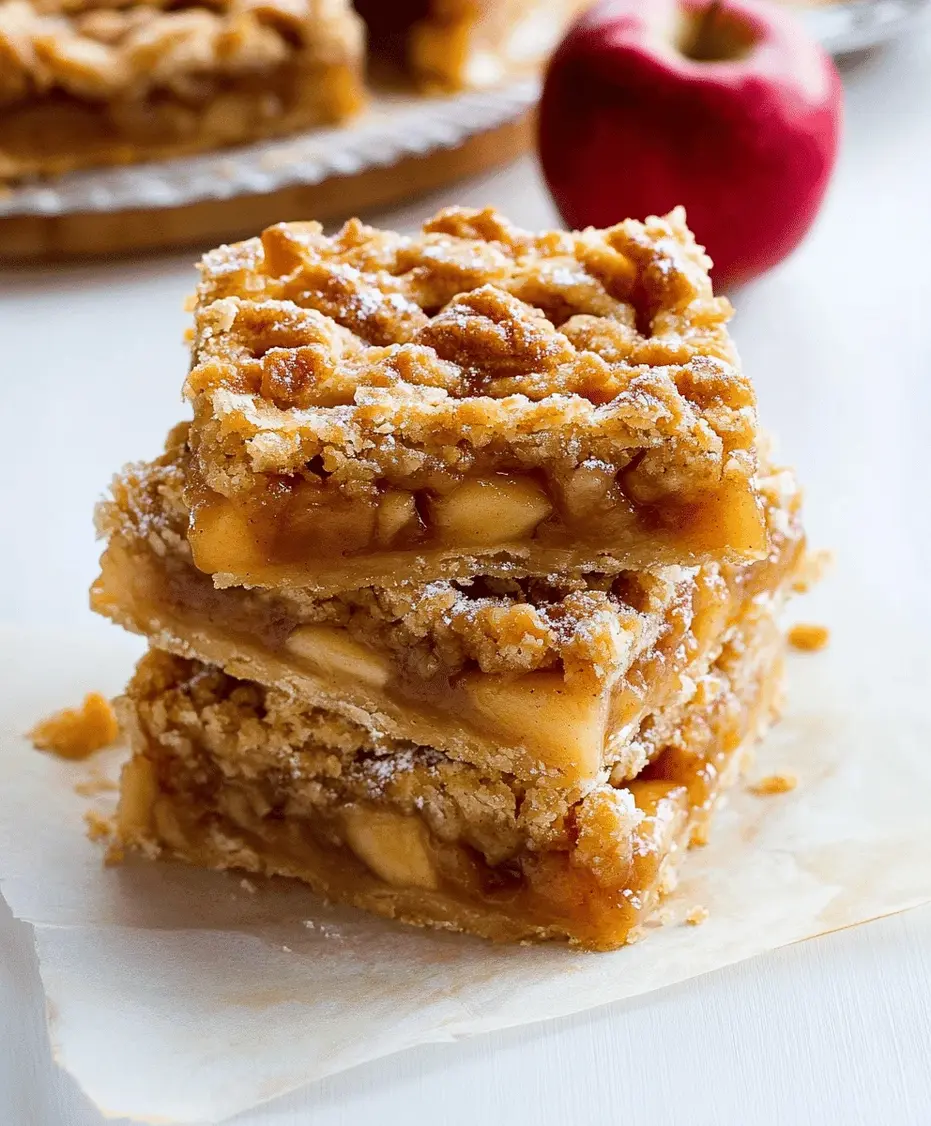
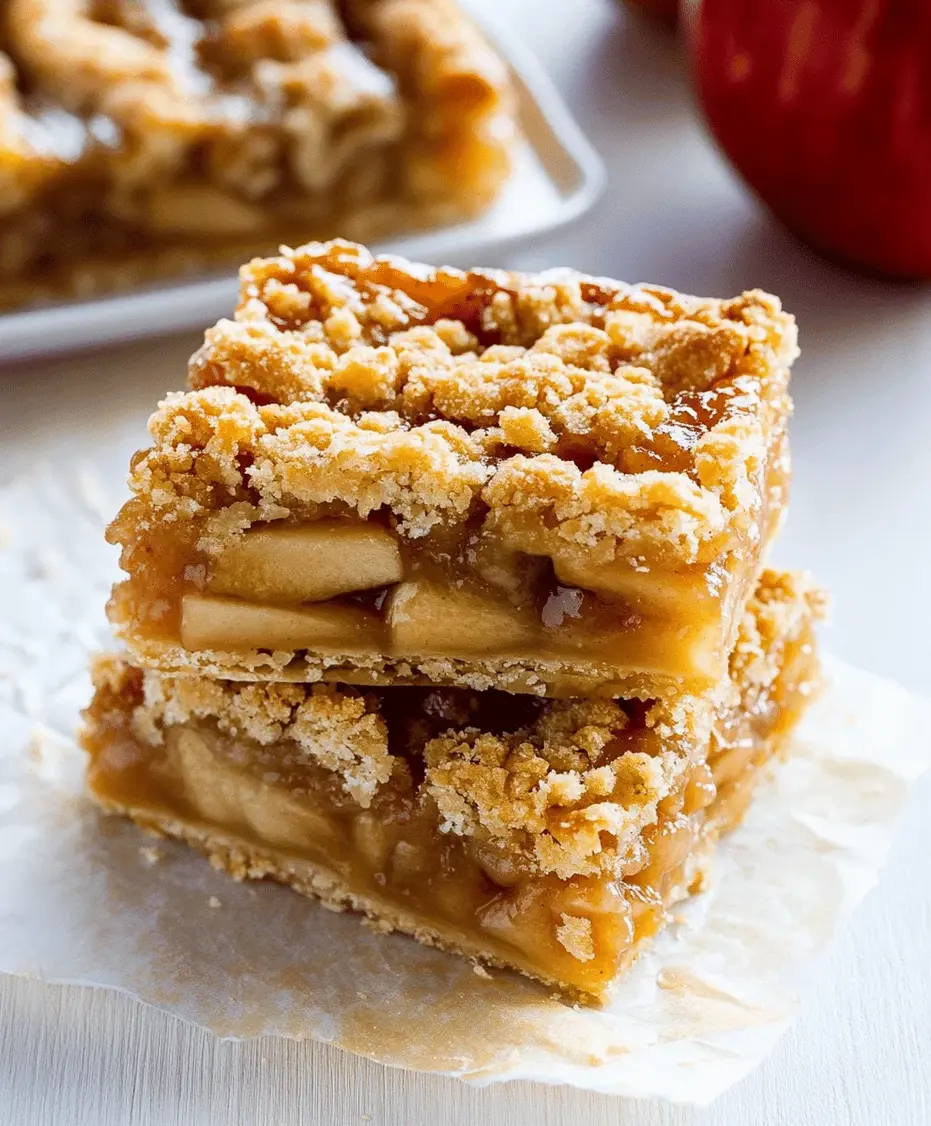
      Flaky Apple Pie Bars ready to be cut

      Crafting Your Flaky Apple Pie Bars: Step-by-Step

      Step 1: Preheat and Prepare

      Begin by preheating your oven to 375°F (190°C). Line a 9×13 inch baking pan with parchment paper, leaving an overhang on the sides. This makes it incredibly easy to lift the cooled bars out of the pan for slicing. Lightly grease the parchment paper as well.

      Step 2: Create the Buttery Crust

      In a large bowl, whisk together the flour and salt. Cut in the cold, cubed butter using a pastry blender, your fingertips, or a food processor until the mixture resembles coarse crumbs with some pea-sized pieces of butter remaining. This is key to achieving that sought-after flakiness. Gradually add the ice water, one tablespoon at a time, mixing until the dough just comes together. Be careful not to overmix. You want a shaggy dough, not a smooth ball. Divide the dough in half. Press one half evenly into the bottom of the prepared baking pan to form the crust. Reserve the other half for the topping.

      Step 3: Prepare the Luscious Apple Filling

      In a separate large bowl, toss the sliced apples with granulated sugar, flour (or cornstarch), cinnamon, nutmeg, and lemon juice. Ensure all the apple slices are coated evenly. This creates a beautiful, fragrant mixture that will bake into a tender, slightly thickened filling.

      Step 4: Assemble the Bars

      Spread the prepared apple filling evenly over the crust in the baking pan. Dot the top of the apple filling with the small pieces of butter. For the topping, you have a few options: you can either crumble the reserved dough over the apples, or if you prefer a streusel topping, mix about ½ cup of flour, ¼ cup brown sugar, ¼ cup cold butter, and a pinch of cinnamon until crumbly and sprinkle that over the apples. If you opt for the simple topping, gently press the reserved dough into small pieces or crumbles and distribute them over the apple filling. If using, sprinkle the turbinado sugar over the top for that extra crunch.

      Step 5: Bake to Golden Perfection

      Bake in the preheated oven for 45-55 minutes, or until the crust is golden brown and the apple filling is bubbling and tender. You should be able to easily pierce an apple slice with a fork. If the topping starts to brown too quickly, you can loosely tent the pan with aluminum foil.

      Step 6: Cool and Slice

      Let the apple pie bars cool completely in the pan on a wire rack. This is crucial for the filling to set properly, otherwise, they will be messy to cut. Once fully cooled (at least 2-3 hours, or even overnight), use the parchment paper overhang to lift the entire slab out of the pan. Slice into bars using a sharp knife. Wipe the knife clean between cuts for neat edges.

      Nutritional Snapshot of Apple Pie Bars

      • Calories: Approximately 350-450 per bar (varies based on exact ingredients and portion size)
      • Fat: 18-25g
      • Carbohydrates: 40-55g
      • Sugar: 20-30g
      • Fiber: 2-4g
      • Protein: 3-5g

      (Note: Nutritional information is an estimate and can vary.)

      Healthier Twists on Apple Pie Bars

      Looking to lighten things up without sacrificing flavor? Try these swaps:

      • Whole Wheat Crust: Substitute half of the all-purpose flour with whole wheat flour for added fiber and nutrients.
      • Reduced Sugar: Decrease the sugar in both the crust and filling, especially if using very sweet apples. You can also use a natural sweetener like maple syrup or honey, adjusting quantities as needed.
      • More Fiber: Add a tablespoon or two of oats to the crust mixture for a bit more texture and fiber.
      • Unsweetened Applesauce: While this can affect texture, a small amount of unsweetened applesauce can sometimes replace some of the butter or sugar.

      Serving Suggestions for Maximum Delight

      These apple pie bars are delightful on their own, but here are a few ways to elevate them:

      • Warm with Ice Cream: A classic pairing! Serve warm bars with a scoop of vanilla bean ice cream for a decadent treat.
      • Drizzle of Caramel: A generous drizzle of caramel sauce takes these bars to a whole new level.
      • Whipped Cream: A dollop of freshly whipped cream is a lighter, yet equally delicious, accompaniment.
      • Powdered Sugar Dusting: A light dusting of powdered sugar can add an elegant finish.
      • With a cup of tea or coffee: Perfect for an afternoon pick-me-up or a cozy morning breakfast.

      Common Pitfalls to Avoid

      To ensure your apple pie bars turn out perfectly every time, be mindful of these common mistakes:

      • Overworking the Dough: This develops the gluten too much, resulting in a tough crust instead of a tender, flaky one.
      • Not Using Cold Ingredients for Crust: Cold butter and ice water are non-negotiable for achieving flakiness.
      • Cutting Apples Too Thinly: If sliced too thin, the apples can become mushy. Aim for about ¼-inch thickness.
      • Not Letting Them Cool Completely: Patience is key! Cutting warm bars will lead to a messy, unappealing result.
      • Too Much Filling: Overfilling can lead to a soggy bottom crust and potentially overflow during baking.

      Storing Your Apple Pie Bars

      Proper storage will keep your apple pie bars tasting fresh:

      • Room Temperature: Store cooled bars in an airtight container at room temperature for up to 2 days.
      • Refrigerator: For longer storage, refrigerate them in an airtight container for up to 5 days. They are delicious served cold or gently rewarmed.
      • Freezing: You can freeze the entire slab or individual bars. Wrap them tightly in plastic wrap, then in foil. Freeze for up to 2-3 months. Thaw at room temperature or in the refrigerator.
      Close-up of a flaky apple pie bar with cinnamon spices

      Frequently Asked Questions

      ***What kind of apples are best for apple pie bars?***

      A mix of sweet and tart apples yields the best flavor complexity. Good choices include Honeycrisp, Fuji, Gala for sweetness, and Granny Smith for tartness. Avoid apples that break down too quickly like Red Delicious.

      ***Why is my apple pie filling watery?***

      This can happen if you don’t use enough thickener (flour or cornstarch), or if you don’t cook the apples long enough for some of the juice to evaporate. Also, make sure to let the bars cool completely before slicing!

      ***Can I make the crust ahead of time?***

      Yes, you can make the dough for the crust and refrigerate it for up to 2 days, or freeze it for up to a month. Thaw in the refrigerator before using.

      ***What if I don’t have parchment paper?***

      You can grease and flour your baking pan very well. However, parchment paper with an overhang makes removal and slicing significantly easier.

      ***Can I add other spices?***

      Absolutely! A pinch of ground ginger or cloves can complement the cinnamon and nutmeg beautifully. A touch of cardamom can also add a unique twist.

      Conclusion

      These Flaky Apple Pie Bars are more than just a dessert; they’re a celebration of simple, comforting flavors wrapped in a perfectly executed pastry. They are incredibly versatile, easy to share, and guaranteed to be a hit at any gathering. Whether you’re a seasoned baker or a beginner, this recipe is designed for success, bringing the warm, cozy essence of apple pie into a convenient and delightful bar form. Don’t wait for a special occasion – whip up a batch today and let the sweet aroma fill your kitchen!

      Print
      clock clock iconcutlery cutlery iconflag flag iconfolder folder iconinstagram instagram iconpinterest pinterest iconfacebook facebook iconprint print iconsquares squares iconheart heart iconheart solid heart solid icon

      Flaky Apple Pie Bars Recipe


      • Author: Chef Emy

      Description

      These flaky apple pie bars feature a buttery, tender crust filled with spiced apples and a hint of cinnamon. Perfect for fall gatherings, holidays, or a cozy dessert, they offer all the flavors of a classic apple pie in a convenient bar form.


      Ingredients

      Scale
      • 2 ½ cupsall-purpose flour
      • 1 cupunsalted butter, cold and cubed
      • ½ cupgranulated sugar
      • ¼ teaspoonsalt
      • ½ cupice water
      • 4 cupsapples, peeled and sliced
      • ½ cupbrown sugar
      • 1 teaspooncinnamon
      • ¼ teaspoonnutmeg
      • 1 tablespoonlemon juice
      • 1 tablespooncornstarch
      • 1 teaspoonvanilla extract
      • 1egg (for egg wash)
      • 1 tablespooncoarse sugar (optional)

      Instructions

        Notes

        Use a mix of sweet and tart apples for the best flavor.
        Store leftovers in an airtight container for up to 3 days.
        Serve warm with vanilla ice cream for extra indulgence.

        Nutrition

        • Calories: 250
        • Sugar: 18g

        “`

        Butter Cake Recipe

        “`html

        Butter Cake Recipe

        The Timeless Appeal of a Perfectly Baked Butter Cake

        Did you know that over 50% of home bakers consider butter cake one of their top three favorite cake varieties, particularly for special occasions? This isn’t surprising, given its universally loved qualities: a rich, buttery flavor, an incredibly soft and moist crumb, and a delicate sweetness that pairs beautifully with almost any topping. The butter cake is more than just a dessert; it’s a celebration of simplicity and pure, unadulterated flavor. It stands as a testament to the magic that can be created with a handful of basic pantry staples. Whether you’re celebrating a birthday, looking for the perfect afternoon tea companion, or simply craving a comforting dessert, this butter cake recipe delivers every single time. Its popularity isn’t just anecdotal; it’s deeply rooted in its ability to evoke nostalgia and provide consistent, delicious results, making it a reliable star of any table.

        Ingredients: The Heart of Your Butter Cake

        The beauty of this butter cake lies in its straightforward ingredient list, which utilizes most items you likely already have in your pantry. The quality of your ingredients will truly shine through, so opt for the best you can. This recipe yields a standard 8 or 9-inch round cake or an 8×8 inch square cake.

        • 1 cup (2 sticks or 227g) unsalted butter, softened: The star of the show! Ensure it’s truly softened to room temperature – it should yield slightly to firm pressure but not be greasy or melted. This is crucial for achieving a light and airy texture. Substitution: You can use salted butter, but reduce the added salt in the recipe by ¼ teaspoon.
        • 1 ½ cups (300g) granulated sugar: Provides sweetness and contributes to the cake’s tender crumb and golden-brown crust.
        • 3 large eggs, at room temperature: Eggs bind the ingredients and add richness, moisture, and structure. Room temperature eggs incorporate more easily into the batter, preventing a greasy or curdled texture. Substitution: For each egg, you can use ¼ cup of unsweetened applesauce, though this may result in a slightly denser cake.
        • 1 teaspoon vanilla extract: Enhances all the other flavors and adds that classic, comforting aroma. Use pure vanilla extract for the best taste. Substitution: Vanilla bean paste can be used for a more intense vanilla flavor and visual speckles.
        • 2 ½ cups (315g) all-purpose flour: The foundation of our cake structure. Spoon and level your flour to avoid packing too much, which can make the cake dense. Substitution: A good quality 1:1 gluten-free baking blend can be used, though results may vary slightly in texture.
        • 2 ½ teaspoons baking powder: Our leavening agent, responsible for the cake’s rise and fluffy texture. Always ensure your baking powder is fresh.
        • ½ teaspoon salt: Balances the sweetness and enhances the overall flavor profile.
        • 1 cup (240ml) milk, at room temperature: Adds moisture and helps create a tender crumb. Whole milk will yield the richest result. Substitution: Buttermilk or evaporated milk can be used for added richness and a slightly tangier flavor. Ensure they are also at room temperature.

        Timing is Everything

        Prep Time:
        20 minutes
        Cook Time:
        30-35 minutes
        Total Time:
        50-55 minutes (plus cooling)

        Typically, a classic butter cake recipe like this falls within a similar preparation and baking window. While some elaborate cakes can take hours, this straightforward recipe is achievable on a weeknight or for a spontaneous baking session. The 20 minutes of prep are efficient, focused on gathering ingredients and mixing, while the 30-35 minutes of baking ensure a perfectly cooked interior and a golden exterior. Remember to factor in cooling time, which is essential before frosting or slicing.

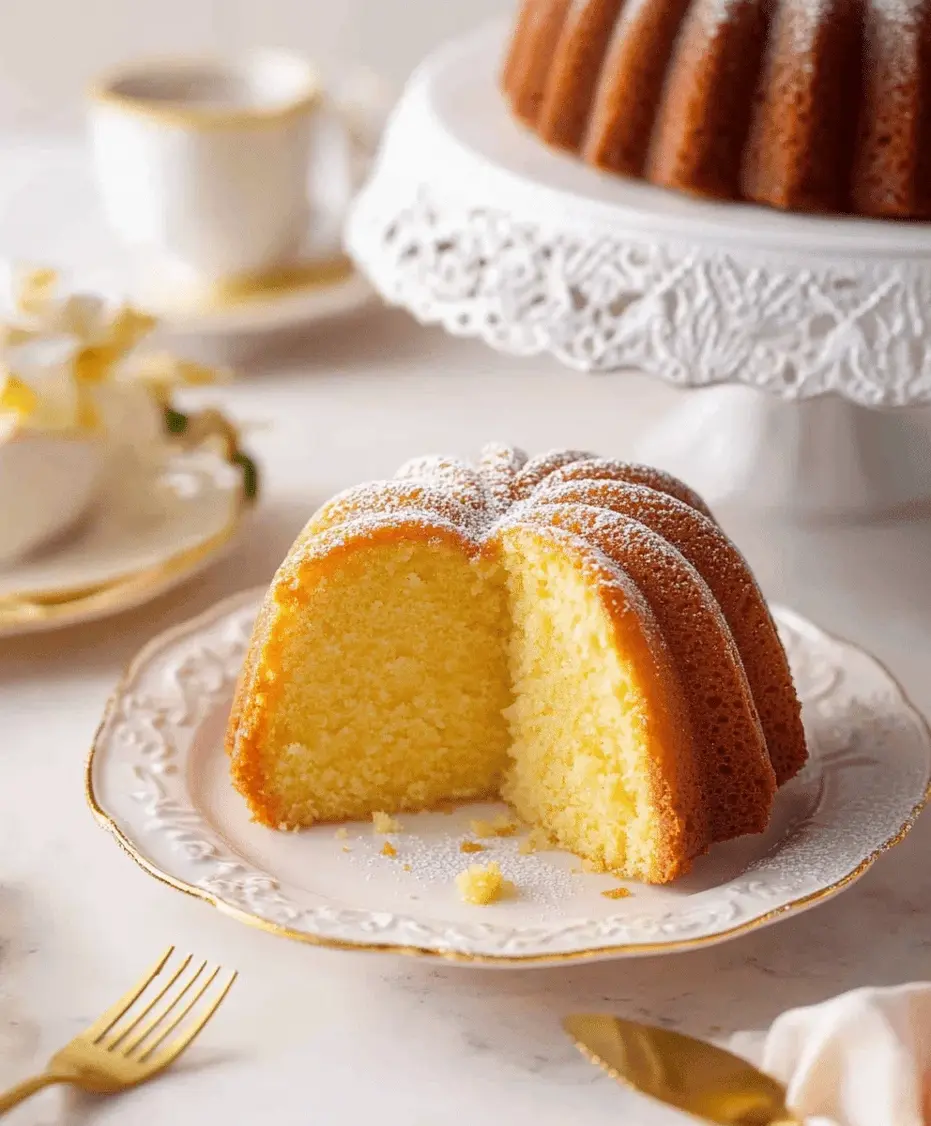
        A perfectly baked golden brown butter cake on a cooling rack.

        Crafting Your Golden Butter Cake: Step-by-Step

        Step 1: Preheat Oven and Prepare Pan

        First things first, let’s get your oven ready for baking. Preheat it to 350°F (175°C). While the oven heats up, prepare your baking pan. Grease it thoroughly with butter or non-stick cooking spray, and then lightly flour it. Tap out any excess flour. For an extra layer of protection and easier unmolding, you can also line the bottom of the pan with a circle of parchment paper. This ensures your beautiful cake doesn’t stick.

        Step 2: Cream Butter and Sugar

        In a large mixing bowl, combine the softened unsalted butter and granulated sugar. Using an electric mixer (stand mixer with paddle attachment or a hand mixer), beat these together on medium-high speed for about 3-5 minutes. You’re looking for a pale yellow, fluffy mixture. This creaming process is crucial as it incorporates air into the batter, which contributes significantly to the cake’s light texture.

        Step 3: Add Eggs and Vanilla

        Add the room temperature eggs one at a time, beating well after each addition until fully incorporated. Don’t rush this step; each egg needs to be fully blended before adding the next. Once the eggs are in, stir in the vanilla extract. The mixture might look a little curdled at this stage, but don’t worry; it will smooth out in the next steps.

        Step 4: Combine Dry Ingredients

        In a separate medium bowl, whisk together the all-purpose flour, baking powder, and salt. Whisking ensures that the baking powder and salt are evenly distributed throughout the flour, which is key for a consistent rise and balanced flavor.

        Step 5: Alternate Adding Dry and Wet Ingredients

        Now, it’s time to bring everything together. With the mixer on low speed, begin by adding about one-third of the dry ingredients to the butter mixture. Mix until just combined. Then, add half of the room temperature milk and mix again until just combined. Repeat this process, adding another third of the dry ingredients, then the remaining milk, and finishing with the last third of the dry ingredients. Be careful not to overmix; mix only until the streaks of flour disappear. Overmixing can develop the gluten in the flour, resulting in a tough cake.

        Step 6: Bake the Cake

        Pour the batter into your prepared baking pan and spread it evenly with a spatula. Place the pan in the preheated oven. Bake for 30-35 minutes, or until a wooden skewer or toothpick inserted into the center of the cake comes out clean. The top of the cake should be golden brown and spring back lightly when gently pressed.

        Step 7: Cool and Serve

        Once baked, remove the cake from the oven and let it cool in the pan on a wire rack for about 10-15 minutes. This allows the cake to firm up slightly before you attempt to remove it. After this initial cooling period, carefully invert the cake onto the wire rack to cool completely. Once it’s fully cooled, you can dust it with powdered sugar, frost it, or serve it as is. Enjoy the simple, exquisite taste!

        Nutritional Information (Approximate per serving, assuming 12 servings)

        • Calories: 300-350 kcal
        • Fat: 15-20g
        • Carbohydrates: 35-45g
        • Protein: 3-5g
        • Sugar: 20-30g

        Note: Nutritional values are estimates and can vary based on specific ingredients and serving sizes.

        Healthier Alternatives & Flavor-Preserving Swaps

        While the classic butter cake is divine, we can make some tweaks for a slightly lighter version without sacrificing too much flavor:

        • Reduced Fat Butter: Use a good quality reduced-fat butter or a butter substitute, though this may affect the richness and texture slightly.
        • Whole Wheat Pastry Flour: Substitute some of the all-purpose flour with whole wheat pastry flour. This adds fiber and a slightly nutty flavor. Start with a 1:1 substitution and see how you like it.
        • Greek Yogurt or Applesauce: Replacing half of the butter with plain Greek yogurt or unsweetened applesauce can reduce fat and calories while adding moisture. The texture might become denser.
        • Reduced Sugar: Lowering the granulated sugar by ¼ to ½ cup can significantly reduce sweetness and calories. The cake might not brown as deeply, and the texture could be slightly less tender.
        • Unsweetened Milk Alternatives: Opt for unsweetened almond milk or soy milk if you’re avoiding dairy.

        Serving Suggestions: Elevate Your Cake Experience

        The beauty of a butter cake is its versatility. It’s delicious on its own, but here are a few ideas to make it even more special:

        • A Dusting of Powdered Sugar: Simple, elegant, and lets the cake’s flavor shine.
        • Fresh Berries: Serve slices with a handful of fresh strawberries, raspberries, or blueberries.
        • Whipped Cream or Crème Fraîche: A dollop of lightly sweetened whipped cream or a spoonful of tangy crème fraîche is a classic pairing.
        • Simple Glaze: A light drizzle of lemon or vanilla glaze adds a touch of sweetness and visual appeal.
        • A Scoop of Ice Cream: For an indulgent dessert, serve a warm slice with a scoop of your favorite ice cream.

        Common Mistakes to Avoid

        • Using Cold Butter or Eggs: This is a cardinal sin for butter cakes. Softened butter and room temperature eggs are essential for proper emulsification and texture.
        • Overmixing the Batter: Once you add the flour, mix only until just combined. Overmixing develops gluten, leading to a tough, dense cake.
        • Opening the Oven Door Too Soon: Resist the urge to check your cake too early. The sudden change in temperature can cause it to collapse. Wait until at least ¾ of the way through the baking time.
        • Not Properly Measuring Flour: Spooning flour into your measuring cup and leveling it off is key. Scooping directly from the bag compacts the flour, leading to too much flour and a dry cake.

        Storing Your Butter Cake

        Proper storage will keep your butter cake delightful for days:

        • At Room Temperature: Once completely cooled, store the cake in an airtight container or wrap it tightly in plastic wrap. It will stay fresh for up to 3-4 days. If frosted, consider refrigerating it, especially if the frosting is cream-cheese based.
        • Refrigeration: For longer storage, or if the cake is frosted with a perishable frosting, store it in the refrigerator for up to a week. Let it come to room temperature for about 30 minutes before serving for the best flavor and texture.
        • Freezing: Butter cake freezes beautifully. Wrap it well in plastic wrap, then in aluminum foil, or place it in a freezer-safe container. It can be frozen for up to 3 months. Thaw overnight in the refrigerator.
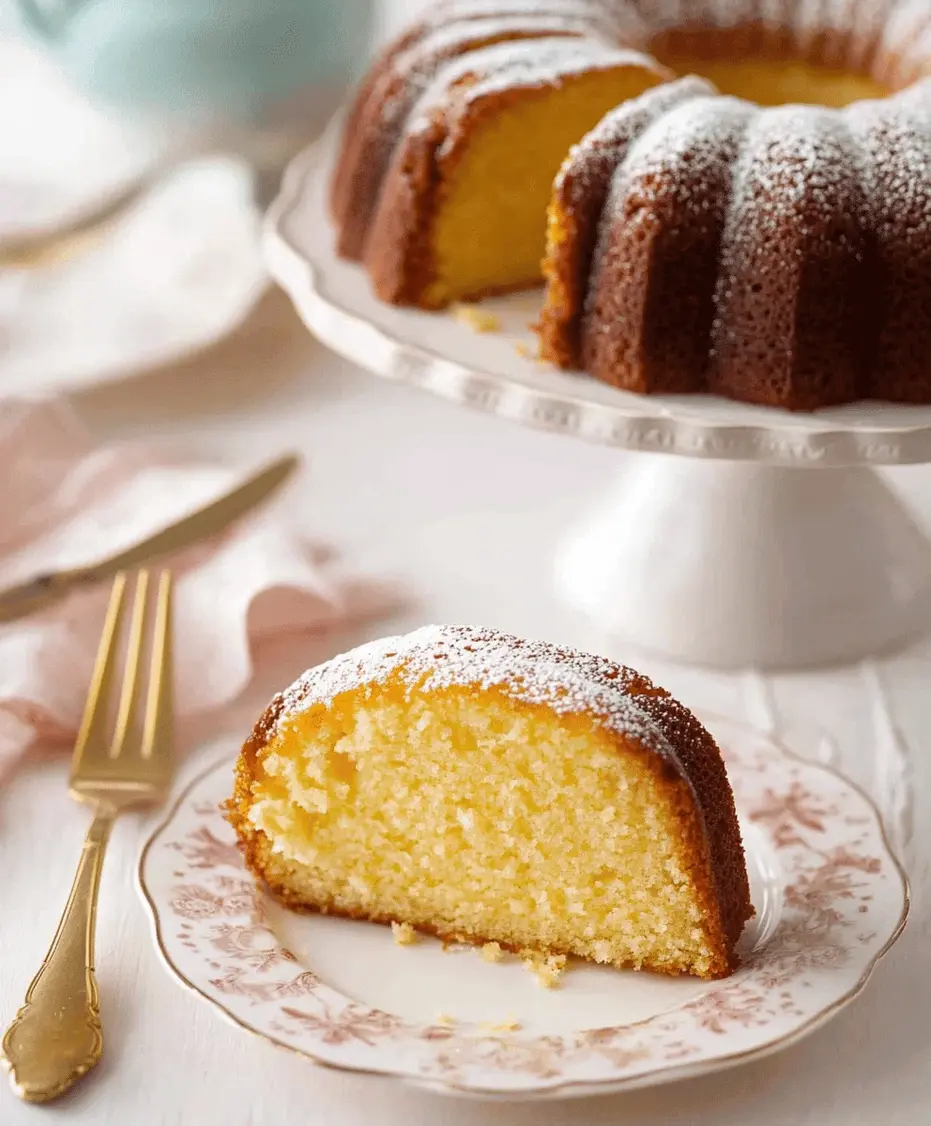
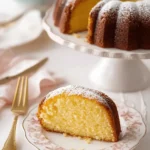
        Close-up of a slice of butter cake being served.

        Frequently Asked Questions (FAQs)

        What does “room temperature” mean for butter and eggs?

        Room temperature typically means around 65-70°F (18-21°C). Butter should be pliable and yield to gentle pressure without feeling greasy. Eggs should not be cold from the refrigerator; letting them sit out for 30-60 minutes usually does the trick.

        Why is my butter cake dense?

        A dense cake is often caused by overmixing the batter after adding flour, using too much flour, or not creaming the butter and sugar enough to incorporate air.

        Can I make cupcakes from this recipe?

        Absolutely! Line muffin tins with cupcake liners and fill them about two-thirds full. Bake at 350°F (175°C) for 18-22 minutes, or until a toothpick comes out clean.

        How can I ensure my cake is moist?

        Using room temperature ingredients, not overmixing, and not overbaking are the key elements to a moist butter cake. Using whole milk or buttermilk also contributes to moisture.

        A Classic for Every Occasion

        This butter cake recipe is a testament to the fact that sometimes, the simplest things are the most delicious. Its rich, buttery flavor, incredibly tender crumb, and comforting aroma make it a beloved classic for a reason. Whether you’re a seasoned baker or just starting, this recipe is designed to be foolproof, yielding a beautiful and delicious cake every time. Gather your pantry staples, follow these steps, and prepare to be delighted. It’s the perfect foundation for celebrations and the perfect treat for everyday moments.

        Print
        clock clock iconcutlery cutlery iconflag flag iconfolder folder iconinstagram instagram iconpinterest pinterest iconfacebook facebook iconprint print iconsquares squares iconheart heart iconheart solid heart solid icon

        Butter Cake Recipe


        • Author: Chef Emy

        Description

        This buttery, soft, and moist butter cake is a timeless classic. Made with simple pantry staples, it’s perfect for birthdays, tea time, or dessert.


        Ingredients

        Scale
        • 2 ½ cupsall-purpose flour
        • 2 ½ tspbaking powder
        • ½ tspsalt
        • 1 cupunsalted butter, softened
        • 2 cupsgranulated sugar
        • 4large eggs
        • 1 tspvanilla extract
        • 1 cupwhole milk

        Instructions

          Notes

          Ensure butter is at room temperature for a smooth batter.
          Do not overmix to keep the cake light and fluffy.
          Pairs well with frosting, whipped cream, or fresh fruit.

          Nutrition

          • Calories: 320
          • Sugar: 28g

          “`

          Big Apple Fritters Recipe

          “`html

          Big Apple Fritters Recipe

          Introduction

          Did you know that the average American consumes roughly 19 pounds of apples per year? With so many delicious apples in our diets, it’s no wonder we crave ways to enjoy them! If you’re looking for a truly divine way to savor that crisp, sweet apple goodness, look no further than these Big Apple Fritters. These aren’t just any fritters; they are golden, crispy delights on the outside, wonderfully soft and moist on the inside, and packed with the comforting warmth of cinnamon and nutmeg. Imagine biting into a warm fritter, with tender pieces of apple bursting with flavor, all enrobed in a sweet, delicate glaze. They are perfect for a cozy breakfast treat, a delightful dessert, or even a satisfying afternoon pick-me-up. Forget those store-bought versions; making these homemade apple fritters will elevate your baking game to a whole new level. Get ready to impress yourself and your loved ones with this irresistible recipe!

          Ingredients

          Gather these essential ingredients for your Big Apple Fritters. We’ve included some notes to help you find the best quality and flavor.

          For the Fritters:

          • 2 cups (250g) All-Purpose Flour: The foundation of our tender fritters. Ensure it’s fresh for the best texture.
          • 2 teaspoons Baking Powder: This leavening agent is crucial for achieving that light and airy interior.
          • 1/2 teaspoon Ground Cinnamon: For that classic, warm apple pie spice aroma and taste.
          • 1/4 teaspoon Ground Nutmeg: Adds a subtle, aromatic depth that complements the cinnamon beautifully.
          • 1/4 teaspoon Salt: Enhances all the other flavors and balances the sweetness.
          • 1/4 cup (50g) Granulated Sugar: Just a touch of sweetness in the batter itself.
          • 1 large Egg: Acts as a binder and adds richness to the dough.
          • 3/4 cup (180ml) Milk: Use whole milk for the creamiest texture, but 2% or even unsweetened plant-based milk (like almond or soy) can work.
          • 1 teaspoon Vanilla Extract: Boosts the overall flavor profile and adds a lovely aroma.
          • 2 cups (about 2 medium) Chopped Apples: Tart and firm apples like Granny Smith, Honeycrisp, or Fuji are ideal. They hold their shape well during frying and offer a delightful tang.
          • Vegetable Oil or Canola Oil for Frying: You’ll need about 3-4 cups to ensure the fritters can float freely. Ensure it has a high smoke point.

          For the Glaze:

          • 1 cup (120g) Powdered Sugar (Confectioners’ Sugar): For that smooth, sweet coating. Sift it if it’s lumpy.
          • 2-3 tablespoons Milk or Cream: Milk for a lighter glaze, cream for a richer one.
          • 1/2 teaspoon Vanilla Extract: Adds a hint of vanilla to the sweet glaze.

          Timing & Comparison

          Here’s a breakdown of the time commitment for making these delicious Big Apple Fritters. For context, many classic apple fritter recipes fall into a similar timeframe, with the frying process being the most time-consuming element.

          Prep time:
          20 minutes
          Cook time:
          20-25 minutes
          Total time:
          40-45 minutes

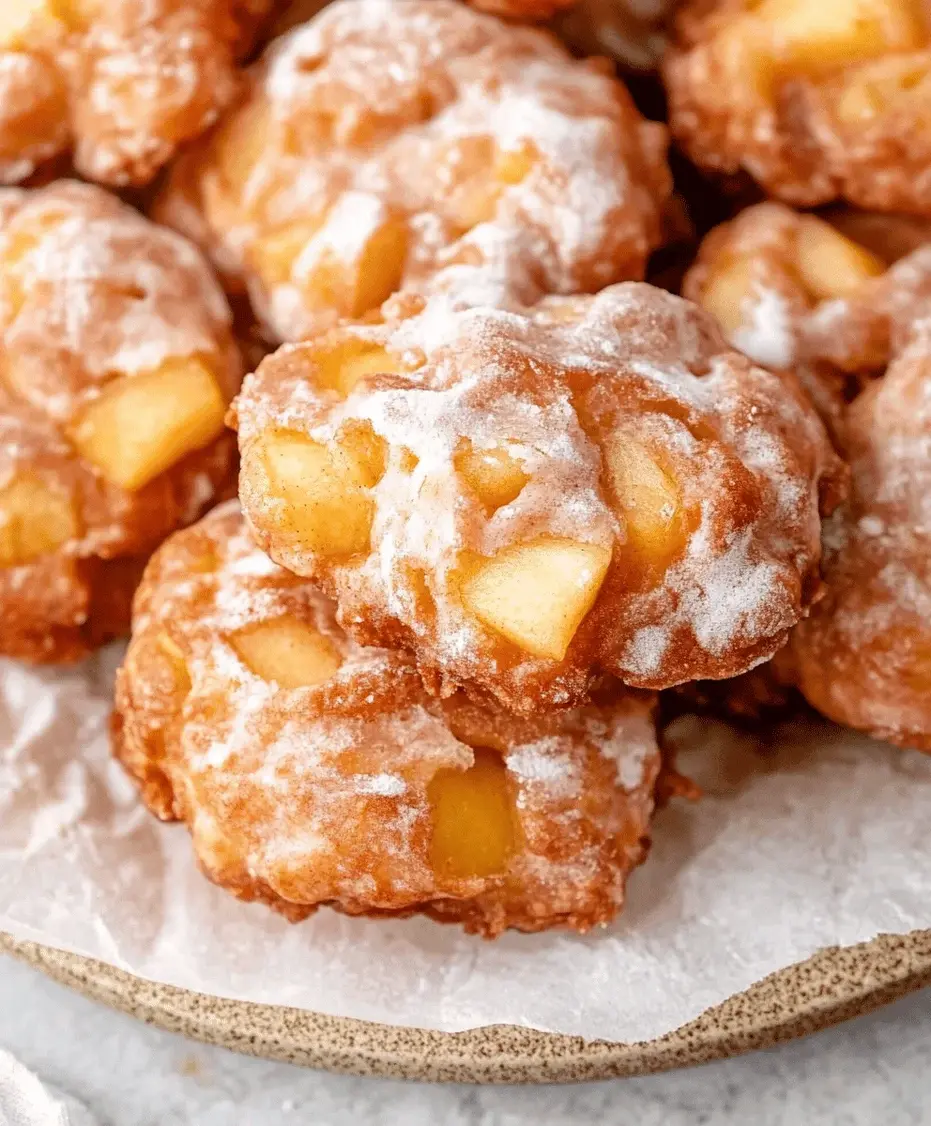
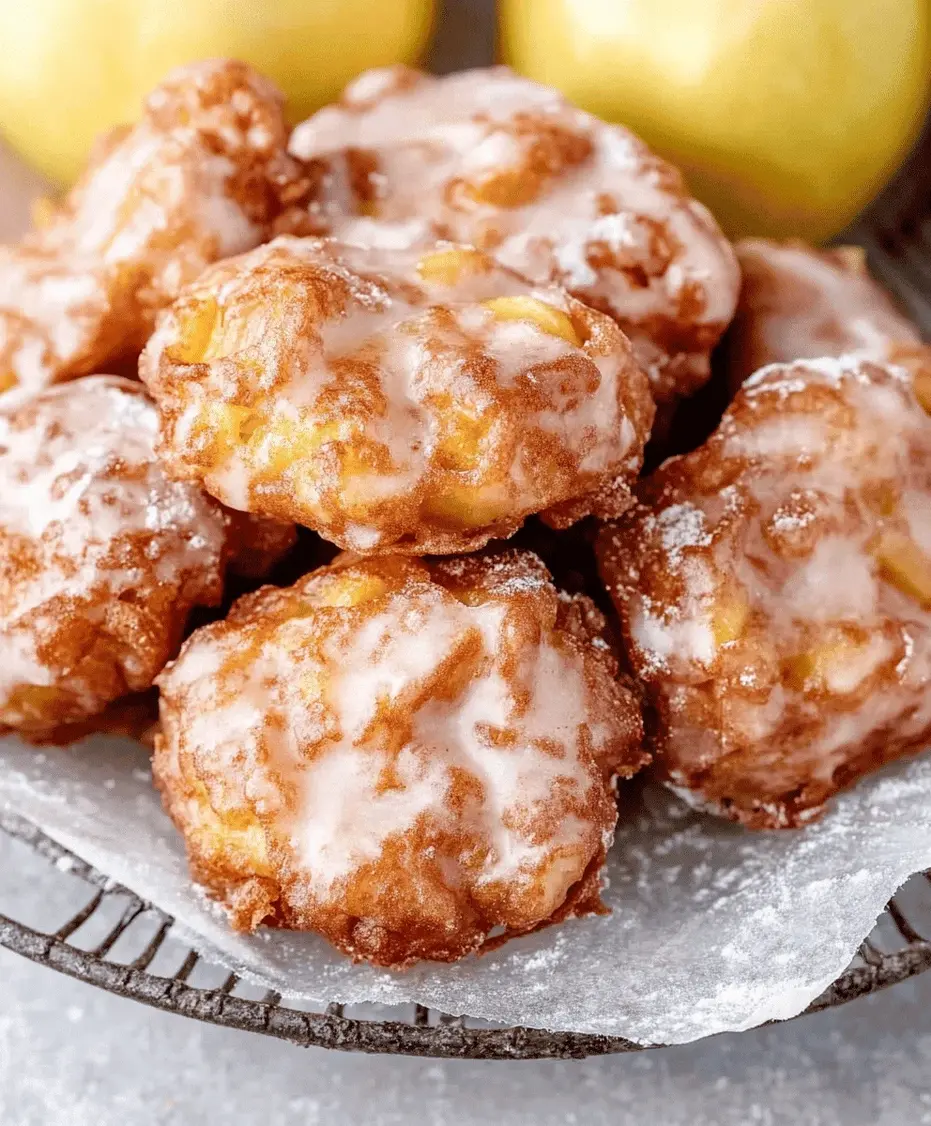
          A close-up of golden brown apple fritters on a cooling rack, with a drizzle of glaze.

          Step-by-Step Instructions

          Step 1: Prepare the Batter

          In a large mixing bowl, whisk together the flour, baking powder, cinnamon, nutmeg, salt, and granulated sugar. This dry mixture forms the base of our fritter. Make sure all the spices are evenly distributed!

          Step 2: Prepare the Apples

          Peel, core, and chop your apples into small, bite-sized pieces, roughly 1/2 inch in size. You want enough apple pieces to be present in every bite, but not so large that they won’t cook through. Don’t dice them too finely, or they may become mushy.

          Step 3: Combine Batter and Apples

          In a separate, smaller bowl, whisk together the egg, milk, and vanilla extract. Pour the wet ingredients into the dry ingredients and stir until just combined. Don’t overmix; a few lumps are perfectly fine. Overmixing can lead to tough fritters. Gently fold in the chopped apples. The batter should be thick enough to coat the apples, but not excessively doughy.

          Step 4: Fry the Fritters

          Heat about 3-4 inches of vegetable oil in a deep, heavy-bottomed pot or Dutch oven over medium heat to 350-360°F (175-180°C). It’s important to maintain a consistent oil temperature. Use a thermometer for accuracy. Carefully drop spoonfuls (about 2 tablespoons each) of the apple-batter mixture into the hot oil. Don’t overcrowd the pot; fry in batches of 3-4 fritters at a time. Fry for about 2-3 minutes per side, until golden brown and puffed up. Use a slotted spoon or spider sieve to remove the fritters from the oil and place them on a wire rack set over a baking sheet to drain any excess oil. Repeat with the remaining batter.

          Step 5: Make the Glaze

          While the fritters are draining, prepare the glaze. In a small bowl, whisk together the powdered sugar, 2 tablespoons of milk (or cream), and vanilla extract until smooth and pourable. If the glaze is too thick, add more milk, a teaspoon at a time, until it reaches your desired consistency. If it’s too thin, add a bit more powdered sugar.

          Once the fritters have cooled slightly, but are still warm, generously drizzle the glaze over them. You can also dip the tops of the fritters into the glaze for a thicker coating.

          Nutritional Information

          Please note that these are approximate values and can vary based on specific ingredients and portion sizes. This is a general estimate per fritter (assuming 8-10 fritters per recipe and one fritter per serving):

          • Calories: 250-300 kcal
          • Carbohydrates: 30-40g
          • Protein: 3-5g
          • Fat: 12-18g
          • Sugar: 15-20g

          Healthier Alternatives

          While traditional apple fritters are a treat, you can make some adjustments for a slightly healthier version without sacrificing too much flavor:

          • Reduced Sugar Glaze: Use less powdered sugar and/or opt for a natural sweetener like a drizzle of honey or maple syrup.
          • Whole Wheat Flour: Substitute half of the all-purpose flour with whole wheat flour for added fiber.
          • Baked Fritters: For a significantly lighter option, bake the fritter batter on a parchment-lined baking sheet at 375°F (190°C) until golden brown. They won’t have the same crispiness as fried but are still delicious.
          • Air Fryer: You can also experiment with air frying the fritters at around 375°F (190°C), flipping halfway, for a crispier result with less oil.

          Serving Suggestions

          These Big Apple Fritters are fantastic on their own, but here are a few ideas to elevate your experience:

          • Serve warm with a dusting of cinnamon sugar.
          • Pair with a scoop of vanilla ice cream or a dollop of whipped cream for a decadent dessert.
          • Enjoy with a hot cup of coffee or tea for a perfect breakfast or brunch treat.
          • A drizzle of caramel sauce alongside the glaze adds an extra layer of indulgence.

          Common Mistakes to Avoid

          To ensure your Big Apple Fritters turn out perfectly, steer clear of these common pitfalls:

          • Oil temperature too low: Fritters will absorb too much oil and become greasy.
          • Oil temperature too high: Fritters will brown too quickly on the outside before the inside is cooked.
          • Overmixing the batter: This develops the gluten in the flour, resulting in tough, chewy fritters instead of light and tender ones.
          • Overcrowding the pot: This lowers the oil temperature drastically, leading to soggy fritters.
          • Using apples that are too soft: They can break down too much during frying.

          Storing Your Fritters

          Apple fritters are best enjoyed fresh, shortly after they are made. However, if you have leftovers:

          • At room temperature: Store cooled fritters in an airtight container for up to 1-2 days. They may lose some of their crispness.
          • To reheat: For a crisper texture, you can briefly reheat them in a toaster oven or a regular oven at around 300°F (150°C) for a few minutes until warmed through. Microwaving tends to make them soft and chewy.
          A stack of glazed apple fritters on a white plate, ready to be served.

          Frequently Asked Questions

          ***What kind of apples are best for fritters?***

          Firm, tart apples like Granny Smith, Honeycrisp, Fuji, or Gala work best. They hold their shape well during frying and offer a delightful balance to the sweetness.

          ***Can I make the batter ahead of time?***

          It’s generally best to make the batter just before frying. Leavening agents start working as soon as they are wet, so letting the batter sit for too long can result in less fluffy fritters. Apples can be chopped ahead and stored in a little lemon water to prevent browning.

          ***Why are my fritters flat?***

          Flat fritters can be caused by a few things: the batter being too thin, overmixing, or the oil not being hot enough. Ensure your baking powder is fresh and your oil is at the correct temperature.

          ***Can I use different spices?***

          Absolutely! While cinnamon and nutmeg are classic, feel free to experiment with a pinch of cardamom, ginger, or allspice for a unique twist.

          Print

          clock clock iconcutlery cutlery iconflag flag iconfolder folder iconinstagram instagram iconpinterest pinterest iconfacebook facebook iconprint print iconsquares squares iconheart heart iconheart solid heart solid icon

          Big Apple Fritters Recipe


          • Author: Chef Emy

          Description

          Big Apple Fritters are a delicious deep-fried pastry filled with fresh apples and warm spices, coated in a sweet glaze. Perfect for breakfast, dessert, or a sweet snack, these homemade fritters are crispy on the outside, soft on the inside, and bursting with apple flavor.


          Ingredients

          • For the Glaze:

          Instructions

            Notes

            Use firm apples like Granny Smith for the best texture.
            Ensure the oil temperature stays at 350°F for even frying.
            Serve warm for the best taste.

            Nutrition

            • Calories: 220
            • Sugar: 14g

            “`

            Brown Sugar Carmel Pound Cake Recipe

            “`html

            Brown Sugar Caramel Pound Cake Recipe

            The Southern Charm of a Brown Sugar Caramel Pound Cake

            Are you craving a dessert that whispers of tradition and tastes like pure comfort? In a world where quick fixes often fall short, wouldn’t it be wonderful to bake a cake that embodies rich history and unparalleled flavor? This Brown Sugar Caramel Pound Cake is more than just a dessert; it’s an experience. Often, pound cakes can lean towards dryness, but this recipe, with its thoughtful use of brown sugar and a luscious caramel glaze, guarantees a consistently moist crumb and a depth of flavor that will have your guests asking for seconds. It’s a testament to why classic Southern baking has endured for generations.

            A Symphony of Sweetness: Ingredients for Your Brown Sugar Caramel Pound Cake

            Crafting this magnificent cake requires a selection of wholesome ingredients that come together to create an unforgettable taste. We’ve included suggestions for substitutions to make this recipe accessible for everyone.

            Prep time
            25 minutes
            Cook time
            60-75 minutes
            Total time
            1 hour 30 minutes (approx.)
            Servings
            12 slices

            For the Cake:

            • 2 1/4 cups (280g) All-Purpose Flour: Provides the cake’s structure. You can substitute with a gluten-free blend, though texture may vary slightly.
            • 1 teaspoon Baking Powder: For a subtle lift and tenderness.
            • 1/2 teaspoon Salt: Enhances all the sweet flavors and balances the richness.
            • 1 cup (227g) Unsalted Butter, softened: The foundation of a moist and tender cake. Ensure it’s at room temperature for optimal creaming.
            • 1 cup (200g) Granulated Sugar: Contributes to the cake’s sweetness and tender crumb.
            • 1 cup (210g) Packed Light Brown Sugar: This is key for that signature caramel flavor and moisture. Dark brown sugar can be used for a deeper molasses note.
            • 4 Large Eggs, room temperature: Bind the ingredients and add richness. Room temperature eggs incorporate more easily.
            • 1 teaspoon Vanilla Extract: A classic enhancer for sweet baked goods.
            • 1 cup (240ml) Buttermilk, room temperature: Adds a wonderful tang and ensures a super moist cake. If you don’t have buttermilk, you can make a substitute by adding 1 tablespoon of lemon juice or white vinegar to 1 cup of milk and letting it sit for 5-10 minutes.
            • 1/2 cup (75g) Chopped Pecans (optional): For a delightful nutty crunch that pairs beautifully with caramel. Toasting them beforehand intensifies their flavor.

            For the Caramel Glaze:

            • 1/2 cup (113g) Unsalted Butter: The base of our sticky, sweet glaze.
            • 1 cup (200g) Packed Light Brown Sugar: The star ingredient for caramel flavor.
            • 1/4 cup (60ml) Heavy Cream or Milk: To achieve the perfect drizzling consistency.
            • 1 teaspoon Vanilla Extract: A touch of vanilla rounds out the glaze flavor.
            • Pinch of Salt: Balances the sweetness.
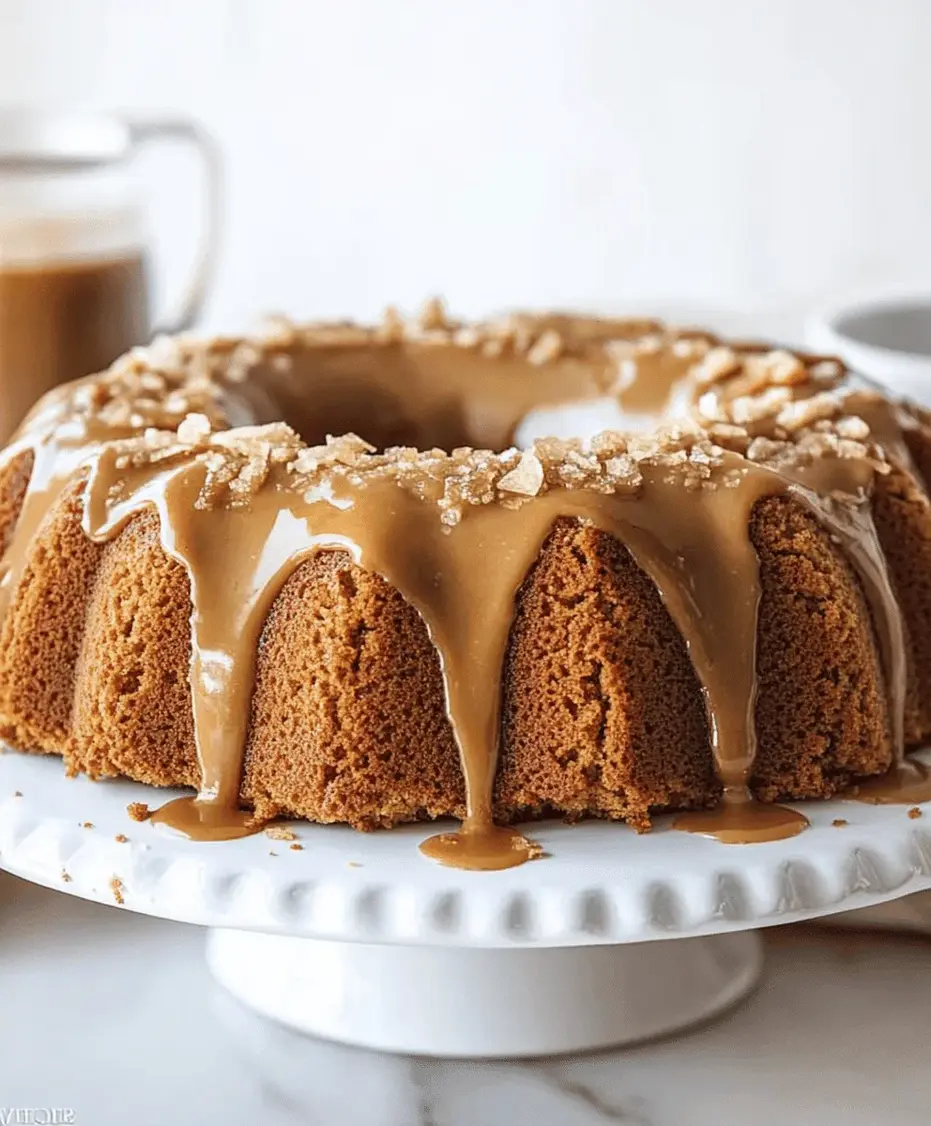
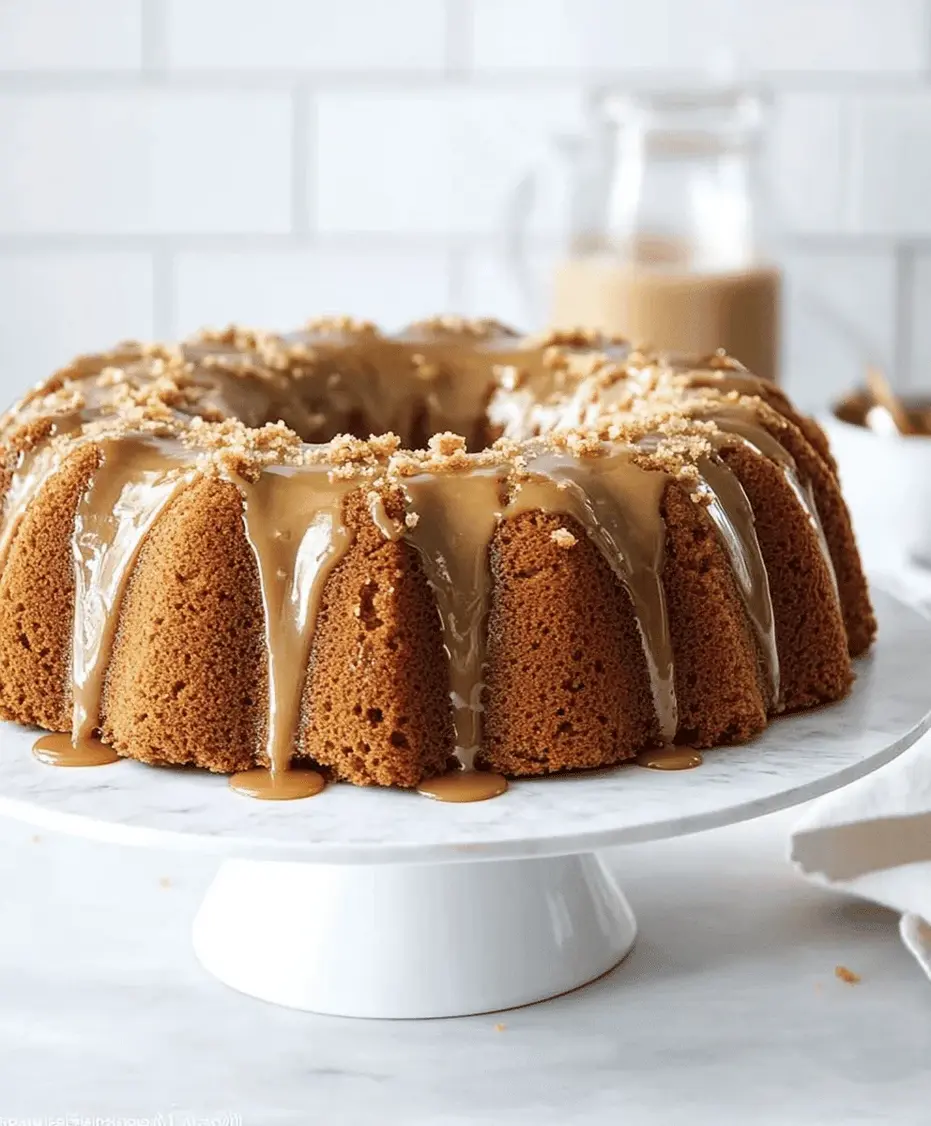
            A beautifully baked Brown Sugar Caramel Pound Cake with a glistening caramel glaze.

            Time Well Spent: Yielding the Perfect Pound Cake

            This recipe is designed to give you ample time to prepare each component without feeling rushed. The typical pound cake recipe might take about 10-15 minutes less prep time, but the extra care here is well worth it for the rich flavor and moist texture. We estimate about 25 minutes for preparation, including mixing the batter and preparing the glaze ingredients. The baking process itself will take approximately 60 to 75 minutes, depending on your oven. Allowing for cooling time and glazing, you’re looking at a total of around 1 hour and 30 minutes from start to finish. This is a reasonable timeframe for a cake that is baked from scratch and promises such delightful results.

            Crafting Your Masterpiece: Step-by-Step Instructions

            Follow these simple steps to create your own slice of caramel heaven. Baking should be a joyful process, so don’t be afraid to embrace the wonderful aromas as they fill your kitchen!

            Step 1: Prepare the Caramel Glaze Components

            Before you even begin mixing the cake batter, it’s wise to have your glaze ingredients ready. This prevents any last-minute scrambling. Measure out your butter, brown sugar, heavy cream, vanilla extract, and salt for the glaze. Set them aside. This small step ensures the glaze comes together smoothly later.

            Step 2: Cream the Butter and Sugars

            Preheat your oven to 325°F (160°C). Grease and flour a 10-inch bundt pan or a tube pan. In a large bowl, using an electric mixer, beat the softened unsalted butter until creamy. Gradually add the granulated sugar and packed light brown sugar. Continue beating for 3-5 minutes until the mixture is light, fluffy, and pale yellow. This creaming process is crucial for incorporating air, which contributes to the cake’s texture.

            Step 3: Add the Eggs

            Add the room temperature eggs, one at a time, beating well after each addition until fully incorporated. Scrape down the sides of the bowl as needed. Stir in the vanilla extract. Make sure each egg is thoroughly mixed in before adding the next to avoid a greasy or curdled texture.

            Step 4: Combine Dry Ingredients

            In a separate medium bowl, whisk together the all-purpose flour, baking powder, and salt. Whisking them together ensures that the leavening agent and salt are evenly distributed throughout the flour. This prevents pockets of saltiness or uneven rising in your cake.

            Step 5: Alternate Dry and Wet Ingredients

            With the mixer on low speed, begin adding the dry ingredients to the wet ingredients alternately with the buttermilk. Start and end with the dry ingredients. Add about one-third of the flour mixture, mix until just combined. Then add half of the buttermilk, mix. Add another third of the flour mixture, mix. Add the remaining buttermilk, mix. Finally, add the last third of the flour mixture and mix until just combined. Be careful not to overmix; overmixing can develop the gluten too much, leading to a tough cake.

            Step 6: Fold in Pecans

            If using pecans, gently fold them into the batter using a spatula. Ensure they are evenly distributed throughout the batter. This adds a delightful crunch and nutty flavor that complements the caramel perfectly.

            Step 7: Bake the Pound Cake

            Pour the batter into your prepared bundt pan or tube pan, spreading it evenly. Bake for 60-75 minutes, or until a wooden skewer or toothpick inserted into the center comes out clean. The baking time can vary, so begin checking around the 60-minute mark. Let the cake cool in the pan for 10-15 minutes before inverting it onto a wire rack to cool completely. Allowing it to cool slightly in the pan prevents it from breaking when you invert it.

            Step 8: Prepare the Glaze

            While the cake is cooling, prepare the caramel glaze. In a medium saucepan, melt the butter over medium heat. Stir in the packed light brown sugar and cook for 2-3 minutes, stirring constantly, until the sugar is dissolved and the mixture is smooth. Stir in the heavy cream (or milk), vanilla extract, and pinch of salt. Bring to a gentle boil and cook for 1-2 minutes, stirring constantly, until slightly thickened. Remove from heat.

            Step 9: Glaze and Serve

            Once the pound cake is completely cool, place it on a serving plate or platter. Drizzle the warm caramel glaze generously over the top, allowing it to drip down the sides. Let the glaze set for a few minutes before slicing and serving. The warm glaze against the cool cake is simply divine!

            A slice of Brown Sugar Caramel Pound Cake on a plate, showing its moist interior and caramel glaze.

            Nutritional Snapshot

            While individual results may vary based on exact ingredients and portion sizes, a typical slice of this Brown Sugar Caramel Pound Cake offers approximately:

            • Calories: 450-550 kcal
            • Fat: 25-30g
            • Carbohydrates: 60-70g
            • Sugar: 40-50g
            • Protein: 5-7g

            This information is an estimate and should be treated as a guideline. For precise nutritional data, consult a professional or use a reliable online calculator with your specific ingredients.

            Smarter Indulgence: Healthier Alternatives

            We believe in enjoying every bite, even when aiming for healthier options. Here are some ways to lighten up this decadent cake without compromising too much on flavor or texture:

            • Flour: Substitute half of the all-purpose flour with whole wheat pastry flour for added fiber. Ensure it’s a “pastry” flour as it’s finer and will yield a more tender result than regular whole wheat flour.
            • Sugar: Reduce the granulated sugar by 1/4 cup and use sugar substitutes like erythritol or stevia blends (adjusting sweetness levels as per package instructions). For the brown sugar, you can try a coconut sugar alternative, which has a slightly lower glycemic index and a subtle caramel note.
            • Fat: In the cake, you could experiment with replacing a portion of the butter with unsweetened applesauce or mashed banana for moisture, though this will alter the flavor profile. For the glaze, using a lighter cream or even evaporated milk can reduce fat content.
            • Nuts: If you’re watching your intake, simply omit the pecans.

            Elevate Your Experience: Serving Suggestions

            This Brown Sugar Caramel Pound Cake is a star on its own, but a few additions can make it even more spectacular:

            • A dollop of whipped cream: Lightly sweetened or unsweetened whipped cream provides a creamy contrast.
            • Fresh berries: Raspberries or strawberries add a touch of tartness and freshness.
            • A scoop of vanilla ice cream: For a truly decadent dessert experience.
            • An extra drizzle of caramel sauce: If you’re feeling extra indulgent!

            Common Mistakes to Avoid

            Even experienced bakers can encounter issues. Here are a few common pitfalls to watch out for:

            • Overmixing the batter: This develops gluten, leading to a tough texture. Mix until ingredients are just combined.
            • Using cold ingredients: Room temperature butter, eggs, and buttermilk are essential for proper emulsification and a smooth batter.
            • Not preheating the oven: An oven that isn’t at the correct temperature will affect baking time and texture.
            • Opening the oven door too early: This can cause the cake to sink. Wait until it’s mostly baked before checking.

            Storing Your Pound Cake

            To keep your Brown Sugar Caramel Pound Cake fresh and delicious:

            • Room Temperature: Once the glaze has set, store the cake, tightly covered, at room temperature for up to 3-4 days.
            • Refrigeration: If your kitchen is very warm or if the cake contains dairy-heavy glaze you want to keep extra fresh, you can refrigerate it. However, refrigerating can sometimes dry out cake. Ensure it’s well-wrapped. Bring to room temperature before serving for best texture.
            • Freezing: Wrap the cooled, unfrosted (or glazed) cake tightly in plastic wrap, then in foil. It can be frozen for up to 2-3 months. Thaw overnight at room temperature.

            Frequently Asked Questions

            ***When should I grease and flour the bundt pan?***

            It’s best to do this right after you preheat your oven, so it’s ready when your batter is mixed. This ensures the cake doesn’t stick to the pan.

            ***Can I make the caramel glaze ahead of time?***

            You can make the glaze a few hours ahead, but it’s best reheated gently before pouring over the cake, as it will thicken as it cools.

            ***Why is my pound cake dry?***

            Dryness is often caused by overbaking, incorrect ingredient measurements (too much flour), or not enough fat or liquid. This recipe’s brown sugar and buttermilk help combat dryness.

            ***What’s the difference between light and dark brown sugar?***

            Dark brown sugar contains more molasses, giving it a deeper, more robust caramel flavor and a slightly moister texture. Light brown sugar is milder and perfectly suited for this cake.

            ***Can I use milk instead of buttermilk in the cake?***

            While it’s possible, buttermilk contributes a significant amount of moisture and a slight tang that balances the sweetness. If you must use milk, adding a teaspoon of lemon juice or vinegar and letting it sit for 5 minutes can mimic buttermilk’s acidity.

            Print
            clock clock iconcutlery cutlery iconflag flag iconfolder folder iconinstagram instagram iconpinterest pinterest iconfacebook facebook iconprint print iconsquares squares iconheart heart iconheart solid heart solid icon

            Brown Sugar Carmel Pound Cake Recipe


            • Author: Chef Emy

            Description

            This Brown Sugar Caramel Pound Cake is rich, moist, and packed with deep caramel flavors. Made with brown sugar, pecans, and a decadent caramel glaze, this homemade cake is a true Southern classic.


            Ingredients

            • For the Caramel Glaze:

            Instructions

              Notes

              Use room temperature ingredients for best results.
              Toast the pecans for extra flavor.
              Let the caramel glaze cool slightly before drizzling to prevent run-off.

              Nutrition

              • Calories: 520
              • Sugar: 50g

              “`

              Peach Cobbler Cheesecake Recipe

              “`html

              Peach Cobbler Cheesecake Recipe

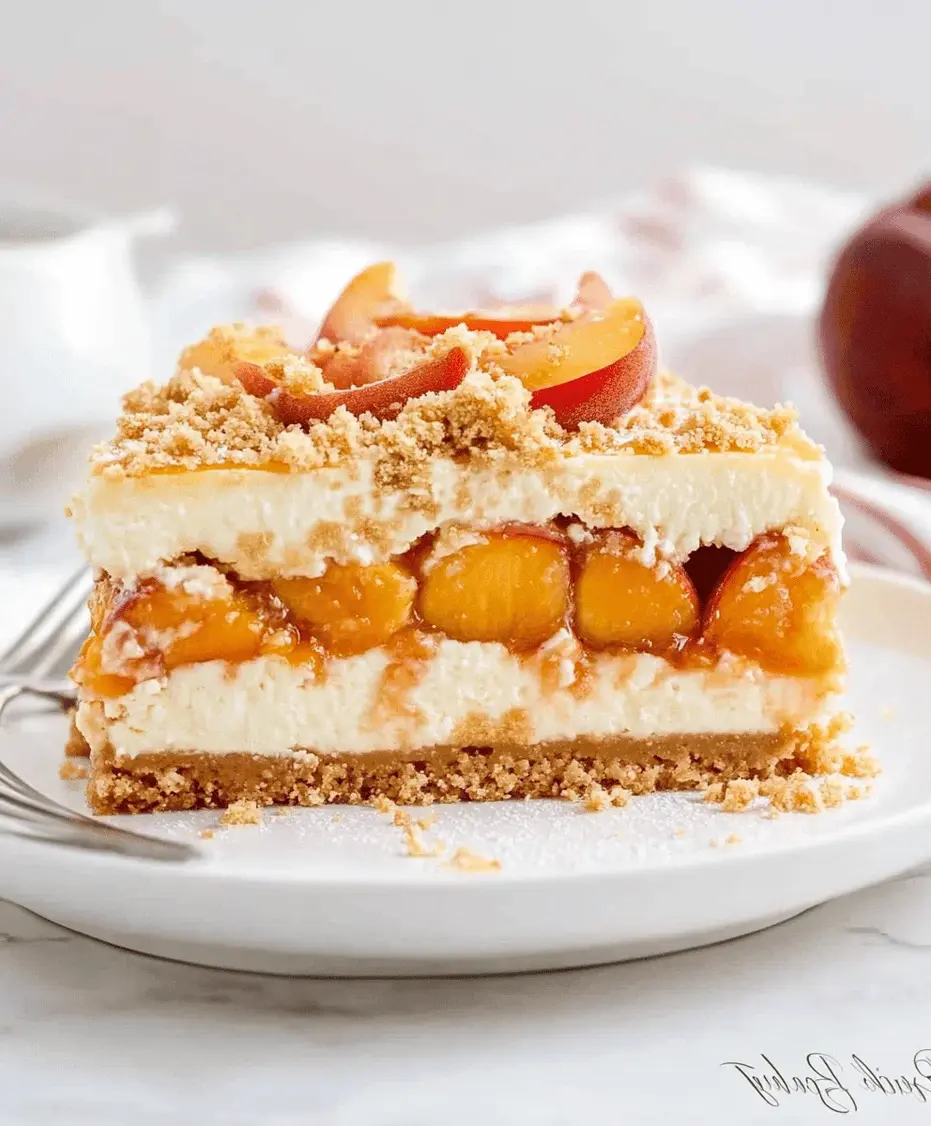
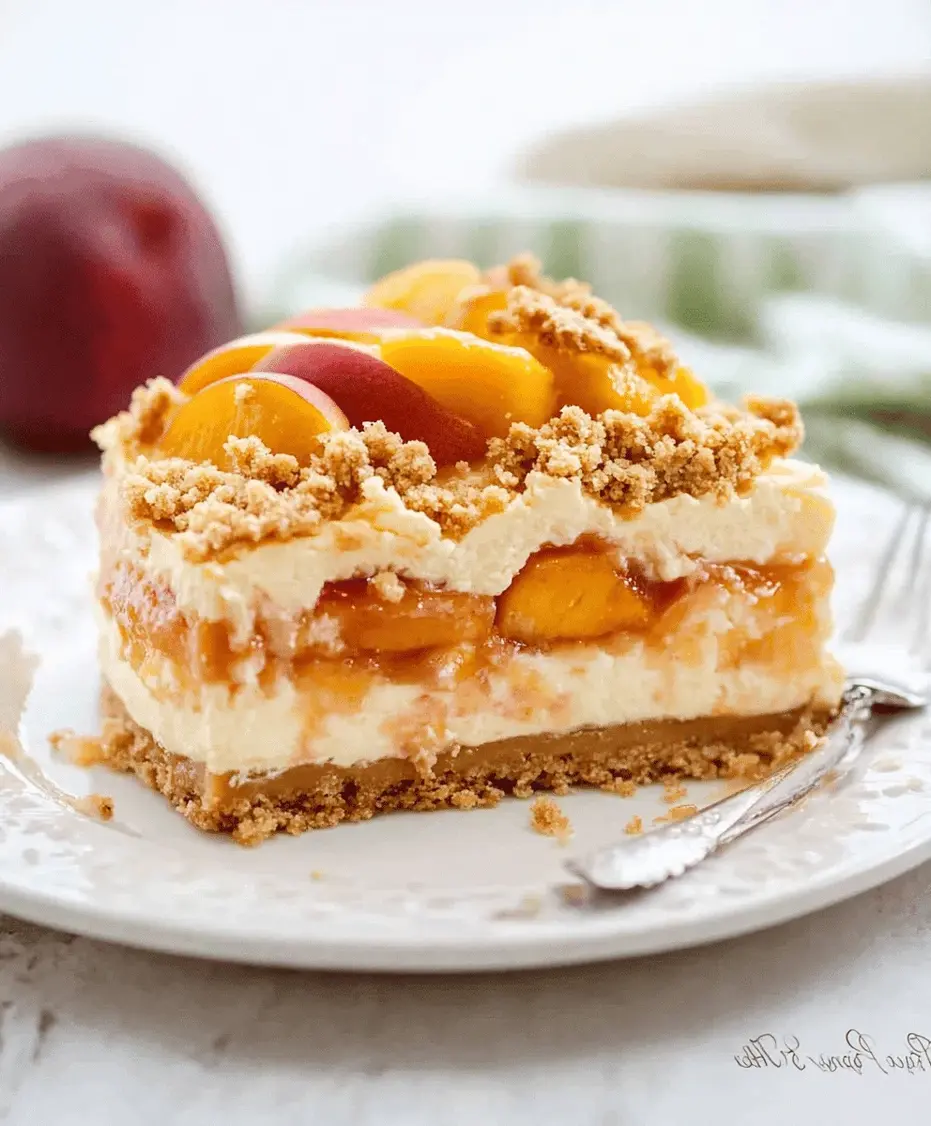
              Are you dreaming of a dessert that marries the comforting embrace of a warm peach cobbler with the decadent luxury of a creamy cheesecake? If your taste buds have ever yearned for that perfect balance of sweet, spiced fruit and rich, tangy cream, you’re in the right place. This Peach Cobbler Cheesecake recipe is your golden ticket to dessert paradise, a harmonious fusion that elevates both classics into something truly extraordinary. Imagine tender, juicy peaches simmered in warm spices, nestled atop a silken cheesecake, all crowned with a buttery, golden crumble. It’s a dessert that promises joy with every single bite, perfect for celebrations, cozy nights in, or whenever you need a touch of edible sunshine.

              Introduction to Peach Cobbler Cheesecake

              The concept of combining two beloved desserts can sometimes feel daunting, but with this Peach Cobbler Cheesecake, it’s a match made in culinary heaven. We’re talking about two desserts that, individually, bring immense happiness. The humble peach cobbler, with its rustic charm and burst of sweet, spiced fruit beneath a tender biscuit or crumble topping, is a quintessential comfort food. On the other hand, cheesecake is the epitome of elegance and indulgence, its creamy, smooth texture and rich flavor profile making it a perennial favorite for any occasion. By bringing them together, we’re not just creating a dessert; we’re crafting an experience. This recipe artfully blends the textures and flavors, ensuring that each forkful delivers the best of both worlds. Get ready to impress your friends and family with a dessert that’s as visually stunning as it is delicious. It’s a showstopper that’s surprisingly achievable, bringing a touch of gourmet flair to your home baking.

              Enchanting Ingredients for Peach Cobbler Cheesecake

              Crafting a masterpiece like this Peach Cobbler Cheesecake starts with selecting the best ingredients. We’ve carefully chosen each component to ensure a symphony of flavors and textures. Think of these as the building blocks for pure dessert bliss!

              For the Peach Filling:

              • Fresh or Frozen Peaches: About 4 cups, peeled and sliced. Fresh, ripe peaches will offer the brightest flavor, but high-quality frozen peaches also work beautifully, especially out of season. They’ll release their juices as they cook, creating a luscious sauce.
              • Granulated Sugar: 1/2 cup to 3/4 cup, depending on peach sweetness. This sweetens the peaches and helps them release their syrupy goodness.
              • Brown Sugar: 1/4 cup, packed. Adds a lovely caramel note and depth to the peach flavor.
              • Cornstarch: 2 tablespoons. This is our thickening agent, ensuring a perfectly syrupy, not watery, filling.
              • Ground Cinnamon: 1 teaspoon. The classic spice that pairs so wonderfully with peaches, adding warmth and aroma.
              • Ground Nutmeg: 1/4 teaspoon. A pinch of nutmeg adds a subtle complexity and warmth that complements cinnamon beautifully.
              • Lemon Juice: 1 tablespoon. Brightens the peach flavor and adds a touch of acidity to balance the sweetness.

              For the Cheesecake Base:

              • Graham Cracker Crumbs: 1.5 cups. The classic foundation for many cheesecakes and cobblers, providing a slightly sweet, crumbly base. About 10-12 full graham crackers finely crushed.
              • Granulated Sugar: 1/4 cup. For a touch of sweetness in the crust.
              • Unsalted Butter: 6 tablespoons, melted. The binder that holds the crumbs together and adds that irresistible buttery flavor.
              • Cream Cheese: 3 (8-ounce) packages, softened. The star of the show! Use full-fat, block-style cream cheese for the creamiest, smoothest texture. Make sure it’s at room temperature for lump-free mixing.
              • Granulated Sugar: 1 cup. Balances the tang of the cream cheese and provides sweetness.
              • Eggs: 3 large, room temperature. They emulsify the batter and provide structure.
              • Sour Cream: 1/2 cup, room temperature. Adds extra moisture and a delightful tang, contributing to a richer, creamier texture.
              • Vanilla Extract: 1 teaspoon. Enhances all the other flavors with its sweet, aromatic notes.
              • Lemon Zest: 1 teaspoon (optional but recommended). Adds a subtle, bright citrus note that cuts through the richness.

              For the Cobbler Crumble Topping:

              • All-Purpose Flour: 1 cup. The structural component of our crumble.
              • Brown Sugar: 3/4 cup, packed. For that characteristic caramel sweetness and crisp texture.
              • Rolled Oats: 1/2 cup (not instant). Adds a pleasant chewiness and nutty flavor to the crumble.
              • Ground Cinnamon: 1 teaspoon. Echoes the spices in the peach filling, creating a cohesive flavor profile.
              • Salt: 1/4 teaspoon. Balances the sweetness and enhances all the other flavors.
              • Unsalted Butter: 1/2 cup (1 stick), cold and cubed. Crucial for achieving that perfectly crumbly texture when cut into the dry ingredients.

              Timing is Everything: Peachy Keen Prep and Bake

              Prep Time:
              30 minutes
              Cook Time:
              60-70 minutes
              Chill Time:
              Minimum 4 hours
              Total Time:
              6 hours 30 minutes (approx.)

              Compared to a standard cheesecake, this Peach Cobbler Cheesecake has a slightly longer prep time due to the multiple components (peaches, crust, filling, crumble). However, the cooking time is similar to a traditional cheesecake, and the most significant difference lies in the essential chilling period to allow the cheesecake to set properly. Many similar complex dessert recipes can take anywhere from 30 minutes to 2 hours of active prep, plus baking and cooling time. This recipe is on the more involved side but offers a spectacular payoff!

              A slice of Peach Cobbler Cheesecake on a plate, showing creamy layers and fruit filling.

              Step-by-Step Symphony: Crafting Your Peach Cobbler Cheesecake

              Get ready to create something truly magical! Follow these steps carefully, and you’ll be rewarded with a dessert that’s the talk of the town.

              Step 1: The Sunny Side of Peaches

              In a medium bowl, combine the sliced peaches, granulated sugar, brown sugar, cornstarch, cinnamon, nutmeg, and lemon juice. Toss gently until the peaches are evenly coated. Let this mixture sit for about 10-15 minutes while you prepare the other components. This allows the peaches to start releasing their juices and the cornstarch to begin dissolving, ensuring a thick, luscious filling.

              Step 2: Crafting the Cozy Crumble

              In a separate bowl, whisk together the flour, brown sugar, rolled oats, cinnamon, and salt. Add the cold, cubed butter. Using a pastry blender, your fingertips, or a fork, cut the butter into the dry ingredients until the mixture resembles coarse crumbs with some pea-sized pieces of butter remaining. This is key for a tender, crumbly texture. Set this aside (you can even pop it in the fridge to keep the butter cold).

              Step 3: The Velvety Cheesecake Heart

              Preheat your oven to 350°F (175°C). Line the bottom of a 9-inch springform pan with parchment paper. In a medium bowl, stir together the graham cracker crumbs, 1/4 cup granulated sugar, and 6 tablespoons of melted butter. Press this mixture firmly and evenly into the bottom of the prepared springform pan to form the crust. Bake the crust for 8-10 minutes until lightly golden. Let it cool slightly while you make the filling.

              In a large bowl, beat the softened cream cheese with an electric mixer on medium speed until smooth and creamy, scraping down the sides as needed. Gradually beat in the 1 cup of granulated sugar until well combined and smooth. Beat in the eggs, one at a time, mixing just until each is incorporated. Do not overmix once the eggs are added, as this can lead to cracks. Stir in the sour cream, vanilla extract, and lemon zest (if using) until just combined. The batter should be smooth and luscious.

              Step 4: Building Layers of Bliss

              Pour about half of the cheesecake batter over the pre-baked crust. Spoon about half of the prepared peach mixture evenly over the cheesecake batter. Gently dollop the remaining cheesecake batter over the peaches, trying to cover as much as possible. Finally, spoon the remaining peach mixture over the top layer of cheesecake batter. You can gently swirl with a knife or skewer for a marbled effect, but don’t overdo it.

              Step 5: The Grand Finale – Baking to Golden Perfection

              Carefully sprinkle the prepared crumble topping evenly over the entire top of the cheesecake. Place the springform pan on a baking sheet (this catches any potential drips and makes it easier to handle). Bake in the preheated oven for 60-70 minutes. The edges should be set, and the center should still have a slight wobble when gently shaken—this is normal and ensures a creamy texture. If the topping begins to brown too quickly, you can loosely tent the pan with aluminum foil.

              Step 6: Patience is a Virtue – Chilling and Serving

              Once baked, turn off the oven and let the cheesecake cool in the oven with the door slightly ajar for 1 hour. This gradual cooling helps prevent cracking. After 1 hour, remove the cheesecake from the oven and let it cool completely on a wire rack. Once at room temperature, cover the cheesecake (plastic wrap is fine, but avoid touching the surface) and refrigerate for at least 4 hours, or preferably overnight. This chilling time is crucial for the cheesecake to set properly and for the flavors to meld. To serve, carefully run a knife around the edge of the pan before releasing the springform sides. Slice with a sharp knife dipped in hot water for clean cuts.

              Nutritional Delights: A Peek at Your Peach Cobbler Cheesecake

              While precise nutritional information can vary based on exact ingredient quantities and brands, a typical slice of this rich Peach Cobbler Cheesecake will generally contain:

              • Calories: 450-600 kcal (depending on portion size and ingredients)
              • Macronutrients: Primarily consists of healthy fats from cream cheese and butter, carbohydrates from sugars and crust, and a small amount of protein.
              • Vitamins & Minerals: Contains some calcium from dairy, vitamin C from peaches (though reduced by cooking), and trace amounts of other vitamins and minerals.

              Note: This is an approximate estimate. For exact figures, you would need to use specific recipe calculation software.

              Healthier Twists for a Lighter Indulgence

              We love indulging in this classic, but if you’re looking for lighter options without sacrificing too much flavor, consider these swaps:

              • Crust: Use whole wheat graham crackers or a mix of whole wheat graham and oat flour. Reduce the butter slightly or use a lighter butter alternative.
              • Sweeteners: Partially substitute granulated and brown sugars with natural sweeteners like maple syrup or honey for the peach filling. For the cheesecake, you could use a sugar substitute suitable for baking, but be mindful of the texture.
              • Cream Cheese: Use reduced-fat cream cheese, though this may result in a slightly less rich and creamy texture. A blend of reduced-fat cream cheese and Greek yogurt can also work.
              • Crumble: Increase the ratio of oats to flour and use less butter, ensuring you still achieve a crumbly texture.
              • Peaches: Opt for using more fresh peaches and less added sugar.

              Serving Suggestions: Elevating the Experience

              This Peach Cobbler Cheesecake is a star on its own, but here are a few ideas to make it even more special:

              • A dollop of freshly whipped cream adds a cloud-like lightness that contrasts beautifully with the rich cheesecake.
              • A drizzle of caramel sauce can complement the brown sugar notes in the crumble and peaches.
              • Garnish with a few fresh peach slices or a sprig of mint for a pop of color and freshness.
              • Serve with a scoop of vanilla bean ice cream for a delightful contrast in temperature and texture.

              Common Pitfalls to Avoid

              To ensure your Peach Cobbler Cheesecake turns out perfectly every time, keep these common mistakes in mind:

              • Overmixing the Batter: Especially after adding eggs, overmixing can incorporate too much air, leading to cracks.
              • Not Using Room Temperature Ingredients: Cold cream cheese and eggs don’t incorporate smoothly, resulting in a lumpy batter.
              • Incorrect Baking Temperature/Time: Too high a temperature can cause the outside to cook too quickly while the inside remains underdone. Underbaking can lead to a soft, unset cheesecake. The center should have a slight wobble.
              • Not Chilling Enough: Cheesecake needs adequate chilling time to set firmly and allow flavors to meld.
              • Opening the Oven Door Too Often: This causes temperature fluctuations that can lead to cracking.

              Storing Your Sweet Creation

              Proper storage is key to maintaining the wonderful texture and flavor of your Peach Cobbler Cheesecake:

              • Refrigeration: Once completely cooled and set, cover the cheesecake tightly with plastic wrap or aluminum foil. It can be stored in the refrigerator for up to 4-5 days.
              • Freezing: Cheesecake freezes well. Wrap the entire cheesecake (or individual slices) tightly in plastic wrap, then in aluminum foil, and finally place in a freezer-safe container or bag. It can be frozen for up to 1-2 months. Thaw overnight in the refrigerator before serving.
              Close-up of a swirl pattern on top of the Peach Cobbler Cheesecake.

              Frequently Asked Questions

              ***Can I use canned peaches instead of fresh or frozen?***

              You can, but drain them very well and pat them dry to avoid excess moisture. Canned peaches may have a softer texture and a slightly less vibrant flavor than fresh or frozen.

              ***Why did my cheesecake crack?***

              Cracking is often due to overmixing the batter, overbaking, or a sudden temperature change. Gradual cooling and proper mixing techniques can help prevent this.

              ***What is a water bath and should I use one?***

              A water bath (baking the cheesecake in a larger pan filled with water) provides gentle, even heat and moisture, which helps prevent cracking and ensures a creamy texture. While optional for this recipe, it’s a recommended technique for classic cheesecakes.

              ***How do I know when the cheesecake is done?***

              The edges should look set, but the center 2-3 inches should still jiggle slightly like Jell-O when gently shaken. It will continue to set as it cools.

              ***Can I make this ahead of time?***

              Absolutely! In fact, it’s best made a day in advance to allow for proper chilling and flavor development.

              Print
              clock clock iconcutlery cutlery iconflag flag iconfolder folder iconinstagram instagram iconpinterest pinterest iconfacebook facebook iconprint print iconsquares squares iconheart heart iconheart solid heart solid icon

              Peach Cobbler Cheesecake Recipe


              • Author: Chef Emy

              Description

              This Peach Cobbler Cheesecake combines rich, creamy cheesecake with sweet, spiced peaches and a buttery crumble topping. A perfect fusion of two classic desserts, this recipe is ideal for any occasion.


              Ingredients

              Scale
              • 2 cupsgraham cracker crumbs
              • ½ cupunsalted butter, melted
              • ¼ cupsugar
              • 24 ozcream cheese, softened
              • 1 cupsugar
              • 3large eggs
              • 1 tspvanilla extract
              • ½ cupsour cream
              • 3 cupsfresh or canned peaches, sliced
              • ½ cupbrown sugar
              • 1 tspcinnamon
              • ¼ tspnutmeg
              • 1 tbspcornstarch
              • 1 tbsplemon juice
              • ½ cupall-purpose flour
              • ¼ cupbrown sugar
              • ¼ cupbutter, softened
              • ½ tspcinnamon

              Instructions

                Notes

                Use fresh or canned peaches for convenience.
                Let the cheesecake chill overnight for the best texture.
                Serve with whipped cream or vanilla ice cream for extra indulgence.

                Nutrition

                • Calories: 420
                • Sugar: 32g

                “`

                Big Boy’s Fresh Strawberry Pie Recipe

                “`html

                Big Boy’s Fresh Strawberry Pie Recipe

                Introduction: What is Big Boy’s Fresh Strawberry Pie?

                Are you looking for a delightful dessert that captures the essence of summer? Many people search for “easy fresh strawberry pie recipes” online, and it’s no wonder! Fresh strawberry pie is a timeless classic, and the Big Boy’s version takes it to a whole new level of deliciousness. This recipe features a perfectly buttery, flaky crust, a vibrant filling bursting with the natural sweetness of ripe strawberries, and a luscious, glossy strawberry glaze that seals in all that fruity goodness. It’s the perfect showstopper for picnics, potlucks, or just a simple family dessert. Imagine the vibrant red hue, the sweet aroma, and the incredible taste – this pie is a celebration of fresh strawberries!

                Delectable Ingredients for Big Boy’s Fresh Strawberry Pie

                The magic of Big Boy’s Fresh Strawberry Pie lies in its simple, high-quality ingredients that let the star, fresh strawberries, shine. We’ve included some sensory descriptions to help you choose the best! Remember that using the freshest, ripest ingredients will yield the most flavorful results.

                For the Crust

                • 2 ½ cups all-purpose flour: The foundation of our flaky crust. Make sure it’s fresh!
                • 1 teaspoon granulated sugar: Adds a hint of sweetness and helps with browning.
                • 1 teaspoon salt: Enhances all the flavors.
                • 1 cup (2 sticks) unsalted butter, very cold and cut into cubes: This is key for flakiness. Cold butter creates steam pockets as it bakes.
                • ½ cup ice water, plus more if needed: Extra cold water helps keep the butter from melting.
                • 1 egg, beaten (for egg wash): Creates a beautiful golden-brown sheen on the crust.
                • 1 tablespoon milk or cream (for egg wash): Mixes with the egg for a smoother wash.

                For the Filling

                • 6 cups fresh strawberries, hulled and halved or quartered if large: Choose plump, vibrant red berries that are firm to the touch and smell wonderfully sweet.
                • ½ cup granulated sugar: Sweetens the berries and helps create a delightful texture.
                • ¼ cup cornstarch: The thickening agent that transforms the juices into a luscious filling.
                • 1 tablespoon lemon juice (freshly squeezed): Brightens the strawberry flavor and adds a touch of tartness.

                For the Glaze

                • 1 cup fresh strawberry puree (from about 1 cup strawberries, pureed): This provides the base for our glossy glaze.
                • ¼ cup granulated sugar: Sweetens the glaze.
                • 2 tablespoons cornstarch: For thickening and achieving that perfect sheen.
                • 2 tablespoons water: To help dissolve the cornstarch.

                Timing is Everything: Prep, Cook, and Total Time

                Prep Time: 45 minutes
                Cook Time: 45-50 minutes
                Total Time: 1 hour 30 minutes (plus chilling time)

                Compared to many complex dessert recipes, Big Boy’s Fresh Strawberry Pie is relatively quick to prepare. The prep time involves making the crust and preparing the strawberries, while the baking time is standard for a double-crust pie. However, the essential chilling time is crucial for the glaze to set and the flavors to meld, so plan accordingly for the best results!

                Beautifully baked Big Boy's Fresh Strawberry Pie cooling on a rack

                Crafting Your Big Boy’s Fresh Strawberry Pie: Step-by-Step

                Step 1: Prepare the Pie Crust

                In a large bowl, whisk together the flour, sugar, and salt. Cut in the cold, cubed butter using a pastry blender or your fingertips until the mixture resembles coarse crumbs with some pea-sized pieces of butter remaining. Gradually add the ice water, one tablespoon at a time, mixing until the dough just comes together. Be careful not to overmix! Divide the dough in half, flatten each half into a disk, wrap in plastic wrap, and refrigerate for at least 30 minutes. This chilling step is crucial for a flaky crust!

                Step 2: Mix the Strawberry Filling

                In a separate large bowl, gently combine the hulled and halved/quartered fresh strawberries with the ½ cup sugar and ¼ cup cornstarch. Sprinkle the lemon juice over the berries. Toss gently to coat the strawberries evenly. Let this mixture sit for about 15-20 minutes, allowing the strawberries to release some of their juices. This also helps the sugar and cornstarch dissolve.

                Step 3: Make the Strawberry Glaze

                While the strawberry filling is macerating, prepare the glaze. In a small saucepan, combine the strawberry puree, ¼ cup sugar, 2 tablespoons cornstarch, and 2 tablespoons water. Whisk until smooth to ensure the cornstarch is fully dissolved. Cook over medium heat, stirring constantly, until the mixture thickens and becomes glossy, about 3-5 minutes. Once thickened, remove from heat and let it cool slightly.

                Step 4: Assemble and Chill the Pie

                Preheat your oven to 400°F (200°C). On a lightly floured surface, roll out one disk of chilled dough into a 12-inch circle. Carefully transfer it to a 9-inch pie plate. Trim and crimp the edges as desired. Pour the macerated strawberry filling into the pie crust. Spoon the slightly cooled strawberry glaze evenly over the top of the strawberries. Roll out the second disk of dough and place it as a top crust, cutting vents, or create a lattice top. Crimp the edges to seal. Brush the top crust with the egg wash (beaten egg mixed with milk or cream) for a beautiful shine. Bake for 20 minutes at 400°F (200°C), then reduce the oven temperature to 375°F (190°C) and continue baking for another 25-30 minutes, or until the crust is golden brown and the filling is bubbly. If the crust edges start to brown too quickly, you can cover them with foil. Once baked, let the pie cool completely on a wire rack for several hours (at least 4) before chilling it in the refrigerator. This is essential for the glaze to set properly and achieve that signature sliceable texture.

                Nutritional Information Per Serving

                This is an estimated nutritional breakdown per slice. Actual values may vary based on ingredient brands and exact measurements.

                • Calories: Approx. 350-400 kcal
                • Macronutrients:
                • Protein: 4-5g
                • Fat: 18-22g (Saturated Fat: 10-12g)
                • Carbohydrates: 45-55g (Sugars: 30-40g, Fiber: 3-4g)
                • Cholesterol: 45-55mg
                • Sodium: 200-250mg

                Healthier Alternatives for a Guilt-Free Treat

                Want to lighten up this delightful pie while keeping its delicious flavor? Here are a few swaps:

                • Crust: Consider a graham cracker crust or a single-crust pie made with whole wheat flour for a lighter option. You can also reduce the butter by a quarter and substitute with chilled shortening or a combination.
                • Sugar: Reduce the sugar in the filling and glaze by a tablespoon or two. You can also experiment with natural sweeteners like maple syrup or honey, but be mindful that these can affect the texture and color. Using sugar substitutes that are formulated for baking is another option.
                • Cornstarch: For a slightly healthier thickener, you can use tapioca starch or arrowroot powder, which will give a similarly glossy finish. The quantity might need slight adjustments.
                • Richness: Serve with a dollop of Greek yogurt instead of whipped cream.

                Perfect Serving Suggestions

                This Big Boy’s Fresh Strawberry Pie is divine served chilled. The cold filling is incredibly refreshing! It’s absolutely magnificent on its own, but for an extra touch of indulgence, serve each slice with a generous dollop of homemade whipped cream or a scoop of vanilla bean ice cream. Fresh mint leaves also make a beautiful and aromatic garnish.

                Common Mistakes to Avoid

                • Using warm ingredients for the crust: Keeping the butter and water ice cold is paramount for a flaky crust.
                • Overworking the dough: This develops gluten, leading to a tough crust instead of a tender, flaky one.
                • Not chilling the dough enough: Chilling allows the gluten to relax and the fat to firm up, making the dough easier to handle and improving texture.
                • Cutting the pie too soon: The pie *must* cool completely and chill for several hours. Cutting it while warm will result in a messy, runny filling.
                • Not adjusting baking time: Oven temperatures vary. Watch for visual cues like a golden-brown crust and bubbly filling to ensure it’s fully baked.

                Storing Your Delicious Pie

                Due to the fresh fruit and glaze, Big Boy’s Fresh Strawberry Pie is best stored in the refrigerator. Cover it loosely with plastic wrap or foil, or store it in an airtight container. It will keep well for 2-3 days. Avoid storing at room temperature for extended periods, as the fresh fruit can spoil.

                Close-up of a slice of strawberry pie showing the glossy glaze and fresh berries

                Frequently Asked Questions

                Can I use frozen strawberries?

                While fresh strawberries are highly recommended for the best texture and flavor, you can use frozen ones. Thaw them completely and drain off excess liquid before using to prevent a watery pie. You might need to add a bit more cornstarch to compensate for the extra moisture.

                How do I know when the pie is fully baked?

                Look for a deeply golden-brown crust and bubbling filling. The glaze should be thick and glossy. If the crust edges start to brown too quickly, you can tent them with aluminum foil.

                Why is my pie filling runny?

                The most common reason is cutting the pie before it has cooled and chilled completely. The glaze needs time to set. Ensure you’ve used the correct amount of cornstarch and that the glaze was cooked long enough to thicken properly.

                Can I make the crust ahead of time?

                Yes! You can prepare the pie dough a day or two in advance and store it wrapped in the refrigerator. You can also freeze the dough for up to a month.

                Conclusion

                Big Boy’s Fresh Strawberry Pie is more than just a dessert; it’s a taste of pure summer bliss. The combination of a buttery crust, vibrant fresh strawberries, and a luscious glaze creates a truly unforgettable experience. Whether you’re a seasoned baker or new to the kitchen, this recipe is designed for success. So gather your freshest strawberries and get ready to impress your friends and family with this classic, crowd-pleasing treat. Don’t wait – whip up this delightful pie today and savor every sweet, juicy bite!

                Print

                clock clock iconcutlery cutlery iconflag flag iconfolder folder iconinstagram instagram iconpinterest pinterest iconfacebook facebook iconprint print iconsquares squares iconheart heart iconheart solid heart solid icon

                Big Boy’s Fresh Strawberry Pie Recipe


                • Author: Chef Emy

                Description

                Big Boy’s Fresh Strawberry Pie is a delightful dessert featuring a buttery crust, fresh strawberries, and a luscious strawberry glaze. This easy, homemade pie is perfect for warm-weather gatherings and brings out the natural sweetness of strawberries. Serve it chilled with whipped cream for a refreshing treat!


                Ingredients

                Scale
                • 1pre-baked 9-inch pie crust
                • 1 quartfresh strawberries, hulled and halved
                • ¾ cupgranulated sugar
                • 2 tbspcornstarch
                • ½ cupwater
                • 1 tbsplemon juice
                • 1small box (3 oz) strawberry gelatin
                • Whipped cream (for serving)

                Instructions

                  Notes

                  Use ripe, fresh strawberries for the best flavor.
                  Allow the glaze to cool slightly before pouring over the strawberries.
                  Store in the refrigerator and consume within 2 days.

                  Nutrition

                  • Calories: 280
                  • Sugar: 35g

                  “`

                  Homemade Krispy Kremes Recipe

                  “`html

                  Homemade Krispy Kremes Recipe

                  Dreaming of that melt-in-your-mouth donut experience?

                  Did you know that the average person consumes around 30 donuts per year? If you’re one of them, or simply yearning for that iconic, melt-in-your-mouth texture and sweet glaze, you’re in the right place. Forget those trips to the shop; this Homemade Krispy Kreme Donuts Recipe is your ticket to donut nirvana, right in your own kitchen! These aren’t just donuts; they’re a cloud of fluffy sweetness, cloaked in a shimmering glaze that’s impossibly delicious. We’re talking light, airy, and oh-so-satisfying – a perfect replication of the beloved classic that will have everyone asking for seconds. Get ready to impress your taste buds and your loved ones with these easy-to-make, utterly irresistible treats.

                  Ingredients You’ll Need

                  For the Donuts

                  • 1 cup (240ml) warm milk (105-115°F / 40-46°C): This is the cozy bath for our yeast, vital for its activation. Use whole milk for the richest flavor and texture. Non-dairy alternatives can work, but might slightly alter the richness.
                  • 2 ¼ teaspoons active dry yeast: The magical leavening agent that gives our donuts their signature fluff. Ensure it’s fresh for best results.
                  • ½ cup (100g) granulated sugar: For sweetness and to feed the yeast.
                  • 2 large eggs, room temperature: These bind the ingredients and add richness. Room temperature eggs incorporate better into the dough.
                  • ⅓ cup (80ml) unsalted butter, melted and slightly cooled: Adds tenderness and a delightful mouthfeel. Ensure it’s not too hot, or it will kill the yeast.
                  • 1 teaspoon vanilla extract: For that classic, comforting donut aroma and taste.
                  • 4 cups (500g) all-purpose flour, plus more for dusting: The main structure of our donuts. A good quality all-purpose flour is perfect.
                  • ½ teaspoon salt: Balances the sweetness and enhances the overall flavor.
                  • Vegetable oil or shortening, for frying: You’ll need about 4-6 cups. A neutral oil with a high smoke point is key.

                  For the Glaze

                  • 2 cups (240g) powdered sugar, sifted: For a smooth, lump-free glaze. Sifting is crucial here!
                  • ⅓ cup (80ml) warm water or milk: Adjust for desired consistency. Water yields a slightly crisper glaze, milk a softer one.
                  • 1 teaspoon vanilla extract: Enhances the sweet notes.
                  • Pinch of salt: A secret ingredient to cut through the sweetness and amplify flavors.

                  Timing is Everything

                  Prep time: 45 minutes (plus 2.5 hours rising time)
                  Cook time: 20 minutes
                  Total time: 3 hours 15 minutes

                  While the average donut recipe might clock in around 2-3 hours total time, our Homemade Krispy Kreme Donuts Recipe requires a bit more patience due to the essential rising periods for that signature airy texture. This is where the magic happens, allowing the yeast to work its wonders and create those delightfully light donuts.

                  Homemade Krispy Kreme Donuts ingredients on a counter

                  Step-by-Step to Donut Bliss

                  Step 1: Activate the Yeast – A Gentle Awakening

                  In a large bowl or the bowl of your stand mixer, combine the warm milk and granulated sugar. Sprinkle the active dry yeast over the top. Let it sit for 5-10 minutes until it becomes foamy and fragrant. This is called “blooming,” and it means your yeast is alive and ready to work its magic!

                  Step 2: Mix the Dough – The Foundation of Fluffiness

                  Once the yeast is bloomed, add the room temperature eggs, melted butter, and vanilla extract to the mixture. Whisk gently to combine. In a separate bowl, whisk together the flour and salt. Gradually add the dry ingredients to the wet ingredients, mixing until a shaggy dough forms. If using a stand mixer, use the dough hook attachment on low speed.

                  Continue mixing on medium-low speed for about 5-7 minutes, or knead by hand on a lightly floured surface for about 8-10 minutes, until the dough is smooth, elastic, and slightly sticky. It should bounce back slowly when poked.

                  Step 3: First Rise – Patience is a Virtue

                  Grease a clean, large bowl with a little oil or cooking spray. Place the dough in the bowl, turning it once to coat the surface. Cover the bowl tightly with plastic wrap or a clean kitchen towel. Let it rise in a warm place for 1 to 1.5 hours, or until doubled in size. This extended resting period is crucial for developing that signature light and airy texture.

                  Step 4: Shape the Donuts – A Personal Touch

                  Once doubled, gently punch down the dough to release the air. Turn the dough out onto a lightly floured surface. Roll it out to about ½-inch thickness. Using a donut cutter (or two round cookie cutters – one large, one small for the hole), cut out your donuts. Gather the scraps, gently re-roll once, and cut more donuts. Place the cut donuts on parchment-lined baking sheets, ensuring they have a little space between them. Don’t overwork the dough when re-rolling.

                  Step 5: Second Rise – The Final Puff

                  Lightly cover the shaped donuts with plastic wrap or a clean, damp kitchen towel. Let them rise in a warm place for another 30-45 minutes, or until they look noticeably puffy and light. This second rise is critical for achieving that airy, cloud-like donut structure that Krispy Kreme is known for. They should almost jiggle!

                  Step 6: Frying to Golden Perfection

                  While the donuts are having their second rise, heat about 4-6 cups of vegetable oil in a large, heavy-bottomed pot or Dutch oven over medium heat to 350°F (175°C). Use a thermometer to maintain the temperature – this is vital for evenly cooked, non-greasy donuts. Carefully, using a slotted spoon or spider strainer, slide 2-3 donuts at a time into the hot oil. Fry for about 60-90 seconds per side, until a beautiful golden brown. They cook very quickly due to the sugar content!

                  As they fry, a characteristic “ring” or halo should form around them. This is a good sign! Remove the fried donuts with the slotted spoon and place them on a wire rack set over a baking sheet to drain any excess oil. Work in batches, ensuring the oil temperature doesn’t drop too much between batches. If it gets too hot, reduce the heat slightly.

                  Step 7: The Magical Glaze Dip

                  While the donuts are still warm (but not piping hot), prepare the glaze. In a medium bowl, whisk together the sifted powdered sugar, warm water (or milk), vanilla extract, and a pinch of salt until smooth and glossy. The consistency should be pourable but thick enough to coat the donuts. If it’s too thick, add a tiny bit more liquid; if too thin, add more powdered sugar.

                  Dip each warm donut into the glaze, letting the excess drip off for a few seconds. Place the glazed donuts back onto the wire rack to allow the glaze to set. The warmth of the donut will help create that signature thin, crackly glaze layer.

                  Nutritional Information (per donut, approximate)

                  • Calories: 250-300 kcal
                  • Carbohydrates: 35-45g
                  • Fat: 12-18g
                  • Protein: 3-5g

                  *Please note that nutritional values are estimates and can vary based on exact ingredients and portion sizes.

                  Healthier Alternatives

                  While these homemade donuts are a delightful indulgence, you can make slight modifications for a slightly healthier twist:

                  • Whole Wheat Flour: Substitute half of the all-purpose flour with whole wheat flour for added fiber.
                  • Reduced Sugar Glaze: Use a lighter glaze by incorporating a sugar substitute or reducing the overall amount of powdered sugar. A light drizzle of honey or maple syrup can also add sweetness.
                  • Baking Instead of Frying: For a significantly healthier option, you can bake these donuts in a donut pan at 375°F (190°C) for 10-12 minutes. Be aware that the texture will be more cake-like than airy.
                  • Gluten-Free Flour Blend: Use a good quality gluten-free all-purpose flour blend for a gluten-free version.

                  Serving Suggestions

                  Enjoy these homemade donuts warm for the ultimate melt-in-your-mouth experience. They are perfect with a glass of cold milk, a steaming cup of coffee, or a refreshing cup of tea. For an extra special treat, serve them with a side of fresh berries or a dollop of whipped cream. They also make a fantastic addition to brunch spreads or as a celebratory dessert!

                  Common Mistakes to Avoid

                  • Water Temperature for Yeast: Water that is too hot will kill the yeast; too cold and it won’t activate. Ensure it’s within the 105-115°F (40-46°C) range.
                  • Overworking the Dough: Handle the dough gently, especially after the first rise, to maintain its airy structure.
                  • Incorrect Frying Temperature: Oil that is too cool will result in greasy donuts. Too hot and they will burn on the outside before cooking through. Use a thermometer!
                  • Frying Too Many Donuts at Once: Overcrowding the pot will lower the oil temperature significantly. Fry in small batches.
                  • Glazing Cold Donuts: Glazing while the donuts are still warm helps the glaze adhere and set properly.

                  Storing Your Homemade Donuts

                  Homemade donuts are best enjoyed fresh on the day they are made. However, if you have leftovers, store them in an airtight container at room temperature for up to 2 days. The glaze might become a bit sticky or soft over time. They are not ideal for freezing as their delicate texture can be compromised.

                  Stack of glazed homemade donuts

                  Frequently Asked Questions

                  Can I make the donut dough ahead of time?

                  Yes, you can refrigerate the dough after the first rise for up to 24 hours. Let it come to room temperature for about 30-60 minutes before shaping.

                  What kind of oil is best for frying?

                  A neutral oil with a high smoke point is best. Vegetable oil, canola oil, or shortening are excellent choices. Avoid olive oil or other strongly flavored oils.

                  Why don’t my donuts have a ring?

                  The ring forms as the donut cooks and puffs up in the hot oil. Ensuring your dough is light and properly proofed, and maintaining the correct oil temperature, are key to achieving that signature ring.

                  Can I make ringless donuts (like a filled donut)?

                  Absolutely! You can omit the donut cutter and fry small portions of dough, then fill them with pastry cream, jam, or fruit filling after they cool slightly.

                  My glaze is too thick/thin. What should I do?

                  For a thicker glaze, add more sifted powdered sugar, a teaspoon at a time. For a thinner glaze, add more warm water or milk, a teaspoon at a time, until the desired consistency is reached. Ensure the powdered sugar is sifted to avoid lumps.

                  Enjoy Your Homemade Treat!

                  Making donuts at home might seem daunting, but with this Homemade Krispy Kreme Donuts Recipe, you’ll discover it’s a rewarding and delicious endeavor. The joy of biting into a warm, cloud-like donut, perfectly coated in sweet glaze, is truly unparalleled. Don’t be afraid to experiment or adjust the recipe to your liking. Happy baking (and frying)!

                  Print

                  clock clock iconcutlery cutlery iconflag flag iconfolder folder iconinstagram instagram iconpinterest pinterest iconfacebook facebook iconprint print iconsquares squares iconheart heart iconheart solid heart solid icon

                  Homemade Krispy Kremes Recipe


                  • Author: Chef Emy

                  Description

                  Indulge in homemade Krispy Kreme donuts with this easy recipe! These light, fluffy, and perfectly glazed treats taste just like the store-bought version. Perfect for breakfast or a sweet snack, these melt-in-your-mouth donuts will impress family and friends.


                  Ingredients

                  • For the Glaze:

                  Instructions

                    Notes

                    Ensure the milk is warm but not too hot to activate the yeast properly.
                    Let the dough rise fully for the best texture.
                    Donuts are best enjoyed fresh but can be stored in an airtight container.

                    Nutrition

                    • Calories: 250
                    • Sugar: 15g

                    “`

                    Heart-shaped Chocolate Chip Cookies Recipe

                    “`html

                    Heart-shaped Chocolate Chip Cookies Recipe

                    Sweet Beginnings: Why Make Heart-Shaped Cookies?

                    Are you searching for a way to add a touch of romance and homemade charm to your celebrations, or simply looking for a classic cookie with a delightful twist? For many, the quest for the perfect chocolate chip cookie is a lifelong journey. But what if you could elevate that cherished recipe into something truly special, something that whispers “love” with every bite? These heart-shaped chocolate chip cookies are designed to do just that. They are perfect for Valentine’s Day, anniversaries, or any occasion where you want to express affection. Crafted with readily available ingredients, they strike a beautiful balance: wonderfully crispy edges that give way to a luxuriously chewy center, all studded with generous pockets of gooey, melted chocolate chips. Whether you’re meticulously packaging them as thoughtful gifts or indulging in a moment of sweet self-care, these cookies are destined to spread joy and warmth. Let’s dive into creating these edible expressions of love!

                    Gather Your Sweet Treasures: Ingredients

                    The magic of these heart-shaped chocolate chip cookies lies in the quality and harmony of their ingredients. We’re aiming for a cookie that’s not only beautiful but also deeply flavorful and texturally perfect.

                    Essential Wet Ingredients

                    • 1 cup (227g) Unsalted Butter, softened: This is the creamy foundation. Using unsalted butter allows you to control the saltiness precisely. It should be soft, but not melted – think of it like a slightly firm cream cheese consistency.
                    • 1 ½ cups (300g) Granulated Sugar: Provides sweetness and contributes to crisp edges.
                    • ¾ cup (150g) Light Brown Sugar, packed: Adds moisture, chewiness, and a lovely caramel undertone. Make sure to pack it firmly into your measuring cup!
                    • 2 large Eggs: Act as binders and add richness. Room temperature eggs incorporate more smoothly.
                    • 1 teaspoon Pure Vanilla Extract: The soul of many baked goods, vanilla enhances all the other flavors and adds a comforting aroma.

                    Flavorful Dry Ingredients

                    • 2 ¼ cups (280g) All-Purpose Flour: The sturdy structure of our cookie. Spoon and level your flour accurately for the best texture.
                    • 1 teaspoon Baking Soda: Our leavening agent, crucial for that perfect spread and chewy texture.
                    • ½ teaspoon Salt: Balances the sweetness and intensifies the chocolate flavor. Don’t skip this!

                    The Heart of the Cookie: Chocolate Chips

                    • 2 cups (340g) Semi-Sweet Chocolate Chips: The star of the show! Use good quality chips for the best melt and flavor. You can also use chunks or a mix of different chocolates.

                    Optional Additions for Extra Sparkle

                    • ½ cup Chopped Nuts: Walnuts or pecans add a delightful crunch and depth of flavor.
                    • ¼ teaspoon Almond Extract: For a subtle floral note that pairs beautifully with chocolate.
                    • Edible Heart Sprinkles or Red/Pink Food Coloring: To enhance the visual appeal and thematic connection.

                    The Sweet Rhythm: Timing Your Bake

                    Prep Time: 20 minutes (+ 30 minutes chilling)
                    Cook Time: 9-12 minutes per batch
                    Total Time: 50 minutes (approximate, excluding multiple batches)

                    Compared to average chocolate chip cookie recipes, the chilling time is an essential step that ensures better shape retention, especially for heart shapes, and develops flavor. While the active prep is similar, the patience required for chilling elevates the final result.

                    Platter of heart-shaped chocolate chip cookies

                    Crafting Love: Step-by-Step Instructions

                    Follow these steps closely to create cookies that are as beautiful as they are delicious. Remember, baking is a form of love, so approach it with joy!

                    Step 1: The Creamy Foundation

                    In a large mixing bowl, cream together the softened unsalted butter, granulated sugar, and light brown sugar using an electric mixer (or a whisk and some elbow grease!) until the mixture is light, fluffy, and pale in color. This process, often called “creaming,” incorporates air, which is vital for a light cookie texture. Aim for about 3-5 minutes of mixing.

                    Step 2: Enriching the Dough

                    Add the eggs one at a time, beating well after each addition to ensure they are fully incorporated. Then, stir in the pure vanilla extract. If you’re using almond extract, add it now as well. The mixture should look smooth and emulsified.

                    Step 3: The Dry Embrace

                    In a separate medium bowl, whisk together the all-purpose flour, baking soda, and salt. Whisking ensures that the leavening agent and salt are evenly distributed throughout the flour, preventing pockets of saltiness or uneven rising.

                    Step 4: Bringing It All Together

                    Gradually add the dry ingredients to the wet ingredients, mixing on low speed (or using a spatula) until just combined. Be careful not to overmix at this stage; overmixing can develop the gluten in the flour too much, leading to tough cookies.

                    Step 5: The Chocolatey Finale

                    Gently fold in the semi-sweet chocolate chips (and any chopped nuts, if using) using a spatula or wooden spoon. Distribute them evenly throughout the dough. The dough will be thick and slightly sticky.

                    Step 6: The Crucial Chill

                    Cover the bowl with plastic wrap and refrigerate the dough for at least 30 minutes (or up to 2-3 days). Chilling the dough is essential. It solidifies the butter, which prevents the cookies from spreading too much during baking, and allows the flavors to meld together, resulting in a more complex taste. For heart shapes, chilling is especially important for clean cuts.

                    Step 7: Sculpting Your Hearts

                    Preheat your oven to 375°F (190°C). Line baking sheets with parchment paper or silicone baking mats. On a lightly floured surface, roll out the chilled dough to about ¼-inch thickness. Using heart-shaped cookie cutters (various sizes can create a lovely assortment), cut out your cookies. Gather the scraps, re-roll gently, and cut more cookies until all the dough is used. If the dough becomes too soft to cut cleanly, chill it again briefly.

                    Step 8: Baking to Golden Perfection

                    Arrange the shaped cookies on the prepared baking sheets, leaving about 2 inches between them. Bake for 9-12 minutes, or until the edges are golden brown and the centers are still slightly soft. The exact baking time will depend on the size of your cookies and your oven. For a chewier cookie, err on the side of under-baking slightly.

                    Step 9: Cooling and Savoring

                    Let the cookies cool on the baking sheets for 5 minutes before carefully transferring them to a wire rack to cool completely. This allows them to set up properly. Enjoy the fruits of your labor!

                    Nutritional Snapshot

                    • Calories: Approximately 180-220 per cookie (varies based on size and ingredients).
                    • Macronutrients: Rich in carbohydrates and fats, with a moderate amount of protein from eggs and chocolate.
                    • Note: This is an estimated nutritional value and can vary based on specific ingredients used.

                    Wholesome Twists: Healthier Alternatives

                    Looking to make these cookies a bit lighter without sacrificing taste? Try these swaps:

                    • Flour: Substitute half of the all-purpose flour with whole wheat flour or almond flour for added fiber and nutrients.
                    • Sugar: Reduce the granulated sugar by ¼ cup and replace it with a sugar substitute like erythritol or xylitol (use with caution if you have pets, as xylitol is toxic to dogs). You can also try using maple syrup or honey, though these will alter the texture and require slight adjustments to other wet ingredients.
                    • Chocolate Chips: Opt for dark chocolate chips with a higher cocoa content (70% or more) for less sugar and more antioxidants. You can also use sugar-free chocolate chips.
                    • Butter: Replace half the butter with unsweetened applesauce or mashed banana for reduced fat and added moisture. This will make the cookies softer and gummier.

                    Serving Suggestions: Sharing the Love

                    • Enjoy them warm with a scoop of vanilla ice cream for the ultimate indulgence.
                    • Pair with a glass of cold milk – a classic for a reason!
                    • Drizzle with melted white chocolate or royal icing for an extra festive touch, especially for Valentine’s Day.
                    • Package them in cute tins or treat bags as edible gifts for friends, family, or colleagues.

                    Navigating the Bake: Common Mistakes

                    • Overmixing the Dough: This develops gluten and results in tough, flat cookies. Mix until just combined.
                    • Not Chilling the Dough: Warm dough spreads excessively, leading to thin, crispy cookies instead of chewy ones, and making heart shapes difficult to cut.
                    • Overbaking: Cookies continue to bake slightly as they cool. Pull them out when the edges are golden and the centers look slightly underdone for a chewy texture.
                    • Measuring Flour Incorrectly: Scooping flour directly from the bag can pack too much into the cup. Spoon it in and level it off for accuracy.

                    Keeping the Sweetness: Storing Your Cookies

                    Once completely cooled, store your heart-shaped chocolate chip cookies in an airtight container at room temperature for up to 3-4 days. For longer storage, you can freeze baked cookies for up to 2-3 months, or freeze the dough (formed into balls or discs) for up to 3 months and bake as needed.

                    Close-up of heart-shaped chocolate chip cookie texture

                    Frequently Asked Questions

                    ***Can I make these cookies without a heart-shaped cutter?***

                    Absolutely! You can use any cookie cutters you have, or simply drop rounded spoonfuls of dough onto the baking sheet and flatten them slightly with a spatula before baking for classic chocolate chip cookies. Shaping them into balls before baking will yield puffier cookies, while flattening will result in a crisper edge.

                    ***Why are my cookies spreading too much?***

                    This is often due to not chilling the dough sufficiently, using melted butter instead of softened, or too much sugar relative to flour. Ensure your butter is softened (not melted) and that the dough is well-chilled before baking.

                    ***How do I get perfectly gooey chocolate chips?***

                    Using good quality chocolate chips and not overbaking the cookies are key. For an extra gooey effect, you can even add a few extra chocolate chips on top of the cookies right after they come out of the oven. The residual heat will melt them beautifully.

                    ***Can I add other mix-ins?***

                    Yes! Feel free to add about ½ cup of your favorite chopped nuts (like walnuts or pecans), M&Ms, or even white chocolate chips along with or instead of the semi-sweet chips.

                    Conclusion

                    These heart-shaped chocolate chip cookies are more than just a treat; they are a tangible expression of warmth, care, and affection. With their delightful crispy edges, chewy centers, and melting chocolate chips, they’re guaranteed to bring smiles and create cherished memories. Whether you’re baking for Valentine’s Day, a special anniversary, or just because you want to share some sweetness, this recipe is a winner. Don’t wait to spread some love – grab your apron and get baking!

                    Print
                    clock clock iconcutlery cutlery iconflag flag iconfolder folder iconinstagram instagram iconpinterest pinterest iconfacebook facebook iconprint print iconsquares squares iconheart heart iconheart solid heart solid icon

                    Heart-shaped Chocolate Chip Cookies Recipe


                    • Author: Chef Emy

                    Description

                    These heart-shaped chocolate chip cookies are perfect for Valentine’s Day or any special occasion. Made with simple ingredients, they offer the perfect balance of crispy edges and a chewy center, filled with gooey chocolate chips. Whether gifting or indulging, these cookies are sure to spread love in every bite!


                    Ingredients

                    Scale
                    • 2 ½ cupsall-purpose flour
                    • 1 tspbaking soda
                    • ½ tspsalt
                    • 1 cupunsalted butter, softened
                    • ¾ cupbrown sugar, packed
                    • ¾ cupgranulated sugar
                    • 2large eggs
                    • 2 tspvanilla extract
                    • 2 cupschocolate chips
                    • 1 tbspmilk (if needed)

                    Instructions

                      Notes

                      Use a heart-shaped cookie cutter for perfect shapes.
                      Chill the dough for 30 minutes for better texture.
                      For extra sweetness, drizzle with melted chocolate.

                      Nutrition

                      • Calories: 180
                      • Sugar: 12g

                      “`