Table of Contents
Frozen S’mores – Creamy No-Bake Chocolate Pudding Dessert
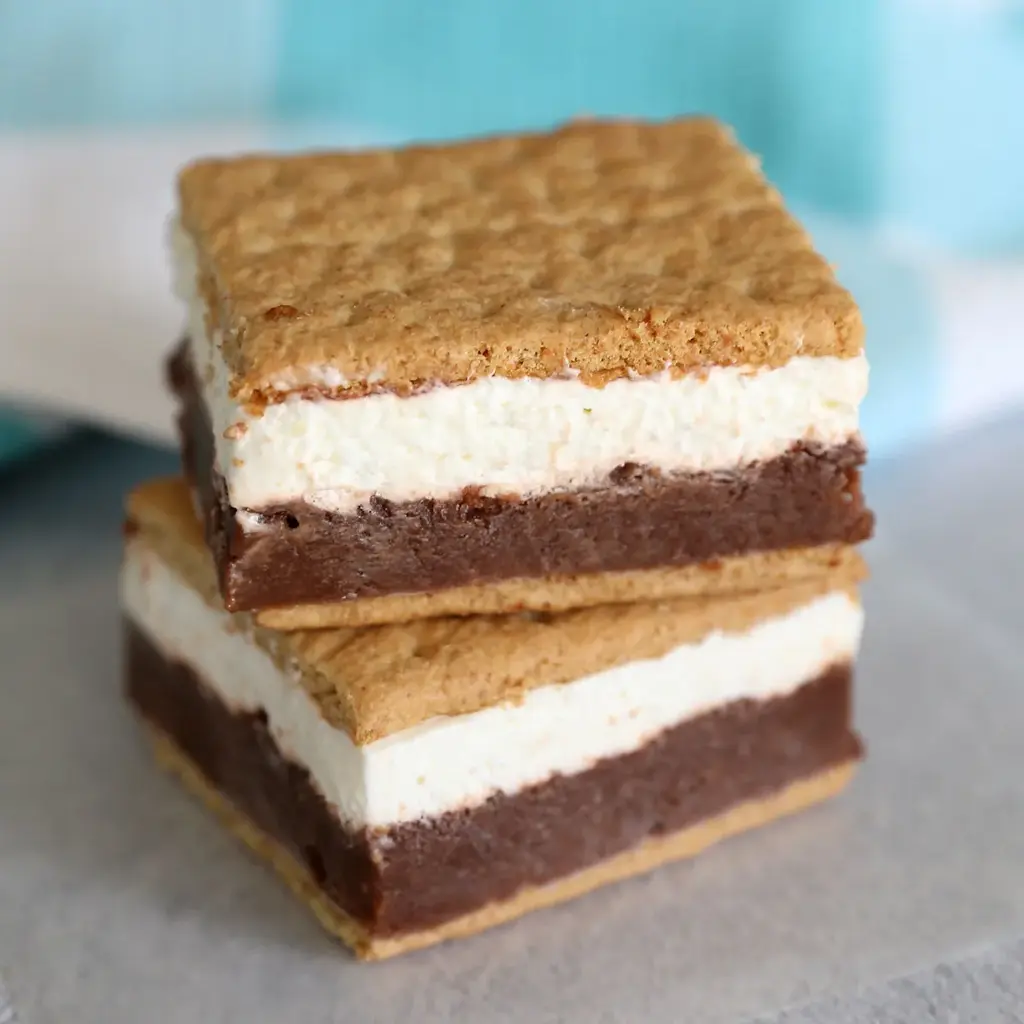
I still remember the first summer I made these frozen s’mores. It was one of those sweltering July afternoons in New York City where the humidity just wraps around you. My mother back in Morocco would always toast marshmallows over a tiny charcoal brazier for us as kids — a simple, messy joy. But here in NYC, with the heat index hitting 100°F, the last thing I wanted was to turn on the oven or light a fire. So I dove into my French-trained pastry brain and thought: why not make a chilled, creamy version? This no-bake chocolate pudding dessert became an instant hit. The layers of silky chocolate pudding and luscious marshmallow creme are nestled between crunchy graham crackers — frozen until sliceable. It’s the best frozen s’mores recipe I’ve ever made, and it’s been my go-to for every summer gathering since.
When you take a bite of these frozen s’mores, you get that first satisfying crunch of the graham cracker, then the cool, velvety pudding melts on your tongue, followed by the sweet, airy marshmallow creme that tastes like a cloud. There’s a hint of tang from the cream cheese that balances the sweetness perfectly. It’s like a classic s’more, but with all the richness of a French-style mousse and none of the heat. The chocolate is deep and comforting, while the marshmallow layer stays soft even when frozen — a little trick I picked up from making frozen mousses in Paris pastry kitchens. The graham cracker adds that familiar American campfire nostalgia, but the texture is entirely its own. It’s the kind of dessert that disappears fast, even from the freezer.
Now, this isn’t just any frozen s’mores recipe. I’ve tested it a dozen times to get the ratios exactly right — not too sweet, not too dense. The secret is folding a bit of whipped topping into the pudding to keep it light, and beating the cream cheese into the marshmallow creme for stability. My advice? Don’t skip the cream cheese. It gives the marshmallow layer a subtle tang and a silky smoothness that makes each bite feel decadent. And avoid the common mistake of pulling the pan out too early — six hours of freezing is non-negotiable. Trust me, it’s worth the wait. These frozen treats are the perfect easy no-bake dessert for hot summer days, and they’ve become a staple in my freezer for picnics, block parties, and lazy Sunday afternoons.
Why This Frozen S’mores Recipe Is the Best
The Flavor Secret — Growing up, my mother’s kitchen in Morocco was filled with the aroma of honey and toasted sesame, but it’s the classic American s’more that always makes me smile. I’ve elevated it with a French pastry trick: mixing marshmallow creme with cream cheese. This not only stabilizes the marshmallow layer — so it doesn’t freeze into a hard block — but also adds a subtle tang that cuts through the sweetness. The result is a balanced, sophisticated flavor that both kids and adults love. It’s the same philosophy I use when I make a light cheesecake: a little bit of tang goes a long way.
Perfected Texture — In Paris, I learned how to create silky, airy textures through careful folding. Here, I fold a quarter of the whipped topping into the chocolate pudding to lighten it, then fold the remaining topping into the marshmallow-cream cheese mixture. This ensures both layers stay creamy and scoopable — not icy or dense. The graham crackers soften just slightly from the moisture, but they retain enough crunch to give each bite structure. It’s a textural symphony: crunchy, creamy, airy, and cool all at once.
Foolproof & Fast — Even if you’ve never made a frozen dessert before, you can nail this one. There’s no baking, no tempering eggs, no complicated steps. You just mix, layer, and freeze. The hardest part is waiting the six hours! I’ve designed this recipe to be forgiving — if you don’t have a 9×13 pan, a similar-sized dish works; if you only have 12 graham cracker squares, that’s fine. It’s the perfect crowd-pleasing summer dessert that looks impressive with zero effort.
Frozen S’mores Ingredients
I pick up all my ingredients from the Union Square Greenmarket or my local grocery store near Chelsea Market. When I was in Morocco, we’d make a similar layered dessert with honey and phyllo — but here, I rely on the convenience of instant pudding and marshmallow creme. It’s a beautiful blend of American pantry staples and French technique.
Ingredients List
- 1 box Instant Chocolate Pudding (5.9 oz)
- 2.5 cups Cold Milk (whole or 2%)
- 12-15 Graham Crackers
- 7 oz Marshmallow Creme
- 4 oz Cream Cheese (softened)
- 8 oz Frozen Whipped Topping (thawed)
Ingredient Spotlight
Instant Chocolate Pudding — This is the backbone of the dessert. I prefer the brand name (like Jell-O) because it sets reliably and has a deep chocolate flavor. The key is to use cold milk and beat it until smooth — no lumps! If you’re in a pinch, you can use chocolate mousse mix, but pudding gives that signature creamy texture. For a dairy-free version, try almond or oat milk, but note that the pudding might be slightly softer.
Marshmallow Creme — This is not the same as marshmallows! Marshmallow creme (like Jet-Puffed) is a smooth, spreadable syrup that stays soft when frozen. Don’t substitute with mini marshmallows unless you want a chewy, icy layer. The creme blends seamlessly with the cream cheese to create a light, airy filling.
Cream Cheese — Full-fat is best here. It adds richness and tang, and it prevents the marshmallow layer from turning into a block of ice. Make sure it’s softened to room temperature before beating — otherwise, you’ll get lumps. I’ve tested it with low-fat cream cheese, and the texture becomes grainy and less stable. Stick with the full-fat version for the best results.
Graham Crackers — These add the classic crunch. I use honey-flavored graham crackers for a touch of sweetness. You can also use chocolate or cinnamon grahams for a fun twist. Make sure they’re not too stale — fresh ones hold up better to the moisture from the filling.
Frozen Whipped Topping — I use Cool Whip (thawed) for convenience. It’s already sweetened and stabilized, so it folds beautifully. You can substitute homemade whipped cream, but it won’t hold up as well in the freezer. If you go the homemade route, add a tablespoon of cornstarch or gelatin to stabilize it.
| Original Ingredient | Best Substitution | Flavor / Texture Impact |
|---|---|---|
| Instant Chocolate Pudding | Chocolate mousse mix | Denser, richer texture |
| Marshmallow Creme | Marshmallow fluff | Similar but slightly sweeter |
| Cream Cheese | Greek yogurt (full-fat) | Tangier, less stable |
| Graham Crackers | Wafer cookies | Crunchier, but different flavor |
| Frozen Whipped Topping | Homemade stabilized whipped cream | Lighter, but less freezer-stable |
How to Make Frozen S’mores — Step-by-Step
Trust me, this is one of the easiest frozen desserts you’ll ever make. Just take your time with each layer, and don’t rush the freezing process. The payoff is a perfectly sliceable, crowd-pleasing treat.
Step 1: Prepare the Pan
Line a 9×13 pan with parchment paper, letting the paper overhang on two opposite sides — this will be your “handle” for lifting the finished dessert. Break 6 graham crackers in half and lay 12 squares (or 15 if your pan is square-edged) in a single layer on the bottom. It’s okay if they don’t cover every inch; you’ll slice around them later.
💡 emy’s Pro Tip: Press the graham crackers gently into the pan so they don’t shift when you add the pudding. If they crack, don’t worry — you can layer them as close as possible.
Step 2: Mix the Pudding Layer
In a medium bowl, beat together the pudding mix and cold milk for about 2 minutes until smooth and creamy. Then gently stir in about a quarter of the thawed whipped topping (about 1/2 cup). This lightens the pudding and makes it airier once frozen.
⚠️ Common Mistake to Avoid: Don’t over-beat the pudding. Stop as soon as it comes together — otherwise, it can become too thick and hard to spread.
Step 3: Spread and Chill
Spoon the pudding mixture over the graham crackers and spread it evenly with a spatula. Place the pan in the freezer while you prepare the marshmallow layer — this helps the pudding firm up slightly so the layers don’t mix.
💡 emy’s Pro Tip: Use an offset spatula for the smoothest even layer. And don’t skip the freezer chill — it’s a game-changer for clean layers!
Step 4: Make the Marshmallow Layer
In a medium bowl, beat together softened cream cheese and marshmallow creme until completely smooth. Fold in the remaining whipped topping gently — you want to keep it light and airy. Remove the pan from the freezer and spoon the marshmallow mixture over the pudding, spreading it out carefully.
⚠️ Common Mistake to Avoid: Cold cream cheese will leave lumps. Let it sit on the counter for at least 20 minutes before beating, or microwave for 10 seconds to soften.
Step 5: Top and Freeze
Place another 12 (or 15) graham cracker squares on top of the marshmallow layer, pressing them gently so they stick. Cover the pan with foil and freeze for at least 6 hours, or overnight. The longer it freezes, the cleaner your slices will be.
💡 emy’s Pro Tip: If you’re in a hurry, you can freeze for 4 hours, but the texture will be softer. For perfect bars, go the full 6 hours or more.
Step 6: Slice and Serve
Remove the pan from the freezer and let it rest at room temperature for about 10 minutes. Use a long, sharp knife to slice off the excess filling around the edges of the graham crackers — this reveals the clean square shapes. Then slice between each cracker to separate the individual frozen s’mores. Serve immediately.
⚠️ Common Mistake to Avoid: Don’t skip the 10-minute rest! If you try to cut them straight from the freezer, they’ll be too hard and the crackers might break.
| Step | Action | Duration | Key Visual Cue |
|---|---|---|---|
| Prepare Pan | Line & layer grahams | 5 mins | Crackers cover bottom |
| Pudding Layer | Beat & fold | 3 mins | Smooth, glossy |
| Freeze Chill | Pan in freezer | 10 mins | Pudding slightly set |
| Marshmallow Layer | Beat & fold | 5 mins | Fluffy, no lumps |
| Top & Freeze | Layer grahams, cover | 6+ hours | Firm to touch |
| Slice & Serve | Rest & cut | 10 mins rest | Clean edges |
Serving & Presentation
These frozen s’mores are best served straight from the freezer, with a slight rest at room temperature to soften them just enough. I love arranging them on a rustic wooden board, like the one I found at the Brooklyn Flea, with a dusting of cocoa powder or a drizzle of melted chocolate on top. For a touch of color, add a few fresh raspberries or a sprinkle of sea salt — it’s a trick I learned from a Parisian pâtissier who always balanced sweetness with a hint of salt.
In NYC, I often bring these to rooftop parties or summer barbecues. They pair beautifully with a tall glass of cold milk or a iced coffee. If you’re serving them at a birthday party, cut the s’mores into smaller triangles for bite-sized treats. The contrast between the frozen filling and the crunchy graham is always a hit. You can also serve them with a side of warm caramel sauce for dipping — a Moroccan-inspired twist that reminds me of the honey drizzle my mother used on pastries.
For a truly indulgent presentation, layer the s’mores on a platter with fresh mint leaves and extra whipped cream. I’ve also served them as part of a summer dessert board alongside fresh fruit, brownies, and a bowl of fresh berries. It’s a great way to share with a crowd, and the visual of those neat little squares just makes everyone smile.
| Pairing Type | Suggestions | Why It Works | |||||||||||||||||||||||||||||||||||||||||||||||||||||||||||||||||||||||||||||||||||||||||||||||||||||||||||||||||||||||||||||||||||||||||||||||||||||||||||||||||||||||||||||||||||||||||||||||||||||||||||||||||||||||||||||||||||||||||||||||||||||||||||||||||||||||||||||||||||||||||||||||||||||||||||||||||||||||||||||||||||||||||||||||||||||||||||||||||||||||||||||||||||||||||||||||||||||||||||||||||||||||||||||||||||||||||||||||||||||||||||||||||||||||||||||||||||||||||||||||||||||||||||||||||||||||||||||||||||||||||||||||||||||||
|---|---|---|---|---|---|---|---|---|---|---|---|---|---|---|---|---|---|---|---|---|---|---|---|---|---|---|---|---|---|---|---|---|---|---|---|---|---|---|---|---|---|---|---|---|---|---|---|---|---|---|---|---|---|---|---|---|---|---|---|---|---|---|---|---|---|---|---|---|---|---|---|---|---|---|---|---|---|---|---|---|---|---|---|---|---|---|---|---|---|---|---|---|---|---|---|---|---|---|---|---|---|---|---|---|---|---|---|---|---|---|---|---|---|---|---|---|---|---|---|---|---|---|---|---|---|---|---|---|---|---|---|---|---|---|---|---|---|---|---|---|---|---|---|---|---|---|---|---|---|---|---|---|---|---|---|---|---|---|---|---|---|---|---|---|---|---|---|---|---|---|---|---|---|---|---|---|---|---|---|---|---|---|---|---|---|---|---|---|---|---|---|---|---|---|---|---|---|---|---|---|---|---|---|---|---|---|---|---|---|---|---|---|---|---|---|---|---|---|---|---|---|---|---|---|---|---|---|---|---|---|---|---|---|---|---|---|---|---|---|---|---|---|---|---|---|---|---|---|---|---|---|---|---|---|---|---|---|---|---|---|---|---|---|---|---|---|---|---|---|---|---|---|---|---|---|---|---|---|---|---|---|---|---|---|---|---|---|---|---|---|---|---|---|---|---|---|---|---|---|---|---|---|---|---|---|---|---|---|---|---|---|---|---|---|---|---|---|---|---|---|---|---|---|---|---|---|---|---|---|---|---|---|---|---|---|---|---|---|---|---|---|---|---|---|---|---|---|---|---|---|---|---|---|---|---|---|---|---|---|---|---|---|---|---|---|---|---|---|---|---|---|---|---|---|---|---|---|---|---|---|---|---|---|---|---|---|---|---|---|---|---|---|---|---|---|---|---|---|---|---|---|---|---|---|---|---|---|---|---|---|---|---|---|---|---|---|---|---|---|---|---|---|---|---|---|---|---|---|---|---|---|---|---|---|---|---|---|---|---|---|---|---|---|---|---|---|---|---|---|---|---|---|---|---|---|---|---|---|---|---|---|---|---|---|---|---|---|---|---|---|---|---|---|---|---|---|---|---|---|---|---|---|---|---|---|---|---|---|---|---|---|---|---|---|---|---|---|---|---|---|---|---|---|---|---|---|---|---|---|---|---|---|---|---|---|---|---|---|---|---|---|---|---|---|---|---|---|---|---|---|---|---|---|---|---|---|---|
| Side Dish | Fresh strawberries, raspberries, sliced bananas | Fruit cuts the richness and adds freshness | |||||||||||||||||||||||||||||||||||||||||||||||||||||||||||||||||||||||||||||||||||||||||||||||||||||||||||||||||||||||||||||||||||||||||||||||||||||||||||||||||||||||||||||||||||||||||||||||||||||||||||||||||||||||||||||||||||||||||||||||||||||||||||||||||||||||||||||||||||||||||||||||||||||||||||||||||||||||||||||||||||||||||||||||||||||||||||||||||||||||||||||||||||||||||||||||||||||||||||||||||||||||||||||||||||||||||||||||||||||||||||||||||||||||||||||||||||||||||||||||||||||||||||||||||||||||||||||||||||||||||||||||||||||||
| Sauce / Dip | Warm caramel sauce, chocolate fudge, honey drizzle |
Ice Cream Sandwiches Recipe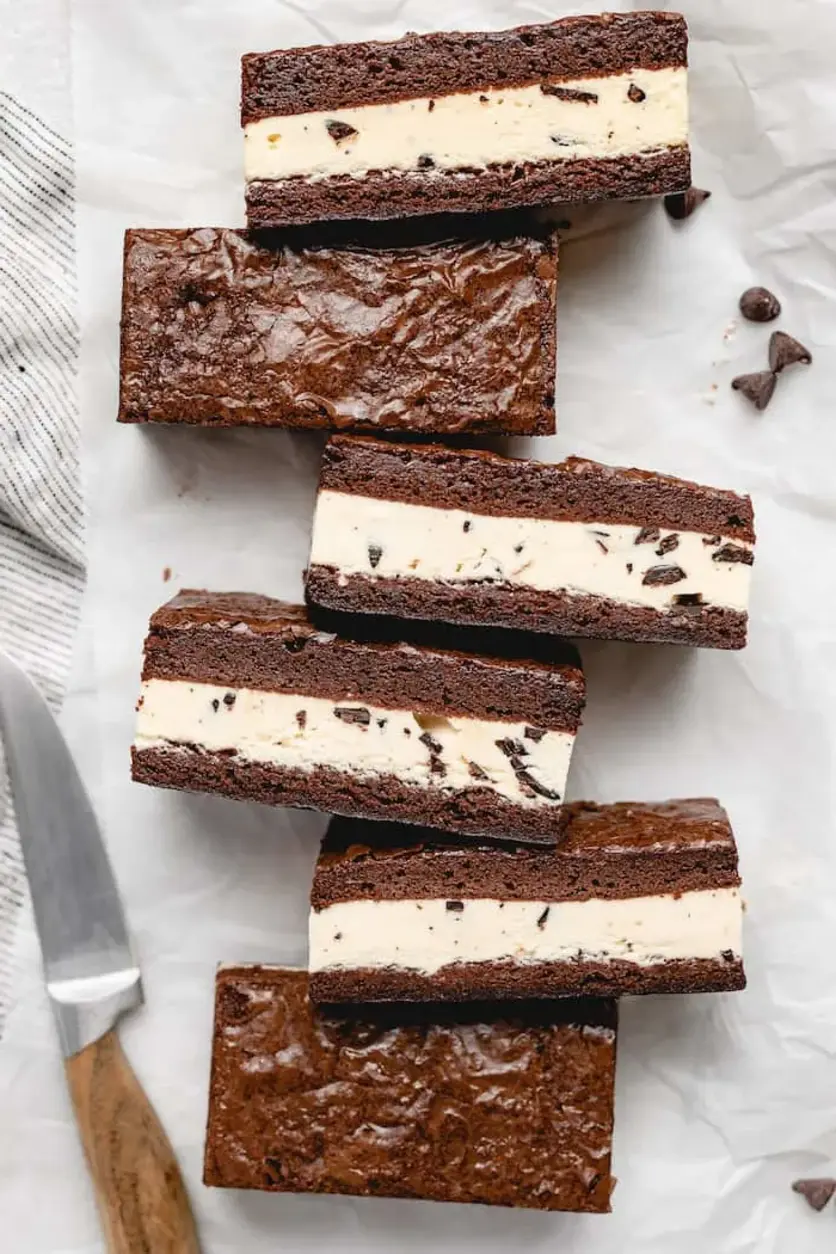 Table of ContentsIce Cream Sandwiches Recipe – The Perfect Summer Treat
Let me tell you a little secret: the best Ice Cream Sandwiches are made with a brownie that’s both fudgy and firm enough to hold up to a generous scoop of your favorite ice cream. I learned this lesson early on, right in my mother’s kitchen in Morocco, where we’d make a simple version with melted chocolate and warm spices. But it wasn’t until I trained in pastry in Paris that I perfected the technique. Now, here in NYC, I’ve combined those world-class skills with the bold flavors of my childhood to create Ice Cream Sandwiches that are truly something special. This recipe uses a rich, crackly-topped fudge brownie as the base, creating a perfect sandwich that won’t fall apart. Imagine this: you take one bite and your teeth first meet a delicate, crackled brownie top. Next comes the soft, dense, fudgy interior that’s rich with deep cocoa and buttery vanilla notes. Then the cold, creamy, melting ice cream blends in—creating a moment of pure, cool bliss. The brownie isn’t dry or cakey; it’s dense and moist, providing a perfect contrast to the ice cream. My version uses a double-brownie technique for a full, generous sandwich that delivers an unforgettable texture in every bite—crackly, fudgy, and perfectly chilled. Growing up, I watched my mother use simple, honest ingredients to create magic. That same philosophy drives me today, but I’ve added French pastry precision—like the exact mixing method for a crackled top—to make this recipe foolproof. I want you to skip the trial and error and get straight to enjoying the perfect Ice Cream Sandwiches. That’s why I’m sharing my tested tips for avoiding a soggy brownie, ensuring the ice cream spreads evenly, and cutting clean, beautiful squares. Trust me, these brownie-based ice cream sandwiches are a game-changer for any Summer dessert spread.
Why This Ice Cream Sandwiches Recipe Is the BestThe Flavor Secret: The real magic lies in the brownie itself. I use a high ratio of butter and brown sugar, creating an intensely rich, fudgy base that’s reminiscent of the best Moroccan pastries. The crackled top is achieved by properly creaming the eggs and sugar, a technique I mastered in Paris. The result is a brownie that’s deeply chocolatey, with a salty edge that perfectly complements any sweet ice cream flavor—whether you prefer classic vanilla bean, rich chocolate, or a fruity strawberry. Perfected Texture: Many homemade ice cream sandwiches fail because the brownie gets too hard or too crumbly after freezing. My recipe avoids this through a crucial step: using melted butter instead of solid fat and adding a touch of vegetable oil for extra tenderness. The brownies are baked until just barely set in the center, ensuring they remain soft and pliable even after hours in the freezer. This means no more cracked, messy sandwiches—just beautiful, perfect squares. Foolproof & Fast: This recipe is designed for busy home cooks. The brownie batter comes together in under 15 minutes with a hand mixer, and the hands-off baking time is just 30-40 minutes. The hardest part is waiting for the sandwiches to freeze! I’ve streamlined the assembly by baking the brownies in two separate 8×8 pans, eliminating the need to cut a single slab in half—it’s a little hack I use in my own NYC kitchen to save time and ensure even layers.
Ice Cream Sandwiches IngredientsEvery ingredient here has a purpose. When I go to my local farmers market in NYC, I always look for high-quality unsalted butter and fresh eggs—the foundation of a great fudgy brownie. These are simple, pantry-friendly ingredients that you can find at any American grocery store. Ingredients List
Ingredient SpotlightUnsalted Butter: This provides the rich fat content that makes the brownies fudgy. I prefer it melted for a denser, chewier texture. In a pinch, you can use salted butter, but reduce the added salt to 1/2 teaspoon. The flavor will be slightly saltier, which works well with chocolate and caramel ice creams. Cocoa Powder: I use natural unsweetened cocoa powder for its deep, slightly acidic flavor that reacts with the baking soda (not used here) or simply gives a classic brownie taste. You can substitute Dutch-process cocoa for a more mellow, dark chocolate flavor, but the texture will be slightly less fudgy. My favorite brand is Scharffen Berger, which I buy at the Union Square Greenmarket. Large Eggs: Room-temperature eggs are non-negotiable here. They emulsify better with the butter and sugar, creating that beautiful crackled top. If you forget to take them out of the fridge, place them in a bowl of warm water for 5-10 minutes. This is a simple trick I learned in pastry school in Paris.
How to Make Ice Cream Sandwiches — Step-by-StepFollow these steps closely, and you’ll be rewarded with beautiful, delicious Ice Cream Sandwiches that rival any store-bought version. I’ll guide you through each part with my best tips! Step 1: Preheat and Prep PansPreheat your oven to 350°F (175°C). Grease two 8×8 inch pans generously with butter or baking spray. Line the bottom of each pan with a strip of parchment paper, leaving about 4-6 inches of paper hanging over the sides. This paper will be your life-saver later when you need to lift the brownies out. 💡 emy’s Pro Tip: Use a double layer of parchment paper for extra strength—it slides out easier and won’t tear under the weight of the brownie. Step 2: Mix Wet IngredientsIn a medium-sized bowl, add the melted butter, granulated sugar, and light brown sugar. Mix using a hand mixer on medium speed until well combined—about 1-2 minutes. The mixture should look glossy and slightly thickened. Step 3: Add Eggs and FlavorAdd the eggs one at a time, mixing on medium speed after each addition until fully incorporated. This step is crucial for creating that beautiful, crackled top. Mix well! After adding all eggs, the batter should be smooth and emulsified. Then, mix in the vegetable oil and vanilla extract. ⚠️ Common Mistake to Avoid: Don’t rush adding the eggs. If you dump them all in at once, the batter can separate and you’ll lose the crackled effect. Step 4: Combine Dry IngredientsIn a separate bowl, whisk together the all-purpose flour, cocoa powder, and salt. Reduce the speed of your mixer to low. In intervals, gradually add the dry mixture to the wet mixture, mixing until just combined. Do not overmix—stop as soon as the flour disappears. 💡 emy’s Pro Tip: A few streaks of flour left in the batter are okay. Overmixing develops gluten and results in tough, cakey brownies. We want them fudgy! Step 5: Bake and CoolDivide the batter evenly between your two prepared pans (about 2 cups per pan). Use a rubber spatula to gently spread it into an even layer. Bake for 30-40 minutes, or until a toothpick inserted into the center comes out with a few moist crumbs—just barely clean. Do not overbake. Remove from the oven and allow the brownies to cool in the pans for exactly 10 minutes. ⚠️ Common Mistake to Avoid: Overbaking is the #1 mistake. The residual heat will continue cooking the brownies after you pull them out, so err on the side of a slightly underbaked center for the best fudgy texture. Step 6: Assemble and FreezeUse the parchment paper to carefully lift one brownie half out onto a cooling rack. Only peel the parchment paper off one of the halves (the one you just lifted out). Let both halves cool completely to room temperature. While that happens, thaw your ice cream at room temperature for 5-10 minutes until it’s spreadable but not melted. Place the parchment-lined brownie half back into its pan. Use a large spoon or rubber spatula to spread the softened ice cream evenly over the top. Use about 3/4 of the ice cream, then add more if you like a thick layer. Invert the second brownie half (the one with the parchment paper still on) and place it over the ice cream, top-side down. Cover tightly with aluminum foil or plastic wrap and freeze for at least 6 hours, but overnight is best for clean cuts.
Serving & PresentationWhen you’re ready to serve, remove the assembled block from the freezer and let it sit at room temperature for exactly 5-10 minutes. This softens the edges just enough to make cutting clean and easy. Use the parchment paper to lift the entire block out of the pan onto a cutting board. With a sharp, large chef’s knife, cut into 8 even squares. For the best presentation, wipe the knife clean between cuts. I love serving these on a rustic wooden board—it reminds me of the food markets in Marrakech. For a show-stopping dessert, drizzle the sandwiches with warm homemade hot fudge sauce and a sprinkle of flaky sea salt. You can also roll the edges in sprinkles, mini chocolate chips, or crushed nuts before serving for a fun, festive look. My children love them for birthday parties, and I often pair them with a strong espresso for a grown-up treat. Ice Cream Sandwich Cake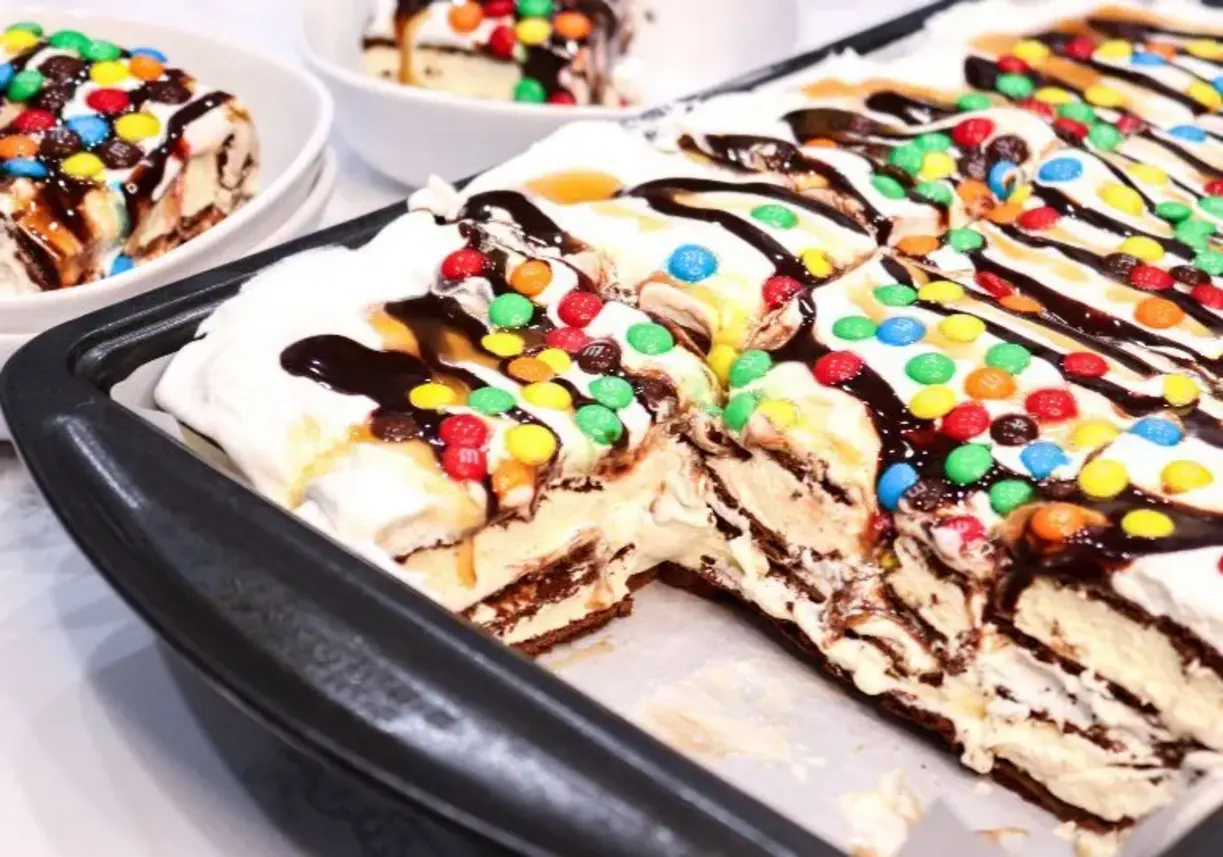 Table of ContentsIce Cream Sandwich Cake – Easy No-Bake Dessert Recipe: The Ultimate No-Bake TreatI remember the first time I made this Ice Cream Sandwich Cake—it was a sweltering July afternoon in my tiny New York City apartment, and the air conditioner was fighting a losing battle. My mother’s kitchen in Morocco was always filled with the scent of rose water and cinnamon, but here I was, craving something cold, creamy, and utterly American. This no-bake dessert recipe became my summer salvation: it’s the simplest way to make your own homemade ice cream cake using ice cream sandwiches, and the best part? No oven required. The magic is in the layers: crunchy chocolate wafers, silky Cool Whip, and ribbons of chocolate and caramel—all coming together like a perfect, frosty hug. I’ve been a professional cook for years, trained in Paris and now settled in Brooklyn, and I still make this cake for every backyard barbecue and birthday party. The unique angle here is how the ice cream sandwiches soften just enough to meld into a cake-like texture, making every slice a creamy, decadent masterpiece. When you cut into this Ice Cream Sandwich Cake, you’ll see those beautiful strata: the chocolate wafers from the sandwiches have softened into a fudgy layer, while the Cool Whip stays light and airy like a cloud. The chocolate syrup provides a deep, rich sweetness, and the caramel adds that buttery, salty edge that makes your taste buds sing. I love drizzling a little extra sauce on top and watching it cascade down the sides—it’s like a messy, beautiful work of art. The mini M&M’s bring a pop of color and a satisfying crunch, reminding me of the candy stalls I’d visit as a child in the Marrakech souk. This cake is the ultimate crowd-pleaser: it’s easy enough for a beginner, but impressive enough for a party. And because it’s frozen, you can make it days ahead—perfect for busy hosts like me who are always juggling deadline and dinner plans. This version of ice cream cake is truly foolproof. I’ve tested it dozens of times in my own kitchen, using everything from store-brand ice cream sandwiches to premium ones, and the result is always delicious. The key is letting the cake freeze for at least two hours—or overnight if you have the patience. One common mistake is rushing the freezing time; if you slice it too soon, the layers won’t hold together, and you’ll end up with a glorious mess. My Moroccan grandmother always said, “Patience is the secret ingredient,” and she wasn’t wrong. I’ll show you exactly how to line the pan, how to layer for even distribution, and how to get those perfect clean slices every time. This is no-bake cooking at its finest—from my kitchen to yours, I promise this will become your go-to summer dessert. Why This Ice Cream Sandwich Cake Recipe Is the BestThe Flavor Secret: This Ice Cream Sandwich Cake recipe uses a combination of classic American ingredients—Cool Whip, chocolate syrup, and caramel sauce—that create a nostalgic flavor profile everyone loves. But I’ve added a touch of French know-how: I let the Cool Whip sit at room temperature for just a few minutes before spreading, so it layers more evenly without deflating. Plus, the salted caramel balances the sweetness perfectly, a trick I learned at Le Cordon Bleu in Paris. No other ice cream cake recipe nails this balance of creamy, crunchy, and saucy quite like this one. Perfected Texture: The texture of this ice cream sandwich cake is what sets it apart. The sandwiches freeze back into a firm, sliceable cake, yet the Cool Whip keeps everything light and fluffy. My chef’s tip: don’t let the ice cream sandwiches thaw completely before assembling. If they’re too soft, they’ll turn into mush; if they’re too hard, they won’t stick together. I’ll show you exactly how to handle them for the perfect bite every time. Foolproof & Fast: This recipe requires zero baking skills—just patience for freezing. It’s ideal for beginner cooks, kids helping in the kitchen, or anyone who wants a stunning dessert without stress. I’ve made it for last-minute dinner parties and it’s always a hit. The best part? You can customize it endlessly, so it never gets boring. Ice Cream Sandwich Cake IngredientsShopping for this ice cream sandwich cake is a breeze. I pick up my ingredients at the local Trader Joe’s in Union Square, where the ice cream sandwiches are perfectly sized for this recipe. On a trip to the Paris markets, I learned the importance of using high-quality sauces—so I always splurge on Hershey’s chocolate syrup and a good caramel. For the mini M&M’s, I love the bright colors that remind me of the sweets I’d eat at the Marrakech souk as a child. Here’s exactly what you’ll need. Ingredients List
Ingredient SpotlightIce Cream Sandwiches: These are the backbone of your cake. Look for ones that are roughly 3×3 inches and about 1 inch thick—standard store-bought brands work beautifully. The chocolate wafers soften during freezing to create a fudgy, cake-like layer. If your sandwiches are larger, just arrange them to fit snugly in the pan. For a premium twist, try vanilla bean or chocolate chip ice cream sandwiches. Cool Whip: This frozen whipped topping is essential for lightness. Let it thaw in the fridge for a few hours, or briefly at room temperature until it’s spreadable but still cold. Do not substitute with homemade whipped cream—it will deflate and make the cake too dense. If you must swap, use a stabilized whipped cream with gelatin. Chocolate Syrup and Caramel Sauce: These are your flavor workhorses. Hershey’s syrup has the perfect consistency—not too thin, not too thick—and the caramel adds a buttery richness. For a saltier contrast, use a high-quality salted caramel sauce. You can also make your own caramel by melting sugar with butter and cream, but store-bought saves time. Mini M&M’s: They add a pop of color and a satisfying crunch. If you’re avoiding candy, try crushed Oreos, toffee bits, or rainbow sprinkles. For a more grown-up version, I sometimes use chopped dark chocolate or toasted almonds.
How to Make Ice Cream Sandwich Cake — Step-by-StepMaking this ice cream sandwich cake is incredibly straightforward, but a few chef-tested tricks will give you perfect results every time. Let me walk you through each step so you can create a beautiful, sliceable cake that wows everyone. Step 1: Prepare the PanLine a 9×13 inch cake pan with parchment paper, leaving an overhang on two sides. This makes it easy to lift the cake out later. If you don’t have parchment, you can use plastic wrap, but it’s trickier to get smooth results. 💡 emy’s Pro Tip: Wet the pan slightly before pressing the parchment paper—it will stick to the sides so you can work hands-free. This little trick is a lifesaver when you’re rushing! Step 2: First Layer of Ice Cream SandwichesUnwrap 12 ice cream sandwiches and arrange them snugly in the bottom of the pan. Break one in half if needed to fill gaps. They should be slightly cold but not frozen solid—if they’re too hard, let them sit for 5 minutes at room temperature. ⚠️ Common Mistake to Avoid: Don’t let the sandwiches thaw completely! If they’re too soft, they’ll turn into a soupy mess. They should be firm enough to hold their shape but pliable enough to press into the pan. Step 3: First Layer of Cool WhipSpread half of the Cool Whip evenly over the first layer of ice cream sandwiches. Use a spatula to create a smooth, even layer. The Cool Whip should be thawed but still cold—if it’s too runny, it will seep between the sandwiches. 💡 emy’s Pro Tip: If the Cool Whip is too stiff, let it sit on the counter for 10 minutes before using. For an airier texture, whip it briefly with a whisk—but don’t overdo it! Step 4: First Drizzle LayerDrizzle half of the chocolate syrup and half of the caramel sauce over the Cool Whip. Use a spoon to create ribbons—don’t drown the cake. The goal is to have pockets of syrup that surprise you in every bite. 💡 emy’s Pro Tip: Warm the caramel sauce slightly in the microwave for 10 seconds—it drizzles more easily and won’t create big clumps. Step 5: Repeat LayersRepeat steps 2 through 4: add another layer of 12 ice cream sandwiches, then the remaining Cool Whip, and finally the remaining chocolate and caramel drizzle. Press the second layer of sandwiches gently into the Cool Whip to seal. ⚠️ Common Mistake to Avoid: Don’t press too hard—you’ll squish the syrup out. A gentle, even pressure is all you need to get those layers to stick together. Step 6: Add ToppingsSprinkle the mini M&M’s evenly over the top. You can also add extra drizzles of chocolate or caramel for a more decadent finish. The toppings should be generous but not overwhelming. 💡 emy’s Pro Tip: Press the M&M’s lightly into the Cool Whip so they stick. If you add them after freezing, they’ll just roll off! For a different look, try rainbow sprinkles or crushed candy bars. Step 7: FreezePlace the pan in the freezer for a minimum of 2 hours, or overnight for the best texture. The cake needs to be completely firm before slicing. If you’re in a hurry, at least 2 hours works, but overnight gives you cleaner slices. ⚠️ Common Mistake to Avoid: Don’t skip the freezing time! Cutting into a semi-frozen cake will result in a melty mess that won’t hold its shape. Patience pays off here—think of it as a frozen lasagna of desserts. Step 8: ServeLift the cake out of the pan using the parchment overhang. Let it sit at room temperature for 3–5 minutes to soften slightly—this makes slicing easier. Use a sharp knife, wiping it clean between cuts for neat pieces. 💡 emy’s Pro Tip: Run your knife under hot water and dry it before each slice—it cuts through the frozen layers like butter without cracking the Cool Whip.
Serving & PresentationThis ice cream sandwich cake is a showstopper on any dessert table. When I serve it at my Brooklyn rooftop parties, I love to plate it on a large wooden board and drizzle extra chocolate and caramel on top just before serving. The contrast of colors—white Cool Whip, dark syrup, and bright M&M’s—is gorgeous. For an extra touch, I sometimes add fresh strawberries or mint leaves around the base of the cake for a pop of green. In my mother’s Moroccan kitchen, desserts were always served with a hot cup of mint tea. While this cake is all-American  Ice Cream Sandwich CakeDescriptionThis Easy Ice Cream Sandwich Cake is the Simple way to make your Own Homemade Ice Cream Cake using Ice Cream Sandwiches. Ingredients
Scale
Instructions
Coffee Cake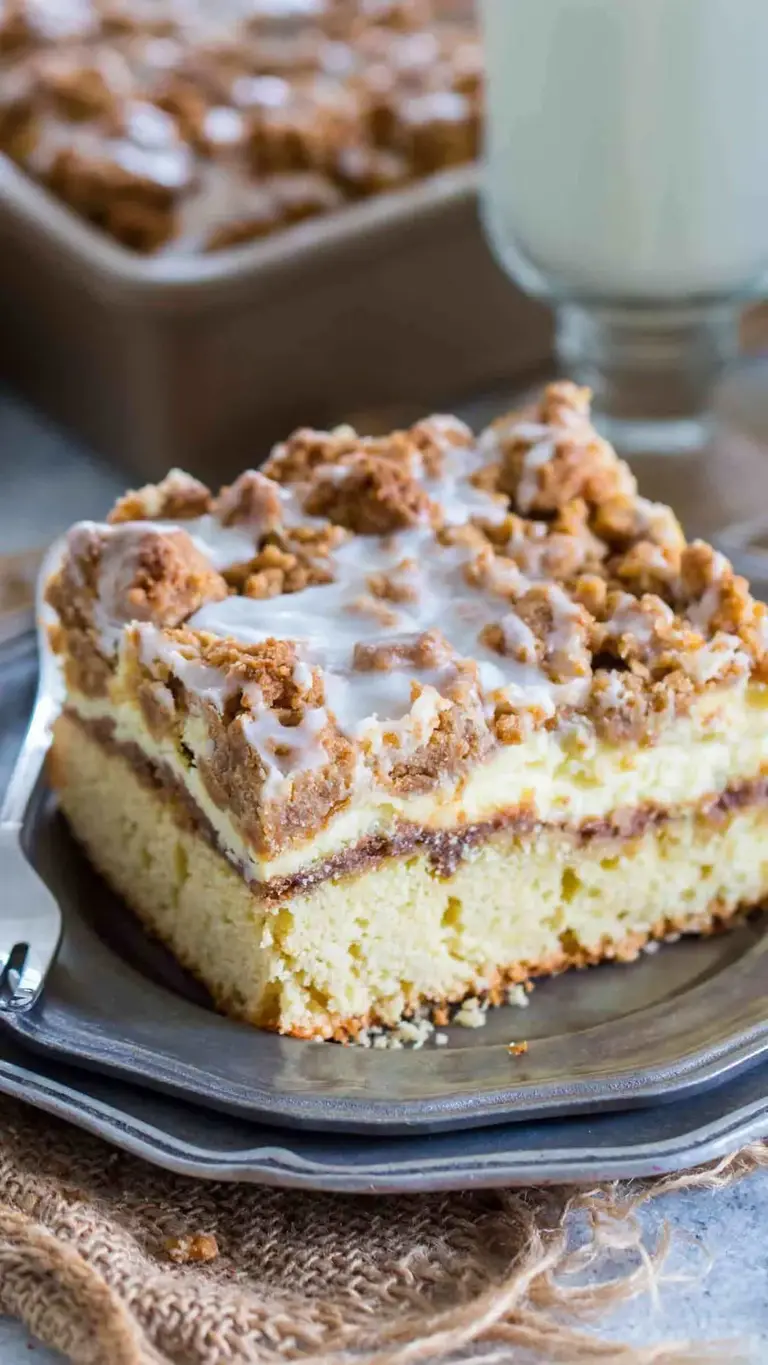 Table of ContentsCoffee Cake with Cheesecake Filling & Streusel Topping – The Ultimate Comfort DessertI still remember the first time I made this coffee cake with cheesecake filling in my tiny Parisian apartment. It was a chilly autumn afternoon, and I wanted something that smelled like my mother’s kitchen in Morocco — warm, spiced, and full of comfort. I layered a soft, buttery cake with a rich cinnamon filling, a creamy cheesecake center, and a sweet streusel topping finished with a smooth vanilla glaze. Each bite feels like a hug. That coffee cake recipe is everything I want in a dessert. Imagine slicing into a tall, golden loaf: the first layer gives you a buttery cake base, then a ribbon of cinnamon-sugar, followed by a luscious, tangy cheesecake layer, and finally a crunchy, buttery streusel crown. The vanilla glaze drips down the sides like a sweet promise. The aroma that fills your kitchen is pure magic — notes of cinnamon, brown sugar, and vanilla dancing together. It’s a dessert that looks spectacular but feels like a warm weekend treat. What sets my version apart is the triple-layer technique I picked up during my pastry training in Paris. Most coffee cakes are one-note, but this one has layers of flavor and texture that keep you coming back for more. I’ll share my pro tip for keeping the cheesecake layer perfectly creamy and a common mistake that can make your batter overflow. Get ready for a coffee cake that will become your family’s favorite. Why This Coffee Cake Recipe Is the BestThe flavor secret is in the balance. I use a full cup of brown sugar in the streusel and a tangy cream cheese filling that cuts through the sweetness. Growing up in Morocco, my mother always added a pinch of salt to her sweets, and I do the same here — it makes the cinnamon and vanilla sing. This isn’t just any cake; it’s a layered experience. The texture is perfected through a technique I learned at Le Cordon Bleu: creaming the butter into the flour first creates a crumb that’s tender yet sturdy enough to hold the cheesecake layer. The buttermilk adds a subtle tang and keeps the cake moist. The streusel, made with melted butter for extra crunch, adds a satisfying contrast to the creamy center. It’s foolproof because I’ve tested it in my NYC kitchen more times than I can count. Even if you’re a beginner baker, the step-by-step process is straightforward. The key is using a deep 13×9 pan and giving the cheesecake time to set in the fridge. As long as you follow the toothpick test, success is guaranteed. Coffee Cake IngredientsI buy my cream cheese from the farmers market in Union Square, and the cinnamon reminds me of the spice souks in Marrakech. Every ingredient here plays a role, and I’ve tested substitutions so you can adapt this cake to what you have on hand. Ingredients List
Ingredient SpotlightCream cheese is the star of the cheesecake layer. Use full-fat for best texture; low-fat will make the filling watery. If you can’t find block cream cheese, use the brick-style, not whipped. Buttermilk adds moisture and tang. No buttermilk? Mix 1 cup milk with 1 tablespoon lemon juice or white vinegar and let sit for 5 minutes. It works perfectly. Cinnamon should be fresh. I prefer Ceylon cinnamon for its warm, floral notes. If using cassia cinnamon, reduce the amount slightly — it’s more pungent.
How to Make Coffee Cake — Step-by-StepFollow these steps carefully, and you’ll have a showstopper coffee cake that’s worth every minute. Don’t skip the chilling step — it’s essential for clean slices. Step 1: Prepare the PanGrease a deep 13×9-inch baking dish with butter and dust it with flour. This is non-negotiable: you must use a deep pan, otherwise the batter will overflow in the oven. I’ve seen it happen, and it’s a mess. ⚠️ Common Mistake to Avoid: Using a shallow pan. The cheesecake layer expands, and the cake will spill over. Always use a dish that’s at least 2 inches deep. Step 2: Mix the Dry Cake BaseIn a large mixing bowl, whisk together 2 1/2 cups flour, 1 cup sugar, 1 teaspoon baking soda, 1/2 teaspoon baking powder, and 1/4 teaspoon kosher salt. Whisk for 30 seconds to aerate and break up clumps. 💡 emy’s Pro Tip: Sifting isn’t necessary here; whisking does the job and prevents you from dirtying another tool. Step 3: Cream Butter into FlourUsing an electric hand mixer or stand mixer with the paddle attachment, beat 1 cup of softened unsalted butter into the flour mixture until it resembles coarse crumbs. This takes about 2 minutes. The butter should be fully incorporated but not melted. Step 4: Add Wet IngredientsAdd 3 room-temperature eggs, 2 teaspoons vanilla extract, and 1 cup buttermilk. Beat on medium speed for 2–3 minutes until the batter is smooth and fluffy. Scrape down the sides as needed. ⚠️ Common Mistake to Avoid: Cold eggs can make the batter seize. Let your eggs sit on the counter for 30 minutes before baking. Step 5: Layer the Batter and Cinnamon FillingPour the batter into the prepared pan and spread it evenly. In a small bowl, combine 6 tablespoons softened butter, 2 tablespoons cinnamon, 1 cup flour, and 1 cup packed brown sugar. Mix with a fork until soft crumbs form. Sprinkle this cinnamon filling evenly over the batter. Step 6: Make the Cheesecake LayerIn a large mixing bowl, beat 2 packages (16 oz total) softened full-fat cream cheese until creamy. Add 1/2 cup sugar and beat until smooth. Then add 2 eggs and 1 teaspoon vanilla extract, beating for 3–5 minutes until light and fluffy. Scoop this over the cinnamon layer and spread evenly with a spatula. 💡 emy’s Pro Tip: Make sure your cream cheese is at room temperature. Cold cream cheese creates lumps that won’t bake evenly. Step 7: Prepare the Streusel ToppingIn a large bowl, mix 1 cup packed brown sugar, 1 tablespoon cinnamon, and 1/4 teaspoon kosher salt. Add 1/2 cup melted unsalted butter and stir with a fork until combined. Then add 2 cups flour and mix with your hands or a fork until clumps form. Sprinkle evenly over the cheesecake layer. Step 8: Bake and TestBake at 350°F for 60–75 minutes. Do the toothpick test: insert a toothpick into the center; it should come out clean with no raw batter. If the streusel is browning too quickly, tent the pan with foil for the last 15 minutes. ⚠️ Common Mistake to Avoid: Testing too early. The cheesecake layer needs a full 60 minutes to set. Rushing this leads to a gooey center. Step 9: Cool, Chill, and GlazeCool the cake completely on a wire rack, then refrigerate for 3–4 hours. This step is crucial for the cheesecake to settle. Once chilled, make the glaze: whisk 1 cup powdered sugar, 2–3 tablespoons milk, and 1 teaspoon vanilla until smooth. Drizzle over the cake with a fork or spoon. 💡 emy’s Pro Tip: For a thicker glaze that remains white, use only 2 tablespoons of milk. For a thinner, more transparent glaze, use 3 tablespoons.
Serving & PresentationThis coffee cake is a showpiece. Slice it into squares and serve at room temperature. The contrast between the cold, creamy cheesecake layer and the warm, buttery streusel is heavenly. I love dusting the plates with a little extra cinnamon and adding a dollop of whipped cream on the side. For a Moroccan-inspired touch, serve it with a side of fresh mint tea. The floral notes of the tea complement the cinnamon beautifully. In NYC, I often pair it with a dark roast coffee from my local roastery — the bitterness balances the sweetness.
Make-Ahead, Storage & ReheatingThis coffee cake is a lifesaver for busy weekends. I often make it on Friday evening, let it chill overnight, and glaze it Saturday morning. It’s perfect for brunch guests or a Sunday treat without the stress.
For reheating, I recommend the microwave for a quick fix — about 20 seconds for a single slice. If you’re reheating the whole cake, pop it in a 300°F oven for 10 minutes. The streusel will crisp up again beautifully. Never microwave the whole cake; it will steam and become soggy. Variations & Easy Swaps
Apple Cinnamon VariationFold 2 cups of peeled, diced Granny Smith apples into the cake batter before layering. The apples add a tart, juicy pop that pairs beautifully with the cinnamon. This is a fall favorite in my NYC kitchen — perfect for apple season at the farmers market. Gluten-Free Coffee CakeSwap the all-purpose flour for a 1:1 gluten-free baking blend that includes xanthan gum. I’ve tested this with King Arthur’s Measure for Measure, and the texture is almost identical. The cheesecake layer remains creamy, and the streusel stays crunchy. It’s a win for anyone avoiding gluten. Chocolate TwistMix 1/2 cup unsweetened cocoa powder into the streusel before adding the butter. This creates a chocolate-cinnamon crunch that’s irresistible. I recommend using Dutch-process cocoa for a richer flavor. This version is always a hit at birthday brunches. Can I make this coffee cake without the cheesecake layer?Absolutely. If you prefer a simpler coffee cake, simply omit the cheesecake filling entirely. Your cake will still have the buttery base, cinnamon filling, and streusel topping. Just reduce the baking time by 10–15 minutes since there’s less moisture. The result is a more traditional coffee cake with a lighter crumb, but it’s still delicious. How do I keep the cheesecake layer from cracking?Cracking usually happens when the cheesecake is over-baked or cools too quickly. To avoid it, bake at the recommended temperature and do the toothpick test early — start checking at 60 minutes. After baking, cool the cake gradually on a wire rack, then refrigerate for at least 3 hours. The slow cooling stabilizes the cheesecake and prevents cracks. What can I use instead of buttermilk in this recipe?If you don’t have buttermilk, make a quick substitute: add 1 tablespoon of fresh lemon juice or white vinegar to a measuring cup, then fill with whole milk to reach 1 cup. Let it sit for 5 minutes until it thickens and curdles slightly. This works perfectly in this coffee cake recipe, giving you the same tang and moisture without any flavor loss. Why is my coffee cake batter spilling over in the oven?This is almost always because your pan is too shallow. This coffee  Coffee CakeDescriptionThis coffee cake is everything I want in a dessert. The soft, buttery cake is layered with a rich cinnamon filling, a creamy cheesecake center, and a sweet streusel topping finished with a smooth vanilla glaze. I make this over and over again for family because every bite is pure comfort. Ingredients
Scale
Instructions
Crème Brûlée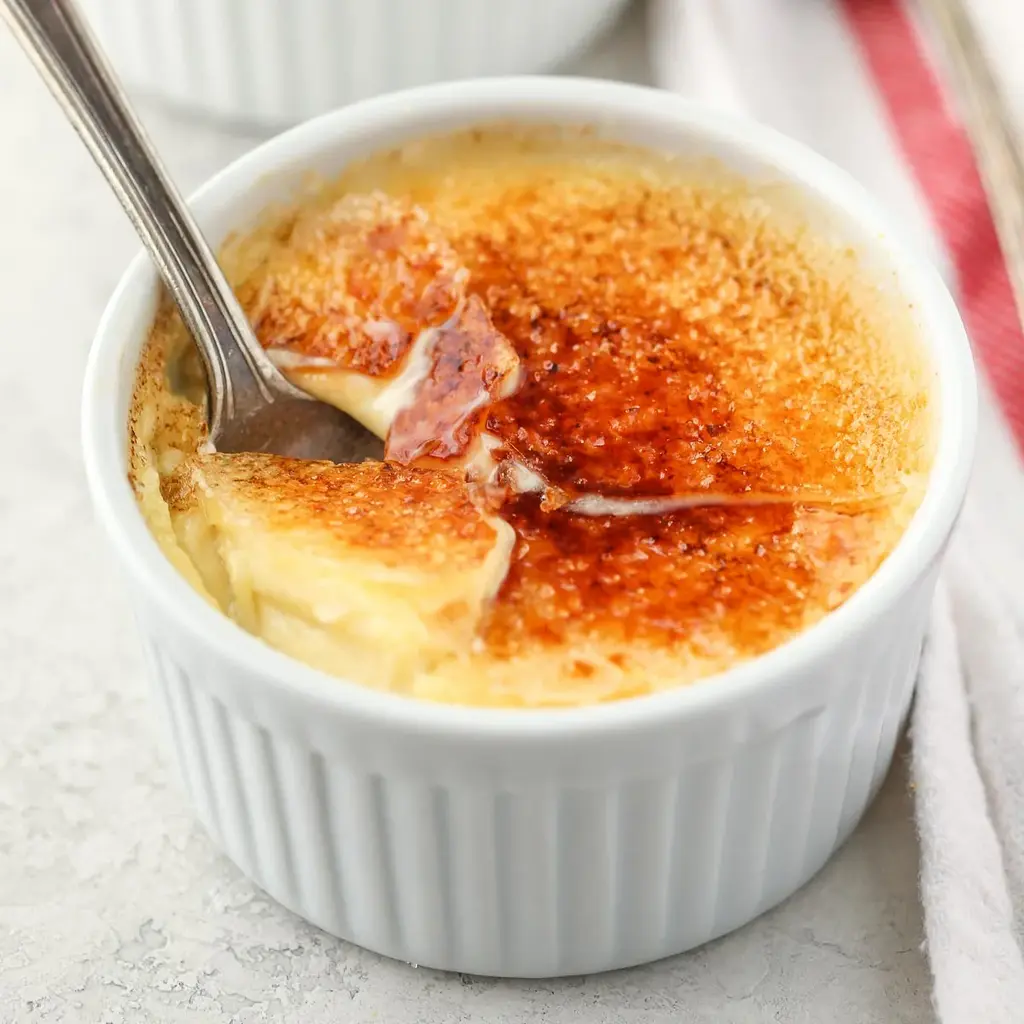 Table of ContentsEasy Crème Brûlée Recipe: emy’s Torch Tip – Four-Ingredient French Perfection
I still remember the first time I cracked the caramelized top of a perfect Crème Brûlée—it was in a tiny pastry shop in Paris, and the sound was like breaking glass on a treasure box. This Easy Crème Brûlée recipe is my love letter to that moment, and my torch tip for a sugar crust that shatters like a dream. With just four ingredients, it turns a classic French dessert into something you can master in your own kitchen, whether you’re in a Manhattan apartment or a home in the heartland. The custard is silky and rich, with a depth that comes from pure vanilla and the gentle heat of a water bath. When you tap the burnt sugar top with your spoon, it cracks open to reveal a smooth, velvety center that melts on your tongue. That contrast—between the crisp, caramelized shell and the soft, cool custard—is pure magic. This version comes straight from my years training in Parisian kitchens, where I learned that the secret to a perfect Crème Brûlée isn’t in fancy techniques but in patience and precision. My pro tip for using a kitchen torch ensures you get that even, amber crust without burning the sugar—a common mistake I see all the time.
Why This Crème Brûlée Recipe Is the BestThe Flavor Secret: My Moroccan heritage taught me the power of simple, pure ingredients. Here, the heavy cream and egg yolks create a custard that’s unbelievably rich, while a touch of vanilla extract adds a floral note that lifts the whole dessert. It’s a French classic made with the soul of North African hospitality. Perfected Texture: I spent years in Paris learning how to temper eggs without scrambling them. The key is adding the warm cream slowly while whisking constantly—a technique that gives you a smooth, lump-free custard every time. The water bath ensures even cooking, so the center stays jiggly and the edges set perfectly. Foolproof & Fast: This recipe is designed for busy weeknights when you want something impressive without the fuss. With only 15 minutes of prep and four ingredients, it’s simpler than you think. My torch tip makes caramelizing a breeze—no broiler needed, no guesswork.
Crème Brûlée IngredientsI buy my heavy cream from the Union Square Greenmarket in NYC—it’s grass-fed and tastes like liquid gold. The vanilla extract I bring back from Paris, but any good-quality one works. Just like my mother taught me in her Moroccan kitchen, the best ingredients make the simplest dishes shine. Ingredients List
Ingredient SpotlightEgg Yolks: They are the heart of the custard, providing richness and structure. Look for bright orange yolks from pasture-raised eggs for the best color and flavor. In a pinch, you can use regular large eggs, but the custard will be paler. Heavy Whipping Cream: This gives the Crème Brûlée its signature velvety texture. Use cream with at least 36% milk fat. Half-and-half will work but yields a thinner custard—not as luxurious. Vanilla Extract: Pure vanilla is non-negotiable. It adds a warm, aromatic depth that imitation vanilla can’t match. Use a tablespoon of vanilla bean paste for a more intense flavor and those lovely specks. Granulated Sugar: Regular white sugar is perfect for both the custard and the topping. For a deeper caramel flavor, try turbinado sugar on top—it’s coarser and gives a more dramatic crunch.
How to Make Crème Brûlée — Step-by-StepDon’t be intimidated—this is easier than you think. Just follow these steps, and you’ll have a dessert that rivals any French bistro. Step 1: Preheat and PreparePreheat your oven to 325°F (163°C). Place a large pot of water on the stove to boil—this will be for the water bath, which ensures even gentle cooking. 💡 emy’s Pro Tip: Start boiling the water early so it’s ready when you need it. Cold water in the bath can shock the custard and cause it to cook unevenly. Step 2: Whisk Egg Yolks and SugarIn a large mixing bowl, whisk together the 6 egg yolks and 1/3 cup granulated sugar until well blended and it just starts to lighten in color. This should take about 1–2 minutes—stop as soon as it’s pale, not frothy. ⚠️ Common Mistake to Avoid: Over-whisking can incorporate too much air, leading to a bubbly custard. Whisk just until combined and slightly lighter in color. Step 3: Heat the CreamPour the heavy whipping cream into a medium-sized saucepan and heat over medium heat. Stir occasionally until the cream is warm and bubbling around the edges—just before it simmers. Remove from heat and stir in the vanilla extract. 💡 emy’s Pro Tip: Don’t let the cream boil! Overheating can curdle it. Look for small bubbles at the edges and steam rising from the surface. Step 4: Temper the EggsSlowly pour about 1/2 cup of the warm cream into the egg and sugar mixture, whisking constantly. Then, slowly pour in the remaining cream while continuing to whisk until fully combined. If there’s a thin layer of foam on top, skim it off with a spoon. ⚠️ Common Mistake to Avoid: Adding the cream too quickly can scramble the eggs. Go slow and steady—it’s the most important step for a silky custard. Step 5: Strain and FillStrain the mixture through a fine mesh strainer into a clean bowl to catch any cooked egg bits. Then, evenly distribute the custard between four 6-ounce ramekins. 💡 emy’s Pro Tip: Use a ladle to fill the ramekins evenly. I always tap each ramekin gently on the counter to release any air bubbles before baking. Step 6: Set Up Water BathPour the boiling water into an 8-inch square baking pan (or larger) about 1/3 of the way full. Carefully place the ramekins in the dish—the water should come about halfway up the sides. Add more boiling water if needed. ⚠️ Common Mistake to Avoid: Using a pan that’s too shallow can cause the water to spill over. Use a deep baking dish and handle it with care. Step 7: Bake and ChillBake at 325°F for 35–45 minutes, or until the edges are set and the center is slightly jiggly. Remove from the oven and transfer the ramekins to a wire rack to cool completely. Cover tightly and refrigerate for at least 4 hours or overnight. 💡 emy’s Pro Tip: The custard will continue to cook as it cools, so it’s better to under-bake slightly than over-bake. The center should wobble like jelly when you gently shake the ramekin. Step 8: Caramelize and ServeOnce chilled, blot the tops with a paper towel to remove moisture. Sprinkle 1 1/2 teaspoons of sugar on each custard, shake it into an even layer, then use a kitchen torch to carefully caramelize the sugar. Allow to harden for 1–2 minutes before serving. ⚠️ Common Mistake to Avoid: Keeping the torch too close can burn the sugar. Hold the flame 2–3 inches away and move it in a circular motion for even melting.
Serving & PresentationServe the Crème Brûlée immediately after caramelizing to enjoy that perfect crack. I like to place each ramekin on a small plate with a demitasse spoon—the contrast of the cold custard and warm, crunchy top is best experienced straight away. For a touch of NYC flair, I sometimes add a few fresh raspberries or a sprig of mint on the side. The berries’ tartness cuts through the richness beautifully. It’s a simple garnish that elevates the dessert from classic to stunning. Back in Morocco, we’d serve something similar with orange blossom water and candied almonds—a nod to my roots. For a Parisian twist, pair it with a small glass of Sauternes or a strong espresso.
Make-Ahead, Storage & ReheatingThis Crème Brûlée is perfect for busy NYC evenings—make the custard a day ahead and caramelize just before serving. I often prepare it on a Sunday for a Monday night treat. Easy Vanilla Crème Brûlée Recipe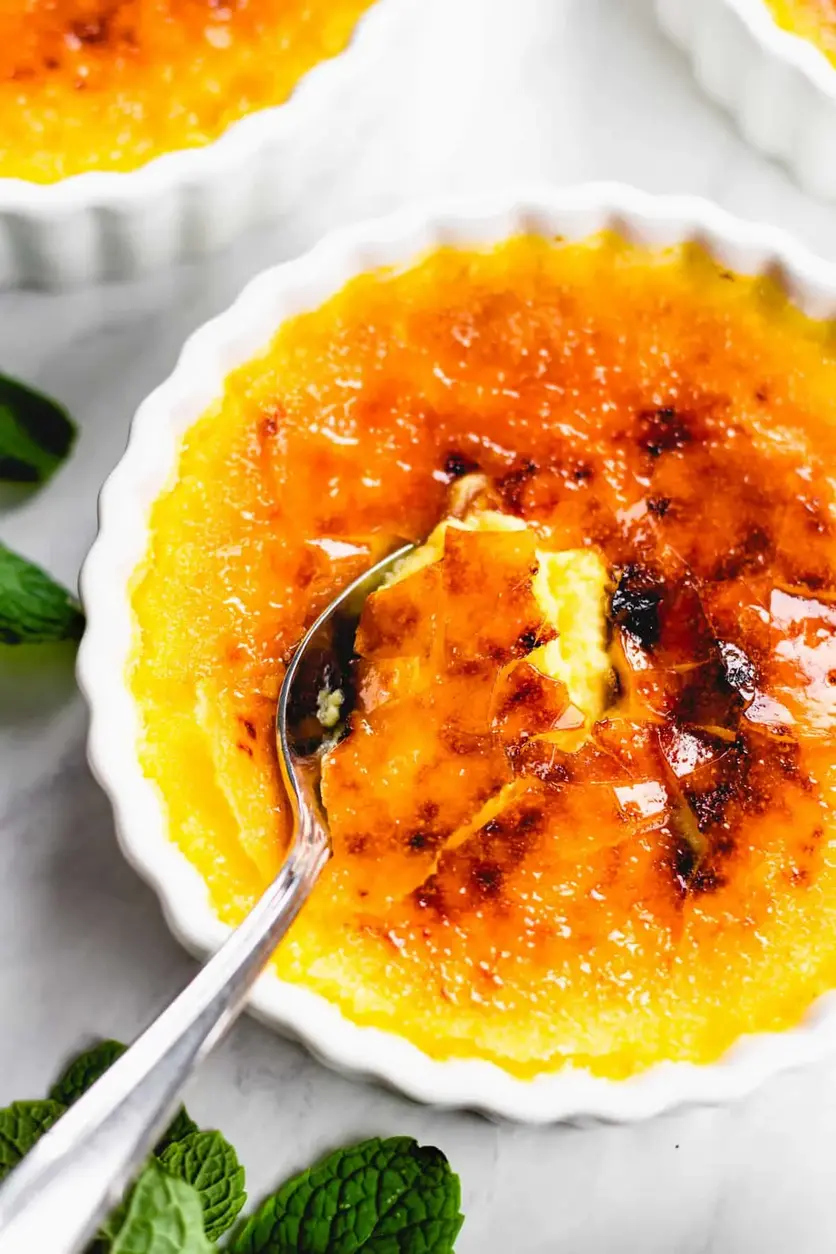 Table of ContentsEasy Vanilla Crème Brûlée Recipe – No Torch Needed: A Foolproof Custard with a Perfectly Caramelized TopI still remember the first time I cracked through a crème brûlée shell in my Parisian culinary school kitchen. The sharp, satisfying sound of caramel shattering under the back of a spoon — it was magic. But here in my NYC apartment, I don’t always have a kitchen torch handy. That’s why I created this easy vanilla crème brûlée recipe: it delivers that same creamy custard and satisfying caramelized top without any special equipment. With just 4 ingredients and a simple broiler technique, this beginner-friendly crème brûlée is proof that French desserts don’t have to be intimidating. The secret lies in a water bath that cradles the custard as it bakes to a silky perfection. Trust me, you’ll never need a torch again. Imagine a custard so velvety it barely holds its shape — rich with the flavor of real vanilla, yet light on the palate. I can almost smell the warm cream infusing with vanilla extract as it simmers on the stove. The first spoonful yields a contrasting duo: a crisp, caramelized sugar disc that cracks open to reveal a luscious, pale-yellow cream underneath. It’s a dessert that whispers of elegant bistros in Paris and cozy dinners in Manhattan, made right in your own kitchen. Growing up in Morocco, my mother always taught me that the simplest recipes require the most attention to detail. My easy vanilla crème brûlée recipe honors that lesson. I’m going to show you the key techniques — from tempering the eggs to using a water bath — and a top trick for caramelizing the sugar under your oven’s broiler. A common mistake? Overbaking the custard, which will make it weep liquid. I’ll guide you to that perfect, jiggly center every time. Ready to bring a little Paris into your kitchen? Let’s get started. Why This Easy Vanilla Crème Brûlée Recipe Is the BestThe Flavor Secret: This recipe draws on the simplicity I learned in Morocco — letting just a few high-quality ingredients shine. We use real vanilla extract for a pure, aromatic vanilla flavor that doesn’t compete with the creamy richness of the custard. In my Paris training, I learned that less is more when it comes to classic desserts. There’s no need for elaborate additions; with the right technique, the flavor is unforgettable. Perfected Texture: As a professional cook now based in New York City, I’ve tested countless custard recipes. The key to a silky crème brûlée is the water bath, which gently bakes the eggs and cream together without curdling. I insist on a low oven temperature and a ramekin set in hot water to ensure the texture remains smooth and creamy, never rubbery. This technique is non-negotiable for the perfect consistency. Foolproof & Fast: This easy vanilla crème brûlée recipe is designed for home cooks. With just 4 ingredients and a simple broiler method, it takes less than an hour of active time. Whether you’re a beginner or a seasoned baker, this recipe is approachable and delivers consistent results. It’s the dessert you can whip up without stress and still impress everyone at the table. Easy Vanilla Crème Brûlée Recipe IngredientsIn my busy NYC life, I love that this recipe uses only a few pantry staples. I often buy my heavy cream at the Union Square Greenmarket, where it’s incredibly fresh. It reminds me of the rich milk from the markets in Marrakech — pure, unadulterated, and full of flavor. Let’s talk about the ingredients you’ll need for this easy vanilla crème brûlée. Ingredients List
Ingredient SpotlightHeavy Cream: This is the backbone of the custard. It provides richness and fat content necessary for a silky texture. At the grocery store, look for a heavy cream with at least 36% milk fat. I recommend a local brand like Ronnybrook or Organic Valley for the best flavor. If you’re out of heavy cream, you can use a mix of 1 ¾ cups whole milk and ¼ cup melted unsalted butter, but the texture will be slightly less creamy. Egg Yolks: They give the custard its structure and velvety mouthfeel. I always use large, free-range eggs from a farmers market. It’s important not to over-whisk the yolks with the sugar, which can incorporate too much air and cause bubbles. A gentle hand is key. Vanilla Extract: Pure vanilla extract is essential. Avoid imitation vanilla, which has a harsh, artificial flavor. I love using Nielsen-Massey or my own homemade vanilla extract for a deeper, more complex aroma. For a twist, you can substitute with a vanilla bean, scraping the seeds into the cream as it heats.
How to Make Easy Vanilla Crème Brûlée Recipe — Step-by-StepMaking this easy vanilla crème brûlée recipe is simpler than you think. I’ll walk you through each step with my tested techniques and visual cues. Let’s create that perfect custard together. Step 1: Preheat and Prepare the Water BathPreheat your oven to 325°F. Bring a kettle or pot of water to a boil for the water bath. This ensures even cooking for that creamy texture in your vanilla crème brûlée. 💡 emy’s Pro Tip: Use a deep baking dish that fits your ramekins with at least an inch of space around each. This allows the hot water to circulate evenly, which prevents hot spots and uneven baking. Step 2: Heat the CreamIn a saucepan over medium heat, combine 2 cups heavy cream and 1 teaspoon vanilla extract. Heat until it just starts to simmer (small bubbles around the edges) — do not boil. Remove from heat and set aside to infuse for 5 minutes. ⚠️ Common Mistake to Avoid: If the cream boils, the milk proteins can scorch, giving your custard a cooked milk flavor. Watch for the first tiny bubbles, then turn off the heat immediately. Step 3: Whisk the Eggs and SugarIn a medium bowl, whisk together 6 egg yolks and 1/3 cup granulated sugar until the mixture thickens and turns pale yellow (about 3-5 minutes with a hand whisk or electric mixer on low). This step is key to a smooth custard. 💡 emy’s Pro Tip: The mixture is ready when it falls in a thick ribbon from the whisk. This “ribbon stage” indicates the sugar has dissolved and the yolks have thickened, which helps emulsify the custard later. Step 4: Temper the EggsGradually pour the warm cream into the egg mixture in a slow stream, whisking constantly to prevent curdling. This tempering technique ensures your easy crème brûlée stays silky. Strain through a fine-mesh sieve if needed to remove any lumps. ⚠️ Common Mistake to Avoid: Adding the cream too quickly can shock the eggs and create scrambled bits. Go slow — a slow, steady stream while whisking is the way to go. Step 5: Fill Ramekins and Add Water BathDivide the custard evenly among 4 shallow ramekins (6-8 oz each). Place them in a large baking dish. Carefully pour the boiling water into the dish until it reaches about ¾ up the sides of the ramekins — creating a water bath for gentle baking. 💡 emy’s Pro Tip: Place the ramekins in the dish before adding the water. Pour water from the kettle into a corner of the dish, not directly over the custards, to avoid splashing. Step 6: Bake the CustardBake at 325°F for 30-35 minutes until the edges are set but the center still jiggles slightly (like Jell-O). Avoid overbaking to keep it creamy. Remove from the oven and water bath, let cool to room temperature, then cover with plastic wrap and refrigerate for at least 4 hours (or overnight for best results). ⚠️ Common Mistake to Avoid: Baking too long will cause the custard to become dense and weep liquid. The jiggle test is your best friend — the center should move like a calm lake, not a stiff disc. Step 7: Caramelize the TopBefore serving, sprinkle 1 tablespoon granulated sugar evenly over each chilled custard. Use a kitchen torch to melt and caramelize the sugar until golden and bubbly. No torch? Place under your oven’s broiler on high for 1-2 minutes, watching closely to avoid burning. Let sit for 1 minute to harden into a crispy shell. 💡 emy’s Pro Tip: For the broiler method, place ramekins on a baking sheet and position it 4-6 inches from the heating element. Rotate the pan halfway through for even caramelization. You want a deep amber color — any darker and it will taste bitter. Step 8: Serve ImmediatelyServe immediately for that satisfying crack. Top with berries if desired. ⚠️ Common Mistake to Avoid: If you wait too long after caramelizing, the sugar will soften and lose its crack. Serve within 5 minutes of torching or broiling for the best texture experience.
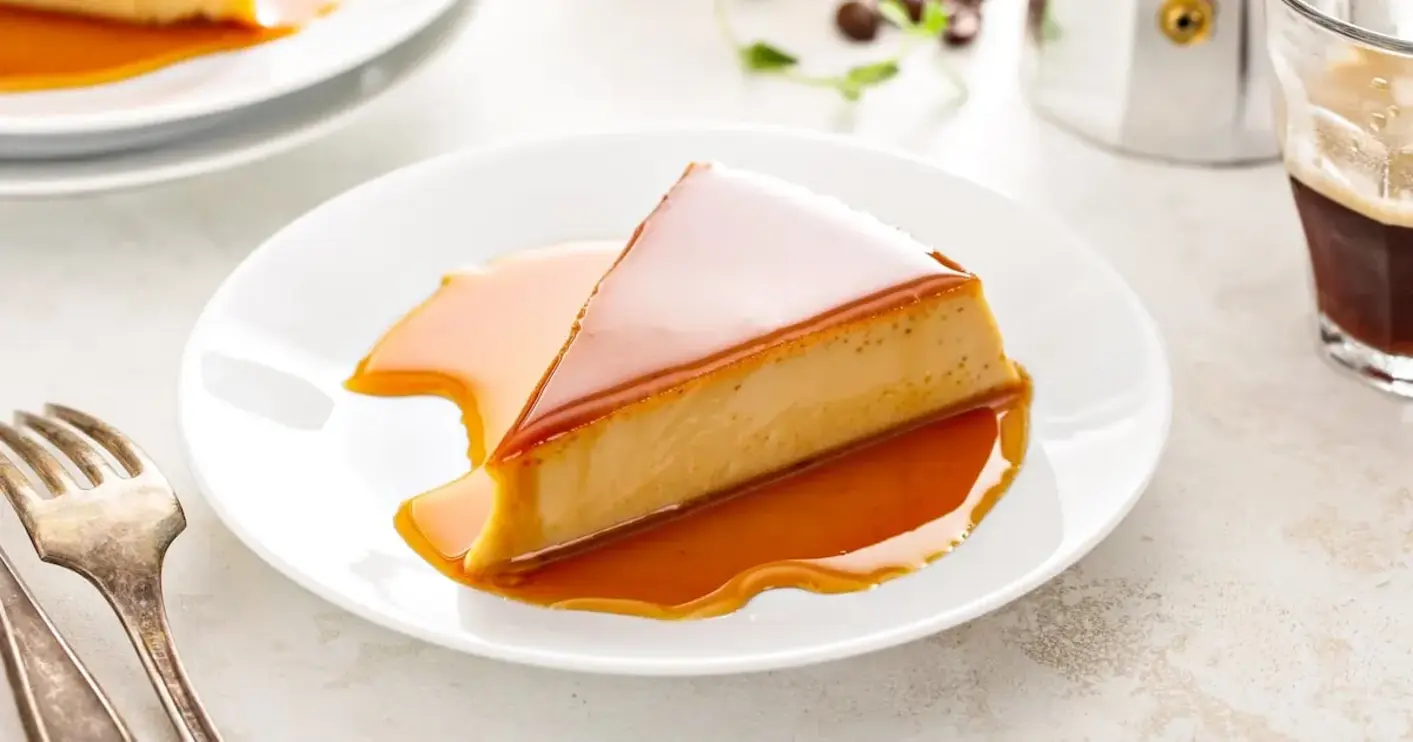
Serving & PresentationThe beauty of a crème brûlée is its simplicity. I love serving it straight from the ramekin, cracking the caramelized top at the table for a little drama. This easy vanilla crème brûlée is a showstopper on its own, but a few thoughtful accompaniments can elevate it further. In my NYC kitchen, I often pair it with fresh berries — raspberries or strawberries add a bright acidity that cuts through the rich custard. It reminds me of the fresh fruit my mother would serve after a Moroccan meal. A mint sprig or a dusting of powdered sugar adds a touch of elegance. Sugar Free Keto Coconut Flan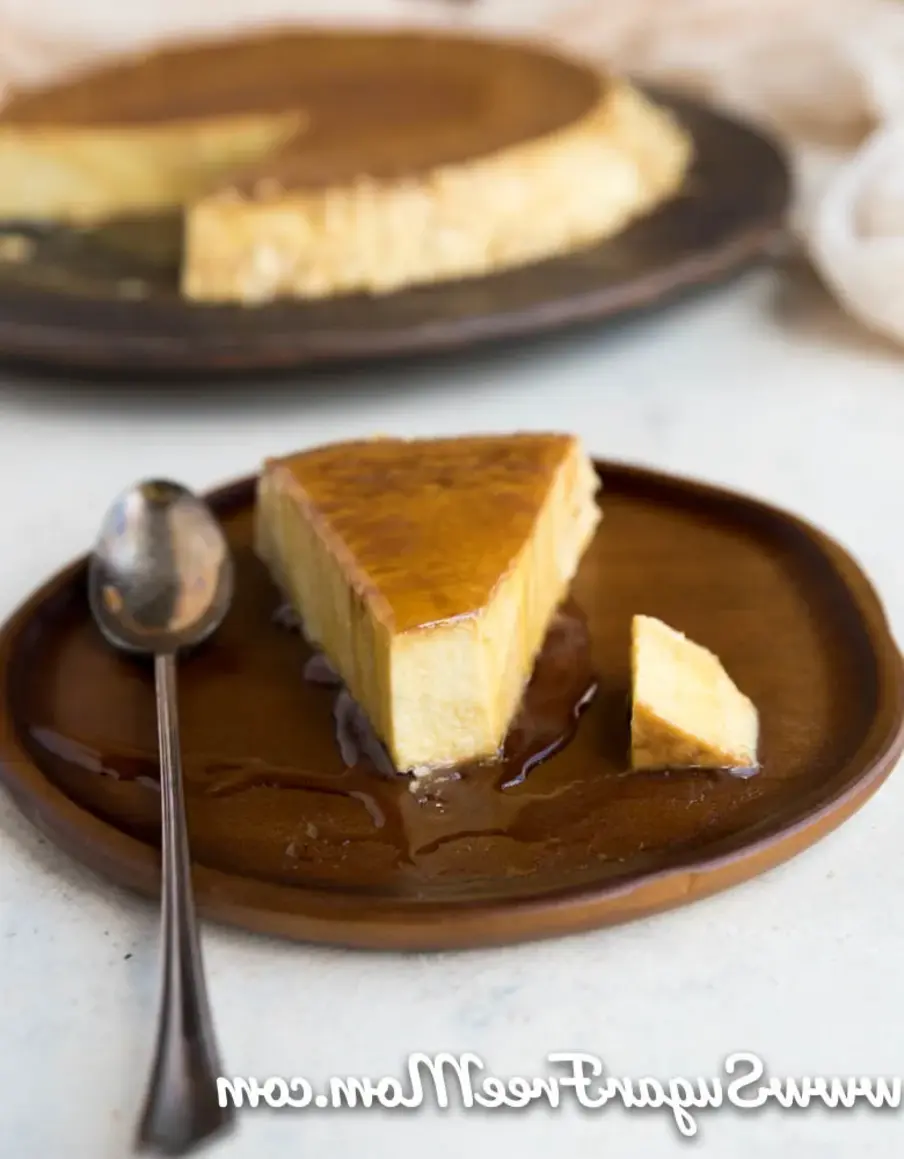 Table of ContentsSugar Free Keto Coconut Flan – Creamy, Rich & Guilt-Free DessertI remember the first time I tasted a perfectly set flan—it was during a summer trip to Madrid with my mother. The golden caramel sauce pooled around the silky custard, and I knew I had to recreate that magic in a healthier way. This Sugar Free Keto Coconut Flan is my tribute to that memory, combining the creamy richness of French crème caramel with the exotic, tropical flavor of coconut. The secret? Using a brown monk fruit allulose sweetener that caramelizes beautifully without any sugar. In this recipe, I show you how to make a luscious, keto-friendly flan that tastes every bit as indulgent as the original, with a silky texture that rivals any classic version. Imagine slicing through the velvety custard, revealing a pool of amber-colored sauce that glistens like molten gold. The aroma of toasted coconut and vanilla fills your kitchen, while the first spoonful delivers a creamy, melt-in-your-mouth sensation. Unlike many keto desserts that can be gritty or heavy, this flan is incredibly smooth and light. The key is the water bath (bain-marie) technique I learned at Le Cordon Bleu—it ensures gentle, even cooking, preventing curdling and keeping the texture delicate. Each bite is a balance of sweet caramel and rich coconut, with zero sugar crash. As a New York City–based cook who trained in Paris, I’ve spent years perfecting low-carb desserts that don’t compromise on taste. This flan is my go-to for dinner parties and meal-prep alike. The caramel is made with a simple monk fruit allulose blend that browns to a deep, rich hue without burning. One common mistake? Pouring the custard into a hot caramel, which can cause it to set too fast. I’ll guide you through the slow, patient method that ensures a flawless result every time. Trust me, this recipe will become your new keto staple. Why This Sugar Free Keto Coconut Flan Recipe Is the BestThe flavor secret lies in the combination of full-fat coconut milk and the unique caramelization of monk fruit allulose. In my Paris training, I learned that the best caramel isn’t just about heat—it’s about the right sugar molecule. Allulose browns and thickens like real sugar, giving this flan a deep, toasty caramel that you’d never guess is sugar-free. I also add a hint of coconut liquid stevia to amplify the tropical notes, creating a dessert that’s complex and satisfying without any artificial aftertaste. The perfectly smooth texture comes from the classic French bain-marie technique. I place the custard dish inside a roasting pan with hot water that comes halfway up the sides. This gentle heat surrounds the flan, cooking it evenly and preventing the egg proteins from seizing. The result is a silky, almost velvety texture that quivers like a soft pudding. If you’ve struggled with watery or grainy keto custards before, this method is a game-changer. This recipe is foolproof and fast—even for beginners. With just 15 minutes of prep, you can have the custard in the oven. The hardest part is waiting for it to chill! I’ve tested it with multiple sweeteners and milk alternatives, and the instructions are designed to avoid common pitfalls. Whether you’re a seasoned keto cook or a first-timer, you’ll achieve a stunning, Instagram-worthy flan that everyone at your table will love. Sugar Free Keto Coconut Flan IngredientsWhen I’m shopping for this flan, I head straight to the canned goods aisle at my local NYC market. The quality of coconut milk is everything—I always choose a brand without guar gum or stabilizers, as it gives a cleaner, richer mouthfeel. This recipe also reminds me of my mother’s kitchen in Morocco, where she would use local eggs and fresh coconut milk from the market. I’ve adapted it for American pantries, keeping the ingredients simple and accessible. Ingredients List
Ingredient SpotlightEggs are the backbone of this flan, providing structure and a silky custard. Use the freshest eggs you can find—free-range or pasture-raised eggs have brighter yolks and a richer flavor. The extra egg yolks add a luxurious creaminess that makes the flan taste decadent. If you have farm eggs from a farmers market, even better. Coconut milk is the star liquid here, adding body and tropical flavor. Avoid light coconut milk, which will result in a watery flan that won’t set properly. Shake the can well before opening to mix the cream and water. I recommend Thai Kitchen or Chaokoh brands for their consistent thickness. For a different nuttiness, you can use unsweetened almond milk (1:1), but the texture will be slightly less rich. Monk fruit allulose brown sweetener is my secret weapon for the caramel sauce. It melts and browns exactly like brown sugar, creating a deep, toasty caramel without any bitterness. If you use a different sweetener like erythritol, note that it may recrystallize when chilled. If that happens, simply scrape off the crystals before serving—I show you how. Butter adds richness to the caramel and helps it thicken. Use unsalted butter to control the salt level. For a dairy-free option, ghee or a high-quality vegan butter stick (like Miyoko’s) works perfectly. Avoid margarine, which can cause the caramel to separate.
How to Make Sugar Free Keto Coconut Flan — Step-by-StepThis flan is a little finicky, but I promise you don’t need a pastry degree to nail it. Follow my steps, and you’ll have a stunning dessert that rivals any café. I’ve broken it down into simple actions with my pro tips to keep you on track. Step 1: Prepare Oven and DishPreheat your oven to 325°F. Have a 10-inch pie dish, cake pan, or 10 individual ramekins ready. Place your dish inside a larger roasting pan—this will be your water bath. Starting with a cold oven helps prevent sudden temperature shocks that can crack your flan. ⚠️ Common Mistake to Avoid: Forgetting to set up the water bath before mixing. Do this first to avoid scrambling when the custard is ready. Step 2: Make the Custard BaseIn a stand mixer fitted with the whisk attachment, combine 6 whole eggs, 2 egg yolks, the full can (27 ounces) of coconut milk, 2 teaspoons vanilla extract, and 2 teaspoons coconut liquid stevia. Mix on low to medium speed until everything is well combined—about 1 minute. Do not whip air into the mixture; you want a smooth, homogeneous liquid, not frothy custard. If you over-mix, you’ll incorporate bubbles that create unsightly holes in the finished flan. 💡 emy’s Pro Tip: Strain the custard through a fine-mesh sieve into a clean bowl to remove any unbroken egg whites or bits of cooked egg. This guarantees a flawlessly smooth texture. Step 3: Make the Caramel SauceIn a small saucepan over medium-low heat, add 1/2 cup monk fruit allulose brown sweetener and 2 tablespoons butter. Stir constantly until the butter melts and the sweetener dissolves, creating a bubbly, amber-colored sauce—about 2 to 3 minutes. Let it simmer for exactly 1 minute, then remove from heat. Immediately pour the hot caramel into your prepared pie dish or ramekins, swirling gently to coat the bottom evenly. Set aside and let cool just 1 to 2 minutes—no longer, or the caramel will harden and won’t combine with the custard. ⚠️ Common Mistake to Avoid: Simmering the caramel for too long. Allulose can burn quickly, turning bitter. Watch for medium-amber color and tiny bubbles around the edges. Step 4: Assemble Custard Over CaramelSlowly pour the custard mixture over the still-warm caramel in the dish. Do not stir—just allow the custard to settle on top. The caramel will be somewhat fluid and may lift slightly, but that’s fine. If you pour too fast, you can displace the caramel. Use a ladle for controlled pouring, and hold it close to the surface. 💡 emy’s Pro Tip: Use the back of a spoon to gently guide the custard over the caramel if any bubbles appear. Tap the dish on the counter once to release trapped air. Step 5: Bake in Water BathPlace the pie dish into the larger roasting pan in the oven. Pour 2 cups of hot water (almost boiling) into the bottom of the roasting pan so it comes 1 to 2 inches up the sides of the pie dish. The hot water creates a steam environment that keeps the custard gentle. Bake for 1 hour exactly, or until a knife inserted near the center comes out clean with just a few moist crumbs. The edges should be set but the center may still jiggle slightly. ⚠️ Common Mistake to Avoid: Adding cold water to the bath. Cold water will shock the custard and create an uneven texture. Always use hot water. Step 6: Cool and ChillRemove the roasting pan from the oven and lift out the flan dish. Let it cool completely at room temperature on a wire rack—about 1 to 2 hours. Then cover with plastic wrap or a plate and refrigerate for at least 2 hours, but overnight is better. The chilling firms up the custard and allows the caramel to fully saturate the bottom. 💡 emy’s Pro Tip: Patience is key. A fully chilled flan releases more cleanly from the dish. If you skip the cooling step, you risk a messy flip. Step 7: Unmold and ServeWhen ready to serve, run a thin knife around the edges of the dish in a figure-8 motion to loosen. Place a large plate upside down over the dish, then invert quickly. The flan should slide out with a golden caramel sauce pooling around it. If any caramel sticks, gently scrape it onto the plate. If you notice crystallized bits (common with erythritol), simply pick them off with a fork—they’ll be hard and not affect the smooth custard. ⚠️ Common Mistake to Avoid: Not loosening the edges thoroughly. If the flan doesn’t release in one piece, it can break. Use a thin, sharp knife and go around twice.
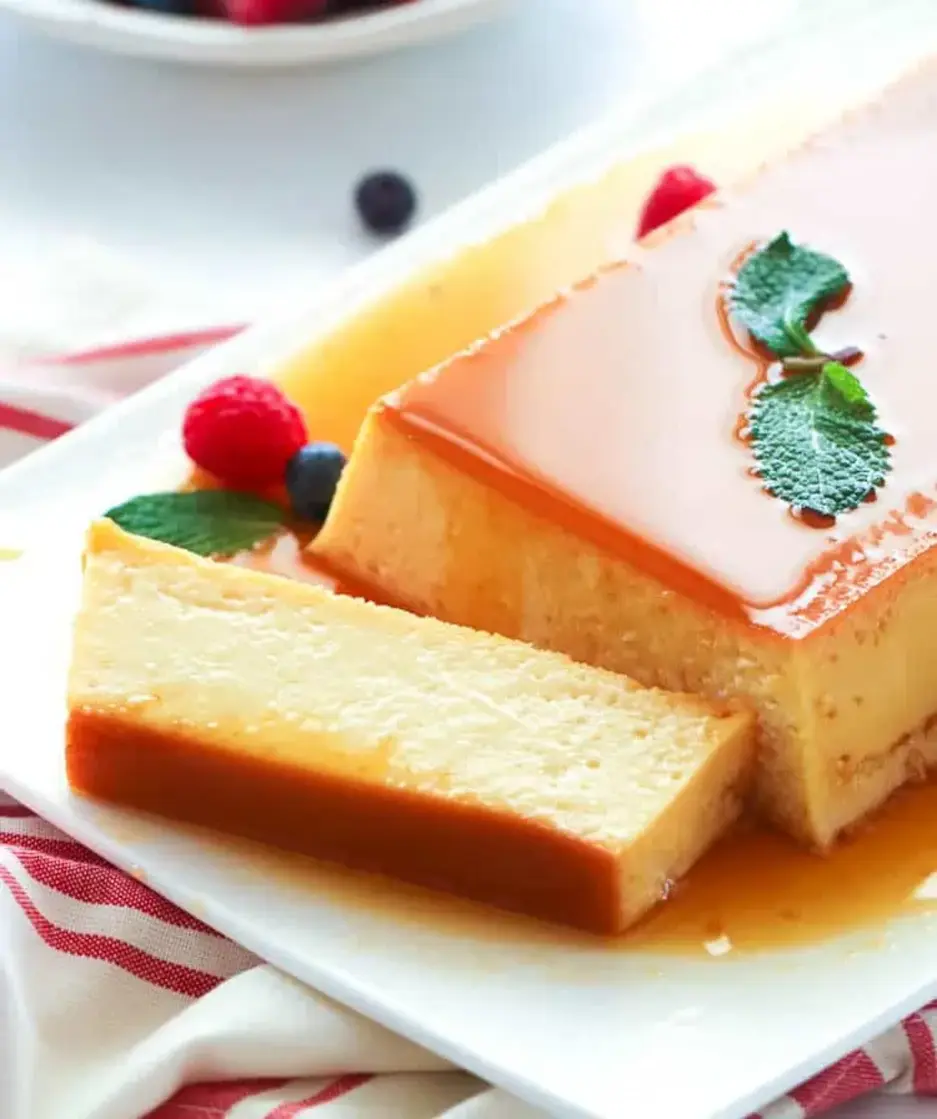
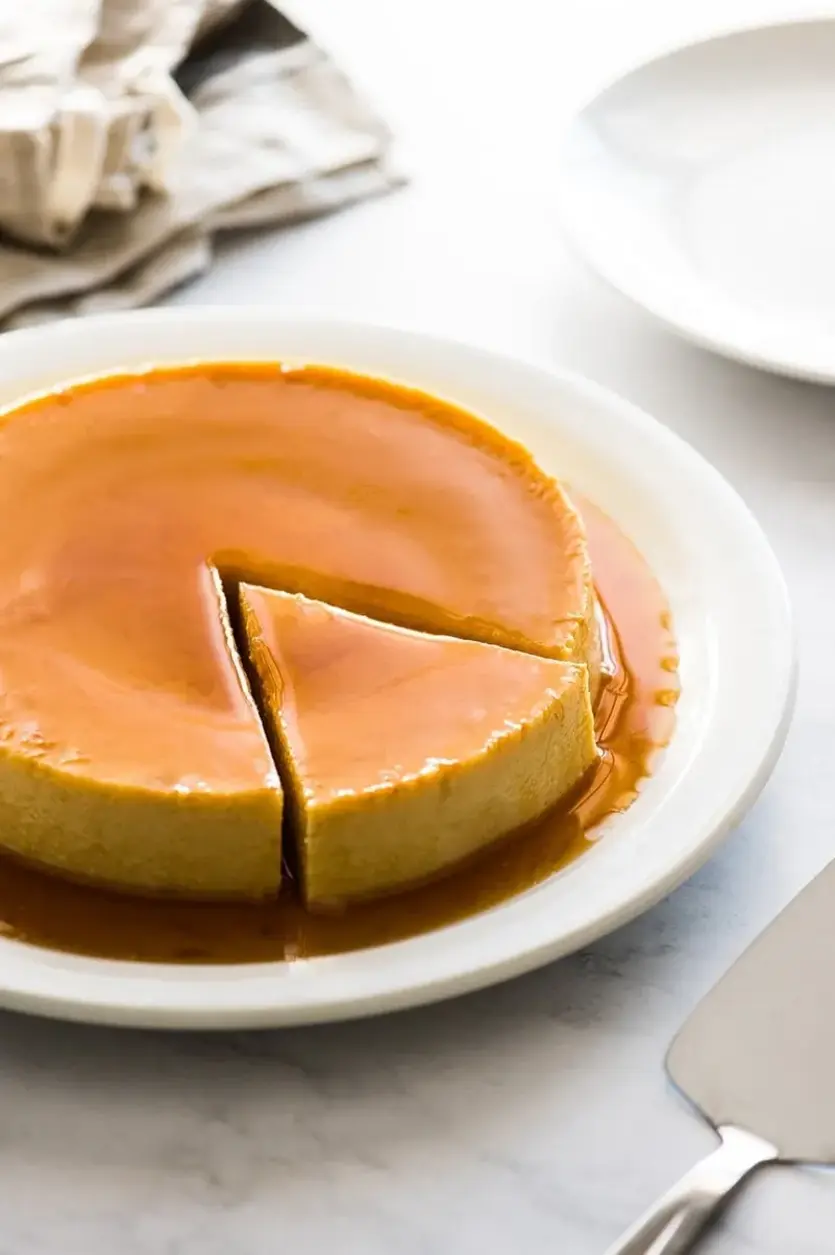
Serving & PresentationI love serving this flan on a warm summer evening, with a sprinkle of toasted coconut flakes and a few fresh berries—raspberries or sliced strawberries balance the richness perfectly. The plate should be large enough to let the caramel pool naturally. For an extra touch, add a dollop of lightly whipped cream with a splash of vanilla stevia, or a tiny pinch of sea salt flakes on top of the caramel to enhance the flavors. This dessert feels like a special-occasion treat but comes together with little fuss—it’s perfect for dinner parties, holiday meals, or a decadent weekend indulgence. In my Paris training, we learned that presentation is half the experience. The flan’s smooth, pale surface contrasts beautifully with the deep amber sauce. I sometimes serve it in individual ramekins for a more elegant look—each guest gets their own inverted flan, with caramel dripping down the sides. At my NYC dinner parties, this flan never lasts long. It pairs wonderfully with unsweetened iced coffee or a glass of crisp sparkling water with lemon.
|