Indulge your sweet tooth with our delicious and irresistible dessert recipes! Whether you’re craving decadent chocolate treats, fruity delights, or creamy, dreamy confections, we have something for every occasion.
From classic cakes and homemade cookies to no-bake desserts, rich cheesecakes, and festive holiday treats, our recipes are perfect for special celebrations or everyday sweet cravings.
Need something quick? Try our easy, fuss-free desserts that come together in no time. Whether you love warm baked goods, refreshing frozen sweets, or nostalgic comfort desserts, these recipes are sure to bring a little extra joy to your day! 🍰🍫🍪
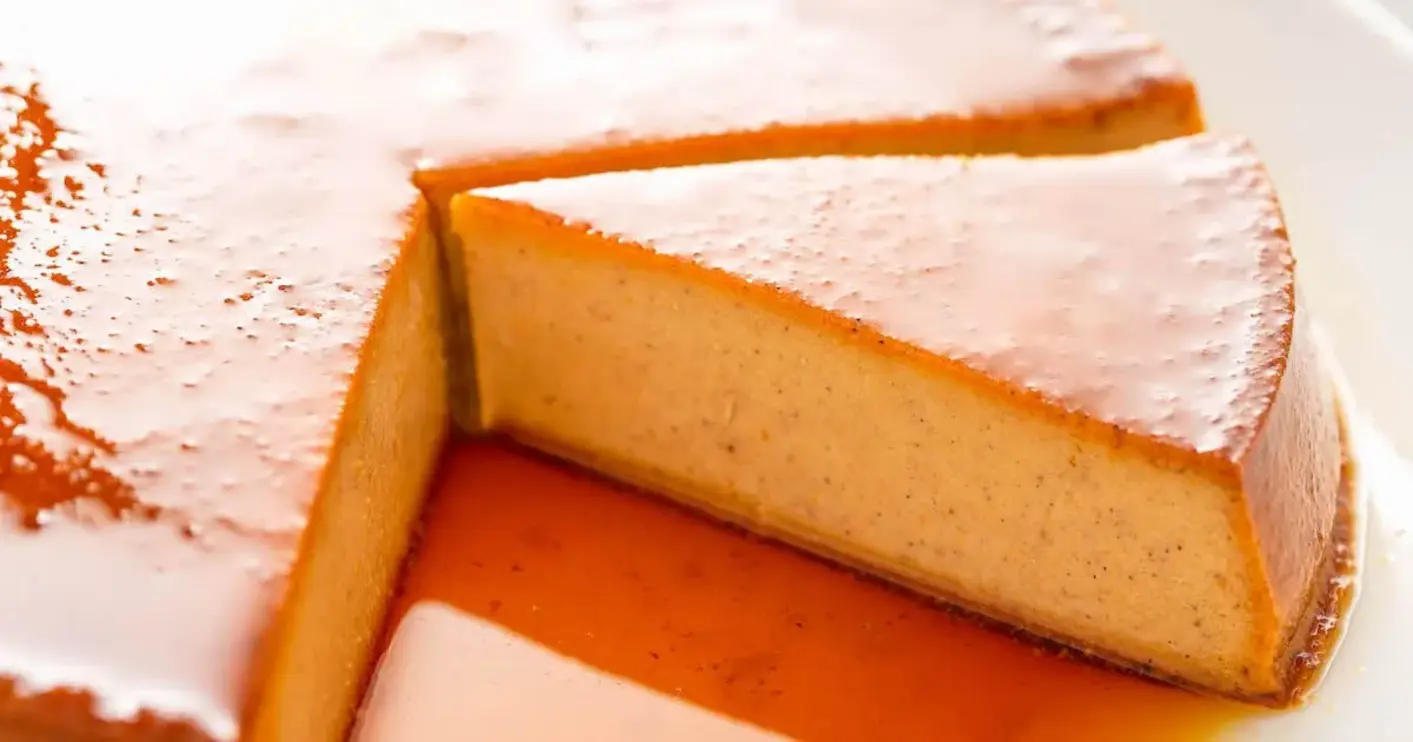
Growing up in Morocco, my mother’s kitchen always smelled of warm spices—cinnamon, anise, and a touch of floral rosewater. But when I moved to New York and trained in Paris, I learned the quiet power of a perfect crème caramel. This Pumpkin Flan is my love letter to both worlds: a classic French custard technique infused with the North African warmth of cinnamon and pumpkin. It’s an autumn dessert that feels elegant yet deeply comforting—the kind of dish that turns a simple dinner into a celebration. And trust me, the creamy, caramel-topped result will have you dreaming of pumpkin season all year long.
Picture this: a slice of flan on your plate, its surface a mirror of deep amber caramel. The first spoonful cuts through the silky custard—velvety, smooth, and cool against your tongue. You taste the sweetness of condensed milk, the earthy richness of pumpkin puree, and the gentle warmth of cinnamon that lingers like a cozy autumn blanket. The caramel sauce pools around the flan, adding a bittersweet contrast that keeps every bite exciting. It’s not overly sweet, thanks to the balance of evaporated milk and cream cheese, which adds a subtle tang and an impossibly lush texture.
I’ve refined this recipe over years of testing in my small NYC kitchen, blending my pastry chef training with the home-cooked heart of Moroccan desserts. The secret? A dollop of cream cheese in the batter gives it a richness that traditional flan never had. I’ll walk you through making a foolproof caramel, mastering the water bath, and achieving that perfect jiggle every time. One common mistake people make is overbaking—don’t! A slightly wobbly center sets into a silky dream as it chills. 🧡
Why This Pumpkin Flan Recipe Is the Best
The Flavor Secret: Most pumpkin flans rely solely on pumpkin pie spice, but I dial it up with a full tablespoon of cinnamon (or pumpkin pie spice) and a hint of vanilla. My Moroccan roots taught me that spice isn’t just an afterthought—it’s the backbone of the dish. The cream cheese in the batter adds a subtle tang that cuts through the sweetness and elevates the pumpkin flavor, making it taste more like a sophisticated dessert than a sugary custard.
Perfected Texture: The Paris-trained side of me insists on a water bath. Baking the flan gently in a bain-marie ensures the custard sets slowly, preventing curdling and creating that iconic silky-smooth, almost pudding-like texture. The caramel is cooked to a deep amber, just short of burning, for a complex, barely-bitter note that balances the rich custard perfectly. You’ll get a slice that holds its shape but melts in your mouth.
Foolproof & Fast: For a dessert this elegant, it’s surprisingly beginner-friendly. We blend everything in a blender—no fuss, no lumps. The water bath does all the work, giving you a restaurant-quality flan with minimal active effort. I’ve tested this in my NYC apartment oven a dozen times, and it never fails. Plus, you can make it a day ahead, which makes it a lifesaver for Thanksgiving or a dinner party.
Pumpkin Flan Ingredients
I pick up my pumpkin puree from the farmers market at Union Square in the fall, but a can of Libby’s works just as well. For cream cheese, I always use Philadelphia—it’s reliably creamy. And the cinnamon? I buy it from a little spice shop in Chinatown, where the aroma hits you from the street. These simple ingredients come together to create something truly special.
Ingredients List
1 cup granulated sugar
4 oz cream cheese (room temperature)
1 cup pumpkin puree
5 eggs (room temperature)
1 can (14 oz) sweetened condensed milk
1 can (12 oz) evaporated milk
1 tablespoon vanilla extract
1 tablespoon cinnamon (or pumpkin pie spice)
Ingredient Spotlight
Pumpkin Puree: It’s the star here, providing earthy sweetness and a velvety texture. Look for 100% pure pumpkin puree, not pumpkin pie filling. Libby’s is my go-to, but homemade puree from a sugar pumpkin works beautifully too. Substitution: Butternut squash puree (roasted and blended) gives a similar sweetness with a slightly nuttier flavor.
Cream Cheese: This is my secret weapon. It adds a subtle tanginess and an extra-creamy mouthfeel that sets this flan apart. Use full-fat, room temperature cream cheese for the smoothest batter. Substitution: Mascarpone cheese works but will make the flan even richer and a bit less firm.
Cinnamon (or Pumpkin Pie Spice): I prefer pure cinnamon for a cleaner flavor, but pumpkin pie spice (a blend of cinnamon, nutmeg, ginger, cloves) adds more complexity. It’s your choice! Substitution: A mix of 1 teaspoon cinnamon, ½ teaspoon nutmeg, and ¼ teaspoon ginger for a homemade pumpkin spice blend.
Evaporated Milk: This unsweetened canned milk gives the flan its signature dense, creamy texture without making it too sweet. It’s not the same as condensed milk—don’t confuse them! Substitution: Half-and-half works, but the flan will be slightly less firm and a bit richer.
Original Ingredient
Best Substitution
Flavor / Texture Impact
Pumpkin Puree
Butternut Squash Puree
Slightly nuttier, less sweet, same texture.
Cream Cheese
Mascarpone Cheese
Richer, less tangy, softer set.
Cinnamon
Pumpkin Pie Spice
More complex, spiced flavor.
Evaporated Milk
Half-and-Half
Richer, less firm, more custard-like.
How to Make Pumpkin Flan — Step-by-Step
Making flan is easier than you think, and this step-by-step guide will lead you to a perfect, silky result every time. Just follow along, and don’t worry—I’ve included my best tips and common pitfalls to watch for.
Step 1: Prepare the Oven and Pan
Preheat your oven to 350°F. Set a 9-inch cake pan (or pie pan) with 2-inch-high sides inside a larger roasting pan or casserole dish (like a 13×9-inch dish). This setup is your water bath later.
⚠️ Common Mistake to Avoid: Don’t skip the water bath! Baking the flan directly in the oven without a bain-marie will cause it to curdle and become rubbery. Always use a larger pan for the water bath.
Step 2: Make the Caramel
In a small saucepan over medium heat, melt the granulated sugar, stirring often with a wooden spoon or rubber spatula. Watch carefully—sugar can go from golden to burnt in seconds. Remove from heat when it turns a deep, amber color.
💡 emy’s Pro Tip: For a foolproof caramel, wet the sugar with a tablespoon of water before heating. This helps it melt evenly without crystallizing. Also, swirl the pan gently instead of stirring too much.
Step 3: Pour the Caramel
Immediately pour the hot caramel into the bottom of the 9-inch cake pan. Work quickly, tilting the pan to coat the bottom evenly. The caramel will harden as it cools—that’s perfect.
Step 4: Blend the Flan Batter
In a blender, combine the cream cheese (room temperature!), pumpkin puree, eggs, sweetened condensed milk, evaporated milk, vanilla, and cinnamon. Blend until completely smooth and well combined—about 20 seconds. Scrape down the sides if needed.
⚠️ Common Mistake to Avoid: Over-blending can incorporate too much air, causing bubbles in the flan. Blend just until smooth—no more than 30 seconds.
Step 5: Pour and Bake
Pour the flan mixture into the cake pan, over the hardened caramel. Then, place the cake pan in the larger roasting pan and carefully pour hot water into the roasting pan until it reaches halfway up the sides of the cake pan. Bake for 50 minutes, or until the edges are set but the center still has a slight jiggle.
💡 emy’s Pro Tip: Use hot water for the water bath—it helps the flan start cooking immediately and prevents a sudden temperature drop that can cause cracks.
Step 6: Cool and Chill
Remove from the oven and let the flan cool in the water bath for about an hour. Once cool, cover the pan with plastic wrap and refrigerate for at least 2 hours, but overnight is truly best. This allows the flavors to meld and the texture to become perfectly silky.
Step 7: Unmold and Serve
To serve, run a thin knife along the edge of the pan to loosen the flan. Place a large rimmed platter on top, then carefully invert the pan. The caramel will cascade over the flan in a beautiful golden pool. Slice into wedges and serve.
⚠️ Common Mistake to Avoid: Don’t try to unmold a warm flan! It must be fully chilled (at least 4 hours) to hold its shape. Patience is key.
Step
Action
Duration
Key Visual Cue
1
Caramel
5–8 min
Deep amber color
2
Blend Batter
30 sec
Smooth, no lumps
3
Bake
50 min
Set edges, jiggly center
4
Cool in Water Bath
1 hour
Cool to touch
5
Refrigerate
2 hrs–overnight
Firm to touch
Serving & Presentation
Unmolding the flan is always the most dramatic moment—the caramel flows over the custard like a golden river. I love serving it on a simple white platter to let the colors shine. For a touch of Parisian elegance, I add a light dusting of cinnamon on top and a few delicate candied pecans. It’s a dessert that looks like it took hours of fussing, but really, the blender did all the work!
In my NYC kitchen, I often pair this flan with a dollop of lightly sweetened whipped cream or a spoonful of crème fraîche to cut the richness. A sprinkle of flaky sea salt over the caramel takes it to another level—the salty-sweet combo is irresistible. For a Moroccan-inspired touch, I sometimes garnish with toasted sesame seeds or a drizzle of honey.
Pairing Type
Suggestions
Why It Works
Side Dish
Roasted apples, poached pears
Adds texture and a fruity note.
Sauce / Dip
Whipped cream, crème fraîche, caramel sauce
Balances sweetness and adds creaminess.
Beverage
Espresso, chai latte, apple cider
Warm drinks complement the cool custard.
Garnish
Flaky sea salt, candied pecans, sesame seeds
Adds crunch and complexity.
Make-Ahead, Storage & Reheating
This Pumpkin Flan is the ultimate make-ahead dessert for a busy New Yorker like me. I prepare it the night before a dinner party or Thanksgiving, and it’s one less thing to worry about on the day. The flavors actually deepen overnight, so you’re doing yourself a favor by planning ahead!
Method
Container
Vegan Flan
Table of Contents
Vegan Flan – Creamy No-Bake Crème Caramel with a Silky Coconut Twist
⚖️
Difficulty
Easy
⏲️
Prep Time
15 mins
🕒
Cook Time
10 mins
⏱️
Total Time
4 hrs 25 mins (includes chilling)
🍽️
Servings
4 ramekins
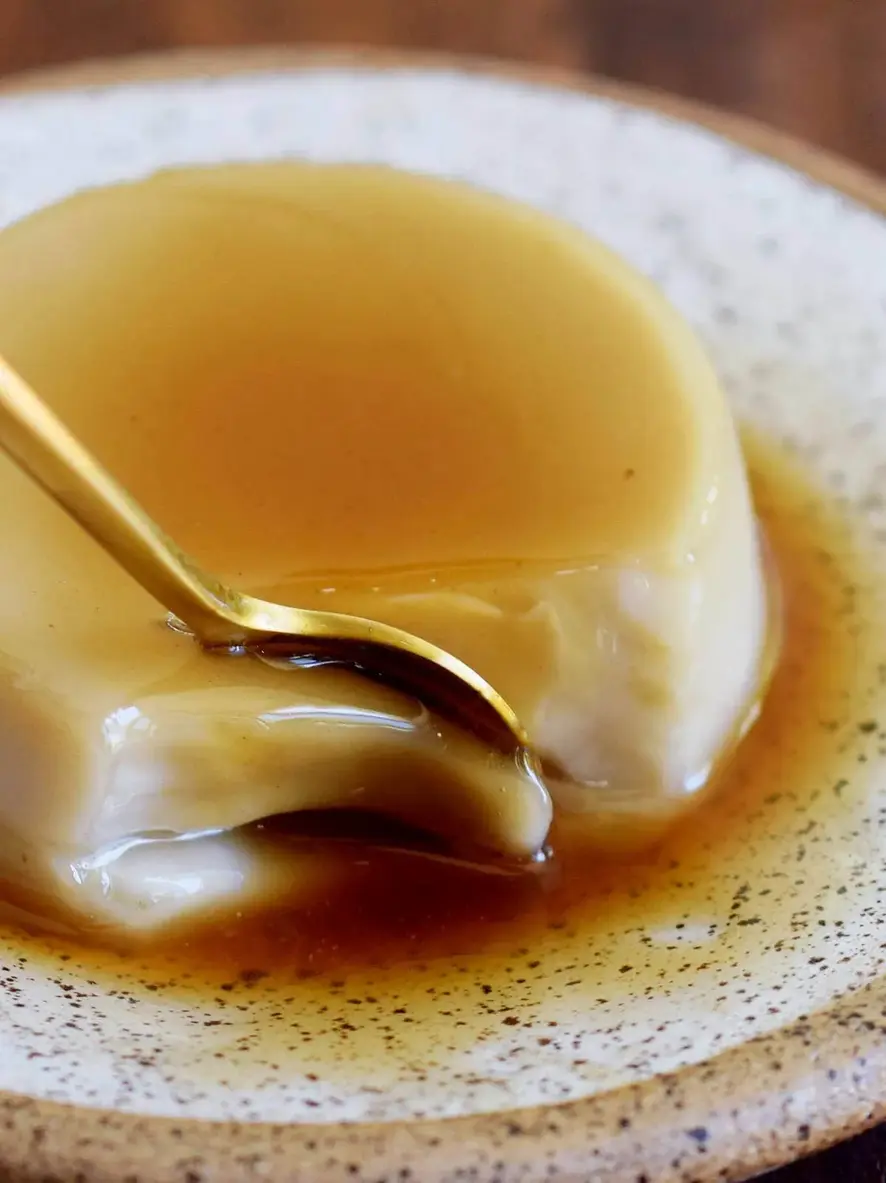
I’ll never forget the first time I tasted flan. I was a little girl in my mother’s kitchen in Marrakech, and she had just pulled a silky, caramel-glazed custard from the oven. That creamy, melt-in-your-mouth texture was pure magic. Now, as a professional cook living in New York City, I’ve reimagined that classic into a vegan flan that is just as luxurious — but completely egg-free and dairy-free. This no-bake crème caramel uses coconut milk and agar agar to achieve that signature velvety set, all with only 15 minutes of prep. It’s the vegan dessert I turn to when I want something elegant yet effortless, and I know you’ll love it too.
Picture this: a golden caramel that glistens like amber, pooling around a luscious, pale custard that trembles delicately on the plate. The first bite is sweet and slightly nutty from the coconut milk, with a whisper of vanilla that lingers. The texture is so smooth, so creamy, it feels like it’s dissolving on your tongue. There’s no eggy flavor, no heaviness — just pure, silky bliss. I learned the importance of perfectly set custards during my pastry training in Paris, and that precision is what makes this vegan flan truly special. The aroma of caramel simmering on the stove takes me right back to my childhood, but the bright, clean finish is entirely my own.
What I love most about this recipe is its simplicity. Classic flan can be tricky — water baths, egg curdling, long baking times. But my version bypasses all that. I use agar agar, a plant-based gelling agent I picked up from French pastry kitchens, which sets the custard beautifully without any eggs. The caramel is straightforward, too: just sugar and water, cooked to a deep amber. In this post, I’ll share my favorite pro tip for avoiding a grainy caramel and a common mistake to avoid when working with agar. Trust me — this is the easiest, most foolproof vegan flan you’ll ever make. Let’s dive in!
Why This Vegan Flan Recipe Is the Best
The Flavor Secret: Growing up in Morocco, I was surrounded by the warm, floral notes of orange blossom and rose. While this flan stays classic with vanilla, I add a pinch of sea salt to the coconut custard — a trick I learned from a pastry chef in Paris. It doesn’t make the flan salty; it brightens the sweetness and rounds out the coconut flavor. It’s that tiny, unexpected detail that makes every spoonful taste more complex. This vegan flan doesn’t fade into the background — it shines.
Perfected Texture: Getting the texture right in a vegan flan is non-negotiable for me. Too much agar, and it’s rubbery. Too little, and it won’t set at all. I spent weeks testing the exact ratio of coconut milk, cornstarch, and agar powder, and I’ve landed on a formula that delivers a smooth, tender custard that slices cleanly but still feels indulgent. No chalky texture, no weeping liquid — just a perfect, wobble-free set every time.
Foolproof & Fast: I know you’re busy, and I am too — between my NYC food blog and chasing farmers markets, I need desserts that work on the first try. This vegan flan is completely no-bake: no oven, no water bath, no temperature checks. You just simmer the custard on the stove, pour it into ramekins, and let the fridge do the work. It’s a crowd-pleaser that even beginner cooks can master. Plus, it’s soy-free and gluten-free, so almost everyone at your table can enjoy it.
Vegan Flan Ingredients
I love picking up my ingredients at the Union Square Greenmarket here in NYC, where I find the freshest coconut milk and pure maple syrup. The quality of these simple components really matters. For the caramel, I use regular granulated sugar — no specialty items needed. Here’s everything you’ll need, from my kitchen to yours.
Ingredients List
1/3 cup sugar (for caramel — *see notes)
1-2 tbsp water (for caramel)
2 cups canned coconut milk (shake the can well — *see notes)
3-4 tbsp maple syrup (*see notes for sweetness level)
2 tbsp cornstarch (*see notes for substitution)
2/3 tsp agar powder (*see notes for important brand notes)
Pinch of sea salt
2 1/2 tsp vanilla extract
Ingredient Spotlight
Canned Coconut Milk: This is the backbone of your custard. Full-fat canned coconut milk is non-negotiable here — it provides the richness and creamy texture that mimics dairy. Look for brands like Thai Kitchen or Chaokoh at your local grocery store. Do not use light coconut milk, as the flan will be thin and icy. If you want a less coconut-forward flavor, you can substitute with a high-quality oat milk (barista blend) combined with 2 tbsp of unrefined coconut oil, but the texture will be slightly softer.
Agar Powder: This is the vegan magic that replaces eggs. Agar powder is derived from seaweed and is much more potent than agar flakes — always use powder for this recipe. I prefer the brand “Now Foods” or any Japanese brand like Kanten. The ratio is critical: too little and the flan won’t set; too much and it becomes rubbery. For best results, simmer the agar for exactly 2 minutes after the mixture boils to fully activate its gelling power.
Maple Syrup: Pure maple syrup adds a deep, slightly woody sweetness that complements the coconut beautifully. I use Grade A Dark or Amber for a robust flavor. You can substitute with agave nectar or brown rice syrup, but the flavor will be milder. Avoid artificially flavored pancake syrups — they contain corn syrup and will ruin the taste. I tested this with 3 tbsp for a lightly sweet flan, but if you prefer a sweeter dessert (like classic flan), go with 4 tbsp.
Vanilla Extract: Use pure vanilla extract, not imitation vanilla. The difference in flavor is night and day. I often buy vanilla beans from a spice shop in NYC’s Chelsea Market and make my own extract, but store-bought works perfectly. A high-quality vanilla adds floral notes that lift the entire dessert. If you really want to go luxe, scrape half a vanilla bean pod into the custard instead.
Original Ingredient
Best Substitution
Flavor / Texture Impact
Canned Coconut Milk
Barista oat milk + 2 tbsp coconut oil
Less coconut flavor, slightly softer set
Agar Powder
Agar flakes (use 2 tbsp, simmer longer)
Different texture: firmer, harder to dissolve evenly
Maple Syrup
Agave nectar or brown rice syrup
Milder flavor, less complex sweetness
Cornstarch
Arrowroot powder (use same amount)
Slightly less creamy, still sets well
How to Make Vegan Flan — Step-by-Step
Trust me, this is easier than you think. Just follow each step, and you’ll have a stunning vegan flan that rivals any traditional version. I’m right here with you!
Step 1: Make the Caramel
In a small saucepan, combine 1/3 cup sugar and 1-2 tablespoons of water. Stir frequently over medium heat until the sugar dissolves. Once it starts boiling, reduce the heat to low and let it simmer undisturbed until the mixture turns a dark golden brown — think of the color of an amber beer. Don’t walk away; caramel can burn in seconds. When it’s ready, immediately turn off the heat. Working quickly, pour the hot caramel evenly into four ramekins. Tilt each ramekin to spread the caramel across the bottom. Set aside to cool while you prepare the custard.
💡 emy’s Pro Tip: To prevent the sugar from crystallizing (which makes caramel grainy), brush down the sides of the pan with a wet pastry brush once the sugar starts simmering. This dissolves any stray crystals. Also, use a light-colored pan so you can see the color change clearly.
Step 2: Make the Custard
In a medium-sized saucepan, whisk together the coconut milk (shake the can first!), maple syrup, cornstarch, agar powder, vanilla extract, and a pinch of sea salt. Whisk until completely smooth — no lumps allowed. Place the pan over medium-high heat and bring the mixture to a boil, stirring constantly to prevent sticking on the bottom. As soon as you see bubbles breaking the surface, reduce the heat to low and let it simmer for exactly 2 minutes. This step is essential to activate the agar powder; without it, the flan won’t set. Remove from heat.
⚠️ Common Mistake to Avoid: Do not skip the 2-minute simmer or stop earlier. Agar powder needs time at a full simmer to fully dissolve and thicken. If you under-simmer, the custard will remain liquid even after hours in the fridge. I learned this the hard way in a pastry class in Paris — exact timing matters!
Step 3: Pour and Chill
Pour the hot custard evenly into the four ramekins, on top of the caramel. Let them cool to room temperature on the counter (about 20 minutes), then carefully transfer to the refrigerator. Chill for at least 3-4 hours, but overnight is even better. The flan will be perfectly set and cold.
💡 emy’s Pro Tip: Run a knife under hot water and wipe it dry before slicing. This helps you cut clean edges later. For unmolding, warm the outside of the ramekin slightly by holding it in your hands for 20 seconds before inverting.
Step 4: Unmold and Serve
To unmold, gently slide a thin knife around the edges of each ramekin. Place a serving plate (or small platter) upside down on top of the ramekin. Holding the ramekin and plate together firmly, flip them over in one swift motion. Give the ramekin a gentle tap on the countertop to release the flan. Slowly lift the ramekin — the caramel will cascade down the sides of the custard. Serve immediately, or keep chilled until ready.
⚠️ Common Mistake to Avoid: If the flan sticks and won’t release, don’t force it. Dip the bottom of the ramekin in warm water for 10 seconds to loosen the caramel. Also, ensure your knife cuts fully around the edge — a missed spot can cause a tear.
Step
Action
Duration
Key Visual Cue
1
Make Caramel
5-7 minutes
Dark golden brown color, thickens
2
Make Custard
5-6 minutes
Mixture boils, then simmer 2 minutes
3
Pour & Chill
3-4 hours or overnight
Custard is firm, not jiggly when tilted
4
Unmold & Serve
2 minutes
Caramel flows over custard, clean release
Serving & Presentation
Unmolding the flan is always a dramatic and satisfying moment — the caramel flows like a glossy river. I love to serve it on a simple white plate to let the golden color stand out. For a touch of elegance, I sometimes top each flan with a delicate sprinkle of flaky sea salt (like fleur de sel) and a few fresh berries. The salt cuts the sweetness and adds a professional touch. Growing up in Morocco, my mother would serve flan with a drizzle of orange blossom water syrup — you can try that too!
In my NYC kitchen, I often pair this vegan flan with a dollop of coconut whipped cream (from the top of a chilled coconut can) and a dusting of cinnamon. It’s also lovely with a side of fresh orange segments or a mint sprig for color. For a more decadent version, serve it with a scoop of vegan vanilla ice cream. This is a dessert that feels equally at home at a summer barbecue or a winter dinner party.
Pairing Type
Suggestions
Why It Works
Side Dish
Fresh berries, orange segments
Adds brightness and acidity to balance sweetness
Sauce / Dip
Coconut whipped cream, caramel drizzle
Enhances richness and creaminess
Beverage
Espresso, mint tea, sparkling water
Cuts sweetness; mint tea is my Moroccan favorite
Garnish
Mint sprig, cinnamon, flaky sea salt
Adds aroma, color, and a flavor pop
Make-Ahead, Storage & Reheating
This vegan flan is a dream for meal prep — which I rely on for my busy NYC food blog schedule. You can make it up to 2 days in advance, and it actually improves as the flavors meld. The coconut and vanilla deepen overnight in the fridge. Just keep the ramekins covered tightly with plastic wrap to prevent the flan from absorbing fridge odors.
Creamy, sweet, and delicious vegan flan that literally melts in your mouth. This crème caramel is a no-bake dessert that requires only 15 minutes of prep time. The recipe is egg-free, dairy-free, soy-free, and very easy to make.
You can watch the video in the post for visual instructions.
For the caramel, add sugar and water to a small saucepan. Bring to a simmer, stirring frequently. Once it starts boiling, turn down the heat, let simmer until it's dark golden brown and thickens, then turn off the heat.
Quickly pour the caramel into 4 small ramekins and spread the caramel around the bottom with a spoon or simply by tilting the ramekins. Set aside while you make the custard.
For the custard, add coconut milk, maple syrup, cornstarch, agar powder, vanilla extract, and sea salt to a medium-sized saucepan and stir with a whisk.
Once combined, bring to a boil over medium-high heat, stirring frequently. As soon as it starts boiling, turn the heat to low and let simmer for 2 minutes to activate the agar, then remove from heat.
Pour the custard into the 4 ramekins and refrigerate for at least 3-4 hours or overnight.
To unmold the flan, gently slide a knife around the edges of each ramekin. Invert a platter on top of the ramekin and turn the ramekin and platter over (shake it carefully). Check the step-by-step photos in the blog post above.
Enjoy! Store leftovers covered in the refrigerator for up to 3 days.
Brigadeirao (Brazilian Chocolate Fudge Flan)
Table of Contents
Brigadeirao (Brazilian Chocolate Fudge Flan) – A Decadent Blender Dessert
⚖️
Difficulty
Easy
⏲️
Prep Time
10 mins
🕒
Cook Time
40 mins
⏱️
Total Time
50 mins (plus 4 hrs chill)
🍽️
Servings
8 to 10
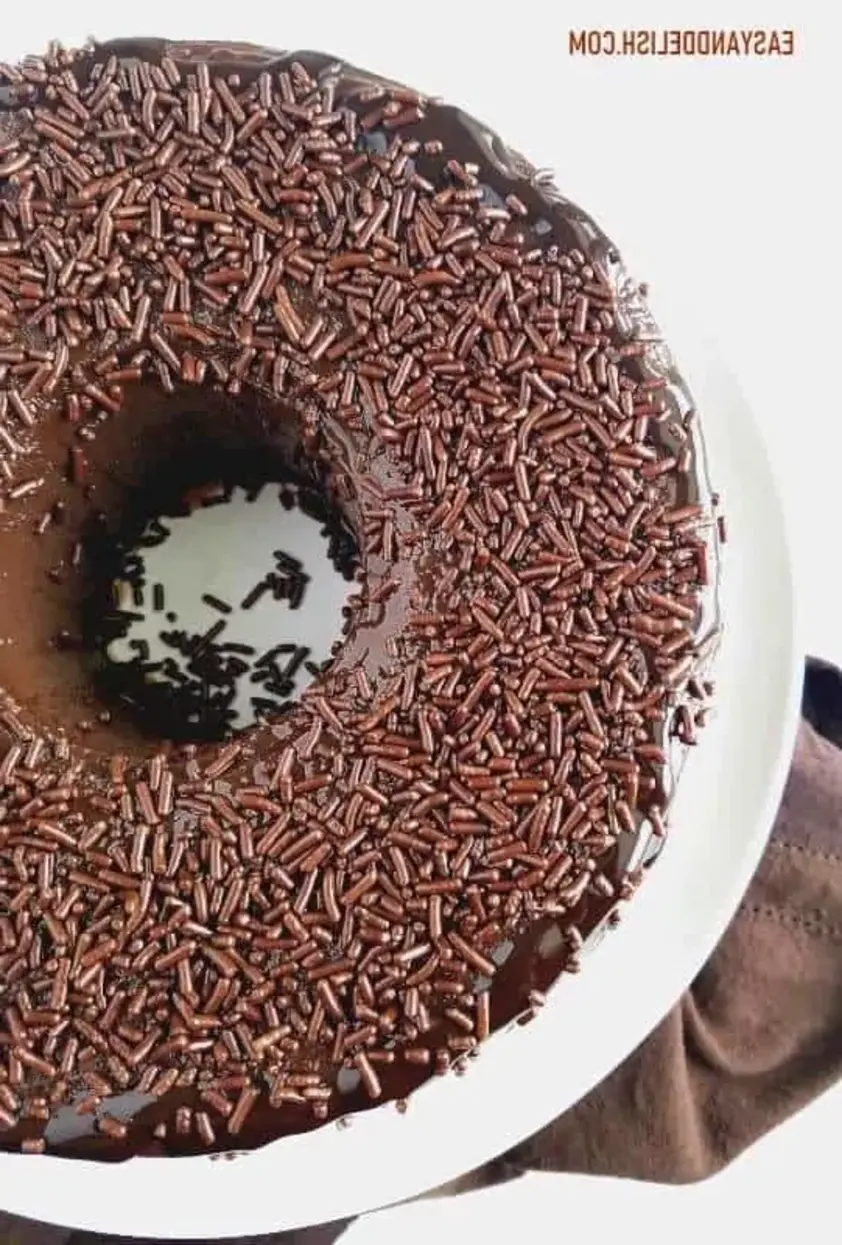
I still remember the first time I tasted brigadeirao at a tiny Brazilian café in the East Village, right after I moved to New York City from Paris. The rich, fudgy chocolate center, the silky texture — it was love at first bite. This brigadeirao, or Brazilian chocolate fudge flan, brings together the best of two worlds: a creamy flan base and an intense chocolate punch that’s pure indulgence. Making it in a blender is the secret — no stand mixer, no fuss. It’s a dessert that feels elegant but comes together in ten minutes flat.
When you slice into this chilled flan, the texture is incredibly smooth, almost like a dense chocolate mousse but with a tender, creamy tenderness that melts on your tongue. The deep cocoa flavor is perfectly balanced by the sweetened condensed milk — a staple in Brazilian desserts — and just a hint of vanilla. The chocolate sprinkles on top add a playful crunch that I love. It’s the kind of dessert that whispers “I love you” on a weeknight but shouts “party” at a celebration.
My version is inspired by the technique I learned in Paris: a bain-marie (water bath) that ensures gentle, even cooking and a silky texture without water spots. The key is not to overbake — when the center still jiggles slightly, it’s perfect. A common mistake is baking it until a knife comes out clean, which makes the flan dense. Stick with me, and I’ll show you the foolproof method to get a fudgy, luscious brigadeirao every time. This is comfort food with a touch of chef-level polish.
Why This Brigadeirao Recipe Is the Best
The Flavor Secret: The combination of sweetened condensed milk, whole milk, and high-quality cocoa powder creates a base that’s both deeply chocolatey and luxuriously creamy. I always use a Dutch-process cocoa powder — it gives a darker, richer color and a less sharp flavor — a trick I picked up in Paris. A splash of milk adds just enough thinness to blend perfectly, so the flan isn’t too thick or eggy.
Perfected Texture: Unlike many flan recipes that call for separate egg whites, this entire flan is blended together — eggs, milk, sugar, and cocoa — until smooth. The bain-marie does the heavy lifting: the water bath surrounds the pan with moist heat, preventing curdling and cracking. The result? A slice that cuts cleanly yet holds a soft, melt-in-the-mouth texture that’s borderline addictive.
Foolproof & Fast: This brigadeirao is beginner-friendly because everything goes into a blender. No tempering eggs, no hot caramel, no complex steps. Just blend, pour, and bake. And while it chills in the fridge (overnight is best), you can get on with your day. It’s a make-ahead dream for busy New Yorkers like me — perfect for a fancy dinner or a lazy Sunday treat.
Brigadeirao Ingredients
I find these ingredients at almost any supermarket in NYC, but when I can, I grab the sweetened condensed milk and cocoa from a local Brazilian market in Astoria — it just feels more authentic. The rest is standard pantry stuff, so this is incredibly easy to pull together.
Ingredients List
28 oz sweetened condensed milk ((or two 14-oz cans))
1 cup whole milk
1 cup unsweetened cocoa powder
½ cup sugar (plus extra to sprinkle the pan)
½ tbsp cornstarch
1 tsp pure vanilla extract
4 large eggs (at room temperature)
1/4 cup chocolate sprinkles (good quality)
Ingredient Spotlight
Sweetened condensed milk: This is the heart of brigadeirao. It gives that dense, creamy sweetness that makes Brazilian desserts so iconic. I prefer a full-fat version like Borden or Nestlé for best texture. Avoid using evaporated milk as a substitute — it’s not sweet enough and the texture will be off. If you can’t find sweetened condensed milk, you can make a quick version by simmering 1½ cups whole milk with 1¼ cups sugar until reduced by half, but it won’t be quite the same.
Unsweetened cocoa powder: Use a dark, high-quality cocoa for the deepest chocolate flavor. I love Valrhona or even a good store brand (Trader Joe’s is surprisingly solid). Dutch-process cocoa works best because it has a neutral pH — it won’t react with the eggs to create a cake-like rise. If you only have natural cocoa, that works too, but the flan will be less fudgy and more delicate. Always sift your cocoa powder — lumps will blend out, but sifting prevents any gritty surprises.
Eggs: Room temperature eggs are crucial here. Cold eggs can shock the blender mixture and prevent it from emulsifying properly, leading to a curdled texture. Take your eggs out 30 minutes before starting. If you’re in a hurry, place them in a bowl of warm water for 5 minutes. I’ve also used pasteurized liquid egg whites (a 1:1 substitution works in this recipe, using 1 cup for the 4 eggs) without any texture change.
Whole milk: Whole milk gives the flan body. I’ve tested it with 2% milk, and it works, but the texture is slightly less creamy. Avoid skim milk — the flan will be more watery. For a dairy-free version, I’ve used oat milk with great success — it has a similar mouthfeel to whole milk and doesn’t separate as much as almond milk during baking.
Method
Container
Duration
Original Ingredient
Best Substitution
Flavor / Texture Impact
Sweetened condensed milk
Homemade version (milk + sugar reduced)
Slightly less dense, sweeter if not careful
Whole milk
Oat milk (barista blend best)
Creamier, slightly less rich than whole milk
Unsweetened cocoa powder (Dutch-process)
Natural cocoa powder (sift and add 1/8 tsp baking soda)
Less dark, more acidic flavor; fudgy texture maintained
4 large eggs
1 cup pasteurized liquid egg whites
Same texture; slightly less richness from yolk
How to Make Brigadeirao — Step-by-Step
I promise, this is the easiest fudge flan you’ll ever make. Just follow these simple steps, and you’ll have a restaurant-quality dessert at home.
Step 1: Prepare the Pan
Preheat your oven to 350°F (180°C). Grease an 8-inch ring pan (or a 9-inch round cake pan) with butter or nonstick spray. Then sprinkle a thin layer of granulated sugar all over the greased surface — this helps the flan release easily and adds a subtle caramel note to the edges. Tap out any excess sugar.
💡 emy’s Pro Tip: I always use a ring pan (also called a tube pan) because the center tube conducts heat more evenly, helping the flan set faster and more uniformly. If you don’t have one, a 9-inch round cake pan works fine — just add 5 to 10 minutes to the baking time.
Step 2: Blend the Batter
In your blender, combine the sweetened condensed milk, whole milk, cocoa powder, sugar, cornstarch, vanilla, and eggs. Blend on low speed for 30 seconds, then increase to medium and blend for another 30 seconds until completely smooth and no lumps remain. The batter will be thin — that’s exactly right.
⚠️ Common Mistake to Avoid: Don’t over-blend! If you blend on high for more than a minute, you’ll incorporate too much air into the batter. That air will create bubbles during baking, making the flan porous rather than silky. Just 30 seconds on medium is perfect.
Step 3: Pour and Bake
Pour the batter into your prepared pan. Place the pan into a larger roasting pan or baking dish. Pour hot tap water into the larger pan until it reaches halfway up the sides of the ring pan — this is your bain-marie. Bake for 40 minutes, or until the top is set and the center is still slightly jiggly when you gently shake the pan. Don’t be tempted to bake it longer — carry-over cooking will finish the job as it cools.
💡 emy’s Pro Tip: Every oven is different, so start checking at 35 minutes. The flan should look like a cheesecake that hasn’t fully set — a gentle wobble in the center is perfect. If the knife comes out clean before 40 minutes, you’ve overbaked it. Trust the jiggle!
Step 4: Cool and Chill
Remove the ring pan from the water bath and place it on a wire rack to cool completely at room temperature (about 1 hour). Once cool, run a thin knife around the edge of the pan to loosen the flan. Cover the pan with plastic wrap and refrigerate for at least 4 hours, but overnight is ideal. The longer it chills, the better the texture.
⚠️ Common Mistake to Avoid: Don’t skip the cooling step before refrigerating! A hot flan straight from the oven placed in the fridge will cause condensation, watering down the surface and making it sticky. Let it cool on the counter first — patience pays off.
Step 5: Unmold and Serve
To unmold, run a knife around the edge of the pan again (especially if you used a cake pan). Place a serving plate upside down over the pan, then quickly invert both together. If the flan sticks, tap the bottom of the pan firmly with a spoon — it should release gently. If you used a ring pan, carefully lift the pan off. Top with chocolate sprinkles and, if you’re feeling fancy, drizzle a little chocolate fudge sauce on the edges.
Step
Action
Duration
Key Visual Cue
1
Grease and sugar the pan
2 mins
Even thin sugar coating
2
Blend ingredients
1 min
Smooth, no lumps
3
Bake in bain-marie
35–45 mins
Set edges, jiggly center
4
Cool and refrigerate
4 hrs to overnight
Firm, no longer jiggly
5
Unmold and top with sprinkles
5 mins
Clean release, even sprinkle coat
Serving & Presentation
This brigadeirao is stunning on its own — a glossy chocolate dome studded with sprinkles. I love serving it at dinner parties because it looks so impressive, yet I made it the day before. Place the whole flan on a cake stand and let everyone admire it before slicing. For individual plates, add a dollop of lightly sweetened whipped cream on the side — the contrast between the dense flan and the airy cream is heavenly.
A drizzle of chocolate fudge sauce is my go-to for extra decadence, but sometimes I swirl in a little salted caramel (a trick I learned from a pastry chef in Paris). Fresh raspberries also work beautifully, cutting through the richness with their tartness. If you’re feeling Moroccan-inspired, add a sprinkle of toasted sesame seeds on top — trust me, it works.
Pairing Type
Suggestions
Why It Works
Side Dish
Whipped cream, fresh berries
Lightens the rich chocolate
Sauce / Dip
Chocolate fudge, salted caramel
Enhances decadence
Beverage
Espresso, port wine, cold brew
Cuts sweetness, complements cocoa
Garnish
Chocolate sprinkles, toasted sesame
Adds texture and visual pop
Make-Ahead, Storage & Reheating
In my busy NYC life, make-ahead desserts are a lifesaver. This brigadeirao is perfect for that — it actually gets better after 24 hours in the fridge, as the flavors meld. I often make it on a Saturday for a Sunday dinner party. Here’s how to store it for perfect results every time.
Method
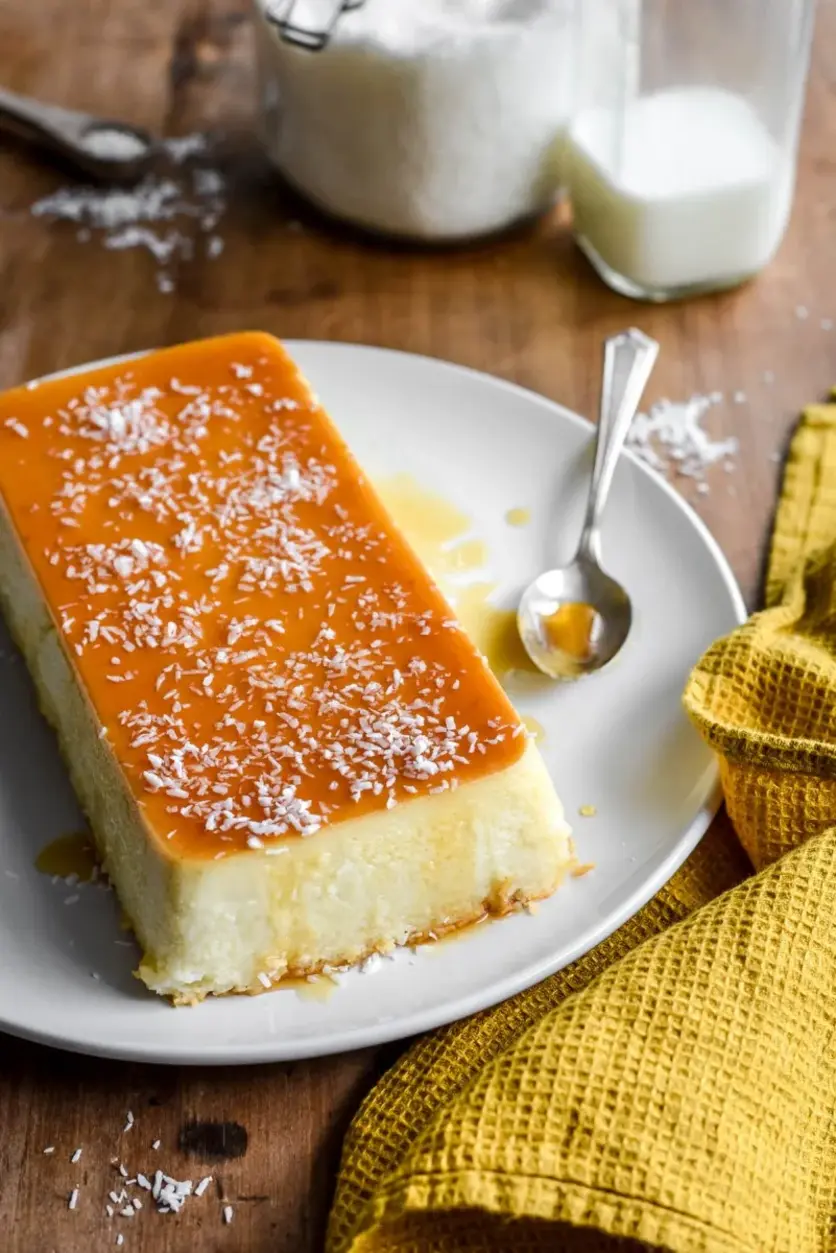
French Antilles Coconut Flan (Flan Coco)
Table of Contents
French Antilles Coconut Flan – Creamy Caribbean Dessert Made Simple
⚖️
Difficulty
Medium
⏲️
Prep Time
20 mins
🕒
Cook Time
55 mins
⏱️
Total Time
4 hrs 15 mins
🍽️
Servings
8 servings
I first tasted French Antilles Coconut Flan on a rainy afternoon in a tiny bistro in Martinique, where the owner—a woman with laughter as rich as her caramel—served it with a slice of lime and a story. That moment stayed with me: the creamy coconut flan, silky and fragrant, with a layer of deep amber caramel that cracked under my spoon. Back in my NYC kitchen, I knew I had to recreate it. The key? Sweetened condensed milk and full-fat coconut milk, cooked low and slow in a water bath until the texture is just right. This French Antilles Coconut Flan (Flan Coco) is a tropical treasure, and I’m about to show you how to make it at home with ease.
Imagine cutting into a slice—the custard is so tender it almost melts on your tongue, with a whisper of vanilla and the gentle chew of shredded coconut. The caramel flows like liquid gold, pooling on the plate. Each bite is a balance of creamy sweetness and subtle saltiness, with a faint nuttiness from the coconut. The aroma is pure vacation: warm, sweet, and tropical. In my Paris cooking school, we spent days perfecting crème caramel, but this version—with its coconut twist—feels like a happy vacation from classic French technique. It’s the kind of dessert that makes you close your eyes and sigh.
I’ve tested this French Antilles Coconut Flan recipe dozens of times to get the perfect texture—not too firm, not too runny. The trick is a gentle water bath and no stirring while the caramel cooks. My version avoids the common mistake of over-baking, which can make the flan rubbery. With a few pro tips from my years in the kitchen, you’ll get a flawless flan every time. Whether you’re new to custard or a seasoned baker, this recipe is forgiving and absolutely delicious. Ready to dive into a taste of the Caribbean? Let’s go!
Why This French Antilles Coconut Flan Recipe Is the Best
The flavor secret lies in the combination of sweetened condensed milk and rich coconut milk—a duo that creates a luscious, almost milky sweetness without being cloying. From my Moroccan kitchen background, I learned that coconut is a natural partner for caramel, and the shredded coconut adds texture that sets this flan apart. In Paris, my chef taught me that patience with caramel—no stirring—pays off with a deep, bitter-sweet amber that balances the custard perfectly. This isn’t just any flan; it’s a French Antilles Coconut Flan with soul.
Perfected texture comes from a low oven temperature and a water bath that insulates the custard, preventing curdling. I always tell my students: the flan should be just set with a gentle jiggle in the center—like a happy little wobble. Over-baking is the enemy. I also use a trick from my Paris days: letting the flan chill for at least 3 hours, which allows the flavors to meld and the texture to become velvety. This foolproof method works for beginners because it rewards patience and simple ingredients.
Foolproof and fast—well, relatively! While the flan bakes for 55 minutes, the actual active prep is under 20 minutes. You don’t need a candy thermometer for the caramel if you watch color carefully, and you can make the flan a day ahead for stress-free entertaining. I’ve taught this recipe to friends in NYC who had never made custard before, and they wowed their dinner parties. That’s the magic: a dessert that looks complex but is secretly simple.
Coconut Flan Ingredients
I pick up my coconut milk and shredded coconut at the Union Square farmers market when I can, but a good-quality canned coconut milk from the grocery store works beautifully. The sweetened condensed milk reminds me of my mother’s pantry in Morocco—she used it in everything from pastries to tea. The key is finding unsweetened shredded coconut; sweetened will make the flan too sugary. Here’s what you need:
Ingredients List
1 1/2 cup + 1 tbsp (400ml/14oz) sweetened condensed milk
1 1/4 cup (300ml /10.15 fl oz) coconut milk (can)
3 large eggs
1 tsp vanilla extract (or seeds of ½ vanilla bean)
1 cup (95g) unsweetened shredded coconut (plus extra for garnish)
For the caramel: ½ cup (100g) sugar
Ingredient Spotlight
Sweetened condensed milk is the backbone of this flan, providing sweetness and a thick, creamy texture. Look for a brand without added stabilizers—I prefer Eagle Brand. In a pinch, you can use full-fat coconut cream from a can, though the texture will be slightly less dense. Expect a richer, more coconut-forward flavor.
Coconut milk (not cream) gives the flan its signature tropical taste and silky mouthfeel. Use full-fat for best results; light coconut milk will yield a thinner custard with less body. I always buy BPA-free cans for peace of mind. No substitution here if you want the real deal.
Unsweetened shredded coconut adds texture and a rustic chew. If you only have sweetened, reduce the condensed milk by 2 tablespoons to balance the sugar. For a finer texture, pulse the shredded coconut in a food processor briefly. Freshly grated coconut (from a mature nut) works wonderfully—just make sure it’s dry before using.
Seeds of 1/2 vanilla bean, or 1/2 tsp almond extract
Vanilla bean gives speckles and floral notes
How to Make French Antilles Coconut Flan — Step-by-Step
Let’s make this Caribbean-style dessert together. I’ll guide you through each step with clear instructions and visual cues so you can nail it on your first try.
Step 1: Make the Caramel
Place the ½ cup sugar in a small, heavy-bottomed saucepan over medium heat. Do not stir! Just let it melt, swirling the pan occasionally. Watch the color change from clear to amber—when it’s a deep golden brown, remove from heat immediately and pour into your loaf pan, tilting to coat the bottom evenly. Work fast because it hardens quickly. Set aside to cool.
💡 emy’s Pro Tip: If the caramel starts to seize or form lumps, don’t panic—just add 1 tablespoon of water and return to low heat, stirring gently until smooth again. Also, use a light-colored pan to easily see the color change.
Step 2: Mix the Custard
In a large mixing bowl, whisk together the sweetened condensed milk, coconut milk, eggs, vanilla extract, and unsweetened shredded coconut. Whisk gently to avoid creating too many air bubbles. Pour the mixture into the loaf pan over the hardened caramel.
⚠️ Common Mistake to Avoid: Whisking too vigorously can incorporate air, which creates foam and bubbles on the surface of the flan. Use a gentle, slow whisking motion. Also, be sure to scrape the bottom of the bowl to incorporate all the shredded coconut.
Step 3: Bake in a Water Bath
Place the loaf pan into a larger baking dish. Carefully pour boiling water into the larger dish until it comes at least 1/4 up the sides of the loaf pan. This water bath (bain-marie) prevents the flan from curdling. Bake at 350°F for 50–55 minutes. The flan is done when the top is lightly golden and firm to the touch but still jiggles slightly in the center.
💡 emy’s Pro Tip: For even cooking, place the baking dish on the middle rack. If the flan is browning too fast on top, tent it loosely with foil after 30 minutes. Let it cool in the water bath for 10 minutes before removing.
Step 4: Chill and Unmold
Transfer the flan to a cooling rack and let come to room temperature (about 1 hour). Then, refrigerate for at least 3 hours—overnight is even better. When ready to serve, place the pan in 2 inches of warm water for 1–2 minutes to loosen the caramel. Run a knife around the edges, invert a plate over the pan, and flip quickly. The flan should slide out with a cascade of caramel.
⚠️ Common Mistake to Avoid: Skipping the warm water bath before unmolding—cold caramel is hard and will stick, causing the flan to break. Also, use a plate with a slight lip to catch the caramel sauce. If the flan sticks, try warming the pan bottom for another 30 seconds with a kitchen torch or hot water.
Step
Action
Duration
Key Visual Cue
1
Make caramel
5–7 minutes
Deep amber color, no stirring
2
Mix custard
5 minutes
Smooth, no lumps; shredded coconut evenly distributed
3
Bake in water bath
50–55 minutes
Top golden, center jiggles slightly
4
Chill & unmold
3+ hours
Firm set, caramel liquid when warm
Serving & Presentation
The magic of French Antilles Coconut Flan is in its simplicity. I like to serve it on a white plate so the golden caramel and pale flan stand out. Sprinkle generously with extra shredded coconut—toasted if you have time—for a beautiful finish. A tiny pinch of sea salt on top before serving brings out the sweetness. In my NYC apartment, I pair it with fresh mango slices or a dollop of coconut whipped cream for extra indulgence.
For a touch of Moroccan flair, I sometimes add a sprinkle of orange flower water to the flan before serving, or serve it alongside small glasses of mint tea. In Paris, we’d serve it with a simple raspberry coulis—the tartness balances the sweet caramel. For a party, pour the caramel sauce from the pan over the flan for a dramatic presentation. Let the flan sit at room temperature for 10 minutes before slicing for the cleanest cuts.
Pairing Type
Suggestions
Why It Works
Side Dish
Fresh mango slices, grilled pineapple, or a citrus salad
Bright acidity cuts through sweet caramel
Sauce / Dip
Raspberry coulis, coconut caramel sauce, or passion fruit drizzle
Adds fruitiness and visual appeal
Beverage
Espresso, coconut latte, or a chilled Sauternes wine
Toasted coconut flakes, edible flowers, mint leaves
Adds texture, color, and freshness
Make-Ahead, Storage & Reheating
This flan is a meal-prepper’s dream! I often make it on Sunday for a stress-free dinner party during the week. Because it needs to chill for hours, it’s perfect for making a day ahead. In my busy NYC life, that means one less thing to do the day of—just unmold and serve. Here’s how to store it:
Method
Container
Duration
Reheating Tip
Refrigerator
Covered loaf pan or airtight container
Up to 5 days
Serve chilled; no reheating needed
Freezer
Plastic wrap + foil, then in a zip-top bag
Up to 3 months
Thaw overnight in fridge; warm water bath to loosen caramel
Make-Ahead
Bake, chill in pan (don’t unmold)
Up to 2 days ahead
Unmold just before serving; warm pan bottom in hot water
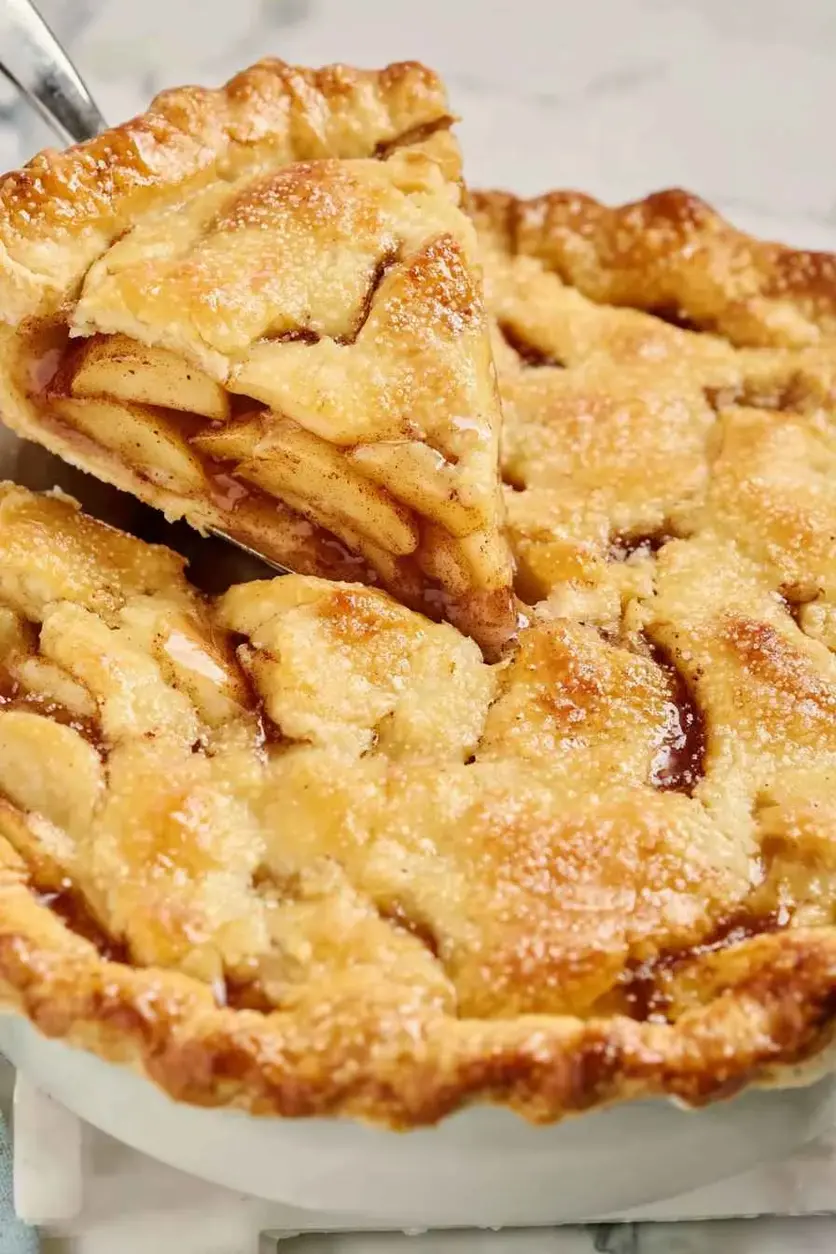
Granny Smith Apple Pie Recipe
Table of Contents
Granny Smith Apple Pie Recipe with French Tart Technique – The Key to a Perfectly Golden Crust
⚖️
Difficulty
Medium
⏲️
Prep Time
40 mins
🕒
Cook Time
55 mins
⏱️
Total Time
1 hr 35 mins
🍽️
Servings
8 slices
I thought I knew how to make apple pie until I tried my neighbor’s recipe last fall. Mine always turned out with a soggy bottom crust, while hers was a perfect golden sheet that shattered into buttery layers. I had to learn her secret — and it all came down to a French technique I’d nearly forgotten from my Paris pastry school days. This Granny Smith Apple Pie Recipe combines the bold tartness of Granny Smith apples with a crisp, flaky crust that never gets mushy. The key? A simple par-bake step and a little cornstarch in the filling — it’s the trick that made every difference for my New York kitchen.
Imagine slicing into a pie where the filling is beautifully set — not runny — and each apple slice still holds its shape, tender but not mushy. The aroma of cinnamon and nutmeg fills your kitchen, mingling with the deeply caramelized sugar from the Granny Smith apples. The crust is a beautiful amber color, lightly brushed with egg wash and sprinkled with sanding sugar for that perfect crunch. Every bite brings a balance of sweet and tart, with a buttery crust that shatters just slightly as you bite through it. That, right there, is what a great apple pie should be.
As a professional cook trained in both Moroccan home cooking and French patisserie, I’ve brought the best of both worlds into this Granny Smith apple pie. The lemon zest lifts the fruit, while the cornstarch gives structure without a gummy texture — a chef’s trick from Paris. What I love most is that this recipe is approachable for beginners: you just need patience for the par-bake and a good eye for the filling’s consistency. I’ll also show you one common mistake that ruins many home bakers’ pies — and exactly how to avoid it. From my NYC kitchen to yours — I hope this recipe brings as much warmth to your table as it does to mine.
Why This Granny Smith Apple Pie Recipe Is the Best
The flavor secret here is balance. Granny Smith apples bring a natural tartness that stands up beautifully to sugar and warm spices. I use just enough white and brown sugar to coax out their sweetness without masking their character. The pinch of nutmeg is my nod to the spice markets of Morocco, where I watched my mother balance flavors with precision. Combined with fresh lemon zest and cinnamon, this filling has layers that sing — not just sugar and spice, but real fruit personality.
Perfected texture is where my French training shines. The par-bake technique ensures the bottom crust stays crispy, while a blend of flour and cornstarch in the filling creates a luscious, thickened syrup that never turns runny. In a Paris pastry kitchen, I learned that patience in pre-baking the bottom shell is the single most important step for a crisp, golden crust — and for this Granny Smith apple pie, it’s non-negotiable. That step alone turned my soggy pies into bakery-level workhorses.
This Granny Smith apple pie recipe is also foolproof and fast once you know the rhythm. The prep takes about 40 minutes — much of that is just peeling apples — and the oven does the rest. The filling doesn’t require any pre-cooking, which saves time and keeps the apple slices from turning into applesauce. Whether you’re a novice or a seasoned baker, this method delivers a professional result every time.
Granny Smith Apple Pie Recipe Ingredients
I typically buy my Granny Smiths from the Union Square Greenmarket in Manhattan, where the apples are just in from upstate New York farms in the fall. They’re super crisp and tart — exactly what this recipe needs. For the pie shells, I prefer a good all-butter brand from the frozen section; it gives that French-style flakiness with minimal effort. And the cinnamon I use is from a spice shop in Brooklyn — it’s fragrant and not too dusty. Here’s everything you’ll need.
Ingredients List
2 (9-inch) pie shells, store-bought or homemade
7 large Granny Smith apples, peeled, cored, and cut into 1/2-inch slices
1/2 cup white sugar
1/2 cup lightly packed brown sugar
2 tablespoons all-purpose flour
1 teaspoon ground cinnamon
1/8 teaspoon ground nutmeg
1 tablespoon lemon juice
Zest from 1/2 a lemon
1 large egg, beaten (for egg wash)
2 tablespoons sanding sugar, if desired, for garnish
Ingredient Spotlight
Granny Smith apples are the star here — their tartness holds its own even with the sugar and spices. When shopping, choose firm, bright green apples without any soft spots or bruises; they should feel heavy for their size. A good substitute is Honeycrisp, but you’ll want to reduce the sugar slightly since they’re sweeter. Contrarily, a sweeter apple like Fuji will produce a less complex pie.
The all-purpose flour in the filling is a classic thickener, but I also like to add a little cornstarch for extra stability — not in this recipe directly, but I’ll show you a variation later. The brown sugar brings molasses notes that deepen the apple flavor, while the white sugar keeps the sweetness clean. Always use fresh spices — stale cinnamon can make the pie taste flat. The lemon zest brightens everything, just like I learned to do with fruit fillings in Paris.
Original Ingredient
Best Substitution
Flavor / Texture Impact
Granny Smith Apples
Honeycrisp (equal amount)
Sweeter, slightly less tart; reduce sugar by 2 tbsp
White Sugar
Coconut sugar (same amount)
Deeper, more caramel flavor; pie will be slightly darker
All-Purpose Flour
Cornstarch (1 tbsp for 2 tbsp flour)
Clearer, less cloudy filling; slightly more gel-like
Butter Pie Shell
Shortening-based shell (same amount)
Less flaky, more tender; slightly less rich flavor
How to Make Granny Smith Apple Pie — Step-by-Step
I’ll walk you through each step of this Granny Smith apple pie recipe with the same care I use in my professional kitchen. Don’t worry — it’s easier than you think, especially with these pro tips.
Step 1: Prepare the Apples
Peel, core, and slice 7 large Granny Smith apples into 1/2-inch thick slices. Place them in a large bowl. Toss the slices with 1 tablespoon lemon juice immediately to prevent browning. Add the white sugar, brown sugar, 2 tablespoons all-purpose flour, 1 teaspoon cinnamon, 1/8 teaspoon nutmeg, and lemon zest. Toss well until every slice is evenly coated.
💡 emy’s Pro Tip: Let the apples sit for 10 minutes after tossing. This allows the sugar to draw out some juice, which you’ll then drain off — trust me, this prevents a watery pie!
Step 2: Par-Bake the Bottom Crust
Preheat your oven to 400°F (200°C). Place one pie shell in a 9-inch pie dish. Line it with parchment paper and fill with pie weights or dried beans. Bake for 12 minutes, then remove the weights and parchment. Prick the bottom with a fork and bake for another 5 minutes until it’s set but not deeply golden. This step is the secret to a crispy bottom crust.
⚠️ Common Mistake to Avoid: Don’t skip the pricking step! If air bubbles form under the crust, they can push the filling up and cause spills. Prick generously.
Step 3: Fill and Top the Pie
Drain any accumulated liquid from the apple mixture. Spoon the filling into the par-baked shell, mounding it slightly in the center. Place the second pie shell on top. Crimp the edges together to seal, then cut 4–5 slits in the top crust for steam to escape. Brush the entire top crust with the beaten egg wash, then sprinkle with sanding sugar if using.
💡 emy’s Pro Tip: For an even shinier crust, brush with the egg wash twice — once before chilling, once more right before putting it in the oven. That double layer creates a gorgeous, deep golden finish.
Step 4: Bake and Cool
Place the pie on a baking sheet lined with parchment to catch any drips. Bake at 400°F for 15 minutes, then reduce the oven temperature to 375°F (190°C) and bake for an additional 35–40 minutes. The pie is done when the crust is deeply golden and you see the filling bubbling through the slits. Let the pie cool on a wire rack for at least 2 hours before slicing — this allows the filling to set properly.
⚠️ Common Mistake to Avoid: Cutting the pie too early is the #1 mistake! The filling will be runny if you slice while it’s still hot. Patience pays off — I speak from ruined pie experience.
Step
Action
Duration
Key Visual Cue
1
Prepare apples
15 mins
Slices are evenly coated and slightly shiny
2
Par-bake bottom crust
17 mins
Crust is set and lightly golden, no raw dough spots
3
Fill and top pie
5 mins
Filling mounded slightly; top crust sealed well
4
Bake (high then lower)
50–55 mins
Deep golden crust; bubbles visible through slits
5
Cool completely
2 hours
Pie no longer warm; filling is set and doesn’t jiggle
Serving & Presentation
This Granny Smith apple pie is a showstopper on any table. I love serving it slightly warm — just a few minutes out of the oven — with a generous scoop of good-quality vanilla ice cream. The contrast between the warm, spiced apple filling and the cold, creamy ice cream is pure comfort. You could also serve it with a dollop of lightly sweetened whipped cream or a drizzle of homemade caramel sauce for extra indulgence.
For presentation, I like to let the pie shine naturally. Place it on a pretty cake stand or a wooden cutting board. I’ll often arrange a few fresh apple slices around the plate and dust the plate with a little cinnamon sugar. The golden, sanded crust is already beautiful, so keep it simple. If you want a touch of elegance, add a few fresh mint leaves or a lemon twist — it’s a little Parisian flair I picked up in the pastry shops of the 6th arrondissement.
In New York City, I love serving this at Thanksgiving alongside roasted turkey and green beans, but it’s also wonderful for a cozy Sunday dinner. In Morocco, we’d often serve fruit pies with mint tea — try it, you’ll be surprised how the bright mint cuts through the sweetness. For leftovers (if there are any!), a slice reheated in a 300°F oven for 10 minutes tastes just like fresh.
Pairing Type
Suggestions
Why It Works
Side Dish
Vanilla ice cream, whipped cream, cheddar cheese
Creamy elements balance the tartness and add richness
Sauce / Dip
Caramel sauce, salted butter glaze, bourbon cream
Extra decadence; salted butter enhances apple flavor
Beverage
Hot coffee, spiced chai, cold milk, hard cider
Coffee and chai complement the warm spices; milk is a classic
Garnish
Fresh mint, cinnamon stick, lemon twist, apple slice
Adds visual appeal and a hint of aroma
Make-Ahead, Storage & Reheating
In my busy NYC schedule, I often make this Granny Smith apple pie a day ahead for holidays or gatherings. It actually tastes better the next day as the flavors meld together. Here’s how I store and handle it — including the best way to reheat leftovers so they taste freshly baked.
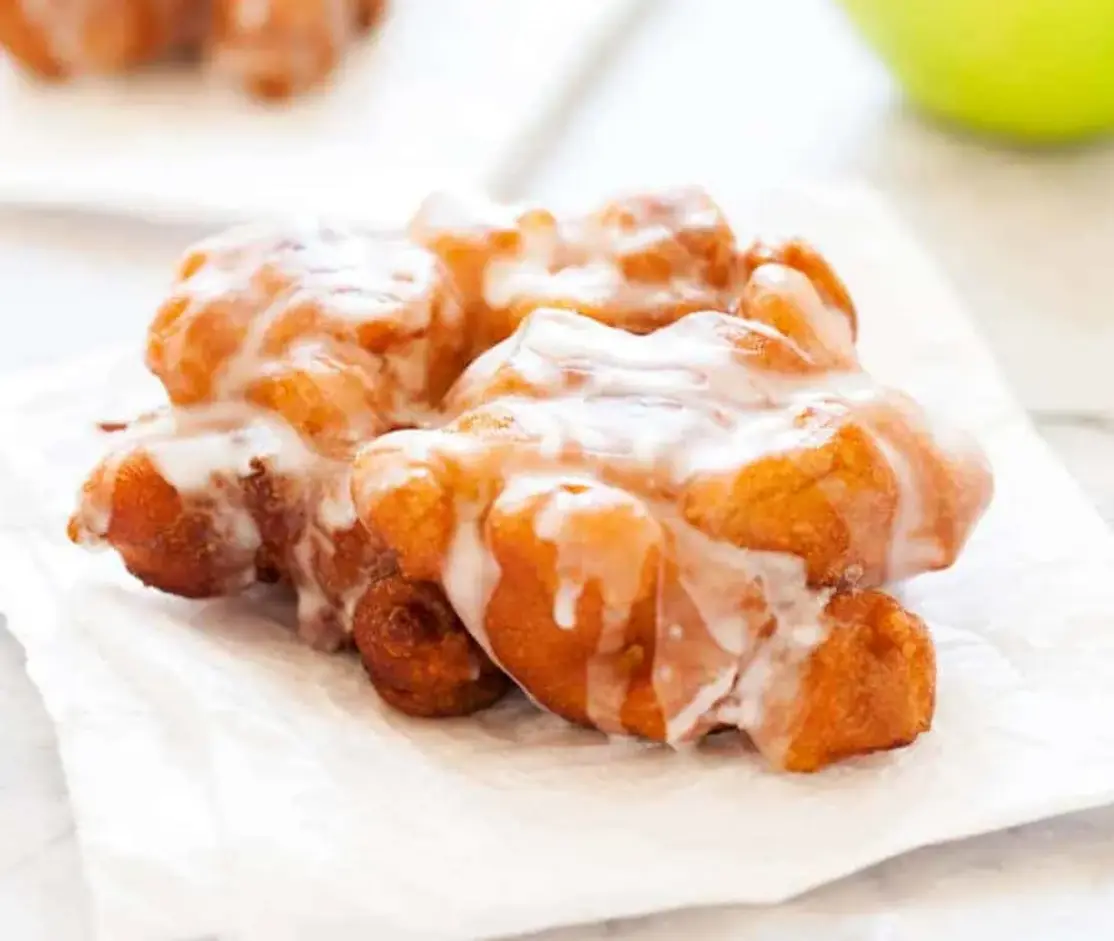
Apple Fritters
Table of Contents
Apple Fritters – The Ultimate Homemade Treat
⚖️
Difficulty
Medium
⏲️
Prep Time
20 mins
🕒
Cook Time
15 mins
⏱️
Total Time
35 mins
🍽️
Servings
8 fritters
I still remember the first time I made apple fritters in my tiny Parisian apartment. I had just graduated from culinary school and I wanted to combine the rustic apple fritters of my childhood in Morocco with the finesse of a French beignet. The result was a revelation — a cakey, golden-brown fritter with juicy apple pockets and a luscious glaze. These apple fritters are the ultimate homemade treat for a cozy morning or a weekend brunch with friends.
The batter is soft and cakey, not dense. Each bite gives way to tender, tangy Granny Smith apples that burst with juice, while the glaze adds a sweet, crackly layer on top. The cinnamon and lemon juice balance the sweetness perfectly. I love the way the kitchen fills with the warm, nutty aroma of frying batter — it reminds me of my mother’s kitchen in Morocco, where she would fry small pastries for our afternoon tea. This recipe is simple but yields incredibly satisfying results.
In this version, I take a classic American apple fritter and give it a little French twist: I use a whisked batter rather than a yeast dough, which makes it quicker and still wonderfully airy. I also add fresh lemon juice to the apples to keep them from browning and to add brightness. In the instructions below, I’ll share my pro tip for maintaining the perfect frying temperature and how to tell when the fritters are cooked through. One common mistake is adding the glaze too early — let the fritters cool completely or the glaze will melt right off!
Why This Apple Fritters Recipe Is the Best
The Flavor Secret: My apple fritters rely on a simple trick from my Paris training — I use fresh lemon juice to macerate the apples. This not only prevents discoloration but also brightens the apple flavor without making the fritter sour. The cinnamon is just enough to warm up the spices, but not so much that it overpowers the apples. Growing up in Morocco, we always added a pinch of salt to sweets to deepen the flavor, and I do the same here.
Perfected Texture: The key to a cakey yet tender fritter is not overmixing the batter. I gently fold the apples into the batter just until combined. This technique keeps the fritters light and fluffy. The high heat of frying at 375°F for 2 to 3 minutes per side ensures a crisp exterior while the inside stays soft and cakelike. My mother always said, “Trust the sizzle,” and that’s exactly what I do.
Foolproof & Fast: Unlike many fritter recipes that require yeast or resting time, this one comes together in under 35 minutes. No stand mixer is strictly needed — a whisk and spatula work beautifully. I’ve also tested it with a simple skillet and a candy thermometer, which is the most reliable way to get a golden-brown result every time. Beginners love how quickly they can deliver a restaurant-quality treat.
Apple Fritters Ingredients
When I shop for ingredients in New York City, I always head to the Union Square Greenmarket for fresh Granny Smith apples in the fall. They hold their shape beautifully and offer that perfect tangy-sweet balance. For the flour, I like unbleached all-purpose from King Arthur, which gives a consistent crumb regardless of weather. The rest of the ingredients are pantry staples — I’ll walk you through each one here.
Ingredients List
1 cup (128 g) all-purpose flour
2 teaspoons baking powder
½ teaspoon cinnamon
½ teaspoon kosher salt
2 teaspoons fresh lemon juice
2 -3 cups Granny Smith apples, peeled, cored, and diced into bite-size pieces (about 2-3 apples)
2 tablespoons granulated sugar
2 large eggs, room temperature
¼ cup (61 g) whole milk
Vegetable or canola oil, for frying
1¼ cups (150 g) confectioners sugar, sifted
¼ teaspoon vanilla
3-6 teaspoons water
Ingredient Spotlight
Granny Smith Apples: These are my go-to for fritters because they stay firm when fried and their tartness cuts through the sweet glaze. In a US grocery store, look for apples that are firm and heavy for their size. If you want a sweeter fritter, try Honeycrisp or Braeburn, but the batter might brown faster because of the extra sugar.
Fresh Lemon Juice: This is the secret from my Parisian pastry days. The acid keeps the apples vibrant and adds a subtle brightness that lifts the entire fritter. Do not use bottled juice — it tastes flat. A fresh lemon is essential here.
Cinnamon: I prefer Vietnamese cinnamon (Saigon cinnamon) for its warm, bold flavor. Regular supermarket cinnamon works fine, but I find that it needs a little extra time to bloom in the batter. So I whisk it with the dry ingredients to release its oils.
Vegetable or Canola Oil: For deep frying at 375°F, use an oil with a high smoke point. Canola is neutral-flavored and affordable. Do not use olive oil — it will burn and impart a bitter taste.
Method
Container
Duration
Reheating Tip
Refrigerator
Covered loosely with foil
Up to 4 days
Reheat slices in 300°F oven for 10 mins, or microwave 30 secs
Original Ingredient
Best Substitution
Flavor / Texture Impact
Granny Smith apples
Honeycrisp or Braeburn
Sweeter, less tang; may brown faster
Whole milk
Buttermilk (reduce water in glaze)
Adds tang, more tender crumb
All-purpose flour
Gluten-free 1:1 blend (like Bob’s Red Mill)
Crumbs easier; add extra 1 tbsp milk
Granulated sugar
Coconut sugar
Darker color, slight caramel note
How to Make Apple Fritters – Step-by-Step
Trust me — this is the easiest deep-fried treat you’ll ever make. As long as you keep an eye on your oil temperature, you’ll get beautifully golden, fluffy apple fritters every time. Let’s do this together.
Step 1: Prepare Dry Ingredients
In a medium bowl, whisk together the flour, baking powder, cinnamon, and salt. Set aside. This step is important because it ensures the cinnamon is evenly distributed so every bite has that warm spice.
⚠️ Common Mistake to Avoid: Skipping the whisk
If you don’t whisk the dry ingredients together, you’ll end up with clumps of baking powder or cinnamon in your fritter. A quick whisk takes 10 seconds and saves you from uneven bites.
Step 2: Macerate the Apples
In a separate bowl, combine the lemon juice and diced apples. Toss gently to coat. The lemon juice will prevent the apples from turning brown and also adds a subtle tang that balances the sweetness. Let them sit while you prepare the batter.
💡 emy’s Pro Tip: Dice the apples evenly — about ¼-inch cubes.
If pieces are too large, they’ll fall out of the batter while frying. If too small, they’ll disappear into the fritter. Uniform pieces ensure every bite has a pocket of juicy apple.
Step 3: Make the Batter
In the bowl of a stand mixer fitted with the paddle attachment, mix together the sugar and eggs on medium speed until fully combined — about 1 minute. The mixture should be pale and slightly thickened. Reduce the speed to low and add the flour mixture in two additions. Mix until just combined. Then pour in the milk and continue to stir until incorporated. Do not overmix.
⚠️ Common Mistake to Avoid: Overmixing the batter
If you mix too long, the gluten develops and the fritters will be tough and chewy instead of light and cakey. Stop as soon as the flour disappears into the batter.
Step 4: Fold in the Apples
Using a rubber spatula, gently fold the macerated apples into the batter. Fold just until they are evenly distributed. You want the apples to be suspended in the batter, not swimming in excess liquid. If there’s any leftover lemon juice in the bowl, do not add it — that would thin the batter.
Step 5: Heat the Oil
Fill a frying pan halfway with oil. Heat over medium heat until the oil reaches 375°F with a candy thermometer. Maintaining this temperature is critical. If the oil is too cool, the fritters will absorb oil and become greasy. If too hot, the outside will burn while the inside stays raw.
💡 emy’s Pro Tip: Use a candy thermometer for accuracy.
I’ve been making fritters for years, and I still don’t trust my eye alone. A thermometer is your best friend here. If you don’t have one, test with a small drop of batter — it should sizzle vigorously but not turn black within 10 seconds.
Step 6: Fry the Fritters
Drop ¼ cup of batter into the oil — do not flatten it; let it spread naturally. Fry until golden brown on one side, about 2–3 minutes. Flip carefully with a slotted spoon and fry the opposite side until golden brown. To test for doneness, insert a small knife into the center. If there’s still uncooked batter, fry for another minute. Transfer to a paper towel-lined cooling rack and let cool. Repeat with the remaining batter.
Step 7: Make the Glaze
In a small bowl, combine the sifted confectioners sugar, vanilla, and 3 teaspoons of water. Whisk until smooth. Add more water, 1 teaspoon at a time, until a pourable consistency is reached. The glaze should be thick enough to coat the back of a spoon but still flow off it.
Step 8: Glaze and Serve
Drizzle the glaze over the cooled fritters. Let it set for 5–10 minutes before serving. This allows the glaze to harden slightly so it doesn’t slide off when you bite into the fritter.
⚠️ Common Mistake to Avoid: Glazing hot fritters
If the fritters are still warm, the glaze will melt and sink into the fritter, leaving you with a pale, unappetizing top. Always cool them completely on a wire rack before glazing.
Step
Action
Duration
Key Visual Cue
1
Whisk dry ingredients
30 seconds
Even color, no clumps
2
Macerate apples with lemon
5 minutes
Apples look glossy, not brown
3
Mix batter
2 minutes
Smooth, thick, no lumps
4
Fold in apples
30 seconds
Apples evenly distributed
5
Heat oil
3–5 minutes
Oil shimmers, reaches 375°F
6
Fry each fritter
2–3 min per side
Deep golden brown, knife comes clean
7
Make glaze
1 minute
Smooth, pourable, glossy
8
Glaze and set
5–10 minutes
Glaze appears matte, slightly firm
Serving & Presentation
I love serving apple fritters on a simple wooden platter, with the glaze drizzled over in ribbons and a light dusting of extra cinnamon on top. For a touch of Moroccan flair, I sometimes add a sprinkle of toasted sesame seeds — a trick my mother used on sweet pastries. The nuttiness of the seeds complements the apple and cinnamon beautifully.
Pair these fritters with a warm mug of chai, a strong black coffee, or even a cold glass of apple cider — the flavors sing together. If you’re serving them for brunch, place them next to a bowl of Greek yogurt or fresh apple slices. They stay crisp for about an hour after glazing, so they’re perfect for a leisurely weekend morning or as a surprise dessert for guests.
Pairing Type
Suggestions
Why It Works
Side Dish
Greek yogurt, apple salad
Creamy or fresh contrast
Sauce / Dip
Caramel sauce, maple syrup, whipped cream
Enhances sweetness, adds richness
Beverage
Chai latte, black coffee, apple cider
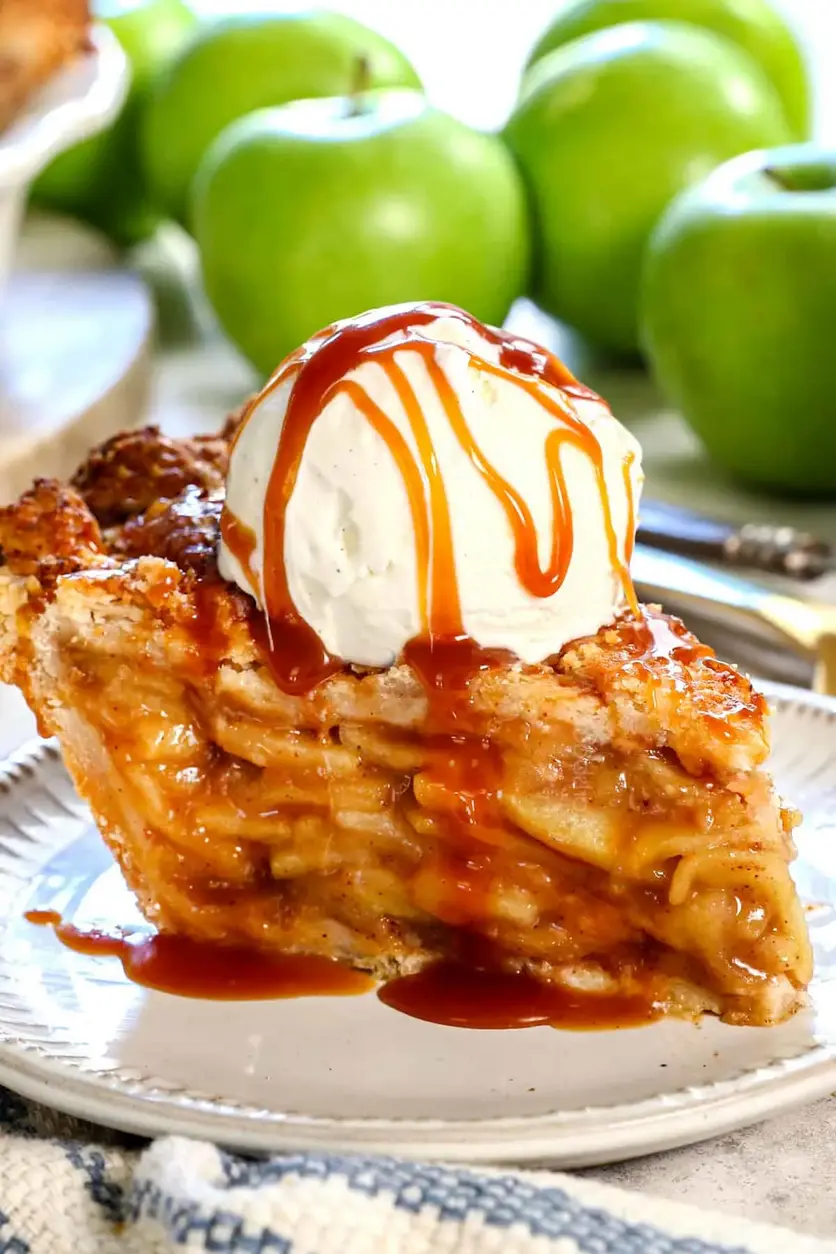
Lattice Apple Pie
Table of Contents
Lattice Apple Pie – Foolproof Thanksgiving Recipe
⚖️
Difficulty
Medium
⏲️
Prep Time
60 mins
🕒
Cook Time
70 mins
⏱️
Total Time
130 mins
🍽️
Servings
8 servings
Thanksgiving at my table always starts with the same request: “Bring your lattice apple pie, emy.” And honestly, I never mind. This 100% foolproof lattice apple pie recipe is the one I turn to year after year, the one that silences the kitchen with its first slice. It’s not just another apple pie — it’s a mountain of perfectly tender, flavorful apples enveloped in a caramel-like sauce that never turns runny, with a golden, never-soggy crust that shatters at the touch of a fork. I learned the lattice weave technique at a patisserie in Paris, where precision and patience were everything. But here, I’ve made it easy for any home baker in the US to master. This is the pie you bring to Thanksgiving with absolute confidence.
Picture this: you pull the pie from the oven, the lattice top glistening with egg wash and a sprinkle of coarse sugar. Steam escapes through the gaps, carrying the scent of cinnamon, ginger, and nutmeg — warm, autumnal, intoxicating. The first forkful reveals tender apples that still hold their shape, suspended in a sauce that’s thick, rich, and deeply caramelized. There’s no gummy texture, no soupy bottom crust. Just pure, concentrated apple flavor with a hint of lemon brightness. This is the pie that tastes like comfort — a little like my mother’s kitchen in Morocco, where she’d fold phyllo into pastries, and a little like the bakeries I fell in love with in New York City.
What makes this recipe truly foolproof is the technique: I precook the apples on the stovetop before they ever touch the oven. This simple step — inspired by classic French fruit tarte techniques — controls the moisture and ensures perfect tenderness every time. You won’t need cornstarch or gelatin. As a trained chef, I’ve tested every variable so you don’t have to. 💡 emy’s Pro Tip: Don’t skip chilling the lattice strips — it makes weaving so much easier. And avoid the common mistake of baking the pie straight from a glass pan into a hot oven without reading the note — we’ll get to that.
Why This Lattice Apple Pie Recipe Is the Best
The Flavor Secret: I use a blend of Honeycrisp and Granny Smith apples — the Honeycrisp bring natural sweetness and structure, while the Granny Smith add a tart edge that prevents the pie from becoming cloying. Growing up in Morocco, my mother always balanced sweet and sour in her tagines — that same principle applies here. The caramelized sauce develops depth from the combination of brown and white sugars, plus a touch of vanilla and lemon juice to lift all the flavors.
Perfected Texture: Unlike traditional recipes that bake the pie with raw apples, I precook the filling on the stovetop. This ensures the apples are tender before they go in the oven, so they won’t release excess water during baking. The flour used in the filling thickens the juices into a beautiful, luscious sauce that coats every slice. The lattice top, made from my homemade pie crust dough, bakes to a golden, flaky perfection — never soggy, always crisp.
Foolproof & Fast: This recipe is designed for home bakers of all levels. The steps are clear, with visual cues and timing guides. Even the lattice weaving — often feared — becomes a breeze when you follow my method of chilling the strips. I’ve included pro tips for every step, plus common mistakes to avoid. Whether you’re a seasoned baker or a first-timer, this lattice apple pie will make you look like a pro.
Lattice Apple Pie Ingredients
I source my apples from the Union Square Greenmarket in NYC when they’re in season — the Honeycrisp from upstate New York are unbeatable. For the crust, I use European-style butter for its higher fat content and better flavor. A little trick I picked up in Paris: cold butter and ice water make the flakiest dough.
Ingredients List
2 recipes Homemade Pie Crust ((1 for bottom crust and 1 for lattice top))
Egg wash: 1 egg beaten with 1 TB heavy cream ((may sub milk))
Optional: Coarse raw sugar for sprinkling on lattice topping
3 1/2 pounds Honeycrisp apples
1 1/2 pounds Granny Smith apples
2/3 cup packed light brown sugar
1/2 cup granulated sugar
1/3 cup + 1 TB all-purpose flour
2 tablespoons lemon juice, (divided)
1 1/2 teaspoons ground cinnamon
1/2 tsp EACH ground ginger, ground nutmeg, allspice
1/8 teaspoon salt
1 teaspoon vanilla extract
Ingredient Spotlight
Honeycrisp apples: These are the sweetheart of the fall apple world, known for their crisp texture and balanced sweetness. They hold their shape beautifully during precooking and don’t turn mushy. Look for firm apples without soft spots. You can substitute Jonagold or Braeburn for a similar effect.
Granny Smith apples: The tartness is essential for contrast. Their firm flesh ensures the filling has structure. If you can’t find Granny Smith, use Pink Lady or Empire — they offer good acidity and hold up well.
Light brown sugar: This adds a deeper caramel flavor than granulated sugar alone. Make sure it’s packed tightly. Dark brown sugar can be substituted, but it will give a slightly more molasses-forward taste. For a less intense version, use all granulated.
Lemon juice: Because it’s divided, use fresh lemon juice for brightness. The first tablespoon goes into the filling to prevent browning; the second add later brightens the flavor after cooking. Bottled lemon juice works in a pinch but lacks that fresh zing.
Original Ingredient
Best Substitution
Flavor / Texture Impact
Honeycrisp apples
Jonagold or Braeburn
Similar sweetness and texture; apples may be slightly softer.
Granny Smith apples
Pink Lady or Empire
Good tartness, but slightly less firm; will still hold shape.
Light brown sugar
Dark brown sugar or all granulated
Dark brown gives more molasses flavor; all granulated reduces caramel depth.
Lemon juice (fresh)
Bottled lemon juice
Less bright, but acidity is still present; use 1 ½ tsp for same effect.
How to Make Lattice Apple Pie — Step-by-Step
Don’t let the steps intimidate you! I’ve broken down every stage so you can work through it calmly. Start with your pie dough ready and your apples prepped — then follow along, and you’ll have a stunning pie that will wow everyone.
Step 1: Make the Pie Dough
Prepare one full batch of my Homemade Pie Crust recipe through step 6 under Make Dough. Then prepare the second batch through step 2 under Roll Dough, using a standard 9-10-inch pie pan that’s 1 1/2 inches deep. You’ll have one crust in the pan and one disc ready to roll.
💡 emy’s Pro Tip: For the flakiest crust, keep the butter and water very cold — I even chill my flour bowl in the freezer for 10 minutes before starting.
Step 2: Egg Wash the Bottom Crust
Lightly brush the bottom and sides of the crust in the pan (not the edges that will be fluted) with the egg wash. Reserve the remaining egg wash in the refrigerator. I find it easiest to add the egg wash after the pie dough has firmed up a bit, so I place the pie in the freezer for 20 minutes. After brushing, cover the pie and refrigerate it while you prep the rest — at least 45 minutes up to 5 days.
⚠️ Common Mistake to Avoid: Do not skip the egg wash — it creates a barrier that keeps the crust from absorbing the apple juices, preventing a soggy bottom.
Step 3: Roll Out and Cut Lattice Strips
Place a large piece of parchment paper on a baking sheet and generously dust with flour. Roll the remaining dough disc into a rough 11×11-inch rectangle on the parchment paper. Cover and freeze the dough on the baking sheet for 20-30 minutes for easier, cleaner slices. Then use a ruler and a pizza cutter to cut 1-inch-wide strips. Cover with plastic wrap and freeze for 30 minutes or refrigerate for up to 24 hours.
💡 emy’s Pro Tip: Chilling the strips is the game-changer. Cold strips are much easier to weave and less likely to stick or stretch out of shape.
Step 4: Slice and Cook the Apples
Peel the apples and make 4 slices around the core to remove it. Lay the apple segments cut side down on a cutting board and slice into 1/8-inch thick slices. Transfer to a large Dutch oven. Add the sugars, flour, 1 tablespoon lemon juice, and spices. Set over medium heat, gently stirring until evenly coated. Cover and cook for 15-20 minutes, stirring every couple of minutes and replacing the lid. The apples are done when they reach your desired tenderness — they should be fork-tender but still hold their shape. They will not become more tender in the oven.
⚠️ Common Mistake to Avoid: Don’t overcook the apples to mush — they only need to be tender enough to bite through without resistance. They’ll continue to soften slightly as they cool.
Step 5: Cool the Apple Filling
Line a rimmed baking sheet with parchment paper. Transfer the apples and their caramel juices to the sheet. Pop the pan in the fridge or freezer to cool to room temperature — about 25 minutes. Stir in the remaining 1 tablespoon lemon juice and vanilla after cooling.
💡 emy’s Pro Tip: For the most intense apple flavor, let the filling sit at room temperature for 15 minutes after cooling — the sugars continue to meld and deepen.
Step 6: Assemble and Weave the Lattice
Transfer the cooled apples and sauce to the chilled pie shell, arranging and layering them horizontally to compact. If the strips have become too stiff to work with, let them rest on the counter for 10 minutes. Start by laying five horizontal strips evenly spaced over the pie — center the middle strip. Fold the first, third, and fifth strips back, and place a vertical strip on the left side. Unfold the strips, then fold the second and fourth strips back and add another vertical strip. Repeat for a total of ten strips. Press the edges of the strips into the pie crust to seal. Flute or crimp the edges as you prefer. Brush the edges and lattice top with egg wash and sprinkle with coarse sugar if using.
💡 emy’s Pro Tip: If a strip breaks, don’t panic — just press it gently back together. The egg wash and sugar will hide any small cracks after baking.
Step 7: Chill and Bake
Chill the unbaked pie for 30 minutes. Do not skip this step — it will help the crust not shrink unless you are using a glass pie pan (see note below). Meanwhile, place a baking sheet on the bottom rack of your oven and preheat to 425°F. Transfer the chilled pie to the sheet, bake for 25 minutes, then reduce heat to 375°F and bake for 35-45 more minutes, until the filling is bubbling around the edges. Cover edges with a pie shield if browning too quickly.
⚠️ Common Mistake to Avoid: If using a glass pie pan, do NOT chill the pie before baking — the cold pan could shatter in the hot oven. Bake immediately after assembling.
Step 8: Cool and Serve
Transfer the pie to a cooling rack and let it rest for 4 hours to cool to room temperature so the filling can set. You can pop it in the fridge or freezer to speed things up. The pie can stay at room temperature for up to 2 days or be refrigerated for up to 5. For serving warm, tent with foil and warm in a 375°F oven for 10-15 minutes after cooling.
Step
Action
Duration
Key Visual Cue
1
Make Pie Dough
15 mins
Dough is smooth and holds together
2
Egg Wash Bottom Crust
5 mins
Even coating, no puddles
3
Cut Lattice Strips
10 mins
Uniform 1-inch strips, firm
4
Cook Apples
15-20 mins
Fork-tender, not mushy
5
Cool Filling
25 mins
Room temperature, no steam
6
Weave Lattice
10 mins
Evenly spaced, strips not broken
7
Chill & Bake
60-70 mins
Golden crust, bubbling edges
8
Cool & Serve
4 hours
Set filling, crust is firm
Serving & Presentation
The beauty of this lattice apple pie is that it’s a showstopper all on its own. Let it rest those 4 hours so the filling sets absolutely — this ensures clean, beautiful slices that hold their shape. Serve at room temperature for the purest texture and flavor. For a warm slice, follow the reheating instructions.
At my Thanksgiving table in New York City, I always serve it with a dollop of lightly sweetened whipped cream or a scoop of vanilla bean ice cream. The cold creaminess against the warm spiced apples is perfection. When I’m feeling a little Moroccan twist, I sprinkle a pinch of cinnamon-sugar over the whipped cream and add a few toasted almonds.
💡 emy’s Pro Tip: For a bakery-style presentation, let the pie cool completely, then dust
This is the BEST 100% foolproof Apple Pie recipe, so bring it to Thanksgiving with confidence! By following my technique, you and your guests will sink your teeth into a mountain of perfectly tender, flavorful apples enveloped in a caramel-like sauce that is never runny, the right balance of sweet and tart, and a golden, never-soggy crust. See the post for step-by-step photos and helpful tips and tricks.
Ingredients
Scale
2 recipes Homemade Pie Crust ((1 for bottom crust and 1 for lattice top))
Egg wash: 1 egg beaten with 1 TB heavy cream ((may sub milk))
Optional: Coarse raw sugar for sprinkling on lattice topping
3 1/2 pounds Honeycrisp apples
1 1/2 pounds Granny Smith apples
2/3 cup packed light brown sugar
1/2 cup granulated sugar
1/3 cup + 1 TB all-purpose flour
2 tablespoons lemon juice, (divided)
1 1/2 teaspoons ground cinnamon
1/2 tsp EACH ground ginger, ground nutmeg, allspice
1/8 teaspoon salt
1 teaspoon vanilla extract
Instructions
Note: The Apple Pie Filling can be made at any time and refrigerated until ready to add to the pie pan. See Note/Warning if using a glass pie pan before you begin.
Make the Pie Dough: Prepare one pie crust recipe through step 6 under Make Dough (click HERE for the recipe.) Prepare the second pie crust through step 2 under Roll Dough using a standard 9-10-inch pie pan (1 1/2-inches deep).
Make the Bottom Pie Crust: Lightly brush the bottom and sides of the crust in the pan (not edges that will be fluted) with the egg wash. Reserve the egg wash in the refrigerator for later. Tip: I find it easiest to add the egg wash after the pie dough has firmed up a bit, so I place the pie in the freezer for 20 minutes. After adding the egg wash, immediately cover the pie and refrigerate it while you prep the rest of the recipe (at least 45 minutes up to 5 days before baking).
Roll Out the Dough for the Lattice Top: Place a large piece of parchment paper on a baking sheet and generously dust with flour. Roll the dough disc into a rough 11×11-inch rectangle on the parchment paper. At this point, I cover and freeze the dough (on the baking sheet) for 20-30 minutes for easier/cleaner slices.
Make the Lattice Strips: After chilling, use a ruler and a pizza cutter, pastry wheel, or sharp knife to cut the dough into 1-inch-wide strips. Cover with plastic wrap and freeze for 30 minutes or refrigerate for up to 24 hours for MUCH easier-to-handle lattices. When you're ready to use the lattices, make the apple pie filling first:
Slice the apples: Peel the apples and make 4 slices around the core to remove it. Lay the 4 remaining apple segments, cut side down, on a cutting board, and slice into 1/8-inch slices. Transfer the apples to a large Dutch oven as you go to keep the workspace clean.
Apple pie filling: Add the sugars, flour, 1 tablespoon of lemon juice, and spices to the sliced apples and set over medium heat. Gently stir until evenly coated. Cover and cook for 15-20 minutes, stirring every couple minutes and replacing the lid. The apples are done when they reach YOUR desired apple pie tenderness they will not become more tender in the oven. They should be fork-tender but still hold their shape. (They will not become mushy when baked; see the science behind it in the post.) Once tender, stir in the remaining 1 tablespoon of lemon juice and the vanilla.
Cool the Apples: Line a rimmed baking sheet with parchment paper or a silicone baking mat for easy cleanup. Transfer the apples and their caramel juices to the baking sheet. Pop the pan in the fridge or freezer to cool to room temperature for about 25 minutes.
Assemble: Once the apples have cooled, transfer them and the sauce to the chilled pie shell, rearranging and layering them horizontally to compact.
Weave the Lattice Top (See Post for Photos): If the strips become too stiff to work with, let them rest on the counter for 10 minutes. Start by laying five horizontal strips evenly spaced over the pie (center the middle strip). Fold the first, third, and fifth horizontal strips back and place a vertical strip on the left side. Unfold the first, third, and fifth strips over the perpendicular strip and fold the second and fourth strips back. Add a second vertical strip, then unfold the second and fourth strip. Repeat the process for a total of ten strips, five running in each direction.
Make the Edges: Press the edges of the strips into the edges of the crust to seal. Flute, crimp, or create whatever edge design you prefer. Lightly brush the edges and the lattice top with the egg wash. Sprinkle the lattice top (avoid the edges) with coarse sugar if using.
Refrigerate: Chill the unbaked pie for 30 minutes. Dont skip this stepit will help the crust not shrink unless you have a glass pie pan. Then, bake without chilling, or the pan can shatter (see Notes).
Preheat the Oven: Immediately after transferring the pie to the fridge, place a baking sheet on the bottom rack of your oven and preheat the oven to 425 degrees F so the baking sheet can get very hot.
Bake: Transfer the chilled pie to the rimmed baking sheet. Bake at 425 degrees F for 25 minutes (keep an eye on the crust so it doesn't become too brown). Reduce the heat to 375 degrees F and continue to bake for 35-45 minutes or until the filling is bubbling around the edges (if you dont wait for it to bubble, your filling will be runny). Cover the edges with a pie shield or the top with foil if they are browning too quickly.
Cool: Transfer the pie to a cooling rack and let it rest for 4 hours to cool to room temperature so the filling can set. You can pop the pie in the fridge or freezer to speed up the cooling process. The pie can rest at room temperature for up to 2 days or be refrigerated for up to 5.
Reheat: After the pie has cooled, you can reheat/refresh it in the oven. Tent the pie with foil and place it in a cold oven. Turn the oven to 375 degrees F, and when the preheat bell dings, leave the pie in for another 10-15 minutes or until warmed.
Dutch Caramel Apple Pie
Table of Contents
Dutch Caramel Apple Pie – Easy Thanksgiving Dessert
⚖️
Difficulty
Medium
⏲️
Prep Time
45 mins
🕒
Cook Time
55 mins
⏱️
Total Time
1 hr 40 mins
🍽️
Servings
8 slices
I still remember the first time I made a Dutch Caramel Apple Pie for Thanksgiving, a few years after I moved from Paris to New York. I was missing the warm, layered flavors of my mother’s Moroccan baking—the way she would slow-cook fruit with cinnamon and a touch of honey, wrapping everything in tender dough. That memory sparked the idea for this pie. Instead of a traditional top crust, I use a buttery oat crumble, which makes this Dutch Caramel Apple Pie far easier than a classic double-crust pie. But the real secret? A rich, homemade caramel sauce that soaks into the apples and turns them into something absolutely magical. Within my first 100 words, I want you to know: this is a Thanksgiving showstopper that anyone can make.
Imagine this: you cut into the pie and the crumb topping crackles softly, revealing tender apple slices bathed in a silky caramel filling. The scent of cinnamon and nutmeg fills your kitchen, mingling with the nutty aroma of toasted oats. Each bite brings a contrast of textures—flaky, buttery crust, soft yet slightly firm apples, and a crunchy, sweet topping. The caramel adds a deep, butterscotch-like richness that elevates the whole dessert. It’s not cloyingly sweet; the flaky sea salt and warm spices keep everything balanced. This is the kind of pie that makes everyone at the table close their eyes for a second, just to savor it.
What sets my Dutch Caramel Apple Pie apart is the technique I learned in Paris: I caramelize the butter and sugar separately for the filling before combining them, which creates a deeper flavor. Then I fold in a touch of French-trained precision by chilling the crust thoroughly to guarantee a flaky result. I’ve also tested this recipe countless times for my NYC supper club, and I’ve found the perfect apple combination—Granny Smith for tartness and Honeycrisp for sweetness. A common mistake is skipping the pre-freeze of the crust; don’t do it! That step ensures your bottom crust stays crisp. I’ll share my best pro tip below, but first, let me tell you why this is the only Dutch apple pie recipe you’ll ever need.
Why This Dutch Caramel Apple Pie Recipe Is the Best
The Flavor Secret: This isn’t just any Dutch apple pie. By incorporating a thick, salted caramel sauce right into the apple filling, I create a lusciousness that a plain sugar-and-spice filling can’t match. I learned the value of balancing sweet and savory from my mother’s tagines back in Morocco, and that pinch of flaky sea salt in the caramel is the key. It makes the apple flavor pop and keeps every bite exciting.
Perfected Texture: My French culinary training taught me that temperature control is everything. The all-butter crust is rolled and chilled to perfection, then frozen again before baking. This creates distinct layers that stay flaky even under the heavy fruit filling. The oat crumble topping, meanwhile, bakes into a golden, crunchy crown that contrasts beautifully with the tender apples.
Foolproof & Fast: I know how intimidating pie can be, especially for beginner bakers. That’s why I love this Dutch version. No lattice, no crimping a top crust—just a simple crumble that you press on top. The recipe is broken down into clear, manageable steps with visual cues. Even if you’ve never made a pie from scratch, my detailed instructions and pro tips will guide you to a stunning result that tastes like you spent all day in the kitchen.
Dutch Caramel Apple Pie Ingredients
I source most of my apples from the Union Square Greenmarket in NYC, where the variety is incredible. For this pie, I love using a mix of Granny Smith and Honeycrisp—they hold their shape during baking. The butter? I always use European-style salted butter for the crust and topping, because it has a higher fat content and richer flavor. The spices remind me of the ras el hanout blends we’d use at home in Morocco, but here, I keep it classic with cinnamon, nutmeg, cloves, and allspice.
8 cups apples, peeled and sliced 1/4″ thick (about 5-6 large apples, 846 grams)
1 tbsp lemon juice
1/3 cup granulated sugar (70 grams)
1/3 cup light brown sugar, packed (73 grams)
2 tsp cinnamon
1 tsp nutmeg
1/4 tsp cloves
1/4 tsp salt
1/8 tsp allspice
1/3 cup all-purpose flour (43 grams)
1/3 cup salted caramel sauce (from recipe above)
For the Dutch Crumble Topping:
1 cup all-purpose flour (130 grams)
1 cup old-fashioned whole rolled oats (100 grams)
2/3 cup light brown sugar, packed (146 grams)
1/4 tsp cinnamon
Pinch of salt
1/2 cup cold, salted butter (113 grams)
For Assembly:
1 egg (for egg wash)
Coarse sugar (for topping)
Ingredient Spotlight
Apples: You need firm, tart-sweet apples that won’t turn to mush. I love a 50/50 mix of Granny Smith and Honeycrisp. Granny Smith holds its shape beautifully, while Honeycrisp adds natural sweetness. Don’t use Red Delicious or McIntosh—they break down too much. A good substitute is Braeburn or Fuji.
Salted Butter: I always use salted butter in this recipe because the salt balances the sweetness. In the crust, cold butter creates flakiness. In the crumble, it creates a tender, sandy texture. For a truly rich flavor, try European-style butter like Plugrà or Kerrygold. Unsalted butter works too, just add an extra 1/4 tsp salt to the dry ingredients.
Old-Fashioned Rolled Oats: These give the crumble topping its signature texture and nutty flavor. Do not use quick oats or steel-cut oats—quick oats will disappear into the flour, and steel-cut oats will be too chewy. I buy my oats from the bulk bin at Whole Foods. They are essential for that authentic Dutch crumble.
Original Ingredient
Best Substitution
Flavor / Texture Impact
Granny Smith + Honeycrisp apples
Braeburn + Fuji apples
Similar tart-sweet balance and firm texture.
Salted butter (in crust)
Unsalted butter + 1/4 tsp extra salt
Nearly identical; flavors stay well-balanced.
Old-fashioned rolled oats
Quick oats*
Crumble will be less textured and more dense. *Not recommended for best results.
Heavy cream
Coconut cream (full-fat)
Caramel will have a slight coconut flavor; still delicious.
How to Make Dutch Caramel Apple Pie — Step-by-Step
Don’t be intimidated! This pie comes together in stages that flow naturally. I’ll walk you through each step with clear instructions, my best pro tips, and common mistakes to avoid.
Step 1: Make the Pie Dough
Follow the recipe and directions in my post on How to Make Perfect Pie Crust. The key is to keep the butter very cold. Use a pastry cutter or your fingertips to work the butter into the flour until it looks like coarse meal with some pea-sized butter chunks. Add ice water one tablespoon at a time just until the dough holds together when squeezed. Wrap tightly in plastic wrap and chill for at least two hours (or overnight). For a quick fix, you can freeze it for 30 minutes.
💡 emy’s Pro Tip: For the flakiest crust, use frozen butter and grate it directly into the flour using the large holes of a box grater. This distributes the butter evenly and keeps it cold.
Step 2: Make the Caramel
Follow my Homemade Caramel Sauce recipe. In a heavy-bottomed saucepan, melt the sugar over medium heat, stirring occasionally until it turns a deep amber color. Off the heat, whisk in the cubed butter until melted, then slowly drizzle in the heavy cream. Return to low heat and stir for 1 minute until smooth. Stir in a pinch of flaky sea salt. You’ll use only 1/3 cup of this caramel in the filling; the rest is for drizzling over the finished pie.
⚠️ Common Mistake to Avoid: Do not stir the sugar constantly once it starts melting. Let it cook undisturbed until the edges begin to liquefy, then gently swirl the pan. Stirring can cause the sugar to crystallize.
Step 3: Roll and Transfer the Crust
On a lightly floured surface, roll the chilled dough to a 12-inch circle, about 1/8-inch thick. Gently transfer it to a 9-inch pie dish. Trim and crimp the edges as desired. Place the crust (without any filling or toppings) in the freezer for at least 15 minutes before filling. This step is crucial for keeping the bottom crust from becoming soggy.
💡 emy’s Pro Tip: To easily transfer the rolled dough, roll it onto your rolling pin, then unroll it over the pie dish. If the dough cracks, just press it back together—no one will know!
Step 4: Make the Filling
While the crust chills, preheat your oven to 400°F. Rinse, peel, and core your apples. Slice them into 1/4-inch thick slices—a mandoline is perfect for uniform pieces. In a large bowl, stir together the apple slices, lemon juice, both sugars, cinnamon, nutmeg, cloves, salt, allspice, and flour until the apples are thoroughly coated. Let this sit for 10 minutes; the apples will release their juices. After 10 minutes, stir in the 1/3 cup of caramel sauce. Set the filling aside while you prepare the topping.
⚠️ Common Mistake to Avoid: Don’t skip the resting time! This step allows the apples to macerate slightly, which concentrates their flavor and helps the filling set properly during baking.
Step 5: Make the Dutch Crumble Topping
In a medium bowl, whisk together the flour, rolled oats, brown sugar, cinnamon, and a pinch of salt. Cut the cold butter into small cubes and add it to the dry mixture. Using a pastry cutter or your fingers, work the butter into the flour until the mixture resembles coarse crumbs and all the butter is coated in flour. Some larger clumps are fine—they’ll create a beautiful, crunchy texture.
💡 emy’s Pro Tip: For extra-crunchy clusters, squeeze handfuls of the crumble mixture in your fist before sprinkling it on the pie. This creates larger, cookie-like pieces that are irresistible.
Step 6: Assemble the Pie
Beat the egg in a small bowl with a tablespoon of water. Remove the frozen pie crust from the freezer. Brush the egg wash over the edges of the crust, then sprinkle generously with coarse sugar. Spoon the apple mixture into the crust, leaving behind most of the liquid that has accumulated in the bowl—it’s okay if a little liquid makes it in. Evenly sprinkle the crumb topping over the apples, covering them completely. Place a baking sheet on a lower rack of your oven to catch any drips.
⚠️ Common Mistake to Avoid: Overfilling the pie with too much liquid can cause a soggy bottom. Use a slotted spoon to transfer the apples, and only add about 1-2 tablespoons of the remaining liquid.
Step 7: Bake
Bake the pie in the preheated 400°F oven for 45-55 minutes. At the 25-30 minute mark, check the pie. If the crust or the crumble topping is browning too quickly, cover it loosely with aluminum foil or use a pie shield. The pie is done when the filling is bubbly, the topping is deep golden brown, and a fork inserted through the crumble slides through the apples with little resistance. If the apples still feel firm, continue baking, checking every 5 minutes.
💡 emy’s Pro Tip: Let the pie rest on the baking sheet for 10 minutes after removing it from the oven. This allows the filling to settle and makes slicing much cleaner.
Step
Action
Duration
Key Visual Cue
1
Make Pie Dough
15 min active + 2 hrs chill
Dough holds together without being sticky.
2
Make Caramel
15 min
Deep amber color, coats a spoon.
3
Roll & Transfer Crust
10 min
Even 1/8″ thickness.
4
Make Filling
15 min
Apples are coated and glistening.
5
Make Crumble
10 min
Crumbly, sandy texture with clumps.
6
Assemble Pie
5 min
Crust edges brushed with egg, crumble covers apples.
7
Bake
45-55 min
Bubbly filling, golden crumble, tender apples.
Serving & Presentation
After the pie has cooled for a full 2-3 hours at room temperature (don’t rush this—it needs to
My Dutch Caramel Apple Pie is easier than a traditional pie thanks to the crumb topping, and is packed with tender, spiced caramel-coated apples nestled inside a flaky all-butter crust. This show stopping pie absolutely deserves a place on your Thanksgiving table!
Ingredients
Scale
1 and 1/2 cups all-purpose flour, spooned & leveled or weighed out (195 grams)
1/2 tsp salt
1/2 tbsp granulated sugar
9 tbsp cold, salted butter, cubed (127 grams)
4–6 tbsp ice cold water
1 cup granulated sugar (210 grams)
6 tbsp salted butter, cubed (85 grams)
1/2 cup + 1 tbsp heavy cream (135 grams)
pinch of flaky sea salt
8 cups apples, peeled and sliced 1/4" thick (about 5–6 large apples -846 grams of slices – see note below for types)
1 tbsp lemon juice
1/3 cup granulated sugar (70 grams)
1/3 cup light brown sugar, packed (73 grams)
2 tsp cinnamon
1 tsp nutmeg
1/4 tsp cloves
1/4 tsp salt
1/8 tsp allspice
1/3 cup all-purpose flour (43 grams)
1/3 cup salted caramel sauce (recipe linked below)
1 cup all-purpose flour (130 grams)
1 cup old-fashioned whole rolled oats (100 grams)
2/3 cup light brown sugar, packed (146 grams)
1/4 tsp cinnamon
pinch of salt
1/2 cup cold, salted butter (113 grams)
1 egg (for egg wash)
coarse sugar (for topping)
Instructions
Make the Pie Dough: Follow the recipe and directions in my post on How to Make Perfect Pie Crust. Allow pie dough to chill in fridge, tightly wrapped in plastic wrap, for at least two hours (or overnight) or in the freezer for 30 minutes.
Make the Caramel: Follow my Homemade Caramel Sauce recipe. You'll use 1/3 cup of caramel in the apple filling – reserve the rest for topping pie slices when serving.
Roll Pie Dough Out + Transfer to Pan: Follow the steps in my "Perfect Pie Crust" post through Step 7. You'll freeze the pie crust (without the filling or crumble topping or egg wash) for 15 minutes before filling and baking. (It's ok if it's in the freezer longer than 15 – you can let it go up to 30 minutes, or transfer to the fridge after 15.)
Make the Filling: While the dough is in the freezer, make the filling and preheat oven to 400°. Rinse your apples, peel, core, and slice into 1/4" thick slices. In a large mixing bowl, stir together all filling ingredients as listed above except for the caramel. Let filling sit for 10 minutes (make the topping during this time) to get the apple juices going, then stir in the caramel. Set aside.
Make the Dutch Crumble Topping: Whisk together all topping ingredients except for the butter. Then, cut the cold butter into cubes and cut it into the flour mixture with a pastry cutter, until you have a crumbly mixture, and all the butter pieces are coated in flour.
Assemble Pie: Beat the egg in a small bowl. Remove pie from freezer and brush egg wash over the edges of the crust and sprinkle raw sugar over the edges. Spoon the apple mixture into the crust, leaving the excess liquid behind (if some liquid makes it in, that's ok). Sprinkle the crumb topping over the apple filling. Place a baking sheet on a lower rack of your oven to catch any drips from your pie.
Bake: Bake for 45-55 minutes, checking the pie at 25-30 minutes to make sure the crust isn't browning too quickly. If it is, use a pie shield or a place a piece of foil over the top of the pie and continue baking.Pie is done when the filling is bubbly, the topping and crust are golden brown, and the apples are tender (poke through the crumb topping with a fork if you're not sure if it's done – if it slides through the apple smoothly and easily, it's done! Add a few more minutes at a time if the apples don't feel tender enough.
Serve + Store: Allow pie to cool at room temp for 2-3 hours before slicing and serving. Serve with more caramel sauce!Store leftovers, covered, in the fridge for up to 5 days.
Make Ahead Tips: Pie crust can be made ahead of time and stored in the fridge for 3 days, or in the freezer for 2 months. If making the pie a day or two ahead, bake, let it cool completely, cover with foil, and keep in the fridge until ready to serve. You can re-warm it in the oven the day you plan to serve it, if desired, at 350°, covered loosely with foil, for 12-20 minutes, until warmed through (stick an instant read thermometer into the center to check that it's warm all the way through).
Deep Dish Apple Crumble Pie
Table of Contents
Deep Dish Apple Crumble Pie: The Ultimate Baked Good with Separate Treatment
⚖️
Difficulty
Medium
⏲️
Prep Time
60 mins
🕒
Cook Time
75 mins
⏱️
Total Time
135 mins
🍽️
Servings
8-10 servings
Growing up in Morocco, my mother’s kitchen was filled with the scent of cinnamon and butter every autumn, but it was never quite like this. I remember watching her prepare her famous apple pastries, layering them with patience and love. Years later, after training at Le Cordon Bleu in Paris, I learned that the secret to an extraordinary Deep Dish Apple Crumble Pie is treating each component separately—from the flaky crust to the rich filling and the buttery crumble topping. This method, which I’ve perfected over a decade in my New York City kitchen, ensures a bottom crust that stays crisp, a filling that’s perfectly soft yet structured, and a topping that shatters with every bite.
Imagine a fork slicing through a golden, buttery crust, meeting a warm, cinnamon-spiced apple filling that releases its juices in a slow, sweet wave. The crumble topping, with its oats and brown sugar, adds a nutty, crunchy contrast that makes every mouthful an event. The aroma alone—a blend of nutmeg, cinnamon, and caramelizing apples—is enough to bring the whole family to the table. It’s the kind of dessert that feels both nostalgic and luxurious, perfect for a Sunday supper or a holiday gathering.
What sets my Deep Dish Apple Crumble Pie apart is the technique I brought back from Paris: blind-baking the crust separately before adding the filling and crumble. This simple step prevents that dreaded soggy bottom and guarantees a perfect bite every time. I’ll also share a pro tip on how to keep your crust edges from burning while the filling bubbles away. One common mistake I see is overworking the dough—trust me, a light hand makes all the difference. Let’s get started on this autumn masterpiece.
Why This Deep Dish Apple Crumble Pie Recipe Is the Best
The Flavor Secret — I’ve drawn from my Moroccan roots and Parisian training to create a filling that’s anything but one-note. The combination of crisp apples with cinnamon, fresh-grated nutmeg, and a touch of brown sugar creates a deep, almost caramel-like sweetness. The secret is to sauté the apples first, which concentrates their flavor and releases just enough juice to thicken beautifully without making the pie soggy. It’s a technique I learned from a pastry chef in Paris, and it’s the heart of this recipe.
Perfected Texture — This Deep Dish Apple Crumble Pie has three distinct textures, each treated with care. The crust is made with a combination of cold butter and shortening for the ultimate flakiness. The filling is soft but not mushy, with apple wedges that hold their shape. And the crumble—oh, the crumble—is buttery, crisp, and golden, thanks to rolled oats and a precise ratio of butter to flour. When I bake this in my NYC kitchen, I always remind myself: the contrast is what makes it incredible.
Foolproof & Fast — Even though it looks impressive, this Deep Dish Apple Crumble Pie is approachable for home bakers. The blind-baking step ensures the crust is fully cooked before the filling goes in, and the crumble topping is mixed by hand—no special equipment needed. I’ve taught this recipe to beginners in my cooking classes here in New York, and they’re always amazed by how the separate treatment method makes everything foolproof. Plus, you can freeze one half of the dough for later, making future pies even faster.
Deep Dish Apple Crumble Pie Ingredients
I love sourcing my apples from the Union Square Greenmarket in NYC, where the heirloom varieties are at their peak in autumn. But any farmers’ market or grocery store will do—just look for firm apples that are slightly tart. The spices I buy from a small shop in Little Italy that reminds me of the souks in Marrakech. Here’s everything you’ll need for this Deep Dish Apple Crumble Pie.
Ingredients List
1 cup flour
1/3 cup brown sugar
1/3 cup cold butter (for crumble)
1 tsp baking powder
1/2 tsp cinnamon (for crumble)
1/3 cup rolled oats
1/3 cup butter, melted (for crumble binder)
5 lbs apples, peeled, cored and cut in large wedges
2 tsp cinnamon (for filling)
1/2 tsp fresh ground nutmeg
1/2 cup brown sugar (for filling)
1/2 cup white sugar (for filling)
1 1/2 tbsp corn starch dissolved in a little water
2 ¼ cups flour (for crust)
1 tbsp brown sugar (for crust)
½ tsp salt (for crust)
1/2 cup shortening, very cold and cut in cubes
1/2 cup butter, very cold and cut in cubes
6 tbsp ice water + 1 tbsp white vinegar, mixed
Ingredient Spotlight
Apples: The backbone of this Deep Dish Apple Crumble Pie. Look for a mix of firm, tart apples like Granny Smith or Honeycrisp, and sweeter varieties like Fuji or Braeburn. This balance gives the filling complexity. If you can only find one type, Granny Smith works perfectly because it holds its shape during cooking. A good substitute is a mix of Gala and Pink Lady.
Shortening: A classic baker’s secret for a flaky crust. It has a higher melting point than butter, which helps the crust stay tender and creates those distinct layers. I always use a high-quality shortening from the baking aisle. If you prefer all-butter crust, increase the butter to 1 cup total and omit the shortening—the texture will be slightly less flaky but still delicious.
Rolled Oats: They add a hearty crunch to the crumble topping that plain flour can’t match. I use old-fashioned oats, not quick-cooking, for the best texture. The oats absorb some of the melted butter and brown sugar, creating clusters that are both chewy and crisp. If you’re out of oats, you can substitute with chopped pecans or almonds for a nutty variation.
Fresh Nutmeg: This is a non-negotiable for me. Pre-ground nutmeg loses its volatile oils quickly, but a freshly grated nutmeg seed adds an aromatic, slightly floral warmth that elevates the entire pie. I keep a whole nutmeg in my spice drawer and microplane it directly into the filling. It’s a small step that makes a huge difference in the final flavor.
Original Ingredient
Best Substitution
Flavor / Texture Impact
Apples (5 lbs)
Pears + apples (2.5 lbs each)
Sweeter, softer filling; less tart
Shortening
All butter (1 cup total)
Richer flavor, less flaky crust
Rolled Oats
Chopped pecans or almonds
Nutty crunch, slightly denser topping
Fresh Nutmeg
Ground nutmeg (1/2 tsp)
Less aromatic, but still warm
White Vinegar
Lemon juice (1 tbsp)
Slightly brighter flavor in crust
How to Make Deep Dish Apple Crumble Pie — Step-by-Step
Don’t let the multiple steps intimidate you — this Deep Dish Apple Crumble Pie comes together beautifully if you follow this rhythm. I’ll guide you through each phase with the wisdom I’ve gathered from my mother’s kitchen in Morocco and the pastry kitchens of Paris.
Step 1: Prepare the Pie Crust
Pulse the cold butter and shortening with the flour, sugar, and salt in a food processor until the fats are reduced to pea-sized pieces. Remove the mixture to a large bowl. Sprinkle the water and vinegar mixture over the surface and toss with a fork until just incorporated. Do not overwork the dough; handle it only enough so it stays together. Divide into two balls, wrap in plastic, and refrigerate for at least 30 minutes. You can freeze one for another time.
💡 emy’s Pro Tip: The vinegar in the water mixture helps inhibit gluten formation, ensuring your crust remains tender and flaky. It’s a trick I learned in Paris that makes all the difference.
Step 2: Blind Bake the Crust
Roll out one dough ball into a 12-inch round and place it into a 9-inch deep dish pie plate. Tuck the excess pastry under the edges and flute with your fingers or a fork. Wrap an aluminum foil strip around the outside of the crust and blind bake using baking weights (I reuse dried kidney beans) in parchment paper for about 15 minutes at 375°F. Remove the weights and parchment paper, then set aside.
⚠️ Common Mistake to Avoid: Don’t skip the foil strip around the crust. The edges can burn easily during the long baking time. It’s a simple safeguard that ensures an even golden crust.
Step 3: Sauté the Apple Filling
In a large sauté pan, add all the filling ingredients except the cornstarch. Sauté over medium heat until the apples are just beginning to soften and some juice is released. Add the dissolved cornstarch and stir well, cooking for one minute more. The mixture should thicken slightly. Set aside to cool a little before adding to the blind-baked pastry shell.
💡 emy’s Pro Tip: Sautéing the apples first concentrates their flavor and creates a naturally thickened filling without making the crust soggy. This is the heart of the ‘separate treatment’ I mentioned earlier.
Step 4: Assemble the Pie
Pour the cooled apple filling into the blind-baked crust. For the crumble, rub together the flour, brown sugar, cold butter, baking powder, cinnamon, and rolled oats with your hands until the butter is fully incorporated. The mixture should look like coarse sand with some larger clumps. Sprinkle this crumble mixture evenly over the apples.
💡 emy’s Pro Tip: Use your hands to mix the crumble—this allows you to feel when the butter is evenly distributed. You want some pea-sized pieces of butter for those delicious crispy clusters on top.
Step 5: Bake to Perfection
Bake the Deep Dish Apple Crumble Pie at 350°F for about an hour, or until the filling is bubbly and the crumble is deep golden brown. If the outer crust begins to darken too quickly, apply another strip of aluminum foil. Let the pie cool for at least 30 minutes before cutting—this allows the filling to set. Serve warm with vanilla ice cream—trust me, it’s worth the wait.
⚠️ Common Mistake to Avoid: Cutting the pie too soon! The filling will be molten and will run all over the plate. A 30-minute rest ensures clean slices and a perfect texture.
Step
Action
Duration
Key Visual Cue
1
Prepare Crust
15 min + chill
Pea-sized butter pieces
2
Blind Bake Crust
15 min
Golden edges, matte surface
3
Sauté Filling
10 min
Apples just softening, juice released
4
Assemble Pie
5 min
Crumble evenly distributed
5
Bake
60 min
Bubbly filling, golden crumble
Serving & Presentation
This Deep Dish Apple Crumble Pie is at its best when served warm, about 30 minutes after it comes out of the oven. I love to place a generous slice on each plate, allowing the crumble to cascade slightly over the edge. A scoop of high-quality vanilla ice cream is non-negotiable in my house—it melts into the warm filling, creating the most decadent combination. For a touch of Moroccan flair, I sometimes dust the plate with a tiny bit of ground cinnamon or drizzle with honey.
When I serve this at dinner parties in my NYC apartment, I often pair it with a dollop of lightly sweetened crème fraîche, which cuts through the sweetness beautifully. A sprinkle of toasted pecans adds a nutty crunch for special occasions. If you’re feeling particularly Parisian, a drizzle of caramel sauce over the top is perfection. For a simple family dinner, just the ice cream is all you need.
What looks like an old fashioned pie really treats all three components separately, then bakes them together at the end for a perfect bottom crust, filling sand buttery crumble topping.
Ingredients
Scale
1 cup flour
1/3 cup brown sugar
1/3 cup cold butter
1 tsp baking powder
1/2 tsp cinnamon
1/3 cup rolled oats
1/3 cup butter, melted
5 lbs apples, peeled, cored and cut in large wedges
2 tsp cinnamon
1/2 tsp fresh ground nutmeg
1/2 cup brown sugar
1/2 cup white sugar
1 1/2 tbsp corn starch dissolved in a little water
2 ¼ cups flour
1 tbsp brown sugar
½ tsp salt
1/2 cup shortening, Very cold and cut in cubes
1/2 cup butter, Very cold and cut in cubes
6 tbsp ice water + 1 tbsp white vinegar, mixed
Instructions
Pulse the cold butter & shortening into the flour sugar and salt using a food processor until the shortening & butter is reduced to pea sized pieces.
Remove to a large bowl.
Sprinkle the water & vinegar mixture over the surface and toss with a fork until the water is just incorporated into the dough. Do not over work the dough; handle it only enough so that the dough stays together.
Separate the dough into 2 balls and wrap in plastic. Place in the fridge to chill well. You can freeze one for another time.
Roll out into a 12 inch round and place into a 9 inch deep dish pie plate. Tuck the excess pastry under the edges and flute the edges with your fingers or a fork.
Wrap an aluminum foil strip around the outside of the crust and blind bake the pastry using baking weights in parchment paper for about 15 minutes at 375 degrees F. (I reuse dried kidney beans for baking weights all the time) Remove the baking weights and parchment paper.
Add all the ingredients except the cornstarch to a large saute pan.
Saute until the apples are just begging to soften and some of the juice is released,
Add the dissolved corn starch and stir well continuing to cook for one minute or so. Set the apples aside to cool a little before adding them to the blind baked pastry shell.
Rub all the ingredients together with your hands until the butter is fully incorporated into the flour, then sprinkle the crumble mixture over the apples.
Bake at 350 degrees F for about an hour or until the filling is bubbly. You may need to use another strip of aluminium foil over the outer crust if it begins to get too dark during the baking time.
Cool for at least a half hour before cutting and serving. Don't forget the vanilla ice cream!
Chocolate Chip Cookies
Table of Contents
Perfectly Chewy Chocolate Chip Cookies – emy’s Moroccan-French Touch
⚖️
Difficulty
Easy
⏲️
Prep Time
10 mins
🕒
Cook Time
7 mins
⏱️
Total Time
17 mins
🍽️
Servings
18 cookies
What is the most popular chocolate chip cookie? These are it! I’m emy, and this recipe is the perfectly chewy, chocolatey, ooey-gooey answer to those intense sweet tooth cravings. Born and raised in Morocco, my earliest cookie memories come from my mother’s kitchen, where the scent of warm butter and sweet dough would fill the house every Friday afternoon. When I trained at Le Cordon Bleu in Paris, I learned the technical precision behind perfect pastry — and I brought that French rigor back to my beloved chocolate chip cookies. This version uses a special technique I developed in my tiny NYC apartment: using cold butter and a high oven temperature to create an incredibly tender, chewy center with lightly crisp edges.
Imagine biting into a cookie that’s golden brown on top, with pools of melted semi-sweet chocolate that stretch as you pull it apart. The texture is exactly what you dream of — soft and slightly doughy in the center, with a delicate caramelized crunch around the rim. The aroma of vanilla and butter fills your kitchen as they bake, and the sight of those chocolate chips peeking through the golden dough is pure comfort. My kids, who are picky eaters, tell me these are the best cookies they’ve ever had — and they’ve eaten plenty from bakeries across the city!
What makes my version so special? It’s the combination of a classic American cookie with a French pâtissier’s precision: I use cold butter straight from the fridge (not softened, which most recipes call for) and a very hot oven at 475°F. This creates an instant steam effect that yields a uniquely soft, gooey center. Plus, I add a secret ingredient — cornstarch — which guarantees that signature chewy texture every single time. 💡 emy’s Pro Tip: Don’t skip the cornstarch — it’s the game-changer for texture! And watch out for overmixing, a common mistake that can make cookies tough.
Why This Chocolate Chip Cookies Recipe Is the Best
The Flavor Secret: My time in Paris taught me that great flavor comes from balance. In this recipe, the combination of granulated and brown sugar creates a deep caramel note, while the high-quality vanilla extract (I buy mine from a specialty shop near the Union Square farmers market) rounds out the sweetness. The semi-sweet chocolate chips provide just the right amount of bitterness to cut through the buttery richness. It’s a harmony I first tasted in a Moroccan pastry shop, where they balance sweet and savory with such finesse.
Perfected Texture: Using cold butter — straight from the fridge — is a trick I picked up at Le Cordon Bleu. When cold butter hits a 475°F oven, it melts quickly, releasing steam that creates tiny air pockets throughout the dough. This results in cookies that are delightfully tender and chewy, with a slight crispness on the outside. The cornstarch, meanwhile, acts as a tenderizer, preventing gluten from forming too much structure. No more flat, crispy cookies!
Foolproof & Fast: This recipe is designed with the home cook in mind. With just 17 minutes total — 10 minutes of prep and 7 minutes of baking — it’s fast enough for a weeknight craving. The steps are simple: whisk dry ingredients, mix wet, combine, scoop, bake. Even if you’re a beginner, my detailed visual cues and pro tips will guide you to perfect results every time. I’ve tested this recipe over two dozen times in my NYC kitchen, and it never fails.
Chocolate Chip Cookies Ingredients
I source many of my ingredients from the Union Square Greenmarket, where I find the freshest butter and eggs. There’s something magical about using farm-fresh ingredients — it reminds me of the markets in Marrakech, where everything is vibrant and full of life. For this recipe, the simplicity of the list means each ingredient matters. Let me walk you through what you’ll need and why each one is essential.
Ingredients List
1¼ cups flour
3 tablespoons cornstarch
½ teaspoon salt
½ teaspoon baking soda
½ cup cold butter ((1 stick of butter is usually 1/2 cup))
6 tablespoons granulated sugar
6 tablespoons brown sugar
1 egg
½ teaspoon vanilla extract
1 bag semi-sweet chocolate chips. About 10-11 oz (or 1/2 a bag if you want less chocolate)
¼ cup walnut pieces (optional)
Ingredient Spotlight
Cold Butter: This is the star of the show. Using cold butter prevents the dough from spreading too much in the oven, giving you thick, chewy cookies. I cut the stick into small pieces before mixing to help it incorporate evenly. If you only have salted butter, reduce the added salt to ¼ teaspoon. The flavor will be slightly saltier, which some people love.
Cornstarch: This is my secret weapon for texture. Cornstarch tenderizes the dough, creating a softer, more delicate crumb. It’s a trick I learned from a pastry chef in Paris who used it in her sablé cookies. There is no substitute that works as well — don’t skip it!
Semi-Sweet Chocolate Chips: I prefer a 60-70% cacao for the best balance of sweetness and richness. If you use milk chocolate, the cookies will be sweeter and the chocolate may melt more quickly. Dark chocolate lovers can go up to 70% with excellent results. For a fun twist, try a mix of semi-sweet and white chocolate chips.
Original Ingredient
Best Substitution
Flavor / Texture Impact
Cold Butter
Coconut oil (solid, cold)
Slightly coconut flavor, less rich, still chewy
All-Purpose Flour
Gluten-free 1:1 blend
Slightly grainier texture, still holds together well
Semi-Sweet Chips
Dark chocolate chunks (chopped)
More intense chocolate flavor, larger pockets of chocolate
Brown Sugar
Coconut sugar
Less moist, more caramel flavor, slightly less chewy
How to Make Chocolate Chip Cookies — Step-by-Step
Let me walk you through each step with the precision I learned in Paris but with the warmth of my Moroccan home. These chocolate chip cookies are easier than you think — just follow these simple instructions and you’ll have bakery-quality results in under 20 minutes.
Step 1: Preheat and Prepare
Preheat your oven to 475°F. Yes, that’s very hot — but trust me, this is the key to getting that perfect chewy center. Line your baking sheets with parchment paper to prevent sticking. I like to prep two sheets so I can bake one while the other is ready to go.
💡 emy’s Pro Tip: Make sure your oven is fully preheated before you start mixing. A hot oven from the moment the cookies go in ensures the best texture.
Step 2: Whisk Dry Ingredients
In a smaller mixing bowl, whisk together the flour, cornstarch, salt, and baking soda. This ensures everything is evenly distributed. The cornstarch is critical — it’s what gives these cookies their signature chewy texture. Whisk for about 30 seconds to aerate the flour slightly.
⚠️ Common Mistake to Avoid: Don’t sift the flour unless it’s very clumpy. Over-sifting can incorporate too much air and make cookies puff up then fall flat.
Step 3: Cut and Combine Wet Ingredients
Cut the stick of cold butter into small pieces (about ½-inch cubes). In the larger mixing bowl, combine the cold butter pieces, granulated sugar, brown sugar, egg, and vanilla extract. Mix with a sturdy spoon or electric mixer on low speed until just combined. The cold butter will stay in small bits — that’s exactly what you want.
Step 4: Combine Wet and Dry
Gently stir the dry ingredients (flour, cornstarch, salt, etc.) into the larger bowl with the butter/egg/sugar mixture. Use a spatula to fold everything together until no streaks of flour remain. Be careful not to overmix — that develops gluten and makes cookies tough.
💡 emy’s Pro Tip: Use a light hand when folding. Stop as soon as the flour disappears. Overmixing is the #1 cause of dense cookies.
Step 5: Add Chocolate and Nuts
Add in the chocolate chips and optional walnut pieces. Mix gently until they are evenly distributed throughout the dough. If you’re using walnuts, fold them in last to avoid crushing them. The dough will look a bit shaggy and not perfectly smooth — that’s perfectly fine.
⚠️ Common Mistake to Avoid: Don’t use warm hands or melt the butter while mixing. Keep everything cold for the best texture.
Step 6: Scoop and Bake
Using a full-size spoon (tablespoon), make cookie dough balls and place them on the baking sheet. Leave about 2 inches of space between each ball — they will spread slightly. Bake for 6-7 minutes or until the tops of the cookies get golden/brown. Keep your eye on them — ovens can vary!
Step 7: Cool and Enjoy
Remove from the oven and let them cool on the baking sheet for 5 minutes. They’ll continue to cook on the inside while they cool, setting the center perfectly. For the softest cookies, eat them when they are warm, not totally cooled. Transfer to a wire rack to finish cooling if you’re storing them.
💡 emy’s Pro Tip: For the ultimate gooey experience, enjoy cookies within 10 minutes of coming out of the oven. The chocolate will still be melty and the center perfectly soft.
Step
Action
Duration
Key Visual Cue
1
Preheat oven
10-15 mins
Oven hot to 475°F
2
Whisk dry ingredients
1 min
Uniform powder
3
Combine wet ingredients
2 mins
Cold butter bits visible
4
Combine wet & dry
1 min
No flour streaks
5
Add chocolate & nuts
30 sec
Evenly distributed
6
Scoop & bake
6-7 mins
Golden brown tops
7
Cool
5 mins
Cookies firm slightly
Serving & Presentation
These chocolate chip cookies are best served warm, when the chocolate is still soft and the centers are perfectly gooey. I love arranging them on a rustic wooden board—something I picked up at a flea market in Brooklyn—with a small bowl of extra chocolate chips for dipping. For a Moroccan touch, try serving them with a glass of steaming mint tea; the sweetness of the cookies balances beautifully with the herbaceous tea. My Parisian friends always insist on pairing them with a café au lait, and I have to agree—the bitterness of coffee is a perfect contrast to the sweet, buttery cookies.
If you’re hosting a party, stack the cookies on a cake stand and let guests grab them fresh from the oven. For a showstopping dessert, sandwich a scoop of vanilla ice cream between two warm cookies for an ice cream sandwich. In the summer, I sometimes crumble leftover cookies over yogurt or ice cream for a quick parfait. No matter how you serve them, these cookies always disappear fast!
Pairing Type
Suggestions
Why It Works
Side Dish
Fresh fruit (strawberries, raspberries)
Tartness cuts richness
Sauce / Dip
Warm caramel sauce, chocolate ganache
Enhances sweetness, adds decadence
Beverage
Cold milk, hot coffee, Moroccan mint tea
Balances sweetness, refreshes palate
Garnish
Flaky sea salt, powdered sugar
Adds crunch, enhances chocolate
Make-Ahead, Storage & Reheating
As a busy NYC food blogger, I often prep these cookies in advance. They are perfect for meal prepping: make the dough, scoop it into balls, and freeze them. Then, whenever a chocolate craving hits (which is often in this city!), you can bake just a few fresh cookies. It’s a lifesaver for weeknight desserts or unexpected guests. Here’s my complete guide to storing and reheating these chocolate chip cookies
What is the most popular chocolate chip cookie? These are it! They are the perfectly chewy, chocolatey, ooey-gooey, answer to those intense sweet tooth cravings.
Ingredients
Scale
1¼ cups flour
3 tablespoons cornstarch
½ teaspoon salt
½ teaspoon baking soda
½ cup cold butter ((1 stick of butter is usually 1/2 cup))
6 tablespoons granulated sugar
6 tablespoons brown sugar
1 egg
½ teaspoon vanilla extract
1 bag semi-sweet chocolate chips. About 10-11 oz (or 1/2 a bag if you want less chocolate)
¼ cup walnut pieces (optional)
Instructions
Preheat oven to 475°
Prepare baking sheets with parchment paper to prevent sticking
In the smaller mixing bowl, whisk together the flour, corn starch, salt, and baking soda
Cut the stick of butter into smaller pieces (as seen in the video)
In the larger mixing bowl, combine the butter, sugar, brown sugar, egg, and vanilla extract
Gently stir the dry ingredients (flour, corn starch, salt, etc.) into the larger bowl with the butter/egg/sugar mixture (as seen in the video)
Add in chocolate chips and optional walnuts. Mix gently until fully combined
Using a full size spoon (tablespoon), make cookie dough balls and place them on the baking sheet
Bake for 6-7 minutes or until the tops of the cookies get golden/brown (keep your eye on them:)
Remove from the oven and let them cool. Theyll continue to cook on the inside while they cool
For the softest cookies, eat them when they are warm, not totally cooled
Hi I'm Emy
I’m passionate about sharing a diverse collection of sweet and savory recipes that I’ve meticulously tested and perfected in my own kitchen.