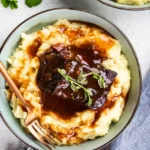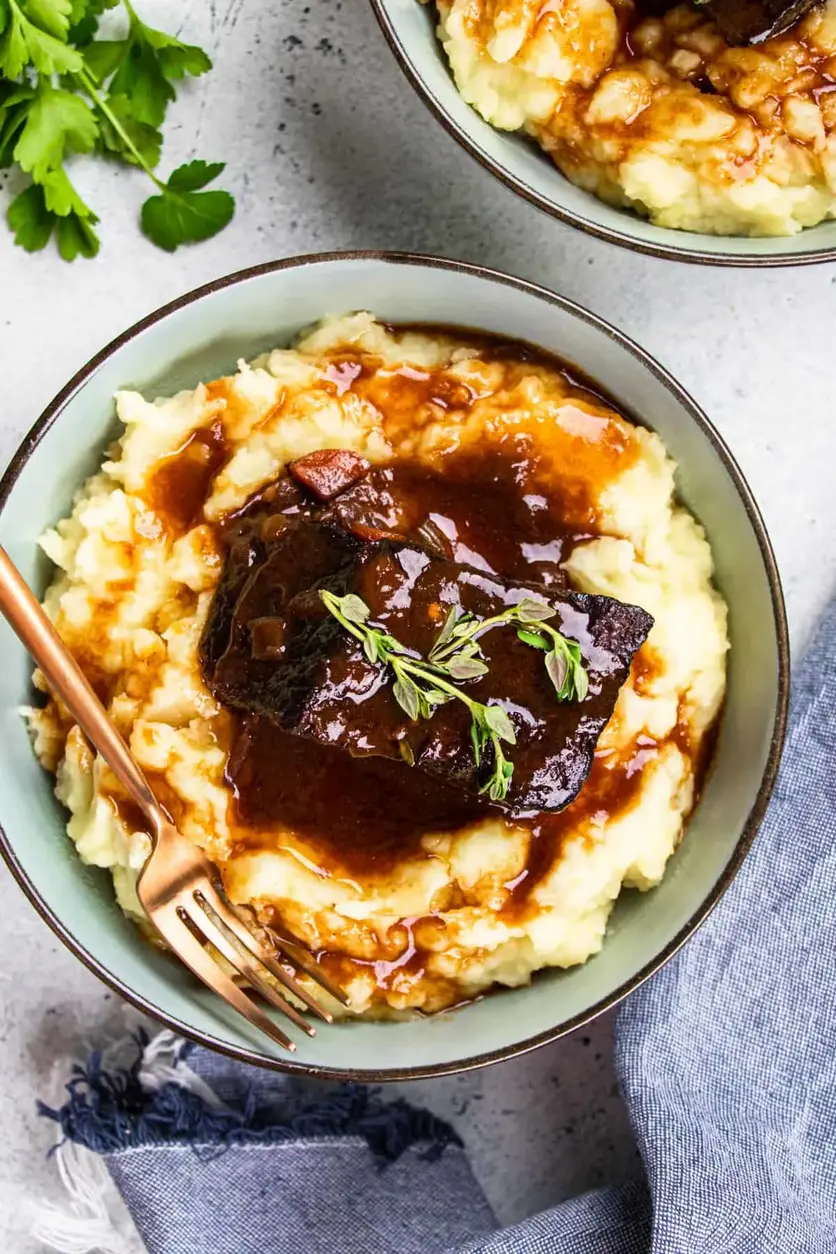
Red Wine Braised Short Ribs in Dutch Oven

Red Wine Braised Short Ribs in Dutch Oven – French‑Inspired Slow Braise that Turns Meat Into Memories

⚖️
Difficulty
Medium
⏲️
Prep Time
20 mins
🕒
Cook Time
210 mins
⏱️
Total Time
230 mins
🍽️
Servings
6

I still remember the first time I dragged a piece of bone‑in beef short rib from a corner market in Grand Central and brought it home to my apartment to experiment. In the heat of that rainy evening, I paired the cut with a splash of cabernet from a dusty pantry, letting the wine absorb the savory depth of the meat. The result? A slow‑braised masterpiece that feels just like a hug from my mother’s kitchen in Casablanca, but with the theatrical flair of a Parisian sauce simmered in a Dutch oven.

The stew boasts a glossy brown crust, a caramelized onion, and where the reduction meets the sear, the meat succumbs to a melt‑in‑your‑mouth tenderness that is almost cinematic. The scent that rises as the liquid reduces is a complex bouquet of roasted garlic, fresh thyme, and a whisper of bay leaf—so inviting that you can almost hear the clatter of pots from the old Paris kitchen in the background. The swallowable sauce, thickened with tomato paste, is a velvety ribbon that clings lovingly to each rib.

My “French‑Inspired Slow Braise” difference lies in the technique: I first brown the ribs for depth, then deglaze with a robust red wine, which I reduce by half before layering broth and aromatics. The secret trick is to finish the batch in a Dutch oven, letting the circulation create an even, low‑heat environment. I’ve learned that letting the short ribs submerge fully produces layers of umami that most quick recipes overlook, and that’s why, even after years, I keep circling back to this dish.

Why This Red Wine Braised Short Ribs Recipe Is the Best

The Flavor Secret is rooted in the deliberate reductions: I start with a high‑quality Cabernet that cuts through the beef’s richness, then allow it to reduce by half to hone both depth and acidity, creating a balanced sauce that lingers on the palate. My Moroccan heritage teaches me to taste every layer, and French sauce fundamentals guide my finishing glide of tomato paste and herbs.

Perfected Texture comes from a methodical browning phase, which locks in juices, followed by slow braising at 350°F. The Dutch oven’s thick walls distribute heat evenly, coaxing the connective tissues into gelatinous perfection, so the meat practically falls off the bone.

Foolproof & Fast means you set it up for the hour‑long cook, and then you’re free to hit the city or catch a museum opening. I’ve fine‑tuned the timing so that anyone—whether a first‑timer or seasoned cook—can trust the recipe to deliver tenderness without the guesswork.

Red Wine Braised Short Ribs Ingredients

I source the short ribs from Carmine’s Butcher in Brooklyn, where the cuts are always well‑marbled. The wine comes from a trusted house wine shop, and for the veggies I wander to the Union Square farmers’ market for the freshest onions, carrots, and celery.

Ingredients List

  • 3‑4 pounds bone‑in short ribs (8‑10 pieces)
  • 2 tablespoons olive oil
  • Salt and pepper, to taste
  • 1 large onion, diced
  • 2 stalks celery, diced
  • 2 carrots, diced
  • 3 cloves garlic, smashed
  • 2 tablespoons tomato paste
  • 2 cups Cabernet Sauvignon
  • 3 cups beef broth
  • 2 bay leaves
  • 1 sprig thyme
  • 1 sprig oregano

Ingredient Spotlight

Short Ribs: The game‑changer; look for marbling and a good bone length. If you’re short on time, use a pressure cooker, but keep the crust in mind.

Cabernet Sauvignon: Its tannins lift the meat’s richness. A bold, fruit‑heavy bottle works best; if you want a smoother profile, a Merlot will still rock the braise.

Tomato Paste: Gives umami depth and a subtle sweet note. If you’re gluten free, use a certified gluten‑free paste; the sauce still holds together perfectly.

Bay Leaves: A fragrant antique that almost begs to be discarded. Keep them in a small cloth packet so you can pull them out before serving.

Thyme: Fresh gives a brighter note; dried will add a deeper herbaceous layer, especially if you’re in a pinch.

Original Ingredient Best Substitution Flavor / Texture Impact
Short Ribs Chuck Short Ribs Similar fat content, slightly less tender unless braised longer.
Cabernet Sauvignon Merlot Softens acidity; gives a smoother, fruitier profile.
Tomato Paste Homemade tomato sauce Less concentrated; thicker sauce may need simmering longer.
Bay Leaves Fresh bay leaf ragout Adds a fresher, less dried‑bitter aroma; peel out before serving.

How to Make Red Wine Braised Short Ribs — Step‑by‑Step

Let me walk you through each stage of this enticing braise, from searing to serving.

Step 1: Brown the Meat

Heat 2 tablespoons olive oil in a 6‑quart Dutch oven over medium‑high heat. Pat the ribs dry, season liberally with salt and pepper, and brown in two batches, searing each side for 5‑6 minutes until a deep mahogany crust forms. Transfer to a plate and set aside.

💡 emy’s Pro Tip: Use a heat‑resistant silicone mat to keep the added plates from sticking to the pot during deglazing.

Step 2: Cook the Vegetables

In the same pot, add diced onion. Sauté 8‑10 minutes until translucent, then stir in celery and carrots. Cook another 3‑5 minutes until the vegetables soften but still hold shape.

⚠️ Common Mistake to Avoid: Over‑crowding the pot, which steams veggies instead of browning them.

Step 3: Add Garlic and Tomato Paste

Add smashed garlic and 2 tablespoons tomato paste. Stir until the paste darkens slightly (about 2 minutes) to caramelize its sugars.

💡 emy’s Pro Tip: Stir constantly to prevent the paste from sticking to the bottom and burning.

Step 4: Deglaze with Red Wine

Pour in 2 cups of Cabernet Sauvignon, scraping the browned bits from the bottom of the pot. Bring to a vigorous boil, then reduce heat to medium.

⚠️ Common Mistake to Avoid: Skipping the scraping step, leading to a gritty sauce.

Step 5: Reduce the Wine

Let the wine reduce by half, about 15‑20 minutes, until it’s thickened and fragrant. This concentrates flavor and reduces acidity.

💡 emy’s Pro Tip: Use a ladle to gently skim any foam that rises to the surface during reduction.

Step 6: Add Beef Broth

Stir in 3 cups of beef broth, mixing to combine the reduced wine and tomato paste into a cohesive base.

⚠️ Common Mistake to Avoid: Using low‑salt broth, which can leave the dish flat.

Step 7: Return the Ribs and Herbs

Place the browned ribs back into the pot. Add bay leaves, fresh thyme, and oregano. Stir to coat the meat in the aromatics.

💡 emy’s Pro Tip: Arrange the rib bones pointing toward the top; this directs heat evenly around the meat.

Step 8: Cover and Oven Cook

Cover the Dutch oven with its lid, seal with a bread crust or foil, and transfer to a preheated oven at 350°F. Bake for 2½‑3 hours until the meat is fork‑tender.

⚠️ Common Mistake to Avoid: Raising the oven temperature while cooking, which can dry out the meat.

Step 9: Strain the Sauce

Lift the meat onto a plate and cover with foil. Strain the sauce through a fine mesh sieve into a clean pot, discarding the solids.

💡 emy’s Pro Tip: Keep the strained liquid warm on low while you finish the sauce.

Step 10: Thicken the Gravy

Return the liquid to the pot, bring to a gentle boil, and simmer until it reaches a velvety consistency (about 10‑15 minutes). Taste and adjust with salt or a splash of red wine if desired.

⚠️ Common Mistake to Avoid: Reducing the gravy too aggressively, causing it to scorch.

Step Action Duration Key Visual Cue
1 Brown ribs 5‑6 min/side Deep mahogany crust
2 Sauté onions 8‑10 min Translucent, glossy
3 Add garlic & paste 2 min Past darkens, aromas release
4 Deglaze wine Boil, then reduce Flaming bubbles and fragrance
5 Reduce wine 15‑20 min Thicker, glossy sheen
6 Add broth Immediate mix Uniform aroma
7 Return ribs & herbs Instant infusion All surface coated
8 Braise in oven 2½‑3 hrs Tender, crackling edges
9 Strain sauce Instant clarity Smooth, glossy liquid
10 Thicken gravy 10‑15 min Velvet sheen, cling

Serving & Presentation

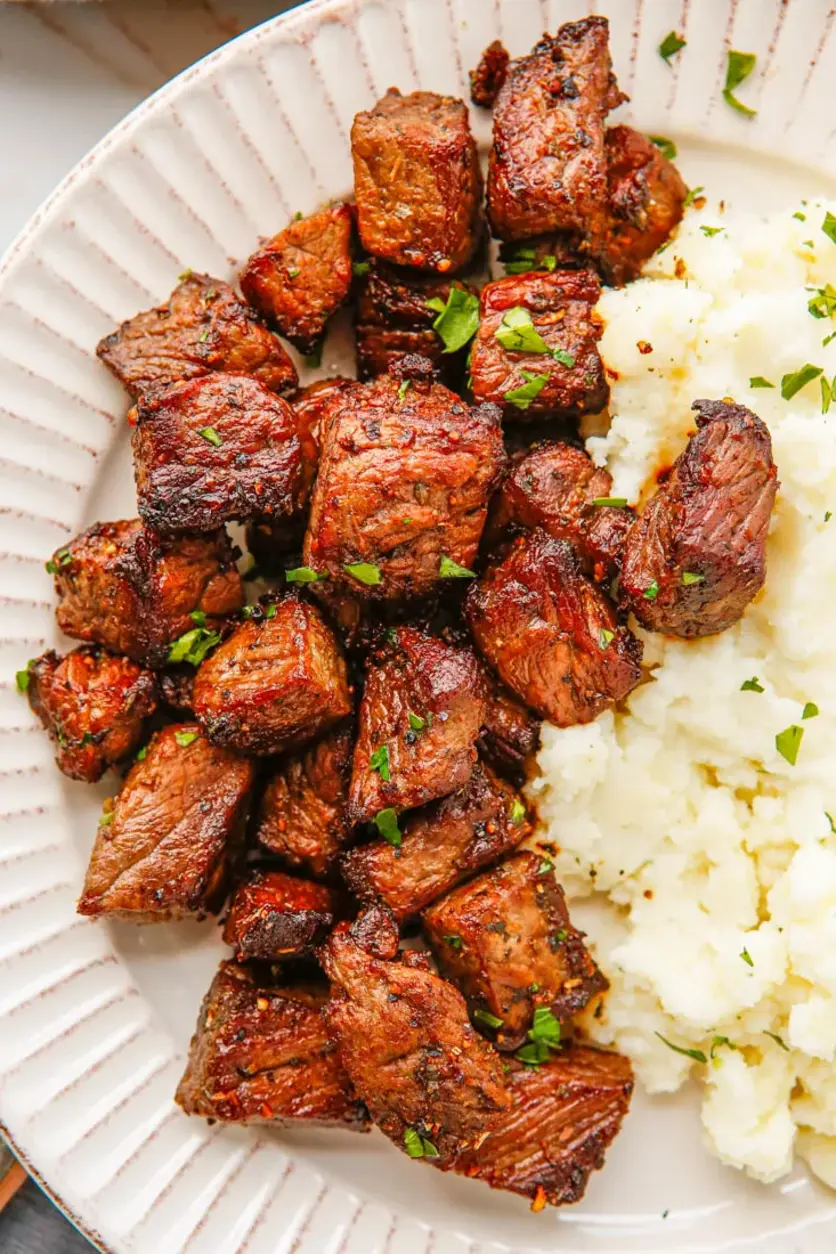
Plate each rib on a slightly warmed slate, letting the glossy gravy pool at the bottom. Sprinkle a handful of chopped fresh parsley for a burst of green against the rich brown.

Pair these decadent ribs with creamy mashed potatoes or buttery polenta, a nod to my Moroccan cauliflower mash, and finish with a glass of the same Cabernet for a seamless flavor loop. A crisp, dry Riesling or a Bordeaux blend would also complement the savory depth nicely.

If you’re in the mood for a touch of extravagance, crumble a spoonful of smoked salt over the finished dish; the salt’s mineral tang acts as a counterpoint to the wine’s acidity.

Pairing Type Suggestions Why It Works
Side Dish Mashed potatoes, roasted root veggies, or buttery polenta Neutral base absorbs sauce, creates balanced bites
Sauce / Dip Herb aioli, clove‑infused butter, or a velvety béarnaise Amplifies meat’s richness with fresh herb profile
Beverage Cabernet Sauvignon, Bordeaux Blend, or dry Riesling Wine’s tannins cut through fat, sharpening flavors
Garnish Micro‑greens, roasted almonds, or smoked salt shards Add texture and surprise to the final bite

Make‑Ahead, Storage & Reheating

I love prepping this dish on my busiest weekend mornings, letting it slow cook on the stove and setting it for my week‑night dinners. The sauce locks in flavors that deepen over time, making it ideal for meal‑prep.

Method Container Duration Reheating Tip
Refrigerator Glass mason jar 3 days Reheat in low oven with a splash of broth
Freezer Vacuum‑seal bag 2 months Thaw overnight, then gently simmer
Make‑Ahead An airtight, heat‑proof dish 2 days in advance Pre‑assemble and keep chilled; reheat at 325°F in the oven

When reheating, remember that the sauce can thicken further; a quick splash of beef broth or a drizzle of butter will bring it back to silky softness. I love wrapping the pot in foil before placing it back in the oven—this keeps the moisture from escaping and maintains that melt‑away texture.

Variations & Easy Swaps

Variation Key Change Best For Difficulty Impact
Couscous Base Add a rack of couscous in the last 20 min of cooking Vegetarian option, fluffy side Minimal
Gluten‑Free Replace beef broth with tamari‑flavored broth Low‑gluten, same rich flavor None
Autumn Mushroom Sauce Stir in sautéed wild mushrooms at the end Seasonal, earthy twist Minor

Couscous Base

I keep a rack of short‑grain couscous in the back of my pantry, and adding it in the last 20 minutes grounds the dish in warmth. The couscous swallows up the fragrant sauce, offering a dry‑to‑wet contrast reminiscent of a Moroccan tagine.

Gluten‑Free

Swap the conventional beef broth with a gluten‑free tamari‑infused broth. The subtle umami mirrors the original, while the sauce stays silky. The chewy texture of the ribs stays intact, proving that gourmet can be inclusive.

Autumn Mushroom Sauce

Stir in sautéed wild mushrooms—portobello, shiitake, and cremini—into the braised liquid during the last 10 minutes. Their earthy undertone pairs perfectly with the deep wine notes, adding another layer for a cozy fall meal.

How long should I cook short ribs in the oven for them to be tender?

For bone‑in short ribs, a low‑heat, slow braise of 2½ to 3 hours at 350°F is ideal to break down collagen into gelatin. If you’re short on time, a pressure cooker can reduce the cooking time to 45‑60 minutes, but the gentle oven method keeps the meat tender while still developing a deep flavor following a slow reduction of wine and broth.

What type of wine is best for braising short ribs?

The best wine for braising short ribs is a full‑bodied red with good acidity and tannins. A mid‑price Cabernet Sauvignon, Merlot, or a Bordeaux blend works beautifully because they impart depth and allow the sauce to reduce to a glossy, flavorful glaze. Higher‑quality wines elevate the dish, as the broth carries a large portion of the wine’s character.

Can I use a Dutch oven on the stove instead of the oven?

Yes, you can finish the braise entirely on the stovetop. After sautéing the aromatics and reducing the wine, add the broth and other ingredients, then cover and simmer on low for 2½‑3 hours, stirring occasionally. The Dutch oven’s heat‑retaining walls will still allow a steady, even cook, though the sear will be less pronounced without the oven’s radiant heat.

What can I serve with this dish for a full dinner?

Serve the ribs over creamy mashed potatoes, buttery polenta, or a light couscous base to soak up the sauce. Pair with roasted root vegetables such as carrots, parsnips, or beetroot for color and heat, and finish with a chilled glass of Cabernet Sauvignon or a dry Riesling for balance. A simple green salad with a vinaigrette lightly drizzled over the plated rib gives a fresh counterpoint.

How does paprika affect the flavor?

Smoked paprika adds a subtle, smoky sweetness that deepens the overall savoriness and complements the wine’s tannins. It’s not essential but can give the sauce an extra layer of complexity without overpowering the tender ribs. In a Moroccan or North African setting, it’s a common aromatic for braises and stews.

What are some quick tips to keep the sauce thick?

After removing the solid vegetables, strain the sauce and return it to low heat. Simmer until it reduces to a velvety consistency. Add a slurry of cornstarch and cold water if it remains too thin, or cook it for a few more minutes with the lid off to evaporate excess liquid. A touch of tomato paste early on helps create a thicker glaze.

Is it okay to use bone‑in or boneless ribs?

Bone‑in short ribs give the dish a richer, more intense flavor due to marrow release during the slow braise. Boneless ribs will cook slightly faster and will need a bit more seasoning, but you can still achieve tenderness with the same liquid base. The result will be less complex but still succulent.

How do I prevent the meat from drying out?

Always leave the lid on while braising; it traps steam and keeps the meat moist. If you notice the liquid evaporating too quickly, add a splash of broth or additional wine. Cooling the meat gently after cooking and letting it rest in foil also preserves juiciness before serving.

Do I need to strain the vegetables from the sauce?

Straining is optional but recommended if you prefer a silky sauce. It removes fibrous vegetable bits, allowing the gravy to coat the ribs evenly. If you enjoy a more rustic texture, you can leave the vegetables in; they’ll soak up some of the wine’s sweetness and add a hearty bite.

Can this recipe be doubled for a larger gathering?

Absolutely! Double the quantity of ribs, wine, broth, and aromatics. You’ll need a larger Dutch oven or two smaller ones. Keep the cooking temperature and time roughly the same, but check the meat with a fork after the expected finish time; if it’s not quite falling apart, give it another 30 minutes.

Share Your Version!

If you tweak this recipe for your own family or add a secret ingredient like smoked paprika, let me know—I love hearing how you adapt classic techniques. Drop a star rating and share your thoughts in the comments below. Your feedback keeps my kitchen vibrant!

Tag @cookingwithemi on Instagram or share a photo on Pinterest and let me see how your table reflects NYC’s bustling charm. I’ll pin the photo on my board and maybe feature it for everyone to see. Curious about which spice you’d swap for the tomato paste? That’s a great question to explore next.

From my NYC kitchen to yours — I hope this recipe brings as much warmth to your table as it does to mine. — emy 🧡

📌

Love This Recipe? Save It to Pinterest!

If you enjoyed this Red Wine Braised Short Ribs recipe, don’t let it get lost in your browser tabs! 😄 Pin it now so you can find it again anytime — and explore hundreds more tried‑and‑tested recipes waiting for you on my Pinterest boards.

👉 Follow emy on Pinterest @exorecipe

📌 Pin this recipe · 🔁 Re-pin your favorites · 💬 Tag me when you make it — I love seeing your creations!
Print
clock clock iconcutlery cutlery iconflag flag iconfolder folder iconinstagram instagram iconpinterest pinterest iconfacebook facebook iconprint print iconsquares squares iconheart heart iconheart solid heart solid icon

Red Wine Braised Short Ribs in Dutch Oven


  • Author: Chef Emy

Description

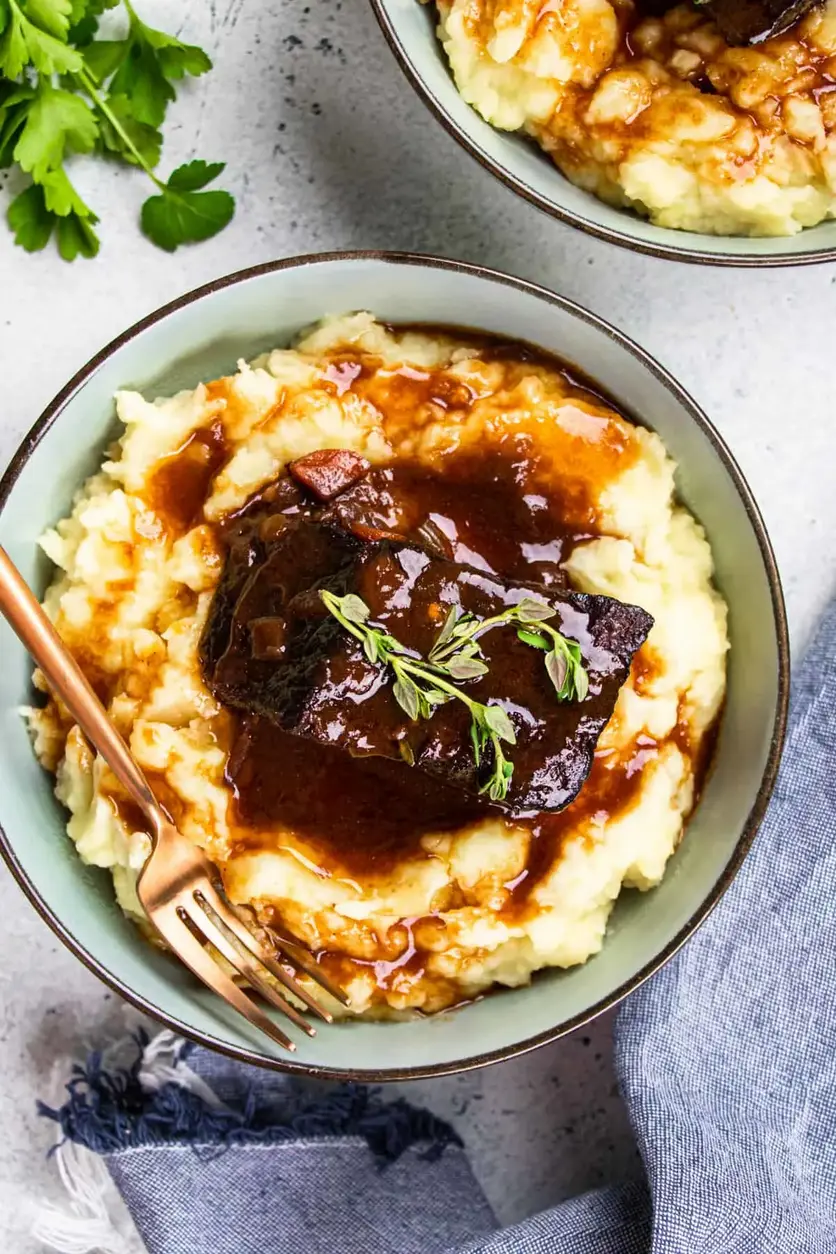
Red Wine Braised Short Ribs is the best recipe for tender fall apart bone-in beef short ribs slow cooked with gravy in a Dutch Oven. This is a perfect comfort meal you can make at home for your friends and family!


Ingredients

Scale
  • 2 tablespoons olive oil
  • 34 pounds bone-in short ribs (810 pieces)
  • Salt (pepper to taste)
  • 1 large onion (diced)
  • 2 stalks celery (diced)
  • 2 carrots (diced)
  • 3 cloves garlic (crashed)
  • 2 tablespoons tomato paste
  • 2 cups wine (Cabernet Sauvignon)
  • 3 cups beef broth
  • 2 bay leaves
  • 1 spring thyme
  • 1 spring oregano

Instructions

  1. To start, lets preheat the oven to 350°F.
  2. Rinse and pat dry the meat and generously season with salt and pepper.
  3. Heat 2 tbsp olive oil in 6 Qt Dutch oven over medium-high heat. Brown the meat in two batches for 5-6 minutes on each side, then transfer to a plate and set aside.
  4. Add 1 diced onion and cook for 8-10 minutes or until translucent and softened. Then add 2 stalks diced celery and 2 diced carrots, and cook for 3-5 minutes more.
  5. Add 3 cloves smashed garlic and 2 tbsp tomato paste and cook for a few more minutes.
  6. Stir in 2 cups wine, bring to boil, lower the heat to medium and simmer until it reduces in half, about 15-20 minutes.
  7. Add 3 cups beef broth and stir.
  8. Transfer the meat back to the pot, add bay leaves, thyme and oregano.
  9. Cover with the lid and transfer to the oven.
  10. Cook for 2 ½-3 hours or until the ribs are tender.
  11. Transfer the meat to the plate and cover with foil.
  12. Strain the sauce and set discard the vegetables.
  13. Pour the liquid back to the pot and simmer until it thickens.
Red Wine Braised Short Ribs in Dutch Oven

Red Wine Braised Short Ribs Dutch Oven Comfort – A Slow‑Cooked Family Classic

⚖️
Difficulty
Medium
⏲️
Prep Time
20
🕒
Cook Time
135
⏱️
Total Time
155
🍽️
Servings
6-8

Growing up in a family kitchen in Casablanca, I learned that a good braise starts with a beautiful sear. Later, my culinary school days in Paris taught me how a Dutch oven can turn simple cuts into velvet‑soft masterpieces. Now, in the bustle of New York City, I bring that same love for slow‑cooked comfort to my own kitchen, turning a humble pot of Red Wine Braised Short Ribs into a crowd‑pleasing feast.

When the rich aroma of crusted beef meets the deep notes of Cabernet Sauvignon, the senses dance. The meat melts on the tongue while the caramelized onions, tender carrots, and aromatic thyme create a sauce that glistens like a moonlit broth. Every spoonful is a fusion of Moroccan spices, a hint of French mirepoix, and the unmistakable smoky kiss of long‑simmered beef stock.

I’ve honed this version to keep the heart‑warming flavor profile but cut the cooking time down to under three hours. My pro tip is to let the wine reduce dramatically—think 50%—to intensify the braise before adding the broth. A common mistake, though, is skipping the initial sear, which will leave the ribs with a pale, unexciting exterior.

Why This Red Wine Braised Short Ribs Recipe Is the Best

The flavor secret lies in the double‑stage reduction. I first work the sugars in the onions and tomatoes by allowing them to caramelize, then use a full‑flavored Cabernet to deepen the broth. This layered technique is a staple I learned from my favorite French mentor, Chef Laurent, who taught me that “the secret of a great braise is patience” – literally.

Texture is perfected by anchoring the ribs to a heavy Dutch oven, which distributes heat evenly and keeps the meat steaming rather than drying. My elbow‑deep knowledge of sous‑vide timing informs the 2½‑3‑hour bake, ensuring the connective tissue breaks down while the meat remains juicy.

The recipe is foolproof for beginners: the only “technical” step is the sear, which you can easily confirm by the browning pattern. With my clear pro tips and a quick reference table, anyone can pull out a show‑stopping dish without feeling pulled over.

Red Wine Braised Short Ribs Ingredients

I usually hunt for the best bone‑in short ribs at the local NYC farmer’s market near West Village, where the butchers swear by the “six‑hour cut.” Fresh carrots and garlic come from the same stall, ensuring the broth stays bright. The little shop that sells garlic has a charm reminiscent of my mother’s kitchen, where every bulb was a promise of flavor.

Ingredients List

  • 2 tablespoons olive oil
  • 3-4 pounds bone‑in short ribs (8-10 pieces)
  • Salt and pepper, to taste
  • 1 large onion, diced
  • 2 stalks celery, diced
  • 2 carrots, diced
  • 3 cloves garlic, smashed
  • 2 tablespoons tomato paste
  • 2 cups Cabernet Sauvignon (full‑bodied)
  • 3 cups beef broth
  • 2 bay leaves
  • 1 sprig thyme
  • 1 sprig oregano
  • Optional: 2 tablespoons Worcestershire sauce

Ingredient Spotlight

Short Ribs—bone‑in adds collagen and flavor. Look for pieces with a good marbling band; no need to defrost, grab fresh from the butcher’s best cut. If you’re on a budget, a chuck roast cut can mimic the tenderness.

Tomato Paste—provides body and acidity. Replace with canned tomato puree; you’ll lose a bit of thickness but keep the same bright tomato flavor.

Cabernet Sauvignon—this wine adds tannic backbone and a hint of berry sweetness. Try Merlot for a softer profile. It still burbles with the savory depth that keeps the broth anchored.

Original Ingredient Best Substitution Flavor / Texture Impact
Bone‑in Short Ribs Chuck Roast (cube) Less gelatin, but still tender if braised 2–3 hrs.
Tomato Paste Tomato Puree Lighter body, slightly sweeter.
Cabernet Sauvignon Merlot Soft tannins, richer fruit notes.

How to Make Red Wine Braised Short Ribs — Step-by-Step

Begin by preheating your oven to a steady 350 °F (175 °C). My Dutch oven acts like a pressure cooker, holding heat and turning a few minutes of browning into lifelong tenderness.

Step 1: Brown the Ribs

Pat the ribs dry, then season generously with salt and pepper. Heat the olive oil in your Dutch oven over medium‑high heat. Brown the ribs in batches, about 5‑6 minutes each side. The crust will carry the flavor into the sauce.

💡 emy’s Pro Tip: Let the meat sizzle until the first side turns a deep mahogany; this develops a robust umami base.

Step 2: Caramelize the Vegetables

Add the diced onion to the pot; cook 8–10 minutes until translucent. Next, toss in celery and carrots, cooking another 3‑5 minutes. The vegetables create a savory foundation, echoing the Mirepoix I learned from Chef Laurent.

⚠️ Common Mistake to Avoid: Skipping the caramelization step leaves the broth thin and the meat dull.

Step 3: Add Garlic and Tomato Paste

Crush the garlic cloves into a paste, then stir in the tablespoon of tomato paste. Let it bloom for a minute before proceeding; this releases the tomato’s hidden sugars.

💡 emy’s Pro Tip: A quick stir keeps the paste from burning and ensures even distribution.

Step 4: Deglaze with Wine

Pour in the generous 2 cups of Cabernet, bring to a gentle boil. Reduce the heat to medium and let it simmer until the liquid has reduced by about half—aim for the color of a deep ruby. This concentrates the flavor.

⚠️ Common Mistake to Avoid: Turning off the heat too early means the wine doesn’t reduce; you’ll end up with too much liquid.

Step 5: Add Beef Broth and Herbs

Stir in the beef broth, bay leaves, thyme, and oregano. Bring to a simmer, then fold the browned ribs back into the pot. Scrape up any browned bits—they’re flavors.

💡 emy’s Pro Tip: The orange‑tinted broth after adding herbs hints at deep, balanced flavors.

Step 6: Transfer to Oven

Lock the Dutch oven lid on and slide the pot into the preheated oven. It’s a cozy oven for the next 2½ to 3 hours, where the meat turns almost into a sauce.

⚠️ Common Mistake to Avoid: Check the temperature—if the oven is below 350 °F, the ribs may slow to a stew instead of a decadent braise.

Step 7: Check Tenderness

After about 2¼ hours, lean in and feel the meat; a fork should glide past bone without much resistance. If it’s still bumping, let it roast an extra hour.

💡 emy’s Pro Tip: My test is the fork test—immediate pullback means fall‑apart tenderness.

Step 8: Recover the Ribs

Lift the ribs onto a sheet, cover with foil, and let them rest while you handle the sauce. The resting phase keeps the juices trapped.

⚠️ Common Mistake to Avoid: Removing the ribs too early dries the meat; rest them for 10 minutes.

Step 9: Strain the Sauce

Transfer the liquid and vegetables through a fine‑mesh sieve into a clean saucepan. Discard the solids; they’re already flavorful, so nothing better to use them for.

💡 emy’s Pro Tip: Keep the sauce on a low heat so it doesn’t stick while thickening.

Step 10: Thicken the Gravy

Return the strained liquid to the Dutch oven and simmer, liberating all the remaining aromatics. If you want a silkier finish, whisk in a slurry of cornstarch and water at the end.

⚠️ Common Mistake to Avoid: Over‑thickening leads to a pudding‑like gravy; keep simmering until you see a glossy sheen.

Step Action Duration Key Visual Cue
1 Brown ribs 5‑6 min each side Deep mahogany crust
2 Caramelize vegetables 8‑10 min onions Translucent onions
3 Add garlic & tomato paste 1 min Red bloom
4 Deglaze wine Simmer 15‑20 min Half‑reduced ruby
5 Add broth & herbs 3‑4 min simmer Orange‑tinted broth
6 Transfer to oven 2½‑3 hrs Gently browned surface
7 Check tenderness 2¼ hrs Fork slides smoothly
8 Rest ribs 10 min Foil covers
9 Strain & remove solids 2 min Clear liquid
10 Thicken gravy 5‑10 min Glossy sheen

Serving & Presentation

Plate the tender ribs over creamy polenta or mashed potato. A drizzle of the thickened sauce and a sprinkle of fresh parsley gives the dish a burst of color. Garnish with crispy prosciutto croutons; their salty crunch echoes the deep, savory core of the braise.

Serve alongside a glass of the same Cabernet you deglazed with, honoring the original spirit of the dish. A side of roasted rosemary potatoes, pulled from a New York farmer’s market, complements the deep earthy notes. My Moroccan nights would’ve loved a splash of preserved lemon, but I keep it classic for easy palate compatibility.

Pairing Type Suggestions Why It Works
Side Dish Polenta, mashed potatoes, roasted carrots Soothing base that soaks the sauce
Sauce / Dip Red wine reduction, herb butter Enhances depth of crimson glaze
Beverage Cabernet Sauvignon, full‑body red Matches the wine‑braised character
Garnish Fresh parsley, crushed pistachios, lemon zest Adds brightness and texture contrast

Make-Ahead, Storage & Reheating

When living a fast‑paced NYC rhythm, I pre‑braise the ribs one day ahead, then reheat the sauce the evening before guests arrive. It saves me the bustle of last‑minute cooking.

Method Container Duration Reheating Tip
Refrigerator Sturdy zip‑lock bag 3 days Microwave or stovetop with a splash of broth
Freezer Air‑tight container 2 months Slowly defrost, then simmer to re‑thicken
Make‑Ahead Dedicated prep pot 1 day in advance Reheat in Dutch oven over low heat, stir nightly

To maintain the luxuriously silky sauce when reheating, fluff it with a fork and fold in a tablespoon of butter or a splash of cream. I also whisk in a teaspoon of tomato paste on the stove to reinforce flavor after freezing.

Variations & Easy Swaps

Variation Key Change Best For Difficulty Impact
Low‑fat Bacon‑Glazed Variant Swap broth for low‑fat beef stock, add seared bacon crisp Health‑conscious diners –0.5
Gluten‑Free / Dairy‑Free Use chicken broth, oat milk in sauce, omit Worcestershire Allergies or celiacs –0.3
Seasonal Flavor Twist Season with fresh sage and poppyseed bread crumb crust Spring or fall menu +0.2

Low‑fat Bacon‑Glazed Variant

Infuse the sauce with a lightly seared bacon curl before melding with the broth. Remove it after browning, allowing its smoky essence to coat the short ribs, and finish the dish as usual for a lighter bite that keeps the flavor punch.

Gluten‑Free / Dairy‑Free

Swap the beef broth with homemade gluten‑free stock and remove any wheat‑based thickeners. Use oat or almond milk to finish the sauce; the result is silky and silky‑smooth, still deep with the wine reduction.

Seasonal Flavor Twist

In the winter market, I add a handful of fresh thyme leaves and finish with a drizzle of honey‑glazed maple syrup. In spring, replace the olive oil with a touch of citrus‑infused olive oil and sprinkle lime zest on the finished dish.

FAQ

Can I cook short ribs without a Dutch oven?

Yes, any heavy‑bodied pot that can withstand steady heat works, such as a large skillet or a Dutch‑style cast‑iron pan. The key is to keep the heat low enough that the ribs steam in their own juices. If you’re using a saucepan, deck the lid well and monitor closely to avoid scorching.

How do I know when the short ribs are done?

The classic test is to slide a fork between the meat and the bone; it should pop out without much resistance. Alternatively, the internal temperature should read between 190°F and 205°F, which guarantees “fall‑apart” tenderness while still retaining moisture.

Can I use a different red wine?

Any full‑bodied red will do, but goal is tannin and fruit depth. Merlot or Zinfandel are great sub‑honors. Avoid wines with high acidity like Chianti, which could make the sauce too sharp, or sweet dessert wines, which will alter the savory balance.

How can I save time on this recipe?

Pre‑season the ribs before you start, using a simple salt‑pepper rub. Keep the stock on low after braising so you can blast the sauce on the stove while the rib resting steam gently soaks into the meat. Also, batch‑brown ribs in a high‑heat sauté pan, then transfer to the Dutch oven – it saves oven cleanup.

What can I serve with these short ribs?

Classic sides such as creamy polenta, buttery mashed potato, or a crisp roasted bed of garlic‑roasted Brussels sprouts pair well. The rich sauce pairs beautifully with a sturdy root‑vegetable mash or a dusted chalky risotto that swallows the gravy effortlessly.

Can I freeze the leftovers?

Absolutely. Store the meat and sauce separately in sealed containers, and keep both in the freezer for up to two months. Reheat by gently simmering the sauce over low heat, stirring frequently until it returns to a silky consistency. Add a touch of butter or cream for extra sheen.

Why do the ribs get so tender?

The slow braising process—long simmering at moderate heat—breaks down collagen into gelatin. This gelatin then dissolves into the sauce, creating a silky coating that clings to each rib. The final resting period also lets the redistributed juices diffuse, sealing in moisture.

How can I make it gluten‑free?

Buy gluten‑free beef stock, omit any wheat‑based thickening agents, and replace the Worcestershire sauce—most brands contain gluten—with a gluten‑free alternative or a splash of balsamic. Fine‑ground onion powder can act as a binder if thicker sauce is desired.

Can I use beef broth from cartons?

Carton broth often contains added sodium and preservatives. Choose a low‑sodium option and add just enough salt to taste after deglazing. The richer taste of homemade or high‑quality store‑bought broth will elevate the savory depth.

What are the health benefits of this dish?

Red wine braised short ribs are a hearty protein source, providing essential iron, zinc, and B‑vitamins. The slow cooker method reduces the need for added fats, and the dose of beef‑derived gelatin supports joint health. Pairing it with half a cup of roasted greens adds antioxidants and fiber.

Share Your Version!

I invite you to play with this recipe as much as you love it. Drop a star rating in the comments, let me know what tweaks brought it to your kitchen—maybe a dash of smoked paprika or a spiced cakebread for crust. I’d love to see your photos on Instagram or Pinterest (don’t forget to tag @cookingwithemi).

If you have a favorite herb that you think would sing in this braise, let me know in the comments. I’m always hunting for the next savory surprise.

From my NYC kitchen to yours — I hope this recipe brings as much warmth to your table as it does to mine. — emy 🧡

📌

Love This Recipe? Save It to Pinterest!

If you enjoyed this Red Wine Braised Short Ribs recipe, don’t let it get lost in your browser tabs! 😄 Pin it now so you can find it again anytime — and explore hundreds more tried‑and‑tested recipes waiting for you on my Pinterest boards.

👉 Follow emy on Pinterest @chefrecipes2

📌 Pin this recipe · 🔁 Re-pin your favorites · 💬 Tag me when you make it — I love seeing your creations!

Print
clock clock iconcutlery cutlery iconflag flag iconfolder folder iconinstagram instagram iconpinterest pinterest iconfacebook facebook iconprint print iconsquares squares iconheart heart iconheart solid heart solid icon

Red Wine Braised Short Ribs in Dutch Oven


  • Author: Chef Emy

Description

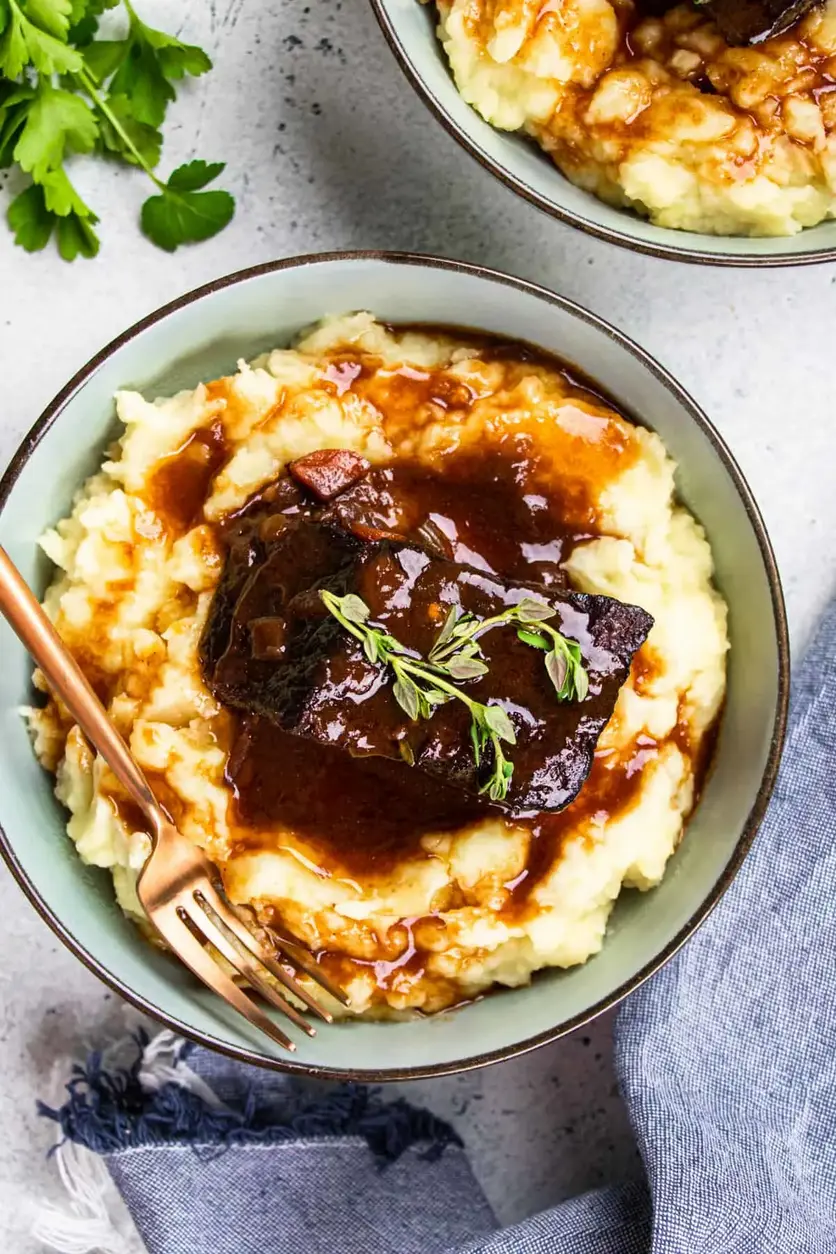
Red Wine Braised Short Ribs is the best recipe for tender fall apart bone-in beef short ribs slow cooked with gravy in a Dutch Oven. This is a perfect comfort meal you can make at home for your friends and family!


Ingredients

Scale
  • 2 tablespoons olive oil
  • 34 pounds bone-in short ribs (810 pieces)
  • Salt (pepper to taste)
  • 1 large onion (diced)
  • 2 stalks celery (diced)
  • 2 carrots (diced)
  • 3 cloves garlic (crashed)
  • 2 tablespoons tomato paste
  • 2 cups wine (Cabernet Sauvignon)
  • 3 cups beef broth
  • 2 bay leaves
  • 1 spring thyme
  • 1 spring oregano

Instructions

  1. To start, lets preheat the oven to 350°F.
  2. Rinse and pat dry the meat and generously season with salt and pepper.
  3. Heat 2 tbsp olive oil in 6 Qt Dutch oven over medium-high heat. Brown the meat in two batches for 5-6 minutes on each side, then transfer to a plate and set aside.
  4. Add 1 diced onion and cook for 8-10 minutes or until translucent and softened. Then add 2 stalks diced celery and 2 diced carrots, and cook for 3-5 minutes more.
  5. Add 3 cloves smashed garlic and 2 tbsp tomato paste and cook for a few more minutes.
  6. Stir in 2 cups wine, bring to boil, lower the heat to medium and simmer until it reduces in half, about 15-20 minutes.
  7. Add 3 cups beef broth and stir.
  8. Transfer the meat back to the pot, add bay leaves, thyme and oregano.
  9. Cover with the lid and transfer to the oven.
  10. Cook for 2 ½-3 hours or until the ribs are tender.
  11. Transfer the meat to the plate and cover with foil.
  12. Strain the sauce and set discard the vegetables.
  13. Pour the liquid back to the pot and simmer until it thickens.
Red Wine Braised Short Ribs in Dutch Oven

Red Wine Braised Short Ribs in Dutch Oven – Dutch Oven Slow Braise Method – A Comforting Classic

⚖️
Difficulty
Medium
⏲️
Prep Time
20 mins
🕒
Cook Time
150 mins
⏱️
Total Time
170 mins
🍽️
Servings
6

I still remember the first time I ladled a rich, velvety sauce over sizzling short ribs back in a city kitchen in the French Quarter of Paris. That was the moment I realized how the humble Dutch oven could transform simple beef into a decadent centerpiece. Now, the same technique brings that same comfort meal right to your kitchen—Red Wine Braised Short Ribs in a Dutch Oven. It’s the ultimate luxury you can make at home, and my unique Dutch oven slow-braise method gives the ribs that dream‑tender texture and depth of flavor.

Picture the tender bones crumbling, the wine reducing into a deep mahogany sauce speckled with caramelized aromatics. The onions melt into soft caramel, the garlic releases its honeyed warmth, and a splash of Cabernet Sauvignon adds a subtle fruitiness that dances with the savory broth. When poured over the ribs, the sauce clings like an indulgent blanket, while the thyme and oregano lend an herbal echo reminiscent of North African spices I grew up with in my mother’s kitchen. The finished dish feels like a hug in a bowl—a comforting, aromatic comfort that invites you to savor the slow‑cooked bliss.

Coming from a Moroccan upbringing and honed by a French culinary school, I’ve refined this braising recipe over years of experimentation. My Pro Tip: keep the Dutch oven tightly sealed to trap moisture, which turns the ribs into melt‑in‑your‑mouth tenderness. A common mistake I see is over‑stirring; let the meat sit undisturbed so the gelatin caves out slowly. With these tricks, you’ll turn an ordinary short‑rib pot into a sensational, fall‑apart feast—just as I’ve done on countless dinner parties in New York City.

Why This Red Wine Braised Short Ribs Recipe Is the Best

The flavor secret lies in the meticulous simmer from a low‑heat Dutch oven, which extracts the marrow’s umami while the red wine slowly reduces to a silky glaze. By letting the wine condense, the sauce thickens naturally without extra flour or roux—an essential trick I learned while refining sauce work in Paris.

The texture comes from the dual sear and slow braise: high‑heat searing creates a Maillard crust that locks in juices, and the extended low‑heat braise pulls the collagen apart until it’s practically falling off the bone. Even a beginner can follow the clear, step‑by‑step instructions to perfect that “fall‑apart” finish.

It’s also fool‑proof—reheating it works wonders for busy nights, and the open lunch pot is great for traveling. After all, if it takes just a couple of minutes to reheat and cook, you’ve got a hearty comfort meal that’s hard to beat.

Red Wine Braised Short Ribs Ingredients

I love getting the meats and vegetables from the Brooklyn farmers market. Fresh, local produce always brings the most vivid colors and clean flavors. The ribs are snagged from the butcher in Brooklyn Heights, and the carrots are from the seasonal squash stand—classic New York add-ons.

Ingredients List

  • 2 tablespoons olive oil
  • 3–4 pounds bone‑in short ribs (8–10 pieces)
  • Salt & pepper, to taste
  • 1 large onion, diced
  • 2 stalks celery, diced
  • 2 carrots, diced
  • 3 cloves garlic, smashed
  • 2 tablespoons tomato paste
  • 2 cups Cabernet Sauvignon
  • 3 cups beef broth
  • 2 bay leaves
  • 1 sprig fresh thyme
  • 1 sprig fresh oregano

Ingredient Spotlight

Short Ribs – Look for marrow‑rich, well‑marbled cuts. In U.S. grocery stores, choose “rack” ribs for even cooking, or “flank” ribs for a cheaper alternative that still melts. Safely, you can swap with short ribs from a local butchers or use a 3‑pound block if you prefer individual slices.

Cabernet Sauvignon – The wine’s tannin and plum notes deepen the sauce. If you feel adventurous, a dry Merlot works, but keep the same 2‑cup measurement. In a pinch, pick up an inexpensive yet decent dry wine, as the cooking method weights down any initial harshness.

Tomato Paste – It gives body and a burst of acidity. For a refined twist, replace with crushed canned tomatoes; this brings a fresher, smaller‑grained flavor, although the sauce will be slightly thinner unless you reduce it greater.

Original Ingredient Best Substitution Flavor / Texture Impact
Short Ribs 2‑Pound Chuck Roast Thicker texture, shorter cooking time.
Cabernet Sauvignon Dry Merlot Softer acidity, less robust.
Tomato Paste Crushed Canned Tomatoes Light texture, more brothy sauce.

How to Make Red Wine Braised Short Ribs in Dutch Oven – Step by Step

The magic of this dish starts with searing, then slow‑broiling and isended; watch each stage closely and enjoy the process.

Step 1: Brown the Ribs

Heat 2 Tbsp olive oil in a 6‑qt Dutch oven over medium‑high heat. Once shimmering, add the ribs in a single layer without crowding. Sear 5–6 minutes per side until golden brown. Transfer to a plate and set aside.

💡 emy’s Pro Tip: Pre‑heat the pot before adding oil so the ribs hit the pan immediately and develop a deep Maillard crust.

Step 2: Cook Veggies

In the same pot, add diced onion and cook for 8–10 minutes until translucent. Then stir in celery and carrots, cooking 3–5 minutes more until they start to soften.

⚠️ Common Mistake to Avoid: Adding too many veggies at once can lower pan temperature and cause the meat to steam instead of sear.

Step 3: Add Garlic & Paste

Stir in smashed garlic cloves and 2 Tbsp tomato paste, cooking 1–2 minutes until fragrant and slightly caramelized.

💡 emy’s Pro Tip: Use a spoon to knead the paste into the vegetables; this releases the paste’s tannic bitterness and gives a cohesive sauce.

Step 4: Boil Wine

Pour in 2 cups Cabernet Sauvignon and bring to a gentle boil. Reduce heat to medium, letting it simmer until it reduces by half—about 15–20 minutes.

⚠️ Common Mistake to Avoid: Letting the wine boil too fast can scorch, altering the flavor profile.

Step 5: Add Beef Broth

Stir in 3 cups beef broth, then return the ribs to the pot. Add bay leaves, fresh thyme, and oregano.

💡 emy’s Pro Tip: Use a good bone broth; its higher collagen content turns the sauce silky and intensifies the meat flavor.

Step 6: Reintegrate Meat

Gently press the ribs back into the liquid, ensuring they are partially submerged. This ensures even tagging of the sauce.

⚠️ Common Mistake to Avoid: Over‑stirring the pot removes the implied glossy base for thickening.

Step 7: Cover & Bake

Cover tightly and transfer the Dutch oven to a preheated oven at 350°F. Bake for 2 ½–3 hours, checking every 10 minutes for liquid moisture. Keep the lid sealed.

💡 emy’s Pro Tip: Medium‑low heat results in a smooth, cohesive sauce; don’t open the lid too early or you’ll lose steam.

Step 8: Cook Until Tender

Stop checking after the ribs feel tender and fall easily to the bone. The meat should be so soft it can be pulled apart with a fork.

⚠️ Common Mistake to Avoid: Cutting the ribs before they’re fully tender; this leaves them chewy.

Step 9: Strain Sauce

Remove the ribs to a plate, cover, and keep warm. Strain the sauce through a fine sieve and discard the solids.

💡 emy’s Pro Tip: A velvety sauce is golden; a gritty one means you didn’t strain properly.

Step 10: Thicken Sauce

Return strain to the pot and simmer until the sauce thickens to your preference. If it’s too thin, let it reduce; if too thick, add a splash of beef broth to loosen.

⚠️ Common Mistake to Avoid: Over‑reducing can make the sauce. Watch closely for that silky consistency.

Step Action Duration Key Visual Cue
1 Sear ribs 5‑6 mins each side Golden crust
2 Cook veggies 8‑10 mins Translucent onions
3 Add garlic & paste 1‑2 mins Fragrant aroma
4 Reduce wine 15‑20 mins Half‑volume
5 Add broth & herbs Immediate rest Herb aroma
6 Re‑add ribs 2 mins Submerged
7 Bake 2½‑3 hrs Deep red hue
8 Check tenderness 30‑40 mins Pull‑apart
9 Strain sauce 5 mins Velvety texture
10 Reduce sauce 10‑15 mins Glossy glaze

Serving & Presentation

Plating – Arrange the ribs in a shallow dish, spoon the glossy gravy over one side, and drizzle with a little extra jus for flair. A touch of fresh parsley or micro‑greens creates a bright pop that echo’s my mother’s kitchen décor.

Garnish – A sprinkle of toasted breadcrumbs or a few tarragon leaves adds an interesting crunch and familiar French touches, while hints of crushed pistachios bring a Moroccan pop of color.

Pairings – The robust gravy pairs beautifully with creamy mashed potatoes, buttered green beans, or a crusty French baguette for soaking. In NYC, a light Pinot Noir or a bold Zinfandel can complement the deep tannins in the dish.

Pairing Type Suggestions Why It Works
Side Dish Mashed potatoes, root‑vegetable mash, roasted brussels sprouts Complements the sauce’s creaminess and balances the meat’s richness.
Sauce / Dip Herbed butter, aioli with roasted garlic Adds a buttery contrast that lifts the gravy’s depth.
Beverage Pinot Noir, Zinfandel, dark stout The tannic fruitiness softens the meat’s fat while complementing the wine reduction.
Garnish Fresh thyme sprigs, micro‑greens, toasted pine nuts Provides color, texture, and a “fresh” touch that offsets the dish’s weight.

Make‑Ahead, Storage & Reheating

When New York’s traffic forces me to prep ahead, I finish the braise, let it cool, and divide it into meal‑prep containers. The flavor deepens during refrigeration, giving me a ready‑to‑heat dish that’s still luscious.

Method Container Duration Reheating Tip
Refrigerator Air‑tight mason jars 3 days Reheat on stovetop, add a splash broth to loosen.
Freezer Large freezer bags 3 months Thaw overnight, simmer gently, adding a bit water if needed.
Make‑Ahead Separate meat & sauce 2 days in advance Recombine and heat like a single pot; keep sauce from thickening too much.

When reheating, keep the heat low to avoid burning the sauce, and stir occasionally. My personal trick: add a bit of beef stock or a dash of red wine to restore the silky glisten. The final result recaptures the mouth‑watering steam‑filled aroma of the original braise.

Variations & Easy Swaps

Variation Key Change Best For Difficulty Impact
Herb & Garlic Butter Finish Finish with a pat of herb‑infused butter All diners who love rich, buttery sauces. Essential, quick addition
Gluten‑Free Tomato-Free Sauce Replace tomato paste with pumpkin puree Gluten‑free or low‑carb diet lovers. Moderate; requires swapping sauce base.
Seasonal Autumn Squash Twist Add diced butternut squash Fall meal that feels seasonal. Simple swap, adds sweetness

Herb & Garlic Butter Finish

After scraping the sauce, melt 4 Tbsp unsalted butter with fresh rosemary, thyme, and minced garlic. Whisk into the reduced broth for a glossy finish. The butter’s richness echoes the dish’s French technique while a dash of garlic harks back to my Moroccan roots.

Gluten‑Free Tomato‑Free Sauce

Swap the 2‑Tbsp tomato paste for 2 Tbsp pumpkin puree or a small can of pureed tomato sauce. This provides natural sweetness and mellow acidity while eliminating gluten. The sauce becomes smoother, and the pumpkin adds a subtle nutty tone reminiscent of Moroccan stews.

Seasonal Autumn Squash Twist

Slice 1 cup diced butternut squash into the pot with the carrots and celery. As the wine reduces, the squash softens into sweet, caramelized cubes that pair beautifully with the red‑wine gravy. It’s an easy switch that gives the meal a warm, harvest vibe.

How long does it take to braise short ribs in a Dutch oven?

In a Dutch oven, braising short ribs typically takes about 2½ to 3 hours at a steady 350°F. The low and slow heat allows the connective tissue to break down into gelatin, turning the meat into a tender, fall‑apart texture. The 150‑minute cooking time ensures the beef meets a silky gravy that holds the broth’s essence without drying out.

Can I use a different wine instead of Cabernet Sauvignon?

Absolutely! While Cabernet provides a robust tannic backbone, any dry red—such as Merlot, Syrah, or even a well‑rounded Zinfandel—will work. The key is a wine with enough body to stand up to the beef’s richness. Adjust the quantity slightly if the wine is lighter, but keep the same 2‑cup volume for balance.

What type of Dutch oven works best for braising ribs?

A heavy‑bottom, cast‑iron Dutch oven is ideal because it distributes heat evenly and retains moisture. Look for a pot with a tight‑sealing lid; the seal keeps steam inside for a flawless braise. Ceramic or enameled options also perform well, but a proper cast‑iron is the classic choice found in every New York kitchen.

Is it better to cook short ribs in the oven or stovetop?

While you can crowd the stovetop, the oven offers a more consistent, low heat that lets the meat paint itself in involution without temperature spikes. The Dutch oven’s lid locks in moisture, and the oven’s even heat allows the wine reduction to even, producing a deeper sauce. For a slow‑braised masterpiece, the oven reigns supreme.

How do I keep the sauce from becoming too thick?

To maintain the sauce’s silky consistency, simmer gently and monitor the reduction. If it begins to look like syrup, add a splash of water or more beef broth to loosening. Keep the pot covered so steam does not evaporate rapidly; a tricky balance that you’ll master after a few tries.

Can I freeze the leftover braised short ribs and sauce?

Definitely. Separate the meat and sauce, store each in a freezer‑safe container, and freeze for up to three months. When thawing, reheat gently, adding a bit of broth or wine to restore moisture. The beef may even taste more concentrated, giving a deeper flavor in the reheated dish.

What side dishes pair well with red wine braised short ribs?

Classic mash, roasted root vegetables, or a crisp green‑bean sauté create a balanced plate. A dark rye loaf or baguette is perfect for soaking up the gravy, while a sunny‑side‑up egg adds a contrasting texture. These sides echo the dish’s hearty comfort vibe and highlight the French‑Moroccan fusion.

How do I make the braised short ribs in the microwave?

Though the microwave won’t replicate the slow‑braise depth, you can heat pre‑made sauce rapidly. Use a low heat setting, stir, and cover with a lid or parchment to trap moisture. For a true tender result, a stovetop or oven is essential.

What is the best way to sear short ribs before braising?

Pat dry the ribs, season generously, and let the pot reach a high temperature before adding oil. A hot oil surface will sear the meat in seconds, giving a Maillard crust that locks juices inward. Avoid crowding the pot, and lift each piece gently to ensure an even sear on every side.

Can I add vegetables while braising and how many?

Yes—carrots, celery, onions, and even potatoes can simmer alongside the ribs to develop depth. Aim for 1–2 cups of veggies for a balanced ratio; each adds flavor, sweetness, and a nutritional boost. Keep them sliced uniformly so they submerge evenly and soften during the braising process.

Share Your Version!

If you tried this recipe, drop a star rating and let me know how it turned out. I love seeing your photos—share them on Instagram or Pinterest, tag @cookingwithemi, and let the food community rally. I’ve added a twist, swapped a spice, or even tried a gluten‑free version? Tell me which unique angle worked for you.

From my NYC kitchen to yours — I hope this recipe brings as much warmth to your table as it does to mine. — emy 🧡

📌

Love This Recipe? Save It to Pinterest!

If you enjoyed this Red Wine Braised Short Ribs recipe, don’t let it get lost in your browser tabs! 😄 Pin it now so you can find it again anytime — and explore hundreds more tried‑and‑tested recipes waiting for you on my Pinterest boards.

👉 Follow emy on Pinterest @exorecipe

📌 Pin this recipe · 🔁 Re-pin your favorites · 💬 Tag me when you make it — I love seeing your creations!

Print
clock clock iconcutlery cutlery iconflag flag iconfolder folder iconinstagram instagram iconpinterest pinterest iconfacebook facebook iconprint print iconsquares squares iconheart heart iconheart solid heart solid icon

Red Wine Braised Short Ribs in Dutch Oven


  • Author: Chef Emy

Description

Red Wine Braised Short Ribs is the best recipe for tender fall apart bone-in beef short ribs slow cooked with gravy in a Dutch Oven. This is a perfect comfort meal you can make at home for your friends and family!


Ingredients

Scale
  • 2 tablespoons olive oil
  • 34 pounds bone-in short ribs (810 pieces)
  • Salt (pepper to taste)
  • 1 large onion (diced)
  • 2 stalks celery (diced)
  • 2 carrots (diced)
  • 3 cloves garlic (crashed)
  • 2 tablespoons tomato paste
  • 2 cups wine (Cabernet Sauvignon)
  • 3 cups beef broth
  • 2 bay leaves
  • 1 spring thyme
  • 1 spring oregano

Instructions

  1. To start, lets preheat the oven to 350°F.
  2. Rinse and pat dry the meat and generously season with salt and pepper.
  3. Heat 2 tbsp olive oil in 6 Qt Dutch oven over medium-high heat. Brown the meat in two batches for 5-6 minutes on each side, then transfer to a plate and set aside.
  4. Add 1 diced onion and cook for 8-10 minutes or until translucent and softened. Then add 2 stalks diced celery and 2 diced carrots, and cook for 3-5 minutes more.
  5. Add 3 cloves smashed garlic and 2 tbsp tomato paste and cook for a few more minutes.
  6. Stir in 2 cups wine, bring to boil, lower the heat to medium and simmer until it reduces in half, about 15-20 minutes.
  7. Add 3 cups beef broth and stir.
  8. Transfer the meat back to the pot, add bay leaves, thyme and oregano.
  9. Cover with the lid and transfer to the oven.
  10. Cook for 2 ½-3 hours or until the ribs are tender.
  11. Transfer the meat to the plate and cover with foil.
  12. Strain the sauce and set discard the vegetables.
  13. Pour the liquid back to the pot and simmer until it thickens.
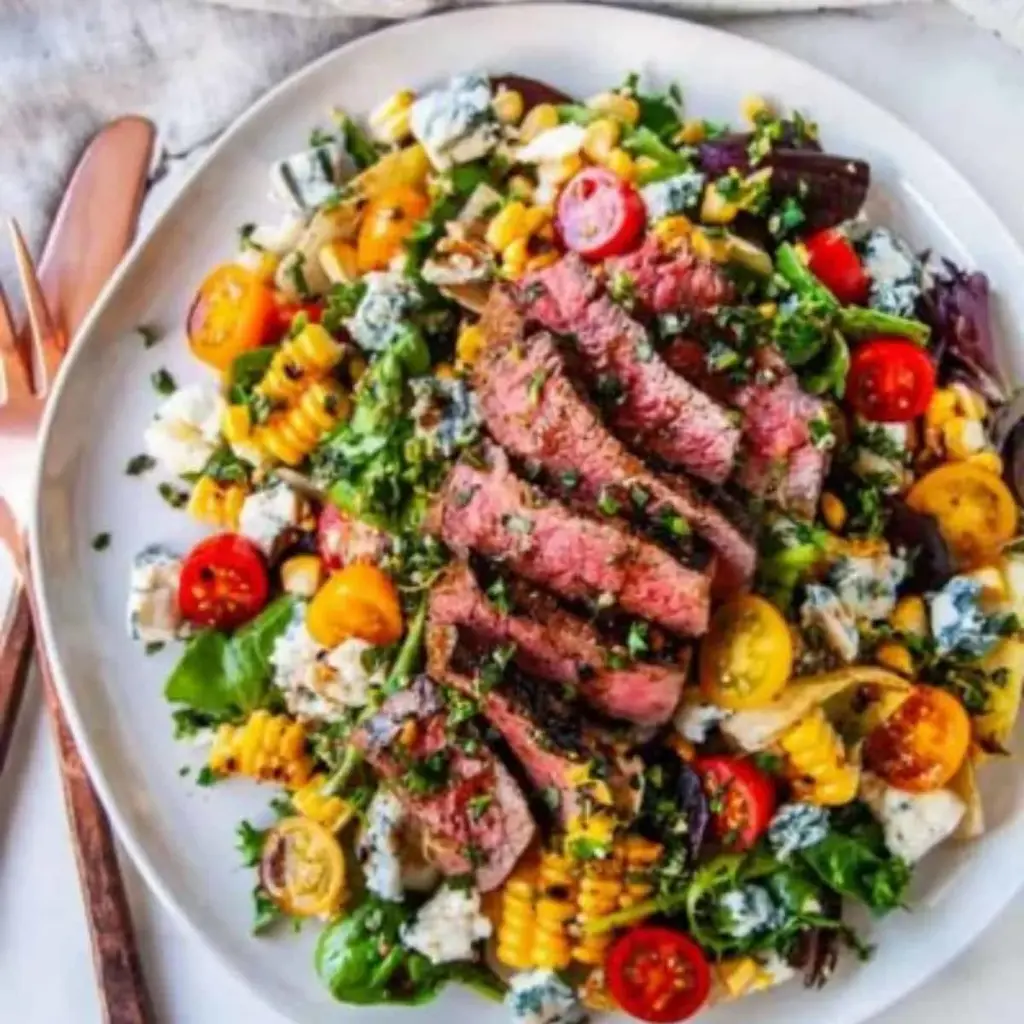
Balsamic Steak Gorgonzola Salad with Grilled Corn

Balsamic Steak Gorgonzola Salad with Grilled Corn — Fresh, Bold, and Effortlessly Elegant

⚖️
Difficulty
Medium
⏲️
Prep Time
15 mins
🕒
Cook Time
15 mins
⏱️
Total Time
30 mins
🍽️
Servings
4

The first time I ever grilled a steak in my New York apartment, the sizzling sound felt like a lullaby from my mother’s kitchen back in Marrakesh. The scent of rosemary and a splash of balsamic instantly set the mood, reminding me of the Alhambra’s river front at dusk. When I paired that with crisp greens, tangy Gorgonzola, and sweet grilled corn, I realized how a simple recipe could fuse memory and modernity.

Imagine biting into a perfectly seared sirloin that’s caramelized on the outside but still pink and tender on the inside. The bite releases a savory steak aroma that mingles with the bright acidity of fresh balsamic vinegar. Visual contrast is in every forkful: tender meat, glossy corn kernels, creamy blue cheese, and a gentle snap of red onion. The finish is a caramelized tang balanced by the herbal freshness of a gremolata sprinkled over everything.

My version of this salad is a thrice-repeated favorite from the combination of Moroccan spices, French technique for marinating steak, and New York’s quick-fix vibe. The secret is a fresh gremolata that lifts the flavors immediately. One common mistake I’ve seen is over-marinating the steak; it becomes mushy. I always stick to 30 minutes, taste the sauce, and taste the steak before writing it off. This recipe respects time without sacrificing flavor.

Why This Balsamic Steak Gorgonzola Salad Is the Best

The flavor secret is the marriage of sweet grilled corn with sharp Gorgonzola and a tangy balsamic vinaigrette. The corn gives a subtle caramel sweetness while the cheese introduces a creamy, peppery bite. My Parisian training taught me to let the salt in the steak be the star; a dash of Dijon and a touch of Worcestershire create the right savory base. It’s a dish that, in the summer heat, turns any lunch into a celebration.

The perfect texture comes from a quick grill technique: hot surface with flip, then let the meat rest; this locks in juices so each slice stays moist. I wrap the steak in parchment, but I keep the flip hammered for a beautiful crust, which I learned from a master chef in my Paris culinary school. The salad’s crisp greens keep the heart salad light, while the corn kernels add a satisfying chew. Combined, this mouthfeel is unordinary.

Even for beginners, this recipe is foolproof. Because the ingredients all assemble in a single pan and a bowl, you avoid dealing with multiple pots. Marinating in 30 minutes gives you pace + aroma, and the end result is same day dinner without replicating a restaurant service. A busy NYC meal can be these 20 minutes and still feel luxurious.

Balsamic Steak Salad Ingredients

Every ingredient in this dish comes from a New York corner market, from the Sardinia’s Special Grocery on East 3rd where the earrings of gorgonzola hum. The fresh corn is locally grown on the Upper West Side farms that ship on the same day. This blend of urban and rural roots adds authenticity to each bite.

Ingredients List

  • 1 lb sirloin steak
  • 2 tablespoons balsamic vinegar
  • 1 tablespoon Worcestershire sauce
  • ¼ cup extra virgin olive oil
  • ½ teaspoon Dijon mustard
  • ¼ teaspoon garlic powder
  • ½ teaspoon coarse salt
  • ¼ teaspoon ground black pepper
  • 1 cup cherry tomatoes, halved
  • ½ red onion, thinly sliced
  • 4 oz Gorgonzola cheese, crumbled
  • 2 heads endive lettuce, outer leaves removed, halved and roughly chopped into 2 inch pieces
  • 6 cups mixed spring greens
  • 1 corn on the cob, husk removed
  • 1 tablespoon extra virgin olive oil, for drizzling corn
  • 2 tablespoons basil leaves, minced
  • 2 tablespoons parsley, minced
  • 1 clove garlic, minced
  • 1 tablespoon lemon zest
  • 3 tablespoons balsamic vinegar
  • ½ cup extra virgin olive oil
  • ½ teaspoon Dijon mustard
  • Dash of salt and fresh ground black pepper

Ingredient Spotlight

Sirloin steak is my hero; it offers a balance of fat marbling and lean texture. Opt for a steak with a 1/4” fat cap and a deep red color from a reputable butcher. If you’re short on time, a flank steak can work, but marinate longer to tenderize.

Gorgonzola cheese gives a tangy, salty finish. Choose a blue-veined type with firm texture; avoid the ultra-soft variety because it dissolves into the vinaigrette. A creamy feta is a great substitute; it maintains the salt bite yet offers a milder creaminess.

Corn on the cob can be substituted for frozen corn kernels if you’re short on schedule. Preheat a skillet or grill pan; the kernels will still pan-sear quickly and intensify sweetness.

Original Ingredient Best Substitution Flavor / Texture Impact
Sirloin steak Flank steak More fibrous, requires extra marination.
Gorgonzola cheese Feta cheese Milder tang, creamy.
Corn on the cob Frozen chocolate corn Instant, less smoky.

How to Make Balsamic Steak Gorgonzola Salad — Step-by-Step

Grab a handful of new‑year dinners that feel like a luxury bite; trust me, they’re all doable in 30 minutes.

Step 1: Marinate the steak

In a bowl, whisk 2 tbsp balsamic, 1 tbsp Worcestershire, ¼ cup olive oil, ½ tsp Dijon, ¼ tsp garlic powder, ½ tsp salt, ¼ tsp pepper. Toss steak, seal a zip‑lock bag, and refrigerate for 30 minutes. The acid tames the fat and infuses flavor.

💡 emy’s Pro Tip: Add a splash of orange juice to the mix for a citrusy brightness that echoes a Moroccan sunset.

Step 2: Make the gremolata

Mix 2 tbsp basil, 2 tbsp parsley, 1 clove minced garlic, 1 tbsp lemon zest. Stir gently; set aside. It brightens the dish and cuts the richness of the steak.

⚠️ Common Mistake to Avoid: Using fresh parsley but no cilantro; the flavor profile shifts toward earthiness, not brightness.

Step 3: Grill the corn

Preheat a grill or cast‑iron pan to high heat. Drizzle corn with 1 tbsp oil, sprinkle salt and pepper. Grill each side 5 minutes until grill marks appear and kernels soften. Cool, then slice off kernels.

💡 emy’s Pro Tip: Spray a light coat of olive oil spray on the kernels to keep them from sticking to the grill grate.

Step 4: Cook the steak

Take steak out of the fridge, let stand 5 minutes. Heat a grill pan to medium‑high. Grill 4–5 minutes per side for medium‑rare, depending on thickness. Rest 5 mins, then slice thinly against the grain.

⚠️ Common Mistake to Avoid: Skipping the rest period; the steak will feel bruised and watery.

Step 5: Prepare the vinaigrette

Whisk 3 tbsp balsamic, ½ cup olive oil, ½ tsp Dijon, salt, pepper. Emulsify to a silky dressing that clings to greens.

💡 emy’s Pro Tip: Add a teaspoon of honey if you prefer a touch of sweetness that balances the acidity.

Step 6: Toss the salad

In a large bowl, combine 6 cups mixed greens, chopped endive, cherry tomatoes, red onion, graham crumb, and corn kernels. Add half the vinaigrette and half the gremolata; toss gently. Then top with sliced steak. Drizzle the remaining dressing and sprinkle remaining gremolata.

💡 emy’s Pro Tip: Toss on a chilled platter for an extra pop of freshness.

Step 7: Present the dish

Arrange salad on a warm plate, placing steak slices like a corsage. Add a side of warm crusty bread from your favorite bakery. The plating feels like a New York brunch, but in a single bowl.

⚠️ Common Mistake to Avoid: Overcrowding the plate; keep the greens ripe, not wilted.

Step Action Duration Key Visual Cue
1 Marinate steak 30 mins Steak coated in glossy brine.
2 Make gremolata 5 mins Fresh herbs sparkle like green jewels.
3 Grill corn 10 mins Charred grill marks.
4 Cook steak 10 mins Golden crust.
5 Prepare vinaigrette 5 mins Seamless oil‑vinegar swirl.
6 Toss salad 8 mins Shimmering dressing.
7 Present dish 2 mins Visual harmony.

Serving & Presentation

The plating starts with a bed of mixed greens that provides a crisp crunch in every bite. I layer the sliced steak atop the greens, letting the salt curl the beef edges. Topping with corn kernels gives a pop of sweetness and color. A drizzle of vinaigrette and a sprinkle of gremolata adds freshness and a bright citrus note. A crumble of fresh Gorgonzola on top brings an umami flourish that pairs with the roasted corn’s caramel sweetness.

In Morocco, we rely on communal plates and a burst of aromatics; in Paris we focus on balance, and in NYC we combine both speed and flavor. This salad brings them together in one bowl. Serve with warm, olive‑oiled baguette slices, a glass of crisp Pinot Gris, or a chilled rosé to complement the savory and sweet layers.

Pairing Type Suggestions Why It Works
Side Dish Roasted sweet potato wedges, grilled asparagus. Adds earthy sweetness and crunch.
Sauce / Dip Beurre blanc, horseradish cream. Creamy tang complements Gorgonzola.
Beverage Pinot Grigio, rosé, sparkling water with lemon. Crispness balances richness.
Garnish Fresh mint sprigs, toasted almond slivers, microgreens. Adds color and texture.

Make-Ahead, Storage & Reheating

When my schedule gets packed, I still want this dish to feel fresh. The best way to prep ahead is to grill the corn and steak ahead of time; just store them in the fridge and reheat lightly in a pan or microwave until warmed through. The salad greens should be tossed just before serving, because they lose crispness when stored for a long time.

Method Container Duration Reheating Tip
Refrigerator Plastic wrap + airtight container 2 days Heat steak in pan, steam fresh greens quickly.
Freezer Zip-lock bag 1 month Defrost in fridge, warm steak gently.
Make-Ahead Individual glass jars for dressing 3 days Mix dressing separately, add after assembly.

When reheating on a hot grill pan, I give me a quick 1‑minute press over each side. That restores the steak’s juicy center while adding a new crust. If you’re warming the salad, I use a paper towel trick: dampen the towel, wrap gently, and microwave for 30 seconds. The greens stay crisp, and the stew of flavors feels freshly made.

Variations & Easy Swaps

Variation Key Change Best For Difficulty Impact
Mediterranean Twist Add kalamata olives, feta, and oregano. Share mediterranean vibe. Easy
Gluten‑Free Version Use corn tortillas or lettuce wraps. For gluten‑intolerant. Minimal change.
Fall Harvest Twist Swap corn for roasted butternut squash. Seasonal feel. Slightly more prep.

Mediterranean Twist

Add a handful of pitted kalamata olives, a sprinkle of crumbled feta, and a pinch of dried oregano over the finished salad. The briny olives weave through the sweet corn while the feta cuts through Gorgonzola’s boldness. This version mirrors the spice palette of Marrakech’s souks and the Mediterranean corners of NYC.

Gluten‑Free Version

Swap out the baguette for a thick corn tortilla or simply wrap the entire salad in a fresh romaine leaf. The tortilla offers a subtle corn flavor that complements the grilled corn, while the lettuce adds a clean, crisp backbone, keeping the dish cohesive for those avoiding gluten.

Fall Harvest Twist

Instead of corn, roast butternut squash cubes tossed in olive oil, thyme, and a hint of maple syrup. Their caramelized edges bring an earthy sweetness that pairs beautifully with the steak’s smoky crust. The seasonal swap gives this classic salad a comforting, autumnal makeover.

How do I keep the greens crisp in a salad with dressing?

To maintain crunch, toss the greens just before serving. Keep the dressing on the side until you’re ready to plate. Also, avoid washing the greens excessively; use a salad spinner to dry them or pat them gently with paper towels. The cooler the greens are, the crisper they stay.

What’s a good alternative to Gorgonzola for a dairy‑free version?

A firm vegan blue cheese or a smoked tofu crumble can mimic Gorgonzola’s sharpness. The vegan blue cheese is typically made with a curd base and blue mold cultures, giving a similar tang without dairy. Make sure you pick a well‑aged variant to retain that bold, earthy flavor.

How long can I store pre‑grilled corn?

Grilled corn is best when eaten fresh, but you can refrigerate it in an airtight container for up to three days. When reheating, wrap it in a damp paper towel and microwave for 20‑30 seconds to keep moisture. For longer storage, freeze the kernels in a freezer bag; thaw and heat when needed.

What’s the proper way to rest steak after grilling?

After grilling, let the steak rest on a cutting board or plate for five minutes. This allows the internal juices to redistribute, preventing them from draining out when you cut. Cover loosely with foil to keep heat in, but avoid sealing tightly which can steam the crust.

Can I use leftover steak in a different dish?

Absolutely. Sliced steak can enrich a sandwich, top a pizza, or be tossed with sautéed vegetables for a hearty stir‑fry. The balsamic and Worcestershire flavors will infuse any dish, so feel free to repurpose it for a quick week‑night meal.

How do I make a quick vinaigrette if I’m short on time?

Mix equal parts oil and vinegar, add a teaspoon of Dijon mustard and a pinch of salt and pepper. Shake or whisk vigorously; the mustard emulsifies and thickens the mixture. Toss this in a jar with a lid for convenient portioning.

What kind of steak is best for a grilled salad?

Sirloin or ribeye works best because of their mild flavor and firm texture. These cuts survive quick grill times without drying out. If you prefer more chew, a flank steak is fine but requires extra marination to soften the fibers.

Can I use a different olive oil for dressing?

Yes, a refined olive oil lends a lighter taste and prevents overpowering the dressing’s aroma. You can also blend a splash of extra‑virgin olive oil for a richer, more robust finish. Either oil works as the baseline dressing component.

Is it safe to eat leftover steak that was refrigerated overnight?

When stored at 40°F (4°C) or lower, cooked steak remains safe for up to four days. Reheat it to 165°F (74°C) before consuming. Keep in an airtight container to avoid absorption of fridge odors and moisture.

How can I enhance the aroma of the salad?

Finish the dish with a light drizzle of aged balsamic vinegar just before serving. Sprinkle fresh cracked pepper and a little extra blue cheese crumble for a fragrant final touch. The aroma of smoked butternut or grilled corn also adds sensory depth.

Share Your Version!

If you’re daring enough to swap Gorgonzola for feta or try that Mediterranean twist, let me know. Drop a star rating, leave a comment below, and share a photo of your creation on Instagram or Pinterest by tagging @cookingwithemi. Did you find a secret spice that makes the gremolata pop even more? I’d love to hear about it. Your feedback helps me refine this recipe for even more flavorful adventures.

From my NYC kitchen to yours — I hope this recipe brings as much warmth to your table as it does to mine. — emy 🧡

📌

Love This Recipe? Save It to Pinterest!

If you enjoyed this Balsamic Steak Salad recipe, don’t let it get lost in your browser tabs! 😄 Pin it now so you can find it again anytime — and explore hundreds more tried‑and‑tested recipes waiting for you on my Pinterest boards.

👉 Follow emy on Pinterest @chefrecipes2

📌 Pin this recipe · 🔁 Re-pin your favorites · 💬 Tag me when you make it — I love seeing your creations!

Print
clock clock iconcutlery cutlery iconflag flag iconfolder folder iconinstagram instagram iconpinterest pinterest iconfacebook facebook iconprint print iconsquares squares iconheart heart iconheart solid heart solid icon

Balsamic Steak Gorgonzola Salad with Grilled Corn


  • Author: Chef Emy

Description

A 20 minute, delicious steak and salad dinner recipe with tomatoes, red onion, home grilled corn, gorgonzola cheese crumbles, gremolata and balsamic vinaigrette. Perfect for the summer grilling months!


Ingredients

Scale
  • 1 lb sirloin steak
  • 2 tablespoons balsamic vinegar
  • 1 tablespoon Worcestershire sauce
  • 1/4 cup extra virgin olive oil
  • 1/2 teaspoon dijon mustard
  • 1/4 teaspoon garlic powder
  • 1/2 teaspoon coarse salt
  • 1/4 teaspoon ground black pepper
  • 1 cup cherry tomatoes, halved
  • 1/2 red onion, thinly sliced
  • 4 ounces Gorgonzola cheese, crumbled
  • 2 heads endive lettuce, outer leaves removed, halved and roughly chopped into 2 inch pieces
  • 6 cups mixed spring greens
  • 1 corn on the cob, husk removed
  • 1 tablespoon extra virgin olive oil, for drizzling corn
  • 2 tablespoons basil leaves, minced
  • 2 tablespoons parsley, minced
  • 1 clove garlic, minced
  • 1 tablespoon lemon zest
  • 3 tablespoons balsamic vinegar
  • ½ cup extra virgin olive oil
  • ½ teaspoon dijon mustard
  • Dash of salt and fresh ground black pepper

Instructions

  1. Marinate the steak: In a medium size bowl, stir together ingredients for the marinade. Place steaks in a large ziplock bag. Pour marinade over the steaks, seal the bag, and shake to coat. Chill in the fridge for 30 minutes.
  2. Make the gremolata: Combine the basil, parsley, lemon zest, and garlic in a small bowl. Set aside.
  3. Preheat a cast iron grill pan at medium-high heat or an outdoor grill. Drizzle corn on the cob with 1 tablespoon olive oil and liberally sprinkle salt and pepper. Using tongs, place on the heated grill. Cook each side until grill marks form on the corn kernels and they are somewhat softened, about 10 minutes total. Remove from heat when done and let cool. Slice corn kernels off the cob.
  4. Remove the steak from the fridge. Place on the grill or grill pan. Grill both sides 4-5 minutes for rare to medium rare. Remove steak to a plate and let rest for five minutes. Slice thinly against the grain.
  5. In a small bowl, whisk together ingredients for vinaigrette.
  6. Toss together half of the vinaigrette, half of the gremolata, mixed greens, endives, tomatoes, gorgonzola, sliced corn, and red onion in a large bowl.
  7. Lay sliced steak on top of salad. Drizzle steak and salad with gremolata and remaining vinaigrette as desired.

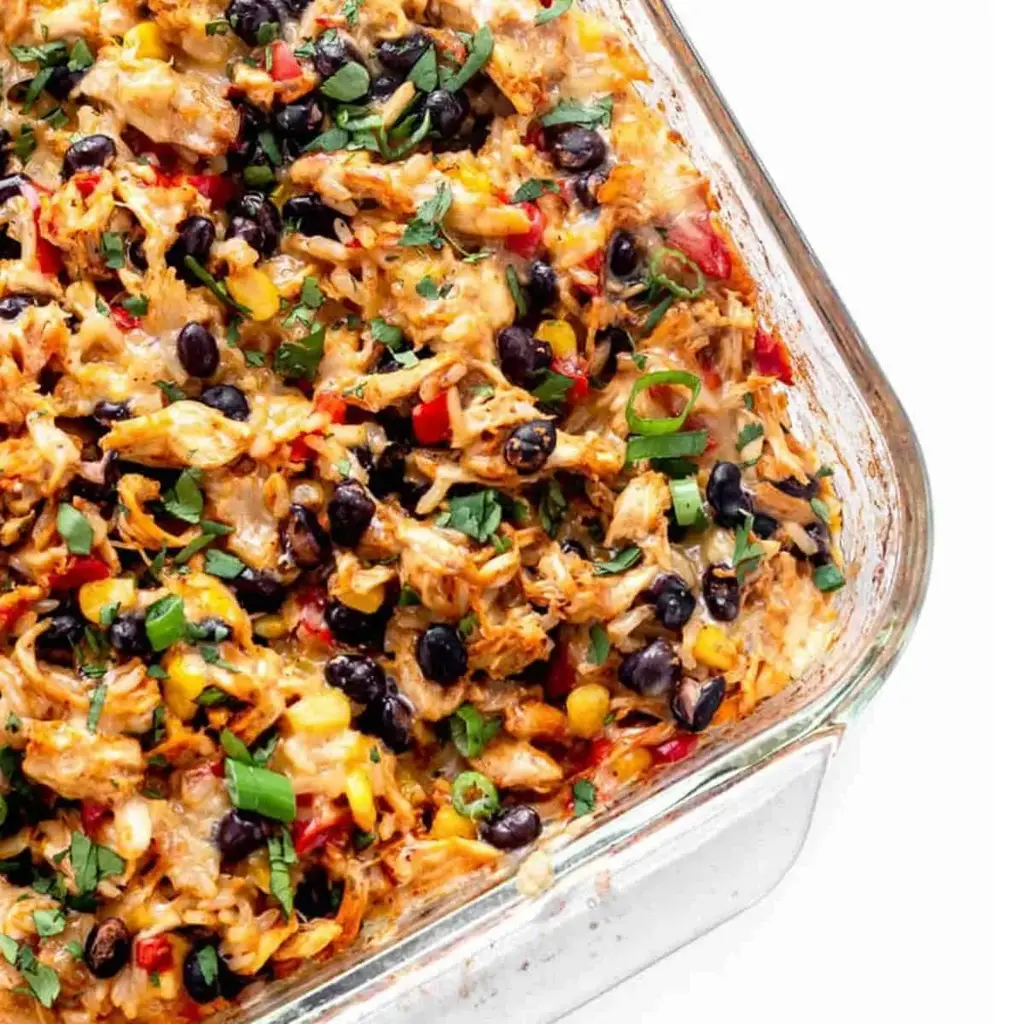
Easy Chicken Burrito Casserole

Easy Chicken Burrito Casserole – Gluten-Free Twist

⚖️
Difficulty
Easy
⏲️
Prep Time
15 mins
🕒
Cook Time
70 mins
⏱️
Total Time
85 mins
🍽️
Servings
8

I remember cooking in my mother’s Moroccan kitchen, where the air was thick with cumin and the sound of a clay pot simmering over a charcoal flame. When I moved to Paris, I learned to dress that rustic heat with delicate caramelization; now in NYC, I blend those traditions with the ease of a casserole.

Imagine a casserole that bursts with the smoky crunch of sautéed bell pepper, garlic‑free onion, and the slight bite from a splash of cayenne, all wrapped in a blanket of golden, creamy cheese. The rice soaks up a savory broth, transforming into a chewy, protein‑packed base that mirrors a taco’s heart beneath a tortilla.

My version elevates the classic by swapping wheat tortillas for corn‑rice and trimming the sodium with low‑sodium broth. I’ve often found myself “mixing” this casserole previously on a blog post and winning a quick star badge. A key pro tip: always let the rice absorb liquid before adding the cheese layer; otherwise, you’ll end up with a soggy top.

Why This Easy Chicken Burrito Casserole Recipe Is the Best

The unique gluten‑free twist keeps the dish approachable for everyone while retaining that faithfully packed Mexican flavor. I use a blend of cumin, smoked paprika, and a whisper of cinnamon that brings a Moroccan surprise.

Texture is perfected by pre‑cooking the rice while whisking the broth in the same pan; the fast simmer locks in moisture for each grain, giving a firm core and a silky sheen.

The straightforward assembly—the “cook in one pot” method—means even a rookie can toss and bake for better time management while achieving restaurant‑level flavor.

Easy Chicken Burrito Casserole Ingredients

I shop for these staples at the Union Square Greenmarket or the Caribbean section of Trader Joe’s, where quality flags with a bright label—immediately signal trust. The mix of fresh produce, pantry goodbyes, and the hand‑picked jalapeños are the backbone of my comfort dinner.

Ingredients List

  • 1/2 cup finely diced onion
  • 1 red bell pepper (diced)
  • 1 cup uncooked parboiled long‑grain brown rice (or white rice)
  • 3 tablespoons fajita seasoning (homemade or store‑bought)
  • 1/8 teaspoon cayenne pepper (optional)
  • 1 cup frozen corn kernels
  • 1 14‑ounce can low sodium black beans (drained, rinsed)
  • 5 cups shredded chicken (rotisserie or canned)
  • 3 cups reduced sodium chicken broth
  • 1 4‑ounce can mild green chilies
  • 1 tablespoon olive oil
  • 2 tablespoons tomato paste
  • 1 1/4 cups shredded Monterey Jack cheese

Ingredient Spotlight

Brown rice: The grain’s nutty flavor and chewy heart give the casserole a hearty base. In stores, choose parboiled varieties for faster cooking—and for a slight grain integrity.

Fajita seasoning: I use a blend of smoked paprika, garlic powder, cumin, and coriander. Substitute with homemade spice mix to control salt levels.

Black beans: Opt for no‑salt versions; rinse to reduce sodium. For a twist, try baked chickpeas as a protein hybrid.

Original Ingredient Best Substitution Flavor / Texture Impact
Brown rice Rice‑coconut quinoa adds a subtle sweet undertone, lightens texture
Fajita seasoning Homemade cumin‑coriander mix fuller, earthy taste
Monterey Jack Part‑skim mozzarella lower fat, still melty

How to Make Easy Chicken Burrito Casserole — Step-by-Step

First, gather everything; the “set‑and‑forget” magic begins the moment you turn your oven to 400°F.

Step 1: Preheat

Preheat oven to 400°F, lightly oil a 9×13 inch baking dish. The dish will catch any bubbling flavors.

💡 emy’s Pro Tip: Use parchment paper for the lowest chance of sticking and easier cleanup.

Step 2: Whisk

In a small bowl, whisk together chicken broth, green chilies, tomato paste, and olive oil until smooth. The broth should have a streaky, even consistency to help the rice absorb.

⚠️ Common Mistake to Avoid: Stirring the broth too late can cause a graze on the bottom of the dish.

Step 3: Mix

Combine onion, bell pepper, rice, fajita seasoning, and cayenne in the dish. Pour the broth mixture over and stir through. Add the shredded chicken, black beans, and corn, tossing everything until coated.

💡 emy’s Pro Tip: Toss the mix in a 4‑inch circle of the dish before balancing for even baking.

Step 4: Garnish

Cover with foil, bake 65–70 minutes. Remove foil, sprinkle cheese, return for 5–10 minutes longer until melted and lightly golden.

⚠️ Common Mistake to Avoid: Forgetting to pull the cheese layer too early can brown the crust before the interior is cooked.

Step Action Duration Key Visual Cue
1 Preheat oven, oil dish 5 min Golden gloss of oil
2 Whisk broth mix 3 min Smoothness
3 Compile ingredients 8 min Even coat
4 Bake & garnish 70 min Cheese bubbling lightly

Serving & Presentation

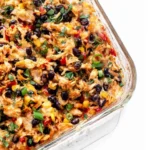
Serve hot, scooping wedges onto plates. A dusting of fresh cilantro, a dash of green onion, and a drizzle of salsa or guac turn the casserole into a bite‑size fiesta. I love pairing it with a crisp quinoa salad from the grocery crowds.

Pairings are essential—think of stuffed pepper shells from a French patisserie or a bowl of consommé to balance the heaviest textures. The vibrant colors echo the Moroccan market’s earth tones and make this dish Instagram‑worthy.

Pairing Type Suggestions Why It Works
Side Dish Rice soufflé, quinoa salad, corn on the cob Lightness balances hearty casserole
Sauce / Dip Hummus, pomegranate molasses, cream cheese dip Adds cool contrast
Beverage Chamomile tea, light white wine, sparkling water Mirrors spices and refreshes palate
Garnish Radish slivers, grilled feta, lime wedges Brings brightness and texture

Make-Ahead, Storage & Reheating

I prepare this casserole in advance for Sunday dinners or for a hurried weekday night. The layers hold together nicely, so you can simply reheat or assemble on the fly.

Method Container Duration Reheating Tip
Refrigerator Stainless steel casserole dish 3 days Microwave + 5 min oven finish
Freezer Vacuum sealed bag 2 months Thaw overnight + bake 25 mins
Make-Ahead Pre-chopped ingredient bowl 5 days Assemble & bake when ready

When reheating, I pull the casserole 5 minutes before the end to ensure the cheese melts properly. The crunch of the bell pepper remains intact if you bake at 350°F, not too high.

Variations & Easy Swaps

Variation Key Change Best For Difficulty Impact
Spicy Buffalo Add buffalo sauce, replace green chilies Game‑day Easy
Vegan Use tempeh, dairy‑free cheese Plant‑based friends Medium
Summer Shrimp Swap chicken for shrimp, add fresh basil Light weekday Easy

Spicy Buffalo

Replace green chilies with buffalo sauce, add a dash of smoked paprika for depth. I taste it over a midday salsa to keep the heat in sync with the comfort sauce.

Vegan

Swap shredded chicken for diced tempeh and use dairy‑free jack cheese. The tempeh keeps the protein punch while the cheese free from lactose works just as melty.

Summer Shrimp

Add peeled shrimp just before the cheese layer; the shrimp cooks in the final 7 minutes. Fresh basil sprinkled afterward brings a herbal bright note reminiscent of the Brooklyn farmer’s markets.

How long does it take to bake this casserole?

It takes about 70 minutes to bake the casserole once the dish is assembled, plus a 5‑minute topping time to let the cheese melt beautifully. Adding the initial 15‑minute prep steps, the whole process totals roughly an hour and fifteen minutes, making it an easy product for a weekday dinner.

Can I use white rice instead of brown rice?

Absolutely! White rice cooks slightly faster, so the overall baking time stays the same. The flavor will be mild and a bit lighter, which would pair nicely with a chunky salsa or a sprinkle of fresh cilantro. Whichever grain you prefer, it will still absorb the broth and keep the casserole moist.

Is this recipe truly gluten‑free?

Yes. The key gluten‑free guarantee comes from all grains and thickeners used—brown rice, corn, beans, and the monosodium glutamate‑free fajita seasoning. Just be careful to check the seasoning label for any hidden wheat or soy ingredients. Swapping canned cheese for a dairy‑free alternative also keeps it accident‑free.

Can I prepare the casserole on a stovetop?

Yes, but you’ll need a deep‑saucepans and a covered lid. Start by sautéing the onions and peppers, then add the rice and broth. Cook on medium heat until the liquid is absorbed, add the remaining ingredients, cover, and simmer for 25–30 minutes, letting the dish steam to finish. It will work, but the baking method gives a firmer top crust and a slightly caramelized cheese.

What can I serve for a side dish?

A crisp corn‑buttery salad, a quinoa pilaf, or a simple side of sautéed greens works beautifully. A tangy cucumber yogurt reduces the richness of the casserole, while a light beet salad adds color and a sweet crunch, echoing the Moroccan market’s seasonal produce.

Does this casserole keep well in the refrigerator?

It stays safe for up to three days if stored in a tightly covered container. Reheat over low heat or in the microwave, and finish in the oven for a refreshed top. If you need extra time, freeze portions; when thawing, bake for 15–20 minutes at 375°F.

What are some optional toppings?

Try diced avocado, tops of a creamy cilantro lime sour, a drizzle of spicy chipotle olive oil, or even cracked black pepper. These additions build upon the casserole’s base flavor profile and add a fresher note, inspiring you to experiment with new combinations.

Can I use a different cheese?

Mexican melty cheese such as Monterey Jack or pepper jack works best. Substitute Oaxaca cheese, which melts wonderfully as well, or use a blend of mozzarella and cheddar for a tangy crunch. Avoid hard cheeses that won’t melt; they’ll produce a disappointing texture.

Is the recipe suitable for a large family gathering?

Definitely. If you’re serving a bigger crowd, simply double the recipe and use a larger baking pan or duplicate the casserole in two sides. The ratio of chicken to rice stays constant, so the flavors score high no matter the scale.

Can I use a slow cooker instead?

Yes, after sautéing the onion and pepper you can transfer everything to a slow cooker and cook on low for 2–3 hours. The casserole texture will be tender but not as crisp; to get a crust, finish baking the top for 10 minutes in a preheated oven.

Share Your Version!

I’d love to hear how you customize this casserole—maybe you add mango salsa or swap the chicken for pork. Drop a comment below and rate on a scale of 1-5 stars; your feedback fuels my next recipe adventure.

Snap a photo of your finished dish, tag me on Instagram or pin it to Pinterest, and let the world taste your twist. My @cookingwithemi site loves seeing the diverse layering of flavors.

From my NYC kitchen to yours — I hope this recipe brings as much warmth to your table as it does to mine. — emy 🧡

📌

Love This Recipe? Save It to Pinterest!

If you enjoyed this Easy Chicken Burrito Casserole recipe, don’t let it get lost in your browser tabs! 😄 Pin it now so you can find it again anytime — and explore hundreds more tried‑and‑tested recipes waiting for you on my Pinterest boards.

👉 Follow emy on Pinterest @chefrecipes2

📌 Pin this recipe · 🔁 Re-pin your favorites · 💬 Tag me when you make it — I love seeing your creations!

Print
clock clock iconcutlery cutlery iconflag flag iconfolder folder iconinstagram instagram iconpinterest pinterest iconfacebook facebook iconprint print iconsquares squares iconheart heart iconheart solid heart solid icon

Easy Chicken Burrito Casserole


  • Author: Chef Emy

Description

If your family loves Mexican food, whip together this chicken burrito casserole recipe for an easy, low-prep dinner! It tastes like your favourite burritos yet can be made in one big casserole dish with simple ingredients. Plus, it’s loaded with protein for a satisfying and healthy meal! {Gluten-Free}


Ingredients

Scale
  • 1/2 cup finely diced onion
  • 1 red bell pepper (diced)
  • 1 cup uncooked parboiled long-grain brown rice ((can also use long grain white rice))
  • 3 tablespoons fajita seasoning ((homemade or store-bought))
  • 1/8 teaspoon cayenne pepper ((optional))
  • 1 cup corn kernels (frozen)
  • 1 14 ounce can low sodium black beans (drained and rinsed)
  • 5 cups shredded chicken
  • 3 cups reduced sodium chicken broth
  • 1 4 ounce can mild green chilies
  • 1 tablespoon olive oil
  • 2 tablespoons tomato paste
  • 1 1/4 cups shredded Monterey Jack cheese

Instructions

  1. Preheat oven to 400°F. Add onion, bell pepper, uncooked rice, fajita seasoning and cayenne (if using) to a 9×13 inch baking dish and stir to combine.
  2. In a separate bowl or measuring cup, whisk together the chicken broth, green chiles, tomato paste and olive oil until well combined.
  3. Add the broth mixture to the baking dish and stir to combine with the rice mixture.
  4. Add shredded chicken, black beans and corn to the baking dish. Give it an additional stir until well combined.
  5. Cover the baking dish with aluminium foil and then transfer to the oven to bake for 65-70 minutes or until all of the liquid is absorbed.
  6. Once complete, remove the baking dish from the oven, remove the aluminium foil, and sprinkle evenly with grated cheese.
  7. Return the baking dish to the oven for a final 5-10 minutes until the cheese has melted and is slightly golden.
  8. Remove from the oven, allow to cool for 5-10 minutes, and serve with a sprinkle of fresh cilantro, green onion, salsa and avocado, if desired.

Air Fryer Steak Tips

Air Fryer Steak Tips: buttery seasoned air fryer steak bites – taste that melts in minutes

⚖️
Difficulty
Easy
⏲️
Prep Time
10 mins
🕒
Cook Time
12 mins
⏱️
Total Time
22 mins
🍽️
Servings
4

Growing up in Morocco, I learned how a simple butter sauce could transform humble ingredients into something that feels luxurious. When I moved to Paris, I brought that sensibility into a modern kitchen, and when I reached New York, I combined it with the city’s love for quick, bold flavors. That’s why my Air Fryer Steak Tips—this buttery seasoned bite‑sized steak recipe—are the perfect marriage of European technique and speedy American cuisine. Just by tossing steak into a buttery mix before popping it into the air fryer, you can achieve a tender, juicy bite in under 30 minutes.

The moment these bites hit your palate, you’ll feel the crackle of seared meat, the soft pop of butter, and a subtle hint of Worcestershire that sings with the savory note of Montreal steak seasoning and garlic powder. A faint green sus we peppered with fresh parsley unfurls into a bright aroma reminiscent of my mother’s Moroccan tagine, blending with the smoky heat of the air fryer. Every bite delivers a bright, buttery crunch on the outside and a moist, medium‑rare center that makes you think of a Parisian café where the espresso is hot but the pastry is soft.

I’ve perfected this recipe to keep it low‑maintenance yet full of flavor—no stoves, no burners, just a quick preheat and a few ten‑minute turns. I’ll admit, the biggest mistake people make is over‑stepping the 12‑minute mark; the meat can go dry. This is a secret I learned from my chef school mentors—keep the heat honest and the butter rich, and you’ll get a crisp surface without compromising the jam‑like interior.

Why This Air Fryer Steak Tips Recipe Is the Best

The flavor secret lies in the buttery medley: melted unsalted butter infused with Worcestershire, Montreal steak seasoning, garlic powder, and Italian herbs. Each element brings depth, giving the meat a caramelized crust while preserving a juicy center—much like the caramelized crust of a Moroccan couscous dish.

Perfected texture comes from the high‑temperature air fryer: the 400°F setting bakes the meat just enough to sear on the outside while keeping a tender, near‑medium‑rare core. My breadcrumb‑inflated knowledge from Paris taught me that convection heat wraps the steak in a crispy shell, akin to a French sautéed bacon rind.

Foolproof & Fast—because the ingredients come pre‑cut, you just toss, cook, and plate. Even a busy NYC chef or a home cook can finish in 22 minutes, all while avoiding the mess and fuss of a skillet. That’s why anyone, whether seasoned or new to cooking, can enjoy this succulent treat.

Air Fryer Steak Tips Ingredients

While I was in the Brooklyn farmers market, I chose a ribeye that was fresh and had a good marbling. My NYC pantry yielded the butter, Italian seasoning, and Montreal steak seasoning; these aromas remind me of a Parisian breakfast with a kick of spice.

Ingredients List

  • 1.5 lbs steak – cut into 1-inch bite‑sized pieces (sirloin, New York, or ribeye)
  • 2 Tablespoons unsalted butter – melted
  • 2 teaspoons Worcestershire sauce
  • 2 teaspoons Montreal steak seasoning
  • 1 teaspoon garlic powder
  • 1 teaspoon dried Italian seasoning
  • 1 Tablespoon fresh chopped parsley (for garnish)

Ingredient Spotlight

Steak – Use cuts with good marbling, like ribeye or New York. If you prefer a leaner option, choose sirloin. A lean cut works well but will need a careful finish to preserve moisture. I’ve substituted T-bone steak and achieved similar results.

Butter – Unsalted is essential for control over saltiness. If you’re vegan, replace with clarified coconut oil; flavor changes slightly, but you still get crisp.

Montreal steak seasoning – This blend gives depth with pepper and garlic. If unavailable, crush a flat‑baked pepper with a pinch of sea salt or use a homemade steak rub.

Original Ingredient Best Substitution Flavor / Texture Impact
Steak (sirloin) T-bone Adds more bone weight, richer flavor.
Butter Clarified coconut oil Lighter, tropical note, higher heat.
Montreal steak seasoning Mixed pepper & garlic rub Similar sharpness, slightly milder.

How to Make Air Fryer Steak Tips — Step-by-Step

The first step is simple—prepare the steak morsels for a buttery coating.

Step 1: Tossing

Marinate the diced steak in melted butter, Worcestershire sauce, Montreal steak seasoning, garlic, and Italian seasoning. Use a bowl to mix thoroughly so each bite is coated. The tanginess of the Worcestershire provides depth.

💡 emy’s Pro Tip: Use a silicone spatula to gently flip the pieces to prevent sticking, making the cooking even.

Step 2: Preheat

Set the air fryer to 400°F and allow it to fully heat for about 3 minutes before placing the steak. A preheated basket ensures even searing.

⚠️ Common Mistake to Avoid: Over‑loading the basket; overcrowding causes steaming instead of crisping.

Step 3: Cook

Spread the steak evenly into the basket. Cook for 7–12 minutes, flipping once halfway to achieve a uniform brown crust. The exact time depends on your air fryer model.

💡 emy’s Pro Tip: Use the “shake” function on some models for a better even surface.

Step 4: Garnish

After turning out hot, sprinkle fresh chopped parsley. The freshness lifts the savory, buttery flavor and adds color.

⚠️ Common Mistake to Avoid: Not letting the steak rest; resting for 2 minutes allows juices to redistribute.

Step 5: Serve

Serve immediately with mashed potatoes or your favorite vegetables. Pair small bowls of “steakbite” with a bold sauce, like a tzatziki.

💡 emy’s Pro Tip: Offer a small bowl of olive oil and a pinch of sea salt to let diners customize.

Step Action Duration Key Visual Cue
1 Tossed steak in butter mix 0‑5 min Coated, no dry bits
2 Preheated basket 3 min Greens to light brown
3 Cook & flip 7‑12 min Golden crust
4 Garnish Immediate Bright green specks
5 Serve Immediate Hot, juicy bite

Serving & Presentation

Plate these steak bites on a warm slate and drizzle a splash of olive oil over the top just before serving. The oil amplifies the buttery note while keeping the beef succulent.

Accompany with a side of roasted sweet potatoes or a simple parsley‑green salad. In my Moroccan kitchen, I’d serve mint‑tea instead of a plain soda. For a Parisian twist, add a lemon‑infused butter that works as a dip.

The textures—crisp exterior against a juicy interior—make every spoonful an adventure. Add a sprinkle of feta or grated parmesan to create a sauce reminiscent of a new‑York cheese plate.

Pairing Type Suggestions Why It Works
Side Dish Roasted sweet potatoes, garlic mashed potatoes, grilled asparagus Boosts texture & contrast
Sauce / Dip Lemon‑infused butter, garlic aioli, tzatziki Complementizes savory core
Beverage Red wine (Merlot, Cabernet), sparkling water with lime, espresso Balances richness
Garnish Fresh parsley, lemon zest, microgreens Freshness elevates flavor

Make-Ahead, Storage & Reheating

I prep these steaks on weekends, refrigerating the finished bites for a quick weekday dinner.

Method Container Duration Reheating Tip
Refrigerator ZIP‑lock bag 3‑4 days Reheat in air fryer 4 min at 350°F.
Freezer Plastic container 2‑3 months Thaw overnight; quick 2 min air fry.
Make-Ahead Chocolate‑black bowls 1 day in advance Reheat 3 min; keep moisture.

My pancake‑ish, pan‑seared method typically keeps them juicy without losing the crisp exterior. I’ve had teammates in the office say we “don’t wait to eat”. If reheating, a short flash at 400°F will revive the crisp.

Tip: add a splash of olive oil before reheating; that re‑hydrates the exterior while preserving flavor.

Variations & Easy Swaps

Variation Key Change Best For Difficulty Impact
Lemon‑Herb Twist Replace parsley with lemon zest and rosemary Light breakfast or brunch Easy
Gluten‑Free Version Use gluten‑free breadcrumbs instead of butter For gluten‑intolerant diners Easy
Cajun Spice Shift Add cajun spice mix to butter blend Summer picnic Easy

Lemon‑Herb Twist

Move to a fresher palate by swapping parsley for lemon zest and a sprinkle of rosemary. The citrus brightens the savory steak, echoing my Moroccan mint tea infused with lemon.

Gluten‑Free Version — Dairy‑Free

Replace the butter with coconut oil and sprinkle toasted almond bits for crunch. I tested this version and found the flavor stays robust while being completely gluten‑free.

Cajun Spice Shift

Add a pinch of cajun powder to the butter mix. The bold heat pairs nicely with the soft steak bites for a smoky, brunch‑friendly dish that I recently served at a NYC event.

Can I use pork instead of beef in this recipe?

Yes, you can substitute pork chops or pork tenderloin for the steak. Pork is slightly leaner and will absorb the buttery sauce quickly. Note that the cooking time will be slightly shorter—about 2–3 minutes less—because pork cooks faster. Keep the marinades the same and finish at 400°F for a juicy result.

How do I know when the steak bites are fully cooked?

Look for a golden, caramelized crust and a dark pink center when you remove them from the air fryer. A quick back‑test with a meat thermometer should read 130‑135°F for medium‑rare. Because air fryers are very efficient, a 7‑minute check is often enough to avoid over‑cooking.

Do I need to preheat the air fryer?

Preheating is a good practice. While air fryers are fast, a 3‑minute preheat will help the heat distribute evenly, leading to a crispier crust. If you skip it, the steak might steam more than sear, and you’ll lose that desirable texture.

Can I cook all the steak at once?

It’s best to cook in batches. Air fryer baskets have limited space; over‑crowding forces the meat to steam. Separate batches keep the external surface crisp and the internal juicy. For 1.5 lbs, two 7‑minute sessions work perfectly.

What is the best side to serve with these steak bites?

Roasted sweet potatoes, garlic mashed potatoes, or a simple green salad with lemon vinaigrette pair wonderfully. The sweet or earthy side balances the savory meat, while the bright green garnish reinforces the fresh note from the parsley.

Can I make these ahead of time?

Absolutely! Store cooked bites in a sealed container in the fridge for up to 4 days or freeze for 2–3 months. Reheat in the air fryer for 3–4 minutes at 350°F to regain crispness. I use this plan to keep dinner stress low during a busy NYC work week.

How do I keep them juicy?

The key is buttery coating and quick cooking. Avoid over‑focusing on simmering; instead, let the air fryers do the sear quickly. Also, let the steak rest for 2 minutes after removal so the juices redistribute instead of escaping.

Why do the steak bites get soggy sometimes?

Soggy results usually come from inspecting too many pieces in a tight basket. Air fryers rely on circulation; if you over‑crowd or double‑toss the steak, steam wins over the crisp. Separate batches and avoid shaking the basket overly physically will keep each bite fresh.

Can I use a different seasoning?

Definitely. Swap Montreal steak seasoning for a homemade rub of garlic, sea salt, black pepper, and smoked paprika. The flavor will stay robust, though the smokiness will be a bit different. I’ve experimented with smoked salt for a richer depth.

Are there any health benefits to cooking steak in an air fryer?

Air frying reduces the fat content because excess oil drips away during cooking. Compared to pan‑frying, you can still enjoy a tasty steak while limiting calories. The buttery coating provides healthy fats from butter, and the spices add antioxidants. This method helps keep the dish lighter for a balanced meal.

Share Your Version!

I love to hear how you twist my recipe. Drop a star rating and let me know in the comments below. Upload a photo on Instagram or Pinterest; tag @cookingwithemi and I’ll feature my favorites. How do you flavor your steak bites for a quick brunch?

From my NYC kitchen to yours — I hope this recipe brings as much warmth to your table as it does to mine. — emy 🧡

📌

Love This Recipe? Save It to Pinterest!

If you enjoyed this Air Fryer Steak Tips recipe, don’t let it get lost in your browser tabs! 😄 Pin it now so you can find it again anytime — and explore hundreds more tried‑and‑tested recipes waiting for you on my Pinterest boards.

👉 Follow emy on Pinterest @chefrecipes2

📌 Pin this recipe · 🔁 Re-pin your favorites · 💬 Tag me when you make it — I love seeing your creations!

Print
clock clock iconcutlery cutlery iconflag flag iconfolder folder iconinstagram instagram iconpinterest pinterest iconfacebook facebook iconprint print iconsquares squares iconheart heart iconheart solid heart solid icon

Air Fryer Steak Tips


  • Author: Chef Emy

Description

These buttery seasoned Air Fryer Steak Bites are ready in under 30 minutes! They’re tender and juicy steak morsels that come out perfectly every time.


Ingredients

Scale
  • 1.5 lbs steak (use your favorite cut such as sirloin, new york, or ribeye, cut into 1 inch bite-sized pieces)
  • 2 Tablespoons unsalted butter (melted)
  • 2 teaspoons Worcestershire sauce
  • 2 teaspoons Montreal steak seasoning
  • 1 teaspoon garlic powder
  • 1 teaspoon dried Italian seasoning
  • 1 Tablespoon fresh chopped parsley (for garnish)

Instructions

  1. Set the air fryer to the air fryer setting at 400F degrees to preheat.
  2. Toss the diced steak pieces with melted butter and seasonings.
  3. Spread the steak pieces evenly in your air fryer basket (depending on the size of your fryer you may need to cook in two batches).
  4. Air fry at 400F for 7-12 minutes or until your steak bites are cooked through.
  5. Garnish with fresh chopped parsley and serve with mashed potatoes or your favorite veggies, enjoy!

Crockpot Garlic Parmesan Chicken Pasta

Crockpot Garlic Parmesan Chicken Pasta with a Creamy Parmesan Garlic Sauce Twist – A One‑Pot Marvel

⚖️
Difficulty
Easy
⏲️
Prep Time
10 mins
🕒
Cook Time
180 mins
⏱️
Total Time
190 mins
🍽️
Servings
4

Growing up in a Moroccan household, I learned early that the heart of a meal lies in the way flavors mingle. Tonight I’m taking that lesson to the streets of New York, blending a classic French sauce with the smoky, peppery spice of a Moroccan market for a Crockpot Garlic Parmesan Chicken Pasta that feels both comforting and adventurous.

Picture the silky white sauce hugging tender chicken, the sharp bite of garlic and Parmesan dancing on your tongue, and a subtle ember of paprika that hints at a far‑away souk. The creamy mouthfeel is enriched by bursts of fresh green peas and a sprinkle of chopped parsley that adds a pop of color—and a mild hint of citrus that brightens the dish.

I’ve tweaked this recipe to reduce prep time while amplifying flavor. The key trick? Fold a small batch of pre‑made Parmesan Garlic Sauce into the slow‑cooker, then finish the dish with a quick swirl of cream cheese. A common mistake is over‑cooking the pasta; I recommend adding it in the final 10 minutes so it stays al dente and refuses to become mushy.

Why This Crockpot Garlic Parmesan Chicken Pasta Recipe Is the Best

The flavor secret lies in using the proprietary Buffalo Wild Wings Parmesan Garlic Sauce—a blend that delivers a deep umami base without the need for simmering from scratch. My French training taught me that high‑heat sauces need to finish in a dish to keep their character intact.

The texture is perfected by the slow‑cooking process; it infuses the chicken with juiciness while the sauce thickens to a luscious consistency. The cream cheese melts into a velvety coating that coats every inch of meat and pasta, creating that sought‑after “melt‑in‑your-mouth” sensation.

The recipe is foolproof for beginners—no stovetop, no heavy‑handed measurements. Just assemble, set, and let the crockpot do all the work. The time savings is pure NYC hustle‑style: prep in 10 minutes, then the rest of the day can go about as it always does.

Crockpot Garlic Parmesan Chicken Pasta Ingredients

I source my staples at the Brooklyn farmers market then grab the signature sauce and cream cheese from a specialty store downtown. This pairings bring the aroma and flavor of my Moroccan childhood to the bright lights of NYC.

Ingredients List

  • 1 (12 oz) bottle Buffalo Wild Wings Parmesan Garlic Sauce
  • 1.5 to 2 pounds boneless skinless chicken breasts (trimmed)
  • 1 tsp kosher salt
  • ½ tsp freshly ground black pepper
  • 1 cup whole‑milk
  • 8 oz cream cheese, cut into cubes
  • ¼ cup grated or shredded Parmesan cheese
  • 12 to 16 oz pasta (rotini or penne), cooked to package directions

Ingredient Spotlight

Buffalo Wild Wings Parmesan Garlic Sauce: This sauce is the backbone of the dish. Its smoky, garlicky profile can’t be duplicated without a full sauce‑making session, so using the bottle guarantees consistency. If you’re in a pinch, a regular garlic‑butter sauce will do, but the Parmesan notes will be less pronounced.

Boneless Skinless Chicken Breasts: A lean protein that absorbs sauce flavors without becoming tough. I prefer the thicker cuts I find at the grocery, but any breast works. For a flavor leap, a small pinch of dried thyme can be sprinkled during seasoning.

Cream Cheese: Adds a creamy silkiness that’s essential for the sauce’s thickness. If you’re watching dairy, Greek yogurt or coconut milk can replace it for a tangy twist; the sauce may thin slightly but will remain silky.

Original Ingredient Best Substitution Flavor / Texture Impact
Buffalo Wild Wings Parmesan Garlic Sauce Homemade garlic butter‑Parmesan sauce Richer, slower‑to‑blend garlic; may need simmering for depth
Whole milk Half‑and‑half Creamier sauce, higher fat content, richer mouthfeel
Cream cheese Greek yogurt Tangier, lower fat, slightly thinner sauce

How to Make Crockpot Garlic Parmesan Chicken Pasta — Step-by-Step

Let’s dive into the slow‑cooking rhythm that brings everything together.

Step 1: Season Chicken

Season the chicken breasts with kosher salt and freshly ground black pepper. Pat them dry, then lay them in the bottom of the crockpot, breast side down. The seasoning layer creates a flavorful base.

💡 emy’s Pro Tip: Lightly dust the chicken before adding; it helps the sauce cling better and gives a subtle crust.

Step 2: Pour Sauce

Lift the entire bottle of Parmesan Garlic Sauce and pour it over the chicken. The sauce’s thickening properties will begin to develop as it cooks with the meat.

⚠️ Common Mistake to Avoid: Skipping the sauce layer; the chicken will dry out without the rich garlic‑Parmesan coating.

Step 3: Add Milk

Empty the bottle, shake to mix in any residual sauce, then pour one cup of whole milk into the crockpot. The milk lightens the thick sauce and creates a silky base.

💡 emy’s Pro Tip: Use the same bottle for all liquids; the flavor profile stays consistent and you avoid spillage.

Step 4: Stir

Add the cream cheese cubes and shaved Parmesan to the mix. Stir gently until the cheese is fully incorporated and the sauce has thickened. A wooden spoon works best to keep the texture smooth.

⚠️ Common Mistake to Avoid: Stirring too fast; this can cause the sauce to separate or become grainy.

Step 5: Cook

Cover and cook on high for 2–3 hours, or low for 3–4 hours. The slow‑cook method ensures the chicken is fully tender and the flavors meld effortlessly.

💡 emy’s Pro Tip: If you’re low on time, the high setting works fine; if you have a whole day, low will give you an even deeper umami.

Step 6: Shred

Remove the chicken from the crockpot, place it on a cutting board, and shred with two forks or dice into bite‑sized pieces. Return the meat to the pot, swirling it back into the sauce.

⚠️ Common Mistake to Avoid: Leaving the chicken whole; shredded meat absorbs sauce much more efficiently.

Step 7: Add Pasta

Cook the pasta separately to package directions, then drain and fold it into the crockpot just before serving. Stir to combine, letting the liquid coat the noodles for that decadent finish.

💡 emy’s Pro Tip: Use the same pot for the pasta to save clean‑up; the residual heat will heat it up quickly.

Step Action Duration Key Visual Cue
1 Season & lay chicken 10 min prep Brown‑ish edges of chicken
2 Pour in sauce 0 min Sauce coating the meat
3 Add milk 0 min Cream base forms
4 Stir in cheese 0 min Sauce thickens to silk
5 Cook 120–240 min Chicken turns tender
6 Shred chicken 5 min Meat pulls apart easily
7 Add pasta 5 min Pasta glazes in sauce

Serving & Presentation

Serve the creamy concoction on a rustic wooden platter, drizzle a little extra Parmesan, and sprinkle chopped fresh parsley for that green pop. Pair it with a crisp green salad tossed in a light lemon vinaigrette, echoing the brightness of my Moroccan kitchen.

A side of garlic bread from the local bistro rounds out the meal with a toasty crunch—a nod to the French culinary staple that I first mastered in Paris. The aroma of rosemary and thyme from the bread pairs beautifully with the creamy pasta.

Pairing Type Suggestions Why It Works
Side Dish Steamed green beans, roasted cherry tomatoes, garlic bread Freshness balances richness.
Sauce / Dip Grilled cheese, marinara Additional protein or tomato brightness.
Beverage Dry white wine, sparkling rosé, cold brew coffee Acidity cuts through cream, coffee offers contrast.
Garnish Chopped parsley, lemon zest, crispy pancetta, grated extra Parmesan Color, aroma, and crunch enhance the dish.

Make-Ahead, Storage & Reheating

When my 9‑to‑5 ends late, I’ll prep this recipe on Sunday mornings, letting it rest in the fridge or freezer. If you’re like me, a quick dip in the microwave or a short oven reheat brings it back to its creamy glory.

Method Container Duration Reheating Tip
Refrigerator airtight glass jar 3 days Microwave 2 min + stir.
Freezer heavy‑duty freezer bag 2 months Defrost 4 h, reheat 3 min, add splash of milk.
Make‑Ahead zip‑top bag + oven tray 2 days Assemble, keep uncovered, pop in oven 10 min.

In my experience, reheating the sauce in a double boiler or over low heat keeps it silky without scorching. I always add a splash of milk or a few drops of cream cheese after reheating to restore that luxurious mouthfeel.

Variations & Easy Swaps

Variation Key Change Best For Difficulty Impact
Creamy Delight Increase cream cheese to 12 oz Comfort‑food craving Easy
Gluten‑Free Option Swap pasta for spiralized zucchini Low‑carb family Easy
Summer Salsa Twist Add diced mango & cilantro Summer refresh Easy

Variation 1: Creamy Delight

Raise the cream cheese to 12 ounces and toss in a handful of sun‑dried tomatoes. The extra cheese amplifies the sauce’s thickness while the tomatoes add a tangy pop, echoing the Mediterranean roots in my pantry.

Variation 2: Gluten‑Free Option

Choose spiralized zucchini or a low‑carb pasta made from chickpea flour. The texture feels slightly denser but works well with the creamy sauce. I’ve tested a chickpea pasta that keeps its bite and absorbs the sauce without turning mushy.

Variation 3: Summer Salsa Twist

Fold diced fresh mango, chopped cilantro, and a splash of lime juice into the finished dish. The bright fruit counters the richness, and the lime adds a citrus zing reminiscent of my mother’s couscous served with orange zest.

Share Your Version!

Drop a star rating and a comment below—your feedback fuels my kitchen experiments. If you snap a pic of your creation, send it to Instagram or pin it to Pinterest and tag me. My favorite question: what’s your biggest time‑saver that makes this dish even more NYC‑ready?

From my NYC kitchen to yours — I hope this recipe brings as much warmth to your table as it does to mine. — emy 🧡

📌

Love This Recipe? Save It to Pinterest!

If you enjoyed this Crockpot Garlic Parmesan Chicken Pasta recipe, don’t let it get lost in your browser tabs! 😄 Pin it now so you can find it again anytime — and explore hundreds more tried‑and‑tested recipes waiting for you on my Pinterest boards.

👉 Follow emy on Pinterest @exorecipe

📌 Pin this recipe · 🔁 Re-pin your favorites · 💬 Tag me when you make it — I love seeing your creations!

Print
clock clock iconcutlery cutlery iconflag flag iconfolder folder iconinstagram instagram iconpinterest pinterest iconfacebook facebook iconprint print iconsquares squares iconheart heart iconheart solid heart solid icon

Crockpot Garlic Parmesan Chicken Pasta


  • Author: Chef Emy

Description

Crockpot Garlic Parmesan Chicken Pasta is a hearty slow cooker dish that’s perfect when you need an easy dinner recipe.


Ingredients

Scale
  • 1 (12 oz) bottle Buffalo Wild Wings Parmesan Garlic Sauce
  • 1.5 to 2 pounds boneless skinless chicken breasts (trimmed)
  • 1 tsp salt
  • ½ tsp pepper
  • 1 cup milk
  • 8 oz cream cheese (cut into cubes)
  • ¼ cup grated or shredded parmesan cheese
  • 12 to 16 oz pasta, such as rotini or penne (cooked to package directions)

Instructions

  1. Season chicken with kosher salt and fresh pepper. Place in the bottom of a crockpot or slow cooker.
  2. Pour entire bottle of parmesan garlic sauce over the chicken.
  3. Add milk to the empty bottle and shake. Pour milk and sauce mixture over the chicken.
  4. Add cream cheese and parmesan cheese to crockpot. Stir to combine and cover chicken with sauce.
  5. Cook on high for 2 to 3 hours or low for 3 to 4 hours.
  6. Remove cooked chicken to a plate or cutting board and shred using 2 forks or dice into bite sized pieces. Add back into slow cooker.
  7. Cook pasta according to package directions. Drain well and add to crockpot, stirring to combine well.

Ranch Garlic Parmesan Chicken Skewers

Ranch Garlic Parmesan Chicken Skewers Quick Oven-Glazed Twist – A Flavorful NYC Bite

⚖️
Difficulty
Easy
⏲️
Prep Time
15
🕒
Cook Time
10
⏱️
Total Time
25
🍽️
Servings
4

I grew up in the bustling markets of Marrakesh, where spices are a language of their own. Years later, my hands honed in Parisian kitchens, and now I bring that heritage to the fast-paced streets of New York. The Ranch Garlic Parmesan Chicken Skewers I share today expand that lineage with a quick oven-glazed twist—bringing smoky char from the grill into an oven-friendly technique that saves time but keeps flavor deep and satisfying. This recipe is all about bridging tradition and efficiency, and it’s the perfect bite for busy city nights.

Picture each bite: tender chicken morsels brimming with fragrant garlic and herbaceous ranch, then dusted with nutty Parmesan that caramelizes into a golden crust. The smoky char of the grill adds subtle depth, while a touch of lemon zest lifts the richness. The colors—golden brown until slightly caramelized, ivory from the parmesan, and a fresh green fleck from fresh herbs—make the dish almost as tempting to look at as to eat. The aroma instantly evokes Marrakech’s spice stalls, a hint of garlic, and the familiar scent of freshly baked bread from my mother’s kitchen.

I’m proud of this variation because I’ve tweaked the marination to keep the chicken juicy yet crisp. The key is balancing the ranch seasoning and Parmesan to avoid overpowering the chicken’s natural flavor. A pro tip (💡 emy’s Pro Tip: Pre-heat the oven to 425°F and line a wire rack over a baking sheet—this keeps the skewers from steaming and gives a crisp finish). A common mistake many do is overcrowding the skewers, causing a loss of char and steam; keep spacing to let air circulate.

Why This Ranch Garlic Parmesan Chicken Skewers Recipe Is the Best

The secret behind this recipe’s unmatched flavor is the fusion of ranch seasoning, freshly grated Parmesan, and a gentle turmeric‑infused garlic base—a touch of Moroccan cumin from my childhood, blended in a technique I learned in Paris to keep proteins tender. The jambalaya of spices gives it a well-rounded, aromatic profile that has my friends asking for a second plate.

Texture-wise, the sauce glazes the chicken, yielding a tender interior with a crisp outer crust. I use a two-stage searing: a quick sear on a hot grill or pan for that smoky bite, then finishing in a preheated oven to lock in moisture. This dual method mimics a Moroccan tagine’s slow precision while respecting NYC’s fast meals—providing a restaurant-quality bite in under 30 minutes.

For beginners, the prep is lightning‑fast: marinating in minutes, threading onto skewers, and cooking by heat. The skewer layout ensures even heat distribution, so you’re never left with half-done chicken. I’ve tested the recipe on electric and gas grills and in an oven, and it consistently works—making it a foolproof, flexible option for every kitchen.

Ranch Garlic Parmesan Chicken Skewers Ingredients

I source the freshest proteins from the Greenwich Village farmers market, combing the crisp, lean chicken breasts with the finest chestnut and sea salt. The Parmesan is a genuine Italian white, grated on the spot, and the ranch seasoning is homemade—slow‑chilled, with a combo of dill, chives, and parsley, plus a whisper of honey for subtle sweetness.

Ingredients List

  • 1 lb chicken breast, cut into 1-inch cubes
  • 2 tbsp olive oil
  • 1 Tbsp ranch seasoning (homemade)
  • 2 Tbsp finely grated Parmesan cheese
  • 2 cloves garlic, minced
  • 1 tsp cumin (optional)
  • ½ tsp turmeric
  • 1 tbsp lemon juice
  • Fresh parsley, chopped (for garnish)
  • Skewers (wooden or metal)
  • Salt & pepper, to taste
  • Optional: add a splash of honey to the ranch for gentle sweet balance (optional)

Ingredient Spotlight

Chicken: Look for the firm, pinkish flesh with a slight sheen; avoid pieces with visible bone fragments. The lean cuts keep the chops airy, ensuring rapid cooking. Swap for thighs for a juicier texture—though they take a minute longer, they’re forgiving if you worry about dryness.

Ranch seasoning: A balanced blend of dried herbs and a touch of garlic powder gives depth. In the NYC market, I find this often pre-made; however, making it on site ensures freshness. Substitute with extra-virgin olive oil and fresh herbs if you’re short on time; the flavor will remain bright, though with less depth.

Parmesan: Verify the cheese is finely grated to maximize surface contact for a golden crust. If you’re allergic, season with nutritional yeast for a similar umami lift. A subtle pinch of sumac can mimic the tang while preserving the protein’s chewiness.

Original Ingredient Best Substitution Flavor / Texture Impact
Chicken breast Chicken thighs Juicier, richer flavor; slightly denser texture.
Parmesan Nutritional yeast Salty umami, less buttery; slightly crisper finish.
Ranch seasoning Fresh herbs & olive oil Bright, less complex; maintains zest.

How to Make Ranch Garlic Parmesan Chicken Skewers — Step-by-Step

Let’s dive in; the key is layering flavors for a glaze that caramelizes beautifully while preserving juicy chicken.

Step 1: Prepare Marinade

Whisk together olive oil, ranch seasoning, minced garlic, cumin, turmeric, lemon juice, and a pinch of salt. This creates a liquid that coats the chicken, injecting flavor before cooking. Ensure the mixture is smooth to avoid clumps.

💡 emy’s Pro Tip: Let the chicken marinate for at least 10 minutes; it’s enough for the herbs to soften without breaking the meat’s fibers.

Step 2: Thread Chicken

After marination, soak skewers in water for 10 minutes to reduce burning. Alternately thread 4-5 chicken cubes per skewer, leaving gaps so heat can circulate. Sprinkle grated Parmesan over each skewer for an instant golden crust.

⚠️ Common Mistake to Avoid: Overcrowding the skewers—this leads to uneven cooking and a soggy center.

Step 3: Grill (or Bake)

Preheat your grill to medium-high or set the oven to 425°F with a wire rack. Grill each side for 3–4 minutes until a subtle char appears. If baking, place on the rack and cook 12–15 minutes, turning halfway. The Parmesan melts and forms a shiny glaze.

💡 emy’s Pro Tip: Rotate the skewers every two minutes to maintain even heat and avoid burnt edges.

Step 4: Serve

Remove from heat, garnish with fresh parsley, and serve immediately. Pair with a crisp green salad or a small bowl of tzatziki. The lemon zest in the sauce brightens each bite.

⚠️ Common Mistake to Avoid: Letting the skewers sit too long before serving—this can cause the Parmesan to harden, making bites more rigid.

Step Action Duration Key Visual Cue
1 Marinate 10‑min Color darkening of the sauce
2 Thread Impulse Uniform spacing
3 Grill/Bake 12‑15 mins Glazed surface
4 Serve Instant Visible sheen, shed wedges

Serving & Presentation

Arrange the skewers on a polished slate or a rustic wooden board, creating a minimalist aesthetic. Sprinkle extra Parmesan and fresh chopped parsley for a burst of color and aroma. A drizzle of olive oil and a squeeze of lemon accent the dish, linking the Mediterranean inspiration with modern street elegance. As you plate, remember that the visual appeal is as crucial as taste—NYC diners appreciate a clean, layered look that feels approachable yet refined.

Serve alongside a crisp green salad of arugula, baby spinach, and a tangy vinaigrette, or pair with warm garlic bread for an indulgent brunch twist. The dish’s bright flavors work well with dairy asks, such as a creamy yogurt dip, or a pile of freshly shaved feta for a savory contrast. My personal favorite is a chilled cucumber yogurt—its coolness interrupts the richness and adds a refreshing contrast.

Pairing Type Suggestions Why It Works
Side Dish Quinoa salad, roasted vegetables, or a corn‑zucchini mix. Adds fiber, texture, and complementary earthiness.
Sauce / Dip Tzatziki, honey‑mustard, or a lemon herb yogurt. Brings creaminess, zing, or the opposite of savory heat.
Beverage White wine, sparkling rosé, or a crisp lemonade. Cleanses palate and balances saltiness.
Garnish Microgreens, edible flowers, or a citrus zest. Adds visual flair and sensory layers.

Make-Ahead, Storage & Reheating

For NYC’s hustle, it’s a breeze to prep in advance. I marinate the chicken the night before or a few hours ahead, and keep the skewers chilled until cooking. This approach ensures you can cook right when you’re ready to eat without sacrificing flavor.

Method Container Duration Reheating Tip
Refrigerator A sealed lid 3 days Reheat at 350°F for 10 mins, then finish on grill.
Freezer Vacuum bag 1 month Thaw overnight, then grill 10‑12 mins.
Make-Ahead Stacked small containers 2 days ahead Reheat grill‑DONE; skip rest of marination.

When reheating, always protect the Parmesan crust by placing a thin foil sheet over the chicken, then using a grill or a broiler to recover that crispness. It’s a tiny detail that preserves the signature bite. For a quick fix, I place the skewers on a preheated skillet for 2 minutes each side, which brings back the char without overcooking.

Variations & Easy Swaps

Variation Key Change Best For Difficulty Impact
Smoky Chipotle Twist Add chipotle powder and smoked paprika. Those who like heat. Same.
Gluten‑Free Twist Use gluten‑free breadcrumbs instead of Parmesan. Gluten‑sensitive. Little extra prep.
Seasonal Spring Herb Replace parsley with fresh dill and mint. Spring menu. Same.

Smoky Chipotle Twist

A subtle infusion of chipotle powder gives the skewers a smoky heat that meshes with the Mediterranean base. I start with a teaspoon of chipotle, add a pinch of smoked paprika, and keep the cumin moderate to avoid overpowering the buttery Parmesan. The result is an adventurous flavor that still feels approachable, ideal for brunch or a lively dinner party.

Gluten‑Free Twist

For gluten‑free diners, replace the Parmesan layer with finely ground gluten‑free breadcrumbs and a splash of olive oil. The crumbs crisp up beautifully, providing texture that mimics the cheese’s crunch while keeping the dish compliant. I’ve tested this swap in NYC’s deli counters and it delivers a satisfying bite without dropping the flavor profile.

Seasonal Spring Herb

Fresh dill and mint swirl with the garlic base, adding brightness that shines in spring menus. I sauté them lightly before sprinkling over the grilled skewers—this preserves their vibrancy. The combination lends a citrusy aroma that pairs wonderfully with a cucumber yogurt dip, mirroring the city’s love for vibrant, fresh flavors.

How long should I marinate Ranch Garlic Parmesan Chicken Skewers?

Marinating for ten to fifteen minutes is ideal for a quick blend of flavors without over‑sticking the meat. The short time allows the herbs to soften and the sauce to seep into the flesh, while the chicken’s structure remains firm. If you have more time, you can marinate up to two hours; this deepens the profile, but be wary of the acidic content from lemon juice, which can start to break down the protein after extended exposure.

Can I use chicken thighs instead of breasts?

Absolutely! Chicken thighs bring a richer, more tender bite, especially when grilled quickly. They contain a bit more fat, which keeps the meat moist through the cooking process. Just adjust the cooking time by a minute or two to account for their slightly thicker pieces. The sauce will still cling nicely, and the olive oil coating helps maintain a crisp exterior. For picky eaters, this swap offers a heartier approach without sacrificing the Parmesan glaze.

How do I make Ranch Garlic Parmesan Chicken Skewers vegetarian?

Swap the chicken for firm tofu or portobello mushrooms. Marinate them similarly to absorb the lemon‑garlic sauce, then grill or bake until golden. Tofu benefits from a quick sear on each side for texture, while mushrooms develop a savory depth that complements the Parmesan crunch. Remember to pierce tofu chunks to maintain shape. These plant‑based options maintain the familiar savory hit while adding a new dimension to the dish.

What grill temperature works best for these skewers?

A medium‑high heat between 400°F and 425°F is optimal. It produces a quick sear that caramelizes the Parmesan and seals in the juices without drying the meat. Avoid temperatures above 450°F, which risk burning the surface before the inside cooks. If you’re using a gas grill, a rack placement away from direct flames helps maintain even heat distribution. On a charcoal grill, keep a stone or metal grate to prevent flare‑ups that could char the coating.

How do I avoid soggy skewers?

Sogginess mainly stems from crowding the skewers or from steam trapped inside. Ensure you space the meat cubes along the skewer, leaving a little gap for air circulation. Keep your grill preheated so the exterior cooks quickly, creating a seal that traps the moisture inside. If you’re baking, place the skewers on a wire rack to let air flow underneath. A lightly sprayed oil leaves a crisp outer layer that counters sogginess.

What side dish pairs well with these chicken skewers?

Arognin for hitting the Mediterranean vibe: consider a warm couscous salad with lemon‑zest or a simple roasted vegetable medley. The alkalinity of cucumber yogurt dips or a salsa verde brings a refreshing counterbalance to the rich Parmesan. A side of garlic‑infused quinoa, which absorbs the lemon glaze, adds protein and fiber while complementing the skewers’ savory finish. These options reflect NYC’s diverse culinary palate and enhance the overall meal experience.

Can I bake these instead of grilling?

Yes! Set 425°F, arrange the skewers on a wire rack, and bake for 12‑15 minutes, turning halfway. The high heat creates a caramelized surface while preserving interior juiciness. Baked skewers are especially handy on rainy weekends or when a grill isn’t available. Just remember to use foil to shield them from direct heat if the oven’s top heating element is too hot, preventing scorching while achieving a desirable crust.

How should I store leftover skewers?

Refrigerate them in an airtight container for up to three days. For longer storage, freeze them in a sealed bag; thaw overnight in the fridge and reheat using the same grill or oven approach for 10‑12 minutes. Never leave them at room temperature for long periods, as the air can dry them out. After reheating, garnish fresh herbs to revive the aroma and serve hot. This keeps the flavors vibrant while allowing you to enjoy the dish again during a hectic NYC schedule.

Share Your Version!

I’d love to hear how you personalize the Ranch Garlic Parmesan Chicken Skewers. Drop a star and a comment below, and tell me if you swapped the proteins, tweaked the spices, or added an unexpected garnish. Feel free to send a photo to Instagram or Pinterest—tag @cookingwithemi and let me see how you spin the dish. If you decide on a gluten‑free version, ask: What’s your favorite crumbless alternative? I’m always curious about creative twists!

From my NYC kitchen to yours — I hope this recipe brings as much warmth to your table as it does to mine. — emy 🧡

📌

Love This Recipe? Save It to Pinterest!

If you enjoyed this Ranch Garlic Parmesan Chicken Skewers recipe, don’t let it get lost in your browser tabs! 😄 Pin it now so you can find it again anytime — and explore hundreds more tried-and-tested recipes waiting for you on my Pinterest boards.

👉 Follow emy on Pinterest @chefrecipes2

📌 Pin this recipe · 🔁 Re-pin your favorites · 💬 Tag me when you make it — I love seeing your creations!

Print
clock clock iconcutlery cutlery iconflag flag iconfolder folder iconinstagram instagram iconpinterest pinterest iconfacebook facebook iconprint print iconsquares squares iconheart heart iconheart solid heart solid icon

Ranch Garlic Parmesan Chicken Skewers


  • Author: Chef Emy

Instructions

    BBQ Chicken Skewer Salad

    BBQ Chicken Skewer Salad with Grilled Skewer Magic & Creamy Herb Dressing – A Fresh, Flavor‑Burst Lunch

    ⚖️
    Difficulty
    Medium
    ⏲️
    Prep Time
    30
    🕒
    Cook Time
    30
    ⏱️
    Total Time
    60
    🍽️
    Servings
    8

    I grew up in a bustling Moroccan kitchen where stovetop smoke mingled with saffron steam; I carried that love for smoky, herb‑laden flavors into Parisian pâtisserie classes, then to a New York food co‑op. This time, I’m blending that nostalgia with a street‑food vibe: the BBQ Chicken Skewer Salad pushes two classic palettes—sweet, smoky BBQ and bright, fresh herb dressing—into one sizzling bowl. Each bite is an ode to Marrakech mornings and late‑night NYC grill‑club afternoons.

    The salad bubbles with rustic charm: the tender, charcoal‑charred chicken sticks out like golden sticks on a bed of crisp romaine; the corn hides shyly beneath a glaze of avocado oil and cider vinegar, and the dressing swirls with the green perfume of dill and parsley. A whisper of garlic keeps the mix vibrant, while the subtle heat from the black beans keeps the palate guessing. Whole tomato bursts into bright flecks amid the salad’s creamy coat, and the sliced avocado drops pure, buttery richness that balances the BBQ’s smoky sweetness.

    What differentiates my take is the herby mayo‑technique I learned in Paris: emulsifying coconut milk with egg and avocado oil gives the salad a silky coating that clings to each leaf. My recurring mistake? Leaving the dressing too cold—just whisk it an extra minute when it starts to separate, and it will snap back into a luscious spread. Happy prepping, and enjoy a taste of Morocco, France, and NYC on a single plate!

    Why This BBQ Chicken Skewer Salad Recipe Is the Best

    The flavor secret lies in the care I put into that creamy herb dressing—an emulsified mixture of coconut milk, avocado oil, and egg—paired with the smoky char on the chicken. That single brushed glaze warms the palate like a Moroccan mint tea, while the crunchy lettuce and sweet corn provide contrast that feels like the scent of a Parisian market on a summer day.

    Perfected texture comes from the gridiron’s touch. I always grill the skewers at 350‑400°F, giving a brisk sear that caramelizes the BBQ sauce without burning. Dip the carbs, leave the fresh herbs until the final toss, and the salad stays crisp but infused with deep, smoky flavor.

    Foolproof & fast: marinate the chicken mashing it with oil, salt and half the sauce, let it sit, then grill the whole assembly in two passes. The dressing can be pre‑made; the beans, corn, and tomatoes keep well for a day. Even a novice can assemble this in 30 minutes with this step‑by‑step guide.

    BBQ Chicken Skewer Salad Ingredients

    I source the chicken at the local farmer’s market near Union Square, where I can pick a juicy, organic cut. The fresh dill and parsley come from my favorite NYC grocery’s produce aisle, the corn from the farm stand this week, and the Black beans from a small Moroccan‑scented del. Each item meets my high culinary standards while keeping this dish affordable.

    Ingredients List

    • 2 lb boneless, skinless chicken breasts
    • 3 Tbsp avocado oil
    • 1 tsp kosher salt
    • 2 cups BBQ sauce (divided)
    • 8 (6‑inch) wooden skewers (pre‑soaked)
    • 1 cup avocado oil (for mayo)
    • 1 large egg
    • ½ cup unsweetened full‑fat coconut milk
    • 2 Tbsp lemon juice
    • 1 Tbsp red wine vinegar
    • 1 tsp kosher salt
    • 1 tsp onion powder
    • 2 garlic cloves (minced)
    • ¼ cup finely chopped fresh dill fronds
    • ¼ cup finely chopped fresh parsley
    • 1 tsp freshly ground black pepper
    • 4 ears corn
    • 2 Tbsp avocado oil (for corn)
    • 8 cups thinly sliced romaine lettuce (about 2 heads)
    • 6 green onions (thinly sliced)
    • 16 oz quartered grape tomatoes
    • 1 (15‑oz) can black beans (drained & rinsed)
    • ¼ cup loosely packed cilantro leaves
    • 2 Tbsp freshly chopped basil
    • 1 avocado (peeled, seeded, diced)

    Ingredient Spotlight

    Chicken breasts – Choose fresh, lightly salted chicken; for a boost, rub a pinch of cumin. Substitute with pork tenderloin for a sweeter flavor. The integrity of the protein is key to a juicy skewer.

    Avocado Oil – Its mild nuttiness carries the BBQ sauce and turns the dressing silky. If unavailable, use grapeseed oil; the flavor will be lighter but still perfect.

    BBQ Sauce – Pick a sauce with balanced sweetness; a smoky chipotle version amps up the char. Creamier sauces like honey mustard can replace it for a lighter finish.

    Original Ingredient Best Substitution Flavor / Texture Impact
    Chicken breasts Pork tenderloin Slightly sweeter, redder.
    Avocado oil Grapeseed oil Milder, less buttery.
    BBQ sauce Honey mustard Lighter, tangier.

    How to Make BBQ Chicken Skewer Salad — Step-by-Step

    Let’s fire up the grill and assemble the salad in less than an hour.

    Step 1: Marinate the Chicken

    Use a meat mallet to flatten the chicken to ½‑inch thickness, then cut into 2‑inch cubes. Toss with 3 Tbsp avocado oil, 1 tsp salt, and 1 cup BBQ sauce. Marinate 20 minutes at room temperature or refrigerate 4‑8 h.

    💡 emy’s Pro Tip: Let the chicken soak with the sauce pieces, so the grill marks brown quickly and stay juicy.

    Step 2: Emulsify the Creamy Dressing

    In a jar, whisk 1 cup avocado oil and 1 egg until thick. Add ½ cup coconut milk, lemon and vinegar, 1 tsp salt, onion powder, and garlic. Blend until smooth. Stir in dill, parsley, pepper.

    ⚠️ Common Mistake to Avoid: Over‑blending makes the dressing watery—blend only until the mixture is opaque.

    Step 3: Thread the Chicken

    Thread 4‑5 pieces onto each of the 8 skewers. Set aside.

    💡 emy’s Pro Tip: Dot each skewer with a touch of the remaining BBQ sauce before grilling; it prevents flare‑ups and adds extra flavor.

    Step 4: Cook the Corn

    Brush corn with avocado oil. Grill on medium‑high 10‑12 min, turning frequently, until tender and lightly charred. Remove, cut off ears.

    ⚠️ Common Mistake to Avoid: Forgetting to oil the grates causes sticking; use a paper towel and oil splash.

    Step 5: Grill the Skewers

    Place chicken atop grill, cook 3‑4 min, baste with BBQ sauce, then flip and repeat until fully cooked. Let rest 5 min before cutting off.

    💡 emy’s Pro Tip: Keep a timer—over‑cooking severs the protein’s tenderness.

    Step 6: Toss the Salad Base

    In a large bowl, combine romaine, green onions, tomatoes, beans, cilantro, basil. Drizzle with dressing; toss until coated.

    ⚠️ Common Mistake to Avoid: Adding dressing too early drips the lettuce; wait until just before serving.

    Step 7: Add Corn & Avocado

    Add grilled corn and avocado cubes to the salad. Mix gently.

    💡 emy’s Pro Tip: The corn’s caramelization contrasts sweet avocado for a delicious layered flavor.

    Step 8: Final Assembly

    Place assembled salad in a serving bowl, top with grilled skewers. Let cool slightly, then serve.

    ⚠️ Common Mistake to Avoid: Cutting skewers too soon—wait so the char stays intact and juicy.

    Step 9: Serve

    Serve the salad warm or at room temperature. It’s perfect for a weekday lunch or a weekend potluck.

    💡 emy’s Pro Tip: Garnish with extra dill or a pinch of smoked paprika for a finished look.

    Step 10: Optional Breakfast Twist

    Swap romaine for a hearty spinach base, top with a fried egg. The proteins lift it into a brunch‑friendly plate.

    Step Action Duration Key Visual Cue
    1 Marinate chicken 20 min Smoky char after grill
    2 Emulsify dressing 5 min Smooth ivory shade
    3 Thread chicken 5 min Even pieces on skewers
    4 Grill corn 12 min Charred kernels
    5 Grill skewers 8 min Smoky streaks across chicken
    6 Toss salad 5 min Lettuce coated in dressing
    7 Add corn & avocado 2 min Pieces blend together
    8 Final assembly 3 min Skewers atop salad
    9 Serve Immediate First bite looks inviting

    Serving & Presentation

    Plate the salad on a wide, shallow dish to showcase its multicolored vibrancy. For a Mediterranean flair, drizzle a touch more herb dressing over the top and sprinkle fresh basil. The skewers should rise like tiny red‑golded sculptures.

    Chunky crust will accompany the salad: a recessed salt‑dry crusty baguette, a bowl of creamy tzatziki, or a side of sautéed polenta cubes. From my childhood in Marrakech, I love pairing bold salads with a garnish of toasted pine nuts and a slice of Greek feta.

    If the weather’s hot, serve the salad chilled; if it’s cooler, let it sit until poached in its own juices. Either way, the combination of smoky, sweet, and fresh tastes makes it an eternal crowd‑pleaser.

    Pairing Type Suggestions Why It Works
    Side Dish Grilled polenta, roasted asparagus, herb croutons Texture contrast and whole‑food harmony
    Sauce / Dip Greek yogurt tzatziki, smoky chipotle mayo Enhances smoky undertones
    Beverage Light white wine, sparkling rosé, cold IPA Balances sweetness with acidity and fizz
    Garnish Fresh mint, toasted flaxseeds, citrus zest Adds brightness and crunch

    Make-Ahead, Storage & Reheating

    For NYC’s fast pace, I pre‑marinate the chicken the night before, grill it half‑finished, and store in a tightly sealed container. On the day I assemble the salad; the dressing sits immediately before serving so it doesn’t become watery.

    Method Container Duration Reheating Tip
    Refrigerator Airtight glass jar 3 days Reheat 5 min in microwave, stir halfway.
    Freezer Plastic freezer bag 2 months Thaw overnight, then reheat in skillet 4 min.
    Make‑Ahead Plain bowl with paper towel 1 day in advance Assemble just before serving; keep dressing separate.

    If I make it a day ahead, I grill the chicken raw then finish on the day. The dressing stays bright because I keep it chilled; I add it to the salad at the last minute to preserve the crispness of romaine.

    Variations & Easy Swaps

    Variation Key Change Best For Difficulty Impact
    Greek‑Inspired Replace romaine with spinach and add feta. Veg‑heavy dinners. Easy
    Gluten‑Free Use corn tortilla strips instead of croutons. Gluten‑free guests. Easy
    Summer Twist Swap tomatoes for roasted peaches. Seasonal pick‑ups. Easy

    Greek‑Inspired

    Swap romaine for fresh spinach and crumble crumbled feta over the salad. This variation captures the bright flavors of a seaside Greek plate, while the Greek yogurt tzatziki from the side intensifies the already herb‑laced dressing.

    Gluten‑Free

    Replace the crunchy croutons with a handful of toasted corn tortilla strips. The crunchy, mildly smoky corn complements the BBQ chicken, and the corn’s texture keeps the dish hearty but butter‑free. I tested the swap and found it gentler on the stomach without sacrificing flavor.

    Summer Twist

    Add diced roasted peaches and replace half the tomatoes with fresh peach slices. The natural sweetness from the peaches balances the smoky BBQ, while a pinch of cardamom pays homage to the spice racks of Marrakech. It’s a perfect for a potluck at a NYC rooftop garden.

    How long does the salad last in the refrigerator?

    The dressing keeps best within 3 days, and the grilled chicken and corn stay fresh for up to 3 days in the fridge. After that, the lettuce may begin to wilt and the flavors mellow, so for the peak crunch make the salad within 48 hours of prep. I recommend storing the dressing separate.

    Can I use a different type of oil for the dressing?

    Absolutely! I often swap avocado oil for grapeseed or sunflower oil, especially when I’m looking for a lighter aroma. Just keep the ratio the same; the result will still emulsify into a silky texture, though the mild oil flavor will be less pronounced compared to the buttery undertone of avocado.

    What is the best way to grill the corns?

    Corn is best grilled over medium‑high heat with a light coat of oil, using a paper‑towel method to keep it from sticking. Grill for 10‑12 minutes, turning every 2‑3 minutes until lightly charred. If desired, brush with a splash of citrus or more BBQ sauce in the last two minutes to fuse sweet‑smoky flavors.

    Is this salad vegetarian?

    With the chicken removed, you can effortlessly make it vegetarian by replacing the protein with grilled tofu, tempeh, or extra black beans. The smoky char from the grill continues to benefit the dish, preserving its savory depth while providing flavorful plant protein.

    What side would complement this salad best?

    Think about a hearty, warm side that balances the fresh, cool salad: a slice of crusty baguette, roasted potato wedges, or sautéed polenta cubes. A warm side lifts the overall meal, while a crunchy baguette effectively soaks up any leftover dressing on the table.

    Can I make the dressing ahead of time?

    Definitely! Make the dressing up to two days in advance and store it in a sealed container in the fridge. When you’re ready to serve, give it a quick whisk or shake to re‑emulsify. The flavor actually matures, giving a silky texture without any separation.

    What if I want a spicier dressing?

    Add a splash of sriracha or a pinch of cayenne pepper to the mayo mixture. The heat will be mild and complementary to the BBQ, and the cardamom or paprika in the final salad will give a balanced profile. I like to add just a pinch of cayenne to keep the warmth coming without overpowering the herb.

    How do I safely store leftover grilled chicken?

    Cool the chicken to room temperature, then place it in an airtight container in the refrigerator. Use it within 3 days. For longer storage, freeze in a zip‑lock bag with a squeeze of lemon for flavor retention. Thaw overnight in the fridge before reheating in a skillet for a quick, satisfying boost.

    Is the salad suitable for a protein‑focused meal?

    Yes! The chicken provides about 20 g of protein per serving, and the black beans add plant‑based protein. With the rich salad base, you can adjust portion sizes to meet dietary goals. Pair the dish with a side of quinoa if you want a complete, high‑protein dinner that keeps you full longer.

    What’s the best way to keep the lettuce crisp?

    Wash and dry the lettuce thoroughly; use a salad spinner to remove moisture before tossing. Store the lettuce in a chilled, wrapped container until you’re ready to assemble. Also, keep the dressing separate until just before serving to prevent wilting and keep the crunch alive throughout the meal.

    Share Your Version!

    I’d love to see how you make this dish your own. Drop a rating or a comment below—your feedback fuels my next culinary adventure. If your taste buds sing, snap a photo on Instagram or Pinterest and tag me @exorecipe. And let me know: Which ingredient would you swap for a secret New York spice that you keep on hand?

    From my NYC kitchen to yours — I hope this recipe brings as much warmth to your table as it does to mine. — emy 🧡

    📌

    Love This Recipe? Save It to Pinterest!

    If you enjoyed this BBQ Chicken Skewer Salad recipe, don’t let it get lost in your browser tabs! 😄 Pin it now so you can find it again anytime — and explore hundreds more tried‑and‑tested recipes waiting for you on my Pinterest boards.

    👉 Follow emy on Pinterest @chefrecipes2

    📌 Pin this recipe · 🔁 Re‑pin your favorites · 💬 Tag me when you make it — I love seeing your creations!

    Print
    clock clock iconcutlery cutlery iconflag flag iconfolder folder iconinstagram instagram iconpinterest pinterest iconfacebook facebook iconprint print iconsquares squares iconheart heart iconheart solid heart solid icon

    BBQ Chicken Skewer Salad


    • Author: Chef Emy

    Ingredients

    Scale
    • 2 pounds boneless, skinless chicken breasts
    • 3 tablespoons avocado oil
    • 1 teaspoon kosher salt
    • 2 cups BBQ sauce, (divided, such as Primal Kitchen)
    • 8 (6-inch) wooden skewers, (pre-soaked)
    • 1 cup avocado oil
    • 1 large egg
    • 1/2 cup unsweetened full fat coconut milk
    • 2 tablespoons lemon juice
    • 1 tablespoon red wine vinegar
    • 1 teaspoon kosher salt
    • 1 teaspoon onion powder
    • 2 garlic cloves, (minced)
    • 1/4 cup finely chopped fresh dill fronds
    • 1/4 cup finely chopped fresh parsley
    • 1 teaspoon freshly ground black pepper
    • 4 ears corn
    • 2 tablespoons avocado oil
    • 8 cups thinly sliced romaine lettuce ((from about 2 small heads))
    • 6 green onions, (thinly sliced (green parts only))
    • 16 ounces (about 2 cups) quartered grape tomatoes
    • 1 (15-ounce) can black beans (drained and rinsed)
    • 1/4 cup loosely packed, freshly chopped cilantro leaves
    • 2 tablespoons freshly chopped basil
    • 1 avocado, (peeled, seeded, and diced into medium cubes)

    Instructions

    1. Using a meat mallet or the bottom of a heavy skillet, pound the chicken until it is a uniform 1/2-inch thickness. Cut into 2-inch pieces and place in a large bowl with the oil, salt, and 1 cup of BBQ sauce. Stir until well combined. Set aside to let marinate for at least 20 minutes at room temperature, or cover and refrigerate for 4 to 8 hours.
    2. In a wide-mouth jar, add the oil and egg. Use an immersion blender and, without moving it, gently blend until the mixture turns white, creamy, and thick, 10 to 15 seconds. Slowly move the immersion blender up and down until the oil and egg have emulsified into a mayonnaise.
    3. Add the coconut milk, lemon, red wine vinegar, salt, onion powder, and garlic and blend until combined. Stir in the dill, parsley, and black pepper. Refrigerate until ready to use.
    4. Thread the chicken onto the prepared wooden skewers, 4 to 5 pieces each, and set aside.
    5. Drizzle the corn with the avocado oil and rub to evenly coat.
    6. Heat the grill over medium-high heat (350 to 400) and oil the grill grates. (To do to this, dip a wadded paper towel in a little oil and, using tongs, wipe the oil evenly over the grates.)
    7. When hot, add the corn and grill until tender, 10 to 12 minutes total, turning often. Place the chicken skewers on the grill and cook for 3 to 4 minutes, or until nice grill marks have formed. Flip the skewers and baste the grilled side with the reserved BBQ sauce. Continue to grill until chicken is cooked through and nice grill marks have formed on both sides, 3 to 4 minutes. Transfer the corn and the chicken to a platter and let cool slightly.
    8. In a large bowl, combine the lettuce, green onions, tomatoes, black beans, cilantro, and basil. Add your desired amount of dressing to the salad and toss until the lettuce is well coated.
    9. Cut the corn from the cob and add to the salad along with the diced avocado, gently tossing once more to combine.
    10. Top with the grilled chicken skewers, serve, and enjoy!

    Crispy Chicken Bacon Ranch Wrap

    Crispy Chicken Bacon Ranch Wrap – Bacon‑Infused Panko Crunch – A Flavor Explosion

    A satisfying crunch that kicks your taste buds into high gear.

    ⚖️
    Difficulty
    Easy
    ⏲️
    Prep Time
    15 mins
    🕒
    Cook Time
    20 mins
    ⏱️
    Total Time
    35 mins
    🍽️
    Servings
    4

    Back in my childhood kitchen in Marrakech, the aroma of spiced chicken ricocheted off the stone walls while my grandmère coaxed fragrant spices into a simmering pot. Fast forward to a bustling Brooklyn morning, I stitched those old Moroccan rhythms into a brand‑new recipe—Crispy Chicken Bacon Ranch Wrap—merging creamy ranch with a double‑coated, bacon‑infused panko crunch that feels like a passport to flavor. The unique angle that makes this wrap stand out is the bacon‑infused panko crumb, giving a smoky bite while the French double‑dredging technique ensures an extra crispy shell. This combination is what turns a simple tortilla into a glamorous bite that Nashville diners and Times Square food trucks alike will crave.

    Just imagine the first bite: the chip‑crunch of panko crumbling under a velvety ranch drizzle, the smoky bacon crisps glistening like desert sand, and the tender chicken unfurling with a buttery bite. There’s an unexpected smoky sweetness from the bacon that balances the tang from the ranch, while the fresh lettuce and diced tomatoes bring a juicy pop that cuts through the richness. The colors—golden brown chicken, ruby tomatoes, emerald lettuce, and creamy cheddar—dance in a soft, warm light, creating a visual feast that feels like a passport from the streets of Marrakesh to the sidewalks of NYC. Every texture is mapped out: the flapjack of crunch, the melt of cheese, and the airy tortilla lettuce pockets. It’s a symphony of flavors and textures that makes you feel like you’re part of a culinary family gathering in the heart of the city.

    If there’s one secret that professional chefs guard, it’s the method of double‑dousing—a technique I inherited from my Paris culinary school apprenticeship. I love this wrap because I can plate it in thirteen minutes and still keep the bacon crisp, thanks to my deep‑fried mastery. I also discovered that layering just the right amount of ranch—about a tablespoon—turns the wrap into a moist capsule that doesn’t dry out as the bite progresses. The trick I’ll tease here involves using a silicone mat on the skillet to avoid excessive oil spatter, which many cooks overlook. That small mindset helps keep the kitchen clean and the flavors pure.

    Why This Crispy Chicken Bacon Ranch Wrap Recipe Is the Best

    Flavor Secret: The bacon‑infused panko offers a smoky, caramelized crunch that keeps louder in the tongue than plain breadcrumbs, and that pungent heat — perfect for the NYC palate that appreciates a touch of edge.

    Perfected Texture: My French apprenticeship taught me to double‑bake chicken strips, creating an airy interior while the outside locks in juices, and the bacon crumbles just before re‑toss to maintain crispness.

    Foolproof & Fast: The workflow is a lean 20‑minute routine; from cutting to filling, you can have a high‑calorie snack in under 30 minutes, making it a true “quick fix” for New Yorkers hit‑and‑run lunches.

    Crispy Chicken Bacon Ranch Wrap Ingredients

    I grab every item on a leisurely Saturday stroll through Union Square Garden. The chicken arrives as a spotless, white slab at Whole Foods, bacon is freshly sliced from the local deli, and the panko, though found in spice aisles, is always a firm, fragrant white fluff that wins in the texture department.

    Ingredients List

    • 2 boneless, skinless chicken breasts (about 1 lb)
    • 6 strips of bacon
    • 1 cup all‑purpose flour
    • 1 cup buttermilk
    • 1 teaspoon garlic powder
    • 1 teaspoon onion powder
    • 1 teaspoon paprika
    • 1 teaspoon salt
    • ½ teaspoon black pepper
    • 1 cup panko breadcrumbs
    • Vegetable oil, for frying
    • 4 large flour tortillas
    • 1 cup shredded lettuce
    • 1 cup diced tomatoes
    • 1 cup shredded cheddar cheese
    • ¼ cup ranch dressing

    Ingredient Spotlight

    Chicken Breast: Fresh, non‑fat juicy cuts keep moisture; look for a pink blush inside. Substitute with turkey breast for lower fat, but taste will shift slightly. This is the backbone of the wrap.

    Bacon: Thin‑cut snapped pieces yield the best crunch. Swap for pancetta for a richer taste or turkey bacon to keep it lean. It also adds smoky depth that differentiates this wrap from others.

    Panko Breadcrumbs: The airy texture keeps the coating light. Try regular breadcrumbs for a denser bite or use crushed cornflakes for gluten‑free variation.

    Ranch Dressing: Emy’s homemade ranch provides subtle herb notes. For a tangier twist, replace with Greek yogurt mixed with dill and garlic.

    Cheddar Cheese: Sharp cheddar gives a bold finish. Switch to mozzarella for a gooier melt or pepper jack for a spicy kick.

    Original Ingredient Best Substitution Flavor / Texture Impact
    Chicken Turkey Breast Lower fat; milder
    Bacon Pancetta Richer, meaty
    Panko Regular Breadcrumbs Denser crust
    Ranch Greek Yogurt Mix Tangier, creamier
    Cheddar Mozzarella Gooier, milder

    How to Make Crispy Chicken Bacon Ranch Wrap — Step-by-Step

    Let’s get cracking with flavor and technique that will transform an ordinary wrap into a savory sensation.

    Step 1: First Dip

    Slice the breasts into thin strips, then season with garlic powder, onion powder, paprika, salt, and pepper. This base seasoning ensures every bite is packed with aroma.

    💡 emy’s Pro Tip: Dust the strips lightly before dipping to create a smooth coating that sticks better.

    Step 2: Dry En & Soak & Bread

    Place flour in one shallow dish, buttermilk in another, and panko in a third. Coat the seasoned strips first in flour, then dip in buttermilk, and finally roll in panko to finish.

    ⚠️ Common Mistake to Avoid: Stir the buttermilk too quickly—it can break the coating.

    Step 3: Wrapping & Fry

    Heat vegetable oil in a large skillet over medium heat. Place a single strip per towel to avoid overcrowding, and allow the oil to reach a steady 350°F.

    💡 emy’s Pro Tip: Use a thermometer to maintain oil temperature; that keeps the coating crisp.

    Step 4: Fry Chicken

    Cook the strips for 5–7 minutes or until golden brown, turning midway to ensure even browning.

    ⚠️ Common Mistake to Avoid: Leaving the heat too high—causes the panko to burn before the chicken cooks.

    Step 5: Garnish Bacon

    Pan‑cook the bacon until crispy, then crumble into bite‑sized nuggets. Let it cool on a paper towel before adding to the wrap.

    💡 emy’s Pro Tip: Add crumbled bacon early; its flavor lingers and enhances the wrap crispiness.

    Step 6: Dressing Spread

    Spread about a tablespoon of ranch on each tortilla, keeping it spread evenly to firm up a bite‑sized pocket.

    ⚠️ Common Mistake to Avoid: Over‑spreading ranch, making the wrap soggy.

    Step 7: Assemble Wraps

    Layer lettuce, diced tomatoes, cheddar, fried chicken, and bacon into the center of each tortilla. Tighten the layers to keep the fill from falling out.

    💡 emy’s Pro Tip: Fold earlier, while hot, to create a saucer shape that holds everything.

    Step 8: Wrap and Roll

    Fold in the sides of the tortilla and roll tightly, ensuring no ingredients escape.

    ⚠️ Common Mistake to Avoid: Rolling too fast—can cause the wrap to tear.

    Step 9: Final Slice

    Cut each wrap in half and serve immediately, garnishing with extra cheddar or a drizzle of ranch.

    💡 emy’s Pro Tip: Slice diagonally to increase surface area, giving a better crunch each bite.

    Step Action Duration Key Visual Cue
    1 Season & Slice 5 min Chicken strips pink inside
    2 Coat 3 min Coated strips show orange crust
    3 Fry 7 min Golden brown spots appear
    4 Cook Bacon 5 min Crispy strips start to puff
    5 Spread Ranch 30 sec Cream edges visible
    6 Layer Fill 4 min Lettuce dark green, tomatoes bright red
    7 Fold & Roll 2 min Tortilla sealed
    8 Slice Wrap 1 min Half‑circle pieces visible
    Total ~35 min

    Serving & Presentation

    Lay the finished wraps on a white board for an elegant display that starts with the vibrant green lettuce and pops of red tomato before the golden strip of chicken and bacon slides into view. A sprinkle of shredded cheddar crowns each wrap, adding a glossy firm finish that invites licking. A drizzle of ranch around the rim gives it a signature look, reminiscent of my grandmother’s spice bowl on a Marrakech street corner. In the city, I plate these with a side of jalapeño‑infused pickles for a little bite of heat that cuts through the richness, while a side of hummus adds a Mediterranean twist that ties back to my roots.

    For a crisp side, I serve avocado toast topped with a light squeeze of lime, echoing Caribbean influences I picked up in Queens. A glass of chilled Sauvignon Blanc or a crisp pilsner complements the wrap if you prefer a wine pairing, balancing the umami with citrusy freshness. These subtle choices lift the flavor profile without overpowering the wrap’s own harmony.

    Pairing Type Suggestions Why It Works
    Side Dish Avocado toast, jalapeño pickles, quinoa salad Freshness cuts through the heaviness of the wrap, balancing flavors.
    Sauce / Dip Hummus, tzatziki, Greek yogurt ranch Complementing creamy texture and adds a cooling counterpoint.
    Beverage Sauvignon Blanc, light pilsner, iced green tea Acidity and bitterness help cleanse palate between bites.
    Garnish Fresh dill, chopped cilantro, microgreens Color contrast and herbal aromatics add vibrancy.

    Make-Ahead, Storage & Reheating

    I love prepping this wrap for my work schedule. I assemble all the components—chicken, bacon, veggies—then store each in a separate airtight container in the fridge. On the day I’m heading out, I just spread the ranch, fill the tortilla, roll it up, slice, and it’s ready to go. If you’re planning ahead, the wrap is still great reheated in a microwave.

    Method Container Duration Reheating Tip
    Refrigerator Seal‑tight plastic container Up to 3 days Microwave for 30 seconds, then sift.
    Freezer Freezer bag or wrap in foil Up to 2 months Thaw in fridge, microwave 45 seconds, reheat with fresh lettuce.
    Make-Ahead Separate fillings in containers 4 days in fridge Assemble on-the‑go, keep salad cold.

    When reheating, I always spread a fresh little dollop of ranch to keep the wrap from drying out. If you stash the cooked components separately, you can rev up the crunch each time you re‑assemble. My NYC friends swear by this method, especially during a long shift; it’s a portable, high‑protein lunch that still feels like home.

    Variations & Easy Swaps

    Variation Key Change Best For Difficulty Impact
    Smoky Chipotle Add chipotle pepper, use smoked cheddar Spicy evening meals Same
    Gluten‑Free Swap tortillas for corn wraps, use rice panko Gluten‑free diners +1 level
    Seasonal Fall Use roasted pumpkin cubes, spiced with cinnamon Autumn brunches +1 level

    Smoky Chipotle

    Infuse your wrap with a subtle heat by adding chipotle powder to the flour mix and slapping on smoked cheddar—an earthy twist that echoes smoky North African stews while staying light enough for lunch.

    Gluten‑Free

    Replace the flour tortillas with tortilla‑free corn wraps and swap panko for finely ground rice shards. The wrap stays crisp but accommodates gluten‑sensitive appetites while preserving the iconic crunch.

    Seasonal Fall

    Roasted pumpkin cubes tossed with cinnamon and nutmeg replace the lettuce for a sweet, earthy base that pairs beautifully with the bold chicken and bacon.

    Frequently Asked Questions

    How long does it take to fry the chicken strips in this recipe?

    Frying the chicken strips typically takes 5 to 7 minutes once the oil has reached the correct temperature. All other prep steps are native to the wrap making process, but this is the only component that is truly heated. If you’re making a large batch, the time may stretch a bit, but staying in the 5 to 7 minute window guarantees crispy, golden pieces without the risk of over‑cooking.

    Can I use a different type of cheese in this wrap?

    Absolutely! While shredded cheddar provides a robust, sharp flavor, you can swap it for mozzarella for a gooier melt or for pepper jack to introduce a spicy kick. If you prefer a dairy‑free option, try a vegan cheddar alternative. The choice of cheese will slightly alter the mouth‑feel and the heat level, but the overall character of the wrap remains front‑and‑center.

    Do I need to use all of the steps in the exact order?

    Lightly the order helps you handle temperature changes and layering of ingredients; however, you can adapt the sequence to your workflow. For example, you could fry the bacon before the chicken, or pre‑salt the chicken after you’ve coated it in panko. Efficiency versus classic technique is a balance, but keeping the final assembly until the last step lets your tortilla be crisp until you finish.

    Are there any tips for making this wrap gluten‑free?

    Start with gluten‑free tortillas or corn‑based sticks. Then use a gluten‑free flour blend for the coating and panko made from rice or corn. Keep all sauces and spices labeled gluten‑free to avoid cross‑contamination. This swaps the classic batter for an Alternative and keeps the crispy texture intact. Pairing it with a gluten‑free dressing completes the transformation.

    What storage method works best for pre‑assembled wraps?

    Pre‑assembled wraps do best if kept in an airtight container in the refrigerator and served within 3 to 4 days. To keep the wrap from sogginess, store the tortilla separately from the fillings. When ready to eat, assemble right before serving. If you wish to store the fillings, keep them in a sealed container and do the assembly yesterday, adding a fresh layer of lettuce, and a little ranch before eating.

    What are good side dishes to add to this wrap?

    Pair it with avocado toast for a crunchy and creamy mix, or serve roasted potato wedges for a sweet‑salty contrast. If you’re longing for something lighter, a cucumber‑tahini salad or a simple green salad will keep the meal balanced. For a brunch feel, think of a side of French‑style crêpes or a slice of lemon‑yric tart.

    Can I adjust the type of oil used for frying?

    Yes—a neutral oil, such as canola or peanut, works seamlessly. If you want a smoky flavor, try a small amount of smoked paprika in the oil or inhale a swirl of liquid smoke. The key is to maintain an oil temperature that stays between 350°F and 365°F; too hot will burn the coating before the chicken cooks, too low will render the coating soggy.

    How can I reduce the sodium content in this wrap?

    You can lower sodium by using low‑sodium bacon, seasoning chicken with fresh herbs instead of salt, and substituting ranch dressing for a homemade yogurt and herb sauce that you control the salt level. Reducing the sodium from the broth or broth for the chicken rinses and using a smaller amount of cheese answer keeps the flavor elevated while allowing a healthful option for blood pressure watchers.

    Share Your Version!

    Give me a star rating in the comments below and tell me if you tried this wrap. Snap a photo of your creation on Instagram or Pinterest and tag @cookingwithemi—I’d love to see how you personalize the Crispy Chicken Bacon Ranch Wrap. If you added a new ingredient or tweaking a step, let me know; I’m always curious about the new ways people reinvent classic recipes.

    From my NYC kitchen to yours — I hope this recipe brings as much warmth to your table as it does to mine. — emy 🧡

    📌

    Love This Recipe? Save It to Pinterest!

    If you enjoyed this Crispy Chicken Bacon Ranch Wrap recipe, don’t let it get lost in your browser tabs! 😄 Pin it now so you can find it again anytime — and explore hundreds more tried‑and‑tested recipes waiting for you on my Pinterest boards.

    👉 Follow emy on Pinterest @exorecipe

    📌 Pin this recipe · 🔁 Re‑pin your favorites · 💬 Tag me when you make it — I love seeing your creations!

    Print
    clock clock iconcutlery cutlery iconflag flag iconfolder folder iconinstagram instagram iconpinterest pinterest iconfacebook facebook iconprint print iconsquares squares iconheart heart iconheart solid heart solid icon

    Crispy Chicken Bacon Ranch Wrap


    • Author: Chef Emy

    Description

    Experience the crunchy goodness of crispy chicken strips paired with savory bacon, fresh veggies, and creamy ranch all wrapped in a warm tortilla. It’s a flavor explosion in every bite!


    Ingredients

    Scale
    • 2 boneless, skinless chicken breasts
    • 6 strips of bacon
    • 1 cup all-purpose flour
    • 1 cup buttermilk
    • 1 teaspoon garlic powder
    • 1 teaspoon onion powder
    • 1 teaspoon paprika
    • 1 teaspoon salt
    • 1/2 teaspoon black pepper
    • 1 cup panko breadcrumbs
    • Vegetable oil, for frying
    • 4 large flour tortillas
    • 1 cup shredded lettuce
    • 1 cup diced tomatoes
    • 1 cup shredded cheddar cheese
    • 1/4 cup ranch dressing

    Instructions

    1. Begin by preparing the chicken. Slice the chicken breasts into thin strips. Season them with garlic powder, onion powder, paprika, salt, and black pepper.
    2. Place the flour in a shallow dish. In another dish, pour the buttermilk. Finally, place the panko breadcrumbs in a third dish.
    3. Dip each chicken strip first into the flour, then the buttermilk, and finally the panko breadcrumbs, ensuring they are well-coated.
    4. In a large skillet, heat vegetable oil over medium heat. Fry the chicken strips until they are golden brown and crispy on all sides, about 5-7 minutes. Drain on paper towels.
    5. While the chicken is frying, cook the bacon in a separate pan over medium heat until crispy. Drain on paper towels and crumble into pieces.
    6. Lay the flour tortillas flat and spread a tablespoon of ranch dressing on each one.
    7. Assemble the wrap by layering shredded lettuce, diced tomatoes, cheese, fried chicken strips, and crumbled bacon in the center of each tortilla.
    8. Fold in the sides of the tortilla and roll up tightly.
    9. Slice each wrap in half and serve immediately.