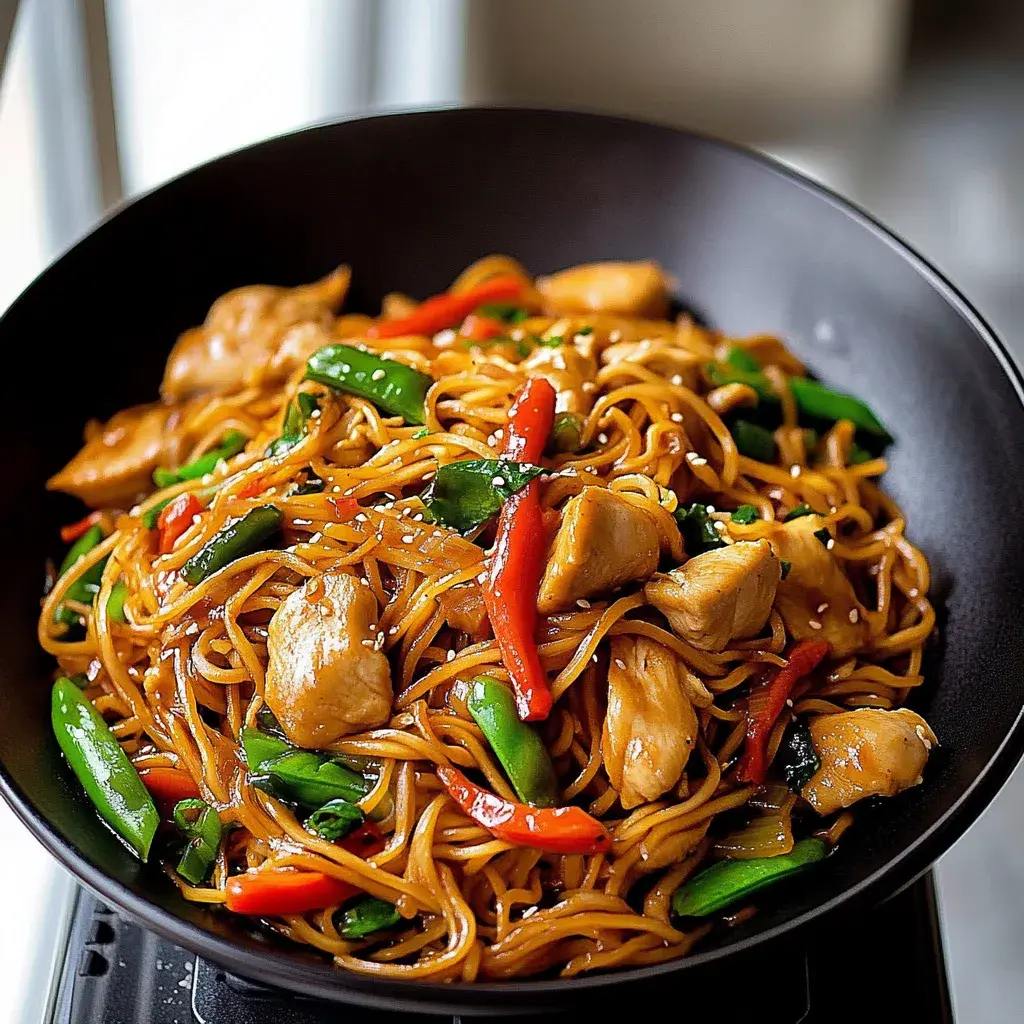
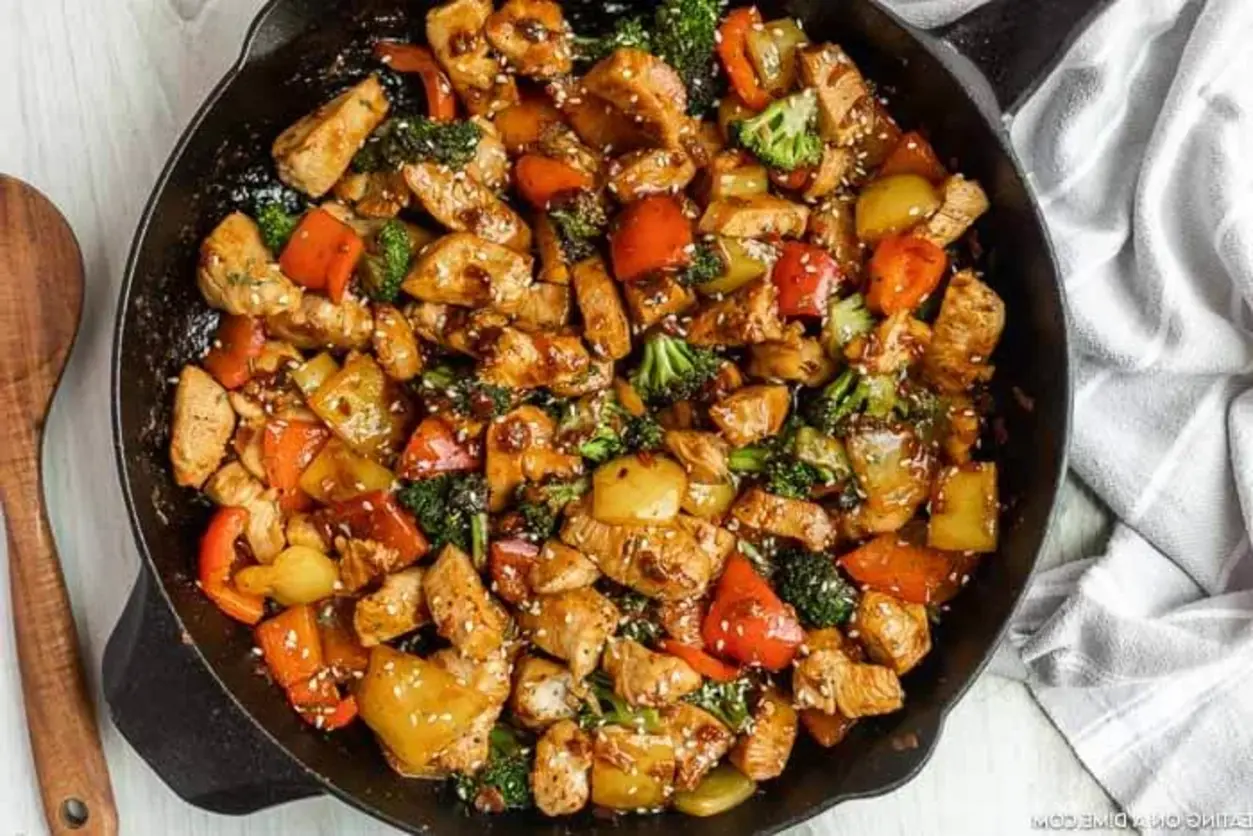
End your day with a delicious, comforting, and satisfying dinner! Whether you’re looking for quick and easy weeknight meals, cozy comfort food, or elegant dishes for special occasions, we have the perfect recipes for you.
From hearty casseroles and one-pan wonders to savory pastas, juicy meats, and flavorful vegetarian options, our collection is designed to make dinnertime effortless and enjoyable.
Busy schedule? No problem! Try our slow cooker meals, sheet pan dinners, and 30-minute recipes to save time without sacrificing flavor. Whatever your craving, these recipes will bring warmth and joy to your table every night. 🍽️✨
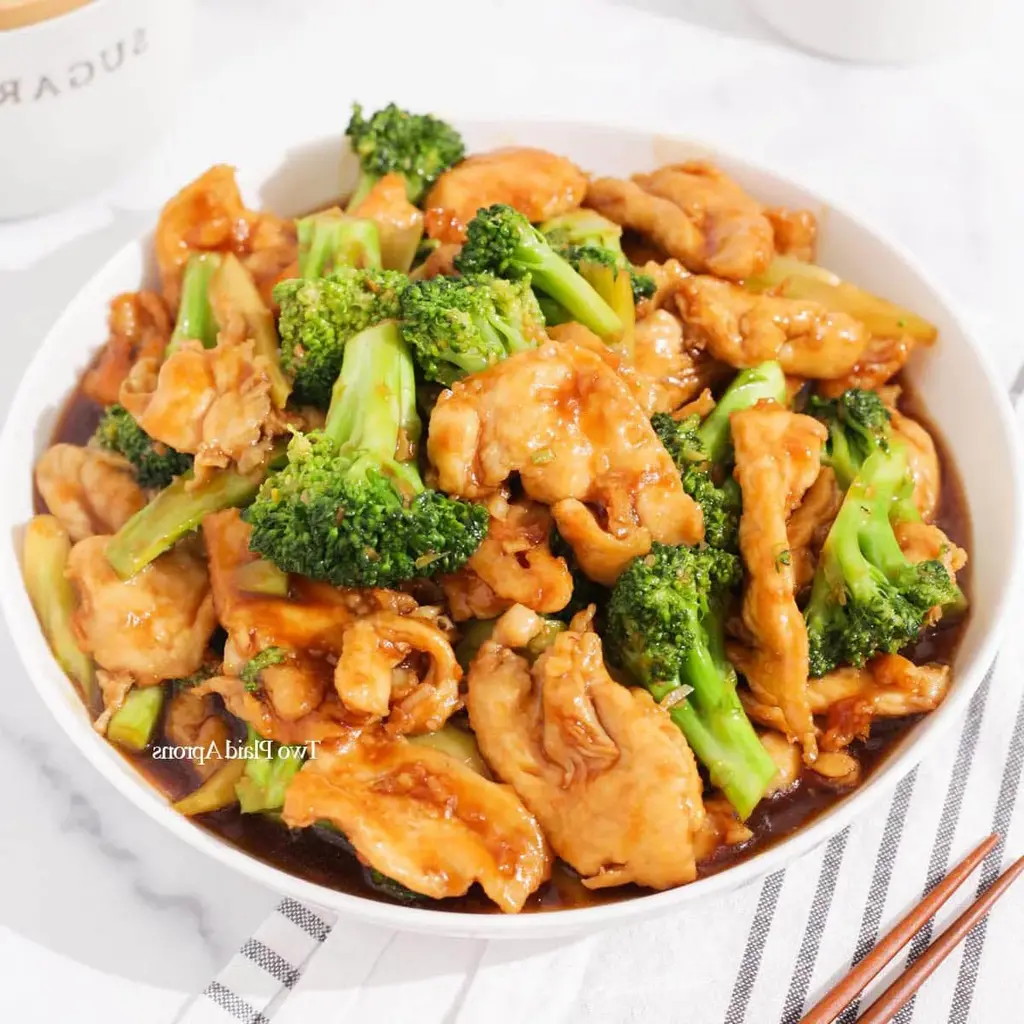
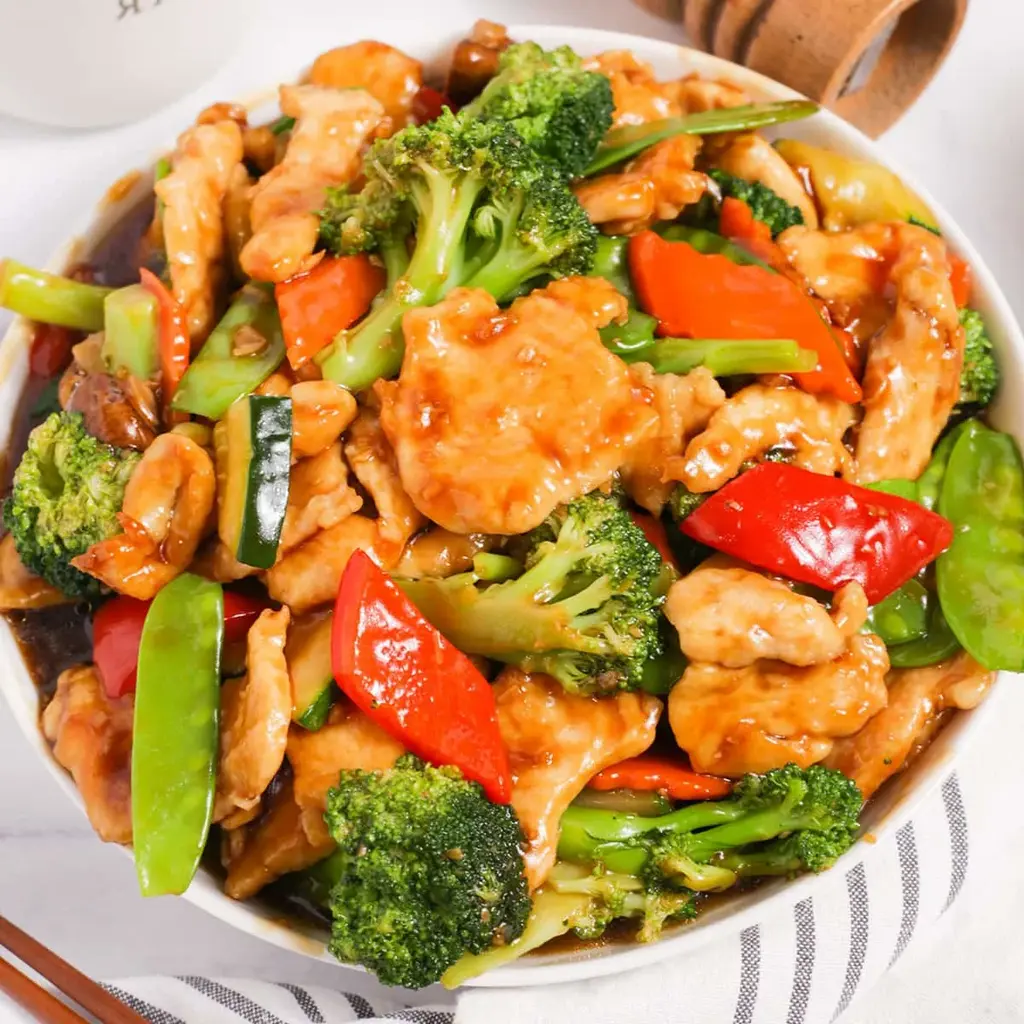
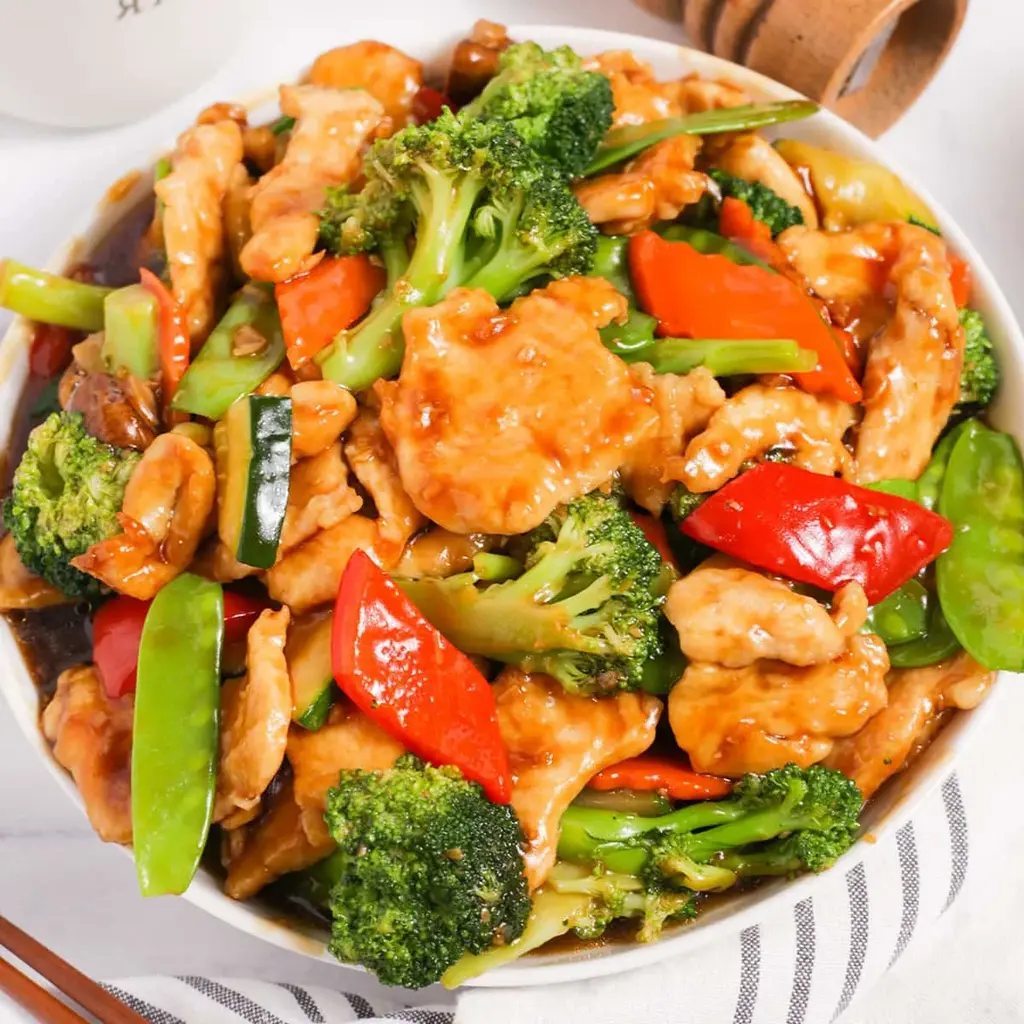
Chicken and Broccoli
This Chinese chicken and broccoli stir fry tastes just like, if not better, than Chinese takeout! It’s saucy, super easy to make, and takes 30 minutes or less to make at home. This easy chicken stir fry recipe is great with some white rice or egg fried rice or even some shrimp lo mein. If you want a large variety of veggies, try our chicken with mixed vegetables and if you prefer beef, our beef and broccoli will be perfect.
This Chinese chicken and broccoli stir fry tastes just like, if not better, than Chinese takeout! It’s super easy to make and now you can make it at home in less than 30 minutes! This easy chicken stir fry recipe is great with some white rice or egg fried rice. If you prefer beef, you can try our beef and broccoli instead!
Ingredients
Scale
20 ounces skinless boneless chicken breast (cut into ¼ inch slices (about 2 chicken breast))
3 tablespoons water
1 tablespoon Shaoxing cooking wine
½ teaspoon Kosher salt ((if using fine salt, use a little less))
¼ teaspoon baking soda
2 tablespoons cornstarch
1 tablespoon oil (any neutral oil is fine)
cup soy sauce (light sodium)
cup water
4 tablespoons granulated sugar
2½ tablespoons cornstarch
1½ teaspoons toasted sesame oil
1 pound broccoli (cut into florets (about 1 crown))
1½ tablespoons garlic (minced (about 4 cloves))
1½ tablespoons ginger (minced (about an 1½ inch knob))
Instructions
In a mixing bowl, first combine the sliced chicken breast, water, shaoxing rice wine, salt and baking soda. Mix well until the chicken has absorbed most of the liquids.
Next add the cornstarch and mix until the chicken pieces are well coated. Finish the marinade by adding the oil. Mix until evenly combined. Set the chicken aside to marinate for about 10 to 15 minutes as you prepare the rest of the ingredients or let the chicken marinate overnight.
In a bowl or large measuring cup, combine all of the ingredients for the sauce (soy sauce, water, sugar, cornstarch, and sesame oil). Whisk well until no more clumps of cornstarch is visible. Set aside until needed.*If you prefer a thicker sauce, use 1 to 2 teaspoons extra cornstarch.*
Bring a pot of water to a boil and add the broccoli florets. Cook the broccoli for about 30 seconds to 3 minutes, depending on your preferred tenderness. The cook time will also depend on how big the broccoli florets are. Once cooked, drain the broccoli and set aside.*We usually boil our broccoli for about 1 minute because we like it more on the crisp side.*
In a wok or sauté pan over medium high heat, add enough oil to generously coat the bottom. Once the oil is hot, add the marinated chicken and cook on both sides until the chicken is cooked through. Remove from the wok/pan and set aside.*The chicken doesn't need to have color, but if you prefer, you can sear the chicken until golden brown. Do make sure to separate the chicken so that it gets evenly cooked, and cook in small batches if necessary.*
Reduce the heat to medium and keep about 2 tablespoons of oil in the pan. Drain excess oil if necessary. Add the minced garlic and ginger and sauté until fragrant, about 15 to 30 seconds.
Give the prepared stir fry sauce a good stir and pour it into the pan with the garlic and ginger. Let the sauce heat up until it starts to simmer and the sauce looks thickened and glossy. Make sure to stir frequently to prevent the sauce from scorching on the bottom.
Once the sauce looks thick and glossy throughout, reduce the heat to low and add the chicken and the broccoli florets. Toss until everything is well coated with sauce.
Serve with rice and enjoy while hot!
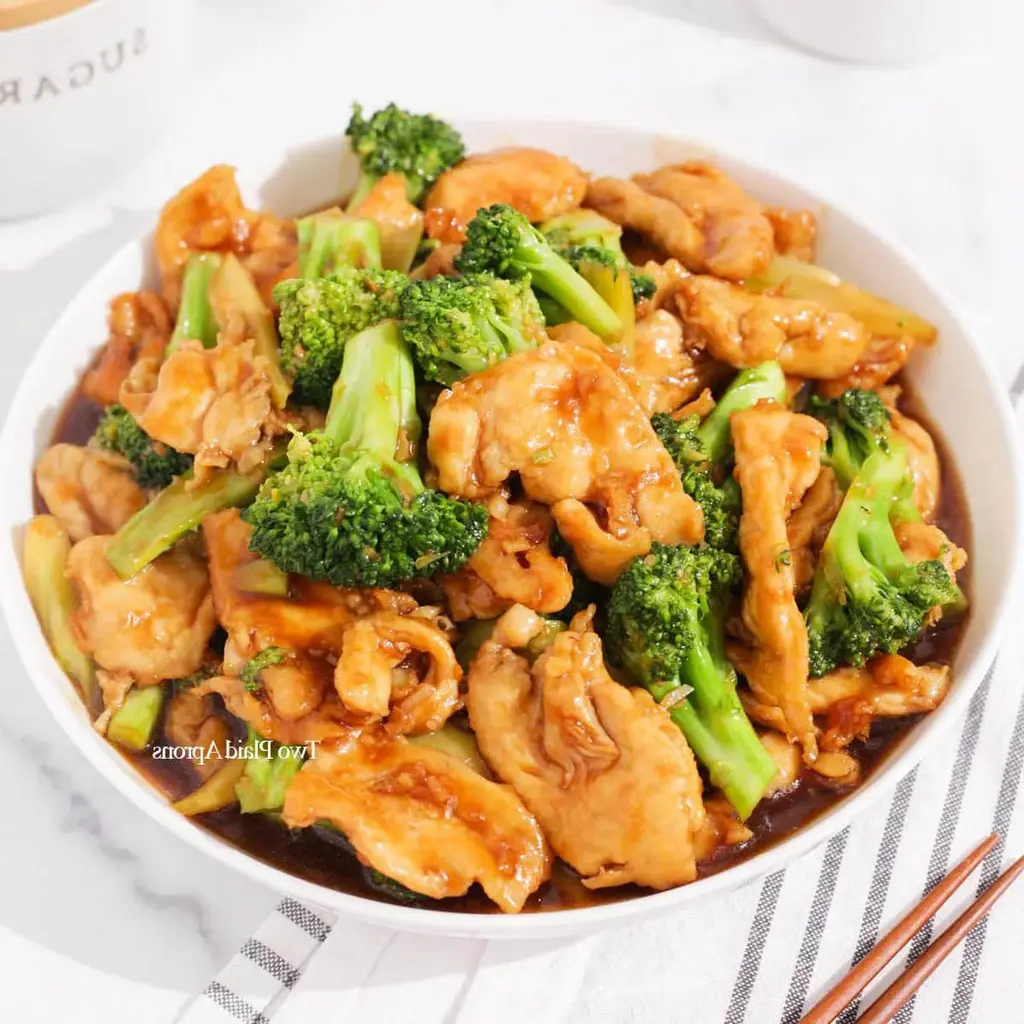
Chicken and Broccoli
This Chinese chicken and broccoli stir fry tastes just like, if not better, than Chinese takeout! It’s saucy, super easy to make, and takes 30 minutes or less to make at home. This easy chicken stir fry recipe is great with some white rice or egg fried rice or even some shrimp lo mein. If you want a large variety of veggies, try our chicken with mixed vegetables and if you prefer beef, our beef and broccoli will be perfect.
This Chinese chicken and broccoli stir fry tastes just like, if not better, than Chinese takeout! It’s super easy to make and now you can make it at home in less than 30 minutes! This easy chicken stir fry recipe is great with some white rice or egg fried rice. If you prefer beef, you can try our beef and broccoli instead!
Ingredients
Scale
20 ounces skinless boneless chicken breast (cut into ¼ inch slices (about 2 chicken breast))
3 tablespoons water
1 tablespoon Shaoxing cooking wine
½ teaspoon Kosher salt ((if using fine salt, use a little less))
¼ teaspoon baking soda
2 tablespoons cornstarch
1 tablespoon oil (any neutral oil is fine)
cup soy sauce (light sodium)
cup water
4 tablespoons granulated sugar
2½ tablespoons cornstarch
1½ teaspoons toasted sesame oil
1 pound broccoli (cut into florets (about 1 crown))
1½ tablespoons garlic (minced (about 4 cloves))
1½ tablespoons ginger (minced (about an 1½ inch knob))
Instructions
In a mixing bowl, first combine the sliced chicken breast, water, shaoxing rice wine, salt and baking soda. Mix well until the chicken has absorbed most of the liquids.
Next add the cornstarch and mix until the chicken pieces are well coated. Finish the marinade by adding the oil. Mix until evenly combined. Set the chicken aside to marinate for about 10 to 15 minutes as you prepare the rest of the ingredients or let the chicken marinate overnight.
In a bowl or large measuring cup, combine all of the ingredients for the sauce (soy sauce, water, sugar, cornstarch, and sesame oil). Whisk well until no more clumps of cornstarch is visible. Set aside until needed.*If you prefer a thicker sauce, use 1 to 2 teaspoons extra cornstarch.*
Bring a pot of water to a boil and add the broccoli florets. Cook the broccoli for about 30 seconds to 3 minutes, depending on your preferred tenderness. The cook time will also depend on how big the broccoli florets are. Once cooked, drain the broccoli and set aside.*We usually boil our broccoli for about 1 minute because we like it more on the crisp side.*
In a wok or sauté pan over medium high heat, add enough oil to generously coat the bottom. Once the oil is hot, add the marinated chicken and cook on both sides until the chicken is cooked through. Remove from the wok/pan and set aside.*The chicken doesn't need to have color, but if you prefer, you can sear the chicken until golden brown. Do make sure to separate the chicken so that it gets evenly cooked, and cook in small batches if necessary.*
Reduce the heat to medium and keep about 2 tablespoons of oil in the pan. Drain excess oil if necessary. Add the minced garlic and ginger and sauté until fragrant, about 15 to 30 seconds.
Give the prepared stir fry sauce a good stir and pour it into the pan with the garlic and ginger. Let the sauce heat up until it starts to simmer and the sauce looks thickened and glossy. Make sure to stir frequently to prevent the sauce from scorching on the bottom.
Once the sauce looks thick and glossy throughout, reduce the heat to low and add the chicken and the broccoli florets. Toss until everything is well coated with sauce.
Serve with rice and enjoy while hot!
Easy Chicken & Vegetable Stir Fry
This chicken with mixed vegetable stir fry is a great weekday meal that takes less than 30 minutes. Loaded with juicy, tender chicken breast and vegetables all tossed in a brown sauce, it is simple, easy, and delish! Pair this with some egg fried rice or shrimp lo mein to complete the meal.
This chicken with mixed vegetable stir fry is a great weekday meal that takes less than 30 minutes. Loaded with juicy, tender chicken breast and vegetables all tossed in a brown sauce, it is simple, easy, and delish! Pair this with some egg fried rice or shrimp lo mein to complete the meal.
Ingredients
Scale
20 ounces skinless boneless chicken breast (cut into ¼ inch slices (about 2 chicken breasts))
3 tablespoons water
1 tablespoon Shaoxing rice wine ((optional))
½ teaspoon Kosher salt (fine salt is okay too)
¼ teaspoon baking soda
2 tablespoons cornstarch
1 tablespoon oil (any neutral oil is fine)
¾ cup water
2½ tablespoons regular soy sauce
1½ tablespoons granulated sugar
1 teaspoon chicken bouillon powder (optional)
¼ teaspoon dark soy sauce (optional for color)
2 tablespoons cornstarch
1 teaspoons toasted sesame oil
1 pound mixed vegetables of your choice
1 tablespoons garlic (minced (about 2–3 cloves))
1 tablespoons ginger (peeled and minced (about 1 inch knob))
Oil (as needed for cooking (any neutral oil))
Instructions
In a mixing bowl, combine the sliced chicken breast, water, Shaoxing rice wine, salt, and baking soda. Mix until the chicken has absorbed most of the liquid.
Add the cornstarch and mix until the chicken is well coated. Finish the marinade by add the oil. Mix until well combined. Set aside to marinate for 10 to 15 minutes as you prepare the rest of the ingredients. If you have time, let the chicken marinade overnight in the fridge.
In a bowl or measuring cup, combine all the ingredients for the sauce (water, soy sauce, sugar, chicken bouillon powder, dark soy sauce, cornstarch, sesame oil). Whisk until no more cornstarch clumps are visible. Set aside until needed.
Bring a pot of water to a boil. Add the vegetables to the boiling water according to heartiness and cook to desired tenderness. Once cooked, drain the vegetables and set aside.*For example, broccoli and carrots are heartier vegetables that can handle being cooked a little longer. Where as snow peas are way more tender and only require to be added at the last few seconds of cooking. If you prefer, you could also cook each vegetables separately.*
In a wok or sauté pan over medium high heat, add enough oil to generously coat the bottom of the pan/wok. Once the oil is hot, add the marinated chicken and cook on both sides until the chicken is cooked through. Make sure to separate the chicken so that each piece gets cooked evenly. Cook in small batches if necessary. Remove from the wok/pan and set aside.*The chicken doesn't need to have color, but if you prefer, you can sear the chicken until golden brown.*
Reduce the heat to medium and keep about 2 tablespoons of oil in the pan. Drain excess oil if necessary. Add the mined garlic and ginger and stir fry until fragrant, about 15 to 30 seconds.
Give the prepared stir fry sauce a good mix and pour it into the pan with the garlic and ginger. Let the sauce heat up until it starts to simmer and the sauce looks thickened and glossy. Make sure to stir frequently to prevent the sauce from scorching on the bottom and to help the sauce thicken evenly. Reduce the heat to medium low if necessary.
Once the sauce looks thick and glossy throughout, reduce the heat to low and add the chicken. Mix until the chicken is well coated. Then, add the blanched mixed vegetables and toss until the veggies are well coated with sauce.
Serve with rice or lo mein and enjoy while hot!
Easy Chicken & Vegetable Stir Fry
This chicken with mixed vegetable stir fry is a great weekday meal that takes less than 30 minutes. Loaded with juicy, tender chicken breast and vegetables all tossed in a brown sauce, it is simple, easy, and delish! Pair this with some egg fried rice or shrimp lo mein to complete the meal.
This chicken with mixed vegetable stir fry is a great weekday meal that takes less than 30 minutes. Loaded with juicy, tender chicken breast and vegetables all tossed in a brown sauce, it is simple, easy, and delish! Pair this with some egg fried rice or shrimp lo mein to complete the meal.
Ingredients
Scale
20 ounces skinless boneless chicken breast (cut into ¼ inch slices (about 2 chicken breasts))
3 tablespoons water
1 tablespoon Shaoxing rice wine ((optional))
½ teaspoon Kosher salt (fine salt is okay too)
¼ teaspoon baking soda
2 tablespoons cornstarch
1 tablespoon oil (any neutral oil is fine)
¾ cup water
2½ tablespoons regular soy sauce
1½ tablespoons granulated sugar
1 teaspoon chicken bouillon powder (optional)
¼ teaspoon dark soy sauce (optional for color)
2 tablespoons cornstarch
1 teaspoons toasted sesame oil
1 pound mixed vegetables of your choice
1 tablespoons garlic (minced (about 2–3 cloves))
1 tablespoons ginger (peeled and minced (about 1 inch knob))
Oil (as needed for cooking (any neutral oil))
Instructions
In a mixing bowl, combine the sliced chicken breast, water, Shaoxing rice wine, salt, and baking soda. Mix until the chicken has absorbed most of the liquid.
Add the cornstarch and mix until the chicken is well coated. Finish the marinade by add the oil. Mix until well combined. Set aside to marinate for 10 to 15 minutes as you prepare the rest of the ingredients. If you have time, let the chicken marinade overnight in the fridge.
In a bowl or measuring cup, combine all the ingredients for the sauce (water, soy sauce, sugar, chicken bouillon powder, dark soy sauce, cornstarch, sesame oil). Whisk until no more cornstarch clumps are visible. Set aside until needed.
Bring a pot of water to a boil. Add the vegetables to the boiling water according to heartiness and cook to desired tenderness. Once cooked, drain the vegetables and set aside.*For example, broccoli and carrots are heartier vegetables that can handle being cooked a little longer. Where as snow peas are way more tender and only require to be added at the last few seconds of cooking. If you prefer, you could also cook each vegetables separately.*
In a wok or sauté pan over medium high heat, add enough oil to generously coat the bottom of the pan/wok. Once the oil is hot, add the marinated chicken and cook on both sides until the chicken is cooked through. Make sure to separate the chicken so that each piece gets cooked evenly. Cook in small batches if necessary. Remove from the wok/pan and set aside.*The chicken doesn't need to have color, but if you prefer, you can sear the chicken until golden brown.*
Reduce the heat to medium and keep about 2 tablespoons of oil in the pan. Drain excess oil if necessary. Add the mined garlic and ginger and stir fry until fragrant, about 15 to 30 seconds.
Give the prepared stir fry sauce a good mix and pour it into the pan with the garlic and ginger. Let the sauce heat up until it starts to simmer and the sauce looks thickened and glossy. Make sure to stir frequently to prevent the sauce from scorching on the bottom and to help the sauce thicken evenly. Reduce the heat to medium low if necessary.
Once the sauce looks thick and glossy throughout, reduce the heat to low and add the chicken. Mix until the chicken is well coated. Then, add the blanched mixed vegetables and toss until the veggies are well coated with sauce.
Serve with rice or lo mein and enjoy while hot!
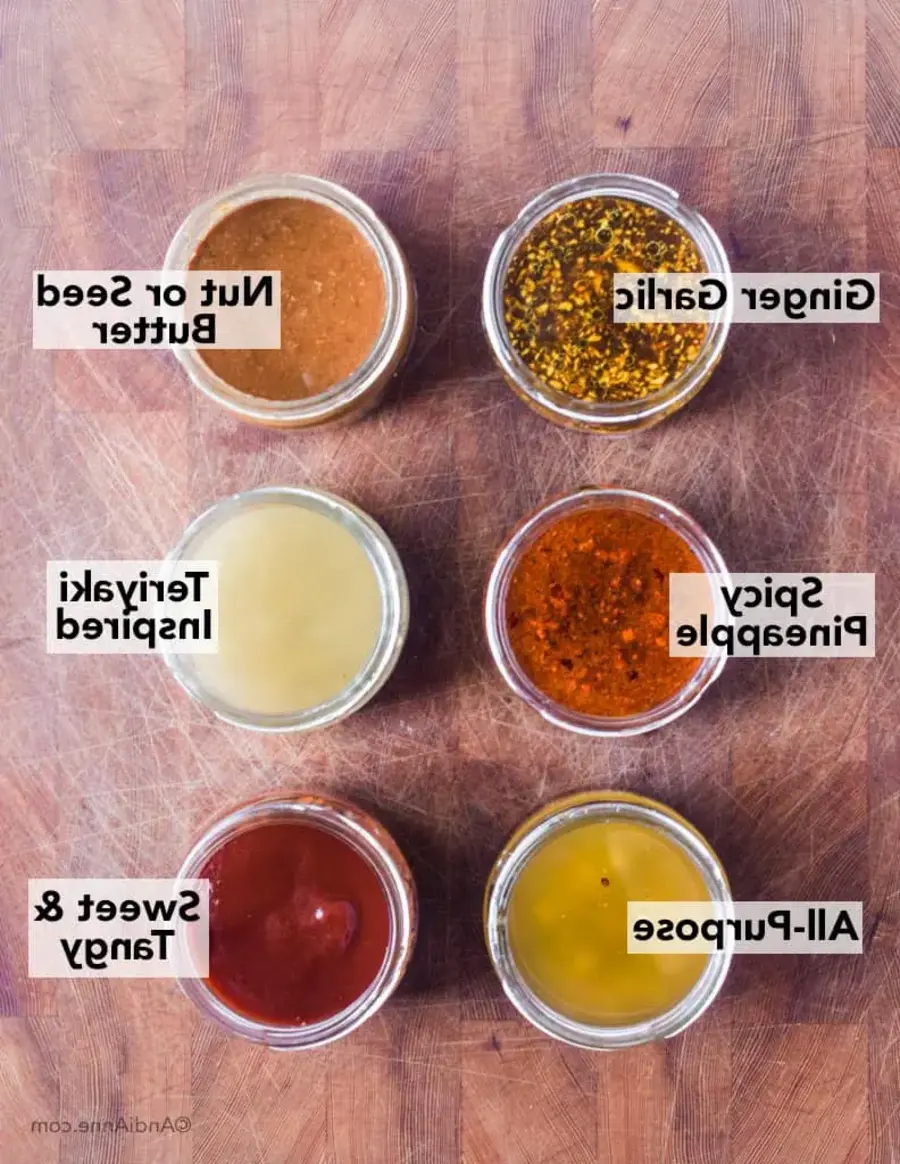
6 Stir Fry Sauce Recipes – These Are Versatile, Simple and Healthy!
Stir fry sauce recipes are a simple way to add incredible flavor to your vegetables, grains and meats. Made with fresh ingredients, these 6 healthy stir fry sauce recipes will add amazing flavor without overpowering your dish. Learn just how easy stir fry sauces are to make, including substitutions.
Stir fry sauces are a simple way to add incredible flavor to your vegetables, grains and meats. Made with fresh ingredients, these six healthy stir fry sauce recipes will add amazing flavor without overpowering your dish.
Start Your Grains First What will the base of your stir fry be? Will you need to cook rice, quinoa, buckwheat groats or even pasta? The base you choose should be cooked first before starting the rest of the meal.
Wash, prep and chop all the ingredients before you start Grab all the ingredients youll need and place them on the counter. This will make the cooking process so much easier. First, prep the stir fry sauce in a bowl or mason jar. Then wash and chop all the vegetables. And last, slice the meat.
First, heat a high smoke point cooking oil in the pan over medium heat for 2 mins (I use avocado oil).
Next add the veggies and cook until theyre almost done stirring occasionally. Pour the veggies into a bowl and set aside for now.
Add a bit more cooking oil and the meat to the pan cook 3 minutes until meat starts to brown. Now add all the veggies back to the pan.
Pour the stir fry sauce overtop. Cook an additional 2-3 minutes.
Place in a serving dish or right on top of a bed of rice, quinoa, buckwheat groats etc. Drizzle extra sauce from pan on top. Serve and enjoy!
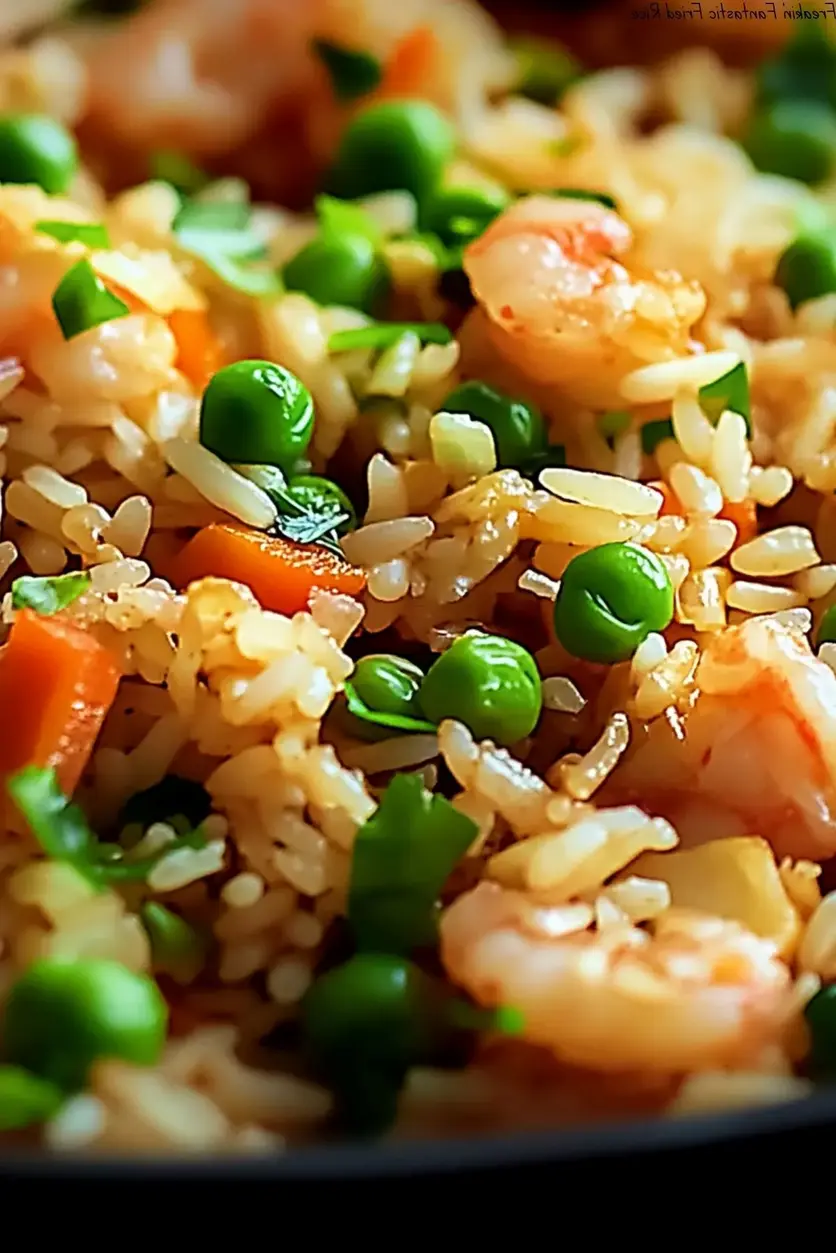
The Ultimate Freakin’ Fantastic Fried Rice: Your Secret to Weeknight Magic
Forget takeout forever. This Freakin’ Fantastic Fried Rice recipe unlocks the savory, satisfying secrets of your favorite restaurant dish, right in your own kitchen. It’s the perfect vehicle for leftovers, a 30-minute miracle, and a flavor-packed side or main that will have everyone asking for seconds.
Prep Time: 10 minutes
Cook Time: 20 minutes
Total Time: 30 minutes
Servings: 6
Difficulty: Easy
Why This Fried Rice is Freakin’ Fantastic
What transforms simple rice and veggies into a legendary, crave-worthy meal? It’s not magic—it’s technique. This Freakin’ Fantastic Fried Rice is engineered for maximum flavor and texture. We’re talking about distinct, fluffy grains of rice coated in a savory, umami-rich sauce, studded with sweet peas, crisp carrots, and soft scrambled eggs. It’s a symphony of simplicity that delivers complex taste in every single bite. Whether you’re a busy parent, a college student, or just someone who believes weeknight dinners should be exciting, this recipe is your new best friend. It’s forgiving, flexible, and consistently delicious, making it a cornerstone recipe for your culinary repertoire.
The Secret to the Best Fried Rice: It’s All in the Technique
Many fried rice recipes end up soggy, greasy, or bland. The key difference here is a focus on foundational cooking principles. First, we insist on cold, day-old rice. Freshly cooked rice is too moist and steamy, causing it to clump and become mushy in the skillet. Cold rice has dried out slightly, giving each grain structural integrity so it can fry properly and absorb flavors without getting gummy.
Second, we use high heat and a well-seasoned skillet or wok. This is crucial for achieving that signature “wok hei” or breath of the wok—a slight smokiness and char that elevates the dish. Cooking each component separately before combining ensures everything is perfectly cooked, not steamed. The butter (instead of a neutral oil) adds a rich, nutty base note that complements the soy sauce beautifully. This attention to detail is what makes this recipe not just good, but Freakin’ Fantastic.
💡 The Kitchen Team’s Pro Tip: For the absolute best texture, spread your cooked rice on a baking sheet and let it dry in the refrigerator, uncovered, for at least an hour. This mimics the effect of day-old rice in a fraction of the time!
Ingredients & Why They Work
This recipe uses humble, pantry-friendly ingredients that, when combined correctly, create something extraordinary. Here’s your complete shopping list and the role each component plays.
Ingredient
Quantity
Purpose & Note
Cold, Cooked Long-Grain White Rice (like Jasmine)
4 cups
The Foundation. Must be cold and day-old for dry, separate grains that fry perfectly.
Unsalted Butter
3 tablespoons
The Flavor Base. Adds rich, nutty depth that oil can’t match.
Yellow Onion, diced
1 medium
Aromatic Base. Provides sweetness and savory foundation.
Frozen Peas and Carrots Mix
12 oz bag
Color & Sweetness. Frozen veggies are flash-frozen at peak freshness and add convenience.
Soy Sauce (or Tamari for GF)
1/2 cup
Umami & Salt. The primary seasoning agent. Use low-sodium if preferred.
Large Eggs, beaten
3
Protein & Texture. Scrambled in the pan for tender, integrated ribbons.
Optional Garnishes: Green onions, sesame seeds, chili oil
For serving
Finish & Contrast. Adds freshness, crunch, and heat.
Step-by-Step Cooking Instructions
Follow these detailed steps for foolproof, fantastic results every single time.
Step 1: Prep Your Station
Ensure all ingredients are measured, chopped, and within arm’s reach of the stove. Fried rice cooks quickly, so there’s no time to search for the soy sauce. Place a large skillet, wok, or cast-iron pan over medium-high heat and let it get hot for a full minute.
Step 2: Sauté the Aromatics
Add the butter to the hot skillet. Once melted and foaming, add the diced onion. Cook for 3-4 minutes, stirring occasionally, until the onion is soft and translucent. This builds the flavor base.
Step 3: Cook the Vegetables
Add the entire bag of frozen peas and carrots directly to the skillet. No need to thaw! Stir and cook for 5-7 minutes, until the vegetables are heated through and any excess moisture from the frozen veggies has evaporated. A dry pan is critical here.
💡 The Kitchen Team’s Pro Tip: For crisper vegetables, you can quickly blanch fresh diced carrots in boiling water for 2 minutes before adding them with the peas. But frozen is perfectly fantastic for ease.
Step 4: Fry the Rice
Add the cold rice to the skillet. Use your spatula to break up any large clumps. Pour the soy sauce evenly over the rice. Stir-fry for 5-8 minutes, allowing the rice to heat thoroughly and soak up the sauce. You should hear a slight sizzle—this is the sound of frying, not steaming.
Step 5: Scramble the Eggs
Push the entire rice mixture to one side of the skillet, exposing the bare surface. Tilt the pan slightly so any excess butter pools there. Pour the beaten eggs into the empty space. Let them set for 30 seconds, then gently scramble them with your spatula until just cooked through but still soft.
Step 6: Combine and Finish
Once the eggs are scrambled, mix them thoroughly into the rice and vegetable mixture. Taste and adjust seasoning—you can add a splash more soy sauce if needed. Remove from heat immediately to prevent overcooking.
Step 7: Serve Hot
Transfer your Freakin’ Fantastic Fried Rice to a serving platter. Garnish generously with sliced green onions and a sprinkle of sesame seeds. Serve immediately while it’s piping hot and the textures are at their peak.
Serving & Presentation Ideas
This fried rice is a complete meal on its own, but it also plays incredibly well with others. For a classic takeout-style spread, pair it with Easy Egg Drop Soup, Air Fryer Crab Rangoon, or Honey Sesame Chicken. To make it a heartier main course, top it with a fried egg with a runny yolk, or stir in cooked, shredded chicken, shrimp, or diced ham during the final mixing stage. For presentation, serve it in a large, shallow bowl or on a platter, with garnishes arranged neatly on top. A small bowl of extra soy sauce, chili crisp, or sriracha on the side allows everyone to customize their heat level.
Storage, Reheating & Meal Prep
This recipe is a meal-prep superstar. Let the fried rice cool completely, then store it in an airtight container in the refrigerator for up to 4 days. For longer storage, you can freeze it for up to 2 months. The key to reheating is to restore texture, not just warmth. The microwave will make it soggy. Instead, reheat it in a skillet over medium heat with a tiny splash of water or broth, covered, for 4-5 minutes, stirring occasionally. You can also spread it on a baking sheet and reheat in a 350°F oven for 10-12 minutes. For meal prep, divide into single-serving containers for easy grab-and-go lunches.
Creative Recipe Variations
The beauty of this recipe is its adaptability. Once you’ve mastered the base, the world is your oyster sauce! Here are some inspired twists.
Pineapple & Ham “Hawaiian” Fried Rice
Add 1 cup of diced ham and 1 cup of fresh pineapple chunks (well-drained) with the vegetables. Use a slightly reduced amount of soy sauce and finish with a drizzle of teriyaki glaze.
Spicy Kimchi & Bacon Fried Rice
Cook 4 slices of chopped bacon first, then use the bacon fat instead of butter. Stir in 1 cup of chopped kimchi (with its juice) when you add the rice. Top with a fried egg and nori strips.
Thai Basil & Chicken Fried Rice
Stir-fry 1 lb of diced chicken breast first, then remove and set aside. Proceed with the recipe, adding 2 tbsp of oyster sauce with the soy sauce. Stir the cooked chicken and a big handful of fresh Thai basil leaves in at the very end.
Your Freakin’ Fantastic Fried Rice Questions Answered
Can I use freshly cooked rice?
We strongly advise against it. Fresh rice is too moist and will result in a gummy, clumpy fried rice. If you’re in a pinch, cook your rice with slightly less water, spread it thin on a tray, and chill it in the freezer for 30 minutes to dry it out.
What’s the best type of rice to use?
Long-grain varieties like Jasmine or Basmati are ideal because they have a lower starch content, leading to fluffier, less sticky results. Medium-grain rice can work but may be slightly clumpier. Avoid short-grain or sushi rice.
Can I make this gluten-free?
Absolutely! Simply substitute the soy sauce with an equal amount of tamari or a certified gluten-free soy sauce alternative. All other base ingredients are naturally gluten-free.
My fried rice is soggy. What went wrong?
The most common culprits are: 1) Using warm, moist rice, 2) Overcrowding the pan (which steams instead of fries), or 3) Adding too much liquid (soy sauce or from frozen veggies). Ensure your pan is hot, your rice is cold, and you cook off all excess moisture.
Can I add other vegetables?
Yes! Bell peppers, corn, broccoli florets, mushrooms, or snap peas are all excellent additions. For harder veggies (like broccoli), blanch or sauté them first to ensure they’re tender.
How can I add more protein?
Easy! Cook diced chicken, shrimp, beef, pork, or tofu separately first. Remove from the pan, then add it back when you mix in the eggs. You can also add extra eggs.
Is butter better than oil?
For this specific recipe, butter provides an irreplaceable, rich flavor that pairs wonderfully with the soy sauce. For a more traditional or vegan version, a neutral oil like avocado or peanut oil works fine.
Can I make this in advance?
You can prep all your ingredients in advance, but for the best texture, cook it just before serving. Leftovers reheat very well, as outlined in the storage section above.
Love This Recipe? Save It for Later!
Pin this image to your Dinner Ideas or Meal Prep board on Pinterest to keep this Freakin’ Fantastic Fried Rice recipe handy whenever the craving strikes!
Follow us on Pinterest:@cookingwithemy for more easy, flavor-packed recipes.
(Pinterest rich pin image and save button would be embedded here in a live WordPress environment)
This Freakin Fantastic Fried Rice recipe is a delicious and satisfying dish that combines fluffy rice with savory soy sauce, colorful vegetables, and scrambled eggs. It’s a perfect balance of flavors and textures that will leave you craving for more.
Ingredients
Scale
4 cups cold, cooked rice
3 tablespoons butter
1 onion, diced
12 oz frozen peas and carrots
1/2 cup soy sauce
3 eggs, beaten
Instructions
Heat butter in a large skillet, then add diced onions and cook until translucent. Add frozen peas and carrots and cook until heated through.
Stir in the cold, cooked rice and soy sauce. Cook for a few minutes, stirring occasionally.
Push the rice to one side of the skillet and pour beaten eggs into the other side. Cook until scrambled, then mix with the rice.
Enjoy your Freakin Fantastic Fried Rice hot and garnish with green onions or sesame seeds if desired.
Better-Than-Takeout Easy Chicken Lo Mein Recipe (Ready in 30 Minutes!)
Prep Time 15 minutes
Cook Time 15 minutes
Total Time 30 minutes
Servings 4 people
Difficulty Easy
Craving the savory, satisfying flavors of your favorite Chinese restaurant but want to skip the greasy containers, high prices, and long delivery wait? You’ve landed in the right place. This Easy Chicken Lo Mein Recipe is our go-to solution for busy weeknights, delivering a complete, veggie-packed, and protein-rich meal to your table in under 30 minutes. Forget complicated techniques or hard-to-find ingredients—this recipe is all about simplicity without sacrificing an ounce of flavor.
At Cooking With Emy, we believe a great stir-fry is a cornerstone of home cooking. Lo Mein, which translates to “tossed noodles,” is a classic for a reason: it’s versatile, comforting, and endlessly customizable. Our version features tender, quick-marinated chicken stir-fried with a rainbow of crisp-tender vegetables, all tangled up with chewy lo mein noodles in a deeply savory, perfectly balanced sauce that clings to every strand. The aroma that fills your kitchen will have everyone gathered around the stove, plates in hand. Let’s make takeout a thing of the past and create a restaurant-quality meal that’s healthier, faster, and more delicious.
What Makes This The Best Easy Chicken Lo Mein Recipe
Not all lo mein recipes are created equal. Many end up soggy, bland, or overly complicated. We’ve perfected this version through countless tests to ensure it’s foolproof and delivers maximum flavor with minimal effort. Here’s why this recipe stands out:
The 30-Minute Promise: From fridge to fork in half an hour. The prep is quick, and the cooking process is a fast, sequential stir-fry.
Flavor-Packed Shortcut Sauce: Our sauce uses a combination of pantry staples—soy sauce, sesame oil, garlic—but the key is a brief marinade for the chicken that infuses it with flavor from the inside out.
Texture is Everything: We cook the chicken and vegetables separately to ensure everything is perfectly cooked—not steamed or mushy. The noodles stay chewy (al dente), and the veggies retain a pleasant crunch.
Built-In Customization: The recipe is a fantastic template. Don’t have bell peppers? Use broccoli. Want it spicier? Add chili crisp. We’ll guide you through all the possible swaps and variations.
💡 The Kitchen Team’s Pro Tip: The secret to great stir-fry is mise en place—a French term meaning “everything in its place.” Chop all your vegetables, mix your sauce, and have your noodles ready before you even turn on the stove. The cooking process moves fast, and having everything prepped prevents overcooking and ensures a smooth, enjoyable cooking experience.
Ingredients for Easy Chicken Lo Mein
Here’s your simple shopping list. We’ve included notes on potential swaps to make this recipe work with what you have on hand.
Ingredient
Quantity
Notes & Possible Substitutes
Boneless, Skinless Chicken Breast
1 lb (about 2-3 breasts)
Can use chicken thighs for more flavor and juiciness. Thinly slice against the grain for tender bites.
Lo Mein Noodles
8 oz
Fresh or dried. Spaghetti, linguine, or ramen noodles work in a pinch.
Red Bell Pepper
1, large
Any color bell pepper works. For a different veg, try sliced mushrooms or snap peas.
Yellow Bell Pepper
1, large
Adds sweetness and color. Can substitute with orange pepper or omit.
Carrots
2 medium
Peeled and julienned or thinly sliced. Pre-shredded carrots save time.
Green Onions
3-4
Separate white/light green parts (for cooking) and dark green tops (for garnish).
Low-Sodium Soy Sauce
1/4 cup
Using low-sodium allows you to control saltiness. Tamari for gluten-free.
Toasted Sesame Oil
1 tbsp
DO NOT substitute with regular oil. This is for flavor at the end. Find it in the Asian aisle.
Fresh Garlic
3-4 cloves, minced
Fresh is best! 1/2 tsp garlic powder can be used in a true emergency.
Neutral Oil
2 tbsp
For stir-frying. Use vegetable, canola, or peanut oil.
Optional Flavor Boosters
–
1 tsp grated fresh ginger, 1 tbsp oyster sauce, 1 tsp chili garlic sauce, or a pinch of white pepper.
How to Make Easy Chicken Lo Mein: Step-by-Step
Follow these simple steps for perfect results every single time.
Step 1: Prep & Marinate
Slice the chicken breasts thinly against the grain. Place in a bowl and toss with 1 tablespoon of the soy sauce. Let it sit while you prep the veggies. This quick 10-minute marinade adds foundational flavor. Meanwhile, slice the bell peppers into thin strips, julienne or thinly slice the carrots, and chop the green onions, keeping the white/light green parts separate from the dark green tops. Mince the garlic.
Step 2: Cook the Noodles
Bring a large pot of salted water to a boil. Cook the lo mein noodles according to package directions until al dente (usually 3-4 minutes for fresh, 4-5 for dried). Do not overcook. Drain, rinse briefly with cool water to stop cooking, and toss with a tiny bit of oil to prevent sticking. Set aside.
💡 The Kitchen Team’s Pro Tip: Rinsing the noodles after cooking removes excess starch, preventing them from becoming a sticky, gummy clump when you add them to the stir-fry. That quick cool-down also ensures they stay perfectly chewy.
Step 3: Stir-Fry the Chicken
Heat a large wok or skillet over medium-high heat. Add 1 tablespoon of neutral oil. Once shimmering, add the marinated chicken in a single layer. Let it sear undisturbed for 1-2 minutes to get a good color, then stir-fry for 4-5 minutes total until cooked through and no longer pink. Remove the chicken to a clean plate.
Step 4: Stir-Fry the Vegetables
In the same pan, add the remaining 1 tablespoon of oil. Add the carrots and stir-fry for 1 minute. Then add the bell peppers and the white/light green parts of the green onions. Stir-fry for 2-3 minutes until the vegetables are tender-crisp (they should still have a slight bite). Add the minced garlic and stir-fry for just 30 seconds until fragrant—be careful not to burn it.
Step 5: Combine & Sauce Everything
Return the cooked chicken and any accumulated juices to the pan with the vegetables. Add the cooked, drained noodles. Pour the remaining soy sauce and the toasted sesame oil over everything. If using any optional sauces (oyster, chili), add them now.
Step 6: The Final Toss
Using tongs or two large spoons, gently but thoroughly toss everything together until the noodles and ingredients are evenly coated in the sauce and heated through, about 1-2 minutes. The goal is to let the sauce coat and glaze everything without further cooking the veggies.
Step 7: Garnish & Serve
Remove from heat. Transfer to a serving platter or individual bowls. Garnish generously with the reserved dark green parts of the green onions. Serve immediately while hot and steaming.
Serving Suggestions & Perfect Pairings
This Easy Chicken Lo Mein is a complete meal on its own, packed with protein, carbs, and veggies. But if you’re looking to create a fuller Asian-inspired feast, here are some perfect pairings:
Simple Starters: Serve with store-bought or homemade egg rolls, steamed pork or vegetable dumplings, or a light cucumber salad with a rice vinegar dressing.
Side Dishes: A simple bowl of steamed jasmine rice is always welcome, or try our Easy Garlic Bok Choy for an extra green vegetable.
Condiments: Set out small bowls of chili oil, sriracha, hoisin sauce, or extra soy sauce so everyone can customize their bowl to their preferred spice and salt level.
For a Crowd: This recipe doubles beautifully. Use your largest wok or skillet, or cook in two batches to avoid overcrowding the pan, which leads to steaming instead of frying.
Storage, Reheating & Meal Prep Instructions
This dish makes fantastic leftovers and is a meal-prep superstar.
Storage: Allow leftovers to cool completely. Store in an airtight container in the refrigerator for up to 3-4 days.
Reheating (Best Methods):
Skillet/Stovetop (Recommended): Reheat in a non-stick skillet over medium heat with a splash of water or chicken broth. This restores the texture best and prevents the noodles from getting rubbery.
Microwave: Place in a microwave-safe dish, cover loosely, and heat in 60-second intervals, stirring between each, until hot. Adding a damp paper towel over the top can help keep it moist.
Meal Prep: You can prep components ahead! Slice the chicken and veggies up to 2 days in advance and store separately in containers in the fridge. Mix the sauce ingredients in a jar. When ready to cook, simply follow the steps—dinner will be on the table even faster.
💡 The Kitchen Team’s Pro Tip: We do not recommend freezing this dish. The cooked noodles and vegetables will become mushy and lose their pleasing texture upon thawing and reheating.
Creative Variations on Your Chicken Lo Mein
The beauty of this recipe is its adaptability. Use it as a blueprint and get creative based on your dietary needs or what’s in your fridge.
Variation
How-To
Shrimp or Beef Lo Mein
Substitute 1 lb of peeled large shrimp or thinly sliced flank/sirloin steak for the chicken. Cook shrimp for 2-3 minutes until pink; cook beef for 2-4 minutes until browned.
Vegetarian/Vegan Lo Mein
Omit chicken. Add extra firm tofu (pressed and cubed) or a can of drained chickpeas. Use tamari instead of soy sauce. Add more veggies like broccoli, snap peas, and water chestnuts.
Spicy Szechuan Lo Mein
Add 1-2 teaspoons of Szechuan chili oil or paste to the sauce. Garnish with crushed red pepper flakes.
Extra Veggie-Packed
Add 1 cup of sliced mushrooms, broccoli florets, or snow peas with the bell peppers. You may need to increase the sauce slightly.
Gluten-Free Lo Mein
Use 100% buckwheat soba noodles or rice noodles, and ensure your soy sauce is tamari or a certified gluten-free soy sauce.
Frequently Asked Questions (FAQ)
We’ve answered the most common questions to guarantee your success.
1. What’s the difference between Lo Mein and Chow Mein?
Great question! Both are Chinese noodle dishes. Lo Mein means “tossed noodles.” The boiled noodles are tossed with the sauce and ingredients. Chow Mein means “fried noodles.” The noodles are often parboiled and then pan-fried until crispy before being combined with toppings and sauce. Our recipe is for the softer, saucier Lo Mein style.
2. Can I use spaghetti noodles instead of Lo Mein noodles?
Absolutely! In a pinch, spaghetti, linguine, or even fettuccine make a decent substitute. The texture and flavor won’t be identical, but you’ll still get a delicious noodle dish. Cook them al dente according to package directions.
3. My stir-fry is sticking to the pan. What am I doing wrong?
Sticking usually means the pan isn’t hot enough before adding the oil/food, or the pan is overcrowded. Ensure your wok or skillet is preheated over medium-high heat until a drop of water sizzles and evaporates instantly. Also, cook in batches if needed—don’t overcrowd.
4. How can I make the sauce thicker and more “restaurant-style”?
Create a simple cornstarch slurry. Mix 1 teaspoon of cornstarch with 1 tablespoon of cold water or chicken broth until smooth. Add it during the final toss in Step 5. The sauce will thicken and become glossy as it heats.
5. Can I make this dish ahead of time?
You can prep all components ahead (chop veggies, mix sauce, slice chicken), but for the best texture, we recommend cooking it just before serving. Leftovers reheat well, but freshly made is ideal for the perfect noodle chew.
6. Is toasted sesame oil the same as regular sesame oil?
No. Toasted sesame oil is made from toasted sesame seeds and is dark brown, with an intense, nutty flavor. It’s used as a finishing oil. Regular/light sesame oil is made from raw seeds, is lighter in color and flavor, and can be used for frying. For this recipe, toasted sesame oil is essential for authentic flavor.
7. What can I use if I don’t have a wok?
A large, heavy-bottomed skillet (like cast iron or stainless steel) works perfectly. The key is having a pan with a large surface area to allow for quick evaporation and proper stir-frying.
8. How can I add more protein to this recipe?
Easy! Add a scrambled egg during the final toss, or include shelled edamame with the vegetables. You can also use a mix of chicken and shrimp.
We hope you love this Easy Chicken Lo Mein Recipe as much as we do! It’s a permanent fixture in our weeknight dinner rotation. If you tried it and enjoyed it, please share it with your friends and family! Tag us on social media @cookingwithemy—we love seeing your creations.
Love This Recipe? Save It for Later!
Pin this image to your favorite “Weeknight Dinners” or “Asian Recipes” board on Pinterest so you always have this easy recipe handy.
Experience the delightful flavors of this Chicken Lo Mein recipe! This dish features tender, marinated chicken stir-fried with vibrant vegetables and chewy lo mein noodles, all tossed in a savory sauce that captures the essence of Chinese cuisine. Perfect for weeknight dinners or special occasions, this easy-to-make meal requires minimal prep time and allows for customization based on your preferences. Enjoy the aroma wafting through your kitchen as you prepare this comfort food classic that will leave your family asking for seconds!
Ingredients
Scale
3–4 boneless, skinless chicken breasts
Lo Mein noodles (fresh or dried)
1 red bell pepper
1 yellow bell pepper
2 carrots (thinly sliced)
2 green onions (chopped)
¼ cup low-sodium soy sauce
1 tablespoon sesame oil
3 cloves fresh minced garlic
Instructions
Gather all ingredients and chop vegetables into bite-sized pieces. Cook lo mein noodles according to package instructions until al dente; drain and set aside.
Heat a large skillet or wok over medium-high heat. Add oil and sauté the chicken until golden brown and fully cooked, about 6-8 minutes. Remove from skillet.
In the same pan, stir-fry bell peppers, carrots, and green onions until tender yet crisp, about 3-4 minutes.
Return cooked chicken to the skillet with vegetables. Add lo mein noodles, soy sauce, sesame oil, minced garlic, and any additional spices. Toss everything together until well mixed.
Serve hot with extra soy sauce if desired.
Why This Easy Chicken Stir Fry Beats Takeout (It’s the Sauce Ratio)
Why This Easy Chicken Stir Fry Beats Takeout (It’s the Secret Sauce Ratio)
Prep Time:
15 minutes
Cook Time:
15 minutes
Total Time:
30 minutes
Servings:
4 people
Difficulty:
Easy
Why This Recipe is a Game-Changer
Let’s be honest: the siren call of takeout is powerful. It’s late, you’re tired, and the thought of chopping and sautéing feels like a monumental task. But what if you could create a meal that’s faster than delivery, significantly healthier, more flavorful, and costs a fraction of the price? That’s the promise—and the reality—of this Easy Chicken Stir Fry. This isn’t just another stir-fry recipe. This is a meticulously crafted formula where every element, from the size of the chicken dice to the simmer time of the sauce, is designed for maximum flavor and perfect texture. The crown jewel? The sauce ratio. We’ve cracked the code on the perfect balance of salty, sweet, savory, and thick, so your homemade stir fry doesn’t just rival takeout—it decisively beats it. Welcome to your new kitchen staple.
Why This Easy Chicken Stir Fry Beats Takeout (It’s the Sauce Ratio)
The difference between a good stir fry and a great one lies in the sauce. Most takeout joints and home recipes get it wrong—it’s either a gloppy, cornstarch-heavy mess or a thin, flavorless wash. Our recipe is built on a golden ratio that creates a sauce with body, shine, and layered flavor that clings perfectly to every piece of chicken and vegetable.
Our sauce ratio of 1:1:2 (soy sauce : broth : honey), thickened with just enough cornstarch, is the secret. The soy sauce provides the essential umami saltiness. The chicken broth deepens the savory notes without making it taste like plain soup. The honey doesn’t just add sweetness; it caramelizes slightly in the hot pan, creating a complex depth and beautiful glaze that you simply cannot get from plain sugar. The cornstarch is the maestro, bringing it all together into a velvety coating rather than a pool at the bottom of your bowl.
Beyond the sauce, our method ensures success: cooking the protein and vegetables separately guarantees no steaming or overcooking. The high-heat sauté locks in juices and creates those desirable browned bits (fond) in the pan, which the sauce then deglazes, incorporating all that concentrated flavor. Takeout can’t compete with this level of care and fresh, crisp ingredients.
💡 The Kitchen Team’s Pro Tip: For an even more restaurant-quality sauce, swap the chicken broth for low-sodium beef broth. It adds a richer, more robust umami backbone that makes the flavor truly unforgettable.
Ingredients & Why They Matter
Using the right ingredients is just as important as the technique. Here’s what you’ll need and why each component is non-negotiable for the best stir fry.
Ingredient
Quantity
Purpose & Best Choice
Boneless, Skinless Chicken Breasts
3 (about 1.5 lbs)
Provides lean protein. Dicing to a consistent 1-inch ensures quick, even cooking. For more flavor, you can use chicken thighs.
Kosher Salt & Black Pepper
1/2 tsp each
Fundamental seasoning for the chicken. Kosher salt adheres better than table salt.
Olive Oil (divided)
2 tbsp
High smoke point for sautéing. Using it in two stages prevents overcrowding and ensures a good sear.
Broccoli Florets
2 cups (bite-size)
Adds crunch and earthiness. Cutting them small allows them to cook quickly and absorb sauce.
Yellow & Red Bell Pepper
1/2 each (1-inch pieces)
Provides sweetness, color, and a slight crunch. Using two colors enhances visual appeal.
Shredded Carrots
1/2 cup
Adds a touch of sweetness and vibrant color. Pre-shredded saves time, but fresh shreds have better texture.
Ground Ginger
1/2 tsp
Offers warm, aromatic spice. Fresh ginger (1 tbsp grated) can be used for a brighter, sharper kick.
Minced Garlic
2 tsp
The aromatic heart of the dish. Freshly minced is vastly superior to jarred.
Sesame Seeds
2 tbsp
Adds nutty flavor and final texture. Toast them lightly in a dry pan for 1 minute to maximize aroma.
Cornstarch
1 tbsp
The thickening agent. It must be mixed with cold liquid first to prevent lumps.
Low-Sodium Chicken Broth
1/4 cup
Forms the liquid base of the sauce. Low-sodium allows you to control the salt level.
Low-Sodium Soy Sauce
1/4 cup
The primary source of salt and umami. Low-sodium is crucial to avoid an overly salty sauce.
Honey
2 tbsp
Provides the perfect sweet balance and helps create a glossy, clinging sauce.
Step-by-Step Instructions for Perfect Stir Fry
Follow these steps precisely for a stir fry that comes out perfectly every single time. The key is mise en place—having all your ingredients prepped and within reach before you turn on the heat.
Step 1: Prepare the Magic Sauce
In a small bowl or liquid measuring cup, whisk together 1 tablespoon cornstarch and 1/4 cup cold chicken broth until completely smooth and no lumps remain. This is called a “slurry.” Then whisk in the 1/4 cup soy sauce and 2 tablespoons honey. Set this sauce aside. Having it ready prevents scrambling later.
💡 The Kitchen Team’s Pro Tip: Add a teaspoon of rice vinegar or a dash of toasted sesame oil to your sauce mixture for an extra layer of tangy or nutty complexity that will blow your mind.
Step 2: Cook the Chicken to Perfection
Pat your diced chicken breasts completely dry with paper towels. This is critical for browning, not steaming. Heat 1 tablespoon of olive oil in a large skillet or wok over medium-high heat until shimmering. Add the chicken in a single layer, season with salt and pepper, and let it cook undisturbed for 2-3 minutes to get a good sear. Then, sauté for another 4-5 minutes, stirring occasionally, until cooked through and browned on all sides. Remove the chicken to a clean plate.
Step 3: Sauté the Vegetables
Add the remaining 1 tablespoon of olive oil to the same skillet. Add the broccoli, bell peppers, and carrots. Stir-fry for 4-5 minutes. You want them tender-crisp—vibrant in color with a slight bite. Push the vegetables to the sides of the pan, creating a well in the center.
Step 4: Bloom the Aromatics
In the center of the pan, add the ground ginger and minced garlic. Cook for just 30-60 seconds until incredibly fragrant. This “blooms” their oils and intensifies their flavor. Be careful not to burn the garlic.
Step 5: Bring It All Together
Add the cooked chicken back to the skillet with the vegetables. Give your prepared sauce a quick re-whisk (the cornstarch may have settled) and pour it evenly over everything. Stir constantly. The sauce will begin to bubble and thicken almost immediately within 1-2 minutes, turning glossy and coating every piece beautifully.
Step 6: Final Garnish and Serve
Once the sauce has thickened to a luxurious, coating consistency, remove the skillet from the heat. Sprinkle with 2 tablespoons of sesame seeds. Give it one final gentle stir, and serve immediately over your base of choice.
Serving Suggestions: Beyond the Bowl
This stir fry is incredibly versatile. Here are our favorite ways to serve it:
Classic Steamed Rice: Jasmine or white rice is the perfect neutral canvas to soak up the extra sauce.
Cauliflower Rice: For a low-carb, veggie-packed option that’s just as satisfying.
Brown Rice or Quinoa: Adds a nutty flavor and boosts the fiber and protein content of the meal.
Lo Mein Noodles: Toss cooked noodles directly into the stir fry in the last minute for a hearty, takeout-style experience.
Lettuce Wraps: For a light, refreshing, and hands-on meal, spoon the stir fry into large butter lettuce leaves.
Storage & Reheating: Maximizing Your Leftovers
Properly stored, this stir fry makes fantastic leftovers for lunch the next day.
Refrigeration: Allow the stir fry to cool completely. Store in an airtight container in the refrigerator for up to 3-4 days.
Freezing: While possible, freezing can change the texture of the vegetables (broccoli may become softer). If freezing, store in a freezer-safe container for up to 2 months. Thaw overnight in the fridge.
Reheating Best Practices: Reheat in a skillet over medium heat with a splash of water or broth to loosen the sauce. Microwave reheating can make the vegetables mushy and the sauce separate. Stir frequently until heated through.
Creative Variations to Keep It Exciting
Once you’ve mastered the base recipe and the sacred sauce ratio, the world is your oyster! Try these easy swaps:
Protein Swap: Use thinly sliced beef (flank or sirloin), shrimp, tofu (extra-firm, pressed and cubed), or even sliced pork tenderloin.
Vegetable Bounty: Add or substitute with snap peas, sliced water chestnuts, baby corn, mushrooms, bok choy, or zucchini.
Sauce Twists:
Spicy: Add 1-2 teaspoons of sriracha or chili-garlic sauce to the sauce mix.
Teriyaki: Increase honey to 3 tbsp and add 1 tbsp mirin.
Orange: Replace the chicken broth with fresh orange juice and add 1 tsp orange zest.
Your Stir Fry Questions, Answered
Can I use frozen vegetables? Yes, but add them directly from frozen in Step 3. You may need to cook them an extra 1-2 minutes and pour off any excess liquid they release before adding the sauce, as it can dilute the flavor and prevent proper thickening.
My sauce didn’t thicken. What happened? The most common culprit is not pre-mixing the cornstarch with a cold liquid, causing lumps that don’t activate. Also, ensure your heat is high enough when you add the sauce—it needs a strong simmer to thicken properly. If it’s still thin, mix another 1 tsp cornstarch with 1 tbsp cold water and stir it in.
Can I make this gluten-free? Absolutely! Use tamari or a certified gluten-free soy sauce in place of regular soy sauce. Double-check that your chicken broth is also gluten-free.
What’s the best pan to use? A large, heavy-bottomed skillet or a wok is ideal. It provides even heat distribution and plenty of surface area for quick cooking. Non-stick is fine, but you may not get as much fond (browned bits) for flavor.
Can I prep this ahead of time? Yes! Chop all vegetables and chicken, and make the sauce, storing them separately in the fridge for up to 24 hours. Cooking from start to finish will then take just 15 minutes.
Is the honey necessary? Can I substitute it? The honey is key for balance and glaze. You can substitute with maple syrup, agave nectar, or brown sugar. The flavor profile will shift slightly, but it will still be delicious.
How can I make this dish more saucy? Simply increase the sauce ingredients by 50% (1.5 tbsp cornstarch, 6 tbsp broth, 6 tbsp soy sauce, 3 tbsp honey) while keeping the rest of the recipe the same.
My chicken is tough. How do I prevent that? This usually means it was overcooked. Ensure your pieces are a uniform 1-inch size and do not overcrowd the pan. Cook just until no longer pink in the center (about 6-7 minutes total). Using chicken thighs can also be more forgiving.
Love this recipe? Save it for later!
Pin the image below to your Dinner Ideas or Quick & Easy Meals board on Pinterest to always have it handy.
Image Description: A vibrant, glossy chicken stir fry with broccoli, red and yellow peppers, and carrots in a skillet, sprinkled with sesame seeds, served over fluffy white rice.
We hope this recipe becomes your new go-to for a quick, healthy, and incredibly satisfying meal. Remember, the secret is in the sauce ratio! Once you master it, you’ll never look at takeout the same way again. Happy cooking from The Kitchen Team at cookingwithemy.com!
Share this recipe with a friend who needs a break from takeout!
Easy Chicken Stir Fry Recipe is bursting with flavor but so simple to make. No need to grab take out when you can make this amazing dish in just minutes.
Ingredients
Scale
3 boneless chicken breasts ((diced into 1 inch pieces) )
1/2 tsp salt
1/2 tsp pepper
2 tbsp olive oil ((divided) )
2 cups broccoli florets ((diced into bite size pieces) )
1/2 Yellow Bell Pepper ((cut into 1 inch pieces) )
1/2 red bell pepper ((cut into 1 inch pieces) )
1/2 cup carrots ((shredded) )
1/2 tsp ground ginger
2 tsp minced garlic
2 tbsp sesame seeds
1 tbsp cornstarch
1/4 cup chicken broth
1/4 cup soy sauce
2 tbsp honey
Instructions
In a small bowl, whisk together 1 tablespoon cornstarch, ¼ cup chicken broth, ¼ cup soy sauce, and 2 tablespoons honey. Set the stir fry sauce aside.
Heat 1 tablespoon olive oil in a large skillet over medium-high heat. Add 3 boneless chicken breasts (diced into 1-inch pieces) and season with ½ teaspoon salt and ½ teaspoon pepper. Sauté the chicken for 35 minutes until browned and cooked through. Remove the chicken from the skillet to a separate plate.
Add the remaining 1 tablespoon olive oil to the skillet. Add 2 cups broccoli florets (cut into bite-size pieces), ½ yellow bell pepper (cut into 1-inch pieces), ½ red bell pepper (cut into 1-inch pieces), and ½ cup shredded carrots. Cook, stirring occasionally, until the vegetables are tender but still crisp.
Stir in ½ teaspoon ground ginger and 2 teaspoons minced garlic. Cook for 12 minutes until the garlic is fragrant.
Add the cooked chicken back to the skillet. Pour the prepared stir fry sauce over the chicken and vegetables and stir to coat evenly. Bring the mixture to a boil, stirring occasionally, and let it boil for 1 minute to thicken the sauce.
Top with 2 tablespoons sesame seeds and serve as is or over rice. Enjoy.
Panda Express Orange Chicken Recipe
Crispy Homemade Panda Express Orange Chicken
Craving that iconic, sweet, tangy, and crispy takeout favorite but want the satisfaction of making it at home? You’ve landed in the right kitchen. This Panda Express Orange Chicken recipe delivers that perfect combination of crunchy, golden-brown chicken pieces smothered in a glossy, intensely flavorful orange sauce that’s even better than the original. Forget waiting in line or paying delivery fees—this recipe unlocks the secrets to creating a restaurant-quality dish in your own kitchen, with ingredients you can pronounce and techniques that guarantee success every single time.
At CookingWithEmy.com, we believe the best meals are the ones you make with love and a little know-how. This recipe breaks down the process into simple, foolproof steps, from creating the ultimate crispy coating to simmering the signature sticky-sweet sauce. We’ll guide you through achieving that perfect balance of citrusy brightness, savory depth, and a hint of heat that makes Panda Express Orange Chicken so addictive. Get ready to impress your family and satisfy those cravings with a homemade version that’s fresher, more customizable, and deeply rewarding to create.
Prep Time
Cook Time
Total Time
Servings
Difficulty
⏱️25 minutes
🍳20 minutes
⏲️45 minutes
🍽️4-6 people
⭐Medium
Why This Is The Best Panda Express Orange Chicken Recipe
You might wonder why you should make this at home when you can just grab a box. The reasons are plentiful! First, you have complete control over the quality of ingredients. You choose fresh, high-quality chicken and avoid any preservatives or additives. Second, the flavor is remarkably superior. The sauce in this recipe is cooked from scratch, allowing the garlic, ginger, and citrus flavors to meld and deepen in a way a pre-made sauce simply cannot match. The result is a more complex, vibrant, and “real” orange flavor.
Furthermore, the texture is a game-changer. By double-coating and frying the chicken at the precise temperature, you achieve a shatteringly crisp exterior that holds up beautifully against the thick sauce, preventing sogginess. Many copycat recipes fail here, but our method ensures every bite is perfectly crunchy. Finally, this recipe is incredibly versatile. We’ll show you how to adjust the sweetness, heat, and even cooking method to suit your dietary needs and taste preferences. It’s not just a copy—it’s an upgrade.
Ingredients For Panda Express Orange Chicken
Gathering the right ingredients is the first step to success. Here’s what you’ll need, broken down into the chicken coating and the legendary orange sauce. Don’t be intimidated by the list—most are pantry staples!
For the Crispy Chicken:
2 lbs boneless, skinless chicken breasts or thighs: Thighs are our top pick for extra juiciness and flavor, but breasts work perfectly for a leaner option.
1 large egg: Acts as the glue for the coating.
1 Tbsp neutral oil (sunflower, vegetable, or canola): Adds fat to the egg wash for a richer coating.
1 ½ tsp salt: Seasons the chicken from the inside out.
1 tsp black pepper: For a foundational layer of spice.
¾ cup cornstarch: The secret to an ultra-crispy, light coating. Do not substitute with flour here.
⅓ cup all-purpose flour (heaping): Combined with cornstarch for the perfect texture.
Oil for frying: Peanut, vegetable, or avocado oil are excellent high-smoke-point choices.
For the Signature Orange Sauce:
½ cup white distilled vinegar: Provides the essential tangy backbone.
½ cup cane sugar (or granulated white sugar): Creates the classic sweet balance.
¼ cup water: Adjusts the sauce consistency.
¼ cup soy sauce (or coconut aminos for gluten-free): The savory, umami foundation.
½ tsp crushed red pepper flakes: Adds the signature mild heat. Adjust to taste!
2 cloves garlic, finely crushed or minced: Non-negotiable for aroma and flavor.
½ tsp fresh ginger root, peeled and zested or minced: The citrusy counterpart to orange.
1 Tbsp orange juice concentrate (or 3 Tbsp fresh orange juice): Concentrate gives a more intense flavor, but fresh works well.
1 Tbsp cornstarch + 1 Tbsp water: Mixed into a slurry to thicken the sauce.
1 tsp sesame oil: Added at the end for a nutty, aromatic finish.
1 tsp rice wine (or apple cider vinegar): A hint of extra acidity and depth.
Optional Garnishes: Thinly sliced green onions, toasted sesame seeds, and fresh orange zest.
💡 The Kitchen Team’s Pro Tip: For the absolute best orange flavor, use the zest of one whole orange in the sauce. The oils in the zest contain intense citrus essence that juice alone can’t provide. Just make sure to wash the orange thoroughly first!
How To Make Panda Express Orange Chicken: Step-by-Step
Step 1: Prepare the Chicken
Start by patting your chicken completely dry with paper towels. This is crucial—any surface moisture will steam the coating instead of letting it fry up crisp. Cut the chicken into uniform 1-inch bite-sized pieces. Consistency in size ensures even cooking.
Step 2: Create the Coating Stations
In one medium bowl, whisk together the egg, 1 Tbsp oil, salt, and pepper until smooth. In a separate shallow bowl or plate, thoroughly combine the cornstarch and all-purpose flour. Set up a workstation: bowl of chicken, egg wash, flour/cornstarch mix, and a clean plate for the coated chicken.
Step 3: Coat the Chicken
Working in batches, add chicken pieces to the egg wash, tossing to coat completely. Let any excess drip off, then transfer them to the flour/cornstarch mixture. Toss and press gently to ensure every nook and cranny is coated. Shake off the excess and place on the clean plate. Repeat until all chicken is coated.
💡 The Kitchen Team’s Pro Tip: For an extra-craggy, crunchy coating, let the breaded chicken sit on a wire rack for 10 minutes before frying. This allows the coating to hydrate and set, which helps it adhere better and creates more texture.
Step 4: Fry to Golden Perfection
In a large, heavy-bottomed pot, Dutch oven, or wok, heat 2-3 inches of oil to 350°F. Use a thermometer for accuracy—the right temperature is key. Too hot, and the coating burns before the chicken cooks; too cool, and the chicken absorbs oil and becomes greasy.
Carefully add the chicken in batches, avoiding overcrowding. Fry for 4-6 minutes, turning occasionally, until deeply golden brown and the internal temperature reaches 165°F. Transfer to a wire rack set over a baking sheet (this keeps them crisp better than paper towels). Repeat with remaining chicken.
Step 5: Craft the Orange Sauce
While the chicken rests, make the sauce. In a medium saucepan, combine the vinegar, sugar, water, soy sauce, red pepper flakes, garlic, ginger, and orange juice concentrate. Bring to a simmer over medium heat, stirring until the sugar dissolves. Let it simmer gently for 3-4 minutes to infuse the flavors.
In a small bowl, make a slurry by mixing 1 Tbsp cornstarch with 1 Tbsp cold water until smooth. While whisking the simmering sauce, slowly drizzle in the slurry. Continue to cook, whisking constantly, for 1-2 minutes until the sauce thickens to a glossy, syrupy consistency. Remove from heat and stir in the sesame oil and rice wine.
Step 6: The Grand Finale – Toss and Serve
In a large bowl, combine the crispy fried chicken and the warm orange sauce. Gently toss until every piece is evenly and generously coated. Transfer to a serving platter and immediately garnish with green onions and sesame seeds.
Serving Suggestions
This Panda Express Orange Chicken is a star that deserves a supporting cast. For a true takeout experience, serve it over a bed of steamed jasmine rice or fried rice to soak up every drop of the delicious sauce. Vegetable lo mein or chow mein make fantastic, hearty pairings. To balance the meal, add simple sides like steamed broccoli, sautéed snap peas, or a light Asian cucumber salad. Don’t forget the fortune cookies!
Storage & Reheating Instructions
Storage: Store leftover orange chicken in an airtight container in the refrigerator for up to 3 days. Store the sauce and chicken separately if possible for best texture upon reheating.
Reheating for Best Results: To restore crispiness, avoid the microwave. Instead, reheat chicken on a baking sheet in a 400°F oven for 10-15 minutes, or in an air fryer at 375°F for 5-7 minutes, until hot and re-crisped. Warm the sauce separately in a saucepan over low heat, then toss the reheated chicken in the warm sauce.
Recipe Variations & Customizations
Baked Orange Chicken: For a healthier version, place the breaded chicken on a greased wire rack over a baking sheet. Spray lightly with oil and bake at 400°F for 18-22 minutes, flipping halfway, until cooked through. Toss with the sauce as directed.
Spicy Orange Chicken: Double the red pepper flakes, add a teaspoon of sriracha to the sauce, or garnish with sliced fresh Thai chilies.
Gluten-Free: Use certified gluten-free tamari or coconut aminos instead of soy sauce. Ensure your cornstarch is gluten-free.
Extra Citrusy: Add the zest of one orange and one tablespoon of fresh orange juice at the very end of cooking the sauce.
Protein Swap: Try this with cauliflower florets, tofu, or shrimp for a delicious twist.
Panda Express Orange Chicken FAQ
Can I make Panda Express Orange Chicken ahead of time?
Yes, but with a strategy. You can bread the chicken and keep it covered in the fridge for a few hours before frying. The sauce can be made 2-3 days ahead and refrigerated. For best results, fry the chicken and toss it in the freshly warmed sauce just before serving.
What’s the difference between using orange juice and orange juice concentrate?
Concentrate has a more intense, sweeter, and tangier orange flavor because the water has been removed. It gives the sauce a more potent “orange” taste that closely mimics the restaurant version. Fresh juice is milder. We recommend concentrate for authenticity, but fresh works well too.
Why is my orange chicken sauce not thickening?
Your cornstarch slurry might not have been activated. Ensure the sauce is at a simmer when you add the slurry, and cook it for a full 1-2 minutes while whisking. Cornstarch needs to reach a near-boil to thicken properly. If it’s still thin, make another small slurry and repeat.
Can I use an air fryer for the chicken?
Absolutely! For air fryer orange chicken, spray the breaded chicken generously with oil. Air fry in a single layer at 400°F for 10-12 minutes, shaking halfway, until crispy and cooked through. Toss with the sauce as usual.
Is Panda Express Orange Chicken spicy?
The classic version has a very mild, background heat. This recipe uses ½ tsp of red pepper flakes for a gentle warmth. If you’re sensitive to spice, reduce it to ¼ tsp or omit it entirely. If you love heat, feel free to increase it.
What’s the best oil for frying?
Oils with a high smoke point and neutral flavor are best. Peanut oil is traditional and gives great flavor. Vegetable, canola, and avocado oil are also excellent choices.
Can I use chicken thighs instead of breasts?
Yes, and many enthusiasts prefer thighs! They are more forgiving, stay juicier, and have more flavor. The cooking time may be slightly shorter, so always check for an internal temperature of 165°F.
How do I prevent the chicken from getting soggy after adding the sauce?
The key is to ensure the chicken is very crispy to begin with (fry at the right temp) and to toss it in the sauce just before serving. If you’re serving a crowd, you can serve the sauce on the side for dipping to maintain maximum crunch.
Can I freeze homemade orange chicken?
We don’t recommend freezing the fully assembled dish, as the crispy coating will become soggy upon thawing and reheating. You can freeze the uncooked, breaded chicken on a sheet pan, then transfer to a freezer bag for up to 2 months. Fry from frozen, adding a few extra minutes to the cook time. The sauce can be frozen separately.
What can I substitute for rice wine? A dry sherry or a bit more apple cider vinegar make fine substitutes. In a pinch, you can even use a teaspoon of lemon juice for acidity.
Loved This Recipe? Share the Love!
Pin it to your favorite board to save for later. Follow us on Pinterest @cookingwithemy for more delicious inspirations!
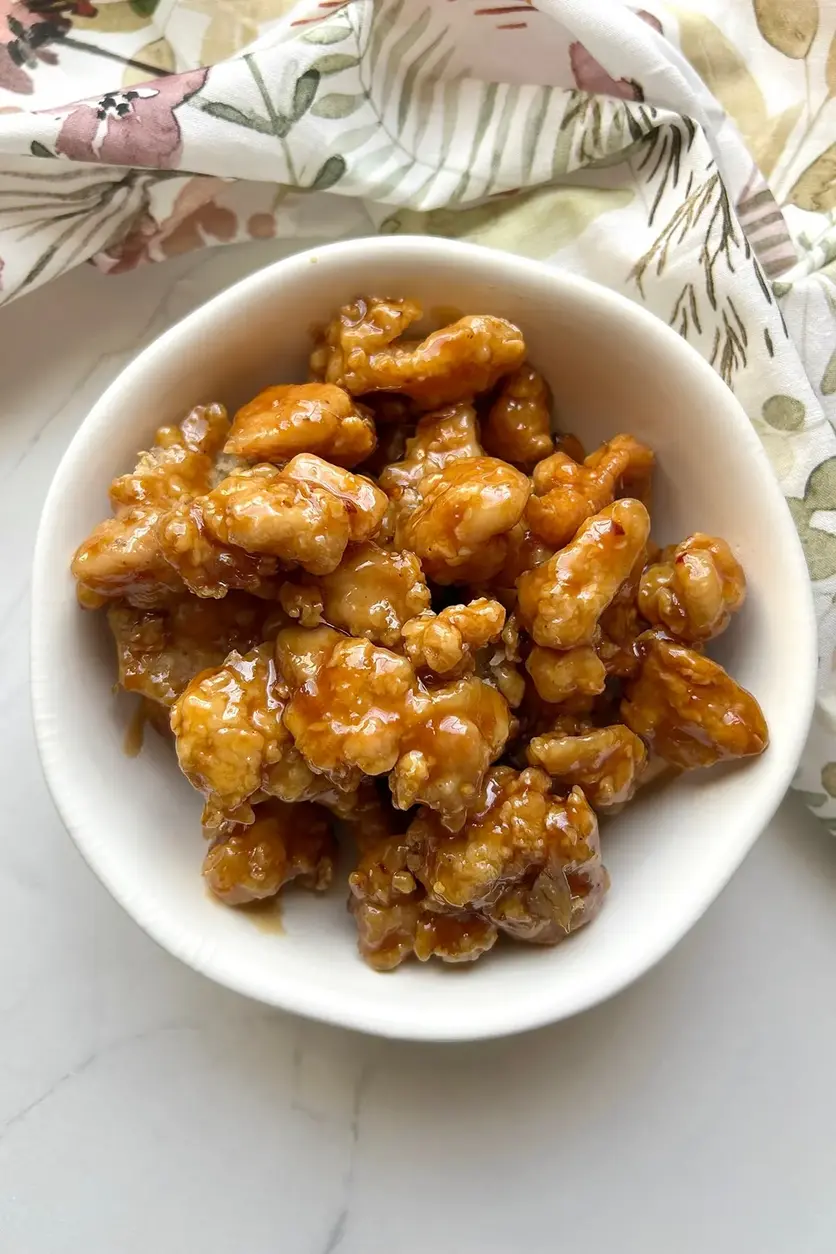
Crispy homemade Orange Chicken, just like Panda Express! Pieces of boneless chicken breast are deep-fried and then cooked in a sweet, tangy orange sauce made from scratch. Panda Express Orange Chicken is not too spicy and so easy to make!
1 Tbsp sunflower oil ((or any neutral flavored oil) )
1 1/2 tsp salt
1 tsp pepper
3/4 cup cornstarch
1/3 cup all-purpose flour ((heaping))
1/2 cup white distilled vinegar
1/2 cup cane sugar
1/4 cup water
1/4 cup soy sauce ((or coconut liquid aminos) )
1/2 tsp crushed red pepper flakes
2 cloves garlic ((crushed))
1/2 tsp zested ginger root ((peeled))
1 Tbsp orange juice concentrate ((or 3 Tbsp orange juice))
1 Tbsp cornstarch
1 tsp sesame oil
1 tsp rice wine ((or apple cider vinegar))
Instructions
Cut the chicken into bite-sized pieces (about 1 inch thick). Then, preheat 2 inches of oil in a large pot or deep skillet.
Whisk together the egg, oil, salt, and pepper in a small bowl.
In a separate bowl, mix together the flour and cornstarch.
Dredge the chicken in the beaten egg mixture and then into the flour mixture. Shake off any excess flour.
Deep fry the chicken in batches in 350°F oil until crispy, and the internal temperature reaches 165°F. Transfer to a large plate lined with paper towels.
To make the orange chicken sauce, Combine all the sauce ingredients in a saucepan or large pot. Bring to a boil and simmer to desired thickness (1-2 minutes).
Add the fried chicken pieces to the sauce and toss to coat. Transfer to a serving dish and enjoy!
Sizzling Chinese Pepper Steak with Onions – CookTune
Sizzling Chinese Pepper Steak with Onions: Your 20-Minute Ticket to Takeout Bliss
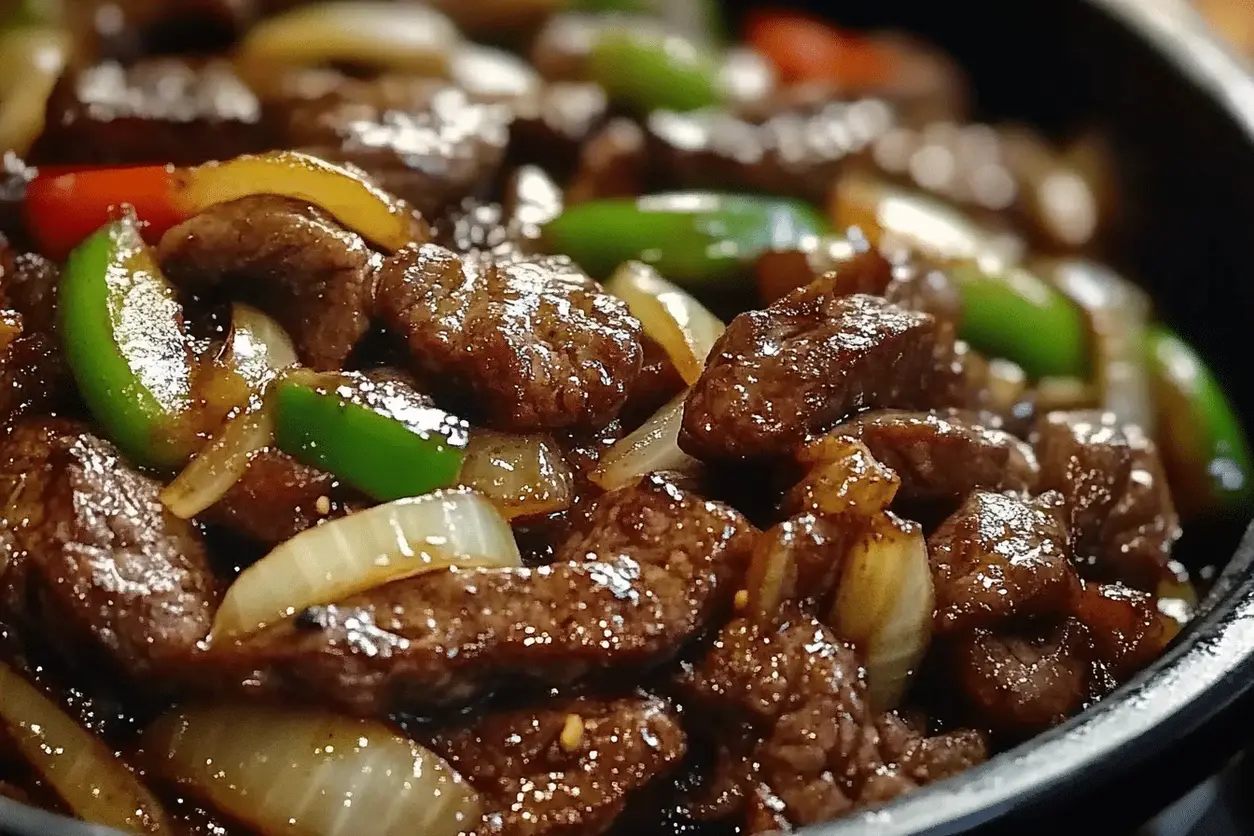
This Sizzling Chinese Pepper Steak with Onions is the ultimate weeknight warrior recipe. Imagine tender, marinated beef strips, caramelized onions, and a glossy, savory-sweet sauce all coming together in one fiery pan. It’s faster than delivery and tastes infinitely better than anything from a takeout box. Serve it over fluffy rice or noodles for a complete, restaurant-quality meal that will have everyone asking for seconds.
Prep Time 15 minutes
Cook Time 15 minutes
Total Time 30 minutes
Servings 4 people
Difficulty Easy
Why This Pepper Steak is a Game-Changer for Busy Cooks
Let’s be honest: some nights, the thought of cooking feels like a chore. You’re tired, you’re hungry, and the siren call of the takeout menu is strong. That’s exactly why we created this Sizzling Chinese Pepper Steak recipe. It’s designed to be your culinary shortcut—a dish that delivers massive flavor with minimal effort and time. In about 20 minutes of active cooking, you can have a sizzling, aromatic platter of food that rivals your favorite Chinese restaurant.
The magic lies in the technique and balance. We’re not just stir-frying; we’re building layers of flavor. First, a quick marinade tenderizes the beef and gives it a deep, umami base. Then, we get those onions perfectly soft and sweet with a touch of caramelization. Finally, everything comes together in a sauce that’s the perfect trio of savory, sweet, and tangy. It’s a symphony in a skillet, and you’re the conductor.
This recipe is more than just dinner; it’s a confidence-builder. It teaches foundational stir-fry skills—high heat, quick movement, and sauce reduction—that you can apply to countless other dishes. Once you master this pepper steak, a whole world of Asian-inspired cooking opens up to you.
💡 The Kitchen Team’s Pro Tip: For the most authentic “wok hei” (breath of the wok) flavor at home, make sure your pan is screaming hot before you add the beef. Don’t crowd the pan—cook in batches if necessary—to ensure a good sear instead of steaming the meat.
What Makes This Recipe The Best Sizzling Chinese Pepper Steak
You might find other pepper steak recipes online, but ours stands out for several key reasons that guarantee success every single time.
1. The Double-Duty Marinade: Our marinade isn’t just for flavor; it’s a tenderizer. The combination of soy sauce, ginger, and garlic starts breaking down the beef’s proteins, ensuring every strip is melt-in-your-mouth tender, even when cooked quickly over high heat.
2. The Sauce Science: We’ve perfected the sauce ratio. The hoisin brings a sweet, fermented depth, the soy sauce provides salty umami, and the rice vinegar cuts through with a bright acidity. A small amount of cornstarch, dissolved first in the cold liquids, creates that glossy, cling-to-every-bite texture that defines great restaurant stir-fry.
3. Strategic Cooking Order: Many recipes have you cook everything at once. We cook the onions first, remove them, then cook the beef. This prevents the onions from becoming soggy and allows the beef to get a proper sear. Combining them at the end with the sauce ensures every component is cooked to perfection.
4. Flexibility & Forgiveness: No oyster sauce? Use more hoisin or a dash of fish sauce. No rice vinegar? Apple cider vinegar works. We provide a framework that delivers incredible results, even with common pantry swaps.
Ingredients & Shopping Guide
Great cooking starts with great ingredients. Here’s everything you need, along with our notes on selecting the best components for your Sizzling Chinese Pepper Steak.
Ingredient
Quantity
Notes & Best Picks
Beef (Sirloin or Ribeye)
1 lb (450g)
Look for “stir-fry” strips or slice a steak against the grain. Ribeye is more flavorful; sirloin is leaner.
Vegetable Oil
4 tbsp total (divided)
Use a high-smoke-point oil like avocado, canola, or peanut oil for stir-frying.
Garlic, minced
2 cloves
Fresh is best! Pre-minced jarred garlic can be used in a pinch.
Fresh Ginger, grated
1 tbsp (15g)
A microplane is perfect for grating. Keep a knob of ginger in the freezer for easy grating anytime.
Soy Sauce (regular)
3 tbsp total (divided)
We use regular soy sauce for marinade and sauce. For a gluten-free version, use tamari.
Oyster Sauce (optional)
1 tbsp (15g) for marinade
Adds a deep, savory flavor. Vegetarian oyster sauce (mushroom-based) is a great substitute.
Sesame Oil
1 tsp
Use toasted sesame oil for its intense nutty aroma. Add at the end of cooking for best flavor.
Hoisin Sauce
2 tbsp (30g)
The sweet, thick backbone of the sauce. Found in the Asian aisle of most supermarkets.
Rice Vinegar
2 tbsp (30g)
Provides essential acidity. Unseasoned is preferred.
Cornstarch
1 tbsp (15g)
The key to a glossy, thickened sauce. Must be dissolved in cold liquid first to avoid lumps.
Large Onion
1, sliced
Yellow or white onions work best for their balance of sweetness and pungency when cooked.
Salt & Black Pepper
To taste
Freshly cracked black pepper is ideal. Season the onions as they cook.
💡 The Kitchen Team’s Pro Tip: When slicing your beef, always cut against the grain. Look for the lines running through the meat and slice perpendicular to them. This shortens the muscle fibers, making each bite incredibly tender.
Step-by-Step Cooking Instructions
Follow these detailed steps for a flawless stir-fry. We recommend having all your ingredients prepped and within arm’s reach before you turn on the heat—this is called “mise en place,” and it’s crucial for stir-fry success.
Step 1: Marinate the Beef
In a medium bowl, whisk together 1 tablespoon of soy sauce, the optional oyster sauce (1 tbsp), grated ginger, minced garlic, and 1 teaspoon of sesame oil. Add the beef strips and toss thoroughly until every piece is coated. Let it sit at room temperature for 10-15 minutes. Don’t skip this step—it’s the flavor foundation.
Step 2: Caramelize the Onions
While the beef marinates, heat 1 tablespoon of vegetable oil in a large skillet, wok, or cast-iron pan over medium heat. Add the sliced onions and cook, stirring occasionally, for 6-8 minutes until they are soft, translucent, and have golden-brown edges. Season with a pinch of salt and pepper. Transfer the onions to a clean plate and set aside.
Step 3: Prepare the Sauce
In a small bowl or measuring cup, whisk together the remaining 2 tablespoons of soy sauce, hoisin sauce (2 tbsp), rice vinegar (2 tbsp), and cornstarch (1 tbsp). Whisk until the cornstarch is completely dissolved and no lumps remain. This is your magic glaze.
Step 4: Sear the Beef
Increase the heat to high. Add 2 tablespoons of vegetable oil to the now-empty pan. Once the oil is shimmering and very hot, add the marinated beef strips in a single layer. Let them sear undisturbed for 1 minute to develop a crust, then stir-fry for an additional 1-2 minutes until the beef is just browned on the outside but still slightly pink inside. It will continue to cook in the sauce.
Step 5: Create the Glaze & Combine
Give the prepared sauce a quick re-whisk (the cornstarch may have settled) and pour it over the seared beef in the pan. It will bubble and thicken almost immediately. Stir constantly for 30 seconds to 1 minute until the sauce is glossy and coats every piece of beef.
Step 6: Final Assembly
Add the cooked onions back into the pan with the beef and sauce. Toss everything together for 1-2 minutes until the onions are reheated and fully incorporated. Do a final taste test and adjust seasoning with a splash of soy sauce or a pinch of pepper if needed.
💡 The Kitchen Team’s Pro Tip: For an extra layer of flavor and color, add a sliced bell pepper (any color) in with the onions during Step 2. It adds a wonderful crunch and sweetness that complements the beef perfectly.
Serving Suggestions & Perfect Pairings
This Sizzling Chinese Pepper Steak is the star, but the supporting cast completes the meal. Here are our favorite ways to serve it.
The Classic Bed: Serve it over a large mound of steamed jasmine or white rice. The plain rice is the perfect canvas to soak up every last drop of the incredible sauce.
Noodle Alternative: Toss it with cooked lo mein noodles, chow mein noodles, or even spaghetti for a hearty pepper steak noodle bowl. Garnish with sliced green onions and sesame seeds.
For a Low-Carb Option: Serve it over cauliflower rice or alongside a big pile of steamed broccoli, snap peas, or bok choy. The sauce makes even the simplest vegetables taste amazing.
Garnish Galore: Elevate your plate with fresh toppings: thinly sliced green onions, a sprinkle of toasted sesame seeds, or a few extra drops of toasted sesame oil right before serving.
Storage & Reheating Tips
To Store: Allow leftovers to cool completely. Transfer to an airtight container and refrigerate for up to 3-4 days.
To Freeze: This dish freezes surprisingly well! Place cooled pepper steak in a freezer-safe container or bag for up to 2-3 months. Thaw overnight in the refrigerator before reheating.
To Reheat: The best method is on the stovetop. Add a splash of water or broth to a skillet over medium heat, add the leftovers, and stir until heated through. This prevents the sauce from becoming too thick or the beef from overcooking. You can also use the microwave, heating in 30-second intervals and stirring in between.
Creative Recipe Variations
Once you’ve mastered the base recipe, make it your own with these delicious twists.
Spicy Szechuan Pepper Steak: Add 1-2 teaspoons of Szechuan peppercorns (crushed) to the marinade and include 1-2 sliced fresh red chilies or a tablespoon of chili-garlic sauce in the stir-fry.
Mushroom Lover’s Version: Add a cup of sliced shiitake or cremini mushrooms when you cook the onions. They’ll soak up the sauce and add a wonderful meaty texture.
Pepper Steak with Broccoli: Add a cup of small broccoli florets to the pan after removing the onions. Stir-fry for 2-3 minutes until bright green and crisp-tender, then remove and add back with the onions at the end.
Pineapple Pepper Steak: For a sweet and tangy Hawaiian-inspired twist, add ½ cup of fresh pineapple chunks when you combine the onions and beef.
Your Questions Answered (FAQ)
1. Can I use a different cut of beef?
Absolutely. While sirloin and ribeye are ideal for their tenderness and flavor, flank steak or skirt steak are excellent, more economical choices. Just be sure to slice them very thinly against the grain.
2. I don’t have hoisin sauce. What can I substitute?
You can make a quick substitute by mixing 1.5 tablespoons of soy sauce with 1.5 tablespoons of brown sugar or honey, and a small dash of five-spice powder. It won’t be identical, but it will provide a similar sweet-savory balance.
3. Is this recipe gluten-free?
It can be easily made gluten-free! Use tamari instead of regular soy sauce, and ensure your hoisin and oyster sauces are certified gluten-free brands (or omit the oyster sauce). Cornstarch is naturally gluten-free.
4. Why did my sauce turn out gloopy or lumpy?
This happens if the cornstarch wasn’t fully dissolved in cold liquid before hitting the heat. Always whisk your cornstarch with the cold sauces and vinegar until completely smooth. If lumps form, you can push the sauce through a fine-mesh sieve.
5. Can I make this dish ahead of time?
You can prep the components ahead: slice the beef and onions, make the marinade and sauce, and store them separately in the fridge for up to 24 hours. The actual stir-frying is best done just before serving for optimal texture.
6. My beef got tough. What went wrong?
The two most common causes are overcooking and slicing with the grain. Stir-fry beef over very high heat for a very short time. Once it loses its pink color on the outside, it’s usually done. Also, always double-check that you’re slicing against the grain.
7. Can I use frozen beef strips?
Yes, but they must be fully thawed and patted very dry with paper towels before marinating. Excess moisture will cause the beef to steam instead of sear.
8. What’s the best pan to use?
A carbon steel wok is the traditional champion for stir-frying, but a large, heavy-bottomed skillet or cast-iron pan works beautifully. The key is a pan that can hold and distribute high heat evenly.
Loved This Recipe? Share the Love!
If this Sizzling Chinese Pepper Steak brought some delicious excitement to your dinner table, please share it with friends and family! Pin it to your Pinterest boards to save it for your next busy weeknight.
Save This “Sizzling Chinese Pepper Steak with Onions” Recipe
Don’t lose this easy 20-minute dinner recipe! Click the button below to save it directly to your favorite Pinterest food board so you can always find it when you need a quick, flavor-packed meal.
This Chinese Pepper Steak with Onions is a quick and flavorful dinner featuring tender beef strips, crisp onions, and a savory sauce thats perfect for a weeknight meal. Cooked to perfection in a sizzling stir-fry, this dish brings the bold flavors of Chinese cuisine straight to your table. Serve it over steamed rice or noodles for a satisfying, restaurant-quality meal at home.
Ingredients
Scale
1 lb (450g) beef strips (sirloin or ribeye)
2 tbsp (30g) vegetable oil
2 cloves garlic, minced
1 tbsp (15g) grated fresh ginger
1 tbsp (15g) soy sauce
1 tbsp (15g) oyster sauce (optional)
1 tsp sesame oil
Salt and pepper to taste
2 tbsp (30g) soy sauce
2 tbsp (30g) oyster sauce (optional)
2 tbsp (30g) hoisin sauce
2 tbsp (30g) rice vinegar
1 tbsp (15g) cornstarch
2 tbsp (30g) vegetable oil
1 large onion, sliced
1 tbsp (15g) vegetable oil
Salt and pepper to taste
Instructions
Prepare the Steak: In a bowl, whisk together soy sauce, oyster sauce, ginger, garlic, and sesame oil.
Toss the beef strips in the marinade and let sit for 10-15 minutes.
Cook the Onions: Heat 1 tbsp vegetable oil in a skillet over medium heat.
Add sliced onions and sauté until soft and slightly caramelized.
Season with salt and pepper, then remove from the pan and set aside.
Sear the Beef: In the same pan, heat 2 tbsp vegetable oil over high heat.
Add the marinated beef strips and stir-fry for 2-3 minutes until browned.
Make the Sauce: In a small bowl, whisk together soy sauce, hoisin sauce, rice vinegar, and cornstarch.
Pour the sauce over the beef and let simmer until it thickens.
Combine & Serve: Add the sautéed onions back into the pan, stirring to combine.
Serve hot over steamed rice or noodles.
Hi I'm Emy
I’m passionate about sharing a diverse collection of sweet and savory recipes that I’ve meticulously tested and perfected in my own kitchen.