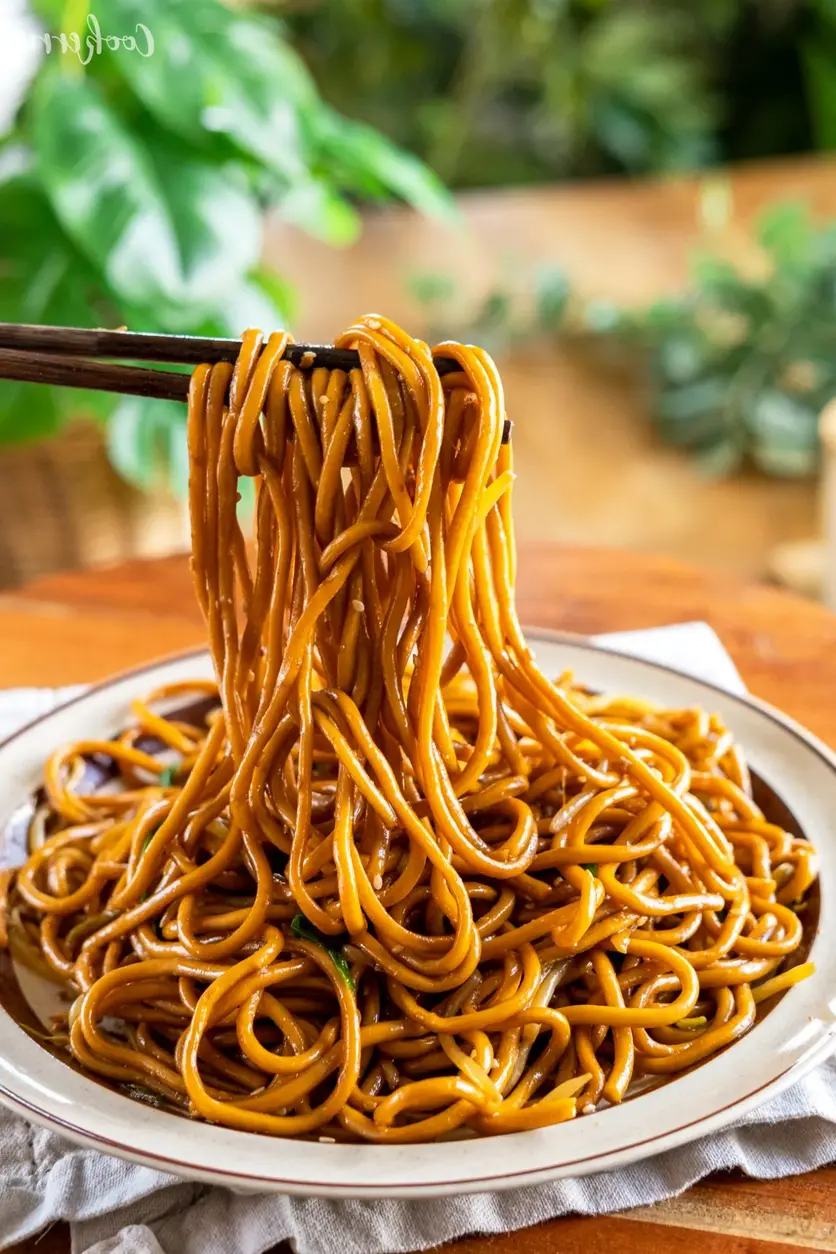
10-Minute Pan Fried Noodles

The Ultimate 10-Minute Pan Fried Noodles: Your New Go-To Weeknight Savior

Craving restaurant-quality stir-fried noodles but short on time and energy? Our foolproof 10-Minute Pan Fried Noodles recipe delivers maximum flavor with minimal effort, using a single pan and a handful of pantry staples. This is the secret weapon for busy cooks who refuse to compromise on taste.
Prep Time Cook Time Total Time Servings Difficulty
5 minutes 5 minutes 10 minutes 2 people Easy

Why This Recipe is a Weeknight Game-Changer

Let’s be honest: after a long day, the last thing you want is a complicated recipe with a sink full of dishes. That’s where these 10-Minute Pan Fried Noodles come in. Born from the need for speed without sacrificing the deep, savory, slightly caramelized flavor of great takeout, this recipe is a cornerstone of practical home cooking. It leverages the power of high heat, a simple yet impactful sauce, and fresh noodles to create something truly special in the time it takes to boil water. At Cooking With Emy, we believe a fantastic meal shouldn’t be a project. It should be an accessible, joyful part of your day. This dish embodies that philosophy. It’s versatile enough to clean out the veggie drawer, substantial enough to be a full meal, and delicious enough to make you feel like a culinary genius. Whether you’re cooking for one, feeding a family, or need a impressively quick lunch, this recipe adapts to your life.

💡 The Kitchen Team’s Pro Tip: The true “10-minute” secret lies in mise en place—having all your ingredients measured, chopped, and ready to go by the stove before you turn on the heat. This recipe moves fast, so a little prep prevents burning and ensures perfectly cooked noodles every single time.

Why These Are the Best 10-Minute Pan Fried Noodles

You might see other “quick” noodle recipes online, but ours stands apart for several key reasons. First, we focus on fresh noodles (like refrigerated lo mein, ramen, or udon) instead of dried. This eliminates a boiling step and gives you that authentic, tender-yet-chewy texture that’s essential for proper pan-frying. Second, our sauce balance is meticulously tested. The combination of regular soy sauce for saltiness, dark soy sauce for color and depth, a hint of sugar for caramelization, and white pepper for a subtle kick creates a complex flavor profile that clings beautifully to each noodle strand. Third, we respect the technique: getting your pan screaming hot, cooking in stages, and finishing with a drizzle of sesame oil are non-negotiable steps for that coveted “wok hei” or breath of the wok flavor, even in a home kitchen. This isn’t just boiled noodles tossed in sauce; it’s a proper, quick stir-fry with texture, layers, and soul.

Ingredients & Customization Guide

Here’s your shopping list for this incredibly flexible dish. Don’t be afraid to swap and substitute based on what you have on hand.

Ingredient Quantity Notes & Substitutions
Fresh Noodles 10.5 oz (300g) Key Ingredient. Look for refrigerated lo mein, chow mein, ramen, or udon noodles in the Asian aisle of your grocery store. Dried noodles can be used (cook first) but fresh is ideal.
Neutral Oil 2 tbsp Avocado, vegetable, or canola oil. High smoke point is essential.
Garlic, minced 2 cloves Fresh is best! Jarred minced garlic can be used in a pinch.
Green Onions 2 stalks Separate white/light green parts (for cooking) from dark green tops (for garnish).
Bean Sprouts 1 cup Or substitute with shredded cabbage, matchstick carrots, sliced bell peppers, or snap peas.
Soy Sauce 2 tbsp Use low-sodium if preferred. Tamari for gluten-free.
Dark Soy Sauce 1/2 tbsp Primarily for color & richness. Sub with 1/2 tbsp regular soy sauce + 1/4 tsp molasses.
Sugar 1/2 tbsp White, brown, or even honey. Aids in caramelization.
White Pepper 1/8 tsp Black pepper works fine, but white pepper is more authentic.
Water 1 tbsp Helps the sauce distribute evenly without over-reducing too quickly.
Sesame Oil 1 tsp Finishing oil. Add at the end for maximum aroma. Do not use for frying.
💡 The Kitchen Team’s Pro Tip: If using dried noodles, cook them until just shy of al dente (about 1 minute less than package directions). They will finish cooking in the pan. Rinse under cold water to stop the cooking process and drain very well to prevent a soggy stir-fry.

Step-by-Step Cooking Instructions

Follow these steps for perfect, non-sticky, gloriously caramelized noodles every time.

  1. Prep Everything: In a small bowl, whisk together the soy sauce, dark soy sauce, sugar, white pepper, and 1 tbsp water until the sugar dissolves. Set your sauce aside. Separate the green onions, mince the garlic, and have your bean sprouts ready. If your fresh noodles are stuck together, rinse them briefly under warm water and toss to separate.
  2. Heat the Pan: Place a large wok, cast-iron skillet, or non-stick pan over medium-high heat. Let it get hot for about 60 seconds. Add the neutral oil and swirl to coat.
  3. Fry the Aromatics: Add the minced garlic and the white/light green parts of the green onions to the hot oil. Stir-fry for 30-60 seconds until incredibly fragrant but not browned.
  4. Add the Noodles: Add the prepared fresh noodles to the pan. Using a pair of tongs or two spatulas, toss and stir to coat the noodles in the oil and mix with the aromatics. Let them sit for 30-second intervals to get a slight sear.
  5. Pour in the Sauce: Give your sauce a quick re-stir and pour it evenly over the noodles. Immediately start tossing and stirring continuously. The sauce will bubble and reduce. Cook for 2-3 minutes, allowing the sauce to caramelize and coat every strand.
  6. Add Veggies & Finish: Add the bean sprouts and the reserved dark green parts of the green onions. Toss for just 30-60 seconds until the veggies are slightly wilted but still crisp. Remove the pan from the heat. Drizzle the sesame oil over the top and give one final toss.
  7. Serve Immediately: Transfer your 10-Minute Pan Fried Noodles to plates or bowls. Enjoy hot for the best texture and flavor!

Serving Suggestions & Pairings

While these noodles are a complete meal on their own, they also play wonderfully with others. For a simple protein boost, top with a soft-boiled or fried egg with a runny yolk. For a more substantial meal, serve alongside Quick Garlic Soy Chicken Thighs or 5-Spice Pan-Seared Tofu. A light, crisp side like a cucumber salad with rice vinegar balances the savory richness perfectly. If you love spice, offer chili crisp, sriracha, or sliced fresh chilies at the table. The beauty of this dish is its ability to be the star or a supporting player in your weekly meal lineup.

Storage & Reheating Instructions

Storage: Allow leftovers to cool completely. Store in an airtight container in the refrigerator for up to 3 days. The noodles will soften over time but will still taste delicious.

Reheating for Best Results: The microwave can make noodles rubbery. For best results, reheat in a pan: Add a tiny splash of water or broth to a non-stick skillet over medium heat. Add the cold noodles and cover with a lid. Let them steam for 2-3 minutes, then uncover and stir-fry for another minute to re-crisp slightly. This method revives the texture remarkably well.

Creative Variations to Try

Once you’ve mastered the base recipe, the world is your oyster (sauce)!

  • Protein Power: Add 1/2 lb of thinly sliced chicken breast, shrimp, or flank steak. Stir-fry the protein first until cooked through, remove from the pan, then proceed with the recipe. Add the cooked protein back in with the bean sprouts.
  • Vegetable Garden: Swap bean sprouts for broccoli florets, sliced mushrooms, baby corn, or water chestnuts. For harder veggies (like broccoli), blanch them for 1 minute in boiling water first.
  • Flavor Twists: Add 1 tsp grated ginger with the garlic. For a tangy kick, add 1 tbsp rice vinegar to the sauce. For a spicy version, add 1 tsp chili garlic sauce or a dried red chili to the oil with the garlic.
  • Thai-Inspired: Replace the soy sauces with 2 tbsp fish sauce and add 1 tbsp lime juice and a pinch of brown sugar. Finish with fresh cilantro and crushed peanuts.

Your Top Questions Answered (FAQ)

Can I use spaghetti or other dried pasta?

Yes, you can! Cook 8 oz of dried spaghetti or linguine to al dente. Drain, rinse with cold water, and toss with 1 tsp of oil to prevent sticking before adding to the pan. The texture will be different but still tasty.

My noodles keep sticking to the pan! What am I doing wrong?

Sticking is usually due to one of three things: 1) The pan isn’t hot enough before adding the oil and noodles. 2) You’re not using enough oil. 3) You’re stirring too infrequently in the beginning. Ensure a hot pan, adequate oil, and keep those noodles moving!

Is dark soy sauce absolutely necessary?

It’s highly recommended for its unique color and malty flavor, but not a deal-breaker. The substitution (regular soy sauce + a tiny bit of molasses) works well in a pinch.

Can I make this gluten-free?

Absolutely. Use 100% buckwheat soba noodles or rice noodles, and substitute the soy sauces with tamari (ensure it’s gluten-free) or a certified gluten-free soy sauce alternative.

Can I double or triple this recipe?

You can, but cook in batches for the best results. Overcrowding the pan steams the noodles instead of frying them, leading to a mushy texture. Cook one batch, remove it, then cook the next.

What’s the best type of pan to use?

A carbon steel wok is ideal, followed by a cast-iron skillet or a large, heavy-bottomed non-stick frying pan. The key is a pan that holds heat well and has plenty of surface area.

Can I add the sesame oil at the beginning with the other oil?

Please don’t! Sesame oil has a low smoke point and burns easily, becoming bitter. It’s a finishing oil meant to be drizzled on at the end to preserve its delicate, nutty aroma.

How can I make this recipe vegan?

It’s almost there! Just ensure your noodles don’t contain egg (many fresh Asian noodles are egg-free, but check the label) and use the sugar or maple syrup option. The sauce is already plant-based.

Made This Recipe? Share the Love!

If this 10-Minute Pan Fried Noodles recipe saved your weeknight, we’d be thrilled to see your creation! Tag us on social media @cookingwithemy or use the hashtag #CookingWithEmy. Your feedback makes our day and inspires future recipes!

📌 Love This Recipe? Save It For Later!

Pin the image below to your Quick Dinners or Asian Recipes board on Pinterest to always have this lifesaver recipe handy. Follow Cooking With Emy on Pinterest for more easy, flavor-packed ideas!

Recommended Pinterest Image Description: “10-Minute Pan Fried Noodles – The ultimate easy weeknight dinner! Savory, caramelized, and made in one pan. Faster than takeout!”

clock clock iconcutlery cutlery iconflag flag iconfolder folder iconinstagram instagram iconpinterest pinterest iconfacebook facebook iconprint print iconsquares squares iconheart heart iconheart solid heart solid icon

10-Minute Pan Fried Noodles


  • Author:
    Chef Emy

Description

These quick & easy pan fried noodles are made with a handful of ingredients in a single pan, making it the perfect meal to add to your dinner rotation. Tossed in a savory sauce and aromatic vegetables, these stir-fried noodles are packed with flavor and can easily be customized to your liking.


Ingredients


Scale
  • 300 g fresh noodles (see notes below)
  • 2 tbsp neutral oil
  • 2 cloves garlic (minced)
  • 2 green onions (cut lengthwise in 2″ pieces)
  • 1 cup bean sprouts (or other vegetables)
  • 1 tsp sesame oil (to finish)
  • 2 tbsp soy sauce
  • 1/2 tbsp dark soy sauce
  • 1/2 tbsp sugar
  • 1/8 tsp white pepper (or black pepper)
  • 1 tbsp water

Instructions

  1. Combine the sauce ingredients in a bowl and prepare the noodles as per package instructions. Rinse the noodles under cold water, drain, and set aside.
  2. Heat oil in a wok or a large pan over medium heat. Add garlic and white parts of green onion and cook until fragrant. Add noodles and mix to combine.
  3. Pour in the sauce and cook for about 2-3 minutes until the noodles are caramelized. Add bean sprouts, reserved green onion, and sesame oil to finish. Enjoy!
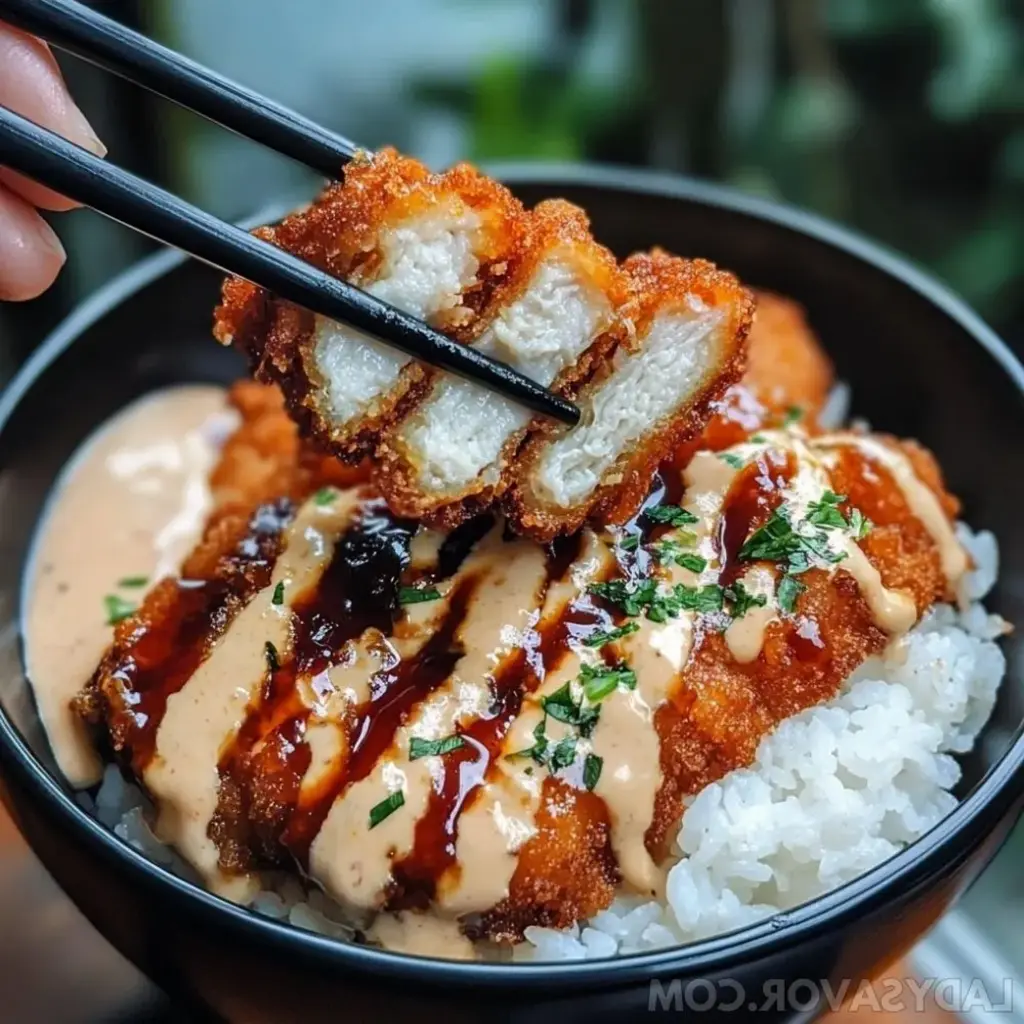
Japanese Katsu Bowls with Tonkatsu Sauce

The Ultimate Japanese Katsu Bowls with Tonkatsu Sauce: Crispy, Savory, & Unforgettable

Prep Time
20 minutes
Cook Time
15 minutes
Total Time
35 minutes
Servings
2 bowls
Difficulty
Easy

The Ultimate Comfort Food Awaits

Imagine the perfect bite: a shatteringly crisp, golden-brown cutlet, its juicy interior giving way to a bed of steaming, fluffy rice, all brought together by a rich, savory-sweet tonkatsu sauce that dances on your palate. This is the magic of Japanese Katsu Bowls, a dish that transforms simple ingredients into a symphony of texture and flavor that feels both indulgent and comforting. At Cooking With Emy, we believe the best meals are those that transport you, and this recipe is your first-class ticket to a bustling Tokyo tonkatsu-ya (pork cutlet shop) or a cozy Kyoto kitchen.

More than just “fried meat on rice,” a proper katsu bowl (katsudon can refer to a specific egg-topped version, but the bowl concept is widely loved) is a study in contrasts. It’s a dish where meticulous preparation meets ultimate satisfaction. While it may seem like restaurant fare, we’re here to prove that creating authentic, incredibly delicious Japanese Katsu Bowls with Tonkatsu Sauce at home is not only possible but surprisingly straightforward. With our tested method and pro tips, you’ll achieve that signature crunch and complex sauce flavor that will have everyone asking for seconds.

Why This Is The Best Katsu Bowl Recipe You’ll Find

What sets this recipe apart? It’s built on the foundational techniques used in Japanese kitchens, adapted for the home cook without any compromise on quality. First, we focus on the texture of the panko crust. Many recipes don’t emphasize the crucial step of properly toasting or frying the panko for maximum crunch and color. Our method ensures a light, airy, and deeply golden crust that stays crispy even when sauced. Second, we demystify the tonkatsu sauce. While store-bought is perfectly fine, our simple homemade version balances sweet, tangy, and umami in a way that outshines most bottled brands, using pantry staples you likely already have.

Furthermore, we provide the flexibility to use chicken or pork, with precise cooking times for each, so your protein is always perfectly cooked—never dry, never greasy. The assembly of the bowl is also key; it’s not just dumping components together. The order and technique matter for the optimal eating experience. This recipe is the culmination of testing and passion, designed to deliver a result that is truly worthy of being called “the ultimate.”

Gathering Your Ingredients

Quality ingredients lead to an exceptional dish. Here’s what you’ll need to create these iconic bowls. The beauty lies in the simplicity of the list.

Ingredient Quantity Notes
Boneless Chicken Breasts or Pork Loin Cutlets 2 (about 6 oz each) Pounded to an even ½-inch thickness. Pork is traditional for tonkatsu, but chicken (chicken katsu) is a fantastic alternative.
Panko Breadcrumbs 1 cup Must be panko. Their large, flaky texture creates the signature airy crunch. Regular breadcrumbs will not yield the same result.
All-Purpose Flour ½ cup For the initial dredge. It helps the egg wash adhere.
Large Eggs 2 Beaten well. This is the “glue” for the panko.
Cooked White Rice 3 cups Short-grain sushi rice is preferred for its sticky, fluffy texture. Jasmine rice works in a pinch.
Neutral Oil for Frying About 1-1.5 cups Vegetable, canola, or peanut oil. You need enough for shallow frying, about ½-inch deep in your pan.
Salt & Black Pepper To taste For seasoning the meat.
For Homemade Tonkatsu Sauce (or use ½ cup store-bought):
Ketchup 3 tbsp Provides sweetness and body.
Worcestershire Sauce 2 tbsp The umami backbone. Use a good brand.
Soy Sauce 1 tbsp Adds depth and saltiness. Use low-sodium if preferred.
Granulated Sugar 1 tsp Balances the acidity. Adjust to your taste.
Optional Garnishes: Thinly sliced green onions, shredded cabbage, sesame seeds, fresh parsley.
💡 The Kitchen Team’s Pro Tip: For an extra-crispy and flavorful crust, toast your panko breadcrumbs in a dry skillet over medium heat for 3-4 minutes until lightly golden before using them for breading. This removes moisture and deepens their color and nutty flavor, preventing them from absorbing as much oil during frying.

Step-by-Step Cooking Instructions

Follow these steps carefully for a foolproof, restaurant-quality result. Mise en place (having everything prepared) is your best friend here.

1

Prepare the Protein

Place your chicken breasts or pork cutlets between two sheets of plastic wrap. Using a meat mallet, rolling pin, or even a heavy skillet, pound them to an even ½-inch thickness. This ensures quick, even cooking and maximizes the surface area for that delicious crust. Season both sides generously with salt and pepper.

2

Set Up Your Breading Station

Get three shallow bowls or plates. In the first, place the all-purpose flour. In the second, beat the two eggs until uniform. In the third, place the panko breadcrumbs. This assembly line is crucial for a clean, efficient breading process.

3

Bread the Cutlets

Working with one cutlet at a time, dredge it thoroughly in the flour, shaking off any excess. Next, dip it into the beaten egg, coating it completely and allowing the excess to drip off. Finally, place it in the panko breadcrumbs, pressing down gently and sprinkling crumbs over the top to ensure a complete, even coating. Transfer the breaded cutlet to a clean plate and repeat with the remaining cutlet.

4

Heat the Oil & Fry

Pour oil into a large, heavy-bottomed skillet (cast iron is ideal) to a depth of about ½ inch. Heat over medium-high heat until it reaches approximately 350°F (175°C). You can test it by dropping a small panko crumb in; it should sizzle vigorously. Carefully place the breaded cutlets in the hot oil. Do not overcrowd the pan; fry in batches if necessary. Fry chicken for 3-4 minutes per side, or pork for 2-3 minutes per side, until deeply golden brown and cooked through. The internal temperature should reach 165°F for chicken and 145°F for pork.

5

Drain & Rest

Transfer the fried cutlets to a wire rack set over a baking sheet or a plate lined with paper towels. This allows air to circulate and keeps the bottom from getting soggy. Let them rest for 2-3 minutes before slicing. This rest period lets the juices redistribute.

6

Make the Tonkatsu Sauce (If Homemade)

While the cutlets rest, whisk together the ketchup, Worcestershire sauce, soy sauce, and sugar in a small bowl until the sugar is dissolved. Taste and adjust sweetness or saltiness to your preference. For a smoother sauce, you can let it sit for 10 minutes to allow the flavors to meld.

7

Slice & Assemble the Bowls

Slice the rested katsu cutlets against the grain into 1-inch wide strips. Divide the warm, cooked rice between two bowls. Arrange the sliced katsu over the rice. Drizzle generously with the tonkatsu sauce. Garnish with your chosen toppings like green onions or sesame seeds.

💡 The Kitchen Team’s Pro Tip: For perfectly sliced katsu that doesn’t crush the crispy crust, use a sharp chef’s knife or serrated bread knife and a gentle sawing motion. Slice just before serving to maintain maximum crunch in every piece.

Serving & Presentation

Presentation is part of the joy of Japanese cuisine. Serve your katsu bowls immediately while the cutlets are hot and crisp. Alongside the bowl, traditional accompaniments include a small mound of finely shredded cabbage (which acts as a refreshing, crisp counterpoint), a wedge of lemon to squeeze over for brightness, and a small dish of extra tonkatsu sauce for dipping. For a more complete meal, consider starting with a simple miso soup or serving with a side of Japanese-style potato salad or pickled vegetables (tsukemono).

Storage & Reheating Tips

Storage: Store leftover components separately for best results. Place cooled, unsliced katsu cutlets in an airtight container in the refrigerator for up to 3 days. Store rice and sauce in separate containers.

Reheating for Best Crispness: The oven or air fryer is your friend. To reheat katsu, preheat your oven or air fryer to 375°F (190°C). Place the cutlets on a wire rack (to allow air flow) and heat for 8-12 minutes, or until hot and re-crisped. Avoid the microwave, as it will steam the crust and make it soggy. Reheat rice separately with a sprinkle of water, covered, in the microwave.

Delicious Recipe Variations

The katsu bowl is wonderfully adaptable. Here are some popular twists:

  • Katsu Curry Bowl (Katsu Karē): Instead of tonkatsu sauce, smother the katsu and rice with a rich, thick Japanese curry sauce.
  • Katsudon: After frying, simmer the sliced katsu in a mixture of dashi, soy, mirin, and sugar, then pour a beaten egg over the top. Cover until the egg is softly set, then serve over rice.
  • Cheese Katsu: Insert a slice of melty cheese (like mozzarella or gouda) into a pocket in the pork cutlet before breading and frying.
  • Vegetable Katsu: Use thick slices of sweet potato, eggplant, or even cauliflower steaks as the main component for a vegetarian version.
  • Different Proteins: Try this with turkey cutlets or even firm tofu (pressed well) using the same method.

Your Katsu Questions Answered (FAQ)

Question Answer
Can I bake the katsu instead of frying? Yes, for a lighter version. Place breaded cutlets on a wire rack over a baking sheet, spray generously with oil, and bake at 425°F (220°C) for 15-20 minutes, flipping halfway, until golden and cooked. The crust will be slightly less shatteringly crisp than fried but still delicious.
What’s the best substitute for panko? There is no perfect 1:1 substitute. In a pinch, you can pulse regular breadcrumbs in a food processor to make them finer, but they will be denser. Crushed cornflakes or unsweetened cereal can provide crunch but offer a different flavor.
Can I make this gluten-free? Absolutely. Use gluten-free all-purpose flour for dredging and certified gluten-free panko breadcrumbs (available at many stores). For the sauce, ensure your soy sauce, Worcestershire sauce, and ketchup are gluten-free brands, or use tamari instead of soy sauce.
How do I know when my oil is hot enough? The ideal temperature is 350°F (175°C). Use a deep-fry or instant-read thermometer for accuracy. Without one, the “wooden chopstick test” works: dip the end of a wooden chopstick or spoon handle into the oil. If steady, vigorous bubbles form around it immediately, the oil is ready.
Why is my crust falling off? This usually happens due to excess moisture or improper breading order. Ensure the cutlet is dry before flouring, shake off excess flour, let the excess egg drip off, and press the panko firmly onto the surface. Also, don’t move the cutlet in the oil for the first minute of frying to let the crust set.
Can I use an air fryer? Yes! Spray the breaded cutlets liberally with oil on both sides. Air fry at 400°F (200°C) for 10-12 minutes, flipping halfway, until golden and cooked through. Results are excellent and much lower in oil.
What’s the difference between tonkatsu sauce and Worcestershire? Tonkatsu sauce is a thicker, sweeter, fruitier, and more complex condiment that contains Worcestershire sauce as a base ingredient, along with fruits, vegetables, and spices. Worcestershire sauce alone is thinner, tangier, and less sweet.
How can I make the sauce spicier? Add a pinch of cayenne pepper, a few drops of Sriracha, or a small amount of grated fresh ginger to the homemade sauce mixture.
Can I prepare the cutlets ahead of time? You can bread the cutlets and refrigerate them on a parchment-lined tray, uncovered, for up to 2 hours before frying. This can actually help the coating set. For longer, freeze the breaded, uncooked cutlets on the tray, then transfer to a freezer bag for up to a month. Fry from frozen, adding a couple extra minutes per side.
Is this dish considered healthy? As a fried dish, it’s an indulgent treat. You can make it healthier by using the baking or air frying method, choosing lean chicken breast, serving with a large portion of shredded cabbage or a side salad, and being mindful of the amount of sauce used.

We hope you love creating these Ultimate Japanese Katsu Bowls as much as we do! It’s a dish that’s sure to become a regular in your dinner rotation.

Love This Recipe? Save It For Later!

Pin this image to your Dinner Ideas or Japanese Food board on Pinterest to always have this ultimate guide handy.

Follow us on Pinterest @cookingwithemy for more delicious inspiration!

📌 Save This Recipe on Pinterest

clock clock iconcutlery cutlery iconflag flag iconfolder folder iconinstagram instagram iconpinterest pinterest iconfacebook facebook iconprint print iconsquares squares iconheart heart iconheart solid heart solid icon

Japanese Katsu Bowls with Tonkatsu Sauce


  • Author:
    Chef Emy

Description

Japanese Katsu Bowls with Tonkatsu Sauce are the ultimate comfort food, combining crispy, golden cutlets with fluffy rice and a savory-sweet sauce. This simple yet flavorful recipe is perfect for a quick weeknight dinner or an indulgent treat that feels like dining out.


Ingredients


Scale
  • 2 boneless chicken breasts or pork loin cutlets (pounded to ½-inch thickness)
  • 1 cup panko breadcrumbs
  • ½ cup all-purpose flour
  • 2 large eggs (beaten)
  • 3 cups cooked white rice (sushi rice preferred)
  • ½ cup tonkatsu sauce (store-bought or homemade*)
  • Oil for frying (vegetable or canola)
  • Fresh parsley or green onion for garnish (optional)
  • 3 tbsp ketchup
  • 2 tbsp Worcestershire sauce
  • 1 tbsp soy sauce
  • 1 tsp sugar

Instructions

  1. Pound chicken to ½-inch thickness and season with salt and pepper.
  2. Set up a breading station with three bowls: one for flour, one for beaten eggs, and one for panko breadcrumbs.
  3. Coat each cutlet in flour, then dip in egg, and finally coat with panko breadcrumbs, pressing gently to adhere.
  4. Heat oil in a large frying pan over medium-high heat to about 350°F (175°C).
  5. Fry the cutlets for 3-4 minutes per side (for chicken) or 2-3 minutes per side (for pork) until golden and cooked through. Transfer to a paper towel-lined plate.
  6. If making homemade tonkatsu sauce, mix ketchup, Worcestershire sauce, soy sauce, and sugar in a small bowl. Adjust sweetness to taste.
  7. Assemble bowls by adding cooked rice, sliced cutlets, and a generous drizzle of tonkatsu sauce. Garnish with parsley or green onions, if desired. Serve immediately.


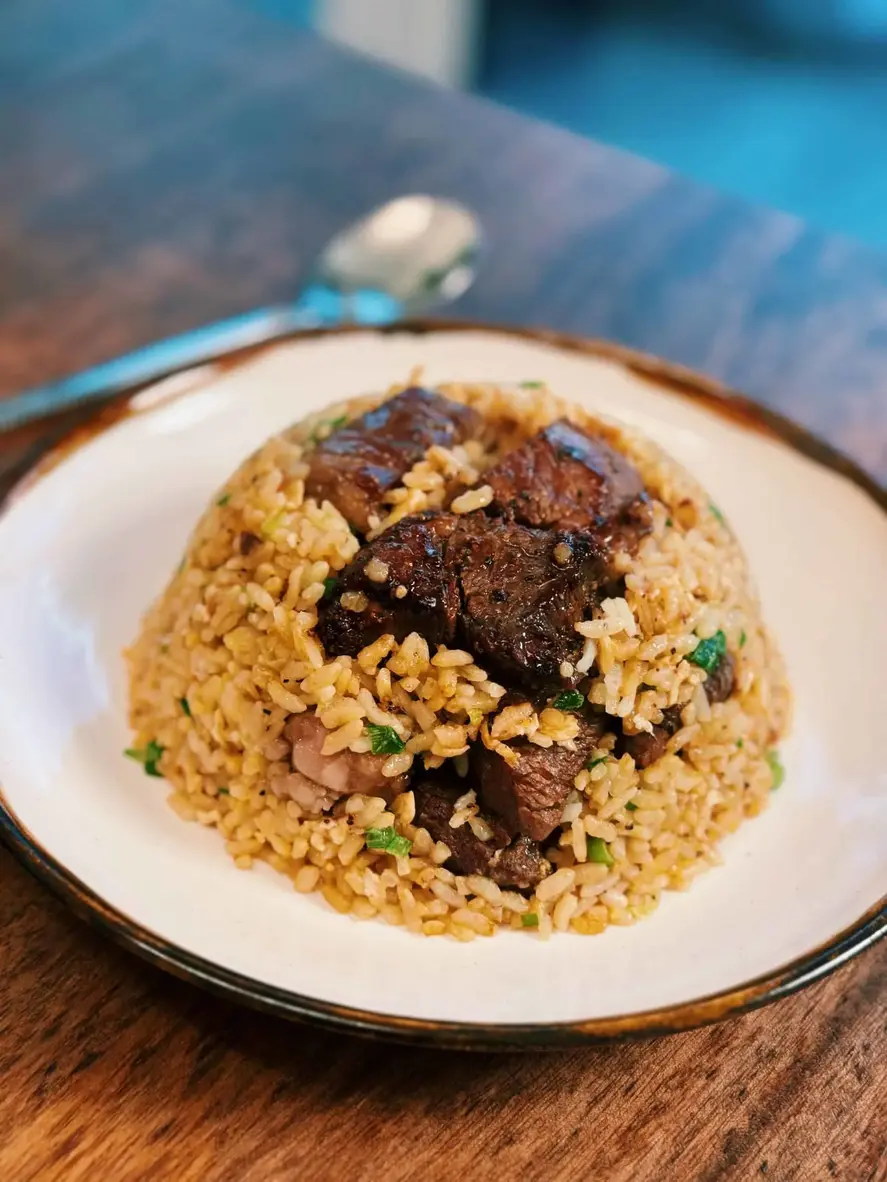
Golden Steak Fried Rice

Golden Steak Fried Rice: The Ultimate Restaurant-Quality Dinner in 30 Minutes

Imagine the sizzle of a hot wok, the rich, savory aroma of seared steak mingling with garlic and soy sauce, and the sight of every single grain of rice gleaming with a perfect golden hue. This isn’t takeout—this is your kitchen on a weeknight. Welcome to the definitive guide for making the most incredible Golden Steak Fried Rice, a dish that masterfully blends the luxurious tenderness of steak with the comforting, crave-worthy magic of perfect fried rice. We’re not just tossing leftovers together; we’re engineering flavor and texture for a result that will make you forget your favorite Chinese restaurant. This recipe is your ticket to a quick, impressive, and deeply satisfying meal that feels like a celebration.

Prep Time 15 minutes
Cook Time 15 minutes
Total Time 30 minutes
Servings 4 people
Difficulty Easy

What Makes This The Best Golden Steak Fried Rice Recipe

Most fried rice recipes are an afterthought, a vehicle for leftovers. This recipe is the main event. The “golden” in the name isn’t just for show—it comes from a brilliant technique of coating cold rice in egg yolk before it hits the wok. This ensures each grain is separately gilded, flavorful, and never clumpy. Combined with our steak marinating method that uses a touch of baking soda for unbelievable tenderness, this recipe is built on professional kitchen secrets. We balance deep umami from oyster sauce, the salty punch of soy, the richness of butter, and the fresh bite of green onion. It’s a symphony of textures: tender beef, fluffy yet distinct rice, soft scrambled egg whites, and a slight crunch. This isn’t just another fried rice; it’s a masterclass in home cooking that delivers maximum impact with minimal, straightforward effort.

Golden Steak Fried Rice Ingredients & Why They Matter

Great dishes start with great ingredients and an understanding of their role. Here’s everything you’ll need, precisely measured for flawless results.

IngredientQuantityPurpose & Notes
Steak (e.g., Sirloin, Ribeye)12 oz (two 6 oz steaks)Cut into cubes. Provides the hearty, protein-rich centerpiece. A well-marbled cut adds more flavor.
Soy Sauce (divided)4.5 tbsp total2 tbsp for marinade, 2.5 tbsp for cooking. The foundational salty, umami flavor. Use low-sodium if preferred.
Oyster Sauce1.5 tbspAdds a deep, savory-sweet umami complexity that is essential to the dish’s profile.
Black Pepper1 tspFreshly ground is best. Adds a sharp, aromatic heat to the steak marinade.
Baking Soda1/2 tspThe secret tenderizer. It raises the pH of the meat, helping it retain juices and become incredibly tender during quick cooking.
Baking Powder (optional)1/2 tspCan promote additional browning and a slight crisp on the steak edges.
Cold Cooked Rice4 cupsMUST be day-old and cold. Dried-out rice fries beautifully without turning to mush. Jasmine or medium-grain rice works perfectly.
Large Eggs4Separated. The yolks create the “golden” rice; the whites are scrambled separately for texture.
Unsalted Butter2 tbspAdded at the end for a rich, glossy finish and a nutty aroma that oil alone can’t provide.
Green Onions3 stalksWhites and greens separated. Whites sauté for aromatic base; fresh greens add color and fresh onion flavor as a garnish.
Garlic, minced1.5 tbspThe aromatic soul of the dish. Don’t skimp!
Neutral Oil (e.g., avocado, canola)For cookingHas a high smoke point, perfect for searing steak and stir-frying on high heat.

💡 The Kitchen Team’s Pro Tip: The single most important ingredient for success is cold, day-old rice. Freshly cooked rice is too moist and steamy, causing it to clump and become mushy in the wok. Plan ahead by cooking your rice the night before, or spread fresh rice on a baking sheet and chill it in the fridge for a few hours to dry it out.

Step-by-Step Instructions for Perfect Golden Steak Fried Rice

Step 1: Prepare & Marinate the Steak

Cut your steaks into uniform, bite-sized cubes, about 3/4-inch thick. In a bowl, combine the steak cubes with 2 tablespoons of soy sauce, 1.5 tablespoons of oyster sauce, 1 teaspoon of black pepper, 1/2 teaspoon of baking soda, and the optional 1/2 teaspoon of baking powder. Mix thoroughly until every piece is coated. Let this marinate on the counter while you prep the other ingredients (15-20 minutes). The baking soda will start working its tenderizing magic.

Step 2: Create the Golden Rice

This is the signature technique! Place your 4 cups of cold, day-old rice in a large bowl. Separate your 4 eggs. Add only the egg yolks to the rice. Using your hands, a spatula, or two forks, mix and mash vigorously until every single grain of rice is evenly coated in the bright yellow yolk. This will look like a bowl of yellow rice—that’s exactly what you want. Set aside. In a separate small bowl, lightly beat the 4 egg whites and set them aside as well.

Step 3: Cook the Steak to Perfection

Heat a large wok, cast-iron skillet, or non-stick pan over medium-high heat until very hot. Add 1-2 tablespoons of neutral oil. Carefully add the marinated steak cubes in a single layer, letting them sear undisturbed for about 30 seconds to form a crust. Then, stir-fry for 3-4 minutes total, until the steak is browned on all sides and cooked to your desired doneness (3-4 minutes for medium). Remove the steak with a slotted spoon and set it aside on a plate, leaving the flavorful drippings in the pan.

Step 4: Build the Fried Rice Base

In the same hot pan with the steak drippings, add the chopped white parts of the green onions and the minced garlic. Stir-fry for just 30 seconds until fragrant—be careful not to burn the garlic. Push the aromatics to one side of the pan. Pour the beaten egg whites into the cleared space. Let them set for about 20 seconds, then scramble them gently until just cooked through.

Step 5: The Grand Finale: Fry the Rice

Now, increase the heat to high. Add the yolk-coated rice and the remaining 2.5 tablespoons of soy sauce to the pan. Using a sturdy spatula, press, toss, and stir-fry the rice continuously for 2-3 minutes. You want to hear a slight sizzling sound as the rice heats through and dries out further. Break up any clumps. Add the cooked steak back into the wok and toss to combine and reheat the steak, about 1 minute.

Step 6: Finish with Butter & Garnish

Turn off the heat. Add the 2 tablespoons of cold butter and the chopped green onion greens. Toss everything until the butter is fully melted and coats the rice, creating a luxurious, glossy sheen. Taste and adjust seasoning with an extra dash of soy sauce if needed.

💡 The Kitchen Team’s Pro Tip: For authentic “wok hei” (the breath of the wok), don’t overcrowd the pan. If your skillet is smaller, cook in two batches. The high heat is crucial for evaporating moisture and creating that slightly smoky, restaurant-quality flavor.

How to Serve Your Golden Steak Fried Rice

Serve this glorious fried rice immediately while it’s piping hot and sizzling. Portion it into deep bowls. For a beautiful presentation, you can press it into a small bowl and invert it onto a plate for a dome shape. A final sprinkle of extra green onions or a drizzle of sesame oil adds a nice touch. This dish is a complete meal on its own, packed with protein, carbs, and veggies. For a fuller spread, pair it with simple sides like a quick cucumber salad, steamed broccoli, or egg drop soup. It’s the ultimate fast, fancy, and fulfilling dinner.

Storage & Reheating Instructions

Storage: Allow any leftovers to cool completely. Transfer to an airtight container and refrigerate for up to 3-4 days.

Reheating for Best Results: The microwave can make fried rice soggy. To restore its texture, reheat it in a wok or skillet over medium-high heat. A splash of water or broth can help steam and reheat it evenly. You can also spread it on a baking sheet and reheat in a 350°F oven for 10-15 minutes, stirring once. We do not recommend freezing, as the rice texture can become grainy and the steak tough upon thawing.

Delicious Variations to Try

The beauty of this recipe is its adaptability. Don’t be afraid to make it your own!

  • Spicy Kick: Add 1-2 teaspoons of chili-garlic sauce or Sriracha to the marinade or when you add the soy sauce to the rice.
  • Vegetable Boost: Stir-fry 1 cup of diced carrots, peas, or bell peppers with the green onion whites for added color and nutrition.
  • Different Protein: Swap the steak for chicken thighs, shrimp, or even cubed firm tofu (adjust cooking times accordingly).
  • Pineapple Fried Rice: Add 1 cup of diced fresh pineapple in the final 2 minutes of cooking for a sweet and savory tropical twist.
  • Kimchi Fried Rice: Replace the oyster sauce with 1/2 cup of chopped kimchi and a tablespoon of its juice for a tangy, fermented flavor.

Frequently Asked Questions (FAQ)

1. Can I use freshly cooked rice?

We strongly advise against it. Fresh rice contains too much moisture and will steam and clump in the wok, resulting in a mushy, gummy texture. The cold, dried-out grains of day-old rice are essential for achieving that perfect, separate, fried texture.

2. What’s the best cut of steak to use?

You want a cut that’s flavorful and tender when cooked quickly. Sirloin, ribeye, flank steak, or skirt steak are all excellent choices. If using a tougher cut like flank, be sure to slice it thinly against the grain.

3. Is the baking soda necessary?

It is highly recommended for incredibly tender steak, especially with leaner cuts. It’s a common restaurant technique. If you’re sensitive to its slight taste, you can rinse the marinated steak briefly under cold water before cooking, though you’ll lose some seasoning.

4. Can I make this gluten-free?

Absolutely! Use tamari or a certified gluten-free soy sauce in place of regular soy sauce, and ensure your oyster sauce is a gluten-free brand (or substitute with more tamari and a pinch of sugar).

5. Why separate the egg yolks and whites?

This two-part technique maximizes texture. Coating the rice in yolk gives it that uniform golden color and rich flavor. Adding the scrambled egg whites separately provides distinct, fluffy curds throughout the rice, creating a more interesting mouthfeel.

6. My rice is sticking to the pan. What did I do wrong?

This usually means the pan wasn’t hot enough, or there wasn’t enough fat. Ensure your wok is properly preheated before adding the rice. Don’t be shy with the initial oil for the steak, as those drippings also help prevent sticking.

7. Can I prep any parts ahead of time?

Yes! You can marinate the steak (up to 2 hours in the fridge), cook the rice a day ahead, separate your eggs, and chop your aromatics. When ready to eat, the actual stir-fry comes together in under 10 minutes.

8. What can I use instead of oyster sauce?

If you don’t have oyster sauce, you can use an equal amount of hoisin sauce (it’s sweeter) or a combination of extra soy sauce with a 1/4 teaspoon of sugar to mimic the sweet umami.

We hope you love this Golden Steak Fried Rice as much as we do! It’s a testament to how a few smart techniques can transform simple ingredients into something extraordinary. If you make it, be sure to share your creation with us!

Love this Recipe? Save it for Later!

Pin the image below to your Dinner Ideas or Asian Recipes board on Pinterest to keep this amazing Golden Steak Fried Rice recipe handy anytime you need a quick, impressive meal.

Follow us on Pinterest: @cookingwithemy for more delicious inspiration!

Click the ‘Save’ button on the image above or share this page with a friend who needs a great dinner idea!

clock clock iconcutlery cutlery iconflag flag iconfolder folder iconinstagram instagram iconpinterest pinterest iconfacebook facebook iconprint print iconsquares squares iconheart heart iconheart solid heart solid icon

Golden Steak Fried Rice


  • Author: Chef Emy

Description

One dish that never fails to deliver on both flavor and satisfaction is the glorious Golden Steak Fried Rice. There’s something comforting about a sizzling wok, the aroma of savory ingredients dancing in the air.


Ingredients

Scale
  • 2 Steak (6 oz each, cube)
  • 2 tablespoon Soy Sauce
  • 1.5 tablespoon Oyster Sauce
  • 1 tsp Black Pepper
  • 0.5 tsp baking soda
  • 0.5 tsp baking powder (optional)
  • 4 Cups Cold Cooked Rice
  • 4 Eggs (separate yolks and whites)
  • 2 tbsp Butter
  • 3 Green Onion (separate whites and greens)
  • 1.5 tbsp Garlic (minced)
  • 2.5 tbsp Soy Sauce

Instructions

  1. Cut steak into bite-size cubes and marinate the steak with soy sauce, oyster sauce, black pepper, baking soda, and baking powder. Set it aside while you prep the rest of the ingredients.
  2. Add the egg yolk to cold-cooked day-old rice and mix well to ensure every grain of rice is coated in the egg yolk.
  3. In a pan, drizzle in oil and turn the heat to medium-high. Once the oil is hot, add in the beef.
  4. Let it set for around 30 seconds before pan-frying for 3-4 minutes or until all sides of the steak are brown. You can add additional cooking time depending on how you like your steak! Remove and set aside.
  5. In the same pan, add the white parts of the green onion and garlic. Saute for 30 seconds.
  6. Push everything to the side, and add beaten egg whites. Let the egg whites sit for 20 seconds before scrambling them.
  7. Next, add the rice and soy sauce. Saute on high heat for 2-3 minutes.
  8. Finally, add butter, the rest of the green onion, steak, and saute on high heat for 1-2 minutes.

Cajun Sausage and Rice Skillet (One-Pan Dinner in 30 minutes!)

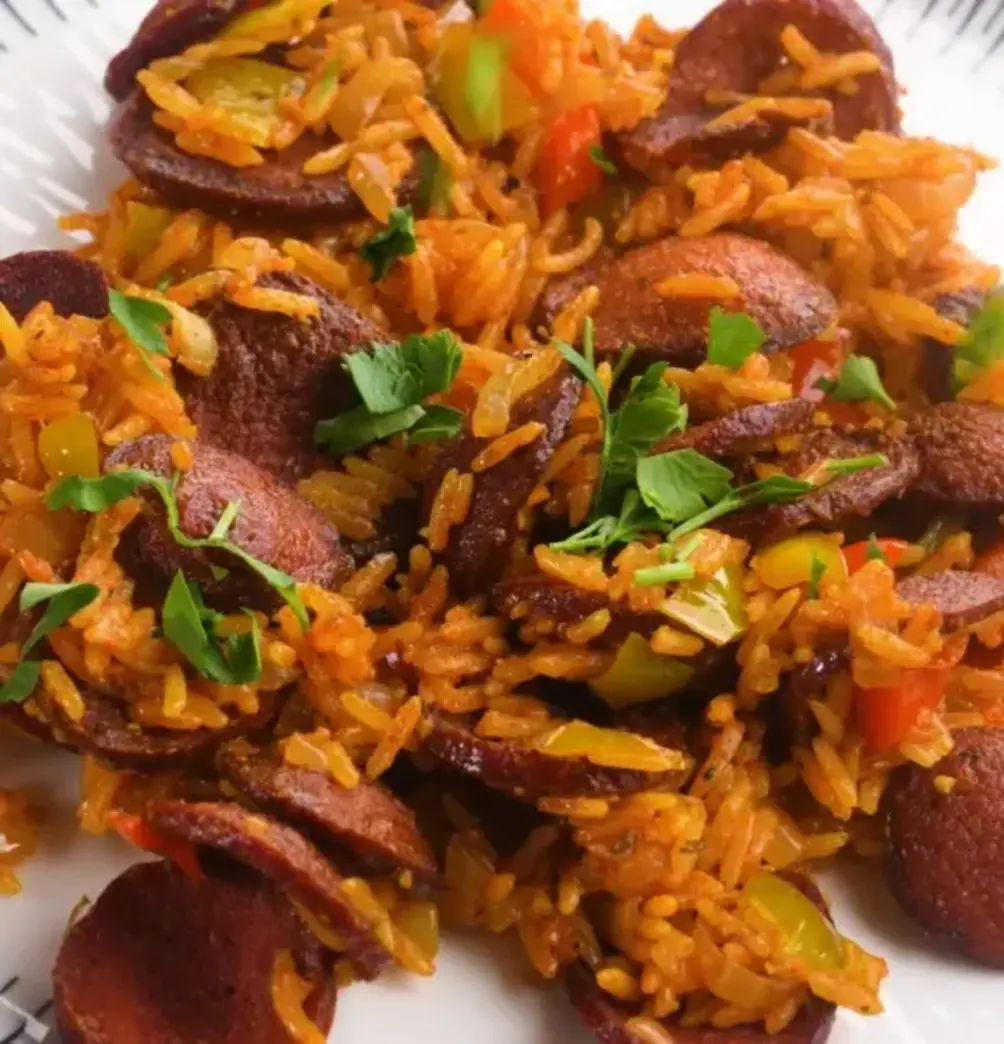
The Ultimate 30-Minute Cajun Sausage and Rice Skillet: A One-Pan Flavor Explosion

If you’re searching for a dinner that delivers maximum flavor with minimal cleanup, you’ve hit the jackpot. This Cajun Sausage and Rice Skillet is more than just a recipe; it’s your secret weapon for busy nights. Imagine smoky, spiced sausage, tender rice, and crisp bell peppers all mingling in a single pan, ready in under 30 minutes. At Cooking With Emy, we believe weeknight dinners shouldn’t be a compromise, and this dish is proof. It’s hearty, customizable, and so incredibly satisfying that it’s guaranteed to earn a permanent spot in your dinner rotation. Let’s dive in and transform a few simple ingredients into a spectacular one-pan meal.


Prep Time
10 minutes
Cook Time
20 minutes
Total Time
30 minutes
Servings
4 people
Difficulty
Easy

Welcome to the kind of dinner that solves problems. You’re tired, the family is hungry, and the sink is already full. This Cajun Sausage and Rice Skillet is the answer. It’s a complete meal built on the holy trinity of Cajun cooking—onions, bell peppers, and celery (we use a clever swap)—infused with garlic, smoked sausage, and bold seasoning. The magic happens in one skillet: the rice cooks directly in the flavorful broth, absorbing every drop of deliciousness. No boiling pots, no extra gadgets. Just one pan from stovetop to table. It’s the epitome of “set it and forget it” cooking, but with a result that tastes like you spent hours in the kitchen.

Why This is The Absolute Best Cajun Sausage & Rice Skillet Recipe

You might find other one-pan rice dishes, but this recipe stands apart. First, we focus on layering flavors. Browning the sausage first isn’t just about cooking it through; it’s about rendering those smoky fats into the pan to become the cooking base for your vegetables and rice. This creates a depth of flavor that you simply can’t achieve by throwing everything in at once.

Second, we insist on rinsing the rice. This crucial step removes excess surface starch, preventing your skillet from turning into a gummy, sticky mess. Instead, you get perfectly separate, tender grains. Third, our balance of seasoning is key. Using a robust homemade or high-quality store-bought Cajun blend ensures authentic heat and complexity without overpowering the other ingredients.

💡 The Kitchen Team’s Pro Tip: For an even deeper flavor, take an extra minute to get a really good sear on your sausage slices. Don’t crowd the pan! Let them sit undisturbed for a minute or two to develop a caramelized, crispy crust. Those browned bits (fond) left in the pan are liquid gold for flavor.

Ingredients for Cajun Sausage and Rice Skillet & Smart Swaps

This recipe’s beauty lies in its simplicity and flexibility. Here’s exactly what you need, along with our tested substitutions for every dietary need or pantry shortage.

Ingredient Quantity Purpose & Best Substitutes
Smoked Sausage (Andouille or Kielbasa) 12 oz Provides smoky, savory base flavor. Use chicken sausage, smoked turkey sausage, or plant-based smoked sausage for lighter options.
Long-Grain White Rice (like Jasmine or Basmati) 1 cup The hearty base. Rinse well! Can substitute with long-grain brown rice (add ½ cup extra broth and 10 mins cook time).
Bell Peppers (Red & Green) 1 of each, diced Adds sweetness, color, and crunch. Use any color combo (orange, yellow) or add 1 diced celery stalk for classic “trinity.”
Yellow Onion 1 medium, diced Aromatic base. White onion or a large shallot works in a pinch.
Garlic 3 cloves, minced Essential for depth. ¾ tsp garlic powder can substitute in an emergency.
Chicken Broth 1 ½ cups Cooking liquid for the rice. Vegetable broth, beef broth, or even water with 1 bouillon cube works.
Cajun Seasoning 2 tbsp The flavor heart. Use store-bought or see our homemade blend in the FAQ.
Olive Oil 1 tbsp For sautéing. Any neutral oil like avocado or canola oil is fine.
Salt & Black Pepper To taste For final seasoning. Remember, broth and seasoning may already contain salt.
Garnishes (Parsley, Green Onion, Hot Sauce) Optional Freshness and extra heat. Cilantro, a squeeze of lime, or a dollop of sour cream are also fantastic.

Step-by-Step Instructions for Perfect One-Pan Rice

Follow these simple steps for a foolproof skillet every single time. We’ve broken it down to ensure success, even if you’re new to one-pan cooking.

Step 1: Prep Like a Pro (10 minutes)

Gather all your ingredients. This “mise en place” is crucial for fast, seamless cooking. Slice the sausage into ½-inch rounds. Dice the bell peppers and onion into uniform pieces so they cook evenly. Mince the garlic. Now, rinse the rice in a fine-mesh strainer under cold running water for 1-2 minutes, until the water runs clear. This step is non-negotiable for perfect texture.

💡 The Kitchen Team’s Pro Tip: To dice an onion without tears, cut it in half from root to tip, leaving the root end intact. Make horizontal and vertical slices, then chop across. The root holds it together until the final cuts.

Step 2: Brown the Sausage (5-7 minutes)

Heat the olive oil in a large, deep skillet or Dutch oven over medium heat. Add the sausage slices in a single layer. Cook without moving for 2-3 minutes to get a good sear, then flip and cook for another 3-4 minutes until browned and crispy on the edges. Using a slotted spoon, transfer the sausage to a clean plate, leaving the flavorful oil and browned bits in the pan.

Step 3: Sauté the Vegetables (4-5 minutes)

In the same skillet with the sausage drippings, add the diced onion and bell peppers. Sauté, stirring occasionally, for about 3-4 minutes until they begin to soften and the onions turn translucent. Add the minced garlic and cook for just 1 more minute until incredibly fragrant. Be careful not to burn the garlic.

Step 4: Toast the Rice & Season (2 minutes)

Add the rinsed and drained rice to the skillet. Stir constantly for 1-2 minutes, coating each grain in the oil and toasting it slightly. This gives the rice a nutty flavor and helps it stay separate. Now, sprinkle the entire 2 tablespoons of Cajun seasoning over the rice and veggie mixture. Stir for another 30 seconds to “bloom” the spices in the heat.

Step 5: Simmer to Perfection (15-18 minutes)

Pour in the chicken broth and give everything a good stir, scraping up any browned bits from the bottom of the pan. Bring the liquid to a lively simmer. Once bubbling, reduce the heat to low, cover the skillet tightly with a lid, and let it cook undisturbed for 15 minutes. Do NOT peek! This lets the steam build up to cook the rice evenly.

Step 6: The Final Fluff & Serve (2 minutes)

After 15 minutes, remove the skillet from the heat. Keep it covered and let it rest for 5 minutes. This resting time is key—it allows the rice to finish steaming and absorb any last bit of liquid. Then, remove the lid, add the browned sausage back in, and fluff everything together with a fork. Taste and adjust seasoning with salt and pepper if needed. Garnish with fresh parsley or green onions and serve immediately with hot sauce on the side.

Serving Suggestions: How to Turn This Skillet into a Feast

This skillet is a complete meal on its own, but with a few simple sides, you can elevate it to a restaurant-worthy dinner.

  • With a Fresh Salad: A simple, crisp green salad with a tangy vinaigrette cuts through the richness of the dish perfectly. Try our Easy Lemon-Herb Salad.
  • With Cornbread: It’s a classic Southern pairing! A slice of sweet, buttery cornbread is ideal for soaking up any extra flavorful bits.
  • With Creamy Coleslaw: The cool, creamy crunch of coleslaw provides a wonderful textural and temperature contrast.
  • Topped with a Fried Egg: For an incredible brunch or breakfast-for-dinner twist, top each serving with a sunny-side-up egg. The runny yolk creates a luxurious sauce.
  • With Steamed Green Veggies: For extra nutrition, serve alongside simple steamed broccoli, green beans, or asparagus.

Storage, Reheating & Meal Prep Instructions

This dish is a champion for leftovers and meal prep.

Storage: Let the skillet cool completely. Transfer to an airtight container and refrigerate for up to 4 days.

Freezing: This dish freezes remarkably well. Portion into freezer-safe containers or bags, removing as much air as possible. Freeze for up to 3 months. Thaw overnight in the refrigerator before reheating.

Reheating (The Right Way): To restore moisture, reheat gently. Add a tablespoon of broth or water to a portion in a skillet over medium-low heat. Cover and heat, stirring occasionally, until piping hot. You can also microwave in a covered dish with a splash of water, stirring halfway through.

Meal Prep: This is a perfect Sunday prep meal. Cook the entire recipe, divide into 4 single-serving containers, and refrigerate. You’ve got lunches or dinners ready to grab and go all week.

💡 The Kitchen Team’s Pro Tip: When reheating, a quick refresh of seasoning can work wonders. A tiny pinch of salt or a dash of fresh Cajun seasoning sprinkled over the top after reheating wakes all the flavors right up.

7 Delicious Variations to Keep It Exciting

Once you’ve mastered the base recipe, make it your own with these crowd-pleasing twists:

  1. Jambalaya-Style: Add ½ lb of peeled raw shrimp or diced chicken breast in the last 5 minutes of cooking.
  2. Cheesy Cajun Skillet: Stir in 1 cup of shredded pepper jack or cheddar cheese during the final fluff until melted and gooey.
  3. Creole Version: Add a 14.5 oz can of diced tomatoes (undrained) with the broth for a tangier, Creole-inspired dish.
  4. Spicy “Dirty” Rice: Add ½ lb of ground beef or turkey with the vegetables, browning it before adding the rice.
  5. Vegetarian Power Skillet: Omit sausage. Use vegetable broth and add a can of drained black beans or red kidney beans with the rice.
  6. Spanish Chorizo Twist: Swap Andouille for Spanish chorizo (the cured, hard kind) and use smoked paprika in your seasoning for a different smoky profile.
  7. Low-Carb “Cauli-Rice” Version: Replace the white rice with 4 cups of fresh or frozen riced cauliflower. Sauté it with the veggies, then add just ¼ cup of broth and cook covered for 5-7 minutes until tender.

Frequently Asked Questions (FAQ)

We’ve gathered the most common questions from our community to ensure your cooking success.

1. Can I use instant or minute rice?

We don’t recommend it. The cooking liquid and time are calibrated for traditional long-grain rice. Instant rice will become mushy. If you must, add it at the end with the sausage and just heat through.

2. My rice is still hard after 15 minutes. What happened?

This usually means the heat was too low, the lid wasn’t tight (letting steam escape), or you peeked! Ensure a solid simmer before covering, use a tight-fitting lid, and resist the urge to check. If it’s still undercooked, add 2-3 tbsp of hot broth, cover, and cook for another 5 minutes on low.

3. How do I make my own Cajun seasoning?

Easy! Mix: 2 tbsp paprika, 1 tbsp garlic powder, 1 tbsp onion powder, 1 tbsp dried oregano, 1 tbsp dried thyme, 2 tsp black pepper, 1-2 tsp cayenne pepper (to taste), and 1 tsp salt. This makes about ⅓ cup.

4. Is this dish spicy?

It has a kick, but it’s adjustable. Store-bought Cajun blends vary. Start with 1 tbsp if you’re sensitive to heat, then add more at the end. Serving with hot sauce lets everyone control their own spice level.

5. Can I make this in a rice cooker or Instant Pot?

Rice Cooker: Sauté sausage/veggies in a pan first, then transfer everything to the rice cooker and use the “white rice” setting. Instant Pot: Use Sauté function for steps 2-4. Add broth, seal, and cook on High Pressure for 5 minutes, then Natural Release for 10 minutes.

6. What’s the best type of sausage to use?

Andouille sausage is traditional and provides authentic smoky heat. Kielbasa is a great milder, smokier option. Any high-quality smoked sausage will work beautifully.

7. Can I use frozen bell peppers and onions?

Yes! You can use a 12-oz bag of frozen diced peppers and onions. No need to thaw—just add them directly to the skillet. They will release more water, so you may want to sauté for an extra minute or two.

8. How can I add more protein?

Diced chicken breast, shrimp, or even canned drained beans (like kidney or black beans) are excellent additions. For raw chicken/shrimp, add with the vegetables to ensure they cook through.

Love This Recipe? Share the Flavor!

If this Cajun Sausage and Rice Skillet saved your weeknight, please share it with friends and family! Pin it to your dinner board, or share it on Facebook.

Pin it | Share it | Cook it!

📌 Pin This Recipe for Later!

Don’t lose this easy 30-minute dinner idea! Save it to your “Quick Weeknight Dinners” or “One-Pan Meals” board on Pinterest so you always have it handy.

Follow us on Pinterest @cookingwithemy for more easy, flavorful recipes!

Imagine: A vibrant photo of the finished skillet in the pan, garnished with green onions, with text overlay: “30-Minute Cajun Sausage & Rice Skillet – One Pan!”

clock clock iconcutlery cutlery iconflag flag iconfolder folder iconinstagram instagram iconpinterest pinterest iconfacebook facebook iconprint print iconsquares squares iconheart heart iconheart solid heart solid icon

Cajun Sausage and Rice Skillet


  • Author:
    Chef Emy

Description

This Cajun Sausage and Rice Skillet is a one-pan wonder that’s as easy to make as it is full of bold, smoky flavors.With just a few ingredients, including smoked sausage, rice, bell peppers, and Cajun seasoning, you can have a satisfying meal on the table in under 30 minutes.


Ingredients


Scale
  • 12 oz Smoked Sausage such as Andouille or Kielbasa (sliced into ½-inch rounds)
  • 1 cup Rice (long-grain white rice, rinsed)
  • 1 Bell Pepper (red, diced)
  • 1 Bell Pepper (green, diced)
  • 1 medium Onion (yellow or white, diced)
  • 3 cloves Garlic (minced)
  • 1 ½ cups Chicken Broth
  • 2 tbsp Cajun Seasoning (store-bought or homemade)
  • 1 tbsp Olive Oil
  • Salt and Pepper (to taste)
  • Fresh Parsley (optional, for garnish)
  • Green Onions (optional, for garnish)
  • Hot Sauce (optional, for serving)

Instructions

  1. Slice the sausage into ½-inch rounds.
  2. Dice the bell peppers and onion, and mince the garlic.
  3. Rinse the rice under cold water until the water runs clear.
  4. Heat 1 tablespoon of olive oil in a large skillet over medium heat.
  5. Add the sliced sausage and cook for 5-7 minutes until browned and crispy on the edges. Remove the sausage from the skillet and set aside.
  6. In the same skillet, add the diced onion and bell peppers. Sauté for about 3 minutes, until softened.
  7. Add the minced garlic and cook for an additional minute until fragrant.
  8. Add the rinsed rice to the skillet and stir to combine with the vegetables and oil. Toast the rice for about 2 minutes, stirring occasionally, until it starts to smell fragrant.
  9. Pour in the chicken broth and sprinkle in the Cajun seasoning, stirring to combine. Bring to a boil.
  10. Once boiling, reduce the heat to low, cover, and simmer for 15-20 minutes, or until the rice is tender and the liquid is absorbed.
  11. Once the rice is cooked, add the sausage back to the skillet. Stir everything together to combine, and cook for an additional 3-5 minutes to allow the flavors to meld.
  12. Serve hot, garnished with chopped parsley, green onions, and a drizzle of hot sauce if desired.


Easy Shrimp Fried Rice


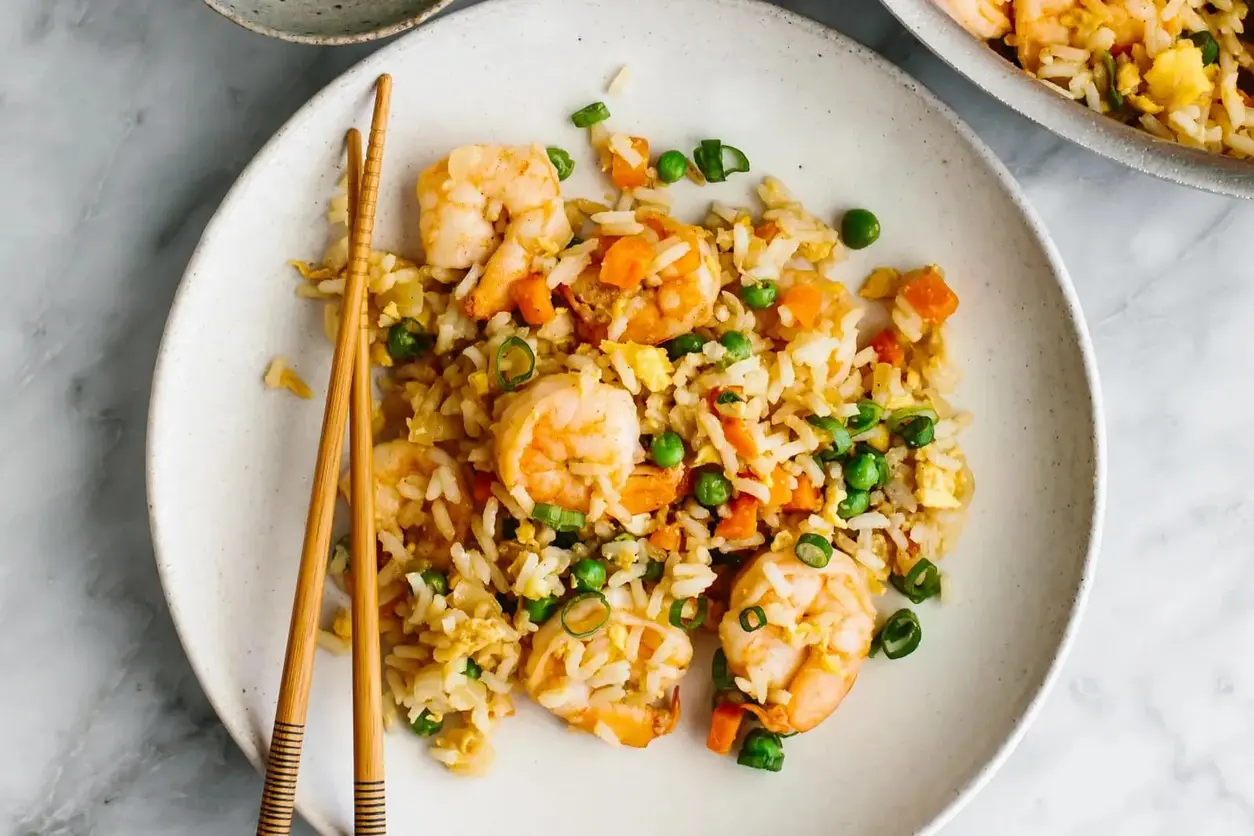
The 20-Minute Weeknight Hero: Our Ultimate Easy Shrimp Fried Rice Recipe

Skip the delivery wait and expensive prices. This easy shrimp fried rice recipe delivers authentic, sizzling Chinese takeout flavor faster than you can say “wok hei,” all from the comfort of your kitchen.

Prep Time Cook Time Total Time Servings Difficulty
10 minutes 10 minutes 20 minutes 4 people Easy

Why This Easy Shrimp Fried Rice Recipe Beats Calling for Takeout

Let’s be honest: we all have those nights. You’re tired, hungry, and the thought of a complicated dinner recipe makes you want to reach for the takeout menu. But what if you could have something better—fresher, healthier, and more flavorful—in the same amount of time it takes for delivery to arrive? That’s the magic of this easy shrimp fried rice.

Here at Cooking With Emy, we believe weeknight dinners shouldn’t be a compromise. This isn’t just a stir-fry; it’s a masterclass in efficiency and flavor. We’re taking plump, juicy shrimp, fluffy day-old rice, and a symphony of aromatics, and transforming them into a complete, satisfying meal in one pan. The sizzle of the wok, the aroma of garlic and ginger filling your kitchen, and the vibrant colors of peas and carrots coming together is a cooking experience that a cardboard takeout box simply can’t match.

This recipe is engineered for success. We’ll guide you through every crucial step, from properly seasoning your shrimp to achieving that coveted separate, slightly chewy grain in your rice. By the end of this post, you’ll not only have a fantastic dinner on the table but also the confidence to make fried rice a regular in your rotation.

The Secret to “Wok Hei” (Breath of the Wok) in Your Home Kitchen

What makes restaurant fried rice so good? It’s often attributed to “wok hei,” the elusive, smoky essence imparted by a blazing-hot commercial wok. While we can’t perfectly replicate that at home without a jet engine, we can get incredibly close with a few key techniques that make this the best easy shrimp fried rice recipe.

First, the rice. Using day-old, chilled rice is non-negotiable. Freshly cooked rice is too moist and steamy, leading to a gummy, clumpy mess. Chilled rice has dried out slightly, allowing each grain to stay distinct and fry perfectly. Second, high heat and minimal crowding. We cook in batches—shrimp first, then aromatics, then eggs—to ensure everything sears instead of steams. Third, the seasoning balance. We use tamari or coconut aminos for a rich, umami depth without overpowering saltiness, and a finish of toasted sesame oil for that nutty fragrance that ties the whole dish together.

💡 The Kitchen Team’s Pro Tip: For an even more authentic texture, spread your cooked rice on a baking sheet and let it dry in the refrigerator, uncovered, for an hour before cooking. This mimics the effect of day-old rice perfectly in a pinch!

This recipe respects these principles while keeping everything accessible and simple. You don’t need special equipment—a large skillet works fine if you don’t have a wok. You’re using common vegetables and pantry staples. The result is a dish that feels special, tastes complex, but is built on straightforward, foolproof steps.

Ingredient Deep Dive: Building Blocks of Flavor

Great fried rice starts with great ingredients. Each component here plays a specific role. Let’s break down the shopping list and why each item matters.

Ingredient Quantity Notes & Why It Matters
Large Shrimp 1 pound Peeled and deveined. Size 21/25 or 26/30 are perfect. They cook quickly and stay juicy.
Kosher Salt & White Pepper 1 tsp salt, ½ tsp pepper White pepper is traditional for its earthy heat that blends seamlessly. Black pepper works in a pinch.
Avocado Oil 3 tablespoons High smoke point is crucial for stir-frying. Canola or peanut oil are excellent substitutes.
Onion, Scallions, Garlic, Ginger ½ onion, 2 scallions, 2 cloves garlic, ½ tsp ginger The aromatic foundation. Fresh ginger and garlic are key—avoid powdered here.
Frozen Peas and Carrots 1 ½ cups The classic veggie mix. Frozen is ideal—they’re pre-chopped, quick-cooking, and retain bright color.
Large Eggs 3 Beaten. They add protein and rich, pillowy texture.
Cooked White Rice 4 cups DAY-OLD AND CHILLED. This is the most important ingredient tip for perfect texture.
Tamari or Coconut Aminos 3 tablespoons Tamari is a richer, less salty soy sauce. Coconut aminos are a great gluten-free, slightly sweeter alternative.
Toasted Sesame Oil 2 teaspoons Always add at the end. Its flavor is delicate and diminishes with high heat.

Step-by-Step Instructions for Foolproof Fried Rice

Follow these steps in order for the best results. Have all your ingredients chopped, measured, and within arm’s reach of the stove (this is called “mise en place”). Once you start cooking, it goes fast!

Step 1: Season the Shrimp

In a medium bowl, toss the peeled and deveined shrimp with 1 teaspoon of kosher salt and ½ teaspoon of ground white pepper. This simple seasoning layer is the first building block of flavor. Set the shrimp aside while you prep your other ingredients.

Step 2: Sear the Shrimp to Perfection

Heat a large wok or heavy-bottomed skillet over medium-high heat. Add 2 tablespoons of avocado oil and heat until it shimmers. Add the shrimp in a single layer—don’t crowd the pan. Cook for 1-2 minutes until the bottoms turn pink and opaque, then flip and cook for another 30 seconds. The shrimp should be just cooked through (they will curl into a loose “C” shape). Immediately transfer them to a clean plate. They will finish cooking later when added back to the rice.

💡 The Kitchen Team’s Pro Tip: See a little gray protein liquid pooling around the shrimp in the bowl? Pat them dry with a paper towel before seasoning. A dry surface ensures a beautiful sear instead of steam.

Step 3: Sauté the Aromatics

In the same wok (no need to clean it), you’ll have delicious shrimp fond. Add the diced onion and the white parts of the sliced scallions. Stir-fry for about 1 minute until they begin to soften. Add the minced garlic and ginger and cook for just 30 seconds more until incredibly fragrant. Be careful not to burn the garlic.

Step 4: Cook the Veggies and Eggs

Add the frozen peas and carrots directly to the wok (no need to thaw). Stir-fry for 1-2 minutes until they are heated through and vibrant. Next, push the veggie mixture to one side of the wok. Pour the beaten eggs into the empty space. Let them set for a few seconds, then quickly scramble them with your spatula until they are softly set and still slightly moist.

Step 5: The Grand Finale – Stir-Fry Everything Together

Now, add the cold, day-old rice to the wok. Use your spatula to break up any clumps. Pour the tamari (or coconut aminos) and toasted sesame oil over the rice. Increase the heat to high and stir-fry vigorously for 2-3 minutes, ensuring the sauce is evenly distributed and the rice is heated through. Finally, add the cooked shrimp and any accumulated juices back into the wok. Toss everything together for one final minute to reheat the shrimp. Taste and adjust seasoning if needed.

Step 6: Garnish and Serve

Remove the wok from the heat. Stir in most of the green parts of the scallions, reserving some for a fresh garnish on top. Your easy shrimp fried rice is ready to serve immediately while it’s hot and sizzling.

Serving Suggestions & Perfect Pairings

This easy shrimp fried rice is a complete meal on its own, packed with protein, veggies, and carbs. But if you want to turn it into a full Asian-inspired feast, here are our favorite pairings:

As a Main Course: Serve it straight from the wok into deep bowls. The simplicity is beautiful.

With Classic Sides: Pair it with a light, refreshing cucumber salad dressed with rice vinegar, or some simple steamed broccoli or bok choy drizzled with oyster sauce.

For a Takeout-Style Spread: Serve alongside our Easy Egg Drop Soup to start, and finish with some store-bought or homemade fortune cookies.

Garnish Galore: Set out small bowls of extra tamari, chili crisp or sriracha for heat, and chopped fresh cilantro or extra sliced scallions so everyone can customize their bowl.

Storage, Reheating, & Meal Prep Guide

Fried rice is famously great as leftovers, making it a fantastic meal prep option.

Storage: Allow the fried rice to cool completely, then transfer it to an airtight container. It will keep in the refrigerator for up to 3-4 days.

Reheating for Best Results: The microwave can make rice soggy. For best texture, reheat in a wok or skillet over medium heat with a tiny splash of water or broth. Cover for a minute to steam, then uncover and stir-fry until hot. This restores the texture far better. You can also spread it on a baking sheet and reheat in a 350°F oven for 10-15 minutes.

Can You Freeze It? Yes, but with a caveat. The texture of the shrimp and rice will soften slightly upon thawing. Store in a freezer-safe container for up to 2 months. Thaw overnight in the fridge before reheating on the stovetop.

Creative Variations on Your New Favorite Recipe

Once you’ve mastered this base recipe, the wok is your oyster! Here are some delicious twists to try:

Variation Ingredient Swap/Add-In Flavor Profile
Pork & Shrimp Fried Rice Add ½ cup diced Chinese char siu pork or cooked ham with the shrimp. Savory, smoky, and extra hearty.
Spicy Kimchi Fried Rice Add 1 cup chopped kimchi (with juice) when you add the rice. Omit the peas and carrots. Tangy, fermented, and spicy. Top with a fried egg.
Pineapple “Hawaiian” Fried Rice Add 1 cup fresh diced pineapple with the veggies. Use spam or ham instead of shrimp. Sweet, salty, and tropical.
Vegetarian Delight Omit shrimp. Add 1 cup cubed extra-firm tofu (pressed and pan-fried) and 1 cup chopped mushrooms. Earthy, umami-rich, and completely plant-based.
Thai Basil Fried Rice Stir in 1 cup fresh Thai basil leaves at the very end. Use a splash of fish sauce in the seasoning. Anise-like fragrance with a savory depth.

Your Top Easy Shrimp Fried Rice Questions, Answered

Can I use freshly cooked rice?

We strongly advise against it. Fresh rice is too moist and will result in mushy, clumpy fried rice. If you’re in a bind, cook your rice with slightly less water, spread it on a baking sheet, and chill it in the freezer for 30 minutes to dry it out.

What’s the best rice to use?

Long-grain white rice like Jasmine or Basmati is ideal. They have less starch than short-grain rice (like sushi rice), so the grains stay separate and fluffy after frying.

I don’t have a wok. What can I use?

A large, heavy-bottomed skillet (like cast iron or stainless steel) is a perfect substitute. The key is having a pan with plenty of surface area so you can stir-fry without overcrowding.

Can I use different vegetables?

Absolutely! Bell peppers, corn, broccoli florets, or snap peas are all great. Just chop them small so they cook quickly. For harder veggies like broccoli, blanch them briefly in boiling water first.

Is white pepper really necessary?

It provides an authentic, earthy flavor, but black pepper is a fine substitute. The visual difference (no black specks) is the main reason white pepper is used in many Asian cuisines.

My fried rice is soggy. What went wrong?

The two most common culprits are 1) using fresh, warm rice, or 2) overcrowding the wok/pan, which lowers the temperature and causes ingredients to steam instead of fry. Cook in batches if needed.

Can I make this gluten-free?

Yes! Ensure your tamari is gluten-free (most are) or use coconut aminos. Also, double-check that your toasted sesame oil and other sauces are certified GF.

How do I get more of that “restaurant” smoky flavor?

Two tricks: First, make sure your wok or pan is screaming hot before adding ingredients. Second, try the “longyau” technique: swirl a thin layer of oil in the hot wok until it smokes lightly, then pour it out and add fresh oil for cooking. This seasons the pan and adds a subtle wok aroma.

Love This Recipe? Save It For Later!

Pin this image to your Dinner Ideas or Asian Recipes board on Pinterest so you always have this easy shrimp fried rice recipe handy.

Follow us on Pinterest @cookingwithemy for more quick and delicious dinner inspiration!

[PINTEREST-EMBED: Image of the finished Shrimp Fried Rice in a bowl, garnished with scallions, with text overlay “Easy 20-Minute Shrimp Fried Rice – cookingwithemy.com”]


clock clock iconcutlery cutlery iconflag flag iconfolder folder iconinstagram instagram iconpinterest pinterest iconfacebook facebook iconprint print iconsquares squares iconheart heart iconheart solid heart solid icon

Shrimp Fried Rice (Easy 20-Min Recipe)


  • Author:
    Chef Emy

Description

This shrimp fried rice highlights the best of Chinese takeout in a quick 20 minute recipe. Aka – it’s the best stir-fry recipe for dinner! Watch the video below to see how I make it in my kitchen.


Ingredients


Scale
  • 1 pound large shrimp (peeled and deveined)
  • 1 teaspoon kosher salt
  • ½ teaspoon ground white pepper
  • 3 tablespoons avocado oil
  • ½ small onion (diced)
  • 2 green scallions (thinly sliced (white and green parts separated))
  • 2 garlic cloves (minced)
  • ½ teaspoon minced ginger
  • 1 ½ cup frozen peas and carrots
  • 3 large eggs (beaten)
  • 4 cups cooked white rice
  • 3 tablespoons tamari soy sauce or coconut aminos
  • 2 teaspoons toasted sesame oil

Instructions

  1. Season the shrimp. In a medium bowl, season the shrimp with salt and pepper. Set aside.
  2. Sear the shrimp. Heat 2 tablespoons of avocado oil in a large wok or skillet over medium-high heat until shimmering. Add the shrimp in a single layer and cook for 1 to 2 minutes, then flip and cook for another 30 seconds, until just cooked through and opaque. Remove to a plate.
  3. Add the aromatics. Add the onion, white parts of the green onion, garlic, and ginger, and stir-fry for a minute, until fragrant.
  4. Cook the veggies. Add the frozen carrots and peas (no need to thaw), and stir-fry for 1 to 2 minutes until warmed through.
  5. Cook the eggs. Move the veggies to the side, then add the beaten eggs and quickly scramble them until they’re pillowy soft.
  6. Stir-fry the rice, seasoning, and shrimp. Add the rice, shrimp, soy sauce, and sesame oil, and stir-fry until the rice and shrimp are warmed through, about 2 minutes.
  7. Garnish with green onions. Stir in the green parts of the green onions before serving.


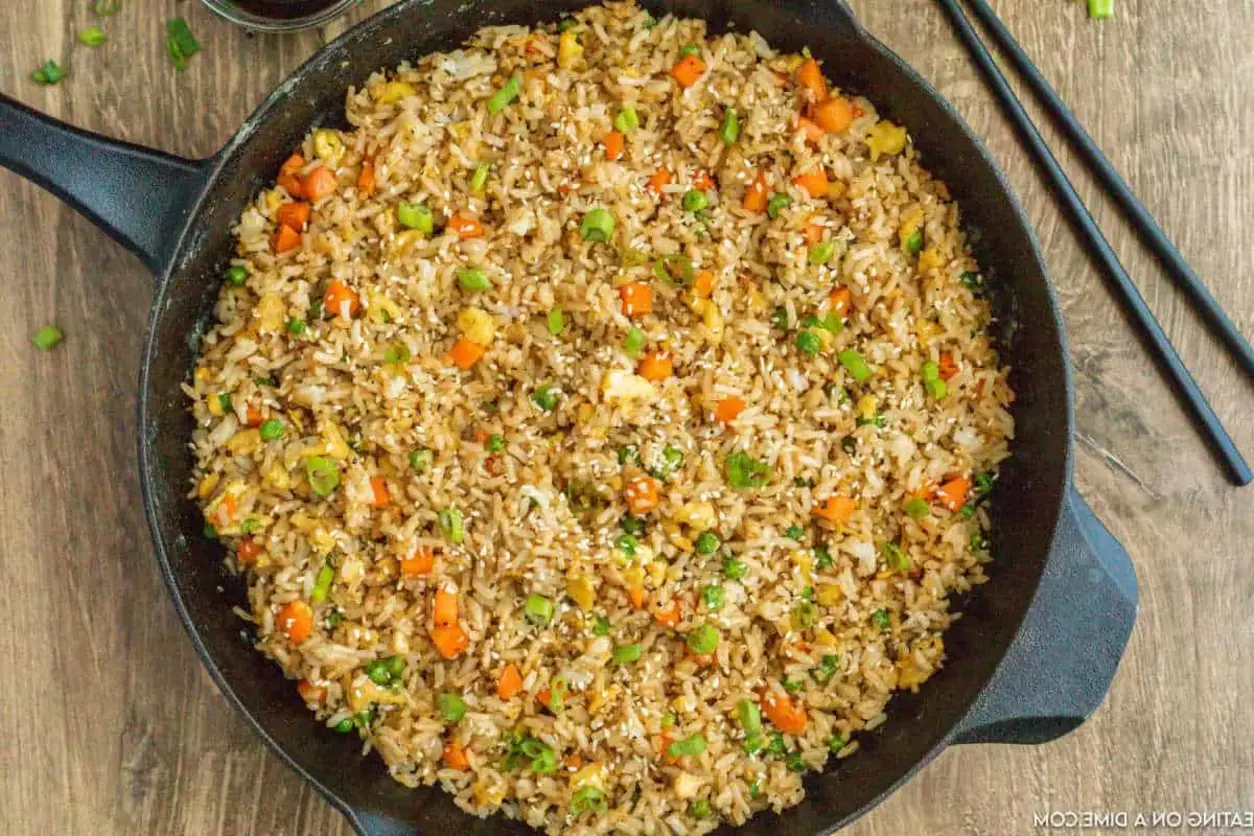
EASY FRIED RICE RECIPE


The 10-Minute Takeout Fakeout: Our Foolproof Easy Fried Rice Recipe

Prep Time
5 minutes
Cook Time
10 minutes
Total Time
15 minutes
Servings
4 people
Difficulty
Easy

What if we told you that the secret to lightning-fast, incredibly delicious, and budget-friendly dinners has been sitting in your fridge all along? Our easy fried rice recipe is the ultimate weeknight hero, transforming leftover rice and a handful of simple ingredients into a meal that’s more satisfying, flavorful, and faster than waiting for delivery. In the 10 minutes it takes to scroll through takeout apps, you can have a steaming, savory skillet of homemade fried rice on the table. This isn’t just a side dish; it’s a complete, customizable, and family-approved dinner solution that puts you in control of the flavors and ingredients. At CookingWithEmy.com, we believe in empowering your kitchen confidence, and this recipe is the perfect place to start. Let’s turn those leftovers into a celebration!

Why This is Truly the Best Easy Fried Rice Recipe

You’ve seen fried rice recipes before, so what makes this one stand out? It’s engineered for real life. We’ve stripped away complicated techniques and hard-to-find ingredients to focus on the core principles of great fried rice: texture, flavor, and speed. The magic lies in using cooled, day-old rice, which fries up perfectly separate and slightly chewy, not mushy. The combination of sesame oil for nutty aroma and vegetable oil for a high-heat sear creates an authentic foundation. We keep the vegetable blend simple (frozen peas and carrots!) for convenience without sacrificing color or nutrition. Most importantly, every step is designed for efficiency in a single skillet, minimizing cleanup and maximizing flavor. This recipe is a masterclass in practical cooking, delivering restaurant-quality results with grocery-store ease.

💡 The Kitchen Team’s Pro Tip: The single most important ingredient for perfect fried rice isn’t even listed: it’s patience. Let your cooked rice spread out on a plate or tray to cool and dry for at least an hour, or better yet, use rice from yesterday’s dinner. Dry rice fries; wet rice steams and clumps.

Ingredients for Your Easy Fried Rice Recipe

This recipe is beautifully adaptable. Here’s what you need for the classic version, plus notes for swaps.

Ingredient Quantity Notes & Possible Substitutes
Sesame Oil 2 tablespoons Provides essential nutty flavor. For a stronger taste, use toasted sesame oil. In a pinch, substitute with more vegetable oil and a dash of sesame seeds.
Vegetable Oil 2 tablespoons Or any neutral high-heat oil like canola, avocado, or peanut oil.
Cooked White Rice (cooled) 4 cups MUST BE COOLED. Day-old jasmine or long-grain rice is ideal. Brown rice works but may need a splash of water during cooking.
Soy Sauce 3 tablespoons Use tamari for gluten-free. For less sodium, use low-sodium soy sauce or liquid aminos.
Salt 1/2 teaspoon Adjust after adding soy sauce, as it is already salty.
Black Pepper 1 teaspoon Freshly ground is best.
Frozen Peas & Diced Carrots Blend 1 cup No need to thaw! You can use any frozen veggie mix (corn, green beans). Fresh diced carrots need a minute longer to soften.
Large Eggs (lightly beaten) 3 Adds protein and richness. For an egg-free version, omit or use crumbled firm tofu.
Green Onions (for garnish) 2-3, sliced Adds fresh color and flavor. Can substitute with chopped chives or a sprinkle of cilantro.

How to Make Easy Fried Rice: Step-by-Step

Follow these simple steps for flawless fried rice every single time.

Step 1: Sauté the Vegetables

Heat a large skillet or wok over medium-high heat. Add both the sesame oil and vegetable oil. Once the oil is shimmering (about 60 seconds), add the frozen peas and carrots. Stir-fry for 3-5 minutes until the vegetables are tender and any ice crystals have evaporated. You want a slight sear on them.

💡 The Kitchen Team’s Pro Tip: Don’t overcrowd the pan. If you’re doubling the recipe, cook in batches. Overcrowding steams the vegetables, making them soggy and preventing that nice, light fry.

Step 2: Cook the Eggs

Push the sautéed vegetables to the perimeter of the skillet, creating a well in the center. Pour the lightly beaten eggs into the center. Let them set for 15-20 seconds, then gently scramble them with your spatula until they are just cooked through but still soft. Immediately mix the scrambled eggs with the vegetables.

Step 3: Fry the Rice

Add all of the cooled rice to the skillet. Break up any large clumps with your spatula. Pour the soy sauce evenly over the rice, and sprinkle with salt and pepper. Increase the heat slightly if needed. Now, the key move: let the rice sit undisturbed for 45-60 seconds to allow the bottom layer to get slightly crispy. Then, stir-fry vigorously, tossing and turning the rice mixture for 3-4 minutes, until every grain is heated through, coated in sauce, and has a lovely, separate texture.

Step 4: Final Touches & Serve

Taste and adjust seasoning—you might want an extra splash of soy sauce or a pinch more pepper. Remove the skillet from the heat. Transfer the fried rice to a serving dish and immediately garnish with a generous handful of sliced green onions. The residual heat will wilt them perfectly. Serve hot!

Serving Your Homemade Fried Rice

This easy fried rice recipe is incredibly versatile. Serve it as a hearty main dish for a quick vegetarian meal, or pair it with your favorite proteins for a larger spread. Here are some of our favorite pairings:

  • As a Main Dish: Top with a fried egg with a runny yolk, or stir in some cooked, diced chicken, shrimp, or tofu added in Step 3.
  • With Asian-Inspired Mains: Serve alongside Simple Teriyaki Chicken, Korean Beef Bulgogi, or store-bought potstickers.
  • Garnish Bar: Set out small bowls of extra soy sauce, chili crisp or sriracha, toasted sesame seeds, and chopped cilantro so everyone can customize their bowl.

Storing and Reheating Leftovers

Fried rice is a fantastic make-ahead meal. To store, let it cool completely, then transfer to an airtight container. It will keep in the refrigerator for 4-5 days. For longer storage, you can freeze it for up to 2 months, though the texture of the vegetables may soften slightly upon thawing.

To Reheat: The best method is in a skillet over medium heat with a tiny splash of water or broth. This restores the texture better than a microwave. If using a microwave, cover and reheat in 60-second intervals, fluffing with a fork between intervals.

💡 The Kitchen Team’s Pro Tip: Fried rice is one of the best meal prep recipes. Cook a double batch on Sunday, divide it into single-serving containers, and you have instant lunches ready to go. Just reheat and enjoy!

Creative Variations on the Easy Fried Rice Recipe

Once you’ve mastered the basic formula, the world is your oyster sauce! Here are some delicious twists to try.

Protein-Powered Fried Rice

Add 1 cup of cooked, diced protein (chicken, ham, shrimp, or firm tofu) when you add the rice in Step 3. Ensure it’s pre-cooked and warmed through.

Pineapple “Hawaiian” Fried Rice

Add 3/4 cup of diced fresh or canned pineapple (well-drained) and 1/2 cup of diced ham with the rice. Garnish with macadamia nuts if desired.

Kimchi Fried Rice

Stir in 1/2 to 3/4 cup of chopped kimchi (with some of its juice) when you add the soy sauce. Top with a fried egg and a sprinkle of nori flakes.

Ginger-Garlic Fried Rice

Add 1 tablespoon of finely minced fresh ginger and 3 cloves of minced garlic to the hot oil and cook for 30 seconds before adding the frozen vegetables. This builds an incredible flavor base.

Frequently Asked Questions (FAQ)

Can I use freshly cooked rice for fried rice?

We strongly advise against it. Freshly cooked rice is too moist and steamy, which will lead to a gummy, clumpy fried rice. The goal is dry, separate grains. If you’re in a pinch, spread freshly cooked rice on a baking sheet and let it cool in the refrigerator for an hour to dry out.

What type of rice is best for fried rice?

Long-grain varieties like jasmine or basmati are ideal because they are less sticky and have a firm texture. Day-old medium-grain rice (like Calrose) works too. Avoid using short-grain or sushi rice, as they are too starchy and sticky.

My fried rice turned out soggy. What went wrong?

The most common culprits are: 1) Using warm, moist rice. 2) Overcrowding the skillet, which steams instead of fries. 3) Adding too much liquid (soy sauce). Ensure your rice is cold, your pan is hot, and you’re cooking in a vessel large enough to allow evaporation.

Can I make this gluten-free?

Absolutely! Simply substitute the soy sauce with tamari or a certified gluten-free soy sauce or coconut aminos. Double-check that your other ingredients (like sesame oil) are gluten-free if you have a severe allergy.

How can I make my fried rice taste more like the restaurant’s?

Two secrets: high heat and a touch of MSG (Ajinomoto). Don’t be afraid of MSG; it’s a safe flavor enhancer. A tiny pinch (1/8 tsp) added with the soy sauce makes a world of difference. Also, many restaurants use a bit of butter or chicken fat at the end for richness.

Can I add other vegetables?

Yes! Diced onions, bell peppers, corn, broccoli florets, or mushrooms are all great additions. For harder vegetables (like broccoli or fresh carrots), add them a minute or two before the frozen peas to ensure they cook through.

Is this recipe freezer-friendly?

Yes, it freezes quite well. Cool completely, portion into freezer-safe bags or containers, and freeze for up to 2 months. Thaw in the refrigerator overnight before reheating in a skillet for best results.

What can I use instead of eggs?

For a vegan version, you can omit the eggs entirely or substitute with crumbled firm or extra-firm tofu. Press the tofu well, crumble it, and sauté it in the oil until lightly golden before adding the vegetables.

Loved This Easy Fried Rice Recipe? Share It!

If this recipe made your busy night easier and more delicious, please share it with friends and family! Tag @cookingwithemy on social media so we can see your fantastic creations.

Save This Recipe for Later!

Pin the image below to your Dinner Ideas or Meal Prep board on Pinterest to always have this easy fried rice recipe handy.

Follow us on Pinterest: @cookingwithemy for more quick and tasty recipes!

PINTEREST IMAGE: A beautiful, vertical photo of the finished fried rice in a skillet or bowl, garnished with green onions, with text overlay: “10-Minute Easy Fried Rice Recipe – Faster Than Takeout!”


clock clock iconcutlery cutlery iconflag flag iconfolder folder iconinstagram instagram iconpinterest pinterest iconfacebook facebook iconprint print iconsquares squares iconheart heart iconheart solid heart solid icon

Easy Fried Rice Recipe


  • Author:
    Chef Emy

Description

Enjoy this easy Fried Rice Recipe in less than 10 minutes making it perfect for busy weeknights. Make this rice in less time than it takes to get take out.


Ingredients


Scale
  • 2 tablespoon sesame oil
  • 2 tablespoon vegetable oil
  • 4 cups cooked rice (cooled)
  • 3 tablespoon soy sauce
  • 1/2 teaspoon salt
  • 1 teaspoon pepper
  • 1 cup frozen peas and diced carrots blend
  • 3 larges eggs (light beaten)

Instructions

  1. In a large skillet, pan fry the carrots and the peas in the skillet with the sesame oil and vegetable oil for about 3-5 minutes or until soft.
  2. Slide the vegetables to the side and pour in the eggs.
  3. Scramble the eggs.
  4. Then stir in the rice, soy sauce, salt, and pepper.
  5. Stir for a few minutes until rice is heated through and sauce is mixed through.
  6. Top with sliced green onions.


Chinese Chicken Fried Rice

This is the best Chinese Chicken Fried Rice recipe! Savoury and fluffy fried rice with juicy chicken, eggs, peas, carrots with garlic and shallots. This meal is perfect for dinner or lunch and works well as leftovers, if there are any left! Ready in just 30 minutes with cooked rice #best fried rice recipe ever #chinese fried rice recipe #chicken fried rice easy #fried rice #chinese food

Print

clock clock iconcutlery cutlery iconflag flag iconfolder folder iconinstagram instagram iconpinterest pinterest iconfacebook facebook iconprint print iconsquares squares iconheart heart iconheart solid heart solid icon

Quick & Easy Chicken Fried Rice


  • Author: Chef Emy

Description

Seasoned rice stir-fried with tender chicken, eggs, vegetables, and aromatics. This quick and easy chicken fried rice is ready in less than 30-minutes! A delicious main, meal, or side dish for the whole family to enjoy. It’s also better-than-takeout!Note: the recipe has been slightly modified for improvement as of Sep 3, 2025.


Ingredients

Scale
  • 4 ½ cups cooked jasmine rice (cold day-old (or see Notes below to prepare uncooked rice for this recipe))
  • ½ lb skinless boneless chicken thighs (thinly sliced)
  • 1.5 cups frozen peas and carrots (or frozen vegetable mix (corn, peas, carrots, green beans))
  • 3 large eggs (beaten)
  • 1 small shallot (or 1/4 onion, finely diced)
  • 3 garlic cloves (minced)
  • 4 teaspoon vegetable oil (or any neutral tasting oil)
  • 1 teaspoon regular soy sauce (or light soy sauce)
  • 1 teaspoon Shaoxing Cooking Wine (or dry sherry / dry white wine / chicken broth)
  • 1 teaspoon cornstarch
  • 1 teaspoon vegetable oil (or any neutral tasting oil)
  • 2 tablespoon regular soy sauce (or light soy sauce)
  • ½ tablespoon dark soy sauce
  • 2 teaspoon sesame oil
  • 1 teaspoon chicken bouillon powder ((a.k.a. chicken stock powder))
  • teaspoon white pepper (or black pepper)

Instructions

  1. In a medium-sized bowl, marinate sliced chicken thighs with marinade ingredients as listed above. Set aside to marinate for 5-10 minutes.
  2. In a small bowl, combine the sauce ingredients as listed above and set aside.
  3. Heat 1 teaspoon / 5 ml of vegetable oil in a large pan on medium-high heat. Fry chicken until fully cooked. Remove from the pan.
  4. Add 1 teaspoon / 5 ml of vegetable oil into the pan. Sauté garlic and shallots for 10 seconds. Add peas and carrots and fry for 10 seconds. Push everything to the side of the pan.
  5. Add remaining oil into empty space of the pan. Add in beaten eggs and let them sit for 20 seconds before scrambling and breaking into bite-sized pieces. Then toss everything together.
  6. Add rice and chicken and toss everything together until incorporated.
  7. Pour sauce around the rice or along the edges of the pan and let the sauce toast for 5 seconds for extra flavor before tossing. Toss everything together until all the rice grains are brown. Enjoy!

How to make Crispy Rice – Takes Two Eggs


How to Make Crispy Rice: The Ultimate Guide to Restaurant-Style Bites at Home

Prep Time Cook Time Total Time Servings Difficulty
20 minutes 15 minutes 3 hours 35 minutes (includes chilling) 24-30 rice bites Easy

Have you ever tasted those impossibly crunchy, savory, and utterly addictive crispy rice bites from a high-end sushi restaurant and wondered, “Could I possibly make these at home?” The answer is a resounding yes, and we’re here to show you exactly how to make crispy rice that rivals your favorite takeout spot. This isn’t just about frying leftover rice; it’s a culinary technique that transforms humble short-grain rice into a golden, crisp canvas for an endless array of toppings.

At Cooking With Emy, we believe the best dishes are often the most satisfying to master. This guide will walk you through every detail, from rinsing the rice to achieving that perfect, shatteringly crisp exterior with a slightly chewy center. Forget soggy, greasy rice cakes. We’re aiming for perfection—bite-sized pieces of joy that are surprisingly simple to create with a little patience and know-how. Let’s turn your kitchen into a crispy rice factory.

Why This Is The Best Method for Crispy Rice

Many recipes skip crucial steps, leading to bland, oily, or crumbly results. Our method, perfected by The Kitchen Team, addresses every pitfall:

  • The Chill is Key: We don’t just shape and fry. The mandatory 3-hour (or overnight) chill dehydrates the surface of the rice, which is the secret to a crust that seals instantly in the oil, preventing sogginess.
  • Seasoned from Within: We season the rice with a classic sushi vinegar blend (rice vinegar, sugar, salt, and sesame oil) before shaping. This ensures every single bite is flavorful, not just the toppings.
  • Oil Temperature Mastery: We provide clear visual cues for oil temperature because a thermometer isn’t always handy. Getting the oil hot enough is non-negotiable for crispness without absorption.
  • Texture Contrast: This recipe is engineered for the ideal contrast: a golden-brown, audible crunch giving way to a tender, seasoned interior. It’s the hallmark of professional-quality crispy rice.
💡 The Kitchen Team’s Pro Tip: The quality of your sesame oil makes a difference. Use a toasted sesame oil for a deep, nutty aroma that infuses the rice. Avoid light sesame oil, as it lacks the same potent flavor.

Ingredients for Perfect Crispy Rice Bites

Simple ingredients, when chosen correctly, make all the difference. Here’s what you’ll need:

Ingredient Quantity Notes
Short-grain sushi rice 1 ½ cups (dry) Non-negotiable. This high-starch rice is sticky and forms the perfect structure. Do not substitute with long-grain rice like Jasmine or Basmati.
Water 2 cups For cooking the rice.
Rice vinegar 3 tablespoons The mild acidity balances the richness.
Granulated sugar 1 tablespoon Dissolves into the seasoning mix, aiding caramelization during frying.
Salt 1 teaspoon Fine sea salt or kosher salt.
Toasted sesame oil 1 teaspoon The flavor powerhouse.
Vegetable oil ½ – ¾ cup For frying. Use a neutral, high-smoke-point oil like canola, avocado, or peanut oil.

Step-by-Step Instructions: How to Make Crispy Rice

Follow these steps meticulously for foolproof results. Read through once before you begin.

Step 1: Prepare & Cook the Rice

Place your dry sushi rice in a fine-mesh strainer. Rinse under cool running water, agitating the rice with your hand, for 2-3 minutes or until the water runs completely clear. This removes excess surface starch, preventing gummy rice. Combine the rinsed rice and 2 cups of water in your rice cooker or a medium saucepan. If using a stove, bring to a boil, then reduce heat to low, cover, and simmer for 18 minutes. Remove from heat and let it sit, covered, for 10 more minutes. Do not peek while it’s cooking!

💡 The Kitchen Team’s Pro Tip: For the absolute best texture, soak your rinsed rice in the 2 cups of cooking water for 20-30 minutes before turning on the heat. This allows the grains to hydrate evenly, leading to a more consistent cook.

Step 2: Season the Rice

While the rice cooks, make the seasoning. In a small bowl, whisk together the rice vinegar, sugar, salt, and toasted sesame oil until the sugar and salt are fully dissolved. Transfer the hot, cooked rice to a large, non-reactive bowl (glass or ceramic is ideal). Drizzle the seasoning mixture over the rice. Using a rice paddle or a flat spatula, use a slicing and folding motion to mix and cool the rice simultaneously. Be gentle to avoid smashing the grains. Let the rice cool to room temperature.

Step 3: Shape and Chill (The Secret Step!)

Line a 8×8 inch baking pan with plastic wrap, leaving overhang on all sides. Transfer the seasoned rice to the pan. Using another piece of plastic wrap pressed directly on the surface, press the rice down firmly and evenly into a uniform layer, about ½-inch thick. Fold the overhanging plastic wrap over the top to seal. Refrigerate for at least 3 hours, but ideally overnight. This chilling step is critical for drying the surface and setting the shape.

Step 4: Cut the Rice Blocks

Remove the chilled rice block from the pan using the plastic wrap. Place it on a cutting board. Using a sharp, wet knife (to prevent sticking), trim the edges for neat squares, then cut the block into 1-inch by 2-inch rectangles, or into 1-inch cubes. Pat each piece gently with a paper towel to remove any condensation.

Step 5: Pan-Fry to Crispy Perfection

In a heavy-bottomed skillet (cast iron is excellent), heat ½ inch of vegetable oil over medium-high heat. To test if the oil is ready, carefully place a single grain of rice in the oil. It should sizzle vigorously and rise to the surface immediately. Working in batches to avoid crowding, gently place the rice cakes in the hot oil, leaving about 1 inch of space between them. Fry for 2-3 minutes per side, or until deeply golden brown and crisp. Transfer to a wire rack set over a baking sheet (this keeps them crisp—avoid paper towels which can trap steam). Repeat with remaining batches, ensuring the oil returns to temperature between each.

💡 The Kitchen Team’s Pro Tip: For a lighter option, you can air fry! Brush the rice cakes lightly with oil and air fry at 400°F for 10-12 minutes, flipping halfway. The texture will be slightly different but still deliciously crisp.

How to Serve Your Crispy Rice Creations

Now for the fun part—toppings! These crispy rice bites are a blank slate for your culinary creativity.

  • The Classic “Takes Two Eggs” Style: Top each warm rice cake with a thin slice of fresh avocado, a piece of spicy tuna tartare (finely chopped tuna mixed with sriracha and mayo), a tiny dollop of spicy mayo, and a sprinkle of sesame seeds and chopped scallions.
  • Vegetarian Delight: Try with smashed edamame, a slice of quick-pickled cucumber, and a dot of wasabi-infused Greek yogurt.
  • Simple & Elegant: A thin slice of high-quality smoked salmon, a dab of cream cheese, and a fresh dill sprig.
  • Party Platter: Serve a platter of plain crispy rice bites with small bowls of various toppings—chopped crab, kimchi, teriyaki chicken, tobiko (flying fish roe)—and let guests build their own.

Serve immediately after topping for the ultimate textural experience.

Storage and Reheating Instructions

Storage: Un-topped, cooled crispy rice bites can be stored in an airtight container in the refrigerator for up to 2 days. They will lose some crispness but can be revived.

Reheating for Best Results: To restore crunch, reheat in an air fryer at 375°F for 3-4 minutes or in a conventional oven at 400°F on a baking sheet for 5-7 minutes. Avoid the microwave, as it will make them tough and chewy.

Make-Ahead Tip: You can prepare the seasoned rice block and keep it wrapped in the refrigerator for up to 2 days before cutting and frying. This spreads out the work perfectly for parties.

Creative Variations on Crispy Rice

Once you’ve mastered the basic technique, the world is your oyster (or your crispy rice topping!).

  • Furikake Rice: Mix 1 tablespoon of furikake (Japanese seasoning) into the rice along with the vinegar seasoning.
  • Spicy Sriracha Rice: Add 1-2 teaspoons of sriracha to the seasoning mix for a pink-hued, spicy base.
  • Kimchi Crispy Rice: Finely chop ¼ cup of well-fermented kimchi, squeeze out excess liquid, and fold into the cooked rice before chilling. Top with bulgogi beef.
  • Dessert Crispy Rice: Omit the vinegar, salt, and sesame oil. Season the cooked rice with 1 tablespoon of melted butter and 2 tablespoons of sugar. Fry as directed and drizzle with chocolate sauce or sweetened condensed milk for a unique dessert.

Frequently Asked Questions (FAQ)

Can I use leftover rice from last night’s takeout?

We don’t recommend it for this specific recipe. Takeout rice is often long-grain and may have other flavors or oils. The success of this dish hinges on using plain, freshly cooked short-grain sushi rice for its specific starch content and stickiness.

My rice is sticking to the pan when I fry. What am I doing wrong?

This usually means one of two things: 1) The oil isn’t hot enough. Wait for that vigorous sizzle test. 2) The rice cakes weren’t patted dry enough after chilling. Moisture is the enemy of crisp frying—always give them a quick pat with a paper towel.

Can I bake these instead of frying?

You can, but the texture will be more like a baked rice cake—crispy on the very outside but uniformly chewy throughout, lacking the distinct fried crust. For baking, brush generously with oil and bake at 425°F on a parchment-lined sheet for 20-25 minutes, flipping once.

Why is my rice block falling apart when I cut it?

It likely didn’t chill long enough. The refrigeration step is crucial for the rice to set and firm up. If you’re in a rush, you can pop the shaped block in the freezer for 45-60 minutes, but the fridge is best for even drying.

What’s the best oil for frying?

Use a neutral oil with a high smoke point. Our top choices are avocado oil, peanut oil, or refined (not extra virgin) coconut oil. Canola or vegetable oil work in a pinch. Avoid olive oil or butter, as they will burn at the required temperature.

How do I make this gluten-free?

This recipe is naturally gluten-free! Just ensure your rice vinegar and other condiments (like soy sauce for toppings) are certified gluten-free, as some brands may contain additives with gluten.

Can I make these ahead for a party?

Absolutely. You have two great options: 1) Make the rice block up to 2 days ahead, store it wrapped in the fridge, then cut and fry the day of the party. 2) Fry the rice bites up to 2 hours ahead, let them cool on a rack, and re-crisp in a 375°F oven for 3-4 minutes just before serving and topping.

What’s the origin of crispy rice dishes?

While various cultures have fried rice dishes, the specific style of seasoned, chilled, and fried sushi rice bites topped with fish is a modern creation popularized by trendy Japanese and Korean-fusion restaurants in the US, like the famous “Crispy Rice” at Nobu.

Love This Recipe? Save It for Later!

Pin this image to your Appetizer, Asian Recipes, or Party Food board on Pinterest to always have this guide on how to make crispy rice handy!

Follow us on Pinterest @cookingwithemy for more delicious inspiration!

[PINTEREST-READY IMAGE: A beautiful flat lay with golden crispy rice bites arranged on a slate board, topped with vibrant spicy tuna, avocado, and scallions, next to small bowls of other toppings like edamame and kimchi.]

Recipe perfected and tested by The Kitchen Team at Cooking With Emy. We hope this comprehensive guide empowers you to create stunning, restaurant-quality crispy rice at home. Share your creations with us by tagging @cookingwithemy!


clock clock iconcutlery cutlery iconflag flag iconfolder folder iconinstagram instagram iconpinterest pinterest iconfacebook facebook iconprint print iconsquares squares iconheart heart iconheart solid heart solid icon

Crispy Rice


  • Author:
    Chef Emy

Description

Instantly elevate your leftover rice with these fun crispy rice bites. Made with savory seasoned short-grain sushi rice, these crunchy rice cakes create a restaurant-style base for your favorite sushi toppings.


Ingredients


Scale
  • 1 1/2 cups dry sushi rice (rinsed until water is clear)
  • 2 cups water
  • 1 teaspoon salt
  • 3 tablespoon rice vinegar
  • 1 tablespoon granulated sugar
  • 1 teaspoon toasted sesame oil

Instructions

  1. Prepare the rice. Thoroughly the rice 4-5 times until the water turns clear. Cook the rice and water in a rice cooker or on the stove.
  2. Season the rice. In a small bowl, mix the salt, rice vinegar, sugar, and sesame oil until the sugar has dissolved. Once the rice is cooked, toss the mixture with the cooked rice in a large bowl and toss until combined.
  3. Shape and refrigerate the rice. Place your flavored rice into a small square baking tray lined with plastic wrap. Press and shape your rice into a 1/2-inch thick square block. Wrap and refrigerate for at least 3 hours or overnight. You want to chill the rice so that it is slightly dried out and easy to cut into cubes.
  4. Shape the rice. Once the rice is chilled, cut the rice into bite-sized rectangles. Pat to dry off any excess water condensation.
  5. Pan-fry the rice. In a medium skillet, heat about 1/2-3/4 cup of vegetable oil (or enough to fill a thin layer on your skillet) on medium-high heat until hot for about 30 seconds. Gently, place the rice into the pan leaving about 2 inches in between each piece. Be careful the oil may splatter. Cook on medium-high heat for about 1-2 minutes or until golden brown and then flip and cook for an additional 1-2 minutes or until golden brown. Remove from the pan and place on a wire rack placed over a lined baking sheet to drain any excess oil.


Pineapple Chicken


Sweet & Sour Perfection: The Ultimate Pineapple Chicken Recipe

This vibrant, restaurant-quality Pineapple Chicken brings the tropics to your table with its perfect harmony of juicy fruit, tender chicken, and a glossy, tangy-sweet sauce. It’s a quick, one-pan wonder that’s faster than takeout!

Prep Time: 15 minutes
Cook Time: 15 minutes
Total Time: 30 minutes
Servings: 4 people
Difficulty: Easy

Why You’ll Love This Pineapple Chicken

If you’re craving a dinner that’s bursting with color, flavor, and joy, you’ve found it. This Pineapple Chicken recipe is our go-to for busy weeknights when we want something special without the fuss. It transforms simple pantry staples—like soy sauce, rice vinegar, and brown sugar—into a magical sauce that clings to every piece of crispy chicken and caramelized pineapple. The aroma of ginger sizzling in the pan is pure therapy, and the final dish, with its bright red bell peppers and golden chunks, looks like a celebration on a plate.

Beyond its stunning appearance, this dish is incredibly versatile and forgiving. It’s naturally a one-bowl meal when served over steamed rice, making cleanup a breeze. We’ve also included a foolproof gluten-free adaptation, so everyone can enjoy it. Whether you’re cooking for a family dinner, meal-prepping for the week, or need an impressive dish for guests, this recipe delivers every single time. It’s the kind of homemade comfort food that feels like a treat but is smart, nutritious, and utterly achievable any night of the week.

What Makes Our Pineapple Chicken Recipe The Best

You might find many pineapple chicken recipes online, but ours has been meticulously tested to achieve the ideal balance that keeps everyone coming back for seconds. The secret starts with the double-cornstarch technique. We use cornstarch in the marinade to create a delicate, crispy coating on the chicken, and then again in the sauce to give it that signature glossy, restaurant-style thickness that perfectly coats each ingredient without being gloppy.

We insist on chicken thighs for their superior flavor and juiciness, which stands up beautifully to the bold sweet and sour notes. The sauce itself is a masterclass in balance—using fresh pineapple juice as the base (not just canned syrup) adds a nuanced, authentic tropical sweetness that processed sugar alone can’t achieve. The rice vinegar provides the essential bright acidity, preventing the dish from becoming cloying.

💡 The Kitchen Team’s Pro Tip: For maximum flavor, let your chicken marinate for the full 15 minutes while you prep the other ingredients. This brief time allows the salt and Shaoxing wine to begin tenderizing the meat and seasoning it from the inside out, resulting in incredibly flavorful bites in every piece.

Finally, our cooking method ensures texture perfection. By pan-frying the chicken in a single layer without crowding, we guarantee a crispy, golden-brown sear. Adding the bell pepper and pineapple at the precise moment keeps them vibrant and slightly crisp, not soggy. This attention to detail in technique is what elevates a simple stir-fry into an extraordinary meal.

Ingredients & Substitutions

Here’s everything you need to create this flavor-packed dish. We’ve broken it down into the components for the chicken, the sauce, and the stir-fry to make your prep seamless.

Ingredient Quantity Notes & Substitutions
For the Chicken:
Boneless, skinless chicken thighs (or breast) 1 lb Thighs are more flavorful and forgiving. Breast works for a leaner option.
Salt 1/2 tsp For seasoning the meat.
Shaoxing wine (or dry sherry) 1 tbsp Adds depth. Use dry sherry for gluten-free.
Cornstarch (for coating) 1/3 cup Creates a crispy exterior.
Peanut oil (or any high-heat oil) 4 tbsp Divided for frying and stir-frying.
For the Sauce:
Pineapple juice 3/4 cup Use fresh or 100% juice for best flavor.
Light soy sauce (or tamari) 2 tbsp Tamari for a gluten-free version.
Rice vinegar 2 tbsp White wine vinegar is a good substitute.
Brown sugar 1 tbsp Balances the acidity. Honey or maple syrup can work.
Cornstarch (for sauce) 1 tbsp Must be mixed with cold liquid first to avoid lumps.
For the Stir-Fry:
Fresh pineapple, cut into chunks 1 cup Canned pineapple chunks in juice (drained) work in a pinch.
Bell pepper (any color), cubed 1 medium Adds color and crunch.
Ginger, minced 1 tbsp Fresh is non-negotiable for the best aroma.

Step-by-Step Instructions

Follow these simple steps for flawless results. The key to great stir-fry is having all your ingredients prepped and within arm’s reach before you turn on the stove.

Step 1: Marinate the Chicken. In a medium bowl, combine the cubed chicken, 1/2 teaspoon salt, and 1 tablespoon of Shaoxing wine. Use your hands or a spoon to mix until the chicken is evenly coated. Set aside to marinate for at least 15 minutes. This is the perfect time to chop your pineapple, bell pepper, and ginger.

Step 2: Prepare the Sauce. In a separate bowl or large measuring cup, whisk together the 3/4 cup pineapple juice, 2 tablespoons light soy sauce, 2 tablespoons rice vinegar, 1 tablespoon brown sugar, and 1 tablespoon of cornstarch. Whisk vigorously until the cornstarch and sugar are completely dissolved and no lumps remain. Set this sauce mixture aside.

💡 The Kitchen Team’s Pro Tip: Always mix cornstarch with a cold liquid before adding it to a hot pan. If you add dry cornstarch directly to heat, it will instantly clump and create a grainy, unappealing texture in your sauce.

Step 3: Coat the Chicken. After the chicken has marinated, add the 1/3 cup of cornstarch to the bowl. Toss the chicken pieces thoroughly until each piece is completely and evenly coated in a dry, powdery layer of cornstarch.

Step 4: Pan-Fry the Chicken. Heat a large non-stick or well-seasoned carbon steel skillet over medium-high heat. Add 3 tablespoons of the peanut oil. Once the oil is shimmering hot, shake the excess cornstarch off each piece of chicken and carefully add them to the pan in a single layer, without overlapping. Cook undisturbed for about 2 minutes, or until the bottom is golden brown and crispy. Flip each piece and cook for another 1-2 minutes until browned on the other side and cooked through. Remove the chicken to a clean plate.

Step 5: Stir-Fry the Veggies & Pineapple. To the same pan, add the remaining 1 tablespoon of oil. Add the minced ginger and stir for 15 seconds until fragrant. Immediately add the bell pepper and pineapple chunks. Stir-fry for 2-3 minutes until the peppers are slightly softened but still crisp and the pineapple has some caramelized spots.

Step 6: Create the Glaze & Combine. Give the prepared sauce a quick re-stir (the cornstarch may have settled) and pour it into the center of the pan with the veggies. It will immediately begin to bubble and thicken. Stir constantly for about 1 minute until the sauce becomes glossy and thick enough to coat the back of a spoon. Add the cooked chicken back into the pan. Toss everything together vigorously for another minute until the chicken and veggies are uniformly coated in the beautiful, sticky-sweet sauce.

Step 7: Serve Immediately. Remove from heat and serve your pineapple chicken right away while it’s hot and the textures are perfect.

How to Serve Pineapple Chicken

This dish is the star of the show, but the right accompaniments turn it into a complete, satisfying meal. The classic and always-perfect pairing is a big bowl of steamed jasmine or white rice. The fluffy rice soaks up the extra sauce beautifully. For a healthier twist, serve it over cauliflower rice, quinoa, or brown rice.

To round out the meal, consider simple, clean sides that complement the bold flavors. A quick cucumber salad with a splash of rice vinegar and sesame seeds adds a refreshing crunch. Steamed broccoli or bok choy are excellent for adding more greens. For a restaurant-style experience, start with a light soup like egg drop or hot and sour soup.

Storage & Reheating Instructions

Storage: Allow any leftovers to cool completely before transferring them to an airtight container. They will keep in the refrigerator for up to 3-4 days.

Freezing: We don’t recommend freezing this dish. The pineapple will become very mushy upon thawing, and the crispy texture of the chicken will be lost.

Reheating: The best way to reheat is on the stovetop. Add a small splash of water or pineapple juice to a non-stick skillet over medium heat. Add the leftover pineapple chicken and stir gently until heated through. This helps re-hydrate the sauce without making the chicken rubbery. Microwaving is quicker but can make the chicken slightly tough; if you must, cover the dish and heat in 30-second intervals, stirring in between.

Creative Recipe Variations

Once you’ve mastered the classic, try these delicious twists to keep this recipe exciting!

Spicy Pineapple Chicken: Add 1-2 teaspoons of sriracha or a few dried red chili flakes to the sauce mixture for a sweet, sour, and spicy kick.

Pineapple Shrimp or Tofu: For a seafood or vegetarian version, substitute the chicken with large shrimp (cook for less time) or extra-firm tofu cubes (pressed and pan-fried).

Extra Veggie-Packed: Add a cup of snap peas, sliced carrots, or diced onions along with the bell pepper for more color and nutrition.

Teriyaki Pineapple Chicken: Modify the sauce by adding 1 tablespoon of mirin and a teaspoon of sesame oil, and reduce the rice vinegar to 1 tablespoon for a more Japanese-inspired flavor profile.

Frequently Asked Questions (FAQ)

Can I use canned pineapple instead of fresh?

Absolutely! Canned pineapple chunks packed in 100% juice are a great pantry substitute. Be sure to drain them well, and you can even use the juice from the can in the sauce for maximum pineapple flavor.

How do I make this pineapple chicken gluten-free?

It’s very easy! Use dry sherry instead of Shaoxing wine, and substitute the light soy sauce with tamari or a certified gluten-free soy sauce. Ensure all other packaged ingredients (like pineapple juice) are labeled gluten-free.

My sauce didn’t thicken. What went wrong?

The most common reason is that the cornstarch wasn’t properly activated. You must mix it with cold liquid first. If your sauce is too thin, mix an additional 1 teaspoon of cornstarch with 1 tablespoon of cold water and stir it into the simmering sauce. It should thicken within a minute.

Can I use chicken breast instead of thighs?

Yes, you can. Chicken breast will cook faster, so reduce the initial browning time by about 30 seconds per side to prevent it from drying out. We still prefer thighs for their juiciness and richer flavor.

What can I use if I don’t have Shaoxing wine?

Dry sherry is the best substitute. In a pinch, you can use a dry white wine or even omit it, adding an extra tablespoon of chicken broth or pineapple juice to the marinade.

Is this recipe kid-friendly?

Yes! The sweet and tangy flavor is usually a big hit with kids. If they are sensitive to spice, simply omit any chili additions. You can also cut the chicken and veggies into smaller, bite-sized pieces.

Can I make this pineapple chicken ahead of time?

You can prep the components ahead: chop the veggies and pineapple, make the sauce, and marinate the chicken (store separately in the fridge for up to 24 hours). Cook just before serving for the best texture.

Why is my chicken coating soggy?

Sogginess usually comes from overcrowding the pan, which steams the chicken instead of frying it. Always cook in a single layer with space between pieces, and make sure your oil is properly hot before adding the chicken.

Love This Recipe? Share It!

If this Pineapple Chicken brightened your dinner table, please share it with your friends and family! Pin the image below to your Pinterest boards to save it for later, or share the link on Facebook and Instagram. Don’t forget to tag @cookingwithemy so we can see your delicious creations!

Save This Recipe for Later!

Pin this image to your ‘Easy Dinner Ideas’ or ‘Asian Recipes’ board on Pinterest.

Follow us on Pinterest: @cookingwithemy for more daily inspiration!

[Insert optimized, vertical pin image titled “The Best Pineapple Chicken Recipe – Sweet & Sour Perfection”]


clock clock iconcutlery cutlery iconflag flag iconfolder folder iconinstagram instagram iconpinterest pinterest iconfacebook facebook iconprint print iconsquares squares iconheart heart iconheart solid heart solid icon

Pineapple Chicken


  • Author:
    Chef Emy

Description

Colorful pantry staples come together to make this aromatic and flavorful pineapple chicken that has the perfect balance of sweet and sour to brighten your day! {Gluten-Free Adaptable}To make this dish gluten-free, use dry sherry instead of Shaoxing wine. Use tamari to replace light soy sauce.


Ingredients


Scale
  • 1 lb chicken thighs (or breast) (, cut into 1 (2.5 cm) pieces)
  • 1/2 teaspoon salt
  • 1 tablespoon Shaoxing wine ((or dry sherry))
  • 3/4 cup pineapple juice ((*Footnote 1))
  • 2 tablespoons light soy sauce ((or soy sauce))
  • 2 tablespoons rice vinegar
  • 1 tablespoons brown sugar
  • 1 tablespoon cornstarch
  • 1/3 cup cornstarch
  • 4 tablespoons peanut oil
  • 1 cup pineapple slices (, cut into 1 (2.5 cm) chunks )
  • 1 bell pepper (, cut into 1 (2.5 cm) pieces)
  • 1 tablespoon minced ginger

Instructions

  1. Add the chicken, salt, and Shaoxing cooking wine in a medium-size bowl, mix well. Let marinate while preparing other ingredients.
  2. Combine all the sauce ingredients in a medium-size bowl. Stir until the sugar is dissolved and set aside.
  3. When youre ready to cook, add the cornstarch to the marinated chicken and toss it to coat it completely.
  4. Heat the oil over medium-high heat in a large nonstick (or carbon steel) skillet until hot. Shake the excess cornstarch off the chicken and spread the pieces into the pan without overlapping. Cook without touching until the bottom is browned, 2 minutes or so. Flip to cook the other side until browned, another 2 minutes. Transfer the chicken to a big plate to let it cool.
  5. Use a few layers of paper towel held in a pair of tongs to wipe the extra oil from the pan and leave only 1 tablespoon in it. If your pan doesnt have enough oil, add 1 tablespoon of oil. Heat the skillet over high heat and add the pineapples and peppers. Add the ginger on top of the veggies. Allow them to cook undisturbed for 1 to 2 minutes, until the pineapples caramelize and the peppers begin to blister. Stir a few times.
  6. Stir the sauce again to dissolve the cornstarch completely, and pour it into the pan. Cook until the sauce is fully thickened.
  7. Take the pan off the heat and add the chicken. Toss to coat the chicken with sauce.
  8. Serve hot as a main with steamed rice.


Easy Egg Fried Rice Just Like Chinese Takeout

This Chinese takeout-style egg fried rice is tasty, super easy to make, takes only 15 minutes, making it perfect for a quick weekday meat or as a side to go with chicken and broccoli and Mongolian beef. If you prefer shrimps in your fried rice, try our shrimp fried rice or make it a loaded fried rice with our house special fried rice recipe! Now you can make this quintessential Chinese takeout dish right at home.

Print

clock clock iconcutlery cutlery iconflag flag iconfolder folder iconinstagram instagram iconpinterest pinterest iconfacebook facebook iconprint print iconsquares squares iconheart heart iconheart solid heart solid icon

Easy Egg Fried Rice


  • Author: Chef Emy

Description

This Chinese takeout-style egg fried rice is tasty, super easy to make, takes only 15 minutes, making it perfect for a quick weekday meal or as a side to go with chicken and broccoli and Mongolian beef. If you prefer shrimps in your fried rice, try our shrimp fried rice or make it a loaded fried rice with our house special fried rice recipe!


Ingredients

Scale
  • 2 cups day old white rice (preferably long grain)
  • 2 large eggs (beaten)
  • ½ small yellow onion (small dice)
  • 2 tablespoons frozen peas and carrots (thawed (optional))
  • 1 tablespoon Shaoxing rice wine (optional)
  • 2 tablespoons soy sauce (light sodium)
  • 1 tablespoon oyster sauce
  • 1 teaspoon toasted sesame oil (optional)
  • 1 stalk green onion (just the green part sliced (optional for garnish))
  • Toasted sesame seed (optional for garnish)
  • oil (as needed for garnish)

Instructions

  1. Break apart the day old rice by rubbing the rice between your hands. Set aside until needed.*You can also place your day old rice in a gallon freezer bag, seal it, and rub the bag until the rice grains are separated.*
  2. In a wok or large nonstick pan over medium high heat, add about 2 tablespoons of oil. When the oil is hot, add the beaten eggs. The eggs should sizzle and bubble immediate. Let the eggs cook for a few seconds, then scramble into smaller pieces. Remove from the pan and set aside.
  3. In the same wok or pan over medium to medium high heat, add a small amount of oil. When the oil is hot, add the onion, peas, and carrots. Stir fry briefly until the onion is fragrant and starts to turn translucent, about 15 to 30 seconds.
  4. Add the rice and scrambled eggs to the wok, along with a drizzle of oil around the pan, about another tablespoon. Stir fry briefly until everything is well combined.
  5. Drizzle the shaoxing cooking wine around the pan and stir fry everything for about 30 seconds until the rice is fragrant and the alcohol is cooked off. You'll know when you can't smell anymore alcohol.
  6. Then, add the soy sauce and oyster sauce and stir fry for a few minutes, until the rice looks even in color and hot throughout.
  7. Finish the fried rice by adding the sesame oil and sliced green onions. Toss briefly to combine.
  8. Garnish with more green onion and some sesame seeds if you wish. Enjoy while hot!