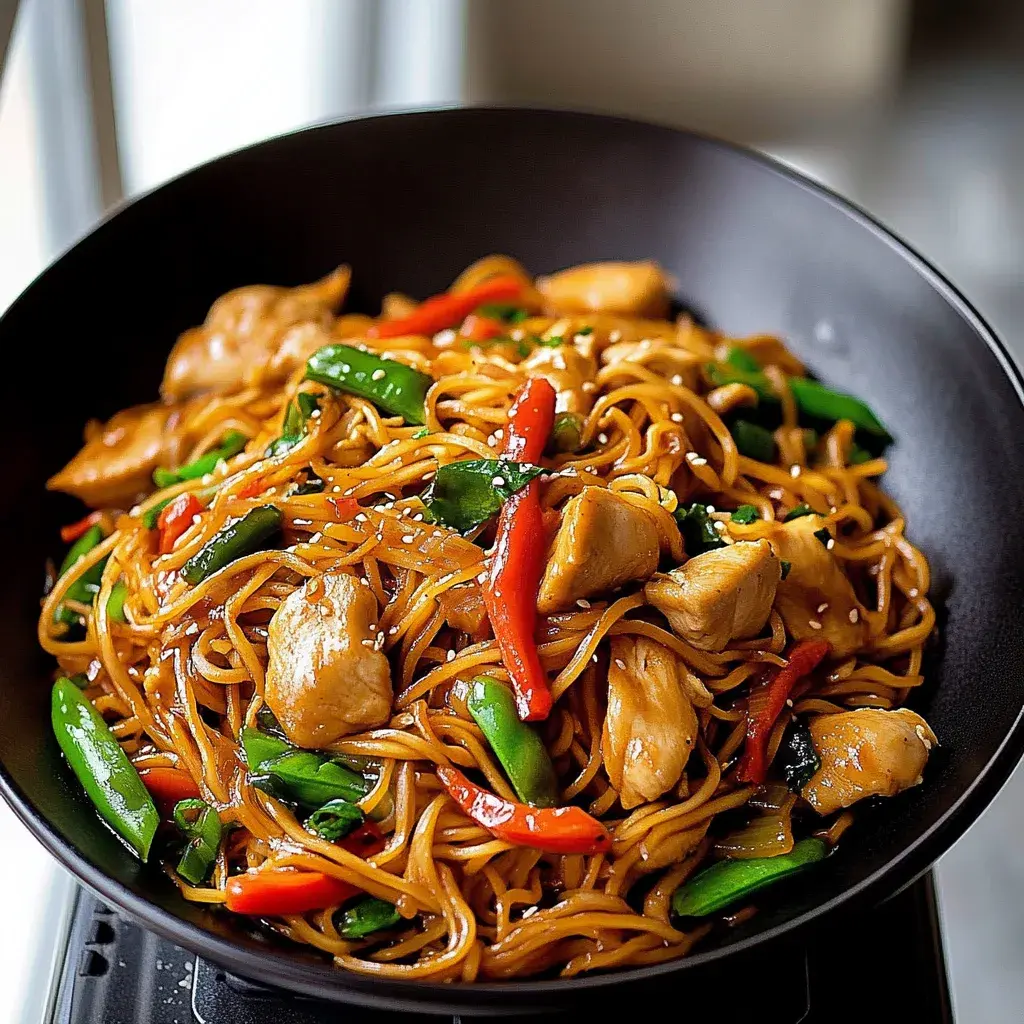
10-Minute Pan Fried Noodles

The Ultimate 10-Minute Pan Fried Noodles: Your New Weeknight Hero

Prep Time Cook Time Total Time Servings Difficulty
⏱️5 minutes 🍳5 minutes 10 minutes 🍽️2 people Easy

The 10-Minute Dinner Revolution

We hear it all the time: “I’m too busy to cook.” At Cooking With Emy, we believe a delicious, satisfying homemade meal should never be a luxury reserved for weekends. That’s why we’re obsessed with our 10-Minute Pan Fried Noodles. This isn’t just another stir-fry; it’s a culinary shortcut that delivers restaurant-quality flavor in less time than it takes to decide on and wait for delivery. Using a single pan and a handful of pantry staples, you can transform simple ingredients into a dish that’s caramelized, savory, and utterly addictive. Forget the soggy, greasy takeout containers. This recipe is about reclaiming your weeknights with a meal that’s faster, fresher, and far more rewarding.

The magic lies in the technique and the balance of the sauce. By using fresh noodles and a blisteringly hot pan, we achieve that coveted wok hei—the “breath of the wok”—that smoky, charred essence that defines great stir-fries. Whether you’re a college student, a busy parent, or just someone who values their time, this recipe is designed to fit seamlessly into your life. It’s customizable, forgiving, and proof that incredible food doesn’t require hours of effort.

Why This Recipe Beats Takeout Every Single Time

Let’s be honest: ordering in is tempting. But after you make these pan fried noodles once, you’ll discover compelling reasons to make them your go-to.

Control & Quality: You control the sodium, the oil, and the freshness of every component. No more mysterious sauces or questionable vegetable quality.

The Speed Factor: From fridge to plate in a flat 10 minutes. Most delivery apps can’t even promise that.

Endless Customization: This recipe is a blueprint. Swap in your favorite protein, use up leftover veggies, or adjust the sauce to be sweeter, spicier, or gluten-free. It’s your canvas.

The “Wok Hei” at Home: The high-heat sear in a single pan creates layers of flavor—sweet caramelization from the sauce, aroma from the garlic and green onion, and a subtle smokiness—that simply cannot be replicated in a steamed takeout container.

💡 The Kitchen Team’s Pro Tip: The key to authentic texture is using fresh noodles (like refrigerated chow mein, lo mein, or even fresh ramen). They have the perfect starch level and moisture content to fry up beautifully without becoming mushy. Dried noodles can work in a pinch, but the texture and cooking time will differ.

Ingredients & Smart Swaps

Simplicity is the soul of this dish. Here’s what you’ll need, along with our trusted substitution guide.

Ingredient Quantity Purpose & Best Substitutes
Fresh Noodles 10.5 oz (300g) The star. Provides chew and soaks up sauce. Sub: Dried ramen or udon (cook first), or even spaghetti in a real pinch.
Neutral Oil 2 tbsp For high-heat frying. Sub: Avocado, vegetable, or canola oil.
Garlic, minced 2 cloves Aromatic base. Sub: 1/2 tsp garlic powder added with the sauce.
Green Onions 2 stalks Freshness and bite. Separate white/light green parts (for cooking) from dark green (for garnish).
Bean Sprouts 1 cup Crunch and freshness. Sub: Shredded cabbage, snap peas, matchstick carrots, or bell peppers.
Soy Sauce 2 tbsp Salty, umami backbone. Sub: Tamari (gluten-free) or coconut aminos (less salty).
Dark Soy Sauce 1/2 tbsp For color and a deeper, molasses-like flavor. Sub: Add 1/4 tsp more regular soy sauce + a pinch of brown sugar.
Sugar 1/2 tbsp Balances saltiness and aids caramelization. Sub: Honey or maple syrup.
White Pepper 1/8 tsp Distinctive, earthy heat. Sub: Freshly ground black pepper.
Water 1 tbsp Helps distribute the sauce evenly.
Sesame Oil 1 tsp Finishing aroma. Do not cook with it—add at the end.

Step-by-Step Instructions for Perfect Noodles

Follow these steps closely for foolproof, caramelized noodles every time.

  1. Mise en Place (Get Everything Ready): This is non-negotiable for a 10-minute recipe. Mince your garlic, cut your green onions, and measure your bean sprouts. In a small bowl, whisk together the soy sauces, sugar, white pepper, and water until the sugar dissolves. This is your flavor powerhouse.
  2. Prepare the Noodles: Cook your fresh noodles according to package directions—this usually means a quick 1-2 minute boil. Immediately drain and rinse under cold water to stop the cooking and remove excess starch. Toss with a tiny bit of oil to prevent sticking. This step ensures they fry up instead of steam.
  3. 💡 The Kitchen Team’s Pro Tip: Have all your ingredients within arm’s reach of the stove. Stir-frying is a fast process, and you won’t have time to run to the pantry. This “station setup” is the secret of every professional wok cook.
  4. Heat the Pan: Place your largest skillet, wok, or non-stick pan over medium-high heat. Let it get properly hot for about 60 seconds. Add the neutral oil and swirl to coat.
  5. Build the Aromatics: Add the minced garlic and the white/light green parts of the green onions. Stir-fry for just 30-60 seconds until incredibly fragrant. Do not let the garlic brown.
  6. Fry the Noodles: Add the drained, cooled noodles to the pan. Use tongs or two spatulas to toss and combine them with the aromatics for about 1 minute. Spread them out in an even layer and let them sit for 30 seconds to develop a slight sear.
  7. Add the Sauce & Caramelize: Pour your pre-mixed sauce evenly over the noodles. Toss continuously for 2-3 minutes. You’ll see the magic happen: the sauce will reduce, thicken, and coat every strand, turning a rich, glossy brown. This is the caramelization you’re after.
  8. Finish with Veggies & Aroma: Add the bean sprouts and the reserved dark green parts of the green onions. Toss for one final minute, just until the bean sprouts are slightly wilted but still crunchy. Remove the pan from the heat.
  9. The Final Touch: Drizzle the teaspoon of sesame oil over the top and give one final toss. This preserves its delicate nutty aroma.
  10. Serve Immediately: Plate your noodles right away while they’re hot, sizzling, and at their peak texture.

Serving & Pairing Ideas

These noodles are a complete meal on their own, but here’s how to build a fantastic spread.

As a Main Course: For a heartier meal, add protein directly to the stir-fry. Add thinly sliced chicken breast, shrimp, or flank steak to the hot oil before the aromatics. Cook through, remove, then add back with the noodles. For tofu, use extra-firm, press it, cube it, and pan-fry until crispy before starting.

Perfect Pairings: Serve alongside a simple cucumber salad dressed with rice vinegar, a quick egg drop soup, or steamed dumplings (store-bought is perfectly fine!). For a beverage, a crisp lager, iced green tea, or sparkling water with lime complements the savory flavors beautifully.

Storage & Reheating Like a Pro

While best fresh, leftovers can still be delicious with the right technique.

Storage: Let the noodles cool completely, then store in an airtight container in the refrigerator for up to 3 days.

Reheating (The Right Way): The microwave will make them soggy. Reheat them in a non-stick skillet over medium heat with a tiny splash of water. Cover for a minute to steam, then uncover and stir-fry to re-crisp the edges. This restores their texture remarkably well.

Creative Variations to Keep It Exciting

This recipe is your playground. Here are some of our favorite twists:

  • Spicy Sichuan: Add 1-2 tsp chili crisp or a few dried red chilies with the garlic.
  • Thai-Inspired: Swap the sauce for 2 tbsp oyster sauce, 1 tbsp fish sauce, and a squeeze of lime juice. Garnish with cilantro and crushed peanuts.
  • Teriyaki Glaze: Use a store-bought or homemade teriyaki sauce instead of the soy sauce blend. Add broccoli florets.
  • Vegetable Lover’s: Use a mix of bell peppers, mushrooms, carrots, and baby corn. Add them right after the garlic to stir-fry before adding the noodles.
  • Breakfast Noodles: Top the finished noodles with a perfectly fried runny egg. The yolk becomes a rich, additional sauce.

Frequently Asked Questions (FAQ)

Can I use dried noodles instead of fresh?

Absolutely. Cook dried noodles (like ramen or linguine) according to package directions until al dente. Drain, rinse with cold water, and proceed with the recipe. The texture will be slightly different but still excellent.

My noodles are sticking to the pan! What did I do wrong?

This usually means the pan wasn’t hot enough before adding the oil/noodles, or the noodles were too wet. Ensure your pan is preheated, your noodles are well-drained and cooled, and you’re using enough oil. A non-stick pan is very forgiving for this recipe.

How can I make this gluten-free?

Use 100% buckwheat soba noodles or rice noodles, and substitute the soy sauces with tamari (ensure it’s gluten-free) or coconut aminos.

Can I make this recipe vegan?

It’s almost there! Just ensure your noodles don’t contain egg, and the recipe is naturally vegan. Double-check your dark soy sauce, as some brands may contain traces of animal products.

What’s the best type of pan to use?

A carbon steel wok is ideal, but a large cast-iron skillet, stainless steel skillet, or non-stick frying pan will work perfectly. The key is having a large surface area for evaporation and searing.

Can I add other vegetables?

Yes! Add harder vegetables like carrots or broccoli with the garlic to cook longer. Add softer veggies like spinach or baby bok choy at the very end, just to wilt.

Why rinse the noodles in cold water?

Rinsing stops the cooking process, removes excess surface starch that causes clumping, and cools them down so they fry instead of steam when they hit the hot pan.

Can I double or triple this recipe?

You can, but don’t overcrowd the pan. Cook in batches if necessary. Overcrowding will steam the noodles instead of frying them, leading to a mushy texture.

Love This Recipe? Save It For Later!

Did these 10-Minute Pan Fried Noodles save your weeknight? Pin this image to your Quick Dinner Ideas or Asian Recipes board on Pinterest so you always have it handy!

Follow us on Pinterest @cookingwithemy for more fast, flavorful recipes.

📌 Save This Recipe on Pinterest

Recipe developed and tested by The Kitchen Team at Cooking With Emy. We love seeing your creations! Tag us on social media with #CookingWithEmy.

clock clock iconcutlery cutlery iconflag flag iconfolder folder iconinstagram instagram iconpinterest pinterest iconfacebook facebook iconprint print iconsquares squares iconheart heart iconheart solid heart solid icon

10-Minute Pan Fried Noodles


  • Author:
    Chef Emy

Description

These quick & easy pan fried noodles are made with a handful of ingredients in a single pan, making it the perfect meal to add to your dinner rotation. Tossed in a savory sauce and aromatic vegetables, these stir-fried noodles are packed with flavor and can easily be customized to your liking.


Ingredients


Scale
  • 300 g fresh noodles (see notes below)
  • 2 tbsp neutral oil
  • 2 cloves garlic (minced)
  • 2 green onions (cut lengthwise in 2″ pieces)
  • 1 cup bean sprouts (or other vegetables)
  • 1 tsp sesame oil (to finish)
  • 2 tbsp soy sauce
  • 1/2 tbsp dark soy sauce
  • 1/2 tbsp sugar
  • 1/8 tsp white pepper (or black pepper)
  • 1 tbsp water

Instructions

  1. Combine the sauce ingredients in a bowl and prepare the noodles as per package instructions. Rinse the noodles under cold water, drain, and set aside.
  2. Heat oil in a wok or a large pan over medium heat. Add garlic and white parts of green onion and cook until fragrant. Add noodles and mix to combine.
  3. Pour in the sauce and cook for about 2-3 minutes until the noodles are caramelized. Add bean sprouts, reserved green onion, and sesame oil to finish. Enjoy!


Japanese Katsu Bowls with Tonkatsu Sauce


The Ultimate Weeknight Feast: Crispy Japanese Katsu Bowls with Homemade Tonkatsu Sauce

Prep Time 20 minutes
Cook Time 15 minutes
Total Time 35 minutes
Servings 2 generous bowls
Difficulty Easy

Introduction: The Ultimate Comfort Food

Imagine the satisfying crunch of a perfectly golden, crispy cutlet giving way to tender, juicy meat, all resting on a bed of steaming fluffy rice and smothered in a savory-sweet, umami-rich sauce. That’s the magic of Japanese Katsu Bowls with Tonkatsu Sauce. This dish, known as Katsudon in its classic egg-and-onion form, is a cornerstone of Japanese comfort food, beloved in homes and restaurants alike. At Cooking With Emy, we believe the best meals are those that deliver maximum flavor without maximum fuss. This recipe is exactly that—a simple yet spectacular weeknight dinner that feels like a special occasion. Whether you’re a seasoned home cook or just starting your culinary journey, mastering this Japanese katsu bowl recipe will give you a go-to dish that’s guaranteed to impress.

The beauty of katsu lies in its beautiful simplicity and perfect textural contrast. The word “katsu” is actually a shortened Japanization of the English word “cutlet.” While traditionally made with pork (tonkatsu), chicken katsu has become wildly popular for its lighter taste and quicker cooking time. Paired with the iconic, slightly tangy, and deeply savory tonkatsu sauce, it creates a harmony of flavors that is utterly addictive. In this guide, we’ll walk you through every step, from pounding the cutlet to the ideal crispness, to whipping up a quick homemade tonkatsu sauce that far surpasses any store-bought version. Get ready to bring the vibrant, comforting taste of a Japanese izakaya right to your dining table.

Why This Is The Best Katsu Bowl Recipe

You might find many recipes for Japanese katsu bowls online, but ours is crafted for guaranteed success and deep, authentic flavor. First, we emphasize the technique of proper pounding. This isn’t just about thinning the meat; it’s about tenderizing it and ensuring even cooking, so every bite is juicy, not dry. We also focus on the breading station method—a crucial step for achieving that signature, shatteringly crisp panko crust that stays put.

Second, we champion the homemade tonkatsu sauce. While convenient, store-bought versions can be overly sweet or contain preservatives. Our 4-ingredient homemade sauce, balanced with ketchup, Worcestershire, soy, and a touch of sugar, delivers a complex, tangy, and rich flavor profile that you can adjust to your personal taste. It makes all the difference.

💡 The Kitchen Team’s Pro Tip: The secret to extra-crispy, non-greasy katsu is double-dredging. After the first coat of flour, egg, and panko, let the cutlet rest on a wire rack for 5 minutes. Then, give it a quick second dip in the egg and panko. This creates a thicker, more textured crust that fries up incredibly crisp and absorbs less oil.

Finally, our recipe provides flexibility. We give you the choice between chicken and pork, precise frying temperatures to avoid burning or undercooking, and serving suggestions to build a complete, nutritious, and visually stunning bowl. This isn’t just a recipe; it’s a masterclass in creating a perfect katsu experience at home.

Ingredients & Substitutions

Gathering the right ingredients is the first step to katsu perfection. Here’s what you’ll need, along with smart swaps for dietary needs or pantry limitations.

Ingredient Quantity Notes & Substitutions
Boneless chicken breasts or pork loin cutlets 2 (about 6 oz each) Chicken: For a lighter option. Pork: For traditional tonkatsu. Pork chops work too. Can substitute with firm tofu or chicken thighs.
Panko breadcrumbs 1 cup Essential for crispiness. Do not substitute with regular breadcrumbs. For gluten-free, use gluten-free panko.
All-purpose flour 1/2 cup Helps the egg adhere. For gluten-free, use a 1:1 GF flour blend.
Large eggs, beaten 2 The “glue” for the panko. For an egg-free version, use a thick mixture of milk or plant-based milk and cornstarch.
Cooked white rice (sushi rice preferred) 3 cups Sushi rice is stickier and holds the bowl together. Jasmine or short-grain rice are excellent substitutes.
Vegetable or canola oil (for frying) About 1-1.5 cups Neutral oil with a high smoke point. Peanut or avocado oil also work well.
Ketchup 3 tbsp Base for the homemade sauce. Use a brand without high fructose corn syrup for best flavor.
Worcestershire sauce 2 tbsp Provides depth and umami. For a vegetarian sauce, use a vegetarian Worcestershire.
Soy sauce 1 tbsp Adds saltiness and savor. Use tamari for a gluten-free sauce.
Granulated sugar 1 tsp Balances the acidity. Can use honey or maple syrup.
Salt & Black Pepper To taste For seasoning the meat.
Fresh parsley or green onion (garnish) Optional For color and a fresh finish. Shredded cabbage is a classic side garnish.

Step-by-Step Instructions

Follow these detailed steps for foolproof, restaurant-quality katsu. We’ve broken it down to make the process seamless and enjoyable.

Step Instructions Visual Cue
1. Prep the Meat Place chicken breasts or pork cutlets between two sheets of plastic wrap. Using a meat mallet, rolling pin, or heavy skillet, pound evenly to a 1/2-inch thickness. This ensures quick, even cooking. Season both sides generously with salt and pepper. Meat is uniformly thin and pliable.
2. Set Up Breading Station Set up three shallow bowls or plates in an assembly line. Place flour in the first, beaten eggs in the second, and panko breadcrumbs in the third. This “standard breading procedure” is key for an even coat. Three distinct stations ready for dredging.
3. Bread the Cutlets Dredge each cutlet in flour, shaking off any excess. Next, dip fully into the beaten egg, allowing excess to drip off. Finally, press firmly into the panko, coating both sides and edges thoroughly. Gently press the panko to adhere. For extra crispiness (see Pro Tip), let rest on a wire rack for 5 mins, then repeat the egg and panko step. Cutlet is fully coated with a textured, even layer of panko.
4. Heat the Oil In a large, heavy-bottomed skillet (cast iron is ideal), add oil to a depth of about 1/2 inch. Heat over medium-high heat to 350°F (175°C). Use a cooking thermometer for accuracy. The oil should shimmer but not smoke. Oil reaches 350°F. A panko breadcrumb dropped in should sizzle immediately.
5. Fry the Katsu Carefully place the breaded cutlets into the hot oil. Do not overcrowd; fry one at a time if necessary. Fry chicken for 3-4 minutes per side, pork for 2-3 minutes per side, until deeply golden brown and cooked through. Internal temperature should reach 165°F for chicken, 145°F for pork. Cutlet is a rich, golden brown and floats slightly in the oil.
6. Drain & Rest Transfer the fried cutlet to a wire rack set over a baking sheet (preferred) or a paper towel-lined plate. This keeps the bottom crisp. Let it rest for 3-4 minutes before slicing. Cutlet is draining, not steaming, on the rack.
7. Make the Sauce While the cutlet rests, make the tonkatsu sauce. In a small bowl, whisk together the ketchup, Worcestershire sauce, soy sauce, and sugar until smooth. Taste and adjust sweetness or saltiness as desired. Sauce is a smooth, deep brown color.
8. Slice & Assemble Slice the rested katsu against the grain into 1-inch wide strips. Divide warm rice between two bowls. Arrange the sliced katsu over the rice. Drizzle generously with the tonkatsu sauce. Garnish with chopped green onions or parsley. Beautiful bowl with white rice, golden cutlet strips, and glossy sauce.
💡 The Kitchen Team’s Pro Tip: For a lighter alternative, you can bake the katsu! Place breaded cutlets on a wire rack over a baking sheet, spray generously with cooking oil, and bake at 425°F for 15-20 minutes, flipping halfway, until golden and cooked through. The crust will be slightly less shattery but still delicious.

Serving & Presentation

A katsu bowl is a complete meal, but the right accompaniments elevate it to a feast. The classic Japanese presentation includes a side of finely shredded cabbage, which adds a refreshing, crisp contrast to the rich katsu. A small mound of tangy Japanese potato salad or a simple miso soup makes for a perfect starter. For your bowl, consider adding a soft-boiled or onsen egg on top; the runny yolk creates a luxurious sauce when mixed with the rice and tonkatsu. A sprinkle of toasted sesame seeds or a drizzle of Japanese mayonnaise (Kewpie) adds another layer of flavor and texture. Serve with chopsticks and a spoon for the ultimate experience, and don’t forget a small dish of extra tonkatsu sauce for dipping!

Storage & Reheating

Storage: Store leftover components separately for best results. Place cooled, unsliced katsu in an airtight container in the refrigerator for up to 3 days. Store rice and sauce in separate containers. The breading will soften in the fridge but can be revived.

Reheating for Best Crispness: The oven or air fryer is your best friend. Oven: Preheat to 375°F. Place katsu on a wire rack over a baking sheet and heat for 10-12 minutes, until hot and crisp. Air Fryer: Reheat at 370°F for 4-6 minutes. Avoid the microwave, as it will make the crust soggy. Reheat rice separately with a splash of water, and warm the sauce gently on the stove or in the microwave.

Delicious Recipe Variations

The basic katsu bowl is a fantastic canvas for creativity. Here are some popular twists:

  • Classic Katsudon: After frying, slice the katsu. In a small skillet, simmer 1/4 cup dashi, 1 tbsp soy sauce, and 1 tbsp mirin. Add a handful of sliced onions, then place the sliced katsu on top. Pour 1-2 beaten eggs over everything, cover, and cook until the egg is just set. Slide over rice.
  • Curry Katsu: Serve the crispy katsu over rice with a generous ladle of rich Japanese curry sauce. A family favorite!
  • Cheese Katsu: Place a slice of mild cheese (like mozzarella or gouda) on the pounded cutlet before breading. Fry as usual for a gooey, cheesy center.
  • Vegetable Katsu: Use thick slices of sweet potato, kabocha squash, or even cauliflower steaks. Blanch harder veggies first for tenderness.
  • Spicy Mayo Drizzle: Mix Japanese mayo with sriracha or chili crisp and drizzle over the top for a kick.

Frequently Asked Questions (FAQ)

Can I make Japanese katsu bowls ahead of time?

You can prep components ahead! Bread the cutlets and store them, separated by parchment paper, in the fridge for up to 4 hours before frying. You can also make the tonkatsu sauce up to a week in advance. Fry the katsu fresh for the best texture.

What’s the difference between panko and regular breadcrumbs?

Panko is made from crustless white bread, resulting in larger, flakier, drier crumbs. They create a lighter, airier, and crispier crust that doesn’t absorb as much oil. Regular breadcrumbs are finer and denser, leading to a heavier, sandier coating.

Can I use an air fryer for this recipe?

Absolutely! For air fryer katsu, spray the breaded cutlets generously with oil on both sides. Air fry at 400°F for 10-12 minutes, flipping halfway, until golden and cooked through. The result is excellent with less oil.

My tonkatsu sauce tastes too sweet/vinegary. How can I fix it?

Tonkatsu sauce should be balanced. If too sweet, add a dash more soy sauce or Worcestershire. If too tangy or sharp, add a tiny bit more ketchup or a pinch of sugar. Always adjust to your taste.

What can I serve with katsu bowls besides rice?

Shredded cabbage is the classic pairing. A simple cucumber salad, steamed broccoli, or edamame also work wonderfully. For a low-carb option, serve the katsu and sauce over a bed of shredded cabbage or mixed greens.

Is tonkatsu sauce the same as BBQ sauce or Worcestershire?

No, it’s unique. It’s thicker and fruitier than Worcestershire and less smoky and sweet than American BBQ sauce. It’s a distinct blend of fruits, vegetables, and spices with a savory-sweet profile.

How do I know when the oil is hot enough without a thermometer?

Use the wooden chopstick or spoon test: dip the handle into the oil. If steady, vigorous bubbles form around it immediately, the oil is ready (around 350°F). Alternatively, drop a single panko crumb in; it should sizzle and float to the top right away.

Can I freeze cooked katsu?

Yes, but with caution. Freeze cooked, cooled katsu on a parchment-lined sheet until solid, then transfer to a freezer bag for up to 2 months. Reheat directly from frozen in a 375°F oven or air fryer until hot and crisp throughout.

Share Your Creation!

We hope you love making and devouring these Crispy Japanese Katsu Bowls as much as we do! Did you try the double-dredge trick? Make your own sauce? Tag @cookingwithemy on social media and use the hashtag #CookingWithEmy so we can celebrate your kitchen victory with you. Your photos inspire our entire Kitchen Team!

Love This Recipe? Save It For Later!

Pin the image below to your Dinner Ideas or Japanese Recipes board on Pinterest so you always have this guide handy.

Follow us on Pinterest @cookingwithemy for more delicious inspiration daily!

📌 Save This Recipe on Pinterest

[Pinterest Image Block: High-quality photo of finished Katsu Bowl]


clock clock iconcutlery cutlery iconflag flag iconfolder folder iconinstagram instagram iconpinterest pinterest iconfacebook facebook iconprint print iconsquares squares iconheart heart iconheart solid heart solid icon

Japanese Katsu Bowls with Tonkatsu Sauce


  • Author:
    Chef Emy

Description

Japanese Katsu Bowls with Tonkatsu Sauce are the ultimate comfort food, combining crispy, golden cutlets with fluffy rice and a savory-sweet sauce. This simple yet flavorful recipe is perfect for a quick weeknight dinner or an indulgent treat that feels like dining out.


Ingredients


Scale
  • 2 boneless chicken breasts or pork loin cutlets (pounded to ½-inch thickness)
  • 1 cup panko breadcrumbs
  • ½ cup all-purpose flour
  • 2 large eggs (beaten)
  • 3 cups cooked white rice (sushi rice preferred)
  • ½ cup tonkatsu sauce (store-bought or homemade*)
  • Oil for frying (vegetable or canola)
  • Fresh parsley or green onion for garnish (optional)
  • 3 tbsp ketchup
  • 2 tbsp Worcestershire sauce
  • 1 tbsp soy sauce
  • 1 tsp sugar

Instructions

  1. Pound chicken to ½-inch thickness and season with salt and pepper.
  2. Set up a breading station with three bowls: one for flour, one for beaten eggs, and one for panko breadcrumbs.
  3. Coat each cutlet in flour, then dip in egg, and finally coat with panko breadcrumbs, pressing gently to adhere.
  4. Heat oil in a large frying pan over medium-high heat to about 350°F (175°C).
  5. Fry the cutlets for 3-4 minutes per side (for chicken) or 2-3 minutes per side (for pork) until golden and cooked through. Transfer to a paper towel-lined plate.
  6. If making homemade tonkatsu sauce, mix ketchup, Worcestershire sauce, soy sauce, and sugar in a small bowl. Adjust sweetness to taste.
  7. Assemble bowls by adding cooked rice, sliced cutlets, and a generous drizzle of tonkatsu sauce. Garnish with parsley or green onions, if desired. Serve immediately.


Japanese Katsu Bowls with Tonkatsu Sauce


The Ultimate Weeknight Wonder: Crispy Japanese Katsu Bowls with Homemade Tonkatsu Sauce

Prep Time
20 minutes
Cook Time
15 minutes
Total Time
35 minutes
Servings
2 hearty bowls
Difficulty
Easy

Introduction: The Ultimate Comfort Bowl

Imagine this: a bed of steaming, perfectly sticky white rice, topped with a golden-brown, impossibly crispy cutlet that shatters with each bite, all brought together by a rich, savory-sweet sauce that ties every element into pure harmony. This isn’t just a meal; it’s an experience. Welcome to your new favorite weeknight dinner: Japanese Katsu Bowls with Tonkatsu Sauce.

At Cooking With Emy, we believe the best recipes are those that feel like a treat but are simple enough for any night of the week. This katsu bowl recipe is exactly that. It brings the vibrant, comforting flavors of a Japanese restaurant right into your kitchen, with a process that’s surprisingly straightforward. “Katsu” refers to the breaded and fried cutlet, a technique introduced to Japan in the late 19th century that has since become a beloved staple. Paired with the iconic, umami-packed tonkatsu sauce, it’s a combination that’s stood the test of time for a very good reason.

Whether you choose tender chicken breast or juicy pork loin, the result is a satisfying, crunchy, and deeply flavorful dish that will have everyone asking for seconds. Let’s dive in and create some magic.

Why This Is The Best Katsu Bowl Recipe

You might find many katsu recipes online, but this one from The Kitchen Team is crafted for guaranteed success and maximum flavor. First, we emphasize the pounding technique. Getting your meat to an even ½-inch thickness isn’t just about cooking it evenly; it tenderizes the protein, ensuring every bite is succulent and never tough. Second, we champion the triple-breading station (flour, egg, panko). This isn’t a place to cut corners—it’s the sacred ritual that creates that signature, airy, and ultra-crispy crust that defines great katsu.

Most importantly, we provide a simple, 4-ingredient homemade tonkatsu sauce recipe that blows any store-bought version out of the water. The balance of tangy ketchup, complex Worcestershire, salty soy, and a hint of sugar creates a symphony of flavors that is the soul of the dish. This recipe also offers flexibility (chicken or pork!), clear frying instructions to avoid greasiness, and assembly tips for a picture-perfect bowl that’s as beautiful as it is delicious.

💡 The Kitchen Team’s Pro Tip: The key to extra-crispy, non-greasy katsu is oil temperature. Use a thermometer and maintain a steady 350°F (175°C). If you don’t have one, test by dropping a few panko crumbs into the oil; they should sizzle vigorously and float immediately.

Ingredients & Substitutions

Gathering your mise en place (everything in its place) before you start cooking is the secret to a smooth, enjoyable katsu-making process. Here’s what you’ll need.

Ingredient Quantity Notes & Possible Substitutes
Boneless chicken breasts or pork loin cutlets 2 (about 6 oz each) Pound to ½-inch thickness. Pork is traditional for “tonkatsu,” but chicken (“chicken katsu”) is equally popular and delicious.
Panko breadcrumbs 1 cup Do not substitute with regular breadcrumbs. Panko’s larger, flakier crumbs create a lighter, crispier texture.
All-purpose flour ½ cup Used for the initial dredge. For a gluten-free option, use a 1:1 GF flour blend.
Large eggs 2 Beaten well. This is the “glue” for the panko.
Cooked white rice (sushi rice preferred) 3 cups Short-grain sushi rice is ideal for its sticky texture. Jasmine or Calrose rice are great alternatives.
Neutral oil for frying (vegetable, canola, or peanut) About 1-1.5 cups Enough to reach ½-inch depth in your pan. Must have a high smoke point.
Ketchup 3 tbsp The base for the homemade tonkatsu sauce.
Worcestershire sauce 2 tbsp Provides deep, savory umami. Use a vegetarian Worcestershire if needed.
Soy sauce (regular or light) 1 tbsp Adds saltiness and depth. Use tamari for a gluten-free sauce.
Granulated sugar 1 tsp Balances the acidity. Adjust to taste.
Salt & Black Pepper To taste For seasoning the meat before breading.
Garnish: Fresh parsley, green onion, or shredded cabbage Optional Adds color, freshness, and a nice textural contrast.

Step-by-Step Instructions

Follow these steps carefully for a flawless, restaurant-quality result right at home.

Step 1: Prepare the Meat

Place your chicken breasts or pork cutlets between two sheets of plastic wrap or in a large zip-top bag. Using a meat mallet, rolling pin, or even a heavy skillet, pound the meat evenly until it is about ½-inch thick throughout. This step is non-negotiable for even cooking and tenderness. Season both sides generously with salt and pepper.

Step 2: Set Up Your Breading Station

Get three shallow bowls or plates. In the first, place the ½ cup of all-purpose flour. In the second, beat the two eggs until uniform. In the third, spread out the 1 cup of panko breadcrumbs. This assembly line (dry-wet-dry) is crucial for a clean, even coating.

💡 The Kitchen Team’s Pro Tip: For an extra-flavorful crust, season your flour with a pinch of garlic powder, onion powder, and white pepper. You can also add a tablespoon of the beaten egg into the panko and mix with a fork to create “clumps” for an even crunchier texture.

Step 3: Bread the Cutlets

Take one seasoned cutlet and dredge it thoroughly in the flour, shaking off any excess. Next, dip it into the beaten egg, allowing the excess to drip off. Finally, press it firmly into the panko breadcrumbs, turning and patting to ensure an even, complete coating. Place the breaded cutlet on a clean plate or wire rack and repeat with the remaining cutlet.

Step 4: Fry to Golden Perfection

In a large skillet (cast iron is excellent for this), heat about ½-inch of oil over medium-high heat until it reaches 350°F (175°C). Carefully lay the breaded cutlets into the hot oil. Do not overcrowd the pan; fry one at a time if necessary. Fry chicken for 3-4 minutes per side, or pork for 2-3 minutes per side, until deeply golden brown and cooked through. The internal temperature should reach 165°F (74°C) for chicken and 145°F (63°C) for pork. Transfer to a wire rack set over a baking sheet or a plate lined with paper towels to drain.

Step 5: Make the Tonkatsu Sauce

While the cutlets are frying or resting, make your sauce. In a small bowl, whisk together the 3 tablespoons ketchup, 2 tablespoons Worcestershire sauce, 1 tablespoon soy sauce, and 1 teaspoon sugar until smooth. Taste and adjust sweetness or saltiness to your preference. Let it sit for a few minutes to allow the flavors to meld.

Step 6: Assemble Your Bowls

Slice your crispy katsu against the grain into 1-inch strips. Divide the warm cooked rice between two bowls. Artfully arrange the sliced katsu over the rice. Drizzle generously with the homemade tonkatsu sauce. Garnish with finely sliced green onions or a sprinkle of parsley for a pop of color and freshness.

Serving & Presentation

A katsu bowl is a complete meal, but a few traditional sides can elevate it. A simple, tangy side of shredded cabbage dressed with a light rice vinegar dressing cuts through the richness beautifully. A small bowl of miso soup or a light green salad with ginger dressing makes for a perfect start. For a more authentic “teishoku” (set meal) experience, add a small portion of pickled vegetables (tsukemono) like daikon radish or cucumber.

When slicing the katsu for serving, always cut against the grain. This shortens the muscle fibers, making each piece incredibly tender and easy to eat with chopsticks. Present the sauce on the side for dipping, or drizzle it artistically over the top—both methods are acceptable and delicious!

Storage & Reheating

Storage: Store components separately for best results. Place cooled, uncut katsu in an airtight container in the refrigerator for up to 3 days. Store rice and sauce in separate containers.

Reheating: To recapture the crispiness, avoid the microwave for the katsu. Instead, reheat it in a toaster oven, conventional oven, or air fryer at 375°F (190°C) for 5-8 minutes, until hot and re-crisped. Reheat rice in the microwave with a sprinkle of water, covered, to restore moisture. The sauce can be used cold or gently warmed.

Delicious Recipe Variations

The beauty of this dish lies in its adaptability. Here are some fantastic ways to mix it up:

Variation How-To Flavor Profile
Katsu Curry Bowl (Katsu Karē) Replace tonkatsu sauce with a rich Japanese curry sauce. Serve the crispy katsu over rice and ladle the curry around it. Hearty, spiced, deeply savory.
Cheese Katsu Place a slice of mild cheese (like mozzarella or gouda) on the pounded cutlet before breading. Seal the edges well before frying. Indulgent, gooey, extra-rich.
Vegetable Katsu (Ebi or Yasai Katsu) Use thick slices of sweet potato, eggplant, or large peeled shrimp. Bread and fry using the same method. Sweet, earthy, or briny—perfect for vegetarians or pescatarians.
Spicy Mayo Drizzle Mix 2 tbsp mayo with 1 tsp sriracha and a squeeze of lime. Drizzle over the katsu alongside the tonkatsu sauce. Creamy, tangy, with a kick of heat.

Frequently Asked Questions (FAQ)

Can I bake the katsu instead of frying it?

Yes, for a lighter version. Place the breaded cutlets on a wire rack set over a baking sheet. Spray or brush generously with oil. Bake in a preheated oven at 425°F (220°C) for 15-20 minutes, flipping halfway, until golden and cooked through. The crust will be slightly less shatteringly crisp than deep-fried, but still delicious.

What’s the difference between tonkatsu sauce and Worcestershire sauce?

Tonkatsu sauce is a thicker, sweeter, and fruitier condiment specifically for katsu. Worcestershire sauce is a thinner, more pungent, and vinegary liquid used as a seasoning in many dishes. Our homemade tonkatsu sauce uses Worcestershire as a key ingredient, combined with ketchup and soy to create that distinct flavor.

Can I make this recipe gluten-free?

Absolutely! Use a 1:1 gluten-free flour blend for the dredge, ensure your panko is labeled gluten-free (made from rice), and use tamari instead of soy sauce in the tonkatsu sauce. Double-check that your Worcestershire sauce is gluten-free.

My panko isn’t sticking well. What did I do wrong?

This usually happens if you don’t shake off the excess flour or egg. Make sure the cutlet is evenly coated in flour, then let the excess egg drip off completely before moving to the panko. Press firmly and pat the panko onto the surface. Letting the breaded cutlet rest for 5-10 minutes before frying can also help the coating set.

Can I use an air fryer?

Definitely! It’s a great, less-messy option. Spray or brush the breaded cutlets generously with oil on both sides. Air fry at 400°F (200°C) for 10-12 minutes, flipping halfway, until golden and cooked through.

What can I use if I don’t have a meat mallet?

A heavy rolling pin, the bottom of a sturdy skillet, or even a wine bottle will work perfectly. The goal is to flatten the meat evenly, not pulverize it.

How do I know when my oil is hot enough without a thermometer?

Insert the handle of a wooden chopstick or spoon into the oil. If small bubbles immediately form around it and float up, the oil is ready. Alternatively, drop a few panko crumbs in; they should sizzle vigorously and brown in about 15 seconds.

Can I prepare the katsu ahead of time?

You can bread the cutlets and keep them refrigerated on a wire rack for up to 2 hours before frying. For longer prep, you can freeze the breaded, uncooked cutlets on a parchment-lined tray, then transfer to a freezer bag for up to a month. Fry directly from frozen, adding a couple extra minutes to the cooking time.

Share Your Creation!

We hope you love this Ultimate Japanese Katsu Bowl recipe as much as we do! It’s a dish that’s meant to be shared. Did you make it with chicken or pork? Did you try a fun variation? We’d love to see your beautiful bowls! Share your photos and tag us @cookingwithemy on social media.

Love This Recipe? Save It For Later!

Pin the image below to your Dinner Ideas or Japanese Recipes board on Pinterest so you always have this recipe handy. Follow us on Pinterest @cookingwithemy for more delicious inspiration!

[INSERT PIN-READY IMAGE OF FINISHED KATSU BOWL HERE]
Image Alt Text: Crispy golden Japanese chicken katsu bowl with homemade tonkatsu sauce drizzled over fluffy white rice, garnished with green onions.


clock clock iconcutlery cutlery iconflag flag iconfolder folder iconinstagram instagram iconpinterest pinterest iconfacebook facebook iconprint print iconsquares squares iconheart heart iconheart solid heart solid icon

Japanese Katsu Bowls with Tonkatsu Sauce


  • Author:
    Chef Emy

Description

Japanese Katsu Bowls with Tonkatsu Sauce are the ultimate comfort food, combining crispy, golden cutlets with fluffy rice and a savory-sweet sauce. This simple yet flavorful recipe is perfect for a quick weeknight dinner or an indulgent treat that feels like dining out.


Ingredients


Scale
  • 2 boneless chicken breasts or pork loin cutlets (pounded to ½-inch thickness)
  • 1 cup panko breadcrumbs
  • ½ cup all-purpose flour
  • 2 large eggs (beaten)
  • 3 cups cooked white rice (sushi rice preferred)
  • ½ cup tonkatsu sauce (store-bought or homemade*)
  • Oil for frying (vegetable or canola)
  • Fresh parsley or green onion for garnish (optional)
  • 3 tbsp ketchup
  • 2 tbsp Worcestershire sauce
  • 1 tbsp soy sauce
  • 1 tsp sugar

Instructions

  1. Pound chicken to ½-inch thickness and season with salt and pepper.
  2. Set up a breading station with three bowls: one for flour, one for beaten eggs, and one for panko breadcrumbs.
  3. Coat each cutlet in flour, then dip in egg, and finally coat with panko breadcrumbs, pressing gently to adhere.
  4. Heat oil in a large frying pan over medium-high heat to about 350°F (175°C).
  5. Fry the cutlets for 3-4 minutes per side (for chicken) or 2-3 minutes per side (for pork) until golden and cooked through. Transfer to a paper towel-lined plate.
  6. If making homemade tonkatsu sauce, mix ketchup, Worcestershire sauce, soy sauce, and sugar in a small bowl. Adjust sweetness to taste.
  7. Assemble bowls by adding cooked rice, sliced cutlets, and a generous drizzle of tonkatsu sauce. Garnish with parsley or green onions, if desired. Serve immediately.


Japanese Katsu Bowls with Tonkatsu Sauce

The Ultimate Japanese Katsu Bowls with Tonkatsu Sauce: Crispy, Savory & Simple

Prep Time: 20 minutes
Cook Time: 15 minutes
Total Time: 35 minutes
Servings: 2 bowls
Difficulty: Easy
Author: The Kitchen Team
Website: cookingwithemy.com

Introduction: The Ultimate Comfort Food

Welcome to CookingWithEmy.com, where we bring global flavors straight to your kitchen. Today, we’re diving into a dish that perfectly encapsulates the harmony of Japanese cuisine: Japanese Katsu Bowls with Tonkatsu Sauce. Imagine a bowl of steaming, perfectly cooked rice topped with a golden-brown, impossibly crispy cutlet of chicken or pork, all brought together by a rich, savory-sweet tonkatsu sauce. This isn’t just a meal; it’s an experience. The magic of katsu lies in its beautiful contrast—the shattering crispness of the panko crust giving way to tender, juicy meat, all balanced by the umami depth of the signature sauce. While it may look and taste like something from your favorite restaurant, we promise it’s a completely achievable weeknight triumph. This recipe is designed for home cooks of all levels, breaking down the process into simple, foolproof steps. Get ready to create a bowl of comfort that’s deeply satisfying, incredibly flavorful, and sure to become a regular in your dinner rotation.

Why This Is The Best Katsu Bowl Recipe

You might be wondering what sets this Japanese Katsu Bowl recipe apart from the rest. The answer lies in the details. First, we focus on technique. Properly pounding the meat isn’t just about thickness; it ensures even cooking and maximum tenderness, preventing the dreaded dry cutlet. We emphasize the “double-dredge” method for a crust that stays adhered and crisps up perfectly. Second, we empower you with choice. While store-bought tonkatsu sauce is convenient, we provide a simple, 4-ingredient homemade version that allows you to control the sweetness and saltiness, creating a sauce that’s uniquely yours. Third, this recipe is built for adaptability. Whether you use chicken breast, pork loin, or even venture into vegetarian options, the core method remains the same. We also include pro tips for achieving that professional-level crispness without a deep fryer and guide you on selecting the right rice for the perfect base. This isn’t just a recipe; it’s a masterclass in creating a iconic dish with confidence and ease.

💡 The Kitchen Team’s Pro Tip: For the crispiest, most professional-looking katsu, let the breaded cutlets rest on a wire rack for 10 minutes before frying. This allows the coating to set and adhere, preventing the breadcrumbs from falling off in the oil.

Ingredients & Substitutions

Gathering your ingredients is the first step to katsu success. Here’s everything you’ll need, along with smart swaps to accommodate dietary needs or pantry shortages. Using high-quality, fresh ingredients makes a noticeable difference, especially in a dish with so few components.

Ingredient Quantity Notes & Substitutions
Boneless Chicken Breasts or Pork Loin Cutlets 2 (about 6 oz each) Pounded to ½-inch thickness. Pork tenderloin slices also work. For a lighter option, try turkey cutlets.
Panko Breadcrumbs 1 cup Do not substitute with regular breadcrumbs. Panko’s large, flaky texture is essential for maximum crispiness.
All-Purpose Flour ½ cup Can use gluten-free 1:1 flour blend for a gluten-free version.
Large Eggs 2 Beaten. For an egg-free wash, use ½ cup milk or buttermilk.
Cooked White Rice 3 cups Short-grain sushi rice is preferred for its sticky texture. Jasmine or brown rice are good alternatives.
Oil for Frying About 1-1.5 cups Use a neutral oil with a high smoke point: vegetable, canola, or peanut oil.
For Homemade Tonkatsu Sauce (or use ½ cup store-bought):
Ketchup 3 tbsp Provides sweetness and body.
Worcestershire Sauce 2 tbsp The umami backbone. Use a vegetarian Worcestershire if needed.
Soy Sauce 1 tbsp Use tamari for a gluten-free sauce.
Sugar 1 tsp Adjust to taste. Honey or maple syrup can be used.
Garnish (Optional) Fresh parsley, sliced green onions, toasted sesame seeds, or shredded cabbage.

Step-by-Step Instructions

Follow these detailed steps to create perfect Japanese Katsu Bowls. We recommend reading through all instructions once before you begin and preparing your mise en place (having all ingredients measured and ready) for a smooth cooking process.

Step 1: Prepare the Meat

Place each chicken breast or pork cutlet between two sheets of plastic wrap or inside a large zip-top bag. Using a meat mallet, rolling pin, or even the bottom of a heavy skillet, pound the meat evenly to a ½-inch thickness. This tenderizes the meat and ensures it cooks quickly and evenly. Season both sides generously with salt and black pepper.

Step 2: Set Up Your Breading Station

Organization is key! Set up three shallow bowls or plates in this order: 1) The flour, seasoned with a pinch of salt and pepper. 2) The beaten eggs. 3) The panko breadcrumbs. Having a clean workspace with this assembly line will make the breading process fast and tidy.

Step 3: Bread the Cutlets

Take one seasoned cutlet and dredge it thoroughly in the flour, shaking off any excess. Next, dip it into the beaten egg, allowing the excess to drip off. Finally, place it into the panko breadcrumbs. Use your dry hand to scoop crumbs over the top and press firmly to ensure a complete, even coating that adheres well. Transfer the breaded cutlet to a clean plate or wire rack. Repeat with the remaining cutlet.

💡 The Kitchen Team’s Pro Tip: For an extra-thick, extra-crispy crust, use the “double-dredge” method: after the first egg dip and panko coating, quickly dip the cutlet back into the egg and then into the panko a second time. This creates a legendary crunch!

Step 4: Fry to Golden Perfection

In a large skillet (cast iron is ideal), heat about ½ inch of oil over medium-high heat until it reaches 350°F (175°C). If you don’t have a thermometer, test by dropping a few panko crumbs into the oil; they should sizzle vigorously and float immediately. Carefully lay the breaded cutlets into the hot oil. Do not overcrowd the pan; fry in batches if necessary. Fry chicken for 3-4 minutes per side, or pork for 2-3 minutes per side, until deeply golden brown and cooked through. The internal temperature should reach 165°F (74°C) for chicken and 145°F (63°C) for pork. Transfer to a wire rack set over a baking sheet (this keeps them crispy) or a paper towel-lined plate.

Step 5: Make the Tonkatsu Sauce (If Homemade)

While the cutlets rest, whisk together the ketchup, Worcestershire sauce, soy sauce, and sugar in a small bowl until the sugar is fully dissolved. Taste and adjust sweetness or saltiness to your preference. Let it sit for a few minutes to allow the flavors to meld.

Step 6: Assemble the Bowls

Slice the fried katsu cutlets against the grain into 1-inch strips. Divide the warm, cooked rice between two bowls. Arrange the sliced katsu over the rice. Drizzle generously with the tonkatsu sauce. Garnish with chopped parsley, green onions, or a sprinkle of sesame seeds. Serve immediately while the katsu is still hot and crispy.

Serving & Presentation

Presentation elevates the home-cooked meal to a restaurant-quality experience. For authentic Japanese Katsu Bowls, consider serving the tonkatsu sauce on the side for dipping, allowing everyone to control their sauciness. Traditional sides include a simple, finely shredded cabbage salad (which provides a refreshing, crisp contrast) and a small bowl of miso soup. For a more substantial bowl, add quick-pickled vegetables (like carrots and cucumbers), a soft-boiled egg, or a handful of steamed broccoli. The beauty of the bowl is its versatility—arrange the components neatly for visual appeal. Remember, we eat with our eyes first!

Storage & Reheating

Storage: Store components separately for best results. Place cooled, uncut katsu cutlets in an airtight container in the refrigerator for up to 3 days. Store rice and sauce in separate containers. The katsu will lose its crispness in the fridge but can be revived.

Reheating for Best Results: Do not microwave the katsu, as it will become soggy. To restore crispness, reheat in a conventional oven or toaster oven. Preheat to 375°F (190°C) and place the katsu on a wire rack over a baking sheet. Heat for 10-15 minutes, or until hot and re-crisped. You can also use an air fryer at 375°F for 5-8 minutes. Reheat rice separately with a sprinkle of water, covered, in the microwave.

Delicious Recipe Variations

The katsu bowl is a fantastic template for creativity. Here are some popular variations to try:

  • Chicken Katsu (Torikatsu): The classic version as written, using chicken breasts.
  • Pork Katsu (Tonkatsu): The original and most traditional, using pork loin or tenderloin cutlets.
  • Vegetarian Katsu: Use thick slices of firm tofu (pressed well), portobello mushroom caps, or even cauliflower steaks. Follow the same breading and frying process.
  • Curry Katsu Bowl (Katsu Curry): Instead of tonkatsu sauce, serve the crispy cutlet over rice smothered in a rich, thick Japanese curry sauce.
  • Cheese Katsu: Place a slice of mild cheese (like mozzarella or gouda) in the center of the pounded cutlet, fold to enclose, then bread and fry as usual for a delicious, melty surprise.
  • Fish Katsu: Use white fish fillets like cod or haddock. Adjust frying time to 2-3 minutes per side, depending on thickness.

Frequently Asked Questions (FAQ)

1. Can I bake the katsu instead of frying it?

Yes! For a healthier baked version, place the breaded cutlets on a wire rack set over a baking sheet. Spray or brush both sides generously with oil. Bake in a preheated 425°F (220°C) oven for 15-20 minutes, flipping halfway, until golden and cooked through. The crust will be slightly less shatteringly crisp than fried but still delicious.

2. What’s the difference between tonkatsu sauce and Worcestershire sauce?

Tonkatsu sauce is a thicker, sweeter, and fruit-based condiment that uses Worcestershire sauce as one of its key ingredients. Worcestershire sauce on its own is thinner, more pungent, and less sweet. They are not direct substitutes.

3. Can I make this recipe gluten-free?

Absolutely. Use gluten-free panko breadcrumbs (available at many stores), a gluten-free 1:1 flour blend, and ensure your soy sauce is tamari. Check that your Worcestershire sauce is also gluten-free.

4. Why did my breading fall off during frying?

This usually happens if the oil isn’t hot enough, if you didn’t shake off excess flour/egg, or if you didn’t press the panko on firmly. Letting the breaded cutlets rest for 10 minutes before frying also helps the coating set and adhere.

5. Can I use an air fryer?

Yes, air fryer katsu works well! Spray the breaded cutlets generously with oil on both sides. Air fry at 400°F (200°C) for 10-12 minutes, flipping halfway, until golden and cooked through.

6. What can I use if I don’t have panko?

Panko is highly recommended for its unique texture. In a pinch, you can pulse regular breadcrumbs in a food processor to make them coarser, but the result will be denser and less crispy.

7. How do I know when the oil is ready for frying?

The ideal temperature is 350°F (175°C). Without a thermometer, use the “wooden chopstick test”: dip the end of a wooden chopstick into the oil. If steady, vigorous bubbles form around it immediately, the oil is ready.

8. Can I prepare katsu ahead of time?

You can bread the cutlets and refrigerate them on a wire rack for up to 4 hours before frying. For best results, fry just before serving. You can also freeze unbreaded, pounded cutlets or fully cooked, cooled katsu for up to 2 months. Reheat frozen cooked katsu in the oven at 375°F until hot.

Loved This Recipe? Save It For Later!

Pin the image below to your Dinner Ideas or Japanese Food board on Pinterest to save this ultimate Japanese Katsu Bowls recipe. Follow @cookingwithemy on Pinterest for more delicious inspiration!

📌 Recommended Pinterest Pin Description:
“The ULTIMATE Japanese Katsu Bowls with Tonkatsu Sauce! Crispy chicken or pork, fluffy rice, and savory-sweet sauce. Easy 35-minute recipe with step-by-step tips. #katsubowl #tonkatsu #japaneserecipe #comfortfood #easydinner”

clock clock iconcutlery cutlery iconflag flag iconfolder folder iconinstagram instagram iconpinterest pinterest iconfacebook facebook iconprint print iconsquares squares iconheart heart iconheart solid heart solid icon

Japanese Katsu Bowls with Tonkatsu Sauce


  • Author: Chef Emy

Description

Japanese Katsu Bowls with Tonkatsu Sauce are the ultimate comfort food, combining crispy, golden cutlets with fluffy rice and a savory-sweet sauce. This simple yet flavorful recipe is perfect for a quick weeknight dinner or an indulgent treat that feels like dining out.


Ingredients

Scale
  • 2 boneless chicken breasts or pork loin cutlets (pounded to ½-inch thickness)
  • 1 cup panko breadcrumbs
  • ½ cup all-purpose flour
  • 2 large eggs (beaten)
  • 3 cups cooked white rice (sushi rice preferred)
  • ½ cup tonkatsu sauce (store-bought or homemade*)
  • Oil for frying (vegetable or canola)
  • Fresh parsley or green onion for garnish (optional)
  • 3 tbsp ketchup
  • 2 tbsp Worcestershire sauce
  • 1 tbsp soy sauce
  • 1 tsp sugar

Instructions

  1. Pound chicken to ½-inch thickness and season with salt and pepper.
  2. Set up a breading station with three bowls: one for flour, one for beaten eggs, and one for panko breadcrumbs.
  3. Coat each cutlet in flour, then dip in egg, and finally coat with panko breadcrumbs, pressing gently to adhere.
  4. Heat oil in a large frying pan over medium-high heat to about 350°F (175°C).
  5. Fry the cutlets for 3-4 minutes per side (for chicken) or 2-3 minutes per side (for pork) until golden and cooked through. Transfer to a paper towel-lined plate.
  6. If making homemade tonkatsu sauce, mix ketchup, Worcestershire sauce, soy sauce, and sugar in a small bowl. Adjust sweetness to taste.
  7. Assemble bowls by adding cooked rice, sliced cutlets, and a generous drizzle of tonkatsu sauce. Garnish with parsley or green onions, if desired. Serve immediately.

Beef Pan-Fried Noodles

Print

clock clock iconcutlery cutlery iconflag flag iconfolder folder iconinstagram instagram iconpinterest pinterest iconfacebook facebook iconprint print iconsquares squares iconheart heart iconheart solid heart solid icon

Beef Pan-Fried Noodles


  • Author: Chef Emy

Description

Turn your kitchen into a Chinese restaurant by making crispy pan fried noodles with juicy beef in a rich and savory sauce that tastes too good to be true!


Ingredients

Scale
  • 8 oz flank steak (or skirt steak) (, thinly sliced against the grain)
  • 8 oz fresh Hong Kong pan fry noodles ((or other type of thin noodles) (Footnote 1))
  • 2 tablespoons Shaoxing wine ((or dry sherry))
  • 2 teaspoons cornstarch
  • 1/4 teaspoon salt
  • 1 cup low-sodium beef broth
  • 2 tablespoons soy sauce ((*Footnote 2))
  • 2 tablespoons oyster sauce
  • 1 tablespoon Shaoxing wine ((or dry sherry))
  • 2 tablespoons cornstarch
  • 1 teaspoon sugar
  • 1/4 teaspoon Chinkiang vinegar
  • 1/4 teaspoon white pepper
  • 4 tablespoons peanut oil (, divided)
  • 4 heads baby bok choy (, quartered)
  • 4 cloves garlic (, minced)
  • 1 " ginger (, minced)
  • 1/2 yellow onion (, sliced)
  • 1/2 carrot (, sliced into strips)

Instructions

  1. Combine the beef and the marinade ingredients in a medium-sized bowl. Toss with your hands to coat the beef evenly and let marinate while preparing other ingredients.
  2. Combine the sauce ingredients in a medium-sized bowl and stir to mix thoroughly.
  3. Prepare the noodles according to package directions (*Footnote 3). Drain and set aside in a colander to dry.
  4. Heat a large heavy-bottomed pan (nonstick or carbon steel) with 2 tablespoons of peanut oil over medium-high heat until hot. Spread the noodles into a patty shape (*Footnote 4). Cook without flipping until the bottoms turn golden. Turn the noodles to fry the other side until golden. Drizzle in a bit more oil to help with the frying, if needed. Once done, transfer the noodles to a big serving plate.
  5. Pour 1 tablespoon of oil into the same pan. Add the beef and spread it out in a single layer using a pair of tongs or chopsticks. Let cook undisturbed for 30 seconds or so, or until the bottom turns golden brown. Flip to cook the other side until browned. Stir a few times until the beef is cooked (its OK if theres a hint of pink inside), transfer to a big plate, and set aside.
  6. Add the remaining 1 tablespoon of oil to the pan. Add the onion and carrots. Quickly stir a few times to mix well. Add the ginger and garlic. Stir and cook for 30 seconds to release the fragrance.
  7. Add the bok choy. Cook and stir for another minute, until the veggies start to soften.
  8. Stir the sauce thoroughly to dissolve the cornstarch completely and pour the sauce into the pan. Stir and cook to bring the sauce to a boil, and cook until it starts to thicken.
  9. Add the cooked beef back into the pan. Stir to mix everything well. Once the sauce reaches the desired consistency, pour everything over the fried noodles. (*Footnote 5)
  10. Serve immediately as a main dish.

Golden Steak Fried Rice

Golden Steak Fried Rice: The Restaurant-Quality Secret for Perfectly Golden Grains

There’s a magical moment in cooking when humble ingredients transform into something extraordinary. That moment is captured perfectly in a sizzling wok of Golden Steak Fried Rice. This isn’t just leftover rice with some meat tossed in—it’s a masterclass in texture, flavor, and technique. The secret? Coating cold, day-old rice in rich egg yolk before it ever hits the pan, creating individual grains that shimmer with a deep, luxurious gold and possess a satisfying, separate chew. Paired with tender, savory marinated steak and the classic aromatics of garlic and green onion, this dish is a complete meal that delivers restaurant-quality results right from your own kitchen. It’s the ultimate fusion of comfort and luxury, proving that the best dinners often come from a single pan.

Prep Time 20 minutes
Cook Time 15 minutes
Total Time 35 minutes
Servings 4 people
Difficulty Medium

Why This Golden Steak Fried Rice Recipe Is Unbeatable

You’ve probably had fried rice before, but this Golden Steak Fried Rice is a different beast entirely. What sets it apart is a combination of professional chef techniques and carefully balanced ingredients designed to maximize flavor at every step. First, the steak is marinated not just for taste, but for texture. The inclusion of a small amount of baking soda (a technique often called “velveting”) helps tenderize the meat, ensuring every cube is juicy and tender, not tough or chewy. Second, and most importantly, is the golden rice technique. By mixing raw egg yolk into the cold rice before cooking, the yolk coats each grain. When it hits the hot wok, it fries and sets, giving the rice its signature golden color, a richer flavor, and that perfect, slightly crispy exterior while staying fluffy inside. It’s a simple step with a spectacular payoff.

Furthermore, the layering of flavors is intentional. Cooking the steak first builds a flavorful fond (those tasty browned bits) in the pan. We then sauté the aromatics in that same flavorful oil before building the rest of the dish. The butter is added at the end, off the heat, to melt and create a glossy, rich sauce that clings to the rice without making it greasy. Every component has a purpose, and every step builds towards a final dish that is greater than the sum of its parts.

Golden Steak Fried Rice Ingredients: A Detailed Breakdown

Using the right ingredients is crucial for nailing this recipe. Here’s everything you’ll need, along with the role each one plays.

IngredientQuantityPurpose & Notes
Steak (e.g., Sirloin, Ribeye)12 oz (two 6 oz steaks)Cut into bite-size cubes. Provides the main protein and rich, meaty flavor. A well-marbled cut adds more flavor.
Soy Sauce (divided)4.5 tbsp total2 tbsp for the marinade, 2.5 tbsp for the rice. Adds savory, salty umami depth. Use regular, not light soy, for best color.
Oyster Sauce1.5 tbspAdds a complex, sweet-savory flavor to the steak marinade. It’s a key flavor builder.
Black Pepper1 tspFreshly ground is best. Adds a sharp, aromatic heat to the steak.
Baking Soda1/2 tspThe tenderizing secret! It raises the pH of the meat, helping it retain moisture and become incredibly tender.
Baking Powder (optional)1/2 tspCan help create a slightly crispier exterior on the steak. Optional but recommended.
Cold Cooked White Rice4 cupsMUST be day-old, cold, and dry. Fresh rice is too moist and will become mushy. This is non-negotiable.
Large Eggs4Separated. The yolks coat the rice for the “golden” effect. The whites are scrambled separately for texture.
Unsalted Butter2 tbspAdded at the end for a rich, glossy finish and incredible aroma. Unsalted lets you control the salt level.
Green Onions3 stalksWhites and greens separated. Whites are sautéed for base flavor; greens are a fresh garnish.
Garlic, minced1.5 tbspThe aromatic foundation. Don’t skimp! Freshly minced is far superior to jarred.
Neutral Oil (e.g., avocado, canola)2-3 tbspFor frying. Use a high-smoke point oil to handle the high heat required.
💡 The Kitchen Team’s Pro Tip: The single most important ingredient is the rice. Spread freshly cooked rice on a baking sheet, let it cool completely, then refrigerate uncovered for at least 4 hours, preferably overnight. This dries it out, ensuring your fried rice will be fluffy, not gummy.

Step-by-Step Instructions for Perfect Golden Steak Fried Rice

Step 1: Marinate the Steak

Pat your steak cubes completely dry with paper towels. This is essential for getting a good sear. In a medium bowl, combine the steak cubes with 2 tablespoons of soy sauce, 1.5 tablespoons of oyster sauce, 1 teaspoon of black pepper, 1/2 teaspoon of baking soda, and the optional 1/2 teaspoon of baking powder. Mix thoroughly until every piece is coated. Set aside to marinate at room temperature for 15-20 minutes while you prep everything else. This allows the flavors to penetrate and the tenderizing agents to work.

Step 2: Prepare the Golden Rice

Place your 4 cups of cold, day-old rice in a large mixing bowl. Use your hands or a fork to break up any large clumps. Separate your 4 eggs, placing the whites in a small bowl (set aside for later) and adding the yolks directly to the cold rice. Using a spatula or your hands, mix vigorously until every single grain of rice is evenly coated with the egg yolk. The rice will turn a pale yellow color—this is exactly what you want. This step is the heart of the “golden” method.

Step 3: Cook the Steak

Heat a large wok or heavy-bottomed skillet (cast iron is great) over medium-high heat. Add 1-2 tablespoons of neutral oil and swirl to coat. Once the oil is shimmering and hot, add the marinated steak in a single layer. Let it sear undisturbed for 30-45 seconds to develop a crust. Then, stir-fry for 3-4 minutes until the steak is browned on all sides and cooked to your desired doneness (medium-rare is recommended for tender bites). Remove the steak with a slotted spoon, leaving the flavorful oil and juices behind. Set the steak aside on a plate.

Step 4: Build the Aromatics & Scramble Egg Whites

To the same hot wok (do not clean it!), add the white parts of your chopped green onions and the minced garlic. Stir-fry for just 30 seconds until fragrant—be careful not to burn the garlic. Push the aromatics to the side of the wok. Pour your beaten egg whites into the empty space. Let them set for about 20 seconds, then quickly scramble them with your spatula until just set. Now, mix them in with the aromatics.

Step 5: Fry the Rice

Increase the heat to high. Add the yolk-coated rice to the wok, along with the remaining 2.5 tablespoons of soy sauce. Using a pressing and tossing motion (a wok spatula is ideal), stir-fry the rice constantly for 2-3 minutes. You want to hear a slight sizzling sound as the rice fries. The rice will transform from a pale yellow to a beautiful, uniform golden brown as the egg yolk cooks.

Step 6: Final Assembly

Return the cooked steak and any accumulated juices to the wok. Toss everything together for 1 minute to reheat the steak and combine the flavors. Turn off the heat. Immediately add the 2 tablespoons of cold butter and the green parts of the green onions. Toss continuously until the butter is completely melted and has created a glossy sheen over the entire dish.

💡 The Kitchen Team’s Pro Tip: For authentic “wok hei” (the breath of the wok), let your wok get screaming hot before adding ingredients. Don’t overcrowd the pan, and keep everything moving. If your home stove isn’t powerful enough, cook in two batches to maintain high heat.

How to Serve & Pair Your Golden Steak Fried Rice

This Golden Steak Fried Rice is a complete meal in a bowl, but it can easily be elevated for a special dinner. Serve it piping hot directly from the wok. Garnish with extra sliced green onions, a sprinkle of toasted sesame seeds, or a drizzle of chili crisp or sriracha for heat. For a restaurant-style touch, top with a fried egg with a runny yolk.

Perfect Pairings: A simple, crisp side salad with a ginger-sesame dressing helps cut the richness. For a vegetable side, try quick-blanched broccoli or sautéed bok choy. If you’re serving it as part of a larger Asian-inspired feast, it pairs wonderfully with lighter dishes like a clear soup, steamed dumplings, or cucumber salad. Beverage-wise, a cold lager, a dry Riesling, or even iced green tea are excellent choices.

Storage, Freezing, & Reheating Instructions

MethodDurationBest Reheating Method
RefrigerationUp to 3-4 daysStovetop: Reheat in a wok or skillet over medium-high heat with a tiny splash of water or broth to refresh. Avoid the microwave, as it will steam the rice and make it mushy.
FreezingUp to 2 monthsThaw overnight in the fridge. Reheat in a skillet as above. Note: The texture of the rice and steak may soften slightly after freezing.

Always store leftovers in an airtight container once completely cooled. To reheat, the stovetop is king. It restores the texture far better than a microwave. Add a small amount of oil to a pan, heat the rice, and let it crisp up a bit again.

Delicious Variations to Try

The beauty of this golden fried rice method is its versatility. Once you master the base, the world is your oyster (sauce)!

  • Spicy Kimchi & Pork: Swap steak for ground pork and add 1 cup of chopped kimchi with its juices when you add the rice. Finish with a spoonful of gochujang.
  • Shrimp & Vegetable: Use peeled shrimp instead of steak. Add diced carrots, peas, and corn with the aromatics for a colorful fried rice.
  • Chicken & Pineapple: Use diced chicken thigh. Add 1 cup of small pineapple chunks with the steak at the end for a sweet and savory Hawaiian twist.
  • Vegetarian “Golden” Fried Rice: Omit the steak. Use cubed extra-firm tofu (pressed and pan-fried) or tempeh. Add mushrooms (like shiitake) with the aromatics for a deep umami flavor.

Frequently Asked Questions (FAQ)

Can I use fresh, warm rice instead of day-old rice?

We strongly advise against it. Fresh rice contains too much moisture and starch, which will cause it to clump together and become gummy and soggy when fried. The dry, separate grains of day-old rice are crucial for achieving the perfect fried rice texture. If you’re in a pinch, spread freshly cooked rice on a baking sheet and place it in the freezer for 30-45 minutes to dry it out quickly.

What’s the best cut of steak to use for fried rice?

You want a cut that’s flavorful and tender when cooked quickly. Sirloin, ribeye, or strip steak (New York strip) are excellent choices. They have good marbling for flavor but aren’t as tough as some leaner cuts. Flank or skirt steak can work if sliced very thinly against the grain, but they are less forgiving if overcooked.

Is the baking soda in the marinade necessary? What does it do?

It’s highly recommended for the best texture. Baking soda is an alkaline ingredient that raises the pH of the meat’s surface. This helps it retain more moisture during the high-heat cooking process and breaks down proteins more effectively, resulting in remarkably tender and juicy steak cubes. You only use a small amount, so you won’t taste it.

Can I make this recipe gluten-free?

Absolutely! Simply substitute the soy sauce and oyster sauce with certified gluten-free alternatives. Use tamari (ensure it’s gluten-free, as some aren’t) or coconut aminos instead of soy sauce. For the oyster sauce, look for a gluten-free “stir-fry sauce” or “mushroom stir-fry sauce” at your grocery store, which mimics the flavor profile.

My rice is sticking to the wok/pan. What did I do wrong?

Sticking is usually caused by one of three things: 1) The pan wasn’t hot enough before adding the rice, 2) You’re using the wrong type of rice (fresh/moist), or 3) You’re not using enough oil. Ensure your wok is preheated over medium-high to high heat, use properly dried day-old rice, and don’t be shy with that initial layer of oil.

Can I prep any components ahead of time?

Yes! This is a great strategy for weeknights. You can cube and marinate the steak up to 24 hours in advance (store covered in the fridge). You can also cook and cool your rice 1-2 days ahead. Chop your green onions and garlic and store them separately in the fridge. When ready to cook, everything comes together in under 15 minutes.

Why do you separate the egg yolks and whites?

This technique allows us to use each component to its full potential. The raw yolks coat the rice, creating the golden color and rich flavor that defines the dish. The whites are scrambled separately so they cook into distinct, fluffy curds, adding another layer of texture. If you just scrambled whole eggs into the rice, you’d lose the signature “golden” effect.

What can I use if I don’t have a wok?

A large, heavy-bottomed cast iron skillet, carbon steel pan, or a large non-stick frying pan will work just fine. The key is to use a pan with a large surface area so the rice can fry, not steam. You may need to work in batches if your pan isn’t large enough to hold everything in a single layer.

Loved This Golden Steak Fried Rice? Share It!

If this recipe brought a little golden deliciousness to your kitchen, we’d be thrilled if you shared it with friends and family! Tag us on social media @cookingwithemy so we can see your masterpiece.

📌 Save This Recipe for Later!

Don’t lose this guide to perfect Golden Steak Fried Rice! Pin the image below to your favorite Dinner Ideas or Asian Recipes board on Pinterest to have it whenever the craving strikes.

Follow us on Pinterest for more incredible recipes: @cookingwithemy

(Imagine a beautiful, pinnable image of the finished Golden Steak Fried Rice here)

clock clock iconcutlery cutlery iconflag flag iconfolder folder iconinstagram instagram iconpinterest pinterest iconfacebook facebook iconprint print iconsquares squares iconheart heart iconheart solid heart solid icon

Golden Steak Fried Rice


  • Author: Chef Emy

Description

One dish that never fails to deliver on both flavor and satisfaction is the glorious Golden Steak Fried Rice. There’s something comforting about a sizzling wok, the aroma of savory ingredients dancing in the air.


Ingredients

Scale
  • 2 Steak (6 oz each, cube)
  • 2 tablespoon Soy Sauce
  • 1.5 tablespoon Oyster Sauce
  • 1 tsp Black Pepper
  • 0.5 tsp baking soda
  • 0.5 tsp baking powder (optional)
  • 4 Cups Cold Cooked Rice
  • 4 Eggs (separate yolks and whites)
  • 2 tbsp Butter
  • 3 Green Onion (separate whites and greens)
  • 1.5 tbsp Garlic (minced)
  • 2.5 tbsp Soy Sauce

Instructions

  1. Cut steak into bite-size cubes and marinate the steak with soy sauce, oyster sauce, black pepper, baking soda, and baking powder. Set it aside while you prep the rest of the ingredients.
  2. Add the egg yolk to cold-cooked day-old rice and mix well to ensure every grain of rice is coated in the egg yolk.
  3. In a pan, drizzle in oil and turn the heat to medium-high. Once the oil is hot, add in the beef.
  4. Let it set for around 30 seconds before pan-frying for 3-4 minutes or until all sides of the steak are brown. You can add additional cooking time depending on how you like your steak! Remove and set aside.
  5. In the same pan, add the white parts of the green onion and garlic. Saute for 30 seconds.
  6. Push everything to the side, and add beaten egg whites. Let the egg whites sit for 20 seconds before scrambling them.
  7. Next, add the rice and soy sauce. Saute on high heat for 2-3 minutes.
  8. Finally, add butter, the rest of the green onion, steak, and saute on high heat for 1-2 minutes.

Golden Steak Fried Rice

Golden Steak Fried Rice: The Secret to Perfectly Golden Grains & Juicy Steak

Welcome to CookingWithEmy.com! We’re The Kitchen Team, and today we’re unlocking the secrets to a legendary one-pan wonder: Golden Steak Fried Rice. This isn’t just another fried rice recipe. This is a masterclass in transforming simple ingredients—cold rice, eggs, and affordable steak—into a sizzling, restaurant-quality feast that promises perfectly golden, separate grains and impossibly juicy, flavorful steak in every single bite. The magic lies in a few key techniques we’ll share, making this the most satisfying, flavor-packed fried rice you’ll ever make at home.

⏱️Prep Time
20 minutes

🔥Cook Time
15 minutes

🕒Total Time
35 minutes

🍽️Servings
4 people

⚙️Difficulty
Easy

Why This Golden Steak Fried Rice Recipe is Unbeatable

What sets this golden steak fried rice apart from the rest? It’s a symphony of technique and flavor. First, we marinate the steak with a touch of baking soda—a chef’s secret for tenderizing less expensive cuts, ensuring every cube is melt-in-your-mouth tender. Second, and most crucially, we coat cold day-old rice with egg yolks only before it ever hits the pan. This is the golden ticket. As the rice fries, each grain becomes individually coated, crisped, and turns a beautiful, uniform gold, creating that iconic “golden fried rice” color and texture without clumping. Finally, we build layers of flavor by cooking in stages: searing the steak, sautéing aromatics, scrambling whites, and then bringing it all together with a final hit of butter for richness. The result is a balanced dish where the savory, umami-packed steak complements the fluffy, golden rice, creating a complete meal that’s greater than the sum of its parts.

Golden Steak Fried Rice Ingredients

Gathering the right ingredients is the first step to success. Here’s your complete shopping list. For the best golden steak fried rice, use cold, day-old jasmine or long-grain white rice. Freshly cooked rice is too moist and will steam and clump in the pan.

IngredientQuantityNotes & Purpose
Steak (e.g., Sirloin, Ribeye)12 oz (two 6 oz steaks)Cut into ¾-inch cubes. The star protein.
Soy Sauce (divided)4.5 tbsp total2 tbsp for marinade, 2.5 tbsp for rice. Use regular for depth.
Oyster Sauce1.5 tbspAdds a savory, sweet umami base to the marinade.
Black Pepper1 tspFreshly ground is best for the marinade.
Baking Soda½ tspThe tenderizing secret for the steak.
Baking Powder (optional)½ tspCan help create a slightly crispier sear on the steak.
Cold Cooked White Rice4 cups (packed)MUST be day-old and cold. The foundation.
Large Eggs4Separated. Yolks for the rice, whites scrambled in.
Unsalted Butter2 tbspAdded at the end for a rich, glossy finish.
Green Onions3 stalksWhites and greens separated. For aroma and fresh finish.
Garlic, minced1.5 tbsp (about 4-5 cloves)The essential aromatic.
Neutral Oil (e.g., avocado, canola)2-3 tbspFor frying the steak and aromatics.

💡 The Kitchen Team’s Pro Tip: Why separate egg yolks and whites? This technique gives you maximum control. The yolks coat the rice for that signature golden color and richness, while the scrambled egg whites add distinct, fluffy curds throughout the dish, creating a better texture than scrambling whole eggs into the rice.

How to Make Golden Steak Fried Rice: Step-by-Step Guide

Step 1: Prep & Marinate the Steak

Pat your steak cubes completely dry with paper towels. This is non-negotiable for a good sear. In a medium bowl, combine 2 tablespoons of soy sauce, 1.5 tablespoons of oyster sauce, 1 teaspoon of black pepper, ½ teaspoon of baking soda, and the optional ½ teaspoon of baking powder. Add the steak cubes and toss vigorously until every piece is thoroughly coated. Let it marinate on the counter for 15-20 minutes while you prep everything else. The baking soda will begin to work its tenderizing magic.

Step 2: Create the Golden Rice Base

Place your 4 cups of cold, day-old rice in a large bowl. Use your fingers or a fork to break up any large clumps. Separate your 4 eggs, placing the yolks in a small bowl and the whites in another. Beat the egg yolks until smooth, then pour them over the cold rice. Now, using a spatula or your hands (we prefer hands for control), mix and massage the egg yolk into the rice until every single grain is evenly coated. It will look yellow and slightly sticky—this is perfect. Set this “golden rice” aside. Lightly beat the egg whites and set them aside separately.

Step 3: Cook the Steak to Perfection

Heat a large wok or heavy-bottomed skillet (cast iron is great) over medium-high heat. Add 1-2 tablespoons of neutral oil and swirl to coat. Once the oil is shimmering and just starting to smoke, add the marinated steak cubes in a single layer. Let them sear undisturbed for 45-60 seconds to develop a deep brown crust. Then, stir-fry for another 2-3 minutes until the steak is cooked to your desired doneness (3-4 minutes total for medium). Remove the steak with a slotted spoon to a clean plate, leaving the flavorful juices in the pan.

💡 The Kitchen Team’s Pro Tip: Don’t crowd the pan! If your pan isn’t large enough, cook the steak in two batches. Overcrowding steams the meat instead of searing it, preventing that delicious caramelized crust from forming.

Step 4: Build the Flavor Foundation

In the same hot pan with the steak drippings, add the chopped white parts of the green onions and the minced garlic. Stir-fry for just 30 seconds until incredibly fragrant—be careful not to burn the garlic. Push the aromatics to one side of the pan. Pour the beaten egg whites into the cleared space. Let them set for about 20 seconds, then scramble them gently until just cooked through but still soft.

Step 5: Fry the Rice & Final Assembly

Increase the heat to high. Add the yolk-coated rice to the pan, along with the remaining 2.5 tablespoons of soy sauce. Using a sturdy spatula, press and toss the rice continuously for 2-3 minutes. You want to hear a slight sizzling sound as the rice fries. Break up any remaining clumps. The rice should become dry, separate, and turn a deeper golden color. Now, add back the cooked steak (and any accumulated juices) and the 2 tablespoons of butter. Toss everything together for another minute until the butter is melted and glazing the entire dish. Turn off the heat and fold in the chopped green onion greens.

How to Serve Golden Steak Fried Rice

Serve your golden steak fried rice immediately while it’s piping hot and sizzling! We love to dish it directly from the wok to warm bowls. For a restaurant-style presentation, you can press the rice into a small bowl and invert it onto a plate for a neat dome. Garnish with extra sliced green onions, a sprinkle of sesame seeds, or a light drizzle of chili oil or sriracha for heat. This dish is a complete meal on its own, but it pairs beautifully with a simple side of steamed broccoli, a quick cucumber salad, or egg drop soup for a fuller spread.

Storage & Reheating Instructions

Storage: Allow leftovers to cool completely, then transfer to an airtight container. It will keep in the refrigerator for up to 3-4 days. We do not recommend freezing, as the rice texture can become mushy upon thawing.

Reheating for Best Results: The stovetop is king for reviving fried rice. Heat a non-stick skillet over medium heat with a tiny splash of oil or water. Add the rice and stir-fry, breaking it up, until heated through and re-crisped. The microwave is a quicker option—place rice in a microwave-safe bowl, sprinkle with a few drops of water, cover loosely, and heat in 60-second intervals, fluffing between each, until hot.

Delicious Recipe Variations to Try

  • Spicy Kimchi Steak Fried Rice: Add ½ cup of chopped kimchi and 1 tablespoon of gochujang (Korean chili paste) when you add the rice.
  • Pineapple “Hawaiian” Style: Stir in ¾ cup of diced fresh pineapple in the final minute of cooking for a sweet and savory twist.
  • Vegetable-Packed: Add 1 cup of mixed vegetables (like diced carrots, peas, and corn) when sautéing the garlic and green onion whites.
  • Chicken or Shrimp: Substitute the steak with bite-sized chicken thigh pieces or medium shrimp. Marinate the same way (baking soda works great on chicken too!).
  • Extra “Wok Hei” (Breath of the Wok): For that authentic smoky flavor, carefully tilt the pan toward your gas flame for a second at the end of cooking, or add a few drops of toasted sesame oil off-heat just before serving.

Golden Steak Fried Rice: Frequently Asked Questions

Can I use freshly cooked rice?

We strongly advise against it. Fresh rice has too much moisture and will steam and turn to mush in the hot pan, resulting in clumpy, soggy fried rice. Day-old, cold rice is drier, with firmer grains that fry up separate and perfect.

What’s the purpose of baking soda in the marinade?

Baking soda is an alkaline tenderizer. It raises the pH on the surface of the steak, helping to break down proteins more quickly, resulting in a noticeably more tender and juicy bite, especially helpful for leaner or less expensive cuts.

I don’t have oyster sauce. What can I use?

You can substitute with an equal amount of hoisin sauce for a sweeter note, or use an extra ½ tablespoon of soy sauce mixed with ½ teaspoon of brown sugar for a quick umami-sweet substitute.

Can I make this gluten-free?

Absolutely! Use certified gluten-free tamari or coconut aminos in place of the soy sauce, and ensure your oyster sauce substitute (like hoisin) is gluten-free.

Why is my fried rice soggy or clumpy?

The two most common reasons are 1) Using warm/fresh rice, or 2) Not using high enough heat when frying. Your pan needs to be very hot to quickly evaporate moisture and fry the rice, not steam it.

What’s the best cut of steak to use?

Sirloin, flank, skirt, or ribeye are all excellent choices. Sirloin offers great flavor and value. Ribeye is richer and more tender. The baking soda marinade makes even tougher cuts like flank steak wonderfully tender for fried rice.

Can I prep any components ahead of time?

Yes! Cube and marinate the steak up to 4 hours ahead (store covered in the fridge). Separate your eggs and chop your aromatics ahead of time. The rice must be cooked and chilled at least a few hours ahead, ideally overnight.

Is a wok necessary?

While a carbon steel wok is ideal for its high heat and sloped sides, a large, heavy-bottomed skillet or cast-iron pan works perfectly well. The key is having a cooking surface that gets and stays very hot.

Loved This Recipe? Share It!

If this Golden Steak Fried Rice brought some sizzle to your kitchen, please share it with friends and family! Your support helps The Kitchen Team at CookingWithEmy.com create more amazing recipes for you.

Golden Steak Fried Rice in a black cast iron wok, garnished with green onions

Pin this recipe for later! Save this image to your favorite Pinterest board so you always have the secrets to perfect golden fried rice at your fingertips.

clock clock iconcutlery cutlery iconflag flag iconfolder folder iconinstagram instagram iconpinterest pinterest iconfacebook facebook iconprint print iconsquares squares iconheart heart iconheart solid heart solid icon

Golden Steak Fried Rice


  • Author: Chef Emy

Description

One dish that never fails to deliver on both flavor and satisfaction is the glorious Golden Steak Fried Rice. There’s something comforting about a sizzling wok, the aroma of savory ingredients dancing in the air.


Ingredients

Scale
  • 2 Steak (6 oz each, cube)
  • 2 tablespoon Soy Sauce
  • 1.5 tablespoon Oyster Sauce
  • 1 tsp Black Pepper
  • 0.5 tsp baking soda
  • 0.5 tsp baking powder (optional)
  • 4 Cups Cold Cooked Rice
  • 4 Eggs (separate yolks and whites)
  • 2 tbsp Butter
  • 3 Green Onion (separate whites and greens)
  • 1.5 tbsp Garlic (minced)
  • 2.5 tbsp Soy Sauce

Instructions

  1. Cut steak into bite-size cubes and marinate the steak with soy sauce, oyster sauce, black pepper, baking soda, and baking powder. Set it aside while you prep the rest of the ingredients.
  2. Add the egg yolk to cold-cooked day-old rice and mix well to ensure every grain of rice is coated in the egg yolk.
  3. In a pan, drizzle in oil and turn the heat to medium-high. Once the oil is hot, add in the beef.
  4. Let it set for around 30 seconds before pan-frying for 3-4 minutes or until all sides of the steak are brown. You can add additional cooking time depending on how you like your steak! Remove and set aside.
  5. In the same pan, add the white parts of the green onion and garlic. Saute for 30 seconds.
  6. Push everything to the side, and add beaten egg whites. Let the egg whites sit for 20 seconds before scrambling them.
  7. Next, add the rice and soy sauce. Saute on high heat for 2-3 minutes.
  8. Finally, add butter, the rest of the green onion, steak, and saute on high heat for 1-2 minutes.

Cajun Sausage and Rice Skillet (One-Pan Dinner in 30 minutes!)

The Ultimate 30-Minute Cajun Sausage and Rice Skillet: Your New Weeknight Hero

Craving the bold, smoky flavors of Louisiana but short on time? This Cajun Sausage and Rice Skillet is your one-pan ticket to a deeply satisfying dinner that comes together in just 30 minutes. It’s the perfect fusion of convenience and big flavor, making it an unbeatable solution for busy weeknights.

Prep Time Cook Time Total Time Servings Difficulty
10 minutes 20 minutes 30 minutes 4 people Easy

Why This Skillet Dinner is a Game-Changer

Let’s be honest: weeknight cooking can feel like a chore. The allure of takeout is strong when you’re tired, the fridge seems empty, and the clock is ticking. That’s where this recipe shines. It transforms a handful of simple, affordable ingredients—smoked sausage, rice, bell peppers, and a robust Cajun seasoning—into a complete, comforting meal using just one pan. The magic lies in the technique: we brown the sausage to develop fond (those delicious browned bits at the bottom of the pan), sauté the vegetables in the rendered fat for maximum flavor, and then simmer the rice right in the same skillet, allowing it to soak up every last drop of that savory, spicy goodness. The result? Minimal cleanup and a dinner that tastes like you spent hours in the kitchen. This isn’t just a recipe; it’s a reliable strategy for winning weeknights.

Why This is the Best Cajun Sausage and Rice Skillet Recipe

You might find other one-pan rice recipes, but this one is meticulously crafted for foolproof success and layered flavor. First, we insist on rinsing the rice. This crucial step removes excess surface starch, preventing a gummy, sticky final product and ensuring each grain is distinct and perfectly cooked. Second, we build the flavor in stages. Browning the sausage first isn’t just about cooking it through; it’s about creating a flavor base. The fond left behind is liquid gold for your sauce. Third, our seasoning balance is key. Using a full two tablespoons of Cajun seasoning might seem bold, but when distributed through the rice and broth, it creates a harmonious heat that’s flavorful, not overwhelming. Finally, the 20-minute simmer is hands-off but essential, allowing the rice to become tender and fully absorb the spiced broth. This attention to detail is what separates a good skillet dinner from a great one you’ll make on repeat.

💡 The Kitchen Team’s Pro Tip: For an even deeper flavor, use a homemade Cajun seasoning blend. Combine 2 tsp paprika, 1 tsp each of garlic powder, onion powder, and dried oregano, ½ tsp each of cayenne pepper, black pepper, and white pepper, and ¼ tsp dried thyme. It’s fresher and lets you control the salt and heat level perfectly.

Ingredients & Simple Swaps

This recipe’s beauty is in its simplicity. Here’s what you’ll need, along with flexible substitutions to make it work with what you have on hand.

Ingredient Quantity Notes & Possible Substitutes
Smoked Sausage (Andouille or Kielbasa) 12 oz Andouille is traditional for authentic Cajun flavor. Kielbasa is a great milder option. For a lighter version, use smoked chicken or turkey sausage.
Long-Grain White Rice 1 cup Rinsed. Do not skip rinsing! You can substitute with an equal amount of long-grain brown rice, but increase the broth by ¼ cup and cook time by 15-20 minutes.
Bell Peppers (red & green) 1 of each, diced Any color bell pepper works. A mix adds visual appeal and slight flavor differences. For more heat, add a diced jalapeño.
Yellow or White Onion 1 medium, diced The aromatic base. Shallots or a sweet onion like Vidalia are fine substitutes.
Garlic 3 cloves, minced Fresh is best. In a pinch, use ¾ tsp garlic powder added with the Cajun seasoning.
Chicken Broth 1 ½ cups Use low-sodium if your Cajun seasoning is salty. Vegetable broth works for a pescatarian version.
Cajun Seasoning 2 tbsp Store-bought (like Tony Chachere’s or Slap Ya Mama) or homemade (see Pro Tip above).
Olive Oil 1 tbsp For sautéing. Any neutral cooking oil like avocado, canola, or vegetable oil will work.
Salt & Black Pepper To taste Season at the end, especially if using a pre-seasoned broth or salty sausage.
For Garnish/Serving Fresh parsley, sliced green onions, and hot sauce (like Crystal or Tabasco) are highly recommended.

Step-by-Step Instructions for Perfect Results

Follow these simple steps for a flawless one-pan meal every single time.

Step 1: Prep All Ingredients

Slice the smoked sausage into ½-inch rounds. Dice the bell peppers and onion. Mince the garlic. Place the rice in a fine-mesh strainer and rinse under cold running water for 1-2 minutes, until the water runs clear. This step is non-negotiable for perfect, non-sticky rice. Have your chicken broth and Cajun seasoning measured and ready to go. This “mise en place” (everything in its place) makes the 20-minute cook time seamless.

Step 2: Brown the Sausage

Heat 1 tablespoon of olive oil in a large, deep skillet or Dutch oven over medium heat. Add the sliced sausage in a single layer. Cook for 5-7 minutes, stirring occasionally, until the pieces are beautifully browned and crispy on the edges. Using a slotted spoon, transfer the sausage to a clean plate, leaving the flavorful oil and fond in the pan.

💡 The Kitchen Team’s Pro Tip: Don’t crowd the pan when browning the sausage. If necessary, brown it in two batches. Crowding steams the meat instead of searing it, and you’ll miss out on those crucial caramelized bits.

Step 3: Sauté the Aromatics

In the same skillet with the sausage drippings, add the diced onion and bell peppers. Sauté for 3-4 minutes, stirring frequently, until they begin to soften and the onion turns translucent. Add the minced garlic and cook for an additional 30-60 seconds, just until fragrant. Be careful not to burn the garlic.

Step 4: Toast the Rice and Season

Add the rinsed and drained rice to the skillet. Stir constantly for about 1 minute, coating each grain in the oil and toasting it slightly. This adds a subtle nutty flavor. Now, sprinkle the 2 tablespoons of Cajun seasoning over the rice and vegetable mixture. Stir for another 30 seconds to toast the spices, unlocking their full aromatic potential.

Step 5: Simmer to Perfection

Pour in the 1 ½ cups of chicken broth. Use a wooden spoon to gently scrape up any browned bits (fond) from the bottom of the pan—this is pure flavor! Bring the liquid to a lively simmer. Once simmering, reduce the heat to low. Cover the skillet tightly with a lid. Let it cook, undisturbed, for 18-20 minutes. Do not lift the lid! This lets the steam properly cook the rice.

Step 6: Fluff and Finish

After 20 minutes, remove the skillet from the heat. Keep it covered and let it rest for 5 minutes. This final rest allows the rice to finish steaming and firm up slightly. Then, remove the lid. Add the browned sausage back into the skillet. Use a fork to gently fluff the rice and combine everything. Taste and adjust seasoning with salt and pepper if needed.

Step 7: Garnish and Serve

Transfer the hearty skillet mixture to serving bowls or plates. Garnish generously with freshly chopped parsley or sliced green onions for a pop of color and freshness. Serve immediately with your favorite hot sauce on the side for those who want an extra kick.

Serving Suggestions: From Simple to Spectacular

This skillet is a complete meal on its own, but it also plays wonderfully with simple sides. For a light contrast, serve it with a simple green salad dressed with a bright lemon vinaigrette or a cooling cucumber and tomato salad. If you’re feeding a crowd or want to stretch the meal, a side of cornbread, buttermilk biscuits, or garlic bread is perfect for soaking up any extra flavor. For a low-carb option, spoon the sausage and vegetable mixture over cauliflower rice (cook it separately). And don’t forget the beverages! A cold beer, a glass of iced tea, or a crisp white wine like Sauvignon Blanc balances the spices beautifully.

Storage, Reheating, and Meal Prep Tips

This dish is a meal-prep superstar. Let it cool completely, then store it in an airtight container in the refrigerator for up to 4 days. To reheat, the best method is on the stovetop. Add a splash of broth or water to a skillet over medium-low heat, add the rice mixture, and stir until heated through. This prevents dryness. You can also reheat individual portions in the microwave, covered, for 1-2 minutes, stirring halfway. Can you freeze it? Yes, but with a caveat. The texture of the rice can become slightly grainy upon thawing. For best freezing results, spread the cooled mixture on a baking sheet to flash-freeze, then transfer to a freezer bag for up to 2 months. Thaw overnight in the fridge before reheating.

Creative Variations to Keep It Exciting

Once you’ve mastered the base recipe, the customization possibilities are endless!

  • Jambalaya-Style: Add ½ lb of peeled raw shrimp or diced chicken breast in the last 5 minutes of cooking (ensure chicken is cooked through).
  • Cheesy Cajun Skillet: After fluffing, stir in 1 cup of shredded pepper jack or cheddar cheese until melted.
  • Creole Version: Add a 14.5 oz can of diced tomatoes (undrained) with the broth for a tangier, Creole-inspired dish.
  • Spicy “Dirty” Rice: Add ½ lb of ground pork or turkey when browning the sausage, and include diced celery with the peppers and onion (the “Holy Trinity” of Cajun cooking).
  • Vegetarian/Vegan: Omit the sausage. Use a plant-based smoked sausage substitute or a can of drained and rinsed red kidney beans. Use vegetable broth.

Your Top Cajun Skillet FAQs Answered

Can I use instant or minute rice?

We don’t recommend it for this recipe. The cooking method and liquid ratio are designed for traditional long-grain rice. Instant rice would become mushy. If you must, follow the package instructions for liquid and cook time separately, then combine at the end, but you’ll lose the one-pan simplicity.

My rice is still hard after 20 minutes. What happened?

This usually means the heat was too low, the lid wasn’t tight (letting steam escape), or you lifted the lid during cooking. Ensure you have a steady, low simmer before covering. If it’s still undercooked, add 2-3 tablespoons of hot broth, cover, and cook for another 5 minutes on low.

Is it really a 30-minute meal?

Absolutely! With 10 minutes of active prep and 20 minutes of mostly hands-off simmering, you’ll have dinner on the table in half an hour. The key is doing your prep (chopping, rinsing) before you start cooking.

Can I make this less spicy for kids?

Yes! Use a mild smoked sausage like kielbasa and reduce the Cajun seasoning to 1 tablespoon. You can also use a “salt-free” Cajun blend, which is often less spicy, and add salt separately. Serve hot sauce on the side for adults to add their own heat.

What’s the difference between Cajun and Creole seasoning?

Great question! Cajun seasoning is typically a blend of peppers, garlic, onion, and herbs without tomatoes. Creole seasoning often includes paprika and dried herbs but can also contain tomato powder or be used in tomato-based dishes. For this recipe, a classic Cajun blend is ideal.

Do I have to use a skillet? Can I use a rice cooker?

The skillet is essential for developing the fond and building flavor in layers. A rice cooker won’t achieve the same result. However, you can adapt it: brown sausage and sauté veggies in a pan, then transfer everything to the rice cooker with the broth and cook on the white rice setting.

Can I double this recipe?

Yes, but you’ll need a very large skillet or Dutch oven (at least 12 inches) to ensure everything cooks evenly. Double all ingredients except the oil—you may only need 1.5 tbsp. The cook time should remain roughly the same.

What can I use instead of bell peppers?

If you’re not a fan of bell peppers, try diced poblano peppers for a milder flavor, or use a combination of diced carrots and celery for a different vegetable profile.

We hope this Cajun Sausage and Rice Skillet becomes a trusted favorite in your home! If you loved this recipe, please share it with friends and family.

Love This Recipe? Save It For Later!

Pin the image below to your Dinner Ideas or Easy Weeknight Meals board on Pinterest to always have this 30-minute lifesaver handy.

Follow us on Pinterest @cookingwithemy for more delicious and easy recipes!

[Image: A vibrant, overhead photo of the finished Cajun Sausage and Rice Skillet in a cast-iron skillet, garnished with green onions, with a piece of cornbread on the side.]

Pin this idea!

clock clock iconcutlery cutlery iconflag flag iconfolder folder iconinstagram instagram iconpinterest pinterest iconfacebook facebook iconprint print iconsquares squares iconheart heart iconheart solid heart solid icon

Cajun Sausage and Rice Skillet


  • Author:
    Chef Emy

Description

This Cajun Sausage and Rice Skillet is a one-pan wonder that’s as easy to make as it is full of bold, smoky flavors.With just a few ingredients, including smoked sausage, rice, bell peppers, and Cajun seasoning, you can have a satisfying meal on the table in under 30 minutes.


Ingredients


Scale
  • 12 oz Smoked Sausage such as Andouille or Kielbasa (sliced into ½-inch rounds)
  • 1 cup Rice (long-grain white rice, rinsed)
  • 1 Bell Pepper (red, diced)
  • 1 Bell Pepper (green, diced)
  • 1 medium Onion (yellow or white, diced)
  • 3 cloves Garlic (minced)
  • 1 ½ cups Chicken Broth
  • 2 tbsp Cajun Seasoning (store-bought or homemade)
  • 1 tbsp Olive Oil
  • Salt and Pepper (to taste)
  • Fresh Parsley (optional, for garnish)
  • Green Onions (optional, for garnish)
  • Hot Sauce (optional, for serving)

Instructions

  1. Slice the sausage into ½-inch rounds.
  2. Dice the bell peppers and onion, and mince the garlic.
  3. Rinse the rice under cold water until the water runs clear.
  4. Heat 1 tablespoon of olive oil in a large skillet over medium heat.
  5. Add the sliced sausage and cook for 5-7 minutes until browned and crispy on the edges. Remove the sausage from the skillet and set aside.
  6. In the same skillet, add the diced onion and bell peppers. Sauté for about 3 minutes, until softened.
  7. Add the minced garlic and cook for an additional minute until fragrant.
  8. Add the rinsed rice to the skillet and stir to combine with the vegetables and oil. Toast the rice for about 2 minutes, stirring occasionally, until it starts to smell fragrant.
  9. Pour in the chicken broth and sprinkle in the Cajun seasoning, stirring to combine. Bring to a boil.
  10. Once boiling, reduce the heat to low, cover, and simmer for 15-20 minutes, or until the rice is tender and the liquid is absorbed.
  11. Once the rice is cooked, add the sausage back to the skillet. Stir everything together to combine, and cook for an additional 3-5 minutes to allow the flavors to meld.
  12. Serve hot, garnished with chopped parsley, green onions, and a drizzle of hot sauce if desired.


Cajun Sausage and Rice Skillet (One-Pan Dinner in 30 minutes!)

The Ultimate 30-Minute Cajun Sausage and Rice Skillet: Your New One-Pan Hero

Craving the bold, smoky flavors of Louisiana but short on time and energy? This Cajun Sausage and Rice Skillet is your answer. It’s a complete, flavor-packed one-pan dinner that delivers maximum satisfaction with minimal cleanup, all in under 30 minutes. Perfect for busy weeknights, lazy weekends, or anytime you need a reliable, crowd-pleasing meal.

30 min
Total Time
10 min
Prep Time
20 min
Cook Time
4-6
Servings
Easy
Difficulty

Why This Skillet is a Weeknight Game-Changer

Let’s be honest: after a long day, the last thing you want is a sink full of dishes and a complicated recipe. That’s where this one-pan wonder shines. It harnesses the holy trinity of Cajun cooking—onions, bell peppers, and celery (in spirit!)—and combines it with smoky sausage and perfectly cooked rice, all infused with a homemade Cajun seasoning blend that’s far superior to anything from a jar. The result? A deeply flavorful, hearty, and balanced meal that feels indulgent but is deceptively simple to make. It’s the kind of recipe that becomes a permanent fixture in your dinner rotation because it works every single time.

Why This is The Best Cajun Sausage & Rice Recipe

You might find other skillet recipes online, but this one is meticulously crafted for foolproof success and layered flavor. First, we brown the sausage properly to render its flavorful fats, which then become the cooking base for our vegetables, adding a deep, meaty essence. We rinse the rice to remove excess starch, ensuring grains that are separate and not gummy. The liquid ratio is precisely tested—using broth instead of water builds a richer foundation. Finally, the “dump and go” method is avoided; we build flavors in stages. Sautéing the aromatics and toasting the rice with the seasoning before adding liquid unlocks their full potential, creating a dish where every bite is infused with bold, smoky, and slightly spicy Cajun character.

💡 The Kitchen Team’s Pro Tip: For an even deeper flavor, take an extra 2 minutes to get a good sear on your sausage slices. Don’t crowd the pan—cook in batches if needed. Those crispy, caramelized edges are little pockets of concentrated flavor that will elevate the entire dish.

Ingredients & Smart Swaps

This recipe’s beauty lies in its simplicity and flexibility. Here’s what you’ll need, along with our tested recommendations for substitutions.

Ingredient Quantity Notes & Substitutions
Smoked Sausage (Andouille or Kielbasa) 12 oz The star. Andouille is traditional, but any smoked sausage works. For a lighter option, use chicken or turkey smoked sausage.
Long-Grain White Rice 1 cup Rinsed. Do not skip rinsing. For brown rice, add ½ cup extra broth and 10-15 minutes cook time.
Bell Peppers (Red & Green) 1 of each, diced Use any color combo. Yellow or orange peppers add sweetness.
Yellow Onion 1 medium, diced White onion or a sweet Vidalia onion are great alternatives.
Garlic 3 cloves, minced Fresh is best! ¾ tsp of garlic powder can be used in a pinch.
Chicken Broth 1 ½ cups Vegetable broth works for a pescatarian version. Use low-sodium to control salt.
Cajun Seasoning 2 tbsp Store-bought is fine, but our homemade blend (see FAQ) is highly recommended for balanced heat.
Olive Oil 1 tbsp Any neutral cooking oil like avocado or canola oil.
Salt & Black Pepper To taste Season in layers. Taste before adding salt at the end, as broth and sausage add salt.
Garnishes (Parsley, Green Onions, Hot Sauce) Optional Highly recommended for freshness and a flavor boost!

Step-by-Step Instructions

Follow these simple steps for a perfect skillet every time. Remember, the key to great flavor is building it in layers.

Step 1: Prep Your Ingredients

Slice the smoked sausage into ½-inch rounds. Dice the bell peppers and onion. Mince the garlic. Place the rice in a fine-mesh strainer and rinse under cold running water for 1-2 minutes, until the water runs clear. This removes surface starch and prevents clumping. Have your broth and seasoning ready.

💡 The Kitchen Team’s Pro Tip: This is a “mise en place” (everything in its place) recipe. Having all your ingredients prepped and measured before you turn on the heat makes the 20-minute cook time stress-free and seamless.

Step 2: Brown the Sausage

Heat the olive oil in a large, deep skillet or Dutch oven over medium-high heat. Add the sausage slices in a single layer. Cook for 5-7 minutes, turning occasionally, until beautifully browned and crispy on the edges. Using a slotted spoon, transfer the sausage to a clean plate, leaving the flavorful rendered fat in the pan.

Step 3: Sauté the Vegetables

Reduce the heat to medium. Add the diced onion and bell peppers to the hot fat in the skillet. Sauté for 3-4 minutes, stirring occasionally, until they begin to soften and the onions turn translucent.

Step 4: Add Aromatics & Rice

Add the minced garlic and cook for 1 minute until incredibly fragrant. Then, add the rinsed and drained rice and the Cajun seasoning to the skillet. Stir constantly for 1-2 minutes. This toasts the rice and blooms the spices in the oil, creating a deeper, more complex flavor base.

Step 5: Simmer to Perfection

Pour in the chicken broth and give everything a good stir, scraping up any browned bits from the bottom of the pan (that’s flavor!). Bring the mixture to a boil. Once boiling, reduce the heat to low, cover the skillet tightly with a lid, and simmer for 15-18 minutes. Do not lift the lid! This allows the rice to steam properly.

Step 6: Finish and Fluff

After 15 minutes, check if the rice is tender and the liquid is absorbed. If it’s still a bit wet, cover and cook for 2-3 more minutes. Turn off the heat. Add the browned sausage back into the skillet. Gently fluff and fold everything together with a fork. Let it sit, covered, for 5 minutes off the heat to allow the flavors to meld and the rice to firm up slightly.

Step 7: Garnish and Serve

Season with a final pinch of salt and pepper if needed. Garnish generously with chopped fresh parsley or green onions. Serve immediately with your favorite hot sauce on the side for those who want an extra kick.

How to Serve It Like a Pro

This skillet is a complete meal on its own, but with a few simple pairings, you can turn it into a feast. For a classic Southern spread, serve it with a side of buttery cornbread or flaky biscuits to soak up any extra flavor. A simple, crisp green salad with a tangy vinaigrette cuts through the richness beautifully. For a vegetable boost, add a side of sautéed collard greens or blackened green beans. It’s also fantastic stuffed into warmed flour tortillas for Cajun-inspired burritos or wrapped in lettuce leaves for a low-carb option.

Storage, Reheating & Make-Ahead Tips

Storage: Allow the skillet to cool completely. Transfer to an airtight container and refrigerate for up to 4 days. You can also freeze it for up to 3 months. Thaw overnight in the fridge before reheating.

Reheating for Best Results: The microwave is quick but can dry out the rice. For best results, reheat in a skillet on the stovetop over medium-low heat. Add a splash of broth or water to reintroduce moisture, cover, and heat through, stirring occasionally. This method restores the texture perfectly.

Make-Ahead Magic: You can prep this dish through Step 1 (chopping veggies, slicing sausage, rinsing rice) up to 2 days in advance. Store components separately in the fridge. When ready to cook, simply proceed from Step 2—you’ll have dinner ready in 20 minutes flat.

Creative Variations to Keep It Exciting

  • Jambalaya-Style: Add ½ lb of peeled raw shrimp or diced chicken breast in the last 5 minutes of cooking.
  • Cheesy Cajun Skillet: After fluffing, stir in 1 cup of shredded pepper jack or cheddar cheese until melted.
  • Creole Version: Add a 14.5 oz can of diced tomatoes (undrained) with the broth for a tangier, Creole profile.
  • Spicy Kick: Add 1-2 diced jalapeños (seeds removed for less heat) with the bell peppers.
  • Vegetarian/Vegan: Omit sausage, use vegetable broth, and add a 15 oz can of drained and rinsed red kidney beans or black-eyed peas when you add the broth.

Your Top Questions, Answered (FAQ)

1. Can I use instant or minute rice?

We don’t recommend it. The texture and flavor won’t be the same. The recipe relies on the 15-18 minute simmer for the rice to absorb all the seasoned broth properly. Instant rice will become mushy.

2. My rice is still hard/uncooked after 18 minutes. What happened?

This usually means the heat was too high, causing the liquid to evaporate before the rice could cook, or the lid wasn’t tight. Always cook on *low* heat with a *tight-fitting lid*. If it’s undercooked, add ¼ cup hot broth, cover, and cook for another 5 minutes on low.

3. How can I make my own Cajun seasoning?

Absolutely! Combine: 2 tsp paprika, 1 tsp each garlic powder, onion powder, and dried oregano, ½ tsp each cayenne pepper (adjust to heat preference), black pepper, and white pepper, and ¼ tsp dried thyme. This makes about 1.5 tbsp—double it for this recipe.

4. Is this dish spicy?

It has a warm, smoky flavor with a mild to medium kick, depending on your Cajun seasoning. For less heat, use a mild seasoning blend or reduce the amount to 1 tbsp. For more heat, add extra cayenne or serve with hot sauce.

5. Can I cook this in a rice cooker?

Yes, with a modification! Sauté the sausage, veggies, and garlic in a pan first. Transfer everything (including the toasted rice, seasoning, and broth) to the rice cooker pot. Cook on the white rice setting. Stir in the sausage at the end.

6. What’s the best type of skillet to use?

A 12-inch deep skillet or a 3.5 to 5-quart Dutch oven is ideal. It needs a tight-fitting lid and enough surface area to brown the sausage properly without steaming.

7. Can I double this recipe?

Yes, but you’ll need a very large skillet or Dutch oven (at least 5 quarts). Double all ingredients. You may need to add 2-3 extra minutes to the simmering time for the rice to cook through.

8. What can I use instead of bell peppers?

Try diced celery (for the true “holy trinity”), poblano peppers for a milder flavor, or chopped zucchini. The recipe is very forgiving with vegetables.

Love This Recipe? Save It for Later!

Pin this image to your Dinner Ideas or One-Pan Meals board on Pinterest to keep this easy recipe handy for your next busy night!

Follow us on Pinterest @cookingwithemy for more delicious, time-saving recipes.

(Pinterest rich pin image would be automatically generated here from the post’s featured image.)

Recipe developed and tested by The Kitchen Team at cookingwithemy.com. We love hearing from you! If you make this Cajun Sausage and Rice Skillet, tag us on social media or leave a comment on the blog post.

clock clock iconcutlery cutlery iconflag flag iconfolder folder iconinstagram instagram iconpinterest pinterest iconfacebook facebook iconprint print iconsquares squares iconheart heart iconheart solid heart solid icon

Cajun Sausage and Rice Skillet


  • Author:
    Chef Emy

Description

This Cajun Sausage and Rice Skillet is a one-pan wonder that’s as easy to make as it is full of bold, smoky flavors.With just a few ingredients, including smoked sausage, rice, bell peppers, and Cajun seasoning, you can have a satisfying meal on the table in under 30 minutes.


Ingredients


Scale
  • 12 oz Smoked Sausage such as Andouille or Kielbasa (sliced into ½-inch rounds)
  • 1 cup Rice (long-grain white rice, rinsed)
  • 1 Bell Pepper (red, diced)
  • 1 Bell Pepper (green, diced)
  • 1 medium Onion (yellow or white, diced)
  • 3 cloves Garlic (minced)
  • 1 ½ cups Chicken Broth
  • 2 tbsp Cajun Seasoning (store-bought or homemade)
  • 1 tbsp Olive Oil
  • Salt and Pepper (to taste)
  • Fresh Parsley (optional, for garnish)
  • Green Onions (optional, for garnish)
  • Hot Sauce (optional, for serving)

Instructions

  1. Slice the sausage into ½-inch rounds.
  2. Dice the bell peppers and onion, and mince the garlic.
  3. Rinse the rice under cold water until the water runs clear.
  4. Heat 1 tablespoon of olive oil in a large skillet over medium heat.
  5. Add the sliced sausage and cook for 5-7 minutes until browned and crispy on the edges. Remove the sausage from the skillet and set aside.
  6. In the same skillet, add the diced onion and bell peppers. Sauté for about 3 minutes, until softened.
  7. Add the minced garlic and cook for an additional minute until fragrant.
  8. Add the rinsed rice to the skillet and stir to combine with the vegetables and oil. Toast the rice for about 2 minutes, stirring occasionally, until it starts to smell fragrant.
  9. Pour in the chicken broth and sprinkle in the Cajun seasoning, stirring to combine. Bring to a boil.
  10. Once boiling, reduce the heat to low, cover, and simmer for 15-20 minutes, or until the rice is tender and the liquid is absorbed.
  11. Once the rice is cooked, add the sausage back to the skillet. Stir everything together to combine, and cook for an additional 3-5 minutes to allow the flavors to meld.
  12. Serve hot, garnished with chopped parsley, green onions, and a drizzle of hot sauce if desired.


Easy Shrimp Fried Rice


Easy Shrimp Fried Rice: Your 20-Minute Ticket to Takeout Bliss at Home

Prep Time Cook Time Total Time Servings Difficulty
10 minutes 10 minutes 20 minutes 4 servings Easy

Craving the savory, satisfying comfort of Chinese takeout but want it faster, fresher, and healthier? You’ve landed in the right kitchen. This Easy Shrimp Fried Rice is our absolute go-to weeknight hero, delivering incredible restaurant-quality flavor in just 20 minutes from start to finish. Forget waiting for delivery or dealing with soggy, greasy containers. This recipe captures the essential “wok hei” – the coveted breath of the wok – with simple techniques you can master in your own kitchen.

We’re not just tossing shrimp and rice together. This is a methodical, flavor-layering process that ensures every bite is packed with plump, juicy shrimp, fluffy scrambled eggs, crisp-tender vegetables, and rice that’s perfectly seasoned and just slightly chewy. It’s a complete, balanced meal in one pan, making cleanup as easy as the cooking process. Whether you’re a stir-fry novice or a seasoned home cook, this recipe will become a trusted staple in your dinner rotation.

Why This Is The Best Shrimp Fried Rice Recipe

Not all fried rice recipes are created equal. Many fall victim to common pitfalls: mushy rice, rubbery shrimp, or a bland, one-note flavor. Our recipe is engineered for success, focusing on three non-negotiable principles that guarantee takeout-level results every single time.

First, we treat the shrimp with respect. A quick sear over high heat locks in their natural sweetness and gives them a beautiful, light crust without overcooking. They’re removed from the pan early so they can be added back at the end, remaining tender and juicy.

Second, we understand the science of rice. The single most important ingredient is day-old, cold rice. Its dried-out surface fries beautifully, resulting in distinct, separate grains that soak up sauce instead of clumping into a gummy mess. Freshly cooked rice steams and becomes soggy—a disaster we help you avoid.

💡 The Kitchen Team’s Pro Tip: No day-old rice? Spread freshly cooked rice on a baking sheet and pop it in the freezer for 15-20 minutes. This rapidly chills and dries the surface, mimicking the texture of leftover rice perfectly.

Third, we build flavors in layers. We don’t just dump everything in at once. By cooking the aromatics (onion, garlic, ginger) first, we create a fragrant foundation. The vegetables are added next to bring color and texture, followed by the eggs for richness. Finally, the rice and sauces are incorporated, allowing each component to shine while creating a harmonious final dish.

Ingredients for Perfect Shrimp Fried Rice

This recipe uses accessible, pantry-friendly ingredients that come together to create something far greater than the sum of their parts. Here’s what you’ll need, along with our tested substitution guide.

Ingredient Quantity Notes & Substitutions
Large Shrimp 1 pound Peeled and deveined. For best results, use thawed frozen shrimp patted very dry. Chicken, tofu, or leftover pork make great substitutes.
Kosher Salt & White Pepper 1 tsp salt, ½ tsp pepper White pepper is traditional for its earthy heat. Black pepper works in a pinch.
Avocado Oil 3 tablespoons Its high smoke point is ideal for stir-frying. Canola, peanut, or vegetable oil are fine.
Aromatics ½ onion, 2 scallions, 2 garlic cloves, ½ tsp ginger The flavor base. Use shallots instead of onion, or ¼ tsp dried ginger if fresh isn’t available.
Frozen Peas & Carrots 1 ½ cups No need to thaw! Adds color and convenience. Use any frozen stir-fry veggie mix.
Large Eggs 3 Beaten. Adds protein and richness.
Cooked White Rice 4 cups CRUCIAL: Must be cold and day-old for best texture. Jasmine or long-grain rice preferred.
Tamari or Soy Sauce 3 tablespoons Tamari is gluten-free and slightly richer. Coconut aminos are a sweeter, soy-free alternative.
Toasted Sesame Oil 2 teaspoons Adds the finishing aromatic flavor. Do not substitute with regular sesame oil; the flavor is different.

Step-by-Step Instructions: How to Make Easy Shrimp Fried Rice

Follow these steps in order for flawless results. Have all your ingredients prepped and within arm’s reach of the stove—once you start cooking, it goes quickly!

Step 1: Season & Sear the Shrimp

In a medium bowl, toss the peeled and deveined shrimp with 1 teaspoon of kosher salt and ½ teaspoon of white pepper. Heat 2 tablespoons of avocado oil in a large wok or heavy-bottomed skillet over medium-high heat until it shimmers. Add the shrimp in a single layer and cook undisturbed for 1-2 minutes, until the bottoms turn pink and get a slight sear. Flip and cook for only another 30 seconds, until just opaque. Immediately transfer to a clean plate. They will continue to cook slightly from residual heat.

💡 The Kitchen Team’s Pro Tip: Don’t crowd the shrimp! Cook in two batches if your pan isn’t large enough. Crowding creates steam, which prevents proper searing and leads to boiled, rubbery shrimp.

Step 2: Sauté the Aromatics

In the same pan, you’ll have delicious shrimp-infused oil. Add the diced onion and the white parts of the sliced scallions. Stir-fry for about 1 minute until they begin to soften. Add the minced garlic and ginger and cook for just 30 more seconds until incredibly fragrant. Be careful not to burn the garlic.

Step 3: Cook the Vegetables & Eggs

Add the frozen peas and carrots directly to the pan (no thawing needed). Stir-fry for 1-2 minutes until they are heated through and any ice crystals have evaporated. Next, push the vegetable mixture to one side of the pan. Pour the beaten eggs into the empty space. Let them set for a few seconds, then gently scramble them with your spatula until they are softly set and pillowy.

Step 4: Bring It All Together

Now, add the cold, day-old rice to the pan. Use your spatula to break up any clumps. Pour the tamari (or soy sauce) and toasted sesame oil over the rice. Increase the heat to high and stir-fry vigorously for 2-3 minutes, ensuring the rice is evenly coated in the sauce and heated through. You should hear a slight sizzling sound—that’s the “wok hei” magic happening.

Step 5: Final Combine & Serve

Return the cooked shrimp (and any accumulated juices) to the pan. Add the green parts of the scallions. Toss everything together for one final minute, just until the shrimp are reheated. Taste and adjust seasoning with an extra splash of tamari if needed. Serve immediately while hot and sizzling.

How to Serve Your Shrimp Fried Rice

This fried rice is a complete meal on its own, but it also plays wonderfully with others. For a true takeout feast at home, consider pairing it with these simple sides:

  • Classic Egg Drop Soup: A light, brothy start to the meal.
  • Quick Steamed Broccoli: Drizzled with a little oyster sauce or more sesame oil.
  • Asian Cucumber Salad: A crisp, vinegar-based salad cuts the richness perfectly.
  • Spring Rolls or Dumplings: Store-bought, air-fried for ease, or homemade if you’re feeling ambitious.

Garnish each bowl with extra sliced scallions, a sprinkle of sesame seeds, or a drizzle of chili crisp or sriracha for heat.

Storage & Reheating Instructions

Leftovers store beautifully, making this an excellent meal prep option.

To Store: Allow the fried rice to cool completely, then transfer to an airtight container. Refrigerate for up to 3 days. We do not recommend freezing, as the texture of the shrimp and rice can become rubbery and mushy upon thawing.

To Reheat (The Right Way): The microwave is the enemy of good leftover fried rice, making it soggy. For best results, reheat in a wok or skillet over medium heat with a tiny splash of water or broth. Cover for a minute to steam, then uncover and stir-fry until hot and sizzling again. This restores the texture far better than a microwave ever could.

Delicious Variations to Try

Once you’ve mastered the basic formula, the wok is your canvas! Here are some of our favorite twists:

  • Pineapple Shrimp Fried Rice: Add 1 cup of fresh diced pineapple with the vegetables for a sweet and tangy Hawaiian-inspired version.
  • Spicy Kimchi Fried Rice: Substitute the shrimp with chopped kimchi and a bit of its juice. Add a tablespoon of gochujang (Korean chili paste) with the soy sauce.
  • Vegetarian “Shrimp” Fried Rice: Omit the shrimp. Use extra-firm cubed tofu (pressed and pan-fried) or a can of drained chickpeas for plant-based protein.
  • Pork & Shrimp Combo: Add ½ cup of diced Chinese char siu (barbecued pork) or ham when you add the shrimp back in.

Frequently Asked Questions (FAQ)

We’ve answered the most common questions from our community to ensure your fried rice success.

Can I use freshly cooked rice?

We strongly advise against it. Fresh rice contains too much moisture and will steam and clump in the pan, resulting in a mushy, gummy texture. Day-old, cold rice is non-negotiable for authentic fried rice. See our Pro Tip in the “Why Best” section for a quick fix if you don’t have leftovers.

What’s the best type of rice to use?

Long-grain varieties like Jasmine or Basmati are ideal because they have a lower starch content, which helps the grains stay separate. Medium-grain rice can work but may be slightly stickier. Avoid short-grain or sushi rice.

My fried rice is soggy. What went wrong?

Sogginess usually stems from one of three issues: 1) Using warm, fresh rice, 2) Overcrowding the pan, which steams instead of fries the ingredients, or 3) Adding too much sauce. Ensure your pan is very hot and you’re stir-frying, not steaming.

Can I make this gluten-free?

Absolutely! Simply use tamari (which is naturally gluten-free) or coconut aminos instead of traditional soy sauce. Double-check that your oyster sauce substitute (if using) is also gluten-free.

What can I use instead of a wok?

A large, heavy-bottomed skillet (like cast iron or stainless steel) is a perfect substitute. The key is having a pan with plenty of surface area to allow for quick evaporation and proper searing.

How do I get that “restaurant” smoky flavor?

That’s the elusive “wok hei.” You can approximate it by ensuring your pan is screaming hot before adding ingredients and by not moving the rice constantly. Let it sit for 20-30 seconds between stirs to develop a slight sear on the rice.

Can I add other vegetables?

Yes! Bell peppers, corn, broccoli florets, or snap peas are excellent additions. For harder veggies (like broccoli), blanch or steam them briefly before adding to ensure they cook through in the short stir-fry time.

Is white pepper really necessary?

While black pepper works, white pepper is traditional in many Asian cuisines for fried rice. It has a distinct, earthy, more direct heat that blends seamlessly without the visible black specks. It’s worth seeking out for an authentic flavor profile.

Save This Recipe for Later!

Pin the image below to your Dinner Ideas or Asian Recipes board on Pinterest so you always have this easy 20-minute meal handy.


Follow us on Pinterest @cookingwithemy for more quick and delicious recipes!

[PINTEREST-RICH-PIN-IMAGE: Easy Shrimp Fried Rice in a black wok, garnished with scallions]


clock clock iconcutlery cutlery iconflag flag iconfolder folder iconinstagram instagram iconpinterest pinterest iconfacebook facebook iconprint print iconsquares squares iconheart heart iconheart solid heart solid icon

Shrimp Fried Rice (Easy 20-Min Recipe)


  • Author:
    Chef Emy

Description

This shrimp fried rice highlights the best of Chinese takeout in a quick 20 minute recipe. Aka – it’s the best stir-fry recipe for dinner! Watch the video below to see how I make it in my kitchen.


Ingredients


Scale
  • 1 pound large shrimp (peeled and deveined)
  • 1 teaspoon kosher salt
  • ½ teaspoon ground white pepper
  • 3 tablespoons avocado oil
  • ½ small onion (diced)
  • 2 green scallions (thinly sliced (white and green parts separated))
  • 2 garlic cloves (minced)
  • ½ teaspoon minced ginger
  • 1 ½ cup frozen peas and carrots
  • 3 large eggs (beaten)
  • 4 cups cooked white rice
  • 3 tablespoons tamari soy sauce or coconut aminos
  • 2 teaspoons toasted sesame oil

Instructions

  1. Season the shrimp. In a medium bowl, season the shrimp with salt and pepper. Set aside.
  2. Sear the shrimp. Heat 2 tablespoons of avocado oil in a large wok or skillet over medium-high heat until shimmering. Add the shrimp in a single layer and cook for 1 to 2 minutes, then flip and cook for another 30 seconds, until just cooked through and opaque. Remove to a plate.
  3. Add the aromatics. Add the onion, white parts of the green onion, garlic, and ginger, and stir-fry for a minute, until fragrant.
  4. Cook the veggies. Add the frozen carrots and peas (no need to thaw), and stir-fry for 1 to 2 minutes until warmed through.
  5. Cook the eggs. Move the veggies to the side, then add the beaten eggs and quickly scramble them until they’re pillowy soft.
  6. Stir-fry the rice, seasoning, and shrimp. Add the rice, shrimp, soy sauce, and sesame oil, and stir-fry until the rice and shrimp are warmed through, about 2 minutes.
  7. Garnish with green onions. Stir in the green parts of the green onions before serving.