End your day with a delicious, comforting, and satisfying dinner! Whether you’re looking for quick and easy weeknight meals, cozy comfort food, or elegant dishes for special occasions, we have the perfect recipes for you.
From hearty casseroles and one-pan wonders to savory pastas, juicy meats, and flavorful vegetarian options, our collection is designed to make dinnertime effortless and enjoyable.
Busy schedule? No problem! Try our slow cooker meals, sheet pan dinners, and 30-minute recipes to save time without sacrificing flavor. Whatever your craving, these recipes will bring warmth and joy to your table every night. 🍽️✨
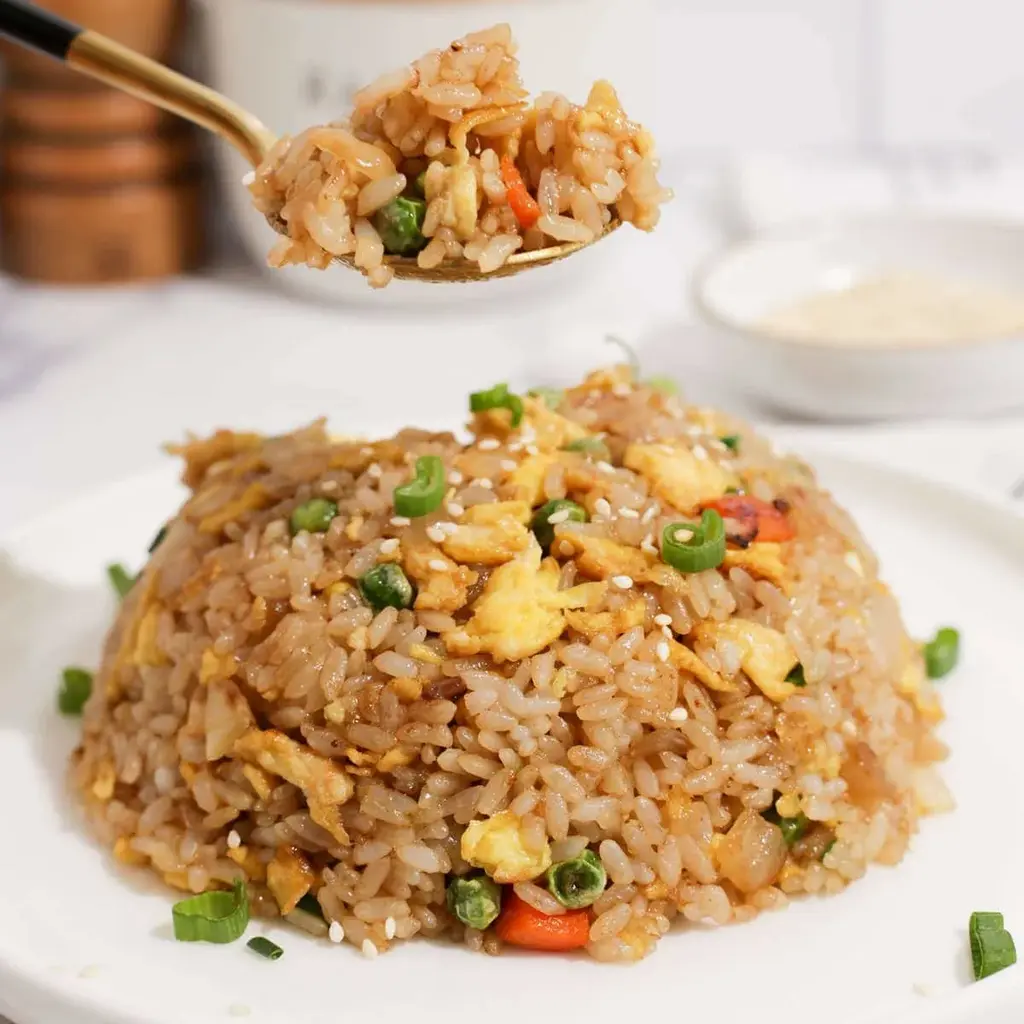
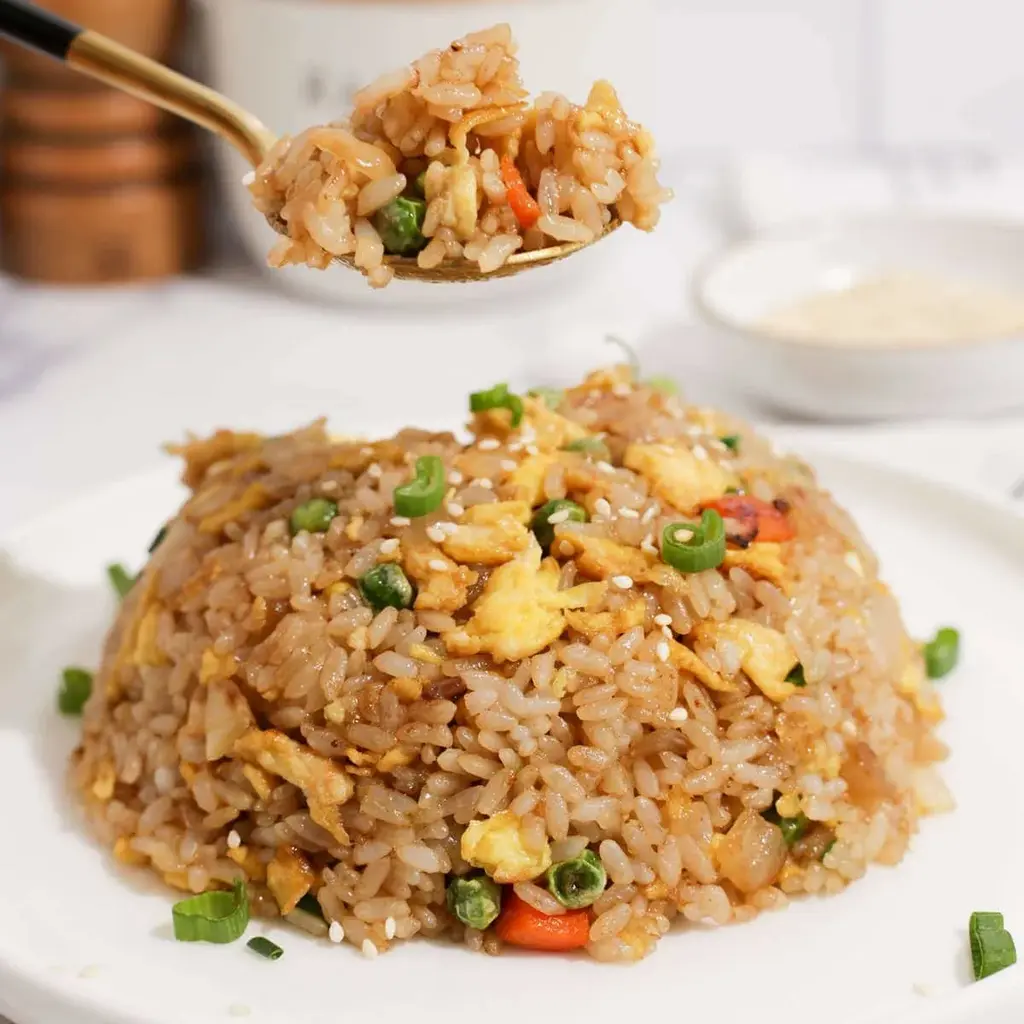
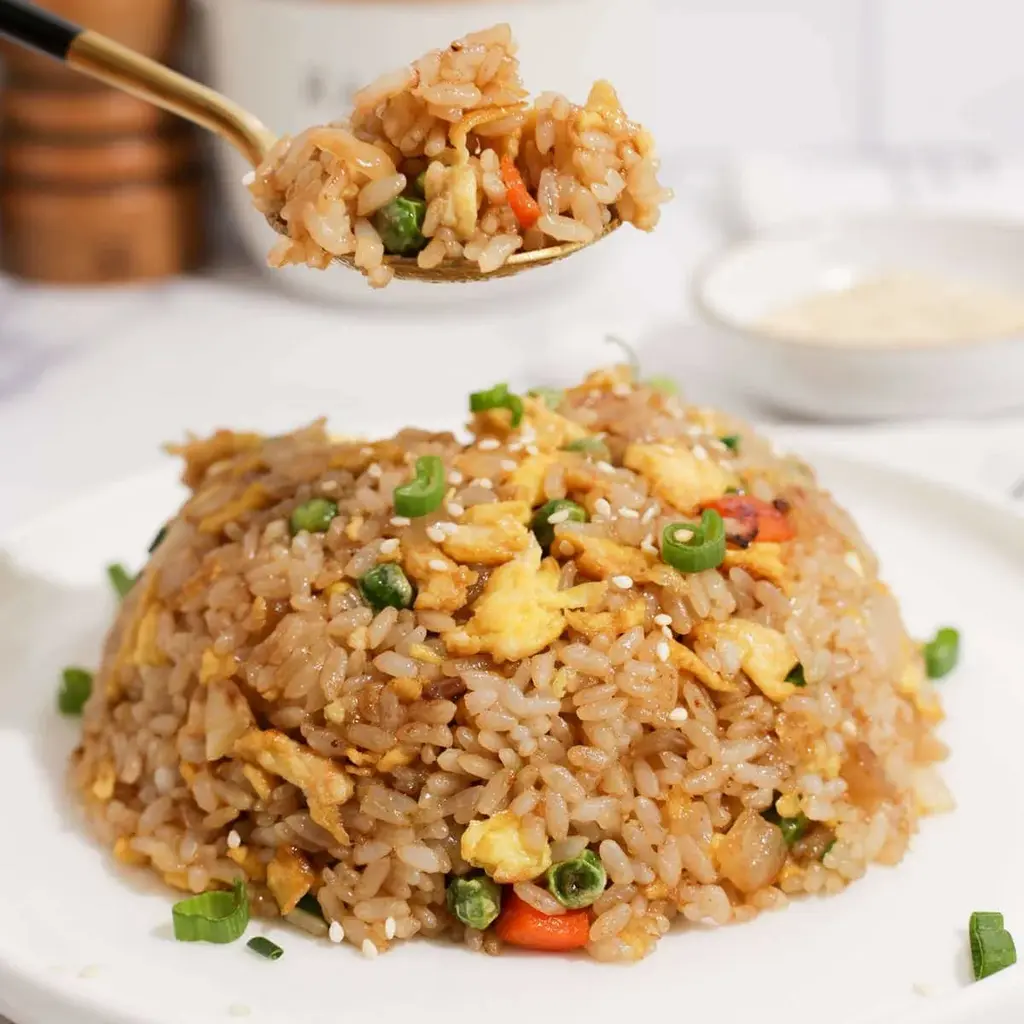
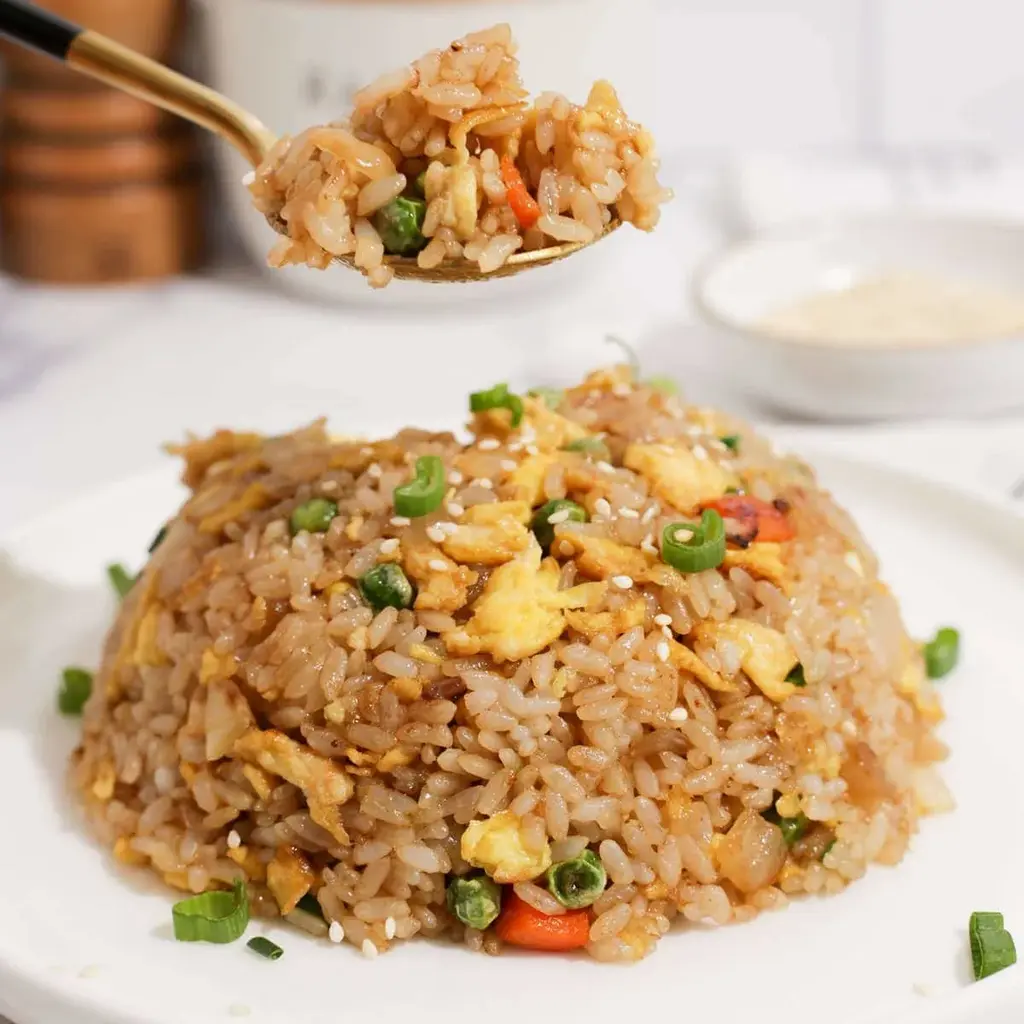
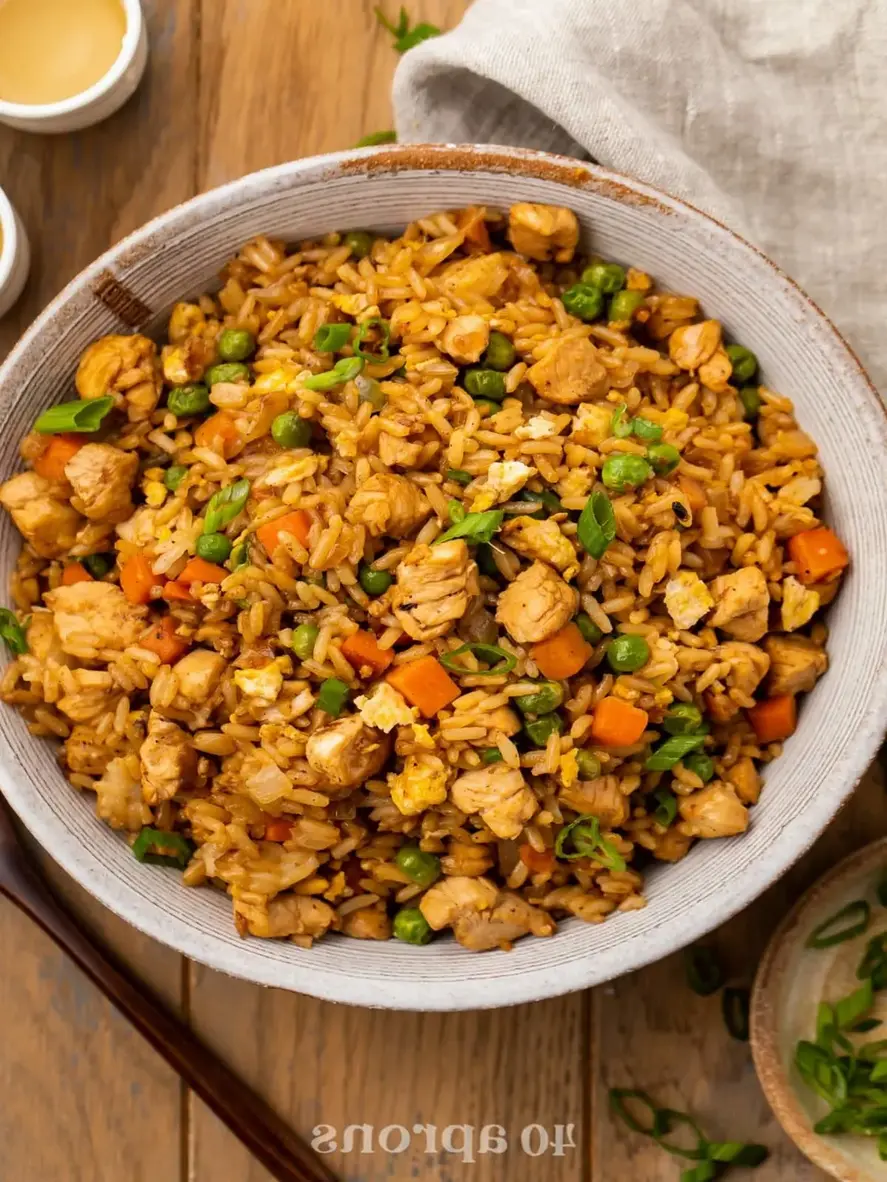
Easy Egg Fried Rice Just Like Chinese Takeout
This Chinese takeout-style egg fried rice is tasty, super easy to make, takes only 15 minutes, making it perfect for a quick weekday meat or as a side to go with chicken and broccoli and Mongolian beef. If you prefer shrimps in your fried rice, try our shrimp fried rice or make it a loaded fried rice with our house special fried rice recipe! Now you can make this quintessential Chinese takeout dish right at home.
This Chinese takeout-style egg fried rice is tasty, super easy to make, takes only 15 minutes, making it perfect for a quick weekday meal or as a side to go with chicken and broccoli and Mongolian beef. If you prefer shrimps in your fried rice, try our shrimp fried rice or make it a loaded fried rice with our house special fried rice recipe!
Ingredients
Scale
2 cups day old white rice (preferably long grain)
2 large eggs (beaten)
½ small yellow onion (small dice)
2 tablespoons frozen peas and carrots (thawed (optional))
1 tablespoon Shaoxing rice wine (optional)
2 tablespoons soy sauce (light sodium)
1 tablespoon oyster sauce
1 teaspoon toasted sesame oil (optional)
1 stalk green onion (just the green part sliced (optional for garnish))
Toasted sesame seed (optional for garnish)
oil (as needed for garnish)
Instructions
Break apart the day old rice by rubbing the rice between your hands. Set aside until needed.*You can also place your day old rice in a gallon freezer bag, seal it, and rub the bag until the rice grains are separated.*
In a wok or large nonstick pan over medium high heat, add about 2 tablespoons of oil. When the oil is hot, add the beaten eggs. The eggs should sizzle and bubble immediate. Let the eggs cook for a few seconds, then scramble into smaller pieces. Remove from the pan and set aside.
In the same wok or pan over medium to medium high heat, add a small amount of oil. When the oil is hot, add the onion, peas, and carrots. Stir fry briefly until the onion is fragrant and starts to turn translucent, about 15 to 30 seconds.
Add the rice and scrambled eggs to the wok, along with a drizzle of oil around the pan, about another tablespoon. Stir fry briefly until everything is well combined.
Drizzle the shaoxing cooking wine around the pan and stir fry everything for about 30 seconds until the rice is fragrant and the alcohol is cooked off. You'll know when you can't smell anymore alcohol.
Then, add the soy sauce and oyster sauce and stir fry for a few minutes, until the rice looks even in color and hot throughout.
Finish the fried rice by adding the sesame oil and sliced green onions. Toss briefly to combine.
Garnish with more green onion and some sesame seeds if you wish. Enjoy while hot!
Sweet & Sour Pineapple Chicken: The 30-Minute Weeknight Wonder
Prep Time
Cook Time
Total Time
Servings
Difficulty
15 minutes
15 minutes
30 minutes
4 people
Easy
Why You’ll Love This Pineapple Chicken
Imagine a dish that transports your taste buds to a tropical paradise without ever leaving your kitchen. That’s the magic of this Pineapple Chicken recipe. We at The Kitchen Team believe that the best meals are those that balance vibrant flavor with simple preparation, and this recipe is a perfect example. It transforms humble pantry staples—like soy sauce, rice vinegar, and brown sugar—into an aromatic, glossy sauce that perfectly coats tender pieces of chicken and sweet, juicy pineapple chunks.
This isn’t just another stir-fry. It’s a symphony of sweet and sour, savory and fresh. The caramelized edges of the cornstarch-dusted chicken create a delightful texture that soaks up the bright, tangy sauce. Paired with crisp bell peppers, it’s a colorful, nutritious, and incredibly satisfying one-bowl meal that will brighten even the dreariest of weeknights. Plus, it’s naturally adaptable to be gluten-free, ensuring everyone at your table can enjoy this taste of sunshine.
What Makes This The Best Pineapple Chicken Recipe
You might be wondering what sets this pineapple chicken apart from the dozens of other versions online. The secret lies in our dual-layer flavor technique. First, we marinate the chicken in a touch of salt and Shaoxing wine, which begins the tenderizing process and adds a foundational depth of flavor. Second, and most crucially, we create a sauce built on pineapple juice, not just the chunks. This infuses the entire dish with a consistent, fruity sweetness that permeates every bite, rather than having pockets of flavor.
Furthermore, our method for cooking the chicken ensures it’s never soggy. By dusting the marinated pieces in cornstarch and pan-frying them in a single layer, we achieve a beautifully crispy, golden-brown exterior that stands up to the sauce. Many recipes skip this step, resulting in boiled or steamed-textured chicken. Our version guarantees that perfect contrast of crispy, saucy, and fresh in every forkful.
💡 The Kitchen Team’s Pro Tip: For maximum crispiness, let your coated chicken pieces sit on a wire rack for 5 minutes before frying. This allows the cornstarch to fully adhere and creates a drier surface for optimal browning.
Ingredients & Substitutions
Gathering your ingredients is the first step to success. Here’s exactly what you’ll need, along with our tested substitutions to accommodate dietary needs or pantry shortages.
Ingredient
Quantity
Notes & Substitutions
Chicken Thighs (or Breast)
1 lb
Thighs are juicier and more forgiving. For breast, reduce cook time by 1-2 minutes.
Salt
1/2 tsp
For marinade. Use kosher or sea salt.
Shaoxing Wine
1 tbsp
Dry sherry is a perfect substitute. For gluten-free, use a gluten-free dry sherry.
Pineapple Juice
3/4 cup
The flavor backbone! Use canned or fresh juice. Reserve juice from canned pineapple chunks.
Light Soy Sauce
2 tbsp
Or regular soy sauce. For gluten-free, use tamari or coconut aminos.
Rice Vinegar
2 tbsp
Provides the essential “sour.” White wine vinegar or apple cider vinegar can work in a pinch.
Brown Sugar
1 tbsp
Balances acidity. Honey or maple syrup can be used.
Cornstarch (for sauce)
1 tbsp
Thickens the sauce. Arrowroot powder is a 1:1 substitute.
Cornstarch (for coating)
1/3 cup
For the crispy chicken coating. Potato starch also works well.
Peanut Oil
4 tbsp
High smoke point. Avocado, vegetable, or canola oil are fine.
Pineapple Slices/Chunks
1 cup
Fresh or canned (drained, juice reserved).
Bell Pepper
1 medium
Any color. Red, yellow, or orange add more sweetness.
Ginger, minced
1 tbsp
Fresh is non-negotiable for the best aromatic punch.
Step-by-Step Instructions
Follow these detailed steps for foolproof, restaurant-quality pineapple chicken every single time.
Step 1: Marinate the Chicken
In a medium bowl, combine the 1 lb of chopped chicken, 1/2 teaspoon salt, and 1 tablespoon of Shaoxing wine. Use your hands or a spoon to mix until every piece is coated. Set this aside to marinate while you prep the remaining ingredients. This 10-15 minute window is enough to allow the wine to penetrate and the salt to start tenderizing the meat.
💡 The Kitchen Team’s Pro Tip: For even more tender chicken, you can add 1 tablespoon of water to the marinade and mix vigorously until the liquid is absorbed. This is a Chinese technique called “velveting.”
Step 2: Prepare the Sauce
In a separate medium bowl, whisk together the 3/4 cup pineapple juice, 2 tablespoons light soy sauce, 2 tablespoons rice vinegar, 1 tablespoon brown sugar, and 1 tablespoon of cornstarch. Whisk vigorously until the sugar and cornstarch are completely dissolved and no lumps remain. This is your flavor powerhouse—set it aside within easy reach of the stove.
Step 3: Coat the Chicken
When you’re ready to cook, add the 1/3 cup of cornstarch to the bowl with the marinated chicken. Toss and fold the chicken pieces until they are completely and evenly coated. A light, dry, white coating should cover each piece.
Step 4: Pan-Fry to Crispy Perfection
Heat 4 tablespoons of peanut oil in a large nonstick or well-seasoned carbon steel skillet over medium-high heat. To test if the oil is ready, dip a corner of a chicken piece in; it should sizzle immediately. Shake the excess cornstarch off each piece of chicken and carefully place them in the hot oil, ensuring they are not overlapping. Cook undisturbed for about 2 minutes, or until the bottoms are a deep golden brown. Flip each piece and cook for another 1.5-2 minutes until browned and cooked through. Transfer the crispy chicken to a clean plate.
Step 5: Stir-Fry the Veggies & Pineapple
In the same skillet (there should be about 1 tablespoon of oil left), add the 1 cup of pineapple chunks and 1 bell pepper (cut into pieces). Stir-fry for 2-3 minutes until the pepper begins to soften and the pineapple caramelizes slightly. Add the 1 tablespoon of minced ginger and cook for another 30 seconds until incredibly fragrant.
Step 6: Create the Glaze & Combine
Give your prepared sauce a quick re-whisk (the cornstarch may have settled), then pour it into the center of the skillet with the pineapple and peppers. It will immediately begin to bubble and thicken. Stir constantly for about 1 minute until the sauce becomes a shiny, thick glaze. Add the cooked chicken back into the skillet. Toss everything together vigorously until every piece of chicken, pineapple, and pepper is gloriously coated in the sweet and sour sauce. Remove from heat immediately.
Serving Suggestions
This pineapple chicken is a complete meal when served over a bed of steamed jasmine rice, which soaks up the extra sauce beautifully. For a lower-carb option, try it with cauliflower rice or quinoa. To round out the meal, consider starting with a simple miso soup or serving it alongside a crisp cucumber salad with a sesame dressing. Garnish with sliced green onions or a sprinkle of sesame seeds for a final touch of color and flavor.
Storage & Reheating
Method
Duration
Reheating Instructions
Refrigerator
Up to 3-4 days
Store in an airtight container. Reheat in a skillet over medium-low heat with a splash of water or chicken broth to refresh the sauce. Microwave reheating can make the coating soggy.
Freezer
Up to 2 months
Freeze in a single layer first, then transfer to a freezer bag. Thaw overnight in the fridge before reheating in a skillet as above. Note: The pineapple texture may become softer after freezing.
Delicious Recipe Variations
This recipe is wonderfully adaptable. Here are some of our favorite twists:
Spicy Pineapple Chicken: Add 1-2 teaspoons of sriracha or a few dried red chilies to the sauce, or garnish with sliced fresh jalapeños.
Pineapple Shrimp or Tofu: Substitute the chicken with large shrimp (cook for less time) or extra-firm tofu (pressed and cubed).
More Veggies: Add broccoli florets, snap peas, sliced carrots, or onions along with the bell pepper.
Hawaiian Style: Add a couple of tablespoons of ketchup to the sauce for a more American-Chinese take, and serve with a side of fried rice.
Frequently Asked Questions
Can I use canned pineapple instead of fresh?
Absolutely! Canned pineapple chunks in juice are a fantastic, convenient option. Just be sure to drain them well and use the juice from the can for the sauce—it’s packed with flavor.
My sauce didn’t thicken. What went wrong?
The most common culprit is not whisking the cornstarch into the cold liquid thoroughly enough before adding it to the heat. Cornstarch must be fully dissolved to activate its thickening power. Also, ensure your sauce comes to a full bubble when you add it to the pan.
Can I make this pineapple chicken ahead of time?
You can prep the components ahead: chop the chicken and veggies, make the sauce, and store them separately in the fridge for up to 24 hours. For the best texture, coat and cook the chicken just before serving.
Is this recipe truly gluten-free?
It can be easily made gluten-free! Use dry sherry (verified GF) instead of Shaoxing wine, and substitute the light soy sauce with tamari or a certified gluten-free soy sauce alternative.
Can I bake the chicken instead of pan-frying?
Yes, for a lighter version. Toss the cornstarch-coated chicken in 1-2 tbsp of oil and spread on a parchment-lined baking sheet. Bake at 425°F for 15-20 minutes, flipping halfway, until crispy. Then proceed with the sauce and veggies in a skillet.
What’s the best cut of chicken to use?
We highly recommend boneless, skinless chicken thighs. They stay incredibly juicy and flavorful even if slightly overcooked. Chicken breast works but requires more careful timing to avoid dryness.
How can I make this dish less sweet?
Reduce the brown sugar to 1-2 teaspoons, or omit it entirely. You can also use low-sodium soy sauce to better control the overall salt-sweet balance.
What can I use if I don’t have rice vinegar?
Apple cider vinegar is the closest substitute. White wine vinegar or even a squeeze of fresh lemon juice mixed with a pinch of sugar can work in a pinch.
Loved This Recipe? Share the Sunshine!
If this Sweet & Sour Pineapple Chicken brightened your dinner table, please share it with friends and family! Pin the image below to your Pinterest boards to save it for later, and follow us on Pinterest @cookingwithemy for more easy, flavorful recipes.
Don’t forget to pin this recipe!
📌 Save this “Sweet & Sour Pineapple Chicken” recipe to your Quick Weeknight Dinners or Asian Favorites board on Pinterest.
[Image Description: A vertical, Pinterest-optimized photo showing a skillet of glossy, golden pineapple chicken with vibrant bell peppers and green onion garnish, served next to a bowl of fluffy white rice.]
Colorful pantry staples come together to make this aromatic and flavorful pineapple chicken that has the perfect balance of sweet and sour to brighten your day! {Gluten-Free Adaptable}To make this dish gluten-free, use dry sherry instead of Shaoxing wine. Use tamari to replace light soy sauce.
1 cup pineapple slices (, cut into 1 (2.5 cm) chunks )
1 bell pepper (, cut into 1 (2.5 cm) pieces)
1 tablespoon minced ginger
Instructions
Add the chicken, salt, and Shaoxing cooking wine in a medium-size bowl, mix well. Let marinate while preparing other ingredients.
Combine all the sauce ingredients in a medium-size bowl. Stir until the sugar is dissolved and set aside.
When youre ready to cook, add the cornstarch to the marinated chicken and toss it to coat it completely.
Heat the oil over medium-high heat in a large nonstick (or carbon steel) skillet until hot. Shake the excess cornstarch off the chicken and spread the pieces into the pan without overlapping. Cook without touching until the bottom is browned, 2 minutes or so. Flip to cook the other side until browned, another 2 minutes. Transfer the chicken to a big plate to let it cool.
Use a few layers of paper towel held in a pair of tongs to wipe the extra oil from the pan and leave only 1 tablespoon in it. If your pan doesnt have enough oil, add 1 tablespoon of oil. Heat the skillet over high heat and add the pineapples and peppers. Add the ginger on top of the veggies. Allow them to cook undisturbed for 1 to 2 minutes, until the pineapples caramelize and the peppers begin to blister. Stir a few times.
Stir the sauce again to dissolve the cornstarch completely, and pour it into the pan. Cook until the sauce is fully thickened.
Take the pan off the heat and add the chicken. Toss to coat the chicken with sauce.
Serve hot as a main with steamed rice.
Easy Egg Fried Rice Just Like Chinese Takeout
This Chinese takeout-style egg fried rice is tasty, super easy to make, takes only 15 minutes, making it perfect for a quick weekday meat or as a side to go with chicken and broccoli and Mongolian beef. If you prefer shrimps in your fried rice, try our shrimp fried rice or make it a loaded fried rice with our house special fried rice recipe! Now you can make this quintessential Chinese takeout dish right at home.
This Chinese takeout-style egg fried rice is tasty, super easy to make, takes only 15 minutes, making it perfect for a quick weekday meal or as a side to go with chicken and broccoli and Mongolian beef. If you prefer shrimps in your fried rice, try our shrimp fried rice or make it a loaded fried rice with our house special fried rice recipe!
Ingredients
Scale
2 cups day old white rice (preferably long grain)
2 large eggs (beaten)
½ small yellow onion (small dice)
2 tablespoons frozen peas and carrots (thawed (optional))
1 tablespoon Shaoxing rice wine (optional)
2 tablespoons soy sauce (light sodium)
1 tablespoon oyster sauce
1 teaspoon toasted sesame oil (optional)
1 stalk green onion (just the green part sliced (optional for garnish))
Toasted sesame seed (optional for garnish)
oil (as needed for garnish)
Instructions
Break apart the day old rice by rubbing the rice between your hands. Set aside until needed.*You can also place your day old rice in a gallon freezer bag, seal it, and rub the bag until the rice grains are separated.*
In a wok or large nonstick pan over medium high heat, add about 2 tablespoons of oil. When the oil is hot, add the beaten eggs. The eggs should sizzle and bubble immediate. Let the eggs cook for a few seconds, then scramble into smaller pieces. Remove from the pan and set aside.
In the same wok or pan over medium to medium high heat, add a small amount of oil. When the oil is hot, add the onion, peas, and carrots. Stir fry briefly until the onion is fragrant and starts to turn translucent, about 15 to 30 seconds.
Add the rice and scrambled eggs to the wok, along with a drizzle of oil around the pan, about another tablespoon. Stir fry briefly until everything is well combined.
Drizzle the shaoxing cooking wine around the pan and stir fry everything for about 30 seconds until the rice is fragrant and the alcohol is cooked off. You'll know when you can't smell anymore alcohol.
Then, add the soy sauce and oyster sauce and stir fry for a few minutes, until the rice looks even in color and hot throughout.
Finish the fried rice by adding the sesame oil and sliced green onions. Toss briefly to combine.
Garnish with more green onion and some sesame seeds if you wish. Enjoy while hot!
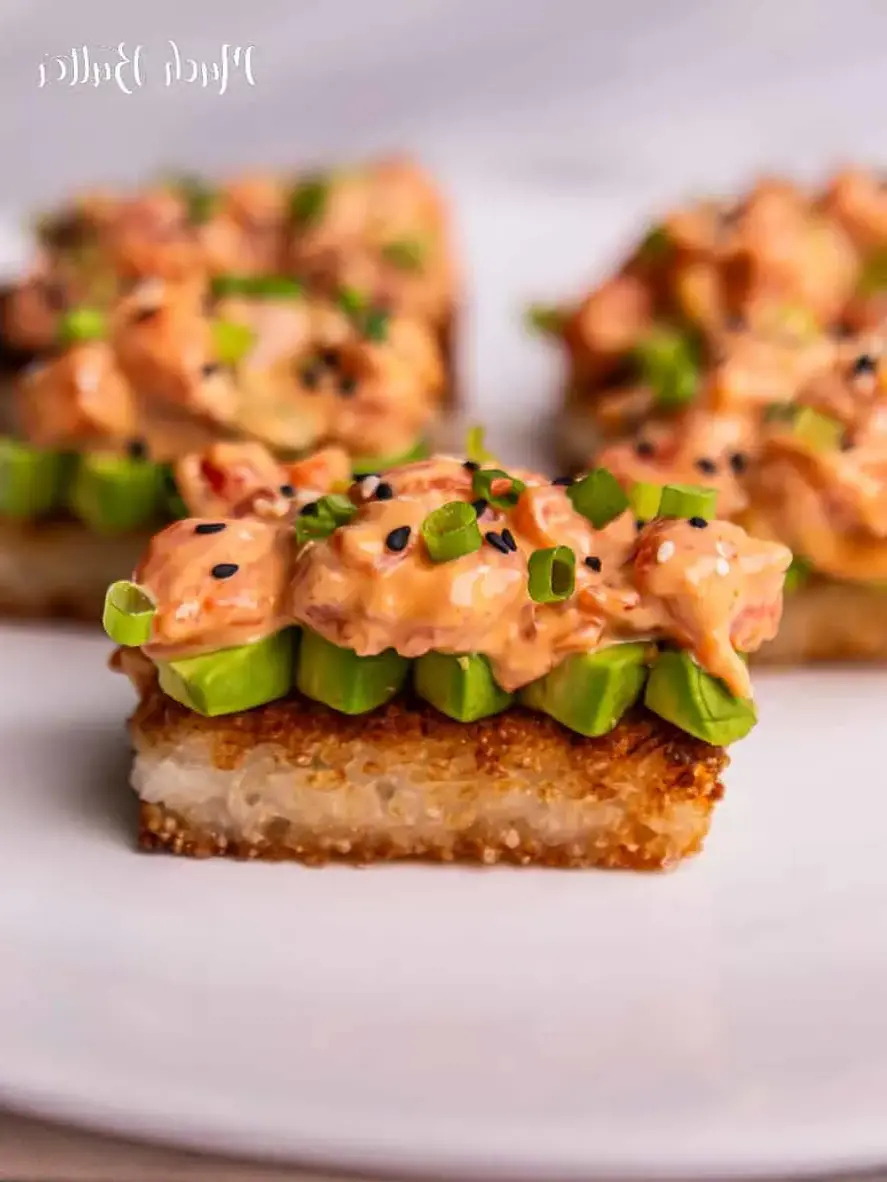
The Ultimate Salmon Crispy Rice: Your New Go-To Viral Appetizer
Master the art of the perfect bite with our foolproof Salmon Crispy Rice recipe. Discover the secrets to achieving that iconic crispy-on-the-outside, creamy-on-the-inside texture that makes this dish an internet sensation.
Prep Time 30 minutes
Cook Time 15 minutes
Total Time 4 hours 45 minutes (includes chilling)
Servings 16 pieces
Difficulty Medium
Why This Recipe is a Game-Changer
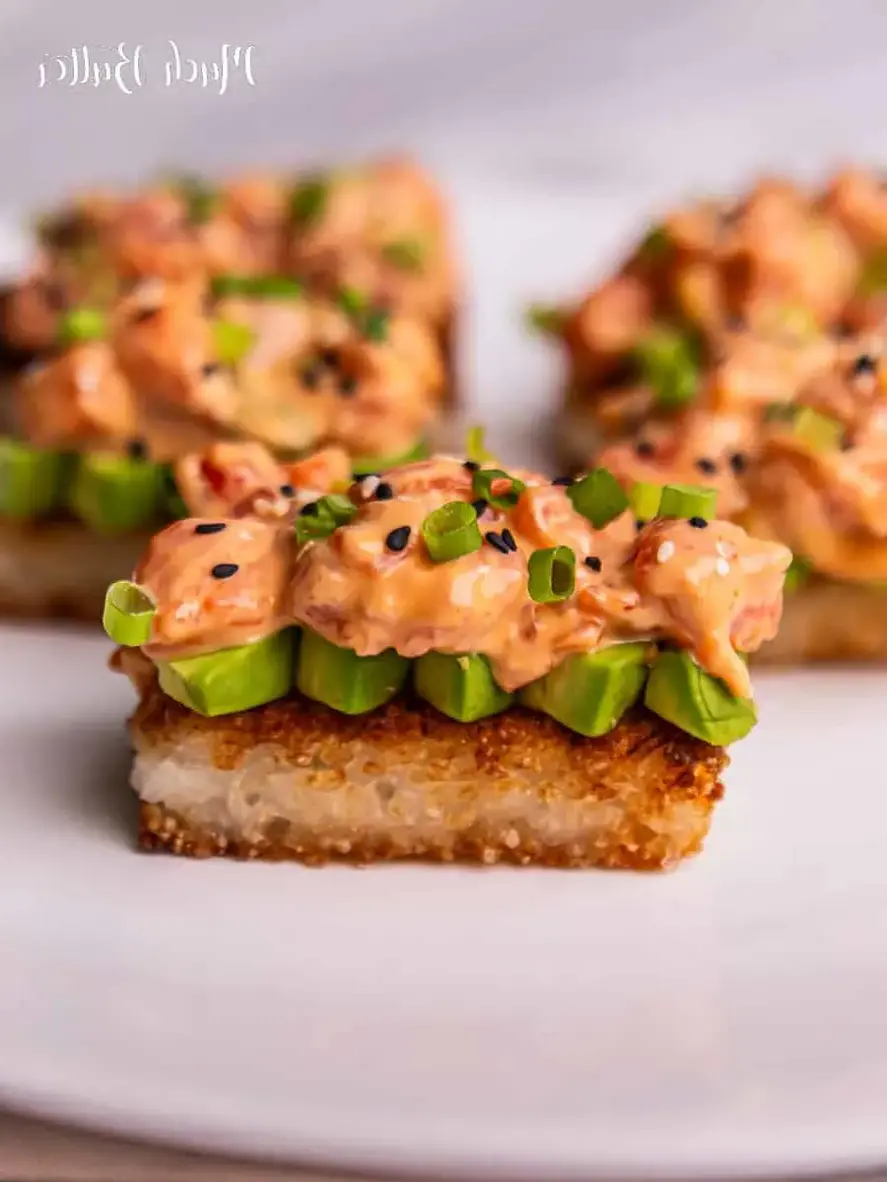
If you’ve scrolled through food TikTok or Instagram lately, you’ve undoubtedly seen the mesmerizing, golden-brown squares of crispy rice topped with vibrant, spicy salmon. This isn’t just another food trend; it’s a culinary revelation that brings the luxurious experience of a high-end sushi bar directly into your home kitchen. Our Salmon Crispy Rice recipe deconstructs the magic, providing a detailed, tested roadmap to recreate that perfect contrast of textures and flavors. The crackle of the fried rice cake, the cool creaminess of avocado, and the bold, umami-rich spicy salmon create a symphony in your mouth that is utterly addictive. More than just an appetizer, this dish is a conversation starter, a centerpiece for gatherings, and a testament to how simple ingredients, when treated with care, can become something extraordinary.
At CookingWithEmy.com, we believe in demystifying viral recipes. We’ve tested countless variations to land on the ideal rice vinegar seasoning, the optimal chilling time for a clean cut, and the perfect fry temperature for maximum crispiness without greasiness. This guide will walk you through every single step, ensuring your first attempt is a resounding success. Get ready to impress your friends, family, and most importantly, your own taste buds.
Why This is the Best Salmon Crispy Rice Recipe
What sets this recipe apart is its unwavering focus on foundational technique. The internet is full of shortcuts, but we’ve found that for Salmon Crispy Rice, the classic methods yield the best, most consistent results. Our recipe insists on seasoning the rice while it’s still warm, allowing the vinegar-sugar-salt mixture to fully penetrate each grain. This step, often skipped, is what gives the rice cakes their authentic sushi restaurant flavor base. Furthermore, we specify a minimum 4-hour chill. This isn’t a suggestion—it’s the non-negotiable key to getting those clean, sharp edges when you cut your rice block. A properly chilled rice block fries up crisper and holds its shape under the weight of the toppings.
We also champion the use of Kewpie mayo in the spicy salmon mixture. Its unique blend of vinegars and egg yolks creates a richer, tangier, and more cohesive sauce than traditional American mayo. Combined with the precise balance of sriracha, soy sauce, and sesame oil, it creates a spicy salmon that is complex, not just hot. Every component in this recipe has been calibrated to support the others, resulting in a harmonious and unforgettable appetizer.
💡 The Kitchen Team’s Pro Tip: For the absolute crispiest exterior, let your cut rice rectangles sit at room temperature for 10-15 minutes before frying. This allows the surface to dry out slightly, which promotes blistering, golden frying and prevents oil splatter.
Ingredients & Substitutions
Quality ingredients are the backbone of this stunning dish. Here’s exactly what you’ll need, along with smart swaps for flexibility.
>
Ingredient
Quantity
Notes & Substitutions
Sushi Rice (short grain)
3 cups, cooked
Must be short-grain for stickiness. Calrose rice is a good substitute. Do not use long-grain.
Rice Vinegar
2 tbsp
Seasoned or unseasoned is fine. If using unseasoned, you may add a pinch more sugar.
Granulated Sugar
1 tbsp
Balances the vinegar’s acidity.
Salt
1 tsp
Use fine sea salt or kosher salt.
Vegetable Oil
For frying
Use a high-smoke point oil like avocado, canola, or peanut oil.
Sushi-Grade Salmon
1 lb
CRITICAL: Only use salmon explicitly labeled “sushi-grade” or “sashimi-grade” from a trusted fishmonger.
Kewpie Mayo
4 tbsp
The tangy, umami-rich flavor is key. Substitute with regular mayo mixed with 1/4 tsp rice vinegar.
Sriracha
2 tbsp
Adjust to your preferred spice level.
Scallions (green onions)
2 tbsp, finely chopped
Adds a fresh, sharp bite. Can use chives in a pinch.
Soy Sauce
2 tsp
Use low-sodium if preferred. Tamari for a gluten-free option.
Sesame Oil
2 tsp
Use toasted sesame oil for maximum flavor.
Ripe Avocado
1-2, sliced
Choose avocados that are slightly soft to the touch.
Fresh Jalapeño
1, thinly sliced
Deseed for less heat. Substitute with serrano or omit.
Black & White Sesame Seeds
For garnish
Lightly toast in a dry pan for 60 seconds to enhance nuttiness.
Step-by-Step Instructions
Part 1: Preparing & Chilling the Rice
Step 1: In a small bowl, combine the 2 tablespoons of rice vinegar, 1 tablespoon of sugar, and 1 teaspoon of salt. Stir vigorously until the sugar and salt are completely dissolved. This creates your seasoning liquid.
Step 2: Transfer your 3 cups of freshly cooked, still-warm sushi rice to a large, non-reactive bowl (glass or ceramic is ideal). Pour the seasoning liquid over the rice.
Step 3: Using a rice paddle or a flat spatula, gently fold and cut through the rice to distribute the seasoning. Avoid mashing or stirring aggressively. You want each grain coated while maintaining its integrity. Fan the rice for a minute as you mix to help it cool and become glossy.
Step 4: Line an 8×8 inch baking pan with plastic wrap, leaving plenty of overhang on all sides. Transfer the seasoned rice to the pan. Using slightly damp hands or a flat-bottomed glass, press the rice down firmly and evenly into a uniform layer.
Step 5: Fold the overhanging plastic wrap over the top to seal the rice completely. This prevents it from drying out in the fridge. Refrigerate for at least 4 hours, or ideally overnight. This chilling step is crucial for firm, sliceable rice.
💡 The Kitchen Team’s Pro Tip: When pressing the rice, place a second sheet of plastic wrap directly on the surface before pressing. This prevents the rice from sticking to your hands or the glass and allows you to apply even pressure for a perfectly compacted block.
Part 2: Making the Spicy Salmon
Step 6: While the rice chills, prepare the salmon. Ensure your sushi-grade salmon is very cold. Using a sharp knife, chop the salmon into small, uniform pieces (about 1/4-inch). You can also pulse it a few times in a food processor, but be careful not to puree it—you want texture.
Step 7: In a medium bowl, combine the chopped salmon, 4 tablespoons Kewpie mayo, 2 tablespoons sriracha, 2 tablespoons chopped scallions, 2 teaspoons soy sauce, and 2 teaspoons toasted sesame oil. Fold gently until everything is well incorporated. Cover the bowl and refrigerate until you’re ready to assemble. This allows the flavors to meld.
Part 3: Frying the Rice Cakes
Step 8: After chilling, remove the rice block from the pan using the plastic wrap overhang. Place it on a cutting board. Using a sharp, clean knife (lightly wet the blade to prevent sticking), cut the block into 16 even rectangles (cut into 4 rows and 4 columns).
Step 9: In a large, heavy-bottomed skillet or cast-iron pan, heat about 1/4 inch of vegetable oil over medium heat. To test if the oil is ready (around 350°F), drop a single grain of rice in—it should sizzle immediately and float to the top.
Step 10: Carefully place the rice rectangles in the hot oil, leaving space between them. Do not overcrowd the pan; fry in batches. Fry for 3-4 minutes per side, or until deeply golden brown and incredibly crispy. Resist the urge to move them too early—let a crust form.
Step 11: Transfer the fried rice cakes to a wire rack set over a baking sheet (this keeps them crispy). If you must use paper towels, do so only briefly, as steam can make the bottom soggy. Sprinkle lightly with a pinch of salt while still hot.
Part 4: Assembly
Step 12: Just before serving, slice your avocado. Place a small slice or a smear of avocado on top of each warm rice cake. Top with a generous tablespoon of the spicy salmon mixture. Garnish with a thin slice of jalapeño and a sprinkle of toasted black and white sesame seeds. For an extra kick, add a tiny drizzle of sriracha or a dot of Kewpie mayo.
Step 13: Serve immediately and enjoy the audible crunch!
Serving & Presentation
Presentation is half the fun with Salmon Crispy Rice. Arrange the finished pieces on a sleek, rectangular platter or a beautiful slab of slate. Scatter extra scallions and sesame seeds around the platter for a professional touch. For a DIY party appetizer, set up a “build-your-own” station with the warm rice cakes, bowl of spicy salmon, sliced avocado, jalapeños, and various garnishes like microgreens, tobiko (flying fish roe), or a drizzle of unagi (eel) sauce. Pair this dish with a crisp, dry white wine like Sauvignon Blanc or Pinot Grigio, a light lager, or a citrusy mocktail to cut through the richness. It’s the perfect starter before a meal of miso soup and a simple cucumber salad.
Storage & Reheating
Storage: This dish is best enjoyed immediately. However, you can store components separately for up to 24 hours. Keep the uncut, chilled rice block wrapped in the fridge. Store the spicy salmon mixture in an airtight container in the fridge. Store fried, cooled rice cakes in a single layer in an airtight container at room temperature for a few hours.
Reheating: To recrisp rice cakes, place them on a baking sheet in a single layer and bake in a 400°F oven for 5-8 minutes, or until hot and crispy again. Avoid the microwave, as it will make them tough and chewy. Assemble with cold salmon and avocado only after reheating the rice.
Creative Variations
The beauty of this recipe is its adaptability. Don’t be afraid to experiment once you’ve mastered the classic version!
Spicy Tuna Crispy Rice: Substitute sushi-grade tuna for the salmon.
Vegetarian “Spicy Crab”: Use finely chopped hearts of palm or young jackfruit mixed with the spicy mayo sauce for a stunning plant-based option.
Unagi (Eel) Style: Top the rice cake with a slice of avocado and a piece of prepared unagi (broiled eel), then drizzle with unagi sauce.
Dynamite Shrimp: Top with tempura shrimp tossed in a spicy mayo sauce.
Furikake Fusion: Mix 1 tablespoon of furikake seasoning into the rice before pressing for an extra layer of umami.
Air Fryer Method: For a lighter version, brush the rice cakes lightly with oil and air fry at 400°F for 10-12 minutes, flipping halfway, until crispy.
Frequently Asked Questions (FAQ)
Can I make the rice cakes ahead of time?
Absolutely. You can season, press, and chill the rice block up to 24 hours in advance. You can even cut it into rectangles and keep them covered in the fridge until you’re ready to fry.
I can’t find sushi-grade salmon. What can I use?
Do not use regular raw salmon. For safety, you must use fish labeled for raw consumption. If unavailable, a fantastic cooked alternative is to use high-quality canned salmon (well-drained) or even flaked, cooked, and cooled regular salmon in the spicy mayo mixture.
My rice cakes are falling apart when I fry them. What went wrong?
This is almost always due to insufficient chilling or pressing. The rice must be very cold and very compact. Ensure you press it firmly into the pan and chill for the full 4+ hours. Also, make sure your oil is hot enough before adding the rice; otherwise, they will absorb oil and disintegrate.
Can I bake or air fry the rice cakes instead of pan-frying?
Yes, for a less oily version. Brush both sides of the rice rectangles generously with oil and place on a parchment-lined baking sheet. Bake at 425°F for 20-25 minutes, flipping halfway, until crispy. In an air fryer, cook at 400°F for 10-12 minutes, checking for doneness.
Is there a way to make this gluten-free?
Yes! Ensure your soy sauce is replaced with tamari or a certified gluten-free soy sauce. Double-check that your rice vinegar and other condiments are gluten-free (most major brands are).
What’s the best way to reheat leftovers?
Reheat only the rice cakes. Use an oven or toaster oven at 400°F for 5-8 minutes to restore crispiness. The salmon and avocado should be added fresh after reheating.
Can I use leftover rice?
You can, but the texture is best with freshly cooked, warm rice that you season yourself. Leftover rice tends to be drier and may not press together as well. If using leftover rice, sprinkle it with a tablespoon of water and reheat it gently in the microwave before seasoning to restore some moisture.
What other toppings can I use?
Get creative! Try a slice of seared tuna, a dollop of citrus ponzu, pickled ginger, a dab of wasabi, crispy shallots, or a sprinkle of togarashi (Japanese chili pepper blend).
In a small mixing bowl, combine rice vinegar with sugar and salt then stir until dissolved. Pour the rice vinegar over cooked sushi rice and mix until well combined.
Transfer the rice to a baking pan lined with a plastic wrap. Gently press the rice to even it out. Cover and let it chill in the fridge for at least 4 hours or overnight.
Chop the sushi-grade salmon into a small pieces, transfer it a a bowl then combine the salmon with mayo, sriracha, soy sauce, scallion and sesame oil. Mix well and set aside in the fridge until ready to use.
Once the rice chilled, cut into 16 rectangles. Heat vegetable oil in a pan over medium heat, fry the rice until both sides turns nice and golden. Remove from the heat and let it cool on a paper towel.
Top the crispy rice with a sliced avocado, a tablespoon of salmon mixture and sliced of jalapeno. Sprinkle it with black and white sesame seeds. Serve immediately.
Sweet & Sour Showstopper: The Ultimate Pineapple Chicken Recipe for Busy Weeknights
Prep Time
Cook Time
Total Time
Servings
Difficulty
20 minutes
15 minutes
35 minutes
4 people
Easy
Imagine a dish that brings a tropical vacation to your dinner table in under 35 minutes. That’s the magic of this Pineapple Chicken recipe. We at The Kitchen Team believe the best meals are those that deliver restaurant-quality flavor without the fuss, using colorful pantry staples you likely already have. This isn’t just another stir-fry; it’s an aromatic, vibrant symphony of sweet pineapple, tangy vinegar, and savory soy, all clinging to juicy, crispy-edged pieces of chicken. It’s the perfect balance of sweet and sour designed to brighten even the most hectic weeknight. Served over a mound of steaming rice, it transforms into a nutritious, satisfying one-bowl meal that will have everyone asking for seconds. Plus, we’ve included a simple {Gluten-Free Adaptable} swap so no one misses out on the fun.
Why This Is The Best Pineapple Chicken Recipe You’ll Find
Many pineapple chicken recipes end up overly sweet, gloopy, or with soggy chicken. We’ve engineered this version to avoid every common pitfall. The secret starts with a two-step cornstarch process: one in the marinade for tenderizing and one for the iconic crispy coating. We use both pineapple juice and fresh chunks for a layered, authentic fruit flavor that’s not just from a can. The sauce is a meticulously balanced trio of light soy sauce, rice vinegar, and just enough brown sugar to caramelize beautifully in the pan without becoming cloying.
💡 The Kitchen Team’s Pro Tip: The key to that “takeout” texture is the double cornstarch method. Coating the marinated chicken just before frying creates a delicate, crisp crust that stands up to the sauce without getting soggy.
Furthermore, we insist on bone-in, skin-on chicken thighs for maximum flavor and juiciness, though breasts work perfectly for a leaner option. This recipe is built for efficiency—the marinating happens while you prep the rest of the ingredients, making the active cook time lightning-fast. It’s a foolproof formula for success.
Gathering your mise en place is the first step to stir-fry success. Here’s what you’ll need, along with our tested substitutions for flexibility.
Ingredient
Quantity
Purpose & Best Substitutes
Chicken Thighs (boneless, skinless)
1 lb (cut into 1-inch/2.5 cm pieces)
Provides rich flavor and stays juicy. Substitute: Chicken breast for a leaner option.
Salt
1/2 teaspoon
Basic seasoning for the chicken.
Shaoxing Wine
1 tablespoon
Adds depth and removes gaminess. For Gluten-Free: Use dry sherry.
Pineapple Juice
3/4 cup
Base of the sauce for sweet, tangy flavor. Use canned juice or fresh.
Light Soy Sauce
2 tablespoons
Salty, umami backbone. For Gluten-Free: Use tamari or coconut aminos.
Rice Vinegar
2 tablespoons
Provides the essential “sour.” Substitute: apple cider vinegar or white vinegar.
Brown Sugar
1 tablespoon
For caramelization and balancing acidity. Substitute: honey or maple syrup.
Cornstarch (for sauce)
1 tablespoon
Thickens the sauce to a glossy consistency.
Cornstarch (for coating)
1/3 cup
Creates the crispy exterior on the chicken.
Peanut Oil
4 tablespoons
High smoke point for frying. Substitute: avocado oil or vegetable oil.
Fresh Pineapple Chunks
1 cup (1-inch pieces)
For fresh texture and bursts of flavor. Canned pineapple chunks work in a pinch (drain well).
Bell Pepper (any color)
1 large (1-inch pieces)
Adds color and crunch. Substitute: snap peas or zucchini.
Fresh Ginger, minced
1 tablespoon
Aromatic warmth. Substitute: 1/4 tsp ground ginger (add to sauce).
How to Make Pineapple Chicken: Step-by-Step Guide
Follow these detailed steps for a flawless result every single time.
Step 1: Marinate the Chicken
In a medium bowl, combine the cubed chicken, 1/2 teaspoon salt, and 1 tablespoon Shaoxing wine (or dry sherry). Use your hands or a spoon to mix until every piece is coated. Let this marinate on the counter while you prep the remaining ingredients (about 15 minutes). This brief marinate seasons the meat and tenderizes it.
Step 2: Prepare the Sauce
In a separate medium bowl or large measuring cup, whisk together the 3/4 cup pineapple juice, 2 tablespoons light soy sauce, 2 tablespoons rice vinegar, 1 tablespoon brown sugar, and 1 tablespoon cornstarch. Whisk vigorously until the sugar and cornstarch are completely dissolved and no lumps remain. Set this sauce mixture aside.
Step 3: Coat the Chicken
When you’re ready to cook, add the 1/3 cup of cornstarch for coating to the bowl with the marinated chicken. Toss and stir until every piece of chicken is thoroughly and evenly coated in a dry layer of cornstarch.
💡 The Kitchen Team’s Pro Tip: For the crispiest coating, use one hand for tossing the chicken in the dry cornstarch and keep the other hand clean. This prevents your fingers from becoming a gluey mess.
Step 4: Pan-Fry the Chicken
Heat 4 tablespoons of peanut oil in a large nonstick or well-seasoned carbon steel skillet over medium-high heat. To test if the oil is hot enough, drop a small piece of coated chicken in; it should sizzle immediately. Shake the excess cornstarch off each piece of chicken and carefully add them to the hot oil in a single layer without overcrowding. You may need to work in batches. Cook without moving for about 2-3 minutes, until the bottom is golden brown and crisp. Flip each piece and cook for another 2 minutes until browned on all sides and cooked through. Transfer the crispy chicken to a clean plate.
Step 5: Stir-Fry Veggies & Create the Sauce
In the same skillet (there should be about 1 tablespoon of oil left; add a bit more if dry), add the bell pepper and pineapple chunks. Stir-fry for 2-3 minutes until the pepper begins to soften. Add the 1 tablespoon of minced ginger and stir for 30 seconds until fragrant.
Give the prepared sauce mixture a final whisk (the cornstarch may have settled) and pour it into the center of the skillet. It will immediately begin to bubble and thicken. Stir constantly for about 1 minute until the sauce becomes glossy and thick enough to coat the back of a spoon.
Step 6: Combine and Serve
Return the cooked chicken to the skillet. Toss everything together gently but thoroughly until the chicken and vegetables are evenly coated in the glorious sweet and sour sauce. Remove from heat immediately to prevent overcooking.
How to Serve Your Pineapple Chicken
This dish is the star of the show and deserves the perfect supporting cast. For the classic, comforting meal, serve it over a bed of steamed jasmine or white rice to soak up every drop of sauce. For a lower-carb option, try it with cauliflower rice or quinoa. To make it a full banquet, pair it with simple sides like steamed broccoli, a quick cucumber salad, or vegetable spring rolls. Garnish with thinly sliced green onions or a sprinkle of sesame seeds for a final touch of color and flavor.
Storage and Reheating Instructions
To Store: Allow leftovers to cool completely. Transfer to an airtight container and refrigerate for up to 3 days.
To Reheat for Best Results: The crispy coating will soften in the fridge. To revive it, reheat in a skillet or wok over medium heat with a tiny splash of water or chicken broth. Stir frequently until piping hot. Avoid the microwave if possible, as it will make the chicken rubbery and the sauce may separate. This dish does not freeze well due to the pineapple texture and cornstarch-thickened sauce.
Creative Variations to Try
Once you’ve mastered the classic, make it your own!
Spicy Pineapple Chicken: Add 1-2 teaspoons of sriracha or a few dried red chilies to the sauce.
Pineapple Shrimp or Tofu: Swap the chicken for large shrimp (add in the last 2 minutes) or crispy fried tofu cubes.
Extra Veggie-Packed: Add a handful of snap peas, carrots, or water chestnuts with the bell pepper.
Hawaiian Style: Add a 1/2 cup of diced ham along with the pineapple for a Hawaiian Haystack vibe.
Absolutely. Canned pineapple chunks are a great pantry staple. Just be sure to drain them very well, and you can even use 1/4 cup of the juice from the can in the sauce for extra flavor.
My sauce didn’t thicken. What went wrong?
The most common culprit is not whisking the cornstarch into the cold liquid thoroughly before adding it to the heat. Cornstarch must be fully dissolved to activate its thickening power. Another reason could be the heat wasn’t high enough when the sauce was added; it needs a good bubble to thicken properly.
How do I make this recipe gluten-free?
It’s easy! Use dry sherry instead of Shaoxing wine, and substitute the light soy sauce with tamari (or a certified gluten-free soy sauce). Ensure all other packaged ingredients, like pineapple juice, are labeled gluten-free.
Can I bake the chicken instead of pan-frying?
For a lighter version, you can. Toss the cornstarch-coated chicken in 1-2 tablespoons of oil and spread on a parchment-lined baking sheet. Bake at 425°F (220°C) for 15-20 minutes, flipping halfway, until crispy. Then add it to the sauce as directed.
What’s the best cut of chicken for this recipe?
We highly recommend boneless, skinless chicken thighs for their superior flavor and moisture retention. Chicken breast works perfectly fine but can dry out slightly faster if overcooked.
Can I prepare this dish ahead of time?
You can prep the components: cut the chicken and veggies, make the sauce, and store them separately in the fridge for up to 24 hours. For the best texture, coat and cook the chicken just before serving.
Is this recipe similar to sweet and sour chicken?
It’s a close cousin! Traditional sweet and sour chicken often has a brighter red color (from food coloring or ketchup) and a more pronounced vinegar punch. Our Pineapple Chicken focuses on a more natural, balanced sweet-tart flavor with fresh pineapple as the star.
Can I use frozen pineapple?
Yes, but thaw and drain it thoroughly first. Excess water from frozen fruit will thin out your sauce and prevent proper browning of the other ingredients.
Love This Recipe? Save It For Later!
Did this Pineapple Chicken brighten your dinner table? Pin this image to your Quick Dinners or Asian Recipes board on Pinterest to save it for your next meal plan! Follow us on Pinterest @cookingwithemy for more easy, flavorful recipes.
Colorful pantry staples come together to make this aromatic and flavorful pineapple chicken that has the perfect balance of sweet and sour to brighten your day! {Gluten-Free Adaptable}To make this dish gluten-free, use dry sherry instead of Shaoxing wine. Use tamari to replace light soy sauce.
1 cup pineapple slices (, cut into 1 (2.5 cm) chunks )
1 bell pepper (, cut into 1 (2.5 cm) pieces)
1 tablespoon minced ginger
Instructions
Add the chicken, salt, and Shaoxing cooking wine in a medium-size bowl, mix well. Let marinate while preparing other ingredients.
Combine all the sauce ingredients in a medium-size bowl. Stir until the sugar is dissolved and set aside.
When youre ready to cook, add the cornstarch to the marinated chicken and toss it to coat it completely.
Heat the oil over medium-high heat in a large nonstick (or carbon steel) skillet until hot. Shake the excess cornstarch off the chicken and spread the pieces into the pan without overlapping. Cook without touching until the bottom is browned, 2 minutes or so. Flip to cook the other side until browned, another 2 minutes. Transfer the chicken to a big plate to let it cool.
Use a few layers of paper towel held in a pair of tongs to wipe the extra oil from the pan and leave only 1 tablespoon in it. If your pan doesnt have enough oil, add 1 tablespoon of oil. Heat the skillet over high heat and add the pineapples and peppers. Add the ginger on top of the veggies. Allow them to cook undisturbed for 1 to 2 minutes, until the pineapples caramelize and the peppers begin to blister. Stir a few times.
Stir the sauce again to dissolve the cornstarch completely, and pour it into the pan. Cook until the sauce is fully thickened.
Take the pan off the heat and add the chicken. Toss to coat the chicken with sauce.
Serve hot as a main with steamed rice.
Easy Egg Fried Rice Just Like Chinese Takeout
This Chinese takeout-style egg fried rice is tasty, super easy to make, takes only 15 minutes, making it perfect for a quick weekday meat or as a side to go with chicken and broccoli and Mongolian beef. If you prefer shrimps in your fried rice, try our shrimp fried rice or make it a loaded fried rice with our house special fried rice recipe! Now you can make this quintessential Chinese takeout dish right at home.
This Chinese takeout-style egg fried rice is tasty, super easy to make, takes only 15 minutes, making it perfect for a quick weekday meal or as a side to go with chicken and broccoli and Mongolian beef. If you prefer shrimps in your fried rice, try our shrimp fried rice or make it a loaded fried rice with our house special fried rice recipe!
Ingredients
Scale
2 cups day old white rice (preferably long grain)
2 large eggs (beaten)
½ small yellow onion (small dice)
2 tablespoons frozen peas and carrots (thawed (optional))
1 tablespoon Shaoxing rice wine (optional)
2 tablespoons soy sauce (light sodium)
1 tablespoon oyster sauce
1 teaspoon toasted sesame oil (optional)
1 stalk green onion (just the green part sliced (optional for garnish))
Toasted sesame seed (optional for garnish)
oil (as needed for garnish)
Instructions
Break apart the day old rice by rubbing the rice between your hands. Set aside until needed.*You can also place your day old rice in a gallon freezer bag, seal it, and rub the bag until the rice grains are separated.*
In a wok or large nonstick pan over medium high heat, add about 2 tablespoons of oil. When the oil is hot, add the beaten eggs. The eggs should sizzle and bubble immediate. Let the eggs cook for a few seconds, then scramble into smaller pieces. Remove from the pan and set aside.
In the same wok or pan over medium to medium high heat, add a small amount of oil. When the oil is hot, add the onion, peas, and carrots. Stir fry briefly until the onion is fragrant and starts to turn translucent, about 15 to 30 seconds.
Add the rice and scrambled eggs to the wok, along with a drizzle of oil around the pan, about another tablespoon. Stir fry briefly until everything is well combined.
Drizzle the shaoxing cooking wine around the pan and stir fry everything for about 30 seconds until the rice is fragrant and the alcohol is cooked off. You'll know when you can't smell anymore alcohol.
Then, add the soy sauce and oyster sauce and stir fry for a few minutes, until the rice looks even in color and hot throughout.
Finish the fried rice by adding the sesame oil and sliced green onions. Toss briefly to combine.
Garnish with more green onion and some sesame seeds if you wish. Enjoy while hot!
Salmon Crispy Rice: The Ultimate Guide to the Viral Restaurant-Style Appetizer
Prep Time 30 mins
Cook Time 15 mins
Chill Time 4 hrs
Total Time 4 hrs 45 mins
Servings 16 pieces
Difficulty Medium
If you’ve scrolled through social media lately, you’ve undoubtedly seen the stunning, golden-brown squares topped with vibrant pink salmon and green avocado. Salmon crispy rice isn’t just a trend; it’s a culinary phenomenon that has taken the appetizer world by storm. This dish masterfully combines textures and flavors—crispy, savory, creamy, and spicy—into one perfect, bite-sized package. At Cooking With Emy, we’ve deconstructed the fanciest restaurant versions and perfected a method you can confidently execute at home. This isn’t just another recipe; it’s your blueprint for creating an unforgettable, show-stopping starter that will have everyone asking for your secret.
The magic of salmon crispy rice lies in its beautiful contrast. The foundation is a pan-fried cake of seasoned sushi rice, achieving a crackling exterior that gives way to a tender, slightly chewy interior. This is then topped with a layer of rich, smashed avocado, followed by a generous mound of spicy, umami-packed salmon tartare. A final garnish of thinly sliced jalapeño, a drizzle of sriracha, and a sprinkle of toasted sesame seeds completes this symphony of flavor. While it looks impressive (and it is!), our guide breaks the process into simple, manageable steps. With a little planning and our professional tips, you’ll be serving a platter of these gourmet bites that rivals any high-end sushi bar.
Why This Is The Best Salmon Crispy Rice Recipe
Many recipes for this viral dish cut corners, but we believe the details make all the difference. Our version is meticulously crafted to ensure maximum flavor and the perfect structural integrity in every bite. First, we don’t just use plain rice. We season it with a balanced mixture of rice vinegar, sugar, and salt while it’s still warm. This step, borrowed from traditional sushi-making, adds a subtle tang and depth that permeates the entire rice cake, elevating it from a simple base to a star component.
Second, we insist on a proper chilling time. Pressing the rice and letting it firm up in the fridge for at least four hours is non-negotiable. This is the secret to rice cakes that hold their shape perfectly during frying and don’t crumble when you bite into them. We also provide specific guidance on frying temperature and technique to achieve that ideal, all-over golden crispiness without greasiness.
💡 The Kitchen Team’s Pro Tip: For the absolute crispiest crust, ensure your oil is properly preheated to around 350°F-375°F before adding the rice cakes. A drop of water should sizzle vigorously. Frying in oil that’s too cool will make the rice cakes oily and soggy.
Finally, our spicy salmon mixture is perfectly balanced. We use Kewpie mayo for its rich, umami flavor and creamy texture, which binds the salmon beautifully. The combination of sriracha, soy sauce, and sesame oil creates a complex, addictive sauce that coats the salmon without overpowering its natural freshness. Every element in this recipe has a purpose, resulting in a harmonious and truly restaurant-quality appetizer.
Ingredients for Salmon Crispy Rice
Quality ingredients are paramount for a dish this elegant. Here’s everything you’ll need, along with explanations for our specific choices.
Ingredient
Quantity
Notes
Short-Grain Sushi Rice
1 ½ cups (uncooked) or 3 cups cooked
Must be short-grain for its sticky, starchy quality. Do not substitute with long-grain or jasmine rice.
Rice Vinegar
2 tbsp
Seasoned or unseasoned is fine. If unseasoned, we add sugar and salt.
Granulated Sugar
1 tbsp
Balances the vinegar’s acidity.
Salt
1 tsp
For seasoning the rice.
Vegetable Oil
For frying (about 1 cup)
Use a neutral, high-smoke-point oil like canola, avocado, or peanut oil.
Sushi-Grade Salmon
1 lb
CRITICAL: Must be labeled “sushi-grade” or “sashimi-grade” from a trusted fishmonger, as it will be consumed raw.
Kewpie Mayo
4 tbsp
Japanese mayo is richer and umami-forward. In a pinch, regular mayo mixed with a tiny bit of rice vinegar works.
Sriracha
2 tbsp
Adjust to your preferred spice level.
Soy Sauce
2 tsp (use tamari for gluten-free)
Adds salty, savory depth to the salmon.
Toasted Sesame Oil
2 tsp
Provides a nutty, aromatic finish.
Scallions
2 tbsp, finely chopped
Use both green and white parts for flavor and color.
Ripe Avocados
2 medium
Look for avocados that yield slightly to gentle pressure.
Fresh Jalapeño
1, thinly sliced
Seeds removed for less heat, if desired.
Toasted Sesame Seeds
For garnish
A mix of black and white looks beautiful. Toast them in a dry pan for 1-2 minutes for maximum flavor.
Step-by-Step Instructions
Part 1: Preparing & Chilling the Rice (Do this ahead of time)
Step 1: Cook your sushi rice according to package directions. Once cooked, transfer it to a large, non-metallic bowl and let it cool for about 10 minutes—it should be warm, not piping hot.
Step 2: In a small bowl, combine the rice vinegar, sugar, and salt. Stir vigorously until the sugar and salt are completely dissolved.
Step 3: Drizzle the vinegar mixture over the warm rice. Using a rice paddle or a flat spatula, use a slicing and folding motion to mix and cool the rice simultaneously. Be gentle to avoid smashing the grains. The rice should be evenly seasoned and have a slight sheen.
Step 4: Line an 8×8 inch baking pan with plastic wrap, leaving plenty of overhang on all sides. Transfer the seasoned rice to the pan. Using slightly damp hands or a flat-bottomed glass, press the rice into a firm, even, compact layer. The more compact it is, the better the cakes will hold together.
Step 5: Fold the overhanging plastic wrap over the top to cover the rice completely. Refrigerate for at least 4 hours, or ideally overnight. This step is crucial for firm rice blocks that won’t fall apart.
💡 The Kitchen Team’s Pro Tip: For extra-clean cuts, use a very sharp knife dipped in water before slicing the chilled rice block. Wipe the knife clean and re-dip between cuts.
Part 2: Making the Spicy Salmon
Step 6: While the rice chills, prepare the salmon. Ensure your salmon is very cold. Using a sharp knife, chop the salmon into small, uniform pieces (about ¼-inch dice). Avoid mincing it into a paste; you want some texture.
Step 7: In a medium bowl, combine the Kewpie mayo, sriracha, soy sauce, and sesame oil. Whisk until smooth. Add the chopped salmon and scallions. Gently fold until the salmon is evenly coated. Cover the bowl and refrigerate until ready to assemble, at least 30 minutes to allow flavors to meld.
Part 3: Frying the Rice Cakes & Assembly
Step 8: Remove the chilled rice block from the pan using the plastic wrap as handles. Place it on a cutting board. Using a sharp knife, cut the block into 16 even rectangles (cut into 4 rows by 4 columns).
Step 9: Heat about ½ inch of vegetable oil in a large, heavy-bottomed skillet (cast iron is excellent) over medium-high heat. To test the oil, drop a single grain of rice in; it should sizzle and float immediately. Carefully place 4-5 rice cakes in the hot oil, leaving space between them. Fry for 3-4 minutes per side, or until deeply golden brown and incredibly crispy. Adjust heat if they are browning too quickly.
Step 10: Transfer the fried rice cakes to a wire rack set over a baking sheet (this keeps them crispy) or a plate lined with paper towels. Sprinkle lightly with a pinch of salt while still hot. Repeat with the remaining rice cakes.
Step 11:Just before serving: Halve and pit your avocados. Scoop the flesh into a bowl and smash lightly with a fork, leaving some chunks. Season with a small pinch of salt.
Step 12: To assemble, place a crispy rice cake on a serving platter. Top with a small spoonful of smashed avocado, spreading it slightly. Add a generous tablespoon of the spicy salmon mixture. Garnish with a slice of jalapeño, a tiny drizzle of sriracha, and a sprinkle of toasted sesame seeds. Serve immediately.
Serving & Presentation
Presentation is key for this glamorous appetizer. Arrange the assembled salmon crispy rice on a large, sleek platter or a wooden board. Garnish the platter with extra scallion greens, microgreens, or edible flowers for a pop of color. Provide small serving plates or napkins, as these are meant to be eaten in one or two elegant bites. They pair beautifully with a crisp, dry white wine like Sauvignon Blanc, a light lager, or a ginger-forward cocktail. Serve them as the star of your appetizer spread, or as a luxurious starter before a main course like miso-glazed cod or grilled steak.
Storage & Reheating Guide
Storage: This dish is best enjoyed immediately. However, you can prep components ahead. The uncut, chilled rice block can be kept wrapped in the fridge for up to 2 days. The spicy salmon mixture can be stored in an airtight container in the fridge for up to 24 hours. Do not assemble ahead of time, as the rice will lose its crispiness and the avocado will brown.
Reheating (Rice Cakes Only): If you have leftover fried, un-topped rice cakes, you can revive them. Preheat your oven to 375°F. Place the rice cakes on a wire rack set over a baking sheet. Bake for 8-10 minutes, or until hot and re-crisped. An air fryer at 375°F for 4-5 minutes also works excellently.
Creative Variations
The basic formula of crispy rice + creamy element + flavorful protein is endlessly adaptable. Here are some inspired twists from The Kitchen Team:
Tuna Crispy Rice: Substitute sushi-grade tuna for the salmon. Mix with mayo, a touch of soy, and wasabi paste for a different kick.
Spicy Crab: Use lump crab meat mixed with chili crisp and a squeeze of lime.
Vegetarian “Unagi”: Top with slices of grilled eggplant brushed with an unagi (eel) sauce made from soy, mirin, and sugar.
Dynamite Shrimp: Top with tempura shrimp tossed in a spicy mayo sauce.
Different Base: Try using a thin slice of seared, medium-rare filet mignon or a dab of creamy burrata instead of avocado.
Frequently Asked Questions (FAQ)
1. Can I use leftover rice from last night’s takeout?
We strongly advise against it. Takeout rice is often long-grain (like jasmine) and dries out in the fridge, becoming brittle and lacking the necessary starchiness to bind. Starting with freshly cooked short-grain sushi rice is essential for the right texture and structure.
2. I can’t find sushi-grade salmon. What are my options?
Food safety is paramount. If you cannot source verified sushi-grade salmon, do not use regular raw salmon. You have two great options: 1) Use high-quality canned salmon (well-drained) for the mixture, or 2) Quickly sear a salmon fillet until just cooked through, let it cool, then flake it and mix with the spicy mayo. The flavor profile will be different but still delicious.
3. Can I bake or air fry the rice cakes instead of pan-frying?
For the authentic, all-over crispy crust, pan-frying in oil is superior. However, you can bake them. Brush both sides of the rice cakes generously with oil and bake on a wire rack at 425°F for 20-25 minutes, flipping halfway, until golden. They will be firmer and less uniformly crispy than fried. Air frying at 400°F for 10-12 minutes, sprayed with oil, is a good compromise.
4. How do I prevent the avocado from browning before serving?
Assemble the bites just before serving. You can also toss your smashed avocado with a tiny squeeze of fresh lemon or lime juice—the acid slows oxidation. Keep the pit in the bowl with any leftover avocado and press plastic wrap directly onto its surface before refrigerating.
5. My rice cakes are falling apart! What did I do wrong?
The most common culprits are: 1) Not pressing the rice firmly enough into the pan, 2) Not chilling it long enough (4 hours is a minimum), or 3) Using the wrong type of rice. Ensure you’re using short-grain sushi rice, press it down very firmly, and give it ample time to set in the fridge.
6. Can I make this gluten-free?
Absolutely! Ensure your soy sauce is replaced with tamari or a certified gluten-free soy sauce. Double-check that your sriracha brand is gluten-free (most are, but some may contain wheat). All other ingredients are naturally gluten-free.
7. What’s the best way to reheat leftover assembled bites?
We don’t recommend it. The rice will soften, the avocado will brown, and the salmon’s texture will change. The beauty of this dish is in its fresh, contrasting textures. It’s best to only fry and assemble what you plan to serve immediately.
8. Is there a substitute for Kewpie mayo?
Yes, you can use regular American mayo. To approximate Kewpie’s unique flavor, add a tiny pinch of MSG (optional) or a ¼ teaspoon of rice vinegar to every ¼ cup of regular mayo. The texture will be slightly different, but it will still be tasty.
Don’t let this viral salmon crispy rice recipe get lost in your feed. Pin this image to your favorite appetizer or sushi board on Pinterest to keep it handy for your next dinner party or special occasion!
In a small mixing bowl, combine rice vinegar with sugar and salt then stir until dissolved. Pour the rice vinegar over cooked sushi rice and mix until well combined.
Transfer the rice to a baking pan lined with a plastic wrap. Gently press the rice to even it out. Cover and let it chill in the fridge for at least 4 hours or overnight.
Chop the sushi-grade salmon into a small pieces, transfer it a a bowl then combine the salmon with mayo, sriracha, soy sauce, scallion and sesame oil. Mix well and set aside in the fridge until ready to use.
Once the rice chilled, cut into 16 rectangles. Heat vegetable oil in a pan over medium heat, fry the rice until both sides turns nice and golden. Remove from the heat and let it cool on a paper towel.
Top the crispy rice with a sliced avocado, a tablespoon of salmon mixture and sliced of jalapeno. Sprinkle it with black and white sesame seeds. Serve immediately.
Sticky Chicken Rice Bowls Recipe: Your New Weeknight Hero Meal
If you’re searching for a dinner that’s explosively flavorful, incredibly easy to make, and will have everyone asking for seconds, you’ve just found it. Our Sticky Chicken Rice Bowls recipe is more than just a meal—it’s a perfect harmony of savory, sweet, and spicy flavors piled high over fluffy rice. This is the ultimate “cheff” recipe designed for real home cooks.
30 Min Prep Time
20 Min Cook Time
50 Min Total Time
4 Servings
Easy Difficulty
Why You’ll Love These Sticky Chicken Rice Bowls
Let’s be honest: weeknight dinners can be a chore. The struggle between wanting something delicious and not having hours to spend in the kitchen is real. That’s exactly why we created this Sticky Chicken Rice Bowls recipe. It’s the answer to your dinner dilemmas, combining the takeout-style satisfaction of a sticky, glossy sauce with the wholesome goodness of a homemade meal.
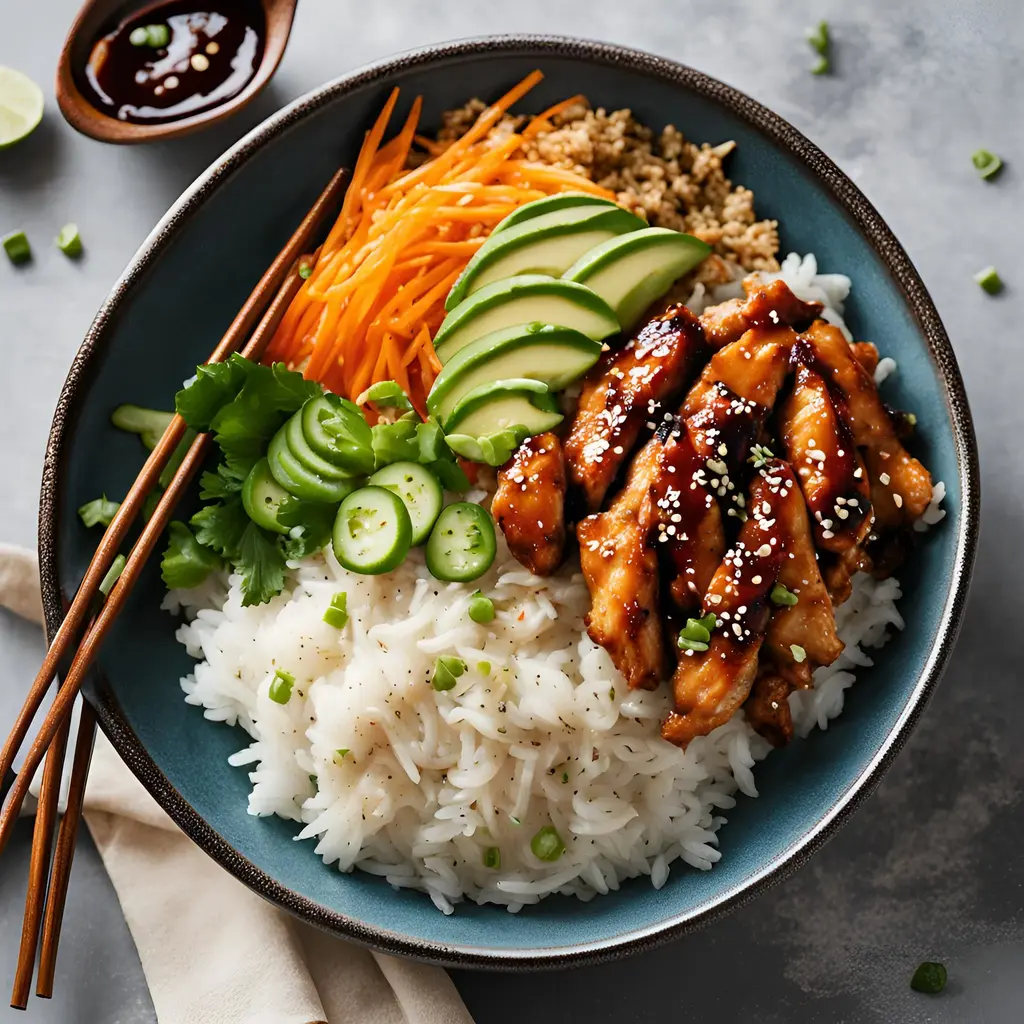
Imagine tender, spice-rubbed chicken bites, caramelized in a hot air fryer (or skillet), then tossed in a luxurious sauce made from soy sauce, honey, garlic, and a kick of sriracha. This sauce isn’t just a coating; it’s a transformative glaze that seeps into every nook of the chicken and the bed of steaming rice below. Topped with crisp-tender broccoli, a drizzle of creamy spicy mayo, and a sprinkle of sesame seeds, each bowl is a complete, balanced, and utterly addictive experience.
This recipe is engineered for efficiency and maximum flavor. We’ve streamlined the process so you can get a restaurant-quality meal on the table in under an hour, with minimal cleanup. It’s a family-friendly crowd-pleaser that also feels special enough for casual entertaining. Whether you’re cooking for one, two, or a hungry family, these bowls are scalable, customizable, and guaranteed to become a regular in your dinner rotation.
What Makes This The Best Sticky Chicken Rice Bowls Recipe
You might find other “sticky chicken” recipes online, but ours stands apart. We’ve refined this formula through rigorous testing to achieve the perfect balance of flavor, texture, and practicality. Here’s what sets our recipe apart:
The Flavor-Layering Technique: We don’t just sauce the chicken at the end. We start by seasoning the chicken with a robust dry rub of smoked paprika, chili powder, onion powder, and oregano. This creates a flavorful crust that stands up to the powerful sauce. The sauce itself is a masterful blend of umami (soy sauce), sweetness (honey), tang (rice vinegar), heat (sriracha), and aromatic depth (garlic, ginger, sesame oil). Each component has a purpose.
The Air Fryer Advantage: Using an air fryer at 400°F is a game-changer. It quickly cooks the chicken to juicy perfection while creating those slightly crispy, caramelized edges that are ideal for grabbing onto the sticky sauce. No air fryer? No problem—we provide perfect stovetop instructions too.
The Perfect Sauce Consistency: The key to a truly “sticky” sauce is the slurry. We use arrowroot powder (or cornstarch) to create a glossy, clingy sauce that thickens beautifully without becoming gummy or breaking. It coats every grain of rice and every piece of chicken perfectly.
Built-in Balance: This isn’t just a bowl of saucy meat. The fresh, steamed broccoli adds a crucial pop of color, texture, and nutrition. The spicy mayo drizzle adds a cooling, creamy contrast that cuts through the richness. The sesame seeds offer a final nutty crunch. Every element is intentional.
💡 The Kitchen Team’s Pro Tip: For the most flavorful rice, cook it in chicken broth instead of water. It adds a subtle savory depth that makes the entire bowl even more delicious.
Ingredients & Substitutions
Gathering your ingredients is the first step to success. Here’s exactly what you need, along with smart swaps for dietary needs or pantry shortages.
Ingredient
Quantity
Notes & Substitutions
Uncooked White Rice (Jasmine or Basmati)
2 cups
Yields about 6 cups cooked. Substitute with brown rice (adjust cooking time), quinoa, or cauliflower rice for a low-carb option.
Broccoli, cut into florets
2 small heads
About 4-5 cups. Can use frozen broccoli florets (thawed), or swap for snap peas, bell peppers, or shredded carrots.
Boneless, Skinless Chicken Breasts
3 large (about 1.5 lbs)
Chicken thighs are an excellent, juicier substitute. For a vegetarian version, use extra-firm tofu or chickpeas.
Olive Oil
2 tbsp
Any neutral cooking oil like avocado, canola, or vegetable oil works.
Chicken Spice Rub
Salt
1 tsp
Kosher or sea salt.
Black Pepper
1/2 tsp
Freshly ground is best.
Chili Powder
1 tsp
Adds mild heat and color. Can use paprika if sensitive to spice.
Smoked Paprika
1 tsp
Essential for a smoky depth. Regular paprika can be used in a pinch.
Onion Powder
1 tsp
Granulated garlic can be added for extra punch.
Dried Oregano
1 tsp
Thyme or Italian seasoning are good alternatives.
Sticky Sauce
Soy Sauce (low-sodium)
1/2 cup
For gluten-free, use tamari or coconut aminos (reduce honey slightly as aminos are sweeter).
Honey
1/2 cup
Maple syrup or agave nectar for a vegan version.
Rice Vinegar
1/4 cup
Apple cider vinegar or white wine vinegar are fine substitutes.
Garlic, minced
3 cloves
About 1 tbsp. 1/2 tsp garlic powder can be used in an emergency.
Sriracha
2 tbsp
Adjust to taste. Gochujang, sambal oelek, or red pepper flakes work too.
Sesame Oil
2 tsp
Toasted sesame oil is key for authentic flavor. Don’t skip if possible.
Ground Ginger
1 tsp
1 tbsp freshly grated ginger is superior if you have it.
Arrowroot Powder or Cornstarch
2 tsp
Mixed with 2 tbsp water to form a slurry. They are interchangeable here.
Spicy Mayo & Toppings
Mayonnaise
1/2 cup
Kewpie mayo, vegan mayo, or Greek yogurt for a lighter touch.
Sriracha
1 tbsp
For the mayo drizzle.
Water
2-3 tbsp
To thin the mayo to a drizzling consistency.
Sesame Seeds
For topping
White or black, toasted for extra flavor. Sliced green onions are also fantastic.
Step-by-Step Instructions
Follow these detailed steps for flawless Sticky Chicken Rice Bowls every single time.
Step 1: Prep Your Base Components
Cook the Rice: Begin by cooking your 2 cups of rice according to the package directions. We recommend using the absorption method for the fluffiest results. Once cooked, fluff with a fork, cover, and keep warm.
Steam the Broccoli: While the rice cooks, steam your broccoli florets. You can do this in a steamer basket over simmering water for 5-7 minutes, or in the microwave with a splash of water in a covered bowl for 3-4 minutes. You want it bright green and fork-tender, but still with a slight crunch. Set aside.
💡 The Kitchen Team’s Pro Tip: Time your rice and broccoli to finish around the same time as the chicken and sauce. This ensures everything is hot and fresh when you assemble the bowls.
Step 2: Season and Cook the Chicken
Prep the Chicken: Pat the chicken breasts completely dry with paper towels. This is crucial for getting a good sear or air fry. Cut them into uniform, bite-sized pieces (about 1-inch cubes).
Make the Spice Rub: In a large bowl, combine 1 tsp salt, 1/2 tsp pepper, 1 tsp chili powder, 1 tsp smoked paprika, 1 tsp onion powder, and 1 tsp oregano.
Coat the Chicken: Add the chicken pieces and 2 tbsp of olive oil to the bowl with the spices. Toss vigorously until every piece is evenly coated.
Air Fryer Method (Preferred): Preheat your air fryer to 400°F (200°C). Arrange the chicken in a single layer in the basket, ensuring space between pieces for proper air circulation. Cook for 10-12 minutes, shaking the basket halfway through, until the chicken is golden brown and has reached an internal temperature of 165°F.
Stovetop Method: Heat a large skillet or wok over medium-high heat. Add 1 tbsp of oil. Cook the chicken in batches to avoid overcrowding, for 5-7 minutes per batch, until browned and cooked through. Transfer to a plate.
Step 3: Create the Legendary Sticky Sauce
This is where the magic happens. While the chicken cooks, prepare your sauce.
Combine Liquids: In a medium saucepan, combine 1/2 cup soy sauce, 1/2 cup honey, 1/4 cup rice vinegar, the minced garlic, 2 tbsp sriracha, 2 tsp sesame oil, and 1 tsp ground ginger. Whisk well.
Make the Slurry: In a small separate bowl, whisk 2 tsp of arrowroot powder or cornstarch with 2 tbsp of cold water until completely smooth and lump-free.
Cook and Thicken: Bring the sauce mixture to a boil over medium-high heat, stirring occasionally. Once boiling, give the slurry another quick stir and slowly pour it into the sauce while whisking constantly. The sauce will begin to thicken almost immediately. Let it boil gently for 4-5 minutes, whisking often, until it has reduced to a thick, glossy, syrup-like consistency that will coat the back of a spoon. Remove from heat.
Step 4: Assemble Your Bowls
Combine Chicken & Sauce: If you used a skillet, you can add the cooked chicken directly back into it. Pour the thickened sticky sauce over the cooked chicken. Toss over low heat for a minute until every piece is beautifully glazed and lacquered.
Make the Spicy Mayo: In a small bowl, mix 1/2 cup mayonnaise with 1 tbsp sriracha. Add water, 1 tablespoon at a time, until it reaches a thin, drizzle-able consistency.
Build the Bowls: Divide the warm, fluffy rice among four bowls. Top each with a portion of steamed broccoli and a generous scoop of the sticky glazed chicken. Drizzle generously with the spicy mayo. Finish with a sprinkle of sesame seeds.
Serving Suggestions & Pairings
These bowls are a complete meal, but you can easily build a fuller spread. For a light starter, try a simple cucumber salad with a rice vinegar dressing or a miso soup. If you want to add more vegetable sides, quick-pickled radishes or carrots or a simple edamame salad would be fantastic. For drinks, a crisp lager, dry riesling, or even a glass of iced green tea complements the sweet and spicy flavors perfectly.
Storage & Reheating Instructions
Storage: Store components separately for best results. Place cooled rice, broccoli, and sauced chicken in airtight containers in the refrigerator for up to 3-4 days. Store spicy mayo in its own container.
Reheating: Reheat the rice, broccoli, and chicken together in the microwave in 60-second intervals, stirring in between, until hot. You may want to add a tiny splash of water to the rice to prevent dryness. The sauce will re-liquify as it heats. Drizzle with fresh spicy mayo and toppings after reheating.
Freezing: We do not recommend freezing the assembled bowls, as the texture of the sauce and vegetables can suffer. The cooked, unsauced chicken can be frozen for up to 2 months. Thaw in the fridge overnight and make a fresh batch of sauce when ready to serve.
Creative Recipe Variations
The beauty of this recipe is its adaptability. Don’t be afraid to make it your own!
Korean-Inspired: Replace the sauce ingredients with 1/2 cup gochujang, 1/4 cup soy sauce, 1/4 cup brown sugar, 2 tbsp rice vinegar, and 1 tbsp minced ginger. Top with kimchi.
Teriyaki Twist: Use pineapple juice in place of some of the rice vinegar in the sauce and add a handful of diced fresh pineapple to the bowls.
Spicy Peanut: Add 2-3 tbsp of creamy peanut butter to the sticky sauce and use lime juice instead of rice vinegar. Top with crushed peanuts.
Grain-Free/Paleo: Serve over cauliflower rice and use coconut aminos instead of soy sauce.
Frequently Asked Questions
1. Can I make this sticky chicken rice bowls recipe ahead of time?
Absolutely! You can prep all components 1-2 days in advance. Cook the rice, steam the broccoli, and make the sauce (store separately). Cook and sauce the chicken the day of serving for the best texture. The sauce may thicken in the fridge; just reheat it gently with a splash of water to loosen it.
2. I don’t have an air fryer. What’s the best stovetop method?
Use a large, heavy-bottomed skillet or wok. Get it very hot with a tablespoon of oil. Cook the chicken in a single layer (do it in batches to avoid steaming) for 5-7 minutes until deeply browned and cooked through. Then proceed with saucing in the same pan.
3. How can I make this recipe gluten-free?
It’s easy! Simply use certified gluten-free tamari or coconut aminos in place of the soy sauce. Double-check that your sriracha and other condiments are gluten-free, as some brands contain wheat.
4. My sauce didn’t get thick and sticky. What went wrong?
The most common issue is not bringing the sauce to a full, rolling boil after adding the slurry, or not boiling it long enough. The slurry needs that sustained heat to activate the thickening power. Also, ensure your slurry is smooth (no lumps) and made with cold water.
5. Can I use chicken thighs instead of breasts?
Yes, and many prefer them! Boneless, skinless chicken thighs will yield a juicier, more flavorful result. The cooking time in the air fryer or skillet may be slightly longer due to higher fat content. Ensure they reach 165°F internally.
6. Is there a way to make this less spicy for kids?
Of course. Simply omit the sriracha from both the main sauce and the spicy mayo. You can keep the chili powder in the rub or replace it with more paprika for color without heat. The dish will still be packed with flavor from the garlic, ginger, and soy-honey base.
7. What’s the best rice to use for these bowls?
Jasmine or Basmati rice are our top choices for their fragrant, slightly sticky texture that holds the sauce well. Short-grain sushi rice would also be deliciously chewy. Standard long-grain white rice works perfectly fine too.
8. Can I double this recipe for a crowd?
Yes, it scales beautifully. For the chicken, cook in batches whether using the air fryer or skillet to ensure proper browning. You may need to make the sauce in two batches or use a very large pot to allow it to reduce properly.
Love This Recipe? Save It For Later!
Did these Sticky Chicken Rice Bowls become your new weeknight favorite? Pin this image to your ‘Easy Dinner Ideas’ board on Pinterest so you always have the recipe handy!
Sticky Chicken Rice Bowls are a delicious and easy-to-make meal that combines tender chicken with a savory-sweet glaze, served over a bed of fluffy rice. Perfect for a weeknight dinner or a quick lunch, this dish is sure to become a family favorite. Lets dive into the details of creating this mouthwatering meal.
Ingredients
Scale
2 cup uncooked rice
2 small heads broccoli, chopped
3 large chicken breasts
2 tbsp olive oil
1 tsp salt
1/2 tsp pepper
1 tsp chili powder
1 tsp smoked paprika
1 tsp onion powder
1 tsp oregano
Sticky Sauce
1/2 cup soy sauce
1/2 cup honey
1/4 cup rice vinegar
3 cloves garlic, minced
2 tbsp sriracha
2 tsp sesame oil
1 tsp ground ginger
2 tsp arrowroot powder mixed with 2 tbsp water to make a slurry (sub cornstarch)
Spicy mayo
1/2 cup mayo
1 tbsp sriracha
23 tbsp water
sesame seeds for topping
Instructions
Cook rice according to package.
Steam broccoli in microwave or on stove top until fork tender. Set aside.
Cut chicken up into small bitesized pieces.
Toss chicken with oil and all spices. Lay flat in air fryer and cook in preheated air fryer at 400F to 12 minutes or until chicken is 160F internally.
While chicken is cooking, add soy sauce, honey, rice vinegar, garlic, sriracha, sesame oil, and ground ginger to a sauce pot. Bring to a boil. Once boiling, add arrowroot slurry. Let boil 4-5 minutes or until sauce has thickened greatly.
Prepare bowls by layering rice, broccoli, chicken, and covering in sauce. Mix together spicy mayo ingredients and drizzle on top. Top with sesame seeds.
Easy Egg Fried Rice Just Like Chinese Takeout
This Chinese takeout-style egg fried rice is tasty, super easy to make, takes only 15 minutes, making it perfect for a quick weekday meat or as a side to go with chicken and broccoli and Mongolian beef. If you prefer shrimps in your fried rice, try our shrimp fried rice or make it a loaded fried rice with our house special fried rice recipe! Now you can make this quintessential Chinese takeout dish right at home.
This Chinese takeout-style egg fried rice is tasty, super easy to make, takes only 15 minutes, making it perfect for a quick weekday meal or as a side to go with chicken and broccoli and Mongolian beef. If you prefer shrimps in your fried rice, try our shrimp fried rice or make it a loaded fried rice with our house special fried rice recipe!
Ingredients
Scale
2 cups day old white rice (preferably long grain)
2 large eggs (beaten)
½ small yellow onion (small dice)
2 tablespoons frozen peas and carrots (thawed (optional))
1 tablespoon Shaoxing rice wine (optional)
2 tablespoons soy sauce (light sodium)
1 tablespoon oyster sauce
1 teaspoon toasted sesame oil (optional)
1 stalk green onion (just the green part sliced (optional for garnish))
Toasted sesame seed (optional for garnish)
oil (as needed for garnish)
Instructions
Break apart the day old rice by rubbing the rice between your hands. Set aside until needed.*You can also place your day old rice in a gallon freezer bag, seal it, and rub the bag until the rice grains are separated.*
In a wok or large nonstick pan over medium high heat, add about 2 tablespoons of oil. When the oil is hot, add the beaten eggs. The eggs should sizzle and bubble immediate. Let the eggs cook for a few seconds, then scramble into smaller pieces. Remove from the pan and set aside.
In the same wok or pan over medium to medium high heat, add a small amount of oil. When the oil is hot, add the onion, peas, and carrots. Stir fry briefly until the onion is fragrant and starts to turn translucent, about 15 to 30 seconds.
Add the rice and scrambled eggs to the wok, along with a drizzle of oil around the pan, about another tablespoon. Stir fry briefly until everything is well combined.
Drizzle the shaoxing cooking wine around the pan and stir fry everything for about 30 seconds until the rice is fragrant and the alcohol is cooked off. You'll know when you can't smell anymore alcohol.
Then, add the soy sauce and oyster sauce and stir fry for a few minutes, until the rice looks even in color and hot throughout.
Finish the fried rice by adding the sesame oil and sliced green onions. Toss briefly to combine.
Garnish with more green onion and some sesame seeds if you wish. Enjoy while hot!
The 20-Minute Secret: How to Make Restaurant-Style Chicken Fried Rice at Home
This restaurant-style chicken fried rice recipe captures the exact magic of your favorite hibachi grill. We’ve decoded the techniques used by hibachi chefs to bring you a foolproof method for incredibly flavorful, fluffy, and savory fried rice loaded with tender chicken, crisp veggies, and scrambled eggs. Ready in about 20 minutes, it’s the ultimate fast, family-friendly meal that will make you forget about takeout forever.
Prep Time
Cook Time
Total Time
Servings
Difficulty
10 minutes
10 minutes
20 minutes
4 servings
Easy
Why This Chicken Fried Rice Recipe Beats Takeout Every Time
We all know the craving. That specific, irresistible flavor of chicken fried rice from a Japanese steakhouse or hibachi restaurant—savory, buttery, with perfectly seared chicken and fluffy, individual grains of rice. For years, it seemed like a flavor you could only get by going out. But what if you could recreate that exact experience in your own kitchen, in less time than it takes for delivery to arrive? That’s the promise of this restaurant-style chicken fried rice.
This isn’t just another fried rice recipe. This is a methodical breakdown of the techniques used on the hibachi grill, adapted for a standard home skillet or wok. The key lies in the sequence of cooking, the specific combination of fats (butter AND oils), and a pro trick for seasoning the chicken. The result is a vibrant, satisfying dish that works brilliantly as a hearty main course or a stellar side dish next to some teriyaki salmon or grilled shrimp.
Beyond the incredible flavor, this recipe gives you complete control. You control the sodium, the quality of ingredients, and the freshness. No more soggy, greasy, or bland takeout containers. Just pure, hot, sizzling hibachi-style fried rice, loaded with protein and vegetables, ready to wow your family in about 20 minutes flat.
The Secret to Authentic Hibachi Flavor at Home
So, what makes this chicken fried rice taste like it came straight from a restaurant teppanyaki grill? It’s a combination of three critical factors that most home recipes overlook.
1. The Rice Foundation: Authentic fried rice uses day-old, cold rice. Why? Freshly cooked rice is moist and steamy, causing it to clump and become mushy when stir-fried. Cold rice has dried out slightly, so each grain remains separate, fries beautifully, and soaks up sauces without getting gummy. It’s the single most important step for texture.
2. The Flavor Layering Technique: Hibachi chefs don’t just throw everything in at once. They cook in stages. Here, we sear the chicken first with a hit of soy sauce, butter, and lemon juice, creating a flavorful fond (those browned bits) in the pan. The chicken is removed, and the vegetables are cooked in the remaining flavor. This prevents steaming and ensures each component tastes distinct and perfectly cooked.
3. The Fat Combination: The magic of restaurant fried rice often comes from a blend of oils and butter. We use sesame oil for its nutty aroma, a neutral oil (like avocado) for its high smoke point, and real butter for its rich, unmistakably “restaurant” flavor. The butter is added in stages to coat the rice, creating that luxurious, glossy finish.
💡 The Kitchen Team’s Pro Tip: For the most authentic texture, spread your cooked rice on a baking sheet and let it cool in the refrigerator, uncovered, for at least an hour. This dries it out perfectly. In a pinch, you can use freshly cooked rice, but spread it thin and pop it in the freezer for 15-20 minutes to mimic the effect.
Gathering Your Ingredients for Success
Using the right ingredients, in the right proportions, is what sets this recipe apart. Here’s everything you’ll need, along with why each component matters.
Ingredient
Quantity
Notes & Purpose
Sesame Oil
1 ½ teaspoons
For authentic nutty aroma. Do not substitute; it’s key.
Neutral Oil (Avocado/Canola)
4 teaspoons (divided)
High smoke point for searing. 1 Tbsp + 1 tsp.
Chicken Breasts
¾ pound
Cut into very small pieces (half of bite-sized) for quick cooking.
Low-Sodium Soy Sauce
5 tablespoons (divided)
Low-sodium lets you control saltiness. Divided use.
Unsalted Butter
4 tablespoons (divided)
Adds rich, restaurant-style flavor and gloss.
Fresh Lemon Juice
2 teaspoons
A bright, secret hibachi ingredient that tenderizes chicken.
White Onion, diced
½ cup
Provides aromatic sweetness.
Frozen Mixed Vegetables (peas, carrots)
1 cup
Convenient, crisp, and colorful. No need to thaw.
Large Eggs
2
Scrambled in for classic texture and protein.
Cooked White Rice (cold)
4 cups
Must be cold. Day-old jasmine or long-grain is ideal.
Salt & Black Pepper
To taste
Season in layers.
Sesame Seeds (optional)
For garnish
Adds visual appeal and a slight crunch.
💡 The Kitchen Team’s Pro Tip: Cutting the chicken into very small pieces is non-negotiable. It allows for lightning-fast cooking, which keeps it tender and ensures it gets nicely coated in the soy-butter sauce. Larger pieces will steam and become tough.
Step-by-Step Instructions for Perfect Fried Rice
Follow these steps in order for the best results. Have all your ingredients measured and within arm’s reach (this is called “mise en place”) before you turn on the heat, as the cooking process moves quickly.
Step 1: Sear the Chicken
In a large skillet or wok over medium-high heat, warm 1 ½ teaspoons of sesame oil and 1 tablespoon (3 teaspoons) of your neutral oil. Once the oils are hot and shimmering, add the chicken pieces in a single layer. Let them cook, undisturbed, for 1 full minute. This creates a beautiful sear. Add 2 tablespoons of soy sauce, 1 tablespoon of butter, the lemon juice, and a pinch of salt and pepper. Continue cooking, stirring only once or twice, until the chicken is cooked through (about 1-3 more minutes). The soy sauce and butter will create a gorgeous glaze. Transfer the chicken and all pan juices to a bowl and set aside.
Step 2: Sauté the Aromatics & Vegetables
Wipe out the skillet quickly with a paper towel. Return it to medium-high heat and add the remaining 1 teaspoon of neutral oil. Add the diced onion and cook for 1 minute until it begins to soften. Add the frozen mixed vegetables (straight from the freezer is fine) and cook for 2-3 minutes, stirring occasionally, until they are heated through and crisp-tender.
Step 3: Scramble the Eggs
Push the vegetable mixture to one side of the skillet. If the pan seems dry, add a tiny bit more oil to the empty side. Crack the two eggs into the empty space. Let them set for 15-20 seconds, then quickly scramble them with your spatula until just set. Immediately mix the scrambled eggs in with the vegetables.
Step 4: Fry the Rice
Add the remaining 3 tablespoons of butter to the skillet. Once melted, add all 4 cups of cold, cooked rice. Use your spatula to break up any clumps and toss the rice thoroughly, coating every grain in the melted butter. Let the rice cook without stirring for 30-45 seconds to get a slight crisp on the bottom—this is a pro move for texture.
Step 5: Combine & Season
Pour the remaining 3 tablespoons of soy sauce over the rice and toss to combine evenly. Return the cooked chicken and any accumulated juices back to the skillet. Stir everything together and cook for 1-2 final minutes, until the chicken is reheated and everything is piping hot. Taste and adjust seasoning with a bit more pepper or salt if needed.
Step 6: Serve Immediately
Transfer your restaurant-style chicken fried rice to a serving platter or bowls. Garnish with a sprinkle of sesame seeds if desired. Serve hot for the best flavor and texture.
How to Serve Your Hibachi-Style Masterpiece
This fried rice is incredibly versatile. As a main course, it’s a complete, balanced meal with protein, veggies, and carbs. For a true hibachi restaurant experience at home, pair it with simple sides:
Yum Yum Sauce: The iconic pinkish-orange sauce is a must for dipping. It’s easy to make with mayonnaise, ketchup, rice vinegar, and paprika.
Ginger Salad: A light, tangy salad with ginger dressing cuts through the richness of the fried rice.
Grilled or Steamed Vegetables: Add some zucchini, mushrooms, or broccoli for extra greens.
Protein Boost: Serve alongside hibachi shrimp or seared scallops for a surf-and-turf feast.
As a side dish, it’s phenomenal with teriyaki-glazed proteins, like chicken thighs or salmon, or even next to some simple grilled steak.
Storage & Reheating Instructions
Leftover fried rice is a gift! Store it properly to enjoy it again.
Storage: Allow the fried rice to cool completely. Transfer it to an airtight container and refrigerate for up to 4 days. For longer storage, you can freeze it for up to 2 months, though the texture of the vegetables may soften slightly upon thawing.
Reheating (The Right Way): The microwave can make fried rice soggy. For best results, reheat it in a skillet or wok over medium heat. Add a tiny splash of water or broth (1-2 teaspoons) to the pan to create steam and prevent drying out. Stir frequently until hot throughout. This method helps revive the texture.
💡 The Kitchen Team’s Pro Tip: Never leave cooked rice at room temperature for more than 2 hours. Always refrigerate leftovers promptly to ensure food safety.
Creative Variations to Try
Once you’ve mastered the basic recipe, the wok is your oyster! Here are some delicious twists:
Pork or Beef Fried Rice: Substitute thinly sliced pork loin or flank steak for the chicken. Marinate briefly in soy sauce and a touch of cornstarch for tenderness.
Shrimp Fried Rice: Use medium shrimp, peeled and deveined. Add them in Step 3 after the vegetables, cooking just until pink and opaque (1-2 minutes), then remove and add back with the chicken.
Vegetable Fried Rice: Omit the chicken and add more veggies like diced bell peppers, broccoli florets, and water chestnuts. Add an extra egg for protein.
Pineapple Fried Rice: Add ½ cup of diced fresh pineapple with the vegetables for a sweet and savory tropical version.
Spicy Fried Rice: Add 1-2 teaspoons of sriracha or chili-garlic sauce to the soy sauce, or garnish with sliced fresh chili peppers.
Frequently Asked Questions (FAQ)
1. Can I use freshly cooked rice instead of day-old rice?
We strongly advise against it for best results. Fresh rice is too moist and will lead to mushy, clumpy fried rice. If you’re in a bind, spread freshly cooked rice on a baking sheet and place it in the freezer for 15-20 minutes to dry it out quickly.
2. What type of rice is best for fried rice?
Long-grain varieties like jasmine or basmati are ideal because they stay separate and fluffy. Medium-grain rice can work, but avoid short-grain or sushi rice, as they are too sticky.
3. Can I use chicken thighs instead of breasts?
Absolutely! Boneless, skinless chicken thighs will be even more flavorful and juicy. Just be sure to trim excess fat and cut them into the same small pieces.
4. My fried rice is turning out soggy. What am I doing wrong?
Sogginess usually comes from 1) Using warm, moist rice, 2) Overcrowding the pan (which steams instead of fries), or 3) Adding too much liquid sauce. Ensure your rice is cold, cook in a large enough skillet, and measure the soy sauce accurately.
5. Is there a gluten-free alternative to soy sauce?
Yes! You can use tamari or a certified gluten-free soy sauce or coconut aminos for a slightly sweeter, gluten-free option. The flavor profile will be slightly different but still delicious.
6. Can I make this recipe vegetarian or vegan?
For a vegetarian version, omit the chicken and use extra veggies and perhaps some cubed tofu. For vegan, also replace the butter with a plant-based alternative (like vegan butter or more oil) and ensure your soy sauce is vegan-friendly.
7. Why do you use both oil and butter?
Butter provides unmatched flavor but burns at high heat. Oil has a higher smoke point, allowing us to sear the chicken properly. Using both gives you the best of both worlds: perfect sear and rich taste.
8. Can I double this recipe?
Yes, but cook it in batches if your skillet isn’t very large. Overcrowding the pan will steam the ingredients. It’s better to cook the chicken in two batches, then combine everything at the end.
9. What can I use instead of frozen mixed vegetables?
Fresh vegetables work great! Dice carrots, bell peppers, and onions uniformly and sauté them until crisp-tender. For peas, you can use frozen or fresh. The key is uniform size for even cooking.
10. How do I get more of that “wok hei” or smoky flavor at home?
That signature smoky breath of the wok is hard to replicate without a professional burner, but you can get close. Use the highest heat your stove can produce, let your pan get very hot before adding ingredients, and don’t stir too often—let the food sit and sear.
Loved this Restaurant-Style Chicken Fried Rice recipe? Share it with your friends and family who love great food! Pin the image below to your Pinterest board to save it for later.
📌 Save This Recipe for Later!
Pin this image to your Dinner Ideas or Asian Recipes board on Pinterest so you always have it handy.
This is the best chicken fried rice recipe because it’s loaded with tender, savory chicken, fluffy rice, scrambled eggs, and crisp vegetables, all tossed together with butter, soy sauce, and sesame oil for that authentic hibachi flavor you crave!
¾ pound chicken breasts (cut into very small pieces, roughly half of “bite-sized”)
5 tablespoons low-sodium soy sauce (divided)
4 tablespoons butter (divided)
2 teaspoons fresh lemon juice
salt (to taste)
pepper (to taste)
½ cup diced white onion
1 cup frozen mixed vegetables (peas, carrots)
2 large eggs
4 cups cooked rice (cool to touch, see Notes)
sesame seeds (optional, for garnish)
Instructions
In large skillet or wok over medium-high heat, warm 1 ½ teaspoons sesame oil and 1 tablespoon (3 teaspoons) neutral oil. Once oils are hot, add chicken pieces. Let chicken cook for 1 minute without stirring.
Add 2 tablespoons soy sauce, 1 tablespoon butter, 2 teaspoons fresh lemon juice, salt, and pepper to skillet. Cook until chicken is no longer pink, approximately 1 to 3 minutes. Stir no more than once or twice so that chicken will brown nicely.
Transfer cooked chicken to medium bowl and set aside. Wipe out skillet (or wok) to use again.
Heat 1 teaspoon neutral oil in skillet over medium-high heat. Add diced onion and frozen vegetables. Sauté until onions are almost translucent, approximately 3 minutes.
Move vegetables to one side of skillet. Crack eggs into skillet and scramble with spatula until cooked through.
Add 4 cups cooked rice and 3 tablespoons butter to skillet. Stir frequently and cook 5 minutes, then stir in 3 tablespoons soy sauce and cook 1 additional minute.
Stir in chicken, salt, and pepper. Cook until everything is well combined and warmed through, then portion into bowls, garnish with sesame seeds if desired, and serve warm.
Hi I'm Emy
I’m passionate about sharing a diverse collection of sweet and savory recipes that I’ve meticulously tested and perfected in my own kitchen.