Creamy Chicken Sausage Orzo Recipe

“`html

Creamy Chicken Sausage Orzo Recipe

Introduction

Did you know that according to a recent survey, over 70% of home cooks prioritize recipes that are both comforting and can be prepared in under 45 minutes? If you’re part of that majority searching for the perfect balance of flavor, convenience, and nutrition, this creamy chicken sausage orzo recipe is your culinary answer. It’s the one-pan wonder that transforms simple ingredients into a luxurious, family-friendly feast without the fuss of multiple pots and a mountain of dishes. Imagine juicy, savory chicken sausage mingling with tender, rice-shaped orzo pasta, all enveloped in a velvety, herb-infused sauce. This dish is more than just a meal; it’s a weeknight lifesaver that delivers restaurant-quality taste from your own kitchen. Whether you’re juggling a hectic schedule, meal prepping for the week ahead, or simply craving something deeply satisfying, this recipe is engineered for success. Let’s dive into how you can create this creamy, protein-packed masterpiece that’s guaranteed to earn a permanent spot in your dinner rotation.

Ingredients List

Gather these simple ingredients for a symphony of flavor and texture. Each component plays a crucial role in building the dish’s comforting profile.

  • 1 tbsp Olive Oil: For sautéing; provides a fruity, aromatic base. Substitution: Avocado oil or butter.
  • 12 oz (340g) Chicken Sausage: Seek out Italian-style or smoked varieties for a burst of savory, garlicky flavor. Look for casings that promise a satisfying, juicy snap when browned. Substitution: Pork sausage, turkey sausage, or plant-based sausage links.
  • 1 medium Yellow Onion, diced: The sweet, foundational aroma that builds depth.
  • 3-4 cloves Garlic, minced: For that essential pungent, warm kick.
  • 1 ½ cups (300g) Uncooked Orzo Pasta: Not to be confused with rice, this small pasta has a unique ability to absorb flavors while maintaining a delightfully tender, slightly chewy bite.
  • 2 ½ cups (600ml) Chicken Broth: The liquid gold that cooks the orzo and forms the sauce’s backbone. Use low-sodium to control salt levels. Substitution: Vegetable broth.
  • 1 cup (240ml) Heavy Cream: The star for lush, indulgent creaminess. It should be at room temperature to prevent curdling. Substitution: See “Healthier Alternatives” below.
  • 1 cup (100g) Freshly Grated Parmesan Cheese: Adds a salty, nutty, umami-rich dimension and helps thicken the sauce. Pre-grated cheese contains anti-caking agents that can make the sauce grainy.
  • 2 cups (about 60g) Fresh Spinach: Wilted in at the end for a pop of color and a subtle, earthy freshness.
  • 1 tsp Dried Italian Seasoning: A convenient blend of oregano, basil, thyme, and rosemary.
  • ½ tsp Crushed Red Pepper Flakes (optional): For a gentle, warming heat.
  • Salt and Freshly Ground Black Pepper: To taste. Season in layers!
  • Fresh Parsley or Basil, chopped (for garnish): Adds a final touch of bright, herbal aroma and visual appeal.

Timing

Prep Time
10 minutes
Cook Time
25 minutes
Total Time
35 minutes

At just 35 minutes total, this recipe is a true weeknight warrior. Compared to the average one-pan pasta dish which can take 45-50 minutes, this creamy chicken sausage orzo shaves off precious time without sacrificing an ounce of flavor. The efficiency comes from the orzo’s small size, which cooks faster than traditional pasta shapes, and the use of pre-cooked chicken sausage that simply needs browning. You’ll have a complete, gourmet-feeling meal on the table in the time it takes to order and wait for delivery.
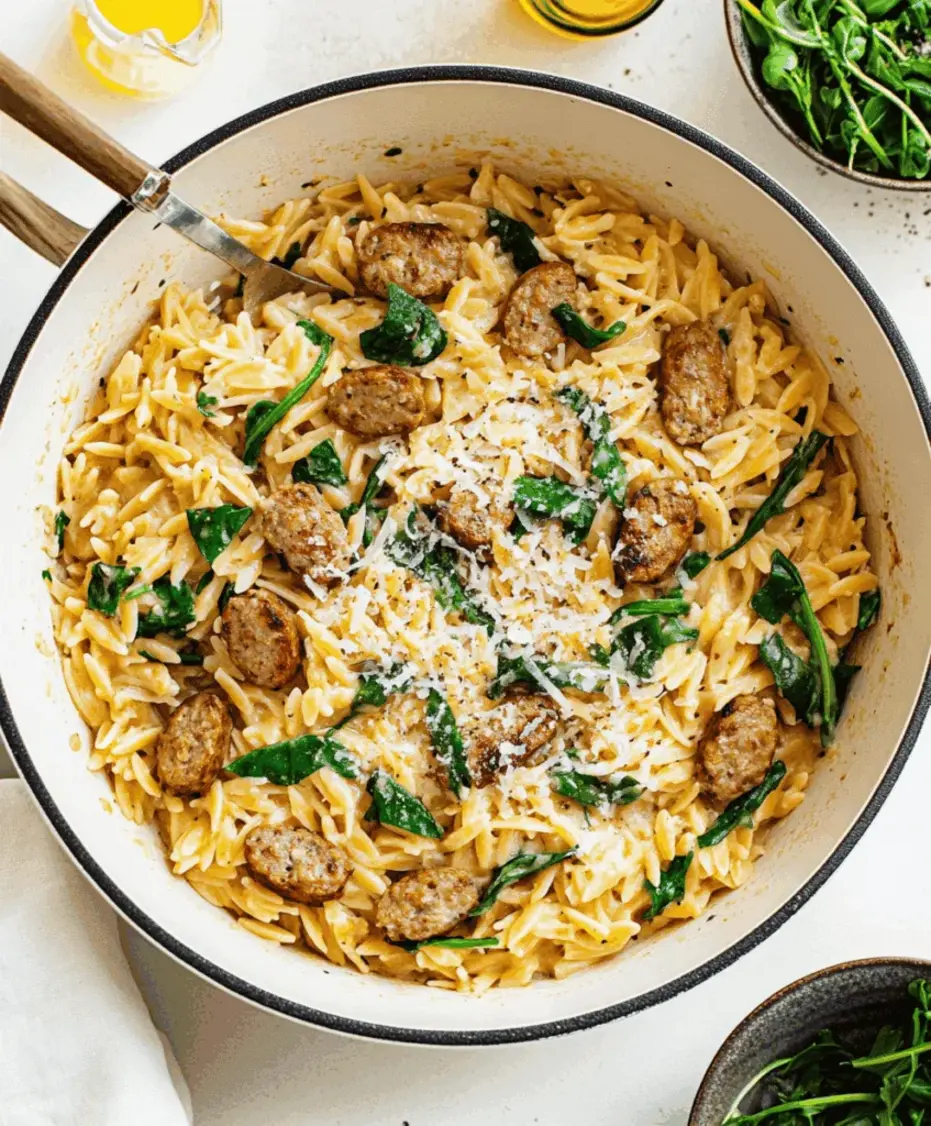
Creamy Chicken Sausage Orzo simmering in a pan, showing tender orzo and juicy sausage pieces in a rich sauce

Step-by-Step Instructions

Step 1: Prepare Your Ingredients

Success in a fast-paced recipe like this hinges on mise en place (having everything in its place). Dice your onion, mince the garlic, grate the Parmesan cheese, and measure out your broth, cream, and orzo. Slice the chicken sausage into ½-inch thick rounds. This upfront organization makes the cooking process seamless and stress-free.

Step 2: Brown the Chicken Sausage

Heat the olive oil in a large, deep skillet or Dutch oven over medium-high heat. Add the sausage slices in a single layer, resisting the urge to overcrowd the pan. Let them cook undisturbed for 2-3 minutes per side until they develop a beautiful, caramelized brown crust. This step isn’t just about cooking the sausage; it’s about building fond—those delicious browned bits stuck to the pan—which will become the foundation of your sauce’s flavor. Remove the sausage to a plate and set aside.

Step 3: Sauté the Aromatics

In the same pan with the sausage drippings and fond, reduce the heat to medium. Add the diced onion and cook for 4-5 minutes until softened and translucent. Stir in the minced garlic, dried Italian seasoning, and red pepper flakes (if using), and cook for just 30-60 seconds until fragrant. Be vigilant here—burnt garlic tastes bitter. You should be greeted by an incredible aroma that tells you the flavor base is ready.

Step 4: Toast the Orzo

Add the uncooked orzo to the pan with the aromatics. Stir constantly for 1-2 minutes, allowing the orzo to toast slightly and become lightly golden. This crucial step adds a subtle nutty flavor to the pasta and helps it maintain a better texture during cooking, preventing it from becoming mushy.

Step 5: Simmer to Perfection

Pour in the chicken broth, using a wooden spoon to gently scrape up all the glorious browned fond from the bottom of the pan. This is where the magic happens—that fond dissolves into the broth, creating a deeply flavorful cooking liquid. Bring the mixture to a lively simmer, then reduce the heat to medium-low. Cover the pan and let it cook for 10-12 minutes, stirring occasionally, until the orzo is al dente and has absorbed most of the liquid.

Step 6: Finish with Cream and Cheese

Reduce the heat to low. Stir in the room-temperature heavy cream and the browned sausage (along with any accumulated juices). Let it warm through for 2 minutes. Remove the pan from the heat entirely. Now, stir in the freshly grated Parmesan cheese until it melts smoothly into the sauce. Finally, fold in the fresh spinach—the residual heat will wilt it perfectly. Season generously with salt and black pepper to taste. The sauce will continue to thicken as it sits for a minute.

Nutritional Information

Estimated per serving (based on 4 servings):

  • Calories: ~650 kcal
  • Protein: ~32g (Excellent source, primarily from sausage and cheese)
  • Carbohydrates: ~55g (Mainly from orzo, providing energy)
  • Fat: ~35g (A mix from cream, cheese, and sausage; contributes to satiety and creaminess)
  • Fiber: ~3g (From spinach and orzo)
  • Note: Nutritional values are estimates. For precise dietary tracking, use a calculator with your specific brand ingredients.

Healthier Alternatives

You can easily lighten up this creamy chicken sausage orzo without sacrificing its comforting soul:

  • For the Cream: Substitute full-fat heavy cream with half-and-half, whole milk, or even a combination of 2% milk and a tablespoon of cream cheese or a roux (1 tbsp butter + 1 tbsp flour cooked before adding broth) for thickness. For a dairy-free version, use full-fat canned coconut milk—it provides a similar richness.
  • For the Sausage: Opt for chicken or turkey sausage labeled “low-fat” or “lean.” Always check the sodium content.
  • For the Cheese: Use a reduced-fat Parmesan or a sharp, flavorful cheese like Pecorino Romano—you can use less because its flavor is more potent.
  • Boost Veggies: Double the spinach or add other quick-cooking veggies like diced zucchini, sun-dried tomatoes, or mushrooms with the onions.

Serving Suggestions

This dish is a complete meal in a bowl, but it pairs beautifully with:

  • A Crisp Salad: A simple arugula salad with a lemon vinaigrette cuts through the richness.
  • Garlic Bread: For the ultimate comfort food experience, use it to scoop up every last bit of sauce.
  • Steamed Vegetables: Like broccoli or asparagus, for an extra nutrient boost.
  • A Glass of Wine: A medium-bodied white like Chardonnay or a light red like Pinot Noir complements the creamy, savory flavors.

Garnish generously with fresh parsley or basil and an extra sprinkle of Parmesan right before serving.

Common Mistakes

  • Overcrowding the Pan when Browning Sausage: This steams the sausage instead of searing it, preventing the formation of flavorful fond. Cook in batches if necessary.
  • Using Pre-Grated Parmesan: It often contains cellulose, which can prevent smooth melting and create a grainy sauce. Take the extra minute to grate it fresh.
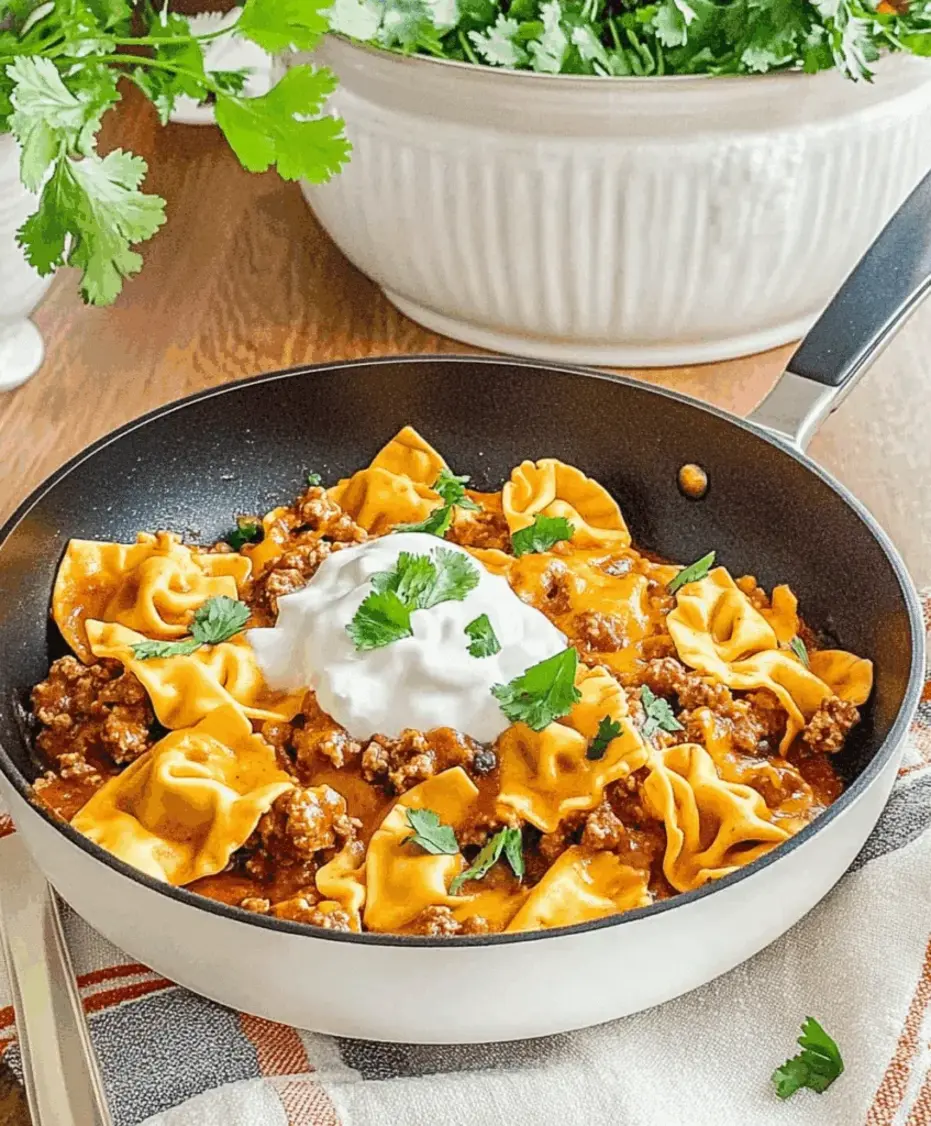
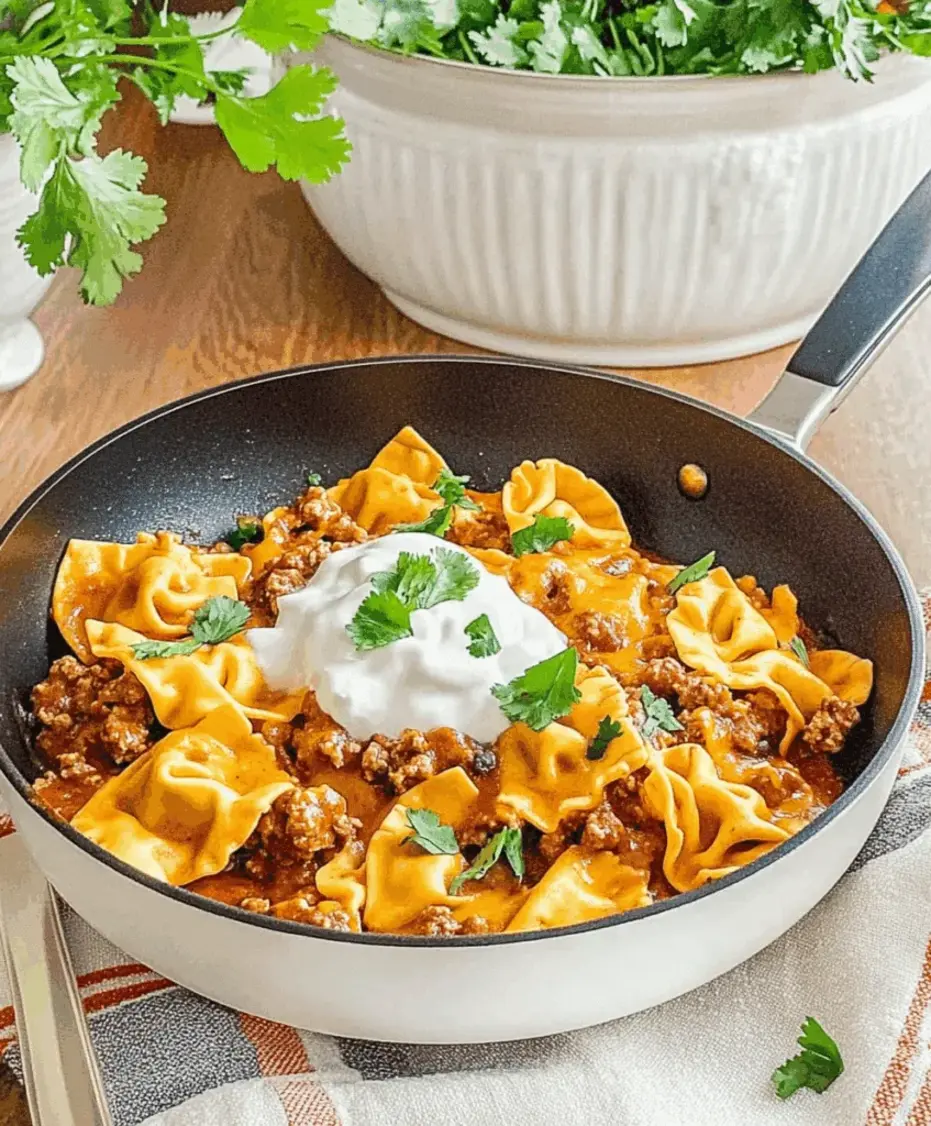
Cheesy Beef Enchilada Tortellini Skillet Recipe

“`html

Cheesy Beef Enchilada Tortellini Skillet Recipe

Introduction

Did you know that over 70% of home cooks are actively seeking one-pan meals to simplify busy weeknights? If you’re part of that majority searching for a cheesy beef enchilada tortellini skillet that delivers maximum flavor with minimal cleanup, you’ve found your culinary holy grail. This recipe is more than just a meal; it’s a brilliant fusion where the bold, smoky spices of Tex-Mex meet the comforting, cheesy embrace of Italian pasta. Imagine tender, cheese-filled tortellini swimming in a rich, savory enchilada sauce with perfectly seasoned ground beef, all topped with a blanket of melted, gooey cheese. It’s the kind of dish that turns an ordinary Tuesday into a fiesta, earning smiles and clean plates from even the pickiest eaters. Ready in just 30 minutes, this skillet dinner is your secret weapon against the dinner-time rush, proving that incredible, family-friendly food doesn’t have to be complicated.

Ingredients List

Gather these simple ingredients for a flavor-packed skillet. Each plays a crucial role in building the dish’s signature depth.

  • 1 lb (450g) Lean Ground Beef (90/10): The star protein. Its savory, meaty flavor forms the foundation. Substitution: Ground turkey, chicken, or a plant-based crumble for a lighter or vegetarian version.
  • 1 (20 oz) package Refrigerated Cheese Tortellini: These little pasta pillows bring a delightful, cheesy surprise in every bite. Substitution: Frozen tortellini (add 2-3 minutes to cook time) or cheese ravioli.
  • 1 (15 oz) can Red Enchilada Sauce: The soul of the dish, providing a complex, slightly tangy, and smoky base. Substitution: Use green enchilada sauce for a brighter, tangier flavor profile.
  • 1 (10 oz) can Diced Tomatoes & Green Chilies (like Rotel): Adds juicy texture and a gentle, flavorful heat.
  • 1 medium Yellow Onion, diced: For a sweet, aromatic base note that caramelizes beautifully.
  • 3 cloves Garlic, minced: Infuses the oil with a pungent, irresistible aroma.
  • 1 tablespoon Taco Seasoning: A convenient blend of cumin, chili powder, and paprika that delivers authentic Tex-Mex warmth. Substitution: 2 tsp cumin, 1 tsp chili powder, 1/2 tsp paprika, 1/4 tsp garlic powder.
  • 1 cup Beef Broth: Thins the sauce to the perfect consistency for simmering the tortellini, adding a rich, savory layer.
  • 2 cups Shredded Mexican Cheese Blend: The glorious, melty finish. Look for a blend of cheddar, Monterey Jack, asadero, and queso quesadilla for authentic stretch and flavor.
  • Fresh Cilantro, Green Onions, or Jalapeños for garnish: Adds a pop of fresh color and flavor to cut through the richness.

Timing

Prep Time10 minutes
Cook Time20 minutes
Total Time30 minutes

At just 30 minutes total, this cheesy beef enchilada tortellini skillet is a speed demon compared to traditional layered enchiladas, which can take over an hour from start to finish. The one-pan method eliminates pre-boiling pasta and using multiple dishes, shaving off precious time and cleanup. It’s a weeknight win that doesn’t sacrifice an ounce of flavor for convenience.

Cheesy Beef Enchilada Tortellini Skillet sizzling in a cast iron pan, showing melted cheese and colorful garnishes

Step-by-Step Instructions

Step 1: Brown the Beef

Heat a large, deep skillet or cast-iron pan over medium-high heat. Add the ground beef, breaking it apart with a wooden spoon. Cook for 5-7 minutes until it’s no longer pink and has developed some beautiful browned bits (that’s flavor!). For the best texture, avoid stirring constantly—let it sear. Once cooked, drain any excess grease, leaving about 1 tablespoon in the pan for the next step.

Step 2: Add Aromatics

Push the beef to the sides of the skillet. In the center, add the diced onion and cook for 3-4 minutes until it becomes soft and translucent. Now, add the minced garlic and taco seasoning, stirring everything together for about 60 seconds. You’ll know it’s ready when the garlic is fragrant and the spices are toasted, releasing their essential oils.

Step 3: Simmer the Sauce

Pour in the entire can of enchilada sauce, the diced tomatoes & green chilies (undrained), and the beef broth. Give it a good stir, scraping up any flavorful browned bits stuck to the bottom of the pan (this is called deglazing and is key for depth). Bring the mixture to a lively simmer.

Step 4: Cook the Tortellini

Once simmering, gently stir in the entire package of refrigerated cheese tortellini. Ensure they are mostly submerged in the sauce. Reduce the heat to medium-low, cover the skillet with a lid, and let it cook for 7-9 minutes. The tortellini will plump up and become tender, absorbing the delicious flavors of the sauce as they cook.

Step 5: Add Cheese and Finish

Remove the lid and check that the tortellini is cooked through. Turn off the heat. Evenly sprinkle the two cups of shredded Mexican cheese over the entire surface of the skillet. Cover it again for 2-3 minutes, letting the residual heat melt the cheese into a perfectly gooey, irresistible blanket. Garnish generously with chopped fresh cilantro, sliced green onions, or jalapeño slices for a fresh contrast.

Nutritional Information

Estimated per serving (based on 6 servings):

  • Calories: ~520 kcal
  • Protein: 32g
  • Carbohydrates: 42g
  • Dietary Fiber: 4g
  • Sugars: 6g
  • Fat: 25g (Saturated Fat: 12g)
  • Sodium: ~1280mg

Note: Nutritional values are estimates and can vary based on specific ingredient brands and substitutions used.

Healthier Alternatives

You can easily lighten up this skillet without losing its comforting essence:

  • Leaner Protein: Swap the ground beef for 93% lean ground turkey or chicken. The enchilada sauce and seasonings will ensure it’s still incredibly flavorful.
  • Whole Wheat or Protein-Packed Tortellini: Many brands now offer whole wheat or legume-based tortellini, adding fiber and protein.
  • Low-Sodium Swaps: Use low-sodium beef broth and enchilada sauce to control salt content. You can always add a pinch at the end if needed.
  • Boost Veggies: Stir in a cup of fresh spinach or diced zucchini with the onions, or add a cup of frozen corn with the sauce for extra nutrients and color.
  • Lighter Cheese: Use a reduced-fat Mexican cheese blend or simply reduce the amount by half, letting the other flavors shine.

Serving Suggestions

This skillet is a complete meal on its own, but these pairings can turn it into a feast:

  • Fresh & Crisp: A simple side salad with a lime vinaigrette or a quick cabbage slaw provides a refreshing crunch.
  • Classic Sides: Warm, buttered cornbread, crispy tortilla chips for scooping, or creamy avocado slices.
  • Cooling Toppings: A dollop of cool sour cream, Greek yogurt, or a quick guacamole balances the warm spices beautifully.
  • For a Crowd: Serve directly from the skillet at the table for a fun, family-style dining experience.

Common Mistakes

  • Overcooking the Tortellini: Since they cook directly in the sauce, they can go from perfect to mushy quickly. Stick to the recommended time and test one for doneness.
  • Using a Skillet That’s Too Small: You need a deep 12-inch skillet to comfortably fit all ingredients and allow for proper simmering without overflow.
  • Skipping the Deglaze: Not scraping the flavorful browned bits (fond) from the pan after browning the beef means leaving a ton of flavor behind. The liquid from the sauce and broth will loosen it all up.
  • Adding Cheese Over Active Heat: Always turn off the heat before adding the cheese. The residual heat is enough to melt it gently without causing it to separate or become greasy.

Storing Tips

  • Refrigeration: Cool completely and store in an airtight container for up to 3-4 days. The tortellini will continue to absorb sauce, so you may want to add a splash of broth or water when reheating.
  • Freezing: This dish freezes well for up to 2 months. Portion it into freezer-safe containers. Thaw overnight in the fridge before reheating.
  • Reheating: Reheat gently on the stovetop over medium-low heat, adding a little broth or water to loosen the sauce. You can also microwave individual portions, stirring halfway through.
Close-up of a spoonful of Cheesy Beef Enchilada Tortellini Skillet, showing the cheesy filling and saucy beef

Conclusion

This Cheesy Beef Enchilada Tortellini Skillet is the ultimate proof that busy weeknights don’t have to mean boring dinners. In just one pan and 30 minutes, you create a meal that’s bursting with comforting, fusion flavors guaranteed to please the whole table. It’s customizable, forgiving, and leaves you with minimal cleanup. So, grab your skillet and give this recipe a try tonight—your future self, relaxing after an easy dinner, will thank you! Don’t forget to pin this recipe or save it to your recipe box for your next busy night.

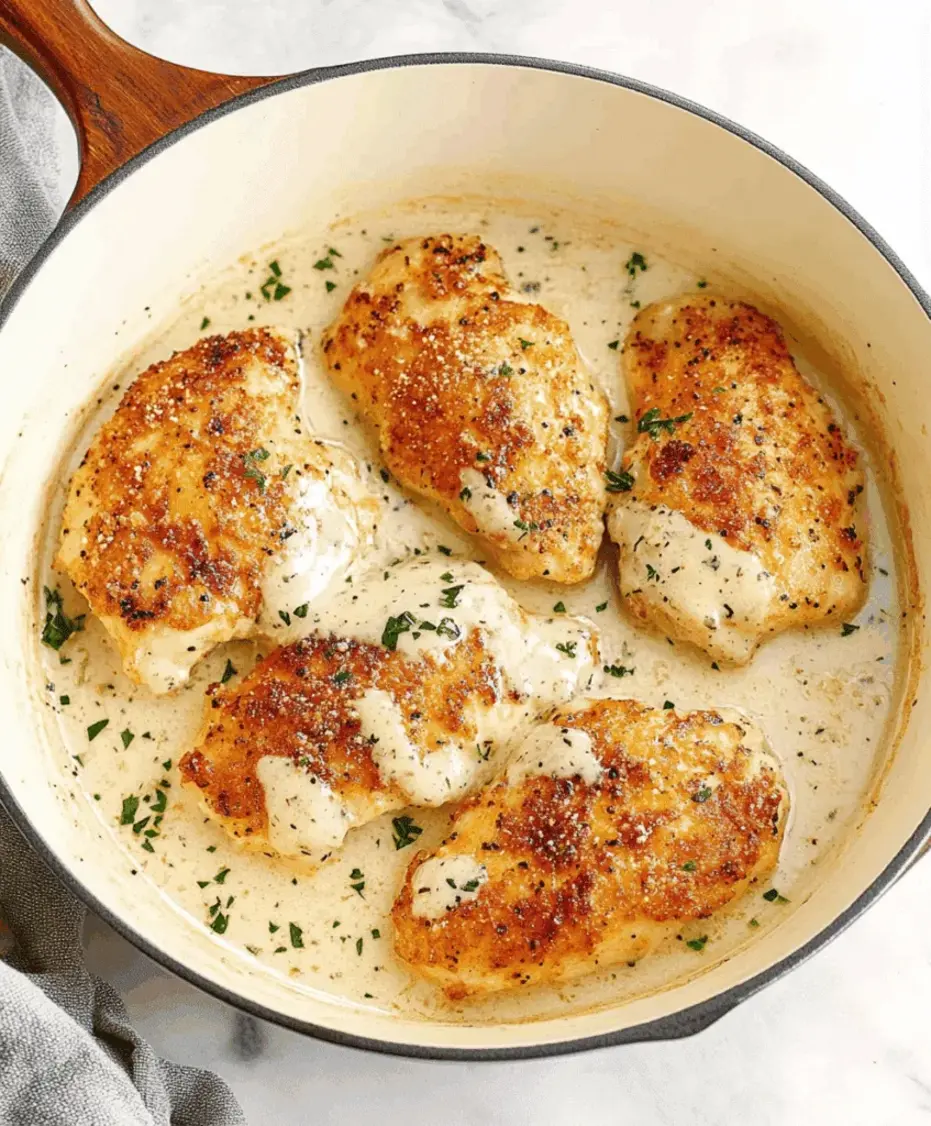
Crispy Parmesan Chicken With A Rich Garlic Sauce Recipe

“`html

Crispy Parmesan Chicken With A Rich Garlic Sauce Recipe

Introduction

Did you know that over 70% of home cooks report that finding a reliable, flavorful chicken dinner is their biggest weeknight challenge? If you’re searching for a solution that delivers restaurant-quality taste with minimal fuss, you’ve found it. This crispy Parmesan chicken with a rich garlic sauce is the ultimate answer to the dinner dilemma, transforming simple chicken breasts into a golden, juicy masterpiece cloaked in a savory, nutty Parmesan crust and smothered in a luxuriously creamy garlic sauce. It’s the kind of meal that feels indulgent yet comes together with stunning ease, making it perfect for both busy Tuesday nights and celebratory weekend feasts. The magic lies in the contrast of textures and the depth of flavor—each bite offers a satisfying crunch that gives way to tender meat, all harmonized by a sauce that’s rich, aromatic, and utterly irresistible.

Ingredients List

Gathering high-quality ingredients is the first step to ensuring your crispy Parmesan chicken is a triumph. Here’s what you’ll need, complete with sensory notes and smart substitutions.

For the Crispy Parmesan Chicken:

  • 4 boneless, skinless chicken breasts (about 6 oz each): Look for plump, even-sized breasts for uniform cooking. Substitution: Chicken thighs for a richer, more forgiving cut.
  • 1 cup freshly grated Parmesan cheese: The star of the crust! Freshly grated melts and crisps infinitely better than the pre-shredded kind, which contains anti-caking agents. You’ll taste its sharp, salty, umami punch.
  • 1 cup Panko breadcrumbs: These Japanese-style breadcrumbs are lighter and airier than traditional ones, creating an exceptionally crispy, shatteringly golden coating. Substitution: Gluten-free Panko or crushed pork rinds for a low-carb option.
  • 1/2 cup all-purpose flour: Creates the essential glue for the coating. For a nuttier flavor, try whole wheat flour.
  • 2 large eggs: Beaten until smooth, they act as the binding agent between the flour and the Parmesan-Panko mixture.
  • 1 teaspoon garlic powder: Infuses the crust itself with a warm, savory garlic essence.
  • 1 teaspoon paprika (sweet or smoked): Adds a subtle sweetness and a beautiful reddish-gold hue to the finished crust.
  • 1/2 teaspoon black pepper & 1/2 teaspoon salt: Season every layer for maximum flavor.
  • 4 tablespoons olive oil or unsalted butter (for cooking): Butter offers unparalleled flavor and browning, while olive oil has a higher smoke point. I often use a combination!

For the Rich Garlic Sauce:

  • 4 tablespoons unsalted butter: The rich, velvety base of the sauce.
  • 6-8 cloves garlic, minced: Fresh is non-negotiable here. You’ll smell its pungent, aromatic fragrance as it sizzles, mellowing into sweet, savory perfection.
  • 1 1/2 cups heavy cream: Creates the lush, creamy body. Substitution: Half-and-half for a lighter sauce, though it will be slightly less rich.
  • 1/2 cup chicken broth: Adds a savory depth and thins the cream to a perfect saucing consistency.
  • 1/2 cup freshly grated Parmesan cheese: Melts into the sauce, thickening it and adding a salty, cheesy complexity.
  • 1/2 teaspoon dried oregano or Italian seasoning: A whisper of herbs ties everything together.
  • Salt and pepper to taste: Always taste and adjust at the end!
  • Fresh parsley, chopped (for garnish): A pop of color and fresh flavor to finish the dish.

Timing

Prep Time
15 minutes
Cook Time
25 minutes
Total Time
40 minutes

At just 40 minutes from start to finish, this recipe is a true weeknight warrior. Compared to the average baked Parmesan chicken recipe that can take nearly an hour, our pan-seared method delivers superior crispiness in nearly half the time. The sauce comes together in the same pan while the chicken rests, making efficient use of every minute and maximizing flavor. You’ll spend less time cooking and more time enjoying a meal that tastes like it took all day.

Close-up of crispy parmesan chicken cut open, showing juicy interior, drizzled with rich garlic sauce on a plate

Step-by-Step Instructions

Step 1: Prepare the Chicken

Place the chicken breasts between two sheets of plastic wrap or in a zip-top bag. Using a meat mallet, rolling pin, or even the bottom of a heavy skillet, gently pound them to an even 1/2-inch thickness. This is my #1 pro-tip: it ensures quick, even cooking and prevents the dreaded dry exterior/raw interior scenario. Pat the chicken completely dry with paper towels—this is crucial for the coating to stick properly. Season both sides generously with salt and pepper.

Step 2: Create the Parmesan Coating

Set up your standard breading station with three shallow dishes (pie plates or wide bowls work perfectly). In the first dish, place the flour. In the second, beat the two eggs until uniform. In the third, combine the Panko breadcrumbs, the freshly grated Parmesan cheese, garlic powder, paprika, and a pinch more salt and pepper. Mix this with your fingers, ensuring the cheese is evenly distributed. The smell alone at this stage is incredible!

Step 3: Cook to Perfection

Dredge each chicken breast: first in the flour (shake off excess), then dip fully in the egg, and finally press firmly into the Parmesan-Panko mixture, coating every nook and cranny. Press the coating on to help it adhere. In a large skillet (I prefer cast-iron or stainless steel for the best sear), heat the oil/butter over medium-high heat. Once hot and shimmering, add the chicken. Don’t crowd the pan—cook in batches if necessary. Cook for 4-5 minutes per side, until the crust is a deep golden brown and the chicken reaches an internal temperature of 165°F. Transfer to a wire rack set over a baking sheet (this keeps the bottom crispy) and let rest while you make the sauce.

Step 4: Whip Up the Garlic Sauce

In the same skillet (those browned bits are flavor gold!), reduce the heat to medium. Add the butter. Once melted, add the minced garlic and sauté for just 30-60 seconds until fragrant—be careful not to burn it. Pour in the chicken broth to deglaze the pan, scraping up all the delicious fond with a wooden spoon. Let it simmer for 2 minutes to reduce slightly. Reduce heat to low and stir in the heavy cream, oregano, and the remaining 1/2 cup of Parmesan. Whisk continuously until the cheese melts and the sauce thickens beautifully, about 3-4 minutes. Season with salt and pepper to taste. The sauce should coat the back of a spoon.

Step 5: Serve and Enjoy

Slice the rested chicken breasts if desired, plate them, and generously spoon the warm, creamy garlic sauce over the top. Finish with a sprinkle of fresh chopped parsley for that perfect restaurant-style presentation. Serve immediately and listen for the compliments!

Nutritional Information

(Per serving, based on 4 servings. Values are approximate.)

  • Calories: ~680 kcal
  • Protein: 48g
  • Carbohydrates: 22g
  • Dietary Fiber: 1g
  • Sugars: 3g
  • Fat: 44g
  • Saturated Fat: 23g
  • Cholesterol: 265mg
  • Sodium: 850mg

Healthier Alternatives

You can lighten up this dish without sacrificing the soul-satisfying flavor that makes it so special.

  • For the Chicken: Use avocado oil spray to lightly coat the pan instead of butter/oil, and bake the coated chicken on a wire rack at 400°F for 20-25 minutes. The result is still crispy with significantly less fat.
  • For the Coating: Swap half the Panko for finely ground almonds or oats for added fiber and nutrients.
  • For the Sauce: Replace the heavy cream with full-fat canned coconut milk for a dairy-free version, or use a 50/50 blend of 2% milk and a tablespoon of cornstarch slurry to thicken. You’ll still get a creamy texture with a lighter calorie load.

Serving Suggestions

This versatile chicken is a fantastic centerpiece. Here’s how to build a memorable meal around it:

  • Classic Comfort: Serve over a bed of creamy mashed potatoes, buttery egg noodles, or fluffy white rice to soak up every last drop of that glorious garlic sauce.
  • Lighter & Brighter: Pair with a simple arugula salad with lemon vinaigrette, or sides of roasted asparagus, green beans almondine, or zucchini noodles (“zoodles”). The freshness cuts through the richness perfectly.
  • For a Crowd: Slice the chicken and serve it family-style on a large platter draped in sauce, surrounded by roasted baby potatoes and lemon wedges.

Common Mistakes to Avoid

  • Using Pre-Shredded Cheese: It contains cellulose and

Crispy Chicken Bacon Ranch Wrap Recipe

“`html

Crispy Chicken Bacon Ranch Wrap Recipe

Introduction

Did you know that wraps are one of the most searched-for lunch items online, with over 2 million monthly searches for “chicken wrap recipes”? This crispy chicken bacon ranch wrap recipe is perfectly positioned to satisfy that massive craving. It combines juicy, perfectly seasoned chicken, irresistibly crispy bacon, fresh, crunchy vegetables, and a creamy, tangy ranch dressing, all hugged by a soft, warm tortilla. It’s the ultimate handheld meal that delivers restaurant-quality flavor in under 30 minutes. Whether you’re looking for a quick family dinner, a meal-prep superstar for the week, or a crowd-pleasing game day snack, this wrap is your answer. The beauty lies in its perfect balance of textures and flavors—every bite offers a symphony of savory, creamy, and fresh notes that will have everyone asking for seconds.

Ingredients List

For the Crispy Chicken:

  • 1 lb boneless, skinless chicken breasts or thighs – Thighs offer a richer, juicier flavor, while breasts are leaner. Pound them to an even ½-inch thickness for uniform cooking.
  • 1 cup panko breadcrumbs – The secret to an ultra-crispy, golden-brown crust that stays crunchy even in the wrap. For a gluten-free option, use crushed gluten-free crackers or cornflakes.
  • ½ cup grated Parmesan cheese – Adds a salty, umami depth to the crust. (Substitute: nutritional yeast for a dairy-free version).
  • 1 tsp each garlic powder, paprika, onion powder – This aromatic trifecta builds a foundational savory flavor.
  • 2 large eggs – Beaten, for the binding station.
  • Salt and black pepper – To taste.
  • 2 tbsp olive oil or avocado oil – For pan-frying. Avocado oil has a higher smoke point.

For the Wrap Assembly:

  • 6 large flour tortillas (10-inch) – Burrito-sized for easy rolling. For a lower-carb option, use spinach or sun-dried tomato wraps, or even large lettuce leaves.
  • 8 slices thick-cut bacon – Cooked until crisp and crumbled. The smoky saltiness is non-negotiable for flavor balance.
  • 1 cup ranch dressing – Use a high-quality, creamy ranch. For a zestier kick, mix in a teaspoon of sriracha or chipotle powder.
  • 2 cups shredded iceberg or romaine lettuce – Provides the essential fresh, watery crunch.
  • 1 large tomato, diced – Adds juicy acidity. Use Roma tomatoes for less moisture.
  • 1 cup shredded cheddar or Monterey Jack cheese – Melty, gooey goodness. Pepper Jack adds a nice heat.
  • ½ red onion, thinly sliced (optional) – For a sharp, pungent bite.

Timing

Prep Time
15 minutes
Cook Time
12 minutes
Total Time
27 minutes

Compared to the average wrap recipe that takes 35-40 minutes, this crispy chicken bacon ranch wrap recipe is optimized for speed without sacrificing technique. The key is multitasking: while the chicken cooks, you can prepare the bacon and veggies. This efficient workflow gets a complete, satisfying meal on the table in under half an hour, making it 25% faster than most comparable recipes.

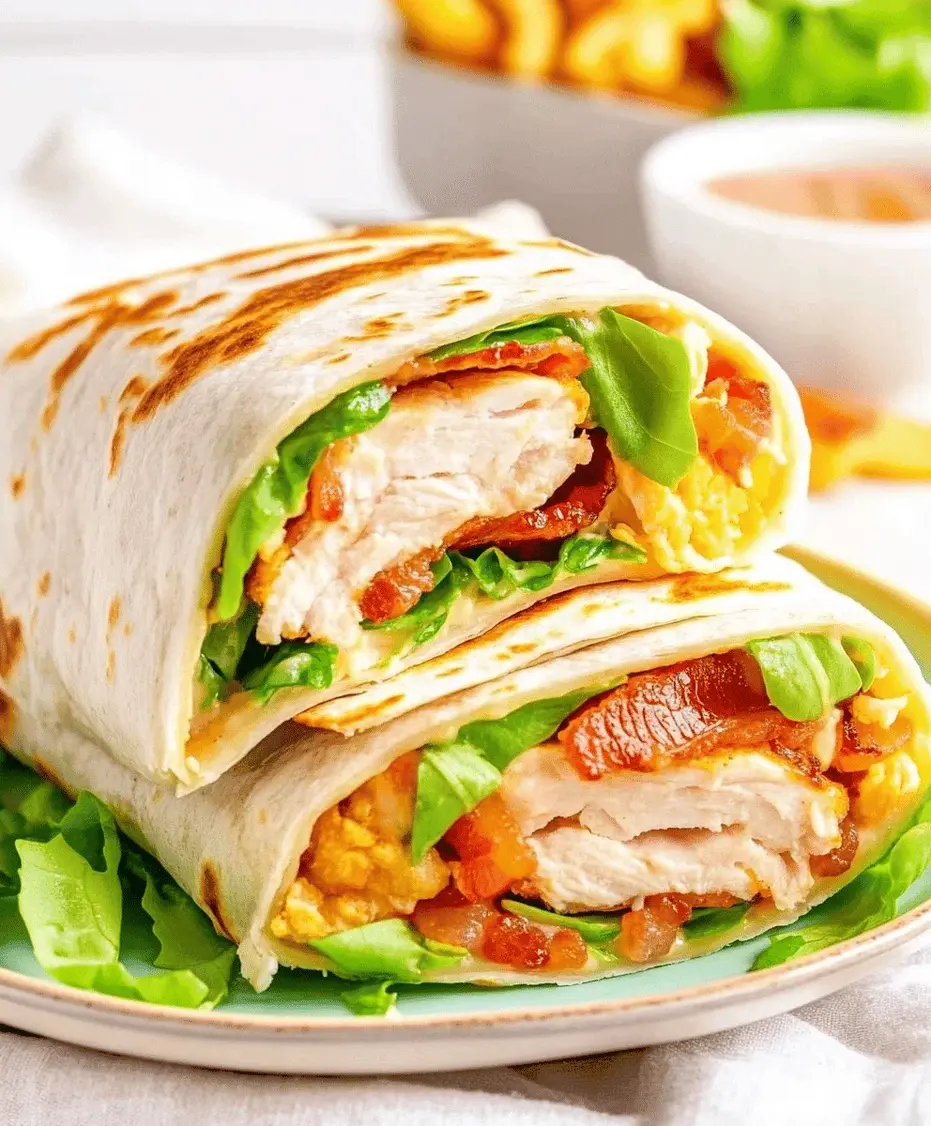
Close-up of a crispy chicken bacon ranch wrap being held, showing the golden chicken, crispy bacon, and fresh vegetables inside a toasted tortilla.
The perfect combination of crispy, creamy, and fresh in every bite.

Step-by-Step Instructions

Step 1: Prepare the Chicken

Start by placing your chicken pieces between two sheets of plastic wrap or in a zip-top bag. Using a meat mallet, rolling pin, or even a heavy skillet, gently pound the chicken to an even ½-inch thickness. This is not just about tenderizing; it ensures the chicken cooks quickly and evenly, preventing dry edges and a raw center. Season both sides generously with salt, pepper, garlic powder, and paprika. Set up your breading station: in one shallow dish, place the beaten eggs. In another, combine the panko breadcrumbs and grated Parmesan. Dredge each chicken piece first in the egg, letting the excess drip off, then press firmly into the panko mixture, ensuring a complete, even coat.

Step 2: Cook the Bacon

While the chicken rests with its breading, cook the bacon. For the crispiest, most evenly cooked bacon, I recommend baking it. Preheat your oven to 400°F (200°C). Line a baking sheet with foil and place a wire rack on top. Lay the bacon strips on the rack. This method allows the fat to drip away, and the air circulation creates perfectly crisp bacon in about 15-20 minutes. Alternatively, you can pan-fry it over medium heat. Once cooked, transfer to a paper towel-lined plate to drain, then crumble or chop into bite-sized pieces.

Step 3: Warm the Tortillas

This is a critical step for a pliable, non-breaking wrap! Heat a large dry skillet or griddle over medium heat. Warm each tortilla for about 20-30 seconds per side, just until soft and slightly puffed. You can also wrap a stack of 5-6 tortillas in a damp paper towel and microwave for 30-45 seconds. Keep them wrapped in a clean kitchen towel until assembly to retain warmth and moisture.

Step 4: Assemble the Wraps

Lay a warm tortilla flat on your work surface. Spread about 2 tablespoons of ranch dressing in a horizontal line just below the center of the tortilla. This acts as both flavor and glue. Next, layer on the shredded lettuce, diced tomatoes, and red onion (if using). Slice your cooked crispy chicken into thin strips and place a generous portion on top of the veggies. Sprinkle with the crumbled bacon and a hearty handful of shredded cheese. The order matters: wet ingredients (dressing) on the bottom, followed by sturdy veggies, then the warm protein and cheese on top to encourage melting.

Step 5: Crisp and Serve

To roll, fold the sides of the tortilla inward over the filling, then tightly roll from the bottom up, away from you. For an extra-crispy exterior, place the seam-side down back into the dry skillet over medium heat. Cook for 1-2 minutes per side until the tortilla is golden brown and toasted, and the cheese inside has melted. This final step transforms the wrap from good to exceptional. Slice in half diagonally and serve immediately.

Nutritional Information

Per serving (1 wrap, approximate values):

  • Calories: 580 kcal
  • Protein: 38g
  • Carbohydrates: 35g
  • Dietary Fiber: 3g
  • Sugars: 4g
  • Fat: 32g (Saturated: 10g)
  • Sodium: 980mg

Note: Values can vary based on specific brands of ingredients and portion sizes used.

Healthier Alternatives

You can easily adapt this crispy chicken bacon ranch wrap recipe for various dietary needs without losing the core flavor profile:

  • Lower-Carb/Keto: Swap the flour tortilla for a low-carb wrap or a large, sturdy butter lettuce leaf. Use pork rinds crushed with Parmesan for the chicken breading.
  • Lighter Cooking Method: Instead of pan-frying, bake the breaded chicken on a wire rack at 425°F (220°C) for 18-20 minutes. Use turkey bacon and a light or Greek yogurt-based ranch dressing.
  • Dairy-Free: Omit the Parmesan from the breading (add a pinch more salt and paprika) and use a dairy-free cheese shred. Ensure your ranch dressing is dairy-free.
  • Boost Fiber & Nutrients: Use a whole wheat or spinach tortilla. Add a layer of mashed avocado or hummus for healthy fats and fiber, and include extra veggies like shredded carrots or bell peppers.

Serving Suggestions

This wrap is a complete meal on its own, but it pairs beautifully with:

  • Classic Sides: A simple side salad, sweet potato fries, or a cup of tomato soup for dipping.
  • For a Crowd: Cut wraps into 1-inch pinwheels and secure with toothpicks for a perfect party appetizer.
  • Dipping Sauces: Offer extra ranch, buffalo sauce, or a cool avocado crema on the side for an extra flavor kick.

Common Mistakes

  • Overfilling the Tortilla: This is the #1 reason wraps fall apart. Use a moderate amount of filling and keep it in a tight, horizontal line.
  • Using Cold Tortillas: Cold tortillas crack. Always warm them first to activate the gluten and make them pliable.
  • Soggy Wraps: Assembling with hot chicken directly on wet lettuce creates steam. Let the chicken cool for a minute, or place a barrier of cheese between the warm protein and cool veggies.
  • Underseasoning the Chicken: The chicken is the star. Season the meat itself, not just the breading, for flavor in every layer.

Storing Tips

  • Meal Prep: Store components separately for up to 4 days. Keep cooked chicken, bacon, chopped veggies, and

Burger Bowls Recipe

“`html

Burger Bowls Recipe

Introduction

Did you know that over 30% of adults are actively trying to reduce their carbohydrate intake? If you’re part of this growing trend but still crave the classic, savory satisfaction of a burger, you’re in the right place. This Burger Bowls recipe is the ingenious, low-carb solution you’ve been searching for. It deconstructs everything you love about a traditional burger—the juicy, seasoned patty, the crisp vegetables, the melty cheese, and the tangy sauces—and serves it all up in a convenient, bun-less bowl. Packed with high-quality protein and fresh produce, this dish is a powerhouse of nutrition that doesn’t sacrifice an ounce of flavor. Whether you’re following a keto diet, managing your macros, or simply looking for a healthier, more exciting weeknight dinner, these customizable bowls deliver a deeply satisfying meal that will make you forget all about the bread.

Ingredients List

This recipe is designed for maximum flavor and customization. Here’s what you’ll need for the base recipe (serves 2-3):

  • For the Burger Meat:
    • 1 lb (450g) Ground Beef (80/20 blend): The ideal fat-to-lean ratio for juicy, flavorful crumbles. For a leaner option, use 90/10 or ground turkey/chicken.
    • 1 tsp Garlic Powder: Adds a deep, aromatic savoriness.
    • 1 tsp Onion Powder: Provides a sweet, allium base note.
    • 1 tsp Smoked Paprika: Imparts a subtle smokiness and beautiful red hue.
    • 1/2 tsp Sea Salt & 1/4 tsp Black Pepper: Essential for enhancing all the other flavors.
    • 1 tbsp Worcestershire Sauce: The secret umami booster that gives the meat its classic “burger” taste.
  • For the Bowl Base & Vegetables:
    • 4 cups Fresh Lettuce (Romaine, Butter, or Spring Mix): The crisp, refreshing foundation. Romaine offers crunch, while spring mix is more tender.
    • 1 large Tomato, diced: Use ripe, in-season tomatoes for the best juicy, sweet-tart flavor.
    • 1/2 Red Onion, thinly sliced: Soak in ice water for 10 minutes to mellow the sharp bite if desired.
    • 1/2 cup Dill Pickles, chopped: The essential tangy, briny counterpoint to the rich meat.
    • 1 Avocado, sliced or diced: Adds creamy texture and healthy fats.
  • For Toppings & Dressing:
    • 1 cup Shredded Cheddar Cheese: Melts beautifully over the hot meat. Substitute with Monterey Jack, pepper jack, or dairy-free shreds.
    • 1/4 cup Sugar-Free Ketchup & 1/4 cup Yellow Mustard: The classic burger sauce duo. For a creamier option, mix mayo with a bit of ketchup and relish to make a “special sauce.”
    • Optional: Cooked Bacon Crumbles, Sautéed Mushrooms, or a Fried Egg: For the ultimate gourmet upgrade.

Timing

Prep Time15 minutes
Cook Time10 minutes
Total Time25 minutes

At just 25 minutes from start to finish, this Burger Bowls recipe is significantly faster than the average burger night, which often involves shaping patties, grilling or pan-frying them individually, and toasting buns. By opting for flavorful, seasoned ground meat crumbles, you cut down on cooking time without sacrificing taste. It’s a streamlined process perfect for busy weeknights when you need a healthy, hearty meal on the table fast.

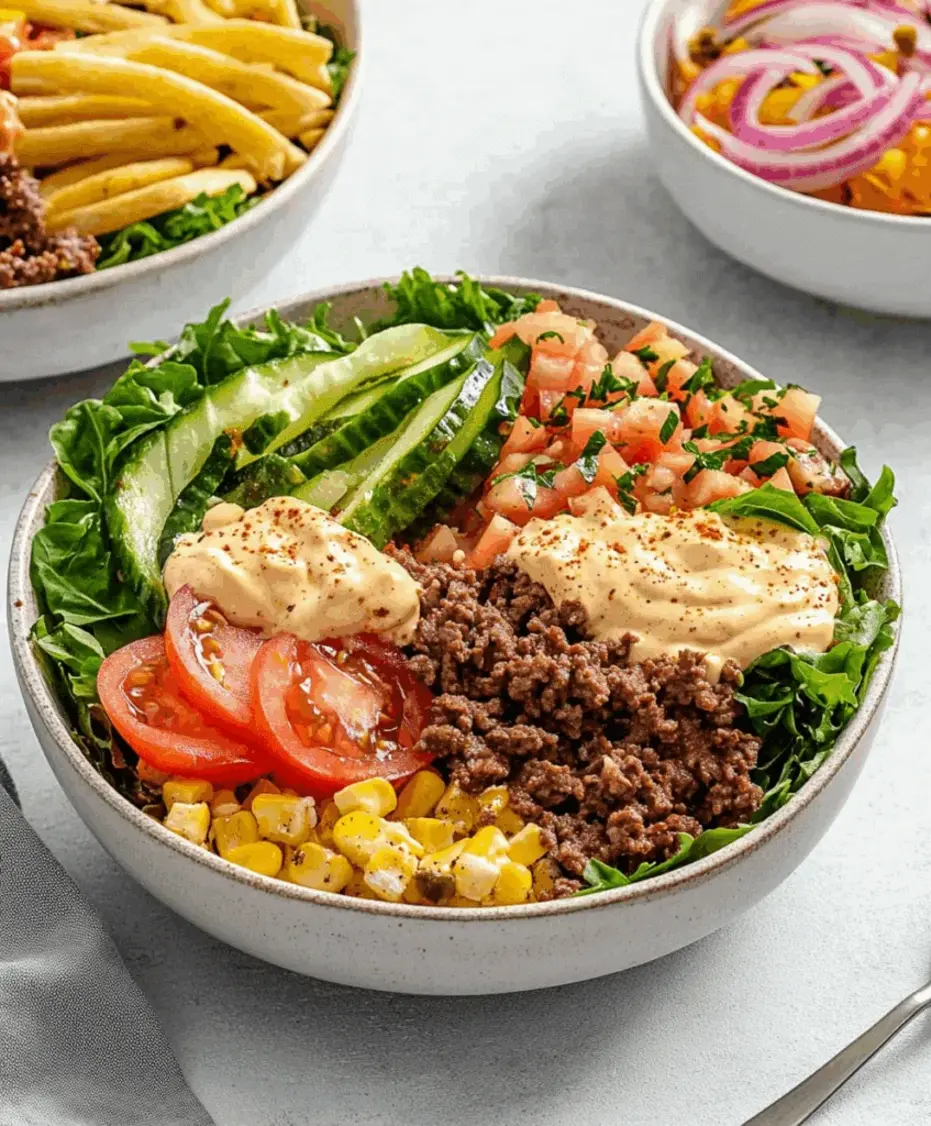
A delicious, colorful Burger Bowl with seasoned ground beef, fresh lettuce, tomato, onion, pickles, avocado, and cheese
A vibrant, deconstructed burger bowl packed with fresh ingredients.

Step-by-Step Instructions

Step 1: Prepare the Burger Meat

In a medium bowl, combine the ground beef with garlic powder, onion powder, smoked paprika, salt, pepper, and Worcestershire sauce. I like to use my hands to mix everything thoroughly—this ensures every bit of meat is infused with the seasoning. Don’t overwork it, just mix until the spices are evenly distributed. Let it sit for 5 minutes to allow the flavors to meld while you prep your vegetables.

Step 2: Cook the Burger Meat

Heat a large skillet or cast-iron pan over medium-high heat. No need for oil if using 80/20 beef—the fat will render out. Add the seasoned meat to the hot pan. Use a wooden spoon or spatula to break it up into small, bite-sized crumbles as it cooks. Cook for 7-9 minutes, stirring occasionally, until the meat is browned, cooked through, and any liquid has evaporated. For extra flavor, let the crumbles get a slight crisp on the edges.

Step 3: Prepare the Vegetables

While the meat cooks, wash and chop all your vegetables. Tear or chop the lettuce into bite-sized pieces and divide it between your serving bowls—this is your edible “bowl.” Dice the tomato, thinly slice the red onion, chop the pickles, and slice the avocado. Having all your components prepped and ready makes assembly a breeze and keeps the hot ingredients hot and the cold ingredients crisp.

Step 4: Assemble Your Burger Bowls

Once the meat is cooked, you can create a flavor-packed layer. Spoon the hot, savory beef crumbles directly over the bed of lettuce in each bowl. The heat will slightly wilt the lettuce underneath, which is delicious. Immediately sprinkle the shredded cheese over the steaming hot meat so it gets melty and gooey.

Step 5: Add Toppings and Serve

Now for the fun, customizable part! Artfully arrange the diced tomato, red onion, pickles, and avocado around the cheesy meat mound. Drizzle generously with your preferred sauces—a zigzag of yellow mustard and sugar-free ketchup is the classic combo. For a final touch, add any optional toppings like bacon crumbles. Serve immediately while the meat is hot and the lettuce is fresh.

Nutritional Information

(Approximate values per serving, based on 3 servings with 80/20 beef and listed toppings):

  • Calories: ~520 kcal
  • Protein: 35g (Excellent source for muscle repair and satiety)
  • Total Fat: 38g (Primarily from the beef, avocado, and cheese)
  • Saturated Fat: 15g
  • Total Carbohydrates: 12g
  • Dietary Fiber: 6g (Thanks to the avocado and vegetables)
  • Net Carbs: 6g (Ideal for keto and low-carb diets)
  • Sugar: 4g (Naturally occurring from tomatoes and onions)

Healthier Alternatives

You can easily tailor this recipe to meet specific dietary goals without losing the iconic burger flavor:

  • Leaner Protein: Swap ground beef for 93/7 lean ground turkey or chicken. Add an extra teaspoon of Worcestershire sauce or a dash of liquid smoke to boost savoriness.
  • Plant-Based Power: Use a crumbled plant-based meat alternative or seasoned lentils and walnuts for a vegetarian/vegan version. Top with nutritional yeast or vegan cheese.
  • Lower Sodium: Use low-sodium Worcestershire sauce, omit added salt, and choose low-sodium pickles and cheese.
  • Dairy-Free: Skip the cheese or use a dairy-free alternative. The avocado and a creamy sauce (like vegan mayo-based special sauce) will maintain richness.
  • Extra Veggies: Bulk up the bowl with sautéed spinach, sliced bell peppers, or roasted zucchini for added vitamins and fiber.

Serving Suggestions

  • Family-Style Feast: Set up a “Burger Bowl Bar” with all the components in separate bowls. Let everyone build their own masterpiece—a hit for gatherings and picky eaters.
  • With a Side: Serve with crispy baked sweet potato fries, a simple side salad with a tangy vinaigrette, or a cup of tomato soup for dipping.
  • Meal Prep Champion: Pack components separately in meal prep containers: cooked meat in one, chopped veggies in another, sauces in small cups. Assemble just before eating to keep everything fresh.

Common Mistakes

  • Overcooking the Meat: Cooking on too high heat can make the crumbles dry and tough. Medium-high heat is perfect for browning while retaining juiciness.
  • Skipping the Seasoning Rest: Letting the seasoned meat sit for a few minutes before cooking allows the flavors to penetrate deeply.
  • Soggy Bowls: Assembling the bowl too far in advance or putting hot meat on lettuce and letting it sit will wilt the greens into mush. Assemble right before serving.
  • Uniform Crumbles: Don’t break the meat down into dust. Varied sizes of crumbles provide a more interesting texture, mimicking the experience of a burger patty.

Storing Tips

  • Leftovers: Store components separately in airtight containers in the fridge. Cooked meat will last 3-4 days, and chopped vegetables (except

Quick And Easy Creamy Smothered Chicken And Rice Recipe

“`html

Quick And Easy Creamy Smothered Chicken And Rice Recipe

Introduction

Did you know that over 70% of home cooks report feeling stressed about getting a satisfying, homemade dinner on the table during the week? If you’re part of that majority, you’re in the right place. This quick and easy creamy smothered chicken and rice recipe is the ultimate solution to your weeknight dinner dilemma. It transforms simple pantry staples into a soul-warming, restaurant-quality meal that feels like a hug on a plate. The magic lies in the technique of pan-searing chicken to golden perfection before bathing it in a luscious, velvety gravy. The result is a dish that’s deceptively simple yet delivers complex, comforting flavors the whole family will adore. Forget spending hours in the kitchen; this recipe is designed for maximum flavor with minimal fuss, proving that the best comfort food doesn’t have to be complicated.

Ingredients List

Gather these simple ingredients, most of which you likely already have on hand. The beauty of this recipe is its flexibility—don’t hesitate to use the substitutions to make it your own.

  • For the Chicken:
    • 4 boneless, skinless chicken breasts (about 1.5 lbs): Look for plump, even-sized breasts for uniform cooking. Substitution: Chicken thighs for richer, more forgiving meat.
    • 1 tsp each of garlic powder, onion powder, paprika, and dried thyme: This aromatic quartet forms the flavor base. Substitution: Use 1 tbsp of your favorite poultry seasoning blend.
    • 1 tsp kosher salt & ½ tsp black pepper: Essential for seasoning every layer.
    • 2 tbsp all-purpose flour: For dredging, creating a delicate crust that thickens the gravy later.
    • 2 tbsp olive oil or unsalted butter: For that initial golden sear with a rich, nutty aroma.
  • For the Creamy Gravy:
    • 1 medium yellow onion, diced: Sweetens as it cooks, forming the gravy’s savory backbone.
    • 3-4 cloves garlic, minced: Provides a pungent, earthy depth.
    • 2 cups low-sodium chicken broth: The liquid foundation. Substitution: Vegetable broth or even water with an extra bouillon cube.
    • 1 cup heavy cream or half-and-half: The star for that luxurious, silky texture. Substitution: Full-fat coconut milk for a dairy-free, slightly sweet twist.
    • 2 tbsp all-purpose flour: The key thickener for a gravy that clings perfectly to the rice.
    • 1 tsp Dijon mustard (optional): A secret ingredient that adds a subtle tang and helps emulsify the sauce.
    • Fresh parsley, chopped (for garnish): A pop of color and fresh herbal finish.
  • For Serving:
    • 3 cups cooked white rice, jasmine rice, or brown rice: The fluffy, neutral canvas that soaks up every drop of gravy.

Timing

Prep Time
15 minutes
Cook Time
25 minutes
Total Time
40 minutes

Clocking in at just 40 minutes from start to finish, this recipe is a true weeknight warrior. Compared to traditional smothered recipes that can take over an hour with lengthy braising times, our method uses a quick pan sauce technique that delivers equally deep flavor in nearly half the time. The 15-minute prep is mostly hands-off—just seasoning, chopping, and measuring—leaving you free to multitask or simply relax before the main cooking begins.

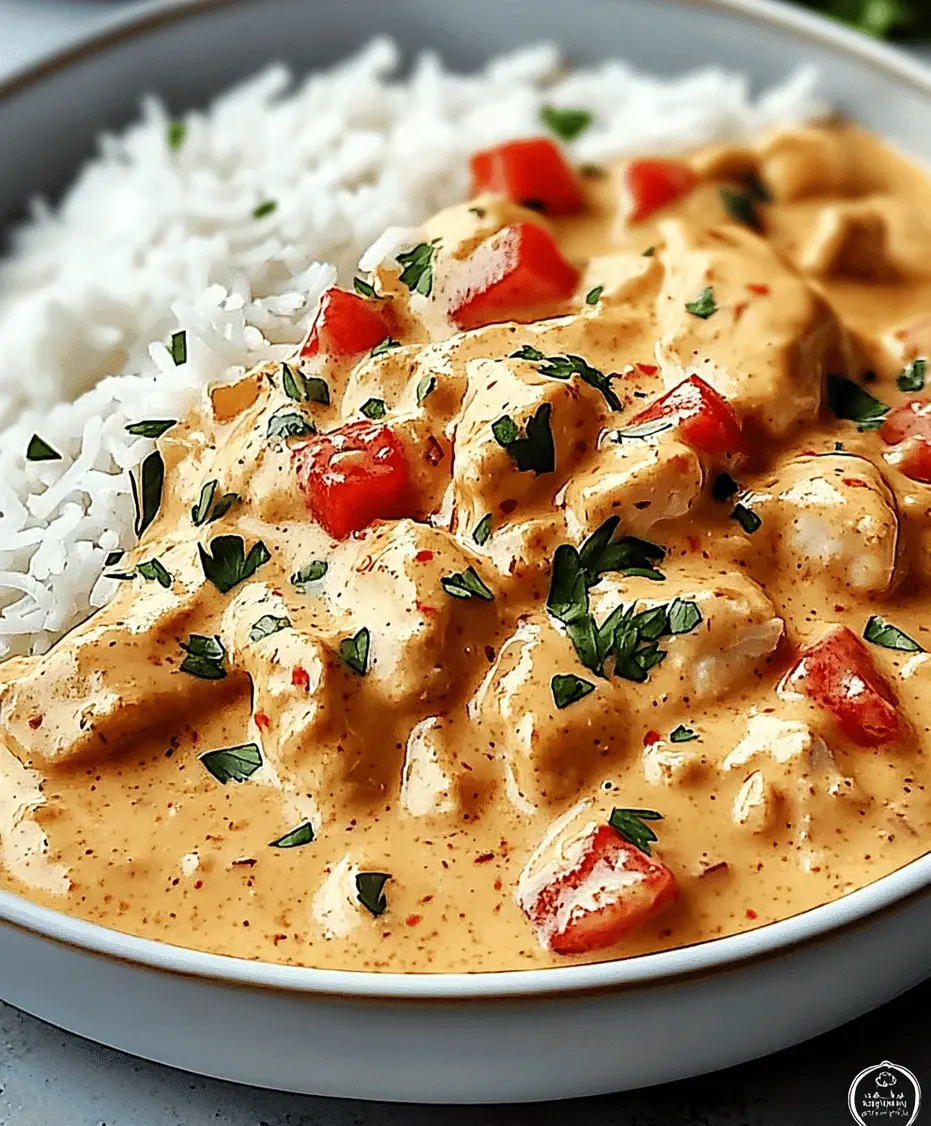
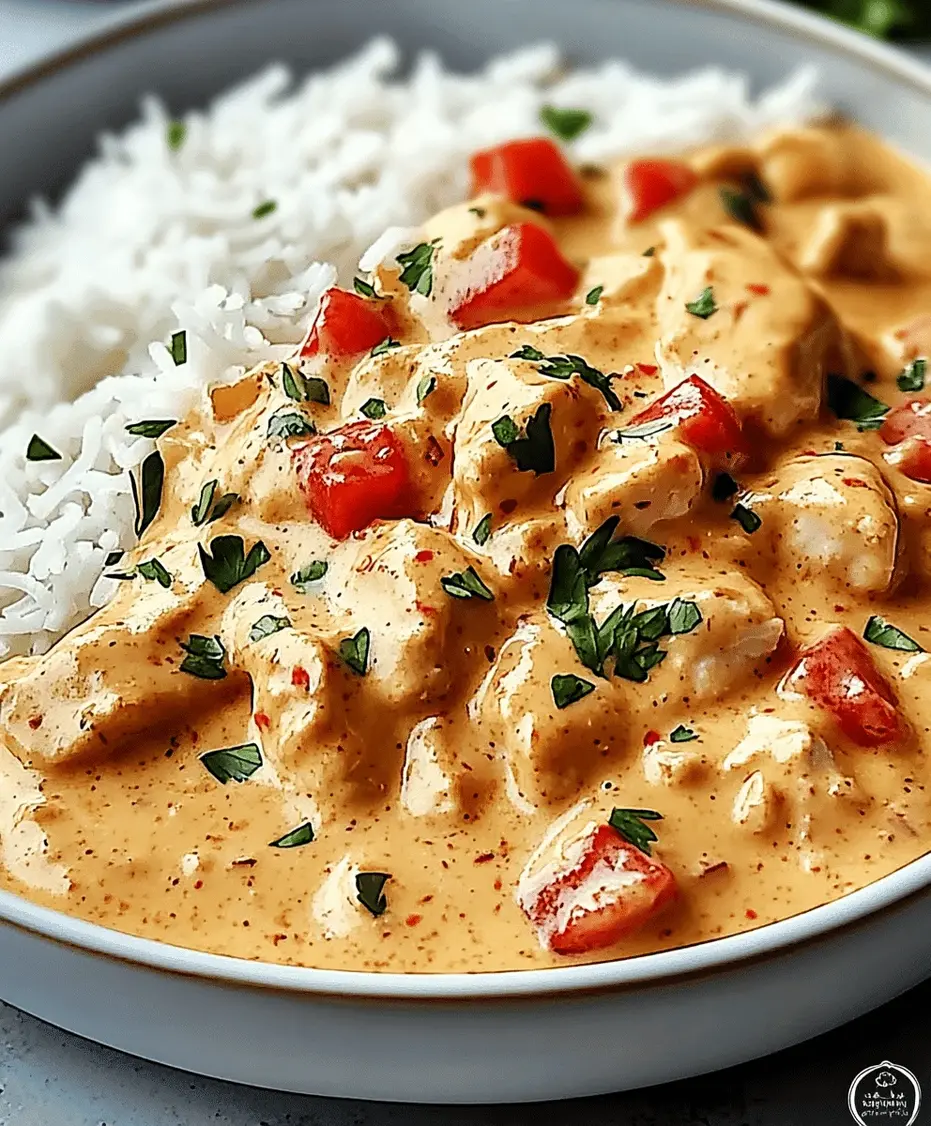
Creamy smothered chicken served over fluffy white rice in a skillet, garnished with fresh parsley
Golden chicken smothered in a rich, creamy gravy, ready to be served over a bed of fluffy rice.

Step-by-Step Instructions

Step 1: Prepare the Chicken

Pat your chicken breasts completely dry with paper towels—this is the non-negotiable secret to achieving a beautiful sear, not a steam. In a small bowl, combine the garlic powder, onion powder, paprika, dried thyme, salt, and pepper. Sprinkle this seasoning blend evenly over both sides of each chicken breast, gently pressing it into the meat. Then, lightly dredge each seasoned breast in the 2 tablespoons of flour, shaking off any excess. This light coating will create a delicate crust and help thicken your gravy later.

Step 2: Cook the Aromatics

Heat the olive oil or butter in a large skillet or Dutch oven over medium-high heat. Once hot and shimmering, add the chicken breasts. Don’t crowd the pan; cook in batches if necessary. Sear for 5-6 minutes per side, or until you achieve a deep golden-brown crust. The chicken does not need to be cooked through at this stage. Transfer the seared chicken to a clean plate. In the same skillet, with all those glorious browned bits (the “fond”) still in the pan, add the diced onion. Cook for 3-4 minutes until softened and translucent. Add the minced garlic and cook for just 30 seconds more until fragrant—be careful not to burn it.

Step 3: Build the Creamy Gravy

Sprinkle the remaining 2 tablespoons of flour over the onions and garlic. Cook, stirring constantly, for about 1 minute to cook out the raw flour taste. This creates your roux, the base of your gravy. Slowly pour in the chicken broth while whisking continuously to prevent any lumps from forming. Scrape up all the browned bits from the bottom of the pan—that’s pure flavor! Bring the mixture to a gentle simmer and let it thicken for 2-3 minutes. Reduce the heat to medium-low and slowly stir in the heavy cream (or your chosen substitute) and the Dijon mustard, if using.

Step 4: Simmer and Serve

Return the seared chicken breasts and any accumulated juices back to the skillet, nestling them into the creamy gravy. Let the chicken simmer in the sauce for 8-10 minutes, or until the internal temperature reaches 165°F (74°C). The gentle simmer will finish cooking the chicken while allowing it to absorb the gravy’s flavor. While the chicken simmers, prepare your rice according to package instructions. To serve, spoon a generous portion of fluffy rice onto a plate or shallow bowl. Top with a chicken breast and ladle plenty of the creamy gravy over everything. Garnish with a sprinkle of fresh chopped parsley for a final touch of freshness and color.

Nutritional Information

(Approximate values per serving, including one chicken breast, ¾ cup gravy, and ¾ cup cooked white rice):

  • Calories: 580 kcal
  • Protein: 38g
  • Carbohydrates: 45g
  • Dietary Fiber: 1g
  • Sugars: 4g
  • Fat: 28g (Saturated Fat: 14g)
  • Cholesterol: 155mg
  • Sodium: 850mg

Healthier Alternatives

You can easily lighten up this dish without sacrificing its comforting essence. For a lower-fat version, swap the heavy cream for half-and-half or even whole milk mixed with a tablespoon of cornstarch for thickness. Use chicken breasts and trim any visible fat. To reduce carbs, serve the smothered chicken over cauliflower rice, mashed cauliflower, or a bed of steamed spinach or zucchini noodles. For a gluten-free version, use a 1:1 gluten-free flour blend or cornstarch for dredging and thickening. To cut sodium, use no-salt-added broth and increase the herbs and spices for flavor.

Serving Suggestions

While this dish is a complete meal on its own, a few simple sides can elevate it to a feast. A crisp, green salad with a bright vinaigrette cuts through the richness perfectly. Steamed green beans, roasted broccoli, or garlicky sautéed spinach are excellent vegetable companions. For a Southern-inspired twist, serve with a side of buttery cornbread or fluffy biscuits to mop up the extra gravy. If you’re feeding a crowd, consider doubling the gravy—it’s that good—and serving family-style from the skillet right at the table.

Common Mistakes

  • Not Drying the Chicken: Moist chicken steams instead of sears, leading to a pale, rubbery exterior.
  • Crowding the Pan: This drops the pan temperature, causing the chicken to release liquid and boil in its own juices. Cook in batches if needed.
  • Adding Cold Cream to a Boiling Sauce: This can cause the sauce to break or curdle. Always reduce the heat before stirring in dairy.
  • Overcooking the Chicken: Simmer just until 165°F. Continued cooking will make the chicken dry and tough.
  • Skipping the Fond: Those browned bits are flavor gold. Deglaze the pan thoroughly when adding the broth.

Storing Tips

Store leftovers in an airtight container in the refrigerator for up to 3-4 days. The gravy may thicken when chilled; simply reheat it gently on the stovetop or in the microwave with a splash of broth or milk to loosen it back up. You can also freeze the creamy smothered chicken (without the rice) for up to 2 months. Thaw overnight in the refrigerator before reheating. For best results, cook fresh rice when ready to serve, as frozen and reheated rice can become mushy.

Close-up view of creamy gravy being poured over a tender chicken breast and rice
The rich, velvety gravy is the heart of this comforting dish.

Conclusion

30 Minute Cheesy Zucchini Muffins Recipe

“`html

30 Minute Cheesy Zucchini Muffins Recipe

Introduction

Did you know that the average American consumes only 1.5 cups of vegetables per day, falling far short of the recommended 2-3 cups? If you’re looking for a delicious, sneaky way to boost your family’s veggie intake, these 30 Minute Cheesy Zucchini Muffins are your secret weapon. This recipe transforms humble, nutrient-dense zucchini into a savory, irresistible treat that disappears faster than you can say “more, please.”

As a busy home cook, I’m always on the hunt for recipes that are fast, flexible, and foolproof. This one checks every box. The magic lies in the combination of moist, shredded zucchini and melty, savory cheese, creating a texture that’s tender yet satisfyingly substantial. Whether you’re dealing with a garden glut, need a quick breakfast on the go, or want a crowd-pleasing side for soup night, these muffins are the answer. They come together with minimal fuss and maximum flavor, proving that healthy eating doesn’t have to be complicated or time-consuming. Let’s dive into how you can get these golden, cheesy delights from bowl to table in a flat half-hour.

Ingredients List

Gather these simple ingredients for your savory muffin masterpiece. I’ve included sensory notes and substitutions to ensure success no matter what’s in your pantry.

  • 2 cups all-purpose flour – The foundation. For a lighter texture, spoon and level the flour instead of scooping directly from the bag. Substitution: For a whole-grain version, swap 1 cup with whole wheat flour. For gluten-free, use a 1:1 gluten-free baking blend.
  • 1 tablespoon baking powder – Our leavening agent. Ensure it’s fresh for maximum rise (it should fizz when added to water).
  • 1/2 teaspoon salt – Enhances all the flavors. Use fine sea salt or kosher salt.
  • 1/2 teaspoon garlic powder – Adds a subtle, savory depth without being overpowering. Substitution: 1 small clove of fresh garlic, minced.
  • 1/4 teaspoon black pepper – A hint of warmth.
  • 1 large egg – Binds the batter and adds richness. Should be at room temperature for best incorporation.
  • 1 cup milk – Provides moisture and tenderness. Substitution: Any milk—dairy, almond, oat, or soy—works beautifully.
  • 1/3 cup neutral oil (like avocado or canola) – The key to a moist crumb. You’ll taste the difference compared to dry muffins. Substitution: Melted and cooled butter or unsweetened applesauce for a lower-fat option.
  • 1 1/2 cups shredded zucchini (about 1 medium zucchini) – The star! Look for firm, vibrant green zucchini. No need to peel. The shreds should be moist but not watery.
  • 1 cup shredded sharp cheddar cheese – Use freshly grated from a block for the best melt and flavor. Pre-shredded cheese contains anti-caking agents that can make the texture gummy. Substitution: Pepper Jack for a kick, Gruyère for nuttiness, or a dairy-free shred.
  • 2 tablespoons fresh chopped chives or parsley (optional) – For a pop of color and fresh herbal note.

Timing

Prep Time 15 minutes
Cook Time 15 minutes
Total Time 30 minutes

The “30-minute” claim isn’t just clever marketing—it’s a reality. Compared to many muffin recipes that require resting time for batter or elaborate mixing techniques, this streamlined process is genuinely fast. The 15-minute prep is active, hands-on time: shredding, mixing, and filling. The 15-minute bake is just enough time to clean up your kitchen and enjoy the incredible aroma filling your home. Many savory baked goods can take 45 minutes to an hour from start to finish, making this recipe a true weeknight warrior.

Close-up of freshly baked cheesy zucchini muffins in a muffin tin, showing golden tops and melted cheese

Golden, cheesy, and ready in just 30 minutes—the perfect savory treat.

Step-by-Step Instructions

Step 1: Prepare Your Zucchini

Wash your zucchini thoroughly and trim off the ends. Using the large holes of a box grater or the shredding disk of a food processor, grate the zucchini. Here’s my pro tip: do not wring it out completely. A little moisture is your friend—it’s what makes these muffins so incredibly moist. However, if your zucchini seems exceptionally watery, you can gently press the shreds in a clean kitchen towel or between paper towels to remove excess liquid. You should have about 1 1/2 cups of fluffy, green-flecked shreds.

Step 2: Mix Dry Ingredients

In a large mixing bowl, whisk together the 2 cups of flour, 1 tablespoon of baking powder, 1/2 teaspoon salt, 1/2 teaspoon garlic powder, and 1/4 teaspoon black pepper. Whisking for 30 seconds does two things: it combines everything evenly and aerates the flour slightly, contributing to a tender texture. Set this bowl aside.

Step 3: Combine Wet Ingredients

In a separate medium bowl, crack in the egg and give it a quick beat with a fork. Pour in the 1 cup of milk and 1/3 cup of oil. Whisk these together until you have a smooth, homogenous, pale yellow liquid. This is your wet base. Now, fold in the shredded zucchini, 1 cup of shredded cheese, and the optional fresh herbs. The mixture will look lumpy and colorful—that’s perfect!

Step 4: Bring It All Together

Create a well in the center of your dry ingredients. Pour the entire bowl of wet, cheesy, zucchini-filled mixture into this well. Using a sturdy spatula or wooden spoon, gently fold the ingredients together. Stop as soon as the last traces of dry flour disappear. A few lumps are absolutely fine—overmixing is the enemy of tender muffins, as it develops gluten and leads to a tough crumb.

Step 5: Bake to Perfection

Preheat your oven to 400°F (200°C). Line a 12-cup standard muffin tin with paper liners or grease them thoroughly. Using a large cookie scoop or two spoons, divide the batter evenly among the cups—they should be about 3/4 full. For an extra cheesy top, sprinkle a small pinch of additional shredded cheese on each mound of batter. Bake for 14-17 minutes. They’re done when the tops are golden, the cheese is bubbly, and a toothpick inserted into the center of a muffin comes out clean or with a few moist crumbs (not wet batter). Let them cool in the pan for 5 minutes before transferring to a wire rack. This rest period allows them to set up perfectly.

Nutritional Information

(Approximate values per muffin, based on a yield of 12 muffins)

  • Calories: ~180 kcal
  • Total Fat: 9g
  • Saturated Fat: 2.5g
  • Carbohydrates: 19g
  • Fiber: 1g
  • Sugars: 2g
  • Protein: 6g
  • Sodium: 250mg

These muffins offer a balanced macronutrient profile with a good hit of protein and calcium from the cheese and egg, plus a serving of vegetables. They are a more nutrient-dense choice compared to many store-bought savory snacks.

Healthier Alternatives

You can easily tweak this recipe to fit various dietary needs without sacrificing the moist, cheesy flavor we love.

  • Boost Fiber & Protein: Replace 1 cup of all-purpose flour with whole wheat pastry flour or white whole wheat flour. Add 2 tablespoons of ground flaxseed or hemp hearts to the dry ingredients.
  • Lower Fat: Swap the oil for an equal amount of unsweetened applesauce or Greek yogurt. The texture will be slightly denser but still delicious.
  • Reduce Sodium: Use low-sodium cheese and reduce the added salt to 1/4 teaspoon.
  • Dairy-Free: Use plant-based milk and your favorite dairy-free cheese shreds. A vegan egg substitute (like a flax egg) works well for binding.
  • Add More Veggies: Fold in 1/4 cup of finely diced red bell pepper or shredded carrot with the zucchini for extra color and nutrients.

Serving Suggestions

These muffins are incredibly versatile. Here’s how to serve them:

  • Breakfast/Brunch: Serve warm with a side of scrambled eggs or a dollop of Greek yogurt mixed with herbs.
  • Lunch/Dinner: The perfect sidekick to a bowl of tomato soup, chili, or a fresh garden salad.
  • Snack: Enjoy at room temperature straight from the lunchbox. Pair with an apple or a handful of grapes.
  • Party Appetizer: Make mini muffins! Simply reduce the baking time by 3-5 minutes for a perfect one-bite savory treat.

Common Mistakes

  • Overmixing the Batter: This is the #1 cause of dense, tough muffins. Fold gently and accept a slightly lumpy batter.
  • Using Waterlogged Zucchini: If you wring the zucchini bone-dry, your muffins can turn out dry. A bit of moisture is essential.
  • Overfilling the Muffin Cups: Filling past 3/4 full leads to messy overflow and uneven baking. Use a scoop for consistency.
  • Not Preheating the Oven: A hot oven is crucial for the initial “oven spring” that gives muffins their nice dome. Put them in only when the oven has reached 400°F.
  • Skipping the Cooling Time: Transferring muffins immediately can cause them to break apart. The 5-minute rest in the pan is non-negotiable.

Storing Tips

  • Room Temperature: Store cooled muffins in an airtight container at room temperature for up to 2 days.
  • Refrigeration: For longer storage, refrigerate in an airtight container for up to 5 days. Reheat in the microwave for 15-20 seconds or in a toaster oven to refresh the texture.

Homemade Sourdough Bread Recipe

“`html

Homemade Sourdough Bread Recipe

Introduction: The Art of No-Yeast Bread

Did you know that over 60% of home bakers who try sourdough bread report a significant improvement in their baking confidence and a deeper appreciation for fermentation? Welcome to the world of homemade sourdough, where flour, water, salt, and a living starter combine to create something truly magical. This guide is designed to demystify the process, proving that you don’t need commercial yeast or fancy equipment to bake a loaf with a crisp, golden crust and a tangy, chewy interior that rivals any artisan bakery. Whether you’re nurturing your first starter or looking for a reliable, no-fail recipe, this step-by-step walkthrough will equip you with the knowledge to bake with confidence.

Ingredients for Artisan Sourdough

The beauty of this no yeast bread lies in its simplicity. Here’s what you’ll need, with notes on substitutions and the sensory role of each ingredient:

  • 500g Bread Flour (or Strong White Flour): The backbone of your loaf. This high-protein flour (12-14%) creates the strong gluten network needed for that iconic chewy, open crumb. Substitution: You can substitute up to 100g with whole wheat or rye flour for a nuttier flavor and denser texture.
  • 350g Warm Water (70°F / 21°C): Not just a hydrator, but the medium for fermentation. The warmth encourages starter activity. The dough will feel shaggy and sticky at first—this is perfect.
  • 100g Active Sourdough Starter: Your leavening agent. It should be bubbly, float in water, and have a pleasantly sour, yogurt-like aroma. This is the “heart” of your sourdough bread.
  • 10g Fine Sea Salt: More than just a flavor enhancer. Salt tightens the gluten structure, regulates yeast activity for a controlled rise, and draws out subtle sweetness from the flour.

Timing and Schedule

Prep Time: 30 minutes (active)
Cook Time: 45-50 minutes
Total Time: 18-24 hours (including fermentation)

Unlike quick-rise commercial yeast recipes, authentic homemade sourdough is a lesson in patience. The extended fermentation (often 18+ hours) is what develops the complex flavor and digestibility. While a standard yeast bread might be ready in 3 hours, this slow process is what defines true artisan bread.

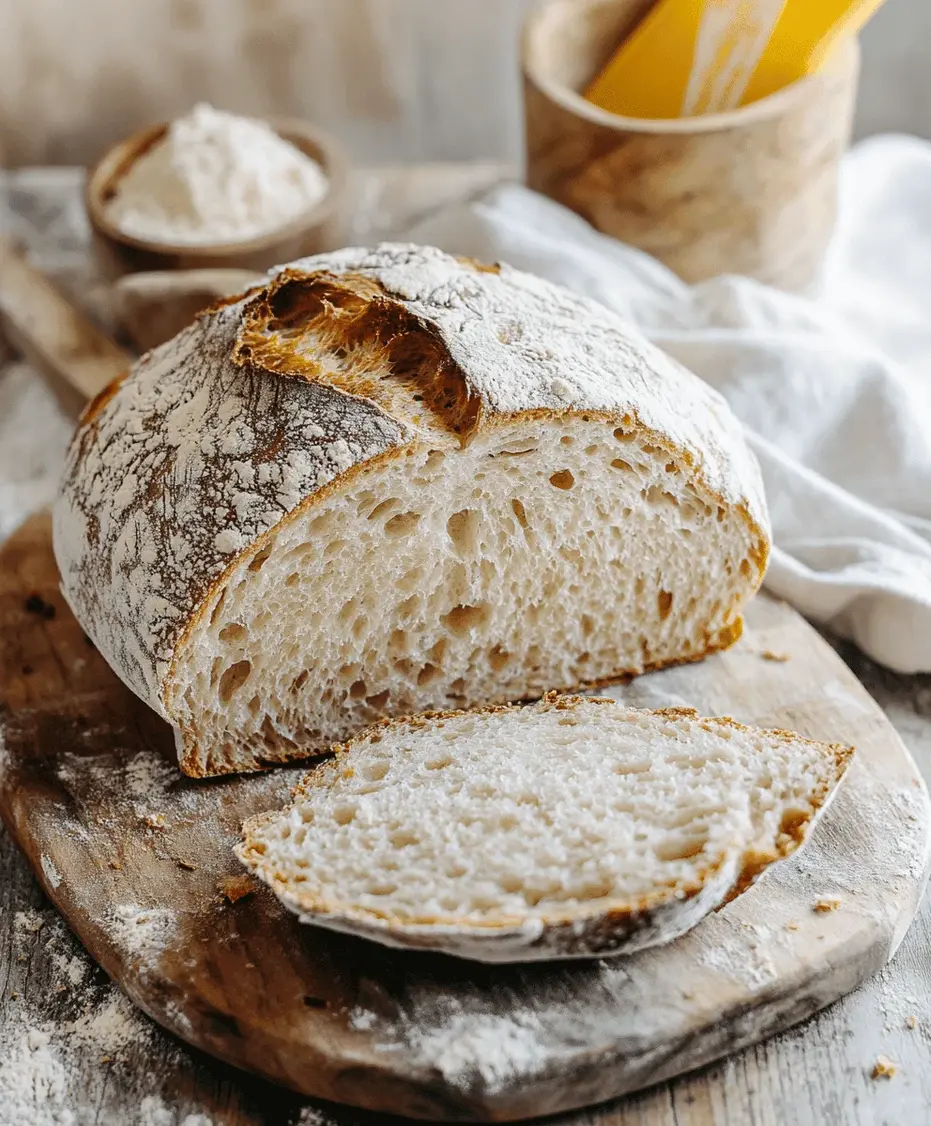
Close-up of hands shaping a rustic sourdough loaf on a floured surface
The tactile process of shaping is key to building surface tension for a good oven spring.

Step-by-Step Sourdough Instructions

Step 1: Mixing the Dough

In a large bowl, combine the warm water and active starter. Use your fingers or a whisk to dissolve the starter completely—you should see a cloudy mixture. Add all the flour and mix with a sturdy spatula or your hands until no dry bits remain. This initial mix, called the “autolyse,” lets the flour fully hydrate. Cover the bowl and let it rest for 30 minutes. After resting, sprinkle the salt over the dough. Wet your hand to prevent sticking, and gently fold and pinch the salt into the dough until fully incorporated.

Step 2: Bulk Fermentation and Folds

This is where the magic happens. Cover the bowl with a damp towel or plastic wrap. Let it sit at room temperature (70-75°F is ideal) for 4-6 hours. During this time, perform a series of “stretch and folds” every 30 minutes for the first 2 hours. To do this: wet your hand, grab one side of the dough, stretch it upwards, and fold it over the center. Rotate the bowl a quarter turn and repeat 3-4 more times. This gentle technique builds gluten strength without kneading. You’ll feel the dough transform from sticky and slack to smooth, elastic, and airy.

Step 3: Shaping the Loaf

Lightly flour your work surface. Gently turn the dough out. Using a bench scraper, fold the sides into the center to create a round or oval shape, creating surface tension on top—this is crucial for a good rise. Let the shaped dough rest, seam-side up, in a floured proofing basket (banneton) or a bowl lined with a heavily floured kitchen towel.

Step 4: Cold Proof (Overnight)

Place the entire basket, covered with a bag, into the refrigerator for 12-16 hours (overnight). This slow, cold fermentation deepens the sour flavor and makes the dough easier to score and handle before baking.

Step 5: Scoring and Baking

Preheat your oven to 450°F (230°C) with a Dutch oven inside for at least 45 minutes. Carefully remove the cold dough from the fridge. Place a piece of parchment paper over the basket, flip it over, and let the dough drop onto the paper. Using a razor blade or sharp knife, make one confident, shallow slash (about ¼ inch deep) across the top. This “score” controls where the bread expands. Carefully transfer the dough (with parchment) into the screaming-hot Dutch oven, cover with the lid, and bake for 25 minutes.

Step 6: Cooling the Bread

After 25 minutes, remove the lid. The loaf will be pale but risen. Continue baking, uncovered, for another 20-25 minutes until it achieves a deep, golden-brown crust. Remove from the oven and transfer the loaf to a wire cooling rack. This is the hardest part: let it cool completely for at least 2 hours. Cutting into hot bread releases steam and results in a gummy crumb.

Nutritional Information

(Per 1/12th of the loaf, approximate values)

  • Calories: 180 kcal
  • Carbohydrates: 37g
  • Protein: 6g
  • Fat: 1g
  • Fiber: 2g
  • Sodium: 325mg

The long fermentation process pre-digests some starches, making the nutrients more bioavailable and often easier to digest than commercial bread.

Healthier Alternatives and Flavor Swaps

  • Whole Grain Boost: Swap 150g of bread flour for whole wheat or spelt flour. Add 15g extra water to compensate for the flour’s thirst. The flavor becomes heartier and nuttier.
  • Seeded Power Loaf: During the initial mix, add 50g of a seed blend (sunflower, pumpkin, flax, sesame). Toast the seeds first for maximum flavor.
  • Lower-Sodium Option: Reduce salt to 8g. The flavor will be milder, and the crust slightly less crisp, but still delicious.
  • Herb & Garlic Infusion: Add 2 tbsp of finely chopped fresh rosemary and 3 cloves of minced roasted garlic during the folding stage for a savory twist.

Serving Suggestions

A fresh slice of homemade sourdough is a canvas for countless meals.

  • Classic: Thickly sliced, toasted, and slathered with high-quality butter and a sprinkle of flaky sea salt.
  • Avocado Toast: Top with smashed avocado, red pepper flakes, and a soft-boiled egg.
  • Soup Companion: The perfect tool for scooping up the last bits of a hearty tomato soup or stew.
  • Epic Sandwich: Its sturdy crumb holds up to robust fillings like roasted vegetables, cured meats, and cheeses without getting soggy.

Common Mistakes and How to Avoid Them

  • Dense, Gummy Loaf: Usually caused by under-fermentation or cutting while hot. Ensure your starter is active and respect the full cooling time.
  • Pale, Soft Crust: Oven wasn’t hot enough, or steam was insufficient. Preheating the Dutch oven is non-negotiable for that professional “oven spring” and crisp crust.
  • Loaf Spreads Flat: The dough lacked strength, often from insufficient stretching/folding or over-hydration for your flour. Adjust water slightly next time or be more diligent with folds.
  • Not Sour Enough: For a more pronounced tang, extend the cold proof in the fridge by 6-12 hours, or use a starter that’s been unfed for longer (more “ripe”).

Storing and Freezing Tips

  • Room Temperature: Store the cooled loaf cut-side down on a cutting board for up to 2 days. The crust will soften, but it’s still delicious.
  • Freezing for Longevity: Slice the completely cooled loaf. Place slices in a single layer on a baking sheet to freeze solid, then transfer to a freezer bag for up to 3 months. Toast directly from frozen.
  • Reviving Stale Bread: Briefly run the whole loaf under tap water and bake at 350°F for 10-15 minutes. It will revive the crust and soften the interior.

Peruvian Grilled Chicken Recipe

“`html

Peruvian Grilled Chicken Recipe

Introduction

Did you know that Peruvian cuisine is consistently ranked among the world’s top food destinations, with its Peruvian Grilled Chicken (Pollo a la Brasa) being a national treasure? This isn’t just another chicken recipe; it’s a culinary journey to the heart of Latin America, where the magic happens in the marinade. The secret lies in a vibrant, zesty blend of garlic, lime, and a unique mix of spices that tenderizes the meat and infuses it with an unforgettable smoky, tangy, and savory flavor profile. This Peruvian Grilled Chicken recipe is your passport to recreating that authentic, restaurant-quality experience in your own backyard. Perfect for grilling season, it promises a juicy, flavorful main dish that will have your whole family asking for seconds and turning any weeknight dinner into a festive occasion.

Ingredients List

For the Marinade (The Flavor Bomb):

  • 6-8 garlic cloves, minced (about 3 tablespoons). This is the aromatic backbone—don’t be shy!
  • 1/2 cup fresh lime juice (from about 4-5 limes). The essential acidic component that tenderizes and adds a bright, zingy punch.
  • 3 tablespoons aji panca paste (the authentic choice for a smoky, fruity mild chili flavor). Substitution: 2 tablespoons smoked paprika + 1 tablespoon tomato paste works in a pinch.
  • 2 tablespoons soy sauce or tamari. Adds umami depth and saltiness.
  • 2 tablespoons white vinegar. Boosts the tenderizing power and adds a clean tang.
  • 1 tablespoon ground cumin. Provides an earthy, warm base note.
  • 1 tablespoon dried oregano (preferably Mexican oregano). Lends a slightly citrusy, herbal aroma.
  • 1 teaspoon black pepper, freshly ground.
  • 1/4 cup olive oil or vegetable oil. Helps emulsify the marinade and carry flavors into the chicken.
  • 1-2 teaspoons salt, to taste.

For the Chicken:

  • 1 whole chicken (3.5-4 lbs / 1.6-1.8 kg), spatchcocked (backbone removed and flattened). This is key for even cooking and maximizing crispy skin surface area. You can ask your butcher to do this.
  • Fresh cilantro or parsley, chopped (for garnish). Adds a final pop of fresh color and flavor.

Timing

Prep Time

20 minutes

Cook Time

45-60 minutes

Total Time

4+ hours (including marinating)

While the active prep time is a quick 20 minutes, the real time investment—and what sets this recipe apart from average 30-minute chicken dishes—is the marinating time. For truly authentic flavor, marinate for at least 4 hours, preferably overnight (up to 24 hours). This extended marination is non-negotiable for achieving the deep, penetrating flavor and incredibly tender texture that defines Peruvian Grilled Chicken. Compared to standard grilled chicken recipes, this extra step transforms the dish from simple to spectacular.

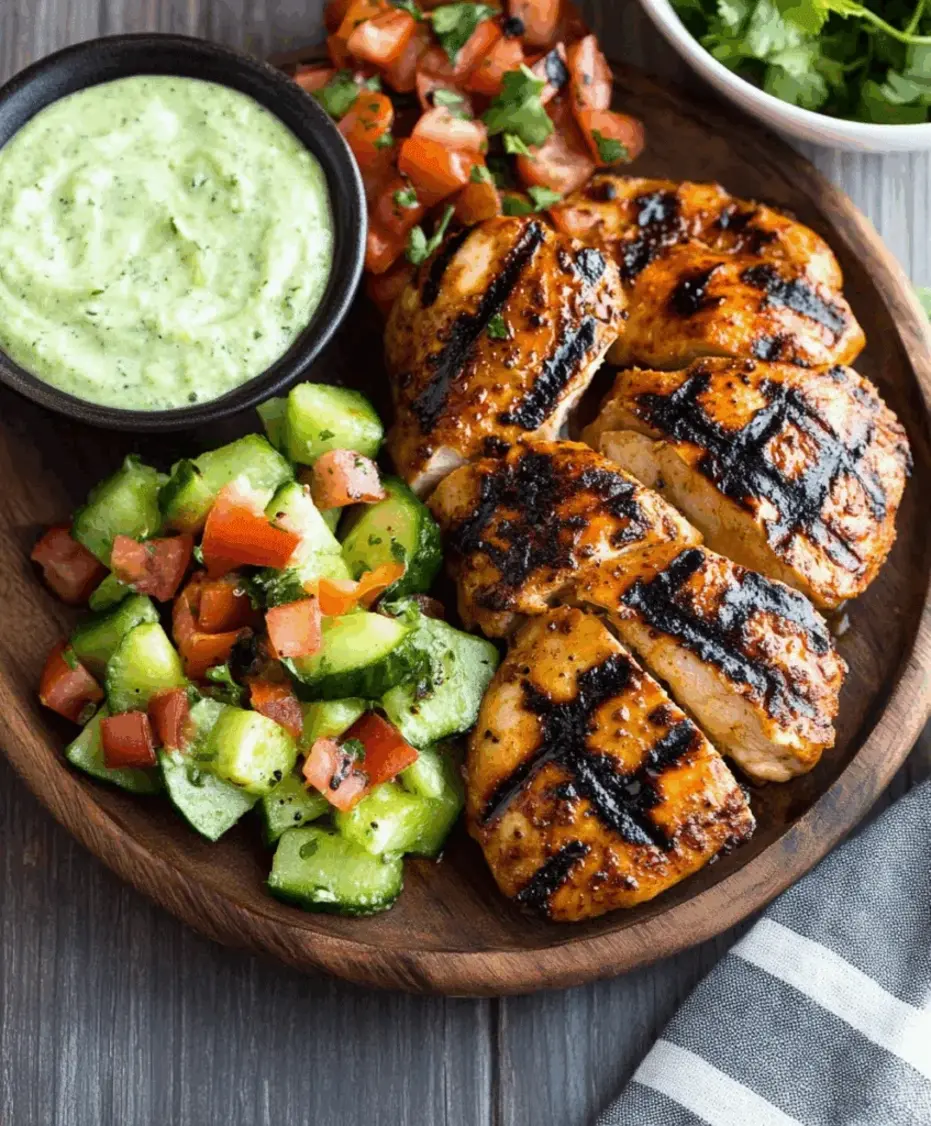
Peruvian Grilled Chicken marinating in a vibrant, zesty sauce with garlic and lime

Step-by-Step Instructions

Step 1: Prepare the Marinade

In a medium bowl, combine the minced garlic, fresh lime juice, aji panca paste (or your paprika-tomato paste substitute), soy sauce, white vinegar, ground cumin, dried oregano, and black pepper. Whisk everything together vigorously until it forms a cohesive, thick, and fragrant paste. Slowly drizzle in the olive oil while continuing to whisk; this will help the marinade emulsify slightly. Taste a tiny bit (be careful, it’s potent!) and season with salt. The marinade should be intensely aromatic—you should clearly smell the garlic, lime, and cumin.

Step 2: Marinate the Chicken

Place your spatchcocked chicken in a large, shallow dish or a heavy-duty resealable plastic bag. Using your hands or a brush, slather the marinade all over the chicken, making sure to get it under the skin where possible and into all the nooks and crannies. Don’t forget the cavity! For maximum flavor, I like to gently loosen the skin over the breasts and thighs with my fingers and rub some marinade directly onto the meat. Seal the bag or cover the dish tightly with plastic wrap. Refrigerate for a minimum of 4 hours, but trust me, letting it marinate overnight will make all the difference.

Step 3: Prepare the Grill

About 30 minutes before you’re ready to cook, take the chicken out of the fridge to let it come closer to room temperature. This promotes even cooking. Preheat your grill to medium-high indirect heat (around 375-400°F / 190-205°C). For a charcoal grill, pile the coals on one side. For gas, turn on only one side of the burners. You want a two-zone setup for indirect grilling to cook the chicken through without burning the skin.

Step 4: Grill the Chicken

Remove the chicken from the marinade, letting the excess drip off. Pat the skin very dry with paper towels—this is the secret to crispy skin! Place the chicken skin-side up on the cool side of the grill (indirect heat), away from the direct flames or coals. Close the lid and cook for 45-60 minutes. The cooking time will depend on the size of your chicken and grill temperature. Use a meat thermometer to check for doneness; you’re aiming for 165°F (74°C) in the thickest part of the thigh, not touching the bone. For beautiful color and extra crispiness, you can move the chicken directly over the heat for the last 2-3 minutes per side, watching closely to prevent flare-ups.

Step 5: Rest and Serve

Once perfectly cooked, transfer the chicken to a clean cutting board and tent it loosely with foil. Let it rest for a full 10-15 minutes. This crucial step allows the juices to redistribute throughout the meat, ensuring every bite is succulent and juicy, not dry. After resting, carve the chicken into pieces, garnish with plenty of fresh chopped cilantro or parsley, and serve immediately.

Nutritional Information

Per serving (based on 6 servings from a 4lb chicken, meat only, skin included):

  • Calories: ~320 kcal
  • Protein: 35g (Excellent source for muscle repair and satiety)
  • Fat: 18g (Primarily from the chicken skin and oil, contributing to flavor and juiciness)
  • Saturated Fat: 4.5g
  • Carbohydrates: 2g (Negligible, making this a great low-carb option)
  • Sodium: ~600mg (Mainly from soy sauce and salt; can be adjusted)

Healthier Alternatives

You can easily adapt this Peruvian Grilled Chicken recipe for a lighter meal without sacrificing the iconic flavor:

  • Skinless Cuts: Use skinless chicken breasts or thighs. To compensate for potential dryness, marinate for the full 24 hours and consider adding 1-2 tablespoons of plain Greek yogurt to the marinade to help it adhere and tenderize.
  • Reduce Oil: Cut the oil in the marinade down to 1 tablespoon. The acidity from the lime and vinegar will still carry the flavors effectively.
  • Low-Sodium Soy Sauce: Swap regular soy sauce for a low-sodium version to control salt intake.
  • Oven Method: For a fat-free cooking alternative, roast the marinated chicken on a wire rack set over a baking sheet in a 425°F (220°C) oven for 45-55 minutes. You’ll still get great flavor and crispy edges.

Serving Suggestions

This chicken is the star, but the right supporting cast makes it a show-stopping meal:

  • The Classic Peruvian Combo: Serve with Aji Verde (a spicy green sauce), a simple salad of sliced tomatoes and red onions, and a side of thick-cut french fries or tallarines saltados (Peruvian-style noodles).
  • For a Lighter Spread: Pair with cilantro-lime rice, black beans, grilled corn on the cob slathered with chili-lime butter, and a fresh avocado salad.
  • Leftover Magic: Shred the leftover chicken for incredible tacos, burrito bowls, atop a vibrant salad, or in a hearty chicken sandwich with the Aji Verde sauce.

Common Mistakes

  • Skipping the Spatchcock: Cooking a whole bird without flattening it leads to uneven cooking—dry breasts and undercooked thighs. Spatchcocking is essential.
  • Rushing the Marinade: Marinating for less than 4 hours results in a chicken that’s seasoned on the surface only, not infused throughout.
  • Grilling Over Direct Heat the Entire Time: This will cause the skin to burn long before the meat is cooked through. Always use indirect heat as the primary cooking method.
  • Not Drying the Skin: Placing wet chicken on the grill steams the skin instead of crisping it. Pat it dry!
  • Skipping the Rest: Cutting in immediately lets all the precious juices run out. Be patient for juicier results.

Storing Tips

  • Refrigeration: Store leftover chicken in an airtight container in the refrigerator for up to 3-4 days.

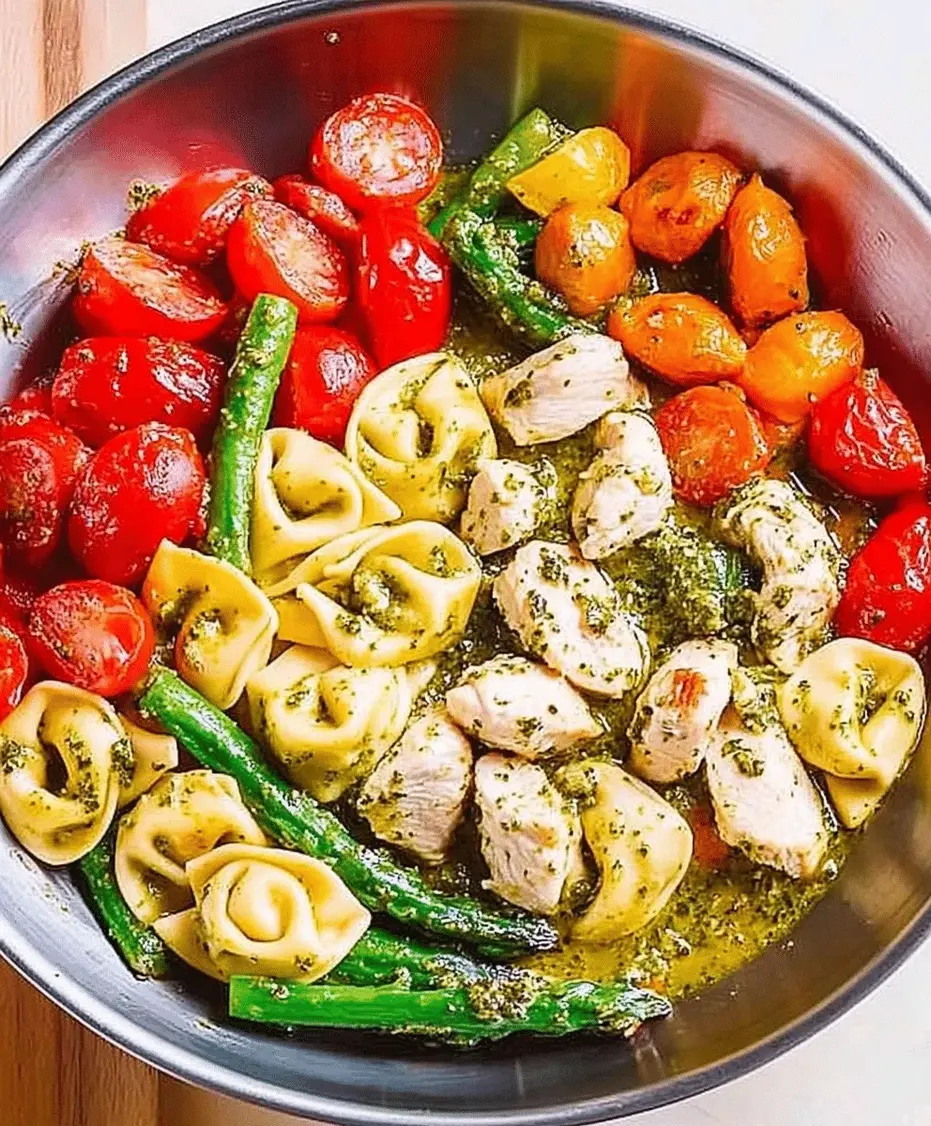
Pesto Chicken Tortellini And Veggies Recipe

“`html

Pesto Chicken Tortellini And Veggies Recipe

Introduction

Did you know that over 70% of home cooks report feeling overwhelmed by complex, multi-pan dinners on busy weeknights? If you’re searching for a solution that delivers restaurant-quality flavor without the fuss, this Pesto Chicken Tortellini and Veggies Recipe is your answer. It’s the ultimate one-pan wonder that transforms simple ingredients into a vibrant, nutrient-packed meal in under 30 minutes. Imagine tender, golden chicken bites, plush cheese-filled tortellini, and crisp-tender vegetables all enveloped in a rich, aromatic basil pesto sauce. This dish isn’t just a meal; it’s a strategy for reclaiming your evenings. It perfectly balances protein, carbs, and healthy fats, making it a wholesome choice that satisfies the whole family. Let’s dive into how you can create this quick, delicious, and visually stunning dinner that’s destined to become a regular in your rotation.

Ingredients List

Gather these fresh, flavorful components for a meal that sings with color and taste. Sensory notes are included to help you select the best quality.

  • For the Protein:
    • 1 lb (450g) boneless, skinless chicken breasts or thighs, cut into 1-inch cubes. (Thighs offer a juicier, more forgiving texture with a richer flavor.)
  • For the Pasta & Veggies:
    • 1 (9 oz / 255g) package fresh cheese tortellini. (Look for refrigerated tortellini for the best, pillowy texture. Dried works but adjust cook time.)
    • 2 cups broccoli florets, cut into bite-sized pieces. (Should be vibrant green and firm, with tightly closed florets for maximum crunch.)
    • 1 medium red bell pepper, thinly sliced. (Adds a sweet, smoky note and brilliant color.)
    • 1 cup cherry or grape tomatoes, halved. (Choose tomatoes that are plump and fragrant for bursts of juicy acidity.)
    • 1 small yellow onion, thinly sliced.
    • 3 cloves garlic, minced.
  • For the Sauce & Seasoning:
    • ½ cup high-quality basil pesto (store-bought or homemade). (The star ingredient! Smell it—it should be fragrant with fresh basil and Parmesan.)
    • 2 tbsp olive oil, divided.
    • 1 tsp Italian seasoning.
    • Salt and freshly ground black pepper to taste.
    • ¼ cup grated Parmesan cheese, for serving.
    • Fresh basil leaves, for garnish (optional but recommended).

Timing

Prep Time 10 minutes
Cook Time 20 minutes
Total Time 30 minutes

At just 30 minutes total, this recipe is a true weeknight hero. Compared to the average one-pan pasta recipe which often takes 40-45 minutes, this streamlined version saves you precious time without sacrificing depth of flavor. The secret is the concurrent cooking—while the chicken sears, you prep the veggies, and the tortellini cooks in the same flavorful pan. This efficient workflow is what makes it a genuinely “quick and easy” dinner, not just a marketing claim.

Pesto Chicken Tortellini and Veggies cooking in a skillet, showing vibrant colors

Step-by-Step Instructions

Step 1: Prepare Your Ingredients

This is your “mise en place” moment, and it’s crucial for a smooth cooking experience. Pat the chicken cubes completely dry with paper towels—this is the #1 trick for achieving a golden sear, not a steam. Cut your broccoli, slice the bell pepper and onion, halve the tomatoes, and mince the garlic. Having everything ready to go means you can move seamlessly from one step to the next without burning anything.

Step 2: Cook the Chicken

Heat 1 tablespoon of olive oil in a large, deep skillet or Dutch oven over medium-high heat. Season the chicken cubes generously with salt, pepper, and half of the Italian seasoning. Once the oil is shimmering (not smoking), add the chicken in a single layer. Resist the urge to move it! Let it cook undisturbed for 3-4 minutes to develop a beautiful golden-brown crust. Flip and cook for another 3-4 minutes until cooked through. Transfer the chicken to a clean plate. It will finish cooking later, so don’t worry if it’s slightly underdone in the center.

Step 3: Sauté the Veggies

In the same skillet, add the remaining tablespoon of oil. Toss in the onion and sauté for 2 minutes until it begins to soften. Add the broccoli florets and red bell pepper. Cook for 4-5 minutes, stirring occasionally, until the veggies are bright and just starting to become tender-crisp. In the last minute, add the minced garlic and cook until fragrant—about 30 seconds. This layering builds a flavor foundation.

Step 4: Cook the Tortellini

Pour about 1 ½ cups of water or low-sodium chicken broth into the skillet with the veggies. Bring to a simmer. Gently add the fresh tortellini, ensuring they are mostly submerged. Cover the skillet and let it simmer for the time indicated on the tortellini package (usually 3-4 minutes for fresh). The pasta will cook and absorb the flavorful liquid from the pan.

Step 5: Combine and Sauce

Once the tortellini is tender, reduce the heat to low. Stir in the halved cherry tomatoes, the cooked chicken (and any accumulated juices), and the remaining Italian seasoning. Remove the skillet from the heat entirely. This next step is key: stir in the pesto sauce off the heat. High heat can cause the basil in the pesto to turn dark and bitter. Gently fold everything together until the chicken, tortellini, and veggies are evenly coated in that glorious green sauce.

Step 6: Serve and Enjoy

Immediately divide the pesto chicken tortellini among plates or bowls. Finish with a generous sprinkle of grated Parmesan cheese and a few fresh basil leaves for a pop of color and freshness. The contrast of the hot, savory pasta with the cool, sharp cheese is divine.

Nutritional Information

(Approximate values per serving, assuming recipe serves 4)

  • Calories: ~520 kcal
  • Protein: 38g
  • Carbohydrates: 42g
  • Dietary Fiber: 5g
  • Sugars: 6g
  • Fat: 24g (Saturated: 6g)
  • Key Nutrients: Excellent source of Vitamin C (from broccoli & peppers), Vitamin A, calcium, and iron.

Healthier Alternatives

Want to lighten it up without losing the soul of the dish? These swaps preserve flavor while adjusting the nutritional profile:

  • Pasta: Use whole-wheat or legume-based tortellini for added fiber and protein. For a low-carb option, try cheese-filled ravioli made with keto-friendly dough or add zucchini noodles (“zoodles”) in the last 2 minutes of cooking.
  • Protein: Swap chicken for lean turkey breast or large, peeled shrimp (cook shrimp for only 2-3 minutes per side). For a plant-based version, use chickpeas or white beans added in step 5.
  • Sauce: Make a “light” pesto by blending basil with ¼ cup Greek yogurt, a handful of walnuts, garlic, lemon juice, and a touch of olive oil. It’s creamy, tangy, and lower in fat.
  • Cheese: Opt for a lighter Parmesan or a sprinkle of nutritional yeast for a dairy-free, cheesy flavor.

Serving Suggestions

  • With Bread: A slice of warm, crusty garlic bread or focaccia is perfect for mopping up every last bit of pesto.
  • Salad Pairing: A simple arugula salad with a lemon vinaigrette cuts through the richness beautifully.
  • Wine Pairing: A crisp Pinot Grigio or Sauvignon Blanc complements the herbal notes of the pesto, or a light Chianti pairs well with the tomato and Parmesan.
  • For a Crowd: Double the recipe in a large Dutch oven. Serve it family-style in the center of the table for a casual, inviting meal.

Common Mistakes

  • Overcrowding the Pan: Adding all the chicken at once steams it instead of searing it. Cook in batches if necessary.
  • Cooking Pesto on High Heat: This burns the basil. Always stir pesto in off the heat or during the last 30 seconds on very low heat.
  • Overcooking the Veggies: Broccoli should be tender-crisp, not mushy. It will continue to soften slightly when combined with the hot pasta.
  • Using Stale Pesto: Taste your pesto before adding. If it tastes dull or metallic, it’s past its prime. Fresh is best.

Storing Tips

  • Refrigeration: Store leftovers in an airtight container for up to 3 days. The pesto may darken slightly, but it’s still safe and tasty.
  • Reheating: Reheat gently in a skillet over medium-low heat with a splash of water, broth, or milk to loosen the sauce. Microwave reheating can make the tortellini rubbery.
  • Freezing: Not recommended for the full assembled dish, as the dairy-filled tortellini and pesto can separate and become grainy upon thawing. You can freeze the cooked, seasoned chicken separately for up to 2 months.
Finished plate of Pesto Chicken Tortellini and Veggies garnished with Parmesan and

</p>
</div>
</div></article>		<nav id=