
Best Onion Cheddar Chips Recipe for a Quick, Savory Snack

Onion Cheddar Chips: A Crunchy Delight for Every Snack Lover

⚖️
Difficulty
Easy

⏲️
Prep Time
15 mins

🕒
Cook Time
20 mins

⏱️
Total Time
35 mins

🍽️
Servings
4 servings

Onion Cheddar Chips are a delightful and crunchy snack that will awaken your taste buds. These homemade chips combine the robust flavors of sharp cheddar cheese and sweet, caramelized onions. Each bite is a perfect harmony of saltiness from the cheese, sweetness from the onions, and a satisfying crunch that makes them irresistible. Whether enjoyed during movie night, as a party appetizer, or a simple afternoon snack, these chips are sure to become a favorite.

The process of making Onion Cheddar Chips is not only straightforward but also offers a rewarding cooking experience. The enticing aroma of onions caramelizing in the oven will fill your kitchen, beckoning everyone to join you for a snack. Once baked to a golden perfection, these chips can be served warm or at room temperature, making them versatile for any gathering. Let’s dive into the recipe for these savory treats!

Quick Recipe Highlights

  • Flavor Profile: The combination of savory cheddar and sweet onions creates a unique taste experience.
  • Texture: Enjoy a delightful crunch with a tender bite from the onions.
  • Aroma: The aroma of caramelized onions melds beautifully with the melted cheese scent.
  • Visual Appeal: These chips boast a golden brown color that looks as good as they taste.
  • Skill Level Needed: A beginner-friendly recipe that anyone can master.
  • Special Equipment: No special gear is required, just a baking sheet and parchment paper.

Recipe Overview

  • Difficulty Level: This recipe is rated easy, perfect for novice cooks who want to impress.
  • Category: Great as an appetizer, snack, or game-day treat.
  • Cuisine: Inspired by classic American flavors, these chips are a delightful twist on traditional snacks.
  • Cost: With economical ingredients, this recipe can be made for under $5.
  • Season: Perfect for any season, especially during gatherings or on game days.
  • Occasion: Ideal for parties, family movie nights, or as a crunchy topping for soups and salads.

Why You’ll Love This Recipe

The taste and texture of Onion Cheddar Chips are a match made in culinary heaven. The sharp cheddar cheese imparts a delightful richness, while the caramelized onions add a natural sweetness, creating a balance that appeals to both savory and sweet lovers. Each chip is thinly sliced and perfectly baked, providing that satisfying crunch that you crave from a snack.

Convenience is another reason this recipe shines. With just a handful of ingredients and minimal effort, you can whip up a batch of these chips in no time. The easy preparation allows you to enjoy your chips fresh from the oven or save some for later, making them a go-to option for unexpected guests.

Nutritionally, these chips can be made healthier by using low-fat cheese or incorporating whole grain chips. They offer more fiber and protein than traditional snack options, making them a more balanced choice without sacrificing flavor. Snack smart while enjoying a treat that satisfies.

Socializing becomes a lot more fun with these Onion Cheddar Chips. Their appealing flavor and texture spark conversation, making them perfect for gatherings. Share them at your next get-together and watch as they disappear in minutes, leaving everyone wanting more.

Lastly, the cost-effectiveness of making Onion Cheddar Chips at home cannot be overlooked. When you compare them to store-bought chips, you’ll find that this homemade version is not only cheaper but also tastes significantly better, as you control the ingredients and flavors. Enjoy a gourmet snack without breaking the bank!

Historical Background and Cultural Significance

The origins of Onion Cheddar Chips can be traced back to classic American snacking traditions. As cheese and onion combinations have been celebrated for centuries, this recipe gives them a modern twist while paying homage to their roots.

Culinary experts suggest that the love for cheese and onion started with French and British influences, where flavors of cheese were frequently paired with the sweetness of onions in various dishes. The simplicity of creating chips brings these flavors into a new form that reflects the snacking culture.

Over the years, the evolution of this recipe has seen numerous variations— from using different cheeses to adding spices. This reflects the creative nature of home cooks who wish to personalize their snacks while sticking to a beloved flavor palette that continues to thrive.

Particularly in regions with rich dairy farming traditions, these chips celebrate local ingredients and farming heritage. By using locally sourced cheese, the dish can hold even deeper cultural significance, connecting you with regional culinary practices.

Ingredient Deep Dive

– Onions: Known for their rich flavor and versatility, onions have a long-standing history in various cuisines. They bring not only taste but also health benefits, packed with vitamins C and B6, and antioxidants. When selecting onions, look for firm bulbs with dry, papery skins. Store them in a cool, dark place and consider using substitutes like shallots if desired.

– Cheddar Cheese: A staple in many households, cheddar cheese provides a delectable, creamy flavor. It hosts a variety of vitamins and minerals, including calcium. When purchasing cheddar, opt for aged varieties for richer flavor. Store cheese wrapped in parchment and then in an airtight bag to preserve freshness. For alternatives, consider gouda or mozzarella.

Common Mistakes to Avoid

  • Not slicing the onions thinly enough can lead to uneven cooking, resulting in some chips being chewy rather than crunchy.
  • Overcrowding the baking sheet inhibits even baking and can cause soggy chips.
  • Underestimating the time needed for baking may leave the chips too soft.
  • Using pre-grated cheese often contains anti-caking agents that inhibit melting; always use block cheese and grate yourself.
  • Skipping the parchment paper can lead to sticking, making it difficult to remove the chips post-baking.
  • Not allowing the chips to cool before attempting to remove them can lead to breakage.
  • Overbaking can result in burnt chips, compromising flavor and texture.
  • Adding too much seasoning can overwhelm the natural flavors of the cheese and onions; start with less and adjust to taste.

Essential Techniques

Mastering the art of caramelizing onions is crucial for this recipe. It involves cooking the onions slowly over low heat, allowing their natural sugars to transform into a sweet, rich flavor. Patience is key; stirring occasionally rather than continuously will encourage even browning.

Baking the chips until crispy requires monitoring the oven’s temperature. Ensure that you do not bake them in too high a heat to prevent burning. Pay attention to the visual cue of a golden brown color for perfect crispness.

Pro Tips for Perfect Onion Cheddar Chips

1. For a deeper flavor, consider roasting the onions a day in advance and letting them sit in the refrigerator overnight.
2. Experiment with different cheese varieties for unique flavor profiles, adding spices like garlic or rosemary for added warmth.
3. Make sure to spread the onion and cheese evenly across the chips to avoid uneven flavor distribution.
4. Use a mandoline for ultra-thin and uniform onion slices that will cook evenly and provide the best texture.
5. Store any leftovers in an airtight container to keep them crunchy longer; if they become soft, re-crisp in the oven for a few minutes.
6. For an extra layer of flavor, drizzle a bit of balsamic glaze over the chips before serving.
7. Consider pairing with a dipping sauce, such as a creamy ranch or zesty salsa, to complement the chips.
8. Keep a close eye on the last few minutes of cooking time, as chips can go from perfect to burnt quickly!

Variations and Adaptations

While the classic Onion Cheddar Chips are delicious as is, consider regional adaptations by adding spices reflective of different cuisines, such as paprika for a smoky flavor. Seasonal modifications might include herbs like thyme or rosemary in the fall to celebrate the harvest season.

For dietary modifications, try making this recipe gluten-free by verifying all ingredients. Vegan cheese can substitute for cheddar, accommodating plant-based diets, while a lower-carb version can swap potatoes for zucchini slices instead.

You can play with texture by opting for thin or thicker chips based on personal preference. Presentation can be enhanced by arranging chips in a colorful bowl, garnished with fresh herbs to elevate the appeal visually.

Serving and Presentation Guide

Present your Onion Cheddar Chips on a rustic wooden board to highlight their homemade nature. Garnishing with fresh herbs or a light sprinkle of sea salt can enhance visual appeal. For garnishing, consider offering a small bowl of dipping sauce at the center to invite guests to dig in.

Modern serving suggestions include pairing these chips with cocktails or craft beer, offering a taste experience that complements the bold flavors. Temperature considerations are minimal, as these chips are delightful warm or at room temperature.

Practicing portion control can also be beneficial; offering individual servings can help maintain freshness and keep guests munching responsibly.

Wine and Beverage Pairing

Pair your Onion Cheddar Chips with a crisp Sauvignon Blanc for a refreshing contrast; the acidity balances the richness of the cheese. Alternatively, an IPA provides a hoppy note that complements the savory flavors and crunch of the chips.

For non-alcoholic alternatives, serve with sparkling water or a zesty lemonade to cleanse the palate. If you prefer coffee, a light roast with fruity notes can echo the sweet flavors from the caramelized onions beautifully.

Temperature is key; serve your wine chilled for an enjoyable experience that rounds out the flavor profile of the chips.

Storage and Shelf Life

To ensure your Onion Cheddar Chips last, store them in an airtight container at room temperature. Avoid refrigerating them, as the moisture can lead to sogginess. They are best enjoyed fresh, but if you have leftovers, they should stay good for about 3-5 days.

When checking for spoilage, look for signs of moisture or staleness. If you notice any, consider reheating them in an oven to restore some crispness. For longer-term storage, consider freezing them, although this may impact their texture.

When reheating, place them on a baking sheet in a preheated oven for a few minutes to regain crunchiness; avoid microwaving them.

Make Ahead Strategies

To prepare your snacks ahead of time, slice your onions and cheese, and store them in separate containers in the refrigerator for up to a day. This cuts down on prep time when you are ready to bake your chips.

If you wish to assemble the chips in advance, layer the ingredients, then cover and refrigerate until ready to bake. Just remember that this may lead to slightly softer chips as moisture accumulates.

When reheating, ensure to add fresh herbs or spices to enhance the contribution of flavor and freshness that may diminish overnight.

Scaling Instructions

To adjust the quantity of Onion Cheddar Chips, simply halve or double the ingredients accordingly. When doubling, ensure you have sufficient baking sheets and arrange them in a single layer while keeping oven temperature consistent.

Timing modifications may be necessary if you’re making larger batches; adjust baking times incrementally to avoid overcooking any portion.

If you’re bulk preparing, consider refrigerating or freezing some for later use; however, take caution on cooking time to maintain consistent quality over portions.

Nutritional Deep Dive

Onion Cheddar Chips are not only satisfying but also provide essential nutrients. The macro breakdown indicates a decent proportion of proteins from cheese and carbohydrates from onions, alongside healthy fats from cheese.

Micronutrient analysis reveals that these chips can be a source of calcium, potassium, and vitamin C, essential for maintaining health and wellness. Cooking can slightly alter nutrient levels, but overall the combination remains beneficial.

For weight management, consider portioning chips effectively and serving them as a balanced snack alongside proteins or salads to round out your dietary needs.

Dietary Adaptations

For gluten-free requirements, check labels for all packaged items to ensure safety and flavor satisfaction. A dairy-free version may use plant-based cheese alternatives to suit vegan diets, while maintaining the same delicious taste as traditional cheddar.

Low-carb adaptations can be made by utilizing vegetables like zucchini or eggplant, baked into chips instead of potatoes, and seasoned in similar ways. Other popular diets, such as keto or paleo, may also utilize cheese or non-starchy vegetables for satisfying crunch.

Troubleshooting Guide

If your chips turn out too chewy, it may be due to insufficient baking time or overly thick slices. Increase baking time slightly or ensure even slicing for the best texture.

Flavor balance issues often stem from too much seasoning; if chips taste bland, experiment with different cheeses or spices to enhance flavor profiles.

Temperature problems might involve the oven temperature being too low or high; use an oven thermometer to achieve consistent results.

If you encounter challenges with your equipment, utilize baking sheets that ensure even heat distribution to avoid gaps in doneness.

Ingredient substitution issues can be surmountable by using similar items of comparable taste profiles, such as varying cheese types that maintain the essence of the original flavor.

Timing concerns can often be resolved through careful monitoring and adjustments based on batch size modifications, ensuring consistent results across multiple servings.

Recipe Success Stories

Community feedback on these Onion Cheddar Chips showcases their popularity as a party snack. Readers have shared their unique variations, from adding spicy jalapeños to creating a sweet version with caramelized balsamic glaze.

Many have praised how easy they are to prepare, even for novice cooks. Reader suggestions often include creative presentations that elevate the dish further, such as using unique serving dishes or making them the centerpiece at gatherings.

Photography tips from the community regularly highlight the importance of natural light to capture the alluring golden color of the chips beautifully.

Frequently Asked Questions

Can I use a different type of cheese?

Absolutely! While cheddar adds a sharp flavor, feel free to experiment with gouda, mozzarella, or even a pepper jack for some heat. Each cheese will impart a unique taste.

How do I keep the chips from going stale?

Store chips in an airtight container at room temperature. They are best enjoyed fresh, but if any remain, keeping them sealed will help maintain crispiness.

What is the best way to slice onions for chips?

For even baking and texture, slice onions very thinly using a sharp knife or mandoline. Consistent thickness ensures all slices cook uniformly.

Can I make these chips in advance?

Yes, you can slice and prepare ingredients a day ahead. However, baking them shortly before serving yields the best texture and flavor.

Can the chips be baked instead of fried?

Yes! This recipe is designed for baking, providing a healthier alternative without sacrificing crunch or flavor.

What are some great dips for serving with these chips?

Bring out a creamy ranch or zesty salsa to accompany the chips. Additionally, guacamole or a spicy cheese dip can elevate the snack experience.

How do I know when the chips are done?

Chips are done when they turn golden brown and are crispy to the bite. Keep an eye on them during the last few minutes to prevent burning.

Are these chips suitable for storing in the freezer?

While they can be frozen, expect a change in texture once reheated. Fresh is best, but if you choose to freeze, ensure proper sealing to minimize freezer burn.

Can I use preservatives for longer storage?

Using preservatives isn’t necessary; proper cooking and storage methods will keep the chips fresh. Making small batches is the best way to enjoy them at peak freshness.

What makes these chips healthier than store-bought alternatives?

These homemade chips allow you to control the ingredients and avoid preservatives and unhealthy additives, making them a more nutritious choice overall.

Additional Resources

Explore related recipes similar to these Onion Cheddar Chips, such as classic potato chips or vegetable chips. Consider reviewing ingredient information on the best types of cheese and onions to use, and check out technique guides for slicing and baking tips.

For those who love seasonal variations, try incorporating fresh herbs or spices appropriate for each season to keep your meals lively. Discovering your favorite flavor combinations could lead to unique culinary creations!

Join the Conversation

We invite you to share your experiences with Onion Cheddar Chips. Engage with us on social media to showcase your creations! Share your photography tips on making these chips look appealing, and do leave feedback on how they turned out.

Your recipe variations may inspire others, so let’s create a community of delicious snacks together! Explore and enjoy these chips as a flavorful addition to your culinary repertoire.

The Recipe

Onion Cheddar Chips

Serves: 4 servings

Prep Time: 15 mins

Cook Time: 20 mins

Total Time: 35 mins

Kitchen Equipment Needed

  • Baking sheet
  • Parchment paper
  • Sharp knife or mandoline
  • Mixing bowl

Ingredients

  • 2 large onions, thinly sliced
  • 2 cups sharp cheddar cheese, grated
  • 1 tablespoon olive oil
  • Salt and pepper to taste

Directions

  1. Preheat the oven to 350°F (175°C) and line a baking sheet with parchment paper.
  2. In a mixing bowl, combine the sliced onions and olive oil. Toss to coat evenly.
  3. Spread the onions in a single layer on the prepared baking sheet, ensuring they are not overlapping.
  4. Bake for 10 minutes, then stir and return to the oven for an additional 10-15 minutes until golden brown.
  5. Remove from the oven and sprinkle the grated cheese over the cooked onions, return to the oven for 5 minutes until the cheese is melted.
  6. Let cool slightly, then cut into chips or break apart and serve.

Recipe Notes

  • Use any preferred type of cheese for different flavor profiles.
  • For spiciness, add red pepper flakes or chopped jalapeños to the onion mixture before baking.
  • Ensure all the chips are thinly sliced for uniform cooking.
  • Store leftovers in an airtight container for up to five days.
Easy Onion Cheddar Chips – Perfect for Snacks or Parties

Onion Cheddar Chips: A Crunchy, Cheesy Snack Delight

⚖️
Difficulty
Easy

⏲️
Prep Time
15 mins

🕒
Cook Time
30 mins

⏱️
Total Time
45 mins

🍽️
Servings
4-6 servings

Onion Cheddar Chips are not just another snack; they are a delightful combination of crunchy textures, savory flavors, and irresistibly cheesy goodness. Perfect for serving at parties, watching a game, or enjoying as a mid-afternoon bite, these chips bring joy with every bite. The blend of caramelized onions and sharp cheddar creates a unique taste experience that is both satisfying and indulgent. They are easy to make, requiring minimal ingredients, yet the flavor will impress everyone.

As these chips bake, they fill your kitchen with a heavenly aroma that will have everyone buzzing with excitement. Slightly salty and crispy, their golden-brown crust is a testament to the perfect baking process. Pair them with your favorite dip or enjoy them solo; they are versatile and always a crowd favorite. Get ready to elevate your snacking game with these savory, cheesy treats!

Quick Recipe Highlights

  • Flavor Profile: A robust blend of savory onion flavor combined with creamy, sharp cheddar cheese creates a unique taste that is both hearty and indulgent.
  • Texture: These chips offer a satisfying crunch that contrasts beautifully with the creamy melted cheese, ensuring a delightful mouthfeel.
  • Aroma: The aroma of baking onions mingling with rich cheddar fills the air, invoking warmth and nostalgia as these chips bake.
  • Visual Appeal: Golden brown and slightly bubbled, these chips are visually enticing and promise a delicious crunch.
  • Skill Level Needed: This recipe is approachable for novice and experienced cooks alike, requiring only basic cooking skills.
  • Special Equipment: No special equipment is necessary; just a baking sheet and parchment paper will do!

Recipe Overview

  • Difficulty Level: Given its straightforward instructions, making Onion Cheddar Chips is easy for cooks of all levels. It’s a fun project that requires minimal effort with high rewards.
  • Category: This recipe fits perfectly into the snack category, ideal for gatherings, movie nights, or everyday munching.
  • Cuisine: Inspired by American snack traditions, this recipe highlights common ingredients, making them accessible and familiar to most palates.
  • Cost: The estimated cost for making Onion Cheddar Chips is low, as it requires only a few inexpensive ingredients that you may already have in your kitchen.
  • Season: These chips are great for year-round enjoyment, but they shine particularly during football season or during holidays when entertaining is common.
  • Occasion: Perfect for parties, picnics, or a cozy movie night at home, these chips easily adapt to any casual gathering.

Why You’ll Love This Recipe

Making Onion Cheddar Chips brings the ultimate combination of taste and texture that keeps you reaching for more. Each chip is a crunchy bite infused with the rich flavor of cheese and the sweetness of roasted onions. This irresistible blend provides a satisfying snack experience that is both gourmet and comforting.

Convenience is another key advantage of this recipe. With a quick preparation time and simple instructions, you can whip up a batch of these chips in no time, making it a perfect last-minute snack for unexpected guests or family movie nights. They are easy to store as leftovers, maintaining their deliciousness for future cravings.

In terms of nutrition, these chips utilize all-natural ingredients, making them a healthier option compared to many store-bought snacks. You can control the amount of cheese and oil, allowing you to adjust them to fit your dietary preferences. Additionally, incorporating onions provides beneficial nutrients and flavor.

Socially, Onion Cheddar Chips make for great conversation starters at gatherings. They are unique yet familiar, allowing easy pairing with dips or beverages, making them an inclusive snack suitable for all guests. Their shareable nature makes them ideal for any social occasion.

Finally, the cost-effectiveness of this recipe cannot be overlooked. Using staple kitchen ingredients, these chips are an inexpensive yet delightful option for satisfying snack cravings without breaking the bank. They can compete with pricier gourmet snacks while providing homemade freshness.

Historical Background and Cultural Significance

The origin of chip-style snacks can be traced back to the 19th century, with various cultures experimenting with different methods of frying or baking vegetables. Onion chips, particularly, gained popularity as they capture the sweet, pungent essence of onions while providing a satisfying crunch.

Culturally, snacks like Onion Cheddar Chips play an important role in American eating habits, portraying how even simple ingredients can be transformed into comforting food. Such snacks have become staples during social gatherings, showcasing the warm and inviting nature of communal eating.

Over time, recipes have evolved from basic frying techniques to baking and seasoning experiments. Innovations in flavor profiles, such as the combination of onion and cheese, highlight cooking creativity, showcasing how traditional snacks can be elevated in deliciously unique ways.

Regional variations also exist, as different areas introduce local ingredients into the mix, such as incorporating different spices or types of cheese. This adaptability makes Onion Cheddar Chips not only a classic but also a canvas for diverse culinary expressions.

Ingredient Deep Dive

Onions are the star ingredient of this recipe. They are not only essential for flavor but also boast a rich cultural history. Common in many cuisines, onions are known to have numerous health benefits, including anti-inflammatory properties and essential vitamins. When selecting onions, opt for firm and unblemished options, and store them in a cool, dry place away from direct sunlight to prolong freshness.

Cheddar cheese adds a delightful creaminess and sharpness to the chips. This cheese has origins in England and comes in various forms, from mild to extra sharp. It’s packed with calcium and protein, making it a nutritious choice. When purchasing, look for freshly grated cheese to ensure it melts evenly; store in the refrigerator and avoid letting it become too crumbly.

Parchment paper is crucial for preventing sticking during the baking process. Opt for high-quality parchment to help achieve a crisp bottom on each chip. Additionally, using light oil can enhance browning without weighing down the finished product. Keeping both ingredients on hand elevates your snack-making adventures.

Common Mistakes to Avoid

  • Not slicing the onions evenly: Cutting them too thick can lead to uneven cooking, making some chips too crunchy while others remain soft.
  • Using non-stick spray instead of parchment paper: Skipping parchment can result in chips sticking to the pan, making cleanup a hassle.
  • Overcrowding the baking sheet: Allowing enough space between chips is essential for proper air circulation, ensuring crispy results.
  • Baking at too high of a temperature: This can cause the eggs to burn before the chips are fully cooked. Stick to the recommended temperature.
  • Forgetting to check on chips while baking: Monitoring progress every few minutes helps avoid burning and ensures proper crispness.
  • Using pre-shredded cheese: While convenient, it often contains anti-caking agents that can affect flavor and melt quality.
  • Not letting chips cool before serving: Cooling allows texture to set properly; serving too soon can result in sogginess.
  • Over-seasoning: Adding too much salt or spices can overpower the natural onion and cheddar flavors; it’s better to start with less.

Essential Techniques

Rule number one for achieving perfect Onion Cheddar Chips lies in mastering the slicing technique. Ensuring thin, evenly sized onion slices can make a significant impact on cooking time and the overall texture. Visual cues to watch for include golden edges while looking for minimal browning.

Baking is another key technique. It is essential to create a crispy texture and ensure even cooking. Position the oven rack properly in the center to facilitate airflow, and utilize a timer for precise baking intervals. Knowing when to rotate your baking sheets is vital to achieving desired doneness all around.

Cheese melting is crucial for binding the chips and creating that deliciously gooey texture. If using block cheese, shred it just before use to maintain freshness. This technique not only enhances flavor but creates the luscious creaminess that blends beautifully with onions on each chip.

Pro Tips for Perfect Onion Cheddar Chips

– Use fresh, high-quality ingredients for the best flavor. Always opt for sharp cheddar cheese for its distinct taste.
– Experiment with different varieties of onions, such as sweet onions or red onions, to create unique flavor profiles.
– Don’t skip the oil; a light coating can enhance crunchiness without making the chips greasy.
– Bake in batches to avoid overcrowding the baking sheet; this will ensure maximum crispness.
– Add herbs or spices for an additional flavor kick—garlic powder or smoked paprika can elevate your chips.
– For a healthier version, consider using olive oil instead of vegetable oil for cooking.
– Allow chips to cool completely on a wire rack to maintain crunch for longer.
– Be creative with your serving! Pair with homemade dips like sour cream, salsa, or guacamole.

Variations and Adaptations

Onion Cheddar Chips can be adapted regionally by substituting local cheeses or spices based on available ingredients. For example, using pepper jack cheese for a spicy variation can appeal to those who enjoy heat in their snacks.

Seasonal adaptations allow for the inclusion of seasonal vegetables. Roasted garlic or seasonal herbs like rosemary can be layered into the recipe for enhanced flavors during fall or winter.

Dietary modifications can also be implemented. Vegan cheese options can replace traditional cheese, allowing those following a plant-based diet to enjoy these chips without compromising their values.

Experimenting with different flavors, such as BBQ or Ranch seasoning, can also bring a delightful twist to the classic recipe. Finally, adjusting the texture by adding finely crushed nuts or seeds can introduce an exciting crunch to every bite.

Serving and Presentation Guide

When plating your Onion Cheddar Chips, opt for a visually appealing arrangement. Consider serving them on a rustic wooden board or in a vibrant, colorful dish. Garnishing with fresh herbs can create an inviting presentation.

Traditional accompaniments might include dips like salsa or guacamole, which add both color and additional flavor. For modern presentation, consider serving in individual portions or quaint paper cones for a contemporary snack experience.

Temperature matters! Serve the chips warm to fully enjoy their melted cheese, but remember that they are also delicious at room temperature. Collectively, portion control is essential; consider offering two or three chips per person for casual hosting.

Wine and Beverage Pairing

Pair your Onion Cheddar Chips with a light, refreshing wine such as Sauvignon Blanc or a crisp lager to balance the richness of cheese. If you prefer red, consider a Grenache that can complement the savory notes without overwhelming the palate.

For a non-alcoholic option, fizzy mixers like sparkling water with a splash of citrus can provide a refreshing contrast. Alternatively, a fruit-forward iced tea may also enhance the overall enjoyment of the snack.

When choosing coffee or tea, consider darker varieties of coffee with subtle chocolate notes, which can provide an intriguing contrast to the savory components of the chips.

Storage and Shelf Life

Proper storage is crucial for maintaining the quality of your Onion Cheddar Chips. Store them in an airtight container at room temperature for up to three days for maximum freshness. Avoid refrigerating as moisture can affect their crunch.

To prevent spoilage, ensure that the chips have completely cooled before transferring to a storage container. For longer storage, consider freezing them; however, expect a change in texture upon reheating.

Reheating can be easily done in an oven to restore crispness. Aim for about 5-10 minutes at 350°F to bring back their original texture.

Make Ahead Strategies

If you want to prepare Onion Cheddar Chips in advance, consider slicing the onions and preparing the cheese mixture a day prior, storing them separately in the refrigerator. This makes the assembly process quicker when you’re ready to bake.

Allowing the prepared onions to caramelize slightly before use can enhance their flavor. Ensure to store any leftovers properly, keeping them in an airtight container for future enjoyment.

For the freshest experience, bake them the same day they are meant to be served. This will guarantee the perfect texture and aroma, making your gatherings seamless and delightful.

Scaling Instructions

When scaling this recipe, halving or doubling requirements will not affect the baking technique but may require adjustments to baking time depending on the size of your batches. Use multiple baking sheets if necessary to avoid overcrowding.

Keep a close eye on the chip texture while baking; larger quantities may need additional monitoring. Store any excess in airtight containers to prevent staleness.

If adjusting for larger parties, be sure to incorporate any adjustments in seasoning and oil measurements for the most enjoyable final product.

Nutritional Deep Dive

Onion Cheddar Chips provide a fulfilling snack option packed with flavor. A single serving (about 1 oz) typically contains moderate calories, largely derived from cheese. The macaroni breakdown offers a balance of carbohydrates and protein, making it a satisfying choice.

Micronutrients play an essential role in this recipe, as onions add vitamin C, while cheese provides calcium and vitamins A and D. Understanding serving sizes can aid those mindful of weight management without sacrificing taste.

Including these chips in a balanced diet provides necessary nutrients while tantalizing your taste buds, making them an ideal snack choice among more processed options.

Dietary Adaptations

For those adhering to gluten-free diets, Onion Cheddar Chips naturally fit well into the category, making them an excellent snack choice. Simply ensure the cheese used is certified gluten-free and follow the recipe closely.

Dairy-free variants can be created using plant-based cheese selections, allowing lactose-intolerant individuals to partake. Be mindful of ingredient labels for any hidden dairy components.

Vegan followers can adapt this recipe by using nut-based or other dairy-free cheese alternatives. Other dietary modifications include the keto-friendly option, using low-carb cheese to keep macronutrient profiles in check.

Troubleshooting Guide

If your chips are coming out too soggy, it could be due to excessive moisture from the onions. Ensure proper drying before baking, and allow for adequate space between chips to avoid trapping steam.

For chips that don’t become toasty, increasing the baking time slightly or adjusting the oven rack position may be necessary to ensure they receive enough heat.

Should flavors feel off, consider enhancing with additional seasonings or adjusting cheese combinations to create a more balanced flavor profile.

Lastly, managing ingredient freshness is essential for success. Wilted onions or old cheese can heavily impact flavor, so always opt for the freshest products available.

Recipe Success Stories

Our community is filled with wonderful feedback about their Onion Cheddar Chips successes! Many readers shared how they adapted the recipe, incorporating their twist by adding jalapeños for a spicy kick, affirming that these chips are adaptable to personal tastes.

The success of various reader variations showcases how well-received this recipe has been. From family gatherings embracing its simplicity to competitive cook-offs where they shone as a favorite appetizer, the creative possibilities are endless.

Readers also shared fantastic photography tips, highlighting how beautiful garnishing with fresh herbs turned a simple snack into an elegant presentation, perfect for sharing on social media.

Engagement continues to grow around this recipe, with many new cooks praising the ease of preparation while still producing a delicious outcome that leaves family and friends asking for more.

Frequently Asked Questions

Q1: Can I use frozen onions for this recipe?

A1: While frozen onions can save time, they may release more moisture, which can affect the final crunchiness of the chips. Fresh onions are recommended for optimal crispy results.

Q2: What can I substitute for cheddar cheese?

A2: You can explore various cheese options such as Gruyère for a nuttier flavor or mozzarella for a milder taste. Vegan cheese alternatives also work well for those avoiding dairy.

Q3: How long will the chips stay fresh after baking?

A3: Stored in an airtight container in a cool, dry place, they should maintain their freshness for about three days. For longer storage, consider freezing them.

Q4: Are these chips gluten-free?

A4: Yes, Onion Cheddar Chips are naturally gluten-free, making them a perfect snack option for those with gluten intolerances. Just ensure any cheese used is also gluten-free.

Q5: Can I bake them instead of frying?

A5: Absolutely! Baking not only keeps them healthier but also makes them easier to prepare in larger batches without the mess of frying.

Q6: What dipping sauces pair well with these chips?

A6: These chips go great with guacamole, sour cream, or even a spicy salsa; the creamy textures and bold flavors complement the chips beautifully.

Q7: Do I need to peel the onions?

A7: Yes, peeling the onions is necessary to remove the skin before slicing to ensure a clean and flavorful bite in every chip.

Q8: Can I make these chips spicy?

A8: Absolutely! Adding crushed red peppers or jalapeños to the cheese mixture can provide the perfect kick for those who love spicy snacks.

Q9: How do I prevent the chips from burning?

A9: Monitor your chips closely as they bake and rotate the baking sheets to ensure even cooking. Adjusting the temperature down slightly can also help avoid burning.

Q10: Is there a way to make these chips lower in fat?

A10: Yes, using less cheese, opting for low-fat cheese options, or omitting the oil can reduce fat content while still maintaining delicious flavor.

Additional Resources

For those interested in recreating similar flavors, consider checking out recipes for other onion-based snacks, like French onion dip or loaded potato skins. Each recipe offers a unique spin while using similar ingredients.

Technique guides for perfecting your baking can elevate not just this recipe but your overall culinary skills. Learning how to manage baking temperatures, timing, and texture will bring professional flair to your snacks.

For ingredient information, delve deeper into the benefits and uses of onions and cheese in cooking; understanding their significance can enhance your culinary experience.

Equipment recommendations can highlight tools to help streamline your chip-making process, including non-stick baking sheets or specialized cutters for uniform onion slices.

Lastly, don’t forget to explore seasonal variations! Adapting recipes based on seasonal vegetables can enhance freshness and flavor, offering new opportunities to enjoy this delicious snack.

Join the Conversation

We would love to see your takes on the Onion Cheddar Chips! Share your creations on social media, and include any thoughtful variations you dared to try. Engaging with others will inspire new ideas for future baking adventures.

Photography tips for capturing the perfect snap can encourage even non-cooks to share their experiences. Happy snapping with bright natural light and attractive plating for those Instagram-worthy moments!

Recipe reviews can help hone your cooking skills. Share your thoughts or ask questions in the comments below to connect with fellow cooking enthusiasts.

Don’t hesitate to share variations! You never know who might be inspired to add their twist, continuing the cycle of creativity and deliciousness.

Overall, we invite you to join in on the fun of making and enjoying Onion Cheddar Chips—it’s a delightful experience we hope you’ll cherish as you share it with others!

The Recipe

Onion Cheddar Chips

Serves: 4-6 servings

Prep Time: 15 mins

Cook Time: 30 mins

Total Time: 45 mins

Kitchen Equipment Needed

  • Baking Sheet
  • Parchment Paper
  • Sharp Knife
  • Cutting Board
  • Grater (for cheese)

Ingredients

  • 2 medium onions, thinly sliced
  • 1 cup shredded sharp cheddar cheese
  • 1 tablespoon olive oil
  • Salt and pepper, to taste

Directions

  1. Preheat oven to 350°F (175°C) and line a baking sheet with parchment paper.
  2. In a mixing bowl, combine sliced onions and olive oil, mixing until evenly coated.
  3. Spread the onions in an even layer on the prepared baking sheet.
  4. Bake for 15 minutes, then stir and sprinkle cheese over the onions.
  5. Return to the oven and bake for an additional 15 minutes, or until the cheese is melted and edges are golden.
  6. Remove from the oven and allow to cool before serving.

Recipe Notes

  • For a spicier kick, add crushed red pepper flakes.
  • Store leftovers in an airtight container for up to three days.
  • Feel free to mix other cheeses for a different flavor profile.

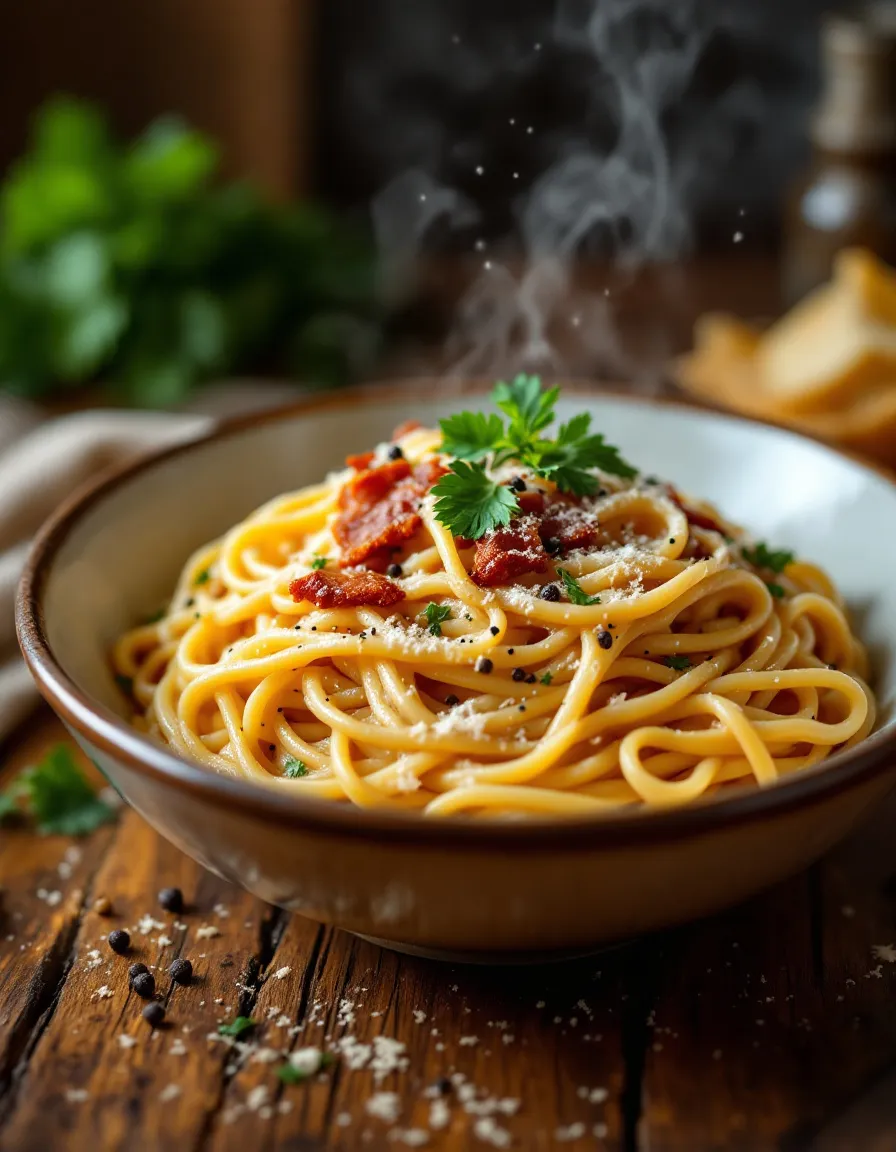
Classic Spaghetti Carbonara – Creamy and Authentic Recipe

Delicious Spaghetti Carbonara: The Creamy Italian Classic

⚖️
Difficulty
Easy

⏲️
Prep Time
10 mins

🕒
Cook Time
15 mins

⏱️
Total Time
25 mins

🍽️
Servings
4 servings

Welcome to the delicious world of Spaghetti Carbonara, a creamy Italian classic that promises to delight your taste buds while taking you on a culinary trip to Rome. The dish features al dente spaghetti paired with a velvety sauce made from eggs, cheese, and pancetta, creating a harmonious blend of flavors and textures that is sure to impress. Each forkful encapsulates the comforting essence of traditional Italian cooking, making it the perfect choice for family dinners, special occasions, or a cozy night in.

Spaghetti Carbonara not only tantalizes the palate but also offers simplicity in preparation, allowing you to whip up an authentic Italian meal in just under 30 minutes. The beautiful golden hue of the sauce and the enticing aroma of frying pancetta will have everyone gathering around the table in no time. With its rich flavors and creamy textures, this dish stands out as a favorite in many homes, often becoming a go-to recipe for both new and experienced cooks. Whether you’re introducing it to guests or enjoying it on a quiet evening, Spaghetti Carbonara is a recipe that never fails to impress.

Quick Recipe Highlights

  • Flavor Profile: The profound umami flavor from the pancetta, the sharpness of the Pecorino Romano cheese, and the creaminess from the egg yolks create a dish that is savory, rich, and satisfying.
  • Texture: The silky texture of the sauce coats the pasta beautifully, while the crispy pancetta adds a delightful crunch, creating a perfect balance in every bite.
  • Aroma: Expect a mouthwatering aroma of rendered fat from the pancetta mingling with freshly cracked black pepper that fills your kitchen as the dish comes together.
  • Visual Appeal: The golden and creamy sauce glistens on the spaghetti, garnished with a sprinkle of cheese and perhaps a touch of parsley for a pop of color.
  • Skill Level Needed: This recipe is beginner-friendly, yet requires attention to timing and technique to achieve the perfect creamy sauce without scrambling the eggs.
  • Special Equipment: A large pot for boiling pasta, a skillet for cooking the pancetta, and a mixing bowl for combining the ingredients are essential for executing this dish.

Recipe Overview

  • Difficulty Level: With just a few ingredients and straightforward techniques, the difficulty level for this dish is easy. Perfect for those new to cooking!
  • Category: This Spaghetti Carbonara fits perfectly into the pasta category, serving as a hearty main course that can be enjoyed any day of the week.
  • Cuisine: Hailing from Italy, this recipe embodies the essence of Roman cuisine, reflecting the rich culinary traditions that prioritize simple ingredients and bold flavors.
  • Cost: The dish typically costs around $10-$15, depending on ingredient availability, making it a budget-friendly option for delicious home dining.
  • Season: While Spaghetti Carbonara can be enjoyed year-round, it is particularly comforting in the colder months when hearty meals are especially satisfying.
  • Occasion: This recipe is a great choice for family dinners, dinner parties, and even special occasions, as it can easily impress guests while being quick to prepare.

Why You’ll Love This Recipe

Spaghetti Carbonara is a crowd-pleaser with its delightful taste and creamy texture that keeps you coming back for more. The rich savory notes of pancetta balanced by the creamy richness of the sauce create a comforting experience that is hard to replicate. On busy weeknights, this meal offers a quick and convenient option that doesn’t compromise on flavor or satisfaction. Packed with protein from eggs and pancetta, it also provides a hearty meal that can sustain you throughout your day. Whether enjoyed alone or shared with friends, you’ll find this dish fosters warmth and good company, becoming a staple in your household.

Beyond its indulgent nature, Spaghetti Carbonara is also a dish that’s accessible and affordable. The main ingredients are commonly found in many households, ensuring you can whip up an irresistible meal without a trip to specialty stores. Best of all, this recipe is adaptable: from adding seasonal vegetables to experimenting with different types of pasta, you can make it your own. It’s truly no wonder that Spaghetti Carbonara has captured the hearts of many—what’s not to love about a dish that combines simplicity, flavor, and joy?

Historical Background and Cultural Significance

The origins of Spaghetti Carbonara are as rich as its flavor, with tales tracing back to mid-20th century Italy. While the exact roots remain a topic of debate among culinary historians, many believe it was created by Italian charcoal workers (“carbonari”) who would prepare meals over their fire using accessible ingredients—pasta, eggs, pig cheek, cheese, and pepper. This connection to the working class serves to highlight the dish’s humble beginnings and its strong ties to Italian culinary tradition.

In terms of cultural significance, Spaghetti Carbonara epitomizes the Italian philosophy of “cucina povera,” or “poor kitchen,” focusing on using leftovers and simple ingredients to create wholesome meals. This approach celebrates resourcefulness and creativity within the kitchen, encouraging cooks to embrace what’s available and transform it into something delightful. In restaurants and homes alike, Spaghetti Carbonara stands as a testament to the richness of shared meals and the joy they bring to families around the world.

Over time, variations of Spaghetti Carbonara have emerged, with some incorporating cream, garlic, or different meats. However, traditionalists argue that the simplest form, relying on the emulsifying properties of eggs and cheese, showcases the true spirit of the dish. Current culinary trends continue to honor the original recipe while allowing for new interpretations, bridging gaps between time-honored tradition and modern palates.

Regional variations of Spaghetti Carbonara also reflect Italy’s diverse culinary landscape. In Rome, where the dish is a staple, it is still typically made with guanciale, while other areas may experiment with pancetta or alternative ingredients depending on local availability. Regardless of its format, the essence of Spaghetti Carbonara serves as a delicious reminder of the Italian culture’s commitment to good, simple food enjoyed in the company of family and friends.

Ingredient Deep Dive

Pasta

Pasta is the foundation of Spaghetti Carbonara. Originating from ancient Chinese noodles, pasta has evolved into culturally significant dishes across Europe, especially in Italy. When selecting pasta, opt for high-quality durum wheat pasta, which provides the best texture and flavor. For storage, keep pasta in a cool, dry place in an airtight container, and consider substituting with gluten-free options if needed.

Pancetta/Guanciale

Pancetta, an Italian cured meat, is often used in Spaghetti Carbonara due to its rich flavor profile. Often confused with bacon, pancetta is made from pork belly and offers a more delicate taste. When purchasing, look for high-quality, unsliced options for optimal flavor, and store in the refrigerator. In a pinch, prosciutto can substitute but will yield a different flavor profile.

Eggs

Eggs, a crucial ingredient for creating the creamy sauce, are a staple in Italian cooking. They provide rich flavor and protein, elevating the overall dish. Choose fresh, free-range eggs for the best flavor. Store in the refrigerator, and try replacing with pasteurized eggs if concerned about food safety.

Pecorino Romano Cheese

Pecorino Romano, a sheep’s milk cheese, adds sharpness and depth to Spaghetti Carbonara. It’s essential to choose authentic, quality cheese to achieve the desired taste. Store in the fridge, and if unavailable, Parmigiano-Reggiano can work as a substitute, though it will alter the flavor somewhat.

Black Pepper

Freshly cracked black pepper enhances the dish’s flavor, contributing heat and aroma. Using whole peppercorns is recommended to capture the best flavor; simply grind before adding to the dish. Store black pepper in a cool, dark place to preserve freshness.

Common Mistakes to Avoid

  • Using pre-grated cheese can lead to a grainy sauce; always opt for freshly grated Pecorino Romano for a smooth texture.
  • Overcooking the pasta can result in a mushy texture; always cook until al dente for the best bite.
  • Adding the eggs directly to the hot pasta without tempering can lead to scrambled eggs; always mix them with a bit of pasta water first.
  • Not using enough pepper can diminish the dish’s flavor; don’t be shy with freshly cracked black pepper.
  • Using cream to make the sauce is a common misunderstanding; true carbonara relies on eggs for creaminess.
  • Skipping the mixing of pancetta before adding the pasta can yield uneven flavor distribution; ensure consistent mixing for balanced taste.
  • Not reserving pasta water may cause the sauce to be too thick; save some of the starchy water to adjust the consistency as needed.
  • Rushing through the cooking process can prevent the sauce from emulsifying properly; be patient and take the time to combine thoroughly.

Essential Techniques

Cooking Al Dente Pasta

Cooking pasta al dente is essential for achieving the right texture in Spaghetti Carbonara. This method involves boiling pasta until it’s firm to the bite, preventing it from becoming mushy when mixed with the sauce. To master this technique, taste the pasta a minute or two before the package instructions indicate, and drain when ready. Visual cues for success include a slight firmness in the center of the strand.

Creating the Emulsion

Emulsifying the eggs and cheese correctly is vital for a silky sauce. Begin by mixing the two in a bowl before adding them to the hot pasta, ensuring the heat is not too high, which can lead to scrambling. To master this technique, continuously stir the mixture with pasta water to create a creamy consistency. The perfect emulsion should coat the pasta smoothly without being clumpy.

Rendering Pancetta

Rendering pancetta properly maximizes flavor and texture. Begin by heating a pan to medium-low and adding diced pancetta, allowing it to cook slowly until the fat is fully rendered and crispy. Aim for golden, not burnt pieces, as burnt pancetta can overpower the dish. Visual cues for success include a crisp texture and a fragrant aroma.

Pro Tips for Perfect Spaghetti Carbonara

1. Use quality ingredients: The flavor in Spaghetti Carbonara largely depends on the quality of its ingredients. Select artisanal pasta, fresh eggs, and authentic Pecorino Romano cheese for the best results.
2. Always mix quickly: Once the pasta is combined with the sauce, mix rapidly to ensure even distribution and prevent cooking the eggs too quickly.
3. Adjust richness: If you prefer a lighter dish, feel free to add some steamed vegetables like peas or zucchini, which complement the flavors while maintaining a satisfying texture.
4. Experiment with flavor: Don’t hesitate to enhance the flavor by adding garlic, herbs, or even some chili flakes if you prefer a bit of heat.
5. Serve immediately: Spaghetti Carbonara is best served fresh and hot. Prepare everything in advance, so you can plate and serve right away for the ideal texture.
6. For a gourmet twist, try adding truffle oil or shaved truffles just before serving for an elevated experience.
7. Make the sauce richer: For an extra creamy result, consider adding an additional yolk to the sauce mixture.
8. Pair wisely: Consider serving the dish with a light salad on the side to balance the richness of the pasta.

Variations and Adaptations

Spaghetti Carbonara can be adapted in countless ways to please different palates. For those with dietary needs, a gluten-free pasta substitute can maintain the dish’s integrity. Seasonal adaptations, like adding asparagus in spring or butternut squash in fall, lend variety while celebrating fresh produce. For vegan versions, consider using silken tofu blended with nutritional yeast for creaminess, and a mix of smoked tempeh in place of pancetta for a smokey flavor.

If you like experimenting, you might try a spicy version by incorporating crushed red pepper for a kick, or even a seafood version using shrimp. Creative presentation ideas may involve serving the carbonara in a hollowed-out bread bowl or garnishing with edible flowers for an elegant touch. It’s about using this beloved dish as a canvas for expressing your culinary creativity.

Serving and Presentation Guide

Presentation matters when serving Spaghetti Carbonara, as the visual appeal can elevate the dining experience. Start with well-tossed pasta in a bowl, allowing the sauce to glisten. For plating techniques, consider twisting pasta into a nest shape for a professional touch. Garnishing with freshly cracked black pepper, a sprinkle of Pecorino Romano, or parsley enhances the dish visually and adds a pop of color.

Traditional accompaniments include a light arugula salad with lemon dressing to cut through the richness, while modern serving suggestions could include offering freshly baked bread on the side for soaking up creamy sauce remnants. Temperature is essential; serve the dish hot off the stove for maximum flavor and enjoyment. Lastly, portion control is vital; aim for 1-1.5 cups of pasta per serving to ensure a satisfying yet balanced meal.

Wine and Beverage Pairing

Spaghetti Carbonara pairs beautifully with white wines such as Pinot Grigio or a dry Italian Sauvignon Blanc, both of which complement the dish’s richness while providing a crisp counterbalance. For red wine enthusiasts, a light Chianti can also serve as a pleasant accompaniment. If looking for non-alcoholic options, fizzy sparkling water with a hint of lemon or a light Italian soda works wonderfully.

For added sophistication, consider trying a herbal tea such as chamomile or a refreshing iced mint tea after your meal to cleanse the palate. Always serve wines slightly chilled to best enhance their flavors when enjoying alongside the pasta.

Storage and Shelf Life

For optimal results, Spaghetti Carbonara is best consumed fresh. However, if you have leftovers, allow them to cool and store in an airtight container in the refrigerator for up to 3 days. When reheating, utilize the stovetop with a splash of water to regain creaminess and warmth. Microwave reheating is possible but can lead to overcooking, so be cautious of timing.

If you intend to freeze leftovers, consider leaving the dish unassembled prior to freezing, as sauces can separate. When ready to enjoy again, thaw in the fridge overnight, reheat gently, and add some extra cheese or pasta water for a better texture. Check for signs of spoilage such as off smells or mold before consuming leftovers, and remember that reheating should be done thoroughly.

Make Ahead Strategies

For those looking to save time, certain elements of Spaghetti Carbonara can be prepared ahead. Consider cooking the pasta a day prior and refrigerating until use. You can also pre-cook and store your pancetta, which allows for quick assembly when ready to serve.

When preparing the sauce, mix the cheese and eggs in advance without adding to the hot pasta, keeping it stored in the fridge until cooking time. This step ensures a smooth process while preventing the eggs from cooking prematurely. Keep a note of timing while assembling to ensure ingredients are fresh, and serve immediately for the best results.

Scaling Instructions

Scaling the Spaghetti Carbonara recipe is straightforward and allows for flexibility based on the size of your gathering. If halving the recipe, maintain the same cooking times but keep an eye on the pasta to ensure it reaches the perfect al dente texture. For doubling or tripling, consider using a larger pot for boiling and dividing the pancetta into batches to ensure even cooking.

Adjust times accordingly, as pasta may need slightly more time in larger quantities, particularly when mixing the savory sauce. Store any leftovers appropriately, and remember that a larger volume may require additional reserved pasta water to attain the right sauce consistency.

Nutritional Deep Dive

Spaghetti Carbonara offers a well-rounded macro profile, combining carbohydrates from the pasta, proteins from the egg and pancetta, and fats primarily from the cheese and pork. The nutritional benefits include essential vitamins such as B12 and minerals like iron and calcium.

For those monitoring dietary habits, serving size is crucial, as it’s easy to overconsume with its rich flavors. Understanding the importance of balance within your meals and aligning your portions with your dietary goals will enhance your enjoyment of this classic dish.

Dietary Adaptations

For those following a gluten-free diet, utilizing gluten-free pasta delivers a similar experience without compromising texture. Dairy-free alternatives can be achieved by using coconut cream or cashew cream, blended for richness, effectively working for vegan adaptations.

If low-carb diets are preferred, consider substituting pasta with spiralized zucchini or spaghetti squash, maintaining the dish’s flavors while aligning with dietary needs. Each adjustment allows for creativity while honoring the essence of Spaghetti Carbonara, catering to diverse diets such as paleo or keto without losing the comfort of this Italian classic.

Troubleshooting Guide

If you face texture issues with a clumpy sauce, the key is to adjust your mixing technique and moisture levels by adding reserved pasta water. Should the flavor balance feel off, consider increasing the amount of cheese or adding more freshly cracked pepper to enhance overall flavor.

Temperature problems can be problematic; if your pasta isn’t hot enough to combine with the sauce, reheating the pasta slightly before mixing can resolve the issue. In cases of ingredient substitutions, be mindful of how they interact with others; for instance, using bacon instead of pancetta will alter the flavor significantly. Take note of timing concerns; undercooking the pasta or sauce can lead to a watery dish that detracts from the overall experience.

Recipe Success Stories

This incredible dish has a legion of fans who rave about their successes in recreating Spaghetti Carbonara at home. Readers often share variations they’ve implemented, such as using smoked salmon for a different flavor profile, which adds exciting dimensions to the traditional recipe.

Several community members also reflect on how the dish became a family favorite, often serving as a comforting meal during busy weekdays. Photography tips from readers suggest that natural light enhances the appeal of the plate when shared on social media, resulting in mouthwatering images that encourage others to try their hand at this classic dish.

Frequently Asked Questions

Can I use cream in Spaghetti Carbonara?

While many variants exist that include cream, traditional Spaghetti Carbonara does not utilize cream. The creaminess comes from combining eggs and cheese, creating a rich sauce without added dairy.

What type of pasta should I use?

Spaghetti is the traditional choice for Carbonara, but you can also use fettuccine or bucatini. The critical factor is selecting high-quality durum wheat pasta that cooks to al dente perfection.

Can I make Spaghetti Carbonara vegetarian?

To create a vegetarian version of Spaghetti Carbonara, you can substitute pancetta with mushrooms or smoked tempeh, adding depth of flavor without the meat. Adjust the seasoning accordingly.

How can I store leftovers?

Store leftovers in an airtight container in the refrigerator for up to three days. Ensure the pasta is cooled before wrapping it to retain flavor and prevent spoilage.

Is it safe to eat raw eggs in Carbonara?

Using pasteurized eggs is highly recommended if concerned about eating raw eggs. The residual heat from the pasta will cook the eggs gently, creating a safe-to-eat sauce.

What should I serve with Spaghetti Carbonara?

A light salad is an excellent accompaniment, as it balances the richness of Carbonara. Bread is also a popular choice for soaking up any leftover sauce.

Can I freeze Spaghetti Carbonara?

To maintain the best quality, it’s better to freeze the components separately rather than the finished dish. Freezing the sauce can alter its texture, but pasta can be frozen individually.

How do I get the sauce to be creamy?

The key to a creamy sauce lies in the mixing technique; combine the eggs and cheese with hot pasta while adding pasta water gradually until the desired consistency is reached.

Can I add vegetables to my Carbonara?

Absolutely! Seasonal vegetables like peas or asparagus can enhance the dish’s nutritional value and provide texture while complementing the flavors beautifully.

What type of cheese is best?

Pecorino Romano is the traditional choice for Spaghetti Carbonara, but Parmigiano-Reggiano can also be used, resulting in a slightly different flavor profile.

Additional Resources

If you enjoyed making Spaghetti Carbonara, you may appreciate exploring other Italian recipes as well. Consider trying Penne Arrabbiata for a spicy kick or classic Lasagna for a hearty meal. Learning about pasta techniques can significantly enhance your cooking skills, making you more versatile in the kitchen.

For equipment recommendations, investing in a quality pasta pot and a good non-stick skillet can elevate your cooking experience. Seasonal variations can also inspire new recipes; for instance, adding pumpkin to a fall Carbonara offers a unique twist while keeping the core flavor intact.

Join the Conversation

We love hearing from you! Share your experience with Spaghetti Carbonara on social media, and don’t forget to include any photos of your culinary triumphs. Your feedback is invaluable, and we encourage you to comment on variations you’ve tried or tweaks you’ve made to the recipe.

Engaging with our community is a wonderful way to exchange cooking tips, and learn from fellow enthusiasts. Consider starting a discussion about your favorite Italian dishes or inspiring others with your unique takes on traditional recipes. Your input helps enrich our food-loving community and keeps the joy of cooking alive!

The Recipe

Spaghetti Carbonara

Serves: 4 servings

Prep Time: 10 mins

Cook Time: 15 mins

Total Time: 25 mins

Kitchen Equipment Needed

  • Large pot for boiling pasta
  • Skillet for frying pancetta
  • Mixing bowl for sauce
  • Measuring cups and spoons
  • Colander for draining pasta

Ingredients

  • 400g spaghetti
  • 150g pancetta (or guanciale)
  • 3 large egg yolks
  • 100g Pecorino Romano cheese, grated
  • Freshly cracked black pepper, to taste
  • Salt, for pasta water

Directions

  1. Bring a large pot of salted water to a boil and cook spaghetti until al dente.
  2. Meanwhile, heat a skillet over medium heat and add diced pancetta, cooking until crispy and golden.
  3. In a bowl, whisk together egg yolks and Pecorino Romano cheese with a generous sprinkle of black pepper.
  4. Once the spaghetti is done, reserve a cup of cooking water and drain the pasta.
  5. Quickly add the hot spaghetti to the skillet with pancetta, tossing to combine.
  6. Remove the skillet from heat and pour in the egg and cheese mixture, stirring quickly, adding reserved pasta water as necessary to create a creamy sauce.
  7. Serve immediately, garnishing with extra cheese and black pepper, if desired.

Recipe Notes

  • If you don’t have Pecorino Romano, you can substitute with Parmesan cheese, but the flavor will differ slightly.
  • For added flavor, consider stirring in fresh herbs like parsley or chives right before serving.
  • Always taste and adjust seasoning with more black pepper or cheese as necessary.
  • This dish is best enjoyed fresh, but leftovers can be stored in the fridge for up to three days.