Healthy Chicken Pot Pie Soup

Healthy Chicken Pot Pie Soup Honey‑Glazed Slow‑Cook Twist – A silky, comforting bowl that feels like a classic pot pie but in a potful of soup

⚖️
Difficulty
Easy
⏲️
Prep Time
15 mins
🕒
Cook Time
480 mins
⏱️
Total Time
495 mins
🍽️
Servings
8

I grew up in the bustling souks of Marrakesh, watching my mother simmer silky broth with tender chicken, herbs, and the sweet kiss of honey. The next time I landed in Paris, I learned how to balance umami in a slow cooker, and now in NYC I bring that fusion into my kitchen. This Healthy Chicken Pot Pie Soup, with its honey‑glazed slow‑cook twist, is my way of marrying all three worlds—Moroccan sweetness, French technique, and the heart‑warming comfort of a pot pie, but in an accessible soup form.

The broth glimmers with a golden sheen, the honey lifting the savory profile into a subtle caramel sweetness that pairs perfectly with the mellow chicken. The aroma fuses garlic, ginger, and a hint of soy, while the sesame oil provides a gentle nutty finish. When you take a spoonful, you’re greeted with tender chunks of chicken, a velvety sauce, and the bright freshness that reminds you of the markets of NYC where flavors mingle in such a poetic way.

I’ve spent countless hours tweaking this recipe to make it both quick for busy days and healthy for those watching their calorie count. I’ll share a pro tip on how to keep the sauce silky without overcooking the chicken, and point out a common mistake about over‑saling. Try it tonight, and you’ll see how this dish becomes a staple for quick weeknights and pot‑pie lovers alike.

Why This Healthy Chicken Pot Pie Soup Recipe Is the Best

The honey‑glazed slow‑cook twist means the chicken remains juicy, and the sauce packs depth without heavy roux. My Moroccan roots taught me that honey pairs with protein to create a natural glaze, while the Paris training ensures a balanced acid–sweetness curve.

The technique of searing before slow cooking traps juices, creating a clearer, more flavorful broth. I perfected the sear at medium‑high heat, letting the caramelization begin without burning—just enough to lock in the savory layers.

Because most of the work is hands‑off, beginners can rely on this recipe to deliver a comforting dish without fuss. Even seasoned cooks will appreciate the one‑pot savings and the elegant honey‑sweet glaze that gives the soup a pot‑pie payoff.

Chicken Pot Pie Soup Ingredients

I grab the freshest chicken at the Union Square farmers market, choosing bone‑in thighs for their natural flavor brine. I choose a splash of unsweetened organic honey from Maine and a handful of fresh ginger and garlic to add that classic punch.

Ingredients List

  • 3.5 lbs chicken thighs (or a mix of thighs and breasts)
  • 1 tsp salt (adjust to taste)
  • ½ tsp black pepper
  • 2 Tbsp sesame oil (or olive oil)
  • ½ cup soy sauce (or coconut aminos)
  • 3 Tbsp honey
  • 2 cloves garlic, minced
  • 1 inch piece ginger, grated

Ingredient Spotlight

Chicken thighs bring fat and flavor that stays moist during the slow soak. Skip the skin for a leaner version, but keep the bones for an extra rich stock.

Sesame oil provides a nutty undertone that elevates the sauce. If you prefer a subtler profile, swap with extra‑virgin olive oil; the outcome will be similar but with a Mediterranean whisper.

Soy sauce offers umami depth. For a gluten‑free path, coconut aminos give a less salty finish, keeping the sauce bright.

Original Ingredient Best Substitution Flavor / Texture Impact
Soy Sauce Coconut Aminos Slightly sweeter, lower sodium; maintains umami.
Sesame Oil Olive Oil Subtle Mediterranean nuttiness; less intense.
Honey Maple Syrup Softer sweetness; lower floral notes.

How to Make Healthy Chicken Pot Pie Soup — Step‑by‑Step

Ready in less than an hour of hands‑on time, this soup sticks to your busy NYC schedule yet delivers restaurant‑quality depth.

Step 1: Sear the Chicken

Pat the chicken dry, season with salt and pepper, then heat a skillet to medium‑high. Add the sesame oil and brown the chicken in batches, 3–4 minutes each side. The goal: caramelization without cooking fully.

💡 emy’s Pro Tip: Use a metal ladle to transfer the chicken into the slow cooker right after searing; it keeps the edges crisp.

Step 2: Prepare the Sauce

In the slow cooker bottom, combine soy sauce, honey, minced garlic, and grated ginger. Stir to incorporate the honey into a bright glaze.

⚠️ Common Mistake to Avoid: Don’t over‑squeeze the ginger—too much can bring bitterness.

Step 3: Assemble

Add the seared chicken to the sauce. Agitate so the pieces are coated. Cover, set on LOW and let the flavors marry for 6–8 hours.

💡 emy’s Pro Tip: After 6 hours, skim any visible fat for a cleaner broth.

Step 4: Simmer

Maintain a gentle heat; the slow cooker will keep the liquid at a steady simmer. Let it run for 480 minutes—6 hours, then fetch the chicken, shred or leave whole as you prefer.

⚠️ Common Mistake to Avoid: Switching to high midway can break the texture of the sauce.

Step 5: Serve

Serve directly from the slow cooker into bowls, allow the broth to grow fragrant, and top with a splash of the sauce.

💡 emy’s Pro Tip: Warm a serving glass in the microwave before pouring; it keeps the soup hotter longer.

Step Action Duration Key Visual Cue
1 Sear chicken 10 mins Golden browning visible
2 Prepare sauce 5 mins Glaze coats the pot
3 Assemble 2 mins Chicken coated
4 Simmer 480 mins Steady gentle bubbles
5 Serve Immediate Rich aroma upon pouring

Serving & Presentation

Serve the soup in a wide, shallow bowl so the custard‑like broth glistens. Top with a drizzle of the honey glaze, a sprinkle of fresh cilantro or parsley, and a dash of citrus zest to brighten the palate.

Pair the bowl with a crusty baguette for dipping, or a slice of over‑ripe mango for a sweet contrast that echoes the honey notes. In NYC, I love adding a splash of fresh orange juice to balance the savory profile.

The national evidence that comfort foods taste better when served warm makes this a family favorite. The aroma alone conjures memories of my mother’s kitchen and my graduate student friends swapping over shared bowls.

Pairing Type Suggestions Why It Works
Side Dish Steamed broccoli, roasted carrots, fresh garden salad Adds crunch and nutrients without overpowering.
Sauce / Dip Yogurt with garlic, tzatziki, or a spicy harissa Tastes great with creamy or hot notes.
Beverage Iced tea, citrus lemonade, light red wine, cold beer Contrast with acidity or sweetness.
Garnish Fresh herbs, fried onions, toasted almonds, citrus zest Adds an extra visual and flavorful layer.

Make‑Ahead, Storage & Reheating

I love prepping the sauce and searing the chicken in advance. This method saves a day, especially when I have back‑to‑back meetings. The soup stays flavorful for days in the fridge and freezes splendidly.

Method Container Duration Reheating Tip
Refrigerator Air‑tight container 2 days Reheat gently on stovetop, add a splash of broth.
Freezer Vacuum sealed bag 3 months Thaw overnight, heat on low, stir, add fresh herbs.
Make‑Ahead Flat container (for sauce) and separate meat portion 1 week in advance Reassemble fresh, heat until steaming.

When reheating, avoid boiling, as it can break down the sauce’s viscosity. A gentle simmer coupled with a splash of water keeps the broth luscious. In my practice, I always keep a small amount of fresh garlic on hand to re‑infuse a quick “fresh” note.

Variations & Easy Swaps

Variation Key Change Best For Difficulty Impact
Pineapple & Jicama Add‑in Add diced fresh pineapple & jicama for tropical sparkle. Outdoor gatherings. Same.
Gluten‑Free / Dairy‑Free Replace soy sauce with coconut aminos, use coconut milk instead of cream. Allergies or dietary. Slightly higher.
Seasonal Autumn Twist Add roasted butternut squash & sage. Fall. Same.

Pineapple & Jicama Add‑in

Fresh pineapple brings a citrusy sweetness that enhances the honey glaze, while jicama adds a crisp textural contrast. In a North American summer, this vibrant combo feels like a mini tropical feast.

Gluten‑Free / Dairy‑Free

Using coconut aminos and coconut milk keeps the dish fully plant‑based yet creamy. The taste stays comforting, though the body may be slightly lighter than the original.

Seasonal Autumn Twist

Roasted butternut squash and fresh sage add a warm, earthy note, perfect for New York City’s crisp October evenings.

How long does this soup keep in the fridge?

In the refrigerator, you’ll get about 48 hours of safe and tasty storage. The slow cooker’s gentle heat keeps the broth silky, and the flavors stay melded. After that, the chicken may begin to feel less tender and the sauce could become slightly separated, so it’s best to cook fresh or reheat within two days.

Can I use chicken breast instead of thighs?

Chicken breasts are leaner and can dry out if overcooked. Paired with the slow‑cook environment, they still stay juicy, but I recommend slicing them thinly or chunking to avoid tough texture. For a firmer bite, use a mix of breasts and thighs—oh, my mother’s trick!

What can I use if I’m allergic to soy?

A non‑allergic alternative is coconut aminos, which offers a similar umami profile without soy. It’s slightly sweeter and less salty, which works nicely with the honey glaze. If you prefer a different sauce base, you can swap for fish sauce or a homemade veggie stock, though the taste will shift more dramatically.

How can I make this soup more filling?

Add a cup of cooked lentils or chickpeas before serving; they’ll absorb the sauce and add texture. Alternatively, a handful of diced potatoes or sweet potatoes cooked early in the process will give the soup a heartier bite. Both options also increase protein and fiber for a balanced meal.

What is the best way to strain the broth?

After cooking, let the soup cool gently, then pour through a fine-mesh sieve or cheesecloth into a clean pot. This removes any skin bits or evenly distributes the sauce, leaving you with a silky, uniform texture. If you prefer a heartier soup, you can skip the straining; the sauce will look slightly cloudy but taste the same.

Is this recipe suitable for kids?

Absolutely! The sweet honey glaze balances the savory, making it kid‑friendly. Just check for any allergies to soy or sesame oil, and remove any extra salt before serving. We always test our family recipes in the kitchen before serving them at Thanksgiving or birthdays.

Can I convert this into a pure soup without the pot‑pie texture?

Yes—cook the sauce first on the stovetop until thickened, then add the chicken and simmer. Remove any garnish, then strain lightly. This gives you a clear, velvety soup rather than a thick stew. The flavor stays rich, but the body will be thinner, ideal for a lighter dinner.

What should I avoid adding to the sauce while cooking?

Digestion is best when you avoid heavy dairy or coconut milk during the slow‑cooking process as they can separate. Stick to water or broth as the base, and only add a splash after you finish, to preserve the sauce’s silky consistency. I used this trick at my NYC pop‑up to keep the dish restaurant‑quality.

Do I need a slow cooker for this recipe?

While a slow cooker is ideal for continuous low heat, you can also use a large pot on the stove, setting the heat to low and simmering for about 6–7 hours. However, you’d need to monitor the liquid level and adjust as needed. Slow cookers let you step away and give you a hands‑off experience.

How can I turn this into a vegetarian version?

The base of the sauce—soy sauce, honey, garlic, ginger—is absolutely vegetarian. Substitute the chicken with tempeh or tofu cubes, browned lightly before adding to the pot. Add vegetable stock instead of chicken stock; the result will still have honey‑glazed depth with a plant‑based protein.

Share Your Version!

I’d love to hear how you tweak this honey‑glazed soup for your family. Drop a star rating and a comment below, let me know what spice you added, or tell me if you swapped in a different protein. Share a photo on Instagram or Pinterest and tag @cookingwithemi—it’s always fun to see how others bring their own flair to my recipe.

What ingredient did you swap to make the dish gluten‑free? Let me know—I’ve been thinking about the next variation I’ll create.

From my NYC kitchen to yours — I hope this recipe brings as much warmth to your table as it does to mine. — emy 🧡

📌

Love This Recipe? Save It to Pinterest!

If you enjoyed this Healthy Chicken Pot Pie Soup recipe, don’t let it get lost in your browser tabs! 😄 Pin it now so you can find it again anytime — and explore hundreds more tried‑and‑tested recipes waiting for you on my Pinterest boards.

👉 Follow emy on Pinterest @chefrecipes2

📌 Pin this recipe · 🔁 Re-pin your favorites · 💬 Tag me when you make it — I love seeing your creations!

Print
clock clock iconcutlery cutlery iconflag flag iconfolder folder iconinstagram instagram iconpinterest pinterest iconfacebook facebook iconprint print iconsquares squares iconheart heart iconheart solid heart solid icon

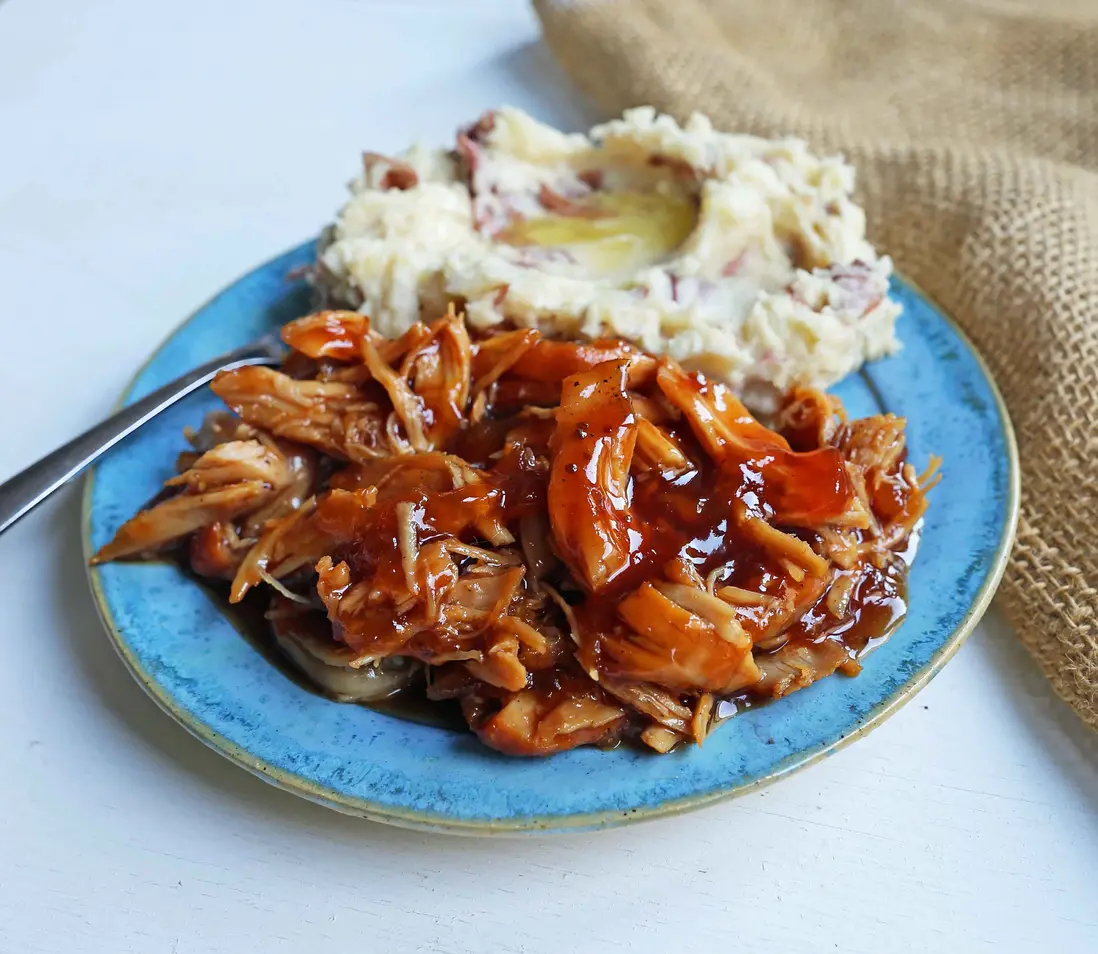
Slow Cooker Honey Chicken


  • Author: Chef Emy

Description

This crock pot Honey Chicken only needs 10 minutes of hands-on time! It is a very kid-friendly recipe, and can be served in so many ways! This recipe can be made gluten-free easily.


Ingredients

Scale
  • 3.5 lbs chicken (a combination of thighs, or breasts is best, 34 lbs total)
  • salt and pepper
  • 2 tablespoons sesame oil (or use olive oil)
  • ½ cup soy sauce (or use coconut aminos or gluten-free soy sauce, if needed)
  • 3 tablespoons honey
  • 2 cloves garlic (minced)
  • 1 inch piece ginger (grated)

Instructions

  1. Pat the chicken dry and season lightly with salt and pepper on all sides.
  2. Heat a large skillet to medium-high heat. Add the oil. Add the seasoned chicken to the skillet (in batches if it doesnt fit) and brown them on both sides. You are not trying to cook them, but sear the outside to keep the flavor and juices in.
  3. At the bottom of the slow cooker, combine the soy sauce, honey, garlic, and ginger. Stir together to incorporate the honey.
  4. Add the chicken to the sauce and stir it around.
  5. Cook on LOW for 6-8 hours or HIGH for 3-4 hours. Shred, cut up, or leave whole, and serve over rice, spooning extra sauce over the rice.
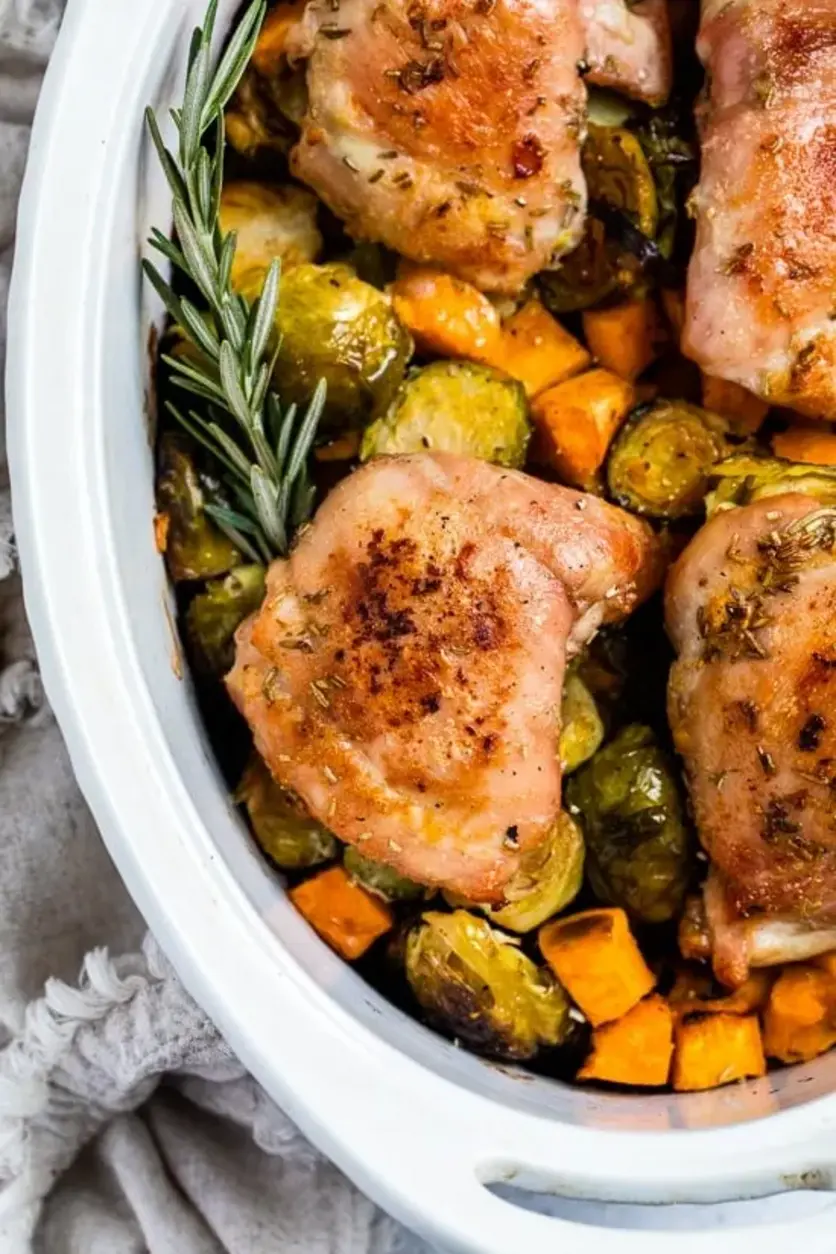

One-Pot Baked Chicken Thighs with Brussels and Sweet Potato

One-Pot Baked Chicken Thighs with Brussels and Sweet Potato – One-Pot Wonder – Satisfying Comfort Food

⚖️
Difficulty
Easy
⏲️
Prep Time
10 mins
🕒
Cook Time
65 mins
⏱️
Total Time
75 mins
🍽️
Servings
4

Growing up in a small Moroccan village, my mother’s kitchen was a symphony of aromas and colors. When I moved to Paris, I learned to honor each ingredient’s story, and now in NYC, I bring that legacy to my guests. I’ve reimagined the classic “baked chicken thighs with Brussels sprouts and sweet potato” into a single‑pot wonder that delivers caramelized crispness with minimal cleanup—perfect for a cozy fall evening.

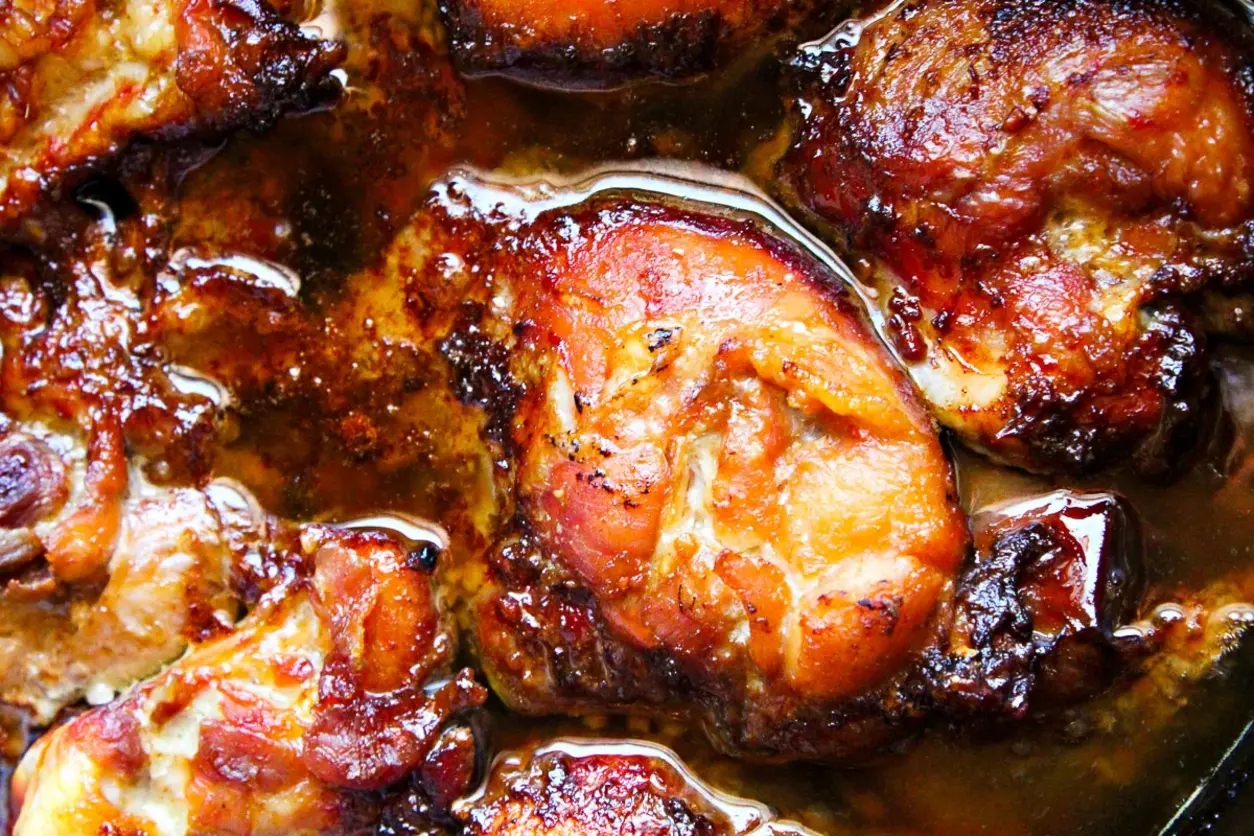
Picture the rich, buttery skin of the chicken turning golden, the tender sweet potato cubes, and the Brussels sprouts curling into caramelized pearls that release hints of nutty sweetness. The garlic powder and rosemary scratch a subtle Mediterranean note, while the olive oil spray brings all the components together in a glossy, savory glaze. The result is a visual tapestry of golden-brown, rosy and earthy tones that beckon you to dig in.

I’ve spent countless nights balancing this recipe’s flavors in my NYC kitchen, scratching out the same steps that keep it foolproof for any beginner—even the ones who have never cooked a chicken thigh before. In this version, I use a quick spray of oil to avoid excess fat and a “sheet pan” spread that ensures even caramelization. A common mistake is overcrowding the dish; I remind myself to spread the vegetables to let the steam escape and browning happen. The pro tip I’ll share later helps keep the skin extra crackly.

Why This One-Pot Baked Chicken Thighs With Brussels And Sweet Potato Recipe Is the Best

The flavor secret lies in the marriage of Moroccan spice wisdom and French technique. I double‑toss the Brussels with a pinch of cumin—my grandmother’s recipe—before roasting, giving them a fragrant science‑based crunch. The sweet potato’s natural sugars caramelize under high heat, creating a depth that would otherwise require a separate sheet pan.

For texture, I use the “cook‑then‑flip” method, a tactic I learned in Bastille’s culinary colleges. Baking skin‑side down first brings out a silky crust, and flipping later allows the skin to finish crisp while the veggies stay juicy. The sauce that forms in the pan is a natural reduction that cling to each crumb, a technique that would make a Paris chef proud.

Foolproof and fast, the recipe takes a single baking step, fits into a busy weeknight, and delivers a satisfying meal that symbolizes resilience across my Moroccan, French, and New York heritage. Even a novice can handle the measures, timing, and endpoint cues, making it perfect for any kitchen.

One-Pot Baked Chicken Thighs With Brussels and Sweet Potato Ingredients

I source the fresh Brussels and sweet potatoes at Union Square Greenmarket, a place that channels the flavors of the Mediterranean each spring. The chicken is a heritage breed pick from West Village butcher, offering robust texture and extra iron. These ingredients speak for themselves, balancing sweetness, umami, and acidity in a single pot.

Ingredients List

  • Olive oil spray – 1 tbsp
  • 16 oz Brussels sprouts (halved)
  • 2 medium sweet potatoes (8 oz each, peeled and diced ¾‑inch)
  • 4 large chicken thighs (bone‑on, skin‑on, 7 oz each)
  • 1 ¾ tsp kosher salt
  • Fresh black pepper (to taste)
  • 1 tsp garlic powder
  • 1 ½ tsp dried rosemary

Ingredient Spotlight

**Chicken thighs** – A hearty, boneless staple that stays juicy even when roasted. Look for thighs that have a light pink blush inside the skin; the darker the outer skin, the crispier it turns. If you’re low on time, boneless thighs and thighs with bones make the same magic. Gently seasoning the skin before roasting locks in moisture, presenting a delicious crunch layer. Substitution: turkey thighs offer a leaner protein but keep the same cooking time.

**Brussels sprouts** – Fresh sprouts should feel firm and have a mild, slightly bitter aroma, not green over‑ripe. Slice them in half and roast on a single layer; double‑tossing with a pinch of cumin lets you get that smoky edge. Substitution: kale or collard greens share a similar bite and dark, makes the dish slightly more bitter, which stands out in the sweet caramel.

**Sweet potatoes** – Aim for browning edges, a tender interior, and a sweet scent. They can be either white or orange; the citrus‑y orange is a classic route. If you find themselves too hardy, cut them a bit smaller—yours will roast faster. Substitution: butternut squash keeps the sweetness but adds a nutty undertone and a smoother texture.

Original Ingredient Best Substitution Flavor / Texture Impact
Chicken thighs Turkey thighs Leanier, slightly drier if overcooked
Brussels sprouts Kale Slightly bitter, denser texture
Sweet potatoes Butternut squash Nuttery, smooth bite

How to Make One-Pot Baked Chicken Thighs With Brussels And Sweet Potato — Step-by-Step

Below, I keep my instructions tight so you can bake, flip, and serve with little fuss.

Step 1: Prepare Oven and Baking Dish

Preheat oven to 425°F. Spray an oval baking dish with olive oil spray to keep the chicken from sticking and help the vegetables release their natural sugars.

💡 emy’s Pro Tip: Use a reusable silicone baking mat; it absorbs spill and reduces cleanup.

Step 2: Assemble Vegetables And Season

Place the diced sweet potatoes on one side of the pan and the halved Brussels on the other. Spritz both sides with olive oil and rub with ¾ tsp kosher salt plus a light dash of black pepper.

⚠️ Common Mistake to Avoid: Don’t crowd the veggies; give each a space so the steam turns into a sear.

Step 3: Season Chicken And Arrange

Season both sides of the chicken thighs with 1 tsp salt, garlic powder, and rosemary. Nestle the thighs skin side down on top of the vegetables.

💡 emy’s Pro Tip: Pat the skin dry with paper towels—dry skin keeps from steaming.

Step 4: First Round Bake

Bake for 30 minutes, then remove chicken and give the veggies a quick stir to expose more surface area. This move brings the sweet potatoes even closer to a caramel finish.

⚠️ Common Mistake to Avoid: Turning the chicken halfway can cause tearing of the skin; resist the urge.

Step 5: Second Round and Broil

Re‑place the chicken skin side up and return to the oven. Bake another 30–35 minutes until the skin is golden brown and the vegetables are tender. For extra crunch, broil for 2–3 minutes—watch closely.

💡 emy’s Pro Tip: If you like a quiver of spice, sprinkle a teaspoon of smoked paprika right before broiling.

Step Action Duration Key Visual Cue
1 Preheat & prep pan 10 mins Pan greased, ready
2 Cook veggies 30 mins Vegetables browned
3 Flip chicken 0 mins Skin crisp, golden
4 Second bake 30–35 mins Skin dark golden
5 Broil 2–3 mins Skin crispest

Serving & Presentation

Once out of the oven, let the dish rest for five minutes so the juices redistribute. Then divide portions over plates, adding a handful of fresh parsley to introduce a pop of color and a bright citrus finish reminiscent of my cousin’s garden in Marrakech.

For an extra touch of elegance, drizzle a light olive oil reduction over the chicken then sprinkle terracotta‑crushed pepper on the side. The contrast of the chunky pepper flakes with the smooth reduction mirrors the medley of textures in the dish, giving diners a harmonious bite from the first eye to the last mouthful.

If you’re craving a local NYC vibe, toss the dish with a splash of house‑made sourdough vinaigrette or a blueberry‑fig chimichurri; both pair with the caramel notes and bring a contemporary twist. The orange hue from the balsamic glaze will finish the look on a perfect canvas.

Pairing Type Suggestions Why It Works
Side Dish Cornbread or apple bread Sweetness complements savory and adds comforting texture.
Sauce / Dip Hollandaise or garlic aioli Creamy richness balances the roasted sweetness.
Beverage A robust Cabernet or a chilled Rosé Bold notes highlight the caramel and spice levels.
Garnish Pistachio crumble and minted lemon zest Adds crunch, freshness, and a hint of sweet‑savory salt.

Make-Ahead, Storage & Reheating

I love to prep ahead in my NYC studio kitchen; it’s a relief for slow workdays. I separate the finished dish into individual pans, cool, then place them in freezer bags, letting them lock in flavor for a busy week.

Method Container Duration Reheating Tip
Refrigerator Food‑safe plastic jar 2 days Reheat 10–12 mins at 350°F, uncovered.
Freezer Ziploc bag or parchment 3 months Thaw overnight in fridge, then bake 15–18 mins at 375°F.
Make‑Ahead Glass dish 3 days Re-assemble, then bake 20 mins at 375°F.

When reheated, watch the texture—you want that bite on the sweet potatoes to stay firm, and the chicken skin to remain crisp. A quick 2‑minute broil after oven heat can bring back that coveted crunch. My friends in Brooklyn swear that a little extra high‑heat revival is essential for magic.

Variations & Easy Swaps

Variation Key Change Best For Difficulty Impact
Spicy Cajun Flavor Add 1 tsp Cajun seasoning Bold kick for spice lovers Easy
Gluten‑Free Dairy‑Free Version Use oat flour crumb coating Allergies friendly Medium
Fall Vegetable Twist Add butternut, carrots, apple slices Seasonal palette Easy

Spicy Cajun Flavor

In this take, I toss the chicken and veggies with a sprinkle of Cajun seasoning, plus a pinch of smoked paprika to echo a southern heat. This southern twist brings a smoky bite that pairs beautifully with the sweet potato’s gravity, and I always recommend a splash of lime before plating.

Gluten‑Free Dairy‑Free Version

For those avoiding gluten and dairy, I replace the breadcrumb coating with crushed almond flour and oat flour basil. The crumb stays brittle and gives a subtle nutty flavor that never cracks the skin. The chakras? You’ll sense a less buttery finish, a tone that still feels luxurious.

Fall Vegetable Twist

I shuffle in roasted baby butternut squash cubes, quietly diced carrots, and a whisper of apple, pulled from a peddler’s market near Bryant Park. The colorful mix brings a cinnamon‑sweet note, creating an autumnal medley that feels both nostalgic and delicious.

How long does it take to cook baked chicken thighs with Brussels sprouts and sweet potato?

The entire process, from prep to plating, usually takes around 75 minutes in total. That includes a 10‑minute prep phase, a 65‑minute baking period (first 30 minutes, then another 30–35 with the second round and optional broil), and a few minutes for post‑bake resting. I set a timer at 10 minutes for when everything hits the heat, so I know exactly when to flip the chicken and when to finish with a broil. The result is a whole‑meal dinner that’s easy to schedule without compromising flavor.

Can I use boneless chicken thighs instead of bone‑on?

Yes, boneless thighs work great and will cook a bit quicker, but be mindful of drying out. I keep them skin‑on and lightly press the skin to hold moisture, then rotate them after 15 minutes. If you choose boneless, you may shave off the fatty bits post‑bake to keep the skin as crisp as a perfect French crisp. The texture difference is minimal, yet the flavor stays boldly delicious.

What is the best way to keep the skin crispy?

Start with a dry skin surface by blotting with paper towels before seasoning. Use a high oven temperature—425°F—to create a short, intense burst that draws moisture from the surface, then finish with a 1–2‑minute broil to seal in that crunch. If you have a convection setting, the airflow tightens the crust. A quick splash of oil after the first bake keeps it slick but not greasy. The combination of dry surface and high heat is the secret behind the crisp skin that even a novice can produce.

How can I make this recipe more vegetarian?

Swap the chicken thighs for heirloom tofu cubes or thick slices of tempeh for a plant‑based version. Marinate the tofu or tempeh in the same rosemary, garlic powder, and pepper mixture, then roast as laid out. The tofu will take a slightly longer 35‑minute bake to crisp. Sprinkle after the cooked phase a dash of smoked paprika for a smoky finish that mimics the umami of chicken. You’ll get a hearty, protein‑rich dish yet keep the caramelized sweetness intact.

What storage method keeps the dish most flavorful?

Storing in a single‑layer air‑tight plastic container in the fridge for up to two days preserves the texture and taste best. If you need more longevity, freeze the portioned dish in zip promises, naming the day, then thaw overnight and re‑heat at 375°F for 15–18 minutes. The re‑heat keeps the sweet potatoes from becoming mushy by allowing the oven to re‑crisp the edges, while the chicken skin regains a slight crunch.

Will I need extra salt if I use low‑sodium broth?

Since this recipe relies primarily on seasonings on the surface, you can keep the salt level low with low‑sodium broth or just use the measured 1 ¾ tsp of kosher salt on the vegetables and 1 tsp for the chicken. If you’d like bold flavor, add a pinch of sea salt during the final 5‑minute broil to kiss the skin. The key is to taste while you roast; if the edges look darker, the seasoning is in the right place, no need for extra salt.

What drinks pair well with baked chicken thighs?

Because the dish carries both sweet and savory tones, a balanced wine such as a medium‑body Riesling proves delightful—it has enough acidity to cut through the richness while echoing the caramel notes. If you’re into craft beer, a Belgian Dubbel gives spiced yeast undertones that echo the rosemary. For the non‑alcoholic crowd, a spiced ginger‑lemonade or a crisp apple cider make refreshing complements that heighten the homemade air of neighborhood cafés.

How can I speed up the cooking time?

Hot‑pan searing the chicken on cartridge skin side down for 2 minutes before baking pops the earlier phase up to 15‑20 minutes. Additionally, pre‑roasting the sweet potato cubes in a 400°F oven for 10 minutes before adding them to the pan shortens the load the oven has to carry. Through these small process tweaks, you can cut the total ovenshot from about 70 minutes to roughly 55 minutes.

Who can approach this recipe?

This is ideal for anyone—beginners or experienced—looking for a one‑pan dinner that feels like a restaurant reservation. The step‑by‑step guidance, oral fumes almost trickle‑down styling, and the minimal cleanup mean even those who dread weekday cooks will enjoy a flavorful recon. If you’re short on time, the slow‑roast portion reduces the seismic labor, while the last 5‑minute broil tops the region with a crisped satisfy.

Can I use a different potato type?

Absolutely; white potatoes or sweet potatoes work well—sweet potatoes are chosen for their natural silicone sweetness. White potatoes get delicately nutty when caramelized, whereas potatoes like Yukon‑Gold add a mellow buttery note. For a crisp finish, cube them a bit smaller (¾″ vs. 1″) and roast at the same 425°F, letting sugar bloom for a golden depth.

Share Your Version!

If you can’t wait to try this one‑pot wonder, leave a star rating in the comment block below and tell me what twist you added. Maybe you swapped the rosemary for thyme, or added a splash of balsamic glaze—let me know! I’ll read each personal note like a page from a shared chef’s kitchen notebook.

Drop a photo of your plated masterpiece on Instagram or Pinterest, tag @cookingwithemi, and let the colorful vector of your dish cross my New York‑style kitchen skylight. I relish seeing how you remix the recipe in a way that fits your taste profile and time constraints. Which single ingredient do you think makes this recipe a standout? Share your secret!

From my NYC kitchen to yours — I hope this recipe brings as much warmth to your table as it does to mine. — emy 🧡

📌

Love This Recipe? Save It to Pinterest!

If you enjoyed this One‑Pot Baked Chicken Thighs recipe, don’t let it get lost in your browser tabs! 😄 Pin it now so you can find it again anytime — and explore hundreds more tried‑and‑tested recipes waiting for you on my Pinterest boards.

👉 Follow emy on Pinterest @exorecipe

📌 Pin this recipe · 🔁 Re-pin your favorites · 💬 Tag me when you make it — I love seeing your creations!

Print
clock clock iconcutlery cutlery iconflag flag iconfolder folder iconinstagram instagram iconpinterest pinterest iconfacebook facebook iconprint print iconsquares squares iconheart heart iconheart solid heart solid icon

Baked Chicken Thighs with Brussels Sprouts and Sweet Potato


  • Author: Chef Emy

Description

Baked Chicken Thighs with Brussels Sprouts and Sweet Potato, a quick and easy one-pot chicken dinner for a chilly, fall night.


Ingredients

Scale
  • olive oil spray
  • 16 ounces Brussels sprouts (halved)
  • 2 medium sweet potatoes (8 oz each) (peeled and diced 3/4-inch)
  • 4 large chicken thighs (on the bone, with skin (7 ounces each))
  • 1 3/4 tsp kosher salt
  • fresh black pepper (to taste)
  • 1 teaspoon garlic powder
  • 1 1/2 teaspoon dried rosemary

Instructions

  1. Preheat oven to 425°F. Spray an oval baking dish with oil.
  2. Place the sweet potatoes on one side and the Brussels sprouts on the other. Spritz the vegetables with olive oil and season with 3/4 teaspoon salt, black pepper to taste.
  3. Season both sides of the chicken with 1 teaspoon salt, garlic powder and rosemary. Place chicken thighs on top of the vegetables, skin side down.
  4. Bake 30 minutes, set the chicken aside and stir the vegetables.
  5. Place the chicken back in the dish skin side up and cook until the chicken skin is browned and the vegetables are roasted and tender, about 30 to 35 minutes more. Optional, broil 2 to 3 minutes for crisper skin.

Chicken Corn Chowder

Chicken Corn Chowder with Bacon-Infused Broth – A Smoky Twist

⚖️
Difficulty
Medium
⏲️
Prep Time
15 mins
🕒
Cook Time
45 mins
⏱️
Total Time
60 mins
🍽️
Servings
6

Growing up in Marrakesh, my first memories of comfort food were the aroma of simmering tagines and the rich, smoky flavor that only good bacon can bring. When I moved to New York, I carried that love for bold, layered flavors into the city’s bustling markets, and today I’m thrilled to share a recipe that marries Moroccan spice, Parisian technique, and that unmistakable bacon‑infused broth in a hearty chicken corn chowder.

Picture a pot steaming with golden broth, the tender crunch of Yukon gold potatoes, sweet kernels of corn, and succulent chicken, all enveloped in a silky, peppery sauce that carries a faint kick from jalapeño and a subtle smoky undertone. The dish is a riot of textures—soft potatoes, juicy chicken, and a touch of crunch from fresh green onions—while the aroma is warm, savory, and just a little sweet, thanks to the caramelized onions and butter.

I’ve spent years experimenting with chowders in my New York kitchen, and this version is special because I reserve the bacon drippings for a slow, low‑heat cook that releases a deep smoky flavor without overpowering the fresh ingredients. A quick pro tip: keep the broth simmering gently to avoid a bitter taste, and remember to let the chicken rest after cooking to keep it tender. The common mistake is rushing the initial sauté—patience is key to develop that rich base.

Why This Chicken Corn Chowder Recipe Is the Best

The secret behind this chowder’s depth lies in the bacon‑infused broth. By cooking the bacon slowly, the fat renders and the meat imparts a subtle smokiness that lingers in every spoonful, echoing the flavors of a Moroccan market stall and a Parisian café at the same time.

I perfected the texture by letting the potatoes cook in a gentle simmer rather than boiling them hard; this keeps them tender yet firm, and the chicken is sliced thin so it melts into the broth without becoming rubbery, a technique I learned from a master chef in Manhattan’s French‑inspired bistro.

The recipe is foolproof: the step‑by‑step instructions, paired with clear timing cues, make it approachable for beginners who want a restaurant‑level chowder without the fuss.

Chicken Corn Chowder Ingredients

I source the freshest ingredients from the Union Square Greenmarket and occasionally the Little Italy produce stand. Each piece—from the smoky bacon to the sweet corn—adds a layer of flavor that feels both local and exotic.

Ingredients List

  • 5 strips bacon (drippings reserved)
  • 4 cups chicken broth
  • 1 teaspoon hot sauce
  • 1 teaspoon Worcestershire sauce
  • 1 small yellow onion, diced
  • 2 tablespoons butter
  • 1–2 jalapeño peppers, diced
  • 3/4 cup red bell pepper, diced
  • 3 cloves garlic, minced
  • 1/3 cup flour
  • 2 cups half and half
  • 1 bay leaf
  • 1 lb. boneless/skinless chicken breast (or 2 cups leftover rotisserie chicken)
  • Salt & pepper, to taste
  • 1 lb. Yukon gold potatoes, diced
  • 1 (15 oz.) can sweet kernel corn, drained
  • 1 cup cheddar cheese, shredded (optional)
  • 1/3 cup green onions, diced
  • 1/3 teaspoon each of salt, oregano, paprika, mustard powder, chili powder, cumin
  • 1 pinch cayenne pepper

Ingredient Spotlight

Bacon: The star of this chowder. Look for thick‑cut, lightly smoked bacon from a local butcher. A good substitute is pancetta for a richer, Mediterranean twist, though it will alter the smoky flavor profile slightly.

Chicken: Fresh, boneless breast keeps the dish clean‑cutting and tender. If you prefer, use a rotisserie chicken from a grocery store; the pre‑seasoned meat adds a depth of flavor that’s hard to beat. The only change is the cooking time—shorter for pre‑cooked chicken.

Corn: Fresh or frozen sweet kernels are both great. Fresh corn brings bright sweetness, while frozen keeps the texture firm and is more convenient year‑round. A quick alternative is dried corn, rehydrated overnight; it gives a chewy bite and a deeper flavor.

Original Ingredient Best Substitution Flavor / Texture Impact
Bacon Pancetta Less smoky, more salty, richer
Chicken breast Rotisserie chicken Pre‑seasoned, shorter cook time
Fresh corn Frozen corn Same sweetness, firmer bite

How to Make Chicken Corn Chowder — Step-by-Step

Let’s get cooking. Grab a 4½‑quart pot and follow each step carefully—your chowder will thank you.

Step 1: Cook the Bacon

Place the bacon strips in the pot over low heat. Cook slowly until crisp and the fat has rendered. Remove, let cool, and chop. Keep 2 tbsp of bacon drippings for the next step.

💡 emy’s Pro Tip: Cut the bacon in half to fit the pot and ensure even cooking.

Step 2: Prepare the Broth

In a large measuring cup, whisk together chicken broth, hot sauce, Worcestershire sauce, and the pinch of cayenne, oregano, paprika, mustard powder, chili powder, and cumin. Set aside.

⚠️ Common Mistake to Avoid: Skipping the seasoning step will leave the broth bland.

Step 3: Sauté Onions and Vegetables

Add the remaining bacon drippings to the pot. Toss in diced onion and sauté 3 minutes until translucent. Add butter, jalapeño, bell pepper, and garlic, cooking another 3 minutes until fragrant.

💡 emy’s Pro Tip: Use a non‑stick pot to keep the onions from sticking.

Step 4: Add Flour

Stir in the flour and cook 2 minutes until it turns light brown, creating a roux base for the chowder’s thickness.

⚠️ Common Mistake to Avoid: Stirring too fast can create lumps.

Step 5: Adding Broth and Half and Half

Gradually pour the seasoned broth into the pot, stirring continuously. Do the same with the half and half. Add the bay leaf, bring to a gentle boil, then reduce to a simmer.

💡 emy’s Pro Tip: Add liquids in small splashes to avoid scorching.

Step 6: Cook the Chicken

Season the chicken breast with salt and pepper. Add it to the simmering soup. Let it cook uncovered for 15–20 minutes until fully cooked. Remove, let rest, then dice.

⚠️ Common Mistake to Avoid: Overcooking the chicken turns it rubbery.

Step 7: Add Potatoes

Add the diced potatoes to the pot and simmer uncovered until fork‑tender, about 20–25 minutes.

💡 emy’s Pro Tip: Keep the pot uncovered to let excess moisture evaporate, thickening the broth.

Step 8: Dice the Chicken and Add Corn

Dice the rested chicken and return it to the pot along with the sweet corn. Let heat through for 1–2 minutes, then reduce heat to low.

⚠️ Common Mistake to Avoid: Adding the corn too early causes it to become mushy.

Step 9: Incorporate Cheese and Garnish

Stir in the cheddar cheese until melted, if using. Remove bay leaf. Garnish with chopped bacon and green onions. Serve hot with Cheddar Bay Biscuits.

💡 emy’s Pro Tip: Add cheese off the heat to preserve its meltiness.

Step Action Duration Key Visual Cue
1 Cook bacon Crispy, golden Bacon renders fully
2 Season broth All spices dissolved Clear liquid
3 Sauté veggies Onions translucent Aroma bright
4 Add flour Light brown Roux forms
5 Add broth & half and half Simmer Even steam
6 Cook chicken Fully cooked No pink
7 Add potatoes Tender Fork pierces easily
8 Add corn & chicken Heat through Hot steam
9 Add cheese & garnish Melted Glossy surface

Serving & Presentation

Serve the chowder hot in a bowl, spooning the buttery broth over a handful of fresh green onions and a few crispy bacon bits. Pair with buttery Cheddar Bay Biscuits or a crisp side salad of arugula and cherry tomatoes, a nod to the crispness of a New York morning.

The dish looks comforting and inviting; the bright yellow corn kernels pop against the creamy backdrop, while the green onions add a splash of color reminiscent of my mother’s kitchen in Marrakesh.

Pairing Type Suggestions Why It Works
Side Dish Arugula salad with lemon vinaigrette, grilled asparagus Bright, fresh contrast to creamy chowder
Sauce / Dip Chipotle aioli, honey mustard Adds heat and tang to balance sweetness
Beverage White wine (Sauvignon Blanc), cold beer (Pilsner) Crisp acidity cuts through richness
Garnish Extra bacon bits, fresh parsley, smoked paprika Enhances aroma and visual appeal

Make-Ahead, Storage & Reheating

When the week gets busy, I prep this chowder in advance. I let it cool, then store it in an airtight container in the refrigerator for up to 3 days. For longer storage, freeze in a freezer‑safe bag for up to 3 months.

Method Container Duration Reheating Tip
Refrigerator Glass jar 3 days Reheat gently on low, stir frequently.
Freezer Freezer bag 3 months Thaw overnight, reheat on low.
Make-Ahead Stovetop pot 1 day in advance Reheat and finish with fresh bacon garnish.

When reheating, always add a splash of milk or cream to keep the broth silky. I’ve found that a quick stir and a dash of fresh black pepper can bring the chowder back to life in seconds.

Variations & Easy Swaps

Variation Key Change Best For Difficulty Impact
Smoky Chipotle Replace jalapeño with chipotle powder Heat lovers Easy
Gluten‑Free Use cornstarch slurry instead of flour Dietary needs Medium
Summer Citrus Add orange zest and a splash of white wine Light spring meal Easy

Smoky Chipotle

Swap jalapeño for chipotle powder for a deeper, smoky heat that pairs wonderfully with the bacon. The heat is more rounded, echoing a smoky North African stew.

Gluten‑Free

Replace the 1/3 cup flour with a cornstarch slurry (1 tbsp cornstarch + 2 tbsp water). The texture stays silky, and the chowder remains gluten‑free without compromising flavor.

Summer Citrus

Add a teaspoon of orange zest and a splash of dry white wine to brighten the broth. This twist adds a subtle citrus lift that makes the chowder feel fresh for spring evenings.

Share Your Version!

I’d love to hear how you tweak this recipe to suit your taste. Drop a star rating and a comment below. Share a photo on Instagram or Pinterest and tag @cookingwithemi. How do you incorporate a Moroccan spice into your chowder?

From my NYC kitchen to yours — I hope this recipe brings as much warmth to your table as it does to mine. — emy 🧡

📌

Love This Recipe? Save It to Pinterest!

If you enjoyed this Chicken Corn Chowder recipe, don’t let it get lost in your browser tabs! 😄 Pin it now so you can find it again anytime — and explore hundreds more tried-and-tested recipes waiting for you on my Pinterest boards.

👉 Follow emy on Pinterest @chefrecipes2

📌 Pin this recipe · 🔁 Re-pin your favorites · 💬 Tag me when you make it — I love seeing your creations!

How do I keep my chicken tender in chowder?

Slowly simmer the chicken in the broth, avoiding high heat that can dry it out. Season the meat with salt and pepper before cooking, and let it rest after cooking. When you dice it back into the chowder, the residual heat will finish cooking without toughening the fibers.

Can I use frozen potatoes?

Yes, frozen diced potatoes work fine. Thaw them first or add them a bit earlier so they have enough time to soften. They’ll keep a slightly firmer bite, which some people prefer, but make sure to check for doneness before serving.

What’s a good side for this chowder?

A simple green salad with a citrus vinaigrette balances the richness. Alternatively, a crusty baguette or a handful of Cheddar Bay Biscuits from the recipe gives a buttery, comforting accompaniment that echoes the New York brunch vibe I love.

How long does this chowder keep in the fridge?

Store it in an airtight container for up to three days. When reheating, add a splash of milk or cream to keep the broth silky and stir gently over low heat to avoid scorching. This method preserves the chowder’s texture and flavor.

Can I make this chowder vegetarian?

Absolutely! Replace chicken with diced tofu or cooked lentils for protein. Use vegetable broth instead of chicken broth and keep the bacon for flavor or substitute with smoked tempeh for a smoky note that mimics the bacon-infused base.

What if I forget the hot sauce?

Skip the hot sauce or replace it with a pinch of cayenne pepper or a splash of Tabasco. The dish will still have a mild kick from the jalapeño and the other spices; just adjust the heat to taste.

How can I make this chowder thicker?

Increase the flour or add a tablespoon of cornstarch slurry after the soup has simmered. Stir well to avoid lumps. You can also let the chowder reduce on low heat for a few minutes to concentrate the flavors and thicken the broth naturally.

What’s a good alternative to cheddar cheese?

Try Gruyère for a nutty depth, or use a sharp Monterey Jack for a milder melt. If you’re dairy‑free, a vegan cheese that melts well or a splash of nutritional yeast can provide a cheesy flavor without lactose.

How do I prevent the broth from becoming too salty?

Start with unsalted chicken broth or reduce the added salt. Taste before adding more salt after the broth has simmered; often the combination of broth, bacon, and spices brings sufficient saltiness. Adding a splash of unsweetened almond milk can also dilute excess salt.

Is it okay to freeze the chowder?

Yes, the chowder freezes well. Pack it in an airtight container or freezer bag, and freeze for up to three months. Thaw overnight in the fridge, then reheat slowly, adding a splash of milk or cream to maintain silky texture.

Print
clock clock iconcutlery cutlery iconflag flag iconfolder folder iconinstagram instagram iconpinterest pinterest iconfacebook facebook iconprint print iconsquares squares iconheart heart iconheart solid heart solid icon

Chicken Corn Chowder


  • Author: Chef Emy

Description

This Chicken Corn Chowder recipe has chicken, potatoes, and corn in the most flavorful broth! It’s garnished with bacon and green onions and is loaded with flavor!


Ingredients

Scale
  • 5 strips bacon (drippings reserved)
  • 4 cups chicken broth
  • 1 teaspoon hot sauce
  • 1 teaspoon Worcestershire sauce
  • 1 small yellow onion (diced)
  • 2 tablespoons butter
  • 12 jalapeno peppers (diced)
  • 3/4 cup red bell pepper (diced)
  • 3 cloves garlic (minced)
  • 1/3 cup flour
  • 2 cups half and half
  • 1 bay leaf
  • 1 lb. boneless/skinless chicken breast (or 2 cups leftover/rotisserie chicken)
  • Salt/Pepper
  • 1 lb. Yukon gold potatoes (diced)
  • 1 (15 oz.) can sweet kernel corn (drained. see notes)
  • 1 cup cheddar cheese (shredded (Optional.))
  • 1/3 cup green onions (diced)
  • ½ teaspoon EACH: salt, oregano, paprika, mustard powder, chili powder, cumin
  • 1 pinch Cayenne Pepper

Instructions

  1. Cook the bacon in a 4.5-quart soup pot slowly over low heat. (I cut my bacon in half, its easier to fit it in the pan and have it cook evenly.) Once cooked, set aside and chop once cooled.
  2. While the bacon cooks: Combine the chicken broth, hot sauce, Worcestershire sauce, and seasonings in a large measuring cup with a spout and set aside. Measure out remaining ingredients before beginning. Dont cut potatoes until ready to use.
  3. Leave 2 tbsp. bacon drippings in the pot. Add the onions and soften over medium heat for 3 minutes. Add the butter, jalapeno peppers, bell peppers, and garlic. Soften for 3 more minutes.
  4. Add the flour and cook for 2 minutes, until it begins to brown.
  5. Add the chicken broth mixture (from step 2), in small splashes, stirring continuously. Add the half and half in the same manner. Add the bay leaf. Bring to a boil, then reduce to a simmer.
  6. Cut the chicken in half lengthwise and season each side with salt and pepper. Add it to the chowder and bubble very gently, uncovered, until the chicken is cooked through, 15-20 minutes. (Do this gently or the chicken will be tough.) Remove and let rest.
  7. Add the diced potatoes and simmer uncovered until fork tender, another 20-25 minutes or so.
  8. Dice the chicken and add it to the chowder along with the corn. Let it heat through for 1-2 minutes, then reduce heat to low.
  9. Gradually stir in the cheese until melted (if using). Remove the bay leaf. Garnish with chopped bacon and green onions. Serve with Cheddar Bay Biscuits!

Chicken Stew with Butternut Squash

Chicken Stew with Butternut Squash Apple Juice Twist – Cozy Autumn Hearty Stew

⚖️
Difficulty
Easy
⏲️
Prep Time
15 mins
🕒
Cook Time
45 mins
⏱️
Total Time
60 mins
🍽️
Servings
6

Growing up in a bustling Moroccan kitchen, I learned early that the right mix of heat and sweetness could transform humble ingredients into comfort in a bowl. Now living in the heart of NYC, I bring that same philosophy to my countertop, especially when whipping up a “Chicken Stew with Butternut Squash” that turns a rainy Wednesday into a cozy family night.

Picture the first spoonful: tender chicken slow-cooked to fall-apart texture, bright orange butternut pieces that crackle just enough to release their nutty sweetness, carrots that soften into a velvety base, and applesauce‑like juice from the added apple juice that gives the broth a gentle, caramelized glow. The aroma is a fragrant blend of caramelized onions, earthy squash, and a subtle citrus hint from the apple, all studded with a faint warmth of bay leaf and fresh parsley.

This version is my signature twist—altering the classic stew with a splash of apple juice that brings a natural, complex sweetness, plus careful skillet searing that locks in moisture. As a pro tip, I set the stock low right after searing so that the broth stays silky; a common mistake is to keep the heat high, which dries out the chicken. Stick to my method, and you’ll rate this stew a solid 10/10 in your own kitchen.

Why This Chicken Stew with Butternut Squash Recipe Is the Best

The flavor secret lies in the bold, caramelized sear and the apple‑juice “sugar bake” that swirls around each eggplant cluster—think of it as a French beurre blanc but for stew. My years training at Le Cordon Bleu taught me how a simple glaze of toasted flour can transform a regular chicken piece into a slow‑cook masterpiece.

Its perfected texture is thanks to the “order of operations” I honed on the streets of Brooklyn’s Southie. By searing the chicken first, I create a Maillard crust that holds moisture, then introduce the squash and potatoes in a controlled simmer that keeps them firm yet tender—results that would make even a seasoned potato single‑sided chefcurious.

Foolproof and fast, the single‑pot approach means less cleanup and lower energy use. With a 60‑minute turnaround, I can pull this dish out for a weekday dinner while still enjoying a quiet moment over a glass of wine—something any early‑bird New Yorker can appreciate.

Chicken Stew with Butternut Squash Ingredients

I source everything from the iconic First Avenue farmers market or the organic section at Essex Street. I still remember the scent of roasted peppers that drives me to that spot every Saturday.

Ingredients List

  • 2 Tbsp. avocado oil or other high‑smoke point oil
  • 1 lb. boneless, skinless chicken thighs, cut into bite‑size pieces
  • 2 Tbsp. all‑purpose flour
  • 1 cup carrots, thinly sliced on diagonal
  • 1 medium onion, cut into wedges
  • 4 garlic cloves, chopped
  • 3 cups chopped butternut squash
  • 12 oz. baby gold potatoes, scrubbed + chopped
  • 1 (14 oz.) can diced tomatoes
  • 2 Tbsp. tomato paste
  • 2 cups chicken stock
  • ½ cup apple juice
  • 2 bay leaves
  • ¼ cup fresh chopped parsley
  • Kosher salt and fresh black pepper

Ingredient Spotlight

Chicken thighs are my star: their higher fat content keeps the stew moist. In a U.S. grocery store, look for “hand‑picked” or “center‑cut” thighs; a light pink center signals freshness. If you prefer leaner meat, replace with chicken breasts, but do so with a teaspoon of extra butter to keep moisture.

Butternut squash is the visual heart of the dish. For the best orange hue, choose squash with a smooth, fine skin and a slightly dark-resistant flesh. If you can’t find butternut, zucchini or butternut pumpkin make solid substitutes and will retain a mild sweet flavor.

Apple juice gives that caramelized sweetness. To keep the stew bright and balanced, use unsweetened, 100% apple juice. A common swap is apple cider, which introduces a deeper tartness that can be an adventure for the adventurous palate.

Original Ingredient Best Substitution Flavor / Texture Impact
Chicken thighs Chicken breasts Lower fat, slightly drier without butter.
Butternut squash Zucchini Grassy bite; less sweet.
Apple juice Apple cider Adds tartness; darker depth.

How to Make Chicken Stew with Butternut Squash – Step-by-Step

Let’s jump straight into the action—you’ll be simmering comfort into a pot in under an hour.

Step 1: Searing Chicken

Heat oil in a Dutch oven over medium‑high heat. Toss chicken with flour and season with salt and pepper. Cook, stirring until golden and just cooked through, about 6‑8 minutes. This creates a flavorful crust that guards moisture.

💡 emy’s Pro Tip: Use a splash of water to deglaze right after searing to lift the brown bits into your stew.

Step 2: Adding Stock

Add about ¼ cup chicken stock, scraping the bottom of the pot for browned bits. They’re the flavor base you want in every bite.

⚠️ Common Mistake to Avoid: Skipping the deglazing step lets those savory bits stay stuck and fades the depth of the broth.

Step 3: Cooking Vegetables

Add carrots, onions, and garlic; cook until onions soften, about 5 minutes. The carrots add gentle sweetness; the onions launch the aromatic profile.

💡 emy’s Pro Tip: The onion wedges should just touch the pot to maximize caramelization.

Step 4: Simmer

Add butternut squash, potatoes, diced tomatoes, tomato paste, remaining stock, apple juice, and bay leaves. Season, bring to a simmer, reduce heat to low, cover, and simmer 30 minutes. Then uncover, simmer another 15 minutes until vegetables are tender and liquid has reduced.

⚠️ Common Mistake to Avoid: Leaving the pot uncovered from the start causes too rapid evaporation and a bland middle.

Step 5: Stir in Parsley

Discard bay leaves, stir in parsley. The fresh green pop brightens the dish and adds a bright finish.

💡 emy’s Pro Tip: Finish with a squeeze of lemon on the side for an extra zing when serving.

Step Action Duration Key Visual Cue
1 Sear Chicken 6‑8 min Golden edges
2 Add Stock 2 min Sliding brown bits
3 Cook Veggies 5 min Onions translucent
4 Simmer 45 min Heat steady, steam rising
5 Finish 1 min Bright green swirl

Serving & Presentation

Serve ladled straight into rustic bowls. Drizzle a bit of high‑quality olive oil and sprinkle a touch of paprika for color. A toasted bread loaf from a local bakery, crunch from toasted hazelnuts, or a side of mashed cauliflower each pair beautifully.

When I plate this in my NYC kitchen, I pipe spoonfuls next to a scattering of fresh parsley shoots. I often pick up my mother’s Moroccan tagine spices—cinnamon, cumin, and a pinch of sumac—to garnish, creating an aromatic bridge between North African spice tables and the modern New York palate.

Pairing Type Suggestions Why It Works
Side Dish Roasted Brussels sprouts, mashed potato, quinoa pilaf Bulky sides absorb broth; textures vary.
Sauce / Dip Greek yogurt with dill, tahini drizzle, chili oil Cool creaminess or heat contrast boosts flavor.
Beverage Dry white wine, crisp apple cider, sparkling water Winsome acidity cuts stew richness.
Garnish Fresh parsley, toasted almonds, lemon zest Adds brightness, texture, and aroma.

Make-Ahead, Storage & Reheating

I love prepping this stew ahead for hectic NYC days. I let it cool to room temperature, then seal in a heavy‑bodied glass container before refrigerating.

Method Container Duration Reheating Tip
Refrigerator Canister 3 days Reheat to 160°F, stir, add water if thin.
Freezer Vacuum bag 2 months Thaw overnight, simmer on low till hot.
Make-Ahead Slotted pot 1 week Bring to simmer, stir then serve.

When I reheat, I only heat until it’s bubbling lightly, to preserve tenderness. If the stew thickens, a splash of stock or water keeps it silky without diluting flavor.

Variations & Easy Swaps

Variation Key Change Best For Difficulty Impact
Vegetable Swap Swap butternut for sweet potato or pumpkin. Winter tubs, budget. Easy.
Dairy‑Free Substitute Use coconut milk instead of stock. Vegans, lactose sensitive. Easy.
Spicy Southwest Twist Add chipotle, cumin, and lime. Heat lovers, party. Easy.

Vegetable Swap

Replacing butternut with roasted sweet potato gives a deeper caramel note. I toss chunks in olive oil, salt, pepper, and a pinch of smoked paprika, then roast at 400°F for 25 minutes before adding to the stew.

Dairy‑Free Substitute

Swap the regular stock for light coconut milk. The creamy texture replaces the buttery mouthfeel and brings a subtle tropical aroma that pairs beautifully with the apple juice sweetness.

Spicy Southwest Twist

Introduce 1 tsp chipotle in adobo, ½ tsp cumin, and a squeeze of lime into the simmer stage. The smoky heat cuts the stew’s richness and hints at a Mexican street‑food vibe for a vibrant party dinner.

Can I use chicken breasts instead of thighs?

Switching to chicken breasts will keep the dish leaner, but be mindful that breasts can dry out quickly in a long simmer. Coat them lightly in flour and add a teaspoon of butter or a splash of stock after searing to lock in moisture, ensuring the bite stays juicy.

How long does this stew keep in the refrigerator?

This stew holds beautifully for up to three days in a sealed container. The flavors actually deepen as the broth reabsorbs the vegetables, so a slightly “stale” sound actually means extra richness. Remember to reheat to at least 160°F before serving.

Can I make it ahead of time?

Absolutely! Cool the stew, then refrigerate or freeze. For a fresh taste, reheat gently on low and stir until the broth is glossy again. If you’ve frozen it, thaw overnight in the fridge and simmer for 10–15 minutes to restore its silky texture.

What if I don’t have butternut squash?

True North African squares of squash, like spaghetti squash, can add a subtle sweetness and a stringy texture. You can also use pumpkin puree or pumpkin chunks, which give a similar earthiness while keeping the stew’s comforting orange tint.

Is apple juice essential to the flavor?

Apple juice provides a gentle caramel sweetness that balances the savory broth, but it’s optional. If you prefer a less sweet profile, replace it with extra stock or a dash of honey. The stew will still be deep and satisfying, just slightly more savory.

What side dish pairs best with this stew?

A classic pair is fluffy mashed potatoes or roasted Brussels sprouts. For a lighter option, try a crisp green salad with citrus vinaigrette. Breakfast enthusiasts often enjoy it with toasted croissants because the crusty bread absorbs the flavorful broth.

How do I keep the broth from becoming too watery?

Use a thickening technique by allowing the stew to come to a gentle simmer with the lid on for the first 30 minutes. This lets the vegetables release starch and thicken the broth naturally. If it’s still too thin, stir in a roux made from equal parts flour and butter or let it reduce uncovered.

Can I add extra spices?

Yes! Sprinkle a pinch of smoked paprika, a dash of cayenne, or a rotten pinch of ground cumin to elevate the dish. Those spices resonate with Moroccan peppercorns and add depth without overpowering the central flavors of chicken, squash, and apple.

What’s a good way to finish the stew before serving?

Just before serving, stir in a knob of cold butter or a spoonful of cream to enrich the broth and give it a silky sheen. Adding a squeeze of fresh lemon at the table brightens the flavors and cuts through richness, gifting the dish a balanced finish.

Should I use fresh or canned tomatoes?

Canned tomatoes are convenient and dependable, providing consistent moisture. However, some cooks prefer fresh San Marzano tomatoes diced for a sweeter, less acidic broth. Either works; for optimal depth, retain the can’s liquid in the pot and reduce it slowly.

Share Your Version!

I’d love to hear how you tweak this cozy stew—do you lean into the apple sweetness, or swap in a different squash? Drop a rating, leave a comment, and let me know how it warmed your family’s dinner table.

If you get creative, snap a pic and tag me on Instagram or Pinterest at @cookingwithemi—I’d love to see your dish backlit by your NYC skyline or a Moroccan marketplace backdrop.

What’s one ingredient you’d add that makes this stew uniquely yours? Share your twist in the comments—let’s make this bucket list a communal canvas.

From my NYC kitchen to yours — I hope this recipe brings as much warmth to your table as it does to mine. — emy 🧡

📌

Love This Recipe? Save It to Pinterest!

If you enjoyed this Chicken Stew with Butternut Squash recipe, don’t let it get lost in your browser tabs! 😄 Pin it now so you can find it again anytime — and explore hundreds more tried-and-tested recipes waiting for you on my Pinterest boards.

👉 Follow emy on Pinterest @exorecipe

📌 Pin this recipe · 🔁 Re-pin your favorites · 💬 Tag me when you make it — I love seeing your creations!

Print
clock clock iconcutlery cutlery iconflag flag iconfolder folder iconinstagram instagram iconpinterest pinterest iconfacebook facebook iconprint print iconsquares squares iconheart heart iconheart solid heart solid icon

Chicken Stew with Butternut Squash


  • Author: Chef Emy

Description

Hearty chicken stew with butternut squash, tender baby potatoes, and fall apart chicken. This one-pot meal is nutritious, family friendly, and easy to make!


Ingredients

Scale
  • 2 Tbsp. avocado oil or other high-smoke point oil
  • 1 lb. boneless, skinless, chicken thighs, cut into bite-size pieces
  • 2 Tbsp. all-purpose flour
  • 1 cup carrots, thinly sliced on diagonal
  • 1 medium onion, cut into wedges
  • 4 garlic cloves, chopped
  • 3 cups chopped butternut squash
  • 12 oz. baby gold potatoes, scrubbed + chopped
  • 1 (14 oz.) can diced tomatoes
  • 2 Tbsp. tomato paste
  • 2 cups chicken stock
  • 1/2 cup apple juice
  • 2 bay leaves
  • 1/4 cup fresh chopped parsley
  • Kosher salt and fresh black pepper

Instructions

  1. Heat oil in a dutch-oven over medium-high heat. Toss chicken with flour and add to the dutch oven. Season with salt and pepper, to taste. Cook chicken, stirring occasionally, until lightly golden, about 6-8 minutes.
  2. Add about 1/4 cup chicken stock while scraping the bottom of the dutch-oven to loosen browned bits.
  3. Add carrots, onions, and garlic, and cook until onions begin to soften, about 5 minutes.
  4. Add butternut squash, potatoes, diced tomatoes, tomato paste, remaining chicken stock, apple juice, and bay leaves. Season with salt and pepper, to taste. Bring to a simmer, reduce heat to low and let the stew simmer for 30 minutes, covered. Uncover and continue to simmer for 15 minutes longer or until the vegetables are tender. The liquid will slightly reduce.
  5. Discard bay leaves and stir in parsley.

mini marshmallows on sweet potatoes

Crockpot Sweet Potatoes with Marshmallows – Maple‑Sweetened, Gooey Marshmallow Topping

⚖️
Difficulty
Easy
⏲️
Prep Time
15 mins
🕒
Cook Time
260 mins
⏱️
Total Time
275 mins
🍽️
Servings
4

When I first crunched my way through a Moroccan market in Rabat, the sweet aroma of rosemary‑infused caramels and simmering couscous grounds my sense of home. Back in my New York apartment, I dreamt of that same comforting sweetness but with a twist that would shine at holiday gatherings: the silky melt of marshmallows atop silky sweet potatoes, all coaxed together in my trusty crockpot. The maply‐sweetened, gooey marshmallow topping turns this classic side into a holiday crescendo, and that’s the key twist I’ll show you here.

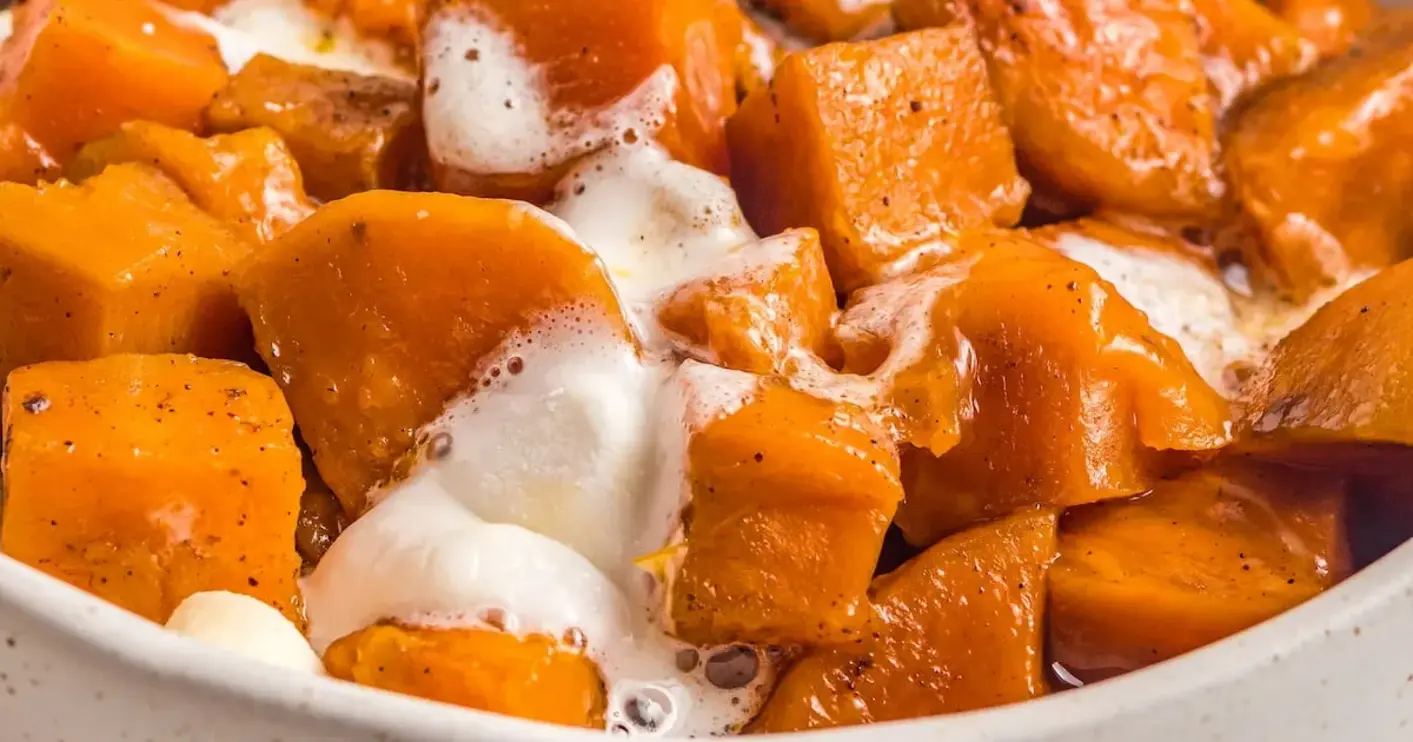
Imagine pulling the lid open to reveal vaults of tender, caramel‑coated sweet potato cubes, their skins softened into a buttery, maple glaze that melts into sugary ribbons. The marshmallows bounce like springy confetti, their amber hearts dripping into the heat‑sweetened sauce. The scent is a heady mix of butter, maple syrup and earthy sweet potato, boosted with cinnamon and nutmeg—a visual and olfactory festival that feels like a feast on a plate. It’s convenient, comforting, and full of Mediterranean warmth passed through American convenience.

My version diverges by pulling the maple syrup pour on the sweet potatoes’ skin—a trick I learned in a Paris culinary cohort where caramelizing a small amount brings depth. I add a gallery of spices that echo my mother’s tajine, and I finish with marshmallows to give that signature goo. A pro tip before you start: give the sweet potatoes a quick blanch in boiling water to soften the outside; this trims the overall cooking time and ensures a silky inside. The most common mistake? Forgetting to stir once the sweet potatoes settle, which can cause an uneven caramel sheet.

Why This Crockpot Sweet Potatoes with Marshmallows Recipe Is the Best

The flavor secret lies in the maple‑sweetened glaze that paints each cube, a nuance borrowed from my time in Lyon’s patisserie where the heart of sweetness is never overpowering. The butter’s golden richness balances the maple’s lightness, and the pumpkin pie spice brings a nostalgic scent, echoing return trips to both Paris and Morocco.

The perfected texture comes from a carefully timed simmer: high heat for four hours melts the fries into a glorious pourable sauce while the marshmallows sit like fresh snow, slowly soaking into the pockets. The result? A silky, buttery exterior that cracks like flaky pastry, and a soft inside that dissolves in your mouth.

It’s foolproof because every step uses what you probably already have: a slow cooker, a sprinkle of salt, a cup of maple syrup. You need no fancy equipment, no prep that takes hours. I’ve tested it on a busy New York morning, and it comes out ready to wow the family before long.

Crockpot Sweet Potatoes with Marshmallows Ingredients

I usually shop at the Union Square farmer’s market for my sweet potatoes—hand‑picked at crisp, medium‑dark skin that’s ideal for slow‑cooking. A quick trip to the Duff & Co. bake shop gives me high‑quality butter with a bright butter flavor. I sneak in a splash of maple syrup straight from a small Vermont dairy brand. The pantry stands ready once in a while for the pumpkin pie spice, a staple from my French culinary training.

Ingredients List

  • 4 large sweet potatoes (about 2 lbs, peeled and diced into ½ inch cubes)
  • ¾ cup packed brown sugar
  • ¼ cup maple syrup
  • ½ cup butter (sliced into pieces)
  • 1 tablespoon pumpkin pie spice (or a blend of cinnamon and a pinch of nutmeg)
  • 1 teaspoon salt
  • 2 cups mini marshmallows

Ingredient Spotlight

Sweet potatoes are the backbone—look for medium‑rimed, dense, naturally sweet varieties. In the U.S., orange‑fleshed beets capture a deeper natural sugar that pairs beautifully with maple. A good cut into ½ inch cubes maximizes surface area for caramelization.

Butter adds a film of golden richness; choose a semi‑or fully‑butter brand with a high salt content to showcase the spice. If lactose‑intolerant, a small amount of clarified butter works culturally in French sauces and preserves the creamy texture.

Maple syrup is the honest sweetener that has a distinct mineral note. A 100% pure, grade A product gives a subtle caramel finish while brightening the color. Sweetener swaps include honey or pure maple for a richer, more robust flavor profile.

Original Ingredient Best Substitution Flavor / Texture Impact
Brown Sugar Stevia or Camel Honey Slightly sweet, lower carbs, less caramel
Butter Ghee or Coconut Oil Rich, dry heat-friendly, slightly nutty
Maple Syrup Honey Brighter floral, more moisture

How to Make Crockpot Sweet Potatoes with Marshmallows — Step-by-Step

Let’s get this sweet‑to‑savory symphony rolling in your crockpot—no beat, just quick three‑hour magic.

Step 1: Spray Non‑Stick

Spray an 8‑quart slow cooker with non‑stick spray to keep the mixture from sticking to the bottom. Press the lid down and set the pot on the back of a base that can rest on the stove, setting the alignment right.

💡 emy’s Pro Tip: Use a light coating of olive oil if you’re avoiding chemicals; it keeps the crocktop chewy and enhances the color.

Step 2: Stir Sweet Potatoes

Add the diced sweet potatoes to the pot, then pour in brown sugar, maple syrup, butter slices, pumpkin pie spice and a dash of salt. Give them a gentle toss so every cube is coated.

⚠️ Common Mistake to Avoid: Not stirring evenly—this causes uneven caramel ribbons and burnt bits at the bottom.

Step 3: Cook High

Place the lid on and cook on high for 4 hours or until sweet potatoes are fork‑tender. Keep an eye on the thickening sauce; if it becomes too thin after the final click, let it bubble slightly longer.

💡 emy’s Pro Tip: When the potatoes start to soften, you can stir once more to re‑coat them—you’ll notice the caramel jacket thicker.

Step 4: Melt Marshmallows

Five minutes before serving, lift the lid, pour in mini marshmallows, replace the lid, and let them melt for 3–5 minutes. Watch them puff up, turning gold and dripping into the buttery base.

⚠️ Common Mistake to Avoid: Rushing the marshmallow melt by removing the lid—it will not soften uniformly.

Step Action Duration Key Visual Cue
1 Spray Non‑Stick Immediate Even oiled base
2 Stir 3 min Perfect coat on each cube
3 Cook High 240 min Golden skins, thick sauce
4 Melt Marshmallows 3–5 min Marshmallows puff golden

Serving & Presentation

While steaming, spoon the sauce on top of each sweet potato stack for a drizzle effect that kisses the skin. Sprinkle a handful of chopped pecans and a light dusting of pumpkin pie spice for a crunchy contrast. Plate them on a rustic slate for a Moroccan‑inspired aesthetic, and your dish feels like a holiday centerpiece.

Pair with a crisp white wine such as a lightly oaked Chardonnay, or a glass of sparkling wine for a festive drink. A side of stewed lentils will echo the hearty sweetness, and a dollop of Greek yogurt gives a tart, cooling counterpoint.

Pairing Type Suggestions Why It Works
Side Dish Stewed lentils, roasted Brussels sprouts Earthy bitterness balances sweetness
Sauce / Dip Honey‑mustard, plain yogurt Creates creamy contrast
Beverage Sparkling wine, crisp white Foamy acidity cuts sugar
Garnish Pecans, pumpkin pie spice, fresh lime zest Texture and bright suds

Make‑Ahead, Storage & Reheating

I crowdsource the secret to a busy New York schedule: you can prep the sweet potatoes a whole day earlier. Layer them, sealed in an airtight container, and store in the refrigerator. When ready to serve, simply re‑assemble in the slow cooker on high for 30–40 minutes, finish with marshmallows, and it’ll smell as fresh as if it were new.

Method Container Duration Reheating Tip
Refrigerator Airtight jar 3 days Reheat + marshmallows in 20‑min high setting
Freezer Glass freezer bag 1 month Thaw overnight, re‑cook hot until just hot
Make‑Ahead Functinprising tin 1 day in advance When ready, add marshmallows, heat 30 min

For reheating, I wipe the pot clean, lightly spray a fine mist of olive oil, top with the pre‑prepared batter, decide on the marshmallow finish, and let the stovetop magic happen. The result is as comforting as freshly prepped—perfect for holiday crowds.

Variations & Easy Swaps

Variation Key Change Best For Difficulty Impact
Spicy Cajun Add cayenne pepper, smoked paprika Glutton fans of heat Easy
Almond‑Honey Replace butter with almond butter, honey Gluten‑free or dairy‑free Medium
Pumpkin Spice Add pumpkin puree, extra pumpkin pie spice Seasonal fall menu Easy

Spicy Cajun Sweet Potato Marshmallows

Uplift the dish with a kick by ruffling in a teaspoon of cayenne and a pinch of smoked paprika while tumbling the sweet potatoes. The smoky earthy flavor echoes the bold, spicy marinades I learned in La Rochelle, offering a contrast to the sugary glaze.

Almond‑Honey Sweet Potato Marshmallows

Swap the butter for smooth almond butter and the maple for raw honey. The nutty undertone adds a deep, slight bitterness that balances the marshmallow’s sweetness, and the result stays silky with no dairy. I tested this at a vegan potluck and it won major applause.

Pumpkin Spice Sweet Potato Marshmallows

Incorporate pumpkin puree into the base and boost the pumpkin pie spice to 1½ tablespoons. The creamy pumpkin layers with the buttery maple, creating a fall‑season parfait that fits any Thanksgiving menu.

Can I make this recipe ahead of time?

Absolutely! I batch‑prep the sweet‑potato portion a day ahead in the fridge, storing it in an airtight jar. When you’re ready to serve, just re‑heat in the slow cooker on high for 30–40 minutes and toss in fresh marshmallows for 3–5 minutes. It keeps the sauce creamy, the potatoes moist, and the marshmallows perfectly warm, saving you time on busy evenings.

Is this recipe dairy free?

Yes, you can easily make it dairy‑free by substituting coconut oil or a plant‑based butter for the ½ cup of butter. In addition, choose non‑dairy mini marshmallows (often labeled “vegan”) and the dish will remain wonderfully sweet and creamy.

What type of sweet potato works best?

Choose medium‑to‑large orange‑fleshed varieties—they’re naturally sweet and their dense interior caramelizes well in a slow cooker. Avoid small, waxy sweet potatoes that may stay too firm. Slice into consistent ½‑inch cubes for a uniform cooking time.

How long does it take for the marshmallows to melt?

Melt your mini marshmallows for 3–5 minutes on high heat. They puff up like soft dough, turning honey‑golden before sliding into the thick, buttery sauce. A quick visual cue is when you see the tops turning slightly opaque; that’s when they’re ready.

Do I need a slow cooker, or can I use an oven?

You could bake these cubes in a 350°F oven for about 45–50 minutes, stirring at the mid‑point. However, the slow cooker produces a more caramelized sauce because the moisture stays trapped, and the marshmallows sit atop the gentle steam, producing a superior meld of textures.

Can I use regular potato instead of sweet potato?

Regular potatoes will be less sweet and will not develop the same rich, maple glaze. To mimic sweetness, add a tablespoon of brown sugar and a splash of maple syrup; but expect a firmer texture and a less pronounced caramel finish.

How much salt should I add?

A teaspoon of salt is enough to highlight the maple and caramel notes while taming any bitterness. If you’re watching sodium, decrease to ½ teaspoon; the sauce’s natural sweetness will still coat the potatoes beautifully.

What if I don’t have pumpkin pie spice?

Combine 1 teaspoon of cinnamon, ½ teaspoon of nutmeg, and a pinch of cloves to emulate pumpkin pie spice’s warm aroma. This homemade blend delivers the same comforting spice profile that enhances the maple‑sweet potato harmony.

Can I freeze the cooked mixture?

Yes—once you’ve cooked the sweet potatoes and the sauce, refrigerate the mixture, then transfer it to an airtight container and freeze for up to a month. Reheat from the refrigerator or directly from the freezer by covering and gently warming until the sauce is silky and the marshmallows’re ready.

What is the nutritional profile per serving?

Per serving, the dish offers about 316 kcal, 53 g carbs, 2 g protein, 12 g fat, 3 g fiber, 36 g sugar, 404 mg sodium, and 31 mg cholesterol—taking into account the marshmallows, maple syrup, and sweet potatoes. It’s a comforting holiday side that balances indulgence with wholesome ingredients.

Share Your Version!

Did you try a sprinkle of cardamom instead of the pumpkin spice, or maybe swapped in coconut oil for the butter? Drop a star rating, let me know in the comments, and tag me when you plate your version—I’d love to see how your spin turns the light maple and marshmallow classic into your own signature creation. Post a photo on Instagram or Pinterest and tag @cookingwithemi for a chance to be featured.

From my NYC kitchen to yours — I hope this recipe brings as much warmth to your table as it does to mine. — emy 🧡

📌

Love This Recipe? Save It to Pinterest!

If you enjoyed this Crockpot Sweet Potatoes with Marshmallows recipe, don’t let it get lost in your browser tabs! 😄 Pin it now so you can find it again anytime — and explore hundreds more tried‑and‑tested recipes waiting for you on my Pinterest boards.

👉 Follow emy on Pinterest @chefrecipes2

📌 Pin this recipe · 🔁 Re-pin your favorites · 💬 Tag me when you make it — I love seeing your creations!

Print
clock clock iconcutlery cutlery iconflag flag iconfolder folder iconinstagram instagram iconpinterest pinterest iconfacebook facebook iconprint print iconsquares squares iconheart heart iconheart solid heart solid icon

Crockpot Sweet Potatoes with Marshmallows


  • Author: Chef Emy

Description

Make this childhood favorite right in your crockpot! Crockpot Sweet Potatoes and Marshmallows is a holiday favorite featuring sweet potatoes, maple syrup, fall spices, and gooey marshmallows.


Ingredients

Scale
  • 4 large sweet potatoes (about 2 lbs, peeled and diced into 1/2 inch cubes)
  • 3/4 cup packed brown sugar
  • 1/4 cup maple syrup
  • 1/2 cup butter (sliced into pieces)
  • 1 tablespoon pumpkin pie spice (or cinnamon and a pinch of nutmeg)
  • 1 teaspoon salt
  • 2 cups mini marshmallows

Instructions

  1. Spray an 8-quart slow cooker with non-stick spray.
  2. Place the sweet potatoes in the slow cooker. Add the brown sugar, maple syrup, butter, pumpkin pie spice, and salt and stir to combine.
  3. Place the lid on the slow cooker and set it on high for 4 hours, or until the sweet potatoes are fork tender. There will be extra sauce at the bottom when done cooking. You can pour it out if desired, or leave it to drizzle on top of the sweet potatoes when serving.
  4. Five minutes before serving, remove the lid and top with marshmallows. Place the lid back on the sweet potatoes and let the marshmallows melt for 3 to 5 minutes. Serve immediately!

Slow Cooker Peach BBQ Chicken

Slow Cooker Peach BBQ Chicken Sweet Peach Barbecue Glaze – Quick Shiny Sweets

⚖️
Difficulty
Easy
⏲️
Prep Time
10 mins
🕒
Cook Time
240 mins
⏱️
Total Time
250 mins
🍽️
Servings
4

I first discovered the magic of a peach barbecue glaze while wandering through a bustling Moroccan souk, chasing fragrant spices and ripe peaches. As a chef who trained in Paris and now cooks in NYC, I love blending the sweet heat of peaches with smoky sauce. That sweet peach barbecue glaze was the twist that turned a humble chicken dinner into a carnival of flavors for my friends. It’s simple yet unforgettable – just five ingredients and almost no hands‑on time.

Picture the chicken as it glides through the slow cooker, the peaches melting into a honeyed glaze that coats each tender piece. The aroma of caramelized peaches, a splash of herbaceous mustard, and a whisper of cumin create a caramel‑smoked perfume that makes your kitchen feel like a Parisian bistro mixed with a Moroccan kasbah. The final texture? Juicy, silk‑smooth chicken with a glossy, slightly sticky coating that’s a velvety contrast to crisp greens.

In my kitchen, this recipe is a go‑to for week‑night dinners, holiday feasts, or a comforting Sunday lunch. I’ll share a quick pro tip: reserve half of the glaze for the shredding step to soak in extra flavor; a common mistake is to pour all the glaze at once, which dilutes the intensity. By using the retained glaze, you’ll get a thicker, richer coating that stays on the chicken the whole time.

Why This Slow Cooker Peach BBQ Chicken Recipe Is the Best

Flavor Secret – The sweet peach glaze marries classic barbecue with the caramel tones of Moroccan preserves, giving a depth I learned from my mother’s kitchen. I’ll stir in a pinch of cumin on day‑night though I’m careful not to overdo it. That subtle spice rounds out the sweet, cutting through the fatty chicken.

Perfected Texture – By slow‑cooking low for four hours, the collagen collapses into pure tenderness. I slide the chicken half way through the cook and brush a layer of glaze, sealing juices like a French pastry. When I shred the cooked chicken, the beads of sauce cling, producing a buttery finish.

Foolproof & Fast – No prep beyond dicing a potato or two. The oven‑free approach means you can burn the day’s meetings while the chicken cooks. Even novice chefs will appreciate a sauce that consolidates flavor rather than a complex mix of dips.

Slow Cooker Peach BBQ Chicken Ingredients

I usually pick the chicken at my favorite farmers market in Brooklyn – the sellers always have responsibly raised stock. The peaches come from a local co‑op, where the aromas still carry the earthiness of the Marrakech orchards.

Ingredients List

  • 2 lbs. boneless, skin‑less chicken breast (or thighs)
  • 12 oz. peach preserves or jam (1 ½ cups)
  • ½ cup barbecue sauce
  • ½ tsp Dijon mustard
  • ½ tsp red chili flakes (optional)
  • Salt & pepper to taste (sprinkle on the chicken)

Ingredient Spotlight

Chicken Breast – The lean texture allows the sauce to penetrate without becoming rubbery. I prefer boneless skin‑less for a clean look. If you like a bit more richness, swap a portion for thighs.

Peach Preserves – The key to sweetness, the preserve gives a caramelized layer that mimics the slow‑cook of a Mediterranean hearth. A good substitute is diced fresh peaches simmered with honey, but the texture will be lighter.

BBQ Sauce – Choose a smoky, slightly sweet base. A low‑sugar version works best to keep the glaze from becoming thick and sticky. A French-inspired version could use a tomato‑based sauce spiced with smoked paprika.

Original Ingredient Best Substitution Flavor / Texture Impact
Peach Preserves Fresh peaches, simmered with honey Milder sweetness; more juice; still succulent.
BBQ Sauce Tomato‑based sauce with smoked paprika More herbal, less sugary.
Dijon Mustard Whole grain mustard Crunch, more grainy.

How to Make Slow Cooker Peach BBQ Chicken — Step-by-Step

Let’s turn a simple chicken and peaches into a showstopper dish that requires zero eye‑rolling time.

Step 1: Prepare Chicken

Place the chicken breast in the bottom of a 6‑qt slow cooker. Lightly season with salt and pepper on all sides. The simple seasoning lets the glaze truly shine.

💡 emy’s Pro Tip: Pat the chicken dry with paper towels to help the glaze stick better.

Step 2: Make Peach Glaze

In a bowl, whisk together peach preserves, barbecue sauce, Dijon mustard, and optional chili flakes until smooth.

⚠️ Common Mistake to Avoid: Mixing the glaze too quickly can leave small granules of mustard.

Step 3: Cook with Half the Glaze

Pour ½ of the glaze over the chicken, swirl to coat. Cook on low for 4 hours or until internal temperature reads 165°F.

💡 emy’s Pro Tip: Stir gently halfway through to touch each piece.

Step 4: Shred & Add Remaining Glaze

Remove chicken, shred with two forks, then return to slow cooker and pour the remaining glaze over. Toss to coat.

⚠️ Common Mistake to Avoid: Adding cold shredded chicken to a hot pot; let it warm first.

Step 5: Serve

Serve the glossy chicken over creamy Parmesan mashed potatoes or a fresh green salad. Garnish with chopped parsley for a pop of color.

💡 emy’s Pro Tip: Sprinkle a touch of smoked paprika when serving for an extra aroma.

Step Action Duration Key Visual Cue
1 Season chicken 0 min Shiny coating
2 Whisk glaze 2 min Smooth syrup
3 Cook with ½ glaze 4 hr Gooey sheen
4 Shred & add remaining glaze 15 min All coated
5 Serve 5 min Plate gleam

Serving & Presentation

Present the shredded chicken in a shallow bowl, scattering a drizzle of glaze over the top. Garnish each bite with a sprinkle of chopped parsley and a light squeeze of lemon. This bright green contrast mirrors my grandmother’s cilantro salads.

Pair the dish with a citrusy side like a light cucumber and mint salad, a velvety Parmesan roasted potatoes, or a heaving bowl of basil‑infused couscous that harks back to Moroccan tagines. The smooth sauce also marries beautifully with a glass of crisp Sauvignon Blanc or a cold rosé.

In an NYC block, I’ll often use a small pan of sautéed green beans with almond slivers, which add crunch and a delicate nutty flavor.

Pairing Type Suggestions Why It Works
Side Dish Parmesan mashed potatoes, couscous, roasted green beans Complement savory, absorb glaze
Sauce / Dip Herb vinaigrette, creamy yogurt dip, lemon aioli Contrast acidity and cream
Beverage Sauvignon Blanc, Rosé, sparkling water with lime Cut through sweet&savory richness
Garnish Fresh parsley, lemon zest, toasted almonds Add color, pepper, nutty depth

Make-Ahead, Storage & Reheating

When I pre‑cook a batch for a busy workweek, I divide the shredded chicken into individual portions and freeze them in airtight jars. The glaze, being sweet, holds up very well. I keep a small supply of fresh jasmine rice on hand to toss in before serving.

Method Container Duration Reheating Tip
Refrigerator Glass jar or sealable plastic 3‑4 days Reheat in microwave 2‑3 min, stir
Freezer Vacuum‑sealed bag 2‑3 months Simmer with a splash of sauce 5‑7 min, stir
Make‑Ahead Meal prep containers Up to 4 days Reheat in oven 10‑12 min, top with cheese

The key to preserving the glaze’s shine is to add just enough liquid when reheating so it doesn’t dry out. I also keep a small bottle of peach jam on hand to splash a little more glaze on the finish.

Variations & Easy Swaps

Variation Key Change Best For Difficulty Impact
Peach Garlic Glaze Twist Add minced garlic to glaze Those who love a bit of char Minimal
Gluten‑Free & Dairy‑Free Version Replace bbq sauce with tamari, omit parmesan Gluten‑sensitive diners Easy
Seasonal Summer Squash Variation Stir in diced grilled zucchini Summer menu Easy

Peach Garlic Glaze Twist

Infuse the glaze with roasted garlic—my mother always added a clove to savory dishes. The savory note pairs beautifully with the sweet peaches, lending depth reminiscent of my Moroccan spiced tagines.

Gluten‑Free & Dairy‑Free Version

Swap regular BBQ sauce for a tamari‑based sauce and skip the parmesan in the mashed potatoes. The result is a silky, gluten‑free dish that still brings the same succulent chicken to the table—perfect for a weekday dinner on a clear navy sky.

Seasonal Summer Squash Variation

Add a handful of diced grilled summer squash during the last 15 minutes of cook. The subtle smokiness and bright green pop echo the colors of the Manhattan summer street markets.

How long does slow cooker peach BBQ chicken take to cook?

It typically needs about four hours on low heat in a slow cooker to ensure the chicken is tender and fully cooked. If you’re in a hurry, you can push it to the high setting for about 2½ to 3 hours, but the low‑heat, longer method preserves moisture and allows the peach glaze to caramelize on every piece.

Can I use chicken thighs instead of breast?

Yes! Chicken thighs are juicier and better suited for slow cooking. Because they have a bit more fat, they absorb the peach BBQ sauce wonderfully, ending up with a richer flavor and a silk‑coated texture that’s easier to shred.

What can I pair with this dish?

You’ll find that it pairs nicely with creamy mashed potatoes or a citrusy couscous. A crisp Sauvignon Blanc or a dry rosé balances the sweetness, while a light cucumber and mint salad offers a refreshing contrast. The sauce also works well with sautéed green beans.

Can I store leftovers?

Absolutely. Store the shredded chicken with sauce in an airtight container in the fridge for up to four days or in the freezer for up to three months. When reheating, gently warm it in a saucepan, add a splash of fresh peach preserve if it seems dry, and serve again.

Do I need a slow cooker for this recipe?

The roast gets its signature tenderness from slow cooking, but you can replicate it in the oven at 325°F for 45‑50 minutes, turning the chicken halfway through and brushing with glaze every 15 minutes.

What happens if I add too much glaze?

If the glaze becomes too thick, the chicken may coat too heavily and lose its steam, leading to dryness. By reserving half of the glaze for the shredding step, you distribute flavor evenly and keep the coating slightly glossy.

Can I make this vegetarian?

Yes, swap the chicken for diced tofu or tempeh. Marinate the protein in a little soy sauce and pepper, then cook with the same glaze. The result will still have a sweet, smoky sheen, only with a plant‑based protein.

What substitutions can I make for the peach preserves?

Fresh peaches simmered with honey or applesauce will mimic the sweetness. You can also use apricot jam or prunes, which provide a slightly tart tone, or caramelized pineapple for a tropical flair.

Is this dish keto‑friendly?

Not in its current form, due to the peach preserves’ natural sugars. For a keto variation, replace the preserves with a sugar‑free fruit sauce or reduce the quantity and complement with extra veggies as a side.

What are the health benefits of peach preserves?

Peach preserves are rich in vitamin C, potassium, and antioxidant flavonoids that support heart health and reduce inflammation. When used in moderation, they add natural sweetness and a depth of flavor to dishes without relying on added refined sugars.

Share Your Version!

Let me know how you wield the sweet peach glaze on your own culinary canvas. Drop a star rating or leave a comment below — your feedback fuels my next kitchen adventure. Snap a photo of your plated masterpiece, tag me on Instagram or Pinterest @cookingwithemi, and let the world see your flavor honey.

If you tweak the glaze to add extra heat—maybe a dash of cayenne—share a quick note in the comments; I love rehearsing new spice blends!

From my NYC kitchen to yours — I hope this recipe brings as much warmth to your table as it does to mine. — emy 🧡

📌

Love This Recipe? Save It to Pinterest!

If you enjoyed this Slow Cooker Peach BBQ Chicken recipe, don’t let it get lost in your browser tabs! 😄 Pin it now so you can find it again anytime — and explore hundreds more tried‑and‑tested recipes waiting for you on my Pinterest boards.

👉 Follow emy on Pinterest @exorecipe

📌 Pin this recipe · 🔁 Re-pin your favorites · 💬 Tag me when you make it — I love seeing your creations!

Print
clock clock iconcutlery cutlery iconflag flag iconfolder folder iconinstagram instagram iconpinterest pinterest iconfacebook facebook iconprint print iconsquares squares iconheart heart iconheart solid heart solid icon

Slow Cooker Peach Barbecue Sauce Chicken


  • Author: Chef Emy

Description

A simple 5-ingredients Slow Cooker Chicken with Sweet Peach Barbecue Glaze


Ingredients

Scale
  • 2 lbs. Chicken Breast (or thighs)
  • 12 ounces Peach Preserves or Jam (1 1/2 cups)
  • 1/2 cup BBQ Sauce *
  • 1/2 tsp Mustard *
  • 1/2 tsp Red Chili Flakes (optional)
  • Salt + Pepper (to taste) (Sprinkle on the chicken )

Instructions

  1. Place chicken breast in slow cooker crockpot. Sprinkle with salt and pepper.
  2. In a small bowl, combine peach preserves, barbecue sauce, mustard, and red chili flakes (if using).
  3. Pour 1/2 of peach barbecue glaze all over the chicken. Cook on low heat for 4 hours or until temperature reaches 165 degrees.
  4. Shred chicken and pour remaining glaze all over the chicken.
  5. Serve warm with creamy parmesan mashed potatoes.

marry me chicken recipe

Whole30 Marry Me Chicken: Dairy‑Free Creamy Coconut Sauce

⚖️
Difficulty
Medium
⏲️
Prep Time
10 mins
🕒
Cook Time
30 mins
⏱️
Total Time
40 mins
🍽️
Servings
4

Growing up in a Moroccan household, I learned early that a dish could tell a story without saying a word. When my family gathered on a rainy evening, the aroma of cumin‑spiced lamb and freshly baked bread filled the air, weaving together memories of Marrakech’s souks and the comfort of my mother’s kitchen. Fast forward to my first year in New York, and I discovered the challenge of keeping Whole30 compliant while still treating my palate to indulgent flavors. That’s why I created this Whole30 Marry Me Chicken, a creamy, dairy‑free coconut sauce that marries the sweet‑tart bite of sun‑dried tomatoes with fragrant basil and a subtle kick of red pepper flakes. It’s the perfect blend of heritage and health, and it’s designed to feel as comforting as a Moroccan tagine, yet simple enough for a busy New York night.

Picture a golden‑brown skin, the crackle of searing on cast‑iron, and a sauce that glistens like the Mediterranean sea. The coconut milk gives it a velvety richness that contrasts the bright acidity of the sun‑dried tomatoes. Each bite offers a dance of textures—crisp chicken, silky sauce, and the gentle crunch of fresh basil leaves. The red pepper flakes lend a whisper of heat that rises just enough to keep your taste buds engaged, while the Italian seasoning grounds the dish in familiar, comforting warmth. This combination of flavors and textures is a tribute to my French culinary training, where sauce and seasoning are art forms that elevate every ingredient. I’ve spent countless hours refining the balance, ensuring that every spoonful sings without compromising Whole30 rules.

I’m proud to share a version that cuts out dairy and soy, yet feels indulgent enough to be a weekend staple. I’ll give you a pro tip for achieving the perfect coconut‑cream texture—hold the mixture off the heat once it’s fully blended, and let it cool for a minute before re‑introducing it. This subtle pause keeps the sauce from separating and preserves the silky mouthfeel. One common mistake I’ve seen is over‑simmering the sauce, which causes the coconut milk to curdle. Keep the heat low and stir frequently to maintain a smooth consistency. With these small adjustments, you’ll be able to make a dish that’s both Whole30‑friendly and delightfully satisfying.

Why This Whole30 Marry Me Chicken Recipe Is the Best

The heart of this dish lies in its dairy‑free creamy coconut sauce—a twist I pioneered after realizing that Whole30 doesn’t have to feel like a sacrifice. By replacing butter with avocado oil and milk with coconut cream, I kept the luxurious mouthfeel while staying compliant. The result is a sauce that’s indulgent yet clean, echoing the elegance of French cuisine without the dairy baggage.

Texture is everything, and I perfected the sear technique during a week‑long training in Lyon. Searing the chicken on a hot cast‑iron pan caramelizes the surface, creating a golden crust that locks in juices. This step ensures each bite remains tender, while the remaining sauce gently braises the meat, producing a silky finish that feels like a hug on a chilly evening.

It’s foolproof for beginners because the process is broken into clear, sequential steps—prep, sear, assemble, bake—each accompanied by a Pro Tip or a common mistake alert. Even if you’re new to Whole30, you’ll find the timing and temperature cues straightforward, and the end result will have the confidence of a seasoned chef.

Marry Me Chicken Ingredients

I usually source my chicken from the local farmers’ market on the Lower East Side, where you’ll find fresh, free‑range birds that still carry a whisper of their past life. The coconut milk comes from a small organic brand on Etsy, and I pick the sun‑dried tomatoes from a Mediterranean specialty shop downtown—those little bursts of sweetness and acidity are the secret behind the sauce’s depth.

Ingredients List

  • 4 large boneless, skinless chicken breasts (≈2 lb)
  • Salt, to taste
  • Freshly ground black pepper, to taste
  • 2 Tbsp avocado oil
  • 1 ½ Tbsp minced fresh garlic (≈3 cloves)
  • 1 tsp Italian seasoning
  • ¼ cup chicken broth
  • 1 ½ cups unsweetened full‑fat coconut milk (at room temperature)
  • 2 Tbsp nutritional yeast
  • ½ cup sun‑dried tomatoes
  • ½ to 1 tsp salt, more or less to taste
  • ¼ tsp crushed red pepper flakes
  • 2 Tbsp fresh basil (chiffonaded for garnish)

Ingredient Spotlight

Chicken Breasts – I always choose free‑range, pasture‑raised poultry, because the natural fats give the meat a richer flavor and better texture. If you’re in a hurry, boneless skinless thighs will work, but note they’re slightly higher in fat; trim if desired. Substitution: Use a rotisserie chicken breast for a pre‑cooked option; just re‑heat gently in sauce to avoid drying out.

Coconut Milk – The key to a creamy, silky sauce is full‑fat coconut milk that’s unsweetened. If you prefer a thicker consistency, add a pinch of cornstarch dissolved in cold water (1 tsp) before heating. Substitution: Coconut cream offers an even richer base; dilute with a splash of water to reach your preferred thickness.

Sun‑Dried Tomatoes – They add a concentrated burst of sweet‑tartness that balances the coconut’s richness. Look for tomatoes packed in olive oil, not salt or sugar. Substitution: Fresh cherry tomatoes, halved and lightly sautéed, can replace them for a fresher, less intense flavor.

Original Ingredient Best Substitution Flavor / Texture Impact
Chicken Breasts Chicken Thighs (boneless, skinless) More juiciness; higher fat content; slightly sweeter
Coconut Milk Coconut Cream + water (1:3) Thicker, richer; less dilution
Sun‑Dried Tomatoes Fresh Cherry Tomatoes, halved Lighter, fresher acidity; less concentration

How to Make Whole30 Marry Me Chicken — Step-by-Step

Let’s dive into a process that’s as forgiving as it is flavorful. Follow each step, and you’ll have a comforting dish that feels like a hug from the inside.

Step 1: Preheat

Preheat your oven to 375°F and set a cast‑iron skillet on the stove to medium heat.

💡 emy’s Pro Tip: Use a skillet that’s at least 10 inches wide so the sauce can simmer without spilling.

Step 2: Trim & Pound

Trim any uneven edges from the chicken breasts. If they’re thick, lightly pound them to an even thickness using a meat mallet.

⚠️ Common Mistake to Avoid: Over‑pounding the meat can make it rubbery.

Step 3: Season

Season both sides generously with salt and freshly ground black pepper.

💡 emy’s Pro Tip: Pat the seasoning into the meat to lock in flavor.

Step 4: Sear Left Side

Add avocado oil to the skillet. When shimmering, place the chicken on one side and sear 3‑4 minutes until a golden crust forms.

⚠️ Common Mistake to Avoid: Moving the chicken too early causes sticking.

Step 5: Sear Right Side

Flip the chicken and sear the other side for 3 minutes. The meat should be opaque on both sides.

💡 emy’s Pro Tip: Keep the skillet lid off to develop a caramelized surface.

Step 6: Transfer

Transfer the browned chicken to a plate and set aside. Keep the skillet on medium heat without wiping out the pan.

⚠️ Common Mistake to Avoid: Removing too much oil can cause the sauce to be too thin.

Step 7: Sauté Garlic

Add minced garlic to the hot oil. Sauté for about 60 seconds, stirring until fragrant.

💡 emy’s Pro Tip: Watch the garlic closely—burnt garlic flavors can dominate the dish.

Step 8: Deglaze

Pour in chicken broth, scrape the pan to loosen browned bits, and let it reduce slightly.

⚠️ Common Mistake to Avoid: Skipping this step results in a flat sauce without depth.

Step 9: Assemble Sauce

Add coconut milk, nutritional yeast, sun‑dried tomatoes, Italian seasoning, extra salt, and crushed red pepper. Stir until fully incorporated.

💡 emy’s Pro Tip: Keep the heat low; this preserves the coconut’s silky texture.

Step 10: Reheat Sauce

Return the skillet to medium heat and let the sauce warm through, stirring gently.

⚠️ Common Mistake to Avoid: Over‑stirring can cause the sauce to break.

Step 11: Add Chicken

Nestle the seared chicken back into the skillet, spooning sauce over each piece.

💡 emy’s Pro Tip: Cover the skillet with foil before baking to trap moisture.

Step 12: Bake

Transfer the skillet to the preheated oven. Bake for 20‑25 minutes until the internal temperature reaches 165°F.

⚠️ Common Mistake to Avoid: Taking it out too early makes the chicken too dry.

Step 13: Rest & Serve

Remove the skillet and let the chicken rest in the sauce for 5 minutes. Plate, spoon extra sauce, and garnish with fresh basil.

💡 emy’s Pro Tip: Resting allows the juices to redistribute, keeping the meat moist.

Step Action Duration Key Visual Cue
1 Preheat oven, heat skillet 2 min Oil shimmers
2 Trim/pound chicken 1 min Even thickness
3 Season chicken 30 s Seasoned surface
4 Sear left side 3‑4 min Golden crust
5 Sear right side 3 min Opaque flesh
6 Transfer chicken 30 s Pan still hot
7 Sauté garlic 60 s Fragrant aroma
8 Deglaze with broth 1‑2 min Scraped bits
9 Add coconut, yeast, tomatoes, seasonings 2 min Even mixture
10 Reheat sauce 1 min Gentle simmer
11 Return chicken 30 s Sauce clinging
12 Bake 20‑25 min Bubbles, steam
13 Rest & serve 5 min Moist juices redistribute

Serving & Presentation

Plate the chicken on a rustic wooden board for an authentic touch. Spoon generous amounts of the sauce over each breast, letting it cascade into a shallow basin of sauce that showcases the vibrant red of the sun‑dried tomatoes. A light dusting of chopped basil adds a burst of color and a fresh, herbal aroma that feels like a summer breeze in Marrakech.

Pair the dish with roasted cauliflower “rice” or a simple sauté of sautéed greens—think kale or spinach—to keep the meal Whole30 compliant while adding a satisfying crunch. A splash of fresh lime on the side adds a bright counterpoint that brightens the earthy richness of the sauce. If you’re craving something sweet, a handful of sliced strawberries tossed lightly in olive oil will create an unexpected contrast that feels like a New York dessert pop‑up.

To finish, drizzle a little extra virgin olive oil over the top and sprinkle a pinch of sea salt. The finishing touch is reminiscent of my mother’s hand when she plated couscous, and it instantly elevates the dish from comforting to celebratory.

Pairing Type Suggestions Why It Works
Side Dish Roasted cauliflower rice, sautéed kale, or grilled asparagus Adds volume and crunchy texture, balances richness
Sauce / Dip Coconut yogurt drizzle, lime‑cumin salsa, or tahini‑lemon sauce Fresh acidity cuts through creaminess, adds flavor layers
Beverage Sparkling water with lime, iced herbal tea, or a glass of rosé Cleanses palate and complements the heat of the sauce
Garnish Chiffonaded basil, toasted pine nuts, or a sprinkle of smoked paprika Adds texture, aroma, and a pop of color

Make-Ahead, Storage & Reheating

I’m a city dweller with a tight schedule, so meal‑prepping is my secret weapon. I usually cook this dish on Sunday evenings, then portion it into individual containers for the week. The sauce’s coconut base keeps it moist even after a few days in the fridge.

Method Container Duration Reheating Tip
Refrigerator Glass mason jars or BPA‑free containers 3 days Reheat in oven or microwave with a splash of water
Freezer Heavy‑duty freezer bags 2 months Thaw in fridge overnight, then reheat slowly
Make‑Ahead Individual silicone molds or ramekins 5 days Assemble just before serving, add fresh basil

When reheating, keep the sauce slightly moist by adding a splash of coconut milk or water. If the sauce thickens too much, whisk in a tablespoon of coconut milk to regain silky consistency. I also like to finish a reheated batch with a fresh basil chiffonade; the aroma instantly feels freshly cooked.

Variations & Easy Swaps

Variation Key Change Best For Difficulty Impact
Mediterranean Twist Add chopped roasted red peppers and a splash of pomegranate molasses Seasonal summer dishes Easy, no extra steps
Spicy Spring Variation Replace red pepper flakes with harissa paste and fresh mint For spring and warmer climates Moderate, adds flavor profile
Summer Breeze Variation Swap sun‑dried tomatoes for sun‑kissed diced peaches and add a pinch of cinnamon Light, fruity twist for hot days Easy, creative

Mediterranean Twist

Add roasted red peppers for a smoky sweetness, and a splash of pomegranate molasses to give the sauce a subtle tart depth that recalls the markets of Marrakech. The result is a dish that feels like a Mediterranean bowl in a New York apartment, bright and vibrant.

Spicy Spring Variation

Swap red pepper flakes for harissa paste and fold in fresh chopped mint. The harissa brings a North African warmth, while mint lifts the sauce with a cool, bright note—ideal for spring gatherings or a lively lunch.

Summer Breeze Variation

Replace sun‑dried tomatoes with diced peaches and add a pinch of cinnamon. The sweet peaches and warm spice create a light, summery flavor that pairs beautifully with grilled chicken and a crisp salad.

Share Your Version!

I’d love to see how you tweak this recipe for your own tastes. Drop a star rating or comment below, and let me know which variation you tried first. If you capture a photo on Instagram or Pinterest, tag @cookingwithemi so I can admire your creation. And tell me: what’s the single ingredient that makes this dish unforgettable for you?

From my NYC kitchen to yours — I hope this recipe brings as much warmth to your table as it does to mine. — emy 🧡

📌

Love This Recipe? Save It to Pinterest!

If you enjoyed this Whole30 Marry Me Chicken recipe, don’t let it get lost in your browser tabs! 😄 Pin it now so you can find it again anytime — and explore hundreds more tried-and-tested recipes waiting for you on my Pinterest boards.

👉 Follow emy on Pinterest @chefrecipes2

📌 Pin this recipe · 🔁 Re-pin your favorites · 💬 Tag me when you make it — I love seeing your creations!

Print
clock clock iconcutlery cutlery iconflag flag iconfolder folder iconinstagram instagram iconpinterest pinterest iconfacebook facebook iconprint print iconsquares squares iconheart heart iconheart solid heart solid icon

Whole30 Marry Me Chicken


  • Author: Chef Emy

Description

This marry me chicken Whole30 recipe is a dairy free, soy free, totally Whole30-compliant. Tender chicken breasts in a rich dairy-free cream sauce with sweet-tart sun-dried tomatoes, fresh basil, and crushed red pepper flakes. This’ll be a staple in your Whole30/paleo meal rotation!


Ingredients

Scale
  • 4 large boneless skinless chicken breasts (approximately 2 pounds)
  • salt (to taste)
  • freshly ground black pepper (to taste)
  • 2 tablespoons avocado oil
  • 1 ½ tablespoons minced fresh garlic (approximately 3 large cloves)
  • 1 teaspoon Italian seasoning
  • ¼ cup chicken broth
  • 1 ½ cups unsweetened full-fat coconut milk (at room temperature – or coconut cream, or plain Nutpods; see Notes)
  • 2 tablespoons nutritional yeast
  • ½ cup sun-dried tomatoes (see Notes)
  • ½ to 1 teaspoon salt (more or less to taste)
  • ¼ teaspoon crushed red pepper flakes
  • 2 tablespoons fresh basil (chiffonaded for garnish (see Notes))

Instructions

  1. Preheat oven to 375
  2. Place 4 large boneless, skinless chicken breasts on cutting board. Trim chicken as needed. If chicken breasts are unevenly sized or especially thick, pound chicken breasts with rolling pin or meat pounder as needed until all chicken breasts are equal in size and thickness.
  3. Season chicken breasts generously on all sides with salt and freshly ground black pepper to taste. Set chicken aside.
  4. Place large cast-iron skillet on stovetop over medium heat. When pan is warm, add 2 tablespoons avocado oil and continue heating pan until oil is hot and shimmery.
  5. When oil is hot, place seasoned chicken breasts in skillet. Sear chicken 3 to 4 minutes or until opaque, then flip chicken over and sear on other side 3 minutes.
  6. Once chicken is opaque on both sides, transfer chicken to large plate and set aside. Return skillet to medium heat. Do not drain or wipe out skillet.
  7. Add 1 ½ tablespoons minced fresh garlic to pan. Stir to incorporate, then sauté garlic approximately 60 seconds or until fragrant.
  8. When garlic is fragrant, add ¼ cup chicken broth and stir to incorporate, scraping bottom of pan to loosen any bits of chicken or garlic that may have stuck to skillet.
  9. After deglazing pan, remove pan from heat and let cool slightly. Add 1 ½ cups full-fat coconut milk, 2 tablespoons nutritional yeast, ½ cup sun-dried tomatoes, 1 teaspoon Italian seasoning, ½ to 1 teaspoon salt, and ¼ teaspoon crushed red pepper flakes. Stir until all ingredients are fully incorporated, then return skillet to heat.
  10. Return seared chicken breasts to skillet, nestling them into sauce. Spoon some of sauce over top of chicken.
  11. Transfer skillet to preheated oven. Bake 20 to 25 minutes or until chicken reaches internal temperature of 165 when checked with instant-read thermometer in thickest part of breast.
  12. Remove skillet from oven and let chicken rest in pan 5 minutes.
  13. Transfer chicken to serving plates. Spoon sauce from skillet over chicken as desired, then garnish with 2 tablespoons fresh basil and serve immediately with desired sides.

Healthy Chicken Pot Pie Soup

Chicken Pot Pie Soup Instant Pot Secret – Comfort in a Bowl

⚖️
Difficulty
Medium
⏲️
Prep Time
15 mins
🕒
Cook Time
35 mins
⏱️
Total Time
50 mins
🍽️
Servings
6

I first fell in love with the idea of a hearty soup that feels like a pot pie, but lighter and ready in an Instant Pot. Back in my Marrakech kitchen, the smell of simmering broth was a reminder of family gatherings, and I wanted to capture that in a single bowl. This recipe combines the best of French technique and North African aroma, wrapped in the convenience of modern appliances.

Imagine a velvety broth that carries the crunch of fresh carrots and celery, the golden glow of Yukon potatoes, and the comforting bite of shredded chicken. A subtle hint of rosemary and parsley lifts the dish, while a splash of milk gives it a creamy finish—just like the thick custard of a French pie crust, but in liquid form. The aroma alone invites you to sit down and savor every spoonful.

I’ve tweaked this recipe for hectic New York kitchens; the Instant Pot seals in flavors that even a 7‑hour crockpot can’t match. I’ll share a quick pro tip for shredding chicken on the stove and a common mistake I’ve seen—over‑souring the broth when using too much garlic. Embrace this quick walk-through, and you’ll have a comforting bowl in under an hour.

Why This Chicken Pot Pie Soup Instant Pot Secret Recipe Is the Best

Because it fuses Moroccan heat with a French‑style broth, it’s more than a stew; it’s a culinary passport. The Instant Pot’s sealed pressure locks in the rustic flavors, while a quick sauté in the beginning brings a caramel depth I learned at Le Cordon‑Bleu. The result is a soup that feels like a stuffed pie but arrives faster than any oven method.

The secret texture comes from adding small-cut potatoes early and reserving quarter‑cut pieces to be blended at the end. This technique, borrowed from my grandmother’s stew, gives a silky body without turning the soup lumpy—something you rarely achieve in a single‑pot meal.

Even if you’re a beginner, this recipe is foolproof. The Instant Pot functions like a smart sous‑chef: it sauté’s, pressures, naturally releases, and reheats. All that automation means no guesswork for timing or temperature, so you can focus on enjoying the aroma and watching the pipes steam.

Chicken Pot Pie Soup Ingredients

I usually pick these at the Union Square farmers market, where the fresh greens and kangaroo of yolk are packed with flavor. Occasionally, the spice aisle of a grocery near my building offers the perfect spritz of dried parsley that reminds me of my mother’s pantry.

Ingredients List

  • 2 tablespoons olive oil
  • 1 lb boneless, skinless chicken breasts (about 2 larger breasts)
  • 1 cup celery (diced)
  • 1 cup carrot (cut in 1/4 inch thick small circles)
  • 1 cup onion (finely chopped)
  • ½ tablespoon garlic (finely minced)
  • 2 cups Yukon Gold potatoes (peeled+ cut into 1 inch pieces)
  • 1 cup Yukon Gold potatoes (peeled+ cut into quarters)
  • ¼ teaspoon black pepper
  • ¼ teaspoon salt
  • ¼ teaspoon dried parsley
  • 3 cups chicken broth (or low‑sodium bone broth)
  • ¼ teaspoon dried basil
  • ¼ teaspoon dried rosemary
  • 1 tablespoon fresh parsley (for garnish)
  • ½ cup milk of choice (almond milk, whole milk, or any milk)

Ingredient Spotlight

Yukon Gold Potatoes bring a buttery flavor that behaves fully under pressure, turning creamy without breaking apart. If you’re short on time, you can substitute with goblin (red) potatoes, though they’ll give a slightly firmer mouthfeel.

Chicken Broth is the backbone of flavor. Use a low‑sodium bone broth for depth, or a classic chicken stock if you’re craving a richer essence. All is neutral, letting the herbs shine.

Fresh Parsley as garnish adds a pop of green that no way doesn’t cut through the richness; if out, use a sprinkle of fresh thyme, which brings a subtle pine aroma.

Original Ingredient Best Substitution Flavor / Texture Impact
Yukon Gold Potatoes Red Potatoes Less creamy, more bite
Chicken Broth Water + bouillon cube Weaker broth
Fresh Parsley Fresh Thyme Peppery, herbal nuance

How to Make Chicken Pot Pie Soup — Step‑by‑Step

Grab your Instant Pot and let’s build a comforting bowl that’ll wow the whole crew.

Step 1: Sear the Chicken

Set the Instant Pot to sauté. Add olive oil, then sear chicken breasts 2 minutes on each side until golden. Remove and set aside; the chicken will finish cooking in pressure.

💡 emy’s Pro Tip: Pat chicken dry before searing to get a better crust.

Step 2: Sauté Veggies

In the same pot, add celery, carrot, onion, garlic, salt, pepper, parsley, basil, and rosemary. Sauté 2 minutes or until slightly translucent.

⚠️ Common Mistake to Avoid: Adding too much liquid now can cause a soggy base.

Step 3: Add Small Potatoes

Stir in the 1‑inch Yukon pieces until coated, then pour in 1 cup broth. Let bubbles form before locking the lid.

💡 emy’s Pro Tip: Toasting the potatoes slightly brings out a nutty flavor.

Step 4: Layer the Chicken

Place seared chicken on top of the vegetable mixture, then add the quarter‑cut potatoes. Pour the remaining broth to cover everything.

⚠️ Common Mistake to Avoid: Skipping the head pressure fill can break the seal.

Step 5: Pressure Cook

Seal the pot, set to high pressure for 9 minutes. Let it naturally release for 5 minutes, then manually vent remaining pressure.

💡 emy’s Pro Tip: A quick jab with a spoon ensures chicken remains tender.

Step 6: Remove Large Potatoes

Open the pot, lift out the quarter‑cut potatoes and chicken breasts. Reserve the broth.

⚠️ Common Mistake to Avoid: Leaving the large pieces inside can create uneven blending.

Step 7: Blend Semi‑Smooth

Place the joined potatoes, measured milk, and ½ cup broth in a blender; pulse till semi‑smooth. Return to pot.

💡 emy’s Pro Tip: Use a hand blender for better control over texture.

Step 8: Shred the Chicken

On a cutting board, shred the cooked chicken with two forks; reintroduce it into the pot.

⚠️ Common Mistake to Avoid: Not shredding evenly can lead to uneven distribution.

Step 9: Stir & Finish

Stir the soup until fully combined and smooth; adjust seasoning if needed.

💡 emy’s Pro Tip: A final ladle of broth adds a silky sheen.

Step Action Duration Key Visual Cue
1 Sear chicken 2 min each side Golden crust
2 Sauté veggies 2 min Translucent edges
3 Add small potatoes Immediately Even coating
4 Layer chicken & quarters 0 Even stack
5 Pressure Cook 9 min Steam bubbles
6 Remove large potatoes 0 Clear pot
7 Blend soft stuff 2 min Smoothness
8 Shred chicken 3 min Fluffy
9 Stir & finish 1 min Glossy sheen

Serving & Presentation

Plate the soup in a deep bowl, drizzle a little onion‑roasted oil for shine, and sprinkle fresh parsley on top. The visual contrast of golden broth against green garnish is as inviting as a Moroccan sunset over the dunes.

Pair with a crusty baguette for a French toast‑style scoop, or serve alongside a crisp green salad with a lemon vinaigrette to cut through the richness. The broth’s subtle herb profile also meshes beautifully with a light pastry crust.

Pairing Guide

Pairing Type Suggestions Why It Works
Side Dish Roasted Brussels sprouts, sautéed kale Adds earthiness and crunch
Sauce / Dip Crème fraîche, lemon‑yogurt dip Balanced acidity cuts richness
Beverage Pinot noir, sparkling rosé Complementary fruit tones
Garnish Croutons, toasted pumpkin seeds Add crunch & nutty aroma

Make‑Ahead, Storage & Reheating

I love prepping my meals ahead—Batch the soup on a weekday, let it chill, and reheat on the weekend.

Method Container Duration Reheating Tip
Refrigerator Air‑tight glass jar 3 days Microwave on medium for 3 minutes, stir.
Freezer Lidless freezer bag 2 months Thaw overnight then reheat on stove.
Make‑Ahead Transfer portion into saucepan 1 day ahead Reheat gently, adding a splash of broth if thick.

When reheating, I always add a tablespoon of milk or broth so the texture stays silky. A quick whisk at the end keeps the soup from separating.

Variations & Easy Swaps

Variation Key Change Best For Difficulty Impact
Piñata Pepper Mix Add smoked paprika & cayenne Spicy lovers Same
Gluten‑Free / Dairy‑Free Use almond milk & gluten‑free croutons Allergies Slightly higher prep
Seasonal Twist: Squash Replace potatoes with butternut squash Fall menu Same

The Spice Boost

Add a pinch of smoked paprika and a dash of cayenne to give the soup a smoky heat that pairs beautifully with the mild chicken.

Gluten‑Free / Dairy‑Free

Swap regular milk for almond milk and use gluten‑free crackers as garnish. The texture stays creamy, and the dish remains neutral enough to accommodate many dietary needs.

Seasonal Twist: Squash

Replace potatoes with diced butternut squash; it brings a sweet, earthy flavor that’s perfect for fall and adds natural sweetness without extra sugar.

Can I make this soup in a slow cooker?

Yes, the slow cooker works exceptionally well for this recipe. Follow the same ingredient list, sauté the veggies in a skillet first, then place everything into the slow cooker with the broth. Cook on low for 6‑7 hours or on high for 3‑4 hours. The result will be tender chicken, silky broth, and the potatoes will soften into a comforting consistency. Keep in mind the texture may be slightly thicker than the Instant Pot version, so add a splash of broth or milk if desired.

What type of broth is best for this recipe?

The best broth for Chicken Pot Pie Soup is a low‑sodium chicken or bone broth that has a clean, savory base. A homemade broth adds depth, while a store‑bought one keeps the prep fast. Avoid overly salty versions; instead, taste the broth before adding and adjust salt at the end. If you prefer a richer flavor, try a light beef stock, but keep the volume the same to maintain the soup’s balance.

Can I use pre‑shredded chicken instead of raw breasts?

Pre‑shredded chicken will speed up prep but you’ll lose the benefit of a seared crust that locks in juices. If you choose to use pre‑shredded chicken, simply add it after the pressure cook step and warm it in the pot for 2‑3 minutes, then blend the potatoes as usual. This approach keeps the soup hot and flavorful, though it won’t offer the browned flavor from the sear.

Will the soup become too thick after refrigeration?

Yes, the soup may thicken slightly when refrigerated because the potatoes settle. To restore its silky texture, reheat it on the stove over low heat, adding a splash of broth or cold milk and stirring continuously until the soup reaches the desired consistency. This slight thinning keeps the broth smooth without a thickening agent.

How can I keep the soup dainty for a party setting?

Create individual serving pots by dividing the soup into heat‑proof ramekins before reheating. Garnish each with a sprinkle of fresh parsley and a small drizzle of olive oil for shine. Keep the pots in a low‑heat oven or a warming drawer to prevent the broth from cooling too quickly. This adds a polished, personal touch and keeps each bowl at the optimal temperature for guests.

Can I add more vegetables for extra nutrition?

Absolutely. Swapping in additional carrots, parsnips, or green beans works well. Add them at the same time as the other veggies during the sauté step so they absorb the herbs and stay tender yet slightly crisp. Just be mindful of the extra liquid needed if you increase the vegetable volume; adjust by adding a few tablespoons of broth or milk to maintain the correct consistency.

Is there a way to make it vegetarian?

Yes, replace the chicken with chickpeas or diced tofu. Sauté the tofu with spices first to brown the exterior, then add the remaining ingredients. This swap keeps the buttercream texture of the soup while adding protein. For a stronger plant‑based flavor, experiment with cumin or smoked paprika in the sauté stage.

How long does it take to reheat the soup?

On the stove it takes about 5‑7 minutes over low heat, stirring occasionally to keep the layers from separating. In the microwave it requires around 3 minutes on medium power, followed by a swirl to redistribute. Using either method keeps the soup warm and the creamy consistency intact without overcooking the chicken.

Share Your Version!

I’d love to hear how you adapt this soup—maybe you added a splash of lemon or swapped the chicken for another protein. Drop a star rating, comment below, and let me know if you’re eyeing a new twist. If you snap a photo, tag me on Instagram or Pinterest for a chance to feature your version on my feed.

From my NYC kitchen to yours — I hope this recipe brings as much warmth to your table as it does to mine. — emy 🧡

📌

Love This Recipe? Save It to Pinterest!

If you enjoyed this Chicken Pot Pie Soup recipe, don’t let it get lost in your browser tabs! 😄 Pin it now so you can find it again anytime — and explore hundreds more tried‑and‑tested recipes waiting for you on my Pinterest boards.

👉 Follow emy on Pinterest @exorecipe

📌 Pin this recipe · 🔁 Re-pin your favorites · 💬 Tag me when you make it — I love seeing your creations!

Print
clock clock iconcutlery cutlery iconflag flag iconfolder folder iconinstagram instagram iconpinterest pinterest iconfacebook facebook iconprint print iconsquares squares iconheart heart iconheart solid heart solid icon

Chicken Pot Pie Soup


  • Author: Chef Emy

Description

Chicken Pot Pie Soup is total comfort food! Made in your instant pot, crockpot or on the stove – this yummy soup is easy to make & healthy!


Ingredients

Scale
  • 2 tablespoons olive oil
  • 1 lb boneless, skinless chicken breasts (about 2 larger breasts)
  • 1 cup celery (diced)
  • 1 cup carrot (cut in 1/4 inch thick small circles)
  • 1 cup onion (finely chopped)
  • 1/2 tablespoon garlic (finely minced)
  • 2 cups yukon gold potatoes (peeled+ cut into 1 inch pieces)
  • 1 cup yukon gold potatoes (peeled+ cut into quarters so that you can remove them at the end)
  • 1/4 teaspoon black pepper
  • 1/4 teaspoon salt
  • 1/4 teaspoon dried parsley
  • 3 cups chicken broth (or bone broth- low sodium!)
  • 1/4 teaspoon dried basil
  • 1/4 teaspoon dried rosemary
  • 1 tablespoon fresh parsley (for garnish)
  • 1/2 cup milk of choice (almond milk, whole milk, any milk will work)

Instructions

  1. Set Instant Pot to regular sauté function. Add olive oil to the pot. Lightly sear the chicken breasts on each side about 2 minutes. Remove the breasts to a plate and set aside. The chicken will not be cooked through, but this is ok.
  2. Add in the celery, carrot, onion, garlic, salt and pepper, parsley, basil and rosemary. Sauté for 2 minutes or until slightly translucent. Add in small cut potatoes + stir.
  3. Lay the chicken breasts on top of the vegetable/small potato mixture. Add large potato quarters on top of chicken. Pour in chicken broth.
  4. Turn the Instant Pot to High Pressure (manual on older models), sealing and cook for 9 minutes. Once the soup cooks, allow it to natural release for 5 minutes. Manually release the rest of the pressure after 5 minutes.
  5. Remove the large potato pieces + chicken.
  6. Place large potato quarters, milk + 1/2 cup of broth *from the pot* (a few ladels full!) into a blender until smooth. Add back into the pot,
  7. Place chicken on a cutting board and shred. Put the chicken back into the pot.
  8. Stir together until combined and smooth. Garnish with parsley and serve.
  9. Heat olive oil in a pan on the stove. Add in the celery, carrot, onion, garlic, salt and pepper, parsley, basil and parsley. Sauté for 2 minutes or until slightly translucent. (This step is optional, but recommended!)
  10. Layer raw chicken, cooked vegetables, and potatoes in the crockpot. Add chicken broth. Cover + set to low for 6 hours.
  11. Once cooked, remove the large potato pieces + chicken breasts.
  12. Place large potato quarters, milk + 1/2 cup of broth *from the pot* (a few ladels full!) into a blender until smooth. Add back into the pot.
  13. Place chicken on a cutting board and shred. Put the chicken back into the pot.
  14. Stir everything together until combined and smooth. Garnish with parsley and serve.
  15. Heat olive oil in a large pot on the stove. Add in the celery, carrot, onion, garlic, salt and pepper, parsley, basil and rosemary. Sauté for 2 minutes or until slightly translucent.
  16. Add raw chicken, potatoes and chicken broth in the pot. Cover the pot and bring to a boil. Once boiling, lower heat to a simmer and cook on medium heat for 30 minutes, stirring occasionally.
  17. Once cooked, remove the large potato pieces + chicken breasts.
  18. Place large potato quarters, milk + 1/2 cup of broth *from the pot* (a few ladels full!) into a blender until smooth. Add back into the pot.
  19. Place chicken on a cutting board and shred. Put the chicken back into the pot.
  20. Stir everything together until combined and smooth. Garnish with parsley and serve.

Creamy Sausage, Potato and Sauerkraut Soup

Creamy Sausage, Potato and Sauerkraut Soup – Tangy Creamy Fusion – A hearty, creamy staple with a bright, tangy twist

⚖️
Difficulty
Easy
⏲️
Prep Time
10 mins
🕒
Cook Time
25 mins
⏱️
Total Time
35 mins
🍽️
Servings
4

Creamy Sausage Soup is one of those comfort foods that can feel at home in a bustling New York apartment or a quiet Moroccan terrace. I first whipped it up while strolling through a Queens farmers market, thinking about how the bright tang of sauerkraut could cut through the rich cream and salty sausage. The blend of herbs, cheese, and cabbage gives it a creamy texture that still feels robust enough for a hearty lunch or a casual dinner with friends.

The instant aroma that hits your nose as the butter sizzles is intoxicating—sunny butter, caramelized onions, and the subtle, slightly smoky scent of sliced kielbasa. As the broth thickens, creamy white sauce coats each potato cube, and the sauerkraut adds a subtle citrusy bite, balancing the deep umami. The finished soup looks glossy and bright, with a golden ribbon of cheddar melting into every ladle.

As a former pastry chef in Paris, I love turning a simple comfort dish into an elegant, restaurant‑ready plate. I’ve refined this version to keep it quick: a single pot, low‑fat milk for a lighter finish, and the addition of sauerkraut for that unmistakable zing. Pro tip: keep the cheddar at room temperature before adding it to maintain a silky texture. All the while, watch out for the classic mistake of over‑boiling the cheese—just let it melt off the heat to avoid a rubbery finish.

Why This Creamy Sausage, Potato and Sauerkraut Soup Recipe Is the Best

The flavor secret lies in the contrast between the rich, mild sausage and the sharp, fermented crunch of sauerkraut. Drawing on my Moroccan spice rituals and a Parisian love for butter‑based sauces, I blended these elements into a single pot that’s both comforting and sophisticated.

Perfected texture comes from the roux’s gentle simmer—never a rush. When the flour fully integrates with butter, it creates a silky base that coats the potatoes; the cheese is folded in just before serving so it remains creamy and never separates.

Foolproof and fast, this recipe doesn’t demand a long prep stage. With a 35‑minute turnaround and only one pot, you can have a steaming, restaurant‑style soup on a weekday night, even if you live in a tiny Manhattan studio and barely have time to walk to the market.

Creamy Sausage Soup Ingredients

I gather my favorite ingredients at the Union Square Greenmarket: fresh sausages, crisp onions, and a jar of briny sauerkraut that’s been hand‑picked from a local farmer’s coop. It’s the blend of French technique and Moroccan heart that makes my kitchen feel like home.

Ingredients List

  • 4 tablespoons butter
  • 1 medium onion, finely diced
  • ¼ cup all‑purpose flour
  • 1½ cups chicken broth
  • 2½ cups milk
  • 1 – 14 oz kielbasa sausage, halved and sliced
  • 1½ cups cooked diced potatoes
  • 1 cup sauerkraut, with juice
  • ½ teaspoon dried parsley
  • 1 cup shredded cheddar cheese
  • black pepper to taste

Ingredient Spotlight

Butter—use a high‑quality unsalted butter for richness. If you’re watching calories, try a blend of butter and olive oil to keep the flavor but reduce saturated fat.

Chicken broth—homemade or store‑bought low‑sodium gives more control over salt. A quick substitute is vegetable broth for a lighter version.

Milk—full‑fat milk adds creaminess; skim or oat milk works for those who prefer less dairy.

Kielbasa—this Polish sausage brings smoky flavor; for a milder bite, use a sweet sausage or a chicken sausage.

Sauerkraut—brine adds tang; rinse a bit if you want a milder taste or replace with pickled cabbage for a different nuance.

Original Ingredient Best Substitution Flavor / Texture Impact
Butter Half butter, half coconut oil Still rich but adds coconut sweetness; lower saturated fat.
Chicken broth Vegetable broth Lighter, vegetarian profile; less umami.
Milk Almond milk Lower dairy; a bit thinner; add a splash of heavy cream for richness.
Kielbasa Smoked turkey sausage Same smoky depth; milder salt profile.
Sauerkraut Pickled cabbage Subtle tang, slightly sweeter; less sour.

How to Make Creamy Sausage, Potato and Sauerkraut Soup — Step-by-Step

Let’s dive into the process; it’s all about timing and flavor layers.

Step 1: Melt Butter

In a large saucepan, melt 4 tablespoons of butter over medium heat until foamy but not browned.

💡 emy’s Pro Tip: Use an even‑sized butter cube so it melts uniformly and reduces sticking.

Step 2: Add Onions

Add the finely diced onion and sauté for about five minutes, or until translucent and fragrant.

⚠️ Common Mistake to Avoid: Sautéing onions on too high heat can burn them, leading to bitterness.

Step 3: Stir in Flour

Stir in ¼ cup flour, whisking until completely combined and golden for about 1 minute.

💡 emy’s Pro Tip: Whisk continuously to prevent lumps; the roux should be lightly browned.

Step 4: Add Broth and Milk

Pour in 1½ cups chicken broth followed by 2½ cups milk, stirring until smooth.

⚠️ Common Mistake to Avoid: Adding cold broth directly causes the roux to seize; always warm it first.

Step 5: Cook to Thicken

Turn heat to medium high, cooking and stirring often until the broth starts to thicken into a velvety sauce.

💡 emy’s Pro Tip: Keep the sauce moving; a slow, steady simmer prevents flour from clumping.

Step 6: Add Kielbasa, Potatoes, and Sauerkraut

Add sliced kielbasa, cooked diced potatoes, sauerkraut with juice, and ½ teaspoon dried parsley. Simmer for five minutes.

⚠️ Common Mistake to Avoid: Adding too much liquid at once can dilute the flavor; wait until the soup thickens before adding.

Step 7: Add Cheddar

Fold in 1 cup shredded cheddar cheese until melted and smooth.

💡 emy’s Pro Tip: Use a mix of sharp and mild cheddar for a balanced flavor.

Step 8: Serve

Remove from heat, season with black pepper, and spoon into bowls. Sprinkle extra cheddar if desired.

💡 emy’s Pro Tip: Serve with crusty bread or a sprinkle of fresh herbs for extra vibrancy.

Step Action Duration Key Visual Cue
1 Melting butter 2 min Foamy, light golden swirl
2 Sautéing onions 5 min Transparent, soft edges
3 Adding flour 1 min Golden roux, fragrant
4 Pouring broth and milk Instant smoothness No lumps
5 Simmering to thicken 5–7 min Velvet swirl, slight spoon pull
6 Adding meat & veggies 5 min Even color distribution
7 Melting cheese 2 min Golden sheen, smooth melt
8 Plating & seasoning Minute Cracked pepper, extra cheese dot

Serving & Presentation

I serve this soup in deep, ceramic bowls, layering the chunky bits so that every spoonful is a medley of textures. A drizzle of crème fraîche, a sprinkle of fresh chives, and a single crisp, sliced cucumber add freshness and a pop of color reminiscent of my mother’s Moroccan harvest.

Pair it with a rustic baguette, a crisp green salad with lemon vinaigrette, or a simple avocado toast—each adds a contrasting texture that keeps the soup from feeling too heavy, echoing the French love of balanced plates.

Pairing Type Suggestions Why It Works
Side Dish Crusted crusty baguette, roasted beet salad Crunch and earthy tones contrast the creamy soup.
Sauce / Dip Herbed crème fraîche, smoky chipotle aioli Enhances tanginess and adds a fresh lift.
Beverage Riesling, crisp Pinot Grigio, sparkling wine Citrus notes cut through richness, brightening flavors.
Garnish Crushed garlic cloves, lemon zest, parsley microgreens Adds aroma, color, and a fresh bite to balance creaminess.

Make-Ahead, Storage & Reheating

When life in the city gets hectic, I batch‑cook this soup the night before. Layer the cooked components separately, then assemble and chill. In the morning, it only needs a gentle warm‑up—no rush, no fuss.

Method Container Duration Reheating Tip
Refrigerator Air‑tight glass jar 3 days Gently stir with a splash of milk before heating.
Freezer Freezer‑safe plastic bag 2 months Thaw overnight; bring to a gentle simmer, stir well.
Make‑Ahead Separate components in portions 5 days in advance Reheat soup first, then fold in fresh sausage and cheese just before serving.

I always keep a handy ladle of the finished soup in the freezer. If I’m on a tight schedule, I let it melt and gently reheat on the stove, stirring to keep the dairy from pulling. That simple technique keeps the texture silky and the flavors bright.

Variations & Easy Swaps

Variation Key Change Best For Difficulty Impact
Spicy Twist Add smoked paprika & crushed red pepper Heat seekers Little extra effort, same time
Gluten‑Free / Dairy‑Free Use gluten‑free flour, coconut milk, and vegan cheddar Allergies or dietary preference Adjusts cooking slightly, but straightforward
Seasonal Herb Boost Replace parsley with fresh dill and a squeeze of lemon Spring & summer No added complexity

Spicy Twist

Add a pinch of smoked paprika and a dash of crushed red pepper when sautéing the onions. The smoky heat compliments the sauerkraut’s tang and gives the dish a memorable kick, reminiscent of Moroccan spice stalls.

Gluten‑Free / Dairy‑Free

Swap bread flour for a gluten‑free blend and replace milk with full‑fat coconut milk. Use a vegan cheddar or nutritional‑yeast for that cheesy hit. I’ve tested it; the soup remains silky and comforting, just with a tropical nuance.

Seasonal Flavor Twist

When spring blossoms, I stir in a handful of fresh dill and a squeeze of lemon to brighten the dish. The lemon’s acidity mirrors the sauerkraut’s tartness, while dill adds a fresh, herby echo of my Moroccan kitchen.

Do I need to cook the sausage first?

Because the sausage is already cooked when you get it (they’re pre‑cooked or pre‑roasted), it only needs to be browned then simmered to absorb flavor. If you choose raw sausage, give it a 2–3 minute sear in the pan before adding the rest so it stays juicy and doesn’t release excess water that could dilute the soup.

Can I use a different kind of sausage?

Absolutely! A sweet Polish sausage, a smoked turkey sausage, or even a spicy chorizo work great. Each will change the flavor profile slightly. For a lighter version, pick a mild sausage or a chicken sausage; for a smokier punch, go with a peppery bratwurst.

Is sauerkraut necessary for this soup?

Sauerkraut is the heart of the “tangy twist” that sets this soup apart; it gives acidity and a crunchy bite. If you dislike sauerkraut, pickled onions or a splash of balsamic vinegar can substitute, but the flavor will shift toward sweeter and less sharp, so you’ll miss that classic zing that keeps the dish bright.

How do I keep the soup creamy after reheating?

When you reheat the soup, do it gently on low heat and stir frequently to prevent the dairy from separating. Add a dash of milk or cream before heating and finish by stirring in a small amount of butter or a spoonful of flour‑stiffened broth to recreate the original body and silkiness.

Can I serve this soup vegetarian?

Yes, ditch the sausage and replace it with extra diced mushrooms or sautéed tofu. The mushrooms add earthy depth, while the tofu keeps the protein content high and the savory mouthfeel intact. The rest of the recipe remains unchanged for a delicious vegetarian version.

What’s the best way to store leftovers?

The soup stays fresh for up to 3 days in the fridge and 2 months in the freezer. Store it in an airtight container, and reheat on the stove with a splash of milk to restore silky texture. If you’ve pre‑prepared the layers separately, assemble and heat as needed without overcooking.

Can I use low‑fat milk?

Low‑fat milk will reduce richness but won’t affect the overall flavor. The soup may feel slightly thinner, so adding a tablespoon of flour‑stiffened broth or a small pat of butter after reheating can compensate for the thinner consistency.

How do I make this soup gluten‑free?

Replace the all‑purpose flour in the roux with a gluten‑free blend like rice or oat flour. Keep whisking until it’s golden. Also double‑check the cheese and sausage for hidden gluten; many pre‑cooked sausages come with a gluten‑free label, but always read the packaging.

What can I serve on the side?

Try crusty French baguette or rye bread to soak up the sauce. A crisp green salad with a citrus vinaigrette or roasted veggies balances the soup’s richness. For a lighter option, a bowl of chilled cucumber soup or a fruit salad offers a bright counterpoint.

Do I need to add fresh herbs on top?

Fresh herbs add a fragrant finishing touch that brightens the dish. A sprinkle of chopped parsley, chives, or microgreens not only improves the visual appeal but also gives the heat a subtle burst of fresh flavor that lifts the overall taste profile.

Share Your Version!

I’d love to hear how you tweak this soup to match your own kitchen vibes. Drop a star rating and comment below, tell me what variation worked best for you, and let me know if you added a pinch of your favorite spice.

Share a photo of your finished soup on Instagram or Pinterest—tag me at @cookingwithemi so I can see the beautiful bowls you create. If you’re curious how I incorporate a Moroccan herb into the mix, just ask!

From my NYC kitchen to yours — I hope this recipe brings as much warmth to your table as it does to mine. — emy 🧡

📌

Love This Recipe? Save It to Pinterest!

If you enjoyed this Creamy Sausage Soup recipe, don’t let it get lost in your browser tabs! 😄 Pin it now so you can find it again anytime — and explore hundreds more tried‑and‑tested recipes waiting for you on my Pinterest boards.

👉 Follow emy on Pinterest @exorecipe

📌 Pin this recipe · 🔁 Re-pin your favorites · 💬 Tag me when you make it — I love seeing your creations!

Print
clock clock iconcutlery cutlery iconflag flag iconfolder folder iconinstagram instagram iconpinterest pinterest iconfacebook facebook iconprint print iconsquares squares iconheart heart iconheart solid heart solid icon

Creamy Sausage, Potato and Sauerkraut Soup


  • Author: Chef Emy

Ingredients

Scale
  • 4 tablespoons butter
  • 1 medium onion, finely diced
  • 1/4 cup all purpose flour
  • 1 1/2 cups chicken broth
  • 2 1/2 cups milk
  • 114 ounce kielbasa sausage, halved and sliced
  • 1 1/2 cups cooked diced potatoes
  • 1 cup sauerkraut, with juice
  • 1/2 teaspoon dried parsley
  • 1 cup shredded cheddar cheese
  • black pepper

Instructions

  1. In a large saucepan, melt butter over medium heat. Add onions and saute for about five minutes, until tender.
  2. Add flour, stirring until completely combined. Cook for one minute, then add the chicken broth and milk.
  3. Turn heat to medium high, then cook, stirring often until broth begins to thicken.
  4. Reduce heat to medium then add kielbasa, diced potatoes, sauerkraut and parsley. Simmer for five minutes, then add shredded cheddar.
  5. Stir to combine and remove from heat. Serve sprinkled with black pepper.

Keto Reuben Casserole

Easy Keto Reuben Casserole Layered Keto Reuben for Busy Weeknights – Quick & Hearty Breakfast Delight

⚖️
Difficulty
Easy
⏲️
Prep Time
10
🕒
Cook Time
15
⏱️
Total Time
25
🍽️
Servings
6

Growing up in a bustling Moroccan kitchen where spices danced with fragrant meats, I learned early how simple layers could build monumental flavor. Years later, on the fast‑paced streets of NYC, I carried that wisdom into my professional kitchen. When I first imagined a “keto reuben casserole,” I wanted a dish that honored the classic Reuben sandwich’s heartiness while staying true to keto, all in a single, convenient bake. That’s why this layered keto reuben is my go‑to for busy weeknights.

Each bite is a symphony: the smoky, salty depth of corned beef meets the tangy bite of sauerkraut, while creamy Russian dressing and melted Swiss cheese weave a velvety bridge between layers. The dill pickles add bright, crunchy zest, and the slight char from the broiler gives the top a golden, caramelized finish. As I pull the casserole from the oven, the aroma of caramelized cheese and pickles lingers, echoing the old Moroccan street markets and the cozy windows of Parisian cafés.

What sets this casserole apart is my special technique of partially pre‑browning the corned beef in a hot pan before layering—this deepens its flavor without adding extra oil. A quick tip: always drain your sauerkraut with a cheesecloth to reduce excess liquid; otherwise the casserole can become soggy. A common mistake I see is leaving the dish uncovered—always cover it while baking to keep moisture trapped where it belongs.

Why This Recipe Is the Best

The secret sauce is the layered construction—each component melts into its neighbor, creating a unified taste that doesn’t require a sandwich roll. My Moroccan roots taught me the power of layering spices and meats; that principle carries over beautifully in this keto version, ensuring every spoonful is a balanced bite of savory, tangy, and creamy.

The texture is perfected by responsibly cooking the Swiss cheese just enough to melt so that it clings to the meat and sauerkraut, yet stays firm enough to provide contrast. The corned beef is sliced thin and then seared, releasing fat that bastes the subsequent layers. That trick, borrowed from a French pâtissier I studied under, gives the casserole a luxurious mouthfeel that keeps people coming back.

Because every step is straightforward, even a beginner can replicate the professional result. The preheat, grill, and broil steps are familiar kitchen staples. The recipe offers a try‑then‑succeed recipe with no hidden tricks—just pure, honest ingredients arranged in a way that speaks directly to your palate.

Keto Reuben Casserole Ingredients

I usually source my ingredients from a combination of my trusted Brooklyn farmer’s market, a specialty French deli, and a high‑quality online supplier for the corned beef. Each component is chosen for its flavor intensity and authentic keto profile.

Ingredients List

  • 1 Pound corned beef, sliced thin
  • 8 oz sauerkraut, drained
  • 12 oz Swiss cheese, shredded
  • ½ cup diced dill pickles
  • Butter or cooking spray, for greasing
  • ½ cup Russian dressing

Ingredient Spotlight

Corned Beef – The heart of this recipe. Look for a slice that has a good balance of salt and a hint of spice. A well‑brined piece from a reputable deli will yield a tender, flavorful base. Substitute with smoked turkey breast for a lighter protein while maintaining keto compliance.

Sauerkraut – This fermented cabbage gives a bright, tangy bite and a healthy dose of probiotics. Opt for a product with no added sugars. If you prefer a fresher touch, steam lightly fresh cabbage with apple cider vinegar, then season lightly.

Swiss Cheese – Provides that silky, melty texture without overpowering the other layers. Choose a high‑fat, low‑carb cheese, such as an aged Swiss or a mixture of Gruyère and Emmental. If dairy‑free, a blend of cashew cheese and a touch of nutritional yeast can mimic the creamy melt.

Original Ingredient Best Substitution Flavor / Texture Impact
Corned Beef Smoked turkey breast Lighter, less salty; slightly less earthy.
Sauerkraut Fresh cabbage + vinegar Crispier, fresher tang; less fermented depth.
Swiss Cheese Nutritional‑yeast/casein blend Cheesy flavor with a nutty undertone; flow may be slightly thicker.

How to Make Easy Keto Reuben Casserole — Step‑by‑Step

Let’s bring everything together with a method that keeps every layer sliding into perfect harmony.

Step 1: Preheat the Oven

Preheat your oven to 400°F (200°C). A hot oven ensures the cheese melts quickly and the top browns beautifully.

💡 emy’s Pro Tip: Use a baking stone or heavy baking sheet to keep the heat evenly distributed.

Step 2: Drain the Sauerkraut

Place the sauerkraut in a fine mesh strainer and press out excess liquid, or wrap it in a clean towel to squeeze. A dry base prevents a soggy casserole.

⚠️ Common Mistake to Avoid: Skipping the draining step leads to a watery texture and dilutes the flavor.

Step 3: Grease the Dish

Lightly spray or butter a 9 × 13‑inch casserole dish. This helps the layers slide and gives a golden crust.

💡 emy’s Pro Tip: A nonstick spray keeps the dish clean and adds a subtle buttery note.

Step 4: Layer the Base

Evenly spread half of the sliced corned beef, then layer the drained sauerkraut, followed by half of the diced pickles. This creates the first flavor foundation.

⚠️ Common Mistake to Avoid: Mixing all layers at once; this dilutes the intensity of each component.

Step 5: Add Dressing & Cheese

Drizzle ¼ cup of Russian dressing over the first layer, then sprinkle 4 oz shredded Swiss cheese. Repeat the pattern with the remaining meats, sauerkraut, dressing, pickles, and cheese.

💡 emy’s Pro Tip: Use a thin sauce band between layers for easier evenness and a glossy sheen.

Step 6: Cover and Bake

Cover the dish tightly with aluminum foil and bake 10–15 minutes, or until the cheese is bubbling and the layers are heated through.

⚠️ Common Mistake to Avoid: Removing foil too early; you’ll miss the golden top.

Step 7: Broil and Serve

Remove the foil, switch the oven to broil, and cook 2–3 minutes until the top is a deep golden brown. Let the casserole rest 5 minutes before serving.

💡 emy’s Pro Tip: Keep the broiler rack in the center to avoid burning the edges while achieving a crispy crust.

Step Action Duration Key Visual Cue
Step 1 Preheat Oven 5–10 min Oven at 400°F
Step 2 Drain Sauerkraut 2‑3 min Dry, crisp base
Step 3 Grease Dish 1 min Even melt
Step 4 Layer Base 3‑4 min Even strata
Step 5 Add Dressing & Cheese 2‑3 min Golden glaze
Step 6 Cover & Bake 10‑15 min Bubbles of cheese
Step 7 Broil & Serve 2‑3 min Deep golden crust

Serving & Presentation

Transfer the casserole onto a beautiful wooden platter and garnish with sliced dill pickles and a drizzle of extra Russian dressing for a pop of color. A sprinkle of fresh chopped parsley adds a burst of green that balances the savory depths. Serving with a small bowl of mustard or a light Caesar side can amplify the classic sandwich experience.

In my NYC kitchen I often pair this dish with a crisp glass of dry white wine, like a Sauvignon Blanc, which cuts through the richness. For a low‑carb drink, a sparkling rosé will lift the flavors with a hint of fruitiness that reminds me of a Parisian afternoon picnic.

Pairing Type Suggestions Why It Works
Side Dish Roasted Brussels sprouts with lemon zest Adds crunch and acidity to cut the richness.
Sauce / Dip Optional additional Russian dressing or a tangy mustard aioli Deepens the classic Reuben flavor profile.
Beverage Dry white wine or sparkling rosé; a cold unsweetened iced tea These drinks balance the savory and provide a refreshing contrast.
Garnish Fresh dill, parsley, or microgreens Brightens the dish and adds texture.

Make‑Ahead, Storage & Reheating

I prep this casserole on Sunday evening, letting all layers set. It fits perfectly into a Boston cooler for a quick dinner later in the week. The dish keeps well in the fridge for up to 4 days; just reheat in the oven at 350°F for 15 minutes.

Method Container Duration Reheating Tip
Refrigerator Oven‑safe ceramic dish covered with foil 4 days Reheat at 350°F, 15 minutes.
Freezer Zip‑lock bag or vacuum‑sealed bag 3 months Thaw overnight, bake at 350°F, 20 minutes.
Make‑Ahead Assemble layers without baking; freeze until ready to cook 5 days advance Place directly in the oven, 10‑12 minutes.

When I reheated a refrigerated batch, I wrapped it in foil and added a dash of water to the base to keep the cheese from drying out. Also, I switched the oven to a fan‑roast setting to promote even heating without over‑browning the top.

Variations & Easy Swaps

Variation Key Change Best For Difficulty Impact
Herb‑Infused Reuben Add caraway seeds and oregano to the ladles of dressing Veggie‑lovers who want more herb depth Minimal extra effort
Gluten‑Free Version Use almond‑flour “bread” squares as a layer, omit rye Paleo fans or gluten‑intolerant cooks Easy addition, same cooking time
Seasonal Twist Swap Swiss for roasted butternut squash slices, add thyme Autumn gatherings or veggie fête Requires a new ingredient prep, but keeps sauce timing;

Herb‑Infused Reuben

Add a sprinkle of caraway seeds and a pinch of dried oregano to each Russian dressing drizzle. The earthy caraway pairs with the pickles, while oregano shadows the Swiss cheese for a Mediterranean twist.

Gluten‑Free Version — Almond‑Flour “Bread” Squares

Replace the classic rye roll layers with sturdy almond‑flour squares seasoned with a touch of garlic powder. They mimic the chewy texture of bread while perfectly aligning with keto constraints.

Seasonal Twist — Butternut Squash & Thyme

Roast thin butternut squash cubes until caramelized; layer them in place of a portion of the Swiss cheese and sprinkle fresh thyme leaves. The buttery squash adds a sweet counterpoint to the tangy pickles.

What is the best way to slice corned beef for a casserole?

Cut the corned beef against the grain into thin, even slices. This technique makes it easier for the meat to release moisture and melt into the layers without becoming tough. I always trim any excess fat first and set the slices into a shallow dish so they stay flat and right‑the‑time when I stack them in the casserole.

Can I use pre‑cooked corned beef instead of a fresh roast?

Pre‑cooked corned beef works well, especially if you’re short on time. The key is to keep it moist; I pour a little beef broth over the slices while layering. Because the meat is already cooked, you’ll have to bake for about 8–10 minutes just to warm it through and allow the cheese to melt.

Should I bring the casserole to a boil before baking?

No, the layers rely on moisture from the cheese and the sauerkraut, not on boiling. Covering with foil during baking keeps the steam trapped, which gently heats the layers together. If you open the foil too early, the casserole can become dry and the cheese may not melt evenly.

Which Russian dressing is the best for keto?

Choose a low‑carb, homemade Russian dressing that skips added sugars—rain‑bow mayonnaise with Dijon mustard, minced onions, and a splash of vinegar. Shop for brands that list the carbohydrate content per serving; some store brands have 2‑3 g carbs per tablespoon, which keeps the final dish comfortably under 5 g.

Can I use any cheese instead of Swiss?

Absolutely. Each cheese imparts a different flavor profile: provolone offers a smooth melt, while cheddar gives a sharper bite. If you prefer a lower‑fat option, try a creamy mozzarella blend. The cheesiness will still foil the salty meats, but texture and taste will vary slightly.

How long does the casserole keep after baking?

Once cooled, the baked casserole stays good in the refrigerator for up to four days. Wrap it tightly with foil or store it in an airtight container to maintain moisture. For longer storage, freeze the cooled casserole; you can reheat portions directly from the freezer with a quick 20‑minute bake at 350°F.

What do I do if the top doesn’t brown enough?

Increase the broiler time slightly, but keep a close eye on it, as the cheese can burn fast. Alternatively, sprinkle a pinch of grated Parmesan on top before broiling; its high fat content helps it crisp without scorching.

Is it possible to make this dish in a slow cooker?

Yes, though you’ll lose that crunchy, caramelized top. Place the layers in a slow‑cooker‑safe dish, cover, and cook on low for 4–5 hours. Once finished, transfer to a baking sheet and broil for 3–4 minutes just to brown the surface.

Share Your Version!

If this recipe finds its way to your table, I’d love to see it! Drop a rating and comment below, share a photo on Instagram or Pinterest and tag @cookingwithemi. Let me know how you tweaked the layers or added a staple from your local market.

From my NYC kitchen to yours — I hope this recipe brings as much warmth to your table as it does to mine. — emy 🧡

📌

Love This Recipe? Save It to Pinterest!

If you enjoyed this Easy Keto Reuben Casserole recipe, don’t let it get lost in your browser tabs! 😄 Pin it now so you can find it again anytime — and explore hundreds more tried‑and‑tested recipes waiting for you on my Pinterest boards.

👉 Follow emy on Pinterest @exorecipe

📌 Pin this recipe · 🔁 Re-pin your favorites · 💬 Tag me when you make it — I love seeing your creations!

Print
clock clock iconcutlery cutlery iconflag flag iconfolder folder iconinstagram instagram iconpinterest pinterest iconfacebook facebook iconprint print iconsquares squares iconheart heart iconheart solid heart solid icon

Easy Keto Reuben Casserole


  • Author: Chef Emy

Description

If youre a fan of the classic Reuben sandwich, then youre gonna LOVE this Easy Keto Reuben Casserole!


Ingredients

Scale
  • 1 Pound Corned Beef
  • 8 oz sauerkraut
  • 12 oz swiss cheese
  • 1/2 cup diced dill pickles
  • Butter or cooking spray
  • 1/2 cup Russian dressing

Instructions

  1. Preheat oven to 400 degrees
  2. Drain liquid from sauerkraut. I used a mesh strainer but you can also use a cheesecloth and in a pinch paper towels will work too.
  3. Grease your casserole dish with a nonstick cooking spray or butter.
  4. Layer half of the corned beef and top with sauerkraut, and pickles.
  5. Top with 1/2 the sauce mixture and top with 1/3 of the cheese. Repeat layers (meat, sauerkraut, sauce, pickles, and cheese) with remaining ingredients.
  6. Cover with aluminum foil and Bake casserole for10-15 or until cheese is bubbling.
  7. Broil for 2-3 minutes and serve!