Table of Contents
Creamy Queso Chicken Enchiladas – Effortless Family Dinner – A Quick, Cheesy Family Favorite
Growing up in a bustling Moroccan kitchen, I learned that the best family meals are the ones that come together quickly while still bursting with flavor. When I moved to Paris, I honed my sauce technique, and now in NYC I blend that heritage with the city’s fast-paced vibe. That’s why I created these Creamy Queso Chicken Enchiladas – a Velveeta Queso Sauce shortcut that turns any evening into a comforting, no-fuss feast.
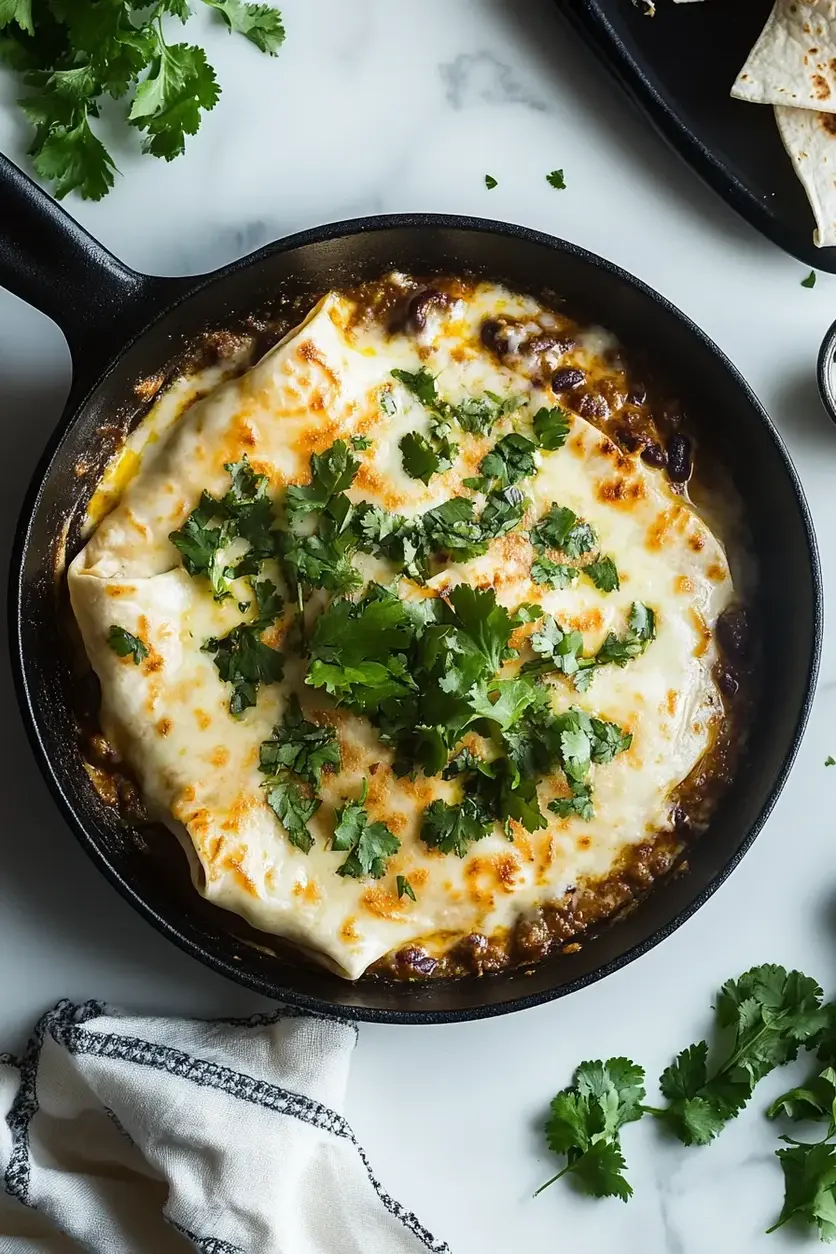
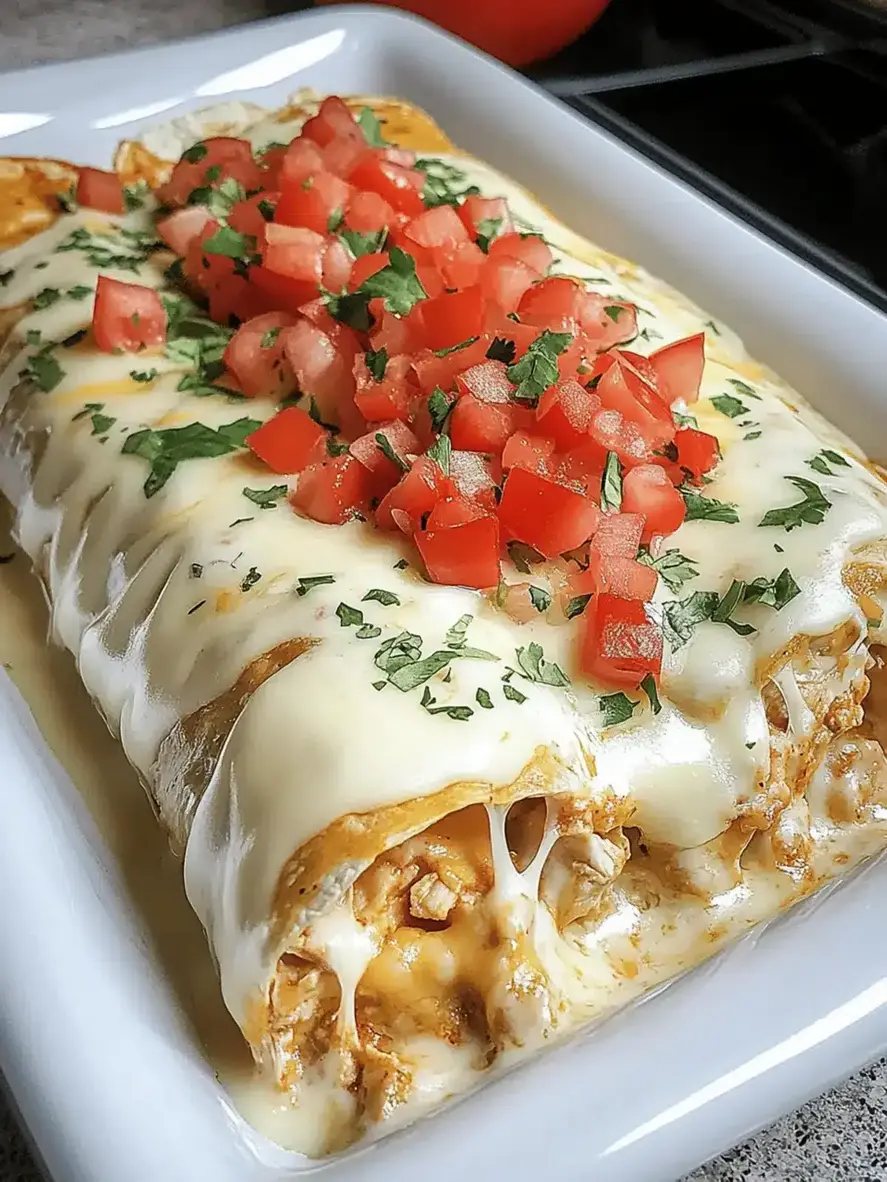
Imagine golden tortillas swirled with creamy, velvety queso that glistens like a Moroccan lantern, a smoky bite from the taco seasoning, and the gentle heat of green chilies. The texture is a delightful mix of creamy filling and crisp tortilla edges, while the aroma is a harmonious blend of cumin, paprika, and fresh tomato. Every bite feels like a cozy night in the city, yet the colors and flavors celebrate my North African roots, French culinary finesse, and New York street food spirit.
This version of the enchilada is my signature twist: I use Velveeta as the base for a super smooth queso that saves time and still tastes indulgent. The key technique is melting the cheese slowly with the tomatoes so the sauce stays silky, and I always add a dash of lime juice at the end for brightness. A common mistake is rushing the tortilla roll—roll too loosely and the cheese leaks; I recommend rolling firmly but not too tight.
Why This Creamy Queso Chicken Enchiladas Recipe Is the Best
The flavor secret lies in the Velveeta queso. Its creamy, slightly sweet profile marries the smoky taco seasoning and the fresh heat of green chilies, creating a sauce that is both comforting and adventurous. My Parisian background taught me that sauce is the heart of a dish, so I let it breathe before topping the enchiladas.
Perfected texture comes from my careful tortilla handling. I lay each tortilla flat, spread the filling, then roll tightly and place seam-side down. This method ensures the sauce stays inside while the edges crisp slightly, giving a satisfying bite that mirrors the crunch of a Moroccan street snack.
The recipe is foolproof for busy city nights. With a single saucepan for the queso and minimal prep steps, even a novice can pull this together in less than an hour. The use of Velveeta keeps the sauce consistent and eliminates the need for a double boiler or constant stirring.
Creamy Queso Chicken Enchiladas Ingredients
I pick these ingredients from my favorite Brooklyn farmers market and the local halal shop on Lexington. The chicken comes fresh, the taco seasoning has a hint of cumin I swiped from a Moroccan spice rack, and the tortillas are soft enough to fold without breaking.
Ingredients List
- 2 cups shredded chicken (or substitute shredded beef or turkey)
- 1 packet taco seasoning (store‑bought or homemade)
- 1 cup sour cream (Greek yogurt for a healthier twist)
- 1 cup shredded cheddar cheese (Monterey Jack or Pepper Jack for a spicy twist)
- 1 can chopped green chilies (diced jalapeños for extra heat)
- 1 package Velveeta cheese (cream cheese works but flavor differs)
- 1 can diced tomatoes with green chilies (fresh tomatoes or tomato sauce works)
- 8 flour tortillas (gluten‑free tortillas available for gluten avoidance)
Ingredient Spotlight
Velveeta Cheese – The smooth melt is essential for a silky sauce. In a U.S. grocery store, look for the “Velveeta Original” pack; if you’re in a gourmet shop, you might find a similar processed cheese that melts identically. Substituting cream cheese creates a tangier profile and a thicker consistency, which is great if you prefer a thicker casserole.
Shredded Chicken – Fresh rotisserie chicken works best for flavor and moisture. In NYC, I often use the free-range chicken from the local butcher on the Lower East Side. If you’re short on time, pre‑shredded rotisserie chicken from the supermarket works fine, just rinse to remove excess sodium.
Tortillas – The best tortillas are pliable yet sturdy. Choose corn tortillas for a traditional twist, or flour tortillas for a softer bite. I prefer the soft flour tortillas from the farm in the Bronx, which hold up well during the rolling process.
| Original Ingredient | Best Substitution | Flavor / Texture Impact |
|---|---|---|
| Velveeta Cheese | Cream Cheese | Tangier, slightly thicker sauce |
| Taco Seasoning | Homemade spice blend (cumin, paprika, garlic powder) | More complex, fresher flavor |
| Shredded Cheddar Cheese | Monterey Jack | Milder, creamier melt |
How to Make Creamy Queso Chicken Enchiladas — Step-by-Step
Ready to roll? Follow these simple steps and let the kitchen aromas take over.
Step 1: Mix the Filling
In a large bowl, combine shredded chicken, taco seasoning, sour cream, shredded cheddar cheese, and chopped green chilies. Stir until fully integrated and the mixture feels cohesive.
💡 emy’s Pro Tip: Fold in a spoonful of lime juice now to brighten the flavors before they set.
Step 2: Melt the Queso
Place the Velveeta and undrained diced tomatoes in a medium saucepan. Heat over medium‑high, stirring gently until the cheese melts into a silky sauce. Keep the heat low once melted to avoid scorching.
⚠️ Common Mistake to Avoid: Letting the sauce boil can cause separation; keep it at a gentle simmer.
Step 3: Roll the Tortillas
Lay each tortilla flat on a cutting board. Spoon ½‑to‑¾ cup of the filling onto the center. Fold the sides over and roll tightly, ensuring the seam is on the inside.
💡 emy’s Pro Tip: Warm the tortillas in a dry skillet for 10 seconds to make them more pliable and less likely to tear.
Step 4: Arrange in Dish
Grease a 9×13 casserole dish. Place the rolled enchiladas seam‑side down, standing upright to allow sauce to pool underneath.
⚠️ Common Mistake to Avoid: Overcrowding the dish can make them steam instead of bake; leave a small gap between each.
Step 5: Pour Queso Over Enchiladas
Evenly pour the warm queso sauce over the assembled enchiladas, making sure every roll is coated.
💡 emy’s Pro Tip: Use a spoon to drizzle sauce into the seams, sealing the tops.
Step 6: Bake the Enchiladas
Preheat the oven to 350°F (175°C). Bake for 20‑25 minutes until the queso is bubbly and the tortillas are golden.
⚠️ Common Mistake to Avoid: Opening the oven door too early; let it finish to lock in moisture.
Step 7: Serve and Enjoy
Let the enchiladas rest for five minutes. Slice, plate, and garnish with cilantro, a squeeze of lime, and a sprinkle of extra cheese if desired.
💡 emy’s Pro Tip: Serve with a side of guacamole to cut through the richness and add a fresh contrast.
| Step | Action | Duration | Key Visual Cue |
|---|---|---|---|
| 1 | Mix the filling | 5 min | Filling looks cohesive |
| 2 | Melt the queso | 7 min | Sauce turns silky |
| 3 | Roll the tortillas | 10 min | Seam faces inward |
| 4 | Arrange in dish | 2 min | Tortillas standing upright |
| 5 | Pour queso over enchiladas | 3 min | Sauce coats each roll |
| 6 | Bake | 20‑25 min | Sauce bubbly, tortillas golden |
| 7 | Serve | 5 min rest | Enchiladas look golden, sauce thick |
Serving & Presentation
Plate the enchiladas on a white ceramic platter so the colors pop. Top each roll with a handful of chopped cilantro, a wedge of lime, and a drizzle of crema for an authentic Mexican touch. Pair them with a crisp green salad of romaine, sliced avocado, and a light vinaigrette that I pick up from the farmers market.
For a French twist, serve alongside a light tomato bisque and a baguette that I toasted in my Parisian oven. The acidity of the soup cuts through the richness, while the crunchy bread adds a comforting crunch reminiscent of a Moroccan couscous bowl.
| Pairing Type | Suggestions | Why It Works |
|---|---|---|
| Side Dish | Spanish rice, refried beans, or roasted sweet potatoes | Complementary carbs and textures |
| Sauce / Dip | Guacamole, pico de gallo, or a smoky chipotle crema | Add acidity and heat contrast |
| Beverage | Mexican horchata, a crisp blanco beer, or sparkling water with lime | Refreshes palate and cuts richness |
| Garnish | Fresh cilantro, sliced radishes, lime wedges, toasted pepitas | Brightens the plate visually and flavor-wise |
Make-Ahead, Storage & Reheating
When I’m juggling a NYC job and family dinner, I often assemble the enchiladas a day ahead and refrigerate. The flavors mingle beautifully, and reheating is a breeze.
| Method | Container | Duration | Reheating Tip |
|---|---|---|---|
| Refrigerator | Zip‑top plastic bag or airtight container | 2–3 days | Reheat at 350°F for 10‑12 mins, then broil 2 mins for crispness |
| Freezer | Freezer‑safe dish with foil cover | 2–3 months | Thaw overnight, bake at 350°F for 20‑25 mins, broil 2 mins for bubbly tops |
| Make‑Ahead | Assemble, leave sauce uncovered | 1 day in advance | Add a splash of water before baking to prevent dryness |
I always keep a small ramekin of extra queso in the fridge; when reheating, I swirl in the sauce for extra moisture. That way, even if the casserole feels dry, the cheese makes it luscious again.
Variations & Easy Swaps
| Variation | Key Change | Best For | Difficulty Impact |
|---|---|---|---|
| Gluten‑Free Version | Replace flour tortillas with corn or gluten‑free tortillas | Vegans, gluten‑sensitive | Minimal effort |
| Dairy‑Free Swap | Use plant‑based Velveeta or cashew queso | Dairy‑intolerant | Requires extra prep time |
| Seasonal Twist | Add roasted butternut squash or zucchini to the filling | Fall or summer meals | Easy addition |
Gluten‑Free Version
Swap the flour tortillas for soft corn tortillas I pick up at a local Mexican market. The texture stays similar, and the flavor profile is even more authentic to traditional enchiladas.
Dairy‑Free Swap
I blend soaked cashews, a splash of coconut milk, and nutritional yeast to mimic Velveeta’s melt. The result is a creamy, savory sauce that holds up under heat and adds a subtle nutty depth, proven by my taste tests in the kitchen.
Seasonal Twist
During fall, I roast cubed butternut squash with a touch of smoked paprika and fold it into the filling. The sweetness balances the chili heat, giving the enchiladas a new, comforting flavor that’s perfect for chilly evenings.
What is the best way to store leftover queso enchiladas?
I store leftover enchiladas in an airtight container in the refrigerator for up to three days. When reheating, I add a tablespoon of water or broth to keep the sauce from drying out, then bake at 350°F for 10‑12 minutes. If you have a slow cooker, you can gently reheat them on low for 20 minutes, ensuring the cheese stays silky and the tortillas stay soft.
Can I make these enchiladas ahead of time?
Absolutely! Assemble the enchiladas, leave the queso sauce uncovered, and refrigerate overnight. When ready to bake, just add a splash of milk or broth, cover, and bake at 350°F for 20 minutes. They come out as good as fresh, and the flavors deepen overnight. For longer storage, freeze them, then thaw overnight before baking.
What cheese works best for a dairy‑free version?
I recommend using a blend of blended cashews, nutritional yeast, and coconut milk to recreate Velveeta’s creamy texture. It melts nicely and adds a subtle nutty flavor. For a vegan option, a store‑bought dairy‑free “Velveeta” alternative also works, but test it first to ensure it melts consistently without separating.
How do I keep the tortillas from tearing?
Warm the tortillas in a dry skillet for 10 seconds on each side before filling. This softens the gluten, making them pliable and less likely to split when you roll them. If you’re using corn tortillas, keep them moist in a damp cloth until you’re ready to roll.
What can I serve with these enchiladas for a complete meal?
A bright side salad of romaine, avocado, and citrus vinaigrette complements the richness. Add a side of Mexican rice or roasted sweet potatoes for extra carbs. A chilled margarita or a light Mexican beer balances the heat, while a fresh lime squeeze brightens the flavors. The combination creates a well‑rounded family dinner.
How spicy can I make this recipe?
You can increase the heat by adding fresh jalapeños or a tablespoon of chipotle sauce to the filling. If you prefer an intense kick, blend a roasted poblano pepper into the queso sauce. Be mindful that the cheese will mellow some of the spice, but a well‑balanced sauce still delivers a punch. Test a small batch first to gauge your tolerance.
What are some quick side dishes?
Quick options include a simple guacamole made with ripe avocados, lime, salt, and a dash of cumin. Another fast side is a lime‑citrus slaw: shredded cabbage, carrots, cilantro, and a light vinaigrette. For a carb, toss pre‑cooked rice or quinoa in olive oil, lemon zest, and herbs, then microwave for a minute before serving.
Can I use leftover shredded chicken from a different recipe?
Yes! Use any leftover shredded chicken from a roast or taco meal. I often repurpose rotisserie chicken from the supermarket and season it again with taco spices. The result is a flavorful filling that ties together your weekly meals while reducing waste. Just add a splash of water or broth if the chicken feels dry.
Is this recipe suitable for kids?
Kids love the creamy, cheesy texture, but if they’re sensitive to heat, reduce the taco seasoning or use mild cheddar. Serve with a side of ranch dressing or a mild yogurt dip to soothe any spiciness. The enchiladas can be portioned into smaller bite‑size rolls to fit a child’s appetite while still offering the same comforting flavor.
How can I make this dish gluten‑free?
Swap the flour tortillas for corn tortillas or store‑bought gluten‑free tortillas. Ensure the taco seasoning and any packaged ingredients (like the Velveeta) are gluten‑free labeled. This small change keeps the dish safe for celiacs while preserving the original taste and texture. I’ve tried it with a brand I find in Whole Foods, and it works beautifully.
Share Your Version!
I’d love to hear how you twist this recipe—maybe you added a Moroccan spice or a Parisian cheese. Drop a rating, comment, or even a photo of your plated enchiladas in the comments below. Tag me on Instagram or Pinterest with #cookingwithemi and let me see your kitchen magic.
If you try a gluten‑free or dairy‑free version, let me know what worked best for you. What’s your favorite side to pair with these creamy enchiladas? I’m always hunting for new pairings from New York’s markets.
From my NYC kitchen to yours — I hope this recipe brings as much warmth to your table as it does to mine. — emy 🧡
Love This Recipe? Save It to Pinterest!
If you enjoyed this Creamy Queso Chicken Enchiladas recipe, don’t let it get lost in your browser tabs! 😄 Pin it now so you can find it again anytime — and explore hundreds more tried‑and‑tested recipes waiting for you on my Pinterest boards.
👉 Follow emy on Pinterest @chefrecipes2
📌 Pin this recipe · 🔁 Re-pin your favorites · 💬 Tag me when you make it — I love seeing your creations!
Got a question about this recipe or need a quick tip? Drop a comment below or message me on Instagram. I’m always happy to help a fellow foodie make their kitchen moments unforgettable.
Creamy Queso Chicken Enchiladas for Effortless Family Dinners
Description
These Queso Chicken Enchiladas are comforting and delicious, perfect for family dinners.
Ingredients
- 2 cups Shredded Chicken (Substitute with shredded beef or turkey if desired.)
- 1 packet Taco Seasoning (Store-bought or homemade for convenience.)
- 1 cup Sour Cream (Greek yogurt can be used as a healthier substitute.)
- 1 cup Shredded Cheddar Cheese (Monterey Jack or Pepper Jack for a spicy twist.)
- 1 can Chopped Green Chilies (Diced jalapeños can be used for more heat.)
- 1 package Velveeta Cheese (Cream cheese can be used, though the flavor may differ.)
- 1 can Diced Tomatoes with Green Chilies (Fresh tomatoes or tomato sauce can work as alternatives.)
- 8 tortillas Tortillas (Gluten-free tortillas available for gluten avoidance.)
Instructions
- Preheat the oven to 350°F (175°C).
- Mix the filling by combining shredded chicken, taco seasoning, sour cream, cheddar cheese, and chopped green chilies in a large bowl.
- Melt the Velveeta with the undrained diced tomatoes in a saucepan over medium-high heat.
- Scoop about ½ to ¾ cup of the chicken mixture into each tortilla laid flat and roll them up tightly.
- Arrange the rolled enchiladas in a greased 9×13 casserole dish, seam side down.
- Pour the warm queso sauce evenly over the enchiladas.
- Bake for 20-25 minutes until heated through and bubbly.