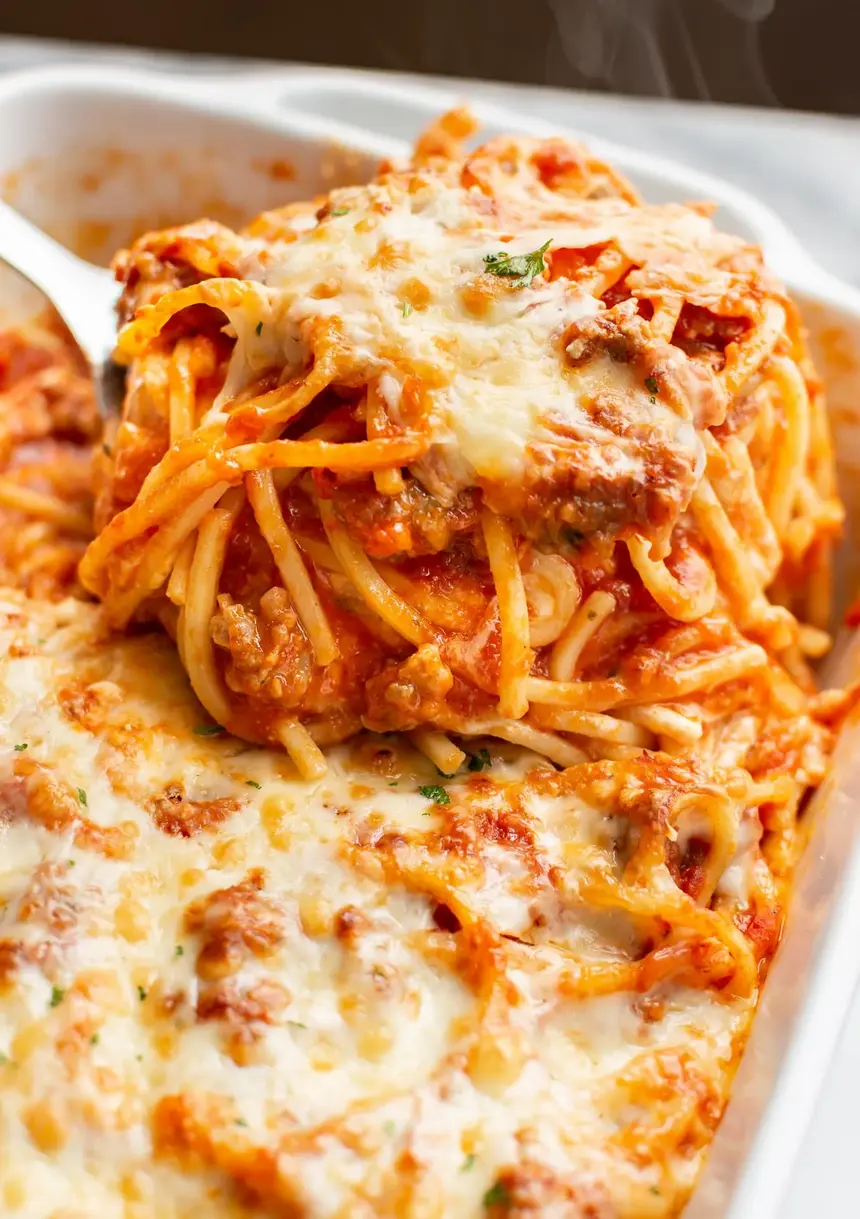
Italian Sausage and Spinach Stuffed Spaghetti Squash – A Low-Carb Comfort Dish

⚖️
Difficulty
Medium
⏲️
Prep Time
15 mins
🕒
Cook Time
55 mins
⏱️
Total Time
1 hr 10 mins
🍽️
Servings
4

Growing up in Morocco, my mother’s kitchen was a symphony of slow-cooked tagines and fragrant couscous. But it wasn’t until I trained at Le Cordon Bleu in Paris that I fell in love with the French knack for stuffing vegetables — courgettes, tomatoes, and especially squash. Now living in New York City, I’ve taken that classic stuffed squash approach and given it a hearty, all-American spin. My Italian Sausage and Spinach Stuffed Spaghetti Squash is everything you love about a big bowl of Italian sausage pasta — but without the carbs. This low-carb stuffed squash is a whole meal in itself, and it’s become my go-to for cozy weeknights when I want something satisfying yet light.

Picture this: tender strands of roasted spaghetti squash acting like a fluffy bed for spicy Italian sausage, earthy mushrooms, juicy cherry tomatoes, and fresh spinach all bound together with gooey melted Parmesan. The squash takes on a faint sweetness that perfectly balances the savory, slightly spicy filling. As you dig in, each forkful delivers a contrast of textures — the soft squash “noodles,” the tender-crisp mushrooms, and the browned bits of sausage. A sprinkle of fresh thyme on top adds an herby, almost floral note that brings the whole dish together. This isn’t just a low-carb substitute; it’s a genuinely delicious dinner that happens to be gluten-free and keto-friendly.

I’ve tested this recipe more times than I can count, and I want to save you the trouble I went through with watery squash and bland fillings. The secret? Pre-roasting the squash cut-side down so the interior dries out just enough — then loading it with a well-seasoned, slightly thickened filling. In the steps below, I’ll share my pro tip for avoiding soggy bottoms and a common mistake that can make the filling too wet. By the end, you’ll have a restaurant-worthy stuffed spaghetti squash that even pasta lovers will fight over.

Why This Italian Sausage and Spinach Stuffed Spaghetti Squash Recipe Is the Best

The Flavor Secret: My version gets its depth from the spicy Italian sausage — I always pick one that’s at least 80% pork for rich flavor — and the two-step cooking: first the squash roasts alone, then the filling browns in the same skillet, picking up all those browned bits. A pinch of red pepper flakes and a dash of Italian seasoning from my Paris days (Herbes de Provence works beautifully) elevate the whole dish. My Moroccan roots sneak in with a tiny pinch of cinnamon in the sausage mix — trust me, it rounds out the acidity of the tomatoes beautifully.

Perfected Texture: Many stuffed spaghetti squash recipes end up watery because the squash releases liquid as it bakes. I avoid this by roasting the squash cut-side down at 400°F until fork-tender — that dries out the interior. Then, after stuffing, I bake it again for just 15 minutes with the cheese on top. The result is a filling that’s moist but not soggy, with the squash strands holding their shape. My pro tip: after the first roast, fluff the squash with a fork and let it sit for a couple of minutes so any last moisture can evaporate.

Foolproof & Fast: This recipe is designed for the home cook who wants a stunning dinner without spending hours in the kitchen. The active prep is just 15 minutes, then the oven does the rest. I’ve streamlined the steps so you can roast the squash while you make the filling — everything comes together in under 75 minutes. Even if you’ve never cut a spaghetti squash before, the microwave trick (outlined in the recipe) makes it easy and safe. Whether you’re meal-prepping for the week or impressing dinner guests, this recipe delivers consistent, gorgeous results.

Stuffed Spaghetti Squash Ingredients

I pick up my spaghetti squash at the Union Square Greenmarket in NYC — they’re firm, heavy, and a deep golden yellow. The spicy Italian sausage I get from my local butcher in Brooklyn, but any good-quality store-bought brand works. For the Parmesan, I always grate it myself from a block (pre-shredded contains anti-caking agents that won’t melt as smoothly). Here’s everything you’ll need:

Ingredients List

  • 2 medium spaghetti squash
  • 2 tablespoons olive oil (for the squash)
  • Salt and black pepper
  • 1 tablespoon olive oil (for the skillet)
  • 16 oz spicy Italian sausage, casings removed
  • 8 oz cremini mushrooms, sliced
  • ½ teaspoon Italian seasoning (or Herbes de Provence)
  • 4 cloves garlic, minced
  • Red pepper flakes, to taste (optional)
  • 10 oz fresh spinach (about 1 large bag)
  • 5 oz cherry tomatoes, sliced (some reserved for topping)
  • 6 oz freshly shredded Parmesan cheese
  • Fresh thyme leaves, for garnish

Ingredient Spotlight

Spaghetti Squash: Look for a squash that’s about 2–3 pounds, with a firm, matte skin and no soft spots. The oval ones with even coloring tend to have more uniform strands. If you can’t find spaghetti squash, yellow summer squash works in a pinch — though the strands are much shorter and the texture is more tender.

Spicy Italian Sausage: I prefer hot Italian sausage because the heat carries through the dish beautifully, but you can use mild or sweet if you’re sensitive to spice. For a leaner option, you can substitute ground turkey with 1 teaspoon fennel seeds and ½ teaspoon crushed red pepper — but note the filling will be drier, so add an extra drizzle of olive oil.

Spinach: Fresh spinach wilts down to almost nothing, so don’t be shy with the amount. I suggest using baby spinach for tenderness. Frozen spinach can be used — thaw it completely and squeeze out every drop of water before adding to the skillet (see FAQ below for details). This swap works well in a pinch.

Parmesan Cheese: Authentic Parmigiano-Reggiano is ideal for its nutty, salty flavor. If you need dairy-free, a good-quality vegan Parmesan (like Follow Your Heart) melts decently, though it won’t get as golden. The recipe won’t be exactly the same, but still delicious.

Original Ingredient Best Substitution Flavor / Texture Impact
Spicy Italian sausage Mild Italian sausage + ½ tsp red pepper flakes Less heat, same savory profile
Fresh spinach (10 oz) Frozen spinach (10 oz, thawed and squeezed) Slightly softer texture; needs extra drying
Parmesan cheese Vegan Parmesan or pecorino romano Pecorino adds sharpness; vegan doesn’t brown as well
Cremini mushrooms Button mushrooms or portobello (diced) Similar earthy flavor; portobello is meatier

How to Make Italian Sausage and Spinach Stuffed Spaghetti Squash — Step-by-Step

Ready to cook? I promise this process is simpler than it sounds. Just follow along, and you’ll have golden, cheesy stuffed squash boats by dinner time.

Step 1: Prep the Squash

Preheat your oven to 400°F and line a baking sheet with parchment paper. Place each squash on a damp paper towel to prevent slipping. Using a large, sharp chef’s knife, carefully cut each squash in half lengthwise. Scoop out the seeds and stringy fibers with a spoon. If cutting is tough, zap the whole squash in the microwave for 5 minutes first — it softens the skin and makes slicing a breeze. (That’s my Paris-trained trick for safe cutting.)

💡 emy’s Pro Tip: After seeding, blot the cut sides with a paper towel. This removes excess moisture before oiling, helping the squash roast instead of steam.

Step 2: Season and Roast

Drizzle the cut sides and cavity of each squash half with olive oil, then season generously with salt and pepper. Place the halves cut-side down on the prepared baking sheet. Roast on the middle rack for 30–40 minutes, until the flesh is fork-tender and easily pierced. While the squash roasts, start the filling.

⚠️ Common Mistake to Avoid: Don’t overcrowd the baking sheet. Give each squash half room for steam to escape. If they’re too close, they’ll steam and become mushy instead of roasting.

Step 3: Cook the Filling

Heat 1 tablespoon olive oil in a large, high-sided skillet over medium heat. Add the crumbled sausage and sliced mushrooms. Cook, breaking up the sausage, until the meat is browned and the mushrooms have released their liquid and started to caramelize — about 5–6 minutes. If you like a leaner filling, drain excess fat; otherwise, leave it in — the fat helps wilt the spinach.

💡 emy’s Pro Tip: Use a potato masher to break the sausage into small, uniform crumbles. This ensures every bite gets even distribution.

Step 4: Wilt the Spinach

Add the minced garlic, Italian seasoning, red pepper flakes (if using), and most of the sliced cherry tomatoes (reserve a handful for topping). Stir and cook for 1 minute until fragrant. Now add the spinach in large handfuls. Stir until the spinach fully wilts — this takes about 2–3 minutes. The mixture should look juicy but not soupy. Taste and adjust salt and pepper.

⚠️ Common Mistake to Avoid: Adding all the spinach at once will cool down the pan and make it watery. Add it in three batches, letting each one wilt before adding the next.

Step 5: Stuff the Squash

When the squash is tender, remove from the oven and flip the halves cut-side up. Let them cool slightly — about 5 minutes. Use a fork to fluff the spaghetti-like strands gently (don’t pull them out). Divide the sausage-spinach mixture evenly among the four halves, mounding it slightly. Top with the reserved cherry tomato slices and a generous sprinkle of shredded Parmesan.

💡 emy’s Pro Tip: For the cheesiest crust, mix a tablespoon of breadcrumbs or almond flour into the Parmesan before topping. It’ll add a golden, crispy layer that contrasts beautifully with the squash.

Step 6: Bake Until Melted and Serve

Return the stuffed squash to the oven and bake at 400°F for another 15 minutes, until the cheese is melted and bubbling. If you want deeper browning, switch to the broiler for the last 2 minutes — watch it carefully to prevent burning. Remove from oven, garnish with fresh thyme leaves, and serve hot.

⚠️ Common Mistake to Avoid: Skipping the final 15-minute bake. Some people think the squash is already cooked, but that second bake melds the flavors and ensures the filling is piping hot throughout.

Step Action Duration Key Visual Cue
1 Cut and seed squash 10 mins Clean cavities, no loose fibers
2 Roast squash cut-side down 30–40 mins Fork pierces easily, skin slightly caramelized
3 Sauté sausage and mushrooms 6 mins Sausage browned, mushrooms darkened
4 Add garlic, tomatoes, spinach 5 mins Spinach wilted, mixture thick
5 Stuff squash and top with cheese 5 mins Filling mounded, cheese covering top
6 Second bake + broil 15–17 mins Cheese golden and bubbly

Serving & Presentation

I love serving these stuffed squash halves straight from the baking sheet — they look so inviting sitting in their own little “boats.” To plate, carefully transfer each half to a dinner plate using a wide spatula. Garnish with fresh thyme leaves and an extra sprinkle of Parmesan if you’re feeling indulgent. The bright green herb against the golden cheese makes a gorgeous table presentation.

This dish is a complete meal on its own, but if you want to round it out, pair it with a simple arugula salad dressed with lemon and olive oil — the peppery leaves cut through the richness. For a heartier dinner, serve with crusty garlic bread (if not strictly low-carb) or a side of roasted broccoli. In my NYC kitchen, I often add a Moroccan twist by offering a small bowl of harissa on the side for spicy heat.

Below is a quick pairing guide for different occasions:

Pairing Type Suggestions Why It Works
Side Dish Arugula salad, roasted broccoli, sautéed zucchini Adds freshness and crunch, balances richness
Sauce / Dip Harissa, marinara, garlic-yogurt sauce Extra moisture and flavor kick
Beverage Dry red (Chianti), sparkling water with lemon, light lager Acidity cuts the fat; bubbles cleanse the palate
Garnish Fresh thyme, parsley, toasted pine nuts, red pepper flakes Adds texture, color, and brightness

Make-Ahead, Storage & Reheating

As a busy NYC food blogger, I rely on make-ahead meals. This stuffed spaghetti squash is a dream for meal prep: you can roast the squash and cook the filling up to 2 days in advance, then stuff and bake before serving. Here’s how to store and reheat leftovers so they stay delicious:

Method Container Duration Reheating Tip
Refrigerator Airtight container or wrap tightly Up to 4 days Reheat in 350°F oven for 15 mins or microwave 2 mins
Freezer Freezer-safe container or bag, exclude cheese Up to 3 months Thaw overnight in fridge, add fresh cheese before baking at 375°F until hot
Make-Ahead Store roasted squash and filling separately Up to 2 days (refrigerated) Assemble and bake as directed, adding 5 extra minutes if starting cold

For the crispiest reheated squash boats, I always use the oven rather than the microwave — it brings back the roasted edge on the squash and re-melts the cheese beautifully. If you’re short on time, microwave on 70% power for 1½ minutes, then finish under the broiler for 2 minutes. Avoid high power, which makes the squash rubbery.

Variations & Easy Swaps

One of the best things about this stuffed spaghetti squash recipe is how versatile it is. I’ve played with many versions — some inspired by my Moroccan roots, others by what’s fresh at the farmers market. Here are a few tried-and-tested variations:

Variation Key Change Best For Difficulty Impact
Moroccan Spiced Add 1 tsp cumin, ½ tsp cinnamon, ¼ tsp turmeric to filling Lovers of North African flavors Easy (same steps)
Dairy-Free / Keto Omit Parmesan; use dairy-free mozzarella or nutritional yeast Dairy-sensitive or strict keto Easy (cheese swap)
Spring Vegetable Version Replace mushrooms and spinach with asparagus, zucchini, peas Springtime fresh eating Easy (adjust chop sizes)

Moroccan Spiced Version

Growing up in Morocco, my mother would often add a pinch of cinnamon and cumin to savory dishes — it’s a classic North African touch that adds warmth without screaming “dessert.” For this version, sauté the sausage and mushrooms as directed, then stir in 1 teaspoon ground cumin, ½ teaspoon ground cinnamon, and ¼ teaspoon turmeric along with the garlic. The spinach and tomatoes absorb the spices beautifully, and the squash’s sweetness ties it all together. Garnish with fresh cilantro instead of thyme for an authentic finish.

Dairy-Free / Keto Version

If you’re avoiding dairy, skip the Parmesan and use a good-quality dairy-free mozzarella shred (I like Miyoko’s) or sprinkle with nutritional yeast for a cheesy flavor. For a keto-friendly boost, add ¼ cup of crushed pork rinds or almond flour to the filling to absorb extra moisture. The texture remains satisfying, and you still get that golden top — just watch the last few minutes of baking because dairy-free cheese can burn faster.

Spring Vegetable Version

When spring hits the NYC farmers market, I swap the mushrooms and half the spinach for fresh asparagus (cut into 1-inch pieces), diced zucchini, and frozen peas. Cook the asparagus and zucchini first for 3 minutes, then add the garlic and tomatoes. Fold in the peas just before wilting the remaining spinach. The filling becomes lighter and brighter, perfect for a seasonal twist. Pair with a glass of Sauvignon Blanc for the ultimate spring dinner.

How do you prevent the spaghetti squash from becoming watery when stuffing it with Italian sausage and spinach?

The key is to pre-roast the squash cut-side down on a baking sheet. This allows the moisture to steam out rather than pool inside the cavity. I roast at 400°F for 30–40 minutes until fork-tender — the interior becomes fluffy and dry. After roasting, let the squash rest cut-side up for a few minutes; you can even tilt the halves to drain any last drops. Additionally, avoid overcooking the spinach in the filling: wilt it quickly over medium-high heat and don’t add extra liquid. A final 15-minute bake after stuffing helps everything set without becoming soggy.

Can I use frozen spinach instead of fresh for this stuffed spaghetti squash recipe?

Yes, you can substitute frozen spinach, but you must thaw it completely and squeeze out every bit of water. Frozen spinach holds a lot more moisture than fresh, and if you add it directly to the filling, your stuffing will become watery. Thaw the spinach in the fridge overnight or quickly in the microwave, then wrap it in a clean kitchen towel and wring it dry. After that, chop it and add it to the skillet as you would fresh. Note that the texture will be softer and less vibrant than fresh, but the flavor remains good. You may want to reduce the amount of salt slightly since frozen spinach is sometimes packed with salt.

How long do you need to bake Italian sausage and spinach stuffed spaghetti squash?

Total oven time is about 50–55 minutes: about 30–40 minutes for the empty squash halves to roast at 400°F, and then 15 minutes after stuffing (also at 400°F). The second bake ensures the filling is piping hot and the cheese melts and browns. If you’re reheating a fully assembled dish from the fridge, add 5–10 extra minutes. For frozen stuffed squash, bake at 375°F for about 30–35 minutes (the lower temperature prevents burning before the center is hot). Always test the internal temperature with an instant-read thermometer — it should be at least 165°F.

What type of Italian sausage works best for stuffing spaghetti squash — mild, sweet, or hot?

I prefer hot Italian sausage because the heat cuts through the sweetness of the squash and the richness of the cheese. However, any variety will work. Mild Italian sausage will give you a more subtle, family-friendly flavor, while sweet sausage adds a touch of fennel and sugar that can be lovely if you want a sweeter profile. If you use sweet sausage, I recommend adding extra red pepper flakes for balance. For the best flavor, buy sausage in casings and remove the casings yourself — the meat holds together better and you can control the crumble size. If you can’t find Italian sausage, you can use ground pork seasoned with fennel seeds, garlic powder, and red pepper flakes.

Can I make this stuffed spaghetti squash ahead of time?

Absolutely. This recipe is perfect for meal prep. You can roast the squash halves and prepare the filling up to 2 days in advance. Store them separately in the refrigerator. When you’re ready to serve, stuff the squash, top with cheese, and bake for the final 15 minutes (add 5 extra minutes if starting from cold). The key is to let the squash cool completely before storing and to keep the filling covered so it doesn’t dry out. If you’ve already assembled and baked the dish, it reheats beautifully in the oven — just cover loosely with foil to prevent the cheese from burning.

How do I reheat leftovers without making them soggy?

The best way to reheat leftovers is in the oven. Preheat to 350°F, place the squash halves on a baking sheet, and cover loosely with aluminum foil. Bake for 12–15 minutes, then remove the foil and bake for another 2–3 minutes to crisp the cheese. This method restores the roasted texture of the squash without steaming it. The microwave will make the squash soggy and the cheese rubbery, so use it only if you’re in a hurry — microwave on 70% power for 1½ minutes, then finish under the broiler for 1–2 minutes. I don’t recommend reheating this dish more than once for best quality.

Can I freeze Italian sausage and spinach stuffed spaghetti squash?

Yes, but with a tweak: I suggest freezing the roasted squash halves and the filling separately, without the cheese. When you’re ready to eat, thaw them overnight in the refrigerator, stuff the squash, add fresh Parmesan, and bake as directed. Freezing a fully assembled, baked dish can work, but the squash may become a bit mushy upon thawing. If you must freeze an assembled dish, let it cool completely, wrap tightly in plastic wrap and foil, and freeze for up to 3 months. Reheat from frozen in a 375°F oven for 30–35 minutes, adding fresh cheese halfway through.

What can I substitute for Parmesan cheese in this recipe?

If you don’t have Parmesan or are avoiding dairy, you have several good options. Pecorino Romano is a sharp, salty sheep’s milk cheese that melts well — use the same amount. For a dairy-free alternative, use a good-quality vegan Parmesan shred or nutritional yeast (start with 3 tablespoons and adjust to taste). For a more indulgent swap, try provolone or mozzarella for a stretchy, melty topping. Just be aware that non-aged cheeses release more moisture, so you may want to reduce the final baking time by a couple of minutes to avoid sogginess.

How do I cut a spaghetti squash easily and safely?

Spaghetti squash has a tough skin, so safety is key. First, soften the squash by microwaving it whole for 5 minutes (poke a few slits in the skin first). This step is optional but highly recommended — it makes the knife glide through. Place the squash on a damp paper towel to stop it from rolling. Use a large, sharp chef’s knife and cut lengthwise, starting from the stem end. Rock the knife gently with steady pressure. If you encounter resistance, stop and microwave a bit longer rather than forcing the knife. Once halved, scoop out the seeds with a sturdy spoon. My Paris chef instructor taught me to always cut away from my body and keep fingers curled under. Use a cut-resistant glove if you’re nervous.

Can I use ground chicken or turkey instead of Italian sausage?

Yes, you can swap the Italian sausage for ground chicken or turkey. Because poultry is leaner and less flavorful, you’ll need to add extra seasonings to replicate the sausage taste. Mix the ground meat with 1 teaspoon fennel seeds (lightly crushed), 1 teaspoon garlic powder, ½ teaspoon smoked paprika, ½ teaspoon salt, and ¼ teaspoon red pepper flakes. Cook the meat in 1 tablespoon olive oil — since it’s lean, it will produce less fat, so you may need a little extra oil to prevent sticking. The final filling will be slightly drier than the pork version, but still delicious. Consider adding a splash of chicken broth if the mixture seems too dry.

Share Your Version!

I’d love to see how your stuffed spaghetti squash turns out! Did you go with the spicy sausage, or try a vegetarian twist? Did you add that pinch of cinnamon I recommended? Drop a comment below and let me know — your ideas inspire the whole cookingwithemy community. And if you’re a visual person, snap a photo of your finished dish and tag me on Instagram or Pinterest @cookingwithemy. I personally read every comment and answer questions, so don’t be shy!

One thing I’m especially curious about: which variation are you most excited to try? The Moroccan-spiced version always surprises people, but the classic Italian is a hit every time. Let me know in the comments — I might feature your version on my stories!

From my NYC kitchen to yours — I hope this recipe brings as much warmth to your table as it does to mine. — emy 🧡

📌

Love This Recipe? Save It to Pinterest!

If you enjoyed this Italian Sausage and Spinach Stuffed Spaghetti Squash recipe, don’t let it get lost in your browser tabs! 😄 Pin it now so you can find it again anytime — and explore hundreds more tried-and-tested recipes waiting for you on my Pinterest boards.

👉 Follow emy on Pinterest @cookingwithemy

📌 Pin this recipe · 🔁 Re-pin your favorites · 💬 Tag me when you make it — I love seeing your creations!
Print

clock clock iconcutlery cutlery iconflag flag iconfolder folder iconinstagram instagram iconpinterest pinterest iconfacebook facebook iconprint print iconsquares squares iconheart heart iconheart solid heart solid icon

Italian Sausage and Spinach Stuffed Spaghetti Squash


  • Author: Chef Emy

Description

Italian Sausage and Spinach Stuffed Spaghetti Squash is just like your favorite Italian sausage pasta! Except in this recipe, everything is stuffed into the roasted spaghetti squash! This cozy dinner is packed with veggies (spinach, tomatoes, and mushrooms). It’s completely gluten-free, low-carb, and keto-friendly!


Ingredients

Scale
  • 2 spaghetti squash (medium size)
  • 2 tablespoons olive oil
  • salt and pepper
  • 1 tablespoon olive oil
  • 16 oz spicy Italian sausage (crumbled)
  • 8 oz mushrooms (sliced)
  • ½ teaspoon Italian seasoning (or Herbs from Provence)
  • 4 cloves garlic (minced)
  • red pepper flakes
  • 10 oz spinach
  • 5 oz cherry tomatoes (sliced)
  • 6 oz Parmesan cheese (shredded)
  • fresh thyme (for garnish)

Instructions

  1. Preheat oven to 400 Fahrenheit. Line the baking sheet with parchment paper.
  2. Cut the squash in 2 halves, scrape out the seeds and the fiber out of each half. Repeat with a second squash.
  3. (Note: before cutting each squash, you can microwave it. In this case, make large slits with a knife in a spaghetti squash along the line where you will slice it in half. Then, microwave the whole squash for about 5 or 10 minutes to soften it a bit. Then cut each squash in half.)
  4. Drizzle olive oil over the cut sides and inside of the squash. Generously season with salt and pepper.
  5. Place the 4 squash halves on the prepared baking sheet cut side down.
  6. Bake for about 30 or 40 minutes on the middle rack. Remove it from the oven when it's cooked through and soft. You can check by pulling the baking sheet out of the oven and piercing the squash with the fork – it should be soft.
  7. Proceed with the rest of the recipe while the squash is in the oven.
  8. Make the stuffing while the spaghetti squash is roasted in the oven. Heat 1 tablespoon of olive oil on medium heat in a large, high-sided skillet.
  9. Add crumbled sausage and sliced mushrooms and cook on medium heat for about 5 minutes or until the sausage is cooked. Drain excess fat if you like. Or, you could leave it in since you will be adding a lot of spinach to be wilted in the same skillet.
  10. Add minced garlic, Italian seasoning, red pepper flakes, and chopped tomatoes (reserving some for later use).
  11. Add fresh spinach in batches to the sausage mixture and cook until the spinach wilts.
  12. By this time, you have roasted the spaghetti squash for 30 or 40 minutes. Remove it from the oven and turn cooked squash halves cut sides up.
  13. Let it cool slightly.
  14. Divide the Italian sausage mixture among the 4 halves and stuff the squash until the mixture is leveled. Top with the remaining sliced cherry tomatoes and the shredded Parmesan cheese.
  15. Return stuffed spaghetti squash to the preheated oven and roast at 400 F for 15 more minutes until the cheese mixture melts.
  16. When serving, top with fresh thyme.

Nutrition

  • Calories: 561 kcal
  • Sugar: 11 g
  • Fat: 40 g
  • Carbohydrates: 28 g
  • Protein: 26 g


Italian Sausage and Spinach Stuffed Spaghetti Squash

Parmesan Crusted Chicken Sheet Pan Dinner – One Pan, Bold Flavor

⚖️
Difficulty
Easy
⏲️
Prep Time
15 mins
🕒
Cook Time
35 mins
⏱️
Total Time
50 mins
🍽️
Servings
4

I remember the first time I made a sheet pan dinner in my tiny Paris apartment — I was a culinary student with more ambition than counter space, and I needed a meal that delivered big flavor without a sink full of dishes. This parmesan crusted chicken recipe is the happy result of that night, refined over years in my New York kitchen. The magic of a sheet pan chicken dinner is that everything roasts together on one pan: juicy chicken with a golden, savory crust, crispy potatoes, and tender green beans. It’s weeknight cooking at its smartest — efficient, gorgeous, and deeply satisfying.

When this pan comes out of the oven, the aroma hits you in layers: nutty parmesan and garlic from the chicken, the earthy sweetness of roasted potatoes, and the bright green of beans that have just softened enough. The chicken crust is crisp and craggy, studded with cheese that browns into salty little crisps. The potatoes turn tender inside and shatteringly golden outside. And the green beans? They soak up all those pan juices — the olive oil, garlic, and a whisper of parmesan — becoming something you’ll sneak straight off the pan before dinner even starts.

What sets this easy baked chicken parmesan apart from other sheet pan dinners is the technique I learned at Le Cordon Bleu: par-cooking the potatoes before adding the chicken ensures every component finishes at its peak. No soggy potatoes, no dried-out chicken. I’ll show you exactly how to layer the cooking so everything comes together at once. And I’ll share my pro tip for keeping that parmesan crust perfectly golden — never burned. From my mother’s tagine pot in Morocco to this New York sheet pan, this chicken sheet pan meal is proof that the best recipes travel across continents and land right on your dinner table.

Why This Parmesan Crusted Chicken Recipe Is the Best

The Flavor Secret — I coat the chicken in a mixture of grated parmesan and breadcrumbs with garlic and black pepper. The parmesan does double duty: it adds umami depth and creates a crust that browns beautifully without burning. A touch of olive oil helps the crust adhere and keeps the chicken moist. This is not a dry, dusty coating — it’s a real crust that clings to every bite.

Perfected Texture — The key is giving the potatoes a head start in the oven. By roasting them for 10 to 15 minutes before adding the chicken, they develop a jump on caramelization. Then the chicken joins the pan, and everything finishes together. The potatoes end up creamy inside and crispy outside, while the chicken stays tender and the beans stay vibrant.

Foolproof & Fast — This sheet pan dinner is designed for real life. You toss each component in the same bowl (less dishes!), and the oven does the heavy lifting. It works every time because the timing is built around ingredients that roast at the same temperature. Even if you’re a beginner, you’ll pull off a dinner that looks and tastes like you spent hours in the kitchen.

Parmesan Crusted Chicken Recipe Ingredients

I source my parmesan from a little shop in Chelsea Market — they grate it fresh daily, and the difference is remarkable. But any good-quality supermarket parmesan works beautifully here. The potatoes I grab from the farmers market on weekends — red potatoes hold their shape so well during roasting. And the green beans? I look for bright, snappy ones at any grocery store. Here’s everything you need for this crispy parmesan chicken sheet pan dinner.

Ingredients List

  • 1½ lb chicken breast (about 3-4 pieces, approx. 1 inch thick)
  • 2 Tbsp olive oil
  • 2 garlic cloves, minced
  • ½ cup grated parmesan
  • ½ cup breadcrumbs (Italian or plain — add 1 tsp Italian seasoning to plain breadcrumbs)
  • ½ tsp cracked pepper
  • ½ – ¾ tsp sea salt
  • 2 lb red potatoes, cut into bite-sized pieces (quarter if small; cut larger potatoes into 6ths or 8ths)
  • 1 – 2 garlic cloves, minced
  • 2 Tbsp olive oil
  • 2 Tbsp grated parmesan
  • salt and pepper to taste
  • 1 lb fresh green beans, ends trimmed
  • 1 Tbsp olive oil
  • 1 garlic clove, minced
  • 1 Tbsp parmesan (optional)
  • salt and pepper to taste

Ingredient Spotlight

Parmesan — The star of the crust. Always buy a block and grate it yourself for the best flavor and melting. Pre-shredded parmesan contains cellulose that can make the crust less crisp. If you need a substitute, try Pecorino Romano — it’s saltier and sharper, so reduce the added salt slightly.

Chicken Breast — Look for breasts that are roughly even in thickness so they cook uniformly. If your chicken is very thick, pound it to about 1 inch between two sheets of plastic wrap. This ensures the crust sets before the interior dries out.

Red Potatoes — Their waxy texture holds up perfectly during roasting. Yukon Gold potatoes also work well — they’re slightly starchier and get even crispier. Avoid russets, which can become mealy.

Green Beans — Fresh beans are best. Look for bright color and a firm snap when you bend one. If you need to use frozen, thaw them first and pat very dry to avoid steaming.

Original Ingredient Best Substitution Flavor / Texture Impact
Grated Parmesan Pecorino Romano or Asiago Saltier, sharper; reduce added salt
Italian Breadcrumbs Panko + 1 tsp Italian seasoning Panko gives a lighter, crunchier crust
Red Potatoes Yukon Gold Potatoes Slightly starchier; extra crispy
Fresh Green Beans Asparagus (trimmed, cut in 2-inch pieces) More delicate flavor; roast 5 min less
Chicken Breast Chicken Thighs (boneless, skinless) Juicier, more forgiving; cook 5 min longer

How to Make Parmesan Crusted Chicken Sheet Pan Dinner — Step-by-Step

Trust me — this sheet pan chicken dinner comes together in a beautiful rhythm. You’ll use the same bowl for everything, and the oven does the coordinating. Here’s exactly how I do it in my New York kitchen.

Step 1: Prep and Preheat

Preheat your oven to 425°F. Line a sheet pan with parchment paper for easy cleanup, or spray it lightly with cooking oil. Cut your red potatoes into uniform bite-sized pieces — about 1-inch chunks. Trim the green beans and set them aside. Mince your garlic cloves.

💡 emy’s Pro Tip: Use a large rimmed sheet pan for best results. A crowded pan traps steam and prevents browning. If your pan is smaller than 13×18 inches, split the ingredients between two pans.

Step 2: Par-Cook the Potatoes

In a medium bowl, toss the potatoes with 2 tablespoons olive oil, 1-2 minced garlic cloves, 2 tablespoons grated parmesan, salt, and pepper. Spread the potatoes evenly on one-third of the sheet pan. Place the pan in the oven and roast for 10-15 minutes. If you love deeply browned potatoes, go the full 15 minutes.

⚠️ Common Mistake to Avoid: Don’t skip the par-cook! Adding raw potatoes with the chicken means they either stay crunchy or force you to overcook the chicken. That 10-15 minute head start is non-negotiable for perfect texture.

Step 3: Coat the Chicken

While the potatoes roast, use the same bowl (fewer dishes!) to toss the chicken. Combine the chicken breasts with 2 tablespoons olive oil, 2 minced garlic cloves, ½ cup grated parmesan, ½ cup breadcrumbs, ½ teaspoon cracked pepper, and ½-¾ teaspoon sea salt. Toss well so every piece is thoroughly coated.

💡 emy’s Pro Tip: Press the breadcrumb mixture onto the chicken with your hands — don’t just toss. A firm press ensures the crust stays on during baking and forms a continuous golden shell.

Step 4: Assemble and Bake

Remove the pan with the potatoes from the oven. Push the potatoes to one side and add the chicken breasts to the pan. Return the pan to the oven. In the same bowl, toss the green beans with 1 tablespoon olive oil, 1 minced garlic clove, 1 tablespoon parmesan (if using), salt, and pepper. After 10 minutes of baking, remove the pan and scatter the green beans around the chicken and potatoes. Bake for another 15-18 minutes, until the chicken reaches an internal temperature of 165°F and the potatoes are golden and tender.

⚠️ Common Mistake to Avoid: Adding the green beans too early leads to limp, olive-colored beans. By adding them partway through, they roast just enough to become tender-crisp and sweet without losing their bright color.

Step 5: Broil and Rest

For extra-crispy potatoes, turn the oven to broil on high and cook for 4-5 minutes more, watching closely so the crust doesn’t burn. Remove the pan from the oven and let it rest for 5 minutes before serving. This rest allows the juices in the chicken to redistribute.

💡 emy’s Pro Tip: If you notice the parmesan crust browning too quickly during baking, tent a piece of foil loosely over the chicken for the last 10 minutes. This shields the crust while the chicken finishes cooking through.

Step Action Duration Key Visual Cue
1 Par-cook potatoes 10-15 min Potatoes are starting to brown at edges
2 Add chicken and bake 10 min Chicken crust is setting, not yet deep golden
3 Add green beans and finish 15-18 min Chicken internal temp 165°F; beans bright green
4 Optional broil 4-5 min Potatoes turn deep golden; watch crust
5 Rest before serving 5 min Juices settle; crust stays crisp

Serving & Presentation

I love to serve this sheet pan dinner straight from the pan — it makes the table feel relaxed and generous, like a family-style meal in a Moroccan home. Arrange the chicken, potatoes, and green beans in separate sections on a large platter if you want a more polished look. Sprinkle a few extra flakes of sea salt and a shower of fresh parsley or basil over everything right before serving. The herbs add a pop of color and freshness that cuts through the richness.

At my dinner table in New York, I often pair this with a simple arugula salad dressed with lemon and olive oil — the peppery greens balance the savory chicken beautifully. A side of warm crusty bread is perfect for sopping up any pan juices. For a lighter meal, serve it alongside a bowl of roasted cherry tomatoes that you can pop in the oven during the last 10 minutes of baking.

💡 emy’s Pro Tip: Squeeze fresh lemon juice over the chicken and green beans just before serving. That hit of acidity brightens all the flavors and makes the parmesan crust taste even more nutty and rich.

Pairing Type Suggestions Why It Works
Side Dish Arugula salad, crusty bread, roasted cherry tomatoes Fresh greens and bread balance the savory richness
Sauce / Dip Garlic aioli, marinara, lemon-herb yogurt Adds moisture and a tangy or herby contrast
Beverage Pinot Grigio, dry rosé, sparkling water with lemon Crisp, acidic drinks cut through the cheese and oil
Garnish Fresh parsley, basil, lemon wedges, flaky sea salt Herbs and citrus brighten every bite

Make-Ahead, Storage & Reheating

This crispy parmesan chicken sheet pan dinner is a dream for meal prep. I often make a double batch on Sunday so I have lunches ready for the week. The components store well separately, and with the right reheating method, the chicken stays juicy and the crust stays crisp. Here’s what works in my busy NYC routine.

Method Container Duration Reheating Tip
Refrigerator Airtight container Up to 4 days Reheat in a 375°F oven for 10-12 min
Freezer Freezer-safe container or bag Up to 2 months Thaw overnight in fridge; reheat at 375°F
Make-Ahead Assemble on pan, cover, refrigerate Up to 8 hours in advance Add 5 min to bake time if starting cold

For the crispiest reheated chicken, avoid the microwave — it softens the crust. Instead, place leftovers on a sheet pan in a 375°F oven for 10-12 minutes. The potatoes crisp back up, the beans reheat gently, and the chicken stays moist. If you’re reheating just the chicken, tent it loosely with foil for the first 5 minutes to prevent the crust from over-browning.

⚠️ Common Mistake to Avoid: Never wrap leftover chicken tightly in plastic wrap while it’s still warm — condensation will make the crust soggy. Let it cool completely on the pan before transferring to a container.

Variations & Easy Swaps

One of the things I love most about this parmesan crusted chicken recipe is how adaptable it is. Over the years, I’ve played with different vegetables, spice blends, and coatings — each variation brings something new to the table. Here are my favorite ways to change it up.

Variation Key Change Best For Difficulty Impact
Moroccan Spice Add ras el hanout to chicken coating Warm, aromatic twist Easy
Gluten-Free Use almond flour or gluten-free breadcrumbs Dietary needs Easy
Spring Vegetable Swap green beans for asparagus and snap peas Seasonal produce Easy

Moroccan Spice Variation

This one is close to my heart. Add 1½ teaspoons of ras el hanout — a fragrant Moroccan spice blend with cumin, coriander, cinnamon, and ginger — to the breadcrumb mixture. The warm, slightly sweet spice pairs beautifully with the parmesan and creates a crust that’s deeply aromatic. I grew up eating spice blends like this in my mother’s kitchen in Morocco, and they bring a whole new dimension to a sheet pan dinner.

Gluten-Free / Dairy-Free Variation

To make this gluten-free, substitute the breadcrumbs with an equal amount of almond flour or certified gluten-free panko. Almond flour adds a nutty richness that works wonderfully with parmesan. For a dairy-free version, use nutritional yeast in place of the parmesan — it gives a similar umami flavor without the dairy. The texture will be slightly less crisp, but still delicious. I tested this version for a friend with celiac, and she said it was the best sheet pan chicken she’d ever had.

Spring Vegetable Twist

In spring, I swap the green beans for a mix of asparagus (cut into 2-inch pieces) and sugar snap peas. Both vegetables roast quickly and stay vibrant. I add them to the pan during the last 10 minutes of baking instead of the last 15 — they need less time. A sprinkle of lemon zest over the finished dish makes the spring flavors sing. I discovered this combination at the Union Square Greenmarket, and it’s become a seasonal favorite.

Share Your Version!

I absolutely love hearing how this recipe turns out in your kitchen. Did you try the Moroccan spice twist? Did you swap in asparagus for spring? Leave a star rating and a comment below — your feedback helps other home cooks know what to expect, and it means the world to me.

Snap a photo of your sheet pan dinner and share it on Instagram or Pinterest — tag me @cookingwithemy so I can see your creation. I always say the best recipes are the ones we make our own, and I can’t wait to see how you make this parmesan crusted chicken recipe yours. If you have a question about timing, substitutions, or anything else, drop it in the comments. I read every single one.

From my NYC kitchen to yours — I hope this recipe brings as much warmth to your table as it does to mine. — emy 🧡

📌

Love This Recipe? Save It to Pinterest!

If you enjoyed this Parmesan Crusted Chicken Sheet Pan Dinner recipe, don’t let it get lost in your browser tabs! 😄 Pin it now so you can find it again anytime — and explore hundreds more tried-and-tested recipes waiting for you on my Pinterest boards.

👉 Follow emy on Pinterest @cookingwithemy

📌 Pin this recipe · 🔁 Re-pin your favorites · 💬 Tag me when you make it — I love seeing your creations!

How do you keep the Parmesan crust from burning on a sheet pan chicken dinner?

The key to preventing a parmesan crust from burning is starting with a moderate oven temperature — 425°F is ideal — and not placing the chicken too close to the broiler element during baking. I also recommend using freshly grated parmesan rather than pre-shredded, because it melts more evenly and browns without scorching. If your crust is browning too quickly, tent a piece of foil loosely over the chicken for the last 10 minutes. The foil deflects direct heat while the chicken continues to cook through. Also, make sure your breadcrumbs are evenly mixed with the parmesan — areas with concentrated cheese can burn faster. Finally, if you choose to broil for extra crispiness at the end, stay close and watch it carefully; broilers vary widely in intensity.

What vegetables pair best with Parmesan crusted chicken for a sheet pan dinner?

I’ve tested many vegetable combinations, and my favorites are green beans, asparagus, broccoli florets, and cherry tomatoes. Green beans are ideal because they roast quickly and soak up the garlic and parmesan flavors from the pan. Asparagus adds a spring elegance and cooks in about the same time. Broccoli florets are a hearty option — toss them with olive oil and garlic, and they become tender and caramelized. Cherry tomatoes add a burst of sweetness and acidity that cuts through the richness of the parmesan. For best results, add quicker-cooking vegetables like green beans or asparagus partway through the bake so they don’t overcook. Root vegetables like carrots or sweet potatoes can go in with the potatoes at the start.

Can you use mayonnaise instead of egg to help the Parmesan crust stick to the chicken?

Yes, mayonnaise works beautifully as a binder for the parmesan crust. It’s actually a technique I sometimes use for extra-moist chicken. Mayonnaise is made of oil and egg, so it helps the breadcrumb mixture adhere while also keeping the chicken tender. Use about 2 tablespoons of mayonnaise for 1½ pounds of chicken. Spread a thin layer over the chicken before pressing on the parmesan-breadcrumb mixture. The mayonnaise melts into the chicken as it bakes, resulting in a very juicy interior. It won’t make the crust soggy — quite the opposite, because the fat helps the crust brown evenly. If you’re avoiding dairy, this method is particularly useful since you can skip the egg wash and still get excellent crust adhesion.

What temperature should you bake Parmesan crusted chicken sheet pan dinner for crispy results?

For the crispiest results, bake at 425°F. This temperature is high enough to brown the parmesan crust beautifully without drying out the chicken. The high heat also promotes caramelization on the potatoes and green beans. I always preheat the oven fully — at least 15 minutes — so the pan starts hot. For extra crispiness, you can finish under the broiler for 4-5 minutes after the chicken reaches 165°F internally. Just watch carefully, as the crust can go from golden to burnt quickly. If your oven runs hot, you can bake at 400°F and add a few extra minutes, but 425°F is the sweet spot for a perfect balance of crispy crust, tender chicken, and roasted vegetables.

Should I cover the sheet pan while baking parmesan crusted chicken?

No, do not cover the sheet pan while baking if you want a crispy crust. Covering the pan traps steam, which softens the parmesan coating and prevents it from browning. This recipe is designed to be baked uncovered so the hot oven air circulates around the chicken and vegetables, creating that golden, crunchy exterior. The only time I recommend using a foil tent is if the crust is browning too quickly before the chicken is fully cooked — in that case, loosely tent just the chicken pieces for the last 10 minutes. But for the majority of the bake, leave the pan uncovered for the best texture.

Can I use chicken thighs instead of chicken breasts for this sheet pan dinner?

Absolutely — chicken thighs are a wonderful substitution. Boneless, skinless thighs are more forgiving than breasts because they have a higher fat content, which keeps them juicy even if they cook a few minutes longer. The parmesan crust adheres just as well to thighs. The main adjustment is cooking time: thighs typically need 5-8 minutes more than breasts at 425°F. I recommend starting to check for doneness at 25 minutes — they should reach an internal temperature of 170°F for the best texture. Thighs also add a richer, more savory flavor that pairs beautifully with the parmesan. If you use bone-in thighs, increase the baking time by about 10 minutes and check for 170°F near the bone.

How do I prevent the green beans from getting soggy on a sheet pan dinner?

The secret to non-soggy green beans is adding them partway through the baking process, not at the beginning. In this recipe, the potatoes and chicken bake for the first 10 minutes before the green beans join the pan. This staggered timing ensures the beans roast quickly in the hot oven — about 15-18 minutes total — which is enough to soften them slightly while keeping their bright color and a pleasant snap. Also, make sure the beans are completely dry before tossing them with oil; any excess moisture will steam them. Spread them in a single layer on the pan without overlapping, and avoid crowding. If you like your beans extra crisp, you can even add them during the last 10 minutes of baking.

Can I prepare this Parmesan crusted chicken sheet pan dinner ahead of time?

Yes, this recipe works well for make-ahead preparation. You can assemble the entire sheet pan up to 8 hours in advance and keep it covered in the refrigerator. Toss the potatoes and chicken with their respective coatings, but wait to toss the green beans — they can become limp if they sit too long with oil and salt. When you’re ready to bake, add the green beans during the last 15 minutes as directed. Because the pan will be starting from cold, add 5-7 minutes to the total bake time. Check the chicken with a thermometer to be sure it reaches 165°F. This method is perfect for busy weeknights when you want to get ahead without sacrificing flavor or texture.

What breadcrumbs work best for a crispy parmesan chicken crust?

For the crispiest crust, I recommend using Italian-seasoned breadcrumbs for their built-in herbs and slightly finer texture. If you prefer a lighter, crunchier coating, use panko breadcrumbs and add 1 teaspoon of Italian seasoning — the larger flakes of panko create a more textured, shatteringly crisp crust. Plain breadcrumbs also work but will be less flavorful on their own, so be sure to add herbs. I don’t recommend using stale bread blitzed into crumbs unless you dry them out first in a low oven, as fresh breadcrumbs can become dense and absorb too much oil. The breadcrumb-to-parmesan ratio of 1:1 is key — equal parts of each ensures the crust is both flavorful and crunchy.

How do you reheat leftover sheet pan chicken dinner without drying it out?

The best way to reheat this sheet pan dinner is in the oven, not the microwave. Preheat your oven to 375°F and place the leftovers on a sheet pan. Cover the chicken loosely with foil for the first 5 minutes to prevent the crust from over-browning, then remove the foil and heat for another 5-7 minutes until everything is warmed through. The potatoes will re-crisp beautifully, the green beans will brighten back up, and the chicken will stay moist. If you’re short on time, an air fryer at 350°F for 5-6 minutes also works very well. Avoid using the microwave — it will make the crust soggy and the chicken rubbery. If you have extra pan juices or a drizzle of olive oil, add it before reheating for extra moisture.

Print

clock clock iconcutlery cutlery iconflag flag iconfolder folder iconinstagram instagram iconpinterest pinterest iconfacebook facebook iconprint print iconsquares squares iconheart heart iconheart solid heart solid icon

Parmesan Crusted Chicken Sheet Pan Dinner


  • Author: Chef Emy

Description

Dinner on one pan? Yes! This simple Parmesan Crusted Chicken Sheet Pan Dinner is easy to toss together and clean up is a breeze. Crispy roasted potatoes, garlic green beans and juicy, parmesan crusted chicken is a meal everyone will be begging for!


Ingredients

Scale
  • lb chicken breast (about 34 pieces) (approx. 1 inch thick)
  • 2 Tbsp olive oil
  • 2 garlic cloves, minced
  • cup grated parmesan
  • cup breadcrumbs (Italian or plain–can add 1 tsp Italian seasoning to plain breadcrumbs!)
  • ½ tsp cracked pepper
  • ½¾ tsp sea salt
  • 2 lb red potatoes, cut into bite sized pieces ((if small quartered, larger potatoes will be cut into 6ths or 8ths even))
  • 12 garlic clove, minced
  • 2 Tbsp olive oil
  • 2 Tbsp grated parmesan
  • salt and pepper to taste
  • 1 lb fresh green beans, ends trimmed
  • 1 Tbsp olive oil
  • 1 garlic clove, minced
  • 1 Tbsp parmesan (optional)
  • salt and pepper to taste

Instructions

  1. Preheat oven to 425°F.
  2. Line a sheet pan with parchment for easier cleaning or spray with cooking oil. In a medium bowl, toss all ingredients for potatoes together and stir well to evenly coat. Spread the potatoes on 1/3 of the pan and place in oven for about 10-15 minutes. (if you like your potatoes nice and browned, go with the extra five minutes.)
  3. While potatoes are cooking, toss all ingredients for chicken in the same bowl and coat all the chicken well. Remove the pan with the potatoes and add the chicken. Place in oven while you toss everything together for the green beans and add them to the pan.
  4. Bake for about 25 minutes or until chicken reaches an internal temperature of 165°F. For extra crispy potatoes, turn the oven to broil on high for 4-5 more minutes if desired.
  5. Remove from oven and allow to cool several minutes before serving. Enjoy!

Nutrition

  • Calories: 626 kcal
  • Sugar: 7 g
  • Fat: 26 g
  • Carbohydrates: 53 g
  • Protein: 48 g


Parmesan Crusted Chicken Sheet Pan Dinner

“`html

Korean BBQ Meatballs with Spicy Mayo Dip – Bold, Juicy, and Perfectly Spiced

⚖️
Difficulty
Easy
⏲️
Prep Time
15 mins
🕒
Cook Time
20 mins
⏱️
Total Time
35 mins
🍽️
Servings
4 (20-24 meatballs)

I still remember the first time I had Korean BBQ meatballs — it was at a tiny food stall in Koreatown, Manhattan, right after I moved to New York City. The smell of caramelized gochujang and sesame oil hit me from half a block away, and I knew I had to recreate it in my own kitchen. This Korean BBQ meatballs recipe is the result of years of tinkering, blending the bold, sweet-spicy flavors of Korean barbecue with the tender, juicy meatball technique I learned at culinary school in Paris. The spicy mayo meatballs twist — a creamy, tangy dip with a kick — is what takes this dish from great to unforgettable. It’s the kind of easy Korean appetizer that disappears in minutes at every party I bring it to.

Imagine biting into a perfectly seared meatball — crisp on the outside, incredibly tender on the inside — coated in a glossy, caramelized glaze that balances sweet honey, savory soy, and the deep, smoky heat of gochujang. Then you dip it into a luscious, creamy sauce with a bright lime finish and just enough garlic to wake up your taste buds. The sesame seeds add a nutty crunch, and the green onions bring a fresh pop of color. Every bite is a layered experience: sweet, spicy, savory, creamy, and refreshing all at once. These Korean beef meatballs are the kind of dish that makes you slow down and savor each mouthful — yet they’re simple enough to whip up on a busy weeknight.

What I love most about this recipe is how approachable it is. You don’t need a grill or any fancy equipment — the oven or air fryer does all the work. My version uses a clever panade (a paste of panko and egg) to keep the meatballs incredibly moist, plus a dual-layer glaze technique that locks in flavor. I’ve tested this recipe a dozen times for my family and friends, and it never fails. Whether you’re hosting a game-day gathering or just craving something bold for dinner, this Korean BBQ meatball dip recipe will become your new favorite. Stick around — I’ll share my pro tips for getting that perfect glaze and avoiding the most common meatball mistakes.

Why This Korean BBQ Meatballs Recipe Is the Best

The Flavor Secret: The magic lies in the gochujang — a fermented Korean chili paste that’s sweet, spicy, and deeply savory. Growing up in Morocco, my mother taught me the power of slow-cooked spice blends. Later, in Paris, I learned how to layer flavors in a sauce. Here, I marry gochujang with honey, soy, sesame, and a touch of ginger to create a glaze that caramelizes beautifully without becoming cloying. The spicy mayo dip cuts through the richness with lime and garlic, creating a perfect balance.

Perfected Texture: The panade — a mixture of panko breadcrumbs and egg — ensures the meatballs stay tender and never dry. I also use a gentle mixing technique: overworking the meat is the number one cause of tough meatballs. By combining the ingredients just until they come together, you get a melt-in-your-mouth texture every time. The dual cooking method (bake or air fry) gives you a crisp exterior without any deep-frying.

Foolproof & Fast: This recipe works for beginners because the ingredients are forgiving and the steps are straightforward. The glaze comes together in one pan, and the dip takes just 30 seconds to whisk. You can prep the meatballs a day ahead, making it a lifesaver for entertaining. Whether you choose the oven or air fryer, the results are consistently delicious — no special equipment needed.

Korean BBQ Meatballs Recipe Ingredients

I love sourcing my ingredients from the Union Square Greenmarket in NYC — the garlic and ginger there are incredibly fresh. But everything in this recipe is easy to find at any US grocery store. Here’s what you’ll need for the meatballs, the glaze, and the spicy mayo dip.

Ingredients List

  • 1 lb (450g) ground beef (or a mix of beef and pork)
  • ½ cup panko breadcrumbs
  • 1 large egg
  • 2 cloves garlic, minced
  • 1-inch piece fresh ginger, grated
  • 2 tbsp soy sauce
  • 1 tbsp gochujang (Korean chili paste)
  • 1 tbsp brown sugar
  • 1 tbsp sesame oil
  • ½ tsp salt
  • ¼ tsp black pepper
  • 2 green onions, finely chopped
  • ¼ cup soy sauce (for the glaze)
  • 2 tbsp honey or brown sugar (for the glaze)
  • 1 tbsp gochujang (for the glaze)
  • 1 tbsp rice vinegar (for the glaze)
  • 1 tbsp sesame oil (for the glaze)
  • 1 tsp garlic, minced (for the glaze)
  • 1 tsp ginger, minced (for the glaze)
  • 1 tsp cornstarch mixed with 2 tbsp water (slurry, for the glaze)
  • ½ cup mayonnaise (for the dip)
  • 1 tbsp gochujang (for the dip)
  • 1 tbsp lime juice (for the dip)
  • 1 tsp honey (for the dip)
  • ½ tsp garlic powder (for the dip)
  • Sesame seeds for garnish
  • Chopped green onions for garnish

Ingredient Spotlight

Gochujang is the soul of this recipe. It’s a fermented Korean chili paste with a deep, complex heat — not just spicy but also slightly sweet and funky. Look for it in the international aisle of most US supermarkets or at any Asian grocery. If you can’t find it, a mix of 1 tbsp sriracha + 1 tsp miso paste comes close, though the flavor won’t be as deep.

Ground Beef — I prefer 80/20 blend for juiciness. Too lean and the meatballs can be dry. A mix of half beef and half pork adds even more richness and tenderness. If you go all-pork, the texture will be softer but still delicious.

Panko Breadcrumbs are lighter and airier than regular breadcrumbs, giving the meatballs a delicate texture. If you only have regular breadcrumbs, reduce the amount to ⅓ cup and expect a denser meatball.

Sesame Oil adds a nutty aroma that’s unmistakable in Korean cooking. Toasted sesame oil is best — the darker the color, the more flavor. Store it in a cool, dark cabinet to keep it fresh.

Rice Vinegar in the glaze provides brightness and acidity to balance the sweetness. Unseasoned rice vinegar is ideal. If you don’t have it, substitute apple cider vinegar — but use a little less (about 2 tsp) as it’s more acidic.

Original Ingredient Best Substitution Flavor / Texture Impact
Gochujang 1 tbsp sriracha + 1 tsp miso paste Less depth, more straightforward heat; still tasty
Ground Beef (80/20) Ground pork or ground turkey (93/7) Pork: richer, softer; Turkey: leaner, slightly drier — add 1 tbsp olive oil
Panko Breadcrumbs ⅓ cup regular breadcrumbs Denser texture, less airy; still works well
Rice Vinegar 2 tsp apple cider vinegar + 1 tsp water Slightly sharper acidity; reduce amount slightly
Sesame Oil Toasted sesame oil (any brand) Similar flavor; avoid untoasted sesame oil

How to Make Korean BBQ Meatballs — Step-by-Step

These steps are designed to be foolproof, even if you’ve never made meatballs before. I’ve included my chef-tested tips to ensure perfect results every time.

Step 1: Prepare the Meatball Mixture

In a large mixing bowl, combine the ground beef, panko breadcrumbs, egg, minced garlic, grated ginger, 2 tbsp soy sauce, 1 tbsp gochujang, brown sugar, sesame oil, salt, black pepper, and chopped green onions. Use your hands or a rubber spatula to mix gently until just combined — do not overmix, or the meatballs will become tough.

💡 emy’s Pro Tip: Grate the ginger on a microplane — it releases more juice and flavor than chopping, and the fine texture disperses evenly through the meat.

Step 2: Form the Meatballs

Scoop the mixture and roll it into evenly sized balls, about 1 to 1.5 inches in diameter. A cookie scoop or tablespoon measure works great for consistency. Place them on a parchment-lined baking sheet or plate as you go.

⚠️ Common Mistake to Avoid: Wet your hands slightly with cold water before rolling — this prevents the mixture from sticking and helps you shape smooth, round meatballs without compacting them.

Step 3: Cook the Meatballs

Baking method: Preheat the oven to 400°F (200°C). Arrange the meatballs on a parchment-lined baking sheet, leaving a little space between each. Bake for 18-20 minutes, or until golden brown and cooked through (internal temperature of 165°F). Air fryer method: Preheat to 375°F (190°C) and cook for 10-12 minutes, shaking the basket halfway through, until nicely browned and cooked through.

💡 emy’s Pro Tip: For extra browning, switch the oven to broil for the last 2 minutes — watch closely so they don’t burn. The air fryer already gives a crisp exterior, so no need to broil there.

Step 4: Make the Glaze

While the meatballs cook, prepare the glaze. In a small saucepan over medium heat, combine ¼ cup soy sauce, 2 tbsp honey (or brown sugar), 1 tbsp gochujang, rice vinegar, sesame oil, minced garlic, and minced ginger. Stir and let it simmer gently for 2-3 minutes. In a small bowl, whisk the cornstarch with 2 tbsp water to form a slurry, then pour it into the saucepan. Stir continuously for about 1 minute, until the glaze thickens and becomes glossy. Remove from heat.

⚠️ Common Mistake to Avoid: Don’t let the glaze boil too vigorously after adding the slurry — it can become clumpy. Keep it at a gentle simmer and stir constantly for a smooth, silky finish.

Step 5: Glaze the Meatballs

Transfer the cooked meatballs to a large bowl. Pour the warm glaze over them and toss gently with a spatula or by shaking the bowl until every meatball is fully coated. The glaze will cling beautifully to the surface.

💡 emy’s Pro Tip: Work in batches if needed — overcrowding the bowl can cause the glaze to pool instead of evenly coating each meatball. A wide, shallow bowl gives the best results.

Step 6: Prepare the Spicy Mayo Dip

In a small bowl, whisk together the mayonnaise, 1 tbsp gochujang, lime juice, honey, and garlic powder until smooth and uniformly pink-orange. Taste and adjust — add more lime for acidity, more gochujang for heat, or more honey for sweetness.

💡 emy’s Pro Tip: Let the dip sit for 5-10 minutes before serving — the flavors meld together and the garlic powder softens. You can also make this a day ahead and refrigerate it.

Step 7: Serve and Garnish

Arrange the glazed meatballs on a serving platter in a single layer. Sprinkle generously with sesame seeds and chopped green onions. Serve immediately with the spicy mayo dip on the side for dipping or drizzling.

⚠️ Common Mistake to Avoid: Don’t add the garnish too early — sesame seeds and green onions can wilt or lose their crunch. Sprinkle them right before serving for maximum freshness and visual appeal.

Step Action Duration Key Visual Cue
1 Mix ingredients 5 mins Uniform distribution, no streaks of egg or soy
2 Form meatballs 5 mins Smooth, round, 1-1.5 inch diameter
3 Cook meatballs 18-20 min (oven) / 10-12 min (air fryer) Golden brown exterior, internal temp 165°F
4 Make glaze 5 mins Thick, glossy, coats a spoon
5 Glaze meatballs 2 mins Each meatball evenly coated, shiny appearance
6 Make dip 2 mins Smooth, pale orange, no lumps
7 Serve and garnish 2 mins Meatballs glistening, garnished with sesame and green onion

Serving & Presentation

I love serving these Korean BBQ meatballs on a large white platter — the deep red glaze pops beautifully against the light background. Arrange them in a single layer, drizzle a little extra glaze on top, and sprinkle with sesame seeds and chopped green onions. Place the spicy mayo dip in a small bowl in the center, or serve it on the side for dipping. The contrast of the glossy meatballs and the creamy dip is absolutely stunning.

For a complete meal, I pair these with steamed jasmine rice and a quick cucumber salad — the cool, crunchy cucumbers balance the richness of the meatballs. If I’m hosting a party, I serve them as an appetizer with toothpicks and a small ramekin of the dip. In the warmer months, I love adding a side of grilled corn with gochujang butter — a nod to my summers in Morocco and my love for bold street food flavors.

Pairing Type Suggestions Why It Works
Side Dish Steamed jasmine rice, cucumber salad, grilled corn Neutral base and cool crunch balance the bold, spicy glaze
Sauce / Dip Spicy mayo dip, extra gochujang glaze, lime crema Creamy, tangy, or spicy — each adds a different dimension
Beverage Lager beer, soju cocktail, iced green tea Crisp, cold drinks cut through the richness and heat
Garnish Sesame seeds, chopped green onions, micro cilantro Adds visual contrast, freshness, and nutty aroma

Make-Ahead, Storage & Reheating

Living in NYC means my schedule is always full, so I rely on make-ahead meals. These Korean BBQ meatballs are perfect for meal prep — the flavors actually deepen overnight, making them even more delicious the next day. Here’s how I store and reheat them.

Method Container Duration Reheating Tip
Refrigerator Airtight container 3-4 days Reheat in a 350°F oven for 8-10 min, or microwave 1-2 min with a damp paper towel
Freezer Freezer-safe bag or container 2-3 months Thaw overnight in fridge, then reheat in oven or air fryer at 350°F — glaze after reheating
Make-Ahead Covered bowl in fridge Up to 24 hours before cooking Form meatballs, cover, and refrigerate. Cook and glaze just before serving for freshest texture

My favorite way to reheat leftovers is in the air fryer at 350°F for about 4-5 minutes — they come out almost as crisp as fresh. If using a microwave, cover the plate with a damp paper towel to keep the meatballs from drying out. I recommend tossing them with a little extra glaze after reheating to revive that glossy, sticky finish.

Variations & Easy Swaps

Over the years, I’ve played with many variations of this recipe to suit different diets, seasons, and cravings. Here are three of my favorite twists, each tested in my NYC kitchen.

Variation Key Change Best For Difficulty Impact
Gochujang-Glazed Chicken Ground chicken instead of beef Lighter, leaner option No change
Gluten-Free & Dairy-Free Use gluten-free panko or crushed rice crackers; confirm gochujang is GF Dietary restrictions No change
Spicy Pork & Kimchi Ground pork + ¼ cup finely chopped kimchi in the mixture Extra tangy, bold flavor Slightly more prep (drain kimchi)

Gochujang-Glazed Chicken Meatballs

I developed this version for a friend who doesn’t eat red meat, and it’s become a hit on its own. Use 1 lb of ground chicken — look for one with a bit of fat (93/7 works well) to keep it moist. Add 1 extra tablespoon of panko and 1 teaspoon of olive oil to compensate for the lower fat content. The cooking time remains the same, and the glaze pairs beautifully with the milder chicken flavor. This version is especially good with a side of pickled radish — something I picked up from a Korean market in Flushing, Queens.

Gluten-Free & Dairy-Free Version

Making this recipe gluten-free is simple: replace the panko breadcrumbs with gluten-free panko (available at most US supermarkets) or crushed rice crackers. Confirm that your gochujang brand is gluten-free — some contain wheat flour. For the spicy mayo dip, use a vegan or gluten-free mayonnaise — I like the one from Sir Kensington’s. The texture of the meatballs stays tender and delicious, and the flavor is practically identical. I’ve served this version to friends with celiac, and they always ask for seconds.

Spicy Pork & Kimchi Meatballs

This might be my favorite twist — it’s inspired by the kimchi jjigae (stew) my Korean-American neighbor makes. Use 1 lb of ground pork instead of beef. Finely chop ¼ cup of well-drained kimchi and add it to the meatball mixture along with 1 teaspoon of kimchi juice. The result is incredibly juicy with a tangy, funky depth that complements the sweet-spicy glaze perfectly. The kimchi also helps keep the meatballs tender. I love serving these on a bed of steamed rice with a soft-boiled egg on top — a complete meal in one bowl.

What kind of meat is best for Korean BBQ meatballs?

I recommend using ground beef with an 80/20 fat ratio for the juiciest, most flavorful meatballs. The fat renders during cooking, keeping the interior moist and tender. If you prefer a lighter option, ground pork works beautifully — it’s naturally richer and softer. You can also do a 50-50 blend of beef and pork, which gives you the best of both worlds. If you use lean ground turkey or chicken, add a tablespoon of olive oil and an extra tablespoon of panko to prevent dryness. The key is to avoid extra-lean meat (like 93/7 or 99/1) unless you supplement it with a little fat.

Can I bake Korean BBQ meatballs instead of frying them?

Absolutely — baking is my go-to method, and I actually prefer it over pan-frying. The oven gives you evenly cooked meatballs with a nice golden exterior without the mess of splattering oil. Bake them at 400°F (200°C) on a parchment-lined baking sheet for 18-20 minutes. For even more convenience, the air fryer method works beautifully: 375°F (190°C) for 10-12 minutes, shaking the basket halfway. Both methods produce tender, juicy meatballs with a crisp exterior. I include both options in my recipe above so you can choose whichever fits your kitchen setup.

What can I use as a substitute for gochujang in the spicy mayo dip?

If you don’t have gochujang on hand, the best substitute for the spicy mayo dip is a mix of 1 tablespoon sriracha and 1 teaspoon miso paste. The sriracha provides the heat and the miso adds the fermented depth that gochujang is known for. You can also use 1 tablespoon of sambal oelek (a chili paste) mixed with ½ teaspoon of honey or brown sugar. Another option is to use 1½ teaspoons of red pepper flakes (like gochugaru) soaked in 1 teaspoon of warm water and blended with the mayo. Each substitution will change the flavor slightly, but all will give you a delicious, creamy, spicy dip.

How do I keep Korean BBQ meatballs from falling apart while cooking?

The most common reason meatballs fall apart is not enough binder. The egg and panko breadcrumbs in my recipe act as a binder that holds the meat together. Make sure you mix until just combined — overmixing can actually make the texture too compact, but undermixing leaves pockets of unbound meat. Also, let the formed meatballs rest in the fridge for 15-20 minutes before cooking; this firms up the fat and helps them hold their shape. If you’re still having trouble, add an extra tablespoon of panko or a teaspoon of cornstarch to the mixture. Finally, handle them gently when tossing with the glaze — use a spatula or gently shake the bowl instead of stirring vigorously.

Can I make Korean BBQ meatballs ahead of time for a party?

Yes, these meatballs are perfect for party prep. You can form the meatballs up to 24 hours in advance and keep them covered in the refrigerator. When you’re ready to serve, just bake or air fry them, make the glaze and dip, and toss everything together. I often cook the meatballs fully a day ahead, store them in the fridge, and then reheat them in the oven at 350°F for 10 minutes before glazing. The glaze and dip can both be made 2-3 days in advance and stored separately in the fridge. This make-ahead strategy saves you time and stress on the day of your event, and the flavors actually deepen overnight.

How spicy are these Korean BBQ meatballs with the spicy mayo dip?

The heat level is moderate — what I’d call a pleasant, buildable warmth rather than intense heat. The gochujang in the meatballs and glaze contributes a mild-to-medium spice that’s balanced by the sweetness of honey and the richness of sesame oil. The spicy mayo dip has a bit more kick because of the concentrated gochujang, but the mayo and lime juice mellow it out with creaminess and acidity. If you’re sensitive to spice, reduce the gochujang in the dip to ½ tablespoon. If you love heat, add an extra ½ teaspoon of gochujang or a dash of cayenne to both the glaze and the dip.

What should I serve with Korean BBQ meatballs for a complete meal?

I love serving these meatballs over a bowl of steamed jasmine rice or sticky short-grain rice — the grains soak up the extra glaze beautifully. For a vegetable side, a quick cucumber salad with rice vinegar, sesame oil, and a pinch of sugar adds a refreshing crunch. You can also serve them with kimchi, pickled radish, or a simple green salad with a ginger-lime dressing. If you want to make it a feast, add grilled corn with gochujang butter or a side of Korean-style sweet potato noodles (japchae). For drinks, a cold lager or a soju cocktail pairs wonderfully with the bold, spicy flavors.

Can I freeze Korean BBQ meatballs with the glaze on them?

I recommend freezing the meatballs without the glaze for the best texture. Cook the meatballs, let them cool completely, and then freeze them in a single layer on a baking sheet. Once frozen, transfer them to a freezer-safe bag or container. When you’re ready to use them, thaw overnight in the fridge, then reheat in the oven or air fryer at 350°F until warmed through. Make a fresh batch of glaze — it takes only 5 minutes — and toss the hot meatballs in it just before serving. If you freeze the meatballs with the glaze, the sauce can become watery and lose its glossy texture when thawed.

How do I get the glaze to stick to the meatballs evenly?

The secret to an even, clingy glaze is to toss the meatballs while they’re still hot, and to use a glaze with the right consistency — thick enough to coat but thin enough to spread. After you make the glaze, let it cool for 1-2 minutes so it thickens slightly. Place the hot meatballs in a wide, shallow bowl, pour the glaze over them, and gently toss with a rubber spatula or by shaking the bowl in a circular motion. Avoid stirring with a spoon, which can break the meatballs apart. If you want extra coverage, you can brush a second layer of glaze on each meatball with a pastry brush before serving.

Are Korean BBQ meatballs suitable for a gluten-free diet?

Yes, this recipe can easily be made gluten-free. Start by using gluten-free panko breadcrumbs or crushed rice crackers in place of regular panko. Next, check that your gochujang brand is labeled gluten-free — some varieties contain wheat flour as a thickener. The soy sauce in the recipe should be replaced with tamari or coconut aminos, both of which are gluten-free and readily available at US grocery stores. The remaining ingredients — egg, garlic, ginger, sesame oil, honey, rice vinegar — are naturally gluten-free. With these simple swaps, you’ll have a fully gluten-free dish that tastes just as delicious as the original.

Share Your Version!

I absolutely love hearing how this Korean BBQ meatballs recipe turns out in your kitchen! If you give it a try, please leave a star rating and a comment below — your feedback helps me and every other cook who visits this page. Did you try one of the variations? Or come up with your own twist? I’d especially love to know which cooking method you used — oven or air fryer — and how the spicy mayo dip worked for you.

Snap a photo of your beautiful glazed meatballs and share it on Instagram or Pinterest — tag me @cookingwithemy so I can see your creation and feature it in my stories. Nothing makes me happier than seeing my recipes come to life in kitchens around the world. And if you have a question I didn’t cover in the FAQ above, drop it in the comments — I answer every single one personally.

From my NYC kitchen to yours — I hope this recipe brings as much warmth to your table as it does to mine. — emy 🧡

📌

Love This Recipe? Save It to Pinterest!

If you enjoyed this Korean BBQ Meatballs with Spicy Mayo Dip recipe, don’t let it get lost in your browser tabs! 😄 Pin it now so you can find it again anytime — and explore hundreds more tried-and-tested recipes waiting for you on my Pinterest boards.

👉 Follow emy on Pinterest @cookingwithemy

📌 Pin this recipe · 🔁 Re-pin your favorites · 💬 Tag me when you make it — I love seeing your creations!

“`

Print

clock clock iconcutlery cutlery iconflag flag iconfolder folder iconinstagram instagram iconpinterest pinterest iconfacebook facebook iconprint print iconsquares squares iconheart heart iconheart solid heart solid icon

Korean BBQ Meatballs with Spicy Mayo Dip


  • Author: Chef Emy

Description

These Korean BBQ Meatballs with Spicy Mayo Dip are bursting with bold flavors and a hint of spice. Juicy, tender meatballs are coated in a sweet and savory glaze, paired with a creamy and spicy dip for the ultimate appetizer or dinner option. Perfect for parties, game days, or family dinners, this recipe is sure to impress!


Ingredients

Scale
  • 1 lb (450g) ground beef (or a mix of beef and pork)
  • ½ cup panko breadcrumbs
  • 1 egg
  • 2 cloves garlic, minced
  • 1-inch piece ginger, grated
  • 2 tbsp soy sauce
  • 1 tbsp gochujang (Korean chili paste)
  • 1 tbsp brown sugar
  • 1 tbsp sesame oil
  • ½ tsp salt
  • ¼ tsp black pepper
  • 2 green onions, finely chopped
  • ¼ cup soy sauce
  • 2 tbsp honey or brown sugar
  • 1 tbsp gochujang
  • 1 tbsp rice vinegar
  • 1 tbsp sesame oil
  • 1 tsp garlic, minced
  • 1 tsp ginger, minced
  • 1 tsp cornstarch mixed with 2 tbsp water (to thicken)
  • ½ cup mayonnaise
  • 1 tbsp gochujang
  • 1 tbsp lime juice
  • 1 tsp honey
  • ½ tsp garlic powder
  • Sesame seeds
  • Chopped green onions

Instructions

  1. In a large mixing bowl, combine ground beef, panko breadcrumbs, egg, minced garlic, grated ginger, soy sauce, gochujang, brown sugar, sesame oil, salt, black pepper, and chopped green onions. Mix gently until just combined.
  2. Form the mixture into evenly sized meatballs, about 1 to 1.5 inches in diameter.
  3. Baking method: Preheat the oven to 400°F (200°C) and bake for 18-20 minutes.
  4. Air fryer method: Preheat to 375°F (190°C) and cook for 10-12 minutes, shaking the basket halfway through.
  5. In a saucepan, combine soy sauce, honey (or brown sugar), gochujang, rice vinegar, sesame oil, minced garlic, and minced ginger. Simmer over medium heat, then stir in the cornstarch slurry to thicken.
  6. Toss the cooked meatballs in the warm glaze until fully coated.
  7. In a small bowl, whisk together mayonnaise, gochujang, lime juice, honey, and garlic powder until smooth.
  8. Transfer the glazed meatballs to a serving plate, sprinkle with sesame seeds and chopped green onions, and serve with the spicy mayo dip.


Korean BBQ Meatballs with Spicy Mayo Dip

Roasted Jalapeño Popper Grilled Cheese – A Smoky, Creamy Twist on a Classic

⚖️
Difficulty
Easy
⏲️
Prep Time
15 mins
🕒
Cook Time
25 mins
⏱️
Total Time
40 mins
🍽️
Servings
2 sandwiches

I still remember the first time I had a jalapeño popper — it was at a little sports bar in Manhattan, and I was instantly hooked. The creamy, tangy filling, the smoky heat from the pepper, the crispy bacon — it was love at first bite. But being a trained chef with roots in Morocco and Paris, I couldn’t just leave it alone. I had to turn it into a Roasted Jalapeño Popper Grilled Cheese. This isn’t just any spicy grilled cheese — it’s a carefully crafted sandwich where every layer earns its place. The roasted jalapeños bring a deep, charred smokiness that cuts through the rich cream cheese and sharp cheddar, while crisp bacon adds that salty crunch we all crave. It’s a jalapeño popper grilled cheese recipe that’s as at home on a Super Bowl platter as it is on a quiet Sunday afternoon.

Let me paint you a picture: you bite through the golden, buttery Texas toast and hit the creamy, garlicky spread — studded with tender, smoky bits of roasted jalapeño. Then come the melty strands of cheddar and the salty snap of bacon. The heat is present but never overwhelming, thanks to the roasted cream cheese mixture that cools everything down. My mother back in Morocco always said that balance is the soul of cooking — and in this cream cheese jalapeño sandwich, every element has a purpose. The jalapeños bring the fire, the cream cheese tames it, the cheddar deepens it, and the bacon? Well, bacon makes everything better. I’ve added a tiny pinch of onion powder and garlic salt to the spread — a trick I picked up from my French training — to elevate the savory notes without masking the peppers.

What sets my version apart is the roasting step. So many recipes skip it or just use pickled jalapeños, but I promise you — taking fifteen minutes to roast fresh jalapeños transforms this sandwich from good to unforgettable. The dry heat of the oven caramelizes the natural sugars in the peppers and softens their texture, so you get a mellow, complex heat instead of a raw, punchy one. I also use a split-and-spread technique for the cream cheese mixture that ensures every bite has that popper flavor. This jalapeño cheddar grilled cheese is foolproof for beginners, thanks to simple ingredients and a non-stick skillet. One common mistake? Soggy bread. I’ll show you exactly how to avoid it. 💡 emy’s Pro Tip: always spread the cream cheese mixture on the unbuttered side of the bread — that barrier protects the toast from moisture and keeps it perfectly crisp.

Why This Roasted Jalapeño Popper Grilled Cheese Recipe Is the Best

The Flavor Secret. Growing up in Morocco, my mother taught me that the best dishes are built on layers — one spice after another, one texture complementing the next. This Roasted Jalapeño Popper Grilled Cheese follows that same philosophy. The roasted jalapeños deliver a smoky, slightly sweet foundation; the cream cheese brings velvety richness and tang; the sharp cheddar adds nutty depth; and the bacon gives a salty, crispy finish. It’s a symphony of flavors that hits every note — no single component overwhelms the others. My Parisian chef instructor used to say, “A great dish is one where you taste the whole, not just the parts.” This sandwich is exactly that. Every ingredient works in harmony.

Perfected Texture. Texture is where many jalapeño popper grilled cheese recipes fall apart — literally. Soggy bread, rubbery cheese, dry peppers. My technique solves all three. Roasting the jalapeños removes excess moisture while concentrating their flavor. The cream cheese spread acts as a waterproof barrier between the bread and the wet ingredients, keeping the toast crunchy. And I grate my own cheddar from a block — pre-shredded cheese contains anti-caking agents that prevent smooth melting. The result? A sandwich that’s crisp on the outside, gooey in the center, and perfectly unified from first bite to last.

Foolproof & Fast. Even if you’ve never made a grilled cheese that didn’t burn, you can nail this one. The oven does most of the work for the jalapeños, and the stovetop finish takes just 6–10 minutes. I use medium heat and a lid for the first few minutes to trap steam and melt the cheese completely — no broiler, no flipping worries. The ingredient list is short enough to memorize, and every item is available at any US grocery store. Whether you’re cooking for one or feeding a crowd, this spicy grilled cheese comes together with zero stress and maximum payoff.

Roasted Jalapeño Popper Grilled Cheese Ingredients

I pick up my jalapeños from the Union Square Greenmarket whenever I can — the ones from the small farms in New Jersey have the most vibrant flavor. But any fresh jalapeño from your local supermarket will work beautifully. The key is to choose peppers that are firm, glossy, and free of soft spots. For the cheese, I always recommend a block of mild cheddar from a good deli counter — the quality difference is night and day. Here’s everything you need for this jalapeño popper grilled cheese recipe.

Ingredients List

  • 4 medium jalapeños, stems removed, sliced in half, and seeded
  • 1 tablespoon olive oil
  • 4 ounces cream cheese, room temperature
  • ½ teaspoon garlic salt
  • ¼ teaspoon black pepper
  • ½ teaspoon onion powder
  • 1 cup (113 g) mild cheddar cheese, shredded, divided
  • 6 strips bacon, cooked and divided
  • 4 slices Texas toast (or your bread of choice)
  • 4 tablespoons unsalted butter, divided

Ingredient Spotlight

Jalapeños. Fresh jalapeños are the heart of this dish. Look for peppers that are dark green and firm — avoid any with cracks or wrinkles. The heat level can vary, so if you’re sensitive to spice, remove all the seeds and white ribs. For extra heat, leave a few seeds in. Roasting tames the fire significantly, so even medium-spice peppers become gentle and smoky. Substitution: 1 can (4 oz) of fire-roasted diced green chiles works if you’re short on time, though the texture will be softer and the flavor less intense.

Cream Cheese. Full-fat, block-style cream cheese is non-negotiable here. It must be at room temperature for a smooth, lump-free spread. The cream cheese provides the signature popper tang and creates the moisture barrier that keeps your bread crisp. I use Philadelphia brand — it’s consistent and widely available. Substitution: Neufchâtel cheese (⅓ less fat) works but yields a slightly less creamy texture. Vegan cream cheese can also work, but look for one with a neutral flavor and good melt.

Texas Toast. The thick, sturdy slices are ideal for holding all the fillings without falling apart. Texas toast has a high crumb density that absorbs butter beautifully and crisps up like a dream. Substitution: Sourdough or brioche both work — sourdough adds a nice tang that complements the cream cheese, while brioche brings extra richness. Avoid thin sandwich bread; it will get soggy.

Mild Cheddar. I use mild cheddar for its excellent meltability and gentle flavor that doesn’t overpower the jalapeños. Grating your own from a block is crucial — pre-shredded cheese has anti-caking agents that prevent smooth melting. Substitution: Monterey Jack, Colby, or a Mexican blend all melt beautifully. Pepper Jack would amp up the heat for those who want a spicier sandwich.

Bacon. Thick-cut bacon adds the salty, smoky crunch that makes this sandwich unforgettable. Cook it until crisp but not brittle — you want a good snap without it shattering. Substitution: Turkey bacon or plant-based bacon both work, though they won’t be as crispy. For a smoky vegetarian option, try smoked paprika sprinkled over the cream cheese mixture.

Original Ingredient Best Substitution Flavor / Texture Impact
Fresh jalapeños Fire-roasted diced green chiles (1 can, 4 oz) Milder heat, softer texture, less smoky character
Cream cheese Neufchâtel (⅓ less fat) or vegan cream cheese Slightly less creamy; vegan version may not melt as smoothly
Texas toast Sourdough or brioche Sourdough adds tang; brioche adds richness — both hold up well
Mild cheddar Monterey Jack, Colby, or Pepper Jack Monterey Jack is creamier; Pepper Jack adds more heat
Bacon Turkey bacon, plant-based bacon, or smoked paprika Less crispy; paprika adds smoke without meat

How to Make Roasted Jalapeño Popper Grilled Cheese — Step-by-Step

Making this sandwich is a simple, rewarding process. Follow these steps and you’ll have a restaurant-quality Roasted Jalapeño Popper Grilled Cheese on your table in under an hour.

Step 1: Roast the Jalapeños

Preheat your oven to 425°F and line a baking sheet with parchment paper. Slice the jalapeños in half lengthwise and remove the stems and seeds. (I use a small spoon to scrape out the seeds and white ribs — that’s where most of the heat lives.) Brush the jalapeño halves on all sides with olive oil and place them cut-side down on the prepared baking sheet. Roast for about 15 minutes, until the skins begin to char and blister. The smell at this point is absolutely intoxicating — smoky, sweet, and slightly floral. Remove them from the oven and set aside to cool slightly, about 5 minutes.

💡 emy’s Pro Tip: Don’t skip the oil — it helps the jalapeños roast evenly and prevents them from drying out. If you want extra smokiness, place them under the broiler for the last 2 minutes, watching closely so they don’t burn.

Step 2: Make the Cream Cheese Spread

In a medium mixing bowl, add the room-temperature cream cheese, garlic salt, black pepper, and onion powder. Mix with a spatula until smooth, creamy, and fully combined. Taste and adjust seasoning — you want it boldly flavored because it’ll be spread across two sandwiches. Once the roasted jalapeños are cool enough to handle, roughly chop them into small, bite-sized pieces. Fold the chopped jalapeños into the cream cheese mixture until evenly distributed. The cream cheese will take on a beautiful pale green color with dark flecks of charred pepper.

⚠️ Common Mistake to Avoid: Adding the jalapeños while they’re still hot will cause the cream cheese to become runny and greasy. Always let the peppers cool to warm — not hot — before mixing.

Step 3: Assemble the Sandwich

Lay your four slices of Texas toast on a clean work surface. Butter one side of two slices — that’s the outside of your sandwich. Flip them over so the buttered side faces down. On the unbuttered side, spread half of the cream cheese-jalapeño mixture evenly to the edges. Top with 3 strips of cooked bacon, breaking them to fit if needed, then sprinkle with ½ cup of shredded cheddar. Place the remaining two slices of bread on top, then butter the outside of each. The sandwich is now ready for the skillet.

💡 emy’s Pro Tip: Spread the cream cheese mixture all the way to the edges — this creates a seal that prevents the cheese from leaking out during cooking and gives you a perfectly contained sandwich.

Step 4: Grill to Perfection

Heat a large non-stick skillet or cast-iron pan over medium heat. Add the sandwich (or both, if they fit without crowding) and cook for 3–5 minutes per side. Cover the pan with a lid for the first 3 minutes — this traps steam and helps the cheese melt all the way through. When the bottom is deep golden brown and the cheese starts to ooze, carefully flip with a spatula. Cook the second side for another 3–5 minutes, until equally golden and the internal cheese is fully melted. Remove from the pan, let rest for 1 minute (this prevents the filling from sliding out when you cut), then slice diagonally and serve immediately.

⚠️ Common Mistake to Avoid: Cooking on high heat burns the bread before the cheese melts. Medium heat is your friend — it gives the cheddar time to become gooey without scorching the toast. Patience pays off here.

Step Action Duration Key Visual Cue
1 Roast jalapeños 15 minutes Skin begins to char and blister
2 Mix cream cheese spread 5 minutes Smooth, creamy, evenly mixed with jalapeño bits
3 Assemble sandwich 5 minutes Even layer of spread, bacon placed flat, cheese piled evenly
4 Grill sandwich 6–10 minutes total Deep golden brown crust, cheese oozing at edges

Serving & Presentation

I love serving this Roasted Jalapeño Popper Grilled Cheese with a simple side that complements its richness without stealing the show. In my NYC kitchen, I often pair it with a bright, acidic tomato soup — the classic combo gets a spicy upgrade. For a lighter option, a crisp green salad with a lime-cilantro vinaigrette cuts through the creamy cheese beautifully. When I’m feeling nostalgic for Morocco, I’ll add a small dish of harissa-spiked yogurt on the side for dipping — the cooling yogurt with a hint of heat is pure magic against the smoky, cheesy sandwich.

For presentation, I always slice the sandwich diagonally — it feels more substantial and reveals the gorgeous layers of melty cheese, bacon, and jalapeño-studded cream cheese. Garnish the plate with a few extra pickled jalapeño slices or a sprinkle of flaky sea salt right before serving. The salt crystals add a tiny crunch and elevate every bite. If you’re serving a crowd, cut each sandwich into thirds (like tea sandwiches) and arrange them on a wooden board with ramekins of dipping sauces — this always disappears first at my game-day gatherings.

Pairing Type Suggestions Why It Works
Side Dish Tomato soup, green salad with lime-cilantro vinaigrette, sweet potato fries Acidity and freshness balance the rich, creamy sandwich
Sauce / Dip Harissa yogurt, chipotle ranch, avocado crema Cooling or smoky dips enhance the jalapeño flavor
Beverage Mexican lager, iced tea with mint, horchata Crisp, cold drinks cut through the richness and heat
Garnish Flaky sea salt, fresh cilantro leaves, pickled jalapeño slices Adds texture, freshness, and a pop of acidity

Make-Ahead, Storage & Reheating

Between my blog, recipe testing, and life in NYC, I’m all about smart meal prep. The good news is that this jalapeño popper grilled cheese recipe bends beautifully to a busy schedule. I recommend preparing the components separately and assembling fresh for the best texture. The roasted jalapeños and cream cheese spread can be made up to three days ahead — store them together in an airtight container in the fridge. When you’re ready to eat, just assemble and grill. If you have leftover cooked sandwiches, they reheat surprisingly well with the right technique.

Method Container Duration Reheating Tip
Refrigerator Airtight container, layers separated by parchment Up to 3 days Reheat in a skillet over medium-low heat, covered, 4–5 min per side
Freezer Assembled, uncooked sandwiches wrapped in foil then placed in zip-top bag Up to 2 months Cook from frozen in a skillet over medium heat, covered, 6–8 min per side
Make-Ahead Cream cheese spread + roasted jalapeños in one container Up to 3 days in advance Bring spread to room temp 15 min before assembling for easy spreading

For reheating, avoid the microwave at all costs — it turns the bread rubbery and the cream cheese grainy. Instead, use a skillet over medium-low heat with a splash of water in the pan and a tight-fitting lid. The steam gently remelts the cheese while the residual heat re-crisps the bread. If you’re reheating from frozen, add an extra 2–3 minutes per side and keep the lid on for most of the cooking time. I often make a double batch of the spread and freeze half — it thaws overnight in the fridge and tastes every bit as good as fresh.

Variations & Easy Swaps

One of the things I love most about this Roasted Jalapeño Popper Grilled Cheese is how customizable it is. Whether you’re feeding picky eaters, adapting for dietary needs, or just craving something different, these variations will keep the recipe fresh and exciting. I’ve tested every single one in my own kitchen — here’s what works and what to expect.

Variation Key Change Best For Difficulty Impact
Smoky Chipotle Version Add 1–2 tsp chipotle in adobo to cream cheese Smoke lovers, Southwestern flavor fans Easy
Gluten-Free / Dairy-Free Version GF bread + DF cream cheese + DF cheddar Dietary restrictions, allergen-friendly meals Easy
Mango Habanero Twist Add 2 tbsp mango salsa + ½ habanero (seeded) to spread Adventurous eaters, sweet-heat fans Medium

Smoky Chipotle Version

For a deeper, earthier smokiness, stir 1–2 teaspoons of finely chopped chipotle peppers in adobo sauce into the cream cheese mixture. This variation is inspired by my time cooking in a tiny taqueria in Brooklyn — the chipotle adds a beautiful brick-red color and a slow-building heat that lingers on the back of your palate. Reduce the garlic salt slightly to balance the extra sodium from the adobo sauce. Pair this version with a cold Mexican lager and you’ve got a meal that rivals any NYC taqueria.

Gluten-Free / Dairy-Free Version

This adaptation is surprisingly easy and equally delicious. Use your favorite gluten-free bread — I like Canyon Bakehouse or Schär for their sturdy texture that holds up to grilling. For the cream cheese, Miyoko’s or Kite Hill are my top dairy-free picks; they have the tang and creaminess closest to the real thing. The dairy-free cheddar from Violife melts beautifully and doesn’t turn greasy. Follow the same assembly and cooking instructions, but note that dairy-free cheese may take an extra minute or two to fully melt — just keep the pan covered and resist the urge to raise the heat.

Mango Habanero Twist

When I find gorgeous mangoes at the farmers market in summer, I make this tropical-spicy version. Fold 2 tablespoons of finely diced mango (or mango salsa from a jar) and one seeded, minced habanero into the cream cheese mixture. The sweetness of the mango tames the habanero’s fire, while the bright, fruity notes sing against the smoky jalapeños and salty bacon. Use caution with the habanero — and always wear gloves when handling hot peppers. This variation is fantastic with a side of coconut-lime rice or a simple jicama slaw.

Share Your Version!

I truly hope you love this Roasted Jalapeño Popper Grilled Cheese as much as I do. There’s something so satisfying about biting into that crispy, buttery bread and finding all that creamy, smoky, cheesy goodness inside — it’s comfort food with a little bit of attitude, and that’s exactly how I like it. If you make this recipe, I’d love to hear how it turned out! Leave a star rating and a comment below — tell me which variation you tried or what sides you paired it with. Your feedback helps me create better recipes and helps other readers know what to expect.

And don’t forget to share your creation on Instagram or Pinterest and tag me @cookingwithemy — I love scrolling through your photos and seeing how you make each recipe your own. Want to know my secret to getting that perfect cheese pull every time? Leave a comment asking me about it and I’ll share an extra tip just for you. From my NYC kitchen to yours — I hope this recipe brings as much warmth to your table as it does to mine. — emy 🧡

What is the best way to roast jalapeños for a jalapeño popper grilled cheese?

The best way to roast jalapeños is in a 425°F oven for about 15 minutes, with the peppers halved, seeded, and brushed with olive oil. Place them cut-side down on a parchment-lined baking sheet for maximum caramelization. This method delivers even, consistent char without burning — something a broiler can easily do if you’re not watching. The oven’s dry heat softens the peppers and concentrates their sweetness while mellowing the heat. You’ll know they’re done when the skins are blistered and lightly charred in spots. Let them cool for 5 minutes before chopping, as the internal steam continues to cook them. This technique ensures tender, smoky jalapeños that blend seamlessly into the cream cheese spread without making it watery.

Can I use cream cheese and cheddar for a roasted jalapeño popper grilled cheese?

Absolutely — cream cheese and cheddar are the classic foundation of any great jalapeño popper grilled cheese. The cream cheese provides the tangy, velvety base that defines the popper experience, while the cheddar brings sharp, nutty depth and that iconic cheese pull. I use mild cheddar for its excellent meltability, but sharp cheddar works if you want a bolder flavor. Just avoid pre-shredded cheddar — it contains anti-caking agents that prevent smooth melting. For best results, grate your cheddar from a block and let the cream cheese come to room temperature before mixing. The two cheeses melt into a creamy, cohesive layer that stays put between the bread, making every bite taste like a perfect jalapeño popper.

How do you keep the bread from getting soggy when making a jalapeño popper grilled cheese?

The number one trick is to spread the cream cheese mixture on the unbuttered side of the bread. That creamy layer acts as a waterproof barrier between the bread and any moisture from the roasted jalapeños or bacon. Additionally, roasting the jalapeños (rather than using raw or pickled ones) removes excess moisture, so less liquid ends up in your sandwich. Use thick, sturdy bread like Texas toast or sourdough — thin slices will collapse. Finally, cook over medium heat, not high, so the bread has time to crisp up evenly without burning. Covering the pan for the first few minutes helps melt the cheese through steam, then removing the lid lets the crust crisp in the final minutes.

What sides go well with a roasted jalapeño popper grilled cheese?

This spicy grilled cheese pairs beautifully with sides that balance its richness and heat. A classic tomato soup is always a winner — the acidity cuts through the creamy cheese. For something lighter, try a crisp green salad with a lime-cilantro vinaigrette or a simple avocado salad. Sweet potato fries or zucchini chips add a satisfying crunch without overwhelming the sandwich. If you want to lean into the heat, serve it with elote (Mexican street corn) or black bean soup. For beverages, a cold Mexican lager, iced tea with fresh mint, or a tart lemonade all work wonderfully. In my NYC kitchen, I often serve it with a small dish of harissa-spiked yogurt for dipping.

Can I make jalapeño popper grilled cheese ahead of time and reheat it?

Yes, with the right storage and reheating method, you can absolutely enjoy this sandwich later. For best results, store the components separately — the cream cheese-jalapeño spread in one container and cooked bacon in another — for up to 3 days. Assemble and grill fresh when ready to eat. If you have leftover cooked sandwiches, wrap them in foil and refrigerate for up to 2 days. To reheat, skip the microwave and use a skillet over medium-low heat with a lid. Add a tiny splash of water to the pan to create steam, which remelts the cheese without drying it out. Cook for 4–5 minutes per side. You can also freeze assembled uncooked sandwiches for up to 2 months and cook from frozen.

How spicy is a roasted jalapeño popper grilled cheese?

The heat level is moderate and very approachable — definitely not a five-alarm fire. Roasting jalapeños dramatically reduces their spiciness by breaking down the capsaicin compounds. What remains is a gentle, smoky warmth that builds slowly and never overwhelms. The cream cheese and cheddar further tame the heat, making this sandwich friendly for most palates. If you’re sensitive to spice, remove all seeds and white ribs before roasting — that’s where most of the heat lives. For those who want more fire, leave a few seeds in or add a minced serrano pepper to the cream cheese mixture. My kids’ version uses just 2 jalapeños and they handle it perfectly.

What bread is best for a jalapeño popper grilled cheese?

Texas toast is my top choice — it’s thick, sturdy, and has a soft crumb that crisps up beautifully when buttered and grilled. Sourdough is an excellent second option; its tangy flavor complements the creamy, smoky filling wonderfully. Brioche adds richness but can be a bit fragile if overloaded with fillings. Whatever you choose, avoid thin sandwich bread — it will get soggy and fall apart under the weight of the cream cheese spread, bacon, and cheddar. The bread should be about ¾ to 1 inch thick. If your grocery store doesn’t carry Texas toast, look for artisan white bread or cut your own slices from a bakery loaf.

Can I use pickled jalapeños instead of fresh for this recipe?

You can, but I strongly recommend roasting fresh jalapeños for the best flavor and texture. Pickled jalapeños are briny, tart, and much softer — they lack the smoky sweetness that makes this sandwich special. If you’re in a pinch, drain pickled jalapeños well and pat them dry with paper towels before chopping and adding to the cream cheese. You’ll miss the roasted char flavor, but the sandwich will still be tasty. For a compromise, try fire-roasted green chiles from a can (like Ortega or Hatch) — they’re closer in flavor to roasted fresh peppers. My preference is always fresh jalapeños, roasted at home, for that deep, authentic taste.

What can I substitute for bacon in a jalapeño popper grilled cheese?

There are several delicious alternatives depending on your dietary needs or preferences. For a smoky vegetarian option, sprinkle ½ teaspoon of smoked paprika over the cream cheese spread before adding the cheddar. You can also use plant-based bacon strips — cook them until crisp before assembling. Turkey bacon is a lighter option that still provides a salty, crispy element. If you simply want to skip the meat, try adding crispy fried onions or shallots for crunch, or use chopped pecans that have been toasted in a dry pan for a nutty, savory crunch. Each substitution changes the flavor profile slightly but still delivers a satisfying sandwich.

How do I get perfectly crispy bread without burning the cheese?

The secret is medium heat and a two-stage cooking process. Start by cooking the sandwich over medium heat with the pan covered for the first 3–4 minutes. The lid traps steam, which gently melts the cheese from the inside while the bread begins to brown on the outside. Then remove the lid and continue cooking uncovered for another 1–2 minutes per side. This allows the steam to escape and the crust to become deep golden and crispy. Use enough butter — about 1 tablespoon per sandwich — and spread it evenly all the way to the edges of the bread. A cast-iron skillet gives the most even browning, but a non-stick pan works perfectly too.

📌

Love This Recipe? Save It to Pinterest!

If you enjoyed this Roasted Jalapeño Popper Grilled Cheese recipe, don’t let it get lost in your browser tabs! 😄 Pin it now so you can find it again anytime — and explore hundreds more tried-and-tested recipes waiting for you on my Pinterest boards.

👉 Follow emy on Pinterest @cookingwithemy

📌 Pin this recipe · 🔁 Re-pin your favorites · 💬 Tag me when you make it — I love seeing your creations!

Print

clock clock iconcutlery cutlery iconflag flag iconfolder folder iconinstagram instagram iconpinterest pinterest iconfacebook facebook iconprint print iconsquares squares iconheart heart iconheart solid heart solid icon

Roasted Jalapeño Popper Grilled Cheese


  • Author: Chef Emy

Description

Roasted Jalapeno Popper Grilled Cheese is a cream cheese mixture topped with crisp bacon and cheddar cheese in between two slices of Texas Toast.


Ingredients

Scale
  • 4 medium jalapeños, (stems removed, sliced in half, and seeded)
  • 1 tablespoon olive oil
  • 4 ounces cream cheese, (room temperature)
  • ½ teaspoon garlic salt
  • ¼ teaspoon black pepper
  • ½ teaspoon onion powder
  • 1 cup (113 g) mild cheddar cheese, (shredded, divided)
  • 6 strips bacon, (cooked, divided)
  • 4 slices Texas toast ((Or your bread of choice))
  • 4 tablespoons unsalted butter, (divided)

Instructions

  1. Preheat oven to 425°F. Line a baking sheet with parchment paper.
  2. Brush the jalapeños with the olive oil on all sides and place on the prepared baking sheet.
  3. Roast for about 15 minutes, or until the skin of the jalapeños begins to char slightly.
  4. Remove from oven and set aside to to cool slightly.
  5. To a medium mixing bowl, add cream cheese, garlic salt, pepper, and onion powder. Mix until creamy.
  6. Once the jalapenos are cool enough to handle, roughly chop them and fold them into to the cream cheese mixture.
  7. Butter one side of one slice of bread. On the opposite side, spread half of the cream cheese mixture. Top the cream cheese mixture with 3 slices of bacon and ½ cup of cheddar cheese. Top with another slice of bread and butter the outside. Repeat these steps with the remaining bread.
  8. Add the buttered sandwich to a skillet and cook both sides over medium heat until the bread is toasted and the cheese is completely melted (3-5 minutes per side). Serve immediately.

Nutrition

  • Calories: 981 kcal


Roasted Jalapeño Popper Grilled Cheese

Easy Baked Potato Soup – Creamy Loaded Comfort in Every Bowl

⚖️
Difficulty
Easy
⏲️
Prep Time
10 mins
🕒
Cook Time
30 mins
⏱️
Total Time
40 mins
🍽️
Servings
4-6

Growing up in Morocco, my mother’s kitchen was always filled with the warm, earthy scent of slow-cooked tagines and the lively chatter of family. But one dish I never saw there was a creamy potato soup — that came later, when I moved to New York City and discovered the magic of a loaded baked potato soup recipe that hugs you from the inside out. This easy baked potato soup is my love letter to that cozy American comfort food, made with a French-trained touch and a Moroccan heart.

Picture this: a velvety, thick soup that’s studded with tender chunks of russet potato, smoky bacon bits, and melted cheddar cheese, all topped with a dollop of sour cream and fresh scallions. The broth is rich and luscious, thanks to a silky roux made with bacon fat — yes, you read that right. Every spoonful delivers the classic baked potato experience: crispy, creamy, tangy, and savory. It’s the kind of bowl that makes you close your eyes and sigh.

In my Parisian culinary training, I learned that the best dishes come from mastering a few key techniques. Here, that means rendering bacon until perfect crispness, building a smooth roux, and gently mashing some of the potatoes for that signature thick texture — no heavy cream needed! I’m sharing my pro tips to help you avoid a gummy soup or a floury taste. Whether you’re a novice or a seasoned cook, this homemade potato soup will become your go-to weeknight winner.

Why This Easy Baked Potato Soup Recipe Is the Best

The Flavor Secret: The magic starts with bacon fat. Instead of butter or oil, I use the rendered fat from six strips of bacon to sauté the onions and build the roux. That smoky, salty backbone infuses every drop of the soup, giving it a depth that plain butter can’t match. It’s a trick I picked up from a Parisian bistro chef who believed in never wasting a drop of flavor. Combined with sharp cheddar and tangy sour cream, this creamy baked potato soup is packed with punch.

Perfected Texture: Too many potato soups end up either thin and watery or thick and pasty. My technique solves that: we mash the tender potatoes right in the pot, creating a naturally creamy consistency without relying on heavy cream or a blender. The flour roux adds just enough body, and the whole milk keeps it rich but not cloying. The result is a soup that’s both silky and chunky — the best of both worlds.

Foolproof & Fast: This simple potato soup comes together in about 40 minutes, start to finish. No soaking, no long simmering, no complicated steps. The ingredient list is short and all available at any US grocery store. Even if you’ve never made soup before, my step-by-step instructions and visual cues will guide you to a perfect bowl every time. Plus, it freezes beautifully — a real lifesaver for busy NYC weeknights.

Easy Baked Potato Soup Ingredients

I love sourcing my ingredients from the Union Square Greenmarket in Manhattan — the potatoes there are always so fresh and earthy. But honestly, this recipe works perfectly with what you have in your pantry. Let me walk you through the lineup.

Ingredients List

  • 6 strips bacon
  • 1/2 medium onion, chopped
  • 4 large Russet potatoes, diced (peeled or unpeeled)
  • 1/4 cup all-purpose flour
  • 4 cups whole milk
  • 1 cup chicken broth (or vegetable broth)
  • 1 clove garlic, minced
  • 3/4 cup grated cheddar cheese (or more to taste)
  • Chopped scallions, to taste
  • 3/4 cup sour cream (or more to taste)
  • Salt & pepper, to taste

Ingredient Spotlight

Russet Potatoes: Their high starch content breaks down beautifully during simmering, creating that naturally creamy texture. Look for firm, blemish-free potatoes. Yukon Golds work too, but the soup will be slightly less thick. If you want to keep the skins on for extra fiber, scrub them well.

Bacon: Thick-cut bacon gives the most flavor and better rending. But any bacon works — even turkey bacon if you’re watching fat. The rendered fat is critical for flavor, so don’t skip it. Reserve 2 tablespoons after cooking.

Whole Milk: Whole milk gives the perfect balance of creaminess without being too heavy. For a richer soup, substitute half-and-half or heavy cream — just reduce the flour slightly. For a lighter version, use 2% milk, but the soup will be thinner.

Cheddar Cheese: Sharp cheddar adds the most flavor. Pre-shredded cheese often contains anti-caking agents that can make the soup grainy, so I highly recommend grating your own from a block. You can mix in Monterey Jack or Gruyère for a more complex taste.

Original Ingredient Best Substitution Flavor / Texture Impact
Russet potatoes Yukon Gold potatoes Slightly less starchy yield, soup may be thinner; still delicious.
Bacon Turkey bacon or pancetta Less smoky flavor; pancetta adds a savory Italian note.
Whole milk Half-and-half or canned coconut milk Richer creaminess; coconut milk adds a hint of sweetness.
Cheddar cheese Gruyère, Monterey Jack, or vegan cheese Gruyère adds nuttiness; Jack is milder; vegan cheese may not melt as smoothly.
Chicken broth Vegetable broth or water + 1 tsp bouillon Less savory depth; use low-sodium to control salt.

How to Make Easy Baked Potato Soup — Step-by-Step

You’re just a few simple steps away from a bowl of pure comfort. I’ll guide you through each stage with clear instructions and chef’s secrets to ensure perfection.

Step 1: Crisp the Bacon

Cut the bacon into small pieces using kitchen shears right over the pot — it’s quick and keeps your cutting board clean. Fry over medium-high heat for about 10 minutes, stirring occasionally, until deep golden and crispy. Transfer the bacon to a paper towel-lined plate, leaving about 2 tablespoons of fat in the pot.

💡 emy’s Pro Tip: Don’t rush the bacon. Low and slow (medium heat) gives better rendering and prevents burning. The fat should be shimmering but not smoking.

Step 2: Sauté the Onion

Add the chopped onion to the hot bacon fat and sauté over medium heat for 5 minutes, until translucent and fragrant. Stir occasionally to prevent sticking. The onion will absorb that smoky flavor beautifully.

⚠️ Common Mistake to Avoid: Overcrowding the pot. If you double the recipe, use a larger pot to give the onions room to sweat, not steam.

Step 3: Build the Roux

Sprinkle the flour over the onions and stir constantly for about 1 minute. This cooks out the raw flour taste. Slowly whisk in the whole milk, pouring in a steady stream while whisking vigorously to prevent lumps. Continue until the mixture is smooth and begins to thicken slightly.

💡 emy’s Pro Tip: Use a flat whisk if you have one — it reaches the corners of the pot and makes a lump-free roux every time.

Step 4: Simmer the Soup

Add the chicken broth, minced garlic, and diced potatoes. Turn the heat to high and scrape up any browned bits from the bottom of the pot (that’s pure flavor). Once it almost reaches a boil, reduce the heat to low, cover with the lid slightly ajar, and let it simmer gently for 20 minutes, until the potatoes are fork-tender.

⚠️ Common Mistake to Avoid: Boiling the soup vigorously after adding milk — it can cause curdling. Keep it at a gentle simmer, with just a few lazy bubbles.

Step 5: Mash and Finish

Take a potato masher and give the soup a few good mashes right in the pot — I like to leave some chunks for texture. Then stir in the sour cream and most of the cheddar and bacon (reserving some for toppings). Season with salt and pepper to taste. Ladle into bowls and top with scallions, remaining cheddar, and bacon.

💡 emy’s Pro Tip: For an even creamier result without extra dairy, use an immersion blender for 2-3 seconds — just pulse briefly to keep some potato chunks.

Step Action Duration Key Visual Cue
1 Fry bacon 10 min Bacon is deep golden, fat is rendered
2 Sauté onion 5 min Onion is translucent and fragrant
3 Build roux 2 min Flour is absorbed, mixture is smooth
4 Simmer soup 20 min Potatoes are fork-tender
5 Mash and finish 2 min Soup thickens, cheese melts

Serving & Presentation

I love serving this easy baked potato soup in deep, wide bowls so you can see all the layers: the rich, creamy base, the tender potato chunks, and the colorful toppings. A generous dollop of sour cream, a shower of shredded cheddar, crispy bacon bits, and a sprinkle of chopped scallions — it’s a feast for the eyes as much as the palate.

This soup pairs beautifully with a crisp green salad dressed with a simple vinaigrette (the acidity cuts through the richness), or with crusty bread for dipping. In my NYC kitchen, I often serve it alongside a Moroccan-style carrot salad with cumin and lemon — a nod to my roots. For a heartier meal, add a side of roasted vegetables or a grilled cheese sandwich.

Pairing Type Suggestions Why It Works
Side Dish Simple green salad, roasted broccoli, crusty bread Balances richness; adds freshness and crunch
Sauce / Dip None needed, but a side of hot sauce or ranch dressing Adds extra kick or coolness
Beverage Crisp white wine (Sauvignon Blanc), light lager, or iced tea Acidity cuts creaminess; beer complements smoky bacon
Garnish Fresh chives, extra sour cream, crumbled blue cheese Enhances visual appeal and flavor contrast

Make-Ahead, Storage & Reheating

This homemade potato soup is a meal-prep superstar, and I’m all about efficiency in my busy NYC life. I often make a double batch on Sunday to enjoy throughout the week. Here’s how to store and reheat it perfectly.

Method Container Duration Reheating Tip
Refrigerator Airtight container 3-4 days Reheat gently on stovetop over medium-low, stirring often. Add a splash of milk if too thick.
Freezer Freezer-safe bag or container (leave headspace) 2-3 months Thaw overnight in fridge. Reheat gently; stir well. Texture may thin slightly; whisk in a little cornstarch slurry if desired.
Make-Ahead Same as refrigerator Up to 2 days in advance Prepare soup but add sour cream and cheese just before serving for best texture.

One thing I always tell my readers: if you’re reheating from frozen, the potatoes may release some starch and become a bit grainy. To fix that, whisk in an additional splash of milk or a small pat of butter while reheating. And never boil the soup when reheating — that can cause dairy separation. Gentle heat is your friend.

Variations & Easy Swaps

This simple potato soup is incredibly versatile. Here are some of my favorite twists, inspired by my global culinary journey.

Variation Key Change Best For Difficulty Impact
Loaded Broccoli-Cheddar Add 2 cups steamed broccoli florets Adding veggies, more color Easy
Dairy-Free / Vegan Use coconut milk + vegan cheese + oil instead of bacon fat Dietary restrictions Medium (may require extra thickener)
Smoky Chipotle Add 1-2 chipotle peppers in adobo, minced Spice lovers, extra depth Easy

Loaded Broccoli-Cheddar Potato Soup

Stir in 2 cups of steamed broccoli florets right before serving. The broccoli adds color, nutrients, and a pleasant bite. It’s a wonderful way to sneak in extra vegetables for picky eaters. I sometimes dust it with a pinch of smoked paprika for a subtle warmth.

Dairy-Free / Vegan Baked Potato Soup

Replace the bacon fat with olive oil, use full-fat canned coconut milk instead of whole milk, and swap cheddar for a good vegan shred (check for meltability). Add an extra tablespoon of flour or a cornstarch slurry to compensate for the thinner plant-based milk. The coconut adds a lovely subtle sweetness that pairs beautifully with smoked paprika.

Smoky Chipotle Baked Potato Soup

For a spicy twist, mince 1–2 chipotle peppers in adobo sauce and stir them in after the roux is built. The smoky heat complements the bacon and cheese perfectly. This is my go-to when I’m craving a little kick on a cold NYC day. Garnish with fresh cilantro instead of scallions for a Mexican-inspired finish.

Share Your Version!

I absolutely love hearing how my recipes turn out in your kitchen. Did you make this easy baked potato soup? Did you add any twists or swaps? Leave a star rating and a comment below — it helps other readers know what to expect. And if you snap a photo, please tag me on Instagram or Pinterest @cookingwithemy. I’d be thrilled to see your creations!

One question I’d love for you to answer: Which variation of this soup will you try first — the loaded broccoli-cheddar, the dairy-free version, or the smoky chipotle? Let me know in the comments — I’m always around to answer questions and cheer you on.

From my NYC kitchen to yours — I hope this recipe brings as much warmth to your table as it does to mine. — emy 🧡

📌

Love This Recipe? Save It to Pinterest!

If you enjoyed this Easy Baked Potato Soup recipe, don’t let it get lost in your browser tabs! 😄 Pin it now so you can find it again anytime — and explore hundreds more tried-and-tested recipes waiting for you on my Pinterest boards.

👉 Follow emy on Pinterest @cookingwithemy

📌 Pin this recipe · 🔁 Re-pin your favorites · 💬 Tag me when you make it — I love seeing your creations!

Print

clock clock iconcutlery cutlery iconflag flag iconfolder folder iconinstagram instagram iconpinterest pinterest iconfacebook facebook iconprint print iconsquares squares iconheart heart iconheart solid heart solid icon

Easy Baked Potato Soup


  • Author: Chef Emy

Description

This easy loaded baked potato soup recipe is simple to make, thick, and creamy. All your favorite baked potato flavors are packed into this comforting and warming meal!


Ingredients

Scale
  • 6 strips bacon
  • 1/2 medium onion (chopped)
  • 4 large Russet potatoes (diced)
  • 1/4 cup flour
  • 4 cups whole milk
  • 1 cup chicken broth
  • 1 clove garlic (minced)
  • 3/4 cup grated cheddar cheese (or more to taste)
  • Chopped scallions (to taste)
  • 3/4 cup sour cream (or more to taste)
  • Salt & pepper (to taste)

Instructions

  1. Cut up the bacon and add it to a soup pot (I use kitchen shears to make this job easy). Fry the bacon over medium-high heat until it's nice and crispy (about 10 minutes).
  2. Meanwhile, prep your onion and potatoes. You can peel the potatoes like I did, or scrub them and leave them unpeeled if you prefer.
  3. Once the bacon is done, take it out of the pot and transfer to a paper towel lined plate. Leave about two tablespoons of the bacon fat in the pot (it's fine to eyeball it). Discard the rest of the bacon fat or reserve it to use in another recipe.
  4. Add the onion to the pot and sauté it for 5 minutes.
  5. Stir in the flour and cook it for about a minute.
  6. Whisk the milk in slowly until the flour has dissolved.
  7. Add the chicken broth, garlic, and potatoes. Increase the heat to high. Scrape up any browned bits from the bottom of the pot. When the soup is almost boiling, reduce the heat and cover the pot with the lid slightly open. Let the soup simmer gently for 20 minutes.
  8. While the soup's cooking, get the cheddar, scallions, and sour cream ready.
  9. The potatoes should be quite fall-apart tender by now. I like to take my potato masher and mash the potatoes a little bit right in the pot, but if you want to leave the potatoes as-is, that's fine too.
  10. Stir in the sour cream and most of the cheddar and bacon (I reserve some to top the soup with). Season the soup with salt & pepper as needed. Top each bowl with the scallions and remaining cheddar and bacon.

Nutrition

  • Calories: 520 kcal
  • Sugar: 11 g
  • Fat: 25 g
  • Carbohydrates: 58 g
  • Protein: 18 g


Easy Baked Potato Soup

Slow Cooker Beef Stew with a Velvety Chef’s Finish – The Best Easy Slow Cooker Beef Stew Recipe

⚖️
Difficulty
Medium
⏲️
Prep Time
25 mins
🕒
Cook Time
480 mins
⏱️
Total Time
505 mins
🍽️
Servings
8 servings

When the first crisp fall wind hits New York City, I start craving the kind of meal that fills your whole apartment with warmth and the promise of comfort. This slow cooker beef stew recipe is the one I turn to year after year. It’s the best easy beef stew I’ve ever made — and I’ve made a lot. Growing up in Morocco, my mother would slow-cook lamb with saffron and ginger for hours, filling our kitchen with the most intoxicating aromas. Now, here in my NYC kitchen, I’ve taken that same patient, loving approach and applied it to a classic American hearty beef stew. The French technique I learned in Paris — Monter au Beurre — takes this slow cooker stew recipe from great to absolutely unforgettable.

Imagine this: tender, fork-friendly chunks of beef that have simmered all day in a rich, wine-infused broth alongside golden Yukon Gold potatoes and sweet carrots. The broth is deep and glossy, with just a hint of rosemary and bay leaf singing through every spoonful. The peas add little pops of sweetness and color. And then there’s that final touch — a swirl of cold butter stirred in just before serving, which gives the stew a velvety, restaurant-quality finish that coats every ingredient like a hug. This is the best beef stew recipe you’ll find for your slow cooker, and I stand by that.

What sets my version apart? It’s the combination of three culinary worlds I carry with me: the patient, aromatic slow-cooking of my Moroccan childhood, the precise sauce work I mastered at Le Cordon Bleu in Paris, and the hearty, no-fuss practicality I’ve adopted living in New York. This best beef stew is proof that you don’t have to choose between deep flavor and convenience. I’ll show you exactly how to brown the meat properly (yes, it matters!), which cut of beef gives the most tender results, and my secret chef’s step for a silky, luscious finish. One common mistake people make is skipping the browning step — don’t do it! That caramelized crust is pure flavor gold.

Why This Slow Cooker Beef Stew Recipe Is the Best

The Flavor Secret — I start by searing the beef in batches until deeply browned, then deglaze the pan with a full cup of Cabernet Sauvignon. This isn’t just cooking — it’s building layers. The wine, the browned bits, the Worcestershire sauce, and the tomato paste all meld together during those long, slow hours. My mother taught me that patience with browning is the difference between a good stew and a legendary one. This is the best slow cooker beef stew recipe because every single ingredient earns its place.

Perfected Texture — The French chef in me insists on the Monter au Beurre finish: swirling in cold butter at the very end. This technique, which I learned in Paris, emulsifies the broth and gives it a velvety, luxurious mouthfeel that no amount of cream or flour can replicate. The beef stays tender because it’s cooked low and slow, and the Yukon Gold potatoes hold their shape beautifully. This is the best easy beef stew recipe for anyone who wants a showstopper without the fuss.

Foolproof & Fast — Even though the cooking time is long, the active prep is only about 25 minutes. After that, your slow cooker does all the work. I’ve tested this slow cooker stew recipe dozens of times to make sure it’s bulletproof for home cooks of any skill level. Whether you’re a busy parent, a working professional, or someone who just wants a cozy weekend meal, this hearty beef stew delivers every single time.

Slow Cooker Beef Stew Recipe Ingredients

I source my beef from the Union Square Greenmarket when I can, or from a good butcher in the East Village. The quality of the meat really matters here. I still remember my mother picking out meat at the souk in Marrakech — she always looked for well-marbled pieces, and that advice has never failed me. For this slow cooker beef stew recipe, you want beef that will become meltingly tender after hours of gentle cooking.

Ingredients List

  • 2 ½ pounds stew meat (see notes)
  • ½ teaspoon EACH: black pepper, garlic salt, celery salt
  • 1/4 cup flour
  • 3-6 tablespoons olive oil
  • 3 tablespoons cold butter (divided)
  • 2 cups yellow onions (diced)
  • 4 cloves garlic (minced)
  • 1 cup cabernet sauvignon (or merlot. See notes.)
  • 4 cups beef broth
  • 2 beef bouillon cubes
  • 2 tablespoons Worcestershire Sauce
  • 3 tablespoons tomato paste
  • 5 medium carrots (cut into 1-inch chunks)
  • 1 lb. baby Yukon gold potatoes (halved or quartered)
  • 2 bay leaves
  • 1 sprig rosemary
  • 1 cup frozen peas
  • 1/4 cup Cold Water + 3 tablespoons Corn Starch (Optional)
  • 2-3 drops Gravy Master (*Optional* — Adds a richer, darker color.)

Ingredient Spotlight

Stew Meat: The backbone of this best beef stew. Look for chuck roast or round — cuts with good marbling that break down into tender perfection. At my local NYC butcher, I ask for chuck cut into 1-inch cubes. If you can only find pre-cut stew meat, that works, but check that the pieces are evenly sized for consistent cooking.

Red Wine: A dry, full-bodied red like Cabernet Sauvignon or Merlot adds depth and complexity. I use a bottle I’d actually drink — nothing fancy, just something with structure. The alcohol cooks off, leaving behind rich, fruity notes that make this slow cooker stew recipe sing. No wine? Swap in an extra cup of beef broth plus a tablespoon of balsamic vinegar for acidity.

Yukon Gold Potatoes: These hold their shape beautifully during long cooking. Russets will break down and thicken the stew (which some people like!), but Yukon Golds give you those perfect, tender bites. I buy them from the farmers market in Union Square when they’re in season — they’re buttery and creamy all on their own.

Tomato Paste and Worcestershire Sauce: These two are the umami powerhouses. Tomato paste adds sweetness and depth, while Worcestershire brings that savory, tangy kick. Together, they make the broth taste like it’s been simmering all day — because it has, but they accelerate the flavor development beautifully.

Original Ingredient Best Substitution Flavor / Texture Impact
Cabernet Sauvignon Extra beef broth + 1 tbsp balsamic vinegar Lighter, less complex but still savory
Stew meat (chuck) Beef round or brisket Slightly leaner, still tender when slow-cooked
Yukon Gold potatoes Red potatoes or fingerlings Similar waxy texture; holds shape well
Beef bouillon cubes 1 tbsp beef base (Better Than Bouillon) Richer, more rounded beef flavor
Frozen peas Frozen edamame or chopped green beans Greener, slightly different sweetness

How to Make Slow Cooker Beef Stew — Step-by-Step

I promise you — this is the best slow cooker beef stew recipe you’ll ever make. Let me walk you through each step so you get that perfect, velvety, deeply flavorful result every time.

Step 1: Prepare the Beef

Cut your stew meat into 1-inch cubes, discarding any large pieces of hard fat. Small streaks of fat marbled into the meat are fine — they’ll melt during cooking and keep the beef moist and tender. Pat the cubes dry with paper towels so they brown properly.

💡 emy’s Pro Tip: Drying the meat is crucial! Any moisture on the surface will steam instead of sear, and you won’t get that deep, caramelized crust that makes this the best beef stew recipe.

Step 2: Season and Dredge

Sprinkle the beef with black pepper, garlic salt, and celery salt. Toss to coat evenly. Then sprinkle the flour over the meat and toss again until every piece is lightly dusted. This flour coating will help thicken the stew as it cooks.

⚠️ Common Mistake to Avoid: Don’t skip the flour dredge! It creates a light coating that thickens the broth beautifully. Without it, your stew will be thinner and less luscious.

Step 3: Brown the Beef

Heat 3 tablespoons of olive oil in a large skillet over medium-high heat. Add the meat in batches — don’t overcrowd the pan! Brown on each side for about 45 seconds. You’re looking for a deep, golden-brown crust. Transfer each batch to the slow cooker and add more oil if needed between batches.

💡 emy’s Pro Tip: Browning in batches is non-negotiable. If you crowd the pan, the meat steams and turns gray instead of brown. That brown crust is where so much of the flavor lives in this best easy beef stew recipe.

Step 4: Sauté the Aromatics

Reduce the heat to medium and melt 1 tablespoon of butter in the same skillet. Add the diced onions and cook for 5 minutes until softened and translucent. Stir in the minced garlic and cook for 1 minute more until fragrant.

Step 5: Deglaze the Pan

Pour a splash of wine into the skillet and use a silicone spatula to loosen all those brown bits stuck to the bottom. This is pure flavor — don’t leave it behind! Transfer the onions, garlic, and all the wine to the slow cooker.

⚠️ Common Mistake to Avoid: Using a metal spatula can scratch your pan. A silicone spatula is gentler and more effective at scraping up every bit of fond (those browned bits).

Step 6: Combine and Cook

Add all remaining ingredients to the slow cooker except the frozen peas, the cornstarch mixture, and the 2 tablespoons of cold butter. Stir gently to combine. Cook on low for 7½ to 8 hours or on high for 3½ to 4 hours, until the vegetables are softened and the potatoes are fork-tender.

💡 emy’s Pro Tip: Low and slow is my preferred method for this slow cooker stew recipe. The longer, gentler cooking makes the beef impossibly tender and gives the flavors more time to meld.

Step 7: Finish with Peas and Herbs

During the last 15 minutes of cooking, stir in the frozen peas. Remove the bay leaves and the rosemary stem — they’ve done their job. Taste the broth and adjust seasoning if needed.

Step 8: Thicken (Optional)

If you prefer a thicker stew, combine ¼ cup cold water with 3 tablespoons of cornstarch in a small bowl. Slowly drizzle this slurry into the stew while stirring gently. It will continue to thicken upon standing.

⚠️ Common Mistake to Avoid: Adding cornstarch directly to hot liquid will create lumps. Always make a slurry with cold water first, then add it gradually while stirring.

Step 9: The Chef’s Finish

Turn off the heat. Swirl in the remaining 2 tablespoons of cold butter until it melts and incorporates into the broth. This is the Monter au Beurre technique I learned in Paris — it adds a glossy, velvety finish that makes this the best beef stew you’ve ever tasted. For a darker color, add 2-3 drops of Gravy Master.

💡 emy’s Pro Tip: This is my signature move! The cold butter emulsifies into the broth, giving it a luxurious, silky texture that feels incredibly indulgent. It’s a small step with a huge payoff.

Step Action Duration Key Visual Cue
1 Cut and dry beef 5 min Cubes are even, patted dry
2 Season and dredge 3 min Light, even flour coating
3 Brown beef in batches 8-10 min Deep golden-brown crust
4 Sauté onions and garlic 6 min Onions translucent, fragrant
5 Deglaze with wine 1 min Browned bits released into liquid
6 Slow cook 7.5-8 hr (low) or 3.5-4 hr (high) Potatoes fork-tender, beef shreds easily
7 Add peas and herbs 15 min Peas bright green, heated through
8 Thicken (optional) 2 min Broth coats a spoon
9 Monter au Beurre 1 min Glossy, velvety finish

Serving & Presentation

I love serving this hearty beef stew in deep, wide bowls so you can see all the beautiful components. Ladle the stew generously over a bed of creamy mashed potatoes or alongside a chunk of crusty sourdough for soaking up every last drop of that velvety broth. My husband and I love it with a simple green salad dressed with lemon and olive oil — the brightness cuts through the richness perfectly.

For a touch of elegance, I sometimes add a sprinkle of fresh parsley and a few cracks of black pepper right before serving. It reminds me of the way we’d finish tagines in Morocco — always with a fresh herb garnish to wake up the dish. This best easy beef stew is perfect for Sunday suppers, holiday gatherings, or any night you need a bowl of pure comfort.

When I’m hosting friends in my NYC apartment, I set out a little board with extra garnishes: grated Parmesan, crispy fried onions, and fresh thyme leaves. Let everyone customize their bowl! It makes the meal feel special and interactive.

Pairing Type Suggestions Why It Works
Side Dish Crusty bread, mashed potatoes, egg noodles Absorbs the rich broth and adds texture
Sauce / Dip Horseradish cream, Dijon mustard Adds a sharp, tangy contrast to the richness
Beverage Cabernet Sauvignon, stout beer, sparkling water with lemon Red wine echoes the stew; stout adds roasty depth
Garnish Fresh parsley, crispy fried onions, grated Parmesan Adds freshness, crunch, and umami

Make-Ahead, Storage & Reheating

This slow cooker stew recipe is a gift to your future self. I often make a double batch on Sunday so we have easy dinners ready for busy weeknights in my NYC life. The flavors actually deepen and improve after a day or two in the fridge — my mother always said a stew tastes better the next day, and she was right.

Method Container Duration Reheating Tip
Refrigerator Airtight container Up to 5 days Reheat gently on stovetop, adding a splash of broth if needed
Freezer Freezer-safe zip bag or container Up to 3 months Thaw overnight in fridge, then reheat on stovetop over medium-low
Make-Ahead Slow cooker insert (refrigerated) Up to 2 days in advance Assemble all ingredients, refrigerate, then cook as directed the next day

When reheating, I always do it gently on the stovetop over medium-low heat, stirring occasionally. If the stew has thickened too much, I add a little beef broth or water to loosen it. The microwave works in a pinch, but the stovetop gives you more control and keeps the texture of the potatoes and beef intact. This best beef stew recipe reheats like a dream — the flavors meld even further, making leftovers something to truly look forward to.

Variations & Easy Swaps

One of the things I love most about this best easy beef stew recipe is how adaptable it is. Over the years, I’ve tested countless twists to suit different diets, seasons, and cravings. Here are my favorite variations — each one tested and approved in my NYC kitchen.

Variation Key Change Best For Difficulty Impact
Moroccan Spiced Stew Add 1 tsp cumin, 1 tsp paprika, ½ tsp cinnamon Adventurous palates, cold-weather comfort No change — just add spices
Gluten-Free Version Use gluten-free flour or cornstarch for dredging Gluten-free diets No change — easy swap
Dairy-Free Finish Omit butter; use 1 tbsp olive oil at end Dairy-free diets Slightly less velvety but still delicious

Moroccan Spiced Stew

This variation is close to my heart. Add 1 teaspoon each of ground cumin and sweet paprika, along with ½ teaspoon of cinnamon, when you add the broth. The warm spices infuse the stew with an exotic, aromatic depth that reminds me of my mother’s kitchen in Marrakech. Serve with a dollop of harissa on the side for extra heat. It transforms this slow cooker stew recipe into something entirely new and thrilling.

Gluten-Free Version

To make this best beef stew recipe gluten-free, simply substitute the all-purpose flour with an equal amount of gluten-free all-purpose flour or cornstarch for dredging the meat. Both work beautifully. For the thickening slurry at the end, cornstarch is naturally gluten-free. The texture and flavor remain almost identical — no one will know the difference!

Dairy-Free Finish

If you need this to be dairy-free, you can omit the butter at the end. Instead, finish the stew with 1 tablespoon of good-quality olive oil stirred in just before serving. It won’t have the same velvety emulsification as the Monter au Beurre technique, but it will still add a lovely richness and sheen. I’ve tested this version many times, and it’s still incredibly satisfying — just a little lighter on the palate.

What is the best cut of beef to use for slow cooker beef stew?

The best cut of beef for a slow cooker beef stew recipe is chuck roast. It has the perfect amount of marbling — those little streaks of fat melt during the long, slow cooking and keep the meat incredibly tender and juicy. Brisket and bottom round are also excellent choices. I always look for meat with good marbling when I’m at my butcher in NYC. Avoid lean cuts like sirloin or tenderloin — they’ll turn dry and tough in the slow cooker. For the best beef stew, you want a cut that’s rich in connective tissue, which breaks down into gelatin and gives the broth that wonderful body and richness.

Should I brown the beef before putting it in the slow cooker for stew?

Yes — absolutely brown the beef first. This is one of the most important steps in any slow cooker beef stew recipe. Searing the meat over medium-high heat creates a deep, caramelized crust through the Maillard reaction, which adds layers of complex, savory flavor that you simply cannot get from the slow cooker alone. It takes about 8-10 minutes total and makes a world of difference. This is what separates a good stew from the best beef stew recipe. I know it’s tempting to skip this step for convenience, but I promise you — that golden-brown crust is where the magic starts. Your slow cooker will do the rest, but browning gives the stew its soul.

How long does it take to cook beef stew in a slow cooker on low?

For the best slow cooker beef stew recipe, cook on low for 7½ to 8 hours. This is my preferred method because the longer, gentler cooking allows the connective tissue in the beef to break down completely, resulting in meat that’s meltingly tender. The vegetables also cook through evenly without becoming mushy. If you’re short on time, you can cook on high for 3½ to 4 hours, but I find the low-and-slow approach gives the deepest flavor and the most tender texture. The stew is ready when the potatoes are fork-tender and the beef shreds easily with a fork. This hearty beef stew is worth every minute of that patient simmering time.

Can I add potatoes to slow cooker beef stew without them getting mushy?

Yes — the trick is choosing the right potato and cutting it correctly. For this easy beef stew recipe, I recommend baby Yukon Gold potatoes, halved or quartered depending on their size. Yukon Golds are a waxy potato, which means they hold their shape beautifully during long cooking. Russet potatoes will break down and thicken the stew, which some people like, but they’ll be soft. I also add the potatoes at the beginning of the cooking time so they cook through gently. Cutting them into evenly sized pieces is key — about 1-inch chunks — so they all cook at the same rate. This is how you get tender, intact potatoes in the best beef stew recipe.

Can I make this slow cooker beef stew without wine?

Absolutely. If you prefer not to use wine, simply replace the 1 cup of Cabernet Sauvignon with an extra cup of beef broth plus 1 tablespoon of balsamic vinegar or red wine vinegar. The vinegar provides the acidity that the wine would normally contribute, which helps balance the richness of the stew. The flavor will be slightly different — less complex and fruity — but still deeply savory and satisfying. I’ve tested this substitution many times in my NYC kitchen, and it works beautifully. This easy beef stew recipe is very forgiving, so feel free to adapt it to what you have on hand. The result is still a comforting, delicious best beef stew.

How do I thicken slow cooker beef stew?

There are two ways to thicken this slow cooker beef stew recipe. First, the flour dredge on the meat helps thicken the broth as it cooks. Second, you can make a cornstarch slurry: combine ¼ cup cold water with 3 tablespoons of cornstarch, then stir it into the stew during the last 15 minutes of cooking. The cold water is important — adding cornstarch directly to hot liquid creates lumps. The stew will continue to thicken as it stands. I also love my French chef’s trick: swirling in cold butter at the end (Monter au Beurre) which gives the broth a silky, velvety body without making it gloopy. This is what makes this the best beef stew recipe in my book.

Can I freeze slow cooker beef stew?

Yes — this slow cooker stew recipe freezes beautifully. Let the stew cool completely, then transfer it to freezer-safe containers or zip-top bags. It will keep for up to 3 months. I like to portion it into individual servings so I can grab just what I need for a quick dinner. When you’re ready to eat, thaw overnight in the refrigerator, then reheat gently on the stovetop over medium-low heat, adding a splash of broth or water if it’s too thick. The flavors actually deepen and meld further after freezing, so this is a fantastic make-ahead option. This is one of the reasons I call this the best easy beef stew recipe — it’s so meal-prep friendly!

What can I serve with slow cooker beef stew?

This hearty beef stew is wonderful with so many sides. My favorite pairing is crusty sourdough bread or a pile of buttery mashed potatoes — both are perfect for soaking up the rich, velvety broth. I also love serving it over wide egg noodles or with a simple green salad dressed with lemon and olive oil to cut through the richness. In my NYC apartment, I often set out a little board with extra garnishes like grated Parmesan, crispy fried onions, and fresh parsley so everyone can customize their bowl. For a beverage, a glass of Cabernet Sauvignon or a stout beer complements the stew beautifully. This best beef stew recipe is the centerpiece of a cozy, memorable meal.

How do I store leftover slow cooker beef stew?

Store leftover slow cooker beef stew recipe in an airtight container in the refrigerator for up to 5 days. The flavors will actually improve over the next day or two as they continue to meld — my mother always said stew tastes better the next day, and she was absolutely right. For longer storage, freeze the stew in freezer-safe containers or zip-top bags for up to 3 months. When reheating, do so gently on the stovetop over medium-low heat, adding a splash of beef broth or water if the stew has thickened too much. Avoid boiling, which can make the beef tough. This best beef stew recipe is designed to be just as delicious the next day — if not more so.

Can I use frozen vegetables in slow cooker beef stew?

Yes, you can use frozen vegetables in this easy beef stew recipe, but with some timing adjustments. Frozen peas should always be added during the last 15 minutes of cooking — they thaw quickly and stay bright green and sweet. For frozen carrots or other root vegetables, I recommend thawing them first and adding them about halfway through the cooking time so they don’t become too soft. Fresh vegetables generally hold their texture better in a slow cooker stew recipe, but frozen is a perfectly good shortcut when you’re in a pinch. I’ve used frozen peas many times in my NYC kitchen, and they work wonderfully. Just don’t add frozen vegetables at the very beginning, or they’ll turn mushy.

Share Your Version!

I absolutely love hearing how this slow cooker beef stew recipe turns out in your kitchen. Did you try it with the Moroccan spices? Did the Monter au Beurre finish make you feel like a fancy French chef? Leave a star rating and a comment below — your feedback helps other home cooks discover the best easy beef stew recipe too!

And don’t forget to snap a photo of your best beef stew and tag me on Instagram or Pinterest @cookingwithemy. I love seeing your creations and sharing them with our community. Try this recipe, make it your own, and let me know — what’s your favorite way to enjoy a cozy bowl of hearty beef stew? From my NYC kitchen to yours — I hope this recipe brings as much warmth to your table as it does to mine. — emy 🧡

📌

Love This Recipe? Save It to Pinterest!

If you enjoyed this Slow Cooker Beef Stew recipe, don’t let it get lost in your browser tabs! 😄 Pin it now so you can find it again anytime — and explore hundreds more tried-and-tested recipes waiting for you on my Pinterest boards.

👉 Follow emy on Pinterest @cookingwithemy

📌 Pin this recipe · 🔁 Re-pin your favorites · 💬 Tag me when you make it — I love seeing your creations!

Print

clock clock iconcutlery cutlery iconflag flag iconfolder folder iconinstagram instagram iconpinterest pinterest iconfacebook facebook iconprint print iconsquares squares iconheart heart iconheart solid heart solid icon

Slow Cooker Beef Stew


  • Author: Chef Emy

Description

This traditional Beef Stew is loaded with tender bites of juicy beef, golden potatoes, carrots, peas, red wine, onions, garlic, and a hearty beef broth. It’s the BEST Slow Cooker recipe for Fall and Winter.


Ingredients

Scale
  • 2 ½ pounds stew meat (see notes)
  • ½ teaspoon EACH: black pepper, garlic salt, celery salt
  • 1/4 cup flour
  • 36 tablespoons olive oil
  • 3 tablespoons cold butter (divided)
  • 2 cups yellow onions (diced)
  • 4 cloves garlic (minced)
  • 1 cup cabernet sauvignon (or merlot. See notes.)
  • 4 cups beef broth
  • 2 beef bouillon cubes
  • 2 tablespoons Worcestershire Sauce
  • 3 tablespoons tomato paste
  • 5 medium carrots (cut into 1-inch chunks)
  • 1 lb. baby Yukon gold potatoes (halved or quartered)
  • 2 bay leaves
  • 1 sprig rosemary
  • 1 cup frozen peas
  • 1/4 cup Cold Water + 3 tablespoons Corn Starch (Optional)
  • 23 drops Gravy Master (*Optional*- Adds a richer, darker color.)

Instructions

  1. Cut meat into 1-inch cubes, discard any large pieces of fat. Fat marbleized into the meat is fine!
  2. Sprinkle beef with black pepper, garlic salt, and celery salt. Toss to coat. Sprinkle flour over the meat and toss again.
  3. Heat 3 Tablespoons olive oil in a large skillet over medium-high heat. Add the meat in batches, dont overcrowd the pan. Brown on each side for 45 seconds. Add more oil if needed. Transfer to slow cooker.
  4. Reduce heat to medium and melt 1 tablespoon of butter. Add onions and cook for 5 minutes. Add garlic and cook for 1 minute. Add a splash of wine and use a silicone spatula to loosen the brown bits in the skillet, this will add more flavor to the stew. Transfer the onions, garlic, and remaining wine to the slow cooker.
  5. Add all remaining ingredients except for the peas, corn starch mixture, and 2 tablespoons of cold butter.
  6. Cook on low for 7 ½ to 8 hours or high for 3½ to 4 hours, until the vegetables are softened and the potatoes are fork tender.
  7. Add the peas during the last 15 minutes of cooking. Remove the bay leaves and rosemary stem.
  8. Optional: To thicken, combine ¼ cup COLD water with 3 Tablespoons of cornstarch. Slowly add it to the stew, stirring to incorporate. It will continue to thicken upon standing.
  9. Turn off the heat. Swirl in 2 tablespoons of cold butter for a smooth, velvety finish. This is a technique that chefs use called Monter au Beurre. Optional: Add 3 drops of Gravy Master for an even darker color.

Nutrition

  • Calories: 507 kcal
  • Sugar: 7 g
  • Fat: 18 g
  • Carbohydrates: 35 g
  • Protein: 49 g


Slow Cooker Beef Stew

Beef and Broccoli Ramen Stir Fry – 30-Minute Fusion Twist

⚖️
Difficulty
Easy
⏲️
Prep Time
10 mins
🕒
Cook Time
20 mins
⏱️
Total Time
30 mins
🍽️
Servings
4

Growing up in Morocco, my mother’s stir-fries were always a celebration of bold flavors and quick cooking. Now, living in New York City, I’ve taken that same energy and combined it with my French culinary training to create this Beef and Broccoli Ramen Stir Fry. It’s a 30-minute meal that brings the comfort of ramen noodles together with the savory-sweet sauce we all love from takeout. This isn’t just any stir fry—it’s a weeknight winner that feels like a restaurant-quality dinner, and it’s perfectly balanced with protein, veggies, and carbs in one bowl.

Imagine tender slices of sirloin steak, seared until caramelized, tossed with bright green broccoli that still has a bit of crunch, and chewy ramen noodles all coated in a glossy, umami-rich sauce. The aroma of garlic and ginger hitting hot oil takes me right back to my Parisian culinary school days, where we learned the importance of building layers of flavor. A touch of honey and hoisin adds a subtle sweetness that rounds out the soy sauce and sesame oil, while a pinch of red pepper flakes gives just a whisper of heat.

I’ve tested this recipe until it’s foolproof: the secret is cooking the ramen just until tender, then rinsing them under cold water to stop the cooking and prevent mushiness. My Paris-trained technique of searing the steak without moving it creates a beautiful crust, and steaming the broccoli with a splash of water keeps it vibrant and tender-crisp. One common mistake? Overcooking the noodles or crowding the pan. Follow my steps and you’ll have a restaurant-quality dish in 30 minutes flat.

Why This Beef and Broccoli Ramen Stir Fry Recipe Is the Best

The Flavor Secret – Growing up in Morocco, I learned to balance sweet, salty, and tangy in every dish. Here, the sauce starts with a cornstarch slurry for silkiness, then builds with soy sauce, hoisin, honey, and a splash of rice vinegar. That little bit of acidity cuts through the richness and wakes up your taste buds. It’s the same principle I use in my French vinaigrettes.

Perfected Texture – The trick to great stir-fry noodles is a quick blanch and rinse under cold water, then a toss with sesame oil to keep them separate. Combined with the seared steak and just-steamed broccoli, every bite has a mix of tender, crunchy, and chewy. No soggy noodles here!

Foolproof & Fast – This recipe comes together in one skillet after you cook the noodles. All the prep is easy: slice the steak thinly, whisk the sauce, and steam the broccoli. Even beginner cooks can nail it because I’ve included visual cues and timing for each step. From my NYC kitchen to yours, this is a dinner you’ll make on repeat.

Beef and Broccoli Ramen Stir Fry Ingredients

I love sourcing my ingredients from the Union Square Greenmarket when I can—fresh broccoli is a must, and I always grab a good-quality sirloin from the butcher. The ramen packs are my go-to for that chewy texture, and the hoisin sauce I buy at the Asian market on Mott Street. It reminds me of the spice souks in Marrakech, where every jar holds a story.

Ingredients List

  • ¼ cup low-sodium soy sauce
  • 1 tablespoon cornstarch
  • ⅓ cup beef broth
  • 2 tablespoons honey
  • 2 tablespoons hoisin sauce
  • 1 tablespoon rice vinegar
  • 1 tablespoon sesame oil
  • 2 cloves garlic, minced
  • ½ tablespoon grated fresh ginger
  • ⅛ teaspoon cracked red pepper flakes
  • 2 (3-ounce) packages ramen noodles, seasoning packets discarded
  • 1 teaspoon sesame oil (for noodles)
  • 2 tablespoons extra-virgin olive oil, divided
  • 1 pound sirloin steak, trimmed and sliced into 1½-inch strips (¼-inch thick)
  • ½ teaspoon kosher salt
  • ½ teaspoon ground black pepper
  • 3 cups fresh broccoli florets
  • ½ cup water
  • Sesame seeds for garnish

Ingredient Spotlight

Sirloin Steak – This cut is lean, flavorful, and slices beautifully against the grain. For the best results, look for steaks with good marbling; if you can’t find sirloin, flank steak or skirt steak work wonderfully. Freeze the steak for 20 minutes before slicing—it makes thin, even strips a breeze.

Fresh Broccoli – I always use fresh broccoli for its firm texture and sweet flavor. Choose heads that are deep green with tightly closed florets. Frozen broccoli can be used in a pinch, but it will be softer and release more water, so reduce the steaming time and pat it dry.

Ramen Noodles – Instant ramen without the seasoning packet is the star here. They cook in 2–3 minutes and have that perfect springy bite. Discard the salty seasoning pack; we’re making our own better sauce. For a gluten-free option, use rice noodles (cook according to package, then rinse and oil).

Hoisin Sauce – This thick, sweet-savory Chinese sauce adds depth and a sticky glaze. It’s available in most supermarkets’ international aisle. If you don’t have it, you can substitute with a mix of 1 tablespoon soy sauce, 1 tablespoon molasses, and ½ teaspoon garlic powder.

Original Ingredient Best Substitution Flavor / Texture Impact
Sirloin steak Flank steak or skirt steak Slightly chewier but equally flavorful; slice thin against the grain.
Hoisin sauce Homemade mix: soy sauce + molasses + garlic powder Similar sweetness but less thick; may need a little cornstarch to replicate glaze.
Fresh broccoli Frozen broccoli florets (thawed and patted dry) Softer texture, less crunch; reduce steaming time to 1 minute.
Ramen noodles Lo mein noodles or rice noodles Lo mein: similar chewy texture. Rice noodles: gluten-free, more delicate.

How to Make Beef and Broccoli Ramen Stir Fry — Step-by-Step

This comes together fast, so have all your ingredients prepped and ready. I promise it’s simpler than it looks, and the payoff is huge.

Step 1: Make the Sauce

In a medium bowl, whisk together the soy sauce and cornstarch until the cornstarch dissolves completely—no lumps allowed! Add beef broth, honey, hoisin sauce, rice vinegar, sesame oil, minced garlic, grated ginger, and red pepper flakes. Whisk until smooth. Set aside. This sauce is the heart of the dish: it thickens beautifully as it cooks and coats every noodle.

💡 emy’s Pro Tip: Whisk the cornstarch and soy sauce first; that prevents lumps from forming later. If you prefer a spicier kick, double the red pepper flakes.

Step 2: Cook the Ramen

Bring a medium pot of water to a boil. Add the ramen noodles (discard the seasoning packets) and cook for 2–3 minutes, until just tender but still with a little bite. Drain immediately and rinse under cold water to stop the cooking. Drizzle with 1 teaspoon sesame oil and toss to prevent sticking. This step is key to keeping your noodles firm in the stir fry.

⚠️ Common Mistake to Avoid: Overcooking the noodles! They will continue to cook when added to the hot skillet, so stop at 2 minutes and do the cold rinse. Mushy ramen is a tragedy we can easily avoid.

Step 3: Sear the Steak

Heat 1 tablespoon of olive oil in a large nonstick skillet over medium-high heat until it shimmers (you want it glistening hot). Season the sliced steak with salt and pepper, then add it to the pan in a single layer. Cook for 3 minutes without moving—this gives you a gorgeous brown crust. Then stir and cook for another 2 minutes until cooked through. Remove the steak to a plate and drain any excess grease from the skillet.

💡 emy’s Pro Tip: Don’t crowd the pan. If your skillet is small, cook the steak in two batches. Crowding lowers the temperature and steams the meat instead of searing it.

Step 4: Steam the Broccoli

Add the remaining 1 tablespoon olive oil to the skillet. Toss in the broccoli florets and the ½ cup water. Immediately cover the skillet with a lid and let the broccoli steam for 2 minutes. The broccoli should turn bright green and be fork-tender but still firm. Uncover and let any remaining water evaporate.

⚠️ Common Mistake to Avoid: Lifting the lid too often. Let the steam do its job. If the broccoli is not bright green after 2 minutes, you may need another 30 seconds, but don’t go longer or it turns mushy.

Step 5: Combine and Finish

Return the cooked steak to the skillet along with the drained ramen noodles. Give the sauce a quick whisk (it may have settled) and pour it over everything. Using tongs, toss and stir all the ingredients together as the sauce simmers. Cook for 1–2 minutes until the sauce thickens and coats every piece. Serve immediately, garnished with sesame seeds.

💡 emy’s Pro Tip: Toss with tongs rather than a spatula—they grab the noodles and steak without breaking them. And always taste before serving: a pinch more salt or splash of vinegar can elevate the whole dish.

Step Action Duration Key Visual Cue
1 Make sauce 5 min Smooth, no lumps
2 Cook ramen 2–3 min Tender but firm, rinsed
3 Sear steak 5 min Golden brown crust, cooked through
4 Steam broccoli 2 min Bright green, fork-tender
5 Combine & finish 2 min Sauce thickened, glossy

Serving & Presentation

I love serving this straight from the skillet into wide bowls—it feels rustic and satisfying. Sprinkle a generous handful of toasted sesame seeds on top for that nutty finish. If you want extra freshness, add a squeeze of lime juice or a scattering of sliced green onions. The combination of hot noodles, tender beef, and bright broccoli is pure comfort.

This Beef and Broccoli Ramen Stir Fry pairs beautifully with a side of edamame or a simple cucumber salad with rice vinegar. For a drink, I recommend a cold Japanese lager or a crisp Sauvignon Blanc. When I’m hosting friends in my NYC apartment, I set out chopsticks and small bowls of chili oil for those who want extra heat—a little nod to the spice markets of Morocco.

Pairing Type Suggestions Why It Works
Side Dish Edamame, cucumber salad, seaweed salad Light, fresh sides balance the rich, savory stir fry.
Sauce / Dip Chili oil, soy-vinegar dip, sriracha mayo Adds heat or tang to customize each bite.
Beverage Japanese lager, Sauvignon Blanc, iced green tea Crisp, cold drinks cut through the umami and refresh the palate.
Garnish Sesame seeds, sliced green onions, lime wedges Adds color, crunch, and a bright finish.

Make-Ahead, Storage & Reheating

As a busy NYC food blogger, I rely on meal-prepping this stir fry for those crazy weeknights. The trick is to keep the components separate until you’re ready to serve. Store the steak, broccoli, and noodles in their own containers, and the sauce in a jar. When hunger strikes, just reheat in a skillet.

Method Container Duration Reheating Tip
Refrigerator Airtight container (components separate) Up to 3 days Reheat in a hot skillet for 3–4 minutes; add a splash of water or broth to revive the sauce.
Freezer Freezer-safe bag or container Up to 2 months Thaw overnight in fridge; reheat in skillet; noodles may be softer but still delicious.
Make-Ahead Cooked components in separate containers Up to 2 days in advance Combine and cook sauce fresh when reheating for best texture.

If you’re reheating a fully assembled dish, the noodles might absorb some sauce, so I like to add an extra splash of beef broth or a teaspoon of soy sauce to bring back the moisture. The steak will remain tender if you reheat gently—don’t overcook or it will toughen.

Variations & Easy Swaps

One of my favorite parts of cooking in NYC is being inspired by the diversity of ingredients around me. Here are three ways to make this recipe your own.

Variation Key Change Best For Difficulty Impact
Chicken & Broccoli Ramen Replace beef with 1 lb boneless skinless chicken thighs, sliced Lighter protein, weeknight ease Same difficulty
Spicy Gochujang Version Add 1 tbsp gochujang (Korean chili paste) to the sauce Heat lovers, Korean cuisine fans Same difficulty
Vegetarian Version Replace beef with 1 block firm tofu, cubed and pan-fried Meatless Monday, plant-based Slightly easier (no meat to slice)

Chicken & Broccoli Ramen

Swap the sirloin for boneless skinless chicken thighs—they stay juicy and take on the sauce beautifully. Slice them the same thin strips and cook until golden. The cooking time is similar; just ensure the internal temperature reaches 165°F. This version is my go-to when I want a lighter feel, and it reminds me of the chicken tagine my mother would make, with its rich, saucy goodness.

Spicy Gochujang Version

For a Korean-inspired kick, stir 1 tablespoon of gochujang into the sauce mixture. The fermented chili paste adds depth, heat, and a touch of sweetness. I love this paired with kimchi on the side—it’s a flavor bomb that my Paris-trained palate adores. Reduce the honey slightly if you find it too sweet, but the balance works wonderfully.

Vegetarian Version

Press and cube a block of extra-firm tofu, then pan-fry in a little oil until golden on all sides. Use vegetable broth instead of beef broth, and you have a hearty plant-based dinner. The tofu soaks up the sauce like a sponge. I often add a handful of snap peas or bell peppers for extra crunch—perfect for a market-fresh meal.

What cut of beef is best for beef and broccoli ramen stir fry?

The best cuts are lean, tender steaks that cook quickly. I highly recommend sirloin steak—it’s affordable, has good flavor, and slices thinly without falling apart. Flank steak or skirt steak also work wonderfully; just be sure to slice them against the grain for maximum tenderness. Avoid tougher cuts like chuck or brisket, as they need longer cooking times and won’t be as pleasant in a quick stir fry.

Can I use frozen broccoli instead of fresh in this stir fry?

Yes, you can use frozen broccoli, but be aware it will have a softer texture than fresh. Thaw the frozen florets first (or steam them directly from frozen for 1 minute less). Pat them dry with a paper towel to remove excess moisture, which helps avoid steaming the steak. I always prefer fresh for that bright green crunch, but frozen is a convenient pantry staple that still tastes great.

How do I keep the ramen noodles from getting mushy in the stir fry?

The secret is twofold: first, cook the ramen only until just tender—about 2 minutes—then drain and rinse under cold water to stop the cooking. Second, toss them with a teaspoon of sesame oil to keep them separate. When you add the noodles to the skillet at the end, they only need 1–2 minutes to warm through and absorb some sauce. Overcooking at any stage is the enemy of perfect noodles.

What sauce goes well with beef and broccoli ramen stir fry?

The sauce in this recipe is designed to be the perfect companion: a savory-sweet blend of soy sauce, honey, hoisin, garlic, ginger, and a hint of heat. It coats the noodles and meat gloriously. If you want extra depth, you can add a splash of oyster sauce or a dash of toasted sesame oil at the end. For a spicy kick, serve with sriracha or chili crisp.

Can I make this dish gluten-free?

Absolutely. Use gluten-free ramen noodles (or rice noodles) and replace the soy sauce with tamari or coconut aminos. Check that your hoisin sauce is gluten-free (some brands contain wheat). The rest of the ingredients are naturally gluten-free. The flavor will still be deliciously umami-packed, and the texture of rice noodles is a fun twist.

Can I substitute the beef with chicken?

Yes! Boneless skinless chicken thighs are my favorite substitute because they stay moist. Slice them into thin strips and cook just like the beef, until golden and cooked through (165°F internal temperature). Chicken breast works too, but be careful not to overcook—it can dry out quickly. The cooking time remains roughly the same.

How do I thicken the sauce if it’s too thin?

If your sauce seems thin after adding it to the skillet, don’t worry. The cornstarch in the mixture will continue to thicken as it simmers. Let it cook for an extra minute or two, stirring constantly. If it still needs help, mix 1 teaspoon cornstarch with 2 teaspoons cold water to make a slurry, then stir it in. The sauce should coat the back of a spoon when ready.

What are some good toppings for this stir fry?

I love a sprinkle of toasted sesame seeds and sliced green onions for crunch and color. A squeeze of fresh lime juice brightens everything up. For texture, add crushed peanuts or fried shallots. And if you want extra heat, a drizzle of chili oil or sriracha is fantastic. Get creative—these toppings let you customize each bowl.

Share Your Version!

I absolutely love seeing how you make this recipe your own. Did you try the spicy gochujang version? Or maybe you added a handful of snow peas from the market? Drop a star rating and a comment below to let me know how it turned out—your feedback helps other cooks too.

Snap a photo of your Beef and Broccoli Ramen Stir Fry and share it on Instagram or Pinterest. Tag me @cookingwithemy so I can see your beautiful creations and maybe feature them on my page! I’d love to hear: what’s your favorite twist on a classic stir fry?

From my NYC kitchen to yours — I hope this recipe brings as much warmth to your table as it does to mine. — emy 🧡

📌

Love This Recipe? Save It to Pinterest!

If you enjoyed this Beef and Broccoli Ramen Stir Fry recipe, don’t let it get lost in your browser tabs! 😄 Pin it now so you can find it again anytime — and explore hundreds more tried-and-tested recipes waiting for you on my Pinterest boards.

👉 Follow emy on Pinterest @cookingwithemy

📌 Pin this recipe · 🔁 Re-pin your favorites · 💬 Tag me when you make it — I love seeing your creations!

Print

clock clock iconcutlery cutlery iconflag flag iconfolder folder iconinstagram instagram iconpinterest pinterest iconfacebook facebook iconprint print iconsquares squares iconheart heart iconheart solid heart solid icon

Beef and Broccoli Ramen Stir Fry


  • Author: Chef Emy

Description

The popular Chinese restaurant Beef and Broccoli stir fry gets a delicious twist with ramen noodles, in this fantastic easy 30 minute meal recipe!


Ingredients

Scale
  • 1/4 cup low-sodium soy sauce
  • 1 tablespoon cornstarch
  • 1/3 cup beef broth
  • 2 tablespoons honey
  • 2 tablespoons hoisin sauce
  • 1 tablespoon rice vinegar
  • 1 tablespoon sesame oil
  • 2 cloves garlic (, minced)
  • 1/2 tablespoon grated ginger
  • 1/8 teaspoon cracked red pepper flakes
  • 2 (3 ounce) packages ramen noodles (, seasoning packets discarded)
  • 1 teaspoon sesame oil
  • 2 tablespoons extra-virgin olive oil (, divided)
  • 1 pound sirloin steak (, trimmed of fat and sliced into 1 1/2-inch strips (about 1/4-inch thickness))
  • 1/2 teaspoon kosher salt
  • 1/2 teaspoon ground black pepper
  • 3 cups fresh broccoli florets
  • 1/2 cup water
  • Sesame seeds (, garnish)

Instructions

  1. Make the sauce: in a medium bowl, whisk together the soy sauce and cornstarch until combined and no lumps remain. Add in the beef broth, honey, hoisin sauce, rice vinegar, sesame oil, garlic, ginger, cracked red pepper; whisk to incorporate everything. Set aside.
  2. Bring a medium pot of water to boil; cook ramen until just tender, 2-3 minutes. Drain and rinse under cold water to stop them from cooking longer. Drizzle with the 1 teaspoon sesame oil to prevent sticking.
  3. In a large nonstick skillet warm 1 tablespoon of the olive oil over medium-high heat. Once the skillet is glistening hot, season steak with the salt and pepper and add to the skillet. Cook for about 3 minutes, without moving, to allow them to brown well on one side. Then stir and continue to cook for 2 more minutes, until cooked through. Remove the steak from skillet and drain off any accumulated grease.
  4. Add the other tablespoon of olive oil to the skillet, along with the broccoli. Add 1/2 cup of water to the skillet and cover. Steam broccoli for 2 minutes. (Broccoli should be bright green and fork tender, but not mushy.)
  5. Transfer the steak back to the skillet, along with cooked noodles.
  6. Give the sauce a stir and pour into the skillet; using tongs, mix together the ingredients as the sauce cooks. Cook for another 1-2 minutes until everything is coated and warmed through.
  7. Serve immediately, garnished with sesame seeds.

Nutrition

  • Calories: 428 kcal
  • Sugar: 10 g
  • Fat: 19 g
  • Carbohydrates: 38 g
  • Protein: 26 g


Beef and Broccoli Ramen Stir Fry

Air Fryer Blooming Onion

Air Fryer Blooming Onion – Restaurant-Quality at Home

⚖️
Difficulty
Medium
⏲️
Prep Time
20 mins
🕒
Cook Time
25 mins
⏱️
Total Time
45 mins
🍽️
Servings
4

I’ll never forget the first time I ate a blooming onion. It was at a bustling sports bar in Midtown Manhattan, a few months after I’d moved from Paris to New York. The moment that golden, crispy “flower” arrived at our table, I knew I had to recreate it at home — but lighter, crunchier, and without a deep fryer. Today I’m sharing my air fryer blooming onion recipe, a restaurant-quality appetizer that uses far less oil yet delivers that same addictive, spicy crunch. Inspired by the spice blends of my Moroccan childhood and the precise techniques I learned in Paris, this version is crispy, flaky, and absolutely unforgettable.

Imagine pulling apart petal after petal of a perfectly seasoned onion — the exterior shatters with the lightest bite, while the inside stays tender and sweet. The paprika and cayenne give it a warm, smoky heat, and the cumin and oregano add a subtle earthiness that complements the onion’s natural sugars. Every piece is coated in a light, airy crust that browns beautifully in the air fryer’s circulating heat. No greasy fingers, no heavy oil smell — just pure, golden satisfaction.

As a trained chef who now runs a food blog from my tiny NYC kitchen, I’ve tested this recipe countless times to get the texture just right. The secret? A double-dredge method and a short rest in the fridge that helps the coating adhere firmly. And I’ll let you in on the biggest mistake home cooks make: skipping the chilling step. Without it, the breading slides right off in the air fryer. Stick with me, and you’ll have a blooming onion that looks and tastes like it came from a steakhouse — but made in your own air fryer, in under an hour.

Why This Air Fryer Blooming Onion Recipe Is the Best

The flavor secret. My spice blend is directly inspired by the ras el hanout my mother used to make in our kitchen in Fez. Paprika, cayenne, cumin, thyme, and oregano come together to create a warm, aromatic crust that tastes far more complex than it is. I add a touch of black pepper and salt to balance the heat, and the milk-egg wash gives the flour mixture something to cling to, creating that signature craggy texture.

Perfected texture. During my pastry training at Le Cordon Bleu in Paris, I learned how crucial temperature control is for achieving crispness. By refrigerating the breaded onion for 20 minutes before air frying, the coating sets and won’t slide off during cooking. Then, using an aluminum foil sling to lower it into the basket keeps the delicate petals intact. Spritzing with oil mid-cooking ensures every nook and cranny turns golden brown.

Foolproof & fast. Unlike deep frying which requires a gallon of oil and lots of cleanup, this air fryer method is beginner-friendly. You don’t need a thermometer or any special equipment. The recipe is forgiving — even if some petals stick together, you can gently separate them with a fork after cooking. It’s the kind of crowd-pleasing snack that makes you look like a star without the stress.

Air Fryer Blooming Onion Ingredients

I buy my sweet onions from the Union Square Greenmarket in the fall, or from any well-stocked grocery store year-round. The rest of the ingredients are pantry staples — the kind that fill my spice drawer with the aromas of Morocco and Europe. Every component here has a job to do, and I’ll show you exactly how to choose them.

Ingredients List

  • 1 large sweet onion (like Vidalia or Walla Walla)
  • 2 ½ cups all-purpose flour
  • 1 tablespoon paprika
  • 1 teaspoon cayenne pepper
  • ½ teaspoon ground cumin
  • ½ teaspoon dried thyme
  • ½ teaspoon dried oregano
  • 2 large eggs
  • 1 cup milk (whole or 2%)
  • 1 cup water
  • Salt and pepper to taste
  • Oil in a spray bottle (avocado or vegetable oil)

Ingredient Spotlight

Sweet onion is non‑negotiable. Regular yellow or white onions are too sharp and won’t soften properly in the center. A sweet onion like Vidalia has high sugar content that caramelizes beautifully, giving you that tender, almost buttery interior. If you can’t find a sweet onion, use a large yellow onion and soak the cut pieces in cold water for 10 minutes to mellow the bite.

Paprika and cayenne are the heart of the spice mix. I use smoked paprika for an extra layer of depth — it reminds me of the smoky tagines my aunt made. Cayenne provides the kick; adjust it to your heat tolerance. For a milder version, reduce cayenne to ½ teaspoon and add a pinch of garlic powder.

Eggs and milk create the wash that helps the flour stick. The milk adds a touch of richness and encourages browning. I’ve tested this with buttermilk and it adds a pleasant tang, but regular milk works perfectly. For a dairy‑free version, use unsweetened almond milk mixed with 1 tablespoon of cornstarch to mimic the binding.

All‑purpose flour gives the crunchy coating. You can substitute with rice flour for a gluten‑free option, but note that rice flour creates a lighter, slightly more brittle crust. If you want extra crunch, replace ¼ cup of the flour with cornstarch or fine cornmeal.

Original Ingredient Best Substitution Flavor / Texture Impact
Sweet onion Large yellow onion (soaked) Mildly sharper; still tender after soaking
Paprika Smoked paprika + ½ tsp chili powder Smokier, slightly sweeter
Cayenne ½ tsp red pepper flakes (crushed) Less even heat, more flaky texture
Whole milk Unsweetened almond milk + 1 tbsp cornstarch Slightly less rich, still binds well
All‑purpose flour Rice flour (for gluten‑free) Lighter, crispier, but more delicate

How to Make Air Fryer Blooming Onion — Step-by-Step

Don’t be intimidated by the cutting technique — I promise, after the first onion you’ll be a pro. Follow these steps, and you’ll have a beautiful blooming onion ready for the air fryer.

Step 1: Bloom the Onion

Cut off about ½ inch from the top of the onion (the pointy end) and peel off the dry outer skin. Place the onion cut‑side down on a cutting board. Starting about ½ inch from the root, make a downward cut all the way through to the board. Repeat to make four evenly spaced cuts around the onion, then make three additional cuts between each section — you’ll end up with 16 evenly spaced cuts. Turn the onion over and let it sit for 5 minutes. The petals will naturally relax and open.

💡 emy’s Pro Tip: Use a very sharp chef’s knife. A dull blade will crush the onion layers and make the cuts uneven. If the petals feel tight after 5 minutes, gently pry them apart with your fingers.

Step 2: Prepare the Breading Station

In a large bowl, whisk together 2½ cups flour, 1 tablespoon paprika, 1 teaspoon cayenne, ½ teaspoon cumin, ½ teaspoon dried thyme, ½ teaspoon dried oregano, 1 teaspoon salt, and ½ teaspoon black pepper. In a separate deep bowl, whisk 2 large eggs, 1 cup milk, and 1 cup water until smooth. Set both bowls side by side.

Step 3: Coat the Onion

Place the bloomed onion in a clean bowl, cut‑side up. Pour about ¾ of the flour mixture over the top, using a large spoon to work the flour deep between the petals. Turn the onion over and gently pat off any excess flour. Reserve the remaining flour in a separate bowl. Next, submerge the onion in the egg mixture, turning to coat every piece. Let the excess drip off, then transfer it back into the reserved flour bowl and repeat the coating process. Tap off extra flour — some will remain in the bowl.

⚠️ Common Mistake to Avoid: Don’t press the flour into the onion — it will form a dense, doughy crust. Use a gentle spooning motion to let the flour fall naturally between the petals.

Step 4: Chill the Breaded Onion

Transfer the fully coated onion to a plate or baking sheet and refrigerate uncovered for at least 20 minutes. This step firms up the coating so it stays put during air frying. Meanwhile, preheat your air fryer to 350°F (175°C) for 10 minutes.

💡 emy’s Pro Tip: While the onion chills, prepare the aluminum foil sling. Tear off a 12‑inch sheet of foil, fold it lengthwise into a 3‑inch wide strip, then fold again to create a sturdy sling. You’ll use it to gently lower the onion into the basket and lift it out without breaking the petals.

Step 5: Air Fry to Perfection

Remove the onion from the fridge and spray generously with vegetable oil from a spray bottle. Place the foil sling under the onion and transfer it cut‑side up into the air fryer basket. Set the timer for 25 minutes. Every 8–10 minutes, open the basket and spray the onion again with oil — especially any spots where you see dry flour. After 25 minutes, the onion should be deep golden brown and crispy. Use the sling to lift it out, season with salt and pepper, and serve immediately.

⚠️ Common Mistake to Avoid: Skipping the mid‑cooking spritzes. The air fryer’s circulating air can leave some flour patches pale. A quick spray ensures even browning and crunch.

Step Action Duration Key Visual Cue
1 Bloom the onion 5 minutes Petals open like a flower
2 Prepare breading station 5 minutes Two bowls — dry and wet
3 Coat the onion 10 minutes All petals evenly dusted
4 Chill in refrigerator 20 minutes Coating feels dry and firm
5 Air fry at 350°F 25 minutes Deep golden brown, crispy

Serving & Presentation

The best part of a blooming onion is the sheer drama of it. Place it on a large platter with a small bowl of dipping sauce in the center — I love a simple blend of mayonnaise, ketchup, and a pinch of smoked paprika (my quick version of the classic Outback steakhouse dip). You can also serve it with a tangy ranch dressing or a spicy sriracha mayo. Garnish with a sprinkle of fresh parsley and a few lemon wedges for brightness.

In Morocco, we often serve fried onions with a harissa dipping sauce for heat. In Paris, a classic aïoli is the go‑to. But here in my NYC kitchen, I’ve found that a creamy chipotle dip is the perfect balance to the crispy, spicy petals. For game day, arrange the onion on a board with celery sticks, carrot sticks, and extra dip — it disappears in minutes.

Pairing Type Suggestions Why It Works
Side Dish French fries, sweet potato wedges, coleslaw Adds crunch and freshness alongside the rich onion
Sauce / Dip Creamy chipotle, ranch, garlic aioli, spicy ketchup Cools the heat and adds creamy contrast
Beverage Lager, iced tea, margarita, sparkling water Crisp, cold drinks balance the spicy, fried flavors
Garnish Fresh parsley, lemon wedges, sesame seeds Adds color and a fresh pop of flavor

Make-Ahead, Storage & Reheating

Because my weekdays are a whirlwind of recipe testing and blog work, I often prep the breaded onion the night before. Once I’ve coated and chilled it, I wrap it loosely in plastic wrap and keep it in the fridge until I’m ready to air fry. On game day, all I have to do is spray with oil and cook.

Method Container Duration Reheating Tip
Refrigerator Airtight container (lined with paper towels) 3–4 days Air fry at 350°F for 5–6 minutes until hot and crisp
Freezer Freezer‑safe bag (par‑freeze on a tray first) 2 months Air fry from frozen at 350°F for 8–10 minutes, no thawing
Make-Ahead Wrap coated onion in plastic, then foil Up to 24 hours Spray with oil directly before air frying — no extra prep needed

For the best texture, I recommend reheating leftovers in the air fryer rather than the microwave. The microwave turns the coating soggy, while the air fryer brings back the crunch in just a few minutes. If you’re reheating from the fridge, you might need an extra minute or two — keep an eye on it so it doesn’t burn.

Variations & Easy Swaps

Variation Key Change Best For Difficulty Impact
Spicy Harissa Blooming Onion Add 1 tbsp harissa paste to the egg wash Moroccan‑inspired heat lovers Easy (just an extra ingredient)
Gluten‑Free Blooming Onion Use 2½ cups rice flour + ½ cup cornstarch Celiac or gluten‑sensitive diners Medium (handling delicate rice flour crust)
Cheesy Onion Blossom Mix ½ cup grated Parmesan into the flour mixture Extra‑savory, umami‑packed appetizer Easy (Parm dries out slightly — watch cooking time)

Spicy Harissa Blooming Onion

In my Moroccan kitchen, harissa is a staple. Stir a spoonful into the egg wash for a bold, smoky heat that complements the paprika and cumin. The harissa also adds a beautiful red tint to the coating. Serve with a cooling yogurt dip (Greek yogurt mixed with lemon and mint) to balance the spice.

Gluten‑Free Blooming Onion

I’ve tested this with rice flour and cornstarch, and the result is a lighter, more delicate crust that shatters beautifully. Be extra gentle when handling the coated onion — rice flour doesn’t stick as firmly as wheat flour. The chilling step becomes even more important here. Use a gluten‑free all‑purpose blend if you prefer, but avoid heavy bean flours — they can make the crust taste gritty.

Cheesy Onion Blossom

Fold ½ cup of finely grated Parmesan into the dry flour mixture. The cheese melts and browns, creating an extra‑crunchy, savory crust that tastes like you’ve added a secret ingredient. This variation is perfect for cheesy appetizer lovers. Just keep an eye on the cooking time — the cheese can burn quickly, so start checking at 22 minutes instead of 25.

How do you cut an onion to make it bloom?

Start by cutting about ½ inch off the top of the onion and peeling away the outer skin. Place the onion cut‑side down on a cutting board. Make a downward cut about ½ inch from the root, slicing all the way through to the board. Repeat to make four evenly spaced cuts around the onion, then make three additional cuts between each section (you’ll have 16 cuts total). Flip the onion over and let it sit for 5 minutes so the petals open naturally. Use a sharp chef’s knife for clean cuts.

Can I use a regular yellow onion instead of sweet onion?

You can, but the result will be sharper and less tender. Sweet onions like Vidalia or Walla Walla have a higher sugar content that caramelizes beautifully and gives a mellow, almost buttery interior. If you only have yellow onions, soak the cut onion in cold water for 10 minutes after blooming — this helps reduce the pungency and adds a bit of moisture that helps the breading stick.

Why do I have to refrigerate the breaded onion before air frying?

Refrigerating the coated onion firms up the flour‑egg mixture so it adheres firmly to the petals. Without this chilling step, the breading can slide off during cooking, leaving you with bare onion patches. The 20‑minute rest also helps the coating dry slightly, which promotes a crisper texture in the air fryer. It’s a simple trick that makes a huge difference.

Can I make this blooming onion recipe without an air fryer?

Absolutely. You can bake the blooming onion in a conventional oven. Preheat to 425°F, place the onion on a foil‑lined baking sheet, and bake for 20–25 minutes, flipping halfway if possible. The texture will be slightly less crunchy than the air fryer version, but still delicious. For a deep‑fried version, heat 2 inches of oil in a heavy pot to 350°F and fry the onion for 5–7 minutes until golden, using a slotted spoon to baste the petals.

How do I reheat leftover blooming onion so it stays crispy?

The best way to reheat is in the air fryer at 350°F for 5–6 minutes. Spread the petals in a single layer if possible (you can separate them after the first reheating). Avoid the microwave — it makes the coating soggy. If you’re reheating from frozen, add 2–3 minutes. For a quick fix, you can also reheat in a 400°F oven for 8 minutes on a wire rack set over a baking sheet.

What dipping sauce goes best with air fryer blooming onion?

Classic choices include a creamy ranch dressing, a spicy sriracha mayo, or a quick “blooming onion dip” made from equal parts mayonnaise and ketchup with a pinch of cayenne and smoked paprika. I also love a garlic aïoli (mayo + minced garlic + lemon juice) or a Moroccan‑inspired harissa yogurt dip. The key is to have a cooling, creamy element to balance the spice from the coating.

Can I prepare the blooming onion ahead of time for a party?

Yes! You can fully bread the onion up to 24 hours in advance. After coating, wrap it loosely in plastic wrap (without pressing) and refrigerate. When you’re ready to serve, spray with oil and air fry directly. This is perfect for game day — you can do all the messy work the night before and just cook it fresh. If you need to hold it after cooking, keep it warm on a wire rack in a 200°F oven for up to 30 minutes.

Is this air fryer blooming onion healthier than deep‑fried?

Definitely. Traditional deep‑fried blooming onions absorb a significant amount of oil — often several tablespoons per serving. This air fryer version uses just a light spray of oil (about 1–2 teaspoons total) to achieve the same crispy, golden exterior. The calorie count is dramatically lower: one serving has about 278 calories and 6g of fat, compared to roughly 400+ calories and 20g+ of fat for the deep‑fried restaurant version.

How do I prevent the blooming onion from sticking to the air fryer basket?

The aluminum foil sling is your best friend here. Cut a sheet of foil about 12 inches long, fold it lengthwise into a 3‑inch wide strip, then fold again to make a sturdy sling. Place the onion on the sling, then lower it carefully into the basket. The sling also makes it easy to lift the finished onion out without breaking the petals. Make sure the sling doesn’t block the air vents — keep it as flat as possible.

Can I use a different spice blend for the coating?

Absolutely. Feel free to customize the spices to your taste. For a Cajun twist, add ½ teaspoon garlic powder, ½ teaspoon onion powder, and ¼ teaspoon white pepper. For a sweeter version, reduce cayenne to ¼ teaspoon and add 1 tablespoon brown sugar to the flour. My Moroccan roots say harissa and cumin, but the beauty of this recipe is its flexibility — just keep the total dry seasoning volume about 2 tablespoons to maintain the coating ratios.

Share Your Version!

Now it’s your turn to bring this crispy air fryer blooming onion to your table. I’d love to hear how it turned out for you — did you stick with the classic spice blend or try one of the variations? Leave a star rating and a comment below to let me know. And if you snap a photo, tag me on Instagram @cookingwithemi — I genuinely get so excited seeing your beautiful creations.

One question for you: which dipping sauce are you most excited to try? I’m always looking for new ideas, so share your favorite in the comments! From my NYC kitchen to yours — I hope this recipe brings as much warmth to your table as it does to mine. — emy 🧡

📌

Love This Recipe? Save It to Pinterest!

If you enjoyed this Air Fryer Blooming Onion recipe, don’t let it get lost in your browser tabs! 😄 Pin it now so you can find it again anytime — and explore hundreds more tried-and-tested recipes waiting for you on my Pinterest boards.

👉 Follow emy on Pinterest @exorecipe

📌 Pin this recipe · 🔁 Re-pin your favorites · 💬 Tag me when you make it — I love seeing your creations!

Print
clock clock iconcutlery cutlery iconflag flag iconfolder folder iconinstagram instagram iconpinterest pinterest iconfacebook facebook iconprint print iconsquares squares iconheart heart iconheart solid heart solid icon

Air Fryer Blooming Onion


  • Author: Chef Emy

Description

Learn how to make this restaurant quality appetizer at home for a fun game day snack that your family and friends will love!


Ingredients

Scale
  • 1 large sweet onion
  • 2 ½ cups all-purpose flour
  • 1 tablespoon paprika
  • 1 teaspoon cayenne pepper
  • ½ teaspoon ground cumin
  • ½ teaspoon dried thyme
  • ½ teaspoon dried oregano
  • 2 large eggs
  • 1 cup milk
  • 1 cup water
  • Salt and pepper to taste
  • Oil in a spray bottle

Instructions

  1. Slice the onion to make it bloom. Start by cutting off 1/2 inch from the top of the onion, then peel the outer skin from the onion.
  2. Place the onion cut-side down. Starting about 1/2 inch from the root, make a downward cut all the way through to the cutting board.
  3. Repeat to make four evenly spaced cuts around the onion. Make 3 additional cuts between each section until you have 16 evenly spaced cuts.
  4. Turn the onion over and set aside for 5 minutes to allow the petals to relax.
  5. Prior to breading use your fingers to gently separate the outer pieces.
  6. Whisk the flour, paprika, cayenne, cumin, thyme, oregano, salt and pepper in a large bowl. In a medium deep bowl, whisk the eggs, milk, and water.
  7. Place the onion in a clean bowl, cut-side up, and pour the flour mixture on top. Using a large spoon to coat the onion with the flour mixture, especially between the onion petals. Turn the onion over and pat off the excess flour. Reserve the bowl of flour.
  8. Put the onion in the egg mixture and coat evenly. Remove and let the excess drip off.
  9. Then transfer the onion back into the reserved flour mixture and repeat the flouring process. Be sure you gently tap off extra flour. There will be leftover flour in the bowl when you are done.
  10. Place the onion in the refrigerator.
  11. Preheat the air fryer for 10 minutes to 350ºF.
  12. Remove the onion from the refrigerator and spray generously with vegetable oil from a spray bottle.
  13. After making a sling from a sheet of aluminum foil transfer the onion cut side up into the fryer basket.
  14. Set the timer for 25 minutes and cook. Spray the onion with the cooking oil 2-3 times as you cook it. If any spots still have visible flour spray them with the oil.
  15. After 25 minutes remove onion using the aluminum foil sling and season with salt and pepper.
  16. Serve with the blooming onion dip.

Grilled Salsa Verde Pepper Jack Chicken

Grilled Salsa Verde Pepper Jack Chicken – A Tangy, Cheesy Grilled Chicken Recipe

⚖️
Difficulty
Easy
⏲️
Prep Time
10 mins
🕒
Cook Time
10 mins
⏱️
Total Time
50 mins
🍽️
Servings
4

Let me tell you something about this Grilled Salsa Verde Pepper Jack Chicken — it’s the kind of recipe that came together on a busy Tuesday night in my tiny New York City kitchen, and it instantly became a staple. I was missing the bright, herbaceous flavors of the salsa verde my mother used to make back in Morocco (she’d use fresh tomatillos and cilantro from the market), and I wanted something that would transport me to a warmer place without spending hours over the stove. This tangy, cheesy grilled chicken recipe is the result — and honestly, it’s one of the simplest yet most satisfying dishes I’ve ever created. The secret? A quick marinade that doubles as a flavor bomb, and a blanket of melted pepper Jack cheese that takes everything over the top.

Imagine this: tender, juicy chicken breasts with those beautiful char marks from the grill, each bite delivering a punch of tangy salsa verde brightened by fresh lime and earthy cumin. Then comes the cheese — creamy, slightly spicy pepper Jack melting into every crevice, creating this irresistible layer of richness. The aroma alone will have everyone gathering around the grill. I love how the salsa verde keeps the chicken incredibly moist while the high heat of the grill caramelizes the edges just enough to add a subtle smokiness. It’s the kind of meal that feels special enough for a weekend gathering but comes together fast enough for a weeknight dinner.

What sets my version apart is the balance of acidity and heat, and a simple trick I learned during my pastry training in Paris: letting the marinade work its magic for at least 30 minutes (but no more than 2 hours) ensures the chicken stays tender without becoming mushy. Plus, using thin-sliced breasts means you get maximum surface area for that gorgeous char and cheese coverage. I’ll also share my go-to tip for keeping the cheese perfectly melted without burning the chicken — because nobody wants a burnt crust. Trust me, once you try this Grilled Salsa Verde Pepper Jack Chicken, it’ll become your new go-to for easy, flavor-packed dinners.

Why This Grilled Salsa Verde Pepper Jack Chicken Recipe Is the Best

The flavor secret here is the combination of salsa verde and cumin — a pairing I picked up from my Moroccan roots, where cumin is used in almost every savory dish. The salsa verde (I recommend Trader Joe’s for its bright, consistent flavor) brings tanginess and herbal notes, while the cumin adds warmth and depth. It’s a simple marinade that does all the heavy lifting. The lime juice brightens everything and helps tenderize the chicken naturally. This isn’t just a grilled chicken recipe; it’s a celebration of bold, vibrant flavors that come together in under an hour.

The texture is where my French culinary training really shines. By using thin-sliced chicken breasts and grilling over medium-high heat, you get a beautifully charred exterior with a juicy, tender interior — no dry chicken here! The key is to not overcook, and the thin slices ensure even cooking. Adding the cheese during the last minute with the grill lid closed creates a perfectly melted, slightly golden layer that clings to every bite. That moment when you lift the lid and see the cheese bubbling — chef’s kiss.

And it’s foolproof and fast. Even if you’re new to grilling, this recipe is forgiving. The marinade is virtually impossible to mess up, and the cooking time is short enough that you can watch it closely. Plus, everything comes together with minimal cleanup — just one bowl for the marinade and the grill grate. I’ve had friends who never grilled chicken before nail this on their first try. That’s the beauty of a well-designed recipe: it makes you look like a pro without the stress.

Grilled Salsa Verde Pepper Jack Chicken Ingredients

I picked up most of these ingredients at my local farmers market in Brooklyn, but everything is easy to find at any US grocery store. The salsa verde is my shortcut to big flavor — it’s a staple I always keep in my pantry, reminding me of the fresh tomatillo sauces my mother would make from scratch.

Ingredients List

  • 1 ½ pounds thin-sliced boneless skinless chicken breasts (about 4 breasts)
  • 12 ounces salsa verde (Trader Joe’s recommended)
  • 3 tablespoons olive oil
  • 2 tablespoons lime juice
  • 1 teaspoon cumin
  • 1 teaspoon salt (or more, to taste)
  • 1 teaspoon freshly ground black pepper
  • 4 slices pepper Jack cheese (or as desired)
  • Fresh cilantro, finely minced (optional, for garnishing)
  • Lime wedges (optional, for serving)

Ingredient Spotlight

Salsa Verde: This is the heart of the marinade. Look for a brand with tomatillos listed first and a bright green color. Trader Joe’s salsa verde is my go-to because it has the perfect balance of tang and mild heat. If you want to make your own, roast tomatillos, jalapeños, and garlic, then blend with cilantro and lime. For a substitution, you can use any good-quality green salsa — just avoid ones that are too watery.

Pepper Jack Cheese: This cheese brings the creamy, spicy finish. Its buttery texture melts beautifully, and the jalapeño flecks add a gentle kick that plays perfectly with the salsa verde. If you can’t find pepper Jack, use Monterey Jack with a pinch of red pepper flakes, or try provolone for a milder flavor. Avoid pre-shredded cheese as it contains anti-caking agents that prevent smooth melting.

Thin-Sliced Chicken Breasts: These cook quickly and evenly, making them ideal for grilling. If you can only find regular chicken breasts, simply slice them horizontally to about ½-inch thickness. This ensures the marinade penetrates faster and the chicken cooks in under 10 minutes — no more worrying about raw centers or dried-out edges.

Original Ingredient Best Substitution Flavor / Texture Impact
Salsa Verde Homemade tomatillo salsa or green enchilada sauce Homemade will be fresher but less consistent; enchilada sauce may be thicker and slightly less tangy
Pepper Jack Cheese Monterey Jack + red pepper flakes, provolone, or mild cheddar Monterey Jack is creamier with less heat; cheddar adds sharper flavor but doesn’t melt as smoothly
Thin-Sliced Chicken Breasts Chicken thighs (boneless, skinless) or turkey cutlets Thighs are juicier and more forgiving; cook 2–3 minutes longer per side

How to Make Grilled Salsa Verde Pepper Jack Chicken — Step-by-Step

This recipe is as straightforward as it gets, but I’ll walk you through each step with the tips I’ve learned from years of testing. You’ve got this!

Step 1: Make the Marinade

In a large bowl, combine 12 ounces salsa verde, 3 tablespoons olive oil, 2 tablespoons lime juice, 1 teaspoon cumin, 1 teaspoon salt, and 1 teaspoon black pepper. Whisk until well combined. The marinade should be vibrant green and smell incredibly fresh and tangy.

💡 emy’s Pro Tip: Taste your marinade before adding the chicken. It should be boldly seasoned — slightly tangy, a touch salty, and warm from the cumin. If it tastes flat, add another squeeze of lime or a pinch of salt.

Step 2: Marinate the Chicken

Add 1 ½ pounds thin-sliced chicken breasts to the bowl and toss to coat evenly. Cover and refrigerate for at least 30 minutes, or up to 2 hours. Don’t go beyond 2 hours, or the acid in the lime juice can start to break down the chicken fibers too much, making it mushy.

⚠️ Common Mistake to Avoid: Marinating too long! I’ve done it myself — left the chicken in the marinade for 4 hours, and the texture turned slightly mealy. Set a timer so you don’t forget.

Step 3: Preheat the Grill

Preheat your grill to medium-high heat (about 400–450°F). Clean the grates well and lightly oil them with a paper towel dipped in vegetable oil — this prevents sticking and gives you those beautiful grill marks.

💡 emy’s Pro Tip: If you’re using a grill pan indoors, heat it over medium-high heat for a full 3–4 minutes before adding the chicken. A hot surface is key to getting a good sear without the chicken sticking.

Step 4: Remove and Grill

Remove the chicken from the marinade, letting any excess drip off. Discard the remaining marinade — it has raw chicken juices and can’t be reused. Place the chicken on the hot grill and cook for 4–5 minutes per side. The chicken is done when it reaches an internal temperature of 165°F and has nice grill marks on both sides.

⚠️ Common Mistake to Avoid: Flipping too early! Let the chicken cook undisturbed for the full 4–5 minutes on the first side. If you try to flip it and it resists, give it another minute — it will release easily once properly seared.

Step 5: Add the Cheese

During the last minute of grilling, place a slice of pepper Jack cheese on each chicken breast. Close the grill lid and let the cheese melt for about 1 minute. Keep an eye on it — you want the cheese fully melted and slightly bubbly but not running off the chicken.

💡 emy’s Pro Tip: If your cheese isn’t melting fast enough, turn off the heat under the chicken and let the residual heat and closed lid do the work. This prevents overcooking the chicken while the cheese melts perfectly.

Step 6: Rest and Serve

Remove the chicken from the grill and let it rest for 3–5 minutes. This allows the juices to redistribute, ensuring every bite is tender and moist. Garnish with fresh minced cilantro and serve with lime wedges on the side.

⚠️ Common Mistake to Avoid: Skipping the rest! I know it’s tempting to dig in right away, but slicing too soon will release all those flavorful juices onto the cutting board instead of keeping them in the chicken.

Step Action Duration Key Visual Cue
1 Make marinade 5 mins Vibrant green, well-combined
2 Marinate chicken 30 mins – 2 hrs Chicken fully coated, slightly lighter in color
3 Preheat grill 5 mins Grates hot, light smoke rising
4 Grill chicken 8–10 mins total Internal temp 165°F, grill marks, no pink
5 Melt cheese 1 min Cheese bubbly and fully melted
6 Rest and serve 3–5 mins rest Juices settled, cheese slightly set

Serving & Presentation

I love serving this chicken on a big wooden platter, the way my mother would present her grilled meats in Morocco. The vibrant green of the cilantro and the golden-brown cheese against the charred chicken is absolutely beautiful. A few lime wedges tucked around the edges add a pop of yellow and a fresh citrus aroma that ties everything together.

For sides, think about what you’d serve at a summer cookout but with a twist. A simple black bean salad with avocado and corn brings out the Southwestern flavors. Or go for a light, crisp slaw with a lime vinaigrette to echo the marinade. If you’re feeding a crowd, warm flour tortillas on the side let everyone build their own little tacos — a fun, interactive way to serve it.

Pairing Type Suggestions Why It Works
Side Dish Black bean salad, cilantro-lime rice, grilled corn on the cob Complementary Southwestern flavors and textures
Sauce / Dip Sour cream with lime, avocado crema, extra salsa verde Cool, creamy elements balance the spicy pepper Jack
Beverage Mexican lager, sparkling water with lime, margarita Crisp, refreshing drinks cut through the richness
Garnish Fresh cilantro, lime wedges, sliced jalapeño, pickled onions Adds brightness, heat, and visual appeal

Make-Ahead, Storage & Reheating

Between my busy NYC schedule and weekend meal prep sessions, I’ve tested every storage method for this chicken. The good news? It holds up beautifully. Whether you’re making the marinade ahead or storing leftovers, here’s exactly what works.

Method Container Duration Reheating Tip
Refrigerator Airtight container Up to 4 days Reheat in a skillet over medium heat with a splash of water; cover to retain moisture
Freezer Freezer-safe bag or container Up to 3 months Thaw overnight in the fridge, then reheat in a 350°F oven for 10 mins
Make-Ahead Marinate in a sealed bag Up to 1 day in advance Remove from fridge 15 mins before grilling to take the chill off

For reheating, my favorite method is a hot skillet with a lid. Add a tablespoon of water or chicken broth, place the chicken in the pan, cover, and heat over medium for 3–4 minutes. The steam keeps the chicken moist while the cheese re-melts. Avoid the microwave — it tends to make the chicken rubbery and the cheese tough. If you’re in a rush, slice the chicken first and reheat just the slices.

One thing I love about this recipe is that the flavors actually deepen overnight. The salsa verde and cumin meld together even more, so leftovers can taste just as amazing — sometimes even better — the next day.

Variations & Easy Swaps

Variation Key Change Best For Difficulty Impact
Creamy Avocado Version Top with sliced avocado and a drizzle of crema Adding richness without more cheese No change
Spicy Chipotle Twist Add 1 tsp chipotle in adobo to marinade Smoky heat lovers No change
Dairy-Free / Vegan Option Use vegan pepper Jack-style cheese or skip cheese and add roasted peppers Dairy-free diets Easy

Creamy Avocado Version

This is my go-to when I want something extra luscious. After grilling, top each chicken breast with sliced ripe avocado and a drizzle of crema (sour cream thinned with lime juice). The cool, buttery avocado balances the spicy pepper Jack beautifully. I learned this trick from a street taco stand in Brooklyn — it’s a simple addition that feels indulgent without extra cooking time.

Spicy Chipotle Twist

For those who crave more heat, stir 1 teaspoon of minced chipotle in adobo sauce into the marinade. The smokiness of the chipotle pairs gorgeously with the cumin and salsa verde. This version is inspired by the bold, smoky flavors of Mexican barbacoa. It adds complexity and a deeper color to the chicken. Serve with extra lime to brighten it up.

Dairy-Free / Vegan Option

I’ve tested this with dairy-free pepper Jack-style shreds, and while the melt isn’t exactly the same, the flavor is still fantastic. Alternatively, skip the cheese entirely and top the grilled chicken with roasted red peppers and a sprinkle of nutritional yeast for a cheesy, umami finish. For a fully vegan version, substitute the chicken with thick portobello mushroom caps or extra-firm tofu slices, adjusting the grill time accordingly.

Can I use a different type of cheese for this recipe?

Absolutely! While pepper Jack is my top pick for its creamy melt and gentle heat, you can absolutely swap it out. Monterey Jack is the closest mild alternative — it melts beautifully and lets the salsa verde shine. Provolone adds a buttery, slightly smoky note, and mild cheddar brings a sharper tang but doesn’t melt as smoothly. For a dairy-free option, use vegan pepper Jack shreds or skip the cheese and add roasted red peppers for color and sweetness. Just avoid hard cheeses like Parmesan, which don’t melt well on the grill.

How long should I marinate the chicken for the best flavor?

The sweet spot is 30 minutes to 2 hours. Thirty minutes is enough for the salsa verde and spices to penetrate the surface and add great flavor, especially since we’re using thin-sliced breasts. Two hours is the maximum I recommend — going longer can cause the acid from the lime juice and tomatillos to break down the chicken fibers too much, resulting in a mushy texture. If you’re short on time, even 15 minutes will still give you more flavor than no marinade at all. Just don’t skip it entirely!

Can I grill this chicken indoors if I don’t have an outdoor grill?

Yes, absolutely! A grill pan or a cast-iron skillet works perfectly indoors. Preheat your pan over medium-high heat for 3–4 minutes until it’s hot and lightly smoking. Lightly oil the pan, then add the chicken. You’ll get those beautiful grill marks if you use a grill pan, and a cast-iron skillet will give you a gorgeous golden sear. Cook times remain the same — 4–5 minutes per side. Just make sure your kitchen is well-ventilated, and you can even add the cheese during the last minute with a lid or foil tent to trap the heat.

What can I serve with this cheesy grilled chicken?

This chicken is incredibly versatile! I love serving it with cilantro-lime rice, a simple black bean and avocado salad, or grilled corn on the cob with chili and lime. For a low-carb option, pair it with a crunchy slaw dressed in a tangy vinaigrette, or serve it over a bed of greens with extra salsa verde as dressing. Warm flour tortillas are fantastic for making tacos — just slice the chicken, add a squeeze of lime, and you’re set. The bright, tangy flavors of the chicken go beautifully with anything fresh and crisp.

How do I know when the chicken is fully cooked without a thermometer?

While a meat thermometer is the most reliable tool (165°F is the magic number), you can check visually too. The chicken should be opaque all the way through with no pink remaining, especially at the thickest part. The juices should run clear when you make a small cut in the center. For thin-sliced breasts, 4–5 minutes per side over medium-high heat is almost always sufficient. I always recommend using a thermometer if you have one — it takes the guesswork out and guarantees perfectly cooked, juicy chicken every time.

Can I use chicken thighs instead of chicken breasts?

Yes, boneless skinless chicken thighs are a fantastic substitute! They’re naturally juicier and more forgiving than breasts, which makes them ideal for grilling. Use the same marinade and grill for about 5–6 minutes per side, or until the internal temperature reaches 175°F for optimal tenderness (thighs can handle a slightly higher temp without drying out). The cheese melts beautifully on thighs too. I often use thighs when I want an extra-rich, succulent result. Just make sure they’re of even thickness for consistent cooking.

Is it necessary to discard the marinade after removing the chicken?

Yes, absolutely — do not reuse the marinade that has been in contact with raw chicken. It contains raw chicken juices and can cause foodborne illness if used as a sauce or for basting. If you’d like extra sauce for serving, set aside a few tablespoons of the marinade before adding the chicken, and keep it refrigerated until you’re ready to use it. Alternatively, you can make a quick extra batch of salsa verde and lime dressing to drizzle over the finished dish. Safety first, always!

How can I make this recipe less spicy for my family?

Great question! To reduce the heat, start by using a mild salsa verde — look for one labeled “mild” or “medium” without added jalapeño or serrano heat. You can also use Monterey Jack cheese instead of pepper Jack, as it’s creamy and mild without any spicy flecks. Another trick is to serve the chicken with a dollop of sour cream or a creamy avocado sauce, which helps neutralise any lingering heat. The cumin and lime will still give you all the warm, bright flavor without the kick — your family will love it!

Can I prepare the marinade ahead of time?

Yes, you can make the marinade up to 3 days in advance and store it in an airtight container in the refrigerator. This is actually a great time-saver for busy weeknights — just give it a good stir before adding the chicken. The flavors will meld together even more, though you might want to add an extra squeeze of lime just before using to brighten it up. I often make a double batch and use half for chicken and the other half as a quick dressing for a grain bowl later in the week.

What if I don’t have cumin? Can I use something else?

Cumin is a key flavor in this recipe, but if you’re out, you have a few good options. Ground coriander is the closest substitute — it has a warm, citrusy note that complements the salsa verde beautifully. Chili powder (the spice blend, not pure chile) also works and will add a subtle smoky heat. Smoked paprika is another excellent choice, bringing a deep, smoky flavor that pairs well with the grilling method. Start with ½ teaspoon, taste, and adjust. The dish will be different but still delicious!

Share Your Version!

I absolutely love hearing how this recipe turns out in your kitchen! Did you try the chipotle twist? Or maybe you went the dairy-free route with roasted peppers? Drop a comment below and let me know — your feedback helps other readers discover new ways to make this dish their own. And if you snap a photo of your Grilled Salsa Verde Pepper Jack Chicken, tag me on Instagram or Pinterest @cookingwithemi — I want to see those beautiful cheese pulls and grill marks!

Here’s a question for you: What’s your go-to side dish for grilled chicken? I’m always looking for new inspiration, and your answer might end up in my next recipe! Leave a star rating while you’re at it — it helps more people find this recipe and lets me know what you loved most.

From my NYC kitchen to yours — I hope this recipe brings as much warmth to your table as it does to mine. — emy 🧡

📌

Love This Recipe? Save It to Pinterest!

If you enjoyed this Grilled Salsa Verde Pepper Jack Chicken recipe, don’t let it get lost in your browser tabs! 😄 Pin it now so you can find it again anytime — and explore hundreds more tried-and-tested recipes waiting for you on my Pinterest boards.

👉 Follow emy on Pinterest @exorecipe

📌 Pin this recipe · 🔁 Re-pin your favorites · 💬 Tag me when you make it — I love seeing your creations!

Print
clock clock iconcutlery cutlery iconflag flag iconfolder folder iconinstagram instagram iconpinterest pinterest iconfacebook facebook iconprint print iconsquares squares iconheart heart iconheart solid heart solid icon

Grilled Salsa Verde Pepper Jack Chicken


  • Author: Chef Emy

Description

This vibrant and flavorful grilled chicken is marinated in a tangy salsa verde with a kick of cumin and lime, then topped with melted pepper Jack cheese for a spicy, cheesy finish. Perfect for a quick and delicious meal!


Ingredients

Scale
  • 1 ½ pounds thin-sliced boneless skinless chicken breasts (about 4 breasts)
  • 12 ounces salsa verde (Trader Joes recommended)
  • 3 tablespoons olive oil
  • 2 tablespoons lime juice
  • 1 teaspoon cumin
  • 1 teaspoon salt (or more, to taste)
  • 1 teaspoon freshly ground black pepper
  • 4 slices pepper Jack cheese (or as desired)
  • Fresh cilantro, finely minced (optional, for garnishing)
  • Lime wedges (optional, for serving)

Instructions

  1. In a large bowl, combine salsa verde, olive oil, lime juice, cumin, salt, and black pepper.
  2. Add the chicken breasts to the bowl and toss to coat evenly with the marinade. Cover and refrigerate for at least 30 minutes, or up to 2 hours.
  3. Preheat the grill to medium-high heat.
  4. Remove the chicken from the marinade and discard any remaining marinade.
  5. Grill the chicken for 4-5 minutes per side, or until fully cooked through (internal temperature of 165°F).
  6. During the last minute of grilling, place a slice of pepper Jack cheese on each chicken breast and close the grill lid to melt the cheese.
  7. Remove the chicken from the grill and let rest for a few minutes.
  8. Garnish with fresh cilantro and serve with lime wedges, if desired.

High Protein Chicken Enchiladas (30-minute)

High Protein Chicken Enchiladas (30-Minute) – Your New Weeknight Hero

⚖️
Difficulty
Easy
⏲️
Prep Time
10 mins
🕒
Cook Time
20 mins
⏱️
Total Time
30 mins
🍽️
Servings
4 servings

Let me tell you a story. On busy Tuesday nights in my tiny New York City apartment, with the hum of the city outside and the scent of cumin drifting from my kitchen, I crave something that feels like a warm hug but comes together in half an hour. These High Protein Chicken Enchiladas are exactly that — a weeknight staple born from my love of bold flavors and my need for real, nourishing food that doesn’t keep me in the kitchen all evening. Made with tender shredded chicken, creamy Greek yogurt, refried beans for extra fiber, and the best tangy red enchilada sauce, every bite delivers 38 grams of protein and a depth of flavor that tastes like it simmered for hours.

Imagine pulling a bubbling baking dish from the oven — the cheese is melted into golden patches across a sea of red sauce, tiny bubbles breaking the surface. The aroma hits you first: warm corn and chili, tangy tomatillo, the rich scent of melted cheese mingling with earthy cumin and garlic. One forkful gives you a soft tortilla wrapped around a creamy, savory filling, all topped with the slight tang of Greek yogurt (a secret trick I picked up in Paris) and the gentle heat of enchilada sauce. It’s hearty without being heavy, thanks to the bean-and-yogurt base that adds creaminess without drowning in cheese.

After years testing enchilada recipes — both in my Paris training days and here in NYC — I can tell you the difference between good enchiladas and unforgettable ones comes down to two things: the filling’s moisture balance and the sauce’s acidity. In this version, Greek yogurt and refried beans work together to keep the chicken juicy while adding protein and fiber without making the filling soupy. Most recipes rely on heavy cream or extra cheese; I use a technique I learned from my mother’s Moroccan kitchen — a tangy, thick binder that clings to the meat — and it works beautifully here. 💡 emy’s Pro Tip: Warm your tortillas briefly before rolling to prevent cracking. And whatever you do, don’t overfill — about a third of a cup per tortilla is the sweet spot.

Why This High Protein Chicken Enchiladas Recipe Is the Best

The Flavor Secret. The magic here is the Greek yogurt and refried bean base. Growing up in Morocco, my mother often used labneh — a thick, tangy strained yogurt — to bind spiced meats before baking. That same principle applies here: the yogurt adds a subtle tang that cuts through the richness of the cheese and sauce, while the refried beans bring a velvety texture and earthy depth. This isn’t just a protein boost — it’s a flavor layer that makes every bite more interesting.

Perfected Texture. One of the biggest complaints about enchiladas is that they turn mushy. My trick — learned during my culinary training in Paris — is to slightly underfill the tortillas and let them bake just until the cheese bubbles (15–20 minutes at 375°F). This keeps the tortillas firm enough to hold their shape while the filling stays creamy. The yogurt-and-bean mixture also acts as a barrier, preventing the sauce from soaking into the tortillas too quickly.

Foolproof & Fast. This recipe is designed for the busiest of weeknights. If you have leftover rotisserie chicken or pre-cooked shredded chicken, you’re already 10 minutes ahead. The filling comes together in one bowl, and there’s no pre-cooking or stovetop work — just mix, roll, sauce, and bake. Even if you’re a total beginner, the clear visual cues (bubbly cheese, golden edges) make it impossible to over- or under-cook.

High Protein Chicken Enchiladas Ingredients

When I shop for these ingredients in NYC, I head straight to the farmers market in Union Square for fresh cilantro and limes, then grab high-fiber tortillas from the health food aisle. I also love using a quality canned enchilada sauce — my go-to is Las Palmas or Hatch — but any red enchilada sauce works. The yogurt I use is full-fat Greek; it gives the best creamy texture and holds up better during baking.

Ingredients List

  • 1/2 cup refried beans (120g)
  • 3/4 cup Greek yogurt (170g)
  • 1 Tbsp taco seasoning
  • 3 cups shredded chicken (280g) — see notes for rotisserie shortcut
  • 1.5 cups shredded Mexican cheese (168g), divided
  • 10 oz. can red enchilada sauce
  • 8 flour tortillas (8-inch, I used high fiber)

Ingredient Spotlight

Greek Yogurt: This is the backbone of the creamy, tangy filling. Use full-fat (not nonfat) for best consistency — it won’t separate during baking and gives a luxurious texture. I’ve tested this with 2% Greek yogurt and it works, but the result is slightly less creamy. Substitution: Sour cream works in a pinch, but reduce the amount by 2 tablespoons since sour cream is thinner.

Refried Beans: The secret ingredient for fiber and body. They add 23.3 grams of fiber per serving and create a paste-like consistency that binds the chicken beautifully. I use traditional refried black or pinto beans. Substitution: Mashed black beans with a splash of lime juice and a pinch of cumin work well if you want a lower-sodium option.

Shredded Chicken: Rotisserie chicken is my go-to for speed — one medium rotisserie chicken yields about 3 cups of shredded meat. If cooking from scratch, poach two boneless chicken breasts in salted water with a bay leaf for 12 minutes, then shred. Substitution: Leftover turkey or shredded jackfruit (for a vegetarian version) both work beautifully.

High-Fiber Tortillas: I specifically use the 8-inch high-fiber flour tortillas from brands like Mission or La Banderita. They hold up better than corn tortillas, which can crack when rolled. The high fiber content also ups the nutritional value. Substitution: Corn tortillas work for a gluten-free option — warm them briefly in a dry skillet first so they bend without breaking.

Original Ingredient Best Substitution Flavor / Texture Impact
Greek yogurt Sour cream (reduce by 2 Tbsp) Slightly thinner, less tangy
Refried beans Mashed black beans + lime + cumin More rustic texture, similar fiber
Shredded chicken Shredded jackfruit or turkey Jackfruit: milder, pull-apart texture; turkey: similar, slightly drier
Flour tortillas Corn tortillas (warm first) Firmer bite, more corn flavor; gluten-free
Red enchilada sauce Green enchilada sauce or salsa verde Brighter, tangier, less smoky

How to Make High Protein Chicken Enchiladas — Step-by-Step

Trust me — this comes together faster than you think. I’ve timed it many times in my own kitchen, and even with rolling each tortilla carefully, you’ll have the dish in the oven in under 12 minutes. Let’s go.

Step 1: Prepare the Oven and Dish

Preheat your oven to 375 degrees F. Spray a 9×13-inch baking dish generously with nonstick cooking spray — get the corners and sides too. This ensures the enchiladas release easily and the sauce doesn’t stick.

💡 emy’s Pro Tip: Use a glass or ceramic baking dish if you have one — it distributes heat more evenly than metal and gives you a nicer golden crust on the cheese.

Step 2: Make the Filling

In a medium bowl, add the Greek yogurt, refried beans, and taco seasoning. Stir until smooth and well combined — the mixture should look like a thick, creamy paste. Then fold in the shredded chicken and 1/2 cup of the shredded cheese. Mix until everything is evenly coated.

⚠️ Common Mistake to Avoid: Don’t over-mix the chicken or it will break into very small pieces. You want some shreds to remain intact for a better texture.

Step 3: Fill and Roll

Lay the 8 tortillas flat on a clean work surface. Scoop about 1/3 cup (80 grams) of the filling mixture into the center of each tortilla. Spread it slightly in a line down the middle. Roll each tortilla tightly but gently and place it seam-side down in the prepared baking dish. Arrange them in a single row — they should fit snugly.

💡 emy’s Pro Tip: If your tortillas feel stiff or crack when you roll them, microwave them briefly (15 seconds) between damp paper towels. This makes them pliable and prevents tearing.

Step 4: Add Sauce and Cheese

Pour the entire 10-ounce can of red enchilada sauce evenly over the rolled enchiladas. Use a spoon or spatula to make sure every tortilla gets coated — the sauce helps keep them moist during baking. Sprinkle the remaining 1 cup of shredded Mexican cheese over the top, covering the saucy tortillas completely.

⚠️ Common Mistake to Avoid: Don’t pour all the sauce in one spot — spread it evenly. Uneven sauce means some enchiladas will be dry while others are soggy.

Step 5: Bake and Finish

Bake for 15–20 minutes, until the cheese is fully melted, bubbly, and lightly golden in spots. The edges of the tortillas should look slightly toasted and the sauce will be bubbling around the sides. Remove from the oven and let rest for 2 minutes before serving. Top with fresh chopped cilantro and a squeeze of lime if desired.

💡 emy’s Pro Tip: For an extra-golden cheese top, switch your oven to broil for the last 2 minutes. Keep a close eye — broiler can go from golden to burnt in seconds!

Step Action Duration Key Visual Cue
1 Preheat oven & spray dish Oven at 375°F, dish evenly coated
2 Mix yogurt, beans, seasoning, chicken & 1/2 cup cheese 3 mins Thick, creamy paste with shredded chicken
3 Fill & roll tortillas 5 mins Snugly rolled, seam-side down
4 Pour sauce & top with cheese 2 mins Even sauce coverage, cheese covering top
5 Bake 15–20 mins Cheese melted & bubbly, edges golden

Serving & Presentation

I love serving these enchiladas straight from the baking dish — it feels so warm and communal. Place the dish on a trivet at the center of the table, scatter fresh cilantro leaves and a few thin slices of jalapeño on top, and add lime wedges on the side for squeezing. The bright green against the red sauce and golden cheese is gorgeous — it reminds me of the colorful tagines my mother would serve in Morocco.

For a complete meal, I pair these enchiladas with a simple side of Mexican rice or a crisp green salad with lime-cilantro vinaigrette. They also love a side of black beans or refried beans (if you want extra fiber). In my NYC apartment, I sometimes serve them with a scoop of chunky guacamole and a cold Mexican beer or a spicy margarita on the side — it makes any Tuesday feel like a celebration.

Pairing Type Suggestions Why It Works
Side Dish Mexican rice, green salad, black beans Rice absorbs extra sauce; salad adds freshness; beans boost fiber
Sauce / Dip Sour cream, guacamole, salsa verde Cool, creamy dips balance the warm, spiced enchiladas
Beverage Mexican beer, spicy margarita, horchata Beer cuts richness; margarita complements acidity; horchata adds sweetness
Garnish Cilantro, lime wedges, sliced jalapeño, radish Fresh herbs and citrus brighten the dish; radish adds crunch

Make-Ahead, Storage & Reheating

For busy New Yorkers like me, make-ahead meals are a lifesaver. These enchiladas are incredibly meal-prep friendly — you can assemble them completely (minus the final bake) up to two days in advance. I often make two batches at once: one for dinner tonight, and one for the freezer. Having a pan of these in the freezer means I’m always 25 minutes away from a hot, protein-packed dinner.

Method Container Duration Reheating Tip
Refrigerator Covered baking dish or airtight container Up to 4 days Reheat in 350°F oven for 12–15 mins, covered with foil to prevent drying
Freezer Freezer-safe dish, tightly wrapped in foil + plastic wrap Up to 3 months Bake from frozen at 375°F for 35–40 mins, uncovered last 10 mins for cheese
Make-Ahead Assemble in baking dish, cover, refrigerate Up to 2 days in advance Add 5 extra mins to bake time if going straight from fridge to oven

The key to reheating without drying out: always cover with foil for the first part of reheating, then remove foil for the last few minutes to crisp the cheese. I also like to add a tiny splash of water or extra enchilada sauce before reheating if the dish looks dry. The yogurt-and-bean filling actually keeps the chicken moist even after freezing — one of the reasons I love this recipe so much for meal prep.

Variations & Easy Swaps

Variation Key Change Best For Difficulty Impact
Smoky Chipotle Add 2 minced chipotles in adobo to the filling Spice lovers who want smoky heat Easy — just stir in
Vegetarian Black Bean Replace chicken with 2 cups black beans + 1 cup corn Meatless Monday, plant-based eaters Easy — swap directly
Green Chile & Spinach Use green enchilada sauce + 1 cup wilted spinach in filling Lighter, veggie-forward meals Easy — wilt spinach, stir in

Smoky Chipotle Version

For those who love heat with depth, stir 2 minced chipotle peppers in adobo sauce into the yogurt-bean mixture. This adds a smoky, almost barbecue-like warmth that pairs beautifully with the tangy yogurt — a trick I picked up from a Mexican chef friend in NYC. Start with one pepper if you’re sensitive to spice; you can always add more. The chipotle doesn’t affect the bake time at all.

Vegetarian Black Bean Version

For a plant-based twist, replace the shredded chicken with 2 cups of black beans (rinsed and drained) and 1 cup of corn kernels (fresh or frozen, thawed). The beans and corn add texture and sweetness, and the yogurt-bean base still delivers that creamy, satisfying bite. I like to add a pinch of smoked paprika and an extra squeeze of lime to brighten the flavors. This version has about 28 grams of protein per serving.

Green Chile & Spinach Version

Swap the red enchilada sauce for a green enchilada sauce (I love Siete Foods jarred version) and fold 1 cup of wilted, squeezed-dry spinach into the filling. The spinach adds color and nutrients without altering the texture — just make sure you squeeze out as much water as possible so the filling doesn’t become watery. This variation feels lighter and brighter, perfect for spring and summer evenings on my fire escape with a cold glass of albariño.

Can I use corn tortillas instead of flour for high protein chicken enchiladas?

Yes, absolutely — corn tortillas are a great gluten-free option. However, corn tortillas are more prone to cracking when rolled. To prevent this, warm them briefly in a dry skillet over medium heat for about 20 seconds per side, or microwave them between damp paper towels for 15 seconds. Corn tortillas also absorb more sauce than flour, so you may want to slightly reduce the amount of enchilada sauce (use about 8 ounces instead of 10) to avoid sogginess. The flavor will be slightly more earthy and authentic.

How do I get 38 grams of protein in these chicken enchiladas?

The 38 grams of protein per serving comes from the combination of shredded chicken, Greek yogurt, refried beans, and cheese. Each serving (2 enchiladas) includes about 3/4 cup of shredded chicken (21g protein), 3 tablespoons of Greek yogurt (5g protein), 2 tablespoons of refried beans (3g protein), and about 1/3 cup of Mexican cheese (9g protein). Using high-fiber tortillas also adds a small amount of protein. If you want to boost it even further, add an extra 1/2 cup of chicken or a scoop of unflavored collagen powder to the filling.

Can I make these high protein chicken enchiladas ahead of time for meal prep?

Definitely — this recipe is fantastic for meal prep. You can assemble the enchiladas completely (through step 4, before baking) up to 2 days in advance. Cover the dish tightly with plastic wrap or foil and refrigerate. When ready to bake, add about 5 extra minutes to the bake time since you’re starting from cold. For freezing, assemble the dish, wrap it tightly in a layer of plastic wrap then foil, and freeze for up to 3 months. Bake from frozen at 375°F for 35–40 minutes, removing the foil for the last 10 minutes to brown the cheese.

What can I use instead of Greek yogurt in enchiladas?

If you don’t have Greek yogurt, sour cream is the best substitute — use about 1/2 cup plus 2 tablespoons instead of 3/4 cup, since sour cream is thinner and more liquid. For a dairy-free option, try cashew cream (soak 1/2 cup cashews in hot water for 15 minutes, then blend with 1/4 cup water and 1 tablespoon lime juice) or a thick plain dairy-free yogurt. Keep in mind that these substitutions will slightly alter the tanginess and creaminess, but the enchiladas will still be delicious.

How do I keep enchiladas from getting soggy?

The key to non-soggy enchiladas is threefold. First, don’t over-sauce — use just enough to coat the tops (about 10 ounces for 8 enchiladas), rather than drowning them. Second, the yogurt-and-bean filling in this recipe acts as a barrier that prevents the sauce from soaking into the tortillas too quickly. Third, bake at a high enough temperature (375°F) and only until the cheese is bubbly and melted — about 15–20 minutes. Overbaking causes the tortillas to break down and become mushy. Letting the dish rest for 2 minutes after baking also helps the filling set.

Is this high protein chicken enchilada recipe gluten-free?

This recipe as written uses flour tortillas, so it is not gluten-free. However, it’s very easy to make it gluten-free by swapping the flour tortillas for corn tortillas or certified gluten-free tortillas. Most red enchilada sauces are naturally gluten-free, but always check the label on your can to be sure — some brands may use wheat flour as a thickener. Corn tortillas are naturally gluten-free and widely available. Just remember to warm them before rolling to prevent cracking. The rest of the ingredients (chicken, Greek yogurt, refried beans, cheese) are all gluten-free.

Can I use rotisserie chicken for these enchiladas?

Absolutely — rotisserie chicken is my go-to shortcut for this recipe. One medium rotisserie chicken yields about 3 cups of shredded meat, which is exactly what you need. Remove the skin before shredding (the skin can make the filling greasy), and shred the meat into bite-sized pieces. I love using a rotisserie chicken from my local NYC market — it saves so much time and adds a lovely roasted flavor to the enchiladas. Just make sure to shred it while it’s still warm for the best texture.

What’s the best cheese for high protein chicken enchiladas?

I recommend a good quality shredded Mexican cheese blend, which typically includes Monterey Jack, cheddar, asadero, and queso quesadilla. This blend melts beautifully and has a mild, creamy flavor that complements the tangy filling and sauce. If you want to swap, use equal parts Monterey Jack and sharp cheddar for a similar effect. For a lower-fat option, part-skim mozzarella works, but it’s less flavorful. Avoid pre-shredded cheese with anti-caking agents if possible — they don’t melt as smoothly. Grate your own from a block for the creamiest, most decadent result.

Can I freeze leftover chicken enchiladas?

Yes, these enchiladas freeze beautifully. Allow the baked dish to cool completely, then portion it into individual servings or freeze the entire dish. Wrap tightly in plastic wrap followed by a layer of aluminum foil to prevent freezer burn. They’ll keep for up to 3 months. To reheat, thaw overnight in the refrigerator if possible, then reheat at 350°F for 12–15 minutes covered with foil. If reheating from frozen, bake at 375°F for 35–40 minutes, removing the foil for the last 10 minutes. The yogurt-and-bean filling helps keep the chicken moist even after freezing.

How many calories are in these high protein chicken enchiladas?

Each serving (2 enchiladas) contains 479 calories, with 38.2 grams of protein, 43.6 grams of carbohydrates, 16.9 grams of fat, and an impressive 23.3 grams of fiber. This makes them a well-balanced, nutrient-dense meal that keeps you full and satisfied. The high fiber content comes from the refried beans and high-fiber tortillas, while the protein comes primarily from the chicken and Greek yogurt. The sugar content is low at just 3.4 grams per serving, making this a great option for those monitoring their sugar intake while still wanting a comforting, flavorful dinner.

Share Your Version!

I absolutely love hearing how these enchiladas turn out in your kitchen. Did you try the smoky chipotle variation? Or maybe you made the vegetarian black bean version for Meatless Monday? Drop a comment below and let me know — I read every single one, and your feedback helps me create even better recipes for this community. If you’re on Instagram or Pinterest, snap a photo of your creation and tag me @cookingwithemi — I feature my favorites in my stories every month!

And here’s a question for you: what’s your go-to weeknight meal when you need something high-protein but don’t want to spend hours in the kitchen? I’m always looking for new ideas — share yours in the comments below!

From my NYC kitchen to yours — I hope this recipe brings as much warmth to your table as it does to mine. — emy 🧡

📌

Love This Recipe? Save It to Pinterest!

If you enjoyed this High Protein Chicken Enchiladas recipe, don’t let it get lost in your browser tabs! 😄 Pin it now so you can find it again anytime — and explore hundreds more tried-and-tested recipes waiting for you on my Pinterest boards.

👉 Follow emy on Pinterest @exorecipe

📌 Pin this recipe · 🔁 Re-pin your favorites · 💬 Tag me when you make it — I love seeing your creations!

Print
clock clock iconcutlery cutlery iconflag flag iconfolder folder iconinstagram instagram iconpinterest pinterest iconfacebook facebook iconprint print iconsquares squares iconheart heart iconheart solid heart solid icon

High Protein Chicken Enchiladas (30-minute)


  • Author: Chef Emy

Description

These High Protein Chicken Enchiladas are the best 30-minute weeknight meal. Made with tender chicken, creamy cheese, the best tangy enchilada sauce, plus packed with fiber and 38 grams of protein. A weeknight staple- seriously you will absolutely not regret this one!


Ingredients

Scale
  • 1/2 cup refried beans (120g)
  • 3/4 cup Greek yogurt (170g)
  • 1 Tbsp taco seasoning
  • 3 cups shredded chicken ((280g) see notes)
  • 1.5 cups shredded Mexican cheese (168g) (divided)
  • 10 oz. can red enchilada sauce
  • 8 flour tortillas (8-inch, I used high fiber )

Instructions

  1. Preheat the oven to 375 degrees F. Spray a 9×13-inch baking dish with nonstick cooking spray and set aside.
  2. In a medium bowl, add the yogurt, refried beans and taco seasoning; mix to combine. Then stir in the chicken and 1/2 cup of the cheese.
  3. Lay out the tortillas. Scoop the mixture evenly into all of them (~1/3 cup or 80g each)
  4. Roll each tortilla and place in a row inside the baking dish.
  5. Pour the enchilada sauce on top. Sprinkle with the remaining one cup of cheese.
  6. Bake for 15-20 minutes or until the cheese is melted and bubbly. Top with fresh cilantro and enjoy!