Instant Pot Stuffed Bell Peppers Recipe

Instant Pot Stuffed Bell Peppers – No Pre-Baking, Juicy & Perfect

⚖️
Difficulty
Easy
⏲️
Prep Time
15 mins
🕒
Cook Time
13 mins
⏱️
Total Time
28 mins
🍽️
Servings
4

I still remember the first time I made stuffed peppers in my tiny Parisian kitchen. I was a culinary student, missing the bold, sun-drenched flavors of my mother’s cooking in Morocco. She would make a version with lamb and couscous, slow-cooked in a fragrant tomato sauce until the peppers were meltingly tender. That memory stayed with me. When I moved to New York and discovered the Instant Pot, I knew I had to recreate that comfort — but faster, without sacrificing an ounce of flavor. This Instant Pot Stuffed Bell Peppers recipe is that dream realized: no pre-baking, no fuss, and plenty of that luscious sauce to spoon over every bite.

Imagine cutting into a perfectly tender bell pepper — the flesh is soft but still holds its shape, cradling a savory, herby filling of ground beef and rice. The aroma hits you first: sweet bell pepper mingling with earthy marjoram and garlic. Then the sauce — a simple, silky tomato blend that pools around the peppers on your plate, ready to be sopped up with crusty bread or spooned over a side of mashed potatoes. It’s the kind of meal that feels both humble and deeply satisfying. The pressure cooker locks in all the juices, so every bite is infused with flavor, not steamed out into the water like older methods.

What I love most about this version is how it honors the classic dish while making it genuinely weeknight-friendly. No parboiling the peppers, no pre-baking the filling, no standing over a hot oven. The Instant Pot does the heavy lifting in just 8 minutes of pressure cooking, and the natural release keeps everything moist and tender. 💡 emy’s Pro Tip: Use a mix of ground beef and pork if you can — the added richness takes the filling to another level. And here’s the one mistake I see home cooks make: overfilling the peppers. Leave a little room at the top, because the rice will expand slightly, and you want the filling to be tender, not dense.

Why This Instant Pot Stuffed Bell Peppers Recipe Is the Best

The Flavor Secret — Marjoram is the unsung hero here. It’s a spice I grew up with in Morocco (similar to oregano but sweeter and more floral), and it pairs beautifully with bell peppers and tomatoes. My French training taught me to use herbs in layers — so we add some to the filling and a pinch to the sauce. That double hit makes the flavor feel complex and rounded without any extra work. The sugar in the sauce (just a half teaspoon) balances the acidity of the canned tomatoes, a classic French technique called suer — to sweeten and deepen.

Perfected Texture — The trivet is your best friend here. By elevating the peppers above the sauce instead of letting them sit in it, you allow steam to circulate evenly. The peppers cook through gently, the filling stays moist but not waterlogged, and the sauce reduces slightly to a perfect consistency. I learned this trick from a pressure-cooker class I took in Chelsea Market — it’s a game-changer for stuffed vegetables. The 8-minute cook time is precise: any longer and the peppers would be mushy; any shorter and they’d be crunchy in the center.

Foolproof & Fast — This recipe is designed for busy cooks. The prep is straightforward: chop an onion, mix the filling, stuff the peppers, and let the Instant Pot take over. No hovering over a stove, no checking a hot oven. The natural pressure release for 5 minutes then quick release means you get perfectly cooked peppers every time. I’ve tested this with beginner friends in my NYC kitchen, and it works like a charm. Even if you’ve never used an Instant Pot before, you can nail this on the first try.

Instant Pot Stuffed Bell Peppers Ingredients

When I shop for this recipe at the Union Square Greenmarket in the summer, I look for bell peppers that are squat and wide — they sit steady on the trivet and hold more filling. If I’m buying them at my local grocery store in Brooklyn, I look for peppers with firm, glossy skin and a deep, vibrant color. The ingredients here are simple, but each one has a role to play. Let me walk you through my choices and a few smart substitutions I’ve tested over the years.

Ingredients List

  • 4 medium bell peppers (see notes)
  • 1 small onion, finely chopped
  • ½ pound ground beef (or pork, 220 grams)
  • 2 cups cooked rice (300 grams)
  • 1½ tablespoons marjoram, divided
  • 1½ teaspoons salt, divided
  • ¼ teaspoon black pepper
  • 2 garlic cloves, minced
  • 3 tablespoons breadcrumbs
  • 1 can tomato sauce, divided (14 ounces/400 grams)
  • ½ cup water or chicken stock
  • ½ teaspoon sugar (optional)
  • 1 teaspoon olive oil (optional)

Ingredient Spotlight

Bell Peppers: Use any color — red, yellow, orange, or green. Red peppers are the sweetest and most tender when cooked; green peppers have a firmer texture and a slightly bitter edge that some people love. Choose peppers that are squat and wide so they stand up on the trivet without tipping over. Avoid peppers with thin, wrinkled skin — they’ll collapse during pressure cooking.

Marjoram: This is my secret weapon. It’s more delicate than oregano, with a slight floral sweetness that melds beautifully with bell peppers and tomatoes. You can find it in the spice aisle of any US grocery store. If you’re in a pinch, dried oregano works as a substitute, but use a little less — oregano is stronger. I always keep marjoram in my pantry because it’s the spice that reminds me of my mother’s kitchen in Marrakech.

Ground Beef (or Pork): I use 80/20 ground beef for the best flavor and moisture. Leaner meat can dry out in the pressure cooker. Ground pork is a wonderful alternative — it’s naturally a bit fattier and adds a subtle sweetness. A mix of half beef and half pork is my favorite for a more complex flavor. If you use turkey or chicken, add a tablespoon of olive oil to the filling to keep it moist.

Cooked Rice: Use leftover rice or cook a fresh batch — day-old rice works perfectly because it’s drier and absorbs the flavors better. Long-grain white rice, jasmine, or basmati all work well. Brown rice will add a nutty flavor and more fiber, but make sure it’s fully cooked before adding to the filling, since the pressure time is too short to cook raw rice.

Original Ingredient Best Substitution Flavor / Texture Impact
Ground Beef Ground Pork (or half-and-half) Pork adds sweetness and juiciness; half-and-half gives more complex flavor.
Marjoram Dried Oregano (use 1 tbsp) More pungent and minty; reduce by ½ tsp for balance.
Breadcrumbs Gluten-free breadcrumbs or rolled oats Oats add a slightly nutty flavor and work well as a binder.
Tomato Sauce (14 oz) Crushed tomatoes + ¼ cup water Slightly chunkier texture; still works beautifully.
Cooked White Rice Cooked Brown Rice or Quinoa Brown rice adds nuttiness and chew; quinoa adds protein and a lighter texture.

How to Make Instant Pot Stuffed Bell Peppers — Step-by-Step

Trust me when I say this is one of the easiest meals you’ll make in your Instant Pot. The steps are simple, the timing is forgiving, and the result is deeply satisfying. I always think of this as a “set it and forget it” dinner — perfect for busy weeknights or when you just want a comforting meal without the cleanup. Let’s get started!

Step 1: Prepare the Peppers

Rinse all 4 bell peppers under cold water. Using a sharp knife, cut off the tops (about ½ inch from the top) and set the tops aside for another use, or discard them if you prefer. Carefully remove the white membranes and seeds from inside each pepper using your hands or a small spoon. Take your time here — any leftover seeds can be bitter. Rinse the inside of the peppers again to remove any stray seeds.

⚠️ Common Mistake to Avoid: Don’t cut the peppers too low — if you cut off more than the top ½ inch, the peppers won’t stand up properly on the trivet and the filling might leak out.

Step 2: Make the Filling

In a medium bowl, combine the finely chopped onion, ground beef (or pork), cooked rice, 1 tablespoon of marjoram, 1 teaspoon of salt, ¼ teaspoon of black pepper, the minced garlic, breadcrumbs, and 4 tablespoons of the tomato sauce (reserve the rest for the pot). Use a fork or your hands to mix until everything is evenly incorporated. The mixture should be moist but not wet — if it feels too dry, add another tablespoon of tomato sauce. If it feels loose, add a spoonful more breadcrumbs.

💡 emy’s Pro Tip: Use your hands to mix the filling — you can feel when the texture is right. The mixture should hold together when pressed gently, like a meatball.

Step 3: Stuff the Peppers

Divide the filling evenly among the 4 peppers. Use a small spoon to gently pack the filling down, but don’t overpack it — leave about ½ inch of space at the top. The rice will expand slightly during cooking, and you want the filling to be tender, not dense. The peppers should feel full but not bursting.

⚠️ Common Mistake to Avoid: Overfilling the peppers is the top mistake I see. Leave that half-inch of space! If the filling is packed too tight, the peppers can crack open during pressure cooking.

Step 4: Make the Sauce and Assemble the Pot

Pour the water (or chicken stock) and the remaining tomato sauce into the inner pot of your 6-quart Instant Pot. Stir in the optional sugar (to balance acidity), the remaining ½ tablespoon of marjoram, a generous pinch of salt (skip if using salty stock), and a drizzle of olive oil if you like. Place the trivet inside the pot, then carefully arrange the stuffed peppers on the trivet, standing upright. They should fit snugly enough to not tip over.

💡 emy’s Pro Tip: If your peppers are wobbly on the trivet, tuck a small piece of crumpled foil between them to help them stand up straight. A steady pepper cooks more evenly.

Step 5: Pressure Cook

Lock the lid on the Instant Pot and set the steam release valve to SEALING. Press the MANUAL button (on older models) or PRESSURE COOK (on newer models) and set to 8 minutes on High Pressure. When the cooking time ends, let the pressure release naturally for 5 minutes — this is important for the peppers to finish cooking gently. After 5 minutes, carefully turn the valve to VENTING to release the remaining steam. Or, if you have time, you can let the pressure come down completely on its own (natural release) for about 15 minutes.

⚠️ Common Mistake to Avoid: Don’t skip the natural release! If you quick-release immediately, the sudden pressure drop can cause the peppers to collapse. The 5-minute wait keeps them plump and intact.

Step 6: Rest and Serve

Carefully open the lid (watch out for any remaining steam). Let the peppers rest in the pot for 3–5 minutes — this helps them firm up slightly and makes them easier to handle. Use tongs to lift the peppers out of the pot and place them on a serving plate or in shallow bowls. Spoon the sauce generously over each pepper. The sauce will be thin and brothy; if you prefer a thicker sauce, you can simmer it on the sauté function for a few minutes before serving.

💡 emy’s Pro Tip: A generous spoonful of sauce over each pepper is non-negotiable in my kitchen. That tomato broth is liquid gold — it soaks into the rice and keeps every bite moist and flavorful.

Step Action Duration Key Visual Cue
1 Prepare peppers 5 mins Peppers are clean, seeds removed, tops trimmed
2 Make filling 5 mins Mixture is moist, holds together when pressed
3 Stuff peppers 5 mins Peppers are full; ½ inch space at top
4 Assemble pot + sauce 3 mins Peppers stand upright on trivet in sauce
5 Pressure cook 8 min + 5 min NPR Valve drops; peppers are tender, sauce is fragrant
6 Rest and serve 5 mins rest Peppers are tender but hold shape; sauce spooned on top

Serving & Presentation

When I serve these Instant Pot Stuffed Bell Peppers in my NYC kitchen, I like to keep the presentation rustic and inviting. Place one pepper in the center of a shallow bowl or rimmed plate, then ladle a generous amount of the tomato sauce over and around it. The sauce should pool slightly — that’s your canvas. I often sprinkle a pinch of fresh parsley or chives on top for a pop of green, and sometimes a light dusting of grated Parmesan for an umami boost that my French training absolutely approves of.

For a complete meal that satisfies, I pair these peppers with something to soak up that gorgeous sauce. My Moroccan roots call for warm crusty bread to tear and dip, but a side of garlic mashed potatoes or buttered egg noodles works beautifully too. In the summer, I serve them alongside a simple green salad with lemon vinaigrette — the acidity cuts through the richness and lightens the meal. And if I’m channeling my Paris bistro days, a glass of light red wine like a Beaujolais or a Pinot Noir makes everything sing.

Pairing Type Suggestions Why It Works
Side Dish Crusty bread, garlic mashed potatoes, buttered egg noodles, or couscous Each soaks up the tomato sauce beautifully and adds texture contrast.
Sauce / Dip Extra sauce from the pot, a dollop of sour cream or Greek yogurt The sauce is the star; sour cream adds a cooling, tangy contrast.
Beverage Light red wine (Beaujolais, Pinot Noir), sparkling water with lemon Wine complements the tomato and beef; sparkling water cleanses the palate.
Garnish Fresh parsley, chives, grated Parmesan, or a drizzle of olive oil Adds freshness, color, and a final layer of flavor.

Make-Ahead, Storage & Reheating

As a busy cook in New York City, I rely on meals that work with my schedule, not against it. This Instant Pot Stuffed Bell Peppers recipe is a dream for meal prep. I often make a double batch on Sunday and enjoy them throughout the week — they actually get better as the flavors meld. Here’s everything you need to know about storing, freezing, and reheating them so they taste just as good as the day you made them.

Method Container Duration Reheating Tip
Refrigerator Airtight container, peppers covered in sauce Up to 5 days Reheat in the microwave for 2-3 mins, or in a 350°F oven for 15 mins with a splash of water.
Freezer Freezer-safe container or zip-top bag with sauce Up to 3 months Thaw overnight in the fridge, then reheat in a 350°F oven for 20 mins covered.
Make-Ahead Assemble peppers uncooked, store in fridge Up to 2 days in advance Add 2 extra minutes to the pressure cooking time if cooking from cold.

My favorite way to reheat these peppers is in the oven — it brings back the texture of the peppers and lets the sauce thicken slightly. Place the peppers in a baking dish with a little of the sauce, cover with foil, and warm at 350°F for about 15 minutes (or 20 if from frozen). The microwave works in a pinch: 2–3 minutes on high, but the pepper skin might be slightly softer. If you’re reheating from frozen, I recommend the oven method for the best texture. One more thing: I always make extra sauce to store separately, so I can refresh the dish when reheating — just a tablespoon per pepper makes it feel freshly made.

Variations & Easy Swaps

One of the things I love most about this recipe is how adaptable it is. Whether you’re feeding a vegetarian friend, avoiding gluten, or just craving a flavor twist, there’s a version here for you. These are all variations I’ve tested in my own kitchen and served to happy guests. Let me share my favorites.

Variation Key Change Best For Difficulty Impact
Moroccan Spiced Add cumin, cinnamon, and cilantro; use lamb Aromatic, exotic twist Easy
Vegetarian / Vegan Replace meat with lentils + mushrooms Plant-based meal Easy
Italian-Inspired Add Italian seasoning, Parmesan, and mozzarella on top Cheesy, comforting twist Easy

Moroccan Spiced Stuffed Bell Peppers

This variation takes me straight back to my mother’s kitchen in Marrakech. Replace the marjoram with 1 teaspoon of ground cumin, ½ teaspoon of ground cinnamon, and a handful of chopped fresh cilantro. Swap the beef for ground lamb if you can find it — lamb’s richness pairs beautifully with the warm spices. The sauce gets a pinch of saffron threads (steeped in a tablespoon of hot water) for an extra layer of luxury. Serve with couscous instead of bread, and you’ve got a meal that tastes like a celebration. My mother always said that cinnamon in savory food is the secret to making people ask for seconds. She was right.

Vegetarian / Vegan Lentil and Mushroom Stuffed Peppers

This version is so hearty, even meat-eaters love it. Replace the ground beef with 1 cup of cooked brown or green lentils (about ½ cup dry) and 8 ounces of finely chopped cremini mushrooms, sautéed until they release their liquid. The mushrooms bring the umami and the lentils add protein and a satisfying texture. Use vegan breadcrumbs or rolled oats as the binder. The rest of the recipe stays the same — the tomato sauce and marjoram work beautifully with the earthy flavors. I often make this for my vegetarian friends at dinner parties, and the peppers always disappear first.

Italian-Inspired Stuffed Peppers with Mozzarella

For a taste of my Paris bistro days, I make this Italian-inspired version. Replace the marjoram with 1 tablespoon of Italian seasoning (or a mix of dried basil, oregano, and thyme). Stir ¼ cup of grated Parmesan into the filling, and after pressure cooking, top each pepper with a slice of fresh mozzarella and pop them under the broiler for 2–3 minutes until bubbly and golden. The sauce gets a tablespoon of tomato paste stirred in for extra depth. It’s indulgent, cheesy, and absolutely delicious. Serve with a simple arugula salad dressed with lemon and olive oil to cut through the richness.

Do I need to pre-cook the rice before stuffing the peppers?

Yes, the rice must be fully cooked before you add it to the filling. The pressure cooking time of 8 minutes is not long enough to cook raw rice. I recommend using leftover rice from a previous meal, or cooking a fresh batch and letting it cool slightly. Day-old rice works especially well because it’s drier and absorbs the flavors of the tomato sauce and seasonings without becoming mushy. If you’re in a hurry, you can use instant rice that’s been pre-cooked according to the package directions.

Can I use a different color of bell pepper?

Absolutely! Red, yellow, orange, and green bell peppers all work beautifully in this Instant Pot Stuffed Bell Peppers recipe. Red peppers are the sweetest and most tender after cooking, while green peppers have a firmer texture and a slightly more bitter, grassy flavor that some people love. Orange and yellow fall somewhere in between. For a colorful presentation, I often use a mix of colors. Just make sure whichever peppers you choose are firm, squat, and wide enough to stand upright on the trivet without tipping over.

How do I keep the peppers from tipping over in the Instant Pot?

This is a common question! The key is to choose peppers that are naturally squat and wide — they have a flat bottom that sits stable on the trivet. If your peppers are still a bit wobbly, crumple a small piece of aluminum foil into a coil and tuck it between the peppers to help them stand up straight. You can also arrange them snugly so they support each other. Another trick I use: trim the very bottom of the pepper (just a sliver) to create a flat surface, but be careful not to cut through the bottom or the filling will leak during cooking.

Can I make these stuffed peppers in a 3-quart Instant Pot?

Yes, you can make this recipe in a 3-quart Instant Pot, but you’ll need to adjust a few things. A 3-quart pot uses the same trivet (it fits), but the pot is smaller in diameter, so you may only fit 3 medium peppers instead of 4. You can also use smaller bell peppers. The cooking time stays the same — 8 minutes on high pressure with a 5-minute natural release. The sauce amount can be reduced slightly if needed, but make sure there’s enough liquid at the bottom of the pot to create steam. The 3-quart is actually great for this recipe if you’re cooking for two.

Can I freeze stuffed bell peppers before cooking them?

Yes, you can assemble the stuffed peppers raw and freeze them for later. Place the uncooked stuffed peppers in a freezer-safe container or zip-top bag, and freeze for up to 3 months. When you’re ready to cook, thaw them overnight in the refrigerator. Then pressure cook as directed, but add 2 extra minutes to the cooking time (so 10 minutes instead of 8) to account for the colder filling. You can also cook them directly from frozen — add about 4 extra minutes of pressure time and use a longer natural release of 10 minutes for the best texture.

What can I use instead of breadcrumbs in the filling?

There are several excellent substitutes for breadcrumbs in this recipe. Rolled oats (old-fashioned or quick-cooking) work wonderfully — they absorb moisture and add a subtle nutty flavor. Crushed crackers or crushed pork rinds (for a keto option) also work. Gluten-free breadcrumbs are a direct 1:1 swap. If you’re avoiding grains, you can use 2 tablespoons of almond flour plus 1 tablespoon of grated Parmesan cheese. All of these options act as a binder, helping the filling hold together. I’ve tested each one, and they all produce a delicious result.

How do I thicken the sauce after pressure cooking?

After you remove the peppers from the Instant Pot, you can easily thicken the sauce if you prefer a thicker consistency. Press the Sauté button and let the sauce simmer for 5–8 minutes, stirring occasionally, until it reduces to your desired thickness. If you want it even thicker, mix 1 tablespoon of cornstarch with 2 tablespoons of cold water to make a slurry, then stir it into the simmering sauce — it will thicken almost immediately. Season with salt and pepper to taste. This is a classic French technique I learned in culinary school, and it works perfectly here.

Can I make this recipe without an Instant Pot?

Yes, you can absolutely make stuffed bell peppers in a conventional oven or on the stovetop. For the oven: stuff the peppers, place them in a baking dish with the sauce, cover with foil, and bake at 375°F for 45–50 minutes, then uncover and bake for 10 more minutes. For the stovetop: place the stuffed peppers in a large pot with the sauce, bring to a simmer, cover, and cook on low heat for about 40 minutes, basting occasionally. The Instant Pot version is faster and uses less energy, but the traditional methods work beautifully too.

What type of rice works best for stuffed peppers?

Any cooked rice works well, but my top recommendations are long-grain white rice, jasmine rice, or basmati rice. These varieties have a light, fluffy texture that holds up well in the filling without becoming gummy. Brown rice adds a nutty flavor and more fiber, but make sure it’s fully cooked before mixing it in — brown rice takes longer to cook than white rice. I personally love jasmine rice for its subtle floral aroma, which pairs beautifully with the marjoram and tomato sauce. Avoid sticky or short-grain rice, as it can make the filling too dense.

Can I add cheese to the filling or on top of the peppers?

Absolutely! Cheese is a wonderful addition to stuffed bell peppers. You can stir ¼ cup of grated Parmesan, pecorino, or cheddar into the filling for extra flavor and richness. After pressure cooking, you can also top each pepper with a slice of mozzarella or a sprinkle of shredded cheese and place them under the broiler for 2–3 minutes until bubbly and golden. This is a popular variation in my NYC kitchen — the melted cheese adds a comforting, indulgent element. If you add cheese, consider slightly reducing the salt in the filling to account for the saltiness of the cheese.

Share Your Version!

I hope this Instant Pot Stuffed Bell Peppers recipe becomes as beloved in your home as it is in mine. There’s something truly special about a dish that brings together the warmth of home cooking, the efficiency of modern tools, and the joy of sharing a meal with people you love. I would love to hear how it turned out for you — your wins, your tweaks, your favorite way to serve it. Did you try the Moroccan spice version? Did you add a cheesy topping? Let me know in the comments below!

If you make this recipe, please leave a star rating and a comment to help other home cooks discover it. Snap a photo of your beautiful peppers and tag me on Instagram or Pinterest — I love seeing your creations and sharing them with our community. And if you have a question I didn’t answer here, ask away. I read every comment and I’m always happy to help. From my NYC kitchen to yours — I hope this recipe brings as much warmth to your table as it does to mine. — emy 🧡

📌

Love This Recipe? Save It to Pinterest!

If you enjoyed this Instant Pot Stuffed Bell Peppers recipe, don’t let it get lost in your browser tabs! 😄 Pin it now so you can find it again anytime — and explore hundreds more tried-and-tested recipes waiting for you on my Pinterest boards.

👉 Follow emy on Pinterest @exorecipe

📌 Pin this recipe · 🔁 Re-pin your favorites · 💬 Tag me when you make it — I love seeing your creations!

Print
clock clock iconcutlery cutlery iconflag flag iconfolder folder iconinstagram instagram iconpinterest pinterest iconfacebook facebook iconprint print iconsquares squares iconheart heart iconheart solid heart solid icon

Instant Pot Stuffed Bell Peppers Recipe


  • Author: Chef Emy

Description

Instant Pot stuffed bell peppers with ground beef and cooked rice, simmered in a simple tomato sauce. No pre-baking, and plenty of sauce to spoon over.


Ingredients

Scale
  • 4 medium bell peppers (see notes 1 and 2)
  • 1 small onion (finely chopped)
  • ½ pound ground beef (or pork, (220 grams))
  • 2 cups cooked rice ((300 grams))
  • 1½ tablespoons marjoram (divided, see note 3)
  • 1½ teaspoons salt (divided)
  • ¼ teaspoon black pepper
  • 2 garlic cloves (minced)
  • 3 tablespoons breadcrumbs
  • 1 can tomato sauce (divided, (14 ounces/400 grams), see note 4)
  • ½ cup water (or chicken stock)
  • ½ teaspoon sugar (optional)
  • 1 teaspoon olive oil (optional)

Instructions

  1. Rinse all the peppers. Cut off the tops, then remove the membranes and seeds.
  2. In a medium bowl, combine 1 small finely chopped onion, ½ pound ground meat, 2 cups cooked rice, 1 tablespoon marjoram, 1 teaspoon salt, ¼ teaspoon black pepper, 2 minced cloves garlic, 3 tablespoons breadcrumbs and 4 tablespoons of tomato sauce (reserve the rest for later). Mix with a fork or hand until well combined.
  3. Fill each pepper with the mixture.
  4. Pour water (or chicken stock) and the remaining tomato sauce to the inner pot of a 6-quart (6-liter) Instant Pot. Stir in ½ teaspoon sugar (optional), ½ teaspoon marjoram, generous pinch of salt (skip it if using salty stock) and a drizzle of olive oil (optional).
  5. Insert the trivet and arrange the stuffed peppers on top.
  6. Lock the lid and set the steam release valve to SEALING. Press MANUAL (older models) or PRESSURE COOK (newer models) and set to 8 minutes on High Pressure. When done, let the pressure release naturally for 5 minutes, then carefully turn the valve to VENTING to release the remaining pressure. Or wait until the pin drops itself (natural release).
  7. Let the peppers rest for a few minutes before serving.
  8. Serve the peppers in the sauce or ladle the sauce over each portion.

Garlic Sesame Noodles

Garlic Sesame Noodles – Ready in 15 Minutes, Gluten-Free, and So Satisfying

⚖️
Difficulty
Easy
⏲️
Prep Time
10 mins
🕒
Cook Time
10 mins
⏱️
Total Time
20 mins
🍽️
Servings
4

Growing up in Morocco, my mother would make a simple bowl of noodles with garlic and olive oil that I still dream about. Years later, after training at Le Cordon Bleu in Paris and settling in New York City, I set out to recreate that magic with a twist. These Garlic Sesame Noodles are the result—they come together in just 15 minutes, are naturally gluten-free thanks to brown rice noodles, and taste incredible whether served hot or cold. The secret? A rich, savory sauce that’s packed with tahini, toasted sesame oil, and fresh garlic. It’s the kind of meal that feels both quick for a weeknight and special enough for company.

Picture this: tender noodles coated in a glossy, nutty sauce that clings to every strand. The aroma of sautéed garlic fills your kitchen—the edges just golden, not burnt—while the toasted sesame oil adds a deep, warm fragrance. A kick of sriracha and a touch of honey balance the savory soy and tangy rice vinegar. Every bite is a little treasure: silky noodles, crunchy peanuts, fresh scallions. It’s the perfect harmony of textures and flavors that I learned to appreciate in Parisian brasseries and later recreated in my tiny NYC apartment kitchen.

I’ve tested this recipe dozens of times to make it foolproof. My version skips the blender—you whisk everything by hand—which makes cleanup a breeze. Plus, I’ll share my pro tip for avoiding a clumpy tahini sauce (it’s all in the order you whisk). The one common mistake I see people make is overcooking the garlic—you want it just golden, not browned. Trust me, this dish will become your new weeknight hero. Let’s get cooking!

Why This Garlic Sesame Noodles Recipe Is the Best

The Flavor Secret – Most garlic sesame noodle recipes rely on bottled sauces or too much soy sauce. I use a bold combination of fresh garlic, tahini, and toasted sesame oil that creates a creamy, nutty depth without any dairy. That French-trained touch? I apply the same attention to balance: a pinch of ginger, a hint of sweetness from honey or maple syrup, and just enough sriracha for warmth. It’s a flavor that reminds me of the souks in Marrakech but feels perfectly at home in a Brooklyn kitchen.

Perfected Texture – Brown rice noodles can be tricky—they’re delicate and prone to turning mushy. I learned from my Parisian chef instructor that cooking pasta *al dente* is an art. For these noodles, I boil them just until tender, then toss them immediately with the hot sauce so they absorb the flavor without getting gummy. The sauce itself is thickened stovetop for a few minutes, so it clings beautifully to every strand. The result? A satisfying, slurp-worthy bowl every time.

Foolproof & Fast – This recipe was designed for busy nights. Everything happens in one pot (for the pasta) and one pan (for the sauce). No blender, no complicated steps. Even if you’re a beginner, you’ll feel like a pro. I’ve included my visual cues and timing in the step-by-step below, so you’ll know exactly when the garlic is golden, when the sauce is thick enough, and how to combine everything without a mess.

Garlic Sesame Noodles Ingredients

I pick up most of these ingredients at the Union Square Greenmarket or my local Asian grocery. The fresh garlic from the farmers market is always punchier, and I love using the brown rice noodles that I discovered in a tiny shop in Chinatown. This ingredient list is short but mighty—each one plays a crucial role.

Ingredients List

  • 12 ounces brown rice noodles
  • 1 tablespoon neutral oil (avocado, olive, or refined coconut)
  • 6 cloves garlic, finely minced
  • ¼–⅓ cup low sodium soy sauce or tamari (to taste)
  • 2 tablespoons veggie broth
  • 1½ tablespoons rice vinegar
  • 2 tablespoons toasted sesame oil
  • 1 tablespoon honey or maple syrup
  • 2 tablespoons tahini
  • 2 teaspoons sriracha (adjust heat to preference)
  • ½ teaspoon ground ginger
  • For garnish: scallions, red pepper flakes, crushed peanuts

Ingredient Spotlight

Brown Rice Noodles – Look for thin or medium-width brown rice noodles (like pad Thai noodles). They cook quickly and stay tender without becoming gummy. If you can’t find them, gluten-free spaghetti or even ramen noodles work—just adjust cooking time. The texture will be a bit different, but the sauce still slaps.

Tahini – This is the secret to the creamy, nutty body of the sauce. Use a well-stirred, runny tahini (like the kind from Soom or Seed + Mill). If your tahini is thick or separated, whisk it with a spoon before measuring. A good substitution is sunflower seed butter—less authentic but still delicious.

Toasted Sesame Oil – Not the same as regular sesame oil. Toasted sesame oil is dark amber and intensely nutty. It’s used as a finishing oil here to flavor the sauce, not for cooking. You can find it in most grocery stores. Store it in a cool, dark place.

Garlic – Fresh garlic is non-negotiable. Mince it super fine (a garlic press helps) because we’re not blending the sauce—you want the flavor to melt into the sauce, not leave big chunks.

Original Ingredient Best Substitution Flavor / Texture Impact
Brown rice noodles Gluten-free spaghetti or soba noodles Slightly different bite; soba are earthier
Tahini Sunflower seed butter Less complex, still creamy, nutty
Honey Maple syrup Slightly thinner, floral sweetness
Sriracha Chili garlic paste or red pepper flakes+oil Different heat; chili garlic paste adds more garlic flavor

How to Make Garlic Sesame Noodles – Step-by-Step

Ready to make the best garlic sesame noodles of your life? Follow these simple steps, and you’ll have a bowl of comfort in under 20 minutes.

Step 1: Cook Noodles

Bring a large pot of water to a rolling boil. Add the brown rice noodles and cook according to package instructions (usually 7–9 minutes). Drain, but do not rinse—the residual starch helps the sauce cling.

💡 emy’s Pro Tip: Set a timer for 1 minute less than the package says. You want the noodles firm because they’ll continue cooking slightly when you toss them with the hot sauce.

Step 2: Mince Garlic

Peel and mince the garlic very finely. I like to use a garlic press for the best results—it releases the oils without leaving chunky bits.

⚠️ Common Mistake to Avoid: Don’t chop garlic too coarsely. Big pieces won’t meld into the sauce and can burn when sautéed.

Step 3: Sauté Garlic

Heat 1 tablespoon of neutral oil in a pan over medium heat. Add the minced garlic and sauté, stirring constantly, until the edges turn golden brown—about 1–2 minutes. Do not walk away; garlic burns fast.

💡 emy’s Pro Tip: Use a pan that’s wide enough to hold the sauce later. A 10-inch skillet works perfectly.

Step 4: Whisk Sauce

While the garlic cooks, whisk together all remaining sauce ingredients (soy sauce, veggie broth, rice vinegar, toasted sesame oil, honey/maple syrup, tahini, sriracha, ginger) in a bowl until smooth and no lumps remain.

⚠️ Common Mistake to Avoid: Whisk the tahini separately with a little soy sauce first to prevent clumps. Add the rest of the liquids gradually.

Step 5: Combine & Simmer

Pour the sauce into the pan with the sautéed garlic. Stir well, then let it simmer for 2–3 minutes until it thickens slightly. It should coat the back of a spoon.

💡 emy’s Pro Tip: If the sauce thickens too much, add a tablespoon of water or extra veggie broth to loosen it.

Step 6: Toss and Garnish

Add the drained noodles to the pan with the sauce. Toss everything together using tongs until every strand is coated. Serve immediately, garnished with sliced scallions, red pepper flakes, and crushed peanuts.

⚠️ Common Mistake to Avoid: Don’t skip the garnish—it adds crunch and freshness that balance the rich sauce.

Step Action Duration Key Visual Cue
1 Cook noodles 7–9 min Tender but firm when bitten
2 Mince garlic 2 min Uniform paste-like consistency
3 Sauté garlic 1–2 min Edges golden brown, not dark
4 Whisk sauce 2 min Smooth, no lumps
5 Simmer sauce 2–3 min Coats the back of a spoon
6 Toss & garnish 1 min Noodles evenly coated, shiny

Serving & Presentation

These garlic sesame noodles shine as a solo meal or a side dish. I love to pile them into a bowl, top with a generous shower of scallions, red pepper flakes, and crushed peanuts, and serve with a wedge of lime on the side. The lime adds a burst of acidity that cuts through the richness.

For a dinner party, I often serve these alongside a simple cucumber salad with rice vinegar and sesame seeds—a classic Moroccan-inspired cooling contrast. In the summer, I’ll throw in some blanched edamame for extra protein. And because I’m always thinking like a Paris-trained cook, I like to drizzle a tiny bit of extra toasted sesame oil right before serving for that final aromatic touch.

On a cold NYC evening, nothing beats a bowl of these noodles with a side of roasted broccoli and a glass of chilled sake. The possibilities are endless!

Pairing Type Suggestions Why It Works
Side Dish Cucumber salad, roasted vegetables, edamame Crisp, fresh contrast to the rich, savory noodles
Sauce / Dip Extra sriracha, chili oil, soy sauce dip Adds customizable heat and umami
Beverage Sake, cold beer, jasmine iced tea Light, crisp drinks cut through the fat and spice
Garnish Scallions, peanuts, red pepper flakes, sesame seeds, lime wedge Adds texture, color, and brightness

Make-Ahead, Storage & Reheating

This recipe is perfect for meal prep. I often make a double batch on Sunday and enjoy it throughout the week—it keeps beautifully. The key is to store the sauce and noodles separately if you’re planning to eat it over several days, but they’re also fine combined.

Method Container Duration Reheating Tip
Refrigerator Airtight container Up to 4 days Microwave with a splash of water, or reheat in a pan with a little oil
Freezer Freezer-safe bag or container Up to 2 months Thaw overnight in fridge, then reheat in pan; sauce may need a little water
Make-Ahead Store sauce and noodles separately Up to 2 days in advance Combine just before serving; reheat sauce then toss with cold noodles

My favorite way to reheat is in a nonstick skillet over medium heat with a tiny splash of veggie broth or water. The steam refreshes the noodles, and the sauce re-coats everything perfectly. If you’re eating it cold straight from the fridge, you might want to add an extra drizzle of sesame oil to revive the flavor.

Variations & Easy Swaps

Variation Key Change Best For Difficulty Impact
Spicy Peanut Noodles Replace tahini with peanut butter Peanut lovers, extra richness Easy
Vegan & Gluten-Free Use tamari and maple syrup (already GF with brown rice noodles) Dietary restrictions No change
Extra Veggie Load Add shredded carrots, bell peppers, and snap peas Boosting nutrition and color Easy (add raw or quickly sauté)

Spicy Peanut Noodles

This is my go-to when I crave a more Southeast Asian vibe. I swap the tahini for 2 tablespoons of creamy peanut butter and add a tablespoon of lime juice. The peanut butter makes the sauce thicker and more decadent. Top with cilantro instead of scallions. It’s like a quick satay noodle bowl!

Vegan & Gluten-Free (Already)

This recipe is naturally vegan and gluten-free as written—just choose tamari instead of soy sauce and maple syrup instead of honey. I tested it both ways, and the maple version is slightly thinner but still luscious. If you’re strictly gluten-free, make sure your sriracha brand is GF (most are).

Extra Veggie Load

On days I want more greens, I toss in a handful of shredded carrots, thinly sliced bell peppers, and snow peas right after sautéing the garlic. Let them soften for a minute before adding the sauce. This turns the dish into a complete vegetable-packed meal that’s still ready in 20 minutes. I love grabbing whatever’s fresh at the Union Square Market.

Can I make garlic sesame noodles ahead of time?

Absolutely! This dish is great for meal prep. You can cook the noodles and prepare the sauce separately, then combine and reheat when you’re ready. Or you can make the full recipe, store it in an airtight container in the fridge for up to 4 days, and reheat with a splash of water or broth to loosen the sauce. The noodles may absorb some liquid, so don’t be shy with the extra moisture.

What can I use instead of tahini?

If you don’t have tahini, the best substitution is sunflower seed butter for a similar creamy, nutty profile. Peanut butter also works but gives a more pronounced peanut flavor (which is lovely in the spicy peanut variation). Almond butter or cashew butter are other great options. Keep in mind that the sauce will taste distinctly of whatever nut/seed butter you use, so pick one that complements the other flavors.

Are garlic sesame noodles gluten-free?

Yes, as written, this recipe is gluten-free. Brown rice noodles are naturally gluten-free, and we use tamari instead of regular soy sauce (or ensure your soy sauce is gluten-free). Always check labels on sriracha, tahini, and other condiments to be sure no wheat or gluten is added. Most brands are safe, but it’s good practice to verify.

How do I keep noodles from sticking together?

The key is to toss the noodles with the sauce immediately after draining—don’t let them sit. The sauce acts as a coating that prevents sticking. If you’re making them ahead, toss the cooked noodles with a tiny drizzle of toasted sesame oil to keep them separated before adding the sauce later. Also, make sure you drain them well; excess water makes the sauce watery and can cause clumping.

Can I freeze garlic sesame noodles?

Yes, you can freeze them for up to 2 months. Place the cooled noodles in a freezer-safe bag or container. When you’re ready to eat, thaw overnight in the fridge, then reheat in a pan over medium heat with a splash of water or broth. The sauce may separate slightly—just stir well and add a bit more sesame oil if needed. Freezing works best if you plan to reheat on the stove rather than microwave, as the texture stays more consistent.

What protein goes well with garlic sesame noodles?

These noodles are incredibly versatile. I often add pan-seared tofu (crispy or silken), grilled chicken thighs, or shrimp. For a vegetarian boost, try edamame, sliced hard-boiled eggs, or even leftover rotisserie chicken. The nutty, savory sauce pairs beautifully with any protein. In Morocco, we sometimes add grilled lamb skewers on the side—the flavors surprise you in the best way.

How do I make the sauce less salty?

Use low-sodium soy sauce or tamari, start with ¼ cup, and taste before adding more. The veggie broth and water from cooking will also dilute the saltiness. If you accidentally oversalt, add a squeeze of lemon or a bit more honey/maple syrup to balance. You can also stir in a dollop of unsweetened yogurt or extra tahini to mellow the salt.

Can I use regular pasta instead of rice noodles?

Absolutely. Any long pasta works well—spaghetti, linguine, or even udon noodles. Cook according to package directions, and be sure to reserve a little pasta water before draining. If using regular wheat pasta, the flavors will still be wonderful, though the dish won’t be gluten-free. The sauce clings nicely to all types of noodles.

What is the best way to reheat cold garlic sesame noodles?

I prefer reheating in a skillet over medium heat. Add the noodles to the pan along with a tablespoon of water or broth, cover, and let steam for 1–2 minutes, then toss until hot. This method revives the sauce without making the noodles mushy. Alternatively, you can microwave them with a damp paper towel over the bowl for 45–60 seconds—just stir halfway through.

How can I make this dish spicier?

Easy! Increase the sriracha to 1 tablespoon or more, or add a teaspoon of chili oil or red pepper flakes along with the sauce. I also love adding a thinly sliced fresh bird’s eye chili when sautéing the garlic. For a smoky heat, try a dash of chipotle powder or a spoonful of gochujang (Korean chili paste). Adjust to your tolerance—no judgment!

Share Your Version!

I hope these Garlic Sesame Noodles become a staple in your kitchen like they have in mine. If you make them, I’d love to hear how it went! Leave a rating and a comment below—let me know if you stuck to the original or tried one of the variations. Did you add extra veggies? Amp up the heat? Share your twist!

And don’t forget to snap a photo and tag me on Instagram @cookingwithemi or share it on Pinterest. Seeing your creations always makes my day. I’m curious—what’s your all-time favorite noodle recipe? Let’s talk in the comments.

From my NYC kitchen to yours — I hope this recipe brings as much warmth to your table as it does to mine. — emy 🧡

📌

Love This Recipe? Save It to Pinterest!

If you enjoyed these Garlic Sesame Noodles, don’t let them get lost in your browser tabs! 😄 Pin it now so you can find it again anytime — and explore hundreds more tried-and-tested recipes waiting for you on my Pinterest boards.

👉 Follow emy on Pinterest @exorecipe

📌 Pin this recipe · 🔁 Re-pin your favorites · 💬 Tag me when you make it — I love seeing your creations!

Print
clock clock iconcutlery cutlery iconflag flag iconfolder folder iconinstagram instagram iconpinterest pinterest iconfacebook facebook iconprint print iconsquares squares iconheart heart iconheart solid heart solid icon

Garlic Sesame Noodles


  • Author: Chef Emy

Description

Noodles are a girls best friend and these easy garlic sesame noodles are without a doubt my favorite noodle recipe to date! They require just a few ingredients, are gluten free, ready in 15 minutes, and can be eaten hot or cold!


Ingredients

Scale
  • 12 ounces brown rice noodles
  • 1 tablespoon oil
  • 6 cloves garlic
  • 1/41/3 cup low sodium soy sauce or tamari
  • 2 tablespoons veggie broth
  • 1 1/2 tablespoons rice vinegar
  • 2 tablespoons toasted sesame oil
  • 1 tablespoon honey or maple syrup
  • 2 tablespoons tahini
  • 2 teaspoon sriracha
  • 1/2 teaspoon ground ginger

Instructions

  1. Bring a large pot of water to a boil and cook the pasta according to package instructions.
  2. Mince the garlic very finely or use a garlic press to get it super small since we won't be blending up this sauce.
  3. Add the minced garlic to a pan with the neutral oil. This can be avocado, olive, or refined coconut oil.
  4. Saute until the edges of the garlic look golden brown.
  5. Meanwhile, whisk together all of the remaining sauce ingredients in a bowl until there are no visible clumps of ginger and the tahini is spread throughout.
  6. Pour the sauce into the pan with the garlic and mix well.
  7. Let simmer for 2-3 minutes or until the sauce thickens slightly.
  8. When the pasta is done cooking, combine with the sauce.
  9. Garnish with scallions, red pepper flakes, crushed peanuts and enjoy!

Grilled Chicken Thighs with Chimichurri

Grilled Chicken Thighs with Chimichurri – A Flame-Kissed Love Letter to Herbs

⚖️
Difficulty
Easy
⏲️
Prep Time
15 mins
🕒
Cook Time
12 mins
⏱️
Total Time
27 mins
🍽️
Servings
4–6

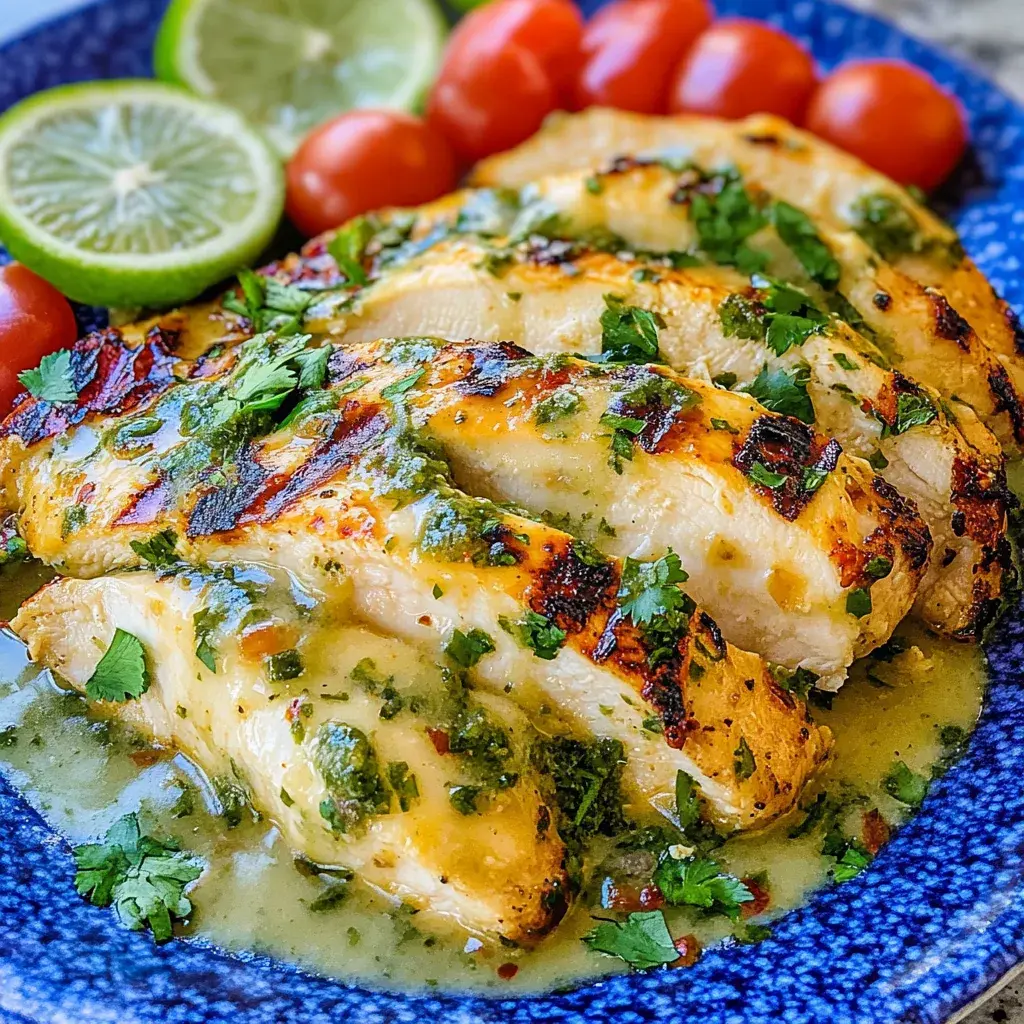
I still remember the first time I made chimichurri in my tiny Paris kitchen — my French-trained chef instructor raised an eyebrow at my Moroccan-born enthusiasm for raw garlic and fresh parsley. “C’est une sauce d’Argentine, non?” he asked. Yes, I told him, but the soul of this sauce — the way it wakes up grilled meat with nothing but herbs, acid, and oil — that is something I recognized immediately. Growing up in Morocco, my mother made chermoula for every fish and lamb dish: a bold, herby, garlicky concoction that stained our fingertips green and filled the house with the promise of something good. Chimichurri is its Argentine cousin, and when you spoon it over these Grilled Chicken Thighs with Chimichurri, you get the best of both worlds. The chicken turns impossibly juicy over high heat, and the sauce — used as both a marinade and a finishing drizzle — delivers a double hit of bright, garlicky, herbaceous flavor. This is the recipe I bring to every summer cookout, every weeknight dinner when I need something fast but impressive, and every time I want to remind myself why I love cooking: because a few simple ingredients, treated with care, can taste like pure magic.

Let me paint you a picture: the chicken thighs hit the hot grill grate with a sizzle that makes your heart skip. Within seconds, the smell of caramelizing garlic and oregano rises up — that moment when the chimichurri clinging to the chicken begins to toast and char just slightly at the edges. The skinless meat stays tender because thighs have that perfect amount of fat to keep everything moist, even over a fierce flame. After about five minutes per side, the chicken emerges with gorgeous grill marks and a faint crust, the herbs from the marinade dark and fragrant. I love to let the thighs rest for just a couple of minutes before slicing them on a bias, revealing that pale, juicy interior. Then I spoon over a generous dollop of fresh, uncooked chimichurri — the same sauce but now transformed: cool and bright against the warm, smoky meat. The contrast is everything. The parsley and cilantro taste garden-fresh, the shallot gives a gentle bite, the lemon and red wine vinegar cut through the richness, and the olive oil ties it all together in a silky, spoonable finish. It is the kind of dish that makes you close your eyes at the table.

What sets my version apart from the countless chimichurri chicken recipes out there? Three things. First, I add a small amount of jalapeño for a whisper of heat that amplifies the herbs without making the sauce spicy — it is a trick I picked up from a street-food stall in Buenos Aires during a trip after culinary school. Second, I insist on marinating the chicken in a portion of the chimichurri for at least twenty minutes (though overnight is best), which infuses the meat from the inside out. And third — my true chef’s secret — I reserve a full half of the chimichurri un-marinated, so it stays bright and vivid as a finishing sauce. Most recipes use the same chimichurri for everything and end up with a muddied, cooked-down version on the plate. Not here. The dual-use approach guarantees a pop of freshness in every single bite. 💡 emy’s Pro Tip: Let the chicken come to room temperature for about 15 minutes before grilling — it ensures even cooking and juicier results. And the one mistake I see most often? Using dried herbs in the chimichurri and expecting the same vibrancy. Fresh herbs are not optional here — they are the whole point.

Why This Grilled Chicken Thighs with Chimichurri Recipe Is the Best

The Flavor Secret. This isn’t just grilled chicken with a sauce — it is a dual-chimichurri method that layers flavor at two different moments. The marinade portion infuses the chicken with garlic, shallot, and herbs while also tenderizing the meat thanks to the acid from the lemon juice and red wine vinegar. Then the fresh, uncooked finishing sauce delivers a completely different experience: vibrant, raw, and herbaceous. My Moroccan training taught me that marinades should penetrate deep, while my French training taught me to respect the integrity of a sauce served raw. This recipe honors both traditions, and the result is a chicken thigh that tastes complex from the first bite to the last.

Perfected Texture. Boneless skinless chicken thighs are incredibly forgiving — much more so than chicken breasts — but they still need the right technique to stay tender. I learned in Paris that the key to juicy grilled poultry is high, direct heat for a short time, followed by a brief rest. The thighs cook in about 5 to 6 minutes per side, just long enough to develop a nice char and render the fat, but not so long that the meat dries out. The chimichurri marinade acts as a protective layer, preventing the surface from scorching while the interior reaches a safe 165°F. The result is meat that is succulent, sliceable, and full of juice that mingles with the fresh chimichurri on the plate.

Foolproof & Fast. Even if you are a beginner griller, this recipe sets you up for success. The marinade does the heavy lifting for flavor, and the cook time is short enough that you can stand by the grill and watch the magic happen. I’ve made this on a busy Tuesday night after a long day of recipe testing in my NYC kitchen, and it comes together in under 30 minutes of active time. The chimichurri sauce takes less than five minutes in a food processor — no knife skills required — and the chicken only needs twenty minutes to marinate if you are in a hurry. This is the recipe I send to friends who tell me they are scared of grilling. It is forgiving, delicious, and honestly, a little bit show-stopping.

Grilled Chicken Thighs with Chimichurri Ingredients

I love sourcing my ingredients for this recipe from the Union Square Greenmarket in the summer, where the parsley and cilantro are piled high in bushy bunches and the shallots are small and sweet. In the winter, I head to Kalustyan’s in Murray Hill for dried oregano that still smells like the Mediterranean. No matter where you shop, the key is to choose fresh, vibrant herbs and a good-quality olive oil — those two ingredients carry the entire chimichurri. Here is everything you need.

Ingredients List

  • 1/2 cup fresh cilantro (packed, tender stems and leaves)
  • 1/2 cup fresh Italian parsley (packed, stems removed)
  • 1 tablespoon fresh oregano (or 1 teaspoon dried, but fresh is strongly preferred)
  • 1 small shallot (peeled and roughly chopped)
  • 2 cloves garlic (peeled)
  • 1/2 jalapeño pepper (seeded for mild heat, or keep seeds for more spice)
  • 1 tablespoon fresh lemon juice
  • 1 tablespoon red wine vinegar
  • 1/2 cup olive oil (extra-virgin is best)
  • 1 teaspoon kosher salt
  • Fresh ground black pepper (to taste)
  • 2 lbs boneless skinless chicken thighs* (about 6–8 thighs)

Ingredient Spotlight

Fresh Cilantro and Parsley: These two herbs form the backbone of the chimichurri. Cilantro adds a bright, almost citrusy note that I associate with my mother’s kitchen in Marrakech, while Italian parsley brings a clean, grassy flavor that balances the cilantro’s boldness. When shopping, look for bunches with leaves that are perky and evenly green — no wilting or yellowing. If you find one of those herbs lacking, you can use all parsley or all cilantro, but the blend is truly special. Tested substitution: In a pinch, use 1/4 cup each of fresh mint and basil in place of the cilantro for a completely different but still delicious herbal profile.

Fresh Oregano: Oregano is what gives chimichurri its earthy, almost piney undertone. Fresh oregano is milder and more floral than dried, but if all you have is dried, use 1 teaspoon and crumble it between your palms to release the oils before adding it to the food processor. Remember: Dried oregano is more concentrated, so do not substitute a full tablespoon — it will dominate the sauce. I buy fresh oregano from the little potted herb section at my local grocery store in NYC and keep it on the windowsill; it lasts for weeks and makes the whole kitchen smell like a trattoria.

Boneless Skinless Chicken Thighs: Thighs are the MVP of grilling — they have enough fat to stay moist over high heat, and they take on marinades beautifully. I recommend thighs that are about 4 to 5 ounces each, so they cook evenly in the stated time. If your thighs are very large, you may need an extra minute per side. 💡 emy’s Pro Tip: If you can only find bone-in, skin-on thighs, increase the cook time to about 8 to 10 minutes per side and remove the skin after cooking if you prefer a leaner finish. The bone will add even more flavor to the meat.

Original Ingredient Best Substitution Flavor / Texture Impact
Fresh cilantro Fresh mint or basil (1/4 cup each) Brighter, slightly sweeter, less earthy
Fresh oregano 1 tsp dried oregano (crumbled) More concentrated, less floral — reduce by 2/3
Boneless skinless chicken thighs Bone-in, skin-on thighs Richer flavor, longer cook time, crispier skin
Red wine vinegar White wine vinegar or sherry vinegar Slightly milder or nuttier, still bright
Jalapeño pepper Serrano or a pinch of red pepper flakes More heat or diffused heat, adjust to taste

How to Make Grilled Chicken Thighs with Chimichurri — Step-by-Step

Trust me on this one — the process is as simple as it is rewarding. The chimichurri comes together in under five minutes, the chicken marinates while you heat the grill, and the actual cooking is a quick, hands-on affair. Let me walk you through each step with the exact cues I use in my own kitchen.

Step 1: Make the Chimichurri

In a food processor, combine the cilantro, parsley, oregano, shallot, garlic, and jalapeño. Add the lemon juice, red wine vinegar, olive oil, salt, and a few grinds of fresh black pepper. Pulse in short bursts until everything is finely chopped and well combined — the texture should be like a coarse pesto, not a smooth puree. You want to see small flecks of herbs. Scrape down the sides once or twice with a spatula.

💡 emy’s Pro Tip: Taste the chimichurri at this stage. It should be vibrant, garlicky, and bright. If it tastes flat, add a pinch more salt or another squeeze of lemon. Remember, you will use half for marinating and half for finishing, so make sure the base is delicious before dividing.

Step 2: Marinate the Chicken

Place the chicken thighs in a baking dish or a large zip-top bag. Season them lightly with a pinch of salt and pepper. Pour about 1/4 cup of the chimichurri over the chicken and turn each thigh to coat thoroughly. Reserve the remaining chimichurri in a separate bowl, cover, and refrigerate. Cover the chicken and marinate for at least 20 minutes at room temperature or up to 24 hours in the refrigerator. If marinating overnight, take the chicken out of the fridge about 15 minutes before grilling to let it warm up slightly.

⚠️ Common Mistake to Avoid: Do not use all the chimichurri for the marinade. The portion used for marinating will darken and lose its fresh green color during cooking. By reserving half, you guarantee that vibrant, raw herb flavor on the finished dish.

Step 3: Grill the Chicken

Heat your grill to medium high — about 400°F to 450°F. Clean the grates and oil them lightly with a paper towel dipped in vegetable oil. Place the chicken thighs on the grill in a single layer, leaving a little space between each piece. Cook for 5 to 6 minutes per side, flipping once, until the chicken is deeply charred in spots and the juices run clear when pierced with a knife. The internal temperature should reach 165°F on an instant-read thermometer. Transfer the chicken to a cutting board and let it rest for 5 minutes — this step is crucial for keeping the meat juicy.

💡 emy’s Pro Tip: If you like extra char, resist the urge to flip the chicken more than once. Let it sit undisturbed for the full 5 to 6 minutes on the first side. That stillness is what creates the beautiful grill marks and the slightly crispy edges.

Step 4: Serve

Slice the chicken thighs on a bias into thick strips — or leave them whole if you prefer a more rustic presentation. Arrange them on a platter and spoon the reserved fresh chimichurri generously over the top. Serve immediately with extra chimichurri on the side for dipping or drizzling at the table.

⚠️ Common Mistake to Avoid: Do not skip the resting time. If you slice the chicken right off the grill, all those flavorful juices will spill onto the cutting board instead of staying in the meat. Five minutes of patience makes a world of difference.

Step Action Duration Key Visual Cue
1 Make chimichurri in food processor 3–5 mins Coarse, pesto-like texture with visible herb flecks
2 Marinate chicken in 1/4 cup chimichurri 20 mins – 24 hrs Chicken evenly coated in green sauce
3 Grill over medium-high heat 5–6 mins per side Deep char marks, juices run clear, internal temp 165°F
4 Rest and serve with reserved chimichurri 5 mins rest Juices reabsorb, meat looks plump and glossy

Serving & Presentation

I love to serve these grilled chicken thighs on a large wooden board or a white platter that lets the green chimichurri pop. Slice the thighs on the bias into thick, angled pieces — this shows off the juicy interior and makes each piece look intentional. Spoon the reserved chimichurri in a ribbon down the center of the chicken, then add a few extra dollops around the edges. I always serve a small bowl of extra chimichurri on the side because people cannot resist adding more. A scattering of flaky sea salt and a few fresh parsley leaves over the top adds a final touch of brightness.

In my NYC kitchen, I pair this chicken with simple sides that let the chimichurri shine. A crisp green salad with avocado and a lime vinaigrette is perfect in the summer. In the cooler months, I serve it with roasted sweet potatoes and a dollop of Greek yogurt — the creamy sweetness offsets the herbal garlic notes beautifully. My Moroccan side of the family would insist on warm flatbread and a bowl of olives, and I have to admit, that combination is hard to beat. For a full meal, I also love adding grilled zucchini or bell peppers right alongside the chicken on the same platter. Everything gets kissed by the same grill and the same green sauce, creating a cohesive, colorful plate.

Pairing Type Suggestions Why It Works
Side Dish Grilled zucchini, green salad with avocado, roasted sweet potatoes, warm flatbread Light, fresh sides balance the rich, charred chicken; flatbread soaks up extra chimichurri
Sauce / Dip Extra chimichurri, Greek yogurt with lemon, tahini sauce Creamy dips contrast with the bright, acidic chimichurri; tahini adds nuttiness
Beverage Crisp white wine (Sauvignon Blanc), light red (Pinot Noir), sparkling water with lime Acidity in the wine matches the chimichurri; bubbles cleanse the palate
Garnish Flaky sea salt, fresh parsley leaves, thinly sliced red chili, lemon wedges Adds color, texture, and a final pop of flavor at the table

Make-Ahead, Storage & Reheating

This recipe is a gift for meal prep — I often make a double batch of chimichurri on Sunday and use it throughout the week on grilled chicken, roasted vegetables, or even as a dressing for grain bowls. The chicken itself stores beautifully, and with a few smart reheating tricks, it tastes almost as good as the day you grilled it. Here is how I keep everything fresh in my busy NYC schedule.

Method Container Duration Reheating Tip
Refrigerator Airtight container, chimichurri stored separately Up to 4 days Reheat gently in a skillet with a splash of water or broth to restore moisture
Freezer Freezer-safe bag or container, chimichurri in a separate small jar Up to 3 months Thaw overnight in the fridge, then reheat in a 350°F oven for 10–12 minutes
Make-Ahead Chimichurri in a jar, chicken marinated in a bag Chimichurri up to 5 days ahead; marinated chicken up to 24 hours ahead Bring chicken to room temp before grilling; stir chimichurri before serving

When reheating, the goal is to bring the chicken back to life without drying it out. My favorite method is to slice the leftover chicken and warm it quickly in a hot skillet with a tiny splash of water or chicken broth — just enough to create a little steam. Cover the pan for about 90 seconds and you will have tender, juicy chicken that tastes freshly made. Avoid the microwave if you can; it tends to toughen the meat and dull the flavors. For the chimichurri, let it come to room temperature before serving — cold chimichurri loses some of its aromatic punch. If you stored it in the fridge, take it out 15 to 20 minutes before you plan to eat and give it a good stir.

💡 emy’s Pro Tip: The chimichurri actually gets better after a day or two in the fridge as the flavors meld. I like to make it on a Sunday and use it for quick weeknight dinners — it is one less thing to think about on a busy Tuesday.

Variations & Easy Swaps

One of the things I love most about this recipe is how adaptable it is. Whether you are cooking for someone with dietary restrictions or you just want to play with different flavors, these variations will keep the dish exciting all year round. I have tested each of these in my own kitchen, and they all deliver that same juicy, herbaceous magic.

Variation Key Change Best For Difficulty Impact
Spicy Chimichurri with Harissa Add 1 tbsp harissa paste to the chimichurri Moroccan-inspired heat lovers Easy
Dairy-Free Creamy Chimichurri Add 2 tbsp tahini to the chimichurri Creamy sauce without dairy Easy
Lemon-Herb Chicken Thighs Replace red wine vinegar with extra lemon juice; add lemon zest Bright, citrus-forward flavor Easy

Spicy Chimichurri with Harissa

This variation is my personal nod to my Moroccan roots. Add 1 tablespoon of harissa paste to the chimichurri before blending — the smoky, spicy, slightly sweet heat of harissa mingles with the fresh herbs in a way that is utterly addictive. Harissa is made from roasted red peppers, chilis, garlic, and warm spices like caraway and coriander, so it adds a whole new layer of complexity without overwhelming the chimichurri. Use it as a marinade and finishing sauce just like the original. I love serving this version with grilled eggplant and a side of couscous for a North African-inspired summer plate.

Dairy-Free Creamy Chimichurri

For a luscious, creamy version that is still completely dairy-free, add 2 tablespoons of tahini to the chimichurri in the food processor. Tahini (sesame paste) blends beautifully with the herbs and oil, creating a sauce that is thick enough to spoon over the chicken like a dressing. The nuttiness of the tahini rounds out the sharpness of the lemon and vinegar, making the chimichurri feel richer and more substantial. This variation is fantastic on grain bowls, as a dip for raw vegetables, or smeared on toast with leftover chicken. I tested this during a week when I was avoiding dairy, and it became a new favorite — even my husband, who is not a tahini fan, asked for the recipe.

Lemon-Herb Chicken Thighs

If you want a brighter, more citrus-forward chimichurri, swap the red wine vinegar for an additional tablespoon of fresh lemon juice and add the zest of one lemon to the food processor. The lemon zest adds a fragrant, floral note that the vinegar cannot replicate, and the extra acidity keeps the sauce lively. This version pairs beautifully with grilled fish or shrimp, but it is also a stunner on the chicken. I make this in late spring when lemons are at their peak and I am craving something sunny on the plate. The zest also gives the chimichurri a slightly thicker texture, which clings to the chicken even better.

Share Your Version!

Now I want to hear from you. Did you make these Grilled Chicken Thighs with Chimichurri? Did you try one of the variations — or come up with your own twist? Leave a star rating and a comment below to tell me how it went. Your feedback helps me create better recipes for this community, and I read every single comment. If you snapped a photo of your beautiful platter, share it on Instagram or Pinterest and tag @cookingwithemi — I would love to feature your creations in my stories. And here is a question for you: what is one ingredient you always add to chimichurri that makes it your own? I am always looking for new ideas, and I bet other readers are too.

From my NYC kitchen to yours — I hope this recipe brings as much warmth to your table as it does to mine. — emy 🧡

📌

Love This Recipe? Save It to Pinterest!

If you enjoyed this Grilled Chicken Thighs with Chimichurri recipe, don’t let it get lost in your browser tabs! 😄 Pin it now so you can find it again anytime — and explore hundreds more tried-and-tested recipes waiting for you on my Pinterest boards.

👉 Follow emy on Pinterest @exorecipe

📌 Pin this recipe · 🔁 Re-pin your favorites · 💬 Tag me when you make it — I love seeing your creations!

Can I use dried herbs instead of fresh in chimichurri?

I strongly recommend fresh herbs for chimichurri — the entire sauce is built around the bright, vibrant flavor of raw parsley, cilantro, and oregano. Dried herbs will give you a much more muted, slightly dusty taste, and the texture will be less appealing. However, if you are in a pinch, you can use 1 teaspoon of dried oregano in place of the fresh tablespoon, and add an extra handful of fresh parsley or cilantro to make up for the missing volume. Just know that the result will not be as punchy or green. For the best experience, stick with fresh — they are the heart of this sauce.

How long should I marinate the chicken thighs?

You can marinate the chicken for as little as 20 minutes and still get great flavor, but the sweet spot is 2 to 4 hours in the refrigerator. If you have time, overnight marination (up to 24 hours) gives the deepest flavor penetration. The acid in the lemon juice and vinegar gently tenderizes the meat without making it mushy, even with an overnight soak. Just remember to take the chicken out of the fridge about 15 minutes before grilling to let it come to room temperature — this helps it cook more evenly and stay juicy.

Can I grill chicken thighs on a gas grill or charcoal grill?

Absolutely — both work beautifully. On a gas grill, preheat to medium high (about 400°F to 450°F) and oil the grates well before adding the chicken. On a charcoal grill, wait until the coals are covered with a light gray ash and you can hold your hand about 5 inches above the grate for 3 to 4 seconds. Charcoal will give you a smokier flavor that pairs wonderfully with the chimichurri. Whichever you use, keep the lid open while grilling the thighs — they cook quickly and you want to keep an eye on the char level.

What can I serve with grilled chicken thighs and chimichurri?

This dish is incredibly versatile. For a light summer meal, serve with a crisp green salad with avocado, grilled zucchini, or a simple tomato and cucumber salad. In cooler months, roasted sweet potatoes, warm flatbread, or a bowl of couscous are excellent choices. I also love pairing it with creamy sides like Greek yogurt or tahini sauce to balance the bright, acidic chimichurri. For a full grill spread, add grilled bell peppers, onions, and corn on the cob — everything tastes good with a drizzle of that green sauce.

How do I store leftover chimichurri sauce?

Store leftover chimichurri in a clean glass jar or an airtight container in the refrigerator for up to 5 days. The olive oil will solidify slightly when cold, so let it sit at room temperature for about 15 to 20 minutes before using, then stir well to recombine. If you want to keep it longer, you can freeze chimichurri in an ice cube tray for up to 3 months — pop out a cube whenever you need a burst of herb flavor for grilled meats, roasted vegetables, or grain bowls. Just note that the color may dull slightly after freezing, but the taste will still be excellent.

Can I make this recipe with chicken breasts instead of thighs?

Yes, you can substitute boneless skinless chicken breasts, but be aware that breasts cook faster and are more prone to drying out. Pound the breasts to an even thickness (about 1/2 to 3/4 inch) so they cook evenly, and reduce the grill time to about 4 to 5 minutes per side, depending on thickness. Use an instant-read thermometer to check for doneness — chicken breasts are safe at 165°F. I recommend marinating breasts for at least 2 hours to help keep them moist. The chimichurri will still be delicious, but thighs remain my top choice for their unmatched juiciness.

Is chimichurri gluten-free and dairy-free?

Yes, traditional chimichurri made with fresh herbs, garlic, shallot, vinegar, and olive oil is naturally gluten-free and dairy-free. This recipe contains no wheat, dairy, or gluten-containing ingredients. Just be sure to check the labels on your red wine vinegar and any optional add-ins like harissa or tahini to confirm they are certified gluten-free if that is a concern for you. I have many readers with celiac disease and dairy allergies who make this chimichurri regularly — it is one of the most inclusive sauces in my repertoire.

What is the best way to reheat grilled chicken thighs without drying them out?

The best method is to reheat them gently in a skillet over medium-low heat with a splash of water, chicken broth, or even a little extra chimichurri. Cover the pan and let the chicken steam for about 90 seconds to 2 minutes, then remove the lid and let any excess moisture evaporate. This method keeps the meat tender and brings back some of the juiciness. Alternatively, you can reheat in a 350°F oven for about 8 to 10 minutes, covered with foil. Avoid the microwave, which tends to toughen the meat and dull the flavor of the chimichurri.

Can I use a blender instead of a food processor for the chimichurri?

Yes, you can use a blender, but I recommend pulsing rather than running it continuously. A blender tends to puree the herbs more finely than a food processor, giving you a smoother, more emulsified sauce rather than the coarse, textured consistency that is traditional for chimichurri. If you prefer a smoother sauce, go ahead and use a blender — it will still taste delicious. For a more authentic texture, stick with a food processor and pulse in short bursts, scraping down the sides as needed.

How can I tell when chicken thighs are fully cooked on the grill?

The most reliable way is to use an instant-read thermometer inserted into the thickest part of the thigh — the safe internal temperature for chicken is 165°F. Visual cues include juices that run clear when you pierce the meat with a knife (not pink or cloudy), and a firm texture when you press the thigh with tongs. Boneless thighs typically take 5 to 6 minutes per side over medium-high heat. If you do not have a thermometer, make a small cut into the thickest part of one thigh to check that the meat is opaque all the way through — no pink in the center.

Print
clock clock iconcutlery cutlery iconflag flag iconfolder folder iconinstagram instagram iconpinterest pinterest iconfacebook facebook iconprint print iconsquares squares iconheart heart iconheart solid heart solid icon

Grilled Chicken Thighs with Chimichurri


  • Author: Chef Emy

Description

Juicy, tender, grilled boneless skinless chicken thighs are served with a flavor-packed chimichurri sauce that is used as both a marinade and topping.


Ingredients

Scale
  • 1/2 cup fresh cilantro (fresh)
  • 1/2 cup fresh Italian parsley (chopped, fresh)
  • 1 tablespoon fresh oregano (or 1 teaspoon dried)
  • 1 small shallot (peeled)
  • 2 cloves garlic (peeled)
  • 1/2 jalapeno pepper (seeded)
  • 1 tablespoon fresh lemon juice
  • 1 tablespoon red wine vinegar
  • 1/2 cup olive oil
  • 1 teaspoon kosher salt
  • fresh ground pepper
  • 2 lbs boneless skinless chicken thighs*

Instructions

  1. In a food processor, combine the cilantro, parsley, oregano, shallot, garlic, and jalapeño.
  2. Add the lemon juice, red wine vinegar, olive oil, salt, and pepper and pulse until well combined and finely chopped.
  3. Place the chicken in a baking dish, season with salt and pepper, and cover with a 1/4 cup of the chimichurri. Turn to coat the chicken completely. Marinate for 20 minutes to 24 hours in the refrigerator.
  4. Take the chicken out of the fridge to warm up slightly while heating the grill to medium high. Cook the chicken about 5-6 minutes per side, until juices run clear.
  5. Serve with extra chimichurri on the side.

Easy Chicken Burrito Casserole

Easy Chicken Burrito Casserole – One-Dish Wonder

⚖️
Difficulty
Easy
⏲️
Prep Time
15 mins
🕒
Cook Time
75 mins
⏱️
Total Time
90 mins
🍽️
Servings
6–8

Let me be honest with you — I’ve made more burrito variations than I can count, from the ones my mother used to roll in our kitchen in Morocco to the elaborate versions I learned to plate during my pastry training in Paris. But this easy chicken burrito casserole? It’s the one I turn to on a busy Monday after a long day at the farmers market in Union Square. It’s low-effort, high-reward, and it tastes like you spent hours carefully assembling individual burritos — when in reality you just tossed everything into a 9×13 dish and let the oven do the heavy lifting.

Imagine the aroma of fajita-spiced chicken and black beans mingling with sweet corn and melting Monterey Jack cheese, all held together by tender parboiled rice that soaks up every bit of the bold, smoky broth. The first bite hits you with a gentle warmth from the cayenne (if you add it), followed by the creamy richness of the cheese and the fresh pop of cilantro and avocado if you go with the garnishes I recommend. It’s the kind of comfort food that brings the whole family to the table, no rolling or stuffing required.

What sets my version apart is a technique I picked up in a Parisian bistro kitchen: whisking the tomato paste directly into the broth until it’s silky smooth, which gives the entire dish a deeper, more cohesive flavor. Plus, I use parboiled brown rice — it holds its shape and never turns mushy, even after a long bake. 💡 emy’s Pro Tip for later: don’t skip covering the dish tightly with foil for the first hour; that’s the secret to perfectly cooked rice every time. And a common mistake? Stirring too much after you add the rice — you want to leave it undisturbed so the grains cook evenly.

Why This Chicken Burrito Casserole Recipe Is the Best

The Flavor Secret: Growing up in Morocco, I learned that the best dishes come from layering spices rather than piling them on. Here, the fajita seasoning is my shortcut — but I boost it with a tiny pinch of cayenne and a swirl of tomato paste that’s been bloomed in broth. That little French trick transforms the whole casserole, giving it a slow-cooked depth that tastes like it’s been simmering all day.

Perfected Texture: My goal was to avoid the dreaded mushy casserole. Parboiled brown rice is the hero: it stays separate and al dente even after absorbing all that flavorful liquid. And because I bake it covered, steam does the work, leaving each grain distinct yet tender. The final broil with cheese creates a golden crust that contrasts beautifully with the soft rice and beans.

Foolproof & Fast: You don’t need any special equipment — just a bowl, a whisk, and a baking dish. No pre-cooking the rice, no sautéing aromatics separately. Everything goes into one dish, you mix, cover, and bake. Even beginner cooks can nail this on the first try. I’ve tested it with my neighbor’s teenage daughters, and they texted me photos of a perfectly melted casserole.

Chicken Burrito Casserole Ingredients

When I’m shopping for this recipe at the Whole Foods on 14th Street, I always pick up the good stuff: fresh bell peppers, low-sodium broth, and my favorite fajita seasoning blend. The ingredients are simple and mostly pantry-friendly, but a few key choices can make or break the dish. Let me walk you through what you’ll need.

Ingredients List

  • 1/2 cup finely diced onion
  • 1 red bell pepper (diced)
  • 1 cup uncooked parboiled long-grain brown rice (can also use long-grain white rice)
  • 3 tablespoons fajita seasoning (homemade or store-bought)
  • 1/8 teaspoon cayenne pepper (optional — add if you like heat)
  • 1 cup corn kernels (frozen works great)
  • 1 14-ounce can low-sodium black beans (drained and rinsed)
  • 5 cups shredded chicken (rotisserie or leftover)
  • 3 cups reduced-sodium chicken broth
  • 1 4-ounce can mild green chilies
  • 1 tablespoon olive oil
  • 2 tablespoons tomato paste
  • 1 1/4 cups shredded Monterey Jack cheese

Ingredient Spotlight

Parboiled Brown Rice: This is my non-negotiable. Parboiled (or “converted”) rice is pre-steamed, so it stays firm even after a long bake. Regular brown rice works too but might need an extra 10 minutes. White rice? Use it if you’re in a pinch — reduce cooking time by about 10 minutes and check for doneness.

Fajita Seasoning: I love the blend I get at the Mexican market near Chelsea Market, but any good-quality mix works. If you’re making your own, combine chili powder, cumin, garlic powder, onion powder, smoked paprika, salt, and a pinch of oregano. The key is to use three full tablespoons so every grain gets coated.

Monterey Jack Cheese: Its mild, creamy melt is perfect here. Sharp cheddar would overpower the delicate fajita spices. For a dairy-free version, try a plant-based shred that melts well — My recommendation: Violife or Daiya mozzarella-style shreds. Just note that the texture will be a bit less gooey.

Original Ingredient Best Substitution Flavor / Texture Impact
Parboiled brown rice Long-grain white rice Slightly softer; reduce bake time 10 min
Monterey Jack cheese Dairy-free mozzarella shreds Less stretchy, still creamy
Fajita seasoning Taco seasoning + extra cumin More smoky; reduce salt
Shredded chicken Ground turkey (cooked) Leaner; texture differs
Black beans Pinto beans Creamier; very close flavor

How to Make Easy Chicken Burrito Casserole — Step-by-Step

Trust me, this is one of the easiest meals you’ll ever make. I’ll walk you through each step with the same care I use when demonstrating techniques at a cooking class in Brooklyn. Let’s get that oven preheated and your dish ready.

Step 1: Preheat and Combine Rice & Veggies

Preheat your oven to 400°F. In a 9×13-inch baking dish, add the finely diced onion, diced red bell pepper, uncooked parboiled brown rice, fajita seasoning, and cayenne if using. Use a spoon to stir until everything is well coated — the rice should look speckled with spice. This dry mix goes into the oven later with the broth, but for now, just set it aside.

💡 emy’s Pro Tip: Dicing the onion and pepper very small ensures they soften evenly during the long bake. If you prefer a chunkier texture, leave them slightly larger — just know the cooking time won’t change much.

Step 2: Whisk the Broth Mixture

In a separate bowl or a large measuring cup, whisk together the chicken broth, green chiles, tomato paste, and olive oil. Whisk until the tomato paste is fully dissolved — no streakiness. This is the moment I learned in Paris: a smooth base means a harmonious final dish. Pour this mixture over the rice and veggies in the baking dish and stir gently to combine.

⚠️ Common Mistake to Avoid: Don’t skip whisking the tomato paste with the broth first. If you add it straight to the dish, it may clump and create bitter pockets of paste.

Step 3: Add Proteins and Corn

Add the shredded chicken, drained black beans, and frozen corn to the baking dish. Give everything another gentle stir so the ingredients are evenly distributed. The beauty of this one-dish method is that you don’t need to be precise — a few gentle folds will do. The chicken will absorb all those fajita flavors as it bakes.

Step 4: Cover and Bake

Tightly cover the baking dish with aluminium foil. Slide it into the preheated oven and bake for 65–70 minutes, or until the rice is tender and most of the liquid is absorbed. The foil steams the dish, cooking the rice perfectly without the need to pre-cook it.

💡 emy’s Pro Tip: For the first 50 minutes, do not peek! Opening the oven releases steam and can cause uneven cooking. I set a timer and walk away — it’s the easiest part of the whole process.

Step 5: Add Cheese and Broil

After 65–70 minutes, remove the baking dish from the oven and carefully take off the foil (watch out for hot steam!). Sprinkle the shredded Monterey Jack cheese evenly over the top. Return the dish to the oven, uncovered, for another 5–10 minutes, until the cheese is melted and starting to turn golden in spots. Keep an eye on it — ovens vary.

⚠️ Common Mistake to Avoid: If the cheese browns too quickly, it can become bitter. If you see it getting dark before the 5-minute mark, turn on the broiler for the last 2 minutes instead of baking.

Step 6: Rest and Serve

Remove the casserole from the oven and let it rest for 5–10 minutes. This short resting period allows the juices to settle and the rice to absorb any remaining moisture. Serve warm, topped with fresh cilantro, sliced green onion, a spoonful of salsa, and diced avocado if you like. I always add a squeeze of lime myself.

Step Action Duration Key Visual Cue
1 Mix dry ingredients 5 min Rice evenly coated with seasoning
2 Whisk broth, paste, chiles, oil 3 min Smooth, no streaks
3 Add chicken, beans, corn 3 min Everything well distributed
4 Cover with foil & bake 65–70 min Liquid absorbed; rice tender
5 Add cheese, bake uncovered 5–10 min Cheese melted, golden edges
6 Rest & serve 5–10 min Steam settles; dish holds together

Serving & Presentation

This casserole is a meal in itself, but I love to dress it up as if I’m serving guests in my tiny NYC walk-up. Scoop a generous portion onto each plate — about 1½ cups if you’re feeding a hungry crowd. The top should be a golden blanket of melted cheese with a few darker spots from the broiler. I like to add a small dollop of sour cream or crema, a handful of fresh cilantro leaves, and a few slices of avocado for creaminess. A wedge of lime on the side brightens every bite.

When the season is right, I serve it alongside a simple green salad dressed with cilantro-lime vinaigrette (a trick from my Paris days to balance richness). If it’s a chilly evening, I might also heat up some Mexican street corn (elote) — the charred corn and lime-spiked mayo are a perfect match. For a more substantial spread, prepare a bowl of warm tortilla chips and a smoky salsa roja.

Growing up in Morocco, we always ate stews with warm, crusty bread — I’ve replaced that here with a side of soft flour tortillas to make it truly burrito-style. You can let everyone fill their own tortillas or just serve the casserole over a bed of shredded lettuce for a low-carb twist.

Pairing Type Suggestions Why It Works
Side Dish Cilantro-lime salad, Mexican street corn, tortilla chips Adds freshness or crunch
Sauce / Dip Sour cream, salsa verde, avocado crema Cools heat, adds creaminess
Beverage Horchata, cold Mexican beer, lime sparkling water Refreshes palate
Garnish Fresh cilantro, green onion, diced avocado, lime wedges Brightens flavor and presentation

Make-Ahead, Storage & Reheating

Living in New York City means I’m always on the go, so I often prep this chicken burrito casserole on a Sunday to enjoy during the week. You can assemble the entire dish (through Step 3) up to 24 hours in advance, cover tightly, and refrigerate. When you’re ready to bake, just pop it in the oven — you may need to add 10–15 minutes to the cooking time since it’s starting cold.

Method Container Duration Reheating Tip
Refrigerator Airtight container or covered dish Up to 4 days Microwave until hot; or 350°F oven 15 min
Freezer Freezer-safe container or zip-top bag (portion) Up to 3 months Thaw overnight in fridge; reheat covered at 350°F 20–25 min
Make-Ahead (unbaked) Covered baking dish in fridge Up to 1 day Bake directly from fridge; add 10–15 minutes

For reheating individual servings, I prefer the microwave for speed: a minute and a half on high usually does the trick. But if you have a little more time, reheating in a 350°F oven for about 15 minutes (covered with foil to prevent drying) brings back that fresh-baked texture. One thing I’ve learned: never reheat the cheese alone — keep it covered or add a splash of broth to keep things moist.

Variations & Easy Swaps

This recipe is incredibly flexible. Whether you’re looking to use what’s in your pantry or adapt to dietary needs, here are my tested variations. I’ve made each of them at least three times — some even became regulars on my weeknight rotation.

Variation Key Change Best For Difficulty Impact
Vegetarian Replace chicken with extra black beans + chopped mushrooms Meatless Monday No change
Spicy Southwest Add 1 chopped jalapeño + 1 tsp chipotle powder Heat lovers No change
Cheesy Tex-Mex Use mixture of cheddar & Monterey Jack + sprinkle cotija on top Extra indulgence No change

Vegetarian Version

Swap the shredded chicken with an additional can of black beans (rinsed and drained) and a cup of finely chopped cremini mushrooms. The mushrooms add a meaty umami that reminds me of the earthy tagines my mother made. Sauté the mushrooms in a pan with a little oil until they release their moisture, then fold them into the casserole. Everything else stays the same — the cheese still provides plenty of savory richness.

Gluten-Free / Dairy-Free Version

The recipe is already gluten-free if you use certified gluten-free fajita seasoning and avoid any cross-contamination with broth. For dairy-free, simply omit the cheese or use a plant-based shred that melts well, like Violife or Daiya. I’ve found that adding a spoonful of nutritional yeast to the broth before baking gives a subtle cheesy flavor without the dairy. The texture stays wonderfully creamy if you don’t overbake.

Seasonal Flavor Twist

In late summer at the Union Square Greenmarket, I swap the frozen corn for fresh ears and add diced zucchini. I also toss in a handful of chopped cilantro stems at the start — a trick from a Moroccan chef I admire. The zucchini adds tenderness while the fresh corn pops with sweetness. Roast the zucchini first? Not necessary — it cooks perfectly within the casserole’s steam.

Can I use brown rice instead of white rice in this casserole?

Absolutely. The recipe actually calls for parboiled long-grain brown rice, which holds its shape beautifully during the long bake. If you use regular brown rice, keep in mind it may need an extra 10–15 minutes of covered baking. The key is to check for doneness after 70 minutes: the rice should be tender and the liquid absorbed. White rice works too but cooks faster — reduce the covered baking time by about 10 minutes.

Can I freeze chicken burrito casserole?

Yes, this casserole freezes wonderfully. Allow it to cool completely, then portion it into airtight containers or zip-top bags. It will keep in the freezer for up to 3 months. To reheat, thaw overnight in the refrigerator, then warm in a 350°F oven (covered with foil) for about 20–25 minutes, or until heated through. You can also microwave individual portions straight from the freezer, but the texture of the rice will be slightly softer.

How do I keep the rice from getting mushy in a casserole?

The trick is twofold: use parboiled rice and cover the dish tightly with foil for the majority of the baking time. Parboiled rice is pre-steamed, making it more resistant to overcooking. The foil traps steam so the rice cooks evenly without boiling dry. Also, resist the urge to stir after you add the liquid — stirring can break the starches and lead to a gummy texture. Just give it one good stir when you add the chicken and beans, then leave it alone.

What can I use instead of Monterey Jack cheese?

Monterey Jack is ideal because it melts smoothly without overwhelming the other flavors. The best substitute is a mild cheddar, but expect a sharper taste. For a dairy-free option, choose a plant-based mozzarella shred — Violife or Daiya work well. You could also try a Mexican blend cheese if you have one on hand. Avoid strong blues or aged cheeses; they’ll compete with the fajita seasoning.

Can I make this casserole ahead of time?

Yes, you can assemble the entire casserole (through Step 3) up to 24 hours ahead. Cover the dish and refrigerate. When you’re ready to bake, add about 10–15 minutes to the covered baking time because it starts cold. The flavor actually deepens as the ingredients meld overnight. If you’ve already baked the casserole, leftovers can be reheated within 4 days (refrigerated) or frozen for longer storage.

Is this chicken burrito casserole healthy?

It’s a balanced, high-protein meal, especially if you use reduced-sodium broth and low-sodium beans. Each serving (based on 8 servings) contains about 343 calories, 29g protein, 24g carbs, and 14g fat. The brown rice adds fiber, and the beans boost protein and fiber further. To lighten it up, you can reduce the cheese by half or use a low-fat cheese. The recipe is naturally gluten-free as written.

Do I need to pre-cook the chicken?

Yes, the recipe calls for shredded chicken that’s already cooked. You can use leftover roast chicken, rotisserie chicken, or poached chicken breasts. If you’re starting from raw, simply season and cook the chicken (boil, bake, or sauté) until fully cooked, then shred it. The casserole bakes long enough to heat everything through, but not to cook raw chicken to a safe temperature from a cold start.

Can I add extra vegetables to this casserole?

Absolutely. Diced zucchini, bell peppers of other colors, or even chopped spinach work great. If you add watery veggies like zucchini, consider sautéing them briefly first to release excess moisture, or reduce the broth by a quarter cup. Frozen peas or corn can go straight in. I often toss in a handful of frozen fire-roasted corn from Trader Joe’s for a smoky twist.

Why did my casserole turn out dry?

A dry casserole usually means it was baked too long or uncovered too early. Make sure to cover the dish tightly with foil for the full 65–70 minutes, and only remove it for the last 5–10 minutes to melt the cheese. Also, different ovens run at different temperatures; if your oven runs hot, check at 60 minutes. If the liquid is already absorbed and the rice is still crunchy, add a splash of broth and continue covered.

Can I use instant rice instead of parboiled rice?

I don’t recommend instant rice for this recipe. Instant rice is pre-cooked and dried, so it will break down and become mushy during the long bake. Stick with parboiled brown or white rice for the best texture. If you must use instant rice, reduce the baking time significantly (start checking at 30 minutes) and use less broth — about 2 cups instead of 3.

Share Your Version!

I truly hope this easy chicken burrito casserole becomes a go-to in your home, just as it has in mine. It’s one of those recipes that proves comfort food doesn’t have to be complicated — it just needs to be made with love and a few smart techniques. Have you tried it? Did you add your own twist? I’d love to hear all about it.

Leave me a star rating and a comment below — your feedback helps other readers decide and inspires the whole community. And if you’re on Instagram or Pinterest, tag @cookingwithemi so I can see your beautiful casserole! I’m especially curious: did you try it with the spicy Southwest variation? Or maybe you discovered another shortcut I haven’t thought of? Let me know in the comments.

From my NYC kitchen to yours — I hope this recipe brings as much warmth to your table as it does to mine. — emy 🧡

📌

Love This Recipe? Save It to Pinterest!

If you enjoyed this Easy Chicken Burrito Casserole recipe, don’t let it get lost in your browser tabs! 😄 Pin it now so you can find it again anytime — and explore hundreds more tried-and-tested recipes waiting for you on my Pinterest boards.

👉 Follow emy on Pinterest @exorecipe

📌 Pin this recipe · 🔁 Re-pin your favorites · 💬 Tag me when you make it — I love seeing your creations!

Print
clock clock iconcutlery cutlery iconflag flag iconfolder folder iconinstagram instagram iconpinterest pinterest iconfacebook facebook iconprint print iconsquares squares iconheart heart iconheart solid heart solid icon

Easy Chicken Burrito Casserole


  • Author: Chef Emy

Description

If your family loves Mexican food, whip together this chicken burrito casserole recipe for an easy, low-prep dinner! It tastes like your favourite burritos yet can be made in one big casserole dish with simple ingredients. Plus, it’s loaded with protein for a satisfying and healthy meal! {Gluten-Free}


Ingredients

Scale
  • 1/2 cup finely diced onion
  • 1 red bell pepper (diced)
  • 1 cup uncooked parboiled long-grain brown rice ((can also use long grain white rice))
  • 3 tablespoons fajita seasoning ((homemade or store-bought))
  • 1/8 teaspoon cayenne pepper ((optional))
  • 1 cup corn kernels (frozen)
  • 1 14 ounce can low sodium black beans (drained and rinsed)
  • 5 cups shredded chicken
  • 3 cups reduced sodium chicken broth
  • 1 4 ounce can mild green chilies
  • 1 tablespoon olive oil
  • 2 tablespoons tomato paste
  • 1 1/4 cups shredded Monterey Jack cheese

Instructions

  1. Preheat oven to 400°F. Add onion, bell pepper, uncooked rice, fajita seasoning and cayenne (if using) to a 9×13 inch baking dish and stir to combine.
  2. In a separate bowl or measuring cup, whisk together the chicken broth, green chiles, tomato paste and olive oil until well combined.
  3. Add the broth mixture to the baking dish and stir to combine with the rice mixture.
  4. Add shredded chicken, black beans and corn to the baking dish. Give it an additional stir until well combined.
  5. Cover the baking dish with aluminium foil and then transfer to the oven to bake for 65-70 minutes or until all of the liquid is absorbed.
  6. Once complete, remove the baking dish from the oven, remove the aluminium foil, and sprinkle evenly with grated cheese.
  7. Return the baking dish to the oven for a final 5-10 minutes until the cheese has melted and is slightly golden.
  8. Remove from the oven, allow to cool for 5-10 minutes, and serve with a sprinkle of fresh cilantro, green onion, salsa and avocado, if desired.

Baked Chicken Parmesan

Baked Chicken Parmesan – The Crispy Oven Method You Need

⚖️
Difficulty
Easy
⏲️
Prep Time
10 mins
🕒
Cook Time
22 mins
⏱️
Total Time
32 mins
🍽️
Servings
4

Growing up in Morocco, my mother’s kitchen was a symphony of slow-cooked tagines and fragrant spice blends — but when she made chicken parmesan for our family’s Sunday gatherings, she always turned to the oven, never the fryer. She’d say, “Why drown something beautiful in oil when you can coax its soul out with heat?” That belief is the heart of this baked chicken Parmesan recipe, and it’s one I’ve carried with me through culinary school in Paris and now into my NYC kitchen. This oven method delivers that golden, crunchy crust you crave — with not a single drop of frying oil in sight. It’s the most flavorful, fuss-free chicken Parmesan you’ll make in under 30 minutes.

When you pull this sheet pan out of the oven, expect a beautiful contrast: the panko-parmesan crust is deep golden and shatter-crisp, giving way to tender, juicy chicken inside. The marinara sauce seeps slightly into the breading, while the mozzarella melts into a gooey, blistered blanket across the top. A whisper of oregano and garlic powder lingers in every bite, and the salty punch of Parmesan in the coating keeps each mouthful deeply savory. It’s the kind of meal that makes your kitchen smell like a trattoria in Little Italy — even though it came together on a busy weeknight.

I’ve tested this baked chicken Parmesan method dozens of times — first in my mother’s clay oven in Marrakech, then at Le Cordon Bleu in Paris, and now for my readers at cookingwithemi.com. The key is that high-heat blast at 425°F, which gives you a crust that rivals any deep-fried version, plus a flip halfway through to ensure both sides stay crisp, not soggy. I’ll share my trick for keeping the cheese from sliding off and the one mistake that can make your breading fall off (spoiler: it’s about the egg wash). Let’s make this the best baked chicken Parmesan of your life.

Why This Baked Chicken Parmesan Recipe Is the Best

The Flavor Secret: I double down on umami by blending aged Parmesan into the panko breadcrumbs — a trick I picked up at a Parisian bistro — plus garlic powder and oregano that bloom as the chicken bakes. The sauce is simple, but spreading it on top after the flip means it bakes into the coating without making it soggy. Every layer has a purpose.

Perfected Texture: By baking at 425°F on a generously oiled sheet pan and flipping the fillets at the 15-minute mark, you get a crust that’s golden and crunchy on both sides — not just the top. The panko stays airy and light, while the Parmesan crisps up into little cheesy shards that are the best part.

Foolproof & Fast: This method requires zero frying, zero splatter, and zero guesswork. Slice the chicken, bread it, bake, flip, top with sauce and cheese, and finish under the broiler. From start to table in 32 minutes flat. It’s weeknight-friendly enough for beginners but impressive enough for date night.

Baked Chicken Parmesan Ingredients

When I’m shopping for this recipe in my NYC neighborhood — sometimes at the Union Square farmers market or up at Russo’s on First Avenue — I look for a few key ingredients that make all the difference. My mother always said the best dishes start with honest ingredients, and this baked chicken Parmesan is no exception.

Ingredients List

  • 2 chicken breasts (approx. 1 lb.)
  • 2 tablespoons olive oil
  • 1 cup panko bread crumbs
  • 1/2 cup Parmesan cheese, finely grated
  • 1 teaspoon garlic powder
  • 1 teaspoon dried oregano
  • 1 teaspoon salt
  • 1 large egg
  • 1 cup marinara sauce (store-bought or homemade)
  • 1 cup shredded mozzarella (or 4 slices fresh mozzarella)

Ingredient Spotlight

Panko Bread Crumbs: These Japanese-style breadcrumbs are larger and flakier than standard breadcrumbs, which gives the crust a light, shatteringly crisp texture. Look for them in the Asian aisle of any US grocery store — they’re shelf-stable, so I always keep a bag on hand. No panko? Crushed cornflakes or plain breadcrumbs work, but the texture will be denser.

Parmesan Cheese: I use the good stuff — a wedge of Parmigiano-Reggiano grated fresh on a microplane — but pre-grated from the deli section works too. The saltiness and nutty depth are essential for the crust. Avoid the green can at all costs; it doesn’t melt properly and adds a powdery texture.

Marinara Sauce: A good-quality jarred marinara is perfectly fine here — look for one with a short ingredient list (tomatoes, olive oil, garlic, basil). Rao’s in my go-to in NYC. If you have a favorite homemade marinara, by all means use it. The sauce is spooned on top after the flip, so it stays bright and doesn’t soak the breading.

Mozzarella: Shredded low-moisture mozzarella melts evenly and browns beautifully under the broiler. Fresh mozzarella slices add a creamier, more delicate texture — just pat them dry with paper towels first so they don’t release too much water onto the chicken.

Original Ingredient Best Substitution Flavor / Texture Impact
Panko bread crumbs Crushed cornflakes or plain breadcrumbs Less crunchy, slightly denser; still golden
Parmesan cheese Pecorino Romano or Grana Padano More pungent and salty; grate finely
Marinara sauce Crushed tomatoes + garlic + basil (quick homemade) Brighter, more acidic; control the seasoning
Shredded mozzarella Fresh mozzarella slices or provolone Creamier, more delicate; pat fresh slices dry
Dried oregano Dried thyme or Italian seasoning blend Milder or more complex herb note

How to Make Baked Chicken Parmesan — Step-by-Step

Trust me when I say this is the easiest, most foolproof chicken Parmesan you’ll ever make. Just follow these steps and you’ll have a restaurant-worthy dinner on the table in no time.

Step 1: Prepare Your Oven and Pan

Preheat your oven to 425°F. Grease a sheet pan with 2 tablespoons of olive oil — use a pastry brush or your fingers to coat the entire surface evenly. The oil is what gives the bottom crust that golden, crunchy texture, so don’t skimp here.

💡 emy’s Pro Tip: Choose a light-colored sheet pan — dark pans can cause the bottoms to brown too quickly before the chicken is cooked through.

Step 2: Slice and Pound the Chicken

Slice the chicken breasts in half lengthwise to create 4 fillets total (each about ½-inch thick). Pound them to an even thickness — place a fillet between two sheets of plastic wrap or parchment paper and gently pound with a rolling pin or skillet until about ⅓-inch thick. Uniform thickness ensures every piece cooks at the same rate.

⚠️ Common Mistake to Avoid: Don’t skip the pounding! Uneven chicken means some pieces will be dry and others undercooked. Even thickness is the secret to perfectly juicy results.

Step 3: Set Up Your Breading Station

In a shallow bowl, combine the panko breadcrumbs, finely grated Parmesan, garlic powder, dried oregano, and salt. Add a few grinds of black pepper if you like. In a second small bowl, whisk the egg until smooth and slightly frothy — about 15 seconds of vigorous whisking.

💡 emy’s Pro Tip: For extra flavor, toast the panko breadcrumbs in a dry skillet over medium heat for 2-3 minutes until lightly golden before mixing with the Parmesan. It adds a deeper, nuttier crunch.

Step 4: Bread the Chicken

Working with one fillet at a time, dip the chicken into the egg mixture, letting any excess drip back into the bowl. Then transfer to the breadcrumb mixture, pressing firmly on both sides so the crumbs adhere. Place the breaded fillet on the prepared baking sheet. Repeat with all 4 fillets.

⚠️ Common Mistake to Avoid: Press the breading on firmly! If you just dust the chicken, the coating will fall off during baking. You want a solid, thick layer that’s fully adhered.

Step 5: First Bake — 15 Minutes

Place the sheet pan in the preheated oven and bake for 15 minutes. The chicken should be cooked through about halfway at this point — you’ll see the edges starting to turn golden and the breading firming up. No need to flip mid-way yet.

💡 emy’s Pro Tip: Resist the urge to open the oven door before the 15-minute mark. Every time you open it, heat escapes and you lose that crucial crunch-forming momentum.

Step 6: Flip, Top with Sauce and Cheese

Remove the sheet pan from the oven. Using a thin metal spatula, carefully flip each chicken fillet over. The bottom side should be golden and crispy. Spoon 3-4 tablespoons of marinara sauce onto each fillet and spread it slightly, then top with a generous handful of shredded mozzarella (or one slice of fresh mozzarella).

⚠️ Common Mistake to Avoid: Don’t drown the chicken in sauce — too much liquid will make the crust soggy on the second bake. Stick to 3-4 tablespoons per fillet.

Step 7: Second Bake and Broil for Golden Finish

Return the pan to the oven and bake for another 5-7 minutes, until the cheese is melted and the chicken is cooked through (internal temperature should reach 165°F). For a beautifully blistered, browned top, switch the oven to broil for the final 2-3 minutes — watch it closely so the cheese doesn’t burn.

⚠️ Common Mistake to Avoid: Broilers vary wildly in intensity. Stay by the oven and check every 30 seconds after the 1-minute mark. You want golden-brown spots, not black char.

Step Action Duration Key Visual Cue
1 Prepare pan and bread chicken 10 minutes Evenly coated fillets on oiled sheet
2 First bake 15 minutes Edges golden, coating firm
3 Flip, add sauce and cheese 2 minutes Golden underside exposed
4 Second bake 5-7 minutes Cheese melted, chicken 165°F
5 Broil (optional) 2-3 minutes Golden-brown blistered spots

Serving & Presentation

I love to serve this baked chicken Parmesan on a warm plate with a generous spoonful of extra marinara sauce on the side for dipping — plus a sprinkle of fresh basil or parsley for color. In my NYC kitchen, I often pair it with a simple arugula salad tossed in lemon vinaigrette to cut through the richness, or a bowl of al dente spaghetti with garlic and olive oil. My mother would always serve hers with a side of roasted eggplant, a nod to her North African roots.

For a beautiful presentation, place each fillet on a plate with the melted cheese side up, drizzle a ribbon of warm sauce around it, and garnish with fresh basil leaves and a final grating of Parmesan. The contrast of golden-brown cheese, bright red sauce, and green herbs is pure magic — and it tastes even better than it looks.

Pairing Type Suggestions Why It Works
Side Dish Arugula salad, roasted eggplant, garlic bread, spaghetti aglio e olio Acidic greens cut richness; pasta or bread round out the meal
Sauce / Dip Extra marinara, pesto, roasted red pepper sauce Bright, herby, or sweet counterpoints to the savory chicken
Beverage Chianti, Pinot Noir, sparkling water with lemon Red wines match the tomato and cheese; bubbles freshen the palate
Garnish Fresh basil, parsley, extra Parmesan, red pepper flakes Herbs add color and freshness; heat flakes add a kick

Make-Ahead, Storage & Reheating

This baked chicken Parmesan is a hero for busy NYC weeknights. I often bread the fillets in the morning and keep them on the prepared sheet pan in the fridge, covered loosely with plastic wrap, until I’m ready to bake. You can also fully cook the chicken, then store it in the fridge for up to 3 days — just be sure to reheat in the oven (not the microwave) to restore the crunch.

Method Container Duration Reheating Tip
Refrigerator Airtight container with a paper towel to absorb moisture Up to 3 days Oven at 350°F for 10-12 minutes, uncovered
Freezer Freezer-safe bag or container, separated by wax paper Up to 2 months Thaw in fridge overnight, then reheat at 375°F for 15 minutes
Make-Ahead Breaded (uncooked) on sheet pan, covered Up to 8 hours in fridge Add 2-3 minutes to the first bake if starting from cold

For the crispiest leftovers, skip the microwave entirely. Instead, reheat in a preheated oven at 350°F — place the fillets on a wire rack set over a baking sheet so hot air circulates all around. If the cheese seems dry, add a tiny splash of water to the pan to create steam. The crust won’t be quite as shatter-crisp as day one, but it’ll still be light-years better than soggy microwaved chicken.

Variations & Easy Swaps

This recipe is endlessly adaptable, and I love playing with variations depending on what’s in my fridge or what I’m craving. Here are a few of my favorite ways to switch it up — each tested in my own NYC kitchen.

Variation Key Change Best For Difficulty Impact
Spicy Harissa Chicken Parm Add 1-2 tsp harissa paste to the egg wash North African flavor lovers, heat seekers Easy
Gluten-Free Chicken Parm Use gluten-free panko or crushed rice crackers Gluten-free diets, celiac-friendly Easy
Eggplant Parmesan Style Sub chicken with sliced, salted eggplant Vegetarian dinners, Mediterranean flavors Medium (requires salting step)

Spicy Harissa Chicken Parm

This is my favorite way to bridge my Moroccan heritage with this Italian-American classic. Stir 1-2 teaspoons of harissa paste into the beaten egg before breading — it adds a warm, smoky heat that builds slowly. The harissa doesn’t overpower the Parmesan and mozzarella; instead, it lifts and brightens the whole dish. Use a mild or hot harissa depending on your tolerance, and serve with a dollop of yogurt on the side to cool things down if you like.

Gluten-Free Chicken Parm

I tested this variation for a friend who has celiac, and it worked beautifully. Swap the panko for gluten-free panko (brands like Ian’s or Aleia’s work well) or crushed rice crackers. The texture is slightly lighter and less shaggy, but it still crisps up nicely at 425°F. Make sure your Parmesan is labeled gluten-free (some pre-grated versions contain anti-caking agents with wheat starch).

Eggplant Parmesan Style

For a vegetarian twist, swap the chicken for eggplant. Slice a medium eggplant into ½-inch rounds, salt them generously, and let them sit for 20 minutes to draw out excess moisture. Pat dry, then follow the same breading and baking method. The eggplant bakes up tender and creamy inside, with the same golden-panko crust on the outside. It’s a beautiful way to use up summer eggplant from the farmers market.

Share Your Version!

I’d love to hear how this baked chicken Parmesan turned out in your kitchen! Did you try the harissa version? Did you go gluten-free? Leave a star rating and a comment below — your feedback helps other home cooks find their perfect version of this recipe. And if you’re on Instagram or Pinterest, snap a photo of your creation and tag me @cookingwithemi — nothing makes me happier than seeing my recipes come to life in your homes.

One question I’d love for you to answer: Which variation are you most excited to try — or did you come up with your own twist? Share it below — I’m always looking for new ideas! From my NYC kitchen to yours — I hope this recipe brings as much warmth to your table as it does to mine. — emy 🧡

Can I use chicken thighs instead of breasts for baked chicken Parmesan?

Absolutely — chicken thighs work wonderfully in this recipe. They’re naturally a bit juicier and more forgiving than breasts, which means they’re harder to overcook. Use boneless, skinless thighs and pound them to an even thickness, just as you would with the breasts. Bake time will be roughly the same, since the fillets will be about the same size. One note: thighs have a slightly richer flavor that pairs beautifully with the Parmesan crust and marinara. If you’re a dark meat fan, this is your version.

How do I keep the breading from falling off the chicken?

This is one of the most common questions I get, and the fix is simple. First, make sure your chicken is patted dry with paper towels before you start — excess moisture is the enemy of adhesion. Second, press the breadcrumb mixture FIRMLY onto both sides of each fillet after dipping in the egg. Don’t just dust it; really press it in. Third, let the breaded fillets rest on the sheet pan for 5 minutes before baking — this gives the egg time to set and act like a glue. Finally, use a thin metal spatula to flip the fillets after the first bake — a thick spatula can dislodge the coating.

Can I freeze baked chicken Parmesan before or after cooking?

Yes, and I do this often for busy weeks. You can freeze the breaded, uncooked fillets on a sheet pan until solid (about 2 hours), then transfer them to a freezer bag for up to 2 months. Bake from frozen — add 5-7 minutes to the first bake time. Alternatively, fully cook and cool the chicken, then freeze in an airtight container with layers of wax paper. Reheat directly from frozen at 350°F for about 20 minutes, covered loosely with foil to prevent the cheese from burning. The crust won’t be quite as crisp as freshly made, but it’s still delicious.

What should I serve with baked chicken Parmesan?

I have a whole list of favorites! A simple arugula salad with lemon vinaigrette is my go-to — the peppery greens and bright acid cut perfectly through the rich cheese and savory chicken. Spaghetti with olive oil and garlic (aglio e olio) is another classic pairing that doesn’t compete with the chicken. For something green and warm, try roasted broccolini or sautéed spinach with garlic. And if you’re feeding a crowd, garlic bread or crusty Italian bread is essential for sopping up every last bit of marinara and melted cheese off the plate.

How do I make this baked chicken Parmesan dairy-free?

I’ve made a dairy-free version for my sister who can’t tolerate dairy, and it works beautifully. For the Parmesan in the breading, use a high-quality dairy-free Parmesan alternative (I like Follow Your Heart’s grated version) or add extra nutritional yeast for a cheesy, umami flavor. For the mozzarella on top, use a dairy-free shredded mozzarella that melts well (Daiya and Violife are great options). The rest of the recipe stays the same. The texture of the crust will be slightly less crisp without real Parmesan browning, but the flavor is still deeply satisfying.

Is this recipe suitable for meal prep?

100% yes, and I rely on this recipe for meal prep all the time during busy NYC weeks. You can bread the chicken fillets up to 8 hours in advance and keep them covered in the fridge on the prepared sheet pan — just add an extra 2-3 minutes to the first bake if baking straight from cold. Fully cooked chicken Parmesan keeps in the fridge for up to 3 days. For meal prep containers, I portion each fillet with a side of roasted vegetables or a small salad. Reheat in the oven or toaster oven at 350°F for about 10 minutes to preserve the crunch.

Can I use homemade marinara sauce for this recipe?

Of course — homemade marinara takes this baked chicken Parmesan to another level. In fact, when I have time, I make a quick stovetop sauce with canned San Marzano tomatoes, garlic, olive oil, and fresh basil while the chicken is baking. The bright, clean flavor of homemade sauce really shines against the rich cheese and savory crust. If you’re using a jarred sauce (which I do often on busy nights), look for one with a short ingredient list and no added sugar — Rao’s or Victoria brands are excellent choices available in most US grocery stores.

Why do I have to flip the chicken halfway through baking?

Flipping is the secret to getting that deep-fried-style crunch on EVERY side, not just the top. When you bake the fillets for 15 minutes on the first side, the oiled sheet pan creates a golden, crispy crust on the bottom that would otherwise stay soft and pale. By flipping before adding the sauce and cheese, both sides get direct contact with the hot pan, ensuring every bite is crunchy. Plus, flipping prevents the bottom from steaming in its own juices — which is what happens when you don’t flip, resulting in a soggy underside.

What can I use instead of panko breadcrumbs?

If you don’t have panko, don’t worry — there are several great alternatives. Regular breadcrumbs (plain or Italian-seasoned) work well, though the texture will be slightly less crunchy. Crushed cornflakes mixed with a little Parmesan create a wonderfully crispy, golden crust that’s naturally gluten-free if you use certified gluten-free cornflakes. Almond flour mixed with Parmesan is a low-carb option that browns nicely, though it won’t be as crunchy. And for a total shake-up, crushed pork rinds (pork rinds) with Parmesan make a keto-friendly crust that’s surprisingly delicious.

How do I know when the chicken is fully cooked without a thermometer?

I always recommend an instant-read thermometer for perfect results — the chicken should reach 165°F in the thickest part. But if you don’t have one, look for these visual cues: the juices run clear (not pink) when you cut into the thickest part, the meat is opaque with no translucent pink in the center, and the texture feels firm but not hard when pressed with a finger. You can also make a small cut in the thickest part of one fillet to check — it’s a small sacrifice to ensure the whole batch is cooked perfectly.

📌

Love This Recipe? Save It to Pinterest!

If you enjoyed this Baked Chicken Parmesan recipe, don’t let it get lost in your browser tabs! 😄 Pin it now so you can find it again anytime — and explore hundreds more tried-and-tested recipes waiting for you on my Pinterest boards.

👉 Follow emy on Pinterest @exorecipe

📌 Pin this recipe · 🔁 Re-pin your favorites · 💬 Tag me when you make it — I love seeing your creations!

Print
clock clock iconcutlery cutlery iconflag flag iconfolder folder iconinstagram instagram iconpinterest pinterest iconfacebook facebook iconprint print iconsquares squares iconheart heart iconheart solid heart solid icon

Baked Chicken Parmesan


  • Author: Chef Emy

Description

Healthy oven baked chicken parmesan is crispy on the outside and tender on the inside with no frying required. This easy method makes the most FLAVORFUL chicken parmesan in under 30 minutes!


Ingredients

Scale
  • 2 chicken breasts ((approx. 1lb.))
  • 2 tablespoons olive oil
  • 1 cup panko bread crumbs
  • 1/2 cup parmesan cheese
  • 1 teaspoon garlic powder
  • 1 teaspoon dried oregano
  • 1 teaspoon salt
  • 1 egg
  • 1 cup marinara sauce
  • 1 cup shredded mozzarella ((or 4 slices fresh mozzarella))

Instructions

  1. Preheat the oven to 425F. Grease a sheet pan with 2 tablespoon olive oil and set aside.
  2. Slice chicken breasts in half lengthwise to make 4 fillets total. Pound to even thickness if desired.
  3. In a shallow bowl, combine the panko breadcrumbs, parmesan, garlic powder, oregano, salt & pepper. In a small bowl, whisk the egg.
  4. Dip each chicken fillet into the egg mixture then into the bread crumb mixture, coating both sides well. Transfer to the prepared baking sheet.
  5. Bake for 15 minutes then flip onto the other side and top each chicken with 3-4 tablespoons of marinara sauce and a generous handful of mozzarella cheese (or 1 fresh slice).
  6. Return to the oven and bake an additional 5-7 minutes or until the cheese is melted and the chicken is cooked through. Brown under broiler for 2-3 minutes if desired.

Creamy Oven Baked Chicken Thighs

Creamy Oven Baked Chicken Thighs – The Ultimate Comfort Dinner

⚖️
Difficulty
Easy
⏲️
Prep Time
10 mins
🕒
Cook Time
35 mins
⏱️
Total Time
45 mins
🍽️
Servings
4

I remember the first time I made creamy oven baked chicken thighs for my family in New York. It was a snowy evening, and I wanted something that would wrap us in warmth like my mother’s tagines in Morocco. I seared the chicken just the way my Parisian chef taught me—golden crust on each side—then slid the skillet into the oven. The kitchen filled with the scent of garlic and cream, and when I pulled it out, the sauce was luscious, the meat fork-tender. That night, my husband said it was the best chicken he’d ever eaten. This is the power of a simple, well-made creamy chicken dinner.

The beauty of this creamy oven baked chicken thighs recipe lies in the contrast: a perfectly seared exterior gives way to juicy, succulent meat, all swimming in a velvety garlic-Parmesan sauce. Each bite is rich without being heavy—the cream balances the savory chicken and the sharp nuttiness of Parmesan. I love how the sauce thickens slightly as it bakes, hugging every thigh like a warm blanket. A sprinkle of fresh dill adds a bright, herby note that cuts through the richness. It’s comfort food, elevated.

I’ve tested countless creamy chicken recipes, but this version is the one I keep coming back to. My French training taught me the importance of a proper roux for a silky sauce, and my Moroccan roots remind me to never skimp on flavor. Here, I combine those worlds: a quick pan sauce built on butter, garlic, and a touch of flour, then enriched with cream and cheese. The result is foolproof—even if you’re new to cooking, you’ll get a restaurant-quality meal. One tip: don’t rush the sear. That golden crust is the flavor foundation. And a common mistake? Adding the cream too early can cause it to curdle—I’ll show you exactly when to pour it in.

Why This Creamy Oven Baked Chicken Thighs Recipe Is the Best

The Flavor Secret: The key is in the dual cooking method—searing then baking. Searing locks in the juices and creates a deep, caramelized flavor that you can’t get from braising alone. The creamy garlic sauce is built right in the same skillet, so every bit of fond (those brown bits stuck to the pan) gets incorporated into the sauce. I add a touch of 21 Salute Seasoning from Trader Joe’s (or your favorite poultry blend) along with salt and pepper to give the chicken a subtle herbaceous warmth. It’s a flavor profile that reminds me of the spice blends my mother used in her chicken dishes back in Marrakech.

Perfected Texture: As a professional cook, I obsess over texture. The chicken thighs are boneless and skinless, which means they cook quickly and stay incredibly moist. The sauce is thick enough to coat the back of a spoon but still pourable—no floury lumps, no watery pools. I achieve this by first making a quick roux with butter and flour, then adding broth and cream gradually while whisking. The oven finish allows the sauce to meld with the chicken without drying it out. Every bite is tender, with the sauce clinging perfectly.

Foolproof & Fast: This recipe is designed for busy weeknights. You only need one oven-safe skillet, which means minimal cleanup. The active cook time is under 20 minutes; the oven does the rest. I’ve had friends with zero cooking experience make this and get rave reviews. The secret? Patience with the sear and confidence in the sauce. And if you’re wondering what to serve with it—mashed potatoes, rice, or crusty bread are all perfect for soaking up every last drop of that dreamy cream sauce.

Creamy Oven Baked Chicken Thighs Ingredients

I source most of my ingredients from the Union Square Greenmarket or my local Trader Joe’s. The quality of the chicken and the freshness of the garlic make a real difference here. Whenever I pick up a bundle of fresh dill, I’m transported back to my mother’s herb garden in Casablanca. Let’s talk about what you’ll need.

Ingredients List

  • 5 chicken thighs (skinless & boneless, dried with paper towel)
  • 1 teaspoon 21 Salute Seasoning (from Trader Joe’s, or use any poultry seasoning)
  • salt & pepper (to taste)
  • 2 tablespoons unsalted butter (for searing)
  • 2 tablespoons unsalted butter (for sauce)
  • 2 tablespoons garlic (finely chopped)
  • 2 tablespoons all-purpose flour
  • 1 cup chicken broth (low-sodium preferred)
  • ½ cup heavy whipping cream
  • ½ cup Parmesan cheese (or Prieve cheese, finely grated)
  • salt & pepper (to taste)
  • 2 teaspoons fresh dill (finely chopped, for garnish, optional)

Ingredient Spotlight

Chicken Thighs: Boneless, skinless thighs are my go-to for this dish because they stay moist and are almost impossible to dry out. Look for thighs that are uniform in thickness so they cook evenly. If you have extra time, brining them for 30 minutes in salted water enhances juiciness even more.

21 Salute Seasoning: This Trader Joe’s blend of garlic, onion, herbs and spices is my shortcut to Moroccan-inspired flavor. If you don’t have it, a mix of dried thyme, rosemary, paprika, and a pinch of garlic powder works beautifully.

Parmesan Cheese: Grate it fresh from a block—the pre-shredded kind doesn’t melt as smoothly. Parmesan adds savory umami and helps thicken the sauce. Prieve cheese (a semi-soft Italian) is a great substitute with a milder flavor.

Heavy Whipping Cream: For the richest sauce, use heavy cream with at least 36% milk fat. Half-and-half will work if you’re looking for a lighter version, but the sauce will be thinner and less luscious.

Original Ingredient Best Substitution Flavor / Texture Impact
21 Salute Seasoning ½ tsp dried thyme + ½ tsp dried rosemary + ½ tsp paprika + ¼ tsp garlic powder Similar herb-forward profile; may need extra salt
Heavy Whipping Cream Half-and-half + 1 tbsp melted butter (to increase fat) Lighter texture; sauce won’t be as thick or rich
Parmesan (fresh) Pecorino Romano or Grana Padano More salty (Romano) or milder (Padano); both melt well

How to Make Creamy Oven Baked Chicken Thighs — Step-by-Step

Ready to cook? Grab your oven-safe skillet—I use a 10-inch cast iron, but any heavy-bottomed pan that can go in the oven works. Let’s do this together.

Step 1: Season and Sear

Preheat your oven to 375°F. Pat the chicken thighs dry with paper towels (this is key for a good sear). Season both sides generously with 21 Salute Seasoning, salt, and pepper. Melt 2 tablespoons of butter in your skillet over medium-high heat. Once the butter sizzles, add the thighs in a single layer—don’t crowd them. Sear for 2-3 minutes per side until golden brown. Transfer to a plate and set aside.

💡 emy’s Pro Tip: Leave the chicken undisturbed while searing. If you try to move it too soon, it will stick. You’ll know it’s ready when it releases easily from the pan.

Step 2: Make the Creamy Garlic Sauce

Reduce the heat to medium. Add the remaining 2 tablespoons of butter to the same skillet. Once melted, add the chopped garlic and sauté for 1 minute, stirring constantly, until fragrant but not browned. Sprinkle the flour over the garlic and cook, stirring, for 1 minute—this cooks out the raw flour taste. Slowly pour in the chicken broth while whisking continuously. Cook for 1 minute until the sauce thickens slightly. Then pour in the heavy cream and whisk to combine. Stir in the grated Parmesan until melted and smooth. Taste and adjust salt and pepper.

⚠️ Common Mistake to Avoid: Don’t let the garlic burn. It happens fast because the pan is hot. Once you see it turning golden, immediately add the flour to cool it down.

Step 3: Bake to Perfection

Return the seared chicken thighs to the skillet, nestling them into the sauce. Spoon some sauce over each thigh. Place the skillet in the preheated oven and bake, uncovered, for 30-35 minutes, or until the chicken is cooked through and the internal temperature reaches 165°F. The sauce will be thickened and bubbly around the edges.

💡 emy’s Pro Tip: For an extra golden top, switch to broil for the last 2 minutes. Watch closely so the sauce doesn’t burn—that’s my Parisian finishing touch.

Step 4: Garnish and Serve

Remove the skillet from the oven and let it rest for 5 minutes. Sprinkle with fresh dill and extra Parmesan if desired. Serve straight from the skillet (it’s gorgeous on the table) or transfer to a platter.

Step Action Duration Key Visual Cue
1 Sear chicken 4-6 mins Golden brown crust on both sides
2 Make sauce 4 mins Sauce thickens enough to coat a spoon
3 Bake 30-35 mins Chicken temp 165°F, sauce bubbling
4 Rest & garnish 5 mins Sauce sets slightly, dill brightens

Serving & Presentation

I like to serve these creamy baked chicken thighs straight from the skillet—it’s rustic and inviting, just like the meals I grew up with in Morocco. Place the skillet on a trivet in the center of the table, with a big spoon for the sauce. Garnish with that fresh dill and maybe a lemon wedge on the side for a squeeze of brightness.

For sides, you want something that can handle that luscious sauce. My go-to is creamy mashed potatoes (a French technique: use Yukon Golds and finish with cold butter off the heat) or fluffy jasmine rice. A simple green salad with a lemon vinaigrette cuts the richness beautifully. At the farmers market in NYC, I always pick up arugula and shave a little Parmesan on top.

If you’re feeling adventurous, serve with warm crusty bread to mop up every last drop—my husband calls it “the best part of the meal.” And don’t forget a glass of crisp white wine like Sauvignon Blanc or an unoaked Chardonnay to balance the creamy sauce.

Pairing Type Suggestions Why It Works
Side Dish Mashed potatoes, jasmine rice, crusty bread Soaks up the creamy sauce perfectly
Sauce / Dip Extra sauce from pan, lemon wedges, harissa (for a kick) Enhances richness or adds heat
Beverage Sauvignon Blanc, unoaked Chardonnay, sparkling water with lemon Acid cuts through the cream and fat
Garnish Fresh dill, extra Parmesan, lemon zest Brightness and freshness lift the dish

Make-Ahead, Storage & Reheating

In my NYC schedule, I often prep components ahead. This creamy chicken is actually even better the next day once the flavors meld. Here’s how to store and reheat so it stays just as delicious.

Method Container Duration Reheating Tip
Refrigerator Airtight container Up to 4 days Reheat gently on stovetop over medium-low, adding a splash of broth to loosen sauce
Freezer Freezer-safe container or zip bag Up to 3 months Thaw overnight in fridge; reheat in a covered skillet at 350°F for 20-25 mins
Make-Ahead After searing and making sauce, combine and refrigerate Up to 2 days in advance Add 10 extra minutes to bake time when cooking from cold

When reheating, avoid the microwave—it tends to dry out the chicken and break the sauce. Instead, reheat in a covered skillet over medium-low heat, stirring the sauce occasionally. If it seems too thick, add a tablespoon of chicken broth or cream to restore its silky texture.

I freeze this creamy chicken in individual portions for quick weeknight dinners. Just be sure to let it cool completely before freezing to preserve the sauce’s consistency.

Variations & Easy Swaps

Variation Key Change Best For Difficulty Impact
Moroccan Spiced Add 1 tsp ras el hanout, ½ tsp cumin, pinch of cinnamon Warm, exotic flavor Easy
Gluten-Free / Dairy-Free Use GF flour or cornstarch; substitute coconut cream or cashew cream + DF cheese Dietary restrictions Medium
Spring Vegetable Add 1 cup of sautéed mushrooms, spinach, or asparagus Extra nutrients and color Easy

Moroccan Spiced Version

Growing up in Morocco, we didn’t use cream often, but we loved warming spices. For a North African twist, add 1 teaspoon of ras el hanout (or make your own with cumin, coriander, ginger, cinnamon, and cardamom) to the chicken before searing. Stir a pinch of cinnamon into the cream sauce. The result is fragrant, slightly sweet, and deeply comforting. Serve with couscous and a sprinkle of toasted almonds for a nod to my heritage.

Gluten-Free / Dairy-Free Version

I’ve tested this version for friends with dietary restrictions. Substitute the butter with a good quality vegan butter or olive oil. For the flour, use a gluten-free all-purpose blend or 1 tablespoon of cornstarch slaked with 2 tablespoons cold water (add at the end). Replace heavy cream with full-fat coconut cream (from a refrigerated can) or a homemade cashew cream. Use a dairy-free Parmesan-style cheese—many melt well. The sauce will be a bit thinner but still deliciously creamy.

Spring Vegetable Version

In spring, when ramps and asparagus appear at the NYC markets, I love to bulk up this dish. After searing the chicken and before making the sauce, sauté a cup of quartered mushrooms or trimmed asparagus in the same pan for 3-4 minutes. Remove them and proceed with the sauce. Add the vegetables back with the chicken before baking. It’s a one-pan meal that feels effortlessly gourmet.

Can I use chicken breasts instead of thighs?

Absolutely, but with a few adjustments. Boneless, skinless chicken breasts are leaner, so they can dry out more easily. To prevent that, reduce the bake time to 20-25 minutes and check the internal temperature—it should reach 165°F. Consider pounding the breasts to an even thickness for more reliable cooking. The creamy sauce will still be divine, but the meat won’t be quite as juicy as thighs. If you prefer breasts but worry about dryness, brining them for 30 minutes beforehand makes a big difference.

How do I know when the chicken is cooked through?

The safest way is to use an instant-read thermometer. Insert it into the thickest part of the thigh (avoiding bone if using bone-in). You’re looking for 165°F. If you don’t have a thermometer, pierce the thickest thigh with a knife—the juices should run clear, not pink. The meat should also feel firm to the touch but not hard. Keep in mind that the chicken will continue to cook a little while resting, so pulling it at 160-162°F is okay if you let it rest for 5 minutes.

Can I make this recipe dairy-free?

Yes! I’ve developed a dairy-free version that works beautifully. Use a high-quality vegan butter or olive oil for the roux. Replace the heavy cream with full-fat coconut cream (chill a can of coconut milk and scoop the solid part) or a cashew cream (blend soaked cashews with water until smooth). For the Parmesan, there are excellent nut-based or soy-based options. Note that the sauce will be slightly less thick, so you may want to simmer it a few minutes longer to reduce.

What can I substitute for 21 Salute Seasoning?

21 Salute Seasoning is a blend of garlic, onion, herbs and spices from Trader Joe’s. If you don’t have it, you can easily make your own: mix ½ teaspoon dried thyme, ½ teaspoon dried rosemary, ½ teaspoon paprika, and ¼ teaspoon garlic powder. A pinch of dried oregano and a little black pepper also work. Alternatively, you can use any poultry seasoning blend from the grocery store. The key is to have a savory, herbaceous profile that complements the chicken and cream.

Can I prepare this ahead of time?

Definitely. This creamy chicken is an excellent make-ahead meal. You can sear the chicken and prepare the sauce up to 2 days in advance, then combine and refrigerate. When you’re ready to bake, simply add the chicken back into the sauce and bake as directed, adding about 10 extra minutes to the oven time because it’s starting cold. The dish also tastes amazing the next day—the flavors meld together beautifully. Just be sure to reheat gently on the stovetop or in a low oven.

How do I store leftovers?

Let the chicken cool completely at room temperature for no more than 2 hours. Transfer to an airtight container, making sure the chicken is fully submerged in the sauce to keep it moist. Store in the refrigerator for up to 4 days. For longer storage, freeze in a freezer-safe container or zip-top bag for up to 3 months. To reheat, thaw overnight in the fridge if frozen, then warm gently on the stovetop over medium-low heat with a splash of broth to rejuvenate the sauce.

Can I freeze creamy baked chicken thighs?

Yes, they freeze very well. After baking, allow the dish to cool completely. Portion the chicken and sauce into freezer-safe containers or heavy-duty zip-top bags. I like to freeze individual servings so I can defrost just what I need. They’ll keep for up to 3 months. When you’re ready to eat, thaw in the refrigerator overnight. Reheat in a covered skillet over low heat, adding a tablespoon or two of chicken broth if the sauce has thickened too much. The texture will be almost as good as fresh.

What sides go well with this dish?

This creamy chicken is incredibly versatile. My top three sides are: (1) creamy mashed potatoes—they soak up the sauce like a dream, (2) jasmine rice or herbed couscous—light and fluffy to balance the richness, and (3) a simple green salad with lemon vinaigrette—the acidity cuts through the cream. For vegetables, roasted asparagus, sautéed green beans, or steamed broccoli are excellent choices. And don’t forget crusty bread to mop up every last drop. You really can’t go wrong!

Why did my sauce break or curdle?

A broken sauce usually happens when the heat is too high or the cream is added too quickly. To avoid this, always add the cream gradually while whisking constantly, and keep the heat at medium or medium-low. Also, make sure your cream is at room temperature—cold cream can shock the sauce. If your sauce does separate slightly, you can sometimes rescue it by whisking in an ice cube or a teaspoon of cold water, or by blending it briefly with an immersion blender. But prevention is easier: low heat, patience, and constant stirring.

Can I use bone-in chicken thighs?

Yes, you can. Bone-in, skin-on thighs will add even more flavor, and the skin can get crispy if you sear well. However, you’ll need to increase the bake time to about 40-45 minutes because bones conduct heat more slowly. Also, the skin might not stay crispy under the sauce—if you want crispy skin, consider searing the chicken and baking it separately on a rack, then adding the sauce at the end. For this recipe, I prefer boneless, skinless for ease and maximum sauce coverage.

Share Your Version!

I hope this creamy oven baked chicken thighs recipe becomes a staple in your home the way it has in mine. There’s something magical about a dish that’s both incredibly satisfying and deceptively simple—it’s the kind of meal that makes you look forward to dinner all day.

When you make it, I’d love to hear how it turned out! Leave a star rating and a comment below—tell me what sides you paired it with or if you tried any of the variations. Take a photo and tag me @cookingwithemi on Instagram or Pinterest—I personally reply to every single one. And if you have a question, just ask! I’m here to help you cook with confidence.

From my NYC kitchen to yours — I hope this recipe brings as much warmth to your table as it does to mine. — emy 🧡

📌

Love This Recipe? Save It to Pinterest!

If you enjoyed this Creamy Oven Baked Chicken Thighs recipe, don’t let it get lost in your browser tabs! 😄 Pin it now so you can find it again anytime — and explore hundreds more tried-and-tested recipes waiting for you on my Pinterest boards.

👉 Follow emy on Pinterest @exorecipe

📌 Pin this recipe · 🔁 Re-pin your favorites · 💬 Tag me when you make it — I love seeing your creations!

Print
clock clock iconcutlery cutlery iconflag flag iconfolder folder iconinstagram instagram iconpinterest pinterest iconfacebook facebook iconprint print iconsquares squares iconheart heart iconheart solid heart solid icon

Creamy Oven Baked Chicken Thighs


  • Author: Chef Emy

Description

Creamy Oven Baked Chicken Thighs -seared chicken thighs cooked in a creamy garlic sauce.


Ingredients

Scale
  • 5 chicken thighs (skinless & boneless, dried with paper towel)
  • 1 teaspoon 21 Salute Seasoning (from Trader Joe's or use any poultry seasoning of your choice)
  • salt & pepper (to taste)
  • 2 tablespoons butter (unsalted)
  • 2 tablespoons butter
  • 2 tablespoons garlic (finely chopped)
  • 2 tablespoons flour
  • 1 cup chicken broth
  • 1/2 cup heavy whipping cream
  • 1/2 cup Parmesan cheese (or prieve cheese, finely grated)
  • salt & pepper (to taste)
  • 2 teaspoon dill (finely chopped for garnish, optional)

Instructions

  1. First, preheat the oven to 375F. Next, season chicken with seasoning, salt & pepper, on both sides.
  2. Now, melt butter in oven-proof skillet over medium heat, add chicken thighs and sear for 2-3 minutes or until golden color on both sides. After, transfer to a plate and set aside.
  3. To make the creamy chicken sauce, melt butter in the same skillet. Once it melts add garlic and saute for 1 minute, stirring few times.
  4. Now, add flour and stir continuously for 1 minute. Next, slowly pour in chicken broth and cook for 1 minute stirring continuously, or until sauce thickens. Pour in heavy whipping cream and give it a nice stir. Add cheese, stir and taste it, add more salt or pepper, if needed.
  5. Finally, add chicken thighs back into the skillet, coating each thigh in the creamy sauce. Place in the oven and bake for 30-35 minutes, uncovered or until chicken is cooked thru.
  6. Garnish with dill and more cheese, if desired. Enjoy!

Chicken Fried Chicken

Chicken Fried Chicken Double-Dredge Crispy – Quick & Flavorful Dinner

⚖️
Difficulty
Easy
⏲️
Prep Time
20 mins
🕒
Cook Time
15 mins
⏱️
Total Time
35 mins
🍽️
Servings
6-8

I still remember my childhood afternoons in the souks of Marrakech, chasing the aroma of fried fish and spices that drifted from a neighbor’s shack. That scent, mixed with the soft clatter of the street, shaped my love for classic comfort foods. When I moved to Paris for culinary school, I learned how to balance flavors with precision, turning simple ingredients into edible art. Now, in the hustle of New York City, I bring that blend back to the table with a recipe that fuses Moroccan heat, French technique, and the city’s endless pantry options: Chicken Fried Chicken, Double-Dredge Crispy. It’s quick, it’s bold, and it feels like home.

Picture golden, airy shells crackling as they meet the hot oil, each bite revealing a juicy, tender breast enfolded in a delicate, buttery crust. The first bite releases a sweet‑salty note from the slight acidity of the buttermilk, while the homemade gravy cascades in silky ribbons, completing the dish with a stream of velvety richness. The aroma of toasted flour, herbs and the faint sting of hot sauce paints a visual tapestry of elegance that feels both rustic and restaurant‑grade. It’s a dish that sings the harmony of spices, heat and silence all at once, with every layer conveying the precision of a Parisian sous‑chef.

What sets my version apart is the double‑dredge technique: a light flour coating, a flavorful buttermilk wash, and a final flour dusting that locks in moisture and creates an ultra‑crisp crust. I also treat the gravy like a velouté, whisking it into a smooth sauce that clings to each piece. A potential stumbling block is letting the oil temperature dip during frying—keep it steady at 325°F, and it will stay crisp. I can’t stress enough how this simple twist delivers a truly elevated experience without the labor of traditional fried chicken.

Why This Chicken Fried Chicken Recipe Is the Best

The flavor secret lies in the double-dredge method: the combination of a crinkled flour shell and a buttermilk glaze locks in moisture, delivering a tender inside with a consistently crunchy exterior that’s challenging to achieve with single passage recipes.

From a chef’s standpoint, the thin, sliced breast eliminates the need for long, laborious brines; the enriched batter then crisps in mid‑cooking, yielding a texture that’s lighter than fried bread yet as satisfying as a well‑cooked pâté.

Foolproof and fast: the prep takes just 20 minutes, and the whole assembly can be done while a quick side salad wilts. Even a New York commuter can roll this in a weekend lunch prep, making it ideal for busy men, women, or family gatherings.

Chicken Fried Chicken Ingredients

I normally retrieve these staples from the Chelsea Market turkey stand, where the fresh poultry feels like a cool breeze, or hit the Brooklyn farmer’s market for crisp goat’s milk butter that quietly sweetens the batter.

Ingredients List

  • 6‑8 thin sliced chicken breasts
  • 2 cups all‑purpose flour
  • 2 tsp baking powder
  • 1 tsp baking soda
  • 1 tsp salt
  • 1 tsp pepper
  • 1 tsp garlic powder
  • 1 ½ cups buttermilk
  • 1 egg
  • 1 Tbsp hot sauce
  • Oil for frying (vegetable or canola)
  • ¼ cup reserved oil from frying
  • ⅓ cup flour (for gravy)
  • 2 cups milk
  • Salt & pepper to taste

Ingredient Spotlight

Buttermilk: The acidity in this dairy brightens up the chicken, breaking down proteins for a juicy interior. For the supermarket, look for 2% buttermilk; as a substitute, blend 1 cup milk with 1 Tbsp lemon juice and let sit for 5 minutes—taste will be similar.

All‑purpose flour (plus baking soda & powder): It gives the crust that tender yolk‑like bite. If you prefer gluten‑free, use a 1:1 blend of rice flour and cornstarch and add an extra 1 tsp xanthan gum for structure.

Hot sauce: Injects bright heat without overpowering. In a pinch, a splash of Worcestershire or a pinch of cayenne will do, but the taste will shift slightly toward umami.

Original Ingredient Best Substitution Flavor / Texture Impact
All‑purpose flour Rice flour + cornstarch blend Smaller crumbs, lighter color, still crisp
Buttermilk Milk + lemon juice Similar acidity, slightly thinner texture
Hot sauce Cayenne or aioli Change in heat profile, more umami

How to Make Chicken Fried Chicken — Step-by-Step

Let’s dive into a quick, crisp masterpiece that can transform a weekday night into a celebratory moment.

Step 1: Heat Oil

Pour enough oil into a deep skillet or fryer so it’s about 3–4 inches deep. Bring to 325°F (165°C) before adding the chicken—use a deep‑dish thermometer for accuracy.

💡 emy’s Pro Tip: Keep a small pie plate ready to catch the drippings; it makes cleanup easier and lets you reuse some heat oil for the gravy.

Step 2: Create the Dry Mix

In a large bowl whisk together the flour, baking powder, baking soda, salt, pepper and garlic powder. This dry bump will be the first crust.

⚠️ Common Mistake to Avoid: Skipping the baking soda; it’s essential for that airy crunch.

Step 3: Make the Egg Wash

In a separate bowl whisk the buttermilk, egg, and hot sauce until just combined. Don’t overbeat; you just want a smooth coating.

💡 emy’s Pro Tip: Chill the egg wash in the fridge for 10 minutes before using—it firm‑up the batter’s texture.

Step 4: Dredge the Chicken

Pat each breast dry, dip into the dry mix, then the egg wash, then back into the dry mix. Press the flour gently into the surface so it sticks—a key to that crispy crust.

⚠️ Common Mistake to Avoid: Using bleeding flour; opt for fine‑ground if you like a smoother bite.

Step 5: Fry the Chicken

Place clusters of chicken in the hot oil, ensuring not to overcrowd. Fry each side for 3–5 minutes until golden and an internal temp of 165°F is reached. Drain on paper towels to remove excess oil.

💡 emy’s Pro Tip: Turn the pieces about once per side to keep the heat even and surface crisp.

Step 6: Make the Gravy

Add ¼ cup of the reserved frying oil back to the pan, heat over medium‑high. Stir in ⅓ cup flour and cook about 1 minute, allowing it to toast lightly.

⚠️ Common Mistake to Avoid: Skipping the flour “rout”; it’s what thickens the sauce.

Step 7: Add Milk

Slowly whisk in 2 cups milk, blending to avoid lumps. Keep medium heat until the sauce thickens, then season with salt & pepper to taste.

💡 emy’s Pro Tip: Use low‑fat milk to keep the gravy lighter and more contemporary.

Step 8: Serve with Gravy

Pour the warm gravy over each chicken piece before taking them to the table. The liquid ribbon should coat but not drown the crispy skin.

⚠️ Common Mistake to Avoid: Over‑heating the gravy, which can cause it to split and lose glossy sheen.

Step Action Duration Key Visual Cue
1 Heat oil to 325°F 5 min Oil shimmering, bubble at splash
2 Combine dry mix 2 min Flour speckled in bowl
3 Whisk egg wash 2 min Smooth frothy mixture
4 Dredge chicken 4 min Crust clinging firmly
5 Fry chicken 8–10 min Golden brown surface
6 Make gravy 3 min Flour turns light brown
7 Add milk 4 min Sauce thickens, shimmers
8 Serve 1 min Gravy glistens on meat

Serving & Presentation

Plate the chicken in a shallow, wide dish so the gravy can splash artistically. A flourish of fresh parsley or chives atop each piece adds a pop of color reminiscent of a Moroccan courtyard.

I love serving this with a side of crunchy carrot & celery sticks from the Brooklyn fair, which contrast the buttery meat and echo the tartness of the hot sauce. A lemon wedge provides a citrusy punch that brightens the heaviness of the gravy.

Wine lovers might sway toward a dry Riesling or a light-bodied red like Pinot Noir, both of which echo the smoky depth of the gravy while balancing the sauce’s richness. For a local New York fan, a cold, sharp IPA can cut through the oil, refreshing each bite.

Pairing Type Suggestions Why It Works
Side Dish Roasted Brussels sprouts, coleslaw, jasmine rice Complement texture and neutralize gravy’s heaviness
Sauce / Dip Aioli, a small serving of harissa, or garlic yogurt Raise heat level and add freshness
Beverage Riesling, Chardonnay, IPA, sparkling water with lime Balance fat, flavor, and refreshment
Garnish Microgreens, lemon zest, fresh mint sprigs Add color, aroma, and a fresh bite

Make-Ahead, Storage & Reheating

For the NYC pace, I double‑batch this recipe on Friday and steam the gravy ahead, so Wednesday lunch is a quick stir instead of a full prep.

Method Container Duration Reheating Tip
Refrigerator Sealed plastic container 2–3 days Slice chicken, heat in skillet with a splash of water
Freezer Vacuum bag 1–2 months Defrost, pan‑sear quick to re‑crisp
Make-Ahead Fridge-ready gravy, pre‑drained chicken Can be assembled up to 24 hrs ahead Re‑heat gravy through the microwave, then toss chicken to warm it through

The key to reheating is to maintain that crisp exterior, so I finish with a quick pan sear, giving new life to the leftover crispness.

Variations & Easy Swaps

Variation Key Change Best For Difficulty Impact
Spicy Cajun Swap garlic powder with Cajun seasoning, add cayenne Heat lovers Easy
Gluten‑Free Use almond flour + corn starch + xanthan gum Those avoiding wheat Easy
Smoky Paprika Add smoked paprika to the dry mix, replace hot sauce with chipotle mayo Subtle heat fans Easy

Spicy Cajun Sizzler

Replace garlic powder with five‑spice Cajun blend and add a pinch of cayenne for a Southern kick; inspiration from the street stalls of New Orleans as seen in a NYC food tour.

Gluten‑Free Fair

Swap the all‑purpose flour for a 1:1 almond‑corn starch duo and add ½ tsp xanthan gum, keeping the crispness while rolling a gluten‑free banner for unsuspecting diners.

Smoky Paprika Infusion

Incorporate smoked paprika into the dry batter and finish with a drizzle of chipotle crema, giving the dish a smoky cloud that recalls Moroccan tagines simmered over peat.

What is the best oil for frying Chicken Fried Chicken?

Choosing the right oil is essential for a crisp exterior and safe cooking temperature. I recommend using a high‑smoke‑point oil like canola, grapeseed, or peanut oil for deep frying. These varieties withstand 350–375°F without breaking down, preventing that acrid flavor that comes from overheating. If you are looking for a slightly fruity undertone, avocado oil also works well and remains stable at high heat.

Can I use frozen chicken for this recipe?

Absolutely. Just be sure to thaw the chicken completely in the refrigerator overnight or under cold running water. If you fry thawed pieces, the moisture from the frozen state can create steam bursts and cause uneven crisping. Pat them dry before dredging, or you’ll see excess oil splatter. A quick sear on high heat will separate the moisture and keep the coating from puffing. Follow these steps and the result will still be juicy and golden.

How do I reheat roasted Chicken Fried Chicken without losing crunch?

The trick is to avoid a dry oven finish. Reheat in a skillet over medium‑high heat with just a splash of water or broth; the vapor turns to steam and counteracts the drying effect. When the surface is hot enough to flip, add a teaspoon of butter or oil and finish a quick sear on each side. If an oven is your only option, block the roasting pan with foil at the end to lock in moisture, then finish on the stovetop briefly. These steps preserve crispness while warming whole chickens.

What’s a good side for Chicken Fried Chicken?

Think contrast. I love pairing this dish with roasted Brussels sprouts or a fresh arugula salad to cut through the richness. The subtle pepperiness in the sprouts mirrors the spices in the coating, while the crispness echoes the chicken’s crunch. A side of jasmine rice or a light citrus‑infused salad also brightens the plate and keeps the meal balanced. Feel free to experiment with seasonal vegetables for holiday twists.

How do I make this dish gluten‑free?

Replace all‑purpose flour with a gluten‑free blend that includes rice flour, cornstarch, and a binding agent like xanthan gum. In this recipe, I use a 1:1 mix of almond flour and corn starch, then add ½ teaspoon of xanthan gum. This combination maintains the batter’s structure and crispness without the gluten. Toast the dry mix slightly before adding to the batter to lock in half‑tasty notes, ensuring a beautifully golden crust.

Can I make a low‑fat version?

Yes. Use low‑fat milk for the gravy and a light‑oil spray or a quick pan‑fry using a minimal amount of oil. Alternatively, advance the batter with a small amount of yogurt instead of egg and skip the second flour coat. This keeps the coating thicker while allowing the chicken to stay juicy. Be aware that the final texture could be slightly different but still gratifying.

What’s the best way to keep the gravy from separating?

Incorporate the milk into the gravy slowly while whisking continuously. Keep the heat medium‑high to avoid scorching but allow the mixture to bubble lightly. If the gravy begins to thicken too fast, add a dash of cold milk before whisking again. Once the desired thickness is achieved, lower the heat and keep the sauce simmering gently to prevent separation.

How long does this dish stay good in the fridge?

When stored in an airtight container, this cook‑away chicken keeps well for up to three days. Its crisp coating may soften over time, so reheating as described in the Make‑Ahead section restores a near‑original crunch. For the freshest experience, I recommend consuming within 48 hours. Beyond that, flavor and texture degrade and the gravy darkens, which is normal but may indicate the dish is past its prime.

Do I need to pre‑season the chicken?

Seasoning the chicken beforehand is optional but recommended if you want a deeper flavor profile. A light rub of salt, pepper, and garlic powder before the first coat infuses the meat with moisture, helping the batter bond better. However, the batter already brings sufficient flavor, so skip this step if you’re in a hurry and still get a delicious result.

Can I use a skillet instead of a deep fryer?

You can. Choose a heavy‑bodied pan with a thick bottom and fill it to at least 3 inches of oil. A sauté pan with a wide, flat surface ensures the chicken cooks evenly. Use a thermometer to keep the oil steady at 325°F. If you don’t have a thermometer, test the oil by dropping a tiny pinch of the batter; if it sizzles immediately, you’re in the right zone.

Share Your Version!

If my Chicken Fried Chicken sparked some flavor fireworks in your home, I’d love to hear how it turned out! Drop a star rating in the comments and tell me your tweaks—did you lean into the Cajun version or sneak in a teaspoon of smoked paprika? I’m especially interested in hearing if the gravy made the dish feel even more indulgent for your family.

Snap a pic and tag @cookingwithemi on Instagram or share it on Pinterest. If you’re looking for more inspiration, hop on to my Pinterest boards for a curated mix of crispy, comforting dishes that keep your kitchen buzzing.

From my NYC kitchen to yours — I hope this recipe brings as much warmth to your table as it does to mine. — emy 🧡

📌

Love This Recipe? Save It to Pinterest!

If you enjoyed this Chicken Fried Chicken recipe, don’t let it get lost in your browser tabs! 😄 Pin it now so you can find it again anytime — and explore hundreds more tried-and-tested recipes waiting for you on my Pinterest boards.

👉 Follow emy on Pinterest @exorecipe

📌 Pin this recipe · 🔁 Re-pin your favorites · 💬 Tag me when you make it — I love seeing your creations!

Print
clock clock iconcutlery cutlery iconflag flag iconfolder folder iconinstagram instagram iconpinterest pinterest iconfacebook facebook iconprint print iconsquares squares iconheart heart iconheart solid heart solid icon

Chicken Fried Chicken


  • Author: Chef Emy

Description

Easy and delicious this Chicken Fried Chicken is a quick and flavorful dinnertime recipe that brings the whole family to the table, with minimal ingredients it’s a simple and comforting meal.


Ingredients

Scale
  • 68 thin sliced chicken breasts
  • 2 cups flour
  • 2 tsp baking powder
  • 1 tsp baking soda
  • 1 tsp salt
  • 1 tsp pepper
  • 1 tsp garlic powder
  • 1 1/2 cup buttermilk
  • 1 egg
  • 1 Tbs hot sauce
  • Oil for frying
  • 1/4 cup reserved oil from frying
  • 1/3 cup flour
  • 2 cup milk
  • Salt & pepper

Instructions

  1. Heat oil in deep fryer or large pan on stove (a few inches deep) to 325.
  2. In large bowl whisk together your flour, baking powder, baking soda, salt, pepper and garlic powder.
  3. In another bowl whisk together buttermilk, egg and hot sauce.
  4. Dredge your chicken in the flour mixture then dip into the egg mixture than back into the flour mixture making sure to press down flour to get stuck on the steak real good.
  5. Place chicken in pan/deep fryer and fry on each side 3-5 minutes until golden brown, remove and drain on paper towel lined plate, repeat with all chicken.
  6. To make your gravy, in large pan add 1/4" of oil from cooking and heat on medium-high, stir in your flour until absorbed and cook for about 1 minute.
  7. Slowly add in your milk whisking to blend and heat until thickened then stir in salt and pepper to desired taste.
  8. Pour gravy over individual chicken before serving.

3 Ingredient Orange Chicken

3 Ingredient Orange Chicken With Marmalade‑Infused Orange BBQ Sauce Shortcut – Quick & Sweet Dinner

⚖️
Difficulty
Easy
⏲️
Prep Time
5
🕒
Cook Time
5
⏱️
Total Time
10
🍽️
Servings
4

I first tried orange chicken in my mom’s small kitchen in Fez, where the aroma of simmering citrus and sweet sauce would float through the narrow corridors. A few years later I was wandering the streets of Paris, tasting a sauce that seemed to combine the same sweet and smoky flavors, only more refined. Fast‑forward to New York, and I found a way to recreate that irresistible combination in under 20 minutes – with just three ingredients and a sweet marmalade twist that makes this recipe stand out from the crowd.

Imagine biting into golden chicken nuggets that crackle as you bite, the surface instantly glazed with a glossy, sweet‑bitter sauce that’s reminiscent of a sun‑kissed Mediterranean. The orange marmalade melds with smoky BBQ, creating a burst of tangy sweetness that lingers, while a dash of soy sauce injects umami. The aroma is bright, citrusy, and a little spicy – the kind of perfume that can brighten any Wednesday night. It feels like the gentle warmth of a Moroccan spice stall juxtaposed with the crisp crunch of a French croissant, all in a single bite.

What sets this version apart is the surprising use of orange marmalade, giving the sauce depth and a silky texture that works well on the quick autopilot of microwave magnets. I’ve perfected this method in multiple crowded NYC kitchens where time is scarce. I’ll tease a simple pro tip – using a paper towel to dry the nuggets before sauce for maximum crispness – and a common mistake to avoid: forgetting to cover the bowl with a damp paper towel, which can cause the sugar in the marmalade to burn and produce a bitter residue.

Why This 3 Ingredient Orange Chicken Recipe Is The Best

The flavor secret lies in mixing the bright sweetness of orange marmalade with the smoky undertones of a quality BBQ sauce, a technique I learned mixing Moroccan tagines with French beurre blanc. This marriage yields a sauce that’s luscious enough for fine dining yet simple enough for late‑night cravings.

With a quick microwave finish, the texture remains perfectly crispy, almost reminiscent of a freshly broiled chicken with a caramelized exterior. In a professional kitchen, I’d contrast this with a slow coaxed glaze, so I kept the preparation method integrity while celebrating the crunch that makes the dish irresistible.

My version is foolproof and fast because it uses pre‑cooked nuggets and a ready‑made sauce combo; no special equipment or long prep. Anyone with a hot‑spot in their pantry can recreate this dish, making it the go‑to recipe for foodies in the city who fight a battle against hours of cooking.

3 Ingredient Orange Chicken Ingredients

I sourced 5 cups of frozen chicken nuggets from my favorite brand at the Union Square Markets, swapped in Sweet Baby Ray’s BBQ Sauce I keep in my pantry, and added a generous cup of bright, homemade orange marmalade – it’s the same type I make from fresh navel oranges at my Mom’s kitchen in Morocco.

Ingredients List

  • 5 cups chicken nuggets, precooked
  • ½ cup BBQ sauce (we used Sweet Baby Ray’s)
  • 1 cup sweet orange marmalade
  • 3 tablespoons soy sauce
  • 2 teaspoons sesame oil (optional)

Ingredient Spotlight

Chicken Nuggets – they bring that familiar crunch I love. When picking out the perfect nuggets, look for a firm texture; heavy nuggets often hold sauce better. If you prefer a homemade vibe, use bite‑size cubes of skinless chicken breast marinated in a pinch of salt and pepper, roasted to a golden finish.

BBQ Sauce – I prefer the smoky, slightly bamboo‑like finish of Sweet Baby Ray’s, but you can swap with any store‑brand after‑taste. A quick homemade version involves simmering ketchup, brown sugar, apple cider vinegar, and a splash of Worcestershire; the result tastes fresher.

Orange Marmalade – This is the twist that sets the dish apart. The rich citrus brine and natural sugars create a luscious glaze. If you’re short on time, a tablespoon of honey can substitute; it will make the sauce slightly sweeter but still glossy.

Original Ingredient Best Substitution Flavor / Texture Impact
Chicken Nuggets Boneless skinless chicken breast slices Leaner texture, less greasy
BBQ Sauce Homemade BBQ (ketchup, brown sugar, vinegar) Custom smoky profile
Orange Marmalade Honey Slightly syrupy, lighter citrus flavor

How to Make 3 Ingredient Orange Chicken — Step by Step

Now let’s bring the magic together in four quick steps that keep the crunch and infuse the sauce.

Step 1: Cook the nuggets

Cook the pre‑cooked chicken nuggets on a skillet or in a microwave according to the bag instructions until lightly browned and crispy. Use a paper towel to pat them dry before mixing to maintain maximum crispness.

💡 emy’s Pro Tip: Patting the nuggets dry with a paper towel eliminates excess moisture so the batter sticks and crispiness is preserved.

Step 2: Make the sauce

In a microwave‑safe bowl, combine the BBQ sauce, orange marmalade, soy sauce, and optional sesame oil. Cover the bowl with a damp paper towel to prevent any splattering—a common oversight that can burn the sugar and leave a bitter taste.

⚠️ Common Mistake to Avoid: Forgetting to cover the bowl with a damp paper towel, which causes the sauce to burn and a bitter residue.

Step 3: Microwave the sauce

Microwave the sauce mixture on medium for 45 seconds, stir, and microwave for another 20 seconds until the sauce is glossy and heated through.

💡 emy’s Pro Tip: Use medium heat rather than high; this keeps the sugar from caramelizing too quickly and preserves bright citrus notes.

Step 4: Toss the hot, crispy, chicken nuggets with the orange BBQ sauce

Toss the hot nuggets in the freshly heated sauce until each piece is evenly coated, making sure the glaze clings tightly to the surface.

⚠️ Common Mistake to Avoid: Tossing too slowly or with a loose spoon, resulting in uneven coating and soggy texture.

Step Action Duration Key Visual Cue
1 Cook nuggets to crispness 5 min Golden, lightly browned surface
2 Mix sauce components 2 min Smooth, glassy consistency
3 Microwave sauce 45 s (medium) Glazing sheen, fragrant steam
4 Toss nuggets in sauce 30 s Uniform glossy coating

Serving & Presentation

Serve the glazed nuggets hot over a bed of sautéed spinach and a touch of fresh cilantro for a pop of green. Drizzle a few extra crumbs of the orange sauce to add depth. A sprinkle of toasted sesame seeds gives a subtle crunch reminiscent of a Moroccan granola crunch.

Pair with a zesty lemon‑garlic roasted cauliflower rice for a low‑carb twist, or simple jasmine rice for an authentic feel. Add a chilled glass of crisp rosé—its citrusy notes echo the orange glaze, while the slight tannin contrasts the sweetness.

For a street‑style flair, place the nuggets on a small slice of warm baguette with a smear of herbed butter, echoing a Parisian deli. The warm crust provides a pleasing bite while the sauce stays warm on the inside.

Pairing Type Suggestions Why It Works
Side Dish Roasted cauliflower rice Low carb, absorbs sauce
Sauce / Dip Crushed garlic aioli Creamy contrast, cool palate
Beverage Dry rosé or sparkling water with lemon Citrus accentuates orange tones
Garnish Fresh cilantro, sesame seeds, orange zest Enhances aroma and crunch

Make-Ahead, Storage & Reheating

I often prep this dish on weekends in the Manhattan Market that’s fresh enough to bring home a little taste of the city. Letting the sauce sit for a few hours develops depth, so if you plan a larger gathering, you can whisk it just before serving.

Method Container Duration Reheating Tip
Refrigerator Air‑tight glass jar 2–3 days Reheat in microwave 30 s, stir.
Freezer Vacuum sealed bag 3 months Thaw 1 hr, microwave 45 s.
Make‑Ahead Prep sauce separately; keep nuggets frozen 4–5 days Cook nuggets at last minute, toss with sauce.

When re‑warmng, I always spoon the sauce over fresh nuggets, not pre‑cooked leftovers, to preserve the crunch. If you’re limited on time, a few quick seconds in a hot skillet will warm everything while crisping the outer layer again.

Variations & Easy Swaps

Variation Key Change Best For Difficulty Impact
Sriracha Orange Chicken Add 1 tsp Sriracha to sauce for heat Spice lovers Same
Gluten‑Free Version Use cauliflower rice Low‑carb diners Same
Peach Orange Chicken Swap marmalade for peach preserves Summer menu Same

Sriracha Orange Chicken

Introduce a kick by whisking a teaspoon of Sriracha into the sauce. The peppery pop pairs beautifully with the sweet‑tart marmalade, giving the dish a modern, bold twist that makes it stand out at any brunch.

Gluten‑Free Version — Dairy‑Free

Swap rice for cauliflower rice and replace soy sauce with tamari to maintain a silky sauce while giving the dish a lighter bite. The texture stays firm, and the flavor stays consistent—perfect for health‑conscious chefs.

Peach Orange Chicken — Seasonal Twist

Replace the orange marmalade with peach preserves for a floral sweetness that feels like a springtime stroll through a New York farmers market. The subtle tartness of peaches dims the citrus bite, making it less sharp yet still exotically chewy.

What are the health benefits of orange chicken?

Orange chicken delivers a surprising mix of nutrients. The chicken nuggets contribute lean protein and essential amino acids, while the buttery orange marmalade adds vitamin C, potassium, and antioxidants. The soy sauce brings modest sodium for umami flavor, and the optional sesame oil supplies heart‑healthy fats. When prepared with the right portion, it can fit into a balanced meal that supports immune health, muscle repair, and sustained energy. No hidden additives or excessive calories make it a practical option for busy eaters seeking a quick yet wholesome dish.

Can I use fresh chicken instead of nuggets?

I’ve experimented with fresh chicken; it works, but the texture is noticeably different. Fresh pieces should be cut into bite‑sized cubes, pan‑fired until crisp on the edges, and then tossed with the sauce. The result is a slightly chewier bite, and the sauce may cling less tightly, requiring a different coating method. If you prefer a more tender texture, the pre‑cooked nuggets remain the best choice for a carefree quick fix.

What is the shelf life of the sauce?

The composite sauce, once mixed, stays fresh for up to 3 days when stored in an airtight container in the refrigerator. The marmalade reduces bacterial growth by naturally lowering pH. For longer storage, freeze in vacuum‑sealed bags: the sauce tastes best within 3 months. When reheating, a brief 30‑second microwave burst helps re‑joint the sugar glaze without scorching.

How can I adjust this recipe for low sodium?

Reduce the amount of soy sauce to just 1 tablespoon and add an extra splash of fresh lime juice or vinegar to preserve umami. Swap Sweet Baby Ray’s for a low‑sodium version or hand‑make a ketchup‑based BBQ. The marmalade is naturally sweet, so you can also use a tablespoon less, letting the citrus truly shine on the chicken. The combo will still be glossy, vibrant, and delicious.

What is the best side dish for this orange chicken?

Serve it over a bed of jasmine rice for a classic pairing, or swap for cauliflower rice if you’re aiming for a low‑carb option. Lettuce wraps or grilled asparagus balance the dish by adding a crisp, vegetal freshness that diffuses the sweet sauce. A lemon‑yogurt dressing on the side offers a cool, tangy contrast that complements the caramelized glaze.

Can I make this sauce ahead of time?

Absolutely! The sauce holds up for 2–3 days in a sealed container. I’ll leave it at room temperature for 15 minutes before whisking it into the nuggets to help it re‑claim its silky sheen. If you prefer a more concentrated glaze, simmer it on low for a minute or two until slightly thickened. Test one batch first, but it should taste sweet, tangy, and fully enticing.

Is this orange chicken gluten free?

Only if you replace the BBQ sauce with a gluten‑free or home‑made version that omits malt or barley syrup. The nuggets, onions, and parts of the sauce could also contain gluten. Careful ingredient verification is key. If you’re fully committed to gluten‑free, I suggest using homemade BBQ and soy sauce clearly labeled gluten‑free, and also selecting a gluten‑free chicken nugget variety.

Can this recipe be doubled for a family gathering?

Seal your countertop by increasing the nugget count to 10 cups and doubling all other components. Instead of microwaving, use a large saucepan, extend melt time to 90 seconds, and stir frequently. Cook in batches if necessary. The sauce still retains its sheen, and the nuggets maintain a satisfying crunch. If time permits, warm them in a 350 °F oven for 5 mins after mixing; this helps the sauce thicken and cling orderly.

What is a good garnish for this dish?

Fresh chopped cilantro, a squeeze of lime, and a dusting of toasted sesame seeds transform the dish into an elegant plate. If you’re after a pop of color, sprinkle orange zest or thin slices of orange peel. For a subtle crunch, add a few pop‑rocked cashews or chopped roasted almonds; the toasted notes will elevate the overall harmony.

What’s the nutritional breakdown per serving?

Each serving contains roughly 566 kcal, 84 g of carbohydrates, 6 g of protein, 26 g of fat, 3 g of fiber, 40 g of sugars, and 1 151 mg of sodium. While higher in carbs due to marmalade, it offers a balanced mix of macronutrients. For someone counting calories, scaling portions or trading the sauce for a lighter vinaigrette can make it fit better.

Share Your Version!

I’d love to hear how you tweak this recipe—do you add a spice punch, swap the nugget rawness, or serve it alongside a twist of fresh herbs from the Brooklyn farmers market? Drop a star rating and comment below. Feel free to share your kitchen adventure on Instagram or Pinterest and tag @cookingwithemi; I love seeing your plates and learning new ideas. Let me know what unique twist you used to make this dish part of your own foodie family.

From my NYC kitchen to yours — I hope this recipe brings as much warmth to your table as it does to mine. — emy 🧡

📌

Love This Recipe? Save It to Pinterest!

If you enjoyed this 3 Ingredient Orange Chicken recipe, don’t let it get lost in your browser tabs! 😄 Pin it now so you can find it again anytime — and explore hundreds more tried‑and‑tested recipes waiting for you on my Pinterest boards.

👉 Follow emy on Pinterest @chefrecipes2

📌 Pin this recipe · 🔁 Re-pin your favorites · 💬 Tag me when you make it — I love seeing your creations!

Print
clock clock iconcutlery cutlery iconflag flag iconfolder folder iconinstagram instagram iconpinterest pinterest iconfacebook facebook iconprint print iconsquares squares iconheart heart iconheart solid heart solid icon

3 Ingredient Orange Chicken


  • Author: Chef Emy

Description

3 Ingredient Orange Chicken in less than 20 minutes! Easy orange marmalade bbq sauce and crispy chicken make for a quick and tasty dinner!


Ingredients

Scale
  • 5 cups chicken nuggets (, precooked)
  • 1/2 cup BBQ Sauce (, (we used Sweet Baby Ray's))
  • 1 cup sweet orange marmalade
  • 3 tablespoons soy sauce
  • 2 teaspoons sesame oil (, optional)

Instructions

  1. Cook the chicken nuggets according to the directions on bag.
  2. Mix together the bbq sauce, orange marmalade, soy sauce and sesame oil in a microwave safe bowl and cover with a damp paper towel.
  3. Microwave for 45 seconds.
  4. Toss the hot, crispy, chicken nuggets with the orange bbq sauce.

Chicken Fried Chicken

Chicken Fried Chicken Double‑Dredge Delight – A Classic With a Modern Twist

⚖️
Difficulty
Easy
⏲️
Prep Time
10 mins
🕒
Cook Time
20 mins
⏱️
Total Time
30 mins
🍽️
Servings
6–8

I remember the first time I brought a dish that felt like home to the New York subway station. In a cramped kitchen overlooking the bustling Gowanus Canal, I mixed flour, baking powder, and a whisper of garlic with a pinch of Moroccan cumin, hoping to bring a part of my mother’s spice table to the city that never sleeps. That moment inspired this Chicken Fried Chicken recipe—an American classic that I’ve tweaked with an extra dredge and a gravy brewed from the very oil that cooked the meat.

The aroma that fills the air is a sweet, buttery crust hugging each tender breast, while the inside stays juicy and moist. The gravy—golden and silky—molds an unmistakable contrast of textures: the crunch of the coating softened slightly by the sauce, each bite ringing with savory heat and a faint caramelized sweetness that hints at a Parisian beurre blanc.

I’ve refined this chicken twice—once after a 2019 trip to Marseille where the sauce ratios were tweaked by a chef friend, and again after tasting a friend’s fried chicken that was too dry. I’ll share a pro tip to keep the coating crisp and a warning against skipping the double coat. This version is the family favorite, and it’s ready in 30 minutes, perfect for a quick Sunday dinner in Manhattan.

Why This Chicken Fried Chicken Recipe Is the Best

The flavor secret lies in the double coating: the first dust ensures a light, airy base, while the second, pressed into hot oil, creates a crisp shell that locks in moisture. Drawing on my French pastry technique, I whisk the flour mixture gently, letting the garlic powder and subtle cumin sing.

Perfected texture comes from the frying temperature. At 325°F, the heat is low enough to soak moisture without burning the exterior. I use a cast‑iron skillet, a tool I cherish from my days in the culinary academy, to hold heat evenly and preserve that desirable crunch.

Foolproof & fast: I reserve oil from the first batch to use for the gravy, so you never waste money on extra liquids. Even a novice can follow the simple, step‑by‑step instructions while creating a restaurant‑level dish that glides onto your plate.

Chicken Fried Chicken Ingredients

I head to the West Village farmer’s market every Sunday, picking up fresh chicken from a family‑owned co‑op. A crisp green tomato, a handful of fresh basil, and my favorite low‑fat milk make everything taste fresher than a stock pot left on the stove.

Ingredients List

  • 6–8 thin sliced chicken breasts (about 1 ½ lbs)
  • 2 cups all‑purpose flour
  • 2 tsp baking powder
  • 1 tsp baking soda
  • 1 tsp salt
  • 1 tsp pepper
  • 1 tsp garlic powder
  • 1 ½ cups buttermilk
  • 1 egg
  • 1 Tbsp hot sauce
  • Oil for frying (e.g., peanut or sunflower)
  • ¼ cup reserved oil from frying
  • ⅓ cup flour (for gravy)
  • 2 cups low‑fat milk
  • Salt & pepper to taste

Ingredient Spotlight

Flour: The backbone of the crispy coating, choose a fine‑sifted 00 flour for extra lightness. In grocery stores, you can substitute with rice flour for a gluten‑free version, though the crunch will tone down slightly.

Buttermilk: It tenderizes the meat while giving a tangy flavor. Replace with a mixture of milk and white vinegar (¼ cup vinegar per cup milk) if you’re dairy‑intolerant, delivering a similar acidity.

Hot sauce: Adds heat and depth. Try a drizzle of aged Tabasco for stronger flavor or a mild sriracha for a sweeter kick—each subtly changes the sauce palette.

Original Ingredient Best Substitution Flavor / Texture Impact
All-purpose flour Rice flour Crunch slightly less; gluten‑free
Buttermilk Milk + vinegar Tangs similarly; mild tang
Hot sauce Sriracha Softer heat, sweeter note

How to Make Chicken Fried Chicken — Step‑by‑Step

Ready your skillet, set the temperature, and let the flavor dance in that hot oil.

Step 1: Heat Oil

Pour 2 inches of oil into a deep pan and heat to 325°F. Use a kitchen thermometer for accuracy; this low temperature keeps the coating crisp.

💡 emy’s Pro Tip: Use peanut oil with high smoke point for a subtle nutty flavor that pairs well with the hot sauce.

Step 2: Prep Flour Mix

In a large bowl, whisk 2 cups flour, 2 tsp baking powder, 1 tsp baking soda, 1 tsp salt, 1 tsp pepper, 1 tsp garlic powder until combined.

⚠️ Common Mistake to Avoid: Skipping the whisk can lead to clumps that ruin the thin crust.

Step 3: Prep Egg Mix

In another bowl, whisk 1½ cups buttermilk, 1 egg, 1 Tbsp hot sauce until smooth.

💡 emy’s Pro Tip: Let the mixture rest 5 min; it firms up and helps the coating stick.

Step 4: Double Dredge Chicken

Coat each breast in flour mix, dip in egg mix, then press back into flour mix, ensuring a thick layer.

⚠️ Common Mistake to Avoid: Not pressing the flour onto the chicken; this results in a wobbly crust.

Step 5: Fry Chicken

Place pieces in hot oil, fry 3‑5 min per side until golden brown, then drain on paper towels.

💡 emy’s Pro Tip: Keep the pan loose enough that the oil doesn’t splash; use a splatter guard to keep your kitchen clean.

Step 6: Make Gravy

Add ¼ cup reserved oil to a pan over medium‑high heat, stir in ⅓ cup flour and cook 1 min. Gradually whisk in 2 cups milk, cook until thickened, then season.

⚠️ Common Mistake to Avoid: Adding milk too quickly can create lumps. Whisk continuously.

Step 7: Serve Gravy

Pour the warm gravy over each chicken breast, letting it coat the crust.

💡 emy’s Pro Tip: Let the gravy rest for a minute; it thickens slightly, preventing sogginess.

Step 8: Plate & Serve

Arrange chicken on a platter, drizzle remaining gravy, and garnish with fresh parsley.

⚠️ Common Mistake to Avoid: Serving immediately without a rest breaks the crust texture.

Step Action Duration Key Visual Cue
1 Heat Oil 4 min Oil reaches 325°F
2 Prep Flour Mix 2 min No clumps
3 Prep Egg Mix 2 min Smooth
4 Double Dredge 3 min Thick coating
5 Fry Chicken 3‑5 min per side Golden brown
6 Make Gravy 6 min Smooth consistency
7 Serve Gravy 1 min Thickened
8 Plate & Serve 1 min Artsy presentation

Serving & Presentation

Serve the chicken on a shallow platter, letting the gravy cascade down the sides. Sprinkle chopped parsley and a squeeze of fresh lemon for brightness that reminds me of a couscous bowl at my mother’s home.

Pair with a side of sautéed green beans tossed in garlic butter for a crisp veggie contrast, and perhaps a glass of chilled rosé that I love from a Brooklyn vineyard. The smoky gravy also works beautifully with mashed potatoes, or a light grain pilaf from a local farmers market.

For a truly layered experience, garnish with toasted almond slivers—an indulgent touch that adds crunch and a subtle nutty flavor.

Pairing Type Suggestions Why It Works
Side Dish Garlic sautéed green beans, roasted sweet potato mash Crunch meets sweet; balances richness
Sauce / Dip Plain marinara, French mustard sauce Contrast of acidity cuts through fat
Beverage House red blend, sparkling water with lime Refreshes palate; pairs with spice
Garnish Chopped fresh parsley, toasted almond slivers Add color, crunch, fresh aroma

Make-Ahead, Storage & Reheating

I prep this dish on Friday evenings, letting the chicken chill in the oven at 200°F before storing. The gravy stays creamy after refrigerating, so I fold it back in when reheating.

Method Container Duration Reheating Tip
Refrigerator Re-airtight container 2–3 days Reheat in oven 350°F, 15 min
Freezer Freezer bag 1–2 months Thaw overnight, reheat 350°F, 20 min
Make‑Ahead Refrigerator 2 days Assemble fresh, heat to 350°F 10 min

When I reheat, I sprinkle a touch of the reserved oil over the chicken to boost crispness, and I add a splash of milk to the gravy to soften it after freezing.

My batch‑prep habit means I can jump straight to the stove at lunchtime, knowing the meal will taste like a freshly served dinner.

Variations & Easy Swaps

Variation Key Change Best For Difficulty Impact
Spicy Cajun Flavor Add 1 tsp Cajun seasoning to flour mix Bold, savory Easy
Gluten‑Free Option Use 1/3 cup rice flour for coating Allergies Easy
Summer Vegetable Twist Serve over grilled corn salad Seasonal Easy

Spicy Cajun Flavor

I add a teaspoon of Cajun seasoning to the flour mix for a smoky, peppery hit that echoes my late‑night dinners in the French Quarter of New Orleans.

Gluten‑Free Option

Swap the all‑purpose flour with rice flour; the coating still stays golden though it has a subtle chewier bite and a slightly more delicate texture.

Summer Vegetable Twist

Serve the chicken over a bright corn–avocado salsa made from a fresh market batch—perfect for July afternoons when the air smells of sweet corn.

How long does fried chicken last in the refrigerator?

Fried chicken will stay safe and tasty for about 2–3 days when stored in an airtight container in the refrigerator. For the best texture, let the chicken rest at room temperature for 10 minutes before reheating, and reheat in the oven at 350°F for 10–15 minutes.

What is the best oil for frying chicken?

You want a high‑smoke‑point oil that remains neutral to preserve the flavors in the chicken. Peanut, canola, sunflower, or grapeseed oils work great. Peanut oil adds a gentle nutty note that pairs beautifully with hot sauce, while canola provides a clean, mellow backdrop. Use enough to reach about two inches of depth.

How can I make this recipe gluten‑free?

Replace the all‑purpose flour with an equal amount of gluten‑free blend or rice flour. If you opt for rice flour, the coating will be slightly more delicate but still crisp. Just be sure to whisk the dry mix thoroughly so the grains stay fine and the coating coats evenly.

Can I double‑dredge the chicken instead of using eggs?

Yes, a double‑dredge can be done with a wet coating like buttermilk or a mixture of milk and mustard. The key is to allow the wet coating to adhere and then press it into a second dry flour layer. This technique mimics the moisture‑sealing effect of an egg bath.

What vegetables pair well with fried chicken?

Bold, green vegetables give a nice color contrast: sautéed green beans, spinach sautéed in garlic butter, or roasted Brussels sprouts. For sweetness, corn‑squash gratin or roasted sweet potato mash works beautifully. If you want a crisp crunch, try raw carrot ribbons or cucumber sticks as a quick salad.

How do I keep the coating crisp when reheating?

Reheat your chicken at 350°F in a shallow pan, turning once, for about 10–15 minutes. Add a splash of the reserved oil or a thin layer of melted butter on top of each piece before baking. This helps restore the golden crunch that can soften after a long chill.

What’s a good side dish for a family dinner?

A classic pairing is creamy mashed potatoes with a drizzle of butter and parsley. But if you want something light, grilled asparagus or a quick vinaigrette salad of arugula and citrus will complement the savory, spicy chicken and balance the meal.

Is it okay to use a deep pot or a pan for frying?

Both work, as long as the oil depth is around 2 inches. A deeper pot lets you fry multiple pieces at once and keeps the temperature stable, but a shallow pan is fine if you keep the pieces separate. Just be careful not to overcrowd the pan, or the oil will cool and produce soggy coating.

Can I make a thicker gravy?

Absolutely! You can add another pinch of flour to the roux or use a tablespoon of cornstarch mixed with cold milk to thicken. Increase simmer time until the gravy reaches a coat‑the-back-of-plate consistency. Just remember not to over‑simmer; it may become gummy.

What seasonings can replace hot sauce for a milder version?

For a milder kick, replace the hot sauce with a teaspoon of smoked paprika or a dash of cayenne pepper. If you prefer a purely aromatic profile, add a pinch of dried thyme or rosemary to the flour mix to give a subtle herbal undertone while keeping the heat low.

Share Your Version!

I’d love to see your take on this dish—whether you added a spicy twist or swapped out the traditional gravy. Drop a star rating in the comments, or share a photo on Instagram or Pinterest with the tag @cookingwithemi. Tell me how you made the double‑coating work for you.

From my NYC kitchen to yours — I hope this recipe brings as much warmth to your table as it does to mine. — emy 🧡

📌

Love This Recipe? Save It to Pinterest!

If you enjoyed this Chicken Fried Chicken recipe, don’t let it get lost in your browser tabs! 😄 Pin it now so you can find it again anytime — and explore hundreds more tried‑and‑tested recipes waiting for you on my Pinterest boards.

👉 Follow emy on Pinterest @chefrecipes2

📌 Pin this recipe · 🔁 Re-pin your favorites · 💬 Tag me when you make it — I love seeing your creations!

Print
clock clock iconcutlery cutlery iconflag flag iconfolder folder iconinstagram instagram iconpinterest pinterest iconfacebook facebook iconprint print iconsquares squares iconheart heart iconheart solid heart solid icon

Chicken Fried Chicken


  • Author: Chef Emy

Description

Easy and delicious this Chicken Fried Chicken is a quick and flavorful dinnertime recipe that brings the whole family to the table, with minimal ingredients it’s a simple and comforting meal.


Ingredients

Scale
  • 68 thin sliced chicken breasts
  • 2 cups flour
  • 2 tsp baking powder
  • 1 tsp baking soda
  • 1 tsp salt
  • 1 tsp pepper
  • 1 tsp garlic powder
  • 1 1/2 cup buttermilk
  • 1 egg
  • 1 Tbs hot sauce
  • Oil for frying
  • 1/4 cup reserved oil from frying
  • 1/3 cup flour
  • 2 cup milk
  • Salt & pepper

Instructions

  1. Heat oil in deep fryer or large pan on stove (a few inches deep) to 325.
  2. In large bowl whisk together your flour, baking powder, baking soda, salt, pepper and garlic powder.
  3. In another bowl whisk together buttermilk, egg and hot sauce.
  4. Dredge your chicken in the flour mixture then dip into the egg mixture than back into the flour mixture making sure to press down flour to get stuck on the steak real good.
  5. Place chicken in pan/deep fryer and fry on each side 3-5 minutes until golden brown, remove and drain on paper towel lined plate, repeat with all chicken.
  6. To make your gravy, in large pan add 1/4" of oil from cooking and heat on medium-high, stir in your flour until absorbed and cook for about 1 minute.
  7. Slowly add in your milk whisking to blend and heat until thickened then stir in salt and pepper to desired taste.
  8. Pour gravy over individual chicken before serving.

Crispy Air Fryer Teriyaki Salmon Bites Bowl

Crispy Air Fryer Teriyaki Salmon Bites Bowl with a spicy yogurt drizzle – Quick & Easy Salmon Bowl

⚖️
Difficulty
Easy
⏲️
Prep Time
13 mins
🕒
Cook Time
7 mins
⏱️
Total Time
20 mins
🍽️
Servings
4

Growing up in a small town in Morocco, I learned to love simple, beautiful flavors. When I moved to Paris for culinary school, I discovered the art of sauce, and in my bustling NYC kitchen today I combine all three worlds in a single bowl. This recipe for Crispy Air Fryer Teriyaki Salmon Bites Bowl is a quick, 20‑minute triumph that marries salty‑sweet teriyaki glaze with a surprise spicy yogurt drizzle for a kick of freshness. The unique angle of this bowl—using a yogurt‑based sauce—turns ordinary salmon into a vibrant, Mediterranean‑inspired dish you’ll want to serve again and again.

Picture the deep caramelization of the teriyaki glaze as it scorches the salmon cubes to a golden crisp, giving way to tender, flaky interiors that burst in your mouth. The mix of sweet honey, umami coconut aminos, and a touch of sesame oil gives even a plain salmon filets a depth of flavor akin to a classic French beurre blanc, while the yogurt sauce adds a creamy acidity that cut through the richness just like a fresh breeze from the bustling streets of NYC. The overall look is a vibrant mosaic of pink salmon, green edamame, creamy avocado, and a drizzle of bright mango‑gold glaze—each component finishing with a crunch and a bright, living taste.

I built this version in my own recipe notebook after realizing my NYC friends often complained about limited time for dinner. The trick is marinating the salmon for only 3 minutes—enough to soak a sweet glaze without turning it mushy—then crisping it in the air fryer without any parchment, which yields a satisfying crunch. A common mistake is over‑cooking the fish; it’ll dry out and lose that buttery quality. Keep a close eye, though, and remember to reserve a tablespoon of glaze to finish the bowl—this little step will elevate the dish big time.

Why This Crispy Air Fryer Teriyaki Salmon Bites Bowl Recipe Is the Best

The love of aromas from my Moroccan kitchen and the precise sauce work I learned in Paris come together here in a single bowl. The teriyaki glaze, with its sweet honey and savory coconut aminos, builds a caramelized crust that is crisp on the outside but keeps the salmon inside tender—just like the techniques I used for a lemon‑eucalyptus beurre blanc.

Texture is paramount. Air fryer technology gives us a thin, golden skin in half the time of a skillet, yet the interior remains moist because I keep the salmon cubes from sticking together. I even use a small paper towel sheet to shuffle the cubes between each other before frying, achieving a perfect snap without splatter.

For those new to air frying or cooking salmon, the process is both foolproof and lightning‑fast. All you need is the pan, a quick 3‑minute soak, then let the machine do the rest. The leftover marinade can be turned into a tangy glaze that finishes the bowl, allowing even the most anxious cook to feel confident and at home on a weekday night.

Air Fryer Teriyaki Salmon Bites Ingredients

I start my ingredient hunt at the Union Square Farmers Market, where I can pick up fresh Atlantic salmon fillets, crisp, vibrant Sudanese‑style avocado, and edible‑green edamame straight from the Japanese booths. That freshness is what keeps this bowl from feeling contrived.

Ingredients List

  • 4 filets salmon (Atlantic, King, or Sockeye)
  • 4 Tbsp coconut aminos (or soy sauce)
  • 2 tsp sesame oil (olive oil if needed)
  • 1 Tbsp honey
  • ½ tsp garlic powder
  • ½ tsp sea salt
  • ¼ cup plain yogurt (0% Greek yogurt works best)
  • 1 tsp hot sauce
  • ½ tsp chipotle powder
  • ½ tsp paprika
  • 1 tsp olive oil
  • 3 cups cooked brown rice
  • 1 cup cooked edamame
  • 1 avocado

Ingredient Spotlight

Salmon: Look for fillets with a bright, firm flesh and a mild scent. A shorter cooking time preserves its natural oils, giving each bite a buttery feel. If you need a budget‑friendly option, shelf‑stable fish like wild‑caught fillets work, but they may thicken the glaze.

Coconut aminos: This low‑sodium alternative creates an equally savory base. If you can’t find it, 1 Tbsp soy sauce plus 1 tsp rice vinegar gives a similar sour balance, though you’ll need to cut the salt by a pinch.

Plain yogurt: Greek or regular gives a creamy tang. For a dairy‑free option, use coconut yogurt; the flavor will shift to a sweeter, coconutty tone but still hold up against the heat.

Original Ingredient Best Substitution Flavor / Texture Impact
Coconut aminos Tamari or gluten‑free soy sauce Slightly saltier, but maintains umami; keep salt low.
Plain yogurt Coconut yogurt Creamy with a tropical note, slightly sweeter.
Sesame oil Olive oil Reduces nutty flavor, but still adds gloss.

How to Make Crispy Air Fryer Teriyaki Salmon Bites Bowl — Step-by-Step

Getting the salmon ready, marinating, and then crisply frying it in the air fryer takes less than 20 minutes, and it’s so satisfying to see the glaze caramelize in a short burst of heat.

Step 1: Prepare the Cubes

Pat the salmon fillets dry with a paper towel—this step is crucial to help the glaze stick. Use a sharp knife to trim off any skin, and slice the filets into 2‑inch cubes. Separate each cube lightly with a paper towel so they don’t stick together during cooking.

💡 emy’s Pro Tip: A light press of the cubes between two whites of a paper towel removes excess moisture and promotes a better sear.

Step 2: Marinate

Mix coconut aminos, sesame oil, honey, garlic powder, and sea salt in a bowl. Save a tablespoon for later. Toss the salmon cubes gently until fully coated. Let sit 3 minutes at room temperature so the fish absorbs the glaze sweetness without leaching out too much moisture.

⚠️ Common Mistake to Avoid: Over‑marinating for 30 minutes turns the surface mushy; keep it short.

Step 3: Air Fry

Preheat your air fryer to 400 °F. Spread the marinated cubes in a single layer, ensuring gaps between each for even cooking. Air fry for 7 minutes. The edges will crisp while the glaze caramelizes; the internal temperature should reach 125 °F for a tender center.

💡 emy’s Pro Tip: If your air fryer doesn’t allow a single layer, rotate the basket halfway through for uniform crisping.

Step 4: Yogurt Sauce

In a small bowl, whisk plain yogurt, hot sauce, chipotle powder, paprika, and olive oil until smooth. The goatish tang balances the glaze’s sweetness, and the chipotle adds a smoky heat that lifts the flavors.

⚠️ Common Mistake to Avoid: Stirring too vigorously can cause the yogurt to separate; keep it gentle.

Step 5: Assemble the Bowl

Re‑heat the air‑fried salmon to 10‑15 °F. In each bowl, spoon a cup of cooked brown rice, scatter a handful of edamame, add avocado slices, then arrange the salmon bites. Drizzle the reserved glaze, then finish with yogurt sauce. The result is a symphony of color and flavor in a single bowl.

💡 emy’s Pro Tip: Using a bamboo spoon to toss the salmon while still hot keeps the coating intact and adds instant shine.

Step Action Duration Key Visual Cue
1 Prepare cubes & dry 3 min Cubes stay separated
2 Marinate 3 min Glaze fully coats
3 Air fry 7 min Crisp edges, caramelized glaze
4 Make yogurt sauce 2 min Smooth consistency
5 Assemble bowl 2 min Layered colors visible

Serving & Presentation

Present the bowl as a canvas: scoop brown rice as a base, then fan the salmon cubes over it like bright sun rays. Scatter edamame in one corner for a pop of green, and arrange thin avocado ribbons for a silky, white contrast. A drizzle of vibrant yogurt sauce in the center pulls everything together—its creamy color against the salmon’s glossy glaze is a visual invitation to dig in.

I love doing a final sprinkle of sesame seeds—an echo of the oil I used—and a few fresh lemon wedges to brighten the dish the moment you take a bite. The lemon’s citrus cut through the richness, just as a quick hike up 5th Avenue would add a burst of fresh air after a busy day.

Pair this bowl with a crisp glass of white wine: choose a dry Riesling that balances the sweetness, or opt for sparkling rosé if you’re feeling festive. If you prefer beer, go for a light wheat or saison that complements the smoky yogurt without overpowering the salmon.

Pairing Type Suggestions Why It Works
Side Dish [Grilled asparagus, roasted cauliflower, cucumber salad] Fresh veggies cut through the richness.
Sauce / Dip [Miso aioli, sriracha mayo, lime yogurt dip] Allows guests to customize heat.
Beverage [Dry Riesling, sparkling rosé, pilsner] Highlights smoky feta.
Garnish [Sesame seeds, microgreens, fresh cilantro] Adds fragrance and crunch.

Make-Ahead, Storage & Reheating

I always prep the rice and edamame ahead of time and store them in airtight containers. The salmon should be air‑fried fresh, but if you need to keep it for a day, refrigerate it in a portioned bowl with a light tuck of the glaze draped over top to keep the coating juicy.

Method Container Duration Reheating Tip
Refrigerator Glass mason jar 2 days Gently reheat in the oven at 300 °F for 8 min.
Freezer Vacuum sealed bag 1 month Spooled out and fried for 5 min at 400 °F.
Make-Ahead Reusable bowl 1 day in advance Assemble in the morning, refrigerate, gather at work, then reheat stir‑in fresh.

When you’re reheating the salmon, I like to give it a quick 2‑minute blast under the broiler to restore that tantalizing crunch. The best part is that the yogurt sauce stays silky—just stir it before laying over the warm fish.

Variations & Easy Swaps

Variation Key Change Best For Difficulty Impact
Mediterranean Herb Crusted Salmon Add dried oregano, thyme, lemon zest; use olive oil. Sauce‑less brunch. Easy.
Gluten‑Free / Dairy‑Free Replace coconut aminos with tamari; use coconut yogurt. Health‑conscious. Easy.
Spring Pea & Basil Twist Swap edamame with fresh peas; add fresh basil. Seasonal summer. Easy.

Mediterranean Herb Crusted Salmon

Combine olive oil, lemon zest, dried oregano, and a whisper of thyme with the coconut aminos. Coat the salmon, air‑fry, then serve with a drizzle of lemon‑yogurt mixing fresh dill for a true Mediterranean flair that reminds me of the spice stalls in Marrakech.

Gluten‑Free / Dairy‑Free Variation

Swap coconut aminos with tamari for a thinner, saltier glaze that keeps the dish completely gluten‑free. Use coconut yogurt in place of Greek yogurt; the result is a slightly sweeter, hummus‑like finish that still pairs brilliantly with the spicy kick.

Spring Pea & Basil Twist

Replace edamame with sweet fresh peas and fold in tear‑sized basil leaves right before serving. The bright green and herbal aroma elevate the bowl to a bright, springtime celebration, a reminder of the floral bounty I find at the Brooklyn farmers market.

Can I use frozen salmon for this recipe?

Yes, you can start with frozen salmon, but thaw it fully in the refrigerator first. Once thawed, pat it dry and cut into cubes; the freezing process can affect surface texture slightly, so a quick 5‑minute air‑fry at the same temperature will still produce a crisp exterior. Make sure the fish is plain‑chilled before it hits the air fryer so the glaze locks in without the fish steaming in sockets.

What’s the best way to keep the salmon crispy?

The secret is separation. Pat the cubes dry, spread them in a single layer, and leave some space between each piece. Occasionally flipping halfway through or rotating the basket will also help. You can lightly spray the basket with cooking spray to reduce sticking, but I prefer the no‑stick air‑fryer feature to keep the glaze from burning and the fish from steaming.

Can I use another grain instead of brown rice?

Definitely. Quinoa, couscous, or even cauliflower rice would work wonderfully. Quinoa adds a nutty crunch, couscous brings an instantaneous, fluffy texture, while cauliflower rice gives the dish a low‑carb, veggie‑packed feel that might appeal to a health‑conscious crowd. Each grain changes the mouthfeel and complements the sweet glaze differently, so feel free to experiment.

Is there a way to keep the yogurt sauce from curdling?

Keep it as cold as possible until right before serving. Use a silicone spoon to whisk gently—your whisk should move through the mixture rather than force it. If you notice separation, add a splash of citrus juice, like lime or lemon, to reintegrate the sauce. The acidity helps bind the fats and keeps the sauce smooth even after reheating.

Can I add more spice to the yogurt sauce?

Absolutely. If you enjoy heat, increase the chipotle powder to ¾ tsp or add a dash of cayenne pepper. Alternatively, stir in a spoonful of harissa paste for a smoky African‑style kick. Just remember that the yogurt’s natural tartness balances the spice, so feel free to play with intensity until you find the perfect bite.

What’s the best way to store leftover marinades?

Once you’ve removed the salmon, pour the remaining glaze into an airtight jar and refrigerate. It will keep for up to five days and can double as a quick dipping sauce for other proteins or veggies. If you want a longer shelf life, place the glaze in a freezer bag and it will last about a month—just thaw and drizzle as needed.

Can I skip the yogurt sauce and still make a tasty bowl?

Yes, the bowl can stand on its own. Just drizzle a bit more reserve glaze over the salmon and add a squeeze of fresh lemon. The yogurt not only adds creaminess but also provides a tang that cuts through the sweetness. If you’re avoiding dairy, a splash of tahini or almond milk can serve the same mellow, creamy role.

Is it safe to reheat the salmon in the microwave?

While a microwave will warm the salmon quickly, the crispness of the exterior will be lost. For a better texture, reheat in the air fryer for 3 minutes or in an oven pre‑heated to 300 °F for 5 minutes. If you only have a microwave, cover the salmon with a damp paper towel to keep it from drying out as you reheat.

Can I use a different type of fish?

A very good substitute is ahi tuna, which keeps a firmer texture and absorbs the glaze well. Scallops are another intriguing option, offering a sweet, delicate flavor that pairs beautifully with the yogurt sauce. Both welcome this quick, crisp cooking method and yield an equally radiant bowl.

What can I serve on the side with this bowl?

Try to keep the side light if you want the salmon as the star: a simple cucumber‑lime salad, grilled zucchini ribbons, or a handful of roasted chickpeas provide texture without overwhelming the main course. A splash of citrus, like a lime wedge or a drizzle of garlic‑oil, keeps the flavors bright and ensures each bite is a burst of freshness.

Share Your Version!

If you have a twist—maybe you swapped the honey for maple syrup, or added a sprinkle of sumac—drop a note in the comments below and let me know! Star ratings help me keep improving, and I’m always excited to hear what adjustments make the dish feel like home on your plate.

Share your photo on Instagram or Pinterest, tag @cookingwithemi, and let my little corner of the world see your culinary flair. If you tweak the sauce or use a different green like spinach, tell me about it—I love figuring out new ways to fuse flavors and tell stories through food.

From my NYC kitchen to yours — I hope this recipe brings as much warmth to your table as it does to mine. — emy 🧡

📌

Love This Recipe? Save It to Pinterest!

If you enjoyed this Crispy Air Fryer Teriyaki Salmon Bites Bowl recipe, don’t let it get lost in your browser tabs! 😄 Pin it now so you can find it again anytime — and explore hundreds more tried-and-tested recipes waiting for you on my Pinterest boards.

👉 Follow emy on Pinterest @exorecipe

📌 Pin this recipe · 🔁 Re-pin your favorites · 💬 Tag me when you make it — I love seeing your creations!

Print
clock clock iconcutlery cutlery iconflag flag iconfolder folder iconinstagram instagram iconpinterest pinterest iconfacebook facebook iconprint print iconsquares squares iconheart heart iconheart solid heart solid icon

Crispy Air Fryer Teriyaki Salmon Bites Bowl


  • Author: Chef Emy

Description

These air fryer teriyaki salmon bites are tender, juicy, and coated in a sticky-sweet glaze, perfect for building an easy salmon bowl in about 20 minutes.


Ingredients

Scale
  • 4 filets salmon (I used Atlantic but King or Sockeye will work too)
  • 4 Tbsp coconut aminos (or soy sauce)
  • 2 tsp sesame oil (you can use olive oil if needed)
  • 1 Tbsp honey
  • ½ tsp garlic powder
  • ½ tsp sea salt
  • ¼ cup plain yogurt (I used 0% greek yogurt but any type of yogurt will work)
  • 1 tsp hot sauce
  • ½ tsp chipotle powder
  • ½ tsp paprika
  • 1 tsp olive oil
  • 3 cups cooked brown rice
  • 1 cup cooked edamame
  • 1 avocado

Instructions

  1. Pat your salmon filets dry with a paper towel (this makes it easier to handle with your hands). Use a sharp knife to cut the skin off the filet if needed. Then cut the salmon filets into 2 inch cubes.
  2. Add the coconut aminos, sesame oil, honey, garlic powder, and sea salt to a bowl and mix. Reserve a tablespoon of the marinade in a separate bowl (you can use this later to drizzle on top). Then add the salmon cubes to the large marinade bowl and gently toss together to coat. Allow the salmon to sit for at least 3 minutes to soak up the liquid.
  3. Place the marinated salmon in the bottom of an air fryer basket, leaving space in between each one. Cook the salmon at 400 F for 7 minutes in the air fryer. The edges of each cube will get crispy and the teriyaki sauce will caramelize.
  4. While the salmon is cooking, prepare the spicy yogurt sauce in a small bowl by mixing together the yogurt, hot sauce, chipotle powder, paprika, and olive oil with a spoon until well combined.
  5. To assemble the bowls, place 1 cup of cooked brown rice into the bottom of a bowl. Spoon a few of the fried salmon bites over top followed by a handful of edamame in a section of the bowl and a few avocado slices in another. Spoon some of the reserved marinade over top of the salmon bites and then drizzle the whole bowl with some spicy yogurt sauce and enjoy!