Best Chocolate Chip Cookies – Soft, Chewy, and Easy

Deliciously Classic Chocolate Chip Cookies: A Sweet Treat for Every Occasion

⚖️
Difficulty
Easy

⏲️
Prep Time
15 mins

🕒
Cook Time
10 mins

⏱️
Total Time
25 mins

🍽️
Servings
24 cookies

Chocolate chip cookies are the iconic dessert that warms hearts and fills homes with an irresistible aroma. Their delightful combination of rich chocolate, soft dough, and a hint of vanilla elevates any occasion, making them the perfect treat for any time of year. Whether paired with a glass of milk or enjoyed on their own, these cookies evoke a sense of nostalgia and indulgence that everyone loves.

Imagine yourself biting into a freshly baked chocolate chip cookie, the warm chocolate melting in your mouth. The balance of sweetness and a subtle hint of salt creates a flavor profile unlike any other. Each cookie offers a delightful experience that transports you back to childhood memories of baking with family, laughter, and joy.

Quick Recipe Highlights

  • Flavor Profile: Features rich chocolate balanced with a hint of sea salt, enhancing the sweet experience of each bite.
  • Texture: A perfect chewiness that contrasts with crisp edges to offer an enjoyable mouthfeel that is both soft and crunchy.
  • Aroma: The buttery warmth of freshly baked dough mingled with rich chocolate notes fills your kitchen with a heavenly scent.
  • Visual Appeal: Golden-brown cookies dotted with glossy chocolate chips create an inviting and delectable presentation.
  • Skill Level Needed: This easy recipe requires minimal baking experience, making it perfect for beginners and seasoned bakers alike.
  • Special Equipment: All you need is a mixing bowl, a baking sheet, and a wooden spoon or hand mixer for easy preparation.

Recipe Overview

  • Difficulty Level: With simple steps and readily available ingredients, this recipe is suitable for every skill level, from kitchen novices to experienced bakers.
  • Category: Ideal as a snack, dessert, or treat for gatherings, these chocolate chip cookies fit perfectly in various meal categories.
  • Cuisine: Originating from American kitchens, these cookies have become a universal favorite with global interpretations.
  • Cost: This recipe is budget-friendly, with accessible ingredients that won’t break the bank, costing around $5 to make two dozen cookies.
  • Season: Perfect year-round, these cookies are especially popular during holidays when baking traditions shine.
  • Occasion: Great for parties, school lunches, or cozy evenings at home, these cookies suit any celebration.

Why You’ll Love This Recipe

The taste and texture of these chocolate chip cookies are truly unparalleled. The subtle sweetness of the dough combined with rich, melted chocolate creates a symphony of flavors that lingers on the palate. Each cookie’s texture perfectly balances a crispy exterior with a chewy center, providing a satisfying bite every time.

Not only do these cookies taste incredible, but they are also remarkably convenient to prepare. With just a few pantry staples, you can whip up a batch in no time, making them a go-to recipe for unexpected guests or a sweet snack attack. Their straightforward method requires minimal hands-on time, allowing you to easily fit baking into a busy day.

Additionally, chocolate chip cookies are often seen as comfort food that brings us together. Baking and sharing these treats evoke warm feelings of nostalgia and community, whether enjoyed at family gatherings, bake sales, or just as a reward after a long day.

This recipe is also cost-effective and accessible. Using basic ingredients like flour, sugar, butter, and chocolate chips mean anyone can create delicious cookies without requiring expensive items. With just a few dollars, you can create a batch that will impress friends and family alike.

Finally, the versatility of chocolate chip cookies is remarkable. While the classic version is always a crowd-pleaser, this recipe is the perfect base for creativity. You can easily modify it with nuts, dried fruits, or flavored chocolate to suit your personal taste or dietary preferences.

Historical Background and Cultural Significance

Chocolate chip cookies have an interesting origin story that dates back to the 1930s. Ruth Wakefield, the inventor of the chocolate chip cookie, created the recipe in her Toll House Inn in Massachusetts, unknowingly launching a dessert trend that would sweep the nation. By combining a classic butter cookie recipe with broken pieces of chocolate bars, she gave birth to what would become a staple in American households.

Culturally, chocolate chip cookies hold a special place in the hearts of many. They symbolize warmth, love, and nostalgia, often associated with family gatherings and childhood memories. This beloved treat represents American culinary tradition and remains popular across generations, serving as a comforting reminder of home.

Over the years, the chocolate chip cookie recipe has evolved significantly. While the classic version is cherished, adaptations tailored to individual tastes and dietary needs have emerged. This evolution can be seen in gluten-free, vegan, and low-sugar variations, highlighting the cookie’s adaptability and enduring appeal.

Regionally, chocolate chip cookies vary in style and preparation methods. For instance, some areas favor thicker, chewy cookies, while others enjoy crisp, thin varieties. This diversity in preparation showcases how this simple cookie can be transformed into numerous delicious iterations, reflecting the regional preferences of its fans.

Ingredient Deep Dive

Flour is the foundation of the chocolate chip cookie. Often all-purpose flour is used, giving structure and support. It provides a source of carbohydrates, essential for energy. You can opt for whole wheat flour as a healthier alternative, which adds a nutty flavor and increases fiber content. When selecting flour, look for finely milled options and store it in a cool, dry place to extend its shelf life.

Sugar is crucial for sweetness and texture. Granulated sugar creates a crisp exterior while brown sugar contributes to moisture and chewiness due to its molasses content. Selecting the right sugar can significantly alter the final product; for example, using all brown sugar results in a denser and chewier cookie. Always store sugar in an airtight container to maintain freshness.

Butter, a key ingredient, adds richness and flavor. It also aids in achieving the desired texture, offering a melt-in-your-mouth experience. Using unsalted butter allows you to control the saltiness of the final product. When baking, ensure butter is at room temperature for optimal blending with other ingredients; this allows for a smoother dough consistency and better texture.

Chocolate chips are the star of the show, providing bursts of rich flavor. You can choose semi-sweet, dark, or even white chocolate chips, depending on your taste preference. High-quality chocolate enhances the overall experience, so select quality brands. For a creative twist, consider using flavored chips such as peanut butter or butterscotch. When storing chocolate chips, keep them in a cool, dark place.


Common Mistakes to Avoid

  • Using cold butter: This can lead to dense cookies. Always use room temperature butter for better incorporation.
  • Overmixing the dough: Mix until just combined to avoid tough cookies. Dough should be slightly lumpy.
  • Not chilling the dough: Allowing the dough to chill enhances flavor and prevents excessive spreading during baking.
  • Not measuring flour correctly: Use the spoon-and-level method to avoid too much flour, which leads to dry cookies.
  • Baking on a hot pan: Ensure your baking sheets are cool before placing dough to maintain cookie shape.
  • Skipping parchment paper: This ensures easy cookie removal and prevents sticking; do not skip this step.
  • Underbaking: Bake until golden brown edges appear for a chewy center; underbaked cookies can be doughy.
  • Improper cooling: Allow cookies to set on the baking sheet before transferring to wire racks to prevent crumbling.
  • Not adding salt: Salt brings out the flavors; always include a pinch in your cookie dough.
  • Using old ingredients: Check expiration dates on baking powder, baking soda, and flour to ensure freshness.

Essential Techniques

Mixing methods are crucial for achieving the perfect chocolate chip cookie. Creaming butter and sugar together creates air pockets that contribute to the cookie’s rise and texture. Beat until light and fluffy, allowing the mixture to incorporate enough air for a great structure. Avoid overmixing after adding dry ingredients to maintain a tender crumb.

Baking temperature plays a significant role in the final outcome. Preheat your oven thoroughly to ensure even baking. Use an oven thermometer to check accuracy, as this can vary greatly between appliances. Starting with the right temperature is essential for achieving crispy edges and chewy centers.

Proper cookie placement on the baking sheet is critical for even baking. Space cookie dough balls sufficiently apart to allow for spreading. Use a standard size, ensuring uniformity for consistent baking. For optimal results, rotate the baking sheet halfway through baking for even color and texture, preventing any hot spots from burning.

Resting your dough is an integral part of cookie making that improves flavor and texture. Allow the cookie dough to rest for at least 30 minutes in the fridge before baking. This step helps develop the flavors and can also alter the texture to achieve that perfect soft and chewy consistency.

Pro Tips for Perfect Chocolate Chip Cookies

1. Experiment with different types of chocolate chips to discover your favorite combination; nuts or dried fruits can also elevate your cookies.
2. Use a cookie scoop for uniform shapes and consistent baking; this helps all cookies bake evenly.
3. Bake a test cookie to check the dough’s sweetness and texture before making a full batch.
4. Let cookie dough rest overnight in the refrigerator for enhanced flavors and chewier texture.
5. Consider adding a pinch of sea salt on top just before baking for an extra flavor dimension that contrasts the sweetness.
6. For crispy cookies, bake them longer; for softer, chewy cookies, take them out just before they turn golden brown.
7. If you prefer a thicker cookie, increase the flour by a few tablespoons for minor adjustments to the texture.
8. Use both granulated and brown sugars for optimal flavor and texture; this combination achieves the perfect chewiness.

Variations and Adaptations

For those looking to switch it up, consider making healthier versions of chocolate chip cookies by substituting white flour for whole wheat or almond flour, which adds nutritional benefits. For a seasonal twist, try adding pumpkin puree and spices for a fall-inspired cookie.

Vegan adaptations can be easily made by substituting butter with coconut oil or vegan butter and replacing eggs with flaxseed meal or applesauce. Each variation allows you to cater to specific dietary needs while enjoying delicious chocolate chip cookies.

For those who enjoy bold flavors, incorporate ingredients like espresso powder to enhance chocolate richness or citrus zest for a refreshing twist. Don’t hesitate to experiment with flavored extracts such as almond or coconut for a unique surprise.

Texture modifications can be achieved by adjusting baking times or using a combination of white and brown sugars for that cherished chewy quality. You can also add oatmeal for a heartier experience and a chewy texture, making every bite more fulfilling.

Seasonal adaptations can include adding crushed peppermint candy for a festive touch during the holidays. You might also consider using seasonal fruits like cranberries for a splash of color and flavor during winter celebrations.

Serving and Presentation Guide

Plating techniques can enhance the visual appeal of your chocolate chip cookies. Consider stacking a few on a decorative plate with a napkin underneath for a casual presentation, or arrange cookies in a clear jar for a rustic look.

Garnishing ideas, such as a dusting of powdered sugar or a drizzle of chocolate over the top, can elevate appearance and taste. Common accompaniments include a scoop of vanilla ice cream for serving warm cookies, or fresh berries to add a bright color contrast.

Modern serving suggestions might involve pairing cookies with coffee or espresso for an adult twist. Temperature considerations play a role; serve cookies warm for that gooey chocolate experience, or allow them to cool for a more traditional approach.

Portion control tips include cutting larger cookies in half for easier sharing or pre-scooping dough balls to control serving sizes. This can help keep portions manageable while still enjoying the delightful taste of chocolate chip cookies.

Wine and Beverage Pairing

When thinking about wine pairings for chocolate chip cookies, an off-dry wine like Riesling or a fruity Zinfandel complements the sweetness beautifully. The acidity in these wines balances the richness of the cookies without overpowering their delicate flavors.

For non-alcoholic alternatives, chilled milk or a rich hot chocolate are classic pairings that enhance the cookie-eating experience. If opting for coffee, a smooth, medium roast or a mocha can highlight the chocolate notes of the cookies.

When considering temperature for serving, warm cookies pair excellently with a chilled beverage, providing a delightful contrast. Alternatively, freshly brewed coffee served hot with a cookie creates a comforting atmosphere.

For more sophisticated gatherings, consider creating a cookie and wine pairing event. Encourage guests to discover their favorite combinations alongside different chocolate chip variations for a fun and interactive experience.

Storage and Shelf Life

To ensure the longevity of your chocolate chip cookies, store them in an airtight container at room temperature for up to a week. Adding a slice of bread to the container can help keep cookies soft and moist for longer, absorbing excess moisture.

For extended shelf life, freezing cookies is a great option. Place baked cookies in a freezer-safe container, separating layers with wax paper, and they can last for up to three months. When ready to enjoy, gently reheat them in an oven for a few minutes.

Signs of spoilage include discoloration, unusual odors, or a change in texture. If cookies appear dry or too hard, they may not be as enjoyable, and it’s best to discard them.

Reheating instructions are simple: for soft cookies, microwave for a few seconds until warm. For crisps, briefly bake at a lower temperature to restore crunch before serving.

When considering freezing cookie dough, you can scoop individual portions and freeze them. This method allows for fresh-baked cookies whenever you desire, ensuring maximum flexibility and taste.

Make Ahead Strategies

Planning ahead for your chocolate chip cookies can save you time. Prepare the dough a day prior and store it in the refrigerator. Chilling enhances the flavor and allows for easy baking without any last-minute fuss.

For storage between steps, portion out dough if making larger batches, wrapping it in plastic wrap or placing it in airtight bags for easier access later. This method also helps with portion control, ensuring you bake just what you need.

Consider the quality impact when making cookies ahead of time. Some recipes may benefit from resting overnight, leading to improved texture and flavor, while others should be baked fresh to maintain a soft consistency.

Assembly tips include preparing dry ingredients in advance. By measuring out flour, baking soda, and salt beforehand, the process becomes quicker when you’re ready to mix everything together.

Reheating guidelines suggest to warm cookie dough before baking, allowing for easier handling and better spreading. Remember to add fresh elements such as chocolate chips or nuts just before baking for optimal freshness.

Scaling Instructions

Scaling a chocolate chip cookie recipe can be an effective way to cater to larger gatherings. When halving the recipe, ensure each ingredient is divided accurately to maintain proportions and texture.

If doubling or tripling the recipe, keep in mind that baking times may need adjustment. Batch baking in smaller portions often leads to better texture and even baking.

Equipment adjustments are vital when scaling; larger mixing bowls may be necessary for combining ingredients efficiently without overfilling. Additionally, consider using multiple baking sheets to streamline the process.

Timing modifications are crucial for ensuring all cookies are evenly baked. Rotate baking sheets or use multiple racks in the oven if you are baking large quantities for consistent results.

Finally, while storing considerations may depend on batch size, ensure that all cookies are properly cooled before airtight storage to avoid moisture loss and spoilage.

Nutritional Deep Dive

In terms of macro breakdown, chocolate chip cookies primarily consist of carbohydrates from sugars and flour. Additionally, fats from butter contribute to a richer flavor profile, while proteins from eggs enhance structure and texture.

Analyzing micronutrient contents, these cookies are generally low in vitamins and minerals but can provide small amounts of calcium, iron, and essential fats. Opting for whole grain flour can increase fiber content while maintaining similar flavor profiles.

Health benefits of homemade cookies include the ability to control sugar and fat levels. By using alternative sweeteners or healthy fats like coconut oil, you can create a more nutritious version without sacrificing flavor.

Dietary considerations might suggest moderation in consumption, focusing on portion sizing. As part of a balanced diet, enjoying cookies in moderation can satisfy sweet cravings without deviating from health goals.

For weight management tips, consider how portion control and ingredient substitutions can assist in reducing caloric intake. Utilizing small cookie scoops can help maintain moderation while still indulging in a delicious treat.

Dietary Adaptations

For a gluten-free option, substitute all-purpose flour with a gluten-free flour blend or almond flour, ensuring each ingredient is certified gluten-free to avoid cross-contamination. These options can yield equally delightful cookies with a slightly different texture.

Dairy-free adaptations can be easily achieved by using vegan butter or coconut oil in place of traditional butter. Replacing eggs with alternatives like flaxseed meal or unsweetened applesauce keeps the cookies moist without any dairy.

For vegan chocolate chip cookies, choose dairy-free chocolate chips and follow existing substitution options for perfect results. These adjustments maintain flavor while catering to plant-based diets.

Low-carb cookie recipes can utilize almond flour and erythritol or other sugar substitutes, ensuring you enjoy delicious cookies without the carbs that traditional recipes offer.

Keto adaptations may also explore using sugar-free chocolate chips or swap granulated sugar for monk fruit sweetener while following standard methods; this transformation offers a health-conscious twist on the classic.

Paleo cookies can be created using coconut flour and minimal natural sweeteners, focusing on whole food ingredients without grain or processed sugars, adhering to the principles of the paleo lifestyle.

For low-FODMAP options, ensure that the ingredients are compliant, including certified gluten-free options, and aim for a low-sugar profile to suit gut health needs.

Troubleshooting Guide

If your cookies are too thin, consider adding a bit more flour next time. This can help create a thicker texture for your cookies, which is especially important if they spread too much on the baking sheet.

Flavor balance can sometimes be off if the cookies taste too sweet; adjusting the ratios of brown sugar and granulated sugar can help you find the perfect flavor balance while emphasizing the rich chocolate flavor.

For temperature problems, using an oven thermometer can ensure that your oven heat is accurate. If cookies are burning on the bottom, consider either lowering the temperature or using a baking sheet with a thicker bottom.

Equipment challenges can arise if your mixer is too powerful; mixing too quickly can incorporate too much air. Mixing at a low speed can yield better results and preserve texture.

When faced with ingredient substitutions, be mindful that certain swaps can drastically change the texture. Each alternative may require a slight adjustment in overall measurements or baking time.

Timing concerns can lead to underbaked or overbaked cookies. Keep a close watch on cookies as they bake to ensure appropriate timing and adjust as needed based on your specific oven characteristics.

Recipe Success Stories

Community feedback highlights how beloved chocolate chip cookies can unite people. Readers often share personal stories about family traditions, where baking cookies becomes a cherished ritual that generations pass down.

Variation successes are common, with many trying nutty additions or experimenting with different types of chocolate; these adaptations bring a new life to the classic cookie recipe while preserving its core integrity.

Adaptation stories frequently showcase how people tailor the recipe to fit dietary restrictions without losing flavor or enjoyment. This demonstrates the cookie’s versatility and universality across various preferences.

Reader suggestions often include ideas for holiday twists or themed cookie events, illustrating the creativity and excitement that baking can inspire. These innovative practices further the cookie’s presence across social gatherings.

Photography tips flourish among our baking communities, encouraging sharing images of perfectly baked cookies. These visuals inspire others to recreate and try the recipe, fostering community engagement and shared experiences.

Frequently Asked Questions

Can I freeze chocolate chip cookie dough?
Yes, chocolate chip cookie dough can be frozen for up to three months. Portion it into balls and freeze them on a baking sheet before transferring to a freezer-safe container for easy baking later.

What is the best way to store chocolate chip cookies?
Store chocolate chip cookies in an airtight container at room temperature for up to a week. For longer storage, consider freezing them.

Can I substitute butter with another fat?
Absolutely! You can use coconut oil, vegan butter, or even apple sauce in place of butter, keeping in mind this may slightly change the flavor and texture.

What if my cookies come out hard?
If cookies are too hard, it could be due to overbaking or too much flour. Adjust baking time and flour measurement for next time to achieve soft, chewy cookies.

How can I make my cookies chewier?
For chewier cookies, consider using more brown sugar than granulated sugar, and bake them for a bit less time to maintain moisture.

Can I add nuts or dried fruit?
Yes! Adding nuts like walnuts or pecans, or dried fruits like cranberries can enhance flavor and texture, making your cookies even more delightful.

Why did my cookies spread too much?
Over-creaming butter or insufficiently chilling your dough can lead to excess spreading. It’s important to properly measure ingredients and chill the dough for best results.

Can I halve this recipe?
Definitely! For smaller batches, simply divide each ingredient list by half, ensuring your cookies don’t lose their classic taste.

What type of chocolate is best for cookies?
Semi-sweet chocolate chips are traditionally used for a balanced flavor. However, you can also experiment with dark or milk chocolate for different tastes.

How long do baked cookies last?
Baked chocolate chip cookies can last in an airtight container for about a week at room temperature, or much longer if frozen.

Additional Resources

For those craving more home-baking inspiration, explore related recipes that incorporate chocolate chip cookies into desserts like cookie ice cream sandwiches or bars.

Technique guides offer detailed information on how to perfect cookie dough consistency and troubleshooting common issues while baking, ensuring a successful baking experience every time.

Ingredient information helps you understand the differences between various sugars, flours, and chocolate types, empowering you to make informed decisions while selecting quality ingredients.

Equipment recommendations provide insight into the best mixing bowls, cookie sheets, and measuring tools to enhance your baking experience.

Lastly, seasonal variations can make chocolate chip cookies more exciting – adding spices in the winter or using fresh fruits in summer provides delicious alternatives throughout the year.

Join the Conversation

We invite you to share your chocolate chip cookie baking experiences on social media! Share photos of your delicious creations and tag us to connect with fellow cookie lovers.

Photography tips can also be shared, showcasing your artistic skills behind the camera and highlighting unique baking methods or ingredients you’ve incorporated.

Recipe reviews and feedback are welcomed, as community engagement enriches our baking experience. Your suggestions and adaptations help inspire others while fostering a supportive cooking environment.

We encourage you to share personal variations to the recipe, whether it’s a family secret or a creative addition that elevates the traditional chocolate chip cookie. Join the discussion surrounding your most cherished baking memories and find inspiration in our shared passion for cookies.

The Recipe

Chocolate Chip Cookies

Serves: 24 cookies

Prep Time: 15 mins

Cook Time: 10 mins

Total Time: 25 mins

Kitchen Equipment Needed

  • Mixing bowl
  • Measuring cups
  • Measuring spoons
  • Cookie sheet
  • Parchment paper
  • Cooling rack

Ingredients

  • 1 cup unsalted butter, softened
  • 3/4 cup granulated sugar
  • 3/4 cup brown sugar, packed
  • 1 teaspoon vanilla extract
  • 2 large eggs
  • 2 1/4 cups all-purpose flour
  • 1 teaspoon baking soda
  • 1/2 teaspoon salt
  • 2 cups chocolate chips

Directions

  1. Preheat your oven to 375°F (190°C) and line a cookie sheet with parchment paper.
  2. In a large mixing bowl, cream together the softened butter, granulated sugar, brown sugar, and vanilla until smooth and creamy.
  3. Add the eggs, one at a time, mixing well after each addition.
  4. In a separate bowl, combine the flour, baking soda, and salt. Gradually add this dry mixture to the wet ingredients, mixing until just combined.
  5. Fold in the chocolate chips until evenly distributed throughout the dough.
  6. Drop rounded tablespoons of dough onto the prepared cookie sheet, spacing them about 2 inches apart.
  7. Bake for 9-11 minutes, or until the edges are golden brown but the centers are still soft.
  8. Remove from the oven and allow the cookies to cool on the sheet for 5 minutes before transferring them to a cooling rack.

Recipe Notes

  • For chewier cookies, chill the dough for 30 minutes before baking.
  • Experiment with different types of chocolate for a variety of flavors.
  • You can add nuts or dried fruit for additional texture and flavor.
  • Store in an airtight container for up to a week, or freeze for later enjoyment.
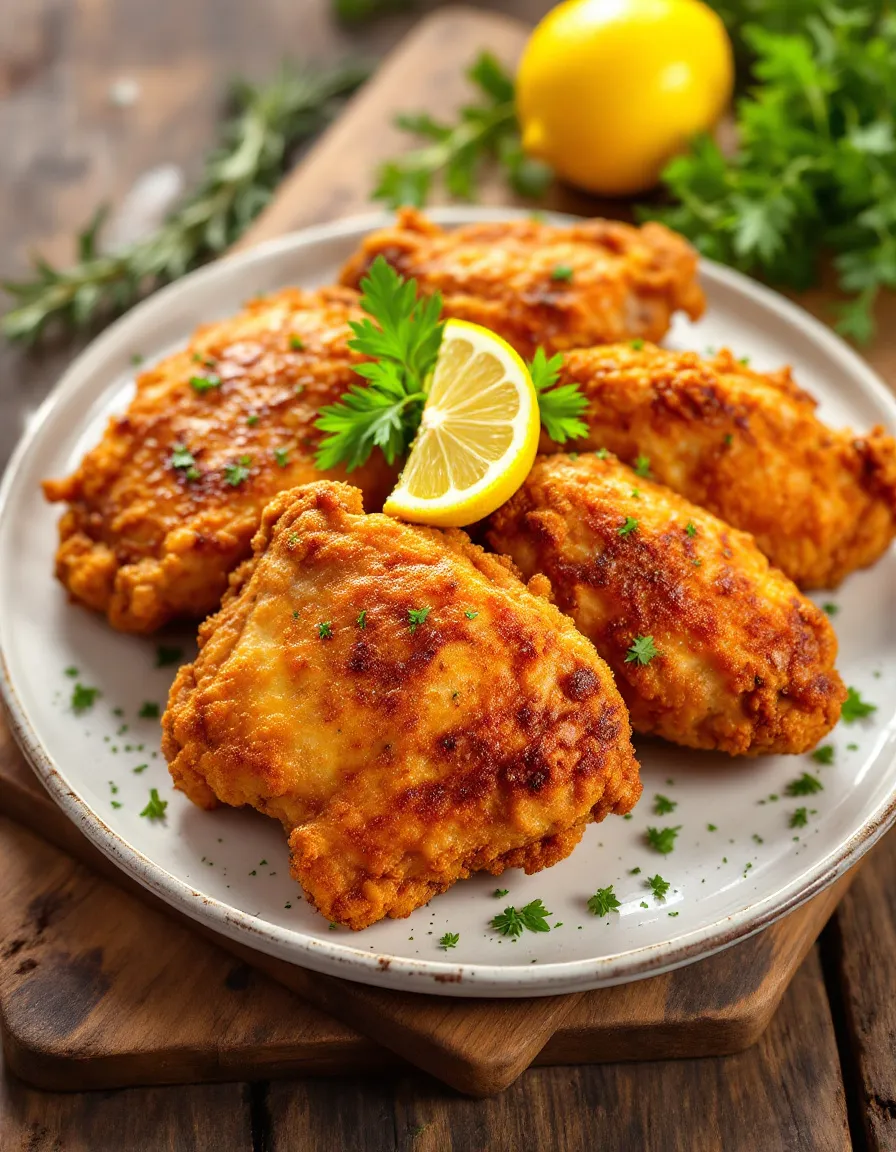
Easy Air Fryer Recipe Everyone Loves and Keeps Making

Air Fryer Chicken Wings: The Crispy Delight Everyone Is Raving About!

⚖️
Difficulty
Easy

⏲️
Prep Time
15 mins

🕒
Cook Time
25 mins

⏱️
Total Time
40 mins

🍽️
Servings
4

Air fryer chicken wings are taking social media by storm, and for good reason! This recipe is not only incredibly easy to follow, but it also delivers wings that are crispy on the outside and juicy on the inside. With just a handful of ingredients, you can whip up a batch of these irresistible wings for game night, family gatherings, or just a cozy night in. The air fryer cooks them to perfection, giving you that deep-fried taste without the guilt of excess oil.

What makes these air fryer chicken wings a must-try is their flavor. The simple yet delicious seasoning blend enhances the natural taste of the chicken, making them a crowd-pleaser. With options to customize the flavors—from zesty buffalo to mouthwatering garlic parmesan—you can cater to any palate. Serve them with your favorite dipping sauces, and you’ll see why everyone is in love with these crispy delights!

Quick Recipe Highlights

  • Flavor Profile: Expect a burst of savory goodness with a hint of spice that perfectly complements the rich chicken flavor.
  • Texture: These wings boast a crunchy exterior with succulently tender meat on the inside, creating a satisfying mouthfeel.
  • Aroma: The aroma of seasoned wings cooking wafts through the kitchen, enticing anyone nearby.
  • Visual Appeal: Golden brown and deliciously crispy, these wings are an eye-catching addition to any plate.
  • Skill Level Needed: Simple enough for beginners, this recipe requires just basic cooking skills.
  • Special Equipment: You’ll need an air fryer for that perfectly cooked texture.

Recipe Overview

  • Difficulty Level: With a straightforward process, this recipe is ranked easy, making it accessible for cooks of all levels.
  • Category: These wings make for an excellent appetizer, party snack, or even a main dish when paired with sides.
  • Cuisine: Drawing from American culinary traditions, particularly popular in bar food, these wings have variations around the globe.
  • Cost: An affordable option, you can expect to spend around $10-$15 for a batch, depending on chicken prices.
  • Season: Great year-round, but particularly popular during sports seasons and summer barbecues.
  • Occasion: Perfect for gatherings, game days, or a fun family dinner.

Why You’ll Love This Recipe

A delicious crunch and tender meat go hand in hand in this air fryer chicken wings recipe. The joy of biting into a perfectly cooked wing is unmatched, as the flavorful seasoning coats the juicy chicken to enhance every bite. With a variety of potential flavor variations, you can customize these wings to fit your cravings, whether you prefer spicy, savory, or even sweet wings. Pair them with fresh vegetables and your choice of dip for a satisfying and balanced snack.

Preparing these wings is super convenient, especially since air frying eliminates the need for oil-soaked frying pans. You’ll spend less time slaving over the stove and can enjoy more time with family and friends, making them ideal for entertaining. Plus, the cleanup is a breeze—just a quick wash of the air fryer basket, and you’re done!

Beyond taste and convenience, these wings offer some nutritional advantages too. Chicken is a great source of protein, and air frying significantly reduces fat content compared to traditional frying methods. This means you can indulge guilt-free, making it easier to stick to your health goals while enjoying delicious food.

If you’re considering making these wings for a gathering, you’ll appreciate the social element they bring. Good food sparks good conversation, and serving these air fryer wings will surely be a hit among your guests. You can even create a fun wing tasting challenge with different sauces and toppings for an exciting twist.

Lastly, they are budget-friendly. With minimal ingredients needed, you can create a large batch without breaking the bank. This recipe allows you to enjoy restaurant-quality wings at home, making it an excellent choice for anyone looking to save money while enjoying delicious food.

Historical Background and Cultural Significance

Chicken wings have become a staple of American cuisine, particularly in sports culture. Originating in Buffalo, New York, in the 1960s, the dish quickly became a symbol of classic bar food. The original Buffalo wing was deep-fried and tossed in a spicy sauce, which led to a plethora of variations across the nation. The air fryer offers a modern take on this beloved dish, providing a healthier option while maintaining the same beloved flavors.

In American food culture, chicken wings signify camaraderie and celebration, often accompanying sporting events, parties, and get-togethers. Their versatility allows for personalization, with flavors ranging from sweet and tangy to fiery hot, making them suitable for various palates and occasions.

Over the years, the evolution of chicken wings has resulted in creative adaptations and recipes. From traditional buffalo wings to honey BBQ and even lemon pepper, each region has put their own spin on the classic dish, showcasing local flavors and preferences.

Today, wings are not just limited to bars and restaurants; home cooks are embracing this dish, especially with the rise of air fryers. This revolution in cooking methods brings a healthier twist and newfound accessibility, allowing anyone to recreate a beloved pub favorite at home.

Ingredient Deep Dive

Chicken Wings: The star ingredient of this recipe, chicken wings are rich in protein and an excellent choice for parties and gatherings. They have a rich history in American cuisine, particularly as bar food. When selecting wings, look for plump, meaty options. The typical serving size of wings is about four to five pieces per person. Store them in the refrigerator for a few days or freeze them for long-term use. If you’re concerned about calories, opt for baking powder to enhance crispiness instead of oil.

Seasoning: Seasoning can make or break your wings. A standard spice mix might include paprika, garlic powder, and pepper. These spices not only enhance the flavor but also offer health benefits, such as anti-inflammatory properties. When selecting spices, opt for fresh, high-quality options for the best flavor. Store spices in a cool, dark place to prolong their shelf life. You can easily substitute your preferred seasonings to cater to your taste.

Common Mistakes to Avoid

  • Overcrowding the Air Fryer: Avoid overcrowding the basket, as this will prevent even cooking and crispiness. Always ensure there’s enough space for air to circulate.
  • Not Preheating: Preheating your air fryer is essential for achieving that perfect crispy texture. Skipping this step can lead to unevenly cooked wings.
  • Neglecting to Dry the Wings: Patting your wings dry before seasoning helps them crisp up nicely, as excess moisture can lead to soggy wings.
  • Using Too Much Sauce: While flavor is key, too much sauce can lead to sogginess. Toss wings in sauce lightly after cooking for the best results.
  • Not Using a Meat Thermometer: Ensure that your wings reach an internal temperature of 165°F (75°C) for safe consumption. A meat thermometer is your best friend here!
  • Skipping Marinades: While you can certainly cook wings without marinating, allowing them to soak in flavor for at least 30 minutes (or overnight) makes all the difference in taste.
  • Ignoring Seasoning Variations: Stick to basic seasonings and fail to experiment with flavors like lemon pepper or chili-lime, which can elevate your wings.
  • Failing to Rotate: For even cooking, remember to shake or flip your wings halfway through the cooking process to ensure they cook evenly.

Essential Techniques

Air Frying: The key technique for this recipe is air frying, which circulates hot air to cook the wings evenly. This method allows you to achieve a crisp exterior without deep frying. To master this technique, ensure that your wings are arranged in a single layer without overlap. This encourages proper air circulation, leading to evenly cooked and crispy wings. Look for a golden brown color as a visual cue for doneness.

Seasoning: Properly seasoning your wings is crucial for flavor enhancement. Start with a simple base of salt and pepper, then layer in additional spices based on your preferences. Use a generous amount to coat the wings evenly, ensuring they soak in the flavors. The aroma of the spices cooking will guide you to know when they’re ready. Adjust the spice levels according to your taste to enjoy the perfect balance.

Pro Tips for Perfect Air Fryer Chicken Wings

1. Always season your wings right before cooking for penetrative flavor. Avoid marinating them in sauces that can make them soggy.

2. Experiment with sauces after cooking; toss cooked wings in your favorite sauce to retain the crispiness.

3. For added crunch, spray a light mist of oil on the wings before air frying. This helps achieve that golden color.

4. Use a sturdy bowl with a lid to simple shake your spices onto the wings for an even coating.

5. If thawing frozen wings, do it in the fridge overnight to maintain quality and prevent bacteria growth.

6. Consider adding a baking powder in your spice mix for an even crispier texture; it helps absorb moisture.

7. For flavor innovation, try mixing different seasonings—like a hint of honey with sriracha—for a sweet-sour kick.

8. Reserve some seasoning to sprinkle over the wings just before serving for an extra kick of flavor.

Variations and Adaptations

For a spicy kick, try Asian-inspired wings by adding soy sauce, ginger, and sesame oil. For a tangy twist, consider lemon pepper or lime zest in your seasoning mix. On the sweeter side, honey BBQ wings can appeal to those who like a glaze on their wings. If you’re in the mood for something exotic, explore Caribbean jerk seasoning for a flavorful adventure. You can also play with dipping sauces such as blue cheese or ranch to cater to different tastes.

Serving and Presentation Guide

Elevate your serving game by plating wings on a large platter with fresh parsley or cilantro for a pop of color. Consider adding celery and carrot sticks as a crunchy side and pair with your favorite dipping sauces. For a gourmet touch, you could arrange the wings in a staggered pattern, showcasing the golden brown color. Serve them hot straight from the air fryer, allowing guests to enjoy them at the height of crispiness. Opt for small bowls for sauces for easy access and keep portion control in mind for guests to maintain balance.

Wine and Beverage Pairing

For wine lovers, consider a light, crisp Sauvignon Blanc or a cold lager, which can complement the rich flavors of the wings perfectly. If you prefer non-alcoholic options, sparkling water with a slice of lemon or a sweet tea can pair wonderfully. For those who love coffee, a rich brew could match well with spicier wings. Serving temperatures should be kept in mind; ensure that beverages are cold enough to soothe any heat from the wings, enhancing the overall dining experience.

Storage and Shelf Life

Store leftover wings in an airtight container in the fridge, where they can last for up to three days. To maximize freshness, consider wrapping each piece in aluminum foil before placing them inside the container. If freezing, they can last for up to three months; just ensure they’re cooled first to retain their texture. When reheating, use the air fryer to regain some of that original crispiness, as microwaving can often lead to sogginess. Heat them at 350°F (175°C) for about 10 minutes for best results.

Make Ahead Strategies

Wings can be prepped in advance by seasoning them the night before and storing them in the refrigerator for optimized flavor infusion. If you’re expecting guests, consider cooking them up to a couple of hours ahead of time and simply warming them up in the air fryer before serving. Just make sure to monitor the time closely. Also, leave out sauces until just before serving for the freshest taste experience and to maintain their crispy texture.

Scaling Instructions

Whenever you want to adjust the quantity, remember that air fryers have limits. For a small gathering, simply halve the recipe, while doubling for larger gatherings is easy. Pay attention to the cooking time; if you double the wings, you may need to cook them in batches to ensure even cooking. Keep an eye on the internal temperature to maintain safety and quality, adjusting time as needed. Don’t forget to store any unneeded ingredients properly to avoid waste!

Nutritional Deep Dive

Macro-wise, chicken wings offer a great balance of protein and fats. One serving (about four wings) typically provides around 20 grams of protein, making them an excellent choice for muscle maintenance and recovery. The micronutrient profile includes essential vitamins such as B6 and B12, which are crucial for energy metabolism. Make sure to watch your portion sizes if you’re keeping an eye on calorie intake, and consider air frying to keep fat content to a minimum.

Dietary Adaptations

For gluten-free wings, be sure to check the sauces, as many may contain gluten. Opt for gluten-free alternatives when marinades are called for. For a dairy-free option, you can use olive oil or other non-dairy substitutes. If you’re vegan, consider substituting chicken wings with plant-based alternatives like cauliflower wings, following the same air fryer technique. Those on a low-carb diet can enjoy wings without sauces or opt for low-carb options like dry rubs. Adjust the recipe according to any specific dietary needs while ensuring delicious results!

Troubleshooting Guide

Struggling with undercooked wings? Always ensure they’re placed in a single layer in the air fryer for even cooking. If they’re lacking flavor, consider revisiting your seasoning levels; it might be time to add more or marinate longer. If wings come out soggy, reduce excess moisture before cooking and allow them to cool slightly before serving. Equipment issues can arise; regular maintenance of your air fryer will also aid in proper cooking. Keep an eye on timing, adjusting as needed based on the quantity of wings being cooked.

Recipe Success Stories

Community feedback on these air fryer chicken wings has been overwhelmingly positive, with many home cooks sharing their adaptations and flavors. From classic buffalo to sweet honey BBQ, stories of flavorful variations enhance the enjoyment of this recipe. Readers have loved the ease of preparation, noting that it allows for spontaneous gatherings without the stress of complicated cooking. Many also share tips for getting the wings extra crispy, further demonstrating the flexibility and appeal of this beloved dish.

Frequently Asked Questions

Can I use frozen chicken wings?
Yes, you can use frozen wings—just add a few extra minutes to the cooking time to ensure they’re fully cooked.

How do I know when the wings are done?
The wings should be golden brown and have an internal temperature of 165°F (75°C). Use a meat thermometer for accuracy.

Can I make these wings in the oven instead?
Absolutely! Bake them at 400°F (200°C) for a similar time, flipping halfway through for even cooking.

What’s the best way to reheat leftover wings?
The air fryer is the best method for reheating to keep the wings crispy. Just warm them at 350°F (175°C) for about 10 minutes.

Can I make these wings spicier?
Definitely! Adjust your spice levels by adding cayenne pepper or using hotter sauces in your seasoning mix.

How should I serve these wings?
Present them on a platter with dipping sauces, celery sticks, and garnishes for a visually appealing dish.

What are some great dipping sauces?
Common options include ranch dressing, blue cheese dressing, or a simple garlic sauce.

Can I store leftover wings?
Yes, store them in an airtight container in the refrigerator for up to three days.

Is it okay to marinate wings overnight?
Absolutely! Marinating overnight can enhance the flavors; just remember to dry them before cooking.

What substitutions can I make for the seasoning?
You can easily swap spices based on your preference—experiment with your favorite seasonings!

Additional Resources

For more deliciously crispy recipes, check out our collection of air fryer appetizers. We also provide technique guides for mastering the air fryer, so you can become a pro in no time! Explore additional ingredient information, especially for sources of spices, as well as equipment recommendations to outfit your kitchen.

Join the Conversation

We love hearing from you! Share your air fryer chicken wings on social media and tag us for a chance to be featured. Don’t forget to leave your feedback or suggest your favorite variations in the comments. Engage with our community by sharing your cooking photos and any tips you adapt while trying this recipe!

The Recipe

Air Fryer Chicken Wings

Serves: 4

Prep Time: 15 mins

Cook Time: 25 mins

Total Time: 40 mins

Kitchen Equipment Needed

  • Air fryer
  • Bowl for mixing
  • Meat thermometer
  • Tongs for flipping

Ingredients

  • 2 lbs chicken wings
  • 1 tbsp olive oil
  • 1 tsp garlic powder
  • 1 tsp paprika
  • 1 tsp salt
  • 1/2 tsp pepper
  • 1/2 tsp cayenne pepper (optional)

Directions

  1. Preheat the air fryer to 400°F (200°C).
  2. Pat chicken wings dry with paper towels and place them in a bowl.
  3. Add olive oil and seasonings, mixing thoroughly to coat wings.
  4. Lightly spray the air fryer basket with cooking spray.
  5. Place wings in a single layer in the basket, making sure not to overcrowd.
  6. Air fry for 25-30 minutes, shaking or flipping halfway through for even cooking.
  7. Once golden brown and crispy, check internal temperature before serving.

Recipe Notes

  • For extra crispy wings, consider sprinkling baking powder with the seasoning.
  • If you prefer saucy wings, toss them in your desired sauce immediately after air frying.
  • Experiment with different spices for various flavor profiles!

Best Air Fryer Heaven Recipe – Crispy and Delicious

AIR FRYER HEAVEN: The Ultimate Crispy Delight

⚖️
Difficulty
Easy

⏲️
Prep Time
15 mins

🕒
Cook Time
20 mins

⏱️
Total Time
35 mins

🍽️
Servings
4

Air Fryer Heaven is the pinnacle of culinary delight, offering a crisp texture while infusing flavors that tantalize the palate. Imagine biting into golden, crispy bites that are light yet satisfying, every mouthful promising a blend of savory crunch and aromatic depth. This recipe not only saves you time but also indulges your cravings without the guilt of excessive oil. With the air fryer at the helm, you will create ideal snacks or sides that your family will crave.

This recipe embraces simplicity while delivering an impressive culinary experience that is sure to dazzle your dinner guests. The combination of varied spices and the enhanced crunch through air frying transforms ordinary ingredients into an extraordinary dish. It’s a celebration of flavors—bold, subtle, and everything in between—aiming to satisfy even the pickiest eaters. Gone are the days of greasy, heavy snacks, replaced by the lighter, healthier options that the air fryer graciously provides.

Quick Recipe Highlights

  • Flavor Profile: This dish boasts a delightful combination of savory spices that awaken the senses, enhanced by a hint of sweetness.
  • Texture: Achieving the perfect crunch on the outside while keeping the inside tender, this recipe elevates your snacking experience.
  • Aroma: The aromatic blend of herbs and spices will fill your kitchen with mouthwatering scents, enticing everyone in the house.
  • Visual Appeal: Beautifully golden brown with dainty crispiness, this dish is a feast for the eyes as well as the taste buds.
  • Skill Level Needed: Perfect for beginners and home cooks alike, this recipe requires minimal skill but delivers maximum satisfaction.
  • Special Equipment: You will only need a reliable air fryer to achieve heavenly results in half the time.

Recipe Overview

  • Difficulty Level: This easy recipe is perfect for anyone, even if you have never used an air fryer before. With straightforward steps and minimal prep time, it’s accessible to all.
  • Category: This dish is a versatile option for appetizers, snacks, or as a side dish alongside your main courses.
  • Cuisine: Infused with global flavors, this recipe draws inspiration from classic snack traditions allowing for various adaptions.
  • Cost: The ingredients are generally low-cost and widely available, making this recipe budget-friendly.
  • Season: Perfect for all seasons, these crispy delights can shine during family gatherings, barbecues, or cozy nights in.
  • Occasion: Ideal for social gatherings, game days, or simply a quick and easy family meal, Air Fryer Heaven fits any occasion perfectly.

Why You’ll Love This Recipe

Delight in the rich taste and texture of Air Fryer Heaven, where every bite offers an irresistible crunch balanced with soft, flavorful components. The unique air frying method ensures that you can enjoy all the flavors without the heavy oil found in traditional frying methods. This recipe keeps the essence of each ingredient intact, highlighting their natural flavors while adding a new dimension of crunch.

In addition to its delectable flavor, this recipe is a breeze to prepare, saving you time in the kitchen. With minimal ingredients and straightforward steps, it’s perfect for those hectic weeknights or casual get-togethers. Air frying is not only efficient but also requires less monitoring, allowing you to multitask or spend quality time with loved ones while your dish cooks to perfection.

Nutritionally, Air Fryer Heaven stands out. You can indulge in a guilt-free snack that is significantly lower in fat compared to traditional fried foods. The air frying process preserves essential nutrients while locking in delicious flavors, which means you can enjoy satisfying bites without compromising health.

Social gatherings become a delight with this recipe; it’s a crowd-pleaser that complements various gatherings, from game day to holiday parties. Friends and family will appreciate the incredible taste, leading to memories and laughter shared over fantastic food, making it a conversation starter at any event.

Finally, Air Fryer Heaven is accessible and cost-effective. The basic ingredients are often pantry staples that won’t break the bank, enabling anyone to create something incredible without the fuss. It’s a simple joy to prepare and share, bringing everyone together over a deliciously crafted dish that embraces flavors.

Historical Background and Cultural Significance

Air Fryer Heaven showcases the modern culinary trend of air frying, a cooking method that has rapidly gained popularity in recent years. Originating from traditional frying methods that have spanned centuries, air frying provides a healthier alternative, allowing people to enjoy their favorite crispy foods without the guilt. This technique has transformed how we perceive fried foods and has introduced a new dimension to classic dishes.

Culturally, this recipe highlights the desire for healthier options without sacrificing taste. Many households are now seeking to balance indulgent meals with nutrition, and air frying has adapted classic recipes to fit this need. The preparation of crispy snacks across different cultures has morphed to incorporate this modern twist, affirming the air fryer’s place in contemporary kitchens.

The evolution of Air Fryer Heaven can be traced back to traditional snack foods that were often deep-fried, such as potato chips, chicken wings, and various breaded morsels. Today, these beloved snacks are reimagined to fit into a healthier lifestyle. As more households embrace health-conscious choices, this recipe represents a significant step towards modern dietary preferences.

Regional variations can stem from the myriad of spices and ingredients available worldwide. Each culture might adapt the basic premise of this crispy delight by incorporating local flavors or traditions, showcasing its versatility. From spicy seasonings of the south to herb-infused versions of the Mediterranean, Air Fryer Heaven has the potential to reflect a variety of culinary influences.

Ingredient Deep Dive

For Air Fryer Heaven, the main ingredients typically include vegetables, proteins, and seasoning elements. Each component plays a crucial role in creating a delightful dish.

Vegetables often serve as the foundation of Air Fryer Heaven. Common choices include potatoes, zucchini, and bell peppers, each representing unique aspects of their cultural significance.
– Potatoes have been a staple in various cuisines and provide essential carbohydrates alongside numerous vitamins and minerals.
– Zucchini is low-calorie while high in vitamins, making it a nutritious addition that absorbs flavors beautifully.
– Bell peppers contribute a pop of color, offering various antioxidants while adding sweetness to balance savory elements.

Seasonings, which play a vital role in flavor, can include garlic, paprika, and Italian herbs, each adding depth and cultural relevance. Garlic is an enduring symbol in many cuisines; it elevates flavors and provides health benefits. Paprika introduces earthiness and, depending on the variety, varying levels of heat. Italian herbs not only enhance taste but also represent the rich history of flavor in Italian cuisine.

Common Mistakes to Avoid

  • Overcrowding the air fryer basket can prevent proper air circulation, leading to uneven cooking and a lack of crispiness. Always ensure items have enough space to breathe and crisp up.
  • Neglecting to preheat the air fryer can affect cooking times and the final texture. Heating the appliance beforehand helps achieve the desired crunch.
  • Using too much oil may lead to soggy results instead of the crisp finish sought after in air frying. Lightly spritzing the ingredients is usually sufficient.
  • Not shaking the basket halfway through cooking may result in unevenly cooked food. Gently tossing the ingredients ensures they brown evenly.
  • Ignoring the recipe suggestions for cooking times can lead to either undercooked or burnt food. Always refer to timing guidelines to achieve optimal results.
  • Failing to pat dry ingredients beforehand can introduce unwanted moisture and hinder the crisping process. Search for the best texture by ensuring they are dry before seasoning.
  • Using frozen ingredients without adjusting the cooking time is a common misstep. Frozen items typically require longer cooking times compared to fresh ingredients.
  • Assuming that all air fryers operate the same may lead to mishaps. Familiarize yourself with the specifics of your air fryer model for the best outcome.
  • Rushing through the cooling step can result in losing the crispness. Allowing food to rest for a few moments enhances the final texture.
  • Not experimenting with different spices can yield a repetitive flavor profile. Embrace the variety by mixing and matching spices to suit personal tastes.

Essential Techniques

Air frying is a game-changer when it comes to achieving that coveted crisp. The process involves circulating hot air evenly around the food, allowing it to cook thoroughly without the need for oil to seep through. Mastering this technique is vital for the best results; familiarize yourself with your air fryer’s settings and cooking times to avoid unexpected surprises.

Another key technique is seasoning. Properly coating ingredients with the right blend of spices not only enhances flavor but also contributes to the crunchy texture. Mix spices thoroughly to ensure even coverage; incorporate dry rubs or marinades to elevate taste complexity. The right seasoning transforms simple ingredients into a dish bursting with flavor, setting up the perfect balance for Air Fryer Heaven.

Pro Tips for Perfect Air Fryer Heaven

Use a meat thermometer to gauge the doneness—ensuring everything cooks thoroughly while remaining juicy.
Experiment with different types of coating, such as breadcrumbs, panko, or crushed nuts, to enhance delightfully crispy results.
Don’t be afraid to adjust cooking temperatures based on the ingredients; delicate items may require lower temperatures to avoid burning.
Make use of small batches for the best result, as it allows each piece the space it requires for optimal cooking.
Always monitor the cooking progress and be ready to shake the basket if necessary for even crisping.
Embrace fresh herbs post-cooking for added flavor; sprinkle some on right before serving to inject a brightness and freshness.

Variations and Adaptations

Regional variations can take Air Fryer Heaven to new heights, inviting global flavors into your kitchen. Explore classic variations by applying spice blends, such as Cajun or Asian-inspired mixes.
Seasonal adaptations are also an excellent idea; consider swapping in seasonal vegetables like asparagus in spring or sweet potatoes in fall for a delightful twist.
Vegetarian and keto perspectives can thrive here too; skip the meat for veggie variations or use almond flour as a low-carb coating option.
Experiment with texture modifications by adjusting cooking times or applying different cooking techniques; try blanching or steaming before air frying to solidify results.
Lastly, for presentation alternatives, serve with colorful garnishes or dipping sauces to elevate visual appeal and enjoyment.

Serving and Presentation Guide

Engaging plating techniques can turn a delightful dish into an unforgettable presentation. Stack pieces in a slightly haphazard manner on a platter to create visual interest.
Enhance with garnishing ideas such as chopped fresh herbs, or hold true to classic accompaniment themes such as tangy sauces.
For traditional accompaniments, consider pairing with dips like tangy ranch or a spicy salsa, both of which elevate the dish’s appeal.
Adopt modern serving suggestions by utilizing mason jars or small bowls for a trendy, rustic appeal that welcomes sharing.
Temperature considerations are important; serve while hot for ideal texture, but consider offering cooled options for long gatherings.
Finally, be mindful of portion control; present bite-sized servings that allow guests to sample without overindulging.

Wine and Beverage Pairing

Appropriate wine pairings for Air Fryer Heaven can include crisp whites like Sauvignon Blanc or light reds such as Pinot Noir. Both complement the flavors without overwhelming them.
Non-alcoholic alternatives like sparkling water infused with citrus are refreshing options, enhancing the dish’s clean flavors alongside Air Fryer Heaven.
If serving coffee or tea, consider a light herbal tea that complements the dish, providing a soothing finish.
When serving wine, pay attention to temperature; whites should be chilled while reds can benefit from slightly cooler than room temperatures.
Consider offering a variety of drinks for social gatherings to cater to diverse preferences and elevate the overall dining experience.

Storage and Shelf Life

Air Fryer Heaven can be stored in airtight containers, prolonging freshness and crispness for up to three days.
Maintain temperature requirements by refrigerating promptly after cooling to ensure optimal safety and shelf life.
When selecting containers, consider factors like size and material; glass or BPA-free plastic containers are excellent choices.
Take note of signs of spoilage such as off smells or unusual textures before consuming leftovers.
When reheating, utilize the air fryer for just a few minutes to regain that signature crunch.
For longer storage, freezing is an option; wrap tightly in foil and store in freezer-safe bags for up to two months.

Make Ahead Strategies

Preparing components ahead of time can ease the cooking process. Chop vegetables in advance and store them in the fridge to shorten your overall cooking timeline.
Consider pre-seasoning your ingredients the night before to let flavors meld and deepen.
Quality impact assessments suggest that while certain components, such as raw vegetables, are best fresh, cooked items can be stored for reheating.
When assembling, prep in stages; prepare dipping sauces or dips to accompany Air Fryer Heaven ahead of time.
For reheating, always use the air fryer to restore that delightful crunch while reheating evenly, ensuring optimal satisfaction.
Never forget to add fresh elements such as herbs just before serving to heighten flavor and freshness.

Scaling Instructions

Whatever your needs, scaling the recipe can be seamless.
To halve the recipe, adapt cooking times accordingly as smaller batches may cook more quickly; always check for doneness.
If doubling or tripling, keep in mind that cooking time may increase slightly, and always batch cook to maintain air circulation.
Be considerate of equipment adjustments; larger portion sizes may need to be spread out over additional cooking cycles.
Timing modifications are important—consider rotating batches or preheating in multiple sections for efficient use of your time.
Finally, observe storage considerations as increased quantities may require more space and greater foresight in planning.

Nutritional Deep Dive

Exploring the macros of Air Fryer Heaven reveals its lighter profile—with a focus on low-fat ingredients that embrace whole food options.
In terms of micronutrients, the dish boasts an array of beneficial vitamins, including Vitamin A from colorful vegetables and Vitamin C from seasonal spices.
Health benefits are prominent, saving on calories typically found in fried options, presenting a nutrient-rich alternative to satisfy cravings without compromise.
Consider dietary requirements as this dish can easily adapt to vegetarian, low-carb, or gluten-free variations, increasing its appeal and versatility.
Portion analysis indicates that with appropriate serving sizes, this dish can align well with weight management routines, encouraging mindful eating practices.

Dietary Adaptations

For those seeking gluten-free options, substituting traditional coatings with almond flour or gluten-free breadcrumbs keeps the crunch intact.
Dairy-free individuals can easily modify any creamy dips or sauces, replacing them with avocado or tahini-based options without sacrificing flavor.
Vegans can embrace plant-based proteins as substitutes, ensuring that every bite reflects their dietary values without losing taste appeal.
Low-carb enthusiasts may replace starchy vegetables with cauliflower or green beans, maintaining the delightful essence of the dish.
Keto followers can rejoice with variations incorporating cheese or nut-based coatings, staying true to their meal plans while enjoying this crispy delight.
Paleo dieters can adapt by selecting whole, unprocessed ingredients while avoiding grains and sugars for a wholesome experience.
For those following low-FODMAP diets, choose suitable ingredients while monitoring individual tolerances and adjustments.

Troubleshooting Guide

When encountering texture issues, consider adjusting cook time or shaking the basket for a more even cook.
If flavor balance seems off, experiment with seasoning levels or add contrasting elements like zesty citrus to brighten the dish.
Temperature problems may arise if you aren’t familiar with cooking times; always check that internal temperatures align with appropriate doneness standards.
If your air fryer struggles with even cooking, check that airflow isn’t obstructed by overcrowding, needing to batch-cook in smaller portions.
Ingredient substitutions may lead to new challenges, particularly with moisture levels; pay attention to recommended adjustments for a successful swap.
Lastly, if your cook time feels off, always trust your air fryer and monitor doneness periodically for confidence in your results.

Recipe Success Stories

Community feedback has revealed that Air Fryer Heaven has quickly become a favorite among many households.
Throughout variations, countless success stories highlight adjustments made for various dietary needs, all while maintaining fantastic flavors.
Readers have shared innovative adaptations, emphasizing how these enhancements have fostered delight in their kitchens.
Additional photography tips have emerged from those who documented their experiences, showcasing the eye-catching results that can be achieved with proper styling and presentation.

Frequently Asked Questions

1. Can I use frozen vegetables in Air Fryer Heaven?
Yes, frozen vegetables can be used, but they typically require extended cooking times. Ensure to adjust cooking times and temperatures for optimal results.

2. What air fryer do you recommend for beginners?
Beginners might find basket-style air fryers easier to manage; look for models with programmable settings for ease of use.

3. How do I know when my food is done cooking?
Utilizing a meat thermometer can help. For crispy items, look for a golden-brown color and check for tenderness at the center.

4. Is air frying healthier than traditional frying?
Air frying typically uses very little oil, drastically reducing fat content compared to traditional frying methods, making it a healthier option.

5. What can I pair with Air Fryer Heaven for a complete meal?
Pair Air Fryer Heaven with salads, dips, or lean proteins, creating a balanced meal that’s nutritious and satisfying.

6. How can I prevent sticking in the air fryer?
Always preheat the air fryer, and consider lightly spraying the basket with oil or using parchment paper to minimize sticking.

7. Can I use oil sprays in my air fryer?
Yes, using oil sprays is perfect for ensuring a crispy finish, but remember to choose oils with high smoke points for best results.

8. How long will leftovers last?
Properly stored in an airtight container, leftovers should be enjoyed within 3 days for optimal flavor and freshness.

9. Can I reheat Air Fryer Heaven leftovers?
Reheating in the air fryer is ideal; it helps maintain the crispy texture while warming up the dish evenly.

10. How can I customize the flavors?
Feel free to experiment with various spice blends, marinades, or dipping sauces to tailor Air Fryer Heaven to your taste preferences.

11. What should I do if my air fryer is smoking?
If your air fryer smokes, it may be due to oil residue or overuse of oil. Regular cleaning and proper oil use can prevent this issue.

12. Can Air Fryer Heaven be made ahead of time?
While some elements can be prepared in advance, it’s best to enjoy it soon after cooking to retain optimal texture and flavor.

Additional Resources

Explore other related recipes that complement Air Fryer Heaven, including dips and refreshing salads.
Get familiar with technique guides that enhance your air-frying skills to take your cooking to the next level.
Additionally, learn more about ingredient information to deepen your understanding of flavors and health benefits.
Explore equipment recommendations to find the best air fryer options that fit your lifestyle and budget.
Keep seasonal variations in mind as you prepare future meals, ensuring variety and freshness in every bite.

Join the Conversation

Engage with others passionate about cooking through social media sharing; post your Air Fryer Heaven creations to inspire others.
Share photography tips to highlight your culinary successes and entice others with your plating techniques.
Encourage recipe reviews and community engagement by reviewing flavors, textures, and any tweaks you’ve made to the original recipe.
Lastly, embrace the possibility of recipe variations by discussing ideas and suggestions with fellow food lovers.

The Recipe

Air Fryer Heaven

Serves: 4

Prep Time: 15 mins

Cook Time: 20 mins

Total Time: 35 mins

Kitchen Equipment Needed

  • Air Fryer
  • Mixing Bowls
  • Cutting Board
  • Knife
  • Measuring Cups
  • Spatula

Ingredients

  • 2 cups of vegetables (potatoes, zucchini, bell peppers)
  • 2 tablespoons of olive oil
  • 1 teaspoon of garlic powder
  • 1 teaspoon of paprika
  • Salt and pepper to taste
  • Optional: Fresh herbs for garnish

Directions

  1. Preheat your air fryer to 400°F (200°C).
  2. Chop the vegetables into bite-sized pieces and place them in a mixing bowl.
  3. Drizzle the olive oil over the vegetables and add garlic powder, paprika, salt, and pepper. Toss well to ensure even coating.
  4. Arrange the vegetables in the air fryer basket, ensuring they aren’t overcrowded.
  5. Cook for 15-20 minutes, shaking the basket halfway through for even cooking.
  6. Once golden brown and crispy, remove from the air fryer and garnish with fresh herbs if desired.
  7. Serve hot and enjoy your delicious Air Fryer Heaven!

Recipe Notes

  • Feel free to experiment with different vegetables according to your preference or seasonal availability.
  • Adjust the spice levels to suit your taste by adding chili powder or other spice blends.
  • For added crunch, coat the vegetables with breadcrumbs or panko before air frying.

Best Amish Potluck Fellas Recipe – A Crowd Favorite

Delicious Amish Potato Salad: A Crowd-Pleasing Favorite

⚖️
Difficulty
Easy

⏲️
Prep Time
20 mins

🕒
Cook Time
30 mins

⏱️
Total Time
50 mins

🍽️
Servings
8 servings

Potato salad is a beloved classic that graces many family gatherings and potlucks, and this Amish-style potato salad recipe stands out among the rest. My Amish buddy brought this dish to our last potluck, and let me tell you, it was an instant hit! The combination of hearty potatoes, creamy dressing, and the crunch of celery keeps every bite exciting and satisfying. With its rich flavors and wholesome ingredients, this potato salad is more than just a side dish—it’s a comforting staple that evokes feelings of nostalgia and togetherness.

Easy to prepare and full of flavor, this Amish potato salad is sure to impress. Each spoonful brings a smile, combining the creaminess of mayonnaise with a hint of tang and a sprinkle of seasoning. Perfect for any occasion, from summer picnics to holiday feasts, this dish not only fills the tummy but also warms the heart. Discover the joy of sharing this delicious potato salad at your next gathering and watch as it becomes a fast favorite among family and friends.

Quick Recipe Highlights

  • Flavor Profile: This potato salad features a blend of creamy, tangy, and savory elements that come together beautifully, creating a refreshing contrast with the hearty potatoes.
  • Texture: The soft, creamy potatoes are complemented by crunchy vegetables like celery and onion, offering a delightful mouthfeel in every bite.
  • Aroma: The aromatic notes of mustard and vinegar enhance the overall sensory experience, evoking a sense of homemade goodness.
  • Visual Appeal: This salad is visually stunning, with vibrant yellow mustards mingling with the white of the potatoes and the green crunch of celery, making it a feast for the eyes.
  • Skill Level Needed: This recipe is beginner-friendly, making it accessible for cooks of all skill levels. With straightforward steps, you’ll have it ready in no time.
  • Special Equipment: All you need are basic kitchen tools like a pot for boiling, a sharp knife, and a mixing bowl to create this delightful dish.

Recipe Overview

  • Difficulty Level: With easy-to-follow instructions, this recipe is perfect for beginners looking to create a comforting classic without much hassle.
  • Category: This potato salad fits into the category of side dishes, ideal for barbecues, family gatherings, and potlucks.
  • Cuisine: Rooted in traditional Amish cooking, this recipe reflects the simple yet flavorful ingredients celebrated in their culinary practices.
  • Cost: The ingredients for this recipe are quite affordable, with potatoes, mayonnaise, and celery being common pantry staples, making it budget-friendly.
  • Season: Perfect for spring and summer gatherings, this dish shines during warmer months, complementing grilled meats and fresh veggies.
  • Occasion: This potato salad is versatile enough for casual picnics as well as more formal gatherings, ensuring it fits in at any event.

Why You’ll Love This Recipe

This Amish potato salad is a delightful combination of taste and texture that will have your taste buds dancing. The creamy dressing clings perfectly to each potato, creating a comforting dish that is always a welcome addition to any table. The crunch from the celery adds a refreshing contrast, while the subtle tanginess from the mustard gives it a unique twist that sets it apart from traditional recipes.

The convenience of this recipe cannot be overstated. It comes together in less than an hour and can be made ahead of time, making it a perfect choice for busy days when you want to impress your guests with minimal effort. Simply allow the flavors to meld overnight for an even more delicious experience.

Nutritionally, this dish offers a balance of carbohydrates from the potatoes, fiber from the celery, and protein from the eggs, making it a satisfying side that’s more than just empty calories. This potato salad embodies comfort food while also providing a nourishing component to your meal.

The social aspect of sharing a homemade potato salad cannot be overlooked. This dish fosters a sense of community and connection as it is often shared among family and friends during gatherings, evoking conversations and memories around the dining table.

Finally, with a low cost and simple ingredients, this Amish potato salad is accessible to everyone. You don’t need rare items or expensive tools, making it a dish anyone can make whether you’re a novice cook or a kitchen pro.

Historical Background and Cultural Significance

This Amish potato salad has its roots in the tradition of simple, hearty foods that the Amish community values. Originating from the Pennsylvania Dutch, it has been a staple at potlucks and gatherings for generations. The Amish had a profound appreciation for wholesome, home-cooked meals made from ingredients sourced from their gardens and farms, and this recipe reflects that commitment to quality.

Culturally, potato salad is more than just a dish; it represents a gathering of family and friends. The Amish lifestyle emphasizes community and togetherness, and meals often serve as a means of building those connections. Sharing this potato salad at gatherings is a way of expressing love and hospitality, hallmarks of Amish culture.

Over the years, this recipe has evolved, incorporating local flavors and ingredients while maintaining its foundational elements. While many variations exist, the core idea remains consistent: a creamy, comforting salad that brings people together.

Regional variations highlight the adaptability of potato salad across different cultures. While the Amish version tends to be creamy and straightforward, variations can include different dressings, spices, or additional vegetables, reflecting local tastes and preferences.

Ingredient Deep Dive

**Potatoes**
Potatoes are often hailed as one of the world’s most versatile ingredients, with a rich history dating back thousands of years. They offer a high carbohydrate content, making them an excellent source of energy. When selecting potatoes for salad, choose waxy types like Red Bliss or Yukon Gold, as they hold their shape well when boiled.

Storage is essential; keep potatoes in a cool, dark place, and avoid refrigeration as it can alter their flavor. If you’re running low on time, substitute with new potatoes or even pre-cut varieties to simplify the cooking process.

**Mayonnaise**
Mayonnaise serves as the creamy binder in potato salad. Originating from the French, it is made primarily from oil, egg yolks, and vinegar, providing a luscious texture and tangy taste. Nutritionally, mayonnaise offers a dose of healthy fats, but moderation is key due to its calorie content.

When selecting mayonnaise, you might find options that are made with different oils, or even vegan alternatives made from aquafaba. For those who prefer a lighter option, feeding your guests with Greek yogurt mixed with mustard can serve as a tasty substitution without sacrificing creaminess.

**Celery**
Celery brings necessary crunch to this potato salad. Traditionally used for centuries, it is a wonderful source of fiber, vitamins, and minerals. Choosing bright green stalks with firm texture is crucial for optimal freshness.

Store celery in the refrigerator wrapped in a damp cloth or submerged in a container of water. If you have a bunch of celery that’s wilting, don’t discard it! You can use it in soups or stocks.

Common Mistakes to Avoid

  • Not Salting the Water: Failing to salt the boiling water can result in bland potatoes. Make sure to add a generous pinch of salt to enhance the natural flavors of the potatoes.
  • Overcooking the Potatoes: Boiling potatoes for too long can lead to mushiness. Cook until fork-tender but still firm enough to hold a shape.
  • Skipping the Cooling Step: If you mix warm potatoes with the dressing, it may become greasy. Allow potatoes to cool for the best texture.
  • Not Letting it Rest: Serve your potato salad immediately for the best flavor but expect an improvement when it’s left in the fridge for a few hours as the flavors meld.
  • Forgetting About the Add-ins: Some forget to include mix-ins like celery or onion. Don’t skip these; they add essential texture.
  • Using Low-Quality Ingredients: High-quality mayonnaise and fresh ingredients significantly impact the outcome of the salad. Opt for the best you can find.
  • Mismeasuring Ingredients: Following the ingredient proportions is crucial. Adjusting too much of one element can throw off the flavor balance.
  • Skipping the Tasting: Always taste your potato salad before serving. Frequently, a slight adjustment can make a world of difference!
  • Being Inflexible: Don’t feel tied to the recipe. Feel free to adapt based on preferences or allergies!
  • Not Chilling the Bowl: Using a warm bowl can affect the salad’s temperature. For an ultimate refreshing effect, chill your bowl before mixing.

Essential Techniques

Boiling Potatoes: Boiling potatoes is crucial for achieving the right texture. Start with cold water, ensuring even cooking, and avoid overcrowding the pot for uniform heating. A fork should easily pierce the potato when done, signaling it’s cooked without being mushy.

Mixing Ingredients: Gently folding the potatoes into the dressing is key. This technique preserves their shape while ensuring they are coated evenly. Be cautious to avoid mashing the potatoes for a perfect salad consistency with defined chunks.

Pro Tips for Perfect Amish Potato Salad

Begin with selecting the right potatoes; waxy types work best for maintaining their shape. When boiling, always start in cold salted water for even cooking. Remember to cool the potatoes completely before mixing with the dressing for a creamy outcome.

For added flavor, let the salad rest in the refrigerator for at least an hour, allowing the spices to penetrate each bite. If you want a bit of sweetness, consider adding finely diced pickles or sweet relish to the mix.

For a vibrant touch, garnish the salad with fresh herbs like parsley or dill before serving. This not only enhances the dish’s presentation but also adds a fresh taste.

When making ahead, consider storing the dressing separately until ready to serve, ensuring the salad remains fresh and perfect. If you’re scaling up the recipe, be sure to mix in a large bowl to accommodate all ingredients without splashing.

Finally, don’t hesitate to experiment with add-ins such as diced bell peppers or a sprinkle of paprika for an exciting twist!

Variations and Adaptations

Regional variations of Amish potato salad can introduce some unexpected but delightful flavors. In the Midwest, you might find versions that incorporate bacon, offering a smoky depth that pairs beautifully with the creamy dressing.

For seasonal adaptations, consider incorporating fresh herbs like dill in spring or roasting vegetables to add a rustic touch in fall. As for dietary modifications, replacing mayonnaise with an avocado-based dressing can create a wholesome and creamy vegan option.

Flavor variations can include adding a hint of curry powder for an exotic spin or incorporating mustard for a unique tangy flavor. If texture is your concern, experiment with sliced olives or chopped nuts for an added crunch.

To present this dish in a captivating manner, try serving it on a bed of leafy greens, garnished with sliced radishes for a beautiful color contrast.

Serving and Presentation Guide

To plate your Amish potato salad beautifully, layer it on a colorful serving platter for an eye-catching display. Consider garnishing with fresh herbs like chives or parsley for a pop of green. Serving it cold from the refrigerator enhances its refreshing qualities, making it perfect for warm gatherings.

For additional flavor and color, accompany the salad with cherry tomatoes or cucumber slices on the side. These provide not just texture but also bright visuals. When considering portion control, serving in smaller bowls may help to manage servings while creating enticing plates.

Experiment with different serving styles, such as individual glass cups for a more modern approach, allowing guests to enjoy their portions while maintaining an elegant table.

Wine and Beverage Pairing

For a delightful pairing, consider serving this Amish potato salad with a chilled white wine, such as Sauvignon Blanc, which complements the creamy dressing beautifully. Its crisp acidity balances the richness of the salad, enhancing the meal’s overall enjoyment.

If you prefer non-alcoholic alternatives, a sparkling lemonade or iced herbal tea makes for a refreshing choice that complements the flavors without overpowering them. For something heartier, a light lager beer can pair well, providing a refreshing contrast to the rich salad.

When serving coffee or tea, opt for light, aromatic varieties that won’t clash with the salad’s flavors, such as a mild chamomile or a smooth blonde roast coffee.

Storage and Shelf Life

To maximize the freshness of your Amish potato salad, store it in an airtight container in the refrigerator. The salad will typically keep well for about 3 to 5 days. It’s essential to check for any signs of spoilage, including off odors or changes in texture.

For optimal taste, avoid freezing, as mayonnaise-based dressings can separate and change in texture when thawed. If you must freeze it, consider omitting the dressing beforehand and keep the potatoes separate. Reheating should be avoided altogether; instead, serve the salad cold for the best experience.

Should you need to store leftover dressing, keep it in a sealed jar in the fridge, where it can usually last up to a week. When preparing to reheat any leftovers, be sure to do so gently in the microwave, ensuring even heating without becoming too mushy.

Make Ahead Strategies

Preparing your Amish potato salad a day in advance enhances its flavor as the ingredients meld overnight. Begin by prepping the potatoes and other ingredients, but keep the dressing separate until the day of serving for the freshest taste.

If you find yourself short on time, you can boil the potatoes and chop the veggies ahead of time, storing them in separate containers in the fridge. This reduces prep time significantly on the day of serving and keeps flavors fresh.

During assembly, combine everything in a large bowl but consider folding in mandatory last-minute elements, like fresh herbs, for a burst of freshness right before serving.

If you want to add freshness to the salad at the last moment, consider adding fresh vegetables or crispy toppings just before serving to maintain that desired crunch.

Scaling Instructions

Scaling up this Amish potato salad recipe is simple. For larger gatherings, you can double or triple the ingredients while keeping the proportions consistent. Just ensure you mix in a sufficiently large bowl to accommodate all ingredients.

When halving the recipe, it’s still essential to keep the flavors balanced, so reduce the notable ingredients without making drastic changes to the dressing ratios. If cooking in larger quantities, adjust the boiling time for the potatoes to ensure even cooking across the batch.

Also, consider equipment adjustments; larger pot capacities may be necessary for boiling a larger amount of potatoes effectively without overcrowding. For storage, larger containers or dividing into smaller portions makes for easier arrangement in the refrigerator.

Nutritional Deep Dive

Analyzing the macro breakdown of this Amish potato salad reveals a balance of carbohydrates from the potatoes, fats from the mayonnaise, and protein from eggs if included. Each serving provides a hearty, filling side perfect for meals, particularly during social occasions.

Micronutrient analysis indicates the benefits of vitamins C and K found in potatoes and celery. The combination provides antioxidants that support overall health, making this dish not only delicious but beneficial when enjoyed in moderation.

Health benefits also emphasize the potential high fiber content, especially if using skin-on potatoes, promoting digestive health and satiety. Be mindful with portions to prevent excessive caloric intake, especially since mayonnaise can be calorie-dense.

For weight management, consider pairing this potato salad with grilled proteins or fresh greens, creating a balanced plate that satisfies hunger without heavy caloric loads.

Dietary Adaptations

For those needing gluten-free options, this Amish potato salad is naturally gluten-free, ensuring everyone can enjoy it without worry. To cater to dairy-free diets, simply replace mayonnaise with avocado or a vegan mayo alternative, maintaining that creamy texture.

Vegan adaptations can be achieved by omitting egg and focusing on plant-based ingredients. Similarly, a low-carb adaptation could involve substituting traditional potatoes with cauliflower, creating a lighter version while replicating the beloved flavors.

Keto alternatives focus on minimizing carbohydrates further, using cream-based dressings instead of mayonnaise, while still providing a tantalizing salad. Paleo enthusiasts can substitute with a homemade dressing using whole food ingredients.

Low-FODMAP dieters may choose to omit onions and garlic from the recipe, while adding herbs to enhance flavors without the potential digestive stress.

Troubleshooting Guide

For texture issues, if your potatoes become too soft, ensure they are boiled just until fork-tender. A quick rinse under cold water will halt the cooking process.

If the flavor feels off-balance, adding a splash of vinegar or a pinch of salt can often remedy the blandness. Never hesitate to adjust your dressings based on taste preference.

When facing temperature problems, remember that chilling contributes to flavor development. If it’s too cold when serving, let it sit at room temperature for a short duration for the best taste.

For any equipment challenges, ensure you use non-stick pots for boiling to minimize sticking and maximize even cooking.

Ingredient substitutions may alter taste and texture, so always adjust with caution and start slow when introducing alternatives in the recipe for the best results.

Timing concerns come down to allowing enough time for the salad to chill and flavors to merge, so plan adequately if serving for occasions.

Recipe Success Stories

Many readers have shared how this Amish potato salad has become a sought-after dish during their family gatherings. Its rich flavor and satisfying texture resonates, leading to requests for the recipe from friends and family alike.

Variations inspired by this recipe have also emerged, with readers adding in their personal touches, such as hard-boiled eggs or pickled veggies, showcasing the flexibility of this beloved dish.

Adaptation stories abound as many adjust ingredients based on dietary needs, demonstrating the recipe’s versatility across different preferences and cultural influences.

Photography tips for this potato salad often include emphasizing its creamy textures and vibrant colors, ensuring that dish captures the attention and entices everyone present.

Frequently Asked Questions

Can I make this potato salad vegan?
Yes! You can easily substitute the mayonnaise with a vegan alternative or mashed avocado to keep it creamy without using animal products.
How long can I store leftovers?
Typically, Amish potato salad can be stored in the refrigerator for about 3 to 5 days when placed in an airtight container.
Can I freeze Amish potato salad?
It’s not recommended to freeze potato salad containing mayonnaise, as it tends to separate when thawed.
How can I spice up the flavor?
You can add a tablespoon of Dijon mustard to the dressing for an added tang, or incorporate fresh herbs for more flavor depth.
What are some great add-ins?
Consider adding diced pickles, sweet relish, or even bacon for a smoky flavor that complements the creamy potatoes perfectly.
How do I keep the potatoes from browning?
To prevent browning, add a little lemon juice to the cooked potatoes immediately after draining as it will help preserve their color.
Can I use other potatoes?
Although Yukon Gold and Red Bliss are best, you can use any waxy or all-purpose potatoes as they hold up well in salads.
Is this recipe gluten-free?
Absolutely! This Amish potato salad is naturally gluten-free, making it suitable for those with gluten sensitivities.
What’s the best way to reheat potato salad?
We recommend serving it cold rather than reheating. However, if you must, warm it gently while avoiding overcooking.
Can I make this salad the night before?
Yes! Making it the night before allows flavors to meld beautifully and enhances the overall taste when served chilled the next day.

Additional Resources

If you loved this Amish potato salad, you might want to explore related recipes like creamy coleslaw or macaroni salad, which are also irresistible potluck staples.

For more in-depth technique guides, check on our resources about efficient potato preparation or mastering mayonnaise from scratch that will help elevate your culinary skills.

Ingredient information can be beneficial for selecting the freshest produce, so consider local farmers’ markets, where seasonal variations enhance the overall flavors.

If kitchen equipment is a concern, seek recommendations for non-stick pots or quality mixing bowls that can simplify the cooking process and improve outcomes each time.

Join the Conversation

Sharing your experience with this Amish potato salad on social media not only spreads joy but also inspires others to try it out and share their variations. We encourage you to upload pictures alongside your own tweaks, further enriching the community’s love for food.

Are you proud of your culinary skills? Share your reviews and modifications, enriching discussions on how to enhance this comforting dish. Finally, engage in our community by suggesting your favorites; let’s connect over the love of great cuisine!

The Recipe

Amish Potato Salad

Serves: 8 servings

Prep Time: 20 mins

Cook Time: 30 mins

Total Time: 50 mins

Kitchen Equipment Needed

  • Large pot
  • Colander
  • Mixing bowl
  • Knife
  • Cutting board
  • Spoon for mixing

Ingredients

  • 2 lbs potatoes, peeled and diced
  • 1 cup mayonnaise
  • 2 tablespoons mustard
  • 1 cup chopped celery
  • 1/2 cup chopped onion
  • Salt and pepper to taste
  • 2 hard-boiled eggs, chopped (optional)

Directions

  1. In a large pot, bring salted water to a boil.
  2. Add the diced potatoes and cook until fork-tender, approximately 15-20 minutes.
  3. Drain the potatoes and allow them to cool in a colander.
  4. In a mixing bowl, combine mayonnaise, mustard, salt, and pepper.
  5. Once the potatoes are cool, add them to the dressing mixture along with chopped celery, onion, and hard-boiled eggs if desired.
  6. Gently mix until well combined ensuring the potato pieces are preserved.
  7. Refrigerate for at least one hour before serving for best flavor.

Recipe Notes

  • Feel free to adjust the spices according to taste.
  • If desired, incorporate additional vegetables like chopped pickles for added flavor.
  • This salad tastes best when made ahead of time and allowed to chill in the fridge.

Easy Mini Bloomin Onions with Crispy Batter

Mini Bloomin’ Onions: A Delightful Appetizer Experience

⚖️
Difficulty
Medium

⏲️
Prep Time
30 mins

🕒
Cook Time
15 mins

⏱️
Total Time
45 mins

🍽️
Servings
4 servings

Mini Bloomin’ Onions are an irresistible treat that transform the humble onion into a gourmet delicacy. When fried to a crispy perfection, these bite-sized marvels unfold in a delightful manner that not only pleases the palate but also the eyes. Plunge into a mouthwatering experience where each onion petal is coated in a savory batter, then deep-fried to golden brown bliss, creating a delicious crunch on the outside while remaining soft and flavorful on the inside.

These Mini Bloomin’ Onions are ideal for parties, game nights, or simply to enjoy as a comforting snack at home. The lusciousness of the onions pairs perfectly with a zesty dipping sauce, making every bite tantalizing. Whether you are watching the big game or hosting a barbecue, these appetizers will surely be the hit of the gathering, leaving everyone wanting more.

Quick Recipe Highlights

  • Flavor Profile: Mini Bloomin’ Onions offer a perfect balance of sweet onion flavor and savory batter, enhanced by spicy dipping sauce.
  • Texture: Each piece provides a satisfying crunch with a tender onion inside, creating a delightful contrast that enhances the eating experience.
  • Aroma: The aroma of freshly fried onions is simply intoxicating, mingling with the scent of spices from the batter.
  • Visual Appeal: Served as a bouquet of golden petals, these appetizers boast an enticing look that beckons guests to dig in.
  • Skill Level Needed: This recipe is approachable for amateur cooks, yet it provides enough challenges to make it an exciting culinary project.
  • Special Equipment: A deep fryer or heavy pot is necessary for frying, ensuring even cooking and crisp results.

Recipe Overview

  • Difficulty Level: This recipe is categorized as medium difficulty due to the need for frying and creating a complex batter.
  • Category: Perfect for appetizers, snacks, or party food that will undeniably impress guests.
  • Cuisine: This dish draws inspiration from classic American fare, echoing flavors often found in Southern cooking.
  • Cost: Ingredients are generally affordable, making this a budget-friendly option for a crowd-pleasing dish.
  • Season: Great for any season but shines particularly in summer for outdoor gatherings.
  • Occasion: Ideal for celebrations, game days, or casual get-togethers with family and friends.

Why You’ll Love This Recipe

Mini Bloomin’ Onions offer a rich taste and enticing texture that will make them a favorite among your guests. The crispy batter provides an engaging crunch, while the sweet onion flavor emerges with every bite, offering a satisfying contrast that is hard to resist. Not only are they delicious, but these onions also bring a visual element that elevates any meal or party spread.

In addition to their taste, Mini Bloomin’ Onions are highly convenient to prepare. The ingredients are straightforward, and the cooking process is relatively quick, making them a go-to recipe when you’re short on time but still want to impress. You can easily prepare the batter in advance, allowing for a smoother cooking experience when guests arrive.

Beyond flavor and convenience, this recipe possesses nutritional advantages. Onions are packed with vitamins and minerals that offer health benefits while being low in calories. Additionally, frying these onions can be done using healthier oils or cooking methods like air frying, allowing for a more nutritious take on this indulgent treat.

The social and entertaining value of Mini Bloomin’ Onions is immense. They spark conversation and invite guests to gather around as they pull apart the crispy petals. As a shared dish, they foster a sense of community and enjoyment during any occasion. Paired with a festive dipping sauce, these appetizers are sure to become a focal point of your gathering.

Cost-effectiveness adds an advantageous layer to this dish. Using only a few ingredients, Mini Bloomin’ Onions can cater to many without stressing your budget. This affordability coupled with their impressive presentation makes them a pragmatic choice for gatherings, ensuring that everyone leaves satisfied and delighted.

Historical Background and Cultural Significance

The Mini Bloomin’ Onion’s origin can be traced back to the popular onion blossom appetizer, which gained fame in the United States during the late 1980s. Its unique presentation and the spectacle of “bloomin'” onions quickly captivated the hearts and palates of diners across the country, particularly in the Southern states.

Culturally, this dish embodies the spirit of American casual dining, where food is meant to be shared and enjoyed with friends and family. The dish represents the rich culinary tradition of using readily available ingredients to create something extraordinary. It showcases the creativity found in American cuisine, often aiming to enhance simple ingredients through innovative cooking techniques.

As the recipe has evolved, variations have emerged, with some adapting different seasonings and dipping sauces to suit personal preferences. The evolution from large blooms to mini versions highlights the desire for bite-sized portions in contemporary dining. Furthermore, this transformation has made the appetizer more accessible for gatherings and parties.

Regional variations also exist. Some places have introduced creative spins, like incorporating spicy seasonings or unique dipping sauces, reflecting local flavors and preferences. Such adaptations indicate how the Mini Bloomin’ Onion continues to inspire creativity, encouraging cooks to experiment while retaining the essence of comfort food.

Ingredient Deep Dive

Onions are the star of this Mini Bloomin’ Onion recipe. They are not only a staple in kitchens worldwide but carry significant cultural meaning, often representing unity and community in various cuisines. Nutritionally, onions are beneficial, rich in antioxidants, and have anti-inflammatory properties. When selecting onions, look for firm, unblemished ones, and store them in a cool, dry place to maintain freshness. In the absence of onions, leeks or shallots could serve as tasty alternatives.

Flour is the binding agent in the batter. Whole wheat flour provides a nuttier flavor and additional nutrients compared to all-purpose flour. Experimenting with different types of flour can yield varying textures and tastes in the final product. Make sure to store unused flour in a cool environment to maintain its shelf life. If you need a gluten-free option, almond flour or a gluten-free flour blend can work well.

Spices such as paprika, garlic powder, and cayenne pepper are crucial for flavoring the batter. They not only enhance the taste but also give the dish its unique character. Herbs and spices have been used in diverse cultures for centuries, serving both culinary and medicinal purposes. When selecting spices, ensure they are fresh and aromatic. Storage should be in airtight containers away from direct sunlight to retain their potency.

Common Mistakes to Avoid

  • Not Using the Right Onion: Ensure you use a firm onion such as a Vidalia or a Texas sweet onion for the best results.
  • Overcrowding the Fryer: Fry only a few at a time to avoid temperature drops, which can lead to soggy batter.
  • Incorrect Oil Temperature: Ensure the oil is heated to the right temperature (around 350°F) to achieve a crispy exterior.
  • Underseasoning the Batter: Don’t skimp on spices; they are essential for flavor and elevating the overall taste.
  • Cutting the Onion Incorrectly: Make sure to make deep cuts without slicing through the root to keep petals attached.
  • Not Letting the Batter Rest: Allowing the batter to sit helps improve texture and adhesion to the onion.
  • Skimping on Dipping Sauce: A flavorful sauce enhances the experience, so don’t forget to create one that complements the dish.
  • Not Draining Excess Oil: Place fried onions on a paper towel to remove unnecessary grease for a better texture.
  • Serving Cold: These are best enjoyed fresh and hot from the fryer for maximum crunchiness.
  • Not Pairing with the Right Drinks: Pairing with beverages can enhance flavors; consider light beers or fruity cocktails.

Essential Techniques

Frying is a key technique for creating delectable Mini Bloomin’ Onions. Proper frying is important to achieve that desired crunch. Make sure to use a thermometer to monitor the oil’s temperature to avoid soggy results. Opt for a heavy pot or deep fryer to ensure even cooking, and remember to let the oil return to temperature between batches for consistency.

Batter-making involves blending dry and wet ingredients until smooth. This step is crucial as a well-mixed batter ensures even coating and flavor throughout the onion. Be cautious not to overmix, as this can lead to a dense texture instead of the crispy finish we desire. A light, airy batter is essential for that perfect bite.

Pro Tips for Perfect Mini Bloomin’ Onions

1. Choose the Right Onions: Vidalia or sweet onions work best for a lovely, mild flavor that pairs well with the crispy batter.

2. Let the Batter Rest: Allow your batter to sit for about 15 minutes before use. This helps create a lighter texture and better adherence to the onions.

3. Maintain Oil Temperature: Use a deep-frying thermometer to keep track of the oil temperature to ensure perfect frying without burning.

4. Cut Evenly for Uniform Cooking: When slicing your onions, ensure your cuts are even to promote consistent cooking times across all petals.

5. Experiment with Dipping Sauces: Pair your Mini Bloomin’ Onions with various dipping sauces, like ranch or spicy mayo, to enhance flavor combinations.

6. Drain on Paper Towels: After frying, place your onions on paper towels to absorb excess oil, ensuring they remain crispy.

7. Add Herbs for Extra Flavor: Incorporate fresh or dried herbs into your batter for a unique twist on flavor profiles.

8. Serve Immediately: For the best experience, serve your Mini Bloomin’ Onions right after frying for maximum crispness and warmth.

Variations and Adaptations

Regional variations of Mini Bloomin’ Onions include incorporating local spices or aromatics tailored to specific culinary traditions. For example, adding Cajun spices can amplify layers of flavor while giving a Southern twist.

Seasonal adaptations might include garnishing with fresh herbs or toppings reflective of current produce, such as chives or spring onions in the spring season. Similarly, a BBQ sauce dip in summer can add a unique twist, complementing the outdoor grilling ambiance.

Dietary modifications are also possible. For those needing gluten-free options, substituting regular flour with rice flour or a gluten-free blend can yield tasty results. Create a vegan version by using a plant-based coating or batter while ensuring sauces maintain a dairy-free profile.

Flavor variations, such as adding cheese into the batter or topping them with a sprinkle of Parmesan post-frying, can cater to different cuisines and cravings. These small tweaks can transform the fundamental dish into something personalized.

Presentation alternatives can range from serving on a rustic wooden platter to garnishing with vibrant greens, appealing to the eye while making it a stunning centerpiece at any gathering.

Serving and Presentation Guide

Plating Mini Bloomin’ Onions with care enhances their visual appeal. Consider using a multi-tiered serving tray to give a beautiful height to the presentation. Surround the onions with dipping sauces in small bowls or ramekins for added aesthetic flair.

Garnishing ideas include fresh herbs like parsley or chives to create vibrant color contrast against the golden hue of the onions. A squeeze of lemon or lime adds brightness while enhancing the overall experience.

Traditional accompaniments might involve classic dipping sauces such as ranch or spicy ketchup to elevate flavors. For modern suggestions, think about pairing them with avocado dip or homemade aioli to keep things fresh and interesting.

Temperature considerations are crucial: serve them piping hot for the best crunch. If serving at an event, use warming trays to keep the onions warm without overcooking or drying them out.

When it comes to portion control, serve smaller batches to avoid waste and keep guests returning for more, enticing them back for another delicious bite.

Wine and Beverage Pairing

When it comes to wine pairings, consider a crisp white wine like Sauvignon Blanc or a light-bodied Chardonnay, which can complement the onion’s sweetness while refreshing the palate. For red wine lovers, a light Pinot Noir can provide a nice contrast without overpowering the flavors.

Non-alcoholic alternatives such as sparkling water with a slice of citrus or a refreshing iced tea can elevate the dining experience, particularly during summer gatherings. These options cleanse the palate and add a touch of sophistication to the table.

For coffee lovers, a lightly roasted coffee can enhance the meal’s engaging flavors without overwhelming the taste buds. Consider making an espresso-based drink for a delightful finish to complement the meal.

Temperature considerations also apply when serving beverages. Chilling whites and sparkling beverages beforehand ensures they maintain their refreshing qualities, while serving reds slightly below room temperature can keep the experience balanced.

Storage and Shelf Life

Storing Mini Bloomin’ Onions requires careful attention to maintain their freshness. The best method is to keep them in an airtight container in the refrigerator for up to 2 days after frying. However, take caution as they tend to lose crispness over time.

For freezing, ensure the fried onions cool completely before placing them in a freezer-safe bag. They can be frozen for up to 2 months. When ready to eat, bake them from frozen at a high temperature to restore some of their original crispiness.

Signs of spoilage include an off-smell, changes in texture, or discoloration. It’s essential to discard any that exhibit these qualities to ensure food safety.

To reheat, place the onions in a preheated oven (about 375°F) for about 10-15 minutes until heated through. This method retains texture far better than microwaving, which can leave them soggy.

Make Ahead Strategies

Creating a timeline when planning to make Mini Bloomin’ Onions can be incredibly beneficial. Chop onions and prepare the batter up to a day in advance. Store the sliced onions submerged in water with a splash of lemon juice to prevent them from browning.

After preparing the batter, store it in the refrigerator, allowing the flavors to meld and improving the dish’s depth of taste. However, remember to re-mix to ensure optimal consistency before use.

When assessing quality impact, consider keeping the batter covered until ready to fry to prevent it from thickening. This approach ensures that the batter maintains the right lightness when coating the onions.

For assembly tips, you can coat the onions just before frying to retain their crispness. Any leftover batter can be stored and used for other fried foods, reducing waste and enhancing your cooking repertoire.

If you envision a last-minute gathering, having pre-prepared elements makes the execution smooth. Fresh components like herbs or dips can be added just before serving to enhance the flavor profile further.

Scaling Instructions

If you need to halve the recipe, simply reduce the amount of onions and adjust the batter and spices accordingly. This scaling maintains the overall balance of flavors and textures, ensuring a consistent product.

Doubling or tripling the recipe means preparing larger batches, so consider using a deep fryer for efficient frying. Timing modifications may be necessary; frying may take slightly longer, so ensure each batch is checked for doneness adequately.

Equipment adjustments might include using a larger pot or frying vessel to accommodate increased yolk size. Ensure the oil quantity is sufficient for proper frying without overcrowding.

Storage considerations become paramount when scaling, so portion out leftovers into smaller airtight containers. This approach ensures that leftovers maintain quality, making them easy to reheat on subsequent days.

Nutritional Deep Dive

These Mini Bloomin’ Onions offer a satisfying treat while permitting indulgence while still having some nutritional value. Each onion contributes a variety of vitamins, minerals, and dietary fiber, making them a delightful addition to your diet when enjoyed in moderation.

The macros are relatively straightforward, with the primary contributors being carbohydrates from the flour and natural sugars from the onions. When fried, the fat content increases, so being mindful of portion sizes can help maintain a balanced approach to indulgence.

Micronutrient analysis reveals essential vitamins such as vitamin C, which bolsters the immune system while contributing to overall well-being. Each serving provides a wholesome option that can fit comfortably into most diets.

Health benefits associated with onions, such as their anti-inflammatory properties, support digestive health and have linked positive effects on heart health. Enjoying them in this fried format encourages a balance of indulgence and health-conscious eating habits.

Weight management tips center around enjoying Mini Bloomin’ Onions in moderation and as part of a broader, balanced meal plan. Emphasizing sharing at gatherings can reduce the temptation to overindulge while still indulging in delicious flavors.

Dietary Adaptations

Adapting Mini Bloomin’ Onions to cater to gluten-sensitive individuals can be accomplished by substituting all-purpose flour with gluten-free options such as almond flour or a certified gluten-free flour blend, ensuring all ingredients reflect this requirement.

For dairy-free adaptations, use non-dairy milk alternatives when creating the batter. This adjustment ensures that those with lactose intolerance can still enjoy these delectable treats without missing out on flavors.

Vegans can follow suit by using plant-based ingredients, including replacing eggs in the batter with flaxseed or other egg substitutes, allowing this recipe to be enjoyed by a broader audience.

Low-carb dieters can get creative by using finely crushed pork rinds as a coating instead of traditional flour, maintaining the crunch without the carbs. This option minimizes the carbohydrate content while still delivering a satisfying crunch.

For those following keto or paleo diets, focusing on vegetable-friendly coatings and oils can promote flavor while ensuring dietary preferences are honored. The versatility of onion makes this dish a great fit across various dietary needs.

Troubleshooting Guide

Texture issues arise when the batter is either too thick or too thin. If the batter doesn’t adhere well, consider adjusting flour and liquid ratios to create a better consistency for the coating. Remember, a thicker batter often leads to a crispier outcome.

Flavor balance can sometimes be off if the batter lacks seasoning. Taste the batter before coating the onion and make adjustments accordingly. Adding spices incrementally ensures the right level of flavor without overpowering the sweet onion taste.

Temperature problems often result in either undercooked centers or soggy exteriors. Utilize a cooking thermometer to maintain oil temperature within the 350°F range for the desired interaction between heat and the surface of the mini onion.

Equipment challenges can occur if your fryer is not functioning properly. Regularly check the settings and ensure the oil is heated evenly to avoid temperature fluctuations that can lead to inconsistent cooking quality.

Ingredient substitutions may create flavor shifts; it’s critical to understand how each component interacts. Substituting spice blends or types of flour can alter results, so weigh alternatives thoughtfully.

Timing concerns come into play if preparation steps take longer than expected; managing your cooking timeline effectively and prepping in advance can help this issue significantly. Planning allows for a smoother cooking process during busy gatherings.

Recipe Success Stories

Community feedback often emphasizes the crowd-pleasing nature of Mini Bloomin’ Onions. Many readers share successful stories from their gatherings where these appetizers stole the show and delighted guests, leading to recipe requests.

Through adaptations, readers have experimented with incorporating personal flavors into the recipe, such as adding barbecue seasoning or spicy elements. These variations have generated excitement and exploration of the dish, enhancing its appeal.

Photography tips abound as many home cooks have shared images of their beautiful presentations on social media platforms, showcasing the visual splendor of the fried onions. These stories often inspire others to attempt the recipe themselves.

Suggestions from readers frequently include alternative dipping sauces or side dishes that complement these onions beautifully, proving that variety is the spice of culinary life. Feedback on which dips excel with the bloomin’ onions can provide inspiration in enriching the overall meal experience.

The vast range of adaptations and variations has allowed readers to customize the dish to fit their specific tastes. Many have showcased how these fried treats continue to evolve, highlighting each cook’s creativity and ability to make cooking a fun family activity.

Frequently Asked Questions

Can I bake Mini Bloomin’ Onions instead of frying them?

While frying gives the best texture and flavor, you can bake them by placing the battered onions on a baking sheet and spraying them lightly with oil. Bake at 425°F for about 20-25 minutes or until golden and crispy.

What type of onions is best for this recipe?

Sweet onions like Vidalia or Texas sweet onions are recommended for their mild flavor and sweetness, lending an excellent balance to the crispy batter.

Can I use a different flour for the batter?

Yes! Whole wheat flour or gluten-free flour blends can be utilized if necessary. Just be sure to adjust the liquid ratios to achieve the right batter consistency.

How can I make the batter more flavorful?

Add additional spices or herbs to the batter, such as garlic powder, cayenne pepper, or fresh herbs, to enhance flavor complexity.

Can these bloomin’ onions be made ahead of time?

Yes, you can prepare the onions and batter in advance, and store them in the refrigerator until you are ready to fry them. Just make sure to coat them just before cooking.

What is the best way to store leftovers?

Store leftover Mini Bloomin’ Onions in an airtight container in the refrigerator for up to 2 days. Note that they may lose some crispness.

Can I freeze Mini Bloomin’ Onions?

Yes, you can freeze them after frying. Lay them on a baking sheet to freeze individually, then transfer to a freezer-safe container. They can be reheated in the oven directly from frozen.

Is there a vegetarian dipping sauce you recommend?

A classic ranch dressing or a spicy mayo works well as a vegetarian option that complements the flavors of the bloomin’ onions perfectly.

How do I get a perfect bloom when cutting the onion?

Ensure to make deep cuts while leaving a small section of the root intact. This keeps the onion petals connected while allowing them to “bloom” during cooking.

Can I change the heat level of the spices in the batter?

Absolutely! Adjust the amount of cayenne or introduce other spices according to your heat preference. Taste the batter as you mix to achieve a personalized flavor.

Are there any health benefits to onions?

Yes! Onions are high in antioxidants, vitamins, and minerals, contributing to heart health and providing anti-inflammatory benefits.

Additional Resources

For those eager to expand their culinary repertoire, consider exploring related recipes such as Onion Rings, Fried Jalapeño Poppers, or Vegetable Tempura, which also employ battering and frying techniques.

Look for technique guides on frying methods to perfect your skills, learn about various cutting techniques for vegetables, or delve into seasoning blends that can elevate your dishes.

Ingredient information is also crucial; familiarize yourself with onion varieties for optimal flavor and nutrition profiles for your mini-blooming onions.

Equipment recommendations can enhance your cooking experience. Investing in a deep fryer or a heavy, cast-iron pot can significantly improve frying results and even cooking.

Seasonal variations can be phenomenal—experiment with locally available vegetables that can be prepared similarly, providing delightful alternatives throughout the year.

Join the Conversation

We’d love to hear your experiences with Mini Bloomin’ Onions! Join the conversation by sharing your photos and tips on social media using our dedicated recipe hashtag. Connect with others who enjoy cooking and exchange variations that make this dish unique to your culinary style.

Reader reviews are invaluable. Leave feedback about your culinary journey with this recipe to encourage others. Did you try a new dipping sauce or ingredient? Share your success stories and inspire fellow cooks!

We invite community engagement in discussing favorite dip pairings, presentation ideas, and adaptations to accommodate dietary preferences. Each cooking experience brings a new story, so let’s celebrate the creativity in cooking together!

Engage in recipes that spark conversation and ignite joy as you share your love for food with loved ones. Together, we can keep the spirit of culinary exploration alive and well!

The Recipe

Mini Bloomin’ Onions

Serves: 4

Prep Time: 30 mins

Cook Time: 15 mins

Total Time: 45 mins

Kitchen Equipment Needed

  • Deep fryer or heavy pot
  • Cooking thermometer
  • Mixing bowl
  • Sharp knife
  • Paper towels

Ingredients

  • 2 large sweet onions
  • 1 cup all-purpose flour
  • 1 teaspoon paprika
  • 1 teaspoon garlic powder
  • ½ teaspoon cayenne pepper (optional)
  • 1 cup buttermilk
  • Salt and pepper to taste
  • Vegetable oil for frying

Directions

  1. Peel and slice the onions to create deep cuts resembling a flower, leaving the root intact.
  2. In a large bowl, combine flour, paprika, garlic powder, cayenne, salt, and pepper.
  3. In another bowl, whisk the buttermilk until smooth.
  4. Dip each onion into the buttermilk and then into the flour mixture, coating evenly.
  5. Heat oil in a deep fryer to 350°F.
  6. Fry each onion for about 5-7 minutes or until golden brown and crispy.
  7. Remove and drain on paper towels and serve hot with dipping sauce of choice.

Recipe Notes

  • Feel free to experiment with spices and dipping sauces to personalize your dish.
  • For a healthier variation, consider air frying instead of deep frying.
  • Store any leftovers in an airtight container in the refrigerator for up to 2 days.

Crispy Homemade Onion Rings Recipe – Light & Crunchy

Crispy Onion Rings: A Perfect Crunchy Delight

⚖️
Difficulty
Easy

⏲️
Prep Time
15 mins

🕒
Cook Time
10 mins

⏱️
Total Time
25 mins

🍽️
Servings
4 servings

Crispy onion rings are the ultimate indulgence for snack lovers and partygoers alike. With their golden-brown exterior and sweet, tender onion inside, these crunchy delights are sure to please everyone. Whether served as a side with a juicy burger or enjoyed on their own with a zesty dipping sauce, crispy onion rings combine the perfect balance of flavors and textures. The satisfying crunch followed by the soft bite of onion creates an irresistible taste experience that leaves everyone wanting more.

Making crispy onion rings at home is simpler than you might think! With just a few ingredients, you can bring this classic appetizer from your favorite restaurant into your kitchen. This recipe will guide you step-by-step in creating perfectly crispy onion rings that are not only delicious but also easy to prepare. So grab your apron, and let’s get started on this crunchy culinary adventure!

Quick Recipe Highlights

  • Flavor Profile: These onion rings are seasoned to perfection, with a savory crunch that complements the sweetness of the onions, creating a harmonious balance of taste.
  • Texture: Expect a satisfying crunch when you bite into these onion rings, followed by the soft, juicy texture of the onions inside.
  • Aroma: The delightful aroma of fried onions wafts through the kitchen, making it hard to resist tasting these crispy treats right away.
  • Visual Appeal: Golden, crispy, and alluringly tempting, these onion rings are not only delicious but stunning to present.
  • Skill Level Needed: This dish is easy enough for beginners to master, requiring basic frying techniques.
  • Special Equipment: All you need is a deep frying pan, a slotted spoon, and a cutting board for preparing this classic dish.

Recipe Overview

  • Difficulty Level: Making crispy onion rings is straightforward and accessible to cooks of all levels. With simple preparation and frying, you can achieve spectacular results with minimal effort.
  • Category: Perfect as an appetizer, side dish, or snack, crispy onion rings can fit into many meal categories and are ideal for any occasion.
  • Cuisine: Rooted in American cuisine, onion rings have become a beloved staple in diners and fast-food establishments across the globe, a must-try for fried food enthusiasts.
  • Cost: This recipe is budget-friendly, as the primary ingredients—onions, flour, and oil—are inexpensive and widely available.
  • Season: Crispy onion rings are versatile and can be enjoyed year-round, making them suitable for summer barbecues, winter warmth, or any gathering.
  • Occasion: Ideal for parties, game days, or casual family dinners, crispy onion rings are perfect for sharing and celebrating!

Why You’ll Love This Recipe

Crispy onion rings appeal to both taste and texture lovers. The harmonious blend of savory crunch on the outside and sweet, juicy onion on the inside creates a delectable flavor profile that tantalizes the palate. Each bite offers a satisfying crunch, making them an addictive snack for everyone.

The convenience of this recipe is another reason it stands out. With only a handful of ingredients and minimal prep time, you can whip up these delightful onion rings in under 30 minutes. This makes them perfect for unexpected guests or as a quick addition to any meal. Plus, they pair fabulously with an array of sauces, allowing for endless customization.

Not only do these crispy delights taste amazing, but they also offer nutritional benefits. Onions are rich in essential vitamins and antioxidants that support overall health. Coupled with a moderate portion size, these onion rings can fit into a balanced lifestyle when enjoyed in moderation.

Social gatherings become more fun with crispy onion rings! They serve as a fantastic finger food that everyone can enjoy. In gatherings, sharing a basket of crispy onion rings encourages conversation and bonding over a shared love of delicious food, enhancing the overall experience.

Lastly, this recipe is cost-effective, allowing you to enjoy restaurant-quality onion rings at home without breaking the bank. With simple, affordable ingredients, making crispy onion rings can easily become a regular part of your meal rotation without straining your budget.

Historical Background and Cultural Significance

The origin of onion rings traces back to early American cuisine, where onions were plentiful and a popular vegetable. Various versions of deep-fried onions appeared in recipes from the 1930s, with differing methods and seasonings, showcasing regional twists on the classic idea of battered and fried vegetables.

Culturally, onion rings gained significance as a popular side dish in diners and fast-food restaurants, symbolizing comfort food. They evoke nostalgia and warmth, reminding many of lazy afternoons spent enjoying casual meals with family and friends.

Over the decades, the recipe for crispy onion rings has evolved. From simple battered rings to gourmet versions served in upscale restaurants, the versatility of this dish has kept it a staple in the culinary world, adaptable for various tastes and occasions.

Regionally, variations of onion rings exist, incorporating local ingredients or unique cooking methods. For instance, some regions prefer a thicker batter, while others may season their onion rings with spicy elements, showcasing the diversity and creativity that this beloved dish inspires among cooks.

Ingredient Deep Dive

Onions

Onions hold profound cultural significance across various cuisines, often used to build flavor bases in many dishes. This pungent vegetable has been cultivated for millennia, symbolizing sustenance and tradition.

Rich in vitamins and beneficial compounds, onions offer numerous nutritional benefits, including antioxidants known to combat inflammation and reduce the risk of chronic diseases. When selecting onions for your rings, look for firm bulbs without soft spots. For storage, keep them in a cool, dry place to prolong their freshness.

Flour

Flour serves as the backbone for the batter in crispy onion rings. It not only provides structure but also contributes to the delightful crunch. In many cultures, flour has been an essential pantry item, necessary for baking and cooking.

Nutritionally, flour is a source of carbohydrates and can be fortified with additional nutrients. To select the best flour, choose all-purpose or high-protein options for optimal crispiness. Keep flour stored in an airtight container in a cool, dry place to maintain its quality.

Oil

Oil is crucial for frying, providing the heat that transforms the batter into a crispy layer. Different oil types can influence the flavor and health aspect of your fried goodies.

When choosing oil for frying, go for oils with high smoke points, such as vegetable or canola oil, to prevent burning. Store cooking oil tightly sealed in a cool, dark place, and check for rancidity before use.

Common Mistakes to Avoid

  • Overcrowding the frying pan: When you add too many onion rings at once, the temperature of the oil drops, resulting in soggy instead of crispy rings. Work in batches for the best results.
  • Failing to heat the oil properly: If the oil is not hot enough, the onion rings will absorb grease and become oily. Use a thermometer to ensure the ideal frying temperature is around 350°F (175°C).
  • Using old or soft onions: Fresh, firm onions provide the best texture and flavor. Make sure to choose onions that are crisp and free of spots.
  • Inconsistent sizes: Cut the onion rings to uniform thickness to ensure even cooking. Thicker rings take longer to fry, while thinner ones may burn.
  • Inadequate batter: Ensure the onion rings are fully coated in the batter before frying. Insufficient batter leads to inconsistent texture and flavor.
  • Skipping the resting phase: After battering, allow the onion rings to rest for a few minutes to help the coating adhere during frying.
  • Not draining excess oil: Placing fried onion rings on paper towels helps absorb any excess oil, keeping them crispy. Don’t skip this crucial step!
  • Ignoring seasoning: Season the batter before coating the rings for an extra flavor punch. Adding spices boosts the overall taste.

Essential Techniques

Frying: Frying is the key technique for achieving crispy onion rings. Ensure the oil is at the right temperature for a perfectly golden exterior. Monitor the oil closely, and adjust the heat as needed to maintain a consistent frying environment. Use a thermometer for precision.

Battering: Properly coating the onion rings in batter is vital for achieving a crispy texture. Ensure an even layer without excess drips, and allow them to rest for a bit before frying. Feel free to experiment with different seasonings for added flavor.

Pro Tips for Perfect Crispy Onion Rings

1. **Use chilled ingredients**: For extra crunch, use chilled water or buttermilk in the batter. This helps create a crispier coating.
2. **Double dip for extra crispy**: For an even thicker crust, dip the onion rings in the batter, let them rest, and then dip them again before frying.
3. **Season generously**: Season your flour with spices like paprika, garlic powder, and pepper to elevate the flavor of your onion rings.
4. **Test oil readiness**: Before frying, drop a small piece of onion into the oil. If it sizzles and quickly floats to the top, the oil is ready.
5. **Maintain oil temperature**: Adjust the heat as you fry to keep the oil temperature consistent, ensuring even cooking and reducing sogginess.
6. **Serve immediately**: Enjoy your crispy onion rings right away for the best taste and texture. They are best served fresh out of the fryer!
7. **Experiment with flavors**: Customize your onion rings by adding herbs and spices to the batter to match your taste preferences.
8. **Try different onions**: While yellow onions are classic, experimenting with sweet onions or red onions can result in unique flavor profiles.

Variations and Adaptations

Crispy onion rings can be adapted to suit different regional tastes by using various types of flour; for example, using cornmeal for a Southern twist can enhance texture.

Seasonal adaptations, such as incorporating pumpkin spice seasoning in fall, can change the flavor profile to match the season. For those on special diets, gluten-free flour can be substituted to create a crispy treat that everyone can enjoy.

For an exciting flavor variation, try adding cheese powder to the batter for an extra cheesy punch. Texture modifications, such as selecting thicker cut onions or tossing the fried rings in a spicy seasoning blend, can vary the final result.

Presentation alternatives, like stacking the onion rings in a stylish way or serving them in a cone with a variety of dipping sauces, can elevate the dining experience.

Serving and Presentation Guide

Plating crispy onion rings can enhance their appeal. A simple yet effective technique is to stack them in a pyramid shape on a clean, colorful plate. Garnish with a sprinkle of parsley or chili flakes for color and a dash of flavor.

For an inviting serving suggestion, consider placing a small bowl of dipping sauce at the center of the onion ring display. Common accompaniments include ranch dressing, spicy mayo, or ketchup—each provides a different flavor experience.

Temperature considerations are important; serve onion rings hot to retain their crunchiness. Portion control is also crucial; aim for 5-6 onion rings per person as a side or appetizer, adjusting based on the overall meal size.

Wine and Beverage Pairing

When pairing beverages with crispy onion rings, consider light-bodied wines like Sauvignon Blanc or Pinot Grigio, which complement the savory flavors without overpowering them. Their acidity can balance the fried richness, making for a delightful experience.

For those preferring non-alcoholic options, craft beers, especially pale ales with a hoppy finish, work well with onion rings. Alternatively, consider a refreshing lemonade or iced tea, both of which provide a zesty contrast to the crispy texture.

If coffee or tea is more your style, a cold brew coffee can enhance the experience with its rich undertones, while a chai tea offers a spiced warmth that pairs beautifully with the flavor of fried onions.

Storage and Shelf Life

To store leftover crispy onion rings, let them cool completely, then place them in an airtight container. Storing in the refrigerator can extend their freshness for up to 2 days.

For reheating, avoid microwaving, which can make them soggy. Instead, reheat in the oven at 375°F (190°C) for about 10-15 minutes until warmed through and crispy again.

If you plan to freeze, place fried onion rings on a baking sheet to freeze individually before transferring them to a freezer-safe container. When ready to eat, reheat directly from the freezer in the oven for best results, maintaining their crunch.

Make Ahead Strategies

To streamline your cooking process, you can prepare the batter and slice the onions ahead of time. Store the sliced rings submerged in cold water to prevent browning before frying.

For maximum freshness, it’s best to fry the onion rings the same day they are prepared. However, if you want to make them in advance, fry them lightly and finish cooking when you’re ready to serve.

Assembly tips include laying out your frying station so everything is within reach. This will help you quickly coat and fry the onion rings without pausing mid-process.

Adding fresh elements, such as garnishing with herbs or serving with a new dip, can enhance the freshness when serving previously fried onion rings.

Scaling Instructions

If you want to adjust the quantity of your crispy onion rings, you can easily halve or double the recipe. Halving the ingredients maintains the same frying time, while doubling may require additional batches due to frying space.

When scaling up, ensure your frying pan can accommodate the increased volume; larger pots or deep fryers might be necessary for optimal frying conditions.

Timing adjustments are crucial as well; while the cooking time per batch should remain consistent, be prepared for a slightly longer overall time when frying multiple batches.

For storage considerations, larger quantities may require multiple containers once cooled, ensuring even distribution of air flow to keep them crisp.

Nutritional Deep Dive

The macro breakdown of crispy onion rings typically includes carbohydrates from the flour, fats from the frying oil, and minimal protein. Understanding these components can help you enjoy them as a treat in moderation while balancing your meals.

Micronutrient analysis shows that while onion rings are generally low in vitamins, the onions themselves contribute some beneficial nutrients such as vitamin C and B vitamins. Understanding these can allow for better dietary considerations when enjoying fried foods.

Health benefits of onions, when not over-fried, include antioxidants and anti-inflammatory properties. Moderation is key; pairing onion rings with a side salad or healthy options can create a more balanced meal.

Dietary considerations are important for those managing caloric intake. Portion analysis suggests enjoying a few rings alongside a protein-rich meal will contribute to a satisfying yet balanced plate.

If weight management is a goal, look for ways to enjoy this recipe baked rather than fried without sacrificing the taste, allowing for a healthier alternative.

Dietary Adaptations

For those following a gluten-free diet, substituting the flour with a gluten-free blend can create a comparable batter effect that still yields crispy onion rings.

For a dairy-free option, simply use water or an alternative milk for the batter. Many people following vegan diets can also enjoy onion rings using these adaptations.

Low-carb enthusiasts can experiment with almond flour or crushed pork rinds to achieve a crispy coating without the carbs associated with traditional flour.

Keto and paleo followers can further enjoy this dish by focusing on high-fat frying oils and exploring creative dips that align with their dietary guidelines.

For those needing low-FODMAP options, choosing the type of onion carefully, like using green onions, can create a satisfying dish without triggering digestive sensitivities.

Troubleshooting Guide

If your onion rings appear soggy, this often indicates that they were not fried in hot enough oil. Ensure the temperature reaches 350°F (175°C) for crispy results.

For flavor balance, if your onion rings taste bland, it may be time to re-evaluate your seasoning. Enhance the batter with spices to elevate curb appeal and taste vibrancy.

Temperature problems during frying can lead to uneven cooking. If your oil is too hot, the outside will brown while the inside remains raw; regulated heat is essential for optimal frying.

Equipment challenges, like using unsuitable pots for frying, can affect outcomes. Utilize a heavy-bottomed pot for better heat retention, ensuring even cooking.

If you find that substituting ingredients leads to undesired results, it’s important to maintain the proper ratios for optimal texture and flavor balance in your onion rings.

If timing concerns arise, especially when hosting events, prepare ingredients in advance. Keeping batter ready before frying allows for faster completion, making your event seamless.

Recipe Success Stories

Community feedback on crispy onion rings has highlighted their popularity; many readers note that this simple recipe transforms their gatherings into delightful culinary experiences.

Variations success stories speak to the adaptability of the recipe; one reader mentioned how adding a spicy twist turned a classic dish into a family favorite.

Adaptation stories reveal that some readers prefer to bake their onion rings. Inspired to create a healthier version, many found they still enjoyed satisfying crunchiness and taste.

Photography tips from community members emphasize focusing on natural lighting when snapping pics of golden onion rings, drawing attention to their appealing crunch and inviting color.

Sharing suggestions inspired several other cooks to experiment with their own twist on onion rings; feedback showcases how discussing food in a community enhances creativity and experience.

Frequently Asked Questions

Can I make crispy onion rings in advance?

While it’s best to enjoy onion rings fresh, you can prepare the batter and cut the onions in advance. Fry them right before serving for the best texture.

What type of onions work best?

Yellow onions are a classic choice for onion rings due to their sweetness and firmness. However, red onions or sweet onions can also be delightful alternatives.

Can I freeze crispy onion rings?

Yes, you can freeze cooked onion rings. Allow them to cool, freeze individually on a baking sheet, and then transfer to an airtight container for storage.

How can I reheat leftover onion rings?

Reheat in an oven set to 375°F (190°C) for about 10-15 minutes. This keeps them crispy without making them soggy.

What are some good dipping sauces for onion rings?

Popular dipping sauces include ranch dressing, BBQ sauce, and spicy mayo. Feel free to get creative with your own flavors!

Can I bake onion rings instead of frying?

Yes, baking is a healthier option. Simply coat your rings in the batter, place them on a baking sheet, and bake at 425°F (220°C) until crisp.

What are some common mistakes people make?

Common mistakes include overcrowding the frying pan, not using sufficiently hot oil, and neglecting to season the batter.

How do I make onion rings spicy?

Incorporate spices like cayenne pepper or chili powder into your batter for a spicy kick that complements the sweetness of the onions.

Can I make the batter vegan?

Yes, you can use plant-based milk and egg substitutes like flaxseed meal or applesauce to create a vegan batter without compromising on flavor.

How long will leftovers stay fresh?

Leftover onion rings can be stored in an airtight container in the fridge for about 2 days, but they are best enjoyed fresh!

Additional Resources

Explore related recipes like fried zucchini or tempura vegetables to broaden your fried food adventures. Alongside, check out technique guides for frying and batter-making to enhance your cooking skills.

Ingredient information can help you select the best produce to use not only for onion rings but for other dishes as well. Also, consider investing in quality frying equipment that will improve results and ease the cooking process.

Don’t forget to explore seasonal variations and adapt your crispy onion rings with fresh produce to elevate your meals throughout the year.

Join the Conversation

Share your experiences making crispy onion rings on social media to inspire others! Consider sharing your photography of the finished dish, along with variations you’ve tried, to engage with fellow food enthusiasts.

Encourage recipe reviews by inviting others to comment on their experiences and adaptations. Community engagement enhances the joy of cooking, bringing together diverse experiences and encouraging creativity in the kitchen.

Don’t hesitate to explore variations of this recipe, discussing tips and tricks with others who share a love for cooking crispy treats. Your experiences can contribute to a richer culinary community, allowing for shared learning and growth.

The Recipe

Crispy Onion Rings

Serves: 4 servings

Prep Time: 15 mins

Cook Time: 10 mins

Total Time: 25 mins

Kitchen Equipment Needed

  • Deep frying pan or pot
  • Slotted spoon
  • Cutting board
  • Thermometer (optional)
  • Baking sheet (for draining)

Ingredients

  • 2 large onions, sliced into rings
  • 1 cup all-purpose flour
  • 1 cup cold water or buttermilk
  • Salt and pepper to taste
  • Oil for frying

Directions

  1. Heat the oil in a deep frying pan to 350°F (175°C).
  2. In a bowl, mix flour, salt, and pepper.
  3. Dip each onion ring into the flour mixture, then into the cold water or buttermilk, and coat again in the flour mixture.
  4. Carefully place the coated rings into the hot oil, frying in batches until golden brown.
  5. Remove with a slotted spoon and drain on paper towels. Serve hot.

Recipe Notes

  • Feel free to season your oil with spices for added flavor.
  • For extra crunch, double dip your onion rings before frying.
  • Store leftovers in an airtight container for up to 2 days.

Best Cheddar Onion Ring Chips – Crispy and Cheesy Snack

Cheddar Onion Ring Chips: A Crunchy Delight for Snack Lovers

⚖️
Difficulty
Easy

⏲️
Prep Time
15 mins

🕒
Cook Time
25 mins

⏱️
Total Time
40 mins

🍽️
Servings
4 servings

Cheddar Onion Ring Chips are the perfect crunchy snack for any occasion. These delightful chips explode with flavor, combining the savory tang of cheddar cheese and the sweet, caramelized flavor of onions. Whether you’re hosting a game day gathering, a movie night, or just looking for a delicious way to satisfy your cravings, these chips will be the star of the show. The satisfying crunch of each bite, along with the rich and cheesy aftertaste, makes these onion ring chips an irresistible treat that everyone will love.

Making Cheddar Onion Ring Chips at home is simple and rewarding. The process involves slicing fresh onions and coating them in a seasoned batter before frying until golden brown. With just a few pantry staples and minimal preparation, you can produce this snack in your kitchen, filling the air with the mouthwatering aroma of fried onions and melted cheese. Perfect as a side dish or even as a standalone snack, these chips bring a richness that elevates any meal.

Quick Recipe Highlights

  • Flavor Profile: These Cheddar Onion Ring Chips are savory and cheesy, perfectly balanced by the mild sweetness of the onions.
  • Texture: Each chip offers a dual texture of crunchiness from the batter and a soft interior thanks to the fried onions.
  • Aroma: The key aromatic notes include the enticing smell of frying onions and warming cheese that beckon everyone to the kitchen.
  • Visual Appeal: The golden-brown color of the chips, flecked with cheese, adds an inviting look that is sure to impress.
  • Skill Level Needed: An easy recipe suitable for beginners, it requires basic frying techniques but offers delicious results.
  • Special Equipment: Just a frying pan or a deep fryer is needed, along with basic kitchen utensils for preparation.

Recipe Overview

  • Difficulty Level: This recipe is easy to make, perfect for new cooks looking to try frying at home.
  • Category: These chips are a great appetizer or snack, perfect for sharing at gatherings.
  • Cuisine: While inspired by classic American flavors, these chips can add a twist to global cuisines when served alongside various dips.
  • Cost: Economically priced, with simple ingredients that won’t break the bank, making it accessible for everyone.
  • Season: Enjoyably year-round, but particularly great for summer barbecues or chilly autumn gatherings.
  • Occasion: Excellent for parties, game days, or simply as a tasty treat during a movie night at home.

Why You’ll Love This Recipe

The taste and texture of Cheddar Onion Ring Chips are truly irresistible. Each bite delivers a satisfying crunch followed by the warm, cheesy flavor that complements the sweet onion perfectly. These chips can stand alone or pair wonderfully with dips, creating a delightful experience for your palate. The crispy exterior and tender interior create a mouthfeel that keeps you coming back for just one more chip.

Convenience is another key benefit of this recipe. With just a handful of easily accessible ingredients and simple steps, you can whip up a batch in just under an hour. Perfect for spontaneous gatherings or when you need a quick snack! Moreover, the recipe allows for some flexibility with spices and herbs, letting you customize your flavor palette without any complicated processes.

Nutritionally, while these chips are indulgent, they can be made healthier by opting for lighter cheese or using an air fryer. Onions provide beneficial antioxidants and vitamins while adding a savory touch, making them a better choice compared to overly processed snacks.

Socially, these Cheddar Onion Ring Chips can be a hit at any gathering. Their crunchy texture and cheesy flavor make them a fun snack for sharing, encouraging a party atmosphere. They spark conversations and compliments, making gatherings more enjoyable.

Finally, the cost-effectiveness of this recipe makes it a great choice for any budget. With common ingredients, you can create a gourmet snack that rivals restaurant offerings without overspending. Plus, you can easily double or triple the batch for larger crowds without a hassle.

Historical Background and Cultural Significance

The origin of onion rings can be traced back to various cultures, with fried onions being a common element in many cuisines. The specific combination of cheddar and onion ring chips brings a classic American twist to this worldwide favorite, making it distinctly flavorful and appealing. People have enjoyed fried onion snacks for generations, with variations in the form of appetizers, sides, and even main dishes.

Culturally, onion rings have become staples at fairs, pubs, and bars across the United States. Their evolution from simple fried onions to gourmet versions topped with different cheeses, spices, or dips speaks to their adaptability and enduring popularity. Cheddar offers a rich flavor that contrasts beautifully with the sweetness of the onion, creating an unforgettable snacking experience.

The evolution of onion rings has been significant in the American culinary scene. While they were once served simply as fried onions, they have transformed into a snack that can stand on its own. With this recipe, we pay homage to the humble beginnings of this popular dish while elevating it to a new level of indulgence.

In various regions, onion rings have their unique twists. In the South, they are often seasoned with cajun spices, while in the Midwest, they are paired with barbecue flavors. This adaptability has allowed onion rings to transcend cultural boundaries and become a beloved favorite around the globe.

Ingredient Deep Dive

Onions are a crucial ingredient in Cheddar Onion Ring Chips. Historically, onions have been used for centuries in various cultures, valued not only for their flavor but also their health benefits. Rich in antioxidants, vitamins, and minerals, onions deliver a potent punch of nutrition. When selecting onions for this recipe, look for firm, medium to large-sized onions with shiny skin.

Cheddar cheese takes the dish to another level with its creamy texture and sharp flavor. Originating from England, cheddar cheese has become a staple in American households. It contains essential nutrients, including calcium and protein, which play a vital role in building strong bones. For the best flavor, choose aged cheddar, as it provides a distinct taste that complements the sweetness of the onions.

Flour is used to create the batter for the chips. A staple in kitchens worldwide, flour has been part of culinary traditions for generations. It acts as a binder that helps hold the coating together during frying. For best results, use all-purpose flour, which provides the right balance of texture and binding ability. To store flour, keep it in a cool, dry place to maintain its freshness for an extended period.

Bread crumbs add the final touch of crunch to the chips. Bread crumbs originated as a way to use leftover bread, making them an economical ingredient. They are essential for texture, creating an outer shell that crisps up during frying. Opt for fresh bread crumbs for a homemade touch that can elevate the chips further, providing a unique flavor. Store them in an airtight container to preserve their crunchiness.

Common Mistakes to Avoid

  • Overcrowding the frying pan: This can lead to uneven cooking and soggy chips. Fry in smaller batches for a perfect crisp.
  • Using too much batter: Excess batter can lead to mushy chips instead of crunchy ones. Ensure an even coating of batter.
  • Not heating the oil properly: If the oil isn’t hot enough, the chips will absorb excess oil, making them greasy. Use a food thermometer to check the oil temperature.
  • Not draining excess oil: Failing to drain the fried chips on paper towels can leave them soggy. This extra step is critical for crispiness.
  • Skipping the cooling step: Letting the chips cool slightly before serving helps them maintain their crunch.
  • Incorrect seasoning: Overseasoning or underseasoning can impact flavor. Taste the batter and adjust accordingly.
  • Using old or stale ingredients: Fresh ingredients yield the best flavor and texture. Check the expiration dates on cheese, flour, and breadcrumbs.
  • Frying at too high of a temperature: While a hot oil is essential, frying at too high can burn the exterior before the interior cooks fully. Monitor the heat closely.
  • Not preparing the onions properly: Failing to slice onions evenly can result in inconsistent cooking. Uniform slices ensure every chip cooks evenly.
  • Ignoring food safety: Ensure that the onion chips reach the proper temperature to maintain food safety standards when frying.

Essential Techniques

Frying is the core technique involved in making Cheddar Onion Ring Chips. It’s crucial to master your frying technique, as it impacts the final texture and flavor. Using the right oil and maintaining its temperature ensures that chips fry evenly. Test the temperature by dropping a small piece of batter into the oil; it should sizzle immediately.

Coating the onion slices properly is important as well. Dip each slice into the batter ensuring it’s coated evenly but not overloaded. Too much batter can cause sogginess instead of crunchiness. Additionally, using breadcrumbs will provide an extra layer of crunch that captivates the palate. Always ensure your surface is clean and organized for efficient coating.

Pro Tips for Perfect Cheddar Onion Ring Chips

Start by using chilled ingredients for the batter; this helps create a light texture. Additionally, rest the batter for 10-15 minutes before using it to enhance texture. For enhanced flavor, consider adding spices to your flour mixture to bring additional complexity to the dish.

When frying, maintain a consistent temperature around 350°F (175°C) to prevent sogginess. It also helps to have a frying thermometer to monitor heat accurately. Always test one chip before adding an entire batch, allowing you to adjust cooking times if needed.

Use fresh, high-quality cheddar cheese for the best flavor. Grating your cheese right before preparation will yield the best melting texture. For added depth, consider mixing cheese flavors, such as sharp cheddar with a hint of pepper jack.

For added crunch, double dip your onion rings. First, coat them in the batter, then in breadcrumbs, and dip them again in batter followed by breadcrumbs again. This will create a thicker coating that fries up beautifully crispy.

Finally, let the chips rest on a cooling rack instead of paper towels. This will keep them crispy by allowing air to circulate around all sides while cooling.

Variations and Adaptations

There are numerous ways to personalize your Cheddar Onion Ring Chips. For regional adaptations, consider spicing them up with southwestern flavors by adding chili powder or smoked paprika to the batter. Seasonal adaptations can include adding shredded zucchini during summer or using butternut squash during the autumn months to create a seasonal twist.

Dietary modifications are also possible. For gluten-free options, consider using almond flour or chickpea flour. In the case of lowering calories, consider baking or air frying instead of deep frying for a healthier option.

Flavor variations like incorporating garlic powder or herbs such as parsley, oregano, or thyme into your breadcrumbs can elevate the dish significantly. For a twist on texture, try using crushed cornflakes instead of breadcrumbs for a unique crunch.

Lastly, presenting the chips can be alluring by serving them in a cone-shaped holder lined with parchment paper or on a wooden serving board, creating a rustic and fun dining experience.

Serving and Presentation Guide

When serving your Cheddar Onion Ring Chips, presentation plays an essential role. A great way to serve is in a shallow bowl or on a platter lined with lettuce leaves for a fresh touch. For dipping sauces, small bowls filled with ranch, spicy mayo, or ketchup can offer delicious pairings.

Another presentation idea includes stacking chips vertically for dramatic effect, making them appear more enticing. For garnishing, sprinkle some chopped herbs such as parsley or cilantro on top for a burst of color and freshness. Consider using vibrant serving dishes to enhance the attractiveness of your dish.

Temperature considerations are crucial too; serve the chips quickly after frying while they’re still warm to ensure maximum enjoyment. For portion control, consider serving in small personal-sized bowls to encourage sharing while not overwhelming guests.

Finally, for a modern twist, consider pairing your chips with craft beers or refreshing beverages to enhance the dining experience aesthetically and flavor-wise.

Wine and Beverage Pairing

When it comes to wine pairings for Cheddar Onion Ring Chips, a light white wine like Sauvignon Blanc or a crisp Pinot Grigio complements the rich flavors without being overpowering. These wines bring a refreshing acidity that contrasts beautifully with the heavy cheese and fried batter.

If you’re opting for a beer, a pale ale or lager works wonderfully, cutting through the richness of the cheese while providing a light refreshing element. For non-alcoholic options, consider sparkling water with a squeeze of lemon or a refreshing iced tea to balance the flavors.

If you want a warm drink, a mild chai tea can offer a delightful contrast for cooler days. Pairing with beverages that have contrasting flavors helps to elevate the enjoyment of your onion ring chips, allowing the flavors to shine beyond just the dish itself.

Storage and Shelf Life

To store your Cheddar Onion Ring Chips, ensure they are completely cool before placing them in an airtight container. If stored properly, they can last for up to 3 days at room temperature. To maintain crispness, consider placing a layer of paper towels inside the container to absorb moisture.

For longer storage, you can freeze the uncooked onion rings. Arrange them in a single layer on a baking sheet, freeze until solid, then transfer to a freezer-safe bag. They can be stored in the freezer for up to 2 months. To reheat, fry them directly from the freezer.

Signs of spoilage include a change in smell or visible moisture. To reheat, place the chips on a baking sheet and allow them to heat in a pre-heated oven at 375°F (190°C) for about 5-10 minutes, making them crispy again. Avoid the microwave, as it can make them soggy.

Make Ahead Strategies

To make Cheddar Onion Ring Chips in advance, start by prepping the onions. Slice them and coat in batter, then store them in the refrigerator. This pre-preparation allows flavors to meld and ensures a quicker frying process when ready to cook.

To optimize flavor while saving time, consider seasoning the batter the day before. Store it in an airtight container, allowing it to develop richer flavors. However, avoid coating the onion rings until you’re ready to fry, as the batter may lose its airiness through prolonged contact with the onions.

Additionally, you can set up your frying station ahead of time. Gather all utensils, pans, and ingredients to smooth the cooking process when you’re ready to serve.

For fresh element additions, serve with homemade dips like guacamole or salsa prepared ahead of time and stored in the fridge until serving.

Scaling Instructions

When scaling your recipe for Cheddar Onion Ring Chips, you can easily double or triple the ingredients based on your needs. Just ensure that your frying pan can accommodate the increased quantity. Frying in batches will help maintain consistent cooking temperatures.

For halving the recipe, adjust the ingredients carefully, ensuring you maintain the same proportion of batter to onions for consistent results. The cooking time may slightly vary based on the batch size, so keep an eye on the chips as they fry.

Timing modifications may be necessary when increasing the recipe, with larger batches requiring extra time to cook. Always check a couple of chips for doneness before removing them from the oil.

Regarding storage, make sure to have enough containers on hand for larger quantities, particularly if you intend to freeze them for later use. Prep ahead, so you have enough space in your freezer to accommodate expanded batches.

Nutritional Deep Dive

The macro breakdown of Cheddar Onion Ring Chips includes fats from the frying oil and cheese, carbohydrates from the breading and flour, and protein primarily from the cheese. This makes them a satisfying snack but also one that should be enjoyed in moderation.

Micronutrient analysis shows that onions provide vitamins C and B6, while cheddar cheese is rich in calcium and protein. To balance your intake, consider incorporating these chips into a broader meal involving fruits or vegetables.

Health benefits of onions include anti-inflammatory properties and heart health, most noted for their antioxidative effects. Cheese also provides a good source of energy, but too much can contribute to high saturated fat intake, so keep portion sizes in check.

For dietary considerations, those watching caloric intake should enjoy these chips alongside more nutrient-dense items. Portion analysis should include moderation, as chips are calorie-dense and may not always offer the best nutritional value.

Lastly, while Cheddar Onion Ring Chips are an indulgent option, they can fit into a balanced lifestyle when combined with fruits, vegetables, and whole grains in meals throughout the day.

Dietary Adaptations

For a gluten-free variation of Cheddar Onion Ring Chips, substitute regular flour with gluten-free all-purpose flour or almond flour. These alternatives yield a similar texture and will maintain the delicious flavor.

If a dairy-free version is desired, consider using nutritional yeast as a cheese substitute for flavor, combined with dairy-free bread crumbs for texture. Several plant-based cheeses are available that can mimic cheddar, enhancing its creamy texture.

For a vegan adaptation, skip eggs in the batter and use a vegan buttermilk made from non-dairy milk mixed with vinegar instead. This adds acidity that will still activate the rising agent, keeping everything light and fluffy.

For low-carb and keto-friendly adaptations, use a flour substitute like ground almonds or coconut flour for coating. These options create a low-carb alternative that still offers great taste.

Paleo options can be achieved by using almond flour as the base and leaving out any processed ingredients. Low-FODMAP options will require using specific onions that are less troublesome for those with digestive sensitivities, such as green onions.

Troubleshooting Guide

Common texture issues include soggy chips, which often result from overcrowding during frying. Ensure just enough space for chips to float freely in the oil to get that golden crispness. Excess moisture from onions can also lead to sogginess, so draining properly is important.

Flavor balance is crucial. If too salty, reduce the seasoning gradually, and begin tasting before adding any salt. Conversely, if bland, consider seasoning both the batter and the breadcrumbs liberally for better flavor integration.

If the chips are overcooked and burnt, try reducing frying time on the next batch. Maintain a proper frying temperature could also reduce the cooking time required. Color is your indicator, and even slightly lighter chips can yield a better flavor profile.

Equipment challenges may arise. If you’re using a non-stick pan, certain oils will be ineffective; a heavy-duty frying pan or deep fryer provides the best results for consistent frying and temperature maintenance.

Ingredient substitutions can be tricky; ensure your substitutes match the consistency and flavors aimed for in the recipe for success. If time is short, using frozen onion rings instead of fresh may serve as a quicker substitute, though freshness will always aid flavor.

Timing concerns may lead to cold chips at serving. For best results, consider warming them lightly in the oven just before serving to ensure they stay crispy and hot.

Recipe Success Stories

Community feedback reveals that Cheddar Onion Ring Chips are a hit among various groups, especially during gatherings where snacks are a centerpiece of enjoyment. Variations suggested by readers often include adding different types of cheese, showcasing a creativity that continues to impress.

Photographic success stories frequently highlight the golden-brown color of the chips, capturing the appetizing nature of this simple yet indulgent dish. Many have shared their adaptations, such as incorporating spices that reflect their regional tastes.

Readers also rave about the convenience factor, happily reporting that these chips have become go-to snacks for family game nights or casual gatherings. Suggestions for homemade dipping sauces have further added to the charm, showcasing unique flavors that now accompany the original recipe.

Lastly, feedback often highlights the aroma that fills the kitchen during preparation, turning cooking into an aromatic celebration that entices family and friends. The ease of preparation has transformed many into amateur fry cooks, leading to rave reviews at various social events.

Frequently Asked Questions

Can I make these chips ahead of time?

Yes, you can prepare the batter and slice the onions ahead of time. Store the batter in the fridge and avoid coating the onions until just before frying for the best texture.

Are these chips suitable for freezing?

Absolutely! You can freeze uncooked onion ring chips. Lay them out on a baking sheet to freeze individually before transferring them into a freezer-safe bag.

What can I use instead of cheddar cheese?

You can try mozzarella, pepper jack for a spicier kick, or any cheese that melts well. Nutritional yeast can also work for a dairy-free version.

Can I bake instead of fry these chips?

Yes, you can bake them at 400°F (200°C) for about 20-25 minutes. Spray them lightly with cooking oil for extra crispiness.

How do I ensure the chips stay crispy after frying?

Drain the chips on paper towels immediately after frying and avoid covering them, as steam can make them soggy.

What’s the best oil for frying these chips?

Vegetable oil, canola oil, or peanut oil are great choices because they have high smoke points, which are ideal for frying.

How do I store leftovers properly?

Store them in an airtight container at room temperature for up to three days. Place paper towels inside to absorb moisture.

Can I use whole wheat flour for a healthier option?

Yes, whole wheat flour can be used; it will provide a nuttier flavor and is a healthier alternative to all-purpose flour.

What if my batter is too thick?

If the batter is too thick, thin it out with a little water or milk until it reaches a consistency similar to pancake batter.

Do I have to peel the onions?

Peeling is preferred for the best flavor, but if you prefer a stronger onion taste, you can leave the skin on if desired.

Additional Resources

In addition to Cheddar Onion Ring Chips, consider exploring related recipes, such as crispy zucchini fries or loaded potato skins, for tasty alternatives. Technique guides for frying basics can help boost your skills in the kitchen, ensuring perfect chips every time.

For ingredient information, a guide on selecting the best types of cheese or onion varieties for frying can elevate your cooking. Equipment recommendations for frying setups, if you’re exploring deeper into frying culinary arts, will also be beneficial.

Lastly, seasonal variations can inspire new ways of enjoying these flavors throughout the year, integrating fresh seasonal herbs or vegetables to keep the recipe lively and exciting.

Join the Conversation

We’d love to hear your thoughts on this recipe; share your experiences with making Cheddar Onion Ring Chips! Post your results on social media using our hashtag or leave comments about your adaptations or specific tricks you’ve learned.

If you snap a photo of your creation, consider sharing it with fellow cooking enthusiasts to inspire and connect. Recipe reviews and suggestions from the community are always welcomed to enrich future versions and variations of Cheddar Onion Ring Chips.

Additionally, if you tried our recipe, let us know how it went! Your feedback helps improve our content and supports others looking to learn this delicious dish.

The Recipe

Cheddar Onion Ring Chips

Serves: 4 servings

Prep Time: 15 mins

Cook Time: 25 mins

Total Time: 40 mins

Kitchen Equipment Needed

  • Frying pan or deep fryer
  • Mixing bowls
  • Measuring cups and spoons
  • Slotted spoon or spider for lifting chips
  • Paper towels for drainage

Ingredients

  • 2 large onions, sliced
  • 1 cup all-purpose flour
  • 1 cup breadcrumbs
  • 1 cup shredded cheddar cheese
  • 2 large eggs
  • ½ teaspoon salt
  • ½ teaspoon garlic powder
  • ½ teaspoon black pepper
  • Oil for frying

Directions

  1. Start by slicing the onions into thick rings and setting them aside.
  2. In a bowl, mix flour, garlic powder, salt, and pepper.
  3. In another bowl, beat the eggs and mix in shredded cheddar cheese.
  4. In a third bowl, place breadcrumbs.
  5. Dip each onion ring first into the flour mixture, then the egg mixture, and finally coat in breadcrumbs.
  6. Heat oil in your frying pan over medium heat. Ensure it’s hot before adding the onion rings in batches.
  7. Fry each ring for around 3-5 minutes until golden brown.
  8. Remove and place on paper towels to drain excess oil.
  9. Serve warm and enjoy your Cheddar Onion Ring Chips!

Recipe Notes

  • Experiment with different cheeses for varied flavors!
  • For a healthier option, consider baking instead of frying.
  • For extra crunch, double dip in batter and breadcrumbs before frying.

Crispy Air Fryer Onion Rings – Easy and Homemade

Deliciously Crispy Air Fryer Onion Rings: A Guilt-Free Treat

⚖️
Difficulty
Easy

⏲️
Prep Time
10 mins

🕒
Cook Time
15 mins

⏱️
Total Time
25 mins

🍽️
Servings
4

Onion rings are a classic snack that seems to have a special way of bringing joy to any gathering. Imagine a crispy, golden-brown exterior that gives way to a soft, flavorful onion inside, creating a mouthwatering contrast. With the Air Fryer, you can enjoy these delightful treats without the guilt of deep frying. This air fryer onion rings recipe not only maintains all the crunch and flavor but also significantly reduces the oil used, making it a healthier alternative to traditional recipes.

Preparing air fryer onion rings is simple and satisfying. The aroma of seasoned breadcrumbs wafting through the air as they cook is irresistible. It’s the perfect appetizer or side dish for family game nights, summer barbecues, or cozy movies at home. Plus, serving these delicious rings fresh from the air fryer ensures that they remain crispy for as long as you want them!

Quick Recipe Highlights

  • Flavor Profile: The onion rings are savory with a hint of sweetness from the onions, perfectly balanced by the aromatic spices.
  • Texture: Enjoy a crunchy outer layer with a soft and tender onion center that melts in your mouth.
  • Aroma: The enticing smell of frying onions combined with seasoned breadcrumbs fills your kitchen, creating an inviting atmosphere.
  • Visual Appeal: Golden brown rings look delightful on any plate, served warm and fresh.
  • Skill Level Needed: Perfect for beginners, this recipe requires minimal culinary skills and equipment.
  • Special Equipment: An air fryer is essential for making these crispy onion rings, allowing for even cooking without all the oil.

Recipe Overview

  • Difficulty Level: This air fryer onion rings recipe is easy enough for novice cooks, requiring no complicated techniques or hard-to-find ingredients.
  • Category: Perfect as a snack, side dish, or appetizer, these onion rings can complement various meals.
  • Cuisine: This dish draws inspiration from classic American cuisine, reflecting the love for fried snacks.
  • Cost: The ingredients are budget-friendly and readily available, making this recipe accessible for everyone.
  • Season: Onion rings are a great treat year-round, but they are especially enjoyable during the warmer months at picnics and parties.
  • Occasion: These onion rings are fantastic for casual gatherings, game day events, family dinners, or even movie nights.

Why You’ll Love This Recipe

Air fryer onion rings are not just irresistible; they’re a healthier twist on a beloved snack. The taste and texture are spot on with the satisfying crunch of the outer layer contrasting beautifully with the soft, succulent onions inside. The savory and slightly sweet flavor strikes the perfect balance, appealing to both kids and adults alike—a treat everyone can enjoy.

With the air fryer, convenience is key. You can whip these rings up in under 30 minutes, allowing for quick preparation whenever the craving strikes. The lack of excess oil means you can indulge without an overwhelming sense of guilt, making them an excellent choice for family-friendly meals. Plus, it’s easy to clean up afterward, which is a big win for busy kitchens!

Nutritionally, onion rings offer an opportunity to enjoy a classic crunch without the heavy calories associated with deep-fried versions. Onions are known for their potential health benefits, including antioxidants and vitamins. Frying them in the air fryer means you retain more of the nutritional value while still enjoying a crispy texture that satisfies your cravings.

These onion rings are an excellent addition to social gatherings, making them a hit at parties and BBQs. They serve as a great conversation starter and are easy to share, making them perfect for groups. Set out a variety of dipping sauces, and you’ve got a delightful, interactive appetizer for family and friends to enjoy!

Lastly, cost-effectiveness is key with this recipe. With minimal ingredients and preparation steps, you’re not only saving time but also money. Onion rings made at home often taste better than their restaurant counterparts, allowing you to enjoy a gourmet experience without breaking the bank—what’s not to love?

Historical Background and Cultural Significance

The origin of onion rings can be traced back to the United States, where they became popular as a classic fried snack. However, their roots may go deeper, as many cultures have enjoyed fried onion dishes for centuries. This beloved side dish represents a fusion of culinary traditions, highlighting the versatility of onions.

Culturally, onion rings enjoy significant popularity in American fast-food and diner cuisine. They’re often associated with comfort food, bringing nostalgia for many who enjoyed them on family outings or as part of their favorite meals. Their casual nature makes them a staple for gatherings, parties, and sporting events.

Over the years, the evolution of the onion ring recipe has led to diverse variations, with different cuisines putting their unique spin on this timeless treat. Whether breaded, battered, or spiced differently, the core appeal of crispy fried onions remains unchanged.

Regionally, onion rings vary in size, breading styles, and seasonings. While the classic versions remain popular, you’ll find unique adaptations in various parts of the country. Some may feature spicy or cheesy elements, showcasing the ingenuity and creativity of home cooks and chefs alike.

Ingredient Deep Dive

Onions are the star of the show in onion rings, and their history dates back thousands of years. This versatile vegetable has been a dietary staple across different cultures. Beyond their culinary appeal, onions are packed with vitamins and minerals. When selecting onions for onion rings, choose fresh, firm specimens, avoiding any that are soft or sprouting. Store them in a cool, dark place to maintain their freshness. For substitutions, shallots or sweet onions can offer unique flavors.

Breadcrumbs add that satisfying crunch to onion rings. Historically used as a method to stretch meals, breadcrumbs have evolved into essential ingredients for many dishes. They can also offer a range of textures and flavors, from traditional white breadcrumb styles to whole grain or panko. When choosing breadcrumbs, consider freshness and check for any signs of moisture. Store them in airtight containers and use them within a few months for best quality. For a gluten-free option, substitute with gluten-free breadcrumbs.

Seasoning is vital in elevating the flavor of onion rings. Spices like paprika, garlic powder, and pepper not only enhance the taste but also add aromatic depth to the dish. When selecting spices, opt for fresh, high-quality products, as their potency can diminish over time. Store spices in a cool, dark place to preserve their flavor. Feel free to get creative with your seasoning choices; adding herbs or unique spice blends can create a personalized version of onion rings.

Common Mistakes to Avoid

  • Using soggy or old onion slices: Always choose fresh onions for the best flavor and texture. Ensure they are cut evenly to promote uniform cooking.
  • Overcrowding the air fryer basket: Give onion rings space to circulate air for maximum crispiness. Cook them in batches if necessary.
  • Skipping seasoning: Don’t shy away from seasoning your onion rings; it enhances flavor tremendously. Taste your seasoning mix before rolling your rings.
  • Not preheating the air fryer: Preheating ensures even cooking and helps achieve that desired crispy texture.
  • Using too much oil: All you need to achieve a nice crunch is a light spray of oil. Overloading can lead to soggy rings.
  • Incorrect cooking time: Monitor your onion rings closely and adjust the cooking time based on your air fryer model and desired crispiness.
  • Failing to coat evenly: Make sure each onion ring is evenly coated in breadcrumbs for consistent crunch and flavor.
  • Using low-quality breadcrumbs: Choose fresh and crispy breadcrumbs for the best results; stale products will affect texture.
  • Not letting them cool: Allow onion rings to cool briefly before serving; this helps them set and maintain their crunch.
  • Ignoring dipping sauces: Elevate your onion rings by serving with a variety of dipping sauces that complement their flavor.

Essential Techniques

To master the perfect air fryer onion rings, even coating is key. This technique ensures that the breadcrumbs adhere adequately, resulting in a uniform texture. Using one hand for wet ingredients and the other for dry can help avoid clumping and keep your hands cleaner.

Another important technique is timing. Air fryers cook quickly, and knowing how to adjust the cooking time based on your model is vital. Check for visual cues, like golden brown color and a crispy appearance, to indicate perfect doneness.

Using the correct preheating method will aid in achieving variable textures as well. Preheating ensures the rings start cooking immediately, locking in moisture while delivering a crispy finish. Keep a lookout for how perfectly they bubble and brown during cooking to determine the right timing for your preferred crispiness.

Pro Tips for Perfect Air Fryer Onion Rings

Start by selecting the best onions for your rings—sweet onions or yellow onions work exceptionally well. Ensure they’re fresh, firm, and not sprouting.

Experiment with different breadcrumb types for diverse flavors and textures. Panko breadcrumbs yield the crunchiest onion rings due to their light and airy nature.

Don’t forget to let your onion rings cool slightly before serving; this will help them maintain their crispy texture longer.

Consider adding a pinch of cayenne pepper or paprika to your seasoning mix for a delightful kick of spice that complements the sweetness of the onions.

Try marinating your onion slices in buttermilk for an hour before breading. This extra step enhances flavor and allows for a softer interior.

Ensure each ring is fully coated in your breadcrumb mixture to maximize crunchiness; pat lightly to encourage adherence.

For a touch of indulgence, serve with gourmet dipping sauces like garlic aioli or spicy ranch to elevate the entire dining experience.

Variations and Adaptations

Onion rings can be adapted to feature seasonal flavors by incorporating herbs like rosemary or thyme during the breading process. This seasonal touch infuses your dish with fresh taste.

Consider a gluten-free option by using almond flour or gluten-free breadcrumbs if dietary restrictions are a concern, allowing everyone to enjoy this delightful snack.

For a cheesy twist, sprinkle Parmesan or cheddar cheese into your breadcrumb mixture for an extra layer of flavor and richness.

Try adding spices like smoked paprika or chili powder for a more robust taste that presents a different profile compared to traditional onion rings.

You can also create a spicy version by incorporating sliced jalapeños alongside your onion rings in the air fryer for an exciting flavor fusion.

For texture modifications, you can slice the onions into thick rings, achieving a heartier bite that holds up well during cooking.

Feel free to play around with different sauces for dipping, or pair them with innovative garnishes like homemade pickles or fresh herbs for an attractive presentation.

Serving and Presentation Guide

For an appealing plate presentation, arrange the onion rings in a circular fashion on a serving platter. This technique showcases their crispy texture while encouraging everyone to dig in.

Enhance the visual presentation by garnishing with fresh herbs like parsley or cilantro, adding a pop of color and fresh aroma that complements the fried rings.

Serve with an assortment of dipping sauces, such as barbecue sauce, ranch dressing, or homemade spicy mayo, to add excitement and variation to each bite.

Consider serving the onion rings on a cutting board lined with parchment paper for a rustic and homey vibe that looks great at any gathering.

Temperature is crucial when serving; enjoy them warm to maintain their crispy texture. Present them shortly after cooking to deliver the best experience.

For portion control, consider pre-dividing the onion rings into smaller bowls when serving, making it easier for guests to enjoy without overwhelming portions.

Wine and Beverage Pairing

These air fryer onion rings pair wonderfully with light, crisp white wines such as Sauvignon Blanc or a refreshing sparkling wine, which complements the flavors without overwhelming them.

For a non-alcoholic alternative, try freshly made lemonade or iced herbal tea, both of which provide a refreshing contrast to the savory goodness of the onion rings.

If you opt for beer, a light lager or wheat beer is an excellent choice, perfectly balancing the salty crunch of the rings with its carbonation and lightness.

When serving tea, a chilled green tea can add an unexpected yet delightful contrast, enhancing the flavor profile of this crispy snack.

Temperature matters in your beverage selection; serve wines chilled and non-alcoholic drinks cold to match the warm, crispy onion rings’ temperature presentation.

Storage and Shelf Life

Proper storage of leftover onion rings is crucial to maintaining their quality. Store them in an airtight container at room temperature for up to 2 days.

If you prefer longer storage, consider refrigerating them, where they can last 3-4 days. However, note that refrigeration can affect their crispiness.

When considering freezing, place cooled onion rings in an airtight container or freezer bag, where they can be stored for up to 3 months.

When reheating, try using the air fryer again. Preheat to 350°F and cook for about 4-6 minutes, checking often to achieve that familiar crispy texture.

Signs of spoilage include an off-putting odor or visible mold—always inspect your onion rings before consuming.

Avoid reheating multiple times, as each reheating session can compromise their quality and texture significantly.

Make Ahead Strategies

Preparing onion rings ahead of time is easy—pre-slice your onions and soak them in buttermilk for up to an hour before the party.

Breading the onion rings can also be done a few hours in advance. Simply refrigerate them between layers of parchment paper to keep them from sticking together.

If you’ve made a larger batch, store them unbreaded in the refrigerator and bread them just before cooking to enhance freshness.

Assess the quality after storing; onions might lose moisture, so emphasize drying them thoroughly before breading for optimal results.

For an added touch, consider prepping dips the night before and allowing them to chill; this can enhance flavors and make your gathering seamless.

When it comes time to cook, be sure to allow extra time for the air fryer to preheat while your ready ingredients wait on the counter.

Scaling Instructions

To halve the recipe, simply divide all ingredients in half, ensuring proportionate breading and seasoning for balance.

For doubling or tripling, keep in mind that you may need to cook in separate batches depending on your air fryer capacity—this ensures even cooking for all the onion rings.

When scaling up the recipe, adjustments in timing may be necessary; larger quantities can take slightly longer to cook.

Utilize a timer to keep track of each batch; maintaining flavor and texture consistency is crucial when enlarging the recipe.

For storage considerations, ensure that your containers can accommodate the increased batch sizes without compromising freshness.

Always check for doneness before serving larger amounts; visual cues will indicate if the batches have cooked evenly and adequately.

Nutritional Deep Dive

A macro breakdown of air fryer onion rings reveals a delightful balance of carbohydrates from the onions and breadcrumbs, combined with slight protein content.

The micronutrient analysis shows onions are a good source of vitamin C, B vitamins, and important minerals such as manganese and potassium, enhancing their nutritional profile.

Including onion rings in your meal ensures you’re not only enjoying a tasty snack but also benefiting from the good properties of onions, which may support heart health and digestion.

When considering portion analysis, one serving (approx. 4-5 rings) provides a satisfying crunch while maintaining a reasonable calorie count, making them an ideal choice for snackers.

For weight management, moderation is key; savor each ring and combine them with a salad or light dip to maintain balanced meals.

Onions’ natural sugars can lead to a delicious sweetness, making them a tasty addition that helps satisfy cravings without excessive calorie intake.

Dietary Adaptations

For those following a gluten-free diet, swapping regular breadcrumbs for gluten-free alternatives ensures everyone can enjoy a crunchy snack.

If you’re dairy-free, consider using non-dairy milk for soaking the onions, ensuring they’re still fully flavored and tender without compromising dietary needs.

Vegan adaptations are simple with minimal adjustments—just replace any egg wash used for breading with a mixture of flour and water for good adherence.

Low-carb dieters can utilize crushed pork rinds or almond flour instead of breadcrumbs, resulting in a keto-friendly twist on this classic recipe.

Paleo enthusiasts can use almond flour and ensure that all seasonings and ingredients align with their dietary practices for a healthy treat.

For those on a low-FODMAP diet, opting for shallots instead of onions can provide a similar flavorful experience without triggering sensitivities.

Troubleshooting Guide

For texture issues, consider adjusting the cook time; undercooked rings can turn out soft, while overcooked ones may become tough and chewy.

If the flavor balance is off, revisit your seasoning. Adding salt, pepper, or a bit of garlic powder can elevate the taste significantly.

Temperature problems might occur if the air fryer isn’t appropriately preheated. Always preheat for optimal cooking results that enhance texture and flavor.

Ingredient substitutions can lead to unexpected results; always choose high-quality, compatible alternatives to maintain the integrity of the dish.

Timing concerns arise when managing batches; overlapping cooking times can lead to inconsistencies in doneness, affecting overall flavor.

For the best results, always keep an eye on the visual cues while cooking, such as color and texture, ensuring the final product meets your expectations.

Recipe Success Stories

Community feedback around air fryer onion rings has been overwhelmingly positive, highlighting their crispiness and straightforward preparation as standout features.

Variations such as gluten-free and spicy versions have received praise, illustrating the flexibility of this recipe within various dietary preferences.

Readers enjoy sharing their own adaptation stories, often including unique seasoning mixes or homemade dipping sauces that add personal flair to this classic dish.

Photography tips include capturing the golden crispiness that air frying achieves. It’s crucial to highlight texture to entice viewers and encourage them to try the recipe.

Recipe reviews fill comment sections with rave endorsements surrounding the ease of preparation, quick cooking, and overwhelmingly positive flavor experiences shared by families and friends.

Frequently Asked Questions

Can I use different types of onions for this recipe?
Yes, while yellow onions are traditional, sweet onions like Vidalia or red onions can offer unique flavors and sweetness that add depth to your onion rings.

Can I bake onion rings instead of using an air fryer?
Absolutely! You can bake them in a preheated oven at 425°F for 20-25 minutes. Flip halfway through for even cooking.

How can I make the onion rings spicier?
Add cayenne pepper to your seasoning mix or use spicier varieties of onions, such as red onions. You can also serve with a spicy dipping sauce for an extra kick.

Is it necessary to soak the onions in buttermilk?
Soaking enhances flavor and tenderness but isn’t strictly necessary. You can also use plain milk or skip this step entirely if preferred.

Can I prep these in advance?
Yes! You can prepare the onion rings ahead by soaking and breading them, storing in the refrigerator until you’re ready to cook.

What dipping sauces go well with onion rings?
Classic choices include ketchup, ranch, and BBQ sauce. For something different, try garlic aioli or spicy mayo for a delicious contrast.

Can I freeze the cooked onion rings?
Yes, you can freeze cooled onion rings. Place them in an airtight container and reheat in the air fryer for best results.

How long will leftovers keep?
Leftover onion rings can be stored in an airtight container at room temperature for 2 days or in the refrigerator for 3-4 days.

What’s the best way to reheat onion rings?
The air fryer is the best option for reheating. Preheat, then cook for 4-6 minutes at 350°F for crispy results.

Can I use a different coating besides breadcrumbs?
Certainly! Alternatives like crushed cornflakes or panko breadcrumbs can add different textures and flavors to your onion rings.

Is there a way to make these onion rings healthier?
Reducing the amount of oil used for spraying and ensuring a light coating of breadcrumbs can contribute to a healthier dish.

Additional Resources

For those looking to explore more delicious snack ideas, our blog features related recipes like “Crispy Air Fryer Zucchini Fries” and “Baked Sweet Potato Wedges.”

You’ll also find technique guides illustrating the best methods for using your air fryer to its fullest potential, maximizing its capabilities for versatile meals.

Interested in learning more about specific ingredients used? Check out our ingredient information sections throughout the site discussing onions and other key components.

If you’re unsure about the best kitchen equipment for preparing snacks, we’ve recommended essential tools perfect for air frying and other cooking techniques.

Finally, keep an eye out for seasonal variations that highlight fresh and local ingredients each month, inviting you to try new flavors and combinations in every dish.

Join the Conversation

Connect with our community by sharing your take on this air fryer onion rings recipe! We love to see how you adapt it to your tastes.

Consider documenting your cooking process and sharing photos on social media for a chance to be featured in our next blog post!

We value recipe reviews and encourage you to leave comments and suggestions based on your experiences, building a wealth of knowledge for everyone to share.

Engagement is vital; your feedback informs our recipe evolution and fosters a collaborative cooking environment. Spread the word about your favorite adaptations, and let’s inspire others together!

Don’t forget to explore other delicious recipes and cooking techniques on our blog, helping to elevate your culinary skills.

The Recipe

Air Fryer Onion Rings

Serves: 4

Prep Time: 10 mins

Cook Time: 15 mins

Total Time: 25 mins

Kitchen Equipment Needed

  • Air fryer
  • Knife and cutting board
  • Mixing bowls
  • Measuring cups and spoons
  • Whisk

Ingredients

  • 1 medium onion, sliced into rings
  • 1 cup breadcrumbs
  • ½ cup all-purpose flour
  • 1 egg, beaten
  • 1 cup buttermilk (or regular milk)
  • 1 teaspoon garlic powder
  • 1 teaspoon paprika
  • Salt and pepper to taste
  • Cooking spray or oil for misting

Directions

  1. Soak onion rings in buttermilk for at least 30 minutes.
  2. In a shallow bowl, mix together breadcrumbs, garlic powder, paprika, salt, and pepper.
  3. In another bowl, place the flour. In a third bowl, whisk the beaten egg.
  4. Take each onion ring, dip in the flour, then into the egg, and finally coat with the breadcrumb mixture.
  5. Preheat the air fryer to 350°F (175°C).
  6. Arrange the coated onion rings in a single layer in the air fryer basket. Mist with cooking spray.
  7. Air fry for 10-15 minutes, flipping halfway through, until golden brown and crispy.
  8. Serve immediately with your favorite dipping sauces.

Recipe Notes

  • For extra crunch, you can double bread the onion rings by repeating the egg and breadcrumb steps.
  • Feel free to experiment with spices in the breadcrumb mixture for unique flavors.
  • Store leftovers in an airtight container; reheating in the air fryer can bring back their crunch.

Best Air Fryer Onion Rings – Extra Crispy and Golden

Air Fryer Onion Rings: Extra Crispy Delight

⚖️
Difficulty
Easy

⏲️
Prep Time
10 mins

🕒
Cook Time
15 mins

⏱️
Total Time
25 mins

🍽️
Servings
4 servings

When it comes to appetizers that can please a crowd, **Air Fryer Onion Rings** stand out as a delightful choice. These onion rings are not just crispy; they’re also a healthier alternative to traditional frying, ensuring you enjoy all the flavor with less guilt. Perfectly golden and extremely crunchy, every bite melts in your mouth while delivering an explosion of savory goodness. Whether you’re hosting a game night or simply craving a delicious snack, these onion rings will be a hit.

Using an air fryer elevates the classic fried onion ring experience, achieving an exceptional flavor while cutting back on grease. The aroma of fresh onions mingling with spices will draw family and friends into the kitchen, making them eager for a taste. Serve them with your favorite dips, and watch them disappear!

Quick Recipe Highlights

  • Flavor Profile: These onion rings have a savory, slightly sweet flavor complemented by a crispy coating that adds an irresistible crunch.
  • Texture: The contrast of the tender onion inside and the crunchy exterior creates a delightful texture that is sure to please.
  • Aroma: The enticing smell of frying onions mixed with spices fills the air, making it hard to resist these tasty treats.
  • Visual Appeal: Golden brown and perfectly uniform, these onion rings are a feast for the eyes that match their deliciousness.
  • Skill Level Needed: Even beginners can master this recipe with minimal effort and ingredients.
  • Special Equipment: An air fryer is essential for achieving that desired crispiness without excessive oil.

Recipe Overview

  • Difficulty Level: Air Fryer onion rings are easy to prepare, making this recipe suitable for cooks of all skill levels. With few ingredients and straightforward steps, it’s accessible for everyone.
  • Category: This recipe falls under appetizers, perfect for parties, snacks, or as a delicious side dish.
  • Cuisine: While onion rings are popular in American cuisine, they have gained global appreciation, with various countries offering their unique twists.
  • Cost: This recipe is cost-effective, utilizing simple ingredients that won’t break the bank.
  • Season: Ideal for year-round consumption, these onion rings are especially enjoyable during summer BBQs or winter gatherings.
  • Occasion: Whether it’s a casual family dinner or a lively party, these onion rings are an excellent choice for any occasion.

Why You’ll Love This Recipe

From the first crunch to the last bite, the taste and texture of air fryer onion rings are nothing short of extraordinary. The savory sweetness of the onions paired with the crispy exterior makes for a satisfying snack that satisfies cravings. Guests will rave about these golden delights when served at a gathering, making them a popular choice to impress your audience.

Not only are these onion rings extra crispy, but they are also quick and convenient to whip up. With just a few minutes of preparation and a fraction of the time needed for frying, you can enjoy these culinary bites much faster than traditional methods. Plus, you’ll feel good knowing they’re healthier due to reduced oil usage.

Nutritionally, opting for air-fried onion rings provides benefits such as reduced calories from less added fat. Onions are a good source of vitamins and minerals, making them a satisfying choice for a side dish or snack without compromising nutrition.

Social occasions become a hit with these crispy snacks. Their finger-food nature and appealing aesthetics ensure that they become the center of attention. You can effortlessly double or triple the recipe to accommodate more guests, ensuring there’s enough to go around.

With the accessibility of ingredients and the absence of intricate techniques, making air fryer onion rings is an economical choice that doesn’t sacrifice flavor. You can prepare this dish again and again without worrying about cost or complexity.

Historical Background and Cultural Significance

The origin of onion rings can be traced back to the United States in the early 20th century, where they became a staple in diner culture. As an affordable and comforting food, onion rings quickly became part of everyday American fare. They gained popularity owing to their unique flavor and versatility, easily fitting into any meal.

Onion rings have since evolved and spread to various cultures, each adding their unique approach. For instance, in the UK and Australia, similar fried onion dishes are commonly served, expanded upon with different spices and flavors. This evolution showcases the adaptability of the onion ring across global cuisines, leading to varied interpretations while maintaining the essence of crispy enjoyment.

Regional variations have appeared, such as different types of onion used or the addition of spices and seasonings to cater to local palates. From beer-battered versions to those infused with Parmesan, onion rings have spurred creativity among chefs and home cooks alike.

Throughout the years, they have been celebrated not just as a side dish but also at fairs and festivals where they are fried fresh to order, highlighting their cultural significance beyond the dinner table.

Ingredient Deep Dive

  • Onions: Onions are a classic staple with deep-rooted significance in various cultures. Rich in antioxidants, they offer numerous health benefits, including anti-inflammatory properties. When selecting onions, aim for firm bulbs without soft spots. Store them in a cool, dark place, and consider using sweet onions or yellow onions for a milder flavor that suits frying.
  • Flour: The flour forms the base for the crispy coating that envelops the rings. A versatile ingredient, it enhances the texture of the finished product. Store flour in an airtight container and use within a year for optimal freshness. For gluten-free alternatives, consider using almond flour or chickpea flour that works well in creating a crispy shell.
  • Common Mistakes to Avoid

    • Not soaking the onions: Soaking the onion rings in cold water for 30 minutes can help reduce harsh flavors and improve texture.
    • Overcrowding the air fryer: Ensuring enough airflow is critical for achieving crispiness, so arrange them in a single layer without overlapping.
    • Skipping the preheating step: Preheating the air fryer is essential for even cooking and perfect crispiness.
    • Using too much coating: Overcoating can lead to gummy texture; a light dusting is often more effective.
    • Not adjusting cooking time for thicker rings: Thicker rings take longer to cook; monitor closely to avoid undercooking.
    • Inadequate seasoning: Proper seasoning enhances flavor, so never skip on salt and spices in your coating mix.
    • Forgetting to flip halfway through: Flipping the onion rings halfway in the cooking process ensures even browning and crispness.
    • Ignoring the cooling time: Letting them rest briefly allows the steam to escape, further enhancing crispiness.

    Essential Techniques

    – Soaking and slicing: Proper slicing of onions into uniform rings ensures even cooking. Soaking them enhances flavor and reduces bitterness, resulting in a more enjoyable dish.
    – Preheating the air fryer: Always preheat your air fryer before adding the onion rings. This preliminary step guarantees that they cook evenly and attain crispiness faster.
    – Breading technique: Dredging the onion rings in flour, then egg, followed by breadcrumbs, creates a layered coating that holds up during cooking. Each step adds to the crunch factor.
    – Air frying: Knowing when to adjust cooking times based on onion thickness is crucial for achieving optimal texture and prevent burning.

    Pro Tips for Perfect Air Fryer Onion Rings

    – Experiment with different onions: Sweet onions and red onions offer various flavor experiences for your onion rings.
    – Add spices to the breadcrumbs: Mix in garlic powder, paprika, or cayenne for an added flavor boost that elevates the dish.
    – Try panko breadcrumbs: For an extra-crispy texture, panko breadcrumbs can provide a delightful contrast.
    – Ensure even coating: Dust off excess flour lightly before the egg wash to promote an even layer without clumping.
    – Air fry in batches: Avoid the temptation to overcrowd the air fryer by cooking in smaller batches to ensure even, crispy results.
    – Consider a double-bread method: For extra crunch, double dip your onion rings in the egg and breadcrumbs for a thicker crust.
    – Pair with homemade dips: Serve with ranch dressing, spicy mayo, or your favorite sauce to enhance the enjoyment.
    – Let them cool slightly before serving: Resisting the urge to dig in right away allows for the perfect balance of crunchiness and flavor.

    Variations and Adaptations

    – Regional variations: In the Southern United States, you may find onion rings cornmeal coated instead of traditional breadcrumbs.
    – Seasonal adaptations: Consider infusing seasonal flavors with pumpkin spice during fall or dipping them in mango salsa during summer for a tropical twist.
    – Dietary modifications: Opt for gluten-free breadcrumbs and follow a vegan approach with flax eggs for egg replacement, making them accessible to all.
    – Flavor variations: Spice things up by incorporating cheese into the breadcrumbs or adding herbs like oregano or thyme to the mix.
    – Texture modifications: If you prefer a softer onion ring, reduce the cooking time for a few minutes to achieve a creamier texture.
    – Presentation alternatives: Serve onion rings stacked high on a platter or drizzle them with sauces for an eye-catching appeal.

    Serving and Presentation Guide

    Stack the onion rings in a tower, showcasing their golden brown exterior, and serve on a vibrant platter for added visual appeal. To elevate the presentation, consider garnishing with freshly chopped parsley or chives. Pair them with dipping sauces in small bowls arranged around the platter for an interactive experience. Presenting them on raised wooden boards can also enhance the rustic charm of the dish. Ensure they are served warm for optimal taste and texture, and suggest to diners to savor them in individual portions for a delightful experience.

    Wine and Beverage Pairing

    Pair your crispy onion rings with light-bodied white wines such as Sauvignon Blanc or Pinot Grigio, which complement the savory flavors without overwhelming them. If you prefer non-alcoholic options, consider sparkling water with a splash of lemon or a refreshing iced tea for balance. For a cozy evening, a craft beer like a wheat ale or lager can enhance the flavors even more. Serving temperature for wine is best chilled, while onion rings should be served hot for the most enjoyment.

    Storage and Shelf Life

    To store leftover air fryer onion rings, place them in an airtight container at room temperature for up to 2 days. For prolonged freshness, consider refrigerating them, where they will last for about 3-4 days. Reheating in the air fryer will help regain their original crispiness; use a low temperature for a few minutes until heated through. If freezing, layer them in a container with parchment paper to avoid sticking. They can last up to 2 months in the freezer, though the best quality is within the first month.

    Make Ahead Strategies

    Prepare your onion rings in advance by slicing and soaking them. Once soaked, coat them with flour and breadcrumbs, then place them on a baking sheet and chill in the fridge for up to 2 hours before air frying. This method not only saves time but also enhances the flavor. You can also pre-make the dipping sauces ahead of time to serve alongside. If you wish to keep them crispy longer, reheat them right before serving for that fresh-out-of-the-fryer texture.

    Scaling Instructions

    If you want to halve the recipe, simply divide the ingredients accordingly, keeping in mind the cooking times will remain similar. For larger gatherings, you can double or triple the ingredients, but ensure not to overcrowd the air fryer. Adjust cooking time as needed and check for doneness each batch. Store extras in airtight containers to maintain freshness, and consider using multiple air fryers if available for efficiency.

    Nutritional Deep Dive

    Air fryer onion rings offer a delightful balance of macros, primarily comprising carbohydrates from the onions and flour. A serving typically contains low to moderate fat levels due to the air frying method, which cuts down on excess oil. Onion rings also provide dietary fiber that supports digestive health. For those monitoring their diets, controlling portion sizes is essential to enjoying this snack without compromising health goals while still providing satiety.

    Dietary Adaptations

    Adaptations for onion rings allow for inclusivity across various dietary preferences. For gluten-free diets, utilize gluten-free flour and breadcrumbs to enjoy crunchy onion rings without worry. Dairy-free individuals can simply omit cheese products from the recipe, and for vegans, substituting eggs with flaxseed meal mixed with water offers a perfect binding agent. Low-carb dieters can experiment with alternatives like almond flour, while paleo enthusiasts can leverage coconut flour for a different taste.

    Troubleshooting Guide

    Texture issues can arise if onion rings are too thinly sliced or if they’re overcooked, leading to a soggy product. Ensure uniformity in thickness for even cooking. Flavor balance can be adjusted through proper seasoning; don’t be afraid to season generously. If your onion rings aren’t as crispy as desired, check the moisture level of your onions before breading. For equipment challenges, ensure your air fryer is preheated correctly before cooking, as this influences the overall crispiness.

    Recipe Success Stories

    Community feedback reflects a high satisfaction level regarding the air fryer onion rings. Many home cooks share their triumphs in achieving irresistibly crisp results, crediting the technique to their newfound love for air frying. Readers frequently experiment with their flavor variations, offering suggestions on unique spice blends and custom dips that have led to rave reviews at family gatherings. Cooking success is not just about taste; it’s also about elevating the experience with great presentation and fun stories around the dish.

    Frequently Asked Questions

    Q: Can I use frozen onion rings in an air fryer?

    A: Yes, you can use frozen onion rings in an air fryer; however, cooking time may vary. Start with 10-12 minutes at 400°F and adjust based on crispness preference.

    Q: How do I make onion rings spicy?

    A: To achieve spicy onion rings, mix cayenne pepper or chili powder into your breadcrumb coating for an added kick.

    Q: Are air fryer onion rings healthier?

    A: Yes, air fryer onion rings are generally healthier because they require significantly less oil than traditional fried versions, reducing overall fat and calories.

    Q: Can I use a different type of onion?

    A: Absolutely! While yellow onions are commonly used, feel free to experiment with sweet onions or red onions for a different flavor profile.

    Q: How can I store leftover onion rings?

    A: Store leftover onion rings in an airtight container at room temperature for up to two days or refrigerate for 3-4 days, reheating in the air fryer before serving.

    Q: Can I make these onion rings vegan?

    A: Yes! Substitute eggs with a mixture of flaxseed meal and water to create a vegan-friendly binder for your breadcrumbs.

    Q: What sauces go well with onion rings?

    A: Onion rings pair well with a variety of dips, including ranch dressing, ketchup, honey mustard, and spicy aioli.

    Q: Can I prepare the onion rings in advance?

    A: Definitely! You can coat the rings and store them in the fridge for a couple of hours before air frying.

    Q: What seasoning can I use for more flavor?

    A: Experiment with garlic powder, onion powder, paprika, or Italian seasoning mixed into your flour or breadcrumbs for varied flavor profiles.

    Q: How do I make onion rings crispy in the air fryer?

    A: Ensure that you don’t overcrowd the air fryer and preheat it to the correct temperature for optimal crispiness.

    Additional Resources

    Explore related recipes that embrace the air frying technique for healthier alternatives, such as sweet potato fries or zucchini fritters. Check out ingredient guides that provide insights into onion varieties and their best uses in cooking. Additionally, consider equipment recommendations tailored for the best air fryer experience, including tools for perfecting breading techniques. Seasonal variations can inspire innovative dishes that make use of fresh ingredients, elevating your cooking repertoire to new heights.

    Join the Conversation

    Engage with fellow cooking enthusiasts and share your experiences. Use social media platforms to post photos of your air fryer onion rings and variations, encouraging others to join in. Participating in recipe reviews allows for community feedback, creating an interactive cooking environment. Explore different ingredient swaps and taste tests, and inspire creativity within your cooking circle by documenting your delicious variations.

    The Recipe

    Air Fryer Onion Rings

    Serves: 4 servings

    Prep Time: 10 mins

    Cook Time: 15 mins

    Total Time: 25 mins

    Kitchen Equipment Needed

    • Air fryer
    • Mixing bowls
    • Whisk
    • Measuring cups
    • Cutting board
    • Chef’s knife

    Ingredients

    • 2 large onions
    • 1 cup all-purpose flour
    • 2 large eggs
    • 2 cups breadcrumbs (Panko preferred)
    • 1 teaspoon garlic powder
    • 1 teaspoon paprika
    • Salt and pepper to taste
    • Cooking spray

    Directions

    1. Slice onions into ½-inch thick rings and soak in cold water for 30 minutes.
    2. Preheat air fryer to 400°F (200°C).
    3. In a bowl, combine flour with salt, pepper, garlic powder, and paprika.
    4. In a separate bowl, whisk the eggs until smooth.
    5. In a third bowl, place breadcrumbs.
    6. Remove onion rings from water and pat dry.
    7. Dredge each onion ring first in the flour mixture, then dip it in the eggs, and finally coat with breadcrumbs.
    8. Arrange coated rings in the air fryer basket in a single layer and spray lightly with cooking spray.
    9. Cook for 10-15 minutes, flipping halfway through, until golden brown and crispy.
    10. Remove and serve hot with your favorite dipping sauce.

    Recipe Notes

    • For extra crunch, consider double-breading the onion rings.
    • Feel free to experiment with different seasonings based on your preference.
    • Store leftovers properly to enjoy within a few days for the best texture.

    Best Sautéed Caramelized Air Fryer Onions – Easy & Flavorful

    Best Sautéed Caramelized Air Fryer Onions: Elevate Your Dishes!

    ⚖️
    Difficulty
    Easy

    ⏲️
    Prep Time
    10 mins

    🕒
    Cook Time
    20 mins

    ⏱️
    Total Time
    30 mins

    🍽️
    Servings
    4 servings

    Get ready to transform your meals with the delightful flavors of the Best Sautéed Caramelized Air Fryer Onions. These onions bring out a sweet depth that complements a wide array of dishes, from sandwiches to gourmet burgers and beyond. Harnessing the power of the air fryer not only saves you time but also provides a healthier approach to caramelizing onions. Discover how easy it is to achieve that perfect golden hue and luscious texture that will enhance any meal.

    With each bite, you will experience a balance of sweet and savory, presenting a rich flavor that makes these caramelized onions a quintessential addition to your cooking repertoire. The aroma alone will draw family and friends into the kitchen, eager to find out what deliciousness is in the air. Let’s embark on this culinary journey and unveil the secret to creating the best sautéed caramelized air fryer onions!

    Quick Recipe Highlights

    • Flavor Profile: The combination of sweet, gently charred onions exudes warmth and comfort, making it universally appealing.
    • Texture: The softness of the caramelized onions beautifully balances with their slight crunch, delivering a delightful mouthfeel.
    • Aroma: The sweet caramel notes fill your kitchen, promising a taste experience that’s both inviting and satisfying.
    • Visual Appeal: The vibrant golden-brown color is not only appetizing but also visually enhances your plated dishes.
    • Skill Level Needed: This recipe is perfect for all skill levels, making it a great kitchen project for beginners.
    • Special Equipment: All you need is a reliable air fryer to get that perfectly sautéed effect with minimal fuss.

    Recipe Overview

    • Difficulty Level: This dish is deemed easy, requiring basic chopping and monitoring during the cooking process.
    • Category: These caramelized onions are a versatile condiment, perfect for side dishes, toppings, or enhancing entrees.
    • Cuisine: The practice of caramelizing onions is rooted in various culinary traditions, celebrated across many cultures for its rich flavors.
    • Cost: Ingredients are affordable, primarily calling for high-quality onions and a few staples you likely already have.
    • Season: Ideal year-round, though particularly enjoyed in cooler months when their warming flavors are most comforting.
    • Occasion: Perfect for casual dinners, festive gatherings, or any other occasion where delicious food takes center stage.

    Why You’ll Love This Recipe

    The harmonious blend of taste and texture in sautéed caramelized onions creates a rich experience for your palate. This recipe highlights the natural sweetness of onions, achieved through the air fryer’s efficient cooking method, ensuring they turn soft and richly caramelized without any extra oil. Using the air fryer means you can enjoy this delicious topping without the guilt that often accompanies fried options.

    Convenience is a highlight here as well; with just a few ingredients and minimal prep work, you can whip these onions up in no time. The hands-off air frying technique allows you to multitask in the kitchen, making meal preparation stress-free. Plus, their nutritional benefits, derived from the high fiber content of onions, make them a smart addition to your dieta.

    Perfect for entertaining, these caramelized onions can elevate any dish—from gourmet burgers to sophisticated charcuterie boards. The subtle sweetness and rich flavor make them an ideal condiment for impressing guests, creating memorable dining moments that everyone will rave about!

    In terms of cost-effectiveness, this recipe is a winner! A small investment in onions can yield a generous batch of caramelized goodness, proving that delicious flavor doesn’t have to break the bank. With just a little time and effort, you can create this delicacy, accessible for all home cooks.

    Lastly, the versatility of these sautéed caramelized onions is unmatched. Use them as a flavorful topping for pizzas, sprinkle them in salads, or mix them into dips. They can be the secret ingredient that transforms the ordinary into the extraordinary!

    Historical Background and Cultural Significance

    The origins of sautéed onions can be traced back to ancient culinary practices, where onions were cherished not just for their flavor but also for their numerous health benefits. Historically, these humble vegetables have been revered in many cultures, often considered a staple in kitchens around the world.

    In various cultures, onions symbolize prosperity and good health. In cooking traditions, the method of caramelization combines both technique and artistry, showing how heat can transform basic ingredients into something special. The evolution of caramelizing onions has adapted to modern cooking innovations, including air frying.

    This recipe also reflects regional variations, as different cultures incorporate caramelized onions into local dishes, showcasing versatile flavors that resonate globally. From French onion soup to Middle Eastern mezze, the rich, sweet flavor of caramelized onions plays a crucial role in many beloved dishes.

    As food continues to evolve, the classic technique of making sautéed caramelized onions remains a beloved skill passed down through generations, enhancing recipes with its timeless taste appeal.

    Ingredient Deep Dive

    Onions

    Onions hold great cultural significance around the world, often considered a fountain of flavor in numerous cuisines. Rich in history, they have been cultivated for thousands of years and were even valued in ancient Egypt for their health properties. Nutritionally, onions are low in calories but high in flavor, containing vitamin C, B vitamins, and essential antioxidants that promote overall health.

    When selecting onions, opt for firm, glossy bulbs without any soft spots. Store them in a cool, dark place with good air circulation to maintain freshness. For those looking to switch things up, consider using shallots for a milder taste or red onions for a colorful presentation.

    Common Mistakes to Avoid

    • Not Preheating the Air Fryer: Ensure your air fryer is adequately preheated to achieve an even caramelization.
    • Using the Wrong Onion: Sweet onions such as Vidalia or yellow onions caramelize best; avoid using strong varieties like red onions.
    • Overcrowding the Basket: Cook in batches rather than piling onions high to ensure even cooking.
    • Cooking at Too High a Temperature: Maintain a moderate temperature to avoid burning and ensure even caramelization.
    • Neglecting to Stir: Stir the onions at intervals to prevent sticking and ensure uniform cooking.
    • Skipping the Oil: Although less is more, a touch of oil can help enhance flavor and caramelization.
    • Rushing the Cooking Time: Patience is key; allow sufficient time for that rich caramel color to develop.
    • Ignoring Aroma Cues: Trust your senses; the incredible smell is an indicator of your onions nearing perfection.

    Essential Techniques

    One fundamental technique that ensures correctly caramelized onions is maintaining the right temperature. When sautéing at a moderate heat, the natural sugars in the onions can caramelize beautifully, turning golden brown without burning. Master this by allowing your air fryer to reach the proper setup before adding the onions.

    Monitoring for color change is also vital for success; as the onions cook, you should notice a gradual deepening in color and a sweet aroma filling the kitchen. If you’re ever unsure, grab a quick taste test! Knowing these visual cues will help you master the art of caramelizing onions.

    Pro Tips for Perfect Best Sautéed Caramelized Air Fryer Onions

    1. Always slice onions evenly so they cook uniformly, ensuring a consistent texture.

    2. Use high-quality olive oil or butter for enhanced flavor; they make a significant difference.

    3. Don’t rush the process; caramelization takes patience—the longer you allow them to cook, the sweeter they will become.

    4. Experiment with adding a pinch of sugar to boost sweetness if desired, especially with milder onions.

    5. De-glazing the basket with a splash of broth at the end can help lift the flavorful bits and create a rich finish.

    6. For added complexity, consider sprinkling a hint of balsamic vinegar towards the end of the cooking time for a tangy contrast.

    7. Store any leftovers in the refrigerator, as they can enhance countless recipes throughout the week.

    8. Feel free to mix in other vegetables like bell peppers to add variety to your dish.

    Variations and Adaptations

    Explore regional variations of caramelized onions, such as French-style using red wine or adding thyme for an herby flair. Seasonal adaptations could include pumpkin or apple during autumn, providing a unique twist to the classic recipe that celebrates harvest flavors. For dietary modifications, you could use oil variations; olive oil works beautifully for those avoiding butter.

    Experimenting with flavor variations can be exciting too—try incorporating garlic or adding spices like smoked paprika for a distinct taste. If you’re looking for texture modifications, consider finishing your caramelized onions in a cast iron skillet for an added sear. Presentation alternatives like serving them on a rustic wooden board or garnishing with fresh herbs can elevate any dining experience.

    Serving and Presentation Guide

    When plating your sautéed caramelized onions, opt for a rustic presentation that highlights the dish’s vibrant colors and rich textures. A simple, white serving dish can shine a light on the beautiful golden-brown hue of the onions, drawing the eye in.

    Add garnishing ideas such as freshly chopped chives or parsley sprinkled on top to provide a pop of color and freshness. Serve alongside artisanal bread or as a topping over gourmet burgers, ensuring to create a visually appealing and inviting atmosphere at the table that beckons diners to indulge.

    Wine and Beverage Pairing

    Pair your sautéed caramelized onions with a glass of lightly chilled white wine, such as Sauvignon Blanc or Pinot Grigio, which complements their sweetness. If you prefer red, a light-bodied Pinot Noir can enhance the flavor profile beautifully. For non-alcoholic alternatives, consider a crisp apple cider or a refreshing sparkling water infused with lemon for a delightful accompaniment.

    Temperature considerations are crucial; serve your sautéed caramelized onions warm to fully appreciate their rich flavors. Whether you’re savoring them alone or as a complement to another dish, this pairing will enhance your overall dining experience.

    Storage and Shelf Life

    Storage methods for sautéed caramelized onions are straightforward; simply transfer them to an airtight container for optimal freshness. Keep them refrigerated to extend their shelf life, typically lasting up to a week. For longer storage, consider freezing the onions in portions for easy use in future meals.

    When checking for signs of spoilage, ensure there is no off-smell or unusual texture. To reheat, gently warm them on the stovetop or in the microwave, making sure they reach a consistent temperature for the best flavors.

    Make Ahead Strategies

    When planning ahead, consider prepping your onions the night before to save time during busy cooking times. Store uncooked, sliced onions in the fridge, and when ready, toss them into the air fryer.

    For optimal quality, assemble your dish close to serving time, ensuring that fresh components remain crisp. Reheating caramelized onions takes only a few minutes; add them just before serving to retain their rich flavor and warm aroma, enticing your guests with delightful scents as the meal concludes!

    Scaling Instructions

    When halving this recipe, simply slice your onions accordingly and adjust the cooking time slightly. For those looking to double or triple the quantities, ensure your air fryer can accommodate the increased volume without overcrowding; consider cooking in batches instead.

    Equipment adjustments may be necessary if working with larger quantities, such as using larger baking trays or setting your air fryer to a slightly longer cooking time while keeping an eye on the caramelization process. Storage considerations should be made to avoid overloading your refrigerator, ensuring quality is maintained across portions.

    Nutritional Deep Dive

    The macro breakdown reflects the simplicity of the dish, featuring primarily carbohydrates from the onions while being low in fat, especially when kept healthy and light. Onions are a significant source of vitamins C and B6, along with minerals like potassium and manganese.

    The health benefits are profound; the antioxidants present in onions support immune function, while the fiber content aids digestion. Dietary considerations highlight the dish’s versatility, making it suitable for various dietary regimes, from vegan to paleo-friendly.

    Dietary Adaptations

    For those following specific dietary needs, this recipe can easily be transformed to be gluten-free by ensuring all ingredients are naturally free from gluten. Those who are dairy-free can opt for olive oil or coconut oil instead of butter while still achieving delicious caramelization.

    If you adhere to a low-carb or keto diet, simply use fewer onions or substitute with other low-carb vegetables like mushrooms. Adapting this recipe for vegan diets is seamless, as the primary ingredient—onions—is naturally plant-based, catering to all dietary preferences while remaining delectable.

    Troubleshooting Guide

    Texture issues can arise if onions are cut unevenly; ensure uniform slicing for a consistent mouthfeel. If you encounter flavor balance problems, consider adjusting the seasoning or adding a pinch of sugar to enhance sweetness without overwhelming the palate.

    Should temperature problems arise, reevaluate your air fryer settings; reducing temperature but increasing cook time can lead to better results. If substitutes are necessary due to availability, scaling recipes carefully regarding cooking times and yields is crucial for maintaining quality.

    Recipe Success Stories

    Community feedback has shown that these sautéed caramelized onions can successfully transform even the simplest of dishes into gourmet experiences, suggesting their appeal across diverse cooking styles. Many readers have shared stories of adapting the recipe, using it in everything from lasagna to omelets, demonstrating its versatility.

    Photography tips are useful for capturing the rich colors and texture of the caramelized onions. Plating carefully and utilizing natural light can help showcase the beauty of this dish, making it just as enticing visually as it is when served.

    Frequently Asked Questions

    Can I use different types of onions?

    Absolutely! While yellow onions are ideal for caramelizing due to their natural sweetness, you can also experiment with sweet onions like Vidalia or even red onions for a bit more bite.

    How do I know when the onions are done?

    Your onions are done when they reach a beautiful golden brown color and have a sweet aroma. Keep tasting and checking their texture to ensure they’re soft and delicious!

    Can I make these ahead of time?

    Yes! You can prepare them ahead and store them in the fridge for up to a week or freeze them for longer freshness. Just reheat before serving!

    What can I use sautéed caramelized onions with?

    These onions are versatile; use them as toppings for burgers, sandwiches, pizzas, or even in dips and salads for added flavor!

    Is this recipe suitable for vegans?

    Yes! The recipe is naturally vegan-friendly as it primarily involves onions; just choose a plant-based oil for cooking.

    Can I add other ingredients during cooking?

    Definitely! Feel free to add garlic, herbs, or spices to elevate the flavor profile while caramelizing your onions.

    How long should I cook the onions?

    The total cooking time should be about 20 minutes, but this can vary based on your air fryer model and the thickness of onion slices.

    Are there any substitute options?

    You can use shallots instead of onions for a milder flavor, or experiment with other vegetables if you’re looking for a twist on the original recipe!

    What’s the best way to store leftovers?

    Store your sautéed caramelized onions in an airtight container in the refrigerator and enjoy them within a week.

    Can I caramelize other vegetables using this method?

    Yes! Other vegetables like bell peppers and mushrooms can also be caramelized in a similar fashion for added flavor and texture!

    Additional Resources

    Explore more related recipes that incorporate caramelized onions, such as French onion soup or onion tart. Supplement your culinary knowledge with technique guides on sautéing and air frying for mastering both methods effectively. Learn about onion varieties to enhance your shopping experience and elevate your future dishes.

    Join the Conversation

    We encourage readers to share their cooking adventures with sautéed caramelized onions! Whether you’ve made adjustments, added your twist, or created something entirely new, we’d love to hear about it. Upload your photos and your feedback on social media using our hashtag, and let’s build a vibrant community around flavorful cooking!

    The Recipe

    Best Sautéed Caramelized Air Fryer Onions

    Serves: 4 servings

    Prep Time: 10 mins

    Cook Time: 20 mins

    Total Time: 30 mins

    Kitchen Equipment Needed

    • Air fryer
    • Cutting board
    • Knife
    • Mixing bowl

    Ingredients

    • 4 large onions, thinly sliced
    • 2 tablespoons olive oil
    • Salt, to taste
    • Black pepper, to taste

    Directions

    1. Preheat the air fryer to 300°F (150°C).
    2. In a mixing bowl, toss the sliced onions with olive oil, salt, and pepper until evenly coated.
    3. Place the onions in the air fryer basket, spreading them out evenly.
    4. Cook for 15 minutes, stirring halfway through to ensure even cooking.
    5. After 15 minutes, cook for an additional 5 minutes or until the onions are golden brown and caramelized.
    6. Remove from the air fryer and let cool slightly before serving.

    Recipe Notes

    • Adjust seasoning according to preference.
    • Feel free to add garlic or herbs for additional flavor.
    • These onions can be refrigerated for up to a week in an airtight container.